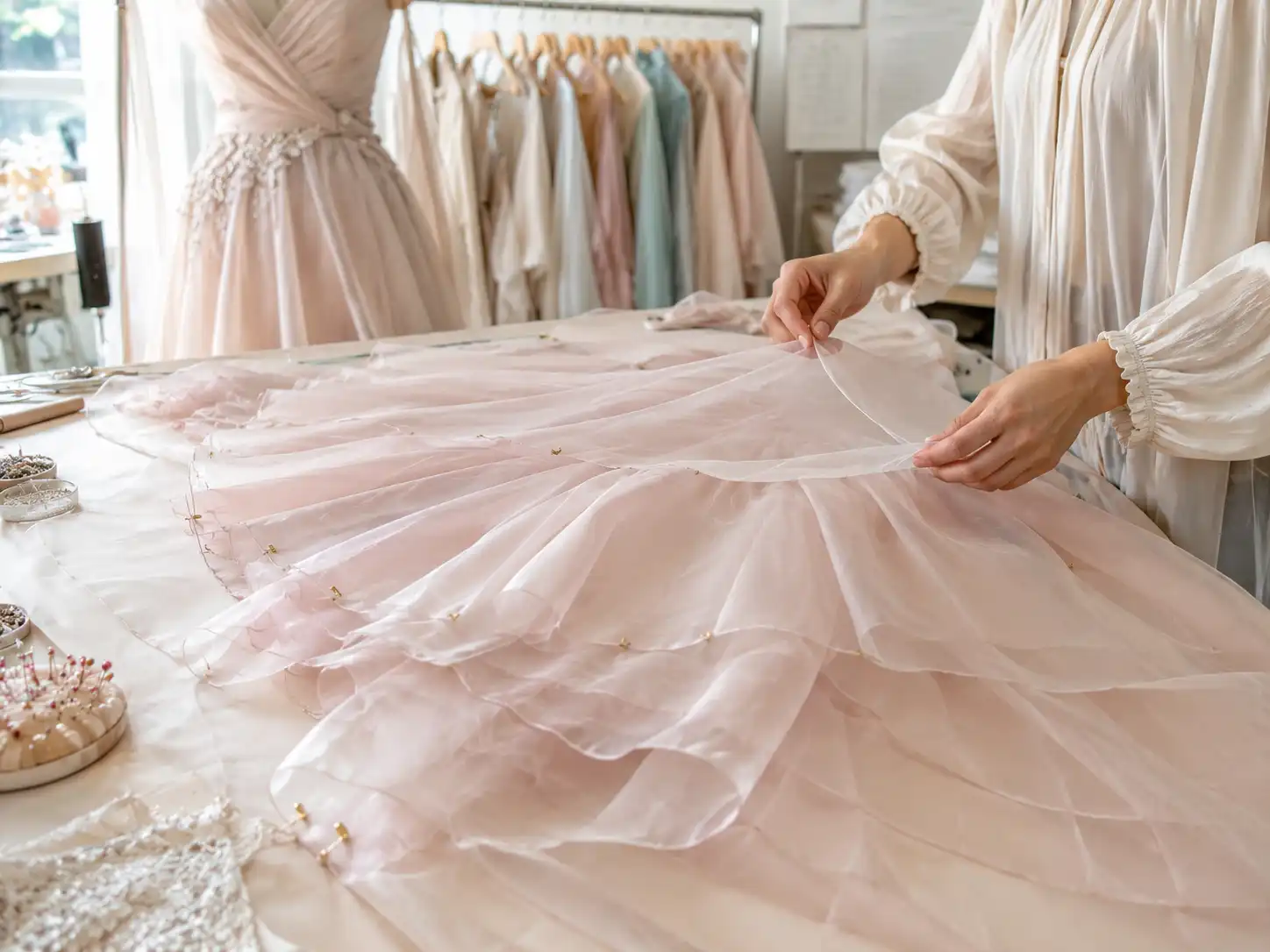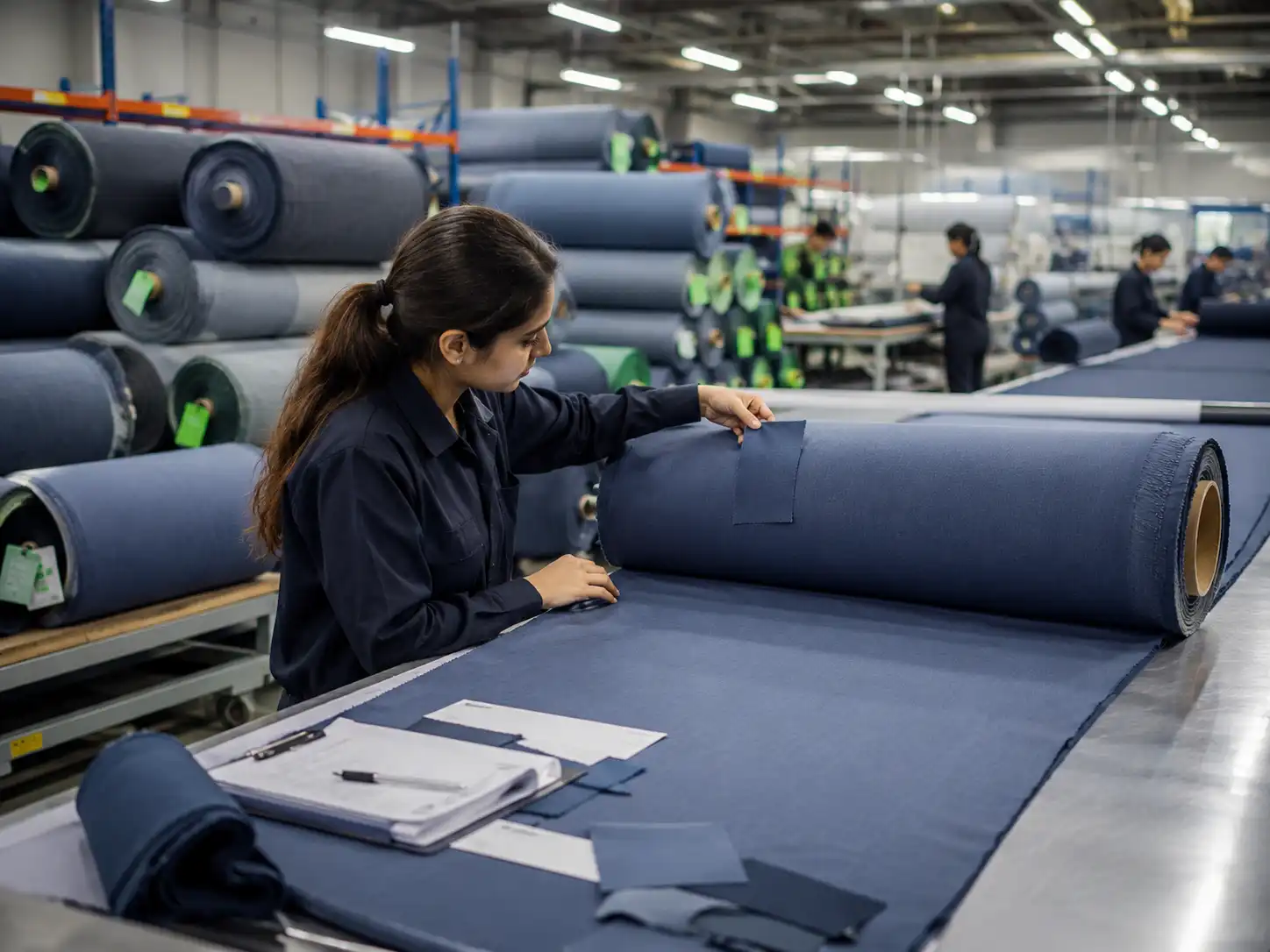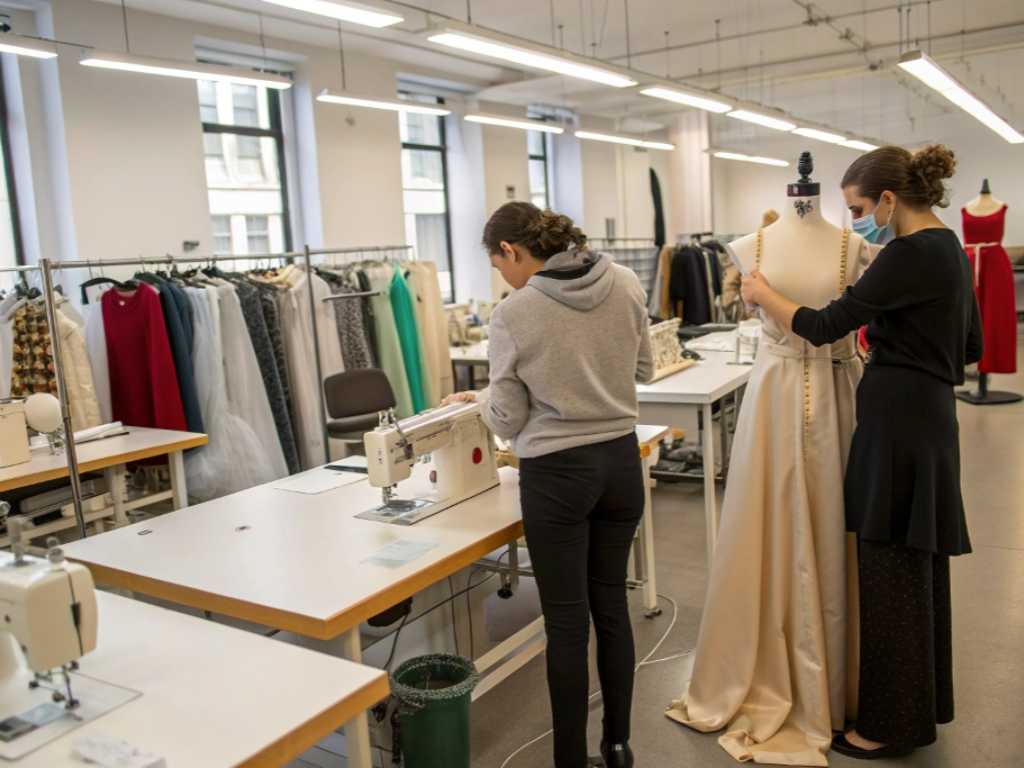
H&M dominates the global fashion industry with affordable pricing, fast production, and strong branding. Competing with such a giant is tough, but startups can find success by focusing on differentiation, sustainability, and niche markets1.
To compete with H&M, a clothing startup should focus on quality, sustainability, and unique branding. Offering personalized experiences2, ethical fashion, and digital-first strategies can help attract loyal customers who seek alternatives to fast fashion.
H&M has built a strong market presence, but there are gaps that smaller brands can exploit. Let’s analyze how startups can compete.
What is the competitive advantage of H&M?
H&M’s success is not just about low prices—it’s built on a powerful supply chain, branding, and global reach.
H&M’s competitive advantage lies in its fast-fashion model, efficient supply chain, global presence, and affordability. It leverages economies of scale, trend-driven production, and digital marketing to stay ahead of competitors.
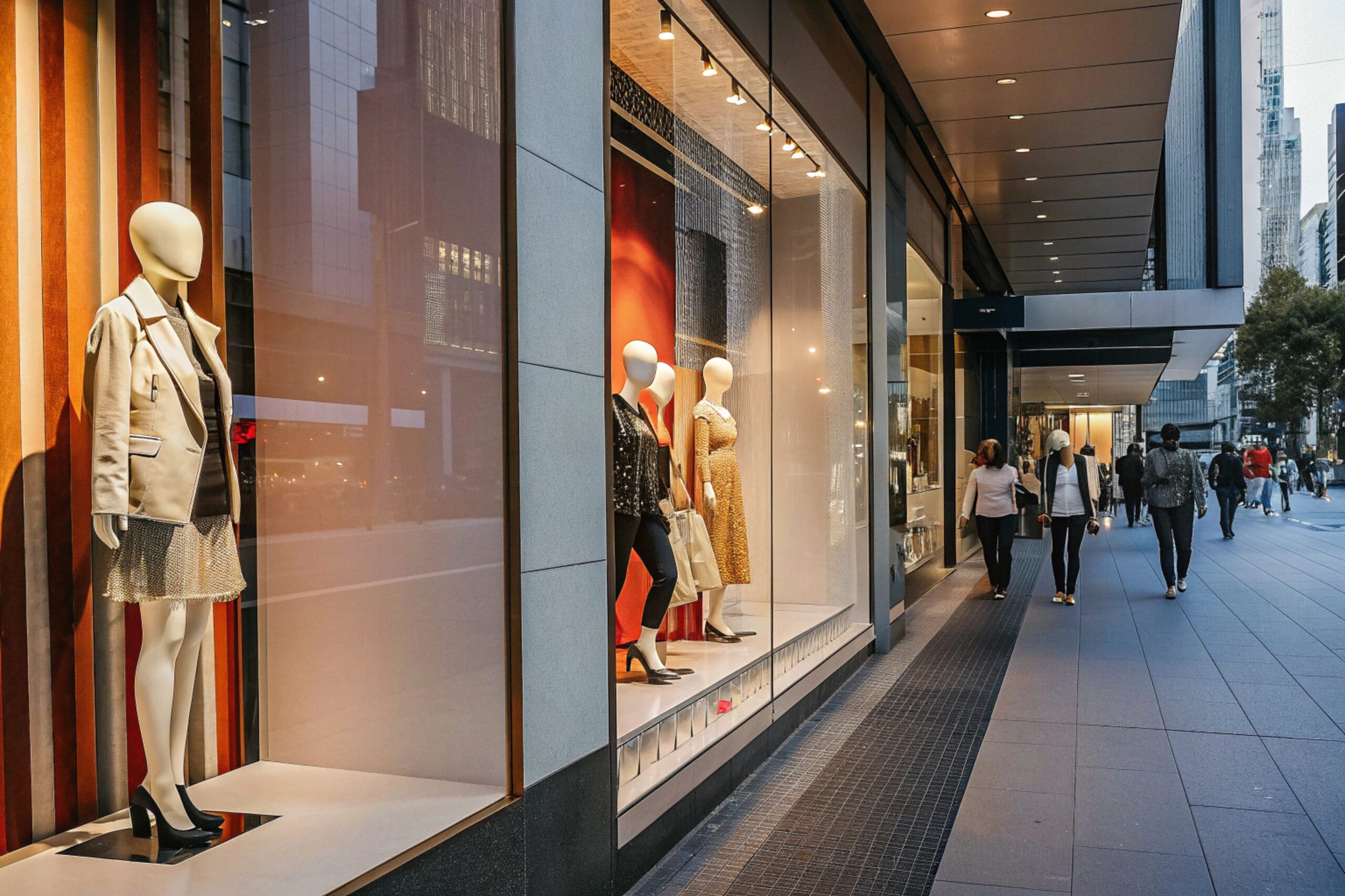 Luxury Fashion Window Display
Key competitive advantages of H&M
| Competitive Factor | How H&M Excels |
|---|---|
| Fast production | Quickly turns trends into products |
| Low-cost manufacturing | Sources from low-cost countries like Bangladesh and Vietnam |
| Global reach | Over 4,500 stores in 75+ countries |
| Brand recognition | Strong digital and offline marketing presence |
| Sustainability initiatives | Focuses on recycled materials and ethical sourcing |
Can startups compete with H&M’s scale?
H&M benefits from mass production, which allows it to price aggressively. However, startups can differentiate by focusing on:
- Sustainable and ethical fashion – Many consumers are shifting away from fast fashion.
- Personalized and custom fashion – Offering made-to-order or small-batch production.
- High-quality, long-lasting garments – Competing on durability rather than price.
What is H&M’s differentiation strategy?
H&M competes in the fast-fashion industry, but it uses differentiation strategies to set itself apart from competitors like Zara and Uniqlo.
H&M’s differentiation strategy focuses on affordability, sustainability, and collaborations with high-end designers. The brand maintains a balance between cost-effective production and trend-driven fashion to attract mass-market consumers.
H&M’s key differentiation strategies
| Strategy | How H&M Implements It |
|---|---|
| Affordability | Keeps prices low through economies of scale |
| Sustainability | Uses recycled materials, ethical sourcing |
| Designer collaborations | Partners with luxury designers like Balmain & Moschino |
| Fast supply chain | Adapts trends quickly and reduces production lead time |
| Omnichannel retail | Seamless shopping experience across stores and online |
Competing against H&M’s strategy
To differentiate from H&M, startups can:
- Offer exclusive and unique products – Limited-edition collections create demand.
- Focus on craftsmanship and quality – H&M prioritizes speed, so startups can win on durability.
- Provide transparency and ethical production – Consumers are willing to pay more for sustainable brands.
Who is H&M’s target audience?
H&M’s target audience is broad, but the brand primarily appeals to young, trend-conscious, and price-sensitive shoppers.
H&M’s primary customers are young adults aged 18–35 who seek trendy yet affordable clothing. The brand also attracts families and professionals looking for budget-friendly fashion options.
H&M’s customer demographics
| Factor | H&M’s Target Market |
|---|---|
| Age Group | 18–35 (primary), families, teens |
| Income Level | Middle to lower-middle class |
| Fashion Preferences | Trend-driven, fast-changing styles |
| Shopping Behavior | Price-conscious, frequent shoppers |
How startups can target a different audience
H&M serves the mass market, leaving opportunities for startups to focus on:
- Luxury or premium sustainable fashion3 – Higher-income consumers looking for ethical choices.
- Niche segments – Petite, plus-size, or gender-neutral fashion.
- Tech-integrated fashion – Smart fabrics and digital shopping experiences.
How does H&M attract customers?
H&M uses aggressive marketing, influencer collaborations, and digital engagement to attract and retain customers.
H&M attracts customers through influencer marketing, sustainable fashion campaigns, limited-edition collaborations, and an optimized online shopping experience. It also invests in AI-driven recommendations and loyalty programs.
H&M’s customer acquisition tactics
| Strategy | Implementation Example |
|---|---|
| Influencer marketing | Partners with fashion bloggers and social media influencers |
| Designer collaborations | Limited-edition collections with luxury brands |
| Sustainability campaigns | Conscious Collection featuring eco-friendly materials |
| Loyalty programs | H&M Member program offers discounts and perks |
| AI-driven shopping experience | Personalized recommendations on the website and app |
Competing with H&M’s marketing strategies
Startups can attract customers by:
- Using storytelling in branding – Authentic brand narratives can create strong customer loyalty.
- Leveraging micro-influencers – Small influencers have high engagement rates.
- Focusing on community-building – Exclusive memberships and local events can drive engagement.
- Offering superior customer experience – Personalized service can differentiate small brands from large retailers.
Conclusion
Competing with H&M requires a strong differentiation strategy. Startups can succeed by focusing on sustainable fashion, personalized experiences, and niche markets. While H&M dominates with affordability and trend-driven products, smaller brands can win by offering quality, exclusivity, and ethical production.
-
Discover potential niche markets that can help your startup thrive in a competitive landscape dominated by fast fashion. ↩
-
Learn how to enhance customer loyalty through personalized experiences, a key strategy for competing with giants like H&M. ↩
-
Explore this resource to understand how sustainable fashion can set your startup apart and attract eco-conscious consumers. ↩