
How Is Bulk Fabric Approved Before Garment Cutting?

Your trusted Women’s Apparel Manufacturer from China
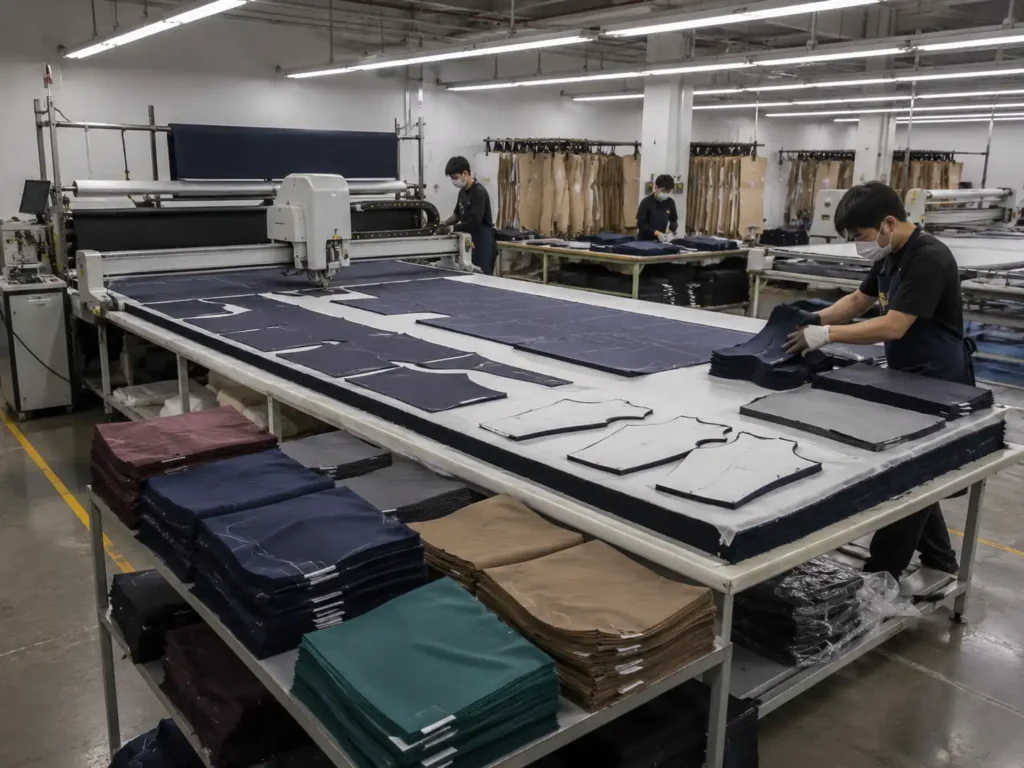
A beautiful sample can create a false sense of security. The color looks right, the fabric hangs well on the model, and the development team is ready to move forward. Then the production rolls arrive. Under controlled light, the navy appears slightly redder. One dye lot feels softer than another. The jersey stretches farther than the fabric used for fitting, while a satin roll reflects light in a noticeably different direction. These differences may look minor while the fabric remains rolled, but they can become expensive after hundreds or thousands of garment panels have been cut.
Bulk fabric is approved by comparing actual production fabric with the confirmed color, construction, hand feel, performance, and garment-use standards. Representative dye lots and rolls are identified, inspected, measured, shade-grouped, and tested. Authorized personnel then release specific fabric quantities for relaxation, spreading, and cutting, often with documented conditions that production teams must follow.
Approval is therefore not a quick signature or a casual visual check. It is a controlled decision about whether the material can reproduce the garment that was approved during development. Imagine discovering that bodices, sleeves, and skirts have been mixed across three shade groups only after sewing is complete. The line may have worked efficiently, but it has efficiently produced garments that cannot be shipped. Bulk fabric approval exists to stop that story before the first marker reaches the cutting table.
What Is Bulk Fabric Approval?
Bulk fabric approval is the formal confirmation that production fabric is suitable for the approved garment order. It verifies that actual rolls and dye lots match the agreed color, construction, hand feel, appearance, and performance requirements. The decision is normally completed before unrestricted cutting because fabric problems become harder and more expensive to correct after garment panels enter production.
Bulk Fabric vs Sample Fabric
Sample fabric and bulk fabric may carry the same article number, composition, and color name, yet still behave differently. Sample yardage is often taken from stock, a development lot, or a small trial run. Bulk fabric is produced in commercial quantities using full-width machinery, larger dye vessels, continuous finishing lines, and multiple rolls. Those larger conditions introduce variables that may not appear in a small cutting, including fabric tension, dye absorption, heat setting, softener level, print registration, and roll-to-roll variation.
The effect becomes more visible in fashion womenswear because fabric and silhouette are closely connected. A modest change in stretch can alter the bust, waist, and hip fit of a bodycon dress. A slightly heavier chiffon can change gathering and hem movement. Satin with stronger directional shine can reveal puckering that was less visible in the sample, while lace with a shifted motif repeat can reduce usable cutting area. Bulk approval confirms the real production input rather than assuming that the sample result will repeat automatically.
Lab Dip and Bulk Shade
A lab dip is a small dyed sample prepared before full production. Its main purpose is to confirm color direction against a physical standard, approved swatch, or agreed reference. After approval, the mill uses the selected recipe as the basis for commercial dyeing. Bulk shade approval asks a different question: did the production process actually achieve a usable result across the fabric quantity that will be cut into garments?
Laboratory and production equipment do not reproduce every condition in exactly the same way. Machine loading, water quality, dye circulation, temperature control, drying, and finishing can shift color depth, undertone, surface feel, width, or shrinkage. Printed fabric follows the same logic. A strike-off may approve artwork scale and color placement, but bulk fabric must still be checked for registration, repeat consistency, direction, edge-to-center variation, and defects over a much longer run. The lab dip defines the target; bulk approval proves that production reached it.
Approval Before Cutting
Fabric approval should normally be completed before unrestricted cutting because uncut material still offers several corrective options. It can be sorted, returned, refinished, redyed, replaced, reallocated, or separated by shade. Once the material has been converted into size-specific garment panels, those options narrow quickly, and the order may require recutting, re-sewing, additional inspection, or a delivery-date change.
Premature cutting can create mixed shades within one garment, incorrect shrinkage allowances, poor fit caused by changed stretch, higher consumption caused by reduced usable width, and replacement problems when hidden defects are discovered. In urgent projects, a brand may authorize limited cutting from selected rolls while a final result is pending. That exception should identify the exact lots, quantity, and accepted risk in writing. Proceeding at risk is not the same as approval, and the cutting room still needs a precise release instruction.
Product-Specific Risk
Bulk fabric should be judged in relation to the garment it will become. A small weight variation may be harmless in a loose resort dress but unacceptable in a corset style that depends on stable support. Minor shade variation may disappear within a textured print yet remain obvious across a plain satin matching set. The final decision should therefore connect laboratory data with silhouette, panel size, construction, lining, pressing, and intended care.
High-risk combinations include stretch fabric used for close-fitting silhouettes, satin used in large uninterrupted panels, lace requiring symmetrical motif placement, mesh layered over contrast lining, velvet requiring one-way cutting, sequined fabric with a heavy base, and viscose materials with dimensional instability. A fabric can pass a general test package and still be commercially unsuitable for a specific design. Approval must answer whether the material matches the standard, whether variation can be controlled during production, and whether the finished garment will still meet the intended appearance, fit, care, and quality expectations.
Which Standards Are Used for Approval?
Bulk fabric is approved against a defined set of physical references, technical specifications, test requirements, and garment expectations. Typical references include the approved lab dip, strike-off, fabric swatch, PP sample, golden sample, specification sheet, and physical color standard. Acceptable tolerances depend on fabric type, product construction, care method, brand requirements, and destination-market rules.
Approval References
A reliable decision begins with a clear hierarchy of references. Development projects often produce several standards, including a Pantone reference, approved lab dip, approved fabric cutting, PP sample, and later golden sample. Confusion begins when different teams compare the bulk fabric against different versions. The approving team should state which physical reference controls color, which reference controls hand feel and surface, and which document controls measurable performance.
Digital photographs are useful for communication but should not replace physical color standards. Cameras, phone screens, office monitors, and messaging platforms alter brightness, saturation, and white balance. Each retained reference should be labeled with the style, fabric article, color, supplier, approval date, version, and approving party. When references conflict, the team should resolve the discrepancy before production rather than choosing whichever standard is easiest to meet.
Practical Reference Hierarchy for Bulk Fabric Approval
Reference | Primary control | Important limitation |
Physical color standard | Hue, depth, and undertone | Can fade, become contaminated, or differ from a screen image |
Approved lab dip | Selected dye color direction | Does not prove full-scale dye-lot consistency |
Approved strike-off | Print color, scale, and registration | Small area may hide repeating or edge defects |
Approved fabric swatch | Hand feel, texture, weight, and finish | Small cutting may hide roll-to-roll variation |
PP sample | Fabric behavior in the confirmed garment | May represent only one selected roll |
Technical specification | Composition, width, GSM, stretch, and tests | Outdated versions create conflicting decisions |
Golden sample | Final garment appearance and construction | Does not replace inspection of incoming rolls |
Measurable Specifications
Specifications should be measurable enough to support a clear release or rejection decision. Descriptions such as premium hand feel, soft satin, or good stretch may help during design discussions, but they are too subjective for bulk control. A practical specification usually records fiber composition, construction, nominal GSM, total and usable width, stretch direction, recovery, shrinkage, skew, spirality, surface finish, transparency, colorfastness, pilling, and relevant strength or seam-performance requirements.
Every measurement also needs a defined method. Stretch results depend on specimen size, applied load, holding time, fabric direction, and recovery period. Shrinkage depends on washing temperature, cycle, detergent, drying method, and number of washes. Requirements should reflect the garment rather than the fabric in isolation. Fitted knit dresses need stricter stretch and recovery control, while lightweight woven dresses may require closer attention to seam slippage, drape, and opacity.

Color and Lighting
Color approval should be conducted under controlled lighting because the same fabric can appear different under daylight, retail lighting, office lighting, and warm interior light. Reviewers consider hue, depth, saturation, undertone, metamerism, face-to-back difference, side-to-center variation, beginning-to-end roll variation, and coordination between shell, lining, mesh, thread, and trims.
Metamerism is especially important when several materials use different fibers or coloring processes. Two components may appear to match under one light source and separate under another. Directional surfaces add another layer of risk. Satin, velvet, brushed knit, and pile fabrics can appear lighter or darker when rotated, so swatches must be aligned in the same grain and pile direction. Instrument readings can support the decision, but a numerical pass should not override an obvious visual problem on a large garment panel.
Working Tolerances
There is no universal tolerance that suits every fabric, color, and brand. Working limits should come from the client specification, agreed test method, product risk, and destination market. Common reference ranges can help teams identify unusual results, but they should never be used as automatic permission to accept fabric that will damage fit, appearance, or durability.
A fabric can remain inside a numerical limit and still be unsuitable. A width loss of two centimeters may prevent an approved marker from fitting. A small GSM change may alter the fall of a bias skirt. A color result within an instrumental range may remain visibly different on satin. The most reliable decision combines measured data with the PP garment, approved physical references, and the practical ability to control the fabric in cutting and sewing.
Common Working References – Confirm Client Limits Before Use
Control item | Common working reference | Production interpretation |
Fabric weight | Often target +/-5% | Fitted and structured styles may need tighter control |
Usable width | Not below marker need; often target +/-2.5 cm | Narrow width changes consumption and marker efficiency |
Woven shrinkage | Often around 3% or less | Fiber, wash method, and garment structure can change the limit |
Knit shrinkage | Often around 5% or less | Viscose and loose knits may require closer control |
Skew or spirality | Often around 3% or less | Visible twisting after care is more important than the number alone |
Pilling | Common target grade 3-4 or above | Method and test cycles must be specified |
Wash and rubbing fastness | Common target grade 3-4 or above | Dark and contrast colors may need stricter limits |
Stretch and recovery | Must match approved method | Stretch percentage without recovery data is incomplete |
How Is Bulk Fabric Inspected?
Bulk fabric inspection combines receiving control, roll identification, shade assessment, visual defect grading, measurement, and performance testing. Each roll should remain traceable by supplier, fabric article, dye lot, and roll number. Inspection findings and test results determine whether material is approved, shade-grouped, restricted, corrected, held, or rejected before it enters cutting.
Receiving and Traceability
Inspection begins when fabric arrives, not when the cutting department asks for it. The receiving team compares the delivery with the purchase order, packing list, approved specification, and production schedule. Each roll should carry a readable label showing supplier, fabric article, color, dye lot, roll number, declared length, and width. The goal is not simply to confirm quantity; it is to preserve the identity of every meter that may enter a garment.
Roll identity should remain traceable through inspection, relaxation, spreading, cutting, bundling, sewing, and replacement cutting. When a defect or shade concern appears later, the team should be able to find the original roll and lot without stopping the entire order. Fabric status also needs clear control. Pending inspection, pending test, approved, restricted, held, and rejected material should be physically or digitally separated so an unapproved roll cannot enter production by mistake.
Shade Band Control
A shade band is prepared by collecting representative swatches from production rolls or dye lots and arranging them to show the actual color range. Swatches should be cut to a consistent size, marked with the roll and lot number, aligned in the same fabric direction, and reviewed under the agreed light source. The team may establish a central standard shade, acceptable neighboring groups, and outliers that require separate review.
Shade grouping does not mean visibly different material can be mixed freely. It is a cutting-control method. All visible components of one garment should normally come from the same approved shade family, especially in plain dresses, jumpsuits, matching sets, and styles with large bodice or skirt panels. Satin, velvet, brushed materials, and some ribs must also be aligned in one direction because rotation can create an apparent color change even within the same roll.
Defect Inspection
Fabric rolls are commonly reviewed on an inspection machine or table under consistent light and controlled tension. Inspectors record the type, size, frequency, and position of holes, stains, slubs, broken yarns, barre, streaks, crease marks, snags, bowing, skewing, print faults, coating variation, missing sequins, damaged embroidery, and width changes. The position matters because a central repeating defect can be more damaging than several isolated marks near the edge.
The four-point system is widely used to turn visible defects into a comparable score. A common formula is: points per 100 square yards equals total defect points multiplied by 3,600, divided by inspected yards and fabric width in inches. Around 40 points per 100 square yards is often used as a general industry reference, although premium plain fabrics, pale colors, and highly visible panels may require stricter limits. The score supports judgment; it does not replace judgment.
Typical Four-Point Defect Scoring Reference
Defect measurement | Typical points | Practical note |
Up to 3 inches | 1 point | Record location and whether the defect repeats |
Over 3 to 6 inches | 2 points | Consider usable-width loss, not only the score |
Over 6 to 9 inches | 3 points | Long marks may affect several garment panels |
Over 9 inches | 4 points | No single defect normally receives more than four points |
Hole or opening up to 1 inch | Commonly 2 points | Brand manuals may apply different treatment |
Hole or opening over 1 inch | Commonly 4 points | Often requires cutting avoidance or rejection |
Performance Testing
Testing should reflect the actual garment, expected care method, fiber, color, and destination market. Typical checks include composition, GSM, width, dimensional stability, skew, spirality, stretch, recovery, tensile or tear strength, bursting strength for knits, seam slippage, pilling, abrasion, snagging, wash fastness, rubbing fastness, perspiration fastness, and print or coating adhesion. Not every fabric needs every test, but each known garment risk should have a corresponding check.
Results must lead to production action. If shrinkage is higher than the development fabric, pattern and measurement plans may need adjustment. If usable width is lower, marker consumption must be recalculated. If recovery is weaker, a fitted style may need another lot or revised pattern. High-risk fabrics also need sewing and garment trials: satin for puckering and pressing marks, chiffon for seam slippage, mesh for neckline stability, lace for motif placement, and sequins for cutting damage, seam bulk, skin comfort, and packing protection.

Who Approves Bulk Fabric?
Bulk fabric approval is shared across the mill, garment manufacturer, quality team, merchandising team, technical staff, and brand. The supplier prepares traceable samples, shade bands, inspection records, and test results. Internal teams assess production readiness, while the brand or its authorized representative usually confirms sensitive appearance, color, hand-feel, and deviation decisions before cutting release.
Mill and Factory Roles
The fabric mill is responsible for producing the agreed material and providing accurate lot, construction, finishing, and technical information. The garment manufacturer has a different responsibility: confirming that the delivered material is suitable for the specific order. That work includes receiving inspection, shade-band preparation, testing coordination, garment-use assessment, risk communication, and cutting control.
A mill may state that a fabric falls within its own production tolerance, but the factory must consider whether that tolerance works for the garment. Variation that is routine for a mill may remain obvious in a plain satin dress or coordinated set. A useful submission identifies the article, color, dye lot, covered quantity, comparison standard, observed difference, test status, production effect, recommended action, and the date by which a decision is needed. This turns an isolated swatch into a decision package.
Brand Review
The brand normally reviews the elements that influence product identity, customer perception, and commercial risk. Color, surface character, hand feel, drape, shine, lining coordination, fit effect, and PP-sample performance often require brand involvement because they affect whether the product still belongs in the intended collection. Technical and quality teams also examine shrinkage, stretch, construction compatibility, and test results.
Approval routes should be established before bulk fabric arrives. Product development may control visual direction, technical teams may evaluate fit and construction, quality teams may control test compliance, and merchandising may assess timing and quantity. Comments should be specific enough to act on. “Too dark” gives limited guidance, while “bulk is darker and redder than the approved standard under D65 lighting” provides the mill and factory with a measurable direction for correction or resubmission.
Dye Lots and Reorders
Each dye lot should be identified and assessed because separately processed batches can vary even when the recipe is unchanged. Direct brand approval is more likely for sensitive colors, large plain panels, matching sets, satin, velvet, mesh, replacement yardage, split dye-house production, or repeat orders placed after a long interval. Lower-risk programs may allow an authorized factory team to accept additional lots inside an established shade range.
A repeat order should not automatically inherit the first order’s fabric approval. Stored swatches and records create a valuable target, but raw materials, machinery, environmental conditions, and finishing processes can change. The new approval record should state exactly what it covers, including supplier, article, dye lot, roll range, quantity, date, and conditions. “Navy approved” is too broad to protect a production order that may contain several separate lots.
Typical Responsibilities in Bulk Fabric Approval
|
Role |
Main responsibility |
Typical authority |
|
Fabric mill |
Produces fabric and provides lot and technical information |
Internal mill release and corrective action proposal |
|
Incoming quality inspector |
Checks identity, width, defects, and shade evidence |
Hold or release for further technical review |
|
Laboratory |
Performs specified physical and colorfastness tests |
Reports results; rarely gives final commercial approval |
|
Merchandiser |
Coordinates submission, timeline, comments, and closure |
Tracks status and escalates production impact |
|
Technical team |
Reviews shrinkage, stretch, construction, and garment use |
Technical recommendation or assigned approval |
|
Brand product team |
Reviews appearance, color, hand feel, and collection fit |
Brand approval within defined responsibility |
|
Quality team |
Confirms compliance with quality requirements |
Quality release, restriction, or rejection recommendation |
|
Cutting manager |
Uses only released rolls and approved shade groups |
Operational execution after documented authorization |
Decision Records
Approval decisions should be recorded in language that production teams can follow. Typical outcomes include approved, approved with comments, approved within a defined shade range, approved for selected rolls, restricted quantity approval, hold pending tests, corrective action required, resubmission required, and rejected. Any conditional decision should explain who owns the action and what evidence is needed before the hold can be removed.
The approval package may include the physical bulk swatch, shade band, roll inspection report, laboratory report, specification sheet, dye-lot list, photographs, approval email or portal record, corrective-action note, and final cutting release. Physical swatches should be protected and retained because digital records cannot reproduce hand feel, surface, drape, or exact color. The record is valuable only when the cutting, sewing, and replacement-panel teams can access and understand it.

What Happens After Approval?
After approval, identified fabric rolls are released under controlled conditions for relaxation, spreading, and cutting. Shade groups, shrinkage values, usable width, fabric direction, and any restrictions are transferred into production instructions. Approval records remain active through cutting and sewing so roll traceability, panel matching, measurement stability, replacement cutting, and repeat-order consistency can be maintained.
Cutting Release
Approval does not mean that every roll can immediately be spread together. The cutting release should translate the decision into exact production instructions. It may list approved dye lots, roll numbers, shade groups, usable quantities, relaxation needs, fabric face, grain and nap direction, shrinkage allowance, marker restrictions, defect-avoidance rules, width groups, and the styles or colorways assigned to each lot.
Relaxation is particularly important for knits, stretch fabrics, and material wound under tension. Many factories use a working period of roughly 12 to 24 hours for tension-sensitive fabric, but the correct period should come from actual behavior and the factory method. Width should also be verified before an approved marker is used. If usable width is lower than planned, consumption and lay planning must be recalculated before cutting, not after a shortage appears near the end of production.
Shade Management
Approved variation still requires active control. Rolls from different shade groups should be separated, clearly labeled, and assigned to separate lays. Bundle tickets should retain roll and group identity so sewing lines can keep garment components together. Fronts, backs, sleeves, waistbands, facings, and skirt panels can appear mismatched when they come from different lots, even though every individual roll was approved.
Replacement cutting is a frequent weak point. When a panel is damaged during sewing, the replacement should come from the same roll or approved shade family whenever possible. Directional fabric must also keep consistent orientation. Satin, velvet, brushed surfaces, and some prints may require one-way cutting, which consumes more fabric but protects visual consistency. Shade management therefore continues through sewing and final inspection rather than ending when the cutting ticket is signed.
Rejected Fabric
Rejected fabric should be isolated immediately so it cannot be used accidentally. The next action depends on the cause, affected quantity, delivery window, and ability to correct the problem. Options include reinspection, roll sorting, removal of damaged sections, re-dyeing, refinishing, rewashing, reprinting, replacement, restricted allocation, supplier claim, or cancellation of the affected quantity.
Corrective action can introduce new risks. Re-dyeing may change hand feel, strength, width, or shrinkage. Additional finishing may reduce stretch or alter shine. Rewashing can improve loose color while increasing dimensional change. The corrected material therefore needs renewed review rather than automatic release. When only part of the delivery is affected, approved rolls may proceed, but the quantity calculation should include inspection loss, marker efficiency, cutting waste, and expected garment rejection before the team assumes that enough usable fabric remains.
Records and Repeat Orders
Fabric approval records create a technical history that supports replenishment, repeat production, seasonal updates, and supplier evaluation. Useful records include retained swatches, lab dips, shade bands, article numbers, composition, construction, GSM, usable width, stretch, recovery, shrinkage, colorfastness, defect level, dye lots, hand-feel comments, PP sample reference, cutting restrictions, production issues, corrective actions, and final garment results.
A repeat order should begin by reviewing that history rather than relying on the fabric name alone. The earlier record helps the team ask whether the mill is using the same yarn, construction, finish, and color target, and whether the first production exposed shrinkage, sewing, or shade risks. Strong records shorten later approvals and reduce repeated mistakes. More importantly, they keep the promise made by the original sample alive when the style returns months later in a new production run.
Share This Article :

Jerry Lee
Categories

Latest blogs
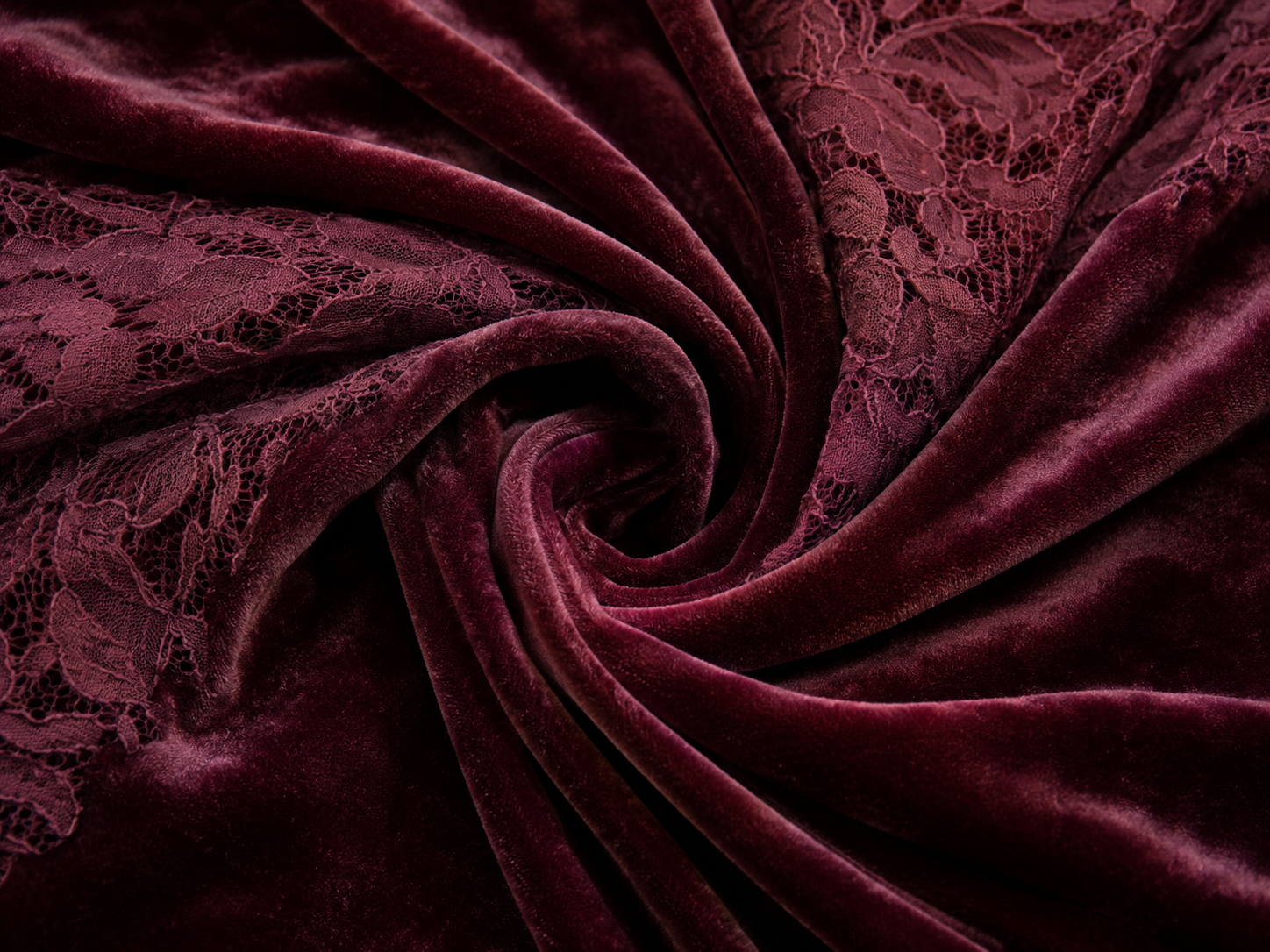

Table of Contents
Here, developing your OEM/ODM private label clothing collection is no longer a challenge—it’s an excellent opportunity to bring your creative vision to life.

