Skip to content

wo dresses can leave the same sewing line with equally clean seams and completely different development histories. One may have started as a moodboard, a target retail price, and a few reference images that the factory translated into a pattern, fabric plan, fit standard, and production file. The other may have arrived with a finished tech pack, approved sample, labels, barcodes, and packaging instructions. Both can carry the same private brand name, yet the manufacturer’s responsibility, the brand’s control, and the commercial risks are not the same.
ODM dress manufacturing is generally the stronger choice when a brand needs the manufacturer to help shape, engineer, sample, and prepare the garment for repeatable production. Private label is the stronger choice when the product is already defined and the main requirement is controlled manufacturing, brand labels, packaging, and delivery. Many established dress programs combine both models, using different levels of development for different styles.
The distinction becomes expensive when it is left vague. A team may believe it has commissioned original development while the supplier is adapting a shared block. A factory may quote branding-only production while the client expects new pattern work and several fit corrections. The problem usually appears after the first sample, when time has already been spent and the collection calendar is harder to protect. The following comparison shows what each model actually changes, where the terms overlap, and how to choose a structure that works beyond the first order.
What Is ODM Dress Manufacturing?
ODM dress manufacturing is a development-led arrangement in which the manufacturer helps turn a commercial idea, sketch, reference garment, moodboard, or incomplete technical brief into a production-ready dress. The service can include pattern development, material selection, fit correction, construction planning, sampling, grading, quality preparation, private-label execution, and bulk-production coordination.
What ODM Covers
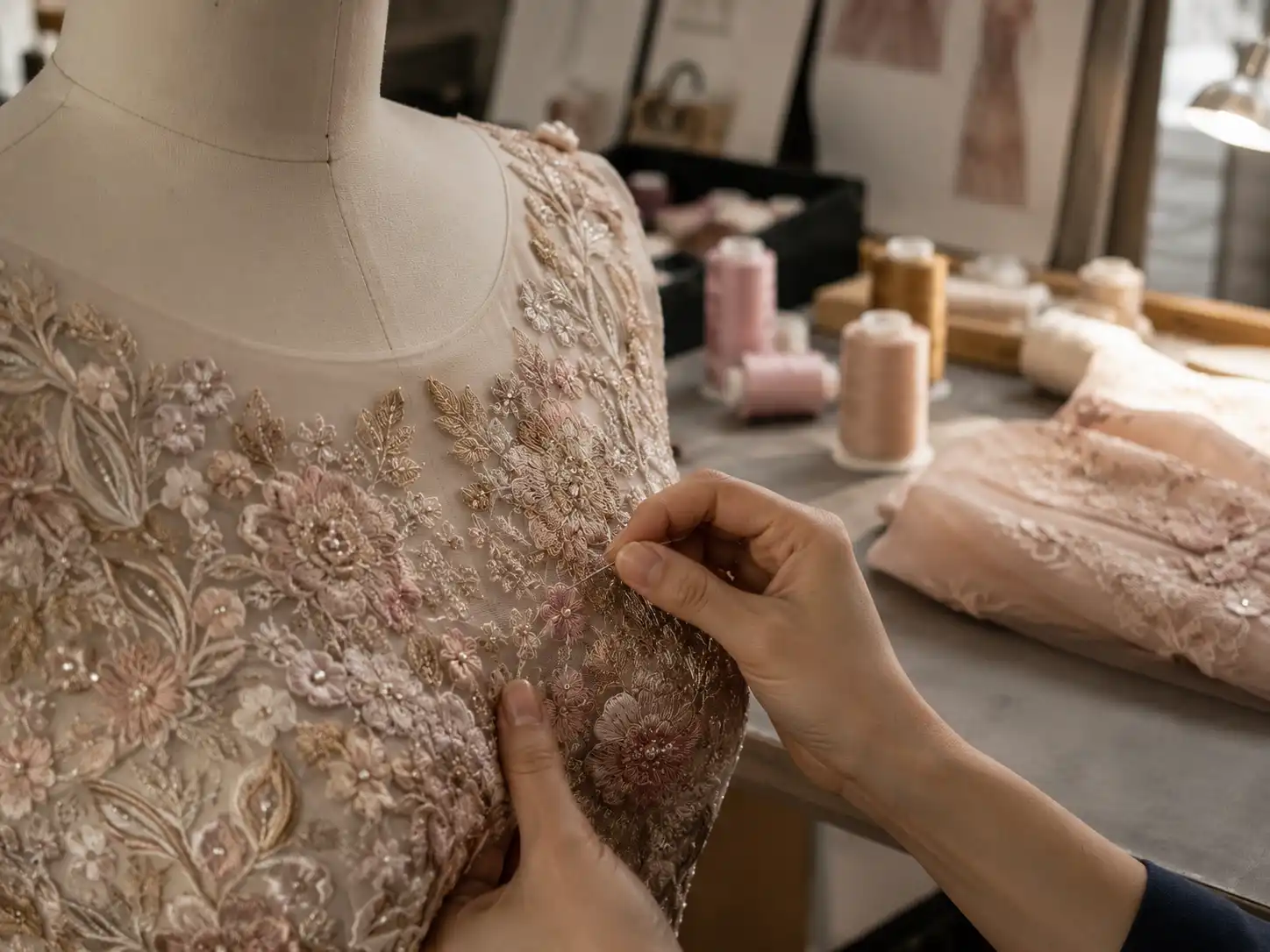
A capable ODM partner begins before the sewing stage. The brand may provide a target customer, expected retail position, collection mood, reference photographs, preferred silhouettes, launch month, quantity plan, and cost ceiling. The manufacturer then interprets those commercial inputs as technical decisions involving pattern shape, fabric performance, lining, trims, seam construction, support, closures, measurement points, and the sequence in which the garment can be assembled consistently.
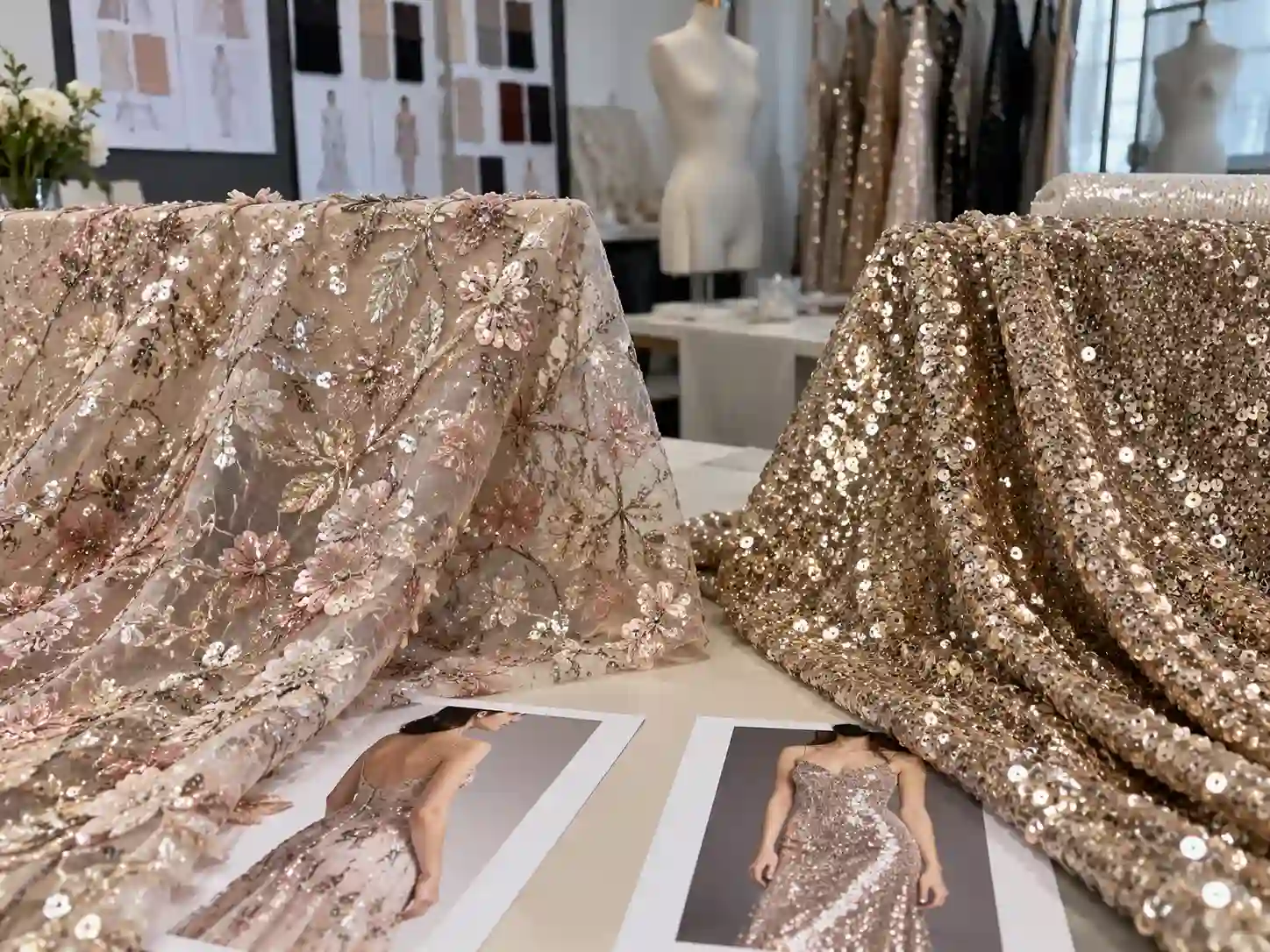
This work is especially important in dresses because visual simplicity often hides structural difficulty. A strapless mini dress may require internal elastic, boning, cups, grip tape, a carefully positioned zipper, and enough negative ease to stay secure without becoming uncomfortable. A satin slip dress may need grain control, stabilized openings, carefully selected seam finishes, and a lining that does not distort the outer layer. An ODM team is valuable when it can identify these needs before bulk cutting begins.
The useful output is not only a sample. It is a set of decisions that can be repeated: an approved pattern, measurement chart, bill of materials, fabric and trim references, construction notes, sample comments, quality checkpoints, label placement, and packing instructions. When those records are missing, a good-looking sample may still fail to become a stable production standard because the sewing line is forced to interpret details again.
Customization Depth
ODM customization ranges from modest adaptation to full product development. Changing a color or label usually leaves the pattern untouched, while changing a neckline, sleeve, fabric, internal support, or drape can alter several connected parts of the garment. The correct development path depends less on how dramatic the change looks and more on whether it changes fit, tension, balance, opacity, construction order, material minimums, or the way the garment behaves after pressing and wear.
A frequent mistake is treating a fabric replacement as a surface decision. Switching from a stable crepe to stretch mesh changes ease, seam type, lining, recovery, measurement tolerance, and sometimes the entire pattern. Replacing black satin with ivory satin may create transparency that requires a denser lining or double layer. Extending a mini dress into a maxi may affect seam support, zipper length, skirt balance, fabric consumption, and packing method. Each adjustment should therefore be linked to a technical review rather than approved from appearance alone.
| Customization level | Typical change | Technical impact | Approval evidence |
| Branding update | Main label, care label, hangtag, barcode, polybag | Usually no pattern change; packaging lead time and component minimums still apply | Approved artwork, placement sheet, packing sample |
| Style adjustment | Sleeve, neckline, strap, slit, hem length, trim | Pattern correction may be needed; fit and balance should be rechecked | Revised pattern, updated measurements, revised sample |
| Fabric change | Satin to crepe, mesh to jersey, lace to woven | May change ease, drape, opacity, seam type, lining, pressing, and cost | Approved swatch or bulk fabric, fit sample, updated BOM |
| Structural change | Corset, boning, cups, cut-outs, ruching, layered skirt | Usually requires new pattern work, construction testing, and fit review | Construction sample, fit approval, PP sample |
| Full development | New silhouette, custom fit, materials, details, and branding | Complete development cycle from brief to sealed production standard | Tech file, approved materials, graded measurements, sealed sample |
Design and Pattern Rights
ODM does not automatically transfer every design and pattern right to the client. Ownership depends on what existed before the project, what the brand supplied, what the manufacturer created, and what the agreement says. A factory may adapt an existing block while developing a new neckline, print, or trim treatment. Another project may involve an original client sketch and a newly developed pattern. Those situations should not be treated as legally or commercially identical.
Before sampling, clarify whether the base pattern is shared, whether the final version is exclusive, how long exclusivity lasts, which territories or channels it covers, who owns custom artwork, whether samples may be photographed, and whether patterns can be transferred or only retained for repeat orders. An NDA protects confidential files and launch information, but exclusivity, production rights, and image-use rights are better stated directly in the development agreement.
Best-Fit Brands
ODM works best for brands that understand their audience and product direction but need technical support to reach a reliable garment. A company may know the intended occasion, silhouette, price position, fabric mood, and visual references without having an internal pattern room or full garment-engineering team. In that situation, the manufacturer contributes the technical bridge between the creative brief and the approved bulk standard.
The model is less effective when the brief is only a vague request for something fashionable. Even an experienced manufacturer needs a target market, planned quantity, size range, wearing occasion, acceptable material level, and launch timing. Clear commercial direction gives the development team boundaries. It also prevents the factory from creating a technically sound dress that does not match the brand’s customer, price architecture, or collection identity.
Is Private Label the Same as ODM?
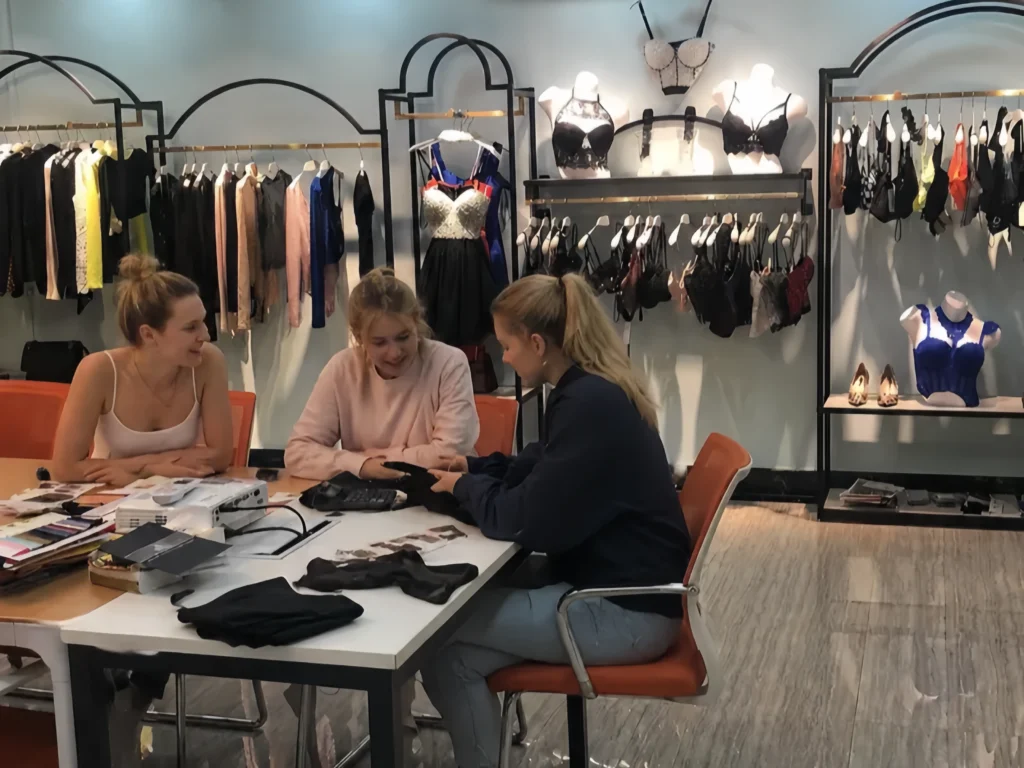
Private label and ODM are connected but not identical. ODM describes how the dress is developed and how much technical input comes from the manufacturer. Private label describes whose brand appears on the finished garment and packaging. A private-label dress can come from an existing style, an ODM project, or a fully client-developed OEM specification.
Private Label Scope
Private-label manufacturing means the finished dress is delivered under the client’s brand identity. At the simplest level, that can mean adding a main label and care label to an established style. In a more demanding program, the manufacturer must manage labels, size tabs, fiber content, country-of-origin details, hangtags, barcodes, folding, polybags, carton assortments, carton marks, and warehouse-specific instructions across many styles, colors, and sizes.
That operational layer is easy to underestimate. A dress can pass sewing inspection and still become unusable inventory when the barcode belongs to another color, the size sticker conflicts with the sewn label, or the carton assortment does not match the purchase order. Private-label control therefore links the physical garment to SKU data. The manufacturer should be able to trace the correct combination of style, color, size, label set, barcode, packaging method, and carton information through final inspection.
| Term | What it primarily describes | Typical manufacturer input | Main question to confirm |
| ODM | How the product is interpreted, engineered, and developed | Design interpretation, pattern work, fabric advice, sampling, fit correction, production preparation | Which parts are factory-developed, exclusive, or reusable? |
| Private label | Whose brand appears on the garment and packaging | Labels, care information, hangtags, barcodes, packing, retail presentation | Is the product itself standard, modified, or fully custom? |
| OEM / client-led production | Manufacturing from client-controlled specifications | Sampling and bulk execution against tech pack, approved sample, and materials | Are specifications complete enough to prevent factory assumptions? |
| ODM + private label | Factory-supported product development under the client’s brand | Development, sampling, production, labels, packaging, and delivery coordination | Are design rights, approvals, and version records clearly documented? |
Custom Design Options
Private label can include original product development, but the phrase itself does not guarantee it. Some suppliers use it for an existing garment with new labels. Others use it for a complete custom program involving a client sketch, original sample, new pattern, custom fabric, fit approval, branded trims, and dedicated packaging. The scope must be defined by the actual work rather than the service name used in a quotation.
A practical distinction is to ask which elements remain standard and which are created for the project. A dress may use a shared base block but receive a new neckline, sleeve, length, fabric, and trim package. Another may be developed from an original design and controlled through a client-owned specification. Both can be private label, yet their development cost, lead time, exclusivity, and replacement risk are very different.
Branding and Packaging
Private-label components should be developed alongside the garment rather than left until production is almost complete. Woven labels, printed care labels, hangtags, heat transfers, barcode stickers, polybags, tissue, inserts, hanger markers, and carton marks each require artwork, dimensions, materials, placement, and approval. Some components also have independent supplier minimums and lead times that may be longer than the garment sewing schedule.
For dress collections, placement deserves careful attention. A heavy woven label can pull on light chiffon, a heat transfer can show through pale stretch fabric, and a care label sewn into a close-fitting side seam can irritate the wearer. Packaging also affects presentation: sequins need protection from abrasion, satin needs controlled folding to reduce hard creases, and structured cups should not be crushed inside an undersized polybag.
Combined ODM Model
ODM and private label commonly work together. The manufacturer helps interpret the concept, recommends materials, develops the pattern, makes and revises samples, prepares the production standard, and then completes the garment with the client’s labels, packaging, and shipment information. This arrangement suits brands with a strong commercial identity that do not maintain every technical development function internally.
The combined model works well when responsibilities are visible. The brand should know which design details came from its brief, which technical solutions were developed by the factory, which materials are standard supply-chain items, and which parts are exclusive. Version control matters as much as ownership. The final pattern, measurement chart, BOM, label files, barcode list, packing method, and approved sample must all refer to the same product version before bulk production begins.
How Do ODM and Private Label Compare?
ODM and private label differ most clearly in development responsibility. ODM requires greater manufacturer input into the product, while private label concentrates on brand identity and controlled delivery. The useful comparison is not which label sounds more professional, but who defines the dress, how changes are approved, what creates cost and MOQ, and how quality and exclusivity are protected.
Design Control
Design control comes from defined approval rights, not from the service label. A brand can maintain strong control in an ODM project when it approves the silhouette, measurements, fabric, lining, trims, construction, sample fit, labels, packaging, and final pre-production standard. It can also have weak control in a private-label project when the product is selected from a shared range and only the branding changes.
Reference images alone do not create reliable control because they show appearance without revealing internal construction, garment measurements, fabric performance, seam finishes, support, closures, or tolerance. When those details are absent, the manufacturer must choose them. Every important choice should eventually become an approved pattern, measurement chart, material reference, construction note, artwork file, or sealed sample rather than remaining in scattered messages.
Speed, Cost, and MOQ
ODM can be faster when the manufacturer already has a proven dress block, suitable fabric channels, and experience with the intended construction. It becomes slower when the style requires a new corset, custom draping, unusual cut-outs, exclusive printing, special hardware, or repeated fit changes. Private-label production can move quickly when the garment is already approved, but custom labels and retail packing can still become the critical path if artwork or component orders start late.
MOQ is usually driven by the most restrictive part of the supply chain. A sewing unit may accept a planned garment quantity while the fabric mill, dye house, lace supplier, zipper factory, print process, or packaging supplier requires a larger minimum. Color fragmentation also matters. One style divided into several small colors may be harder to source and schedule than the same total quantity concentrated in one or two colors.
Cost comparisons should include development work, pattern changes, sample rounds, fabric consumption, lining, trims, sewing time, pressing, inspection, packing, wastage, and the risk of rework. The lowest first quotation is not necessarily the lowest landed product cost. A technically complete price often appears higher because it includes work that another quotation has left undefined until after sampling.
| Decision factor | ODM-led project | Private-label-led project | Control point |
| Starting information | Concept, references, target market, price position, incomplete technical details | Approved style, tech pack, reference sample, or existing product base | Confirm what is final and what still requires development |
| Pattern responsibility | Manufacturer often develops or adapts the pattern | Client may supply or approve the production pattern | Record pattern source, version, ownership, and repeat-order use |
| Sampling workload | Usually higher because fit and construction are still being resolved | Lower when product is already proven; higher for custom private label | Define sample types and approval sequence before quotation |
| Time-to-market risk | Driven by design decisions, material sourcing, and revision rounds | Driven by material confirmation, branding components, production, and packing | Build one timeline covering garment and packaging work |
| MOQ pressure | Often affected by custom fabrics, colors, trims, and new construction | Often affected by garment base, labels, packaging, and SKU fragmentation | Calculate MOQ by style, color, material, and component |
| Exclusivity | Must be negotiated when factory blocks or ideas are involved | May be non-exclusive when the underlying garment is standard | Separate custom, confidential, and exclusive elements in writing |
| Quality risk | Sample decisions may be lost if records are weak | Bulk may be consistent yet branding or SKU packing can fail | Use approved files, inline QC, final inspection, and packing checks |
Quality Control
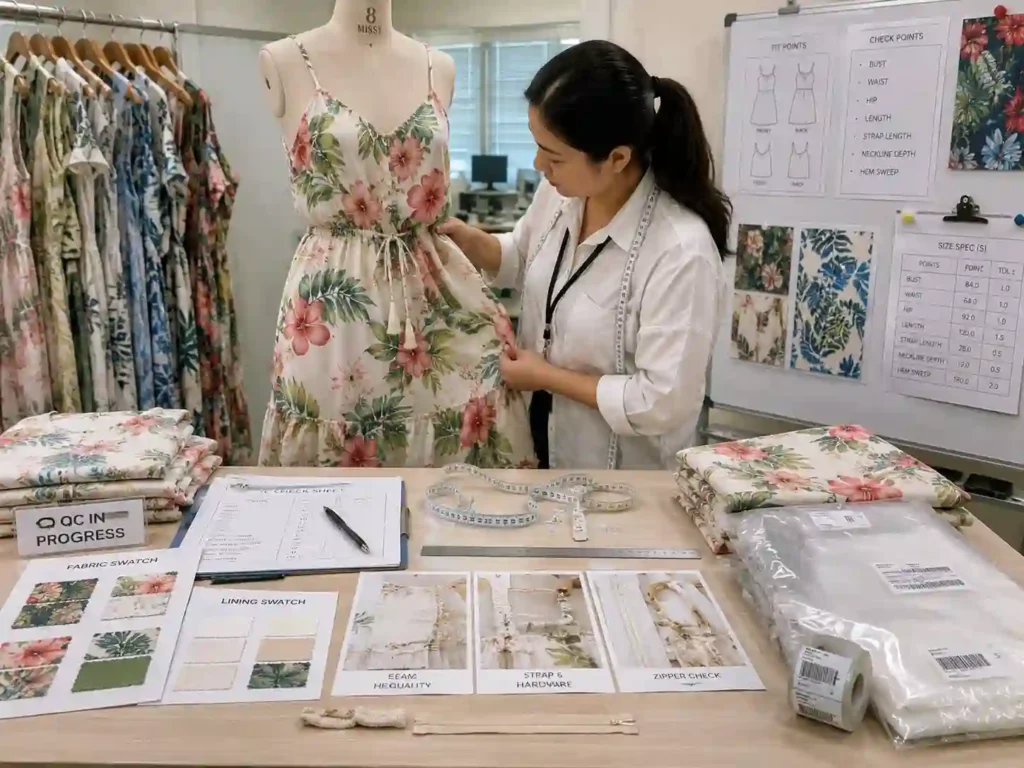
Neither ODM nor private label guarantees quality. Stable results come from a controlled transfer between sample approval and bulk production. Fabric should be checked before cutting, patterns and markers should be verified, early sewing output should be reviewed, measurements should be tracked, and finished garments should be inspected for appearance, workmanship, pressing, labels, barcodes, folding, and carton accuracy.
Dress-specific checks are more useful than a generic promise of strict quality. A bodycon dress requires stretch recovery, seam strength, and bust-waist-hip consistency. Satin requires grain, shade, puckering, snag, and pressing control. Lace requires motif placement, joining, edge finishing, and lining review. A maxi dress requires skirt balance, hem level, lining length, and packing that does not create permanent fold lines.
When a third-party inspection is requested, many apparel programs use an AQL sampling plan rather than checking every unit through one final external inspection. The exact level should be agreed by contract and product risk. AQL does not replace inline control, and a final pass does not prove that every garment is defect-free. It is one part of a wider prevention and verification system.
Exclusivity and Risk
ODM creates an exclusivity risk when a client assumes that factory-developed means client-owned. Basic private label creates a similar risk when an established style is presented as unique simply because it carries a different label. The practical protection is to identify the source of the pattern, artwork, fabric, trims, and construction, then define what can be reused and what cannot.
Not every style requires the same level of exclusivity. A campaign dress or long-term signature fit may justify a dedicated pattern, custom material, strict image restrictions, and defined territorial rights. A supporting seasonal style may use an adapted block or common fabric without damaging the brand. The decision should reflect the commercial importance, expected sales life, and ease with which a competitor could obtain a similar product.
Which Model Fits Your Dress Brand?
The right model depends on technical readiness, collection strategy, launch timing, and the value of product differentiation. Brands with complete specifications usually need execution-focused private-label or OEM production. Brands with a clear commercial concept but incomplete patterns and construction details often benefit from ODM. Mixed collections are frequently handled through a controlled hybrid model.
Technical Readiness
The first decision is how much of the dress is already defined. A complete tech pack should explain front and back appearance, measurements, measurement methods, fabric composition and performance, lining, trims, closures, seam and stitch requirements, color references, artwork, label placement, and packing. An approved original sample can provide additional information, but it should still be translated into production records rather than treated as the only instruction.
Technical files often appear complete while leaving important choices unresolved. A corset drawing may show boning without specifying type, placement, cup structure, underbust position, or lining. A ruched dress may show gathering without defining the controlled finished length. A stretch dress may list measurements without stating whether they describe the body or the garment. When the factory must answer these questions, the project contains an ODM component even if the order is described as private label.
Collection Strategy
A collection should not force every style into the same development model. Hero products, long-term silhouettes, and campaign dresses often deserve original pattern work, deeper fit testing, and stronger exclusivity. Supporting styles may be adapted from proven blocks. Repeat products should use controlled reproduction with retained records. This approach places development effort where it creates the most commercial value.
Before approaching suppliers, classify each SKU as new, adapted, or repeated. Note whether the fabric is stock, custom-colored, printed, or specially developed; whether the pattern is brand-controlled or factory-developed; whether exclusivity is required; and which sample will become the bulk standard. This simple status system makes quotations more comparable and reduces confusion when several styles move through development at different speeds.
Speed or Differentiation
Speed is easier when a style uses an established block, available fabric, standard trims, a focused color plan, and one consolidated sample-comment process. Differentiation usually takes more time when it depends on a proprietary fit, custom print, complex draping, structured corsetry, original lace placement, molded hardware, or several rounds of on-body correction. Neither priority is automatically better; the decision should match the product’s role in the collection.
Fast development is useful only when the dress remains commercially sound. Launching quickly does not help when neckline instability, poor grading, transparency, or uncomfortable internal structure later produces returns and negative reviews. Differentiation also needs discipline. Extra seams, embellishments, and unusual materials should improve fit, comfort, brand recognition, or wearing occasion rather than adding cost merely to make the garment look different.
Hybrid Production
A hybrid model is often the most practical structure for a multi-style dress range. A twelve-style collection might contain a few fully custom hero dresses, several styles adapted from approved blocks, a group of trend-led supporting products using available materials, and one or two repeat styles from the previous season. Each product receives a level of development suited to its importance, risk, and expected sales life.
Hybrid production depends on disciplined records. Every SKU should show the current pattern version, measurement file, approved fabric and color, trim set, exclusivity status, sample approval, label artwork, barcode list, and packing method. Without that control, the efficiency disappears because teams may use an old fit comment, outdated pattern, previous-season label, or incorrect packaging instruction. A mixed model works when flexibility is supported by precise product status.
How Do You Choose the Right Manufacturer?
Choose a dress manufacturer by checking evidence of product development, pattern and fit capability, fabric knowledge, sample control, production records, quality systems, private-label accuracy, capacity, confidentiality, and repeat-order support. A reliable supplier should explain how an approved idea becomes consistent bulk production, not simply offer attractive samples, factory photographs, or a low opening price.
Development Evidence
Start by asking who performs the work. A serious manufacturer should identify the people responsible for pattern development, sample sewing, fabric and trim sourcing, fit review, technical files, production follow-up, quality checks, and packaging control. The answer should match the complexity of the dresses being quoted. A factory experienced in basic knit tops may not be the right partner for bias-cut satin, corsetry, lace placement, or heavily embellished occasionwear.
Useful evidence includes sample-room capacity, pattern records, revision logs, measurement sheets, fabric and trim approvals, pre-production procedures, construction specifications, QC checklists, packing checklists, and repeat-order archives. Ask questions connected to the actual product. For satin, discuss grain direction, seam puckering, shade, snagging, and pressing. For mesh, discuss stretch direction, recovery, transparency, lining, and opening stability. Specific answers reveal more than broad claims about experience.
Sample Approval
Sampling should remove uncertainty in stages. A first sample checks the overall interpretation, a fit sample corrects proportion and measurements, a revised sample verifies agreed changes, and a pre-production sample confirms the final materials and construction before bulk. Photo or salesman samples may also be needed for campaign or wholesale use, but they should not be confused with the sample that controls production.
Comments should be consolidated into one approved document. Separate messages from design, merchandising, management, and sales teams can create conflicting instructions. Each comment should identify the affected area, current issue, required action, measurement where possible, and whether the change influences cost or timing. Once approved, bulk-relevant changes must be transferred into the pattern, size chart, BOM, construction instructions, QC checklist, and packing file.
Fit and Quality
Dress fit should be reviewed on the intended body shape or fit model, with front, side, back, movement, sitting, and walking considered where relevant. Important points include bust shaping, neckline security, shoulder position, armhole comfort, waist placement, hip ease, side-seam balance, zipper behavior, slit height, skirt drape, hem level, lining interaction, and strap stability. Stretch and non-stretch products should not be managed with identical assumptions.
Quality control begins before sewing. Incoming fabric inspection, shade review, shrinkage or stretch assessment, marker verification, cutting checks, early-line inspection, measurement tracking, finished-garment review, pressing control, and packing verification prevent defects from spreading. Final inspection should confirm workmanship and presentation, but it cannot repair a pattern, fabric, or process decision that was wrong from the start.

Quote Preparation
A useful quotation begins with useful information. A single front-view image and a total quantity force the factory to guess the back design, fabric, lining, closures, construction, measurements, trims, size split, labels, packaging, and quality level. Two suppliers can quote very different prices because they have imagined different products. That does not make one automatically more competitive; it means the quotations are not based on the same scope.
Jinfeng Apparel develops and manufactures dresses, skirts, jumpsuits, matching sets, and related womenswear from Guangdong, China. The company’s documented system includes six owned women’s fashion factories, more than ten long-term satellite production partners, two sample rooms, experienced pattern and sample teams, coordinated quality inspection, and private-label packing support. Standard MOQ starts from 200 pieces per style and color, subject to fabric, color, trims, construction, packaging, and schedule.
For a project review, send the tech pack, reference images or sample, planned quantity by style and color, size range, fabric direction, target market, label and packaging files, launch date, inspection requirements, and target cost range when available. The development team can then determine whether the style needs ODM input, client-led private-label production, or a hybrid workflow, and prepare a quotation that identifies confirmed items, open decisions, material minimums, and expected approval steps.
A strong manufacturing relationship becomes more valuable after the first order because patterns, measurements, fabric references, trim records, packing standards, and quality lessons can be retained for repeats and later collections. To discuss custom dresses, occasionwear, bodycon styles, satin, mesh, lace, sequin garments, jumpsuits, or coordinated sets, contact Jinfeng Apparel at info@jinfengapparel.com or by Phone and WhatsApp at +86 18929465598.
| Information to send | Minimum useful detail | Risk when missing |
| Style reference | Tech pack, original sample, sketch, or front/back/detail images | Factory must guess hidden construction and product scope |
| Fabric direction | Composition, weight or hand feel, stretch, opacity, finish, preferred swatch | Quotation, pattern, lining, and sewing assumptions may differ |
| Quantity plan | Pieces per style and color, planned size range and ratio | Material MOQ and production efficiency cannot be assessed accurately |
| Fit standard | Base size, point-of-measure chart, target market, fit comments or approved sample | Sample may look correct but fail the intended body and grading standard |
| Branding files | Main label, size label, care label, hangtag, barcode, placement, polybag, carton marks | Packing can be delayed or stock can be mislabeled |
| Timing | Required sample date, approval window, bulk delivery date, shipping destination | Supplier cannot test whether sourcing and production windows are realistic |
| Quality requirement | Measurement tolerance, key workmanship points, inspection method, retailer rules | Price may exclude controls expected later in the project |
| Confidentiality | NDA need, unpublished styles, artwork, image restrictions, exclusivity request | Design and launch information may not receive the required protection |