
Linen vs Viscose for Resort Dresses: Which Fabric Should Fashion Brands Choose?

Your trusted Women’s Apparel Manufacturer from China
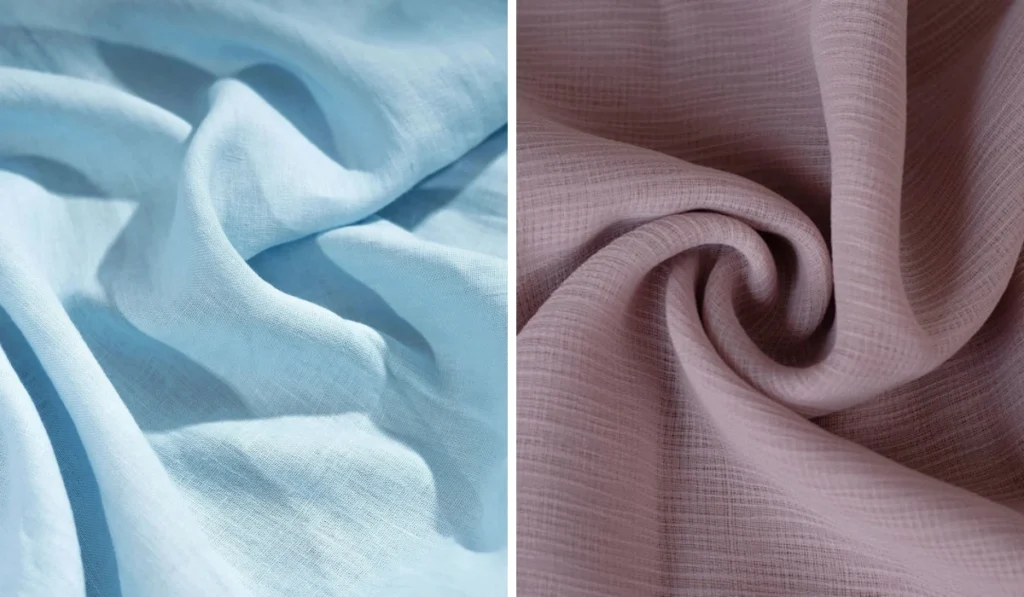
Resort dresses look effortless on the rack, but they are not effortless to develop. A customer may see a breezy maxi dress, a printed wrap dress, or a soft halter style and think about the mood: sun, travel, beach dinners, linen sandals, warm evenings. A product team sees something more complicated: fabric weight, shrinkage, drape, opacity, seam stability, print clarity, packing wrinkles, size grading, and whether the same dress can survive repeat orders without looking different season after season. That is why linen vs viscose for resort dresses is not a simple fabric debate. It is a commercial product decision that affects customer comfort, retail value, production risk, and long-term repeatability.
For most resort dress collections, linen is better when the brand wants natural texture, breathable structure, and a premium vacation look. Viscose is better when the style needs fluid drape, soft hand feel, vivid prints, and a relaxed feminine silhouette. Linen-viscose blends often give the most balanced result for commercial resort dresses.
The real risk is not choosing the wrong fabric in theory. It is choosing a fabric that looks perfect in a moodboard but fails in sampling, wrinkles too much in packaging, shrinks after washing, becomes sheer under sunlight, or loses the intended shape after bulk production. One resortwear brand can win a season with the right fabric. Another can lose margin through returns, alterations, and delayed launches. The difference often starts with one fabric decision.
What Makes a Fabric Good for Resort Dresses?
A strong resort dress fabric should feel cool, move naturally, hold the intended shape, resist excessive wrinkles, and stay stable after washing, packing, and bulk production. Linen, viscose, and linen-viscose blends can all work, but the right choice depends on silhouette, target market, fabric weight, opacity, shrinkage, and how the garment will be worn during travel.
A premium resort dress development moodboard on a clean studio table, showing linen and viscose swatches, a technical sketch of a maxi dress, measuring tape, color cards, and a relaxed coastal fashion mood. Natural daylight, refined editorial style, no text overlay.
Buyer Expectations
Resort dresses are not judged only by how they look on a hanger. They are judged in heat, humidity, movement, luggage, photos, and real customer wear. A customer expects the dress to feel light enough for warm weather, polished enough for vacation dinners, and practical enough to pack without becoming unwearable after one flight.
For fashion brands, that means the fabric must support both emotion and performance. A resort dress should create an instant lifestyle image: relaxed, sunny, breathable, easy, and flattering. Behind that image, the garment still needs reliable measurements, controlled shrinkage, clean seams, correct opacity, and consistent bulk quality. A fabric that photographs beautifully but feels sticky, stiff, transparent, or unstable after washing will not become a reliable repeat style.
Comfort and Climate
Resort dresses are often sold for summer, tropical travel, cruise holidays, beach resorts, warm-weather events, and vacation wardrobes. This makes comfort a major fabric decision. Breathability, moisture absorption, drying behavior, and skin feel all affect whether the customer will actually enjoy wearing the dress.
Linen performs well when the customer wants a dry, breathable, natural feel. It is especially suitable for hot climates where the garment needs some structure and air circulation. Viscose feels smooth, soft, and cool to the touch, making it attractive for flowy dresses and printed vacation styles. Linen-viscose blends can sit between the two, offering a natural surface with a softer hand feel. Climate also affects color and construction. White or pale resort dresses need stronger opacity checks than black or printed styles because lightweight fabrics may become transparent under sunlight.
Practical Fabric Targets for Resort Dresses
Fabric Need | Common Practical Target | Why It Matters |
Lightweight summer comfort | 110-160 GSM for soft flowy styles | Improves drape, movement, and warm-weather wearability |
Structured resort look | 160-220 GSM for shirt dresses or A-line styles | Supports plackets, collars, pockets, seams, and shape |
Shrinkage control | Often targeted under 3% after wash testing | Helps protect length, bust, waist, and fit consistency |
Opacity check | Required for white, ivory, cream, yellow, and pale blue | Reduces see-through risk in daylight and customer photos |
Packing test | 24-48 hours folded before review | Shows how the dress may look after ecommerce shipping or travel |
Hang test | 24 hours for midi and maxi lengths | Helps identify hem drop, twisting, and balance problems |
Drape and Shape
Drape decides whether a resort dress feels fluid, structured, relaxed, or premium. Linen and viscose behave very differently here. Linen has more natural body and texture, so it works well for clean silhouettes such as shirt dresses, relaxed minis, kaftans, sleeveless A-line dresses, and button-front midis. It can make a dress feel architectural without looking formal.
Viscose has more fluid movement. It falls closer to the body and creates soft folds, which makes it suitable for wrap dresses, printed maxis, tiered dresses, halter dresses, and slip-style vacation pieces. The common mistake is selecting fabric before the silhouette is fully understood. A crisp linen may look beautiful as a swatch but feel too stiff in a tiered maxi. A soft viscose may move elegantly but fail to support a structured collar or button placket. Fabric and pattern must be developed together.
Brand Positioning
Fabric also communicates market level. Linen often gives a premium, natural, coastal, Mediterranean, or minimalist feeling. It suits brands that want a more elevated resortwear image and can educate customers that natural wrinkles are part of the fabric character. Viscose often supports feminine, printed, colorful, romantic, and easy-wear resort collections. It can make dresses look more fluid and accessible.
A linen-viscose blend can be more commercially flexible. It gives some linen texture while reducing stiffness and improving softness. For brands selling online, this balance can be important because customers judge from photos first, then confirm quality by touch and fit after delivery. A strong resort dress collection may use more than one fabric group: linen for premium neutral pieces, viscose for printed and flowy styles, and blends to bridge the middle of the assortment.
Is Linen Better for Resort Dresses?
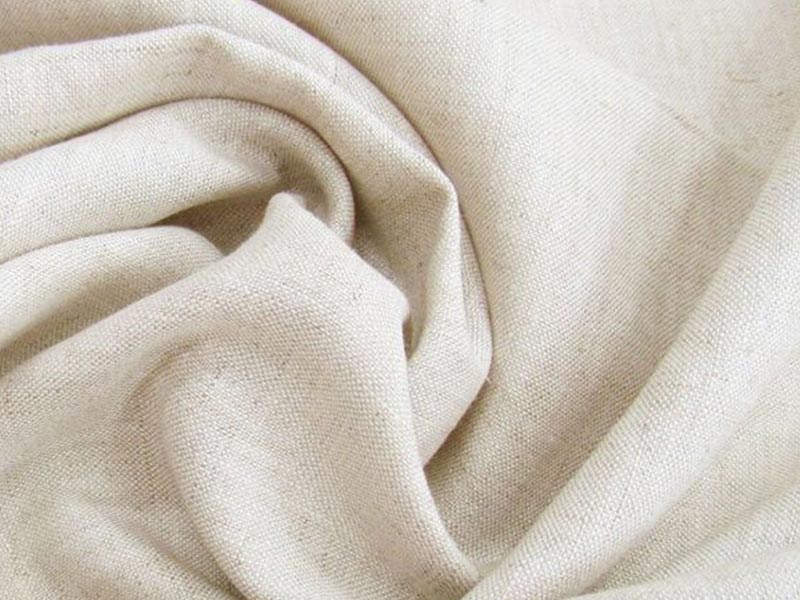
Linen is better for resort dresses when the design needs natural texture, breathable structure, and a premium vacation look. It works especially well for shirt dresses, kaftans, relaxed minis, A-line dresses, and clean resort midis. Its main risks are wrinkling, shrinkage, stiffness, and opacity in light colors, so testing before bulk production is essential.
Close-up of a premium linen resort shirt dress and relaxed A-line dress on a mannequin, with visible linen texture, clean collar, belt, natural neutral colors, and soft coastal lighting. Editorial product development style, no model face, no text overlay.
Linen Strengths
Linen has a strong emotional value in resortwear. It immediately suggests summer, nature, travel, and quality. Even a simple linen dress can look more elevated because the fabric surface has visible texture and character. For brands building a premium resort collection, this visual message can be more powerful than heavy decoration.
Its biggest technical advantage is breathable structure. Linen can hold shape better than many soft drape fabrics, which makes it useful for collars, plackets, belts, pockets, square necklines, wide straps, and relaxed A-line silhouettes. It also gives garments a dry, airy feel that many customers associate with hot-weather comfort. Linen also works well in natural resort colors: white, ivory, oatmeal, sand, olive, navy, black, terracotta, soft blue, and muted green. These shades support timeless vacation styling and can help a brand create a more premium capsule collection.
Best Linen Styles
Linen works best when the design respects its structure. Good applications include shirt dresses, belted midis, kaftan dresses, sleeveless A-line dresses, button-front resort dresses, relaxed mini dresses, square-neck sundresses, and two-piece vacation sets. These styles do not need liquid movement. They benefit from linen’s body and texture.
For shirt dresses, linen gives collars and plackets a cleaner appearance. For kaftans, it creates a relaxed but refined shape. For A-line minis, it helps the skirt hold away from the body. For resort sets, linen gives the outfit a coordinated, lifestyle-driven feeling that works well for premium ecommerce photography. Fabric weight should be selected according to the dress structure. Lightweight linen can work for beach cover-up dresses but may need opacity checks. Mid-weight linen is often safer for commercial dresses because it provides better coverage and seam control. Heavier linen can feel luxurious but may become too stiff or warm for tropical markets.
Where Linen Works Best
Linen Dress Type | Common Fabric Direction | Practical Notes |
Shirt dress | Mid-weight linen or linen-cotton | Better collar, placket, pocket, and belt structure |
Kaftan dress | Light to mid-weight linen | Needs stable neckline, side seams, and controlled shrinkage |
A-line mini | Mid-weight linen | Good shape retention; check opacity in pale colors |
Button-front midi | Linen or linen-viscose | Control button gap, placket twisting, and shrinkage |
Relaxed maxi | Softer linen or linen blend | Avoid fabric that feels too stiff across long length |
Two-piece set | Linen or linen blend | Strong for premium resort capsule styling |
Linen Production Risks
The first risk is wrinkling. Some customers love linen wrinkles because they feel natural and relaxed. Others see them as poor presentation, especially when ordering online. This is why packing tests matter. A sample should be folded for at least 24-48 hours, then opened and reviewed without excessive steaming. If the dress looks too crushed, the brand may need a softer finish, a blended fabric, a different fold method, or a different fabric weight.
The second risk is shrinkage. Linen can change after washing, steaming, or garment finishing. A small percentage change can become obvious in dress length, sleeve length, bust fit, or waist placement. For maxi dresses, even a few centimeters matter. Fabric shrinkage testing and garment wash testing should happen before bulk cutting. The third risk is opacity. White or pale linen dresses can become sheer under strong daylight. Brands should test opacity on-body, under natural light, and with typical underwear colors. Lining, double layers, or heavier fabric may be needed.
When Linen Is Not Ideal
Linen is not always the best choice for soft, fluid, romantic resort dresses. If the design has delicate gathers, cascading ruffles, bias-style movement, or a very soft wrap silhouette, pure linen may feel too crisp. It can create volume where the designer wants flow.
Linen is also less suitable when the target customer wants low-maintenance travel wear. A customer packing for a long vacation may prefer a fabric that wrinkles less and can be refreshed quickly. In this case, linen-viscose, viscose crepe, or another blended fabric may be more practical. Price positioning matters as well. Pure linen can support higher retail value, but it may increase fabric cost, testing requirements, and customer care expectations. If a brand wants a highly commercial printed resort dress at a sharper price point, viscose or a blend may perform better.
Is Viscose Better for Resort Dresses?
Viscose is better for resort dresses when the design needs soft drape, fluid movement, smooth hand feel, and strong print expression. It suits maxi dresses, wrap dresses, tiered dresses, halter dresses, slip-style dresses, and floral vacation styles. Brands must manage shrinkage, seam distortion, hem balance, fabric relaxation, and print direction before bulk production.
A flowing printed viscose resort maxi dress in motion on a dress form or hanger, showing soft drape, floral print, lightweight movement, and smooth fabric surface. Bright resort color palette, clean studio background, no text overlay.
Viscose Strengths
Viscose makes resort dresses feel effortless. It falls softly, moves well, and creates a relaxed body line that works beautifully for vacation dressing. For brands focused on feminine silhouettes, printed maxis, soft midis, and easy summer dresses, viscose is often a very practical choice.
Its strongest advantage is drape. A viscose maxi can move with the body instead of standing away from it. A wrap dress can cross the waist smoothly. A tiered dress can feel light instead of bulky. This makes viscose especially useful for styles that need movement in model photography, video content, and real customer wear. Viscose also supports color and print. Floral patterns, tropical prints, scarf motifs, soft abstracts, and vacation color stories often look rich and fluid on viscose bases. Compared with linen, viscose usually gives a smoother print surface, though final results still depend on fabric construction and printing method.
Best Viscose Styles
Viscose works best for silhouettes that need softness. Strong choices include printed maxi dresses, wrap dresses, halter dresses, tiered dresses, slip-style dresses, sarong-inspired dresses, relaxed midi dresses, and soft resort sets. These styles benefit from viscose because the fabric creates movement without adding too much body.
A lightweight viscose challis may work for beachy flowy dresses, but it can be too sheer or unstable for some commercial styles. Viscose crepe can offer more texture and better grip. Viscose twill can provide more weight and control for shirt-style or button-front dresses. The base fabric matters as much as the fiber name. For long dresses, hem balance must be tested. Viscose panels can drop after hanging, especially if the fabric is soft or cut in a way that encourages movement. For wrap dresses, bust coverage and front overlap should be checked across multiple sizes. For tiered dresses, gather ratio must be controlled so the skirt does not become heavy or uneven.
Viscose Quality Control
Viscose needs careful handling from fabric inspection to final packing. The fabric should be relaxed before cutting because some qualities shift after unrolling. Cutting should follow grain direction carefully, especially for printed or directional designs. Sewing tension should be controlled to avoid seam rippling.
Shrinkage testing is one of the most important steps. A soft viscose dress that looks perfect in sample form can become shorter, tighter, or distorted after washing if shrinkage is not controlled. Brands should test both fabric shrinkage and finished garment measurements. For resort dresses, length, bust, waist, hip, strap length, and hem opening are especially important. Colorfastness and print quality also matter. Bright resort prints should be checked for shade consistency, print clarity, rubbing, and washing behavior. If a brand plans repeat orders, an approved bulk fabric cutting should be kept as a physical reference.
When Viscose Is Not Ideal
Viscose is not ideal when the dress needs strong structure. A sharp shirt dress, tailored resort midi, or crisp button-front style may look weak if the viscose is too soft. Collars may collapse, plackets may twist, and pockets may pull the fabric down. In these cases, linen, cotton-linen, viscose twill, or linen-viscose blends may be better.
Viscose can also be risky for very low-cost production if the fabric quality is unstable. Cheap viscose may shrink heavily, distort during sewing, or lose a clean surface after washing. For brands selling at a mid-to-premium level, the lowest fabric price is not always the safest option. It may also need more production discipline than buyers expect. Because viscose feels soft and easy, some teams underestimate the technical controls required. A beautiful viscose resort dress is not just a good fabric choice. It is the result of fabric testing, correct cutting, careful sewing, stable patterns, and well-managed bulk inspection.
Which Fabric Fits Each Dress Style?
Linen fits structured resort dresses; viscose fits flowing resort dresses; blends fit styles that need balance. Shirt dresses, kaftans, and relaxed A-line pieces often work better in linen. Maxi dresses, wrap dresses, halter dresses, and tiered dresses often work better in viscose. Linen-viscose blends are useful for commercial resort styles needing both texture and movement.
A split-layout fashion development board comparing resort dress silhouettes: linen shirt dress, viscose printed maxi, wrap dress, kaftan, and linen-viscose midi. Include fabric swatches and garment sketches, clean editorial lighting, no text overlay.
Maxi Dresses
Maxi dresses need careful fabric selection because length magnifies every fabric behavior. If the fabric is too stiff, the dress may feel heavy or restrictive. If it is too soft, the hem may drop, twist, or lose balance. If it is too sheer, the problem becomes obvious in sunlight.
Viscose is often strong for printed maxis, tiered maxis, wrap maxis, and soft halter maxis because it creates movement and a flattering vertical fall. It works especially well when the design needs a soft skirt, gentle gathers, or flowing panels. However, viscose maxi dresses should go through hang testing before final hem approval. Linen can work well for column maxis, sleeveless resort maxis, relaxed beach-to-dinner dresses, and simple A-line long dresses. It gives a more natural and structured effect. A linen-viscose blend can be a strong middle option when the brand wants linen texture but does not want the dress to feel too crisp.
Wrap Dresses
Wrap dresses need fabric that bends around the body without becoming bulky. Viscose is usually a strong option because it drapes softly at the waist, bust, and hip. This makes it suitable for floral wrap dresses, vacation midis, and feminine resort styles.
Pure linen wrap dresses can work, but they require more pattern control. The front overlap must be generous enough, the tie position must sit correctly, and the fabric should not be so stiff that the front panel flares open. Linen wrap dresses often look better when the silhouette is relaxed rather than highly fluid. Linen-viscose blends can be useful because they soften linen’s stiffness while keeping some texture. For production, wrap dresses should be checked across several sizes because bust coverage and overlap can change significantly after grading.
Shirt Dresses
Shirt dresses usually perform better in linen or linen-rich blends because they need structure. Collars, plackets, cuffs, waist belts, buttonholes, pockets, and topstitching all look cleaner when the fabric has body. Linen gives a resort shirt dress a polished but relaxed appearance.
Viscose can create a soft shirt dress, but the result is different. It feels more fluid and casual, less crisp and tailored. This can work for beachwear or relaxed vacation dressing, but it may not suit a premium structured shirt dress. If viscose is used, a twill or crepe quality may be safer than very soft challis. For linen shirt dresses, the key checks are button gap at the bust, collar shape after washing, pocket show-through, sleeve comfort, and belt loop strength. For pale colors, inside construction must be reviewed carefully because seam allowances, pocket bags, and labels may show through.

Printed Dresses
Viscose is often preferred for printed resort dresses because the smooth surface and fluid movement support floral, tropical, abstract, and scarf-inspired prints. It allows the print and silhouette to work together. A printed viscose maxi can feel more romantic and commercial than the same design in a crisp linen.
Linen prints can also be attractive, but the look is different. The print may appear more textured, casual, and artisanal. This can be excellent for hand-drawn motifs, washed stripes, coastal florals, and understated premium prints. It may be less suitable for highly detailed prints that need a very sharp surface. Print direction and panel placement should be confirmed before cutting. This is especially important for border prints, stripes, large florals, and asymmetric motifs. A print may look beautiful on fabric but become awkward when cut into a wrap front, tiered skirt, or center seam.
Fabric Match by Resort Dress Style
Dress Style | Stronger Fabric Choice | Why It Works | Key Production Check |
Shirt dress | Linen or linen-rich blend | Better collar, placket, and pocket structure | Button gap, shrinkage, pocket show-through |
Printed maxi | Viscose | Better movement and print expression | Hem balance, print direction, shrinkage |
Wrap dress | Viscose or linen-viscose | Soft front overlap and waist drape | Bust coverage across sizes |
Kaftan dress | Linen or linen blend | Relaxed structure and breathable texture | Neckline stability and side seams |
Tiered dress | Viscose | Softer gathers and lighter movement | Gather ratio and seam strength |
Resort midi | Linen-viscose blend | Balanced texture and drape | Fabric weight and wrinkle level |
How Do Linen-Viscose Blends Compare?
Linen-viscose blends combine linen’s natural texture with viscose’s softness and drape. They are often practical for resort dresses that need a premium vacation look without the full stiffness or wrinkling of pure linen. The final result depends on fiber ratio, fabric weight, weave, finishing, shrinkage control, and whether the silhouette needs structure or flow.
Close-up comparison of linen-viscose blend swatches, showing natural slub texture and softer drape, with a resort midi dress sketch, color lab dips, and fabric weight notes on a professional design table. Clean lighting, no text overlay.
Blend Benefits
A linen-viscose blend can solve common problems from both sides. Pure linen may feel too crisp, wrinkle heavily, or look too structured for some resort dresses. Pure viscose may feel too soft, lack texture, or need more careful handling. A blend can create a more balanced fabric that feels natural but still moves well.
For customers, this often means the dress feels softer than linen but still has a vacation texture. For brands, it can create a more commercial product: easier to style, easier to photograph, and more adaptable across different silhouettes. A linen-viscose midi, wrap dress, or relaxed maxi may appeal to customers who like the linen look but do not want heavy maintenance. Blends can also help a collection feel more cohesive. A brand may use linen-viscose across several resort styles while changing weight, color, print, or garment structure.
Ratio Matters
The blend ratio changes the fabric personality. A linen-rich blend usually keeps more texture, dryness, and structure. A viscose-rich blend usually feels softer, smoother, and more fluid. Two fabrics can both be called linen-viscose, but they may behave completely differently in garment production.
A 55% linen / 45% viscose fabric may be suitable for shirt dresses, structured midis, and resort sets. A 30% linen / 70% viscose fabric may work better for soft wrap dresses, relaxed maxis, and printed styles. Fabric weight and weave also change the result. A plain weave blend feels different from a twill, slub, dobby, or crepe-like texture. Brands should not approve a blend only from composition. They should check GSM, hand feel, shrinkage, wrinkle recovery, opacity, and seam performance. A good blend on paper can still fail if finishing is unstable or bulk fabric differs from the sample cutting.
Best Use Cases
Linen-viscose blends are especially useful for resort midi dresses, soft shirt dresses, relaxed wrap dresses, two-piece sets, button-front vacation dresses, and simple maxis that need both texture and drape. They are also suitable for brands that want to avoid the very crisp look of pure linen while keeping a natural summer mood.
Blends can be valuable for travel-friendly resortwear. They may wrinkle less aggressively than pure linen, depending on construction and finishing. They can also feel softer against the skin, which helps customer satisfaction. For ecommerce brands, this is important because customer reviews often mention feel, wrinkles, and fit more than technical fabric terms. However, blends are not the answer to every design. If the dress needs strong tailoring, a linen-cotton or heavier linen may be better. If the design needs very fluid, liquid movement, pure viscose or viscose satin may be better.
Cost and Consistency
Blends can help with cost planning, but they should not be treated as automatically cheaper or safer. Some linen-viscose fabrics are more cost-effective than premium pure linen. Others cost more because of better yarn, finishing, dyeing, or texture. The real cost should be judged by finished garment performance.
A lower-cost blend that shrinks badly, wrinkles heavily, or varies between lots can become expensive after sample delays, inspection failures, or customer returns. A slightly better blend may protect margin if it improves fit consistency, hand feel, and repeat order reliability. For repeat production, fabric consistency is critical. Brands should keep approved fabric cuttings, record supplier details, confirm bulk lot before cutting, and compare new lots against the approved standard. Resort collections often rely on repeat colors or returning silhouettes, so a small fabric change can affect how the whole product line feels.
How Should Brands Choose for Bulk Production?
Brands should choose resort dress fabric by testing the full garment, not only the swatch. Before bulk production, confirm fabric weight, shrinkage, opacity, drape, print direction, seam stability, size grading, packing wrinkles, and care performance. A beautiful sample must still remain stable through cutting, sewing, washing, packing, shipping, and customer wear.
Professional women’s apparel factory QC scene, measuring a resort dress on an inspection table with fabric swatches, tech pack pages, size chart, and private-label packaging nearby. Clean modern production environment, realistic lighting, no text overlay.
Fabric Testing
Fabric testing should happen before final sample approval, not after bulk fabric is purchased. The minimum practical checks include fabric weight, composition, shrinkage, colorfastness, opacity, hand feel, drape, and seam behavior. For resort dresses, packing wrinkles and sunlight opacity are especially important because these garments are often worn outdoors and shipped folded.
Shrinkage should be checked under the intended care method. If the garment will be labeled hand wash cold, test hand wash cold. If machine wash is expected, test machine wash. Record the difference in length, bust, waist, hip, sleeve, strap, and hem opening. Even a small percentage change can affect customer fit. Long dresses also need hang testing. A sample may look balanced immediately after sewing, but the hem can drop after hanging overnight. Testing before bulk approval helps avoid uneven hems across production.
Sample Approval
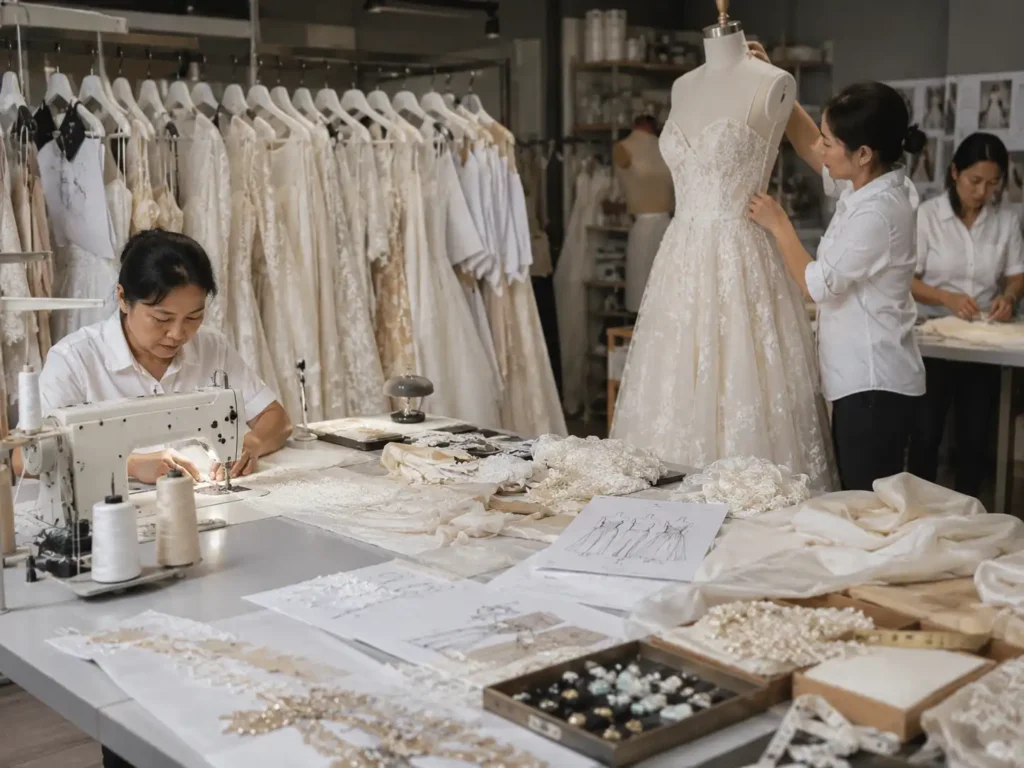
A sample should not be approved only because it looks good in photos. It should be worn, washed, steamed, folded, measured, and reviewed on fit. Resort dresses are often relaxed, but relaxed does not mean fit-free. Bust coverage, strap position, armhole depth, waist placement, hip ease, slit height, and length all affect real customer satisfaction.
The first sample should confirm general design and fabric direction. The revised sample should fix fit, construction, and fabric behavior. The PP sample should represent the actual production standard, including correct fabric, trims, labels, stitching, measurement, care label, and packing. Brands should also check more than one size when possible. A wrap overlap that looks safe in size S may be too narrow in larger sizes. A maxi length that works on one fit model may need adjustment for target market height.
Bulk Control
Bulk production requires clear standards. The factory should know the approved fabric, approved sample, measurement tolerance, stitch details, seam finishes, pressing method, label placement, packing method, carton rules, and inspection points. Without these standards, even a good fabric can produce inconsistent garments.
For linen styles, bulk control should focus on shrinkage, wrinkles, seam pressing, button placement, and opacity. For viscose styles, control should focus on fabric relaxation, cutting direction, seam ripple, hem balance, and shrinkage. For blends, the key is consistency between sample fabric and bulk fabric. Measurement tolerance should be realistic but firm. Resort dresses often have relaxed fits, but key points such as bust, waist, length, strap, armhole, and hem must still remain within approved limits.
Pre-Bulk Checklist for Resort Dress Fabric
Pre-Bulk Check | Why It Matters | Suggested Control |
Fabric GSM | Affects drape, opacity, and structure | Confirm against approved swatch and sample |
Shrinkage | Prevents post-wash size complaints | Test fabric and finished garment |
Opacity | Critical for white and pale resort colors | Check in daylight and under strong light |
Print direction | Prevents visual defects | Mark cutting direction and panel placement |
Hem balance | Important for maxi and midi dresses | Hang test before final approval |
Seam stability | Prevents pulling and distortion | Test high-stress seams |
Packing wrinkle | Affects customer unboxing | Fold test for 24-48 hours |
Size grading | Protects fit across size range | Review key sizes before bulk |
Sourcing Partner
A good sourcing partner should not simply ask which fabric the brand wants. They should ask what the dress needs to do. Is it a structured shirt dress, a printed vacation maxi, a soft wrap dress, or a linen-look travel midi? What is the target retail price? Which market will wear it? Will it be sold online, in boutiques, or through larger retail programs?
For custom resort dress production, it is useful to work with a manufacturer that can review tech packs, reference images, fabric swatches, original samples, size charts, and target quantities before confirming the development route. Jinfeng Apparel supports custom women’s fashion development from fabric sourcing, pattern development, sampling, and sample revision to bulk production, quality control, private-label packaging, and export delivery. For resort dress projects, brands can prepare tech packs, reference photos, original samples, target fabric direction, size range, color plan, quantity, and delivery schedule for review. The more clearly the project starts, the better the final fabric and garment decision will be.
Final Thoughts
The smartest answer is not that linen is always better or viscose is always better. The smartest answer is to match the fabric to the dress purpose, target customer, silhouette, care expectations, and production plan. Choose linen when your resort dress needs natural texture, breathable structure, and an elevated coastal mood. Choose viscose when the design needs soft movement, printed color, and a feminine silhouette. Choose linen-viscose blends when the collection needs balance, softness, and a natural-looking resort surface.
For fashion brands, the fabric decision should always lead to a production decision. What dress style are you developing? Which market will wear it? What retail price must it support? How much wrinkling will your customer accept? Will the dress be packed flat, hung, or shipped in ecommerce polybags? Does the garment need lining? Will the same style be repeated next season? Can the fabric supplier keep bulk quality consistent?
If you are developing a resort dress collection and want support with fabric selection, pattern development, sampling, fit correction, bulk production, quality control, private-label packaging, and export delivery, Jinfeng Apparel can review your project from a production-ready perspective. Send your tech pack, reference images, original sample, line sheet, fabric direction, target quantity, size range, and delivery plan. The team can help evaluate whether linen, viscose, or a linen-viscose blend is the best route for your resort dresses, then support the process from first sample to bulk delivery.
Share This Article :

Jerry Lee
Categories

Latest blogs

Table of Contents
Here, developing your OEM/ODM private label clothing collection is no longer a challenge—it’s an excellent opportunity to bring your creative vision to life.

