
How to Develop One Dress in Multiple Colors: A Production Guide for Fashion Brands

Your trusted Women’s Apparel Manufacturer from China

Developing one dress in several colors looks efficient because the pattern, silhouette, and construction have already been created. In practice, color expansion can introduce a new set of technical and commercial decisions. A black satin dress may hide seam shadows that become obvious in ivory. Red mesh may need a different lining from navy. A stock zipper that matches one shade may be unavailable for another. Once colors are divided across sizes, a seemingly simple three-color launch can also become fifteen or more separate inventory units. The opportunity is real, but so is the need for control.
To develop one dress in multiple colors, approve the fit, pattern, construction, fabric quality, and base measurements first. Then create a controlled colorway record for every shade, covering physical color standards, linings, trims, samples, quantities, dye lots, labels, and bulk approval. Treat each color as a separate SKU built on one shared technical foundation.
The most expensive color mistakes rarely begin on the sewing line. They usually begin earlier, when a digital swatch is treated as a production standard, when light colors inherit a lining designed for black, or when order quantities are split too thinly across colors and sizes. The following process shows how experienced dress teams move from one approved style to a coordinated multi-color range without losing fit, appearance, margin, or production consistency.
What Should Be Fixed Before Adding Colors?
Before adding colorways, approve the dress pattern, measurements, fit, construction, fabric specification, workmanship, and grading rules. These elements create one stable technical base. Each new shade can then be managed as a controlled variation, with only color-dependent items such as shell fabric, lining, thread, trims, labels, and packaging references changing.
Lock the Base Style
A multi-color program should begin only after the original dress is technically stable. The neckline needs to sit correctly, the waistline must fall at the intended level, the zipper should close without rippling, and the hem should hang evenly before another shade is added. When these points remain unresolved, every new sample repeats the same uncertainty and makes it harder to tell whether a problem comes from color, fabric behavior, or the pattern itself.
The approved base normally includes the master pattern, finished measurement chart, seam positions, construction sequence, stitch types, grading rules, fabric composition, expected weight range, stretch requirements, lining structure, and finishing standard. Fitted dresses also benefit from recorded stretch and recovery values. A paper pattern can be identical while two fabric lots produce different bust, waist, or hip results because their elasticity, shrinkage, or surface finish is not identical.
A useful operating rule is to approve shape before expanding palette. Four colors do not create four strong products when the base sample still has an unstable neckline or uneven skirt balance. They create four versions of the same unresolved issue. Fixing the shared technical foundation once is usually faster, less expensive, and easier to communicate than correcting the same defect after several color samples have already been made.
Separate Fixed and Variable Details
The development team should clearly separate the details that belong to the style from those that belong to a specific color. Pattern shape, finished measurements, seam placement, zipper length, lining pattern, hem width, and grading usually remain fixed. Main fabric shade, sewing thread, zipper tape, lining color, hardware finish, embroidery thread, labels, and color-specific barcodes normally require separate confirmation.
This distinction prevents instructions from becoming scattered across emails, chat messages, annotated photographs, and sample comments. A single fixed-versus-variable record allows design, merchandising, sourcing, production, and quality teams to see what is shared and what changes. It also prevents accidental redesign. When a request changes strap width, cup shape, or skirt length in only one shade, the team needs to decide whether that shade has become a separate style rather than a normal colorway.
The table below provides a practical control map. It is intentionally simple enough to use during development, but detailed enough to reduce repeated questions when the same dress moves through fabric sourcing, sampling, production, labeling, and future replenishment. It also gives each team a clear place to record responsibility and approval status.
|
Product Detail |
Normally Fixed |
Checked by Color |
Control Record |
|
Master pattern |
Yes |
Only if fabric behavior changes |
Approved pattern version |
|
Finished measurements |
Yes |
Verification may be needed |
Measurement chart |
|
Main fabric construction |
Yes |
Shade, lot, and finish |
Fabric specification |
|
Lining pattern |
Yes |
Shade and opacity |
Lining approval |
|
Sewing thread |
No |
Yes |
Thread card or code |
|
Zipper and hardware |
Sometimes |
Yes |
Trim approval sheet |
|
Labels and barcodes |
No |
Yes |
SKU artwork |
|
Packing method |
Usually |
Color and size marking |
Packing instruction |
Check Fabric Behavior
A new shade may use the same named fabric quality without behaving exactly like the approved base color. Dark dyeing, heat setting, washing, coating, and finishing can affect hand feel, shrinkage, stretch, recovery, usable width, and surface shine. Black jersey, for example, can feel firmer than a pale shade from the same range, while a heavily dyed satin may react differently during pressing or show more visible crease marks.
For woven dresses, compare usable width, shrinkage, bowing, skewing, drape, and surface defects. For stretch dresses, measure stretch in both directions and check recovery after relaxation. Satin requires attention to snagging, shine direction, color movement under light, and pressing marks. Mesh, chiffon, lace, and other transparent materials should be viewed over the proposed lining because the layered result may differ significantly from the loose shell swatch.
Not every new color needs a complete fitting cycle, but every production fabric should receive a short technical comparison with the approved base. When weight, stretch, shrinkage, and finish remain within the accepted range, the master pattern can normally continue. When those properties change noticeably, a limited fit or construction review is safer than discovering after cutting that one color hangs longer, fits tighter, or reacts differently during sewing.

Build a Colorway Page
Each shade should have a dedicated colorway page in the tech pack. The page should show front and back views, commercial color name, internal code, Pantone reference where appropriate, shell fabric reference, lining shade, thread code, zipper color, hardware finish, label details, size range, planned quantity, and approval status. Contrast panels, lace placement, piping, embroidery, prints, and embellishments should be mapped to clearly identified garment zones.
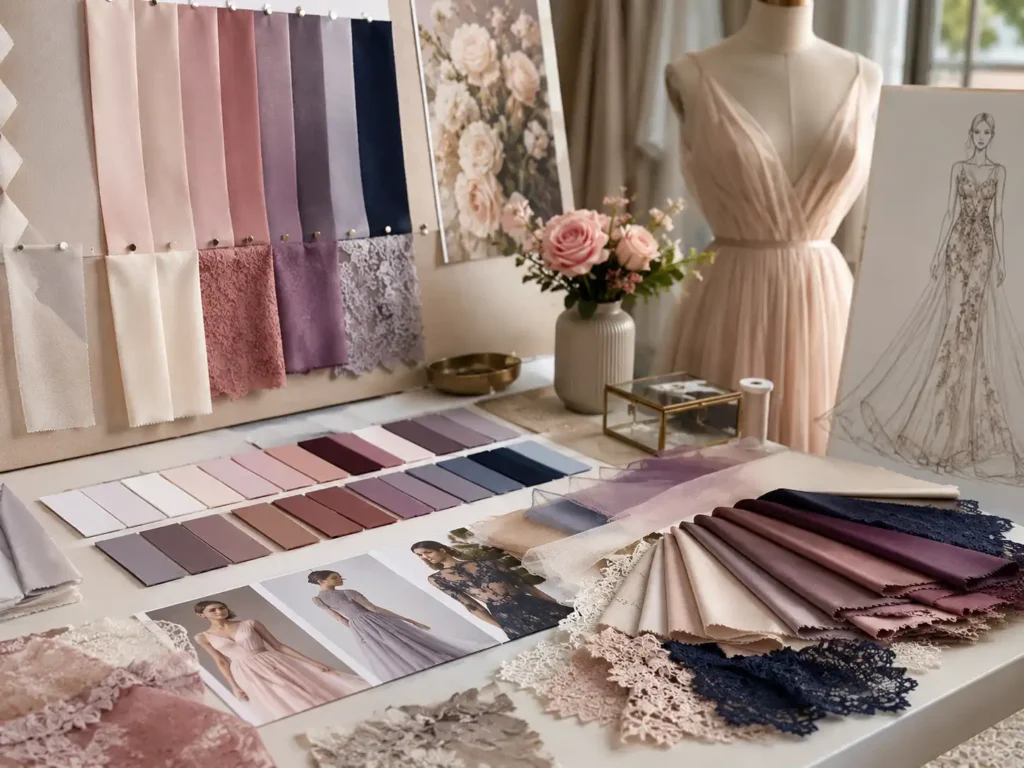
Names such as soft pink, wine red, or luxury beige are useful for marketing, but they are not reliable production standards. Different people interpret those descriptions differently, and screen color can shift between devices. Each name should connect to an approved physical swatch, lab dip, garment cutting, or other controlled reference. When several materials appear in one dress, the page should show whether they are intended to match exactly, coordinate tonally, or create a deliberate contrast.
Version control is part of color control. When cream changes to warm ivory, the revised file needs a date, version number, and updated approval status. The previous page should be marked obsolete so it does not return during trim ordering, barcode preparation, or packing. Retaining pattern, measurement, fabric, color, trim, and packaging records also gives future repeat orders a reliable starting point instead of forcing the team to reconstruct decisions from old conversations.
Which Colors Should You Develop?
Develop colors that fit the brand, target market, selling season, sales channel, fabric behavior, and production budget. A balanced range often combines dependable core shades with one or two seasonal or statement colors. The best palette is not the largest one; it is the range that can be sampled, stocked, marketed, and replenished without weakening margins or inventory health.
Plan the Color Range
For many new dress styles, two to four launch colors provide meaningful choice without creating unnecessary inventory fragmentation. Two colors keep a launch focused. Three colors allow a core neutral, a broad commercial shade, and a stronger visual option. Four colors can work for a proven silhouette or for a dress expected to appear across several campaigns, regions, or retail drops. More colors become easier to justify when the style already has dependable sales history.
Every new shade multiplies the SKU count. A dress offered in four colors and six sizes creates twenty-four color-size combinations before regional labels, lengths, or packaging formats are considered. If eight hundred pieces are divided evenly, each combination averages only about thirty-three units before the size ratio is adjusted. In reality, stronger colors and middle sizes often need more inventory, so an equal split can produce early stockouts in some combinations and slow stock in others.
The commercial question is not whether five colors look impressive in a line sheet. It is whether each shade can support fabric sourcing, trims, samples, photography, stockholding, and replenishment. Three well-planned colors often create a healthier launch than five thinly funded colors. A smaller palette also gives the brand clearer campaign images, cleaner product pages, and more meaningful sales data for deciding which shades deserve a repeat order.
Balance Core and Seasonal Shades
Core shades give a dress a longer commercial life because they are less dependent on a short trend cycle. Black, navy, ivory, chocolate, selected neutrals, and established brand colors can support repeat orders and familiar styling. Seasonal shades create freshness and make campaigns more distinctive, but they normally carry greater forecasting risk because their appeal may peak within a shorter selling window or vary more sharply between markets.
A practical palette can combine one dependable core color, one broad seasonal shade, and one stronger image-led color. An occasionwear label might use black, deep red, and soft blue. A resort range might use ivory, coral, and botanical green. A partywear program might rely on black and red, then add a metallic or saturated accent that works well in campaign photography and social content.
Historical sales should carry more weight than generic trend reports. A fashionable shade can attract attention and still perform poorly for a particular price point, customer age group, or retail channel. When reliable sales data is not yet available, the safest method is to protect the core volume and place a smaller share into the experimental color. The planning ranges below are useful starting points rather than fixed industry rules.
|
Colorway Role |
Planning Range |
Best Use |
Main Risk |
|
Core neutral |
35-55% of initial volume |
Long selling period and repeat orders |
Low differentiation |
|
Commercial fashion shade |
25-40% |
Broad seasonal appeal |
Forecasting error |
|
Statement color |
10-25% |
Campaign and social impact |
Lower repeat demand |
|
Light occasion shade |
10-25% |
Weddings, summer, and events |
Opacity and return risk |
|
Experimental shade |
5-15% |
Testing on a proven style |
Slow sell-through |
Match Color to Fabric
Color cannot be chosen independently from material. The same red can appear clean and saturated on crepe, reflective on satin, softened on chiffon, deeper on velvet, and more transparent on mesh. Fiber content, yarn structure, fabric density, surface finish, and lighting all change how a shade is perceived. A palette approved from digital squares may therefore look very different when the actual dresses are placed together.
Satin deserves special attention because its shine changes with viewing angle. A shade that looks rich in person may photograph brighter under studio lighting. Velvet has a directional pile, so panels cut in opposite directions can appear like two different colors. Chiffon, mesh, and lace depend heavily on the color beneath them, while rib knit and brushed jersey can look lighter on raised areas and darker in texture valleys.
Before confirming a palette, place the actual shell material over the intended lining and review it under daylight, warm indoor light, and the lighting normally used for ecommerce photography. The strongest color is not simply the most attractive swatch. It is the shade that looks right on the chosen fabric, remains consistent with the brand, performs under real selling conditions, and can be produced with acceptable repeatability.
Consider Lining and Opacity
Light shades often require more development than dark shades because internal construction becomes easier to see. White, ivory, blush, pale yellow, and light blue may reveal cups, boning channels, seam allowances, pocket bags, labels, or underwear. A pattern and lining solution approved in black can therefore produce an unexpectedly transparent or unfinished result when it is repeated in a pale color.
The lining should support the intended appearance rather than follow one automatic rule. A tonal lining can preserve the outer color, while a carefully selected nude may improve coverage without making the shell look heavy. Double layers can reduce transparency, but they also increase fabric consumption, garment weight, warmth, sewing time, and cost. Interfacing, bra cups, elastic, zipper tapes, and care labels need the same review because small internal mismatches are highly visible through light materials.
Dark colors also need judgment. A black lining under red mesh can dull the shell, while a tonal red lining may make the same dress look cleaner and richer. The final decision should come from physical layering tests and a complete garment view. Opacity, color shift, comfort, seam visibility, and photography should all be reviewed before the lining is released for bulk purchasing.

How Are Dress Colors Approved?
Dress colors should be approved through a physical evidence chain rather than screen images alone. A reliable sequence moves from an agreed color reference to lab dips or stock swatches, actual fabric review, lining and trim matching, garment sample confirmation, and bulk dye-lot approval. Each decision should be dated, identified, and retained for production inspection and future repeat orders.
Set a Physical Standard
A Pantone reference provides a useful common language, but it should not be the only production standard. Pantone chips are printed on paper, while dress fabrics may be shiny, sheer, textured, knitted, brushed, coated, or layered. The same reference can look different on polyester satin, viscose crepe, nylon mesh, cotton jersey, or velvet because each surface reflects light and receives dye differently.
A stronger approval package combines a recognized color reference with a physical fabric standard whenever possible. This may be an approved lab dip, customer-supplied cutting, original garment, fabric swatch, or signed sample. The record should include the fabric quality, composition, color name, internal code, approval date, and approving person. When a material has a strong direction, shine, or pile, the orientation of the approved cutting should also be marked.
Screens remain useful during early selection and communication, but they should not control bulk dyeing. Display brightness, calibration, image compression, camera white balance, and room lighting can make the same file look different to each person. A digital image can show the intended family or mood. The final production decision needs a physical reference that sourcing, manufacturing, and quality teams can place beside the actual material.
Review Lab Dips
A lab dip is a small dyed fabric submission prepared before bulk dyeing. Suppliers often present several options, commonly marked A, B, and C, with small differences in undertone, depth, or saturation. The brand can approve one, request a specific adjustment, or ask for another round. This step is especially valuable when the shade is custom, the fabric is not available in stock, or several materials must coordinate closely.
Review should go beyond asking whether the color looks generally close. Check whether it is too warm or cool, too bright or muted, too light or deep, and whether the surface finish changes the apparent shade. Compare it under at least two lighting conditions because some colors show metamerism, appearing well matched under one light source and noticeably different under another. This is common when materials use different fiber blends or dye systems.
Comments need to be concrete enough to guide adjustment. A note such as slightly warmer and about five percent deeper is more useful than make it more premium. The second phrase describes an emotional target but does not tell the dyeing team what to change. The approval sequence below shows how each physical stage closes a different risk before the material enters cutting and sewing.
Approval Stage | Material Reviewed | Main Decision | Risk Reduced |
Color reference | Pantone, garment, or swatch | Target color direction | Different interpretations |
Lab dip | Small dyed fabric piece | Shade and undertone | Incorrect bulk dyeing |
Fabric swatch | Actual material construction | Texture and visual response | Approval on wrong surface |
Trim card | Thread, zipper, lining, hardware | Component coordination | Mixed undertones |
Garment sample | Complete dress | Overall visual balance | Good swatch, poor garment result |
Bulk lot approval | Production fabric | Bulk shade and consistency | Large-scale color error |
Match Every Component
A colorway is not complete when only the shell fabric is correct. Lining, sewing thread, zipper tape, elastic, binding, lace, embroidery thread, buttons, hooks, bra cups, boning covers, and visible labels should be reviewed together. Small mismatches become especially noticeable on fitted dresses, clean silhouettes, pale colors, and premium occasionwear, where the eye has fewer decorative details to distract from inconsistent undertones.
Exact matching is not always the goal. Hardware may intentionally contrast, lining may be slightly deeper to improve opacity, and embroidery can use tonal variation to create dimension. The important point is that the result is deliberate and documented. The colorway page should state whether components are intended to match, coordinate, or contrast, so that production teams do not treat a design decision as a sourcing error.
Thread should be checked both on the cone and after stitching because seam density changes how it appears. Zipper tape should be placed beside the shell, especially when it may become visible at the center back or side seam. On lace, mesh, and sequin dresses, both the decorative surface and the base cloth need review. A sequin may match perfectly while the supporting mesh introduces an unwanted grey or yellow undertone.
Approve the Bulk Lot
An approved lab dip is not the final production fabric. Bulk dyeing uses larger machines and larger material volumes, so a slight difference can still appear between the approved sample and the finished lot. Before cutting begins, production fabric should be compared with the approved standard and checked across rolls for shade consistency, surface condition, usable width, and the performance properties required by the garment.
Rolls from different dye lots should not be mixed casually within the same dress. Large front and back panels can make even a modest shade difference visible under retail or studio lighting. Roll identification, shade grouping, fabric relaxation, and cutting records help keep complete garments within the same approved group. Satin, velvet, washed fabrics, and large uninterrupted panels deserve particular care because their shade differences are easier to notice.
Bulk approval may also include colorfastness and performance checks when relevant. Dark and saturated shades can transfer through rubbing or moisture, while light shades are more vulnerable to contamination and staining. Stretch fabrics should be checked after finishing, and satin or velvet should be inspected for pressure marks and direction. When a bulk shade falls outside the accepted standard, the decision should be made before cutting, when correction options still exist.
Which Samples Does Each Color Need?
Not every color needs a complete fit-development cycle. One approved base color can usually control pattern and measurements, while other shades are verified through lab dips, swatches, trim cards, partial samples, photo samples, or pre-production samples. A full garment is justified when fabric behavior, opacity, construction, embellishment, or the layered visual result changes enough to create real production risk.

Use One Fit Control
The fit sample should establish the shape and wearability of the style rather than the complete color assortment. It is normally made in the main development fabric and used to approve measurements, balance, neckline, waist position, skirt length, ease, lining, closure, and movement. Once those points and the master pattern are approved, repeating the entire fit cycle in every shade may add time and cost without improving the product.
This approach works when all colors use the same fabric quality, weight, stretch, finish, lining construction, and trim specification. The approved fit sample, measurement report, and pattern version then become the shared control package. Additional shades still need material and color approval, but they do not need to reopen settled questions about neckline depth, waist position, strap length, or size grading unless the fabric behaves differently.
The base color should be chosen carefully. Black can hide seam puckering, uneven gathering, construction shadows, and pressing marks, making it less useful for detecting certain defects. A mid-tone shade often shows workmanship more clearly. When pale colors are central to the collection, developing the light version early may expose transparency and internal construction issues before the style reaches final approval.
Identify High-Risk Colors
Some shades deserve a complete garment sample even when fit is already approved. White and ivory are common examples because opacity, lining, cup visibility, seam allowances, labels, and internal support can change the finished appearance. Highly saturated colors may expose thread mismatch or color transfer. Satin can shift dramatically under lighting, while mesh and lace depend so strongly on layering that separate swatches may not reveal the final result.
A separate sample is also sensible when a color introduces a different fabric lot, contrast lining, custom print, garment wash, metallic finish, sequin base, embroidery, or hardware. These changes can affect weight, drape, stretch, sewing difficulty, comfort, and pressing requirements. Once the material or construction behavior changes, the project is no longer a simple visual substitution, even if the commercial style number remains the same.
The decision should be based on risk rather than a rigid rule. Navy and black versions of a stable crepe dress may require only approved swatches and trim matching. An ivory version of the same style may need a full sample because internal construction becomes visible. A red mesh version with tonal lining may also need a garment review because the layered color cannot be judged accurately from separate pieces.
Plan Photo Samples
Photo samples serve a commercial purpose as well as a technical one. A brand may need every launch shade for ecommerce pages, campaign photography, wholesale appointments, lookbooks, retailer presentations, or content production. That does not mean each sample restarts pattern development, but every photographed garment should reflect the approved shade, trims, measurements, and finishing closely enough that customers are not shown a product the factory cannot reproduce.
Plan these samples early by confirming required colors, sizes, quantities, model measurements, destination, and delivery date. Producing extra photo samples after the sample order has closed can delay a campaign because fabric, trims, or sample-room capacity may no longer be immediately available. The timing also needs to connect with bulk fabric booking, wholesale selling appointments, content editing, order confirmation, and the intended release calendar.
Photo garments should be marked and stored separately from control samples. During a shoot, a dress may be pinned, altered, stretched, steamed repeatedly, stained, or damaged. It should not later be treated as an untouched production reference. When a campaign sample includes a temporary substitution, such as a provisional zipper or unapproved lining, that difference should be recorded so the photographed sample is not mistaken for the final bulk specification.
Confirm the PP Sample
The pre-production sample should reflect the approved pattern, measurements, bulk-intent fabric, color, lining, trims, labels, construction, and packing direction before cutting and sewing begin at scale. It is the closest sample representation of the planned production garment. A clear PP approval allows the factory to release technical files and materials with fewer unresolved decisions during the most expensive stage of the project.
One PP sample may control several shades when the only difference is color and every material remains identical in specification. Even then, each shade needs a physical approval record for shell fabric, lining, thread, zipper, and visible trims. High-risk shades may require separate PP garments when transparency, layered color, embellishment, or fabric behavior cannot be assessed reliably from component swatches.
The final approved garment is often retained as a sealed or golden sample. It should be identified with style number, color, size, version, and approval date, then linked to the correct tech pack, measurement chart, fabric lot, trim card, and comments. A sample without those records is simply another garment. A sealed sample connected to the full specification becomes a practical tool for inline inspection, final inspection, and future repeat production.
How Do You Control Multi-Color Production?
Control multi-color production by treating every shade as a separate SKU inside one shared style system. Confirm MOQ, quantities, size ratios, fabric and trim availability, dye lots, cutting groups, labels, inspection records, and packing marks by color. Consistent documentation and roll-level traceability reduce shade mixing, wrong-component use, packing errors, and avoidable problems during repeat orders.
2 | 400 pcs | XS-XL (5 sizes) | 40 pcs |
3 | 600 pcs | XS-XL (5 sizes) | 40 pcs |
4 | 800 pcs | XS-XXL (6 sizes) | About 33 pcs |
5 | 1,000 pcs | XS-XXL (6 sizes) | About 33 pcs |
Control Dye Lots
Fabric from separate dye lots can show visible shade differences even when the same recipe and color name are used. The risk increases with satin, velvet, brushed surfaces, garment-washed products, large panels, and shades that are technically difficult to reproduce. Every roll should therefore be identified by lot and roll number before fabric is relaxed, inspected, and released to cutting.
Where shade variation appears, rolls should be separated into approved shade groups. All major panels of one garment should come from the same group, and replacement pieces should follow the same rule. Shell, lining, lace, mesh, and trims should be viewed together rather than as isolated materials. A shell fabric may look acceptable by itself and still create an obvious mismatch once it is combined with a lining from another undertone family.
Cutting records should allow the production team to trace which rolls supplied each batch. When an issue appears during inspection, traceability makes it possible to isolate affected garments instead of checking the entire order blindly. Repeat orders still need fresh material confirmation because an old swatch is a useful target, not a guarantee that a mill can reproduce the previous shade perfectly without another controlled approval.
Inspect by Color
Quality inspection should record findings by shade rather than treating the whole style as one undivided order. Light colors show stains, oil marks, seam shadows, loose threads, and internal components more clearly. Dark colors reveal pressing shine, lint, chalk marks, and color transfer. Satin may show snagging, while sequins, lace, and mesh create different damage risks depending on the base material and surface treatment.
Inline inspection should check measurements, sewing, component use, color matching, bundle identification, and workmanship while corrections are still manageable. Final inspection should verify appearance, shade consistency, labels, size assortment, barcode accuracy, packing method, and carton marks. A well-made garment packed under the wrong color barcode is still a commercial failure because it creates receiving errors, inventory inaccuracies, and customer returns.
Replacement panels and repairs require the same shade discipline as original cutting. Using a piece from another lot can create a visible patch even when both fabrics carry the same color name. The strongest system does not depend on one final inspection to catch everything. It uses smaller checkpoints from fabric receipt through cutting, sewing, finishing, labeling, packing, and shipment preparation.
Preserve Repeat Records
Repeat orders move faster when the first production leaves a complete record. Useful files include the master and graded patterns, measurement chart, approved fabric cutting, supplier and quality code, Pantone reference, lab dip, bulk lot approval, lining swatch, thread code, zipper reference, hardware finish, label artwork, packing method, carton marks, inspection reports, and sealed sample. Each item reduces the amount of reconstruction required months later.
Record retention does not mean assuming that every material will remain available indefinitely. Its value is giving the next development team a reliable comparison point. When the original fabric is discontinued, retained weight, composition, stretch, hand feel, color, and construction information make replacement evaluation more accurate. When a new shade is added to a proven dress, the team can reuse the stable pattern and workmanship while concentrating effort on the new material and color risks.
A clear first inquiry also improves quotation and timing. Brands should share the tech pack or reference sample, planned colors, size range, estimated quantity by color, fabric direction, target launch date, and packaging requirements. Jinfeng Apparel supports OEM, ODM, private-label dress development, sampling, bulk production, quality control, and export coordination for structured womenswear programs. Projects that fit the production model can be reviewed from 200 pieces per style and color, subject to material and construction requirements.
When one dress is expected to carry several colors, the most useful next step is a technical colorway review rather than a general price request. Send the current design file, preferred shades, target market, size range, estimated quantities, and launch schedule. The development team can then identify which details may remain shared, which colors need physical samples, where material minimums may affect planning, and what approval sequence will protect the final bulk order.
Share This Article :

Jerry Lee
Categories

Latest blogs
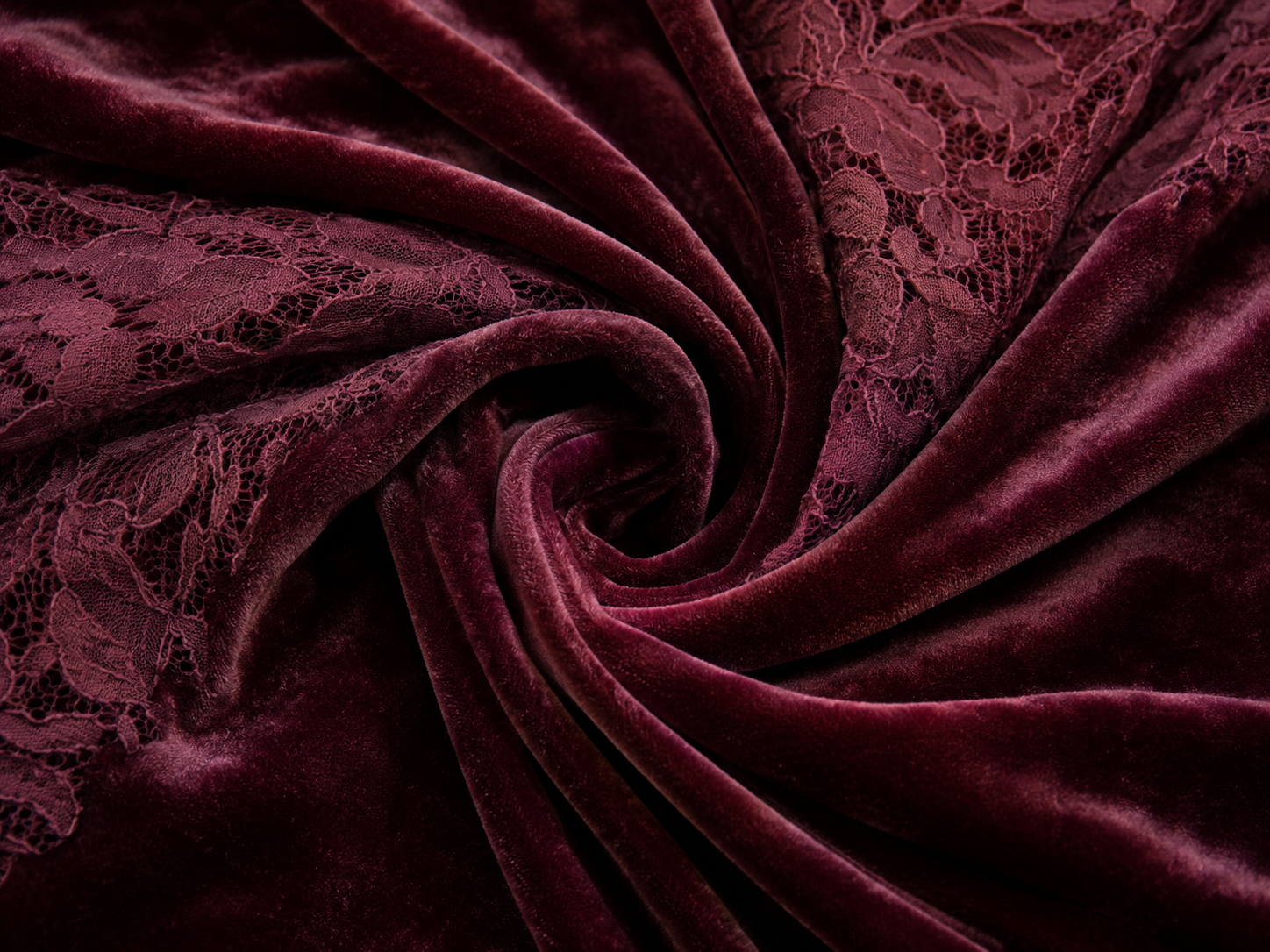

Table of Contents
Here, developing your OEM/ODM private label clothing collection is no longer a challenge—it’s an excellent opportunity to bring your creative vision to life.

