 Skip to content
How Does Fabric Price Affect Dress Cost?

Your trusted Women’s Apparel Manufacturer from China

A fabric quotation can look simple enough to compare in a spreadsheet: one satin is priced at $4.20 per meter, another at $5.10, and the lower number seems to offer an immediate saving. In real dress production, that conclusion can be wrong. A cheaper fabric may be narrower, less stable, more transparent, harder to cut, or more likely to need lining and replacement panels. Those details do not appear in the first price column, but they eventually appear in the finished dress cost.
Fabric price affects dress cost through two connected variables: the amount paid for each meter, yard, or kilogram, and the amount of usable material required for one finished garment. Width, weight, shrinkage, defects, marker efficiency, dress length, fullness, lining, color quantity, fabric minimums, and order volume determine the real fabric cost per dress.
Experienced product teams therefore compare fabric at garment level rather than swatch level. A difference of only 0.10 meter per dress becomes 300 additional meters on a 3,000-piece order. At $5.00 per meter, that small consumption change adds $1,500 before freight, replacement cutting, or production delay is considered. The figures become even more revealing when a seemingly premium fabric produces better marker yield than the budget option.
What Determines Fabric Price?
Fabric price is determined by fiber composition, yarn quality, construction, weight, usable width, dyeing, printing, finishing, order volume, and supplier terms. The lowest price per meter is not always the lowest cost per dress. A useful comparison considers material performance, production yield, minimum requirements, and the additional work needed to turn the fabric into a consistent finished garment.
Fiber and Construction
Fiber content is the first visible price driver, but it rarely explains the full difference between two quotations. Polyester, viscose, cotton, nylon, linen, silk, and blended fibers have different raw-material markets and processing requirements. Even fabrics carrying the same composition label can vary in filament quality, yarn count, density, twist, stretch content, surface treatment, and color consistency. A smoother polyester satin may cost more because it uses finer yarns and more controlled finishing, not because the supplier has simply added a higher margin.
Construction can change both the material price and the way the fabric performs in a dress. Plain woven fabrics are usually simpler to manufacture than jacquards, engineered meshes, lace structures, coated textiles, or fabrics containing sequins. Stretch materials may require elastane, heat setting, and recovery testing. Knitted fabrics are often sold by kilogram, while woven fabrics are commonly quoted by meter or yard. A direct comparison becomes meaningful only after the quote is converted into the amount of fabric needed for the approved dress pattern.
The right commercial question is not whether one fiber name is cheaper than another. It is whether the fabric provides the required drape, opacity, stretch, recovery, surface appearance, care performance, and sewing stability at an acceptable finished-garment cost. A lower-priced cloth that needs full lining, additional reinforcement, or frequent recutting can become more expensive than a better-performing option before the first production batch is packed.
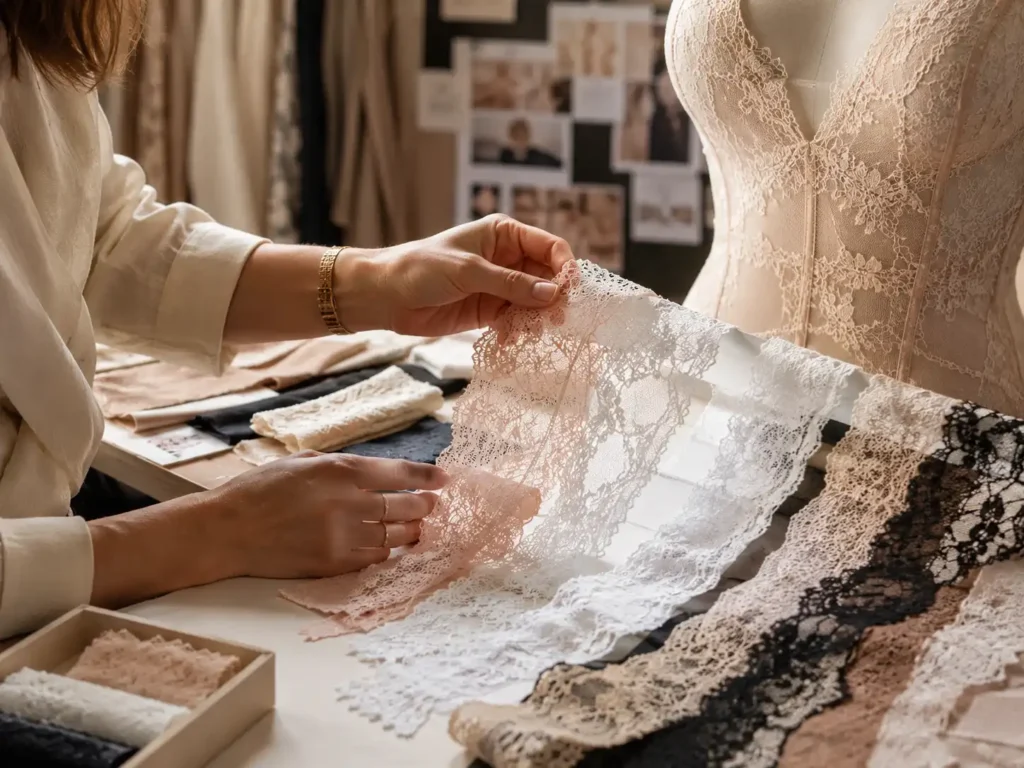
Width, Weight, and Quote Units
Finished usable width has a direct effect on consumption because pattern pieces must fit across the actual cuttable area, not the nominal width printed on a supplier sheet. A fabric described as 150 centimeters wide may provide only 146 centimeters after excluding damaged selvedges. That four-centimeter difference can force longer markers for wide skirt panels, sleeves, or larger sizes. Narrow fabric may look inexpensive per meter but require more linear meters for the same dress.
GSM, or grams per square meter, describes fabric weight and helps explain structure, opacity, warmth, and yield. A lighter fabric is not automatically cheaper in the finished product. When it becomes transparent under stretch or studio lighting, a full lining may be necessary. A heavier knit may cost more per kilogram but offer stronger recovery, better coverage, and fewer fit complaints. For open-width material, an approximate conversion is: linear meters per kilogram = 1,000 ÷ (GSM × finished width in meters).
The quotation unit must also be confirmed. Suppliers may price by meter, yard, kilogram, roll, embroidered panel, or printed placement. A 220 GSM fabric at 1.50 meters wide provides roughly 3.03 linear meters per kilogram before shrinkage and production loss. Converting every option into estimated cost per dress prevents teams from choosing a fabric merely because its original quote uses a unit that appears lower.
Finishing and Supplier Terms
The quoted base rate may or may not include dyeing, printing, washing, brushing, softening, coating, heat setting, preshrinking, anti-static treatment, inspection, rolling, or inland transport. Two prices that look similar can therefore represent different stages of preparation. A greige or unfinished quotation cannot be compared directly with fabric that has already been dyed, stabilized, tested, inspected, and delivered to the garment factory.
Custom development can introduce separate charges and minimums. Lab dips, print strike-offs, screen setup, digital artwork preparation, special finishing, certified raw materials, or exclusive color production may not be included in the first estimate. Payment terms matter as well. A low unit rate may require a larger deposit, full-roll purchase, or acceptance of production overage. Those conditions affect cash flow and leftover inventory even when the per-meter figure looks attractive.
Availability should be checked at color and dye-lot level. A supplier may describe fabric as available while holding only a few unmatched rolls. That can work for samples but not for a 2,000-piece production run requiring consistent shade. Reliable costing connects the price to a traceable specification covering composition, construction, GSM, finished width, color, finish, stretch, shrinkage tolerance, minimum order quantity, and expected lead time.
True Cost per Dress
The most useful comparison converts each option into fabric cost per finished garment. The calculation combines unit rate, measured consumption, and a justified allowance for shrinkage, defects, spreading, cutting, matching, and replacement. This approach often shows that the fabric with the lowest meter price is not the lowest-cost option once production restrictions are included.
The example below is illustrative rather than a market quotation. It shows how width, pattern direction, and allowance can change the result. The directional print has the lowest unit price but the highest garment-level cost because its one-way layout requires more material. The wider premium woven costs more per meter, yet efficient placement keeps its final difference surprisingly small.
Material value also includes production behavior. Stable fabric can reduce sewing distortion, pressing marks, shade rejections, and replacement cutting. A higher-priced cloth is not automatically better, but a fabric that performs consistently can protect delivery dates and bulk quality. The correct decision balances the appearance expected by the brand with measurable consumption and the operational risk carried through cutting, sewing, finishing, and final inspection.
Fabric option | Price per meter | Net consumption | Allowance | Estimated cost per dress |
Narrow solid woven | $4.20 | 1.80 m | 8% | $8.16 |
Wider premium woven | $5.10 | 1.55 m | 6% | $8.38 |
Directional print | $3.80 | 2.10 m | 12% | $8.94 |
Stable stretch knit | $4.60 | 1.45 m | 5% | $7.00 |
How Is Fabric Cost Calculated?
Fabric cost is calculated by multiplying the approved material price by actual garment consumption, then adding realistic allowances for shrinkage, defects, spreading, cutting, matching, and replacement. Consumption should come from patterns and markers rather than visual estimates. Main fabric, lining, contrast materials, lace, mesh, and support textiles should be calculated separately before they are combined into the dress quotation.
The Core Formula
A practical starting formula is: fabric cost per dress equals fabric unit price multiplied by net consumption and then multiplied by the loss factor. If a dress uses 1.60 meters of shell fabric priced at $4.50 per meter, with a combined allowance of 7%, the estimated shell-fabric cost is $4.50 × 1.60 × 1.07, or approximately $7.70 per dress.

That figure is not the complete manufacturing cost. It excludes lining, zippers, cups, boning, elastic, labels, packaging, pattern work, sample development, cutting, sewing labor, pressing, quality control, testing, factory overhead, and logistics. A useful cost sheet keeps each category visible rather than burying every expense inside one fabric number. This makes later design changes easier to evaluate and reduces disputes when a material or construction detail is revised.
When several textiles are used, each one should be calculated independently. A corset dress may include satin shell, lining, mesh inserts, fusible support, cup pocketing, and fabric-covered channels. A lace dress may need both lace and a complete base layer. Separating these components shows which detail is driving the cost and allows the development team to test alternatives without guessing at the impact on the full garment.
Consumption from the Marker
Reliable consumption begins with a usable production pattern. Pattern pieces are placed inside the confirmed fabric width while respecting grainline, stretch direction, nap, print direction, seam allowances, motif placement, and size combinations. The marker length divided by the number of garments in that marker provides the average net consumption. This is far more dependable than estimating from a photograph or from the finished dress length alone.
A sample-size marker is useful for early quotation, but it may not represent the bulk order. An order weighted toward L, XL, and extended sizes generally has a different average consumption from one dominated by XS and S. The difference is especially important for maxi skirts, wide sleeves, and fitted dresses in which grading changes the bust, hip, sweep, and sometimes the garment length. Final costing should use the planned size ratio whenever reliable sales information is available.
Preliminary quotations should identify which inputs remain open. A manufacturer may cost from a reference image, a historical style, or an initial pattern while noting that consumption is subject to approved fit, confirmed width, final construction, and size ratio. Once the fit sample or pre-production sample is approved, a production marker can replace assumptions with measurable data and support the final fabric booking.
Waste and Risk Allowances
Fabric loss is not one universal percentage. It is the combined effect of shrinkage, roll ends, width variation, defects, spreading, cutting, matching, testing, and replacement panels. Stable solid-color fabric may require a relatively modest allowance, while velvet, sequins, lace, large directional prints, or unstable viscose can require more careful planning. The allowance should reflect the actual material rather than a convenient number copied across every style.
Shrinkage deserves separate attention because it can affect both consumption and fit. Fabric may relax after unrolling, contract during steaming, or change after washing. If testing shows measurable shrinkage, patterns and purchase quantities must be adjusted before bulk cutting. Ignoring the result can produce garments that finish short, narrow, or inconsistent across dye lots. Replacement fabric may also be difficult to obtain later without introducing shade variation.
Small consumption errors become expensive at scale. An unplanned increase of 0.10 meter per dress requires 100 additional meters for 1,000 pieces, 300 meters for 3,000 pieces, and 500 meters for 5,000 pieces. At $5.00 per meter, the last scenario adds $2,500 in material before freight or delay is considered. Accurate allowance planning is therefore a purchasing control, not an administrative detail.
Worked Cost Example
The example below shows how a dress described simply as a satin style can contain several textile cost lines. The shell fabric remains the largest item, but lining, mesh, and fusible support add nearly four dollars before sewing or trims are considered. This is common in fitted occasionwear, where coverage and internal structure are essential to the finished result.
A strong cost sheet should record the fabric code, supplier, composition, construction, finished width, GSM, approved color, unit basis, net consumption, allowance, minimum order quantity, lead time, and testing status. These details create an audit trail when a color is changed, a supplier is replaced, or a revised pattern alters consumption. They also help purchasing and production teams work from the same approved assumptions.
Costing should be reviewed after meaningful sample changes. Adding full lining, increasing skirt sweep, changing from two-way to one-way cutting, or replacing a narrow fabric with a wider alternative can all alter the material requirement. A quotation that never changes despite major construction revisions may look convenient, but it is unlikely to reflect the actual bulk-production inputs.
Material | Unit price | Net consumption | Allowance | Estimated cost |
Main satin | $5.20/m | 1.45 m | 7% | $8.07 |
Lining | $2.10/m | 1.20 m | 5% | $2.65 |
Stretch mesh | $4.80/m | 0.18 m | 8% | $0.93 |
Fusible support | $1.60/m | 0.22 m | 5% | $0.37 |
Total textile cost | $12.02 |
Which Dress Details Use More Fabric?
Dress details that increase surface area, layering, or cutting restrictions use more fabric. Maxi lengths, wide hems, circular skirts, ruffles, pleats, ruching, draping, trains, linings, and double layers can raise consumption substantially. Directional prints, lace placement, velvet nap, and the production size ratio can also reduce marker efficiency even when the finished dress does not look unusually large.
Length and Fullness
Length is one of the clearest drivers of consumption, but it rarely works alone. Extending a fitted mini dress to midi length usually adds material in a fairly predictable way. Extending a flared midi dress to a floor-length shape with a wide sweep can increase consumption much more sharply because the pattern pieces become both longer and broader. Trains, high-low hems, oversized sleeves, and dramatic draped panels add further requirements.

Circular and half-circle skirts deserve careful costing. Their curved pattern pieces leave large spaces inside the marker, particularly when the fabric is narrow or directional. A dress can appear simple because it contains few seams, yet use more fabric than a multi-panel fitted style. The visible hem length does not show how much empty space is created around the curved pieces during cutting.
Cost control should focus on efficient volume rather than removing all volume. A slightly reduced hem sweep or shorter train may preserve movement and photography while improving marker yield. Reducing fullness too aggressively can make the dress hang flat, restrict walking, or weaken the visual impact that supports its selling price. The sample should be reviewed on a body before any consumption-saving change is approved.
Layers and Internal Structure
Sheer, lightweight, and structured dresses often use several textile layers. Chiffon may need full lining; mesh may require double layers through the torso; pale satin may need lining for opacity; and corset dresses can include shell, lining, fusible support, cup pocketing, and internal channels. These additions do not always appear in a front-view sketch, but they affect material purchasing, cutting, sewing, pressing, and inspection.
Opacity creates frequent surprises during development. A lower-priced fabric may look acceptable as a folded swatch and become transparent when stretched across the bust or photographed under strong lighting. Adding a complete lining can remove the original saving and change the drape. In some cases, selecting a slightly denser shell fabric produces a cleaner result at a similar or lower total garment cost.
Internal structure should be evaluated according to function. Bust support, stable necklines, secure openings, and comfortable linings protect fit and reduce returns. Extra layers that add bulk without improving appearance, support, coverage, or durability may be simplified. The decision should come from a fitting and construction review, not from deleting components on a cost sheet before the dress has been tested.
Pleats, Ruching, and Ruffles
Pleats, gathers, ruching, and ruffles compress a larger cut area into a smaller finished area. A ruffle attached to a 60-centimeter seam may require 90 centimeters at a 1.5:1 ratio, 120 centimeters at 2:1, or 180 centimeters at 3:1. The appropriate ratio depends on fabric weight, stiffness, transparency, and the visual density expected in the finished dress.
Ruching can add more consumption than photographs suggest. Side-ruching panels are often cut longer and gathered with elastic or drawcords. Draped front pieces may contain hidden width that disappears into folds. These details also increase sewing time because operators must control symmetry, tension, seam position, and the direction of every fold. A small change to the panel ratio can affect both fabric and labor cost.
Pleats may involve specialist processing in addition to extra material. Knife pleats, box pleats, and permanent heat-set pleats behave differently and may require preparation before garment assembly. A reduction from a 3:1 ruffle ratio to 2.5:1 can create a useful saving when the appearance remains full enough, but the decision should be confirmed in the correct production fabric because lightweight and structured materials respond very differently.
Prints, Texture, and Size Range
Directional surfaces reduce placement freedom. Velvet nap, brushed fabrics, one-way sequins, lettering, border prints, and large florals may require every pattern piece to face the same direction. The marker maker can no longer rotate pieces to fill gaps, so consumption rises. Stripes and checks may also need matching across side seams, center fronts, sleeves, pockets, yokes, and waist seams.
Lace and engineered motifs create another form of restricted cutting. Scalloped edges may be reserved for necklines, sleeves, or hems, while large motifs may need to be centered, mirrored, or placed away from seam lines. The amount purchased must cover the usable motif area rather than the full nominal width. Sequin fabrics may contain damaged or dense areas that also require selective placement and protective handling.
Size range changes the weighted average consumption for the order. A quotation based only on size M may understate a production plan containing a large share of L, XL, and extended sizes. Balanced markers can combine sizes to improve yield, but wider skirt panels and larger sleeves still affect the result. Brands should provide realistic size projections before final fabric booking rather than relying on an even size split that does not match expected sales.
Dress type | Illustrative shell consumption | Main consumption drivers |
Fitted mini dress | 1.0-1.4 m | Sleeves, size range, fabric direction |
Straight midi dress | 1.4-1.9 m | Length, slit construction, sleeves |
A-line midi dress | 1.7-2.4 m | Hem sweep, panels, pockets |
Full maxi dress | 2.4-4.0 m | Length, fullness, tiers, direction |
Floor-length occasion dress | 3.0-5.5 m | Train, lining, drape, support layers |
How Do Orders Change Fabric Cost?
Order structure changes fabric cost through supplier price breaks, dye-lot minimums, color allocation, full-roll purchasing, custom development, and lead time. A large total order may still have weak fabric economics when it is divided across many colors, styles, or unique materials. The relevant volume is the booking quantity for each fabric specification and color, not only the total number of dresses.
Quantity and Price Breaks
Fabric suppliers often price according to booking quantity, production method, and current availability. Larger bookings can spread dyeing, finishing, setup, and inspection costs across more meters. They may qualify for a better rate or remove small-lot surcharges. The relevant figure is not always the total garment quantity, however. A 4,000-piece order split across eight fabrics may create eight relatively modest material bookings.

Full-roll purchasing also affects the real cost. If calculated demand is 940 meters and the practical roll combination totals 990 meters, the remaining 50 meters still has to be purchased. Leftover fabric can be useful for replacement garments, repeat orders, or coordinated styles, but only when it is documented and protected. An exclusive fashion color with no planned reuse can turn the same leftover quantity into dead inventory.
Sharing one base material across several designs can strengthen the booking without making every garment look identical. A collection might use the same satin for a mini dress, midi dress, and matching skirt, or the same stretch mesh as an overlay and insert across several party styles. Consolidation improves purchasing leverage, shade consistency, testing efficiency, and the usefulness of any remaining fabric.
Color and MOQ
Many mills and dye houses apply minimums by fabric and color. Dividing a 1,200-piece order across four colors may create four separate 300-piece fabric requirements rather than one strong booking. Each color can require its own lab dip, dye lot, shade approval, testing allocation, roll plan, and leftover balance. The total order may be commercially attractive while individual colors remain below the fabric supplier’s preferred quantity.
Jinfeng Apparel’s standard garment MOQ starts from 200 pieces per style and color, depending on fabric availability, color development, trims, construction complexity, and the production schedule. Specially woven, custom-dyed, printed, lace, mesh, sequin, or certified materials may have separate supplier minimums. The garment MOQ and the fabric MOQ should therefore be discussed together rather than treated as the same number.
A practical color plan usually places stronger volume in core shades and uses fashion colors where the forecast supports separate bookings. Another option is to share one neutral lining, common base cloth, or coordinated print ground across several outer colors. Reducing unnecessary fragmentation can protect both cost and delivery while still giving the collection enough visual range for merchandising.
Stock or Custom Fabric
Stock fabric can shorten development because the material already exists, but stock does not automatically mean low cost or low risk. Available rolls may be limited, split across dye lots, or held by a distributor at a premium. A material that is sufficient for sampling may not be available in the volume and shade consistency required for bulk production. Reservation should be confirmed before the product calendar depends on it.
Custom-dyed fabric offers closer color control but normally requires lab dips, an approval cycle, a dyeing minimum, and acceptance of reasonable production overage. Custom printing adds artwork preparation, strike-offs, repeat-size review, color control, and sometimes screen or cylinder setup. Custom weaving or knitting adds yarn ordering, machine setup, and longer lead time. These choices are justified when exclusivity or performance supports the commercial value of the collection.
A useful middle route is to start with an established base fabric and customize only the color. Another is to reserve custom prints or specialist materials for hero dresses while using coordinated stock solids for supporting products. This keeps the collection distinctive without forcing every SKU into a separate high-minimum development program. The decision should reflect sales role, expected volume, repeat potential, and launch timing.
Lead Time and Booking Risk
Lead time can change fabric cost even when the material specification remains the same. A compressed launch calendar may remove lower-cost mill options, require available stock, create urgent dyeing fees, or force partial air freight. Late color approval can push fabric production into the garment sewing window, leaving little time to replace shade problems or defects before the planned shipment date.
Early booking is valuable only when the design and quantity are sufficiently stable. Purchasing fabric before fit, construction, and consumption are confirmed can create excess stock or a shortage. The best timing usually follows approval of the material direction and a reliable preliminary marker, with final adjustments made after the pre-production sample. Projects using custom prints, lace, sequins, or special colors require a wider approval margin than standard stock solids.
Split delivery can sometimes protect a launch without paying an urgent premium on the entire order. A smaller first shipment may move by air while the balance travels by sea, or core colors may be prioritized before fashion colors. Such decisions should compare freight, selling window, warehouse needs, and margin rather than focusing only on the factory completion date.
Order structure | Total dresses | Fabric/color bookings | Likely material effect |
One style, one color | 1,200 | 1 booking | Stronger purchasing efficiency and simpler shade control |
One style, four colors | 1,200 | 4 bookings of 300 | More dye lots and higher minimum risk |
Four styles, one shared fabric | 1,200 | Potentially 1 consolidated booking | Better leverage and more useful leftover fabric |
Four styles, four unique fabrics | 1,200 | Up to 16 combinations | Higher development, overage, and scheduling risk |
How Can Brands Control Dress Cost?
Brands can control dress cost by matching fabric performance to the product, improving pattern efficiency, simplifying low-value complexity, consolidating materials and colors, and comparing quotations on a like-for-like basis. Effective cost control protects fit, hand feel, appearance, durability, and delivery. It removes avoidable expense rather than replacing every visible quality with the cheapest material available.
Substitute by Performance
A successful fabric substitution begins with the finished product rather than the fiber name. Two materials described as polyester satin can differ greatly in weight, shine, drape, opacity, snag resistance, seam stability, and pressing behavior. The alternative should be compared against the qualities the customer will actually experience: appearance, movement, coverage, comfort, recovery, durability, and care performance.
The comparison should include composition, construction, finished width, GSM, stretch, recovery, opacity, shrinkage, colorfastness, pilling, snagging, seam slippage, and lining requirements. A cheaper shell that becomes transparent may need a more expensive lining. A lower-GSM knit may save material cost but weaken recovery and increase fit complaints. The saving is confirmed only after the replacement has been sampled, measured, and reviewed in the intended dress structure.
The strongest substitution often changes one variable while protecting the rest. A brand may keep the required width, weight, drape, and surface appearance while choosing a more available blend or finish. Premium material can also be concentrated in visible outer panels while a compatible support fabric is used internally. This approach protects the customer-facing result and makes the cost reduction easier to defend.
Improve Pattern Efficiency
Pattern engineering can reduce consumption without changing the dress’s overall identity. Panel widths can be adjusted to the usable fabric width, oversized pieces can sometimes be divided at visually acceptable seam lines, and facing depth or self-fabric binding can be reviewed. Ruffle ratios, train length, skirt sweep, and lining coverage may also offer controlled savings when the fit and appearance remain intact.
Every fabric-saving change should be checked against labor and quality. Adding a seam may improve marker yield but increase sewing time and create a new matching point. Turning a bias-cut panel to straight grain may reduce consumption but change drape. Narrowing the hem may save material while restricting movement. Total garment cost and product performance matter more than achieving the lowest possible fabric consumption in isolation.
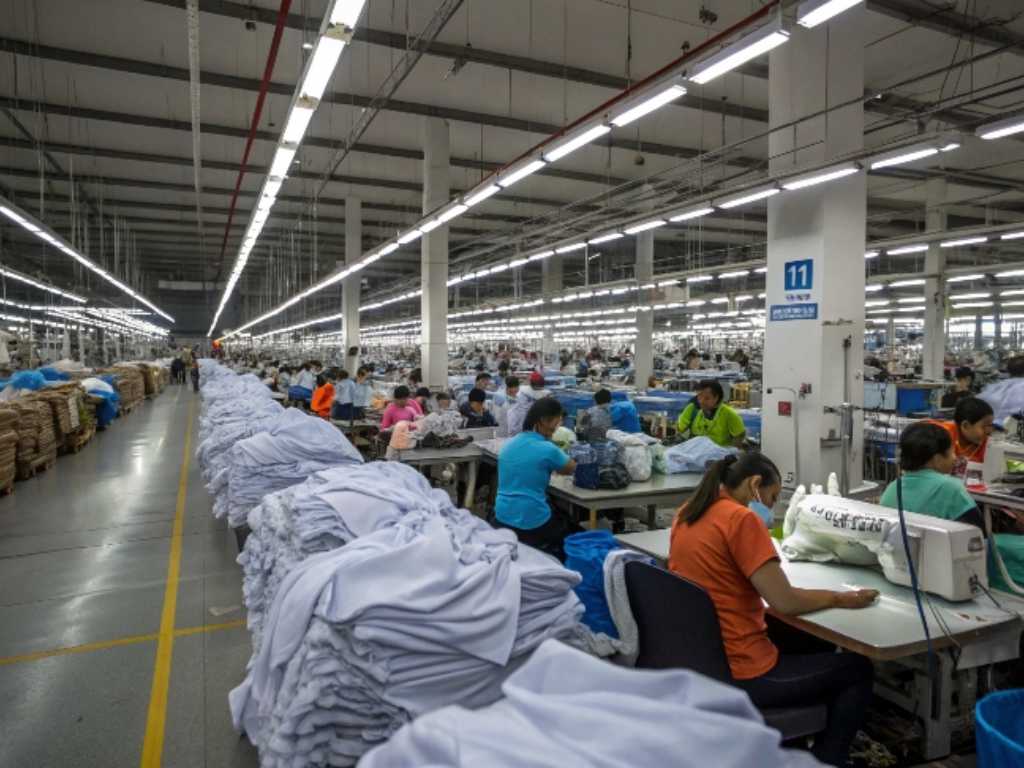
Order data can improve marker efficiency as well. Realistic size ratios allow pattern teams to combine sizes more effectively. Consolidating colors and using a common base fabric across related styles can improve roll planning. Approved patterns, stable seam allowances, and early review of directional restrictions reduce last-minute changes that otherwise create excess fabric or require a new booking.
Compare Quotes Properly
Fabric quotations should be normalized before a decision is made. Composition and construction must match; finished usable width should be measured; GSM and quote unit should be confirmed; and shrinkage, defects, minimums, lead time, testing, freight, and payment conditions should be visible. The final comparison should show estimated fabric cost per dress rather than leaving each supplier’s original meter or kilogram rate unexplained.
Garment quotations also need a clear stage label. A price based on a reference image carries more assumptions than a price based on an approved pattern and bulk marker. Teams should ask which fabric, width, size ratio, lining, construction, packaging, and order split are included. A transparent quotation identifies open points and explains what could change the price after sample approval.
A useful review asks whether two factories are costing the same product. One may include lining, private labels, pre-production samples, inline inspection, final measurement, and export packing, while another may quote only shell fabric and sewing. The lower number is not necessarily more competitive when important requirements have been omitted. Like-for-like comparison prevents an attractive early quote from becoming a series of additions later.
Review Cost Before Bulk
The most effective cost review happens before bulk fabric is booked, but after the dress has enough technical definition to produce reliable numbers. The team should examine the approved fabric, usable width, pattern consumption, size ratio, color split, lining, internal structure, trims, packaging, testing, and delivery plan. Changes made at this stage can be sampled and measured without disrupting full production.
Jinfeng Apparel builds quotations from fabric, trims, pattern work, sampling, cutting, sewing time, pressing, quality control, packing, wastage, testing, logistics, and order quantity. Its documented optimization methods include fabric substitution, construction simplification, structural adjustment, trim alternatives, cutting-layout improvement, sensible MOQ planning, color consolidation, size-ratio planning, and split-shipment review. The purpose is to protect brand-level appearance while removing expense that customers cannot see or value.
A useful inquiry includes a tech pack, original sample, sketch, or clear reference images, together with expected quantities, colors, size range, fabric direction, target market, private-label requirements, packaging, and delivery date. These inputs allow the development and costing teams to identify the major price drivers early, compare practical material routes, and prepare a quotation that is connected to a manufacturable dress rather than a generic category price.
Fabric price affects dress cost through much more than the number printed beside a meter or kilogram. The final result depends on usable width, weight, pattern consumption, cutting restrictions, shrinkage, defects, lining, dress construction, color allocation, material minimums, and production timing. A fabric that looks inexpensive can become costly when it creates poor yield or additional layers, while a higher-priced option can offer better value through width, stability, and reliable bulk performance.
For a practical custom quotation, send Jinfeng Apparel your tech pack, reference images, original sample, or line sheet together with expected quantities, colors, size range, fabric preferences, target market, packaging requirements, and delivery schedule. Based in Guangdong and focused on custom women’s fashion since 2008, the company supports fabric sourcing, pattern development, sampling, bulk production, quality control, private-label packing, and export coordination through six owned factories and more than ten long-term production partners.
Share This Article :

Jerry Lee
Categories

Latest blogs
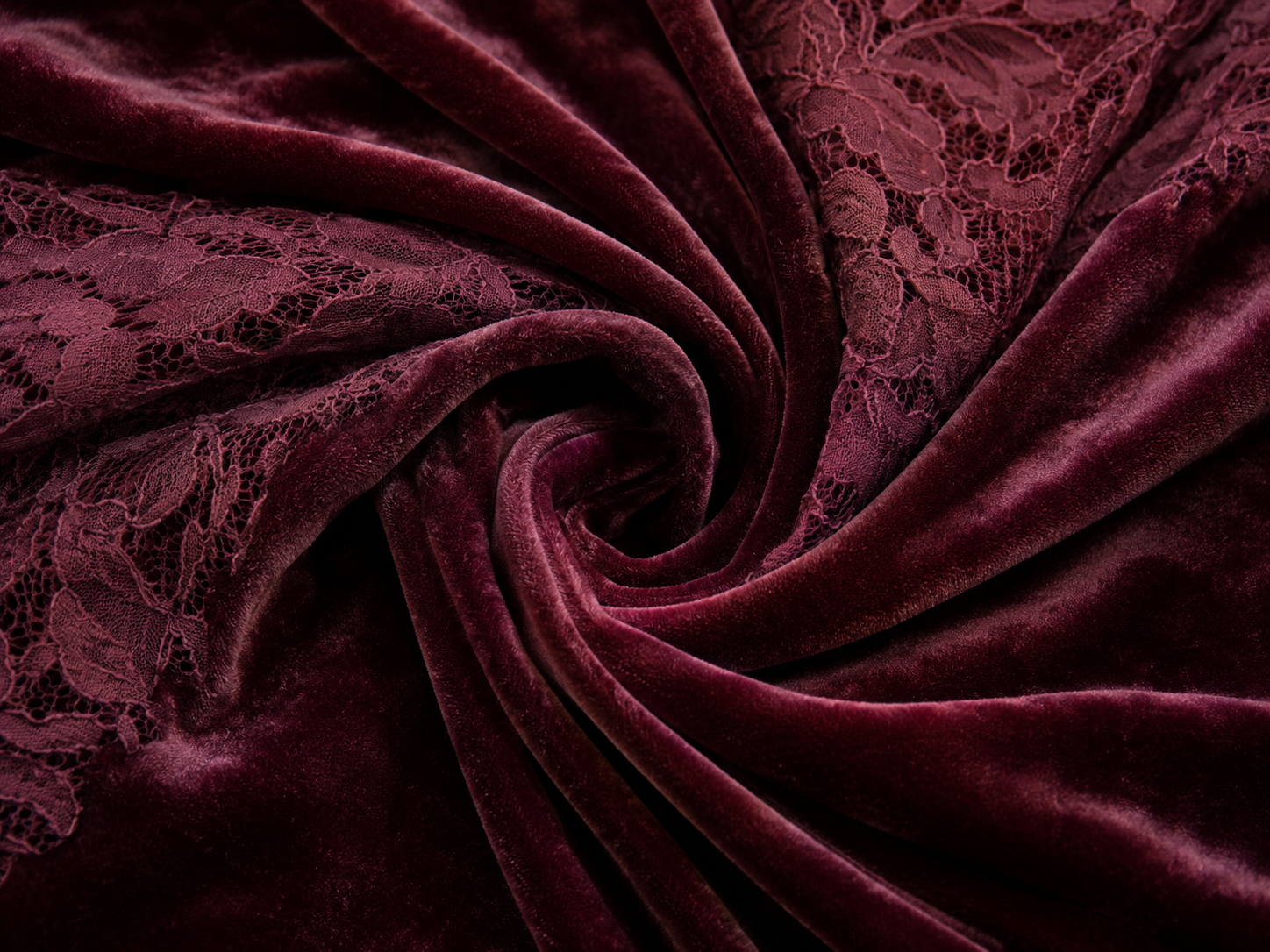
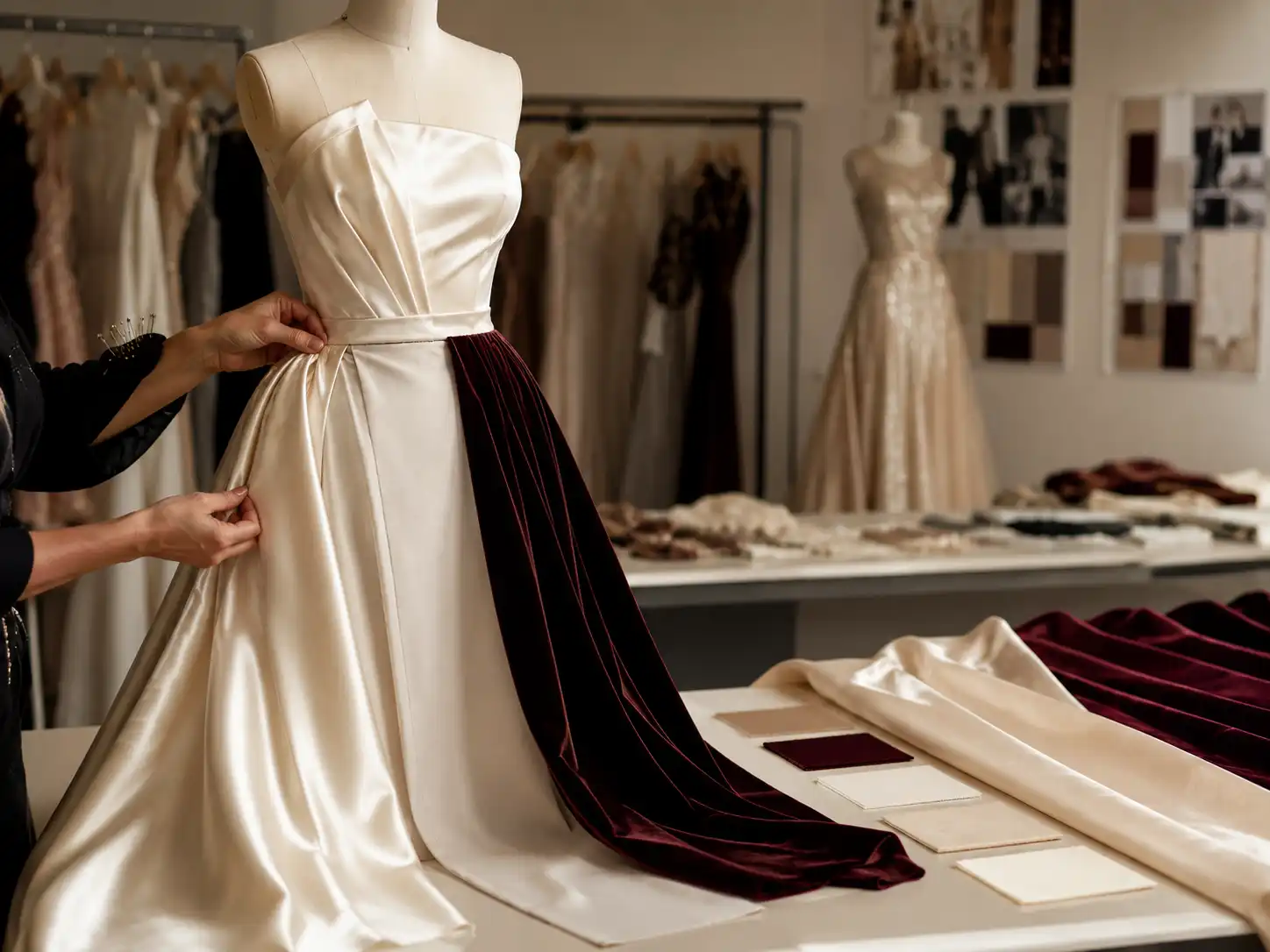

Table of Contents
Here, developing your OEM/ODM private label clothing collection is no longer a challenge—it’s an excellent opportunity to bring your creative vision to life.

