Skip to content

The reality of fashion production is often very different from what many expect at the beginning stage. A strong design idea does not automatically translate into a manufacturable dress. In fact, most production delays, sampling failures, and cost overruns do not come from factories—they come from incomplete preparation before the first contact is made.
A private label dress factory evaluates far more than aesthetics. It assesses structure logic, fabric feasibility, measurement clarity, and whether the design can survive real-world bulk production conditions. When preparation is weak, even a simple dress can go through multiple sampling rounds, adding weeks of delay and unnecessary cost.
Before contacting a private label dress factory, brands should prepare clear design references, basic tech pack details, fabric direction, target price, sizing structure, and production timeline. These inputs help factories evaluate feasibility, reduce sampling iterations, and estimate accurate cost and lead time for bulk production.
The difference between a smooth production journey and a frustrating one often starts before the first email is even sent. One brand walks in with clarity and receives a fast, accurate sample. Another arrives with only an image and enters a cycle of revisions. Understanding what must be prepared is the first step toward professional manufacturing success.
What Information Should Be Prepared Before Contacting a Private Label Dress Factory?
A private label dress factory does not start from “ideas”—it starts from usable production input. The gap between an idea and a manufacturable dress is usually where most delays, cost overruns, and sampling failures happen. When the preparation is structured, factories can immediately evaluate feasibility, estimate cost, and map out production risk before sampling begins.
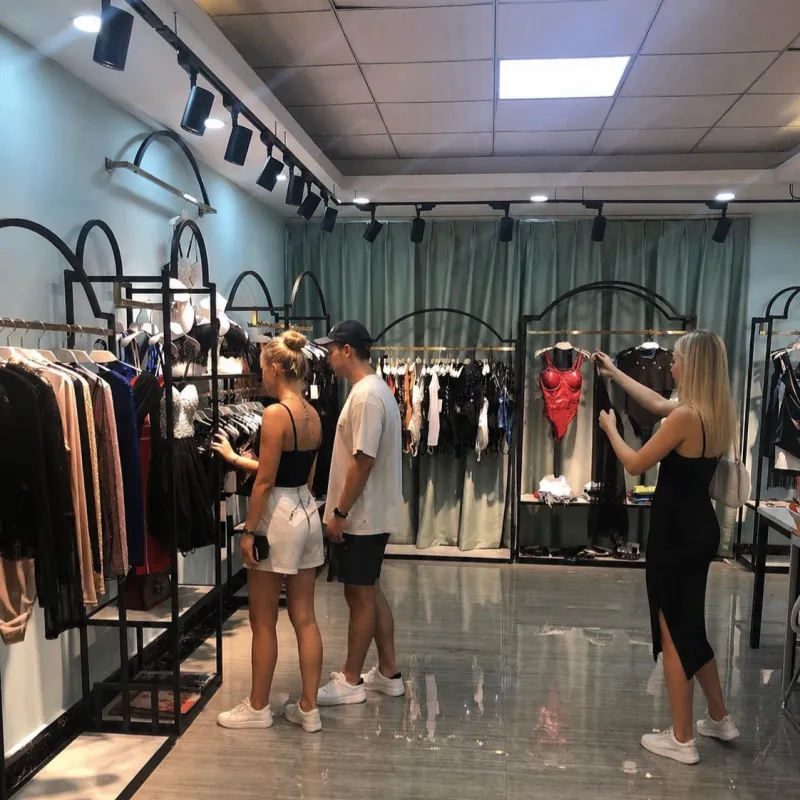
In real production workflows, the difference between a 3-day feedback cycle and a 3-week delay often depends on how complete the initial information is. Even a simple dress style requires clarity across design intent, fabric direction, sizing logic, and target pricing. Without these inputs, factories must assume, and assumptions in garment development almost always lead to revisions.
Before contacting a private label dress factory, prepare design references, clear style direction, basic measurements, fabric preferences, construction details, target cost range, MOQ expectation, and delivery timeline. These inputs allow factories to evaluate feasibility, estimate accurate pricing, and reduce sampling iterations.
A practical example: one brand submits a single image and waits 10 days for feedback. Another submits structured references, fabric direction, and target pricing and receives a production-ready quotation within 24–48 hours. The difference is not the factory—it is the clarity of preparation.
Core Product Definition
Clear product definition helps factories understand exactly what is being developed before any technical work begins.
At minimum, it should include:
- Garment category (mini dress, midi dress, maxi dress, bodycon, etc.)
- Usage scenario (daily wear, party, resort, evening)
- Target consumer style direction (minimal, sexy, elegant, structured)
When product definition is unclear, factories often interpret the same design in multiple ways, leading to inconsistent sampling results. For example, a “black mini dress” can be interpreted as casual jersey, structured satin, or heavy-duty corset style—each requiring different production logic and cost structure.
Visual Reference Package
Visual references are the fastest way to transfer design intent, but single images are never enough for accurate production interpretation.
A complete reference package should include:
- Front and back views of similar garments
- Detail close-ups (neckline, waist, hem, sleeves)
- Fabric texture references
- Style comparison examples (low-end vs premium look)
| Reference Type | Purpose | Impact on Production |
|---|---|---|
| Full look images | Understand silhouette | Pattern structure |
| Detail shots | Confirm construction | Sewing accuracy |
| Fabric visuals | Define material behavior | Cost & sourcing |
| Similar styles | Benchmark quality | Market positioning |
Without multi-angle references, factories often misinterpret construction logic, especially for dresses with draping, ruching, or asymmetric design.
Measurement Direction
Even early-stage development requires basic size logic. Exact grading is not necessary at first contact, but proportional clarity is essential.
Key points to prepare:
- Bust, waist, hip baseline measurements
- Dress length expectation (mini/midi/maxi)
- Sleeve length (if applicable)
- Fit expectation (tight / regular / relaxed)
A common failure point in production is when visual design is clear but size logic is missing. This leads to repeated sample corrections because proportions cannot be stabilized from image alone.
Fabric Direction and Material Intent
Fabric direction directly determines cost, appearance, and production feasibility.
Minimum required input:
- Fabric type (woven / knit / stretch / mixed)
- Texture direction (smooth, matte, glossy, structured)
- Stretch requirement (none / slight / high stretch)
- Weight preference (light / medium / heavy)
Example comparison:
| Fabric Choice | Visual Effect | Cost Level | Production Complexity |
|---|---|---|---|
| Satin | Smooth & glossy | Medium | Medium |
| Chiffon | Light & flowy | Low–Medium | Low |
| Velvet | Rich & heavy | High | High |
| Stretch knit | Body fit | Low–Medium | Medium |
Fabric clarity helps factories avoid over-sourcing or mismatched material recommendations.
Construction and Structure Requirements
Construction clarity determines whether a dress can be scaled into bulk production without quality variation.
Key structural elements:
- Lining requirement (full / partial / none)
- Closure method (zipper, buttons, elastic)
- Support structure (boning, padding, interfacing)
- Seam type preference (clean finish, visible stitching, decorative seams)
Missing construction details is one of the main reasons sampling cycles increase from one round to three or more. For example, a corset-style dress without defined support structure often requires complete re-patterning after the first sample.
Target Cost, MOQ, and Production Planning
Factories evaluate feasibility not only based on design, but also on commercial constraints.
Key preparation inputs:
- Target unit price range
- Estimated order quantity (per color/style)
- Sampling budget expectation
- Delivery deadline or launch window
Example production logic:
| MOQ Level | Typical Cost Impact | Production Behavior |
|---|---|---|
| 100–200 pcs | Higher unit cost | Flexible sampling |
| 300–500 pcs | Balanced cost | Stable production |
| 500+ pcs | Lower unit cost | Optimized efficiency |
Without these inputs, factories cannot accurately calculate material sourcing strategy or production scheduling.
Which Design and Technical Materials Are Required for Initial Review?
Before a private label dress factory evaluates a style for sampling, the design must be converted into production-readable inputs. At this stage, factories are not judging creativity—they are checking whether the garment can be structurally built, costed, and scaled into bulk production without repeated revisions.
In real production workflows, incomplete technical input is the main reason why sampling cycles extend from 1 round to 3–5 rounds. Even a visually simple dress can become complex if measurement logic, fabric behavior, or construction direction is unclear.
For initial review, a private label dress factory requires design sketches, reference images, basic measurement specs, fabric direction, construction details, and trim guidance. These materials allow factories to evaluate feasibility, estimate cost range, and decide whether the design is ready for sampling or requires technical adjustment.
A structured submission can reduce evaluation time from several days to less than 48 hours because factories can directly map design intent into pattern logic and production planning.
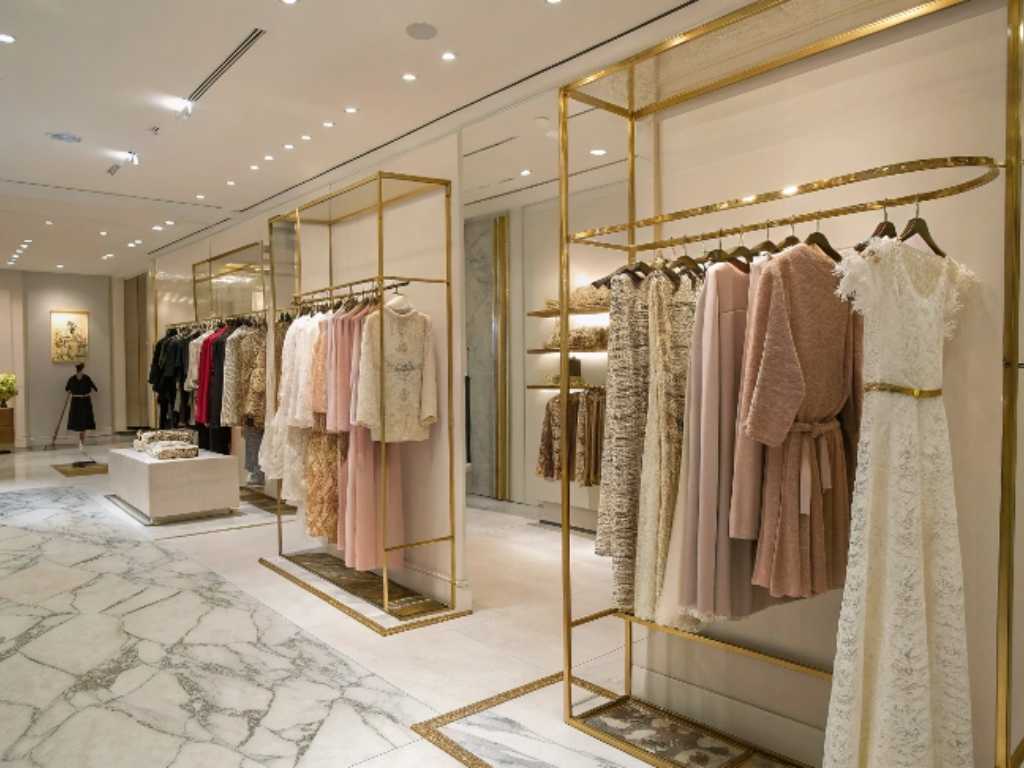
Design Sketches and Visual Structure
Design sketches are the foundation of production interpretation. Without them, factories rely on assumptions, which increases sampling risk.
Minimum required visual inputs:
- Front and back flat sketches
- Side view sketch (if silhouette is complex)
- Key proportion indicators (length, waist position)
- Detail zoom areas (neckline, slit, sleeves, waist shaping)
A complete sketch reduces misinterpretation in pattern making by up to 40–60%, especially for structured dresses like corset, ruched, or asymmetric designs.
Reference Images and Style Benchmarking
Reference images help factories understand style intent beyond technical drawings. They define mood, silhouette behavior, and finishing expectations.
Recommended structure:
- 2–3 full outfit references
- 2 detail close-up references
- 1–2 “similar but higher/lower price” comparisons
| Reference Type | Purpose | Production Impact |
|---|---|---|
| Full outfit image | Silhouette direction | Pattern structure |
| Detail close-ups | Construction clarity | Sewing accuracy |
| Market comparison | Price alignment | Cost control |
Without benchmarks, factories may interpret the same design as low-end, mid-range, or premium, leading to inconsistent material sourcing.
Measurement Specifications and Size Logic
Measurement data defines whether a garment can be accurately graded into multiple sizes.
Essential measurement inputs:
- Bust / waist / hip baseline
- Dress length (center front & back if needed)
- Shoulder width
- Sleeve length (if applicable)
- Fit allowance direction (tight, standard, relaxed)
Example measurement clarity table:
| Garment Type | Critical Measurement Focus | Common Risk if Missing |
|---|---|---|
| Bodycon dress | Waist + hip ratio | Fit distortion |
| Maxi dress | Length + bust shaping | Silhouette imbalance |
| Corset dress | Waist compression logic | Structural failure |
Incomplete measurement logic is one of the top causes of repeated sampling.
Fabric Specification and Material Direction
Fabric defines not only appearance, but also sewing method, cost structure, and production feasibility.
Minimum required fabric inputs:
- Fabric category (woven / knit / stretch / mixed)
- Texture direction (matte, glossy, soft, structured)
- Weight range (light / medium / heavy)
- Stretch level (none / slight / high)
Example fabric impact comparison:
| Fabric Type | Visual Outcome | Production Difficulty | Cost Impact |
|---|---|---|---|
| Satin | Smooth, shiny | Medium | Medium |
| Chiffon | Light, flowy | Low | Low–Medium |
| Velvet | Heavy, luxury feel | High | High |
| Rib knit | Stretch body fit | Medium | Medium |
Clear fabric direction prevents incorrect sourcing and reduces sample revision cycles.
Construction Details and Internal Structure
Construction defines how a garment behaves physically during wear and production scaling.
Key construction inputs:
- Lining requirement (full / partial / none)
- Seam structure (flat, overlock, decorative)
- Closure system (zipper, buttons, elastic, hook & eye)
- Internal support (boning, padding, interfacing)
Example construction impact:
| Structure Element | Function | Production Risk if Missing |
|---|---|---|
| Lining | Comfort & opacity | Transparency issues |
| Boning | Shape retention | Silhouette collapse |
| Elastic waist | Flexibility | Fit inconsistency |
Even minor structural ambiguity can double sampling time.
Trim, Hardware, and Finishing Requirements
Trims often appear secondary but significantly affect cost and production scheduling.
Required inputs:
- Zipper type (invisible, metal, plastic)
- Button design (decorative or functional)
- Lace or embroidery placement
- Label and branding position
- Edge finishing preference (clean, raw, bound)
Trim complexity can increase production cost by 8–25% depending on material selection and labor intensity.
File Format and Information Organization Standard
Well-structured files improve factory evaluation speed and reduce communication friction.
Recommended submission format:
| File Type | Content | Purpose |
|---|---|---|
| PDF sketch pack | Design visuals | Quick interpretation |
| Excel sheet | Measurements | Pattern accuracy |
| Image folder | References | Style alignment |
| Notes document | Construction logic | Technical clarity |
A structured file set allows factories to complete feasibility review within 24–72 hours instead of multiple revision cycles.
How Should Fabric, Fit, and Construction Requirements Be Defined?
In private label dress manufacturing, fabric, fit, and construction are the three elements that decide whether a design can move smoothly from concept to stable bulk production. When these three areas are clearly defined, factories can immediately calculate material feasibility, pattern structure, and cost impact. When they are vague, even a visually simple dress may require multiple sampling rounds and repeated corrections.

In practice, most production inefficiencies come from unclear definitions rather than technical limitations. A factory can build almost any dress, but it cannot guess performance expectations, fabric behavior, or fit intention without structured input.
Fabric, fit, and construction requirements should be defined using clear material specifications, measurable fit logic, and explicit structural details such as lining, seam type, and internal support. This ensures accurate sampling, stable grading, and predictable bulk production results.
Fabric Specification and Performance Logic
Fabric is not only a visual choice—it determines drape, structure, cost, and production stability. A complete definition must go beyond fabric names and include measurable characteristics.
Minimum required fabric inputs:
- Fiber composition (e.g., polyester, cotton, viscose, blend ratio)
- Fabric weight (GSM range if possible)
- Stretch level (none / slight / high stretch %)
- Surface texture (matte, glossy, ribbed, soft-touch)
- Recovery behavior (important for stretch garments)
Example fabric behavior comparison:
| Fabric Type | Stretch Level | Visual Effect | Production Risk |
|---|---|---|---|
| Satin | 0–5% | Smooth & glossy | Slippage in seams |
| Crepe | 5–10% | Structured drape | Shrink variation |
| Rib knit | 30–80% | Body-fit stretch | Size distortion |
| Chiffon | 0% | Lightweight flow | Handling difficulty |
Factories rely on these parameters to select correct stitching methods, seam allowances, and cutting stability. A missing GSM or stretch range often leads to incorrect fabric substitution during sourcing.
Fit Definition and Body Proportion Logic
Fit is one of the most misinterpreted parts of dress development because visual language does not translate directly into pattern making. A “tight dress” or “relaxed fit” has no production value unless converted into measurable tolerance.
Key fit definition inputs:
- Body fit category (bodycon / regular / oversized)
- Ease allowance (cm difference between body and garment)
- Key tension points (waist, hip, bust)
- Length ratio logic (mini vs midi vs maxi proportion)
Fit interpretation examples:
| Fit Type | Ease Allowance | Intended Effect | Common Risk |
|---|---|---|---|
| Bodycon | 0–3 cm | Tight silhouette | Over-stretch seam failure |
| Slim fit | 3–6 cm | Contoured shape | Size inconsistency |
| Regular fit | 6–10 cm | Balanced wearability | Loss of shape definition |
| Oversized | 10+ cm | Loose silhouette | Proportion imbalance |
Without measurable fit logic, factories must rely on interpretation, which often results in multiple sample corrections.
Construction Structure and Garment Engineering
Construction defines how fabric pieces are assembled into a stable garment. It directly affects durability, cost, and scalability in bulk production.
Core construction elements to define:
- Seam type (overlock, flatlock, French seam, hidden seam)
- Lining requirement (full lining / partial lining / none)
- Structural reinforcement (boning, interfacing, padding)
- Closure system (invisible zipper, exposed zipper, buttons, elastic)
Construction impact breakdown:
| Construction Element | Function | Production Impact |
|---|---|---|
| Full lining | Comfort + opacity | Increases labor time |
| Boning structure | Shape support | Higher pattern complexity |
| Invisible zipper | Clean finish | Requires precision sewing |
| Elastic waistband | Flexibility | Reduces fitting issues |
A missing construction definition often leads to redesign at sampling stage, especially for structured dresses like corset, ruched, or panel-seam designs.
Internal Support and Structural Stability
Internal structure determines whether a dress maintains its silhouette after movement, washing, and repeated wear.
Key structural decisions:
- Bust support (padding, cups, darts)
- Waist shaping (boning, elastic, shaping seams)
- Shoulder stability (interfacing, reinforcement tape)
- Skirt structure (layering, tulle, lining stiffness)
Example structural risk comparison:
| Structure Level | Stability | Cost Impact | Use Case |
|---|---|---|---|
| No support | Low | Low | Casual dresses |
| Light support | Medium | Medium | Daily wear |
| Full structure | High | High | Evening / corset dresses |
Without internal structure definition, factories may default to minimal construction, resulting in weak silhouette performance.
Fabric-Fit Interaction and Production Risk Control
Fabric and fit cannot be defined separately because material behavior directly affects garment sizing and movement.
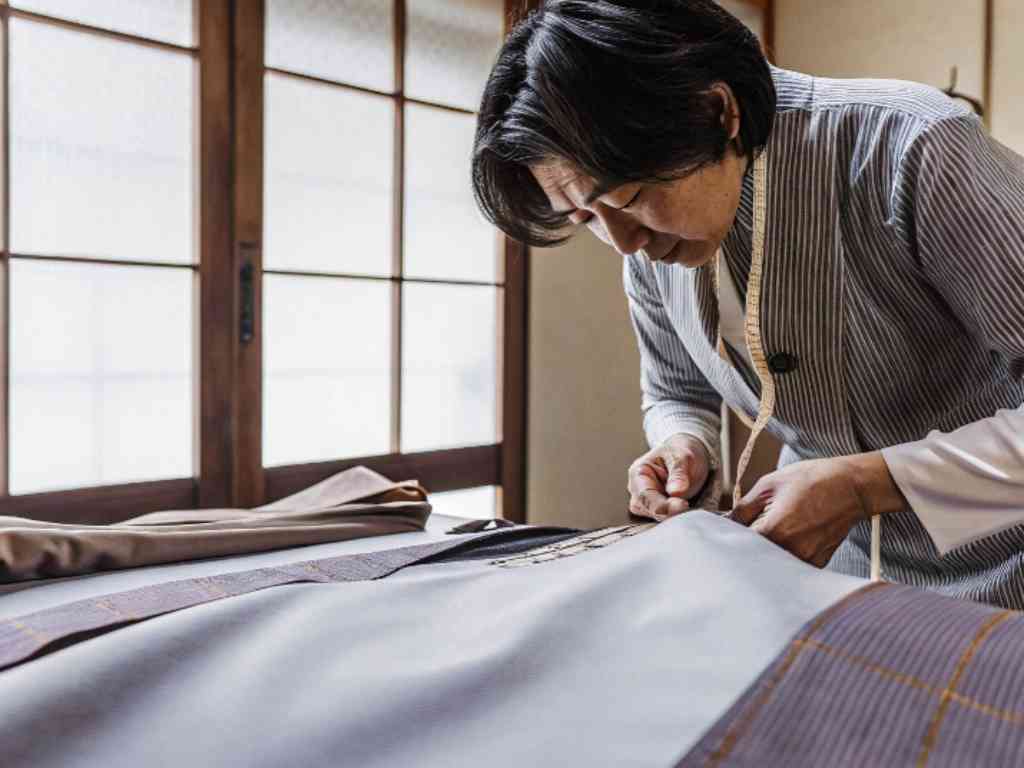
Key interaction factors:
- Stretch fabric reduces required ease allowance
- Heavy fabric increases structure stability but reduces drape flexibility
- Lightweight fabrics exaggerate construction imperfections
- High elasticity can distort pattern grading across sizes
Production risk examples:
- A satin bodycon dress without stretch allowance leads to seam stress
- A high-stretch knit dress with oversized fit leads to shape collapse
- A structured velvet dress without lining causes uneven drape
Factories evaluate these interactions to decide whether the design is production-ready or requires adjustment before sampling.
Finishing Standards and Final Appearance Control
Finishing defines the perceived quality level of a garment in retail environments. Even with correct fabric and structure, poor finishing can downgrade product value.
Key finishing parameters:
- Stitch density (stitches per inch)
- Hem type (rolled, blind hem, raw edge)
- Edge binding quality
- Seam visibility preference
- Pressing and shaping requirements
Finishing level comparison:
| Finishing Level | Stitch Precision | Visual Result | Target Segment |
|---|---|---|---|
| Standard | 8–10 SPI | Functional | Mass market |
| Refined | 10–12 SPI | Clean finish | Mid-market |
| Premium | 12–14 SPI | High precision | Designer-level |
Clear finishing expectations reduce disputes during final production inspection.
What Production and Cost Factors Should Be Decided in Advance?
In private label dress manufacturing, production and cost decisions are not final pricing details—they are system inputs that determine how efficiently a design can be turned into bulk production. When these factors are defined early, factories can align fabric sourcing, labor planning, and production scheduling with minimal friction. When they are unclear, pricing becomes unstable, sampling cycles increase, and production timelines often extend beyond expectations.
In real manufacturing workflows, over 60% of quotation delays are caused not by factory capacity, but by missing cost parameters such as MOQ, fabric tier, or construction complexity. A structured cost framework allows factories to move from estimation to precise calculation in a single step.
Before contacting a private label dress factory, brands should define MOQ range, target unit cost, sampling budget, production lead time, and packaging requirements. These factors allow factories to calculate accurate pricing, allocate production capacity, and reduce cost deviations during sampling and bulk production.
MOQ Planning and Production Feasibility
MOQ (Minimum Order Quantity) is one of the most important cost-driving factors in dress production. It directly affects fabric procurement efficiency, cutting optimization, and labor allocation.
Typical MOQ benchmarks in dress production:
- Basic knit dresses: 100–200 pcs per color
- Woven fashion dresses: 200–300 pcs per color
- Structured or complex dresses: 300–500 pcs per color
MOQ impact table:
| MOQ Level | Unit Cost Impact | Production Behavior | Risk Level |
|---|---|---|---|
| 100–200 pcs | Higher cost | Flexible sampling | Medium |
| 200–400 pcs | Balanced cost | Stable production flow | Low |
| 400–800 pcs | Lower cost | Optimized cutting efficiency | Very low |
Lower MOQ increases material waste and setup time per unit, while higher MOQ improves cost efficiency but requires stronger sales forecasting.
Target Unit Cost and Pricing Control
Unit cost definition is essential for aligning design decisions with market positioning. Without a clear cost ceiling, factories may select materials or construction methods that exceed intended retail positioning.
Key cost components:
- Fabric cost (30–60% of total cost)
- Labor cost (20–40%)
- Trim and accessories (5–15%)
- Finishing and packaging (5–10%)
Example cost structure:
| Dress Type | Fabric Cost | Labor Cost | Total Unit Cost Range |
|---|---|---|---|
| Basic jersey dress | Low | Low | $6–12 |
| Satin midi dress | Medium | Medium | $12–25 |
| Structured corset dress | High | High | $25–60 |
Factories use target unit cost to determine fabric sourcing tier and construction complexity level.
Sampling Budget and Development Cost Structure
Sampling is not a free evaluation stage—it is a technical development process involving pattern making, fabric sourcing, and prototype construction.
Typical sampling cost structure:
- Basic dress sample: $50–80
- Mid complexity dress: $80–120
- High complexity structured dress: $120–200+
Sampling cost drivers:
- Number of pattern pieces
- Fabric availability (in-stock vs custom sourcing)
- Construction difficulty
- Embellishment requirements
If sampling budget is not defined early, factories may delay development or reduce material accuracy to control cost exposure.
Production Lead Time and Capacity Allocation
Lead time directly affects factory scheduling and production priority. Without clear timing requirements, orders are often placed into standard production queues, extending delivery time.

Standard production timelines:
- Simple dresses: 15–25 days bulk production
- Medium complexity dresses: 25–35 days
- High-end structured dresses: 30–45 days
Lead time planning factors:
- Fabric sourcing availability
- Sampling approval speed
- Production line scheduling
- Peak season workload
Production timeline comparison:
| Urgency Level | Production Priority | Cost Impact | Risk |
|---|---|---|---|
| Standard | Normal queue | Standard cost | Low |
| Rush order | Priority line | +10–25% cost | Medium |
| Peak season order | Limited capacity | Higher variability | High |
Packaging, Labeling, and Branding Requirements
Packaging is often underestimated but plays a key role in final product positioning and logistics cost.
Key packaging elements:
- Polybag specification (thickness, transparency)
- Hangtag design and material
- Size label placement and format
- Brand logo application method
- Carton size and shipping configuration
Packaging cost breakdown:
| Item | Cost Impact | Notes |
|---|---|---|
| Basic polybag | Low | Standard protection |
| Printed hangtag | Medium | Branding enhancement |
| Custom box packaging | High | Premium positioning |
| Woven labels | Medium | Long-term branding |
Clear packaging definition helps avoid last-minute cost increases during bulk production.
Cost Risk Control and Hidden Production Variables
Many cost variations in dress manufacturing are not visible at the quotation stage. These hidden factors often appear during sampling or bulk production.
Key hidden cost drivers:
- Fabric shrinkage rate adjustments
- Pattern correction after first sample
- Additional stitching reinforcement
- Color matching rework
- Extra trimming or finishing steps
Risk comparison:
| Factor | Potential Impact | Prevention Method |
|---|---|---|
| Fabric substitution | Cost +10–20% | Pre-approved fabric list |
| Design revision | Cost +15–30% | Finalized tech pack |
| Size inconsistency | Rework cost | Standard grading chart |
Early definition of these variables significantly reduces production uncertainty.
What Common Mistakes Delay Private Label Dress Development?
In private label dress manufacturing, delays are rarely caused by production capacity. Most delays come from avoidable preparation and communication errors before sampling even starts. When key inputs are incomplete or inconsistent, factories must pause development to clarify details, rework patterns, or re-source materials. These interruptions can extend a 2–3 week sampling cycle into 5–8 weeks.
In real production environments, more than half of repeated sampling cases are linked to unclear design intent, unstable fabric decisions, or missing technical structure. These issues not only delay timelines but also increase cost through additional labor, material waste, and rework cycles.
Private label dress development is often delayed by unclear design references, missing technical specifications, unstable fabric choices, repeated design changes, and incomplete sizing data. These mistakes lead to multiple sampling rounds, higher cost, and extended production timelines.
Using Only One Reference Image
Relying on a single image is one of the most frequent causes of misinterpretation in dress development. A single visual cannot communicate back view structure, fabric behavior, or internal construction.
Common issues caused:
- Incorrect pattern interpretation
- Missing seam or panel structure
- Wrong fabric substitution
- Unclear silhouette balance
Production impact comparison:
| Reference Quality | Sampling Outcome | Revision Risk |
|---|---|---|
| Single image only | High ambiguity | 60–80% |
| Multiple angles + details | Clear structure | 10–20% |
Factories require multiple visual angles to accurately convert design intent into patterns.
Missing Technical Measurement Clarity
Even visually simple dresses fail when measurement logic is not defined. Without clear size structure, factories must estimate proportions, which often leads to fit errors.
Typical missing data:
- Waist position ratio
- Bust shaping point
- Dress length reference
- Sleeve proportion logic
Common result:
- First sample requires full fit correction
- Second sample needed for proportion adjustment
A missing measurement sheet can increase sampling time by 7–12 days per cycle.
Unstable Fabric Decisions During Sampling
Changing fabric direction during sampling is one of the fastest ways to delay production. Fabric determines stitch type, seam allowance, and garment structure.
Typical mistakes:
- Switching from satin to chiffon after first sample
- Choosing stretch fabric after non-stretch pattern is built
- Changing fabric weight mid-development
Fabric change impact:
| Change Type | Additional Time | Cost Impact |
|---|---|---|
| Fabric swap within same category | +3–5 days | +5–10% |
| Fabric category change | +7–10 days | +10–20% |
| Fabric + structure change | +10–15 days | +20–35% |
Once pattern work starts, fabric instability forces full recalculation of garment structure.
Late Design Revisions After Sampling Starts
One of the most expensive mistakes is changing design direction after sampling begins. At that stage, factories have already completed pattern making, cutting, and partial sewing.
Common revision types:
- Adjusting neckline shape
- Changing sleeve design
- Modifying dress length
- Adding or removing structure elements
Impact breakdown:
| Revision Stage | Cost Increase | Delay Impact |
|---|---|---|
| Before pattern | Low | Minimal |
| After sample cut | Medium | +5–10 days |
| After first sample | High | +10–20 days |
Early design finalization reduces unnecessary reconstruction cycles.
Incomplete Construction Instructions
Construction defines how a garment is assembled. Missing construction details often result in structurally unstable samples.
Common missing points:
- Lining requirement not specified
- No indication of seam type
- Internal support not defined
- Closure method unclear
Production consequences:
- First sample fails structural expectation
- Additional reinforcement required
- Pattern redesign needed
Example risk table:
| Missing Element | Production Issue | Fix Required |
|---|---|---|
| Lining spec | Transparency or discomfort | Full rework |
| Boning detail | Shape collapse | Structural rebuild |
| Seam type | Weak durability | Stitch redesign |
Unclear Fit Target and Size Expectation
Fit ambiguity is a major cause of repeated sampling cycles. Without clear fit direction, factories interpret sizing based on standard grading rules, which may not match brand expectation.

Common issues:
- “Slim fit” interpreted differently across factories
- Lack of ease allowance definition
- No reference size standard (EU/US/Asia)
Resulting problems:
- Tight fit becomes restrictive
- Relaxed fit becomes oversized
- Size grading inconsistent across production run
Fit clarity reduces sampling rounds by up to 40%.
Missing Cost and MOQ Alignment Before Development
Starting development without aligning cost and MOQ leads to redesign later in the process.
Common issues:
- Design exceeds target cost range
- Fabric choice not compatible with MOQ level
- Decoration complexity increases unit cost unexpectedly
Example mismatch:
| Expectation | Factory Output | Result |
|---|---|---|
| Low MOQ + complex dress | High cost per unit | Redesign needed |
| Premium design + low budget | Simplified sample | Quality gap |
| No cost target | Over-engineered sample | Budget misalignment |
Cost clarity before sampling prevents unnecessary rework cycles.
Incomplete Communication Structure and File Organization
Unstructured communication slows down technical review and increases misunderstanding between design intent and production execution.
Common problems:
- Mixed images without labeling
- Missing measurement sheet
- No clear tech pack format
- Scattered feedback across messages
Production impact:
- Review time increases by 2–3x
- Higher risk of interpretation error
- Slower sampling approval cycle
Recommended structure:
- One consolidated PDF for design
- One measurement sheet (Excel)
- One reference folder with labeled images
Conclusion
A well-prepared development brief is the difference between a smooth production cycle and a costly revision loop. Once the foundation is clear—design direction, fabric logic, fit structure, and production expectations—the next step is turning the concept into a real, manufacturable collection.
Jinfeng Apparel specializes in custom dress manufacturing with full OEM/ODM support, including sampling development, fabric sourcing, pattern engineering, and bulk production for global fashion brands.
If a collection is currently in planning stage or already has design references ready, you can directly reach out to Jinfeng Apparel for technical evaluation and production quotation. A structured review will help determine feasibility, cost range, and sampling roadmap before production begins.