Skip to content

When a new fashion collection enters a factory, the real challenge is not sewing—it is interpretation. Many production failures begin long before the first stitch, often at the moment a design is reviewed without complete technical clarity. A dress factory does not simply “look at” a collection; it evaluates whether the design can survive translation from concept into scalable production without distortion in fit, fabric behavior, or construction logic.
In real production environments, a single unclear seam line or missing fabric specification can multiply into weeks of sampling delay and unexpected cost escalation. Factories working with global fashion brands increasingly rely on structured intake systems, where every design is assessed through feasibility, material logic, and production risk before approval.
A dress factory needs complete technical documentation, fabric details, measurement specs, and construction clarity before reviewing a new collection. Without these inputs, factories cannot assess feasibility, cost accuracy, or sampling risk. Proper preparation ensures designs can move smoothly into sampling, reduces production errors, and prevents costly revisions during bulk manufacturing.
There is a pattern seen across many production floors: two brands submit visually similar collections, yet one moves into sampling in days while the other cycles through repeated revisions for weeks. The difference is rarely creativity—it is preparation quality. One arrives with structured data; the other arrives with ideas that still need translation. This is where production success is quietly decided.
What Does a Dress Factory Need Before Reviewing a Collection?
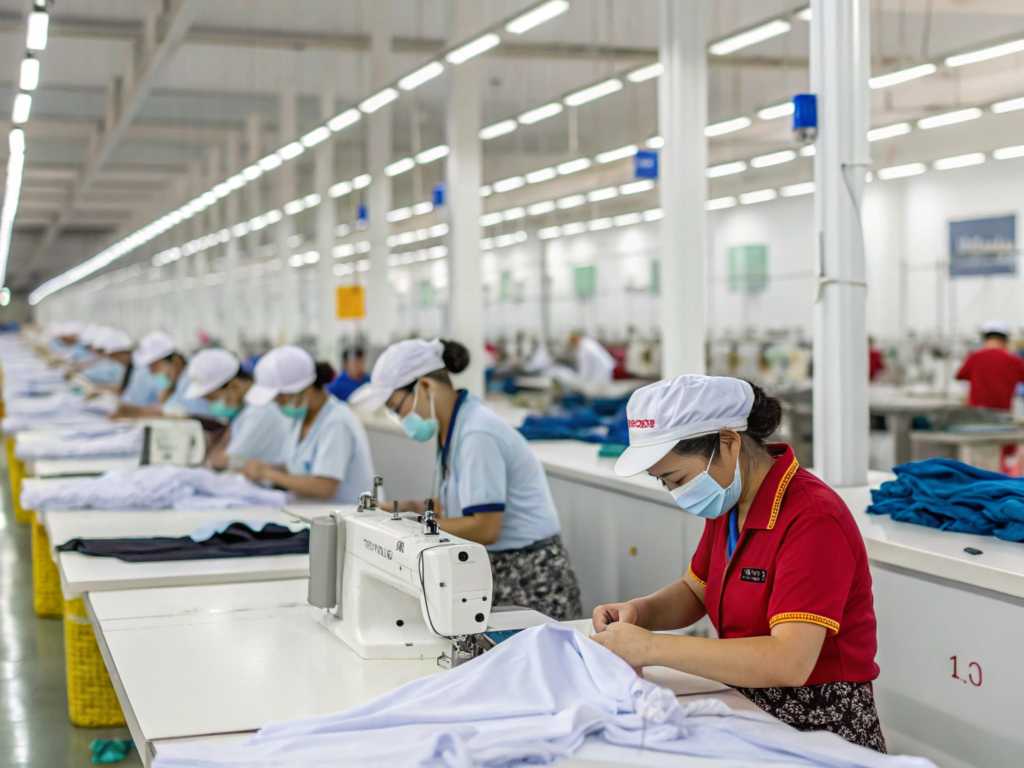
Before a dress factory starts reviewing a new collection, it needs a complete set of structured production inputs—not inspiration alone. The goal at this stage is not to judge creativity, but to determine whether the design can be accurately translated into a manufacturable garment with stable cost, fabric behavior, and repeatable quality.
In real production environments, incomplete inputs are the main reason for sampling delays and repeated revisions. A factory typically evaluates three core areas before accepting a collection for review: design clarity, technical completeness, and material feasibility. When any of these are missing, the collection cannot move forward efficiently into sampling or costing.
A professional review-ready collection usually reduces sampling rounds by 30–50% and shortens development time by 7–15 days, depending on complexity.
What Information Must Be Ready Before Review Starts?
A factory requires structured visual and technical inputs before any evaluation begins. The goal is to remove interpretation gaps between design intent and production execution.
Minimum required inputs:
- Front & back flat sketches or high-resolution reference images
- Key silhouette definition (bodycon, A-line, relaxed, structured)
- Design breakdown notes (neckline, waist, sleeve, hemline)
- Function intent (stretch level, comfort requirement, occasion usage)
- Close-up detail references (zipper, pleats, cut-out, draping)
Without these elements, factories cannot define construction logic accurately, which increases sampling error risk by up to 40%.
Which Technical Data Is Required for Accurate Evaluation?
Technical data determines whether a design can move from concept to production. Visuals alone are not enough.
Core technical inputs include:
- Fabric composition (e.g., 95% polyester / 5% spandex)
- Fabric weight (GSM range: 120–350 depending on category)
- Stretch ratio (1-way or 2-way stretch percentage)
- Garment measurements (bust/waist/hip/length per size)
- Stitch type and seam construction notes
- Lining requirement (full / partial / none)
Example comparison of input quality:
| Category | Missing Data | Complete Data Impact |
|---|---|---|
| Fabric | Visual only | Stable sourcing + correct drape |
| Fit | No measurements | Accurate grading system |
| Construction | No seam details | Faster sample approval |
| Costing | No fabric GSM | ±10–15% cost accuracy |
When these details are defined, factories can estimate production feasibility within 24–48 hours instead of multiple review cycles.
How Do Factories Decide If a Collection Is Ready for Review?
Factories do not rely on subjective judgment at this stage. They use a structured readiness check based on production logic.
A collection is typically approved for review when:
- At least 80% of construction details are clearly defined
- Fabric behavior can be predicted based on provided specs
- Size chart logic is consistent across all measurements
- Trim availability is confirmed or has acceptable alternatives
- No unresolved structural ambiguity exists in key design areas
If any of these elements are missing, the collection is usually returned for clarification before entering sampling.
What Happens When Information Is Incomplete? (Real Production Impact)
Incomplete input does not only slow down review—it directly affects cost and delivery stability.
Common production impacts:
- 2–3 additional sampling rounds required
- 15–25% increase in development cost
- 7–20 days delay in production schedule
- Higher risk of bulk inconsistency
For example, in fitted dress categories, missing waist or hip alignment data often leads to first-sample rejection due to silhouette distortion after stitching.
What Makes a Collection Review-Ready in Real Production Terms?
A review-ready collection is not about how polished the design looks—it is about how predictable the production outcome will be.
Key indicators:
- Fabric selected with confirmed GSM and stretch behavior
- All measurement points mapped across sizes (S–XL or custom grading)
- Construction logic defined (seams, darts, lining, closure systems)
- Trims specified with functional compatibility (zipper type, button weight)
- Visual references matched with technical explanation
Simple Readiness Scoring Table
| Readiness Factor | Weight | Minimum Requirement |
|---|---|---|
| Design clarity | 25% | Full front/back visuals |
| Technical data | 30% | Fabric + measurements defined |
| Construction logic | 25% | Stitching + structure explained |
| Material feasibility | 20% | Fabric & trims confirmable |
Score ≥ 80% → Ready for factory review
Score < 80% → Requires revision before review stage
Why Do Factories Require a Pre-Review Checklist?
Factories rely on a pre-review checklist to control production risk before any sampling begins. In garment manufacturing, most cost overruns and delivery delays are not caused during sewing, but during unclear input at the review stage. A structured checklist ensures every design entering the system already meets a minimum level of technical completeness, fabric clarity, and construction logic.
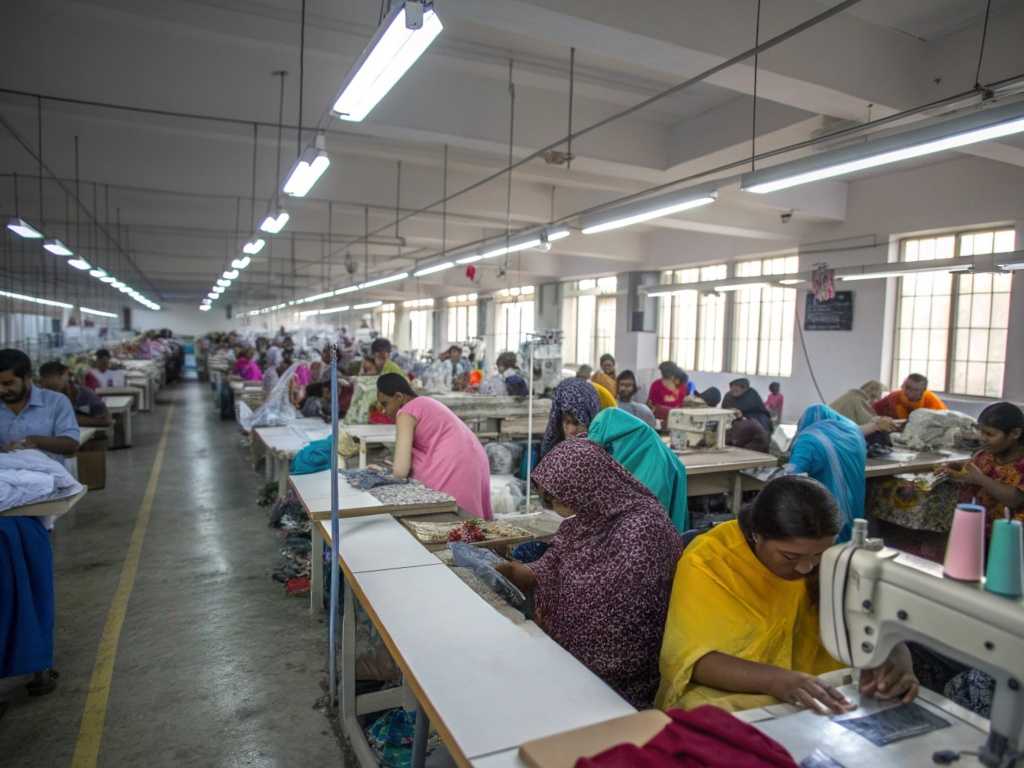
Without this step, factories must interpret missing information. Interpretation leads to variation, and variation leads to repeated sampling. In real production data, collections without a structured checklist typically require 2–4 sampling rounds, while checklist-compliant projects often complete in 1–2 rounds.
The checklist also standardizes communication between design input and production execution, reducing internal misalignment across pattern makers, fabric teams, and sewing units.
What Risks Are Avoided by Using a Checklist?
A pre-review checklist reduces uncertainty at the earliest stage. The main risks it prevents are not theoretical—they directly affect production time and cost.
Key risks avoided:
- Incorrect fabric substitution due to missing GSM or composition data
- Pattern distortion caused by incomplete measurement charts
- Construction errors from missing seam or lining instructions
- Trim mismatch (zipper, button, elastic) during bulk production
- Repeated sampling caused by unclear design intent
In fitted dress categories, missing even one structural detail (such as waist dart placement) can increase sample failure probability by 30–40%.
How Does a Checklist Improve Sampling Accuracy?
Sampling accuracy depends on how clearly a design is translated into production instructions. A checklist forces every critical element to be defined before production begins.
Key improvements include:
- Fabric selection becomes consistent with design intent
- Pattern makers receive complete measurement logic
- Sewing teams follow unified construction direction
- Sample revisions are reduced by eliminating assumptions
Factories using structured intake systems report up to 50% reduction in revision cycles, especially in multi-style seasonal collections.
What Happens When There Is No Checklist? (Real Production Impact)
Without a checklist, factories must rely on interpretation. This creates hidden costs across multiple stages.
Typical outcomes:
- Multiple rounds of clarification emails before sampling starts
- Fabric re-selection due to missing specifications
- Pattern rework after first sample failure
- Delayed production scheduling due to uncertainty
| Stage | Without Checklist | With Checklist |
|---|---|---|
| Sampling rounds | 3–4 cycles | 1–2 cycles |
| Development time | 21–35 days | 10–18 days |
| Cost variance | High (±15–25%) | Controlled (±5–10%) |
| Production delay risk | Frequent | Low |
The biggest loss is not only time—it is production slot efficiency. Once factory capacity is blocked by unclear styles, high-quality production windows are lost.
How Does the Checklist Improve Cost Control?
Cost control in garment production depends on early clarity. When fabric, trims, and construction methods are defined early, factories can calculate labor and material usage more accurately.
A structured checklist supports:
- Accurate fabric consumption estimation (reduces waste by 8–12%)
- Stable labor cost calculation based on complexity level
- Early identification of high-cost construction methods
- Reduced emergency sourcing of trims or fabrics
For example, unclear lining requirements alone can increase fabric consumption cost by 5–10% in bulk production.
What Are the Core Elements of a Factory Pre-Review Checklist?
A professional checklist is not a simple form—it is a production readiness filter. It ensures all departments work from the same data foundation.
Core checklist structure:
| Category | Required Content | Why It Matters |
|---|---|---|
| Design Input | Flat sketches, reference images | Defines visual structure |
| Fabric Data | GSM, composition, stretch | Controls drape & fit |
| Measurement | Size chart + grading logic | Ensures fit stability |
| Construction | Stitch type, seam direction | Prevents structural errors |
| Trims | Zippers, buttons, labels | Ensures assembly compatibility |
If any category is incomplete, the collection is typically paused before entering sampling.
How Do Factories Use Checklists to Prioritize Collections?
Factories do not treat all collections equally. A checklist also helps prioritize workload based on readiness and complexity.
Priority logic:
- Fully completed checklist → immediate sampling slot
- Partially completed checklist → queued for clarification
- Missing key data → returned for revision
This system ensures factory capacity is used efficiently, especially during peak seasonal production cycles when multiple collections compete for the same resources.
What Is the Long-Term Impact of Using a Checklist System?
Over time, checklist-driven production creates stability across entire supply chains.
Key long-term benefits:
- Faster seasonal development cycles
- Lower sampling rejection rate
- Higher bulk production consistency
- Reduced communication dependency between teams
- Improved forecasting accuracy for delivery timelines
Factories that operate without structured intake systems often experience fluctuating efficiency, while checklist-based systems achieve predictable output across seasons.
How Is a New Collection Evaluated in Factories?
A new collection is evaluated in factories through a structured technical screening process that determines whether designs can move into sampling without excessive risk, rework, or cost instability. The evaluation is not based on visual appeal alone. Instead, it focuses on production feasibility, material behavior, construction logic, and scalability under real manufacturing conditions.

In practice, factories apply a multi-layer assessment system that checks whether each style can be accurately translated into pattern making, sampling, and bulk production. A collection that passes evaluation typically reduces sampling failure rates by 30–50% and improves first-sample accuracy significantly.
The evaluation stage acts as a control gate. It filters out designs that may look complete visually but lack the technical structure required for stable production.
How Do Factories Assess Technical Feasibility?
Technical feasibility focuses on whether a design can physically be constructed using existing machinery, stitching methods, and production capability.
Factories evaluate:
- Stitch compatibility with fabric type
- Structural complexity of garment panels
- Machine capability (flat lock, overlock, cover stitch, etc.)
- Construction sequence feasibility
For example, multi-layer draped dresses or asymmetric cut-out designs require advanced sewing coordination. If construction steps exceed standard production capability, factories flag the design for modification before sampling.
A key indicator is operation count per garment. Simple dresses may require 25–40 operations, while complex evening dresses can exceed 80–120 operations. Higher operation counts directly increase production time and defect risk.
What Criteria Are Used for Fabric and Structure Review?
Fabric and structure evaluation ensures that materials align with the intended silhouette and performance requirements.
Factories assess:
- Fabric weight (GSM range suitability for design)
- Stretch behavior (1-way / 2-way elasticity)
- Drape stability (flow vs structure retention)
- Transparency level and lining requirement
- Shrinkage and washing behavior
| Fabric Type | GSM Range | Best Use Case | Risk Factor |
|---|---|---|---|
| Chiffon | 30–80 | Flowing dresses | High transparency |
| Satin | 90–160 | Eveningwear | Slippage risk |
| Jersey | 180–300 | Bodycon dresses | Stretch distortion |
| Tulle | 10–40 | Layered gowns | Shape instability |
When fabric behavior is not aligned with structure design, even a correct pattern will fail during wear testing or bulk production.
How Is Production Complexity Measured?
Factories measure production complexity to allocate labor, machine time, and cost estimation accurately. Complexity is not subjective—it is calculated based on construction elements and production time.
Key measurement factors:
- Number of garment panels
- Stitching operations required
- Decorative elements (pleats, ruffles, beading)
- Layering and lining structure
- Fabric handling difficulty
| Complexity Level | Example Style | Avg. Production Time | Risk Level |
|---|---|---|---|
| Low | Basic slip dress | 15–25 min/unit | Low |
| Medium | Ruched midi dress | 30–45 min/unit | Medium |
| High | Corset evening gown | 60–120 min/unit | High |
Higher complexity directly affects defect probability and sampling iterations. For example, heavily structured dresses may require multiple rounds of reinforcement adjustment before final approval.
What Happens During the Evaluation Workflow Inside Factories?
The evaluation process is not a single review step—it is a coordinated workflow across multiple departments.
Typical workflow:
- Design intake review (initial completeness check)
- Pattern feasibility check (structure translation)
- Fabric compatibility review (material behavior test)
- Cost estimation analysis (labor + material calculation)
- Production scheduling assessment (capacity planning)
Each department focuses on a different layer of risk. If any stage identifies inconsistency, the collection is paused before sampling begins.
Factories often reject or revise 20–35% of incoming styles at this stage—not due to design weakness, but due to missing technical alignment.
How Do Factories Decide Approval or Modification Before Sampling?
Approval decisions are based on production readiness thresholds rather than subjective judgment.
A collection is typically approved when:
- Fabric and trims are fully defined and sourceable
- Construction logic is complete and repeatable
- Measurement grading is consistent across sizes
- Production time fits factory capacity window
- No structural ambiguity exists in critical areas
If gaps are identified, factories usually return the style with targeted revision notes instead of full rejection. This reduces downstream sampling errors and improves efficiency.
What Is the Real Impact of Poor Evaluation Input?
When evaluation input is incomplete, factories must rely on assumptions. This creates measurable production inefficiencies.
Common outcomes:
- 2–3 additional sampling rounds required
- 10–20 days delay in development timeline
- 15–25% increase in sample cost
- Higher bulk inconsistency rate
The biggest hidden cost is production slot loss. Once factory capacity is misallocated to unclear styles, peak-season manufacturing windows become harder to recover.
Why Evaluation Stage Determines Final Production Stability?
The evaluation stage is the foundation of production stability because it defines how clearly a design can be executed without interpretation.
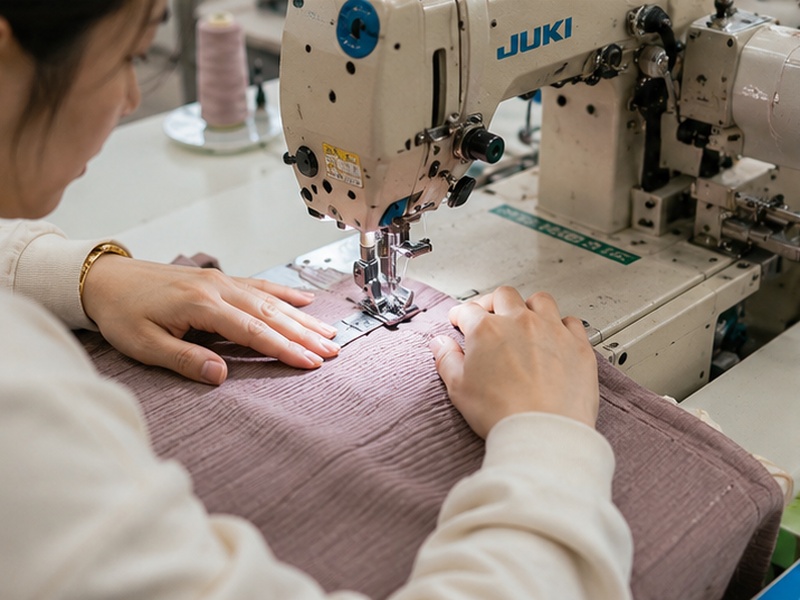
Strong evaluation input leads to:
- Faster sampling approval cycles
- Lower defect rate in bulk production
- Stable costing across seasons
- Predictable delivery timelines
- Reduced communication loops between teams
Weak evaluation input leads to repeated corrections, inconsistent samples, and unstable bulk output—even if the original design is strong.
Which Technical Documents Are Essential for Collection Review?
A collection cannot be evaluated properly without complete technical documentation. In garment manufacturing, documents act as the “production language” between design intent and factory execution. Missing or incomplete files are the main reason for miscommunication, sampling delays, and inconsistent bulk results.
Factories typically reject or pause 25–40% of incoming styles at review stage due to incomplete technical packs. The purpose of technical documents is not paperwork—it is to remove interpretation and ensure every department works with the same production logic.
A complete documentation set can reduce sampling revisions by 30–50% and significantly improve first-sample accuracy.
What Should a Tech Pack Include for Review Stage?
A tech pack is the core document for collection evaluation. It defines how a garment should be built from structure to finishing.
Minimum required components:
- Flat sketches (front, back, and key details)
- Construction notes (seam type, stitching method, finishing rules)
- Fabric specification (composition, GSM, stretch level)
- Trim list (zipper, buttons, elastic, labels)
- Colorways and Pantone references
- Basic measurement sheet (key points per size)
| Tech Pack Element | Purpose | Risk If Missing |
|---|---|---|
| Flat sketch | Visual structure clarity | Misinterpretation of design |
| Fabric spec | Material accuracy | Wrong drape or weight |
| Measurements | Fit consistency | Size instability |
| Construction notes | Sewing logic | Incorrect assembly |
| Trim list | Component accuracy | Bulk sourcing errors |
Without these elements, factories must interpret design intent, which increases error probability significantly in sampling.
Which Measurements and Specs Are Critical for Evaluation?
Measurement data determines whether a garment can maintain fit consistency across sizes. In women’s dresses, even small measurement gaps can alter silhouette balance.
Critical measurement points include:
- Bust, waist, and hip circumference
- Front and back length
- Shoulder width and strap positioning
- Sleeve length and armhole depth (if applicable)
- Waist drop or high/low waist positioning
Factories also require grading rules across sizes (e.g., S–M–L–XL or custom grading logic).
| Measurement Issue | Production Impact |
|---|---|
| Missing grading logic | Inconsistent sizing across bulk |
| Incorrect waist placement | Silhouette distortion |
| Incomplete length specs | Fit mismatch in final garment |
| No tolerance range | High rejection rate |
A structured measurement system improves bulk consistency by up to 25–35%.
How Are Fabric Specifications Verified During Review?
Fabric specification is one of the most critical factors in collection evaluation because it directly affects drape, comfort, and production stability.
Factories verify:
- Composition (e.g., polyester, cotton, nylon blends)
- GSM range (fabric weight suitability for garment type)
- Stretch percentage (1-way or 2-way elasticity)
- Shrinkage rate after washing
- Color fastness and finishing behavior
For example:
- A 120 GSM chiffon behaves completely differently from a 120 GSM woven crepe even if visually similar
- A 2% elastane difference can change fit tension in bodycon dresses by 10–15%
| Fabric Factor | Acceptable Range | Risk If Incorrect |
|---|---|---|
| GSM | 80–350 depending on style | Wrong garment structure |
| Stretch | 0–30% depending on fit | Fit instability |
| Shrinkage | <5% standard | Size deviation after wash |
| Color fastness | Grade 4+ recommended | Fading in bulk production |
Fabric verification ensures the design intent matches real production behavior.
Why Are Trim and Accessory Details Important?
Trims often appear minor, but they directly affect garment function, durability, and production efficiency.
Factories require clear specification of:
- Zipper type (invisible, metal, nylon coil)
- Button size, material, and weight
- Elastic width and tension level
- Labels (woven, heat transfer, care labels)
- Decorative elements (beads, sequins, lace types)
Incorrect trim selection can cause:
- Assembly delays due to incompatible parts
- Structural imbalance in fitted garments
- Higher defect rates in bulk production
For example, using a heavy metal zipper in lightweight chiffon dresses can distort side seams and affect drape stability.
How Do Technical Documents Reduce Sampling Errors?
Technical documents act as the control system for production accuracy. When complete, they eliminate guesswork and align all departments under one standardized instruction set.
Impact of complete documentation:
- Sampling revision rate reduced by 30–50%
- First-sample accuracy improved significantly
- Fabric procurement errors reduced by 20–30%
- Production communication cycles shortened
| Documentation Level | Sampling Outcome |
|---|---|
| Incomplete | 3–5 sample rounds |
| Partially complete | 2–3 sample rounds |
| Fully structured | 1–2 sample rounds |
The difference is not minor—it directly affects time-to-market and production cost efficiency.
What Happens When Documents Are Missing or Weak?
Weak documentation forces factories into interpretation mode. This leads to inconsistencies across pattern making, sewing, and finishing.
Common outcomes include:
- Fabric substitution due to missing specifications
- Pattern revisions after first sample failure
- Measurement mismatch across sizes
- Increased production cost due to rework cycles
In seasonal fashion cycles, even a 1–2 week delay can affect selling windows and inventory planning.
Why Technical Documentation Defines Production Success?
Technical documents are not administrative requirements—they define whether a collection can be executed predictably at scale.
Strong documentation leads to:
- Stable costing across production runs
- Consistent fit across all sizes
- Reduced communication dependency
- Faster sampling approval cycles
- Higher bulk production reliability
Weak documentation leads to repeated interpretation, unstable samples, and unpredictable production outcomes—even if the design itself is strong.
How Do Factories Approve or Reject a Collection for Sampling?
Factories decide whether a collection can enter sampling through a structured approval gate that evaluates technical completeness, production feasibility, and risk level. This stage is not based on design preference—it is a production control point that determines whether factory capacity can be safely allocated.

In real garment manufacturing, around 20–35% of collections are paused or returned at this stage due to missing technical data, unstable fabric selection, or unclear construction logic. Approval means the collection is ready for controlled sample execution; rejection or revision means production risk is too high to proceed.
The goal of this process is simple: ensure every approved style can move into sampling with minimal revision cycles and predictable outcomes.
What Makes a Design Production-Ready for Approval?
A design is considered production-ready when all core technical elements are stable and repeatable in real manufacturing conditions.
Key readiness requirements:
- Complete tech pack with construction details
- Confirmed fabric specification (GSM, composition, stretch)
- Full measurement chart with grading logic
- Defined stitching method and seam structure
- Confirmed trim and accessory list
- No structural ambiguity in key design zones
| Readiness Factor | Minimum Requirement | Risk if Missing |
|---|---|---|
| Fabric clarity | GSM + composition confirmed | Wrong drape or fit |
| Measurement system | Full size grading chart | Size inconsistency |
| Construction logic | Stitching + seam details | Assembly errors |
| Trim definition | Zipper/button specification | Bulk mismatch |
| Visual clarity | Front/back technical sketch | Misinterpretation |
When all five areas are complete, factories can move directly into sampling with predictable outcomes.
What Causes a Collection to Be Rejected Before Sampling?
Rejection at the review stage does not mean the design is unsuitable—it means production risk is too high due to missing or unstable input data.
Most common rejection reasons:
- Missing or incomplete tech pack information
- Fabric not defined or only visually referenced
- No measurement grading system provided
- Complex construction without execution details
- Trim or accessory uncertainty
- Conflicting design references
In fitted dress categories, unclear waist or hip structure alone can lead to immediate revision requests because it directly affects silhouette stability.
Factories typically flag 30–40% of styles for revision before sampling starts, especially during seasonal collection intake periods.
How Is Risk Level Calculated During Approval?
Factories assign a risk score to each style before approving sampling. This score determines whether a design can enter production immediately or requires refinement.
Risk is calculated based on:
- Fabric behavior stability
- Construction complexity
- Measurement clarity
- Production time estimate
- Material sourcing reliability
| Risk Level | Score Range | Action |
|---|---|---|
| Low risk | 80–100 | Direct sampling approval |
| Medium risk | 60–79 | Minor revision required |
| High risk | Below 60 | Full revision before sampling |
High-risk designs often involve layered structures, heavy embellishments, or unstable fabrics like chiffon or mesh without proper reinforcement planning.
What Happens When a Collection Is Approved?
Approval does not mean production starts immediately—it means the collection enters controlled sampling workflow.
After approval, factories will:
- Confirm final fabric sourcing or procurement plan
- Lock measurement chart and grading rules
- Assign pattern maker and sampling line
- Schedule production based on complexity level
- Prepare trim sourcing and verification
Approval typically shortens sampling lead time by 20–35% compared to unstructured intake cases because no clarification loops are needed during execution.
What Happens When a Collection Is Returned for Revision?
When a collection is returned, factories provide structured feedback instead of rejection without direction. The goal is to reduce ambiguity and bring the design to production-ready status.
Common revision actions:
- Define missing fabric specifications
- Adjust measurement inconsistencies
- Clarify construction details (seams, lining, darts)
- Replace unstable trims or accessories
- Simplify overly complex structures for feasibility
| Revision Area | Typical Fix | Impact |
|---|---|---|
| Fabric | Confirm GSM + composition | Stable drape |
| Fit | Adjust grading logic | Consistent sizing |
| Structure | Simplify seams | Faster sampling |
| Trims | Replace incompatible parts | Reduced defects |
Most revised collections return to approval stage within 3–7 working days depending on complexity.
How Does Approval Impact Sampling Efficiency?
Approval quality directly determines sampling efficiency. Strong approval input leads to fewer iterations and faster first-sample success.
Measured outcomes:
- First sample success rate: +40–60% improvement
- Sampling rounds reduced from 3–4 to 1–2
- Development time shortened by 7–15 days
- Fabric waste reduced by 8–12%
The difference comes from removing interpretation before production begins.
Why Approval Stage Controls Final Production Quality?
The approval stage is the foundation of production stability. Once a weak design enters sampling, all downstream processes inherit that uncertainty.
Strong approval control ensures:
- Stable pattern execution across sizes
- Predictable fabric behavior in bulk production
- Consistent stitching quality across lines
- Reduced rework in finishing stage
- Accurate production scheduling
Weak approval control leads to repeated sampling, inconsistent output, and delayed seasonal delivery—even if the original design concept is strong.
What Happens After a Collection Passes the Review Stage?
Once a collection passes the review stage, it moves from evaluation into structured production execution. This is the point where design intent is no longer theoretical—it becomes an operational workflow involving sampling, material locking, pattern execution, and production scheduling.
At this stage, factories begin allocating real resources: fabric procurement, sampling lines, technical teams, and time slots. A well-prepared approval can reduce total development time by 20–40%, while poor handover after approval often leads to hidden delays in sampling and bulk production.
Passing review does not mean production starts immediately—it means the collection is stable enough to enter a controlled manufacturing pipeline.
How Is Sampling Scheduled After Approval?
Sampling is scheduled based on complexity, fabric readiness, and factory capacity. Each style is assigned a priority slot depending on its construction difficulty and seasonal urgency.
Typical scheduling logic:
- Simple styles: 5–7 working days to first sample
- Medium complexity: 7–12 working days
- High complexity (eveningwear / structured dresses): 10–18 working days
Factories also balance workload across multiple collections. Even after approval, styles may be queued if production lines are occupied.
| Complexity Level | Average Sampling Time | Priority Level |
|---|---|---|
| Low | 5–7 days | Fast track |
| Medium | 7–12 days | Standard |
| High | 10–18 days | Scheduled queue |
Fabric availability can also affect scheduling. If fabric is not in stock, procurement lead time (usually 3–10 days) is added before sampling begins.
What Communication Happens Before First Sample?
Before cutting the first sample, factories perform a final confirmation stage to eliminate remaining ambiguity. Even after approval, small gaps can still exist in trims, stitching preferences, or fit expectations.
Key confirmation points:
- Final fabric confirmation (supplier + GSM check)
- Stitching method approval (overlock, flatlock, invisible seam)
- Trim matching (zipper length, button type, elastic strength)
- Measurement validation across sample size
- Color and finishing instructions (washing, pressing, surface texture)
This stage usually reduces first-sample failure rate by 30–50%, especially in fitted and structured dresses where minor inconsistencies can affect silhouette balance.
Factories often document all confirmations in a final production sheet to ensure no interpretation occurs during sampling.
How Is Fabric and Trim Procurement Handled After Approval?
Once the collection passes review, procurement becomes a priority activity. Fabric and trims are locked to avoid substitution during sampling and bulk production.
Procurement workflow:
- Fabric sourcing confirmation based on approved GSM and composition
- Lab dip or color swatch confirmation (if needed)
- Trim sourcing (zipper, buttons, labels, elastic)
- Supplier lead time alignment
- Material inspection before sampling cut
| Material Type | Lead Time | Risk Factor |
|---|---|---|
| Fabric stock | 1–3 days | Low |
| Custom dye fabric | 7–15 days | Medium |
| Imported trims | 5–10 days | Medium |
| Special accessories | 10–20 days | High |
Material delays are one of the most common reasons sampling schedules shift even after approval.
How Is Pattern Making and Sampling Organized After Approval?
After approval, pattern making becomes the first physical transformation step. The approved tech pack is converted into production-ready patterns.

Workflow includes:
- Digital or manual pattern creation
- Size grading based on approved measurement chart
- Fabric lay planning for efficiency
- Sample cutting and stitching
- Initial fitting and adjustment check
In structured factories, pattern accuracy at this stage determines 60–70% of final sample success rate.
For complex dresses (corset, draped, layered designs), pattern makers often perform 1–2 pre-adjustment iterations before final sample stitching.
What Happens During First Sample Development?
The first sample is not a final product—it is a validation stage for structure, fit, and material behavior.
Key evaluation areas:
- Fit accuracy against measurement chart
- Fabric drape and movement behavior
- Seam stability and stitching quality
- Trim integration (zipper alignment, button positioning)
- Overall silhouette consistency
| Evaluation Area | Common Issue | Adjustment Needed |
|---|---|---|
| Fit | Tight/loose areas | Pattern correction |
| Fabric | Too stiff or soft | Material adjustment |
| Structure | Uneven seams | Stitch revision |
| Trims | Misalignment | Replacement or reposition |
Most styles require at least one revision round before final sample approval.
How Is Bulk Production Prepared After Sampling Starts?
While sampling is ongoing, factories begin preparing for bulk production to reduce lead time after final approval.
Preparation includes:
- Fabric bulk order confirmation
- Production line allocation
- Workload scheduling per style complexity
- Quality control standard setup (AQL target)
- Packaging and labeling preparation
| Preparation Area | Timing | Purpose |
|---|---|---|
| Fabric bulk order | During sampling | Avoid delay |
| Line allocation | Pre-final sample | Secure capacity |
| QC setup | Before bulk start | Ensure consistency |
| Packaging prep | Parallel process | Speed delivery |
This parallel workflow reduces overall production cycle by 10–20% compared to sequential planning.
Why This Stage Determines Final Production Success?
The post-review stage is where design stability is converted into manufacturing reality. Even a well-approved collection can fail if sampling, material control, or preparation is not managed properly.
Strong execution at this stage leads to:
- Stable bulk production quality
- Lower defect rates (<2–3% in controlled systems)
- Predictable delivery timelines
- Reduced communication cycles
- Higher repeat production efficiency
Weak execution leads to repeated adjustments, inconsistent samples, and delayed shipment—even after successful review approval.
Conclusion
If you are preparing a new dress collection and need a factory that can evaluate designs with production-level precision—not just visual judgment—Jinfeng Apparel supports full collection review, tech pack validation, sampling development, and bulk production planning.
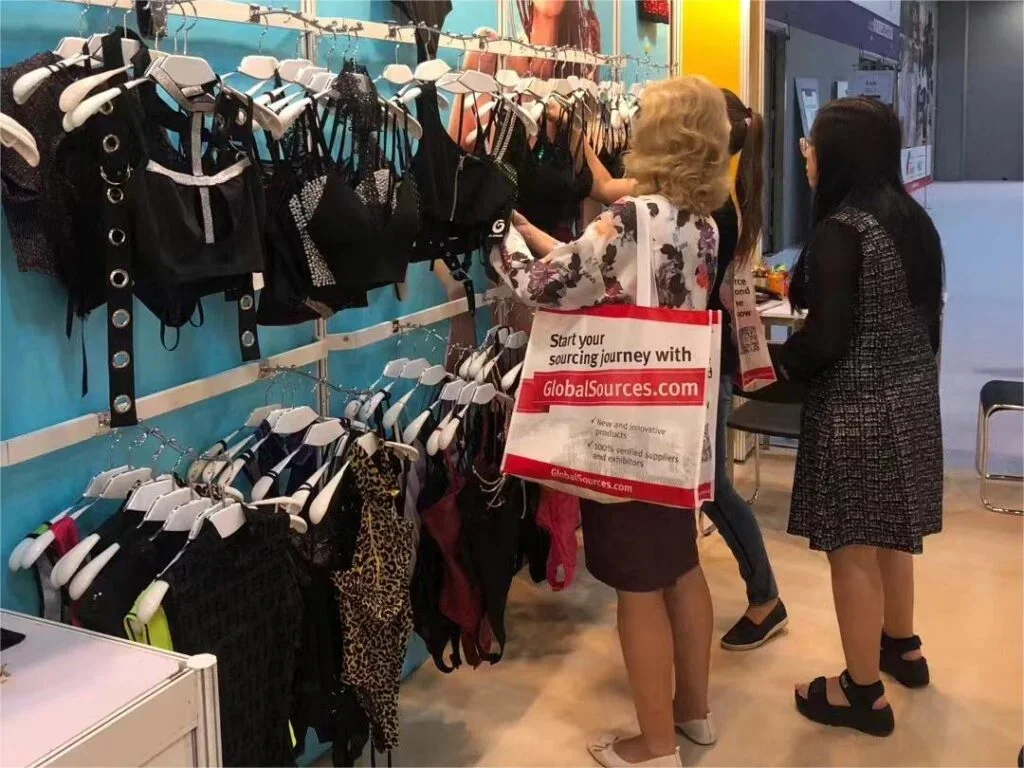
Our team in Guangdong works with structured intake systems that help reduce sampling errors, improve production consistency, and shorten development cycles for global fashion brands.
You can send your collection sketches, tech packs, or reference images for professional review and quotation.
👉 Contact Jinfeng Apparel to start your custom dress development and production review process today.