Skip to content

The wholesale market for plus-size clothing1 has grown significantly, but finding reliable suppliers who offer quality products at competitive prices can still be challenging. Many wholesalers cater to this demand, providing options in various styles and sizes.
You can buy plus-size clothes wholesale from specialized suppliers like Tasha Apparel, or via platforms like Alibaba, Faire, and FashionGo. Ensure you verify the supplier’s reviews and quality before committing.
Understanding the nuances of the plus-size wholesale market will help you make better sourcing decisions. Let’s explore this in detail.
Is it more expensive to make plus-size clothing?
Yes, producing plus-size clothing can be more expensive due to the additional fabric required, different pattern-making techniques, and smaller production runs compared to straight sizes.
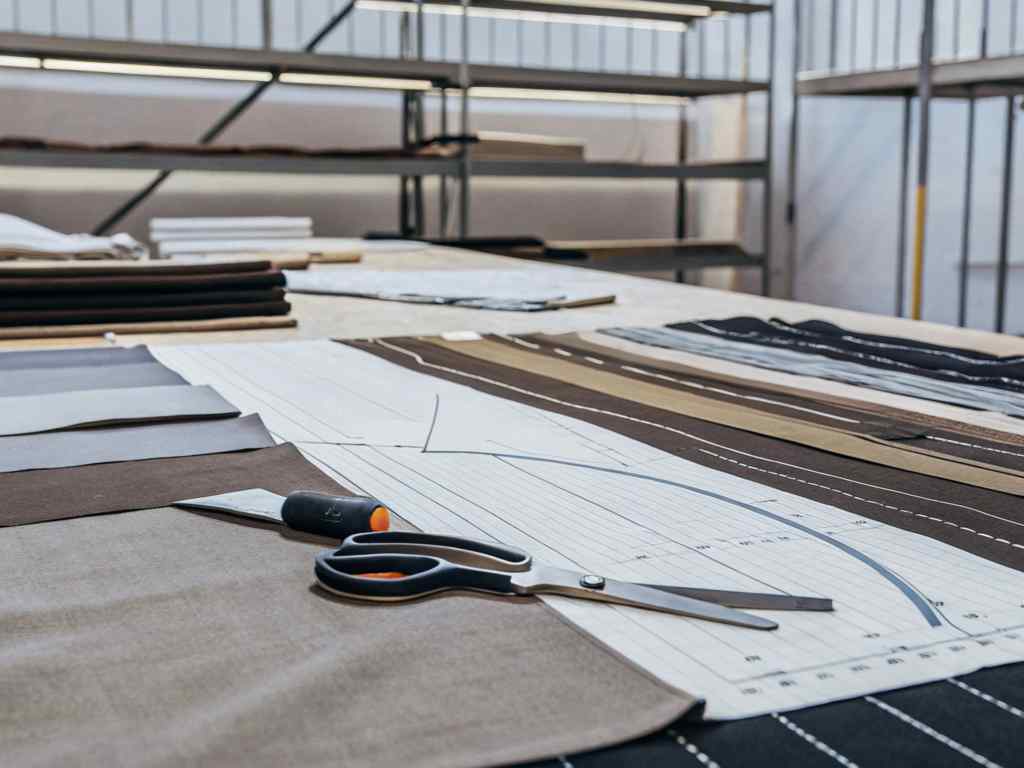
Plus-size clothing often costs2 more to produce because it requires extra material, adjusted designs, and sometimes different machinery to accommodate larger sizes.
 Fabric Cutting Layout
Why do production costs increase for plus sizes?
- Fabric use: Larger sizes need more fabric, increasing material costs.
- Pattern adjustments: Unique patterns and fittings are required to ensure a proper fit across a wide range of sizes.
- Production runs: Smaller demand for extended sizes often results in higher costs per piece.
| Factor | Impact on Costs |
|---|---|
| Fabric Use | Requires more material per garment. |
| Specialized Patterns | Extra work in pattern-making and grading. |
| Lower Volume | Higher cost due to smaller production runs. |
Understanding these factors helps businesses plan their pricing and sourcing strategies effectively.
Why is it hard to find plus-size clothing?
Finding plus-size clothing is challenging due to limited inclusivity in mainstream fashion, fast-changing trends, and brands prioritizing smaller size ranges.
Limited demand perception, production challenges, and outdated stigmas contribute to the scarcity of plus-size clothing options in many stores.
Barriers to plus-size inclusivity
- Market misconceptions: Many brands underestimate the demand for plus-size options, resulting in smaller product lines.
- Higher costs: As discussed, producing plus-size clothing can be more expensive, discouraging brands from offering inclusive ranges.
- Fashion stereotypes: Some designers avoid creating larger sizes, fearing they won’t fit the brand’s image.
| Challenge | Description |
|---|---|
| Market Misjudgment | Brands underestimate consumer demand. |
| Production Costs | Increased costs limit range availability. |
| Design Resistance | Designers prioritize smaller sizes. |
These challenges highlight the need for more inclusive3 fashion practices across the industry.
Do bigger clothes make you look bigger?
Wearing oversized clothing doesn’t inherently make you look bigger, but ill-fitting or poorly styled pieces can create an unflattering silhouette. Choosing the right cuts and proportions is key.
Oversized clothing can look stylish when properly balanced with fitted elements or accessorized, avoiding a boxy or bulky appearance.
How to style oversized clothing to avoid looking bigger
- Define proportions: Pair oversized tops with slim bottoms or vice versa to create balance.
- Focus on accessories: Belts or statement jewelry can break up large expanses of fabric.
- Layer smartly: Use lightweight fabrics to layer without adding bulk.
For example:
| Outfit Option | Styling Tip |
|---|---|
| Oversized sweater + jeans | Tuck in the front to add structure. |
| Long tunic + leggings | Use a belt to define the waist. |
| Baggy trousers + fitted top | Balances volume with tailored elements. |
By paying attention to proportions and styling4, oversized clothing can be both flattering and fashionable.
How do you look good in oversized?
Looking good in oversized clothing requires careful attention to proportions, color coordination, and layering techniques that create a chic and intentional appearance.
To look good in oversized clothing, balance loose pieces with fitted items, accessorize thoughtfully, and experiment with textures to add dimension.
Styling tips for oversized outfits
- Balance proportions: Combine oversized tops with fitted bottoms, or oversized pants with a cropped or tailored top.
- Play with textures: Pair soft, flowy fabrics with structured elements like denim or leather for contrast.
- Color coordination: Stick to neutral tones or monochromatic palettes to create a cohesive look.
| Oversized Piece | Styling Suggestion |
|---|---|
| Blazers | Wear with fitted trousers and a belt. |
| Tops | Tuck into high-waisted bottoms. |
| Dresses | Use a structured jacket or waist belt. |
Oversized fashion offers endless opportunities for creativity, allowing wearers to make bold yet comfortable style statements.
Is oversized still in trend?
Yes, oversized clothing remains in trend for 20245, with new interpretations featuring innovative cuts, bold patterns, and sustainable materials.
Oversized fashion continues to dominate in 2024, offering modern designs and eco-friendly options that cater to both comfort and aesthetics.
Why oversized styles remain popular
- Comfort-first approach: Oversized garments align with the demand for wearable, relaxed clothing.
- Fashion innovation: Designers incorporate oversized elements into contemporary looks like oversized blazers and coats.
- Sustainability: Many oversized pieces are now crafted from organic or recycled fabrics, adding eco-friendly appeal.
| 2024 Trend | Examples |
|---|---|
| Oversized Coats | Dramatic silhouettes in wool or faux fur. |
| Baggy Jeans | High-rise, wide-leg styles. |
| Boxy Blazers | Neutral tones paired with bold accessories. |
Oversized clothing continues to merge comfort with cutting-edge trends, making it a staple for modern wardrobes.
Conclusion
Finding reliable plus-size wholesale suppliers and understanding the dynamics of oversized fashion can help you cater to a growing, diverse market. With thoughtful sourcing and styling, plus-size and oversized clothing can be both inclusive and on-trend.