
What Is a First Dress Sample? A Guide to Garment Development and Approval

Your trusted Women’s Apparel Manufacturer from China

A dress can look perfectly resolved in a sketch, a technical drawing or a polished 3D rendering, yet behave very differently once fabric, gravity and a real body enter the picture. A neckline that appears balanced on screen may gape when worn, a waist seam may sit too high, or a satin skirt may twist after hanging. Experienced fashion teams therefore treat the first sample as a decision-making tool rather than a ceremonial step between design and production.
A first dress sample is the earliest physical version of a new dress made from a tech pack, sketch, reference garment or development brief. It is used to assess design interpretation, pattern structure, basic fit, fabric behavior and construction feasibility before detailed revisions, pre-production approval and bulk manufacturing begin.
The first sample does not need to be flawless to be valuable. Its real job is to make hidden assumptions visible while they are still affordable to correct. A waistline problem discovered during development may require one pattern change and another fitting. The same problem discovered after bulk cutting can affect material yield, sewing schedules, inspection results and an entire launch. This is the moment when a dress stops being an attractive idea and starts telling the development team what is actually possible.
What Is a First Dress Sample?
A first dress sample is the initial sewn version of a new style. It helps the brand and manufacturer check whether the design, pattern, proportions, fabric and construction work together. It is normally a development sample rather than the final production reference, and it often needs measured comments followed by one or more controlled revisions.
Terms and Scope
The terms first sample, proto sample, prototype sample and initial development sample are often used for the same early stage, but there is no single naming system used by every brand and manufacturer. One team may call the first garment sewn in the sample room a proto, while another may reserve first sample for the first version formally sent to the client. The terminology matters less than the purpose agreed before the work begins.
A useful sample request should define what the garment is expected to prove. A straightforward woven mini dress may be developed to verify silhouette, neckline, waist placement, basic measurements and sewing order. A corset dress, draped asymmetric style or fitted stretch-mesh dress may need the first round to concentrate more heavily on support, panel shaping, fabric recovery and construction feasibility. Clarifying that scope prevents one side from expecting a photo-ready garment while the other is only testing an initial pattern.
What It Must Prove
The first sample should turn the most important design assumptions into visible and measurable evidence. It should show whether the manufacturer understood the intended shape, whether the pattern pieces create a balanced garment and whether the chosen material supports the desired appearance. It should also reveal whether the proposed construction can be repeated with reasonable control once the style leaves the sample room and enters a production line.
Review Area | What the Sample Should Demonstrate | Practical Question |
Design | The intended silhouette and visible details are recognizable. | Do the neckline, waistline, skirt shape and proportions match the brief? |
Pattern | The pattern pieces create a balanced garment. | Are side seams straight, hems level and style lines correctly placed? |
Fit | The bust, waist, hip and length relationships are workable. | Can the wearer stand, sit and move without obvious restriction or exposure? |
Fabric | The material behaves in a way that supports the design. | Does it drape, stretch, recover, hold shape and provide enough coverage? |
Construction | The dress can be sewn consistently. | Are the zipper, lining, cups, boning, seams and hem methods practical? |
Cost Direction | The design is compatible with the intended product position. | Are any operations unnecessarily complex, slow or difficult to reproduce? |
A sample that exposes several correctable problems can still be successful because finding those issues is part of its purpose. The more serious risk is a garment that looks attractive in a photograph but has never been fitted, measured or reviewed for repeatable construction. Early development should encourage honest evidence rather than hide uncertainty under pressing, pinning or temporary hand adjustments.
What It Is Not
A first sample is not automatically a fit-approved sample, a pre-production sample or a sealed production standard. It may use a temporary zipper, a substitute lining or an ungraded base-size pattern. Some final labels, custom hardware or packaging components may not yet exist. These limitations are acceptable only when they are clearly identified, because an unrecorded substitution can easily be mistaken for an approved production detail.
The first sample is also not a substitute for controlled documents. Even when the garment appears close to the design, the team still needs to know which pattern version was used, which measurements were checked, which materials are provisional and which comments remain open. A physical sample without matching specifications cannot reliably guide grading, cutting, sewing, quality control or repeat orders, especially after several revisions have occurred.
Why It Matters
The first sample matters because two-dimensional information cannot fully predict fabric behavior, body movement or sewing tension. A satin slip dress may appear simple in a drawing, yet the first garment can reveal a neckline that lifts away from the body, straps that stretch under weight or a bias-cut skirt that lengthens after hanging. Those discoveries do not necessarily mean the design is unworkable; they show exactly where technical development must continue.
Correcting a neckline, waist position or hip curve during sampling may require a pattern update and another fitting. Discovering the same issue after hundreds of garments have been cut can affect fabric consumption, line efficiency, inspection results and delivery timing. The first sample therefore protects more than appearance. It protects the development calendar, the material investment and the consistency expected when the style is eventually repeated across colors, sizes and future orders.
How Is a First Dress Sample Made?
A first dress sample is created through a controlled sequence: product information is reviewed, the garment structure is assessed, suitable materials are selected, an initial pattern is developed, the dress is cut and sewn, and the completed sample is measured and checked internally. Clearer inputs usually produce a more accurate first version and fewer avoidable revisions.
Development Inputs
The quality of the first sample is strongly influenced by the information available at the start. A detailed tech pack normally provides the clearest direction because it can define measurements, construction, materials, stitching, labels and artwork in one controlled file. Development can also begin from a sketch, reference garment, photograph, line sheet or fabric swatch, but each missing detail increases the number of assumptions the manufacturer must make.
Development Input | What It Helps Define | Risk When Missing |
Technical Sketch | Front, back and detail construction. | Panels, seams or openings may be interpreted differently. |
Measurement Chart | Garment dimensions and the intended base size. | Fit becomes dependent on assumptions or an unsuitable house block. |
Reference Garment | Proportion, construction and overall hand feel. | Hidden support, seam allowance and internal details may remain unclear. |
Fabric Swatch | Weight, stretch, recovery, drape and surface. | The sample material may create a misleading fit or silhouette. |
Trim Details | Zippers, cups, boning, elastic and hardware. | Construction, comfort and cost may change later. |
Target Market | Fit expectations, climate and wearing occasion. | Proportions may not suit the intended customer or use. |
Quantity Plan | Production scale and sourcing direction. | A fabric or trim may be impractical at the planned volume. |
Launch Date | Sampling, approval and production timing. | Revisions may conflict with campaign or delivery deadlines. |
The development team should also understand the product category and commercial position. A casual rayon maxi dress, a fitted jersey mini dress and a structured evening dress require different decisions about ease, lining, support and finishing. The planned size range, colors, order quantity and target cost should be discussed early because they affect material sourcing and whether a beautiful sample can be reproduced commercially without weakening the intended appearance.

Pattern Development
The pattern maker translates the design into individual garment pieces, which may include front and back bodices, skirt panels, sleeves, facings, lining, cups, boning channels, waist stays, ruffles or shaped inserts. Dress patterns are particularly sensitive to vertical proportion. A waist measurement can be numerically correct while the seam sits too high, and a neckline can match the stated depth while the bust point or shoulder angle still causes gaping.
Fabric behavior must be considered before the initial pattern is treated as complete. A stretch bodycon dress may require controlled negative or close ease, while a rigid satin dress needs enough movement allowance and a reliable opening. Bias-cut panels can lengthen after hanging, rib knits can recover differently across the body, and layered mesh can become heavier than expected once lining and embellishment are added. The pattern must respond to the actual material rather than an abstract silhouette alone.
During sewing, the sample machinist may discover issues that were not obvious on paper, such as a facing that is too narrow, a seam that is difficult to control or an assembly sequence that creates unnecessary bulk. These observations should return to the pattern and technical files. Quietly correcting the sample by hand without updating the pattern may produce one attractive garment while leaving the same problem waiting for the production team.
Fabric and Trims
Whenever practical, the first sample should use the intended fabric because weight, elasticity, recovery, thickness, surface friction and transparency all influence the result. Final material may not always be available during the first round. A custom color may still be in dyeing, special lace may require a supplier minimum, or branded hardware may still be in development. In those cases, a substitute can be useful if its important physical properties are reasonably similar.
A substitute should be chosen according to the question being tested. For a fitted stretch dress, stretch percentage, recovery and weight matter more than color. For a fluid woven dress, drape, opacity and surface movement matter more than print. For a structured bodice, stability and thickness are especially important. Replacing stretch satin with rigid satin may look acceptable on a hanger while producing a completely different fit over the bust and hips.
Temporary zippers, cups, boning, elastic or lining should be recorded on the sample report. The report should state what is final, what is provisional and what still requires approval. Fit approved in one material should not be assumed to remain valid after a major fabric change. A different stretch level, shrinkage rate or weight can alter the pattern balance enough to justify another fitting, even when the visual design remains unchanged.
Sewing and Internal Review
The sample machinist assembles the garment using the proposed or provisional construction method. This stage tests seam types, zipper installation, lining attachment, cup placement, boning channels, gathers, pleats, elastic tension and hem methods. Delicate materials may require different needles, machine settings, seam support or handling techniques. The sample room is not only making a garment; it is testing whether the planned operations can create the intended result without damaging the material.
Before the sample is sent, it should undergo an internal review against the available design information. The team should measure key points, inspect symmetry and check visible workmanship. An uneven hem, twisted side seam, missing construction detail or incorrectly positioned zipper should not be passed to the client as though it were a design question. Internal review should remove preventable errors while preserving legitimate fit, pattern and material issues that require client decisions.
A strong internal check also identifies provisional elements and unresolved risks. If the fabric, lining, trim or color is not final, that fact should be visible in the comments. The client can then evaluate the sample for the correct purpose rather than treating every visible component as approved. This transparency is especially important when launch schedules are tight and several sample, material and packaging decisions are moving at the same time.
What Should You Check on the First Sample?
Check the first sample against the approved design information, measurement chart and intended wearing conditions. Review the overall silhouette first, then assess fit, balance, fabric behavior, construction and workmanship. Record each issue by category, and do not approve the garment only because it looks attractive on a hanger or in a carefully posed photograph.
Design Match
Begin with the large visual relationships because a technically neat sample can still be wrong if the style has been misunderstood. Compare the garment with the approved sketch, reference image or original sample and look at neckline shape, shoulder width, bodice length, waist position, hip proportion, skirt volume and total length. Confirm the main silhouette before spending time on temporary zipper color, unfinished labels or other details that can be changed without altering the pattern.
Review the sample from the front, back and side. The side view often reveals issues that a front photograph hides, including a front hem that lifts, a back neckline that stands away from the body or a side seam that moves toward the front. On asymmetric dresses, confirm that the imbalance is intentional and follows the design, rather than being caused by uneven cutting, fabric growth or incorrect assembly.
Visible details should be evaluated in relation to the whole garment. A ruffle may be sewn correctly but too narrow to create the intended volume. A corset seam may be present but positioned too far from the bust point. A maxi skirt may meet the stated length yet lack the planned sweep. The strongest review asks whether every detail contributes to the intended proportion, movement and wearing experience rather than checking components as isolated boxes.
Fit and Balance
Fit should be treated as a connected system rather than a list of separate circumferences. Bust, waist and hip measurements matter, but their vertical positions and relationship to the fabric matter just as much. A garment can match the bust measurement while fitting poorly because the bust point is too high, the neckline lacks stability or the armhole pulls the fabric away from the body.
Point of Measure | Specification | Sample Result | Variance | Review Decision |
Full Bust | 88.0 cm | 90.0 cm | +2.0 cm | Reduce excess and recheck neckline balance. |
Waist | 70.0 cm | 69.0 cm | -1.0 cm | Add limited ease without moving the waist seam. |
Full Hip | 96.0 cm | 94.5 cm | -1.5 cm | Increase width through high and full hip. |
Front Length | 84.0 cm | 82.5 cm | -1.5 cm | Extend below the waist and check hem balance. |
Strap Length | 34.0 cm | 36.0 cm | +2.0 cm | Shorten and reassess armhole and bust coverage. |
The figures above are illustrative rather than universal tolerances, because every brand needs its own approved measurement policy. The garment should also be tested while standing, sitting and walking. Strapless and low-neck styles should be worn for several minutes to see whether they shift. A fitted mini dress should be checked for upward movement, while a long dress and its slit should allow comfortable steps without exposing more than the design intends.

Fabric Behavior
The sample should reveal how the fabric behaves during wear, pressing and handling. Check whether the material stretches, sags, twists, puckers, clings or becomes transparent in areas that were not expected. Stretch fabrics should be assessed for recovery as well as extension. A fabric may stretch enough to fit the body but fail to return to its original shape, leaving the neckline, waist or seat area loose after wear.
Smooth woven materials such as satin should be checked for seam puckering, snagging, color shading and pressing marks. Mesh can distort around necklines and armholes, chiffon can shift during cutting and create uneven hems, and sequin fabrics can become thick or uncomfortable where seam allowances meet the skin. These issues may require a pattern change, a different seam method, stabilizing tape, revised pressing or a more suitable material.
Lining should be reviewed as part of the fit rather than as a hidden accessory. A lining that is too small can pull the outer fabric inward, while a lining that is too long may appear below the hem. In fitted styles, the lining and outer material may stretch at different rates, creating twisting or tension. When substitute fabric is used, the review should state which conclusions are reliable and which still need confirmation in the final material.
Construction Risks
Construction should be checked for both appearance and repeatability. A highly skilled sample machinist can sometimes make a difficult detail look acceptable through extra time, pinning or hand correction, but a production line may not be able to repeat that result consistently. Review whether the zipper lies flat, the lining supports the garment, cups and boning stay in position, and gathers, pleats or draped sections can be controlled without excessive manual adjustment.
Pay close attention where several layers meet. Corset seams, waist joins, side zippers, sequin seams and lined hems can become bulky. Excess thickness may affect comfort, appearance, needle breakage and sewing efficiency. Construction review should also consider how the garment will be pressed, stored and packed, because a detail that looks stable in the sample room may collapse, crease or snag during transport.
Workmanship issues should be separated from pattern and material issues. Skipped stitches, loose threads and uneven topstitching are workmanship concerns. A neckline that opens away from the body may involve pattern shape, fabric stretch, seam stabilization or several causes together. Correct diagnosis matters because fixing the wrong cause can create another problem. The aim is not simply to make the next sample look better, but to make the solution understandable and repeatable.
How Do You Give First-Sample Feedback?
First-sample feedback should identify the exact problem, its location, the requested change and the intended result. Use measurements, annotated photographs and updated specifications rather than vague descriptions. Consolidate all approved comments into one controlled document so pattern, sourcing, sample and production teams can work from the same instructions without conflicting versions.
Measurable Comments
A useful comment tells the development team what is happening and what needs to change. The sentence “the waist looks wrong” communicates a reaction but gives the pattern maker no reliable action. A stronger instruction might read, “Lower the front waist seam by 1.5 cm and the side seam by 1.0 cm while keeping the center back unchanged.” It identifies the location, quantity and relationship that must be preserved.
Every fit comment should contain four pieces of information: the exact area, the current issue, the requested correction and the intended result. A neckline comment could state that the edge stands approximately 1.0 cm away from the upper bust and request removal of excess toward the armhole while keeping the approved center-front depth. This is more useful than asking for a tighter neckline, which could unintentionally change coverage or shoulder balance.
Comments should be organized into categories such as pattern, fit, fabric, trims, construction and workmanship. This makes it easier to assign actions to the responsible person and prevents a critical pattern correction from being buried among small visual preferences. Avoid combining several unrelated changes in one sentence, because separate comments are easier to execute, verify and close during the next sample review.
Photos and Data
Photographs should support written comments rather than replace them. Take clear front, back and side images with the wearer standing naturally, then add close-ups for the neckline, armhole, cups, zipper, waist seam, slit or hem where needed. Use arrows to show the direction of a change, circles to identify a local defect and straight reference lines to demonstrate balance, while keeping enough of the original garment visible to understand the problem.
Each image should have a comment number that matches the review document. Measurement records should show the approved specification, actual sample result, variance, requested correction and status. The garment must be measured with the same method used in the specification; a high-hip point taken 10 cm below the waist cannot be compared reliably with a chart based on 8 cm. Consistent methods make the feedback useful across offices, sample rooms and later inspections.
Digital files should identify the style number, sample stage, size, color, date and document version. These details may feel routine, but they prevent comments from being applied to the wrong sample or an outdated pattern. When several people are reviewing one dress, the brand should still issue one consolidated response. Separate messages from design, merchandising and technical teams often contain overlapping or contradictory instructions that create unnecessary sample rounds.
Comment Priorities
Corrections should be handled in an order that reflects how one change can affect the rest of the garment. Pattern structure and critical fit normally come first because they influence the position of zippers, seams, trims and visual details. Lowering a waistline can change skirt length, hip position and side-seam balance, so approving trim placement before the pattern is corrected may create work that must be repeated.
- Pattern structure and overall silhouette.
- Fit, balance, movement and coverage.
- Fabric behavior and material suitability.
- Construction method and internal support.
- Visible design details and trim placement.
- Workmanship, finishing, labels and packaging.
The team should also distinguish required corrections from preferences. A required change may involve exposure, restricted movement, incorrect measurements or unstable construction. A preference may involve slightly more fullness, a narrower ruffle or a different visual proportion. Marking every comment as urgent reduces clarity. When a requested change affects material use, operation time, sample cost or delivery timing, that impact should be discussed before the revised garment is made.
Version Control
Sample development becomes difficult when comments are scattered across emails, chat messages, marked photographs and several versions of a tech pack. One controlled comment file should bring the approved instructions together. Each round should have a clear name, such as First Sample V1, Revised Sample V2 or Fit Sample V3, and the pattern, measurement chart, bill of materials and construction file should carry matching revision dates.
When several people review the dress, one person should consolidate the final response. Designers may focus on appearance, technical teams on fit and production teams on feasibility. All of those viewpoints can be valid, but they may conflict if they are issued separately. A revision record should show which comments are completed, which remain open and which were changed or rejected after discussion, creating a traceable decision history.
Verbal approvals should be converted into written records. A call may resolve a difficult issue quickly, but the final decision still needs to appear in the updated specification. Production teams cannot reliably work from memory or informal conversation. Version control may feel administrative, yet it is one of the strongest protections against repeated mistakes, unnecessary sample rounds and production beginning with outdated information.
What Happens After the First Sample?
After the first sample is reviewed, the style usually moves into revision, fit confirmation and production approval. Depending on the project, later stages may include revised samples, fit samples, photo samples, pre-production samples and a sealed Golden sample. Bulk production should begin only after the final pattern, materials, measurements, construction and packaging requirements are documented and approved.
Revision and Refitting
The first review should lead to a clear decision: approve the areas that have been proven, request a revised sample or pause development until a major issue is resolved. Most dresses with meaningful changes to the neckline, bust, waist, hips, armholes, internal support or length need another physical garment. These areas influence one another, and a photograph alone may not show whether the correction works when the dress is worn and moved in.
The revised sample should be checked against the previous comment sheet rather than judged only by whether it looks better. Every instruction should be marked as completed, partially completed or still open. Corrections can create new problems: adding room at the hip may move the side seam, lowering the neckline may reduce stability, and shortening a strap may raise the armhole and change bust coverage. The full garment must therefore be fitted again.
Complex draping, corset structures, bias cutting, layered mesh and difficult stretch fabrics may require more than one revision. The number of rounds should be driven by unresolved technical risks rather than an arbitrary promise that every style will be approved after a fixed number of samples. A disciplined team tries to reduce avoidable rounds through clear inputs and comments, while still allowing enough physical verification to protect fit and production consistency.
Sample Stage Decisions
The sample route should reflect the product, risk and commercial purpose. A simple casual dress may move from the first sample to one revised fit sample and then pre-production approval. A structured evening dress may require separate fit, construction and final-material confirmation. Not every project needs every sample type, but every sample that is used should have a defined decision attached to it.
Sample Stage | Main Purpose | Typical Approval Question |
First Sample | Test initial interpretation, pattern direction and construction. | Is the dress developing in the right direction? |
Fit Sample | Verify measurements, balance, comfort and movement. | Does the dress fit the approved body and size standard? |
Revised Sample | Confirm requested pattern, fit or construction changes. | Were the approved comments executed correctly? |
Photo Sample | Support ecommerce, campaign or lookbook photography. | Is the garment visually ready for images? |
Salesman Sample | Support range presentation and commercial selling. | Can the collection be presented accurately to sales channels? |
PP Sample | Confirm final production materials and workmanship. | Is the style ready to enter bulk production? |
Golden Sample | Provide a sealed physical reference. | What exact standard should production and QC follow? |
A photo-ready garment should not be mistaken for a pre-production sample. Photography focuses on visual presentation, and garments may be clipped, pinned or adjusted for the camera. Pre-production approval must consider material identity, measurements, construction, labels, workmanship and repeatability. Clear stage names help communication, but the approval criteria written beside each stage provide the real protection.
PP and Golden Approval
The pre-production sample, usually called the PP sample, is approved when the intended production version has been confirmed. It should represent the final fabric, color, lining, zipper, cups, boning, elastic, hardware, measurements, construction, labels and workmanship closely enough to authorize manufacturing. The approved measurement chart and tolerances should match the final pattern version, and any remaining differences should be documented before cutting begins.
Changes after PP approval should be controlled carefully because even a small adjustment can affect material use, sewing sequence, quality documents or delivery timing. A late fabric change may alter shrinkage and fit, while a trim change may create a new construction risk. The Golden sample is then sealed as the physical standard used by production and quality teams for appearance, construction and finishing comparisons.
The Golden sample does not replace the written production file. It should work together with the final measurement chart, bill of materials, construction specification, packaging instructions and approved artwork. For repeat orders, this combined record helps confirm whether materials, sizing and workmanship remain consistent. A physical garment can show shape and handling, while the controlled documents preserve the details that cannot be read reliably from the sample alone.
Bulk Readiness
A dress is ready for bulk production when the major development decisions are closed and translated into usable production information. An attractive sample alone is not enough. The factory needs the final base pattern and graded size range, approved measurements and tolerances, material and color requirements, trim details, seam methods, label placement, packaging instructions and quality checkpoints. Material availability and supplier lead times must also support the production schedule.
- Final base pattern, grading rules and approved size range.
- Approved measurement chart, points of measure and tolerances.
- Confirmed fabric, color, shrinkage, lining and trim specifications.
- Approved sewing, seam, pressing and finishing methods.
- Final labels, hangtags, barcodes, polybags and carton instructions.
- Quality checkpoints and the approved PP or Golden sample.
The construction method should also be reviewed for repeatability at the planned quantity. A detail that required several hours of hand correction in the sample room may need a guide, template, revised operation sequence or simpler structure before it reaches the line. Strong sampling systems preserve the pattern, measurement, fabric, trim and approval records after shipment so repeat orders and new colors can begin from controlled information rather than rebuilding the style from the beginning.
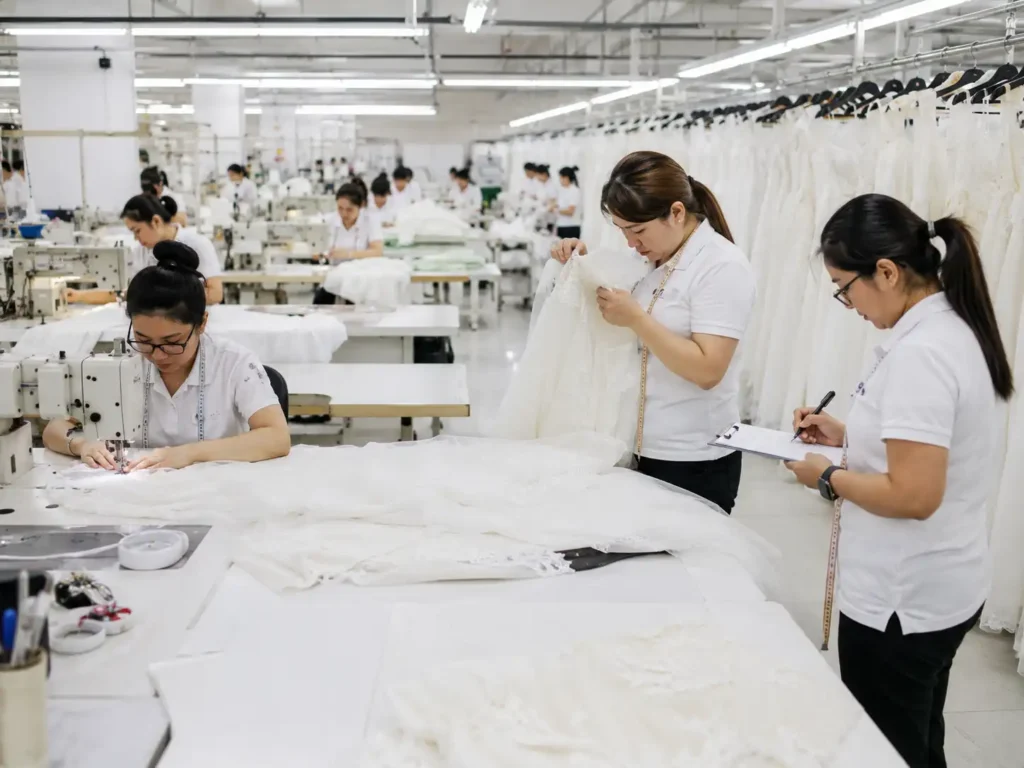
Jinfeng Apparel supports dress development from tech packs, sketches, reference garments, photographs, measurement charts and fabric swatches. Since 2008, its development system has grown to include two sample rooms, more than 20 sample machinists and more than seven senior womenswear pattern makers, backed by six owned women’s fashion factories and more than ten long-term production partners. The standard custom-production MOQ starts from 200 pieces per style and color, subject to fabric, trims, structure and project requirements.
Share This Article :

Jerry Lee
Categories

Latest blogs
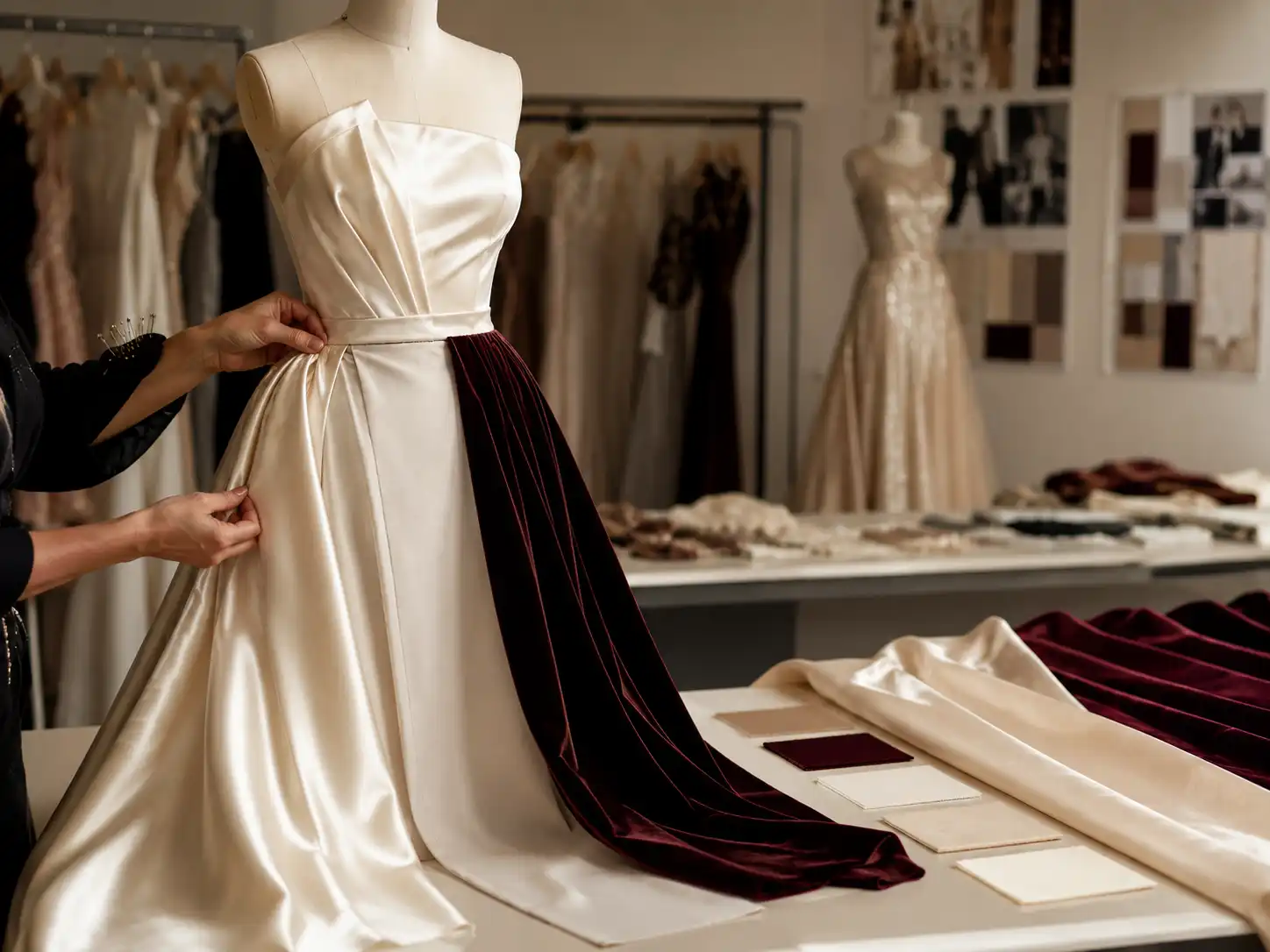

Table of Contents
Here, developing your OEM/ODM private label clothing collection is no longer a challenge—it’s an excellent opportunity to bring your creative vision to life.

