
Satin Fabric Guide for Dress Manufacturing: Which Satin Works Best for Your Dress Collection?

Your trusted Women’s Apparel Manufacturer from China
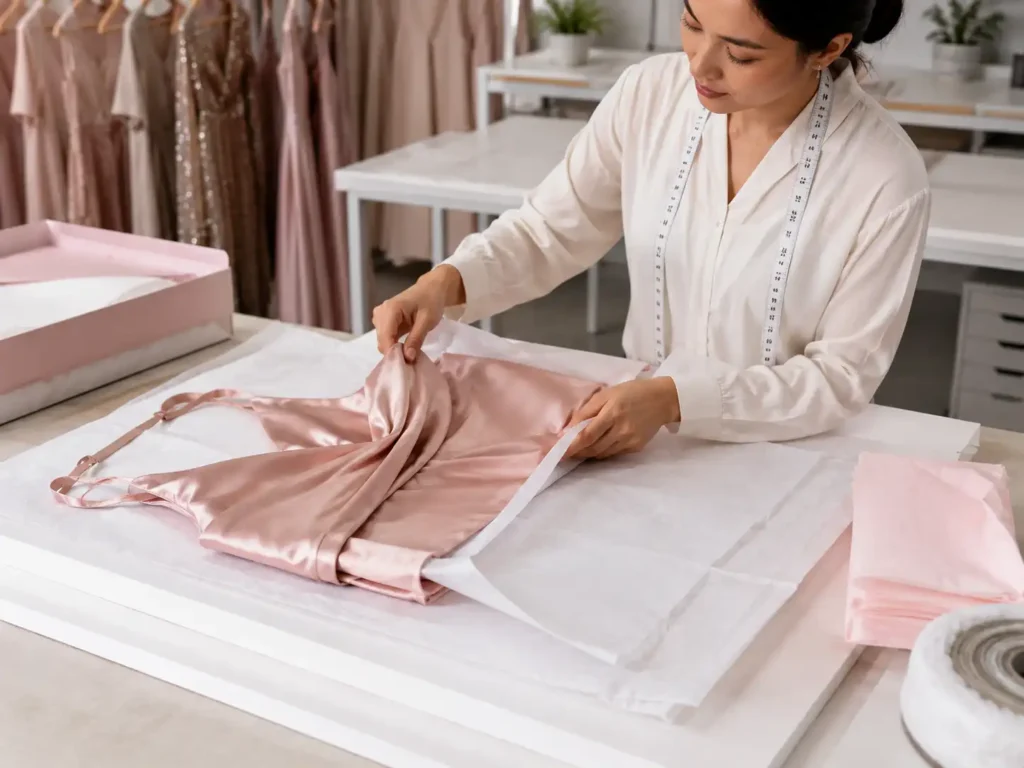
Satin looks simple on a product photo: a glossy surface, smooth hand feel, elegant movement and instant occasionwear appeal. In real dress manufacturing, it is rarely that simple. Satin can expose weak pattern balance, poor cutting control, seam puckering, zipper bulging, bad pressing, lining mistakes and packing wrinkles faster than many matte fabrics. A fabric that looks beautiful on a small swatch may behave very differently when it becomes a slip dress, bodycon mini, bridesmaid gown or structured evening dress.
Satin fabric for dress manufacturing should be selected by fiber, weave density, weight, drape, shine level, stretch, opacity, lining needs, sewing difficulty, bulk color consistency and target dress style. Charmeuse suits fluid slip dresses, duchess satin works for structured gowns, stretch satin supports fitted styles, and crepe-back satin gives versatile movement for occasionwear.
For fashion brands, satin is not only a romantic fabric choice. It is a commercial decision that affects sample success, product photography, size consistency, customer comfort, return risk and repeat-order potential. Jinfeng Apparel is a Guangdong-based custom women’s fashion manufacturer focused on dresses, skirts, jumpsuits, matching sets and private-label womenswear for global fashion brands and mid-to-large apparel clients. The real story behind a strong satin dress is not shine alone. It is the quiet discipline behind fabric approval, pattern correction, sewing control and final packing.
What Is Satin Fabric?
Satin is a weave structure, not one single fiber. It is known for a smooth, glossy face and a duller back, and it can be made from polyester, silk, acetate, viscose, nylon or blended yarns. In dress manufacturing, the real question is which satin weight, fiber, shine level and structure can support the intended dress style.
Satin Is a Weave
In daily fashion language, people often say “satin fabric” as if satin were one fixed material. In production, that can create confusion. Satin is mainly defined by its weave, where yarns float across the surface to create a smooth and reflective face. That is why satin catches light differently from plain weave cotton, crepe or chiffon.
The fiber used in the satin makes a big difference. Polyester satin, silk satin, acetate satin and stretch satin may all look shiny on a swatch card, but they behave differently during cutting, sewing, pressing and wearing. A polyester charmeuse may be light, fluid and suitable for slip dresses. A duchess satin may be thick, dense and better for structured gowns. A stretch satin may support bodycon styles, but it needs closer size control.
For dress brands, the word “satin” should never be the final fabric specification. A workable fabric description should include composition, weight, width, stretch, surface finish, color standard, lining requirement and care method. Without these details, a sample may look acceptable, but bulk production can become unstable.
Satin and Silk
One of the most common fabric misunderstandings is the difference between satin and silk. Silk is a natural fiber. Satin is a weave. Silk can be woven into satin, but satin can also be made from polyester, acetate, viscose, nylon or blends. This distinction matters because many commercial satin dresses are not silk, especially in fast fashion, occasionwear, partywear and private-label collections.
Silk satin has a beautiful natural sheen and luxurious hand feel, but it is usually more expensive, more delicate and less forgiving in production. Polyester satin is widely used because it is easier to source in bulk, easier to dye consistently, more cost-efficient and more practical for commercial retail price points. Viscose or acetate satin can feel softer and more fluid, but shrinkage, care and durability need closer testing.
A brand should not choose silk only because it sounds premium, or polyester only because it is cheaper. The right decision depends on the dress category, target customer, price range, care expectations and production quantity. For many modern dress collections, a well-selected polyester satin can look cleaner and perform better commercially than a delicate silk satin that creates high return risk.
Common Satin Types
Different satin types serve different dress needs. Charmeuse satin is usually soft and fluid, making it suitable for slip dresses, cowl necklines and lightweight occasionwear. Duchess satin is heavier and more structured, often used for formal dresses, bridal-inspired silhouettes and premium evening styles. Crepe-back satin has a smooth satin face and textured back, making it versatile for dresses that need both drape and body. Stretch satin includes elastane or spandex, helping fitted dresses move with the body.
Satin Type | Common Weight Range | Best Dress Use | Main Production Concern |
Charmeuse satin | 70-120 gsm | Slip dresses, cowl neck dresses, soft midi dresses | Bias stretch, opacity, seam visibility |
Medium polyester satin | 100-160 gsm | Party dresses, bridesmaid dresses, cocktail dresses | Wrinkle control, shine level, lining decision |
Stretch satin | 140-220 gsm | Bodycon dresses, fitted party dresses, club dresses | Stretch recovery, size tolerance, seam tension |
Duchess satin | 180-300 gsm | Structured gowns, formal dresses, corset dresses | Seam bulk, pressing marks, garment weight |
Crepe-back satin | 120-220 gsm | Occasion dresses, evening dresses, wrap styles | Face direction, drape balance, cutting control |
The key difference is not only appearance. Each satin type changes how the pattern should be made. A slip dress in light charmeuse may need extra attention to bias stretch and hem balance. A strapless dress in stretch satin needs inner support and recovery testing. A gown in duchess satin may need careful seam grading to avoid bulk. A ruched mini dress in medium satin needs fabric soft enough to gather cleanly without creating heavy ridges.
Why Satin Is Popular
Satin is popular because it gives a dress immediate visual value. The shine creates movement in photos, the smooth surface feels polished, and the fabric works across many categories: slip dresses, bridesmaid dresses, cocktail dresses, evening gowns, resort dresses and partywear. A simple silhouette can look more elevated when made in the right satin.
For ecommerce brands, satin also has strong image appeal. It photographs well under studio lighting, especially in colors such as champagne, black, ivory, navy, emerald, chocolate, wine and blush. For eventwear customers, satin often signals something special without requiring heavy embroidery or complex decoration.
However, satin also exposes weak workmanship. Uneven seams, zipper bulging, poor pressing, wrinkles, needle marks, fabric snags and opacity issues are easier to notice on satin than on many matte fabrics. That is why satin is attractive but not always easy. A good satin dress is the result of fabric choice, pattern control, sewing discipline, lining decisions, quality inspection and packing planning working together.
Which Satin Is Best for Dresses?
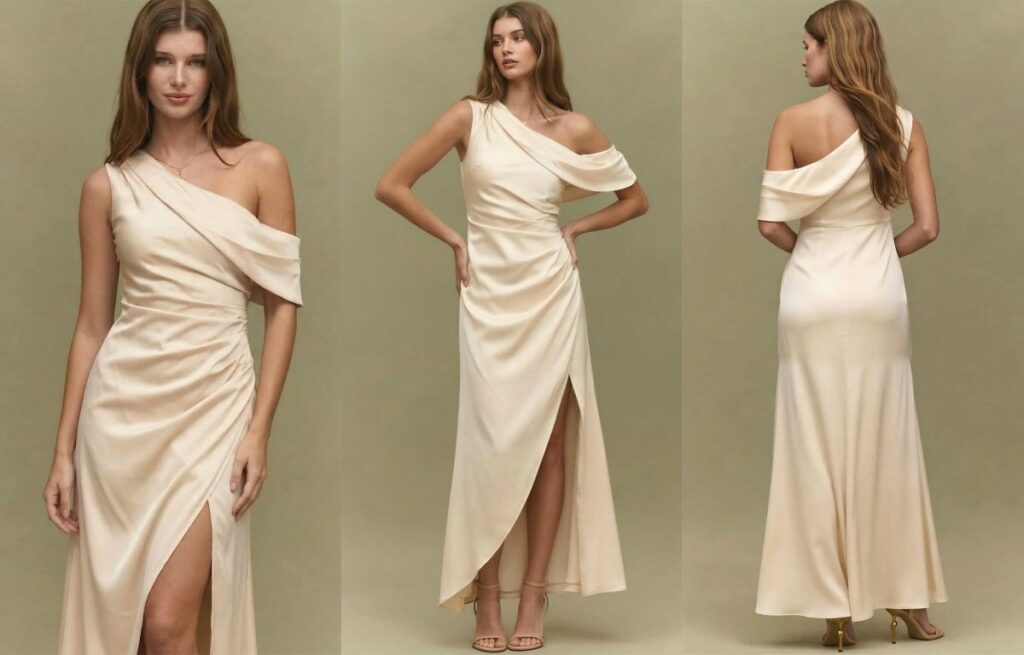
The best satin depends on the dress structure. Lightweight charmeuse works well for fluid slip dresses. Duchess satin supports formal and structured gowns. Stretch satin suits fitted bodycon and party styles. Crepe-back satin is a balanced choice for many occasion dresses. Brands should match satin type to silhouette, drape, opacity, movement, price point and production complexity.
Slip Dresses
Slip dresses need soft drape, clean movement and a natural body-skimming effect. Lightweight charmeuse satin, soft polyester satin or silk-like satin blends are often used for this category. The fabric should fall smoothly without looking stiff, but it should not be so thin that it becomes transparent or clings badly to the body.
Bias-cut slip dresses need special attention. Bias cutting helps the dress follow the body beautifully, but it can also make the fabric stretch after hanging. For midi and maxi slip dresses, the sample should be allowed to hang before the final hem is corrected. If the hem is finished too early, the bulk garments may end up uneven after production or shipping.
The neckline is another important point. Cowl necklines need satin that folds softly. If the satin is too heavy, the cowl may look bulky. If it is too light, it may collapse or expose too much. Many commercial slip dresses also need partial lining or double-layer construction, especially in light colors. The goal is to keep the elegant simplicity of the slip dress while avoiding transparency and poor fit.
Evening Dresses
Evening dresses need satin with enough presence. The fabric must support the length, structure and visual quality of the garment. Medium-to-heavy satin, duchess satin, crepe-back satin and some stretch satin options are often used, depending on whether the dress is soft, structured or fitted.
A floor-length satin dress puts more stress on the fabric than a short dress. The weight of the skirt can pull at the neckline, waist seam, straps or zipper. If the satin is too light, the gown may look weak and reveal inner construction. If it is too heavy, it may feel uncomfortable or drag down the silhouette. This balance is especially important for strapless, halter, off-shoulder and deep V styles.
Evening satin dresses often include slits, pleats, corset seams, lining, boning, draped panels or shaped bodices. Each detail changes the fabric requirement. A structured bodice may need interlining. A draped hip panel needs softer satin. A high slit needs clean seam finishing and stable fabric behavior. For eveningwear, satin should be selected together with the pattern plan, not as a separate decorative choice.
Bodycon Dresses
Bodycon satin dresses usually need stretch satin because the garment must fit closely while still allowing movement. Stretch gives comfort, but it also increases technical risk. If recovery is poor, the dress may loosen after wear. If stretch direction is wrong, the bust, waist and hip areas may pull unevenly. If the fabric is too thin, it may show body lines, undergarments and seam allowances.
For fitted satin dresses, widthwise stretch is usually more important than lengthwise stretch. The fabric should stretch across the body and recover after sitting, walking or bending. A stretch satin used for bodycon styles should be tested on a fit model, not only measured flat. A flat measurement can look correct while the dress still feels tight, twists during movement or creates shine stress marks.
Pattern reduction also needs care. Some stretch fabrics allow negative ease, but satin is less forgiving than jersey because the shiny surface highlights tension. Side seams, zipper areas and bust points should be checked closely. If the dress is too tight, the problem will not look like “sexy fit”; it will look like poor production.
Bridesmaid and Party Dresses
Bridesmaid dresses and party dresses often need satin that balances appearance, cost and repeatability. Medium-weight polyester satin, matte satin, crepe-back satin and soft stretch satin are common options. These categories usually involve multiple colors, multiple sizes and repeated orders, so fabric stability matters as much as the first sample look.
Dress Category | Suitable Satin Direction | Common Production Focus | Bulk Risk to Control |
Slip dress | Light charmeuse or soft satin, 70-120 gsm | Bias drop, soft neckline, opacity | Uneven hem, transparency, cling |
Evening dress | Medium-heavy satin or duchess satin, 160-260 gsm | Structure, lining, zipper, pressing | Weight pull, seam bulk, shine marks |
Bodycon dress | Stretch satin, 140-220 gsm | Recovery, fit model testing, seam tension | Bagging, tension lines, size instability |
Bridesmaid dress | Medium satin or crepe-back satin, 120-180 gsm | Color consistency, size range, reorder stability | Shade variation, wrinkles, lining mismatch |
Party dress | Stretch or medium satin, 140-220 gsm | Ruching, straps, cut-outs, movement | Seam strain, zipper waves, surface snags |
For bridesmaid dresses, color consistency is one of the biggest concerns. Satin reflects light strongly, so shade differences between rolls can become visible. This is especially true for champagne, sage, dusty blue, blush, ivory and silver. If several dresses are worn together, even slight variation can be noticed. Bulk roll inspection and shade grouping are important before cutting.
Party dresses have different pressure points. They often use ruching, cut-outs, straps, corset panels, mini lengths or body-hugging shapes. The satin must be attractive on camera but strong enough for movement. For ruched designs, the fabric should gather smoothly. For strapless styles, the bodice needs support. For cut-out dresses, edges need reinforcement. The best satin for partywear is not simply the shiniest one; it is the one that survives real wearing, dancing, sitting, packing and returns handling.
How Should Brands Choose Satin?
Brands should choose satin by looking at dress style, fabric weight, shine, stretch, opacity, lining needs, color control, care performance and bulk availability. A satin swatch may look beautiful, but the finished dress must also fit well, sew cleanly, pack safely and remain consistent across sizes, colors and production batches.
Fabric Weight and Drape
Fabric weight affects how the dress hangs, moves and holds shape. In dress manufacturing, weight is usually reviewed together with GSM, fabric width and garment consumption. A lightweight satin may feel elegant on a slip dress but look weak on a structured gown. A heavy satin may give a formal dress a premium look but feel too stiff for a cowl neckline.
Drape is not only about softness. It is about how the fabric behaves across the body. A fabric can feel soft in the hand but still create poor movement when cut into panels. Long dresses need enough weight to fall cleanly, while short dresses may need enough body to avoid looking flimsy. Bias-cut pieces need extra testing because the fabric can stretch and drop after hanging.
A practical approach is to sample the same style in two nearby weights when the design is important. For example, a brand may compare a 120 gsm satin and a 160 gsm satin for a bridesmaid dress. The difference may affect lining, opacity, seam quality and retail appearance. Small fabric changes can create a large difference in finished product quality.
Shine and Color
Satin color is affected by shine. The same dye shade can look different under daylight, warm indoor light, studio lighting and phone flash. That is why satin color approval should be stricter than approval for many matte fabrics. A color that looks beautiful in a small swatch may appear too bright, too yellow, too grey or too reflective when made into a full dress.
High-shine satin creates strong visual impact, especially for party dresses and bold campaign images. But too much shine can make a garment look cheaper if the fabric surface appears plastic. Matte satin or low-luster satin often works better for premium occasionwear, bridesmaid dresses and refined evening styles.
Brands should approve satin color under at least three light conditions. For bulk production, lab dips should be approved before fabric booking, and bulk rolls should be compared before cutting. For collections with several satin colors, the brand should also think about how the colors look together on a product page. Satin is not a flat color surface; it changes with angle, body movement and lighting.
Stretch and Fit
Stretch changes the way a satin dress should be patterned and measured. Non-stretch satin depends on shaping, darts, seams, zippers and wearing ease. Stretch satin depends on fabric recovery, body tension and seam elasticity. A dress in stretch satin cannot simply use the same pattern as a non-stretch satin style without review.
The most important technical checks are stretch percentage and recovery. A fabric may stretch well but fail to recover, which means the dress can become loose after wearing. For bodycon dresses, the hip, waist and bust areas are especially sensitive. For strapless dresses, stretch can help comfort but may reduce upper-body security if the structure is not built correctly.
Size grading also becomes more complicated with stretch satin. A size S sample may look good, but larger sizes may need different support, strap width, panel shaping or seam placement. The best fit review combines flat measurement, fit model testing and movement testing. Sitting, walking, raising arms and bending slightly often reveal issues that a hanger sample cannot show.
Opacity and Lining
Opacity is a commercial issue, not just a technical detail. Satin can look opaque on a table but become slightly sheer when worn, stretched or photographed. Light colors such as ivory, champagne, blush, pale blue and silver need extra checking. Thin satin may also reveal seam allowances, pocket bags, zipper tape or undergarment lines.
Decision Point | What to Check | Practical Production Note | Risk If Ignored |
Fabric weight | GSM, width, hand feel, drape | Review full garment sample, not swatch only | Flimsy look, stiff fall, wrong consumption |
Shine level | High shine, low luster, matte satin | Check daylight, indoor light and studio light | Color complaints, cheap appearance |
Stretch | Widthwise and lengthwise stretch, recovery | Test on fit model for fitted styles | Bagging, pulling, size instability |
Opacity | Light test, flash photo, worn test | Light colors often need lining or double layer | Transparency, visible seams, returns |
Lining | Stretch match, length, color, comfort | Decide during sampling, not after PP approval | Restriction, twisting, heat, poor drape |
Bulk availability | Stock, dye MOQ, reorder possibility | Confirm before collection launch planning | Delayed delivery, shade mismatch |
Lining can solve many of these issues, but it must be chosen carefully. Full lining improves opacity and comfort, but it adds cost and may make the dress warmer. Partial lining keeps the garment lighter but may not solve all transparency problems. Stretch satin needs stretch lining if the dress is fitted; otherwise the lining can restrict movement and create pulling.
A lining decision should be made during sampling, not after bulk production starts. The sample should show the final shell fabric, lining fabric, lining length, seam finish and care behavior. For a brand, lining is part of the product value. Customers may not talk about lining when it is right, but they notice quickly when it is wrong.
How Is Satin Tested Before Production?
Satin should be tested before production for color consistency, shrinkage, stretch recovery, opacity, snags, seam performance, pressing behavior and bulk roll defects. A small swatch is not enough. The fabric must prove that it can be cut, sewn, pressed, packed and worn as a finished dress across real production quantities.
Fabric Inspection
Satin fabric inspection starts with the surface. Inspectors should check for snags, pulled yarns, oil marks, stains, shade bands, crease lines, weaving defects, holes and uneven shine. Because satin reflects light, some defects only appear from certain angles. The fabric should be viewed under stable lighting and from different directions.
Roll inspection is especially important for bulk production. A roll may look good at the beginning but contain defects in the middle. If defects are found after cutting, the cost becomes higher because replacement panels may be needed. For glossy satin, even small marks can affect customer perception, especially on light colors.
Fabric width and usable width should also be confirmed. A quoted fabric width may not equal the actual usable cutting width if the edges are damaged or shade variation appears near the selvedge. This affects fabric consumption and cost. For large orders, even a small difference in usable width can change the production plan.
Color and Shade Testing
Color testing should begin with lab dip approval when custom dyeing is involved. Once bulk fabric arrives, rolls should be compared with the approved standard. Satin shade should be checked under different lighting because gloss can shift the appearance. This is especially important for bridal-inspired colors, bridesmaid colors and deep eveningwear shades.
Panel direction must also be controlled. Satin has a surface direction, and panels cut in different directions may reflect light differently. This can make one part of the dress appear darker or lighter even when the fabric is from the same roll. Marker planning should define face side, grain direction and cutting direction clearly.
For multi-roll production, shade grouping is useful. Dresses should not be mixed randomly from rolls with visible shade differences. If a style has matching pieces, such as a satin top and skirt set, both pieces should be cut from compatible shade groups. This is a simple step, but it prevents many avoidable quality disputes.
Shrinkage and Recovery
Shrinkage testing helps control final measurements after washing, steaming, pressing or dry cleaning. Polyester satin is often more stable than viscose or silk satin, but no fabric should be assumed stable without testing. Even small shrinkage can change dress length, lining balance, sleeve opening, bust fit and waist position.
The testing method should match the intended care label. If the dress will be labeled dry clean only, the testing should reflect that care route. If the dress is washable, washing and drying conditions need to be reviewed. Shell fabric and lining should be tested separately and together because different shrinkage rates can cause twisting, bubbling or uneven hems.
Stretch satin also needs recovery testing. The fabric should return close to its original size after being stretched. Poor recovery can lead to loose hips, stretched waistlines or bagging after sitting. A good-looking stretch satin sample is not enough; the fabric must keep its shape after movement.
Seam and Pressing Tests
Before bulk sewing, satin should be tested on real machines with the intended needle, thread, stitch length and seam type. This is where many problems appear. Seam puckering, skipped stitches, needle marks, tension lines and fabric slippage may not be obvious from a swatch. A test seam gives the production team a practical standard before line sewing begins.
Pressing tests are just as important. Satin can react badly to heat, steam and pressure. Some fabrics show shine marks. Some develop water marks. Some hold seam impressions. Light-colored satin and high-shine satin need extra caution. The safe pressing method should be recorded and shared with the finishing team.
For a serious production run, seam and pressing tests should happen before PP sample approval. If the PP sample already shows seam waves or pressing marks, bulk production will usually repeat the issue at a larger scale. Satin problems rarely disappear on their own; they need to be solved before production starts.

How Do Factories Sew Satin Dresses?
Factories sew satin dresses by controlling fabric spreading, cutting direction, needle choice, stitch tension, seam construction, zipper setting, pressing temperature and handling cleanliness. Satin is slippery and surface-sensitive, so the process must be slower and cleaner than basic woven production. Good satin sewing is about preventing defects before they become visible.
Cutting Control
Cutting satin accurately is one of the most important steps in production. Satin can slide during spreading, especially lightweight and silky styles. If the layers shift, panels may become distorted. This can lead to twisted seams, uneven hems, poor side balance and mismatch between shell and lining.
The cutting team should control fabric tension when spreading. Pulling the fabric too hard can distort it before cutting. For some delicate satin styles, lower ply cutting or single-layer cutting may be needed. This takes more time, but it improves accuracy for high-value styles such as gowns, bias dresses and complex panel dresses.
Direction control is also critical. Satin reflects light differently depending on the direction of the fabric. If one panel is cut upside down or against the agreed direction, the garment may look like it has color variation. A clear marker plan should define grainline, face side and nap direction. For satin, cutting is not just preparation for sewing; it is part of the final appearance.
Needle, Thread and Seams
Satin needs the right needle and thread combination. A needle that is too thick can leave visible holes. A dull needle can pull yarns and create snags. Thread that is too heavy can create seam puckering. Stitch tension that is too tight can make the seam wave. These issues are more visible on satin because the surface reflects every small unevenness.
Fine sharp needles are commonly used for lightweight satin, while heavier satin may need a slightly stronger needle depending on fabric density. The factory should test before bulk sewing rather than using one standard setting for all satin fabrics. Stitch length also matters. Very short stitches can perforate delicate satin, while long stitches may reduce seam strength.
Seam construction should match the dress style. A loose slip dress needs clean, fine seams. A structured evening dress may need stronger seams and seam grading. A stretch satin bodycon dress may need seams that move with the body. The right sewing method is not universal; it depends on the fabric and garment pressure points.
Zippers, Slits and Straps
Zippers often reveal the quality of a satin dress. If the zipper is not set cleanly, satin can ripple, bulge or twist around the seam. This is especially common in fitted dresses, back-zip evening dresses and side-zip satin styles. The zipper area may need light support, but too much support can make it stiff and visible.
Slits also require careful control. Satin slits must fall cleanly without twisting. The seam allowance around the slit should be stable, and the top of the slit should be reinforced to prevent tearing. For high slits, fit testing is necessary because the slit may open differently when walking or sitting.
Straps need the same level of attention. Thin satin straps can twist, stretch or pull at the neckline. Adjustable straps may improve fit, but hardware must be suitable for the fabric weight and target price. For halter or backless satin dresses, strap placement affects both comfort and security. Small details can decide whether the dress feels premium or risky to wear.
Pressing and Packing
Pressing satin is delicate. Too much heat can create shine marks. Too much steam can cause water marks. Too much pressure can leave seam impressions on the face side. The finishing team should test pressing temperature and method before bulk finishing. Pressing from the wrong side with a press cloth is often safer, but the exact method depends on fabric composition and finish.
Packing should be planned as part of product quality. Satin wrinkles easily when folded tightly, especially lightweight satin. If a dress is packed under pressure for a long shipment, it may arrive with hard creases. For ecommerce brands, this directly affects customer experience. A customer may judge the dress before steaming it.
Better packing may include tissue paper, careful folding, suitable polybag size, limited compression and proper carton arrangement. For premium occasionwear, hanger packing may be considered when logistics allow. Saving a small amount on carton space is not always worth it if the product arrives looking crushed.
Are Satin Dresses Ready for Bulk Production?
Satin dresses are ready for bulk production only when the fabric, color, fit, lining, sewing method, measurements, PP sample, pressing process and packing method have been approved. A beautiful first sample is not enough. Bulk readiness means the style can be repeated consistently across sizes, colors, rolls and production batches.
PP Sample Review
The PP sample is the final confirmation before bulk production. For satin dresses, it should be reviewed more strictly than a basic woven sample. The reviewer should check fabric match, color, shine, opacity, fit, lining, seam smoothness, zipper quality, pressing marks, hem balance, label placement and packing method.
A PP sample should be tried on whenever possible. Satin can look acceptable on a hanger but reveal pulling, twisting or transparency on the body. Movement is also important. The wearer should sit, walk and raise the arms slightly, especially for fitted, strapless, backless and slit styles. These simple checks often reveal practical problems before bulk production starts.
Bulk Readiness Area | What to Confirm | Practical Review Method | Risk If Missed |
Fabric | Same quality, weight and shine as approved | Compare PP sample, approved swatch and bulk roll | Bulk looks different from sample |
Fit | Bust, waist, hip, strap, neckline and length | Fit model review plus flat measurement | Size complaints and returns |
Lining | Correct coverage, stretch and length | Check wearing comfort and inside finish | Transparency, pulling or heat discomfort |
Zipper | Smooth, flat and stable | Review back and side seam under tension | Back waves, bulging, poor appearance |
Hem | Balanced after hanging | Hang test before final confirmation | Uneven dress length |
Pressing | No shine marks or water marks | Check face side under light | Product looks damaged |
Packing | Wrinkle level after test folding | Pack, store briefly, reopen and inspect | Poor unboxing experience |
Photos are useful, but they should not replace physical review. Satin can look different under camera light. A front photo may hide zipper bulging, side seam twisting or back fit problems. A good PP review includes front, back, side, close-up seams, inside finishing and measurement checks.
Measurement Tolerance
Satin measurement control needs discipline because small issues can become visible quickly. A fitted satin dress may look too tight with only a small waist or hip difference. A long satin dress may look defective if the hem is uneven. A strapless satin dress may feel insecure if the upper bust measurement is slightly loose.
Measurement tolerance should be realistic for the fabric and style. Highly structured styles may need tighter control in key areas. Stretch styles need both relaxed measurement and worn fit evaluation. Bias-cut dresses may need hanging time before final length confirmation. The production team should identify critical measurement points before sewing begins.
For multi-size orders, grading should be checked carefully. Larger sizes may need better bust support, wider straps, adjusted slit height or improved lining coverage. A satin dress should not simply be scaled mechanically from one sample size. The fit must make sense across the size range.
Bulk Risk Points
Bulk satin production has several common risk points: roll shade variation, cutting direction errors, seam puckering, zipper bulging, lining mismatch, pressing marks, wrinkles and surface snags. These risks are manageable, but only if the factory treats them as known issues from the start.
A strong production flow should include first-piece inspection before line production continues. Once the first finished garment is checked, the team can correct machine tension, seam handling, pressing method or measurement issues before producing hundreds or thousands of pieces. In-line inspection is also important because satin defects are easier to prevent early than repair later.
The handling environment matters too. Satin should be kept away from rough surfaces, dirty tables, sharp objects and careless stacking. Workers should understand that satin surface damage is not a minor issue. A garment can pass size measurement but fail final inspection if the surface is scratched, snagged or marked.

Choosing a Manufacturer
A satin dress manufacturer should be able to discuss more than price. The right partner should understand satin types, fabric sourcing, pattern adjustment, lining compatibility, seam control, fit testing, PP approval and packing. They should ask practical questions before quoting: target style, reference photos, tech pack, fabric direction, size range, color plan, quantity, target market and delivery schedule.
For serious dress brands, supplier choice affects product quality as much as fabric choice. A low quote can become expensive if bulk dresses arrive with wrinkles, shade issues, poor seams or unstable sizing. Satin production rewards experience because many problems are predictable to a team that has handled similar dresses before.
Jinfeng Apparel supports OEM and ODM womenswear development based on tech packs, reference photos, original samples, line sheets or sketches, with fabric sourcing, trim sourcing, pattern making, sampling, bulk production, QC and private-label packing. The company’s production model is built for clients with clear product direction, sampling needs and bulk production plans, with MOQ starting from 200 pieces per style/color depending on fabric availability, color development, trims, construction complexity and production schedule.
Share This Article :

Jerry Lee
Categories

Latest blogs


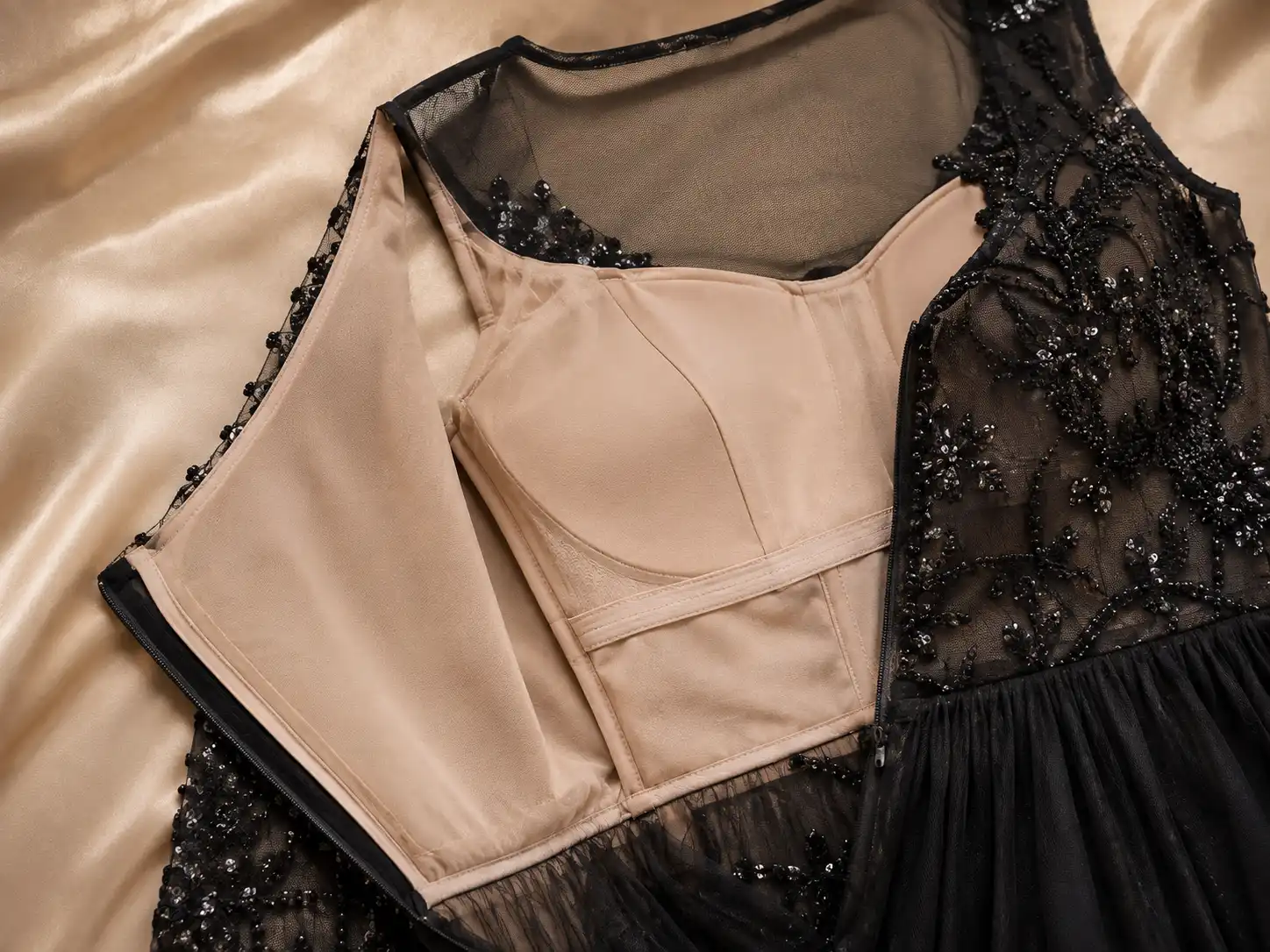
Table of Contents
Here, developing your OEM/ODM private label clothing collection is no longer a challenge—it’s an excellent opportunity to bring your creative vision to life.

