Skip to content

How Do You Maintain Fit Across Repeat Orders in Garment Production?

Your trusted Women’s Apparel Manufacturer from China

A repeat order often looks easier than the first production run. The design has already been developed, the pattern has been corrected, the sample has been approved, and the first shipment has given the brand real market feedback. Yet repeat production creates a different technical challenge: the garment must not simply look similar to the original order; it must continue to fit, hang, stretch, support, and move in essentially the same way when customers wear it.
The difficulty is that an unchanged style number does not mean the production conditions are unchanged. A later order may use another fabric lot, a different dye batch, another production line, new operators, revised pressing conditions, an updated marker, or a pattern file that was saved before the final sample correction. Individually, these changes can appear insignificant. Together, they can move a garment away from the fit that customers originally approved through actual purchases and wear.
To maintain fit across repeat garment orders, the final approved pattern, size chart, grade rules, measurement tolerances, fabric specifications, construction details, and Golden Sample should remain controlled production references. Each new fabric lot should be checked for shrinkage, stretch, recovery, weight, and drape, while critical garment measurements are verified during cutting, sewing, and final inspection before the order is released.
Think about a fitted dress that became a strong seller after its first launch. Six months later, the brand reorders the same style and expects exactly the same customer experience. The second run arrives looking almost identical in product photography, yet reviews begin mentioning that the waist feels looser and the neckline sits lower. Nothing dramatic changed. A slightly different stretch recovery, a longer strap, and a small waist measurement drift were enough to create a different garment. Reliable repeat production is about preventing that quiet accumulation of change.
What Causes Fit to Change Across Repeat Orders?
Fit changes across repeat orders when the pattern, grading, fabric behavior, cutting, sewing, pressing, or measurement process no longer matches the approved production standard. A change of only a few millimeters at one stage may seem insignificant, but several small deviations can combine and noticeably alter bust fit, waist position, hip ease, garment length, neckline balance, or the overall silhouette.
Fit Drift Across Production Runs
Fit drift describes the gradual movement of a garment away from the originally approved proportions, measurements, balance, or on-body appearance. It rarely begins with one obvious production mistake. More often, a series of small variations appears during material preparation, cutting, sewing, finishing, and inspection. Because each variation may still fall close to the accepted specification, the overall change can remain unnoticed until customers compare the repeat garment with the original.
A waist seam might be sewn several millimeters deeper, a shoulder strap may finish slightly longer, and a new stretch fabric lot may recover less firmly after sewing. Pressing can then add another small dimensional change. None of these differences necessarily looks serious when examined alone, but the combined effect may allow the garment to settle lower on the torso, reduce bust coverage, move the hip line, and change the apparent hem length.
Fitted womenswear is particularly sensitive because there is less ease available to absorb variation. Bodycon dresses, corset styles, fitted jumpsuits, structured mini dresses, mesh garments, and close-fitting occasionwear rely on carefully controlled relationships between garment measurements and the body. A relaxed resort dress can often tolerate small dimensional changes without looking visibly wrong, while a fitted dress may immediately feel different when the waist or bust moves by a similar amount.
Fit drift should therefore be viewed as a production trend rather than only a pass-or-fail measurement problem. If consecutive garments gradually move toward one side of the tolerance range, the production line is already providing useful warning information. Waiting until garments officially exceed tolerance means the underlying process has usually been moving in the wrong direction for some time.
Source of Variation | Typical Change | Possible Fit Effect | Best Control Point |
Pattern | Older or incorrect revision | Wrong proportions across the garment | Pre-cut release |
Fabric | Shrinkage, stretch, recovery, GSM variation | Tightness, looseness, length change | Incoming material inspection |
Sewing | Seam allowance, tension, operator handling | Width and balance changes | Inline inspection |
Finishing | Steam, heat, washing, pressing | Final dimensional movement | Post-finishing measurement |
Small Changes Can Reshape the Garment
Garment measurements should not be treated as isolated numbers because the human body experiences the garment as one connected shape. A change at the waist can influence where the hip sits. A longer strap can change neckline depth. A shorter front body can affect bust coverage and hem balance. Even when every individual measurement remains relatively close to specification, several measurements moving in the same direction can change the final silhouette noticeably.
Consider a fitted dress with an approved 70 cm waist. If the finished garment measures 71 cm, the numerical difference is only around 1.4%. In a loose silhouette, that difference may be difficult to notice. In a close-fitting style, however, the garment may settle slightly lower, causing ruching to move, the hip section to sit differently, and the hem to appear longer than on the approved sample.
Vertical measurements are equally important. A shoulder strap that finishes 1 cm longer can lower the neckline by a similar amount and change bust coverage. A jumpsuit rise that becomes 1–1.5 cm shorter can create pulling even when the waist and hip remain close to specification. A small difference in slit height may change not only the appearance of a dress but also how comfortable and appropriate it feels when walking or sitting.
For repeat production, critical measurements should therefore be ranked according to their effect on fit. Bust, waist, hip, rise, strap length, neckline depth, armhole, center-front length, and total garment length normally deserve more attention on fitted garments than measurements that have little influence on how the product sits on the body.
Sewing and Finishing Matter as Much as the Pattern
A correct pattern does not automatically produce a correct finished garment because fabric changes as it moves through manufacturing. Seam allowance, stitch tension, elastic application, lining attachment, zipper insertion, ruching, hemming, pressing, steaming, washing, and heat exposure can all affect the final dimensions and balance of the garment after cutting has already been completed.
Stretch garments are particularly sensitive to handling. If the shell is stretched while a lining is attached, the two layers may recover at different rates. If elastic is applied with greater tension than in the original run, an opening can become smaller even though the pattern remains unchanged. A different pressing temperature can also change the final length or width of fabrics that react to heat or moisture.
Responsive materials require extra attention. Rayon and viscose may move after steam or washing, jersey can grow during sewing, lightweight mesh can distort under tension, and bias-cut satin may lengthen under its own weight. These effects do not mean the fabric is unsuitable. They mean that production methods must take the behavior of the material into account when controlling finished measurements.
When a repeat-order fit problem appears, experienced production teams therefore trace the garment through the complete process rather than blaming the paper pattern immediately. The pattern explains what the garment was intended to become, while material preparation, sewing, and finishing explain what the garment actually became. Reliable repeat production requires control of both.

Which Fit Standards Should Be Locked Before Reordering?
Before a repeat order begins, the final approved production pattern, size chart, grade rules, Points of Measurement, tolerances, fabric specification, construction details, trim references, revision history, and PP or Golden Sample should be locked as production standards. Every department should work from the same approved version so that corrections solved during development are not accidentally lost during later production.
POMs and Tolerances Need Product-Specific Priorities
Points of Measurement, commonly called POMs, turn the subjective idea of “same fit” into something that can be measured repeatedly. The most important POMs depend on the construction and wearing behavior of the product. A fitted mini dress may depend heavily on bust, waist, hip, garment length, strap length, and neckline depth, while a jumpsuit must also control rise, inseam, and torso balance.
Structured garments often need additional measurement points. A corset-style dress may require underbust circumference, cup position, center-front length, top-edge width, and the placement of structural seams or boning. A halter dress may need closer control of neck-strap length, while a low-back style may depend on exact back depth and side-seam positioning to remain secure on the body.
Tolerance should also reflect how sensitive each measurement is to wearability. Using the same numerical tolerance for every point is administratively convenient but can be technically weak. A one-centimeter difference at the sweep of a full skirt may have virtually no practical effect, while a similar difference at the upper edge of a strapless dress can influence security, support, and bust coverage.
The following figures illustrate how measurement risk can be organized. They are examples rather than universal industry standards because actual tolerances should follow the approved specification, garment construction, material, target market, and brand requirements.
Measurement Point | Example Specification | Example Working Tolerance | Fit Risk |
Bust | 84.0 cm | ±1.0 cm | Tightness, coverage, neckline balance |
Waist | 68.0 cm | ±0.8 cm | Silhouette and garment position |
Hip | 92.0 cm | ±1.0 cm | Mobility and fitted appearance |
Body length | 82.0 cm | ±1.0 cm | Hem position and overall proportion |
Strap length | 32.0 cm | ±0.5 cm | Neckline and bust placement |
Slit height | 38.0 cm | ±0.7 cm | Appearance and movement |
Measurement technique must also be standardized. A specification is only useful when different inspectors measure the garment in the same way. If one person measures the waist completely relaxed while another stretches the garment or positions the tape differently, the resulting data may suggest variation that does not actually exist, or hide a real problem that should have been detected.
Golden Samples Capture What Numbers Cannot
A measurement sheet is essential for dimensional control, but numbers cannot describe every aspect of fit. Two garments can share almost identical bust, waist, hip, and length measurements while looking different because fabric drape, neckline shape, ruching distribution, cup placement, seam balance, internal support, or lining behavior has changed between production runs.
A Golden Sample provides a physical reference for these characteristics. Production teams can compare how the neckline stands, how the waist sits, how the skirt falls, where the ruching begins and ends, how much bust coverage is visible, whether the zipper lies flat, and whether the finished garment gives the same overall impression as the approved reference.
The sample must still be controlled properly. A garment hanging in a sample room without a clear style number, approval date, pattern version, size, and status can easily be confused with an earlier development sample. A useful Golden Sample is not simply a good-looking garment; it is a formally identified physical representation of the final approved production standard.
Jinfeng Apparel’s documented sample-development system includes fit checking, revision tracking, PP sample approval, and Golden Sample sealing before bulk production. Those steps provide a practical connection between development approval and repeat-order production control.
For repeat orders, the strongest reference system therefore combines numerical specifications with a physical approved sample. Measurements determine whether dimensions are controlled, while the Golden Sample helps determine whether the finished garment still looks and behaves like the product the brand originally approved.
Final Files Must Replace Development Files
The first tech pack sent to a factory is rarely identical to the file that should control the repeat order. During development, the neckline may be raised, the waist narrowed, the strap shortened, the lining extended, the zipper changed, the fabric replaced, or the grade rule adjusted after testing additional sizes. Those changes must become part of the final production record.
Problems occur when final decisions remain scattered across emails, messaging apps, marked-up photographs, sample-room notes, and separate spreadsheet versions. The first bulk order may still succeed because the people involved remember what changed. Several months later, however, the repeat order may begin with an older file because the approved correction was never incorporated into the master technical package.
A controlled final record should normally contain the production-approved pattern, graded size range, size chart, POM definitions, tolerances, fabric and lining details, trims, construction notes, revision history, approved sample reference, and any previous QC observations that could affect the next production run.
Revision naming should also be unambiguous. File names such as “FINAL,” “FINAL NEW,” or “FINAL2” provide little protection when several people are handling the same style. A clear style code, version number, approval date, and production status allow the team to confirm exactly which file should be used before cutting begins.
For long-term production, Jinfeng Apparel’s documented repeat-order framework retains patterns, size charts, BOM data, fabric and color records, trim records, sewing instructions, packing requirements, QC records, Golden Samples, and after-shipment feedback. This type of historical record allows later orders to begin with the product that was actually approved rather than the version first imagined during early development.
How Do Fabric Lots Affect Repeat-Order Fit?
Fabric lots can alter repeat-order fit because the same named fabric may vary in shrinkage, weight, width, stretch, recovery, finish, hand feel, and drape. These differences influence cutting, sewing, pressing, washing, and on-body behavior. Each new bulk lot should therefore be verified against the approved material standard instead of assuming that an unchanged pattern automatically guarantees an unchanged garment.
Shrinkage Changes Real Garment Dimensions
Shrinkage becomes much easier to understand when percentages are converted into actual garment dimensions. A panel measuring 80 cm that changes by 2% moves by 1.6 cm. On a 140 cm maxi dress, the same percentage represents 2.8 cm. Those differences are large enough to change hem position, waist placement, lining relationships, and the overall visual balance of a garment.
Dimensional movement may also differ between directions. A fabric can lose length while changing very little in width, or become narrower without an equivalent reduction in length. Knits, rayon, viscose, cotton blends, and fabrics with particular finishing processes can show different behavior depending on construction, storage, washing, steaming, and the direction in which the garment panels are cut.
For repeat production, the key question is not simply whether a fabric can shrink. Many apparel fabrics show some dimensional movement under certain conditions. What matters is whether the new fabric lot behaves sufficiently like the material used for the approved garment and whether the production process accounts for that expected behavior.
Fabric relaxation also influences dimensions. Material that has been tightly rolled, compressed during shipping, or stored under tension may need time to stabilize before marker placement and cutting. If the first order allowed sufficient relaxation but the repeat order is cut immediately after unrolling, the same fabric specification may still produce a different finished measurement.
Material preparation therefore belongs at the beginning of repeat-order fit control. Once panels are cut using fabric that has not stabilized properly, later sewing and finishing teams have fewer options for restoring the intended dimensions.
Stretch and Recovery Are Different Measurements
Stretch describes how far a fabric can extend under force, while recovery describes how effectively it returns toward its original dimension afterward. These characteristics are connected, but they should not be treated as the same property because two fabrics can have similar stretch and very different recovery behavior during wear.
Imagine two jersey fabrics that both extend comfortably when pulled. One quickly returns to its original length when released, while the other remains slightly elongated. The second fabric may begin to feel looser around the waist, hip, seat, neckline, elbows, or knees after the garment has been worn for some time, even if the product measured correctly immediately after production.
Recovery matters particularly for bodycon dresses, fitted mesh garments, stretch jumpsuits, knit occasionwear, and other styles designed with low or negative ease. Weak recovery can make a waist grow during wear, allow a neckline to open, or reduce the clean shape of ruching. A replacement fabric with less stretch than the original can create the opposite problem by making an unchanged pattern feel much tighter.
Fabric weight and structure also change how the garment feels. A firm ponte may provide controlled compression and support, while a lighter jersey with similar nominal stretch can cling differently to the body. Power mesh, stretch satin, rib knit, and soft jersey can all require different pattern relationships even when they appear to serve a similar aesthetic purpose.
The documented fabric system at Jinfeng Apparel recognizes shrinkage, stretch, recovery, drape, hand feel, transparency, and bulk-production risk as material control factors. Treating these variables as part of fit development helps prevent the common assumption that fabric is simply a visual covering applied to a fixed pattern.
New Lots Need Risk-Based Verification
Every new lot should be compared with the approved material standard, although the depth of checking can vary according to product risk. A stable woven suiting fabric in a relatively structured A-line dress does not present the same fit sensitivity as stretch mesh in a close-fitting mini dress, so inspection effort should reflect how strongly material behavior influences the finished garment.
Useful incoming checks can include GSM, usable width, directional shrinkage, stretch direction, stretch percentage, recovery, hand feel, drape, surface finish, color lot, and visible defects. When the garment is lined, the relationship between the shell and lining deserves attention as well because a lining that shrinks or stretches differently can pull the outer garment out of balance.
Material traceability also becomes important when several dye lots or rolls are used. Separating fabric by lot can help prevent subtle variations from becoming mixed unpredictably within one shipment. This is especially relevant for products where fabric behavior affects both fit and visual appearance, such as satin, mesh, knits, and other materials whose surface or stretch can vary between batches.
Incoming QC at Jinfeng Apparel includes checks on fabric color, weight, hand feel, width, shrinkage, and material-specific defects. Cutting QC then verifies the pattern version, panel direction, size bundling, fabric direction, and stretch direction before sewing proceeds.
Checking a new lot before cutting requires time, but discovering after assembly that hundreds of garments no longer behave like the approved sample requires far more time. Repeat-order speed should come from having better records and faster verification, not from removing the controls that protect the original fit.
Fabric Substitution Is a Fit Change
When the exact original fabric is unavailable, replacing it with a visually similar alternative can be practical, but the change should be treated as a technical decision rather than a simple sourcing substitution. Color and touch are only part of the comparison. Weight, thickness, stretch, recovery, shrinkage, drape, surface friction, and response to pressing can all change how the garment sits.
A firm ponte replaced with a softer knit can make a bodycon dress feel looser even when the pattern remains exactly the same. A heavier satin may lengthen a bias-cut skirt through additional weight. A mesh with weaker recovery can reduce bust and waist containment. Even a new lining can alter mobility if it provides less stretch than the material used in the approved garment.
The safest approach is to compare the substitute against the approved fabric standard and decide whether the existing pattern remains appropriate. If material differences are small and the silhouette is forgiving, a controlled first-piece or PP check may be sufficient. If the garment is highly fitted and the replacement differs materially in shrinkage, stretch, recovery, weight, or drape, renewed fit sampling is generally the more sensible path.
Commercial reasons for substitution can still be valid. A replacement may solve fabric availability, MOQ, lead-time, or cost constraints. The mistake is not using an alternative material; it is assuming that the garment remains technically identical after the material changes.
How Should Patterns and Grading Be Controlled?
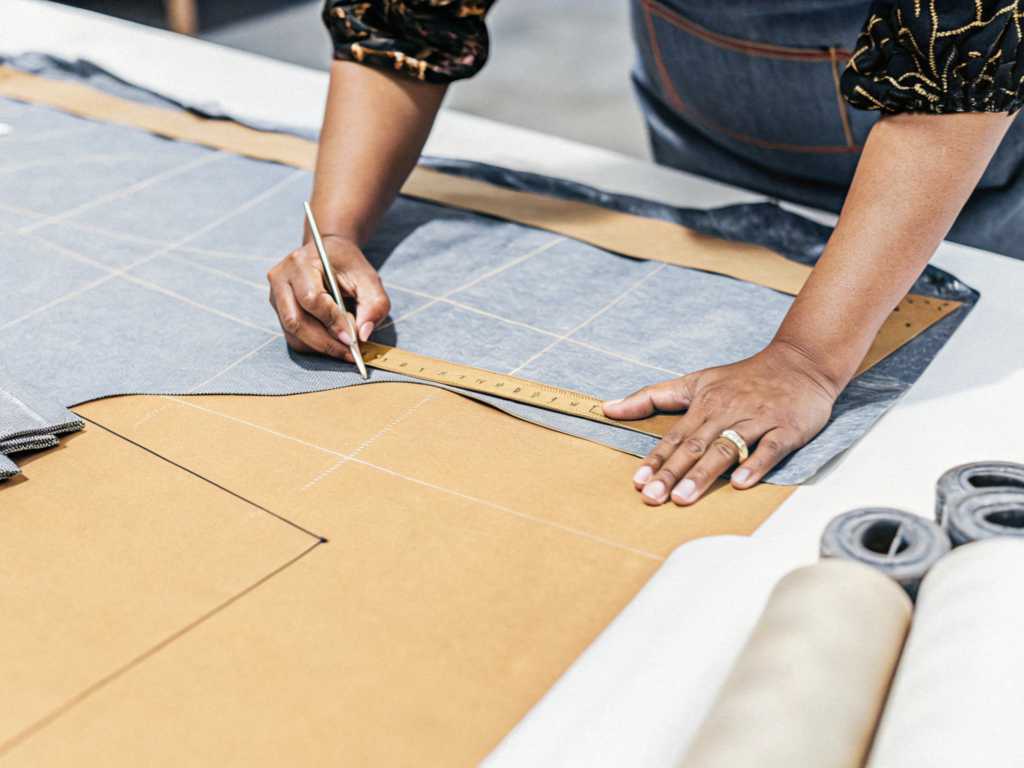
Patterns and grading should be managed through one approved master pattern, documented revision numbers, locked grade rules, and a formal release process before marker making and cutting. Approved fit corrections must be transferred into the master file and affected sizes. Repeat production should not depend on an earlier sample pattern, undocumented local copy, or someone’s memory of previous adjustments.
One Master Pattern, One Approved Version
Pattern-version errors are among the most preventable causes of repeat-order inconsistency, yet their impact can be large because an incorrect pattern can be multiplied across every garment in the order. Once hundreds of panels have been cut from an obsolete revision, sewing teams cannot always compensate for missing length, incorrect shaping, or misplaced structural lines.
The production-approved pattern should be connected directly to the final PP or Golden Sample and identified clearly by style code, version, size range, approval date, and status. When a later correction is made, the new pattern should receive a new version number rather than silently replacing the previous file in a shared folder.
Before marker making begins, the production team should compare the released pattern against the latest size chart, fit comments, approved sample, and purchase-order requirements. This verification is particularly important when the original development involved multiple revisions because several apparently legitimate pattern files may remain in the system.
When several production units are involved, centralized release becomes even more important. One factory should not continue using an earlier local file while another works from the final version. The objective is not to eliminate historical files, which remain useful for traceability, but to make it impossible to confuse an archived version with the currently approved production standard.
A master pattern is therefore more than the pattern stored in the software. It is the formally released representation of the fit that the brand approved and expects to receive again.
Grade Rules Must Preserve Proportion
Grading is often described simply as making a pattern larger or smaller, but good grading is really about preserving proportion and intended fit across a size range. Bust, waist, hip, shoulder, neckline, armhole, rise, and length do not necessarily progress by identical increments, and different silhouettes require different approaches to how those measurements change from one size to another.
A bodycon dress may need carefully controlled bust, waist, hip, armhole, and length progression. A corset-style dress introduces cup position, underbust proportions, and structural seams. A jumpsuit requires the torso, rise, waist, hip, inseam, and overall length to work together. A relaxed maxi dress may allow more ease, but its shoulder, bust, and length still need to remain visually balanced.
Problems can also appear several sizes away from the approved base size. If a grade point unintentionally changes by 0.5 cm per size, the accumulated difference can become 1.5–2 cm after several size steps. The medium sample may remain correct while XS becomes too tight or XL gains more ease than intended.
Representative size checks are therefore useful for fit-sensitive styles. Approval of a base size should not automatically be interpreted as proof that every graded size is equally accurate, especially when a repeat order introduces additional sizes such as XXS, XXL, petite, tall, or other range extensions.
The documented size-control process at Jinfeng Apparel includes size-chart confirmation, grade-rule review, pattern-version control, fabric relaxing, cutting QC, inline measurement, garment measurement, tolerance control, and comparison with PP and Golden Samples.
Fit Corrections Must Become Permanent Data
One of the easiest ways to lose repeat-order consistency is to correct the sample without correcting the master record. During development, a pattern maker may raise the waist, shorten the strap, increase hip ease, adjust the armhole, lower a slit, revise neckline depth, or extend the lining. The revised sample performs well, the client approves it, and bulk production proceeds successfully.
The problem appears months later when the repeat order begins and the production team retrieves the pre-correction pattern. The first order worked because the sample room and production staff remembered what had been changed. The repeat order fails because that knowledge existed in people’s memory instead of in a controlled technical record.
The correction loop should therefore continue until every approved change reaches the master data. The fit issue should be recorded, its cause identified, the pattern or construction corrected, the revised sample measured, approval obtained, and the new pattern and specification formally issued. The PP or Golden Sample should then be linked to that exact revision.
Historical versions should normally remain archived rather than deleted because they explain how the final product evolved. When a later question appears, the development team can identify whether a measurement was changed intentionally, when that change occurred, and what sample confirmed it.
Over several seasons, this history becomes a practical technical asset. The manufacturing team develops a more precise understanding of the brand’s preferred bust coverage, waist position, garment length, ease, and proportions instead of starting each reorder as if the product had no previous manufacturing history.
How Is Fit Verified During Repeat Production?
Fit should be verified at several production stages rather than checked only after all garments are finished. The approved fabric and pattern should be confirmed before cutting, critical dimensions should be measured while sewing is underway, and finished garments should be compared with both the measurement specification and Golden Sample. Early verification reveals systematic drift while corrective action is still practical and economical.
Pre-Cut Verification Removes High-Cost Errors Early
The period before bulk cutting offers one of the best opportunities to prevent expensive fit problems. At this point, the fabric is still intact, the marker can still be corrected, and the pattern version can still be changed without attempting to repair hundreds of garments that have already been assembled.
Five basic conditions deserve confirmation before cutting begins: the approved fabric lot, the approved pattern version, the correct size range and grading, appropriate fabric preparation, and the correct grain or stretch direction. Each seems simple, yet errors in any one can fundamentally change the finished garment.
Stretch direction is particularly important for bodycon dresses, mesh garments, stretch satin, jersey, and knit products. A panel cut in the wrong direction can still look completely normal when laid flat, but its behavior on the body may be dramatically different because the intended stretch has been placed vertically instead of horizontally, or vice versa.
Fabric relaxation should also be respected when required. Material stored under tension can change after being unrolled, and panels cut before stabilization may continue to move later. Marker files should also be verified after pattern revisions because an old marker can reintroduce a pattern version that development teams already replaced.
A disciplined pre-cut release therefore checks pattern identity, marker identity, fabric lot, panel orientation, size bundling, and special handling requirements. The process may take minutes compared with the hours or days required to correct a bulk order that was cut incorrectly.
Inline Measurement Should Watch Trends
Inline measurement becomes far more useful when it is treated as production data rather than a random inspection exercise. The goal is not merely to find a garment that is already outside tolerance; it is to detect whether production is gradually moving toward a condition that will eventually create failures.
Imagine a fitted dress with an approved waist of 68 cm and a brand-defined working tolerance of ±0.8 cm. Early measurements might read 68.1, 68.3, 68.5, 68.7, and 68.8 cm. Each garment may still technically pass against the example tolerance, but the sequence clearly shows movement toward the upper limit.
That trend gives the factory time to investigate. Seam allowance may be changing, a specific operation may be stretching the fabric, sewing tension may differ, or the material may be growing during handling. Correcting the process at this stage protects the remainder of the production run instead of waiting until later garments begin exceeding the formal specification.
Critical inline measurements depend on garment type but commonly include bust, waist, hip, strap length, overall length, neckline, armhole, rise, elasticated openings, controlled ruching sections, slit position, and lining length. Fit-sensitive points deserve more frequent attention than dimensions with little influence on the customer experience.
For long production runs, the value of early trend detection is considerable. Finding a consistent 0.5–1 cm movement while the first part of the order is being sewn is very different from discovering the same issue during final inspection after most garments have already been completed and pressed.
Final Inspection Must Combine Numbers and Appearance
Final inspection confirms that finished garments meet the approved specifications, but dimensional measurement is only one part of the decision. Clothing is worn in three dimensions, and a product can technically fall inside its measurement tolerance while still showing a visible change in balance, drape, structure, or proportion.
A bodycon dress may pass the bust, waist, and hip measurements but develop twisted side seams. A satin slip dress may meet its size chart while bias panels hang differently. A ruched dress may finish at the correct overall length but distribute the gathers incorrectly. A corset dress can match the waist specification while the cup or boning position has shifted.
For that reason, final fit verification is strongest when it uses three references together: the approved measurement specification, the accepted tolerance, and the physical PP or Golden Sample. The size chart provides numerical control, while the approved sample helps determine whether the garment still looks like the original production standard.
Different products also need different priorities. Bodycon dresses require close control of bust, waist, hip, length, and fabric recovery. Jumpsuits depend heavily on rise and vertical balance. Strapless and corset styles require attention to top-edge security, cup position, and internal structure. Maxi dresses need careful monitoring of length and hem balance, especially when the fabric has significant drape.
Jinfeng Apparel’s documented garment QC covers measurements, appearance, fit effect, pressing, zipper function, and other garment details after incoming, cutting, and sewing inspections have already occurred. Fit consistency becomes more reliable when inspection follows the product through the process instead of trying to detect every problem after production has ended.

When Should a Repeat Order Be Re-Sampled?
A repeat order should be re-sampled when a change may affect fit, structure, material behavior, grading, or construction. A genuinely unchanged reorder can often proceed using approved records and repeat-production controls, but a new fabric, changed stretch or shrinkage, revised pattern, expanded size range, structural trim substitution, or different finishing process should trigger technical review and, when risk is meaningful, renewed PP or fit approval.
Not Every Reorder Needs Full Development
A true repeat order should normally be faster than the first production because the product has already passed through development, fitting, grading, material selection, construction testing, sample approval, and bulk-production learning. Repeating every development activity without considering risk would remove much of the efficiency that long-term production relationships are expected to create.
The difficult part is determining whether the order is genuinely unchanged. A commercial team may describe it as a repeat of the same black dress, while the production team sees a different fabric lot, another material supplier, a newly added size, a changed lining, an alternative zipper, or a revised finishing method.
Jinfeng Apparel’s documented repeat-order process notes that later orders can move faster because patterns, measurements, fabric records, trims, and packing details are retained for future use. The speed advantage comes from reusing approved knowledge, not from assuming that verification is unnecessary.
A practical approach is to classify change according to fit risk. A low-risk reorder with the same approved technical package may need only normal repeat checks. A medium-risk change can justify first-piece or PP confirmation. A high-risk change affecting the pattern, material behavior, grading, or structural construction should generally return to formal fit review before bulk production.
This approach protects efficiency without treating every repeat purchase order as either completely new or completely risk-free.
Changes That Should Trigger Reapproval
The most important reapproval triggers are changes capable of affecting how the garment sits, stretches, supports, hangs, shrinks, or moves on the body. Decorative or packaging changes usually have little connection to fit, while material and structural changes can alter the product even when the external design appears unchanged.
Change | Typical Risk | Likely Control Action |
Same pattern, same fabric specification, same construction | Low | Standard repeat-order verification |
New dye lot with equivalent verified material behavior | Low–Medium | Incoming checks and first-piece review |
New fabric supplier | Medium–High | Material comparison and PP review |
Different stretch or recovery | High | Fit or PP sample |
Significant shrinkage difference | High | Pattern and sample review |
Added sizes or extended grading | High | Grade review and size validation |
Pattern correction | High | New approved pattern version |
New lining with different behavior | Medium | PP comparison |
Structural cup, boning, elastic, or zipper change | Medium–High | Construction and fit review |
Hangtag or non-structural packaging change | Low | Fit re-sampling normally unnecessary |
These categories should be understood as a risk framework rather than a universal rulebook. The same change can carry different consequences depending on the garment. A slightly different zipper may have little effect on a loose dress but influence the structure of a fitted corset style where the closure contributes to stability.
The strongest question is therefore not “Has anything changed?” but “Can the change affect the approved fit experience?” If the answer is yes, the change deserves technical evaluation even when the garment name, style number, and outward design remain the same.
New Fabric Is Often the Most Important Trigger
Fabric substitution deserves particular attention because material behavior is frequently underestimated when repeat orders are planned. A new supplier may provide a fabric that appears nearly identical in color and touch while differing enough in stretch, recovery, shrinkage, weight, or drape to change the final fit.
A repeat dress moving from one stretch satin to another can feel different because extension and recovery have changed. A bodycon style moving to another jersey can gain or lose usable ease. A rayon blend may respond differently to steam or washing. A heavier satin can lengthen a bias area, and a lining with less give can restrict movement even though the shell remains unchanged.
The decision to re-sample should be based on measurable material differences and the sensitivity of the garment. A forgiving silhouette with a substitute that behaves very similarly may require only controlled first-piece confirmation. A fitted dress with meaningful changes in stretch, recovery, shrinkage, weight, or drape has a much stronger case for renewed sampling.
The additional development time should also be compared with the commercial risk. Confirming one sample may delay the production start slightly, but correcting hundreds or thousands of garments after the fit changes is far more disruptive to the launch schedule, production cost, and customer experience.
Production History Should Make Each Reorder Smarter
Repeat-order manufacturing becomes more reliable when every production run contributes information to the next one. The first order may reveal that a mesh fabric needs more relaxation before cutting. The second may show that a neckline measurement tends to approach the upper tolerance. Customer feedback may expose a size-specific fit issue that was difficult to see during development.
Those observations should become part of the repeat-order record rather than disappearing after shipment. Historical measurements, fabric-lot behavior, inline QC findings, common sewing difficulties, approved corrections, sample references, and after-shipment feedback can help the production team anticipate issues that would otherwise have to be discovered again.
A useful record can include the final pattern and grading version, previous measurement results, fabric and dye-lot information, QC observations, fit corrections, PP and Golden Sample references, manufacturing notes, and actions recommended before the next production run. The value of the file increases as the style moves through multiple seasons and replenishment cycles.
Jinfeng Apparel’s repeat-order documentation retains pattern files, measurement records, fabric references, trim details, production notes, and packing requirements for later production, while its broader long-term cooperation record also includes QC information, Golden Samples, and after-shipment feedback.
This is where a repeat program becomes more than simply reproducing an old purchase order. The factory begins using evidence from previous runs to make future production more predictable. A style that has been manufactured several times should ideally become better understood, not gradually less controlled.
Conclusion
Maintaining fit across repeat orders is ultimately a matter of controlled repetition. The pattern is important, but a stable pattern alone cannot protect fit when fabric behavior, grading, cutting, sewing, pressing, measurements, or production references change. Reliable repeat manufacturing keeps the approved product connected to a complete technical system that explains not only what the garment measures, but also how it was made and how it should behave when worn.
The strongest repeat-order process begins by locking the final pattern, grade rules, measurement specification, construction details, material standards, and approved physical sample. New fabric lots are then evaluated according to risk, fit-sensitive measurements are checked during production rather than only at the end, and any change capable of influencing wearability is reviewed before it reaches bulk cutting.
Over time, production history should make replenishment easier rather than less predictable. A style that has already gone through sampling, approval, bulk production, customer feedback, and previous repeats contains valuable information about how its fabric behaves, which measurements are most sensitive, and where manufacturing variation is most likely to appear.
The first order proves that a garment can be developed successfully. The second, third, and tenth orders prove whether the manufacturing system can reproduce that success reliably. For fashion brands building bestselling styles, seasonal carryovers, and long-term replenishment programs, that ability to preserve the approved fit is one of the clearest signs of a mature manufacturing relationship.
Share This Article :

Jerry Lee
Categories

Latest blogs

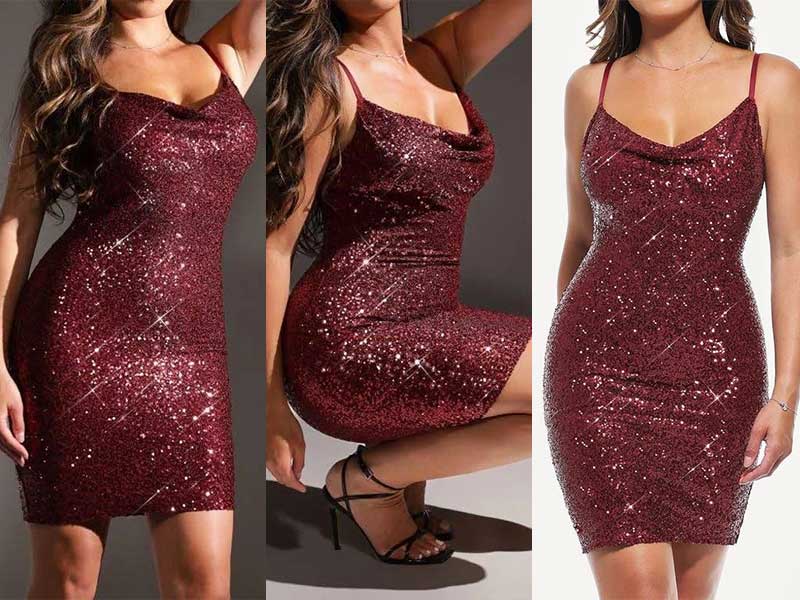
Table of Contents
Here, developing your OEM/ODM private label clothing collection is no longer a challenge—it’s an excellent opportunity to bring your creative vision to life.