
How to Protect Paper Patterns and Digital Patterns

Your trusted Women’s Apparel Manufacturer from China
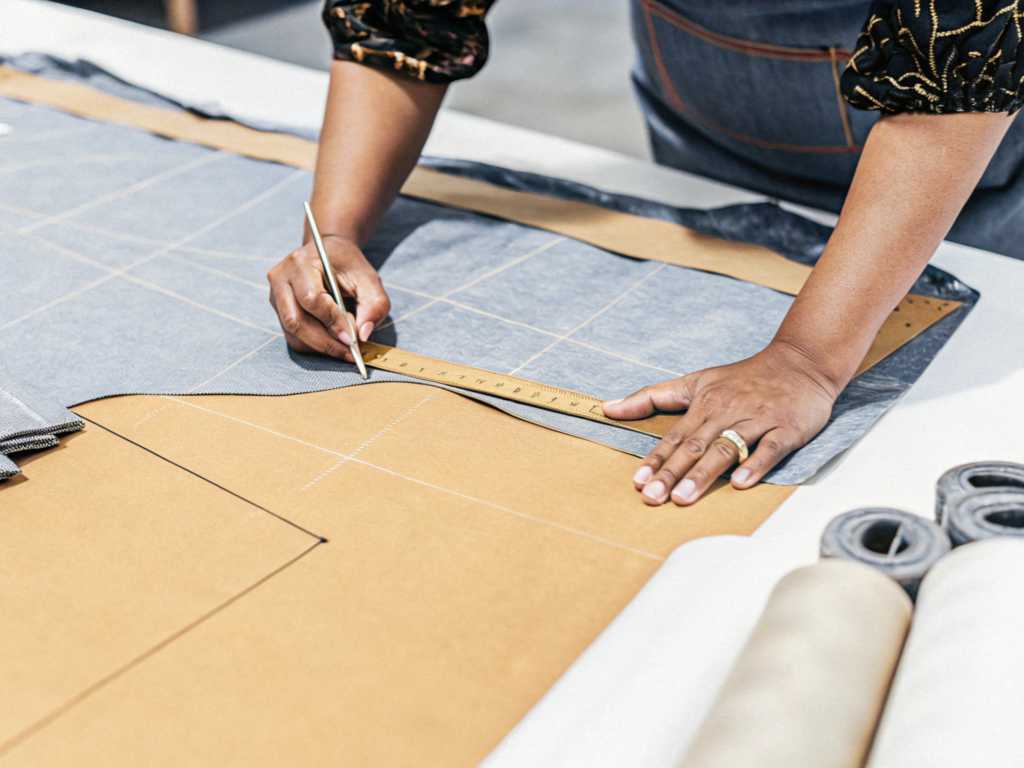
A garment pattern can look surprisingly ordinary: a paper shape hanging from a hook, a DXF file inside a style folder, or a printed set of graded pieces waiting beside the cutting table. Yet that pattern contains decisions that may have taken weeks to settle, including neckline depth, bust shaping, waist position, sleeve balance, seam allowances, shrinkage compensation and grading rules. When the wrong version is used, the mistake does not stay inside the pattern room. It can spread into sampling, costing, marker planning, cutting, sewing and thousands of finished garments. Protecting patterns is therefore not an administrative chore. It is one of the practical ways a fashion brand protects fit, product identity, fabric investment and delivery schedules.
To protect paper and digital patterns, keep one clearly identified approved master, issue controlled working copies, label every piece and file, store paper in stable conditions, preserve editable and viewable digital formats, maintain at least three recoverable copies of critical data, restrict access by role and release only the pattern package that matches the approved size chart, material data and pre-production sample.
Most expensive pattern failures are not dramatic. The files are still there, the paper pieces are still hanging, and the style number appears correct. The real problem is often quieter: yesterday’s sleeve is paired with today’s bodice, a marker was made before shrinkage was confirmed, or an old working copy returns during a repeat order. Those mistakes can remain invisible until fabric has been spread and cut. A dependable protection system is designed to catch that kind of ordinary, believable error before it becomes a production problem.
What Can Damage Garment Patterns?
Garment patterns are damaged by physical wear, unstable storage, unclear labeling, uncontrolled editing and weak file management. Paper patterns can tear, stretch or lose markings, while digital patterns can be overwritten, corrupted or separated from their correct approval records. The most dangerous failure is often not total loss, but an outdated pattern that still looks legitimate and reaches production.
What Weakens Paper Patterns?
Paper patterns usually deteriorate first at the points handled most often. Notches become enlarged, drill holes tear, armhole and neckline curves lose clean edges, and long panels develop weak fold lines. Thin paper may shift slightly after repeated tracing, pinning and movement between the pattern room, sample room and cutting area. These changes can be difficult to notice because the pattern remains recognizable, but even a small distortion can affect a fitted bodice, curved facing or matching seam.
The storage environment also matters. Paper absorbs moisture and may curl, soften or expand, while direct sunlight can fade handwritten instructions and grainlines. Heavy tape repairs often create stiff, uneven edges that are difficult to trace accurately. When a damaged line is trimmed by eye, the pattern can slowly drift away from the approved shape. Frequently used masters should therefore be checked before each new production cycle, particularly around curves, notches, balance points and long edges.
Common Pattern Damage and Its Production Effect
Risk | Early warning sign | Likely production effect | Practical control |
Repeated folding | White or cracked fold lines | Distorted long panels or curves | Hang or loosely roll large pieces |
Moisture exposure | Curling, waviness or softened paper | Measurement variation and unstable tracing | Use a dry, stable storage area |
Enlarged notches | Torn V-shaped areas | Incorrect seam matching | Reinforce or replace before further use |
Faded markings | Weak grainlines or unreadable notes | Wrong orientation or missing construction data | Rewrite and verify against the master record |
Edge wear | Rough, shortened or uneven curves | Fit and balance changes | Compare with the approved digital version |
Unclear digital names | Several files marked final | Wrong revision selected | Use revision, status and date codes |
Which Digital Risks Cause File Loss?
Digital files remove many physical storage problems, but they introduce risks that are less visible. Patterns may be overwritten, saved only on a personal computer, corrupted during transfer or stored in a software version that later becomes difficult to open. A local file can also be newer than the version attached to an email, which means two departments may both believe they are working from the latest revision while actually using different geometry.
Poor naming makes this situation worse. Files called final.dxf, final-new.dxf and final-corrected2.dxf do not show size range, approval stage, revision number or release date. Long-term protection requires more than saving the pattern outline. The archive should also retain editable source files, exchange files, graded information, measurement references and the change history. A file that opens successfully may still be incomplete if the team cannot identify which sample, fabric condition or approval decision it belongs to.
How Do Pattern Errors Reach Production?
Pattern errors normally move through gaps between departments. Design, technical development, pattern making, sampling, grading, marker planning and cutting may each hold a different attachment or printed copy. A corrected bodice can be combined with an old facing, or a revised armhole can reach production without the corresponding sleeve change. Skilled sample machinists sometimes ease a mismatch by hand, which can hide the issue until bulk sewing exposes it repeatedly.
Material behavior creates another route for failure. A bodycon dress pattern approved in a high-recovery knit may not work in a fabric with lower stretch, while a woven dress may need shrinkage compensation after testing. Before cutting, the pattern revision should be checked against the current size chart, tech pack, material data, grade rules and pre-production sample. Production readiness belongs to the complete release package, not to a single pattern file that happens to look finished.
How Should Paper Patterns Be Protected?
Paper patterns should be protected by separating approved masters from daily working copies, choosing materials suited to their expected use, labeling every piece and storing each set in a clean, stable location. The system must preserve dimensions while allowing quick retrieval. A pattern is not truly protected if staff must rely on memory to identify its status, revision or physical location.
Which Materials Preserve Master Patterns?
The right pattern material depends on the development stage and the number of times the style is likely to be reused. Lightweight paper is practical during early fittings because it can be slashed, spread, folded and redrawn quickly. Once a style is approved, stronger kraft paper, manila pattern paper or pattern card is usually more suitable for a long-term master. Small components such as collars, pocket templates, waistbands and placement guides may benefit from card or durable transparent templates.
Reinforcement should be selective rather than excessive. Hook holes, narrow extensions and frequently handled notches may need support, but covering an entire large piece with heavy adhesive can change its flexibility and make precise tracing harder. Heat-applied backing should be tested because heat and pressure can alter some papers. For valuable repeat styles, the most dependable approach is one preserved master plus controlled working copies that absorb everyday handling and can be replaced when worn.
How Should Patterns Be Stored?
Storage should be selected according to size, fragility and frequency of use. Hanging systems are efficient for active industrial patterns because complete style sets remain together and can be retrieved without repeated folding. Flat drawers offer strong dimensional protection for delicate masters and smaller pieces, although they require more floor space. Loose rolling works well for long skirt panels and oversized dress pieces, provided the roll is wide enough to avoid a tight permanent curl.
The room itself should remain dry, clean and away from direct sunlight, steam, leaking pipes and heavy cutting dust. Each physical location should have a simple code that also appears in the digital style folder, such as Pattern Room, Rack B, Hook 042. That small connection reduces unnecessary handling because staff can find the correct set directly instead of opening multiple envelopes or moving unrelated patterns while searching.
Practical Storage Methods for Paper Patterns
Storage method | Best use | Main advantage | Main limitation |
Hanging hooks | Active production masters and working sets | Fast retrieval with minimal folding | Requires dedicated rack space |
Flat drawers | Delicate masters and small components | Strong dimensional protection | Uses significant floor and cabinet space |
Loose rolling | Maxi-dress panels and oversized pieces | Avoids sharp fold lines | Patterns may retain curl if rolled tightly |
Labeled envelopes | Small pattern sets and temporary copies | Low cost and easy grouping | Not suitable for large card patterns |
Protective sleeves | Reference copies and small templates | Reduces dust and handling damage | Can trap moisture if sealed while damp |

Do Working Copies Protect the Master?
Working copies protect the approved master only when their status is controlled. A duplicate allows the sample room and production team to trace, test and prepare cutting information without altering the reference pattern. The difficulty appears when older copies remain in circulation after a neckline, waist seam, sleeve cap or skirt balance has been revised. Months later, an outdated copy can easily be mistaken for the current version during a repeat order.
Every copy should therefore carry a visible purpose, revision number and issue date. Labels such as MASTER – DO NOT ALTER, DEVELOPMENT COPY, PP SAMPLE COPY, BULK RELEASED and OBSOLETE are easier to understand than abbreviations known by one department. When a new revision is approved, previous copies should be removed from active areas immediately. They may be archived for traceability, but they must be marked so clearly that they cannot return to sampling or cutting by accident.
How Should Patterns Be Labeled?
A pattern piece should remain identifiable even when separated from its hook, envelope or related components. At minimum, it should show the client or brand code, style number, piece name, size, revision, cut quantity, material layer and grainline. Dresses with corset panels, shaped linings, mesh inserts or similar-looking waist pieces need especially complete labels because several components can differ by only a few millimeters.
Useful markings may also include seam allowance status, stretch direction, nap direction, print placement, matching points and approval date. Units must always be written clearly. A note such as add 0.5 is incomplete because it does not explain centimeters or inches, the affected edge, or whether the value refers to a finished measurement or seam allowance. Handwritten alterations should be dated and initialed before the pattern is released to another department.
How Should Digital Patterns Be Managed?
Digital patterns should be managed with standardized formats, consistent file names, structured folders, controlled permissions and recoverable backups. Editable source files and stable production exports should both be retained. A reliable system allows the team to identify the approved revision, understand what changed, restore earlier records and confirm exactly which package was issued for sampling, grading, marker planning or bulk cutting.
Which File Formats Should Be Retained?
No single digital format is enough for long-term pattern protection. Native CAD files preserve editing functions, internal attributes and grading tools, but they may depend on a specific software application. DXF files improve portability between systems, while PDF files provide a stable visual reference that can be opened without specialist software. Important styles should normally retain all three, together with the graded nest, measurement chart, marker information and revision record.
Every export should be tested. Notches, drill points, seam allowances, internal lines and size labels can behave differently when files move between CAD systems. Software migration also deserves planned checks. After a major update, open several older styles and compare dimensions, annotation layers and grading. Discovering a compatibility issue during a repeat order creates pressure and encourages shortcuts, while routine testing gives the technical team time to convert or repair archives carefully.
Digital Pattern Files Worth Retaining
File type | Primary use | Retention priority | Key verification |
Native CAD | Editing, correction and grading | Essential | Current software opens all layers and attributes |
DXF | Transfer between CAD systems | Essential | Notches, internal lines and sizes transfer correctly |
Viewing, printing and approval reference | High | Scale is marked and test-printed | |
Graded nest | Review of size progression | High | Matches the approved grade rules |
Marker file | Bulk cutting layout | Order-specific | Fabric width, nap and quantity are correct |
Measurement sheet | Finished garment control | Essential | Matches the same pattern revision |
Revision log | Change and approval history | Essential | Entries are specific, dated and authorized |
How Should Pattern Files Be Named?
A useful file name should identify the style, product, size range, revision, status and issue date before the file is opened. A practical structure is STYLE_PRODUCT_SIZE_REVISION_STATUS_DATE, for example JF2418_MIDI-DRESS_XS-XL_R04_BULK_20260710.dxf. The year-month-day date format sorts correctly in most systems, while revision numbers such as R01, R02 and R03 remain clear even after a file moves from fitting to pre-production.
Standard status terms should be agreed across departments, such as DEV, FIT, PP, BULK, ARCHIVE and OBSOLETE. Words such as latest, new, corrected and final should be avoided because they become meaningless after the next change. File names improve selection, but they should not be treated as the only approval control. The same status must also appear in a release log, permission setting or other record that cannot be casually renamed.
How Many Backups Are Needed?
Critical pattern records should normally exist in at least three separate locations: the active working system, a separate local or network backup and an off-site or secure cloud backup. These copies should not depend on the same computer, user account, physical building or administrator. A second folder on the same hard drive does not protect against hardware failure, ransomware, theft or accidental formatting.
Backup frequency should follow the development stage. Active patterns may need daily protection, while fit approval, size-set approval, PP approval and bulk release should each trigger a preserved milestone copy. Restoration tests are just as important as the backups themselves. Periodically restore a complete style folder to another location and open the CAD, DXF, PDF, measurement chart and change log. A backup that cannot be recovered is only an assumption of safety.

Who Should Have File Access?
Access should match responsibility. Pattern makers may need editable CAD files, grading staff need approved base patterns and grade rules, and cutting teams need released pattern and marker outputs. A packaging team normally has no reason to open source pattern files. Separating view, download, edit, approve and release permissions reduces both accidental changes and unnecessary exposure of confidential product information.
External factories should receive only the files required for their assigned work. Shared passwords, public links and uncontrolled messaging groups make it difficult to know who downloaded a file or whether an outdated copy remains in circulation. Permissions should also be reviewed when staff change roles, leave the company or complete a project. For confidential launches, expiring links, password-protected archives and controlled portals add useful layers without replacing disciplined internal procedures.
How Do You Control Pattern Versions?
Pattern versions are controlled by assigning sequential revision numbers, documenting meaningful changes, separating active files from archives and identifying one approved master for each production stage. Before cutting, the pattern must match the current size chart, technical package, fabric data and PP sample. No revision should enter production through a casually replaced attachment, informal message or unrecorded paper alteration.
What Is the Approved Master Version?
The approved master is the pattern authorized for a specific stage, such as a fit sample, salesman sample, size set, PP sample or bulk cutting. These approvals are not interchangeable. A pattern that works for photography may still contain temporary construction, incomplete grading or hand-finished details that are unsuitable for mass production. The release record should therefore state the revision, purpose, date, material condition and person responsible for approval.
A practical status sequence is DEVELOPMENT, FIT APPROVED, SIZE SET APPROVED, PP APPROVED and BULK RELEASED. After release, the master should remain protected from casual editing. If a problem is found, the original file should not be silently corrected. A new revision must be created so the team can identify which samples, markers, cutting batches or repeat orders were produced from each version and can investigate differences without guessing.
How Are Revisions Recorded?
A useful revision entry explains what changed, where it changed and why. Notes such as fit improved or pattern updated are too vague for later review. A stronger record might state that the front neckline was raised 1.0 centimeter, the shoulder strap shortened 0.7 centimeter and the facing reshaped after the second fit review. That level of detail allows another technical person to understand the decision without relying on the original pattern maker’s memory.
When one alteration affects related pieces, all affected components should be listed. Changing an armhole often requires a sleeve correction, while moving a waist seam may affect the bodice, skirt, lining and zipper position. Each revision should connect the updated pattern, fit comments, sample and approval decision. Older versions should remain available for traceability, but they must be stored outside the active production folder and marked clearly as archived or obsolete.
Which Files Must Be Locked Before Cutting?
Before fabric is spread, the complete production package should be checked and locked against casual changes. The approved base pattern, graded sizes, marker, size chart, tech pack, bill of materials, shrinkage or stretch data and PP sample must all refer to the same revision. Printed garments may also require artwork scale, panel placement, stripe direction or matching instructions, while embellished styles may need dedicated positioning templates.
If a change is necessary after release, the old package should not be edited in place. A new revision must be created, approved and redistributed, and the previous release should be withdrawn from the cutting room, sample room and external factories. This discipline can feel slower than sending a quick corrected attachment, but it is far faster than discovering a mismatched facing, incorrect skirt length or unsuitable marker after hundreds of components have been cut.
Bulk Pattern Release Checklist
Release item | Minimum verification before cutting |
Base pattern | Correct style, base size, revision and approval stage |
Graded pattern | Approved size range and grade rules |
Marker | Correct fabric width, nap, direction and cut quantity |
Size chart | Measurements and tolerances match the approved pattern |
Tech pack | Current seams, construction details and workmanship notes |
Fabric data | Confirmed shrinkage, stretch, relaxation and direction |
Bill of materials | Correct fabric, lining, trims, labels and components |
PP sample | Physically linked to the released pattern revision |
Approval record | Dated and authorized by the responsible team |
Cutting instruction | Print, stripe, placement and bundle requirements included |
How Do Golden Samples Support Control?
A golden sample shows how the approved pattern should work with the actual fabric, lining, trims, construction and finishing standard. It helps answer questions that a two-dimensional file cannot fully communicate, including gathering distribution, zipper flatness, neckline support, lining behavior and pressing quality. The sample should be labeled with the style, color, size, pattern revision and approval date, then stored so it is not casually used for fitting or photography.
The sample does not replace measurements or technical documents. Hand-sewn development garments may contain slight asymmetry, temporary stitches or manually adjusted details that should not be copied literally. For repeat orders, compare the archived pattern and current material against the golden sample. If fabric stretch, shrinkage, finish or supplier has changed, a new PP sample may still be necessary. The golden sample is physical evidence of the approved result, not permission to skip current verification.
How Do Manufacturers Protect Client Patterns?
Manufacturers protect client patterns through confidentiality agreements, controlled access, separated records, documented file releases and secure physical and digital archives. Only the information needed for a specific task should be shared with each department or production unit. Brands should confirm ownership, retention, subcontractor access, backup and deletion procedures before sending complete patterns, samples or unreleased collection information.
Do NDAs Protect Pattern Information?
An NDA provides an important contractual foundation, but it does not protect a pattern by itself. The agreement should define what information is confidential, how it may be used, who may receive it and what happens when development or production ends. Confidential information may include paper and digital patterns, tech packs, size charts, original samples, material specifications, private-label artwork, order quantities, launch dates and unreleased product images.
Pattern ownership should be stated clearly in the commercial agreement. Brands often assume that paying for development automatically gives them every editable file, while a manufacturer may retain controlled records for repeat production. The agreement should explain who owns newly developed patterns, whether subcontractors can access them, how long records may be kept and whether files can be returned or deleted on request. Legal terms are strongest when daily access, release and archive practices support the same promise.
Which Records Should Be Retained?
A useful repeat-order archive preserves the relationship between the pattern and the finished garment. Keeping only a DXF file is not enough if the future team cannot identify the approved fabric, shrinkage allowance, size chart, trim specification or sample. A complete record normally includes the master pattern, graded sizes, measurement chart, revision history, material references, construction details, PP or golden sample record, label artwork, packing instructions and relevant production comments.
Records should be divided into active, archived and obsolete groups, with each client’s data stored separately. Before a repeat order begins, archived information should be reviewed rather than copied automatically. Fabrics can be discontinued, stretch and finish can change, and size expectations may be updated. Good records reduce repeated development work and protect fit continuity, but professional verification keeps the new order accurate under current production conditions.
How Are Patterns Protected Across Factories?
When several factories or specialist units are involved, a central technical team should control what each location receives. A sample room may need the development pattern and fit comments, a grading unit needs the approved base pattern and rules, and a bulk factory needs the released production package. A specialist embroidery, pleating or embellishment unit may require only the relevant component and positioning information rather than the entire collection.
Each release should record the recipient, revision, purpose, issue date and permission level. When a new revision is issued, the sender should confirm that the previous version has been removed from active use. Paper copies should carry the same control. Jinfeng Apparel’s documented production structure includes six owned women’s fashion factories, more than ten long-term satellite partners, two sample rooms, seven-plus senior pattern makers and twenty-plus sample machinists, making centralized pattern and approval control especially important for multi-unit production.
What Should Brands Ask a Manufacturer?
Brands should ask practical questions before sending a complete seasonal collection. Asking whether a factory signs an NDA is useful, but it does not reveal how files are managed on an ordinary working day. Ask who can open editable CAD files, who approves revisions, how older versions are removed, whether external factories receive the complete collection and how paper masters are stored. Strong answers describe responsibilities and records rather than relying on one employee’s memory.
The discussion should also cover pattern ownership, backup locations, retention periods, deletion requests and repeat-order verification. A professional manufacturer may use different software or terminology, but the control logic should remain clear. The company should be able to show how an approved pattern is linked to a sample, material condition and bulk release, and how a previous version is prevented from returning to production. That evidence is more meaningful than a broad promise that client designs are safe.

Protect the Pattern Before It Becomes a Production Problem
Pattern protection is not mainly about keeping paper neat or filling cloud storage with duplicate files. Its real purpose is to preserve product intent as a style moves from design through fitting, grading, costing, cutting and repeat production. A dependable system combines a protected master, replaceable working copies, standardized labels, editable and stable digital formats, multiple recoverable backups, controlled access and a bulk-release package linked to the approved PP or golden sample.
For fashion brands, these controls reduce more than data-loss risk. They help prevent fit drift, incorrect cutting, wasted fabric, inconsistent grading, delayed launches and repeated development costs. They also make it easier to extend a successful style into new colors, fabrics, matching sets or seasonal collections without rebuilding technical knowledge from the beginning. The strongest systems remain practical enough for daily use, because a perfect policy that staff cannot follow is less useful than a clear process they apply consistently.
Jinfeng Apparel supports custom women’s fashion development from pattern making, sample construction and fit correction through bulk production, quality control, private-label packaging and export coordination. The company works with established fashion brands and mid-to-large apparel clients developing dresses, skirts, jumpsuits, matching sets and private-label womenswear. Custom production starts from 200 pieces per style and color, depending on fabric availability, trims, construction complexity and production scheduling.
To discuss a custom collection, send the development team your tech pack, reference sample, design image, size chart or line sheet. The team can review garment structure, pattern requirements, material direction, sampling needs, target market and the expected bulk-production plan before preparing a practical project quotation and development schedule for your collection.
Share This Article :

Jerry Lee
Categories

Latest blogs


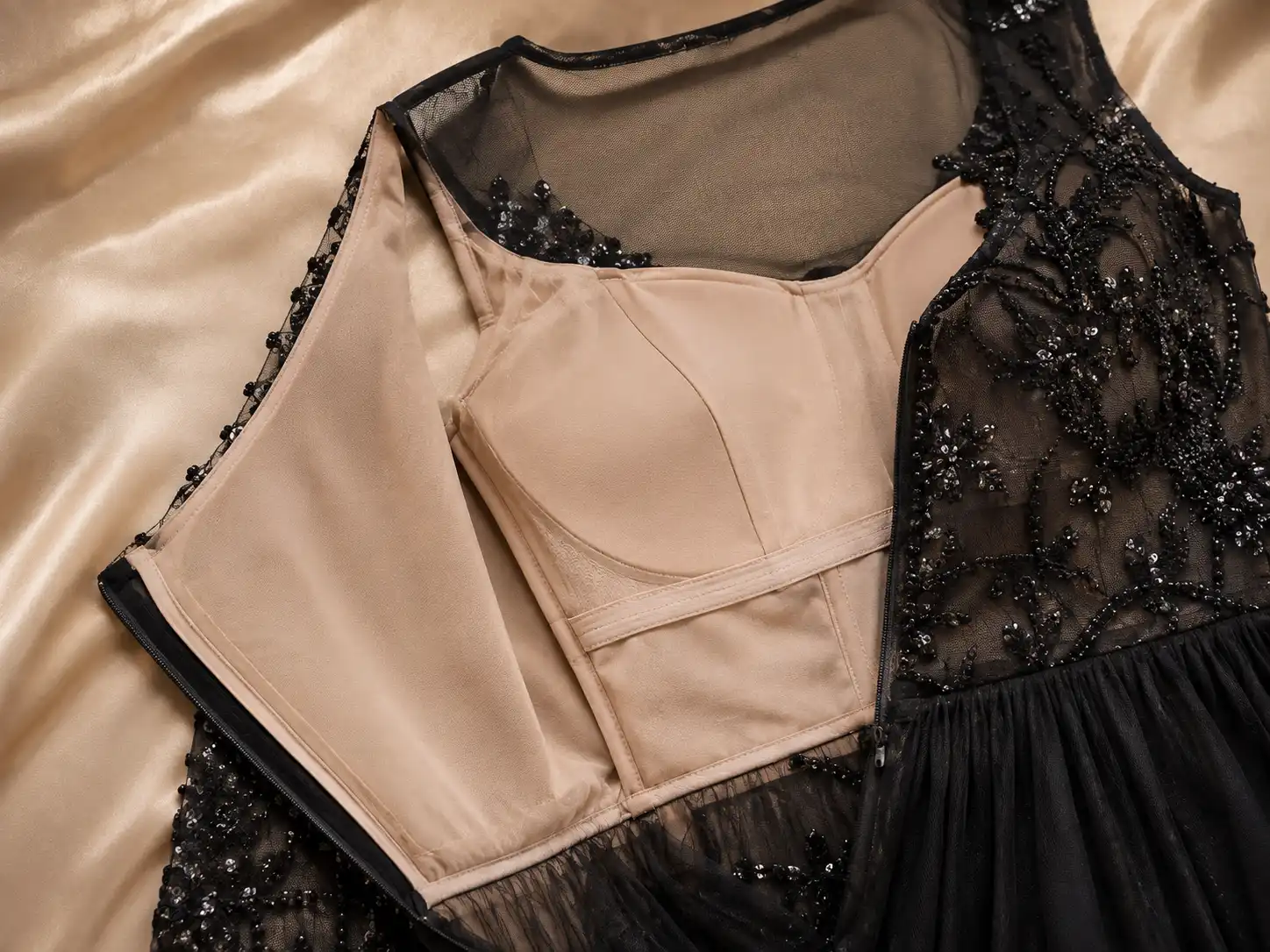
Table of Contents
Here, developing your OEM/ODM private label clothing collection is no longer a challenge—it’s an excellent opportunity to bring your creative vision to life.

