
How to Evaluate a Dress Manufacturer’s Pattern Team Before Sampling and Bulk Production

Your trusted Women’s Apparel Manufacturer from China
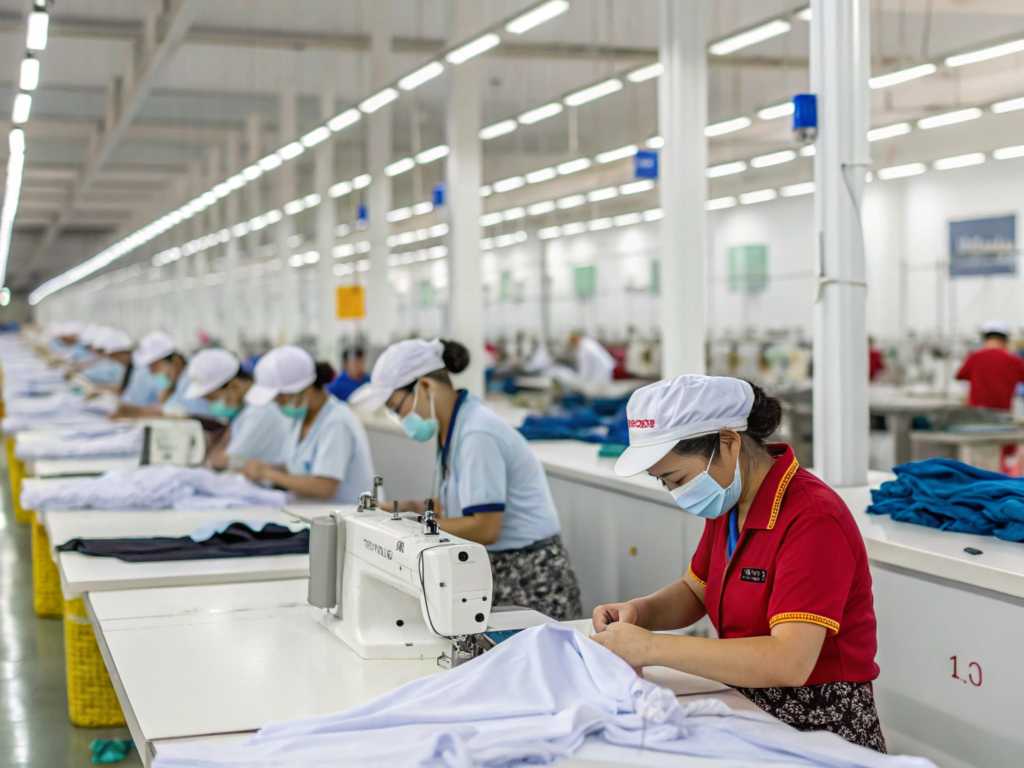
A dress can look simple on a product page, but behind that clean photo is a chain of technical decisions: where the waistline sits, how much ease is added at the hip, whether the neckline stays secure, whether a satin hem hangs evenly, and whether the approved sample can still look the same after thousands of units are cut. Many sourcing teams only discover the strength of a manufacturer’s pattern team after the first sample fails. By then, time has already been lost, fabric may have been wasted, and the launch calendar starts to feel uncomfortable.
To evaluate a dress manufacturer’s pattern team, check how they read tech packs, develop base patterns, control fit points, adjust for fabric behavior, handle sample revisions, manage size grading, and convert the approved sample into PP and golden sample standards for bulk production.
Think of the pattern team as the bridge between design and revenue. If that bridge is weak, even a beautiful sketch can become a risky product. If it is strong, your dress collection can move from reference image to sample, from sample to production, and from production to repeat order with fewer surprises. The difference is not always visible in the quotation. It becomes visible when the sample is tried on, when the dress is graded across sizes, and when bulk production must repeat the same fit without relying on guesswork.
What Does a Pattern Team Do?
A dress pattern team turns a sketch, tech pack, sample, or reference image into a garment structure that can be fitted, adjusted, graded, cut, sewn, inspected, and repeated in bulk. Their work controls shape, proportion, comfort, support, fabric behavior, and sample-to-production consistency.
A professional womenswear pattern room with paper patterns, digital pattern screens, fabric swatches, mannequins wearing satin and mesh dresses, measuring tapes, and sample makers reviewing fit notes in a clean apparel factory environment.
Pattern Into Product
A good pattern team is not just making paper patterns. It is translating a design idea into a real product that can be worn by real customers and produced by a factory line. For a dress brand, this is where creative intent becomes commercial reality.
A sketch may show a clean waistline, but the pattern decides whether that waistline sits at the right point on the body. A reference image may show a deep neckline, but the pattern decides whether it gaps, pulls, or exposes too much. A fabric may look beautiful on a swatch card, but the pattern decides whether it hangs cleanly or twists after sewing.
In dress manufacturing, the pattern team usually connects several departments: product development, sample room, fabric sourcing, sewing, QC, and production. If this connection is weak, the first sample may look acceptable, but bulk production can still fail. The best pattern teams think ahead: Can the seam be sewn consistently? Can the lining be controlled? Can the shape be graded across sizes? Can the same result be repeated after 500, 1,000, or 3,000 pieces?
For a buyer, this is the reason pattern evaluation should happen before choosing a supplier only by price. A low quotation can look attractive, but if the factory cannot control pattern logic, the hidden cost appears later through extra sample rounds, delayed launch dates, fabric waste, inconsistent sizes, and customer returns.
Design Understanding
Before drafting a pattern, the team must understand the dress type. A bodycon mini dress, satin slip dress, lace cocktail dress, corset evening dress, chiffon resort maxi dress, and stretch mesh club dress all need different pattern logic.
A pattern team should ask practical questions before starting. Is the dress fitted or relaxed? Is the fabric woven, knit, or stretch? Does the design need lining? Is the neckline safe for the target customer? Does the waistline need structure? Will the customer wear a bra with it? Does the dress need cups, boning, elastic, adjustable straps, or a hidden closure?
This is where many weak manufacturers fail. They copy the appearance without understanding the wearing function. The dress may look similar on a hanger but not work on the body. A strong pattern team reads beyond the image. It understands the body, the fabric, the sales market, and the production method.
For fashion buyers, this is one of the most important evaluation points. A factory that only asks for a picture and price target may be too passive. A serious pattern team should ask about size range, fit preference, fabric direction, construction details, and production quantity before promising the sample result.
Pattern Documents
The pattern team should work from clear documents, not scattered chat messages. Useful input usually includes a tech pack, reference image, original sample, size chart, fabric swatch, trim list, colorways, label requirements, target market, and order quantity.
When documents are incomplete, a professional manufacturer should still be able to start with available materials, but they should explain what needs confirmation. For example, a reference photo can show silhouette, but it cannot confirm exact garment measurements. A sample can show structure, but it may not match the buyer’s target size chart. A fabric swatch can show hand feel, but it may not reveal shrinkage or bulk availability.
A practical pattern file package often includes these items:
|
Buyer Input |
Why It Matters |
Pattern Team Checkpoint |
|
Tech pack |
Reduces guesswork |
Measurements, seams, trims, construction |
|
Reference image |
Shows visual intent |
Silhouette, neckline, waistline, length |
|
Original sample |
Reveals real structure |
Fit, lining, sewing method, support |
|
Size chart |
Controls market fit |
Base size, grading rule, tolerance |
|
Fabric swatch |
Affects shape |
Stretch, drape, shrinkage, transparency |
|
Trim list |
Affects construction |
Zipper, cups, boning, elastic, labels |
|
Order plan |
Affects production logic |
MOQ, color split, size split, delivery rhythm |
Buyer Risk
For buyers, a weak pattern team creates hidden cost. The sample may require too many rounds. The approved dress may not grade well. The bulk order may not match the sample. Customer returns may rise because the garment looks good online but feels wrong when worn.
Common pattern-related risks include tight hips, loose bust, unstable straps, gaping neckline, uneven hem, twisted side seams, wrong waist position, poor lining length, uncomfortable crotch length in jumpsuits, and poor support in corset or strapless styles.
A buyer should not evaluate a manufacturer only by quotation. The lower price can become expensive if the factory cannot solve fit and structure problems. Pattern work affects sample time, material usage, cutting accuracy, sewing efficiency, QC standards, and repeat order consistency.
The safest way to evaluate the team is to ask for process evidence. Who reads the tech pack? Who makes the base pattern? Who attends fit review? Who updates the revised pattern? Who confirms PP sample readiness? Who controls the final production pattern? A clear answer shows a real system. A vague answer suggests risk.
How Do You Check Pattern Experience?
You check pattern experience by looking at the team’s dress category knowledge, fabric experience, sample revision logic, fit diagnosis ability, and production transfer process. Real experience is proven by how the team solves fit and structure problems, not by how many general years the factory claims.
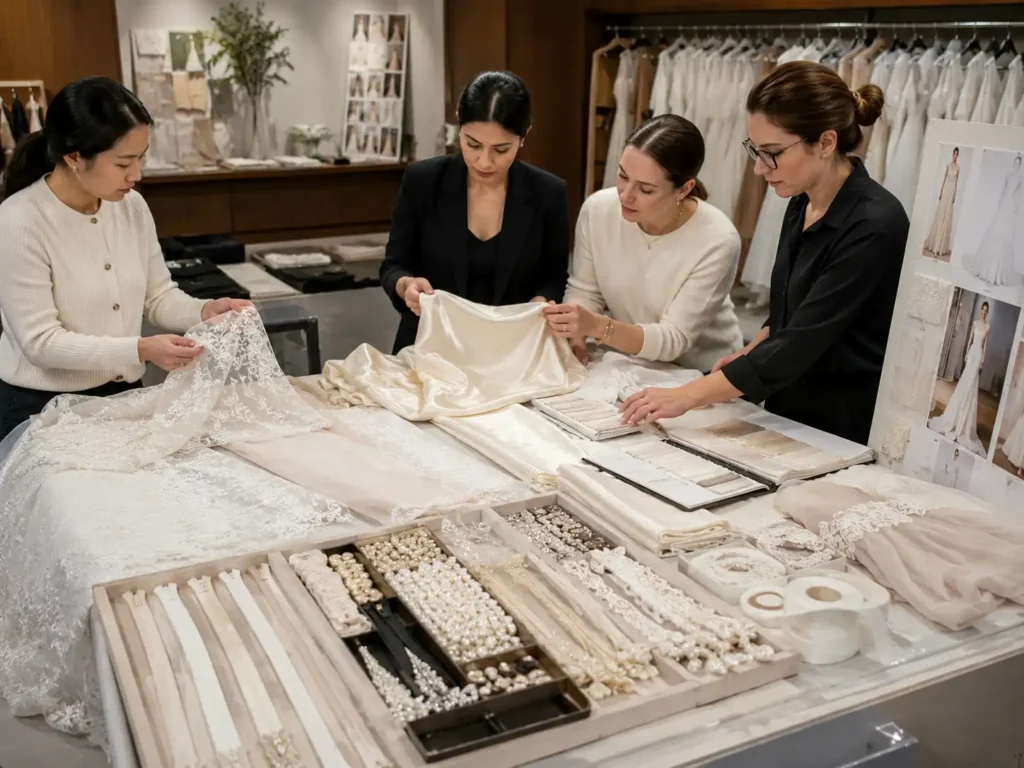
A senior womenswear pattern maker and merchandiser reviewing several dress samples – corset dress, bodycon dress, satin slip dress, and maxi dress – with pattern papers, fabric swatches, and fit measurement notes on a large worktable.
Team Structure
A mature dress manufacturer should have more than one person handling pattern, sample, and revision work. A single pattern maker may handle simple orders, but seasonal fashion collections need a team structure that can support multiple styles, fabrics, sizes, and revisions at the same time.
For medium and larger buyers, this matters because development usually happens in batches. A brand may send 10 to 30 styles for one drop, not one style at a time. Some may be simple jersey dresses, while others may be satin maxis, corset minis, lace occasionwear, or mesh clubwear. One technical person cannot properly manage all of these without delays or mistakes.
A useful question is: How many senior pattern makers are involved, and how do they work with the sample room? A capable development setup should have clear roles for pattern making, sample sewing, merchandising, QC feedback, and production handoff. If one person is expected to interpret the design, draft the pattern, sew the sample, quote the order, follow production, and inspect bulk goods, the buyer should be careful.
Team structure also affects revision speed. When fit comments come back from the buyer, the sample room and pattern room must understand what changed, why it changed, and whether the change affects bulk production. A clear internal workflow reduces repeated explanations and prevents the same problem from returning in the next sample.
Category Memory
Pattern experience should be checked by product category. A factory may be experienced in basic woven dresses but weak in corset dresses. Another may be strong in jersey bodycon styles but struggle with satin eveningwear. Buyers need to know whether the pattern team has solved similar problems before.
Useful category questions include: Have they developed strapless dresses? Have they handled backless styles? Do they understand deep V support? Can they control bodycon stretch? Do they know how to keep maxi hems balanced? Can they work with lace placement, sequin seam bulk, or mesh transparency?
A strong pattern team has category memory. It remembers which styles usually fail and where. Strapless dresses often slip if upper bust and inner support are not controlled. Satin slip dresses can show zipper waves if seam tension and fabric stability are wrong. Mesh dresses can look cheap if lining placement is not planned. Sequin dresses can become uncomfortable if seam allowance and inner finishing are ignored.
This kind of memory comes from repeated development, not theory. Buyers should listen for specific answers, not broad claims. If the team can explain the risks of your style before sampling, they are more likely to control the sample during development.
Fabric Experience
A pattern maker who understands fabric will make better samples. The same dress cannot always use the same pattern if the fabric changes. Stretch, recovery, drape, weight, shrinkage, and transparency all affect pattern decisions.
For example, a bodycon dress in ponte usually needs different ease from one in thin jersey. A satin dress may need more careful seam balance than a crepe dress. A chiffon dress may need lining and hem control. A power mesh dress may need stretch recovery testing. Lace may need motif placement. Sequin fabric may need seam bulk planning.
The best pattern teams do not treat fabric as a purchasing detail. They treat it as part of the fit system. Before sampling, they should check whether the selected fabric can create the intended shape, whether it requires lining, whether it can hold the structure, and whether it is stable enough for bulk.
Buyers should also be careful when changing fabric after sample approval. A dress approved in one stretch satin may not fit the same in another stretch satin if the recovery, weight, or surface tension changes. If the fabric changes, the pattern may need review again.
Proof Questions
The fastest way to check pattern experience is to ask problem-based questions. Good pattern teams can explain their logic in plain language. Weak teams usually answer with yes, we can do it, but cannot explain how.
Ask questions such as: If a deep V neckline gaps, what do you check first? If the hip pulls on a bodycon dress, do you change the pattern, fabric, or seam? If a satin zipper waves, what causes it? If a maxi dress hem drops after hanging, how do you correct it? If a corset dress feels weak at the bust, what support options do you review?
The answer does not need to sound academic. In fact, the best technical teams often explain things simply: the fabric is too soft for this structure, the neckline needs more control at the upper bust, the lining must follow the stretch direction, or this hem needs hanging time before final trimming.
A buyer should trust the team that can identify causes, not only promise corrections. In sampling, the real value is not that the first sample is always perfect. The real value is that every revision moves the dress closer to a stable, wearable, production-ready product.
Which Fit Points Matter Most?
The most important dress fit points are bust, upper bust, under bust, waist, hip, neckline, armhole, strap length, shoulder, back opening, skirt length, slit height, hem balance, lining length, and crotch length for jumpsuits. These areas decide whether the dress looks good, feels safe, and sells well.
A fit model wearing a partially pinned dress in a sample room, with a pattern maker measuring bust, waist, hip, strap length, neckline depth, armhole, slit height, and hem balance; include notes and measurement tools.
Bust, Waist, Hip
Bust, waist, and hip are the foundation of dress fit. If these three areas are wrong, the garment will usually fail even if the fabric and sewing look good.
The bust area affects support, exposure, neckline stability, and customer confidence. For fitted dresses, the pattern team must check upper bust, full bust, under bust, cup shape, side seam, and front balance. For corset or strapless dresses, bust support is not optional. It usually needs inner structure such as cups, boning, elastic, power mesh, or a better panel shape.
The waist controls proportion. A waist seam that is 1 to 2 cm too high or too low can change the whole dress effect. On a bodycon dress, the waist must hold the shape without cutting into the body. On an A-line or resort dress, the waist affects movement and elegance.
The hip controls comfort and movement. Tight hips cause pulling lines, riding up, and poor sitting comfort. Loose hips can make a fitted dress look cheap. For stretch fabrics, recovery matters as much as the measurement itself.
Neckline And Armhole
Neckline and armhole are often the first places customers notice discomfort. They are also common return-risk areas for online fashion brands.
A neckline may look beautiful in a reference photo but become risky in production. Deep V, halter, strapless, off-shoulder, one-shoulder, square neck, cowl neck, and backless styles all need extra attention. The pattern team should check whether the neckline sits close to the body, whether it gaps when moving, and whether the wearer feels secure.
Armhole fit affects both appearance and comfort. If the armhole is too low, it may expose the side bust or innerwear. If it is too tight, the wearer cannot move comfortably. If it is too wide, the dress can look poorly fitted from the side view.
For buyers, the key is to review samples on body, not only flat. A flat measurement can pass, while the worn effect still fails. Side-view photos, movement checks, and short fitting videos can help catch these issues before PP approval.
Straps And Support
Straps look small, but they carry a lot of responsibility. They affect neckline height, bust position, shoulder comfort, and dress security. A 1 cm strap adjustment can change the whole upper-body fit.
For camisole, slip, halter, backless, and party dresses, strap length should not be guessed. Adjustable sliders may help, but they do not solve every issue. If the front pattern is wrong, an adjustable strap only hides part of the problem. For heavy fabrics, beaded trims, or larger bust sizes, strap width and placement also matter.
Support is especially important in strapless, corset, deep V, and backless dresses. The pattern team should review whether the dress needs bra cups, boning, underwire, elastic, power mesh, silicone tape, inner waist tape, or a stronger back structure. These support decisions should be made during sample development, not after the buyer complains about slipping or exposure.
A strong pattern team balances appearance and wearability. The dress should still look like the buyer’s design, but it must also stay on the body, move naturally, and feel secure enough for real customers.
Fit Review Table
Fit should be reviewed with clear checkpoints, not only personal opinion. The table below gives practical reference points buyers can use during sample comments.
|
Fit Area |
Common Risk |
Practical Check |
Typical Control Range |
|
Bust |
Gaping, flattening, weak support |
Front and side-view fit check |
Within approved size tolerance |
|
Waist |
Wrong body proportion |
Check waist seam against body point |
Often +/- 1 cm on sample review |
|
Hip |
Pull lines, riding up |
Sit, walk, and side-seam review |
Often +/- 1 to 1.5 cm by style |
|
Neckline |
Exposure, opening, collapse |
Bend and movement check |
Depth confirmed before PP |
|
Armhole |
Side exposure or tightness |
Side-view photo and arm movement |
Shape adjusted by pattern |
|
Strap |
Slipping or pulling |
Check length on body |
Often adjusted in 0.5 to 1 cm steps |
|
Hem |
Uneven front/back |
Hang and mannequin check |
Balance before bulk cutting |
|
Slit |
Too high or distorted |
Walking and sitting check |
Height locked at PP stage |
How Is Fabric Judged Before Patterning?
Fabric is judged before patterning by checking weight, hand feel, drape, stretch, recovery, shrinkage, transparency, lining need, wrinkle risk, color behavior, trim compatibility, and bulk availability. A dress pattern should be adjusted to the fabric, not forced onto every material.
A fabric evaluation table in a womenswear factory showing satin, chiffon, lace, mesh, sequin, jersey, ponte, and crepe swatches, with a pattern maker testing stretch, drape, opacity, and lining options beside sample dresses.
Stretch And Recovery
Stretch changes the entire pattern logic. A woven satin dress and a stretch mesh bodycon dress cannot use the same ease rule. A woven dress usually needs enough room for body movement. A stretch dress may use less ease or negative ease to create a close fit.
But stretch percentage alone is not enough. Recovery is equally important. A fabric that stretches well but does not recover well may look good in the first fitting and become loose after wearing. This is especially risky for bodycon dresses, rib dresses, jersey dresses, ponte dresses, stretch jumpsuits, and fitted clubwear.
The pattern team should check stretch direction. Does the fabric stretch across the body, lengthwise, or both ways? Does the lining stretch in the same direction? Does the seam stretch enough? Will the neckline grow? Will the hem twist? Will the hip feel too tight after sewing?
Before switching fabric for cost reasons, buyers should ask whether the new fabric has similar stretch and recovery. A cheaper substitution can change the fit enough to require a new sample.
Drape And Weight
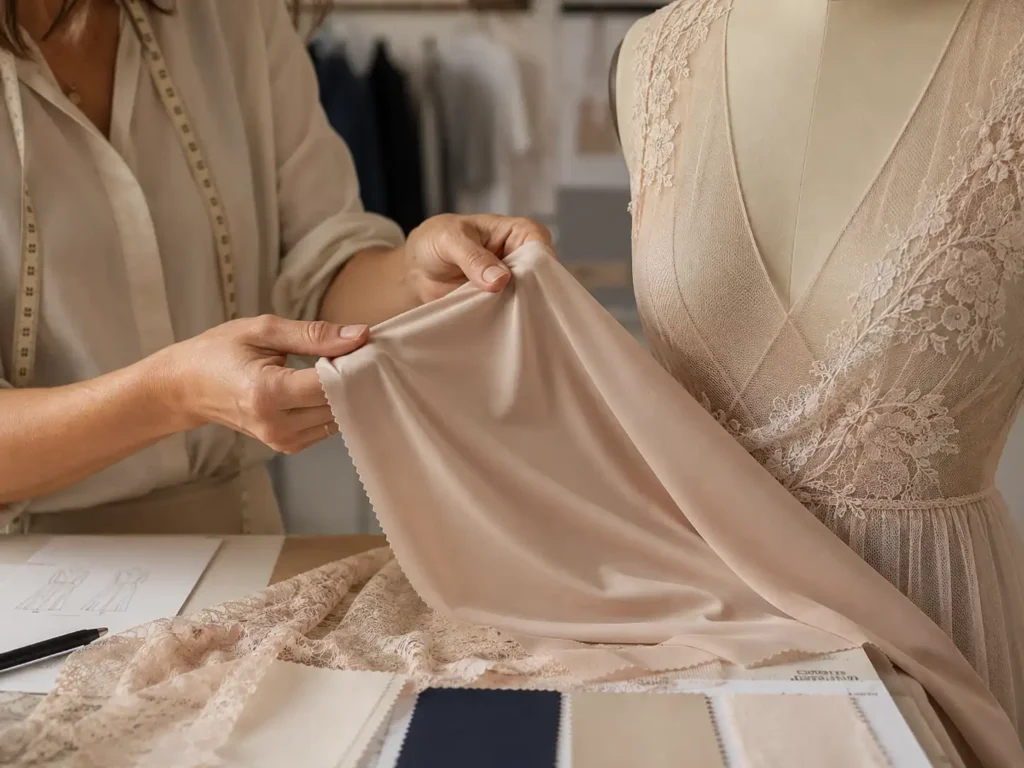
Drape decides how the dress falls. Weight decides how much body the fabric has. These two factors strongly affect pattern decisions.
A lightweight chiffon maxi dress may need lining, controlled seam placement, and hem checking. A heavy satin evening dress may need stronger zipper handling and better support at seams. A rayon resort dress may look fluid but can grow or shrink depending on finishing. A velvet dress may need nap direction control. A sequin dress may need inner comfort and seam bulk reduction.
Fabric weight is usually measured in GSM, but GSM alone does not tell the whole story. Two fabrics with the same weight can behave differently if one is soft and one is crisp. That is why the pattern team should touch, hang, test, and sew the fabric before final pattern approval.
A practical buyer question is: Will this fabric create the same silhouette as the reference? If the answer is uncertain, a fabric trial or sample test is safer than guessing.
Transparency And Lining
Transparency is not only a modesty issue. It affects garment quality, customer confidence, photography, and return risk. White satin, light mesh, pale chiffon, lace, and thin jersey can become more transparent under strong light than they appear in the sample room.
The pattern team should judge whether the dress needs full lining, partial lining, nude lining, power mesh lining, cup lining, skirt lining, or double-layer construction. Lining also affects fit. If the outer fabric stretches but the lining does not, the dress may feel tight. If the lining is too long, it may show at the hem. If it is too short, the outer layer may cling.
For lace and mesh dresses, lining placement becomes part of the design. The wrong lining can make a premium style look cheap. The right lining can improve both appearance and wearability.
A strong pattern team should discuss lining before sampling, not after the buyer complains. This is especially important for light colors, sheer fabrics, occasionwear, and photo-ready ecommerce samples.
Fabric Risk Table
Fabric evaluation should be connected to pattern decisions. The table below shows common womenswear fabrics and the risks buyers should check before pattern approval.
|
Fabric Type |
Common Dress Use |
Pattern Risk |
Pre-Sample Check |
|
Satin |
Slip, party, evening dresses |
Zipper waves, shine direction, seam tension |
Drape, wrinkle, opacity |
|
Stretch Satin |
Bodycon, occasionwear |
Recovery, tightness, seam pull |
Stretch and recovery test |
|
Chiffon |
Maxi, resort, layered dresses |
Hem drop, transparency, fraying |
Lining and hanging check |
|
Mesh / Power Mesh |
Clubwear, cut-out, bodycon |
Transparency, stretch growth |
Stretch direction and lining |
|
Lace |
Occasionwear, overlays |
Motif placement, seam matching |
Placement and lining plan |
|
Sequin |
Party, evening styles |
Seam bulk, scratchy interior |
Inner finish and needle test |
|
Jersey / Rib |
Bodycon, casual dresses |
Neckline growth, twisting |
Recovery and wash behavior |
|
Ponte |
Fitted dresses |
Bulk, firmness, fit pressure |
Ease and seam comfort |
How Do Samples Prove Pattern Skill?
Samples prove pattern skill by showing whether the manufacturer can turn design intent into a wearable, measurable, and production-ready garment. The first sample reveals understanding; the revised sample reveals problem-solving; the PP sample proves whether the style is ready for bulk production.
A sequence of dress samples labeled first sample, fit sample, revised sample, PP sample, and golden sample on dress forms, with fit comments, measuring tools, and approved fabric and trim cards in a professional sample room.
First Sample
The first sample does not need to be perfect, especially for custom fashion dresses. But it should be close enough to prove that the manufacturer understood the silhouette, body proportion, structure, fabric, and key design details.
A good first sample should answer several questions. Does the dress look like the intended style? Are the major seams in the right place? Does the waistline match the design? Does the neckline feel safe? Does the fabric behave properly? Is the construction realistic for bulk production?
For buyers, the first sample should not be reviewed emotionally. Instead of only saying good or bad, review it by zones: upper body, waist, hip, length, opening, lining, hem, trim, and workmanship. This helps the pattern team know what to correct.
If the first sample is far from the reference, the issue may be poor design reading, wrong fabric, weak pattern drafting, or unclear buyer documents. A professional manufacturer should identify the cause instead of simply saying, we can revise.
Fit Sample
A fit sample is where the pattern team proves whether the dress works on the body. Flat measurements matter, but they do not show everything. A dress can measure correctly and still look wrong when worn.
During fit review, buyers should check front, side, and back views. Movement is also important. Can the wearer sit? Can the wearer walk? Does the hem shift? Does the neckline open? Does the bust feel secure? Does the armhole cut into the body? Does the zipper stay smooth?
Fit comments should be specific and measurable when possible. Make it better is too vague. Better comments sound like: raise neckline 1 cm, reduce strap length 0.8 cm, increase hip 1.5 cm, lower slit 3 cm, adjust front waist seam, or shorten lining 2 cm.
The best pattern teams turn comments into technical updates. They do not leave important decisions only in chat messages. Sample comments should connect to updated patterns, measurement charts, BOM changes, sewing notes, and QC points when the change affects bulk production.
Revised Sample
A revised sample should solve the real problem, not just cover it. This is where pattern skill becomes very clear.
If the bust gaps, a weak team may only shorten the strap. A stronger team checks upper bust shape, neckline curve, cup position, and fabric tension. If the hip is tight, a weak team may let out the side seam. A stronger team checks ease, side balance, fabric recovery, lining restriction, and grading impact. If a satin zipper waves, a weak team may press it harder. A stronger team checks seam tension, zipper quality, fabric stability, and construction method.
Buyers should compare the revised sample against the exact fit comments from the previous round. Did the requested changes happen? Did the sample improve? Did the change create a new issue? Is the garment moving closer to production approval?
A revised sample should feel more controlled, not just different. If every round creates new problems, the pattern team may be guessing.
PP And Golden Sample
The PP sample is the final production approval sample. It should not be treated as another rough development sample. By the PP stage, the main fit, fabric, trims, construction, labels, measurements, and packing direction should be confirmed.
The golden sample is the sealed standard used by production and QC teams. It helps avoid the common problem where the sample room makes one beautiful garment, but the sewing line produces a slightly different one. For dresses with corset structure, satin finishing, lace placement, mesh transparency, sequins, slits, or special lining, the golden sample is especially useful.
Before approving the PP sample, the buyer should check whether the final pattern, approved fabric, approved trims, size chart, BOM, sewing notes, QC checklist, and packing instructions all match. If something is still unclear, it should be corrected before bulk cutting, not during production.
A strong manufacturer treats PP approval as a production gate. Once it is approved, the factory should know exactly what to repeat.

How Is Size Grading Controlled?
Size grading is controlled by approving a base size first, applying clear grade rules, checking key measurements across sizes, and preserving the original design balance. Good grading does not simply enlarge the dress; it protects fit, proportion, neckline safety, length balance, and wearing comfort across the size range.
A digital pattern grading screen showing multiple dress sizes layered over each other, with printed graded patterns, a size chart, measurement tolerance notes, and a fit sample on a mannequin in the background.
Base Size
The base size is the starting point for the entire size range. If the base size is wrong, grading will multiply the problem.
For many womenswear brands, the base size may be S, M, US 6, UK 10, EU 38, or AU 10, depending on the target market and customer profile. The manufacturer should not guess. The buyer and pattern team should confirm the base size before sampling.
The base size should match the brand’s fit standard. If a brand already has a proven size chart, the new dress should align with it. Otherwise, the new style may fit differently from the rest of the collection, creating customer confusion and higher return risk.
A base size sample should be approved for shape, measurement, comfort, and design balance before grading. If the buyer approves a base size with known fit problems, those problems may spread into every size. Grading cannot fix a weak base pattern; it only scales it.
Grade Rules
Grade rules define how the garment grows or reduces between sizes. Bust, waist, hip, length, shoulder, armhole, sweep, and strap length may each need different changes. A simple add the same amount everywhere approach is rarely good enough for fashion dresses.
Fitted dresses need careful grade control because small differences affect comfort. Strapless and corset dresses need upper bust stability. Deep V styles need neckline control. Mini dresses need length review. Maxi dresses need hem balance. Jumpsuits need torso and crotch length checks.
Stretch and woven fabrics also grade differently. A stretch bodycon dress may not need the same added ease as a woven occasion dress. A lined dress must consider both shell and lining measurements. If the lining grades poorly, the outer garment may look correct but feel tight.
Buyers should ask whether the manufacturer checks the graded measurements against the size chart before bulk cutting. This is not a formality. It is one of the easiest ways to prevent large-scale size problems.
Proportion Across Sizes
Good grading protects the design, not only the measurements. A larger size should not look like a stretched version of the base sample. It should still feel like the same dress.
This is especially important for dresses with visual details: cut-outs, ruching, cups, corset panels, slits, waist seams, lace placement, print placement, and asymmetric necklines. If these details move badly across sizes, the style loses its design balance.
For example, a slit that looks elegant on the base size may become too high in a larger size if length and position are not reviewed. A deep neckline may become too wide. A strap may sit too far outward. A waist seam may stop flattering the body. A corset panel may lose support.
For high-risk styles, buyers can request checking one smaller size and one larger size before full production. This is especially helpful for fitted, structured, occasionwear, or extended-size collections.
Measurement Control
Measurement control should be practical and clear. The buyer and manufacturer must agree on how each point is measured. Flat measurement, half measurement, full circumference, relaxed stretch, and pulled stretch can all create confusion if not defined.
The size chart should include key points of measurement and tolerance. Tolerance should match the garment type. A loose resort dress may allow more flexibility than a tight bodycon dress. A corset dress may need stricter control around bust, waist, and cup placement. A maxi dress may need careful length control.
A common buyer mistake is checking only the sample size and ignoring the graded pattern. Before production, the final graded size chart should match the approved pattern, fabric behavior, and production method.
For long-term cooperation, keeping size charts and approved patterns is valuable. When a successful style is repeated in a new color, length, or fabric, historical pattern records help the next production run start faster and stay closer to the approved standard.
How Do You Judge Production Readiness?
Production readiness is judged by confirming that the final pattern, graded sizes, approved fabric, trims, BOM, sewing notes, QC checklist, PP sample, golden sample, and packing instructions are aligned before bulk cutting. If any key file or approval is unclear, bulk production risk increases.
A production handoff meeting in a womenswear factory with final paper patterns, approved PP sample, golden sample, size chart, BOM, QC checklist, packing instructions, fabric rolls, trims, and sewing team preparing for bulk dress production.
Final Pattern
There must be one final approved production pattern before cutting bulk fabric. This sounds basic, but many bulk issues happen because multiple pattern versions exist and the production team uses the wrong one.
The final pattern should include all approved revisions from sampling. If the buyer adjusted neckline depth, strap length, waist position, hip ease, slit height, lining length, or hem balance, the final pattern must reflect those changes. It should also include seam allowances, notches, grainline, lining pieces, facing pieces, and special construction markings where needed.
For directional fabrics, prints, lace, velvet, sequins, or satin, the pattern must also support correct cutting direction. A beautiful sample can fail in bulk if fabric direction is inconsistent.
Before bulk cutting, buyers should ask for confirmation that the production pattern, approved PP sample, size chart, and fabric approval are all aligned. This is a simple question, but it prevents expensive mistakes.
Technical Package
Production readiness depends on documentation. The factory should not rely only on verbal comments or old chat messages. A complete production package usually includes final pattern, size chart, BOM, fabric approval, trim approval, sewing instruction, QC checklist, packing instruction, and order details.
The BOM is especially important because it defines what materials will actually be used. A dress may need shell fabric, lining, zipper, hook and eye, elastic, cups, boning, labels, hangtag, polybag, carton, and other components. If any component is unclear, the bulk garment may not match the sample.
Sewing notes are equally important. They tell the production team which seams, stitches, finishings, and details must be controlled. For complex dresses, sewing notes should call out critical areas such as neckline, zipper, cups, boning, slit, lining attachment, hem, and strap position.
A strong manufacturer turns sampling decisions into production documents. That is how sample approval becomes bulk consistency.
QC Standard
QC should know what matters before production starts. If QC only checks finished goods at the end, many problems will be found too late.
For dress manufacturing, QC usually needs to check fabric, cutting, sewing, measurements, appearance, ironing, labels, packing, and final shipment. Critical areas depend on the style. A satin dress needs surface and zipper control. A bodycon dress needs measurement and stretch control. A lace dress needs placement and lining control. A sequin dress needs decoration and comfort control. A maxi dress needs hem balance.
A golden sample gives QC a physical reference. It helps inspectors compare the bulk garment against the approved standard instead of guessing from memory.
A practical production readiness checklist is:
|
Readiness Item |
Must Be Confirmed |
Risk If Missing |
|
Final pattern |
Correct version, all revisions included |
Wrong fit in bulk |
|
Graded pattern |
All sizes checked |
Size complaints |
|
Approved fabric |
Same quality, color, stretch, drape |
Sample-bulk difference |
|
BOM |
All trims and materials listed |
Wrong components |
|
Sewing notes |
Critical construction explained |
Workmanship variation |
|
PP sample |
Final production standard approved |
Unclear bulk target |
|
Golden sample |
Physical QC reference sealed |
QC inconsistency |
|
Packing instruction |
Labels, polybags, cartons confirmed |
Brand presentation errors |
Repeat Orders
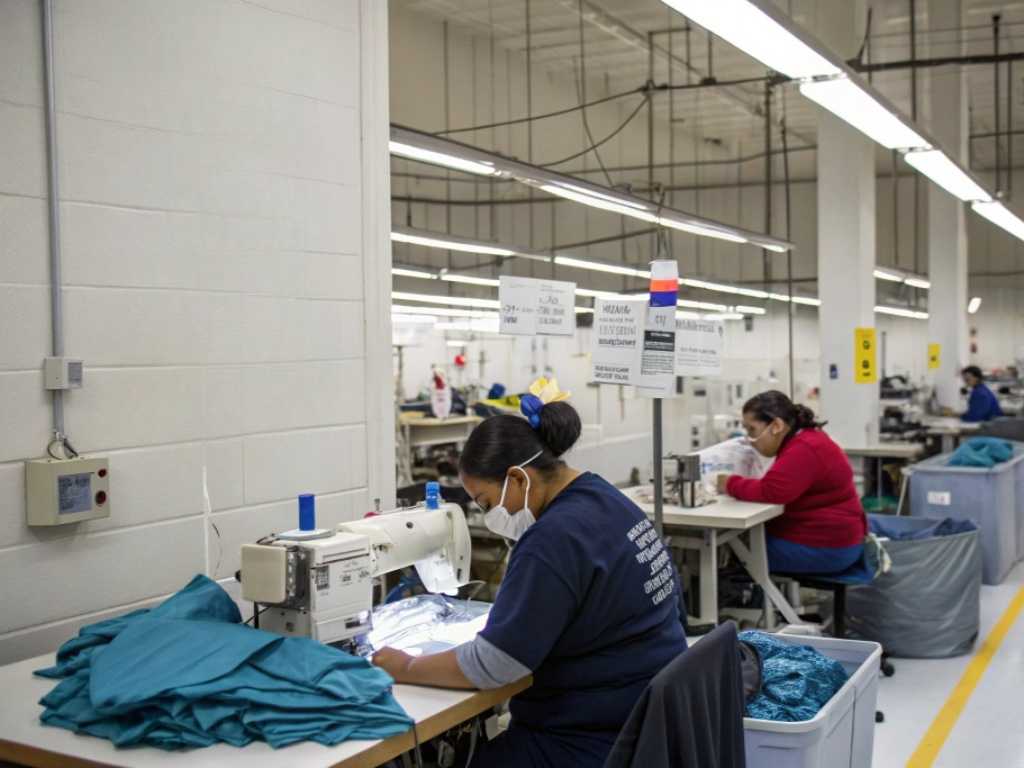
Production readiness is not only about the first order. It also affects repeat orders. If the manufacturer keeps good records, the second production run can be faster and more stable. If not, the repeat order becomes a new project with new risk.
For fashion brands, repeatability is a serious commercial advantage. When a dress sells well, the brand may need quick replenishment, new colors, adjusted lengths, or fabric updates. A good pattern team can use the approved pattern as a base and make controlled changes instead of starting from zero.
Record keeping should include final pattern, graded size chart, fabric reference, trim details, sewing notes, QC comments, packing method, color approvals, and previous production issues. These records protect consistency and reduce communication cost.
This is especially valuable for brands running seasonal collections. A successful corset mini can become a midi version. A satin slip dress can become a new color story. A resort maxi can be repeated in a new print. The pattern team’s memory becomes part of the brand’s product development speed.
Final Thoughts: Choose the Pattern Team Before You Choose the Price
A dress manufacturer’s pattern team can quietly decide whether your collection feels premium or risky. Price matters, but pattern control decides whether the dress fits, whether the sample can be approved on time, whether bulk production follows the standard, and whether customers feel confident wearing the product.
Before choosing a manufacturer, ask direct questions. Who makes the pattern? How do they check bust, waist, hip, neckline, strap, armhole, hem, and slit? How do they adjust for satin, mesh, lace, sequin, jersey, chiffon, and ponte? How do they record revisions? How do they manage size grading? What happens before PP sample approval? How do they prevent sample-to-bulk differences?
For brands developing custom dresses, partywear, occasionwear, bodycon styles, corset dresses, satin dresses, mesh dresses, lace dresses, sequin dresses, jumpsuits, matching sets, or private-label womenswear collections, Jinfeng Apparel can support the path from pattern development and sampling to bulk production, QC, packaging, and export delivery.
Send your tech pack, reference image, original sample, line sheet, size chart, or fabric direction to Jinfeng Apparel for a custom dress manufacturing evaluation. Kelly and the development team can review your project details and help you move from design idea to production-ready womenswear with a clearer pattern, sample, and bulk production plan.
Share This Article :

Jerry Lee
Categories

Latest blogs

Table of Contents
Here, developing your OEM/ODM private label clothing collection is no longer a challenge—it’s an excellent opportunity to bring your creative vision to life.

