 Skip to content

How to Build a Cohesive Dress Collection: From Concept to Production

Your trusted Women’s Apparel Manufacturer from China

A successful dress collection is rarely built by designing twelve impressive dresses independently and hoping they look good together at the end. The strongest collections usually begin with a shared point of view and become more disciplined as development progresses. A satin mini, a mesh midi, a corset dress, and a fluid maxi can all sit comfortably in the same launch when their proportions, color language, fabric character, fit philosophy, styling, and intended customer are connected. Problems usually appear when creativity expands faster than the collection rules. Teams keep adding attractive ideas, but the range gradually becomes a mixture of unrelated occasions, fabrics, price levels, and silhouettes. Building cohesion therefore involves much more than choosing matching colors. It means deciding which elements should remain familiar, where variation creates genuine customer choice, which products deserve space in the assortment, and whether the design language can survive sampling, costing, grading, bulk production, photography, merchandising, and future reorders.
A cohesive dress collection connects a clear customer, concept, color palette, silhouette family, fabric direction, fit standard, and recurring design details across the range. Each dress should offer a distinct reason to exist while still sharing enough visual and functional DNA to feel related. Cohesion becomes strongest when these design choices also remain practical through sampling, costing, production, quality control, and future collection extensions.
The moment of truth often arrives when a team places every sketch or first sample on one wall. Individually, the pieces may all be attractive. Together, however, several may feel like resortwear, others like nightlife pieces, and a few like formal occasion dresses from another brand entirely. That uncomfortable review is not a failure; it is usually the beginning of serious collection building. The next step is not to design more. It is to understand what the collection is trying to say, decide which products strengthen that message, and remove or reshape the ones that do not.
What Makes a Dress Collection Cohesive?
A cohesive dress collection feels intentionally related without making every style look alike. The strongest connection usually comes from a shared customer, occasion, silhouette language, color system, fabric character, fit standard, and recurring details. Good cohesion creates controlled variation: customers can see meaningful differences between dresses, yet the full range still looks as though it belongs to one brand and one creative season.
Build Shared Design DNA
Design DNA is the small group of decisions that remains recognizable when individual styles change. For an occasionwear label, that DNA might include a defined waist, controlled bust shaping, elongated necklines, polished fabrics, refined hardware, and a balance between fitted bodices and fluid skirts. A mini dress and a floor-length dress can therefore look very different in proportion while still communicating the same aesthetic. The point is not to repeat everything. The point is to repeat enough of the right things.
A useful test is to remove brand logos, campaign styling, model identity, and marketing copy. Place the designs next to one another as flat sketches, sample photographs, or garments on a rack. If someone familiar with the label could still identify them as one collection, the underlying product language is probably working. If the only obvious relationship is that every dress is black, the collection may have visual consistency but not enough design depth to create a recognizable identity.
In practical development, three to five strong signals can often provide enough structure for a small or medium collection. They may include a repeated waist position, one main approach to body fit, a consistent color temperature, a limited group of fabric finishes, and a recognizable trim treatment. These are planning ranges rather than fixed industry standards, because actual collection size, brand maturity, customer behavior, and product category should always determine how broad the design system becomes.
Design Area | Useful Planning Range | Practical Cohesion Check |
Core colors | 3–5 | Shades work together across merchandising and photography |
Accent colors | 1–2 | Accents have a clear seasonal or hero-style purpose |
Silhouette families | 2–4 | Different lengths and details still share related proportions |
Main fabric families | 2–5 | Drape, texture, stretch, and refinement feel compatible |
Recurring details | 2–4 | Details evolve instead of being copied literally |
Product roles | 3–4 | Hero, core, supporting, and experimental styles are identifiable |
Balance Consistency and Variety
Variety is not the enemy of collection cohesion. Uncontrolled variety is. If every dress uses the same neckline, fabric, waist treatment, length, and trim, the range may look coordinated in a showroom but offer very little reason for a customer to choose more than one piece. At the opposite extreme, if each style introduces another silhouette, another trend, another fabrication, another hardware finish, and another wearing occasion, the brand can begin to look uncertain. Strong collection building sits between those two extremes.
A practical method is to separate fixed elements from variable elements. Fixed elements carry identity, while variable elements create choice. A brand might keep its waist emphasis, color temperature, trim finish, and overall femininity relatively stable while changing neckline, hem length, sleeve treatment, fabric weight, or skirt shape. One satin mini could use a high halter neckline, a mesh midi might translate the same neckline into a softer construction, and a fluid maxi could repeat the shoulder proportion while changing the skirt dramatically.
Variation works best when it solves an additional customer need rather than merely producing visual difference. A midi length may suit a more formal event, adjustable straps may improve fit flexibility, a stretch fabric may increase comfort, or a simplified version may create a more accessible price point. When two dresses differ visually but still serve exactly the same customer, occasion, price level, and styling purpose, the team should ask whether both deserve to remain in the final assortment.
Edit by Product Role
Every style should earn its position in the collection. Some dresses are designed to create the campaign image customers remember, while others need to deliver consistent commercial performance. Some extend the range into another occasion or level of coverage, and others allow the brand to test a new neckline, construction, fabric, or proportion without placing too much dependence on an unproven idea. Treating every sketch as equally important often creates larger collections without creating stronger ones.
One of the most useful review questions is simple: what would disappear from the collection if this dress were removed? If the answer is nothing significant—no new occasion, silhouette, price level, fit solution, fabric experience, color story, or campaign value—the style may be redundant. Six fitted black mini dresses can all be attractive, yet if their customer, retail positioning, and visual purpose overlap too closely, they divide attention instead of expanding demand.
Experienced development teams often become more selective as a collection progresses. Early creativity benefits from breadth, but late-stage development benefits from discipline. Sampling, pattern work, material sourcing, photography, ecommerce setup, labeling, bulk production, and inventory all become more expensive as unnecessary styles survive deeper into the process. Editing is therefore not simply a creative decision. It is one of the most practical ways to protect product clarity, development time, and commercial focus.

How Do You Define the Collection Direction?
Define the collection direction before excessive sketching or sampling begins. A useful direction identifies the customer, wearing occasion, season, expected price and quality level, and the visual rules that connect the range. These inputs should translate into practical decisions about silhouette, color, fabric, fit, coverage, details, and product roles so that new ideas can be evaluated against a clear standard.
Start With the Customer
A demographic such as “women aged 20 to 35” does not provide enough information to design a useful collection. A 26-year-old looking for a destination wedding dress, a graduation mini, a birthday outfit, or a Friday-night party dress may expect completely different proportions, comfort, coverage, styling, and fabric performance. The collection becomes much easier to shape when the team understands the customer’s actual behavior rather than relying only on age, location, or a broad description such as “fashion-forward.”
Ask where the dress will be worn, how frequently the occasion is photographed, how much body exposure the customer normally accepts, and whether support, movement, easy care, or visual drama is the main priority. A young partywear customer may welcome fitted shapes, mesh, cut-outs, short hems, and stronger bust definition, while a wedding guest customer may value seated comfort, controlled slit height, lining, drape, and a more polished level of finishing.
Historical information can be even more useful than trend forecasting. Bestselling lengths, frequent return reasons, repeated fit complaints, customer reviews, successful colors, and price resistance can all influence collection direction. When a brand repeatedly receives praise for waist fit but complaints about bust coverage, the next season already contains a valuable product-development instruction. Strong collection planning uses trend information, but it does not allow trend information to replace what the brand has already learned about its own customer.
Define Occasion and Price
Occasion changes construction, not just styling. A club dress can accept a closer fit, shorter hem, higher slit, or stronger visual treatment than many wedding guest dresses. Resort pieces may need lighter weight, easier movement, controlled transparency, travel-friendly fabrics, and details that do not crush easily in luggage. Evening dresses may require more stable bust construction, lining, refined drape, and careful length control because the garment must perform differently during walking, sitting, photography, and long periods of wear.
Price should enter the conversation at the same time because many design decisions create cost long before a quotation is issued. Multiple layers, corset boning, molded cups, complex ruching, hand-applied embellishment, custom hardware, lace placement, unusual trims, specially dyed fabric, and complicated internal support can all be valid creative choices. They simply cannot be treated as cost-neutral choices when the collection also needs to land within a realistic production and retail structure.
A balanced range often distributes complexity deliberately. Hero products may justify more costly construction because the visual value is obvious in campaign photography and product presentation. Core commercial pieces can interpret the same design language with cleaner construction, fewer layers, simpler trims, or more production-stable materials. This allows different price points to feel connected rather than forcing the collection to choose between high design impact and commercial accessibility.
Turn Mood Into Rules
Moodboards are excellent at expressing emotion, but development teams eventually need more concrete information. A phrase such as “modern romantic eveningwear” may create a strong creative mood, yet it does not tell a pattern maker how the waist should sit, a fabric developer what surface qualities to prioritize, or a merchandiser which products should carry the most fashion risk. The concept becomes useful only when it begins changing actual product decisions.
The same concept could be translated into dark neutral and wine colors, soft-to-medium shine, elongated necklines, fitted waists, controlled transparency, narrow straps, and delicate metallic finishes. It might also define two or three main silhouette families and a clear level of body coverage. Just as importantly, the team can define what should not appear. Oversized casual shapes, heavy sports hardware, rustic textures, and novelty prints might be excluded because they weaken the intended identity.
Once these boundaries exist, trend research becomes more productive. A team can take one relevant element from a broader fashion movement—such as an asymmetric neckline, drop-waist proportion, chocolate color, sheer layer, or sculptural drape—and translate it into the brand’s own vocabulary instead of copying an entire look. Clear collection direction therefore does not reduce creativity. It gives creativity a frame that helps more ideas survive the journey from inspiration to commercially usable product.
Which Design Elements Should Connect the Dresses?
Color, silhouette, fabric behavior, fit, and recurring details create the most visible connections across a dress collection. These elements should not be identical across every style, but they need enough consistency to create a recognizable family. The best collections repeat relationships between proportion, color, material, and detail while allowing individual dresses to solve different customer needs and wearing occasions.
Connect Color and Fabric
Color is one of the quickest ways customers read a collection, but color planning becomes more complicated once different fabrics are involved. The same nominal shade can look noticeably different on satin, mesh, lace, crepe, jersey, and velvet because light reflection, texture, transparency, pile direction, and dye behavior all change what the eye sees. Matching a digital color reference is therefore only the beginning. Physical materials should also be reviewed next to one another under comparable lighting.
For a small or medium collection, a controlled palette is often more useful than a large one. Three to five core working colors, supported by one or two deliberate accents, can provide enough merchandising variation while keeping sourcing, sampling, photography, and future replenishment manageable. Larger ranges can carry more colors, particularly when proven black, ivory, chocolate, wine, navy, or seasonal shades are repeated across established commercial styles.
Fabric families should be planned with the same discipline. Satin, mesh, lace, jersey, and crepe can all belong in one collection when they share a compatible level of refinement, color direction, drape, body emphasis, or occasion. The relationship becomes less convincing when surface finish, weight, and visual quality shift without purpose. Material decisions should therefore be evaluated not only against one sketch but also against the collection as a whole.
Fabric should also be considered through performance. Hand feel, stretch, recovery, transparency, lining, shrinkage, color stability, snagging, seam behavior, and minimum purchasing requirements can all influence whether an attractive material is appropriate for a full collection. Jinfeng Apparel’s documented material-development approach, for example, evaluates fabrics against silhouette, wearing occasion, target price, drape, stretch, transparency, lining needs, and bulk-production risk before moving toward production.
Evolve Silhouettes
Silhouette provides one of the strongest visual links between dresses because customers often notice overall proportion before they notice small trims or construction details. A cohesive range might repeatedly emphasize a defined waist while moving between fitted mini, structured midi, and fluid maxi lengths. Another collection might focus on column shapes while changing neckline, sleeve, transparency, or fabric. The shared relationship between shoulder, bust, waist, hip, and hem gives the collection its recognizable outline.
For many collections containing roughly ten to sixteen styles, two to four silhouette families can be easier to manage than ten unrelated shapes. This is not a universal rule, but it is a useful planning discipline because fit learning can be transferred more effectively. A successful fitted block, for example, may provide useful bust, waist, hip, and neckline references for several related styles, even though each pattern still needs adjustment for material stretch, length, support, and design details.
Length should never be treated as a simple hem extension. Converting a mini into a midi changes walking ease, thigh contact, skirt balance, slit requirements, and often fabric consumption. Extending the same idea to a maxi adds floor clearance, packaging concerns, greater sensitivity to drape, and more noticeable hem imbalance. Similar-looking styles can therefore require different technical solutions even when they belong to one silhouette family.
The best silhouette development feels familiar without feeling copied. Customers should understand why a dress relates to others in the range, yet they should also understand why one version is more appropriate for dinner, another for a party, and another for a more formal event. Related proportions build brand recognition, while purposeful differences create reasons to choose between products.
Repeat Details Selectively
Details work best when they form a vocabulary rather than a repeated template. A metal ring might appear at the neckline of one dress, connect the strap of another, and become a waist detail on a third. Ruching may begin at a side seam on one style and move diagonally across the waist or hip on another. A curved bust seam can become a recurring line without forcing every dress to use identical cups or identical construction.
Literal repetition quickly becomes monotonous. If the same cut-out, bow, buckle, rhinestone trim, or ruched panel appears on every garment, the detail stops feeling like a signature and starts feeling like a formula. Major signatures can repeat more frequently, while secondary details should be distributed with restraint. This allows the customer to recognize the collection without feeling that every style is only a length or color variation of the previous one.
Hardware finish is another detail that can quietly strengthen or weaken cohesion. A small collection using polished gold, antique gold, bright silver, gunmetal, pearl, crystal, and plastic hardware at the same time can begin to feel fragmented unless the concept intentionally depends on eclectic styling. One or two carefully selected finishes usually make trim development, photography, sourcing, and merchandising easier to control while still allowing sufficient variation between styles.
Successful details also need to survive real production. A beautiful ring that pulls the fabric out of shape, a rhinestone trim that creates excessive weight, or an asymmetric ruching treatment that cannot be repeated consistently in bulk can undermine the final result. The best design signatures are visually recognizable, technically manageable, and appropriate for the customer’s expected price and wearing experience.

How Do You Build a Balanced Dress Assortment?
A balanced dress assortment gives every style a clear role and avoids unnecessary overlap in silhouette, occasion, price, color, and fashion intensity. A useful range normally includes attention-driving products, dependable commercial styles, and selected extensions that broaden customer choice. Assortment decisions should be made before excessive color and size multiplication, because every added SKU increases sourcing, production, inventory, photography, packing, and replenishment complexity.
Assign Roles to Styles
Not every dress needs to perform the same job. Hero styles are often responsible for campaign impact and the strongest expression of the season’s idea. Core products typically provide broader wearability and have a greater chance of producing dependable volume. Supporting styles extend the collection into another length, occasion, fit, color, or price level, while experimental styles test an emerging idea without requiring the whole launch to depend on an unproven silhouette or detail.
A twelve-style collection could, for example, place two styles in a hero role, six in a core role, three in supporting roles, and one in a more experimental position. This is only an illustrative model, not an industry formula, because every brand has a different launch cadence, retail structure, customer base, and tolerance for fashion risk. The value lies in forcing the team to explain what each style contributes before spending more money developing it.
Product Role | Example Count in 12 Styles | Illustrative Share | Primary Purpose |
Hero | 2 | 16.7% | Campaign impact and strongest fashion statement |
Core | 6 | 50.0% | Broad commercial relevance |
Supporting | 3 | 25.0% | Extend length, occasion, fit, or price coverage |
Experimental | 1 | 8.3% | Test a new silhouette, material, or detail |
Total | 12 | 100% | Complete working assortment |
The exercise often exposes duplication. A collection may initially contain several dramatic pieces and very few accessible commercial styles, or the opposite may happen: every dress feels safe enough to sell but none carries enough visual strength to lead campaign photography. Giving products roles allows the range to balance brand image and commercial function instead of assuming that one dress can perform every job equally well.
Control Lengths and Price Points
Mini, midi, and maxi lengths should reflect customer demand and wearing occasions rather than being divided evenly for aesthetic symmetry. A partywear label may naturally carry more mini dresses, while an occasionwear collection may depend more heavily on midi and maxi shapes. Resort ranges often benefit from both short day dresses and longer fluid pieces, particularly when the brand wants to cover travel, daytime styling, dinner, and vacation-event occasions within one seasonal story.
The same principle applies to fashion intensity. A collection can contain easy commercial pieces, moderately directional styles, and highly visual statement products as long as they share the same underlying identity. A dramatic asymmetric mesh dress might represent the highest level of fashion expression, while a satin mini simplifies the same neckline and waist language for a broader customer. Another style might keep the color and proportion but use a more comfortable stretch material.
Price architecture should develop alongside this spectrum. If every style contains corsetry, multiple layers, complicated cut-outs, custom hardware, hand application, and premium fabric, the collection may become commercially narrow even when the designs are excellent. If every product is simplified to protect cost, the range can lose the emotional impact that attracts customers. Good assortment planning uses complexity where the customer can see its value and simplifies areas that do not materially change the product experience.
A useful question is whether the customer can move from one price point to another without feeling that she has moved into a different brand. When entry, core, and higher-value pieces share the same design language, the collection has more flexibility to serve different purchase occasions while preserving a coherent visual identity.
Manage Colors, Sizes, and SKUs
SKU complexity grows much faster than it appears during creative planning. A collection with twelve styles, three colors per style, and six sizes creates 216 style-color-size combinations. Adding a fourth color across the range increases the total to 288 combinations. Production may group multiple sizes within a style-color order, but the additional complexity still affects fabric allocation, labels, barcodes, ecommerce setup, inventory control, photography, packing, and replenishment planning.
Color breadth therefore needs to be earned. Proven commercial dresses may justify three or four colors because the brand already understands their fit and customer demand. A new hero silhouette may be more appropriate in one or two carefully selected shades until performance is known. A seasonal accent can still influence the campaign without appearing on every product, and this often protects the visual story while reducing unnecessary material fragmentation.
Size planning deserves the same attention. When historical sales and return data are available, quantity ratios should reflect actual demand rather than an automatic equal split across all sizes. Fit-sensitive products such as bodycon dresses, corset dresses, strapless shapes, low-back styles, and structured bust designs require particularly careful grading because small proportional errors can have a larger effect on customer satisfaction.
Production minimums also affect assortment structure. At Jinfeng Apparel, the documented starting MOQ is 200 pieces per style and color, subject to factors such as fabric availability, color development, trims, construction, packaging, and production schedule. For any brand working with production minimums, the important planning principle is the same: decide where style and color depth are commercially justified before creative enthusiasm produces a range that becomes difficult to manufacture, fund, or replenish.
How Do You Test the Collection Before Production?
Test the collection at three levels before bulk production: evaluate the range on paper, test materials physically, and test garments on the body. A line plan can reveal duplication and missing product roles, fabric trials expose technical risk, and samples uncover fit or construction problems that sketches cannot show. Every approved change should become part of controlled technical records before production begins.
Review the Line Plan
A line plan is one of the least expensive places to discover a costly problem. Before a collection moves too deeply into sampling, place every style into one working document with its style code, silhouette, length, product role, fabric, color options, key design features, intended price position, sample status, and launch priority. As costing becomes clearer, the same document can include fabric consumption, special trims, target production cost, material lead-time risk, and approval status.
Looking at the full range in one grid often exposes patterns that are difficult to see when products are reviewed individually. The collection may contain seven black dresses but no convincing seasonal color. Four styles may depend on the same expensive lace. Three designs may compete for exactly the same event, silhouette, and price point. A campaign may have plenty of statement pieces but too few products that provide straightforward commercial volume.
The team should also look for less obvious duplication. Two dresses can appear very different in sketches but still compete for the same customer when they share the same length, fit, occasion, price level, and level of coverage. Conversely, two visually related dresses may both deserve space when one offers better bust support, adjustable straps, a more accessible fabrication, a different hem length, or a more practical wearing occasion.
Editing at line-plan stage protects much more than sample cost. Every style removed early can reduce unnecessary pattern work, fabric sourcing, trim development, technical documentation, photography, ecommerce setup, production coordination, and inventory. The most mature collection-development decisions often involve choosing which attractive ideas should wait for another season.
Test High-Risk Materials
Sampling priority should reflect risk rather than the order in which sketches were created. A new fabric combined with a new fitted silhouette usually deserves earlier attention than a familiar style being repeated in a proven material. Strapless dresses, corset constructions, deep necklines, bias-cut pieces, layered mesh, fitted lace, high-stretch bodycon designs, dense ruching, heavy embellishment, and complex draping can all behave differently on the body than they appear in a sketch or digital rendering.
Different fabrics carry different technical questions. Satin requires attention to drape, color consistency, shine direction, snagging, seam impressions, zipper flatness, and pressing. Mesh needs evaluation for transparency, stretch direction, recovery, seam stability, and lining interaction. Lace introduces placement, joining, edge treatment, and transparency questions, while sequin fabrics can create skin comfort, seam bulk, needle breakage, surface damage, and packing challenges.
Development Risk | Typical Style Example | Main Early Checks |
High | New stretch fabric + fitted silhouette | Stretch, recovery, fit, seam stability |
High | Satin corset or strapless dress | Bust support, zipper, wrinkles, lining, seam marks |
High | Mesh or lace bodycon dress | Transparency, recovery, placement, lining |
Medium | Proven silhouette + new material | Drape, color, shrinkage, hand feel |
Medium | Familiar fabric + unusual trim | Attachment, weight, skin comfort, durability |
Lower | Approved style + new core color | Shade approval, trim matching, lot consistency |
These classifications should be adjusted to the actual style. A simple mesh overlay can be relatively straightforward, while a double-layer fitted mesh dress with cut-outs can become highly sensitive to stretch recovery, seam tension, lining, and transparency. Risk-based testing helps the team learn early enough to change a fabric, construction, or price assumption without disrupting the entire development calendar.
Use Samples as Evidence
A sample should answer much more than whether a dress looks attractive on a hanger. It needs to provide evidence about fit, movement, construction, material behavior, proportion, comfort, and production feasibility. Measure the garment against the intended specification, then observe it standing, walking, sitting, and turning. Check whether the neckline shifts, side seams rotate, straps stretch, the skirt climbs, the zipper lifts, the lining becomes visible, or the hem loses balance during movement.
Fit should be judged according to the brand’s intended standard rather than a generic definition of correctness. A fitted bodycon dress may deliberately use less ease through the waist and hip, while an occasion dress may require greater seated comfort and more controlled bust coverage. A bias satin slip and a structured ponte dress should not be assessed with the same assumptions about body contact, recovery, or measurement behavior.
Every approved change should enter the technical records. If the waist is reduced, the strap length changes, the lining extends, the cup position moves, the zipper is replaced, or a seam line changes, those decisions need to be reflected in the pattern, measurement chart, bill of materials, sewing instructions, and next sample requirements. Informal messages can support communication, but they should not become the only record used to control production.
The same samples should also be reviewed together as a collection. Compare waist heights, bust proportions, strap widths, hardware finishes, lining standards, color relationships, hem attitudes, and overall level of refinement. Jinfeng Apparel’s documented development process treats fit, fabric, workmanship, color, measurements, trims, design accuracy, labeling, packaging, and cost alignment as separate areas for sample review, with approved changes transferred into updated patterns and technical records. That discipline illustrates a broader principle: sampling is valuable because it turns uncertainty into documented product decisions before bulk production multiplies any mistake.

How Do You Keep the Collection Cohesive in Production?
Production cohesion depends on converting approved creative decisions into controlled technical references. Patterns, measurements, fabrics, colors, trims, construction notes, approved samples, and QC checkpoints need to remain synchronized across every style. A strong design concept can still become inconsistent in bulk if different styles, materials, suppliers, production units, or timelines are managed as unrelated orders instead of one coordinated collection.
Lock Technical References
Bulk production should not begin from a mixture of first samples, old measurement charts, informal comments, outdated flat sketches, and partially approved trims. The production reference needs to be clear. Depending on the manufacturer’s system, this may include a final PP sample or Golden sample, approved pattern, graded measurement chart, bill of materials, fabric and trim standards, construction instructions, label files, packing requirements, and identified QC points.
Version control becomes particularly important when several styles move at different speeds. One dress may be on its third revision, another may be waiting for replacement fabric, and two commercial styles may already be moving toward PP approval. A small change such as a narrower strap, longer lining, different zipper, or modified neckline can easily be missed when updates exist only in separate messages or are not reflected in the technical file.
Related products should also be checked against one another before bulk production starts. If three dresses use the same polished-gold hardware, the finish should not gradually change because each trim was sourced independently. If several styles share one black satin, material lots and visual shade relationships deserve attention. If the collection is known for a close-fitting waist, related styles should not develop noticeably different bust-waist-hip proportions without a clear design reason.
The manufacturer’s development structure matters more when a project contains many styles. According to the company fact sheet, Jinfeng Apparel’s production-development system includes two sample rooms, seven-plus senior pattern makers, twenty-plus sample machinists, twelve-plus merchandising and project follow-up staff, and fifteen-plus QC inspectors, supporting projects from design references or technical files through revisions, bulk production, packaging, and repeat orders. For a collection project, the broader lesson is that coordination between pattern, sample, sourcing, production, and QC functions can be as important as sewing capacity itself.
Control Bulk Consistency
An approved sample demonstrates that one garment can achieve the intended result. Bulk production demonstrates whether that result can be repeated consistently. The most important checkpoints vary by material and construction. Satin dresses require attention to color variation, snagging, seam puckering, shine direction, zipper flatness, pressing, and surface marks. Mesh needs transparency, stretch direction, recovery, seam stability, and lining control. Lace adds placement and edge issues, while embellished products require secure attachment and protection during finishing and packing.
Fit-critical measurements also differ between styles. Bust position, waist circumference, hip measurement, garment length, strap length, neckline depth, slit height, and lining length can all affect the visual result even when overall measurements remain within a broad tolerance. A stretch bodycon dress should not necessarily use the same tolerance logic as a rigid satin corset, and a floor-length dress may have different appearance-critical measurements from a short fitted mini.
Production teams therefore benefit from separating critical-to-fit and critical-to-appearance checkpoints from less sensitive measurements. This gives quality control a clearer sense of which variations will actually change how the dress looks or performs. The goal is not simply to produce garments that fall somewhere inside a specification. It is to reproduce the appearance, fit, and product character that were approved during development.
Inline inspection becomes especially useful when several styles are running simultaneously. Problems discovered after a limited number of pieces are usually easier to correct than the same issue found after hundreds of garments have completed sewing, pressing, labeling, and packing. The documented risk list in Jinfeng Apparel’s fact sheet includes sample-to-bulk inconsistency, satin shade variation, unstable mesh transparency, uneven lace placement, sequin loss, unstable measurements, zipper bulging, and exposed lining, illustrating how small production variables can quickly change the character of a fashion collection.
Preserve Records for Reorders
A successful collection should become easier to extend after the first launch. When one dress sells well, the brand may want a new color, another fabric, a different length, a related top or skirt, or an updated neckline in the next season. If the original patterns, measurements, fabric references, trims, sewing instructions, approval history, QC findings, and packing requirements remain organized, future development begins from proven information rather than reconstructing the product from memory.
Fit history is particularly valuable. A successful fitted bodice, corset block, halter proportion, or bodycon shape can become part of the brand’s internal product language. The pattern should not be copied blindly into every new style because fabrics, construction, and design features change, but it provides a tested reference for bust position, waist placement, hip relationship, neckline depth, strap position, and overall customer expectation.
Reorder information should also capture manufacturing lessons. Perhaps one satin shade was difficult to control across dye lots, one zipper created fewer waves than another, one lining needed additional length, or a particular packing method caused excessive creasing. Those observations have commercial value because they can improve the next production run, reduce repeated development work, and lower the chance that the same problem returns when a bestseller is replenished quickly.
Over several seasons, these records turn collection development into accumulated product knowledge. Jinfeng Apparel’s documented repeat-order system retains patterns, size charts, BOM information, fabric and color records, trims, sewing instructions, packing requirements, QC records, and Golden samples to support replenishment, color extensions, fabric changes, seasonal collections, and longer-term development programs. Whether a brand works with one manufacturer or several, preserving this information is one of the most practical ways to maintain fit and product identity as the range grows.
A cohesive dress collection ultimately succeeds when creative direction and product discipline support each other. The design team needs enough freedom to create fresh silhouettes, fabrics, and details, but every new idea should strengthen a recognizable customer proposition rather than simply increase the number of styles. The merchandising team needs enough commercial variety to cover different occasions and price points without allowing the range to become fragmented, while the development and manufacturing teams need clear standards that preserve fit, color, material behavior, and workmanship from first sample to bulk production.
The best collections therefore do not feel cohesive only in a moodboard or campaign photograph. They remain recognizable when displayed on a product page, delivered in multiple sizes and colors, reordered months later, and extended into the next season. When design DNA, assortment planning, sampling, technical control, and production records work together, cohesion becomes more than an aesthetic quality. It becomes a repeatable product system that helps customers understand the brand, gives internal teams clearer decisions, and creates a stronger foundation for future collection growth.
Share This Article :

Jerry Lee
Categories

Latest blogs
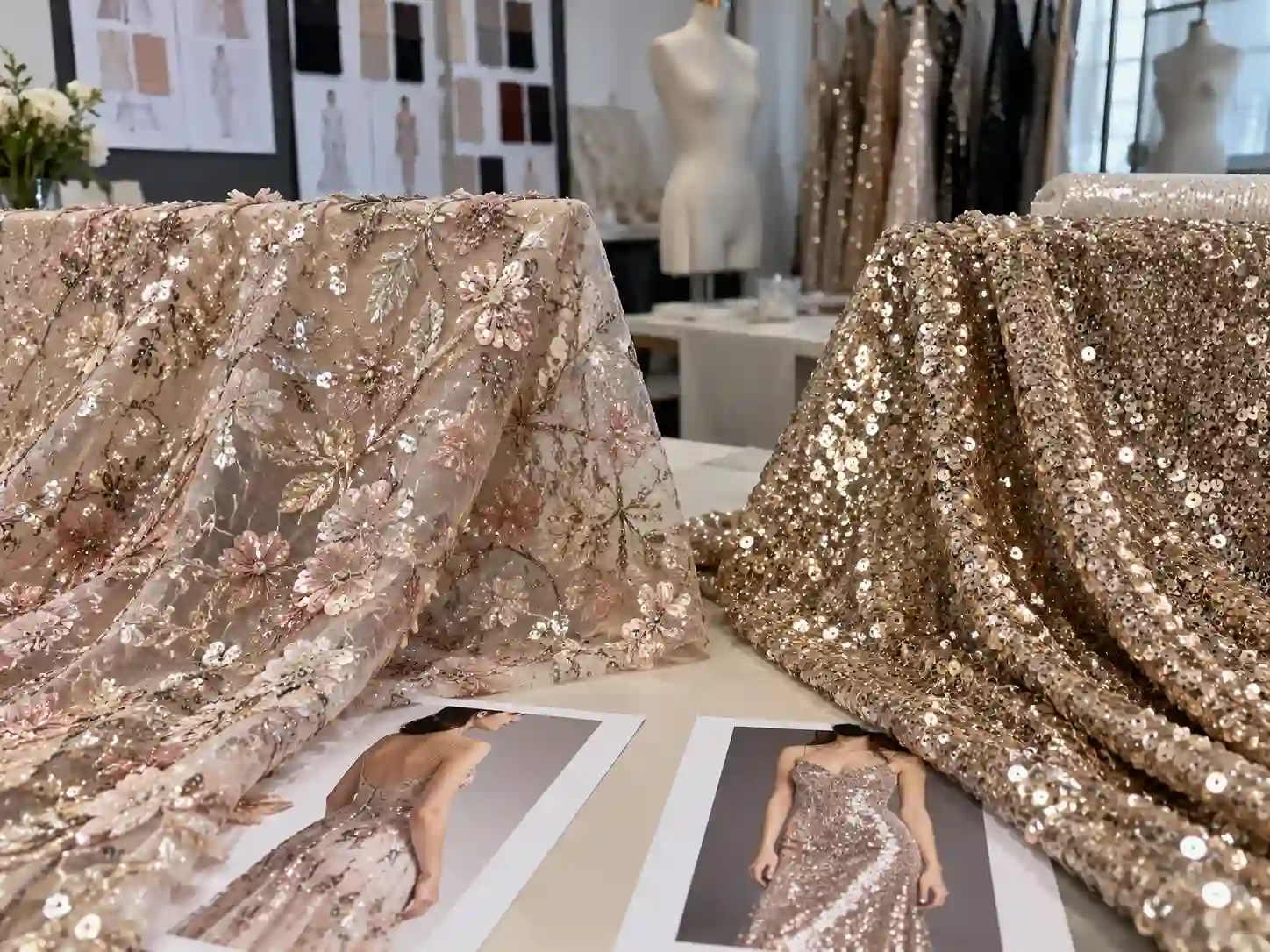
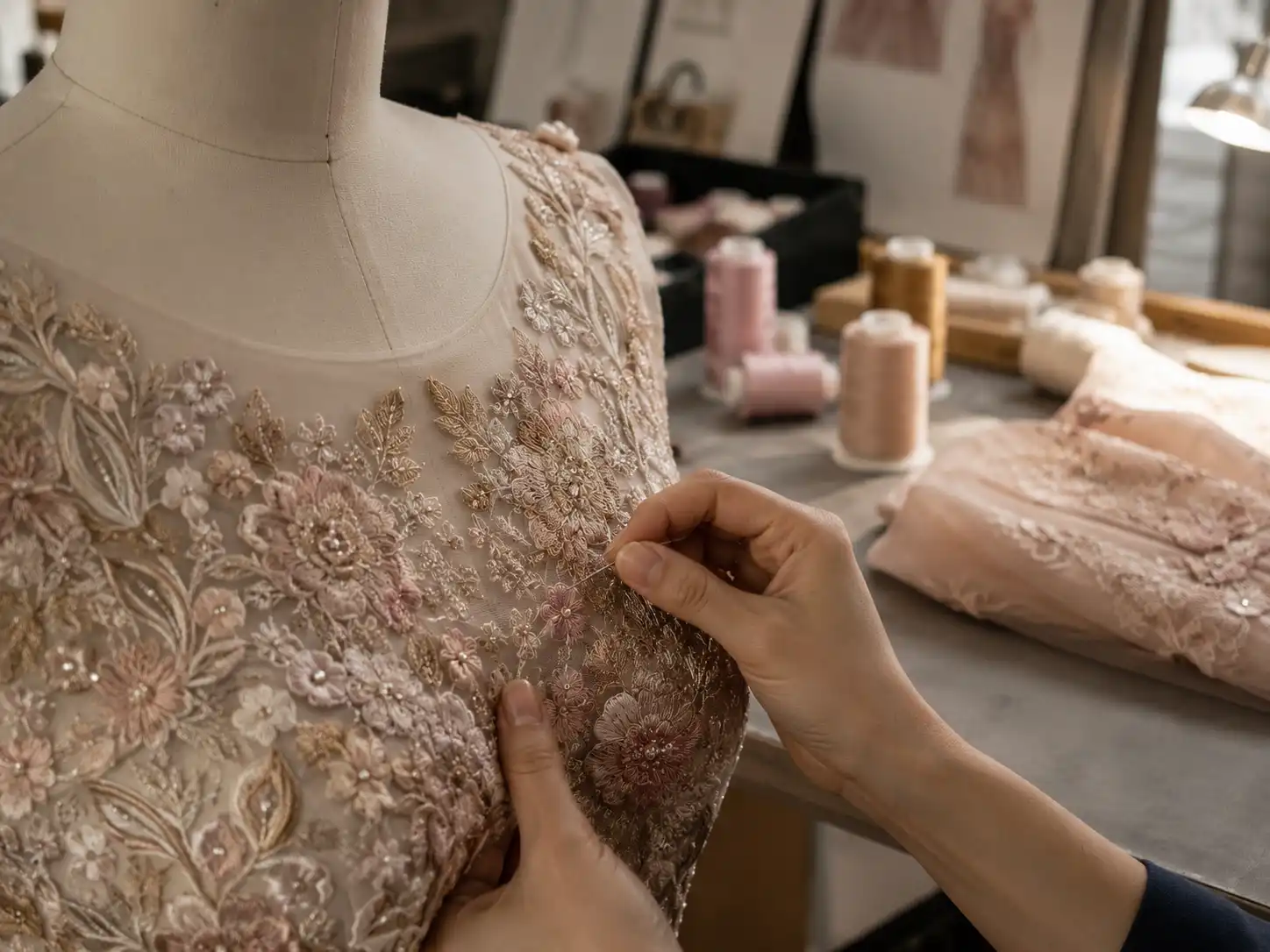
Table of Contents
Here, developing your OEM/ODM private label clothing collection is no longer a challenge—it’s an excellent opportunity to bring your creative vision to life.

