 Skip to content

How Do Fashion Brands Commercialize Runway Dress Trends for Retail Collections?

Your trusted Women’s Apparel Manufacturer from China
A runway dress can dominate fashion-week coverage, generate thousands of reposts, and still become a disappointing retail product. The reason is straightforward: runway impact and retail performance are measured by different standards. A dramatic silhouette can look unforgettable during a thirty-second walk but become difficult to sit in. A transparent fabric can photograph beautifully under controlled lighting yet require additional lining that changes drape, cost, and fit. Dense embellishment may create instant visual excitement while making repeat production slow, expensive, or inconsistent.
Fashion brands commercialize runway dress trends by identifying the design elements creating the strongest desire, adapting those elements to their own customer and brand position, engineering the garment for real-world fit and wearability, validating fabric and construction through sampling, building a balanced assortment, and scaling production according to commercial evidence. The goal is not to reproduce a catwalk look literally, but to preserve its fashion value while removing unnecessary retail, costing, and production risk.
The difference sounds subtle until a development team has a beautiful sample on the table that nobody can price correctly, grade confidently, or put into reliable production. Experienced fashion teams learn to ask a different question. Instead of asking, “How closely can we reproduce this runway dress?” they ask, “What exactly made people look at it, and which parts of that attraction can survive retail?” That question sits at the heart of the entire journey from runway inspiration to a dress collection customers will actually buy and wear.
What Makes a Runway Dress Trend Commercial?
A runway dress trend becomes commercial when its strongest fashion idea can work within real customer expectations for fit, occasion, price, comfort, timing, and repeatable production. Visibility on the catwalk is not enough. Commercial potential appears when a trend can be adapted into a recognizable, wearable product that still feels new while fitting the brand’s customer, margin structure, launch calendar, and manufacturing capabilities.
The first mistake is treating attention as evidence of demand. Runway shows are designed to communicate a creative point of view, so exaggerated proportions, unusual styling, transparency, decoration, and theatrical construction can be completely appropriate. Retail has to pass additional tests. The customer sees the dress in an ecommerce image, compares it with alternatives, checks the price, considers where she can wear it, reads the size chart, and decides whether the product feels worth the risk of ordering.
Commercial evaluation therefore works better when several criteria are considered together. No formula can predict fashion demand perfectly, but a consistent framework prevents product decisions from being driven only by excitement around one viral look. The weighting below is an illustrative planning model rather than an industry rule, and brands should adjust it according to their own market, category, price level, and historical product performance.
Commercial Filter | Illustrative Weight | Practical Question |
Target-customer relevance | 25% | Does the idea suit how the customer actually dresses? |
Brand alignment | 20% | Can the trend look recognizably like the brand? |
Wearability and fit | 15% | Can customers sit, walk, move, and style it comfortably? |
Margin potential | 15% | Can the target retail price support the construction? |
Production repeatability | 15% | Can the approved effect be reproduced consistently? |
Trend timing | 10% | Will the direction still feel relevant at delivery? |
Total | 100% | Is further development commercially justified? |
The value of a scorecard is not whether a trend receives exactly 78 or 82 points. Its real purpose is to force design, merchandising, sourcing, product development, and manufacturing teams to look at the same commercial problem. A visually exciting concept may still move forward with a modest score, but the team understands where the risk sits and can decide whether that risk deserves lower inventory, simpler construction, fewer colors, or a stronger sampling process.
Which Signals Show Real Retail Potential?
A more dependable trend signal usually appears across several independent areas rather than one source. Repetition across influential runway collections is useful, but the signal becomes stronger when similar movement appears in retail search behaviour, social engagement, fashion media, competitor launches, fabric enquiries, customer wish lists, product reviews, and early sell-through of related silhouettes. None of those indicators guarantees success, but agreement between them reduces the danger of reacting to temporary runway noise.
The feature underneath the headline trend is often more commercially useful than the headline itself. A highly shared runway dress may attract attention because of celebrity exposure or theatrical styling, while customers are actually responding to a more transferable feature such as a dropped waist, scarf neckline, asymmetric drape, sheer layer, sculpted hip, corset seam, bubble hem, or elongated silhouette. Product teams need to identify that underlying feature before committing development resources.
It is also important to separate attention from adoption. Some garments receive enormous online engagement precisely because they are impractical, extreme, or unexpected. People may enjoy watching them without wanting to own them. Stronger commercial evidence appears when wearable interpretations begin appearing across different brands, price points, and channels, particularly when customers continue responding after the first wave of fashion-week coverage has disappeared.
Timing changes the value of every signal. A large trend that has already spread through the market and entered heavy discounting may offer less opportunity than a smaller direction that is appearing consistently but still has room to grow. The practical question is therefore not simply whether a trend is popular. The team needs to understand what part of it is spreading, which customer groups are adopting it, and whether enough commercial life will remain after design, sampling, production, and delivery.

How Do Brand Fit and Customer Demand Matter?
A trend should be filtered through the customer a brand already understands before it enters serious development. Two labels can react to exactly the same runway idea and produce completely different dresses because their customers have different expectations around occasion, body exposure, climate, price, styling, and fit. A concept that is commercially sensible for an online partywear brand can be unsuitable for a retailer whose strongest business comes from polished event dresses or understated daytime products.
Transparency provides a useful example. A partywear label might commercialize a sheer trend through stretch mesh across much of the body, using strategic double layers where support or coverage is needed. An occasionwear brand may keep transparency at the sleeve, shoulder, or upper bodice. A more conservative retail assortment may use an organza overlay or lace panel instead. Each product participates in the same direction, but none needs to look identical.
Historical product data should carry real weight in these decisions. Brands can compare the new trend with their existing performance by length, neckline, sleeve coverage, fabric family, color, fit block, return reason, and selling price. When customers consistently respond to fitted midi dresses but return extremely short styles because of coverage concerns, a rising mini trend does not necessarily justify abandoning the established customer preference.
Experienced teams also try to avoid changing too many variables at once. A new silhouette produced in an unfamiliar fabric, with a new fit block, complex decoration, a higher retail price, and an untested color creates several overlapping uncertainties. Keeping one or two proven elements makes it easier to understand what the customer is responding to once the product launches. The strongest commercial interpretation feels new enough to attract attention while still feeling believable within the brand’s existing world.
Are All Runway Trends Suitable for Retail?
Not every runway trend needs to become a volume product. Some dresses exist primarily to communicate a designer’s creative thesis, create press imagery, establish a seasonal mood, or generate conversation. Those garments can deliver enormous branding value without ever becoming sensible high-volume retail merchandise. Problems begin when a product team assumes that every visually successful runway idea must be translated literally into inventory.
A practical approach is to think about trends in three broad roles. Statement concepts create impact but often have narrow wearing occasions or higher production complexity. Adaptable concepts contain one or more useful elements that can move into more commercial garments. Commercial-core directions already fit naturally into familiar categories, accepted price ranges, and proven customer behaviour, so they can potentially support greater depth.
Imagine a floor-length runway dress combining a rigid sculptural hip, exposed corsetry, an asymmetric train, and extensive hand-applied flowers. Reproducing the complete garment may create unnecessary cost and fit risk. However, the sculpted waist-to-hip relationship might become the basis of a cleaner midi dress, while the corset seam language can influence a bodycon mini and the floral element can be reduced to one focal placement.
Commercial restraint should not be confused with making fashion dull. In many cases, editing improves the design because one memorable idea becomes easier to see. An experienced team can mentally remove the show lighting, styling, accessories, soundtrack, and runway environment, then ask what remains compelling about the garment itself. The answer often reveals the part of the trend worth carrying forward.
Which Runway Elements Should Be Retained?
Brands should retain the elements responsible for trend recognition and customer desire while refining features that create unnecessary cost, fit difficulty, or production instability. Silhouette, proportion, neckline, color, texture, or one distinctive detail may carry most of the fashion value. Commercial development protects those high-value elements and adapts the rest to the brand’s identity, target customer, price architecture, and manufacturing reality.
The most useful starting point is to stop looking at a runway dress as one indivisible object. Break it down into its structural and visual components: shoulder line, neckline, bust shape, waist placement, hip volume, skirt shape, length, fabric behaviour, transparency, embellishment, closure system, surface texture, and styling details. Once those variables are separated, the team can see which ones actually create the emotional reaction.
A good development brief can then classify the major design elements according to what should happen to them:
- Retain:essential to recognizing the trend.
- Refine:valuable, but needs proportion, fit, or technical adjustment.
- Replace:the visual effect matters, but the original material or method is unsuitable.
- Remove:adds complexity without enough customer-perceived value.
- Reinterpret:contains a strong idea that needs a more original, brand-specific expression.
This type of brief is far more useful than sending a factory a group of reference photographs with no explanation. It tells design, pattern, sourcing, and sample teams which aspects are protected and which can be challenged. That clarity also improves later sample reviews because every comment can be compared with an agreed design hierarchy instead of relying on different people remembering different parts of the original inspiration.
Which Silhouettes Create Trend Recognition?
Silhouette often communicates a fashion direction faster than decoration. Customers can recognize a dropped waist, elongated column, bubble hem, exaggerated A-line, sculpted shoulder, low-slung hip, or sharply fitted bodice before they notice fabric composition or individual trims. That makes silhouette one of the highest-value elements to preserve when moving from runway inspiration into a commercial dress.
Preserving the silhouette does not mean protecting every extreme proportion. A very low runway waist may need to move slightly upward so the dress sits properly on shorter torsos and grades more consistently. A dramatic hip structure can be softened while keeping the same visual transition from waist to skirt. A train may become a full maxi hem, and highly exaggerated volume can be reduced until customers can sit, walk, and store the garment normally.
Pattern development must also separate intentional fashion proportion from genuine fit problems. A deliberately dropped shoulder belongs to the design language, while an armhole exposing underwear usually does not. A compressed waist might support the intended silhouette, but uncontrolled drag lines, twisting side seams, or a neckline that collapses during movement indicate technical issues rather than creative expression.
Multi-size retail adds another challenge. Features around the bust, waist, hip, neckline, and cut-out areas cannot always be enlarged through simple mathematical grading. The objective is not to make every detail proportionally larger. The aim is for customers across the intended size range to experience the same visual balance, security, and overall silhouette that made the original concept attractive.

How Do Color, Texture, and Details Carry the Look?
Color and texture are useful commercial tools because they can introduce a strong seasonal direction without forcing a brand to replace every proven fit block. An established slip dress may feel completely new in an emerging color. A reliable bodycon midi can adopt a sheer overlay, dimensional flower, or surface texture. This allows brands to create visible newness while keeping part of the product architecture familiar.
Texture needs more technical attention than runway photography suggests. Satin that looks fluid under stage lighting can behave very differently depending on weight, weave, finish, stretch, and surface sensitivity. Mesh varies significantly in transparency, hand feel, stretch direction, and recovery. Sequins add visual impact but can increase weight, create thick seam allowances, scratch the wearer, damage adjacent garments, or require greater protection during packing.
Details work best when they have a clear visual purpose. A rhinestone strap, scarf neckline, rosette, ruched side seam, lace insert, asymmetric cut-out, chain detail, or metal ring can give a familiar silhouette enough newness to justify another product. Problems appear when several novelty details are added simply because each one seems fashionable in isolation.
Good commercial dresses usually have a clear hierarchy. Customers can quickly understand what the product is about. One memorable neckline, one interesting fabrication, or one unusual proportion often creates a stronger product than a garment competing with itself through several unrelated features. Development teams should protect the element customers are most likely to remember and be willing to simplify secondary decoration if it distracts from that message.
What Should Be Simplified for Wearability?
Wearability should be tested through actual behaviour rather than evaluating a dress only while a fit model stands still. Customers walk, sit in cars, raise their arms, carry bags, eat dinner, dance, climb stairs, use restrooms, and wear different underwear solutions. A dress can look perfect during a static fitting and still become frustrating after thirty minutes of normal movement.
A very high slit may photograph elegantly when the model walks directly toward a camera but become uncomfortable when sitting. A completely open back may need revised strap placement or hidden support. A narrow skirt may need additional sweep, stretch, or a vent. A deep neckline can require cup engineering, tape, or improved edge stability. A transparent panel may need a second layer where stress or modesty becomes an issue.
Simplification should remove friction rather than remove personality. Replacing every unusual detail with a standard construction may reduce development risk, but it can also destroy the emotional value that justified the product in the first place. If a distinctive neckline is the strongest commercial signal, the better solution may be to stabilize its edge, adjust its depth, or change its supporting material rather than replacing it completely.
Experienced development teams therefore ask two questions together: what can be simplified, and what must not be lost? The second question often deserves more attention because fashion products rarely win simply by being easy to manufacture. They win when customers see something desirable and then discover that the garment is comfortable and practical enough to live up to that desire.
How Do Brands Interpret Trends Without Copying Designs?
Commercial trend interpretation works best when teams extract principles from a wider fashion movement rather than reconstructing another brand’s exact product. A runway season can reveal movement toward particular waist positions, neckline families, sheer treatments, proportions, colors, draping methods, or decorative ideas. Those signals can then be combined with the brand’s own archive, customer information, established fit blocks, fabric resources, and original design decisions.
Using several sources usually leads to stronger development than relying on one reference photograph. A team might take a general scarf-neck direction from runway research, combine it with an existing midi block that has already performed well, create its own draped hip detail, and select a fabric based on target price and customer expectations. The finished garment participates in the trend while still having a recognizably independent identity.
Technical documentation helps keep that distinction clear. Original sketches, updated tech packs, revised measurements, fabric approvals, pattern changes, and sample comments show how the design evolved. They also make production communication more precise because the manufacturer receives an actual product brief instead of being expected to interpret a screenshot without context.
Jinfeng Apparel’s documented OEM and ODM process allows development to begin from tech packs, reference images, original samples, line sheets, or sketches, with fabric sourcing, trim sourcing, pattern development, sampling, bulk production, quality control, and private-label support forming part of the workflow. This type of development structure is most useful when the goal is to transform an inspiration direction into a product appropriate for the client’s own brand rather than chase literal replication.
How Do Fabric, Fit, and Construction Change the Trend?
Fabric, fit, and construction determine whether a runway concept can survive as a stable retail product. Fabric controls drape, stretch, opacity, and surface appearance; fit determines how the idea behaves on real bodies; construction provides support, comfort, and repeatability. Changing any of these variables can strengthen the commercial interpretation or completely remove the character that made the original direction desirable.
Two fabrics described by the same name can behave surprisingly differently. A lightweight satin may create beautiful movement but expose seam puckering or underwear lines. A heavier satin can improve surface appearance but make gathers bulky. One stretch mesh may recover quickly enough for a fitted dress, while another slowly grows during wear. Fabric selection therefore needs to focus on behaviour rather than relying only on composition names or supplier swatches.
Design Effect | Technical Variable | Practical Development Control |
Fluid drape | Weight, weave, bias behaviour | Test the complete skirt or draped panel |
Body-hugging fit | Stretch and recovery | Check direction, tension, and recovery after wear |
Sheer appearance | Transparency and layers | Define exactly which zones are lined |
Sculptural shape | Fabric body and support | Test interfacing, boning, or controlled volume |
Corset shaping | Cup and seam stability | Fit-test bust structure and seam placement |
Heavy embellishment | Weight and attachment | Check comfort, seam stress, and packing |
Soft ruching | Thickness and elasticity | Confirm gathering ratio before bulk |
These variables should be treated as development controls rather than universal numerical specifications. The correct solution depends on the silhouette, intended fit, customer market, fabric source, construction method, and price positioning. A material that performs perfectly in a loose resort dress may behave poorly in a fitted corset mini even when both products appear to use a similar fabric family.
Which Fabrics Preserve the Intended Effect?
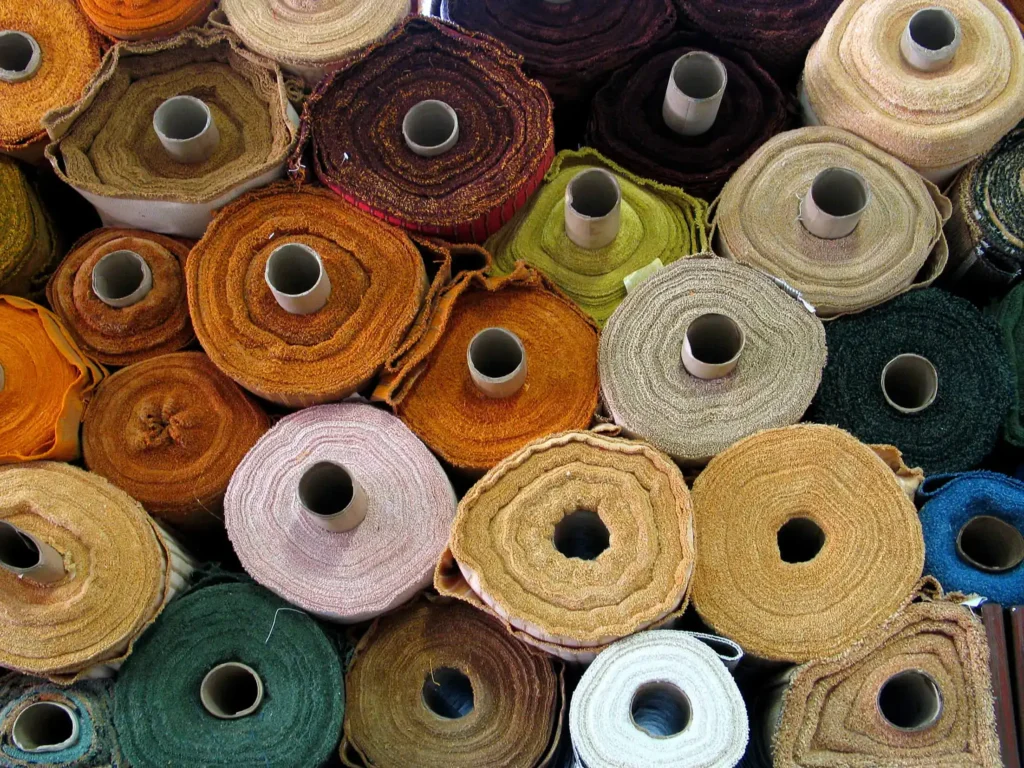
A useful fabric brief describes what the material needs to do rather than asking for a broad category such as “soft satin” or “good mesh.” Relevant information can include approximate weight, width, stretch direction, recovery, transparency, drape, hand feel, surface sheen, shrinkage behaviour, wrinkle tendency, color consistency, lining compatibility, and the price range the finished garment needs to support.
When an original runway material is expensive or unsuitable for volume production, the development team should identify the properties that create the visual effect. A dress may appear luxurious because of liquid movement and soft reflection rather than because customers can identify the fibre. Once the important properties are clear, alternative materials can be tested against the same target instead of searching for an exact copy.
Substitution must be evaluated in garment form because pattern and fabric constantly influence one another. Replacing a non-stretch satin with stretch satin can change zipper behaviour and bust shaping. Switching from soft fashion mesh to power mesh may improve support but create a firmer, more technical appearance. A lighter chiffon can improve movement while increasing the need for lining or seam stabilization.
Jinfeng Apparel’s documented fabric system covers commonly used womenswear materials including chiffon, satin, stretch satin, lace, mesh, power mesh, jersey, ponte, crepe, velvet, sequin fabric, organza, tulle, rayon, viscose, linen, denim, and suiting fabrics, with attention to drape, stretch, transparency, lining, shrinkage, color difference, and bulk-production risk. A structured review of those properties is particularly important when the trend depends heavily on fabric movement or surface appearance.
How Should Fit Change for Real-World Wear?
Retail fit should begin with the intended wearing occasion. A fitted club mini and a wedding guest midi may both follow the body closely, but the customer expects different levels of coverage, movement, support, and comfort. Product teams need to imagine how the garment will actually be worn instead of judging fit only by whether the silhouette resembles the original runway photograph.
Close-fitting dresses require careful control of bust, waist, and hip relationships. A front view can appear excellent while hiding side-seam strain, excess fabric at the back waist, unstable cup edges, or a hem that lifts excessively during movement. Strapless and corseted styles require enough internal support to maintain position, while backless and halter dresses depend heavily on strap length, neckline stability, and balance.
Fit comments should become measurable actions whenever possible. “Make the bust more flattering” can mean different things to a designer, pattern maker, and sample machinist. A comment such as “reduce excess at the upper bust while preserving waist measurement and cup depth” gives the technical team a defined problem to solve and a clear outcome to review on the next sample.
Grading introduces another layer of complexity. Neckline depth, cut-out position, waist seam, and bust shaping cannot always increase at exactly the same rate as garment circumference. A successful commercial fit preserves the intended design proportion across the target size range while allowing customers enough mobility and security to wear the product without constant adjustment.
How Do Linings and Support Affect the Dress?
Lining is one of the most underestimated tools in dress commercialization because it influences opacity, comfort, stretch behaviour, seam appearance, body support, and overall drape at the same time. A transparent runway look may become commercially appropriate through strategic lining rather than simply covering the entire garment. That allows teams to preserve visual lightness while solving practical concerns.
A mesh bodice, for example, can be double layered around the bust while the sleeves remain visibly sheer. Lace can sit over a close-toned or skin-toned lining to preserve the contrast of the motif. A fluid skirt may require a lighter lining than the bodice so the outer fabric continues to move naturally. These choices directly affect how sophisticated the final garment feels.
Internal support plays a similar role in strapless, corseted, asymmetric, and cut-out products. Cups, boning, underwire, elastic, grip tape, interfacing, stay tape, and stabilized seams may be invisible in product photography, yet they determine whether the dress maintains the intended shape after the customer moves, sits, or wears it for several hours.
Every additional internal component increases material and sewing cost, so support should have a defined purpose. Removing necessary internal structure simply to reduce unit cost can create a garment that looks correct on a hanger but performs badly on the body. The strongest commercial construction is often the one customers never consciously notice because the dress simply feels stable and secure.
Which Construction Choices Create Production Risk?
Production risk increases when important visual features depend heavily on operator judgement or contain many variables that are difficult to standardize. Dense ruching, complex draping, hand-applied beads, symmetrical cut-outs, lace matching, corsetry, mixed stretch materials, fragile satin seams, and dimensional appliqué can all be produced successfully, but they require more precise development and control than straightforward garment construction.
Sampling should identify these risks before bulk production begins. For each high-risk operation, teams should define the visual target, measurement or placement that matters, likely causes of variation, and the inspection method. A slightly uneven hidden seam may have almost no customer impact, while a small difference between symmetrical cut-outs can make an otherwise well-made dress look visibly defective.
Scale changes the challenge. One experienced sample machinist can sometimes achieve a beautiful effect through manual adjustment and judgement. Bulk production requires the process to be teachable and repeatable across operators and production days. The most visually impressive first prototype is therefore not automatically the best commercial construction if nobody can reproduce it consistently at the required quantity.
A production-ready dress needs stable patterns, approved materials, defined seam and construction methods, critical measurement points, clear workmanship expectations, and practical inspection procedures. Experienced teams consider repeatability while the garment is still being developed, because solving a difficult operation at the sample stage is far less disruptive than discovering the same problem after hundreds of units have already been cut.

How Do You Build a Retail-Ready Dress Assortment?
A retail-ready dress assortment gives customers several ways to enter the same trend without repeating a single design idea across every style. Strong ranges combine visually distinctive hero pieces, wearable fashion styles, proven commercial silhouettes, and controlled tests. Each dress should have a clear purpose, while length, color, price, construction complexity, and inventory exposure are planned as parts of the same commercial system.
A runway trend rarely needs its most extreme expression across an entire collection. If sheer dressing is important, one hero style might use a dramatic transparent overlay, while a commercial bodycon dress uses mesh panels, an occasion midi uses a sheer neckline, and a proven mini adds transparent sleeves. The collection feels connected because the design language repeats, yet each product creates a different balance of fashion impact and commercial risk.
Range Role | Example Styles | Share of 12-Style Range | Main Purpose |
Hero styles | 2 | 17% | Campaign impact and strong trend expression |
Fashion-core | 4 | 33% | Visible newness with broader wearability |
Commercial core | 4 | 33% | Proven shapes refreshed for the season |
Controlled tests | 2 | 17% | Test a new silhouette, color, or technique |
Total | 12 | 100% | Balanced range architecture |
This 12-style example is a planning illustration rather than a fixed industry formula. Different retailers will make very different choices depending on category, price point, launch frequency, channel, and customer behaviour. The important principle is that every product does not need the same level of fashion risk or the same inventory depth simply because all the styles belong to one seasonal collection.
Which Styles Should Become Hero and Core Pieces?
Hero styles deserve a clear place because they communicate the season quickly. They may contain the strongest silhouette, most visible color, boldest decoration, or most distinctive construction in the range. They can support campaign photography, social content, merchandising stories, retail windows, and launch communication even when they are not expected to become the highest-volume products.
Commercial-core dresses perform a different job. They usually rely on proven fit blocks, familiar occasions, and recognizable customer behaviour, then introduce the new trend through one or two controlled elements. A bestselling bodycon midi might receive a sculpted neckline. An established mini can adopt the season’s important fabric. A familiar slip shape can be refreshed with asymmetric draping or a new back treatment.
Fashion-core products sit between those extremes and are often particularly valuable. They are new enough to feel seasonal but not so unfamiliar that customers need to rethink how the dress fits into their wardrobe. They can also provide a useful bridge between attention-driving hero products and safer commercial pieces that support regular volume.
Before approving a range, each dress should have a reason to exist. It might attract attention, provide volume, cover a new occasion, test a silhouette, reach a different price point, or extend a proven product family. When two dresses serve the same customer, occasion, length, visual idea, and price, they may simply compete with one another for the same demand.
How Do Mini, Midi, and Maxi Styles Balance the Range?
Length changes far more than the number of centimetres in a skirt. It influences wearing occasion, body proportion, movement, visual impact, fabric consumption, construction, and price. A mini can make a dramatic design detail feel immediate and youthful, a midi can broaden event and occasion relevance, while a maxi can increase the impact of drape, volume, or movement.
A trend should not automatically be reproduced in all three lengths. Some ideas become stronger as they gain fabric and movement. Fluid draping, bias construction, and transparent overlays often work naturally in midi or maxi forms. Other ideas can become heavy or difficult when extended. Dense ruching, concentrated embellishment, and rigid sculptural construction may be more practical when used on shorter garments.
Length also affects fit risks. Mini dresses need careful control of finished length and how far the hem rises during walking or sitting. Midi products require attention to slit height, lower-body ease, and the relationship between hemline and footwear. Maxi dresses need accurate overall length, balanced hems, enough movement for walking, and packaging methods that reduce severe creasing.
Cost should be considered at the same time because longer garments frequently consume more shell and lining fabric, while large hems increase sewing and finishing work. The strongest collection uses length as a design and commercial decision rather than simply offering mini, midi, and maxi versions because a merchandising grid appears incomplete without them.
How Many Colors and Variants Make Sense?
Every additional color creates more customer choice, but it also multiplies purchasing complexity. One dress offered in three colors and six sizes already creates eighteen size-color combinations. Ten styles with the same structure create 180 combinations before different warehouses, countries, or retail channels are considered. Range planning becomes increasingly difficult when color expansion is treated as a purely creative decision.
Color should therefore have a clear role. One emerging fashion shade can deliver seasonal newness, while a dependable black, neutral, or established brand color provides commercial confidence. A third color can be used selectively where the silhouette or category has enough evidence to justify additional inventory. Hero products may not need the same color breadth as dependable core styles.
Material availability matters as well. Stock colors are generally easier to test than custom-dyed fabrics because special dyeing, printing, lace, sequin materials, hardware, and trims may carry separate supplier minimums. A collection that appears commercially balanced at the design stage can become inefficient once each color starts creating separate commitments for fabric and accessories.
Not every color needs equal size depth either. Historical sales can reveal whether particular shades perform differently by customer group or size, although overly fragmented ratios can create production and inventory complications. The goal is not to maximize the number of color circles on an ecommerce page. It is to create enough meaningful choice without spreading investment so widely that every individual SKU becomes weakly stocked.
How Do Price Points Shape the Assortment?
Price architecture determines how much design complexity a collection can support. A hero evening dress can justify a higher ticket when customers clearly see value in special fabric, structure, embellishment, or finishing. A commercial mini influenced by the same runway trend may need a simpler construction so it can remain within the price band that existing customers already understand.
Product teams should work backward from the expected retail position rather than allowing development cost to accumulate unnoticed. Shell fabric, lining, trims, pattern work, sewing time, handwork, pressing, wastage, quality control, packaging, testing where required, and freight all influence the economics of the product. When a dress moves above its target cost, the team needs to identify which elements genuinely contribute to customer perception.
Good cost engineering removes low-value complexity before it removes the focal design idea. A hidden layer may prove unnecessary, an existing trim can sometimes replace a custom component, excess gathering may be reduced without changing the silhouette, or embellishment can be concentrated into a smaller area while preserving visual impact. These decisions can improve cost without making the garment feel visibly cheaper.
Cost cutting becomes destructive when the team removes necessary lining, support, seam quality, or the feature that made the dress attractive. A healthy assortment normally contains different levels of product investment. Hero styles, fashion-core products, and dependable commercial dresses do not need identical construction costs, provided each product delivers a level of design and quality appropriate to its intended retail price.
How Do You Validate Fit, Cost, and Production?
A runway-inspired dress is validated through staged sampling, measurable fit review, cost checks, and clear production approval rather than one attractive prototype. The first sample tests feasibility, fit and revised samples solve technical problems, the PP sample confirms the intended production standard, and an approved physical reference gives manufacturing and quality teams a benchmark for keeping bulk garments consistent.
Sampling should be treated as a sequence of decisions rather than a box that needs to be checked before an order can be placed. A first prototype may reveal that the requested satin is too heavy, the neckline cannot support itself, the cut-out moves when the wearer sits, or the planned embellishment pushes the product above the target cost. Those findings are useful because they appear before bulk production magnifies the problem.
Each development round should reduce uncertainty. By the time cutting begins, there should be far fewer unanswered questions about fit, fabric, trims, color, construction, workmanship, labeling, packing, and appearance. Sample names vary between companies, but the underlying logic is consistent: different samples exist because different decisions need to be closed at different stages.
Development Stage | Primary Decision | Typical Output |
First sample | Does the design work physically? | Initial structure and material review |
Fit sample | Does the garment fit and move correctly? | Measurement and pattern corrections |
Revised sample | Were agreed corrections solved? | Updated pattern, BOM, and construction |
Photo sample | Is appearance suitable for campaign use? | Approved visual presentation where required |
PP sample | Is the bulk production standard confirmed? | Final fabric, trim, fit, labels, workmanship |
Golden sample | What physical standard will bulk follow? | Sealed production and QC benchmark |
A disciplined sample process prevents teams from expecting one garment to answer every question at once. It also gives the product team a natural point to review commercial assumptions as the design becomes more concrete. A detail that looked inexpensive in a sketch may require additional layers, specialist work, or a custom trim once the first garment is made.
What Should a First Sample Prove?
The first sample should prove that the design can become a functional garment and expose major weaknesses while correction is still relatively inexpensive. The team should first evaluate whether the overall silhouette is recognizable: whether the waist sits where intended, the neckline creates the right balance, the skirt behaves correctly, and the fabric supports the visual idea.
Construction feasibility comes next. The garment needs to be put on and removed without unreasonable difficulty. Zippers, straps, cups, linings, closures, and internal structures should work with the intended design. A dramatic back opening is not successful if the neckline collapses, while a visually correct corset is not commercially ready if the wearer cannot move comfortably.
The sample should then be compared with the commercial brief rather than only with the inspiration. It may look impressive and still be wrong because the fabric, construction time, or finishing pushes the cost beyond the intended price. A glamorous evening effect may also be unsuitable if the original brief was for a versatile party dress intended to sit within an accessible product tier.
Feedback needs to be specific enough to become a technical action. Comments such as “shorten the strap by 1 cm” or “reduce side-waist fullness while preserving front drape” are far more productive than “make it fit better.” A useful first sample does not need to be ready for photography. Its most important job is to make the next development decision more accurate.
How Do Fit and Revised Samples Reduce Risk?
Fit samples translate subjective reactions into pattern and measurement decisions. Bust, waist, hip, shoulder, neckline, armhole, strap length, waist placement, skirt length, slit height, and movement should be reviewed according to the intended silhouette. The process becomes more effective when the team records what happened and what needs to change rather than relying on memory from a fitting session.
Changes also interact with each other. Shortening straps can raise the armhole and alter neckline tension. Reshaping the bust can affect waist balance. Raising a slit can change the way a skirt falls. Adding lining to improve coverage can reduce stretch. Revised samples exist because a technically sensible correction in one area may create a new issue somewhere else.
Each approved change should enter the current technical record. Patterns, measurement charts, BOMs, fabric approvals, trim details, sewing instructions, and quality checkpoints need to describe the same version of the garment. When several dresses are being developed simultaneously, weak version control can become a serious source of avoidable production errors.
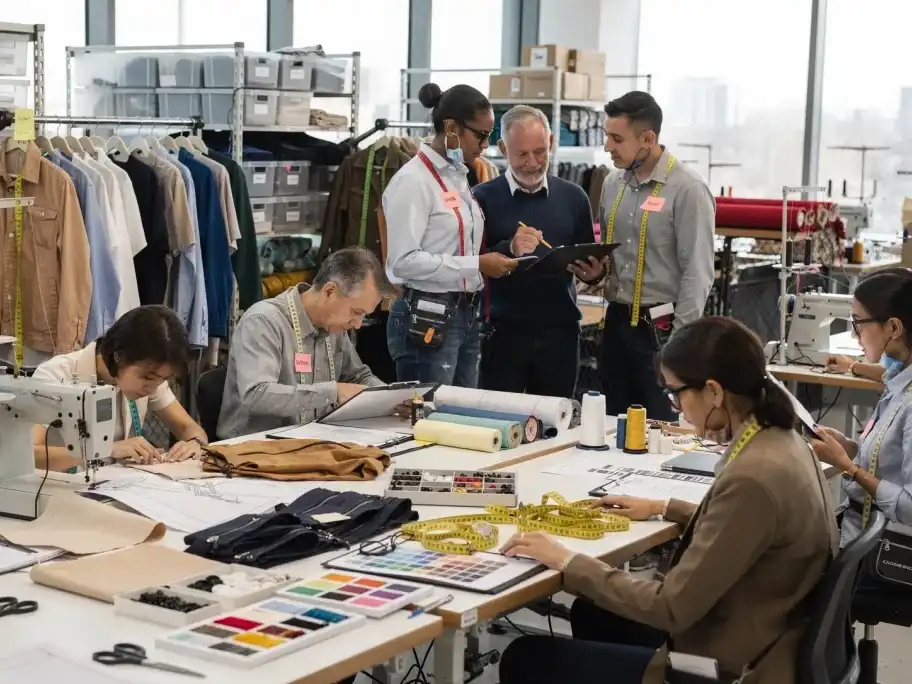
Jinfeng Apparel’s documented sample-revision process separates concerns such as fit, fabric, workmanship, on-body effect, color, trims, measurements, design accuracy, labeling, packing, and cost alignment, and converts bulk-relevant revisions into updated patterns, charts, fabric records, trim records, sewing instructions, and QC checkpoints. The principle is useful for any brand because every sample round should leave behind more accurate production information, not just a new physical garment.
How Can Cost Be Controlled Without Losing the Trend?
The most effective cost control protects the elements customers see and feel while challenging complexity that contributes little perceived value. Consider a dress with a distinctive draped neckline, three internal layers, custom hardware, and extensive hand-fixed gathers. If the neckline creates most of the fashion impact, the development team should protect it while examining whether every layer, custom component, and labor-intensive operation is genuinely necessary.
Fabric substitution follows the same logic. If the customer experience depends on drape and soft sheen rather than a specific luxury fibre, several materials may be able to achieve the intended appearance at different cost levels. What matters is that the replacement maintains the properties responsible for the design’s visual and physical performance rather than merely looking similar as a small swatch.
Construction should never be simplified blindly. Removing stay tape from an unstable neckline, reducing necessary lining, replacing a suitable zipper with an inadequate one, or eliminating support from a strapless bodice can create immediate fit and quality problems. A lower unit cost offers little value when it results in higher return rates, complaints, markdowns, or damaged customer confidence.
The strongest cost review therefore separates visible design value, functional necessity, and low-perception complexity. Fabric consumption, unnecessary layers, oversized embellishment areas, custom trims, complicated seam structures, and inefficient pattern layouts can all be challenged. The objective is not to make the garment as inexpensive as possible. It is to make sure the brand is paying for features that contribute to the product customers actually experience.
What Must Be Approved Before Bulk Production?
Bulk production should not begin while fundamental design decisions are still changing. The approved package needs to identify the correct pattern version, graded measurement chart, shell fabric, lining, color, trims, closures, construction method, embellishment placement, labels, packaging instructions, and quality checkpoints. Critical measurements and visually sensitive areas should be easy for production and QC teams to identify.
The PP sample is particularly important because it should represent the intended bulk standard rather than another exploratory development round. If major structural changes are still being made after approval, the risk of older instructions reaching cutting, sewing, purchasing, or packing teams increases considerably. A physical Golden sample or equivalent sealed reference can help by providing a tangible standard for shape, workmanship, hand feel, and placement.
Retail details need to be finalized as part of the same process. Size labels, care labels, hangtags, barcode stickers, SKU information, polybags, carton marks, and size or color packing ratios can create expensive warehouse errors when they are treated as something that can be solved after sewing is finished.
Jinfeng Apparel’s documented procedure describes PP sampling as the stage for confirming the final production standard after fabric, color, trims, construction, lining, decoration, labels, packing, cost, MOQ, and bulk timing have been addressed. Production readiness therefore means the sample, technical information, commercial requirements, and approved materials all describe the same garment.
How Do Brands Scale a Trend With Less Risk?
Brands reduce risk by matching inventory commitment to how much they actually know about each product. New silhouettes, unfamiliar fabrics, and untested colors deserve more controlled exposure, while proven products can support greater depth. Reliable scaling also requires realistic MOQ planning, bulk quality control, launch-aware delivery schedules, and accurate records so successful styles can be replenished without repeating the complete development process.
Not every runway-inspired style contains the same uncertainty. A successful bodycon pattern updated with one new neckline is generally easier to evaluate than an entirely new low-waist silhouette made from an unfamiliar material. A new color in an established bestseller contains fewer unknowns than a heavily embellished evening dress with a new structure, new trim supply chain, and untested fit block.
Inventory depth should recognize those differences instead of assigning similar quantities simply because the products appear together in one collection. More uncertain styles can provide fashion newness without requiring the same initial commitment as commercial-core products. If sales data becomes positive, the brand can then decide whether the style should be repeated, extended, or developed further.
MOQ is part of the same commercial equation. Manufacturing minimums can be influenced by cutting efficiency, fabric requirements, dyeing, prints, specialist trims, production-line setup, and supplier minimums for packaging or hardware. Assortment planning therefore needs to be connected with sourcing early enough that color, style, and material decisions do not create an unrealistic SKU structure.
For custom development with Jinfeng Apparel, the documented standard MOQ starts from 200 pieces per style/color, with fabric availability, color development, trims, construction complexity, packaging requirements, and production scheduling affecting the final arrangement. Specialty fabrics, custom dyeing, printing, and certain trims may carry separate supplier minimums. This illustrates a broader apparel principle: creative assortment decisions and production economics need to be planned together.
How Should MOQ, Sizes, and Production Batches Be Planned?
MOQ planning should begin with the real SKU structure rather than the headline number of styles. One dress offered in three colors and six sizes creates eighteen size-color combinations. If ten styles follow the same pattern, the collection contains 180 combinations that require allocation, monitoring, packing, and eventually replenishment or markdown decisions.
Historical size performance is useful when allocating quantities. Equal distribution across XS, S, M, L, and XL may look neat on a spreadsheet but often fails to reflect actual customer demand. Different silhouettes can also have different size curves because customers may size differently in fitted corset products, stretch bodycon dresses, or loose resort styles.
Colors should be treated separately rather than automatically receiving equal depth. A dependable black version may justify more stock than an experimental seasonal shade. At the same time, fabric and trim availability can influence whether a smaller color test is operationally sensible. A low quantity may appear cautious commercially while still creating poor production efficiency.
Production batches provide another lever. Launch-critical styles can be prioritized, while secondary products follow later. A portion of urgent inventory may use faster freight if the commercial window justifies it, while later quantities move through a more economical route. The strongest planning connects four variables before purchase orders are finalized: style count, color count, size ratio, and delivery timing.
What Quality Controls Protect Bulk Consistency?
Quality control should concentrate most heavily on characteristics that affect fit, function, or immediate customer perception. Bodycon dresses require reliable measurements and stretch behaviour. Satin products need attention to snagging, shade variation, seam puckering, and pressing. Mesh garments require checks for transparency, holes, recovery, and lining alignment, while lace and sequin products introduce their own placement, attachment, comfort, and packing risks.
Inspection works best when it happens throughout production. Incoming fabric checks can catch color, width, shrinkage, or surface problems before cutting. Cutting inspection protects grain direction, panel placement, and important matching points. Inline sewing checks can identify recurring construction defects before hundreds of garments reach completion, while finished-garment inspection confirms measurements, appearance, workmanship, and pressing.
The development history should guide the QC plan. If a neckline required several sample revisions before approval, it should not become an ordinary unchecked operation in bulk. The difficulty encountered during sampling is evidence about where variation is likely to occur, and production checkpoints should reflect that information.
Professional quality control does not depend on unrealistic promises of zero defects. Apparel production naturally contains variation. A reliable system defines the approved standard, identifies higher-risk features, detects meaningful deviation early, corrects root causes, and prevents repeated problems from moving unnoticed into finishing, packing, or shipment.
How Do Multi-Batch Deliveries Support Launch Timing?
Multi-batch delivery can help align product availability with campaign dates, retail drops, warehouse capacity, and transportation cost. A brand developing a twelve-style occasionwear capsule may have six products directly tied to campaign imagery and launch advertising. Those styles can be prioritized for production and shipment while less time-sensitive products follow later if their approval or production schedules require additional time.
The value of this approach becomes clear when fashion inventory is linked to a specific selling window. A technically excellent party dress arriving after an important event period can be less valuable than a slightly more expensive shipment that protects the launch date. Resort, graduation, holiday, and occasionwear categories are especially sensitive to calendar timing because the customer’s need is often attached to a particular season or event.
The trade-off is coordination complexity. Factories need to know which styles are genuinely launch-critical, not simply which ones a team would prefer to receive first. Packing documents, carton marks, SKU data, inspection schedules, and warehouse receiving information all need to match each shipment. Materials and trims for later batches may also need to be reserved.
Multi-batch planning therefore works best when it is built into the production calendar rather than requested after an unexpected delay. Jinfeng Apparel’s documented operating model supports multi-batch delivery according to launch schedules, warehouse receiving plans, shipping methods, order size, and client logistics requirements. The practical value comes from managing product approval, production priority, packing, freight, and warehouse timing as one connected plan.
Which Styles Should Be Reordered or Extended?
A rapid sell-out is encouraging, but it does not automatically prove that a style deserves a much larger repeat order. The original quantity may simply have been small. Stronger evidence comes from full-price sell-through, return behaviour, size performance, customer comments, geographic demand, and whether the product continues selling after the initial campaign push has faded.
Returns deserve particular attention because a product can generate impressive gross sales and still perform poorly after fit-related returns are considered. Repeated complaints about bust fit, transparency, length, zipper behaviour, or support may indicate that the concept has demand but needs technical improvement before a deeper repeat order is placed.
The remaining life of the trend also matters. A product that performs well today may not justify replenishment if the next production and delivery cycle pushes the new stock beyond the relevant fashion or event window. Commercial teams therefore need to evaluate both product performance and how quickly the supply chain can realistically put the next quantity into the market.
Extensions should preserve what has already been validated. A strong midi can receive a new color before becoming a completely different silhouette. A successful corset pattern may support a new skirt shape, and a proven party mini can inspire a related midi where the design logic still works. Accurate pattern files, measurement records, material references, trims, production notes, QC standards, and packing information make those extensions easier because future development starts from known information rather than memory.
Commercializing runway dress trends is ultimately an exercise in disciplined editing. The runway supplies cultural energy, visual surprise, new proportions, new surfaces, and new ideas about how dresses can frame the body. Retail adds a different set of requirements: the customer has to understand the product, trust the fit, accept the price, receive it while the idea is still relevant, and feel satisfied when the garment is worn outside the controlled environment of a fashion photograph.
The strongest fashion teams do not treat creativity and commerciality as opposing forces. They identify the smallest number of design elements carrying the greatest emotional value, engineer those elements through appropriate fabric and construction, place them into a deliberate assortment, test the product through meaningful sample stages, lock a clear production standard, and scale only when the evidence supports greater commitment.
A capable development and manufacturing partner becomes particularly valuable at the moment when visual inspiration needs to become reliable product information. The supplier should be able to question unsuitable fabrics, identify construction risks, develop and correct patterns, document revisions, explain meaningful cost changes, reproduce the approved sample, manage bulk quality, and support the practical requirements of private-label delivery without turning every creative idea into an automatic “yes.”
The real journey from runway to retail is therefore not about making the closest possible copy of what appeared on the catwalk. It is about preserving the reason people looked in the first place while making everything around that reason easier to understand, wear, purchase, manufacture, replenish, and eventually develop into the next successful collection.
Share This Article :

Jerry Lee
Categories

Latest blogs
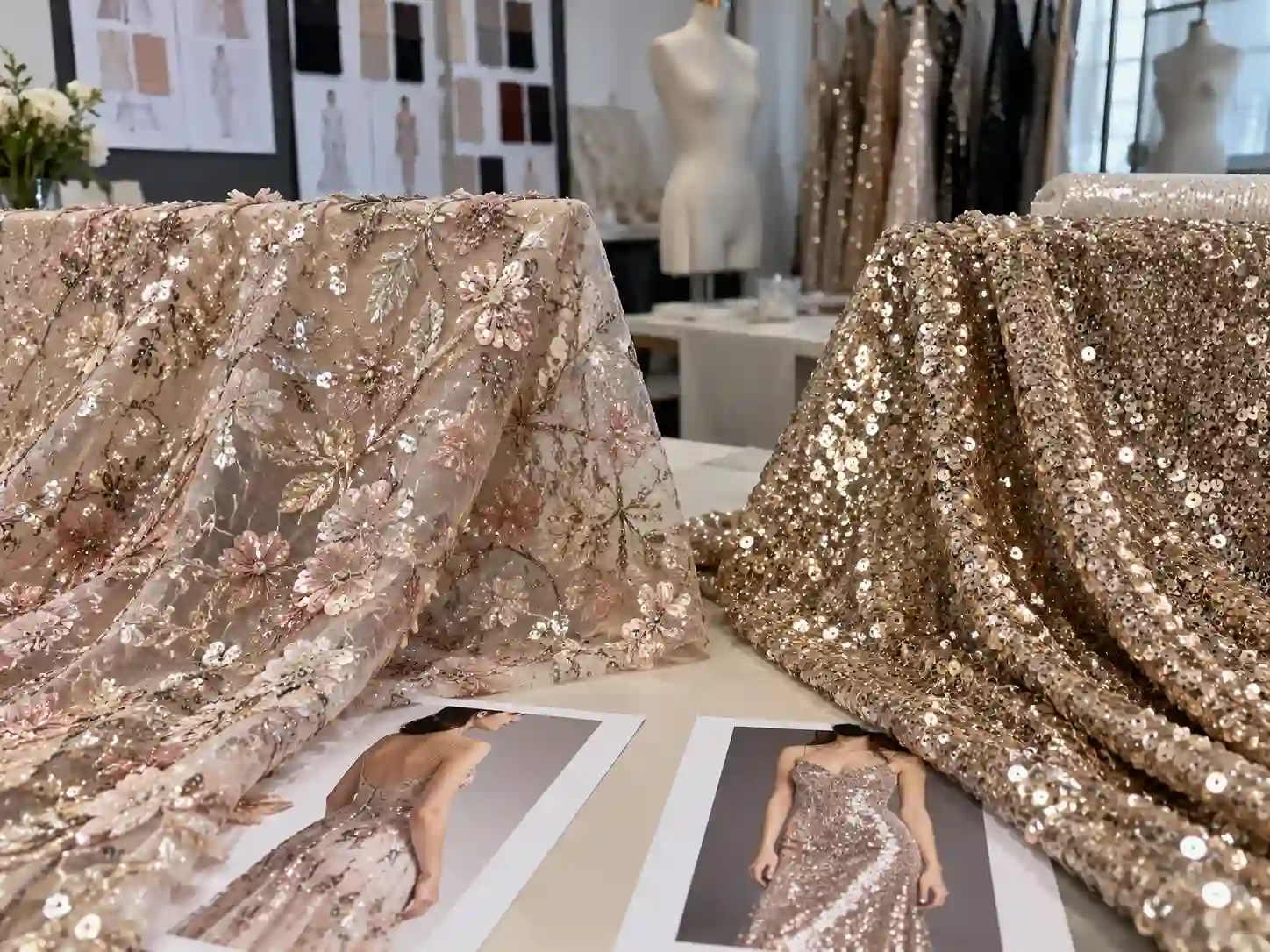
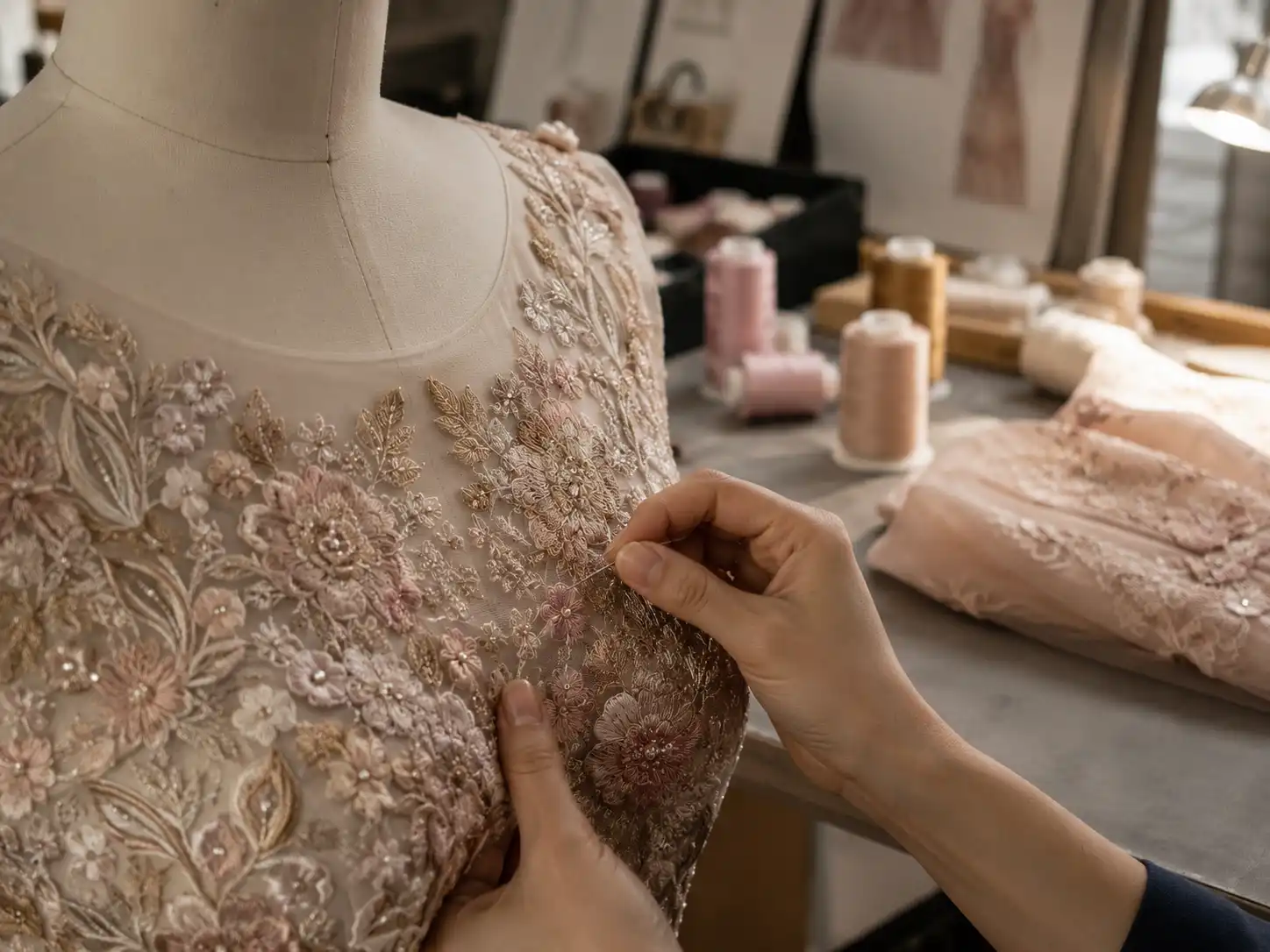
Table of Contents
Here, developing your OEM/ODM private label clothing collection is no longer a challenge—it’s an excellent opportunity to bring your creative vision to life.

