
What Is Incoming Fabric Inspection for Dresses? How Brands Control Fabric Risk Before Cutting

Your trusted Women’s Apparel Manufacturer from China
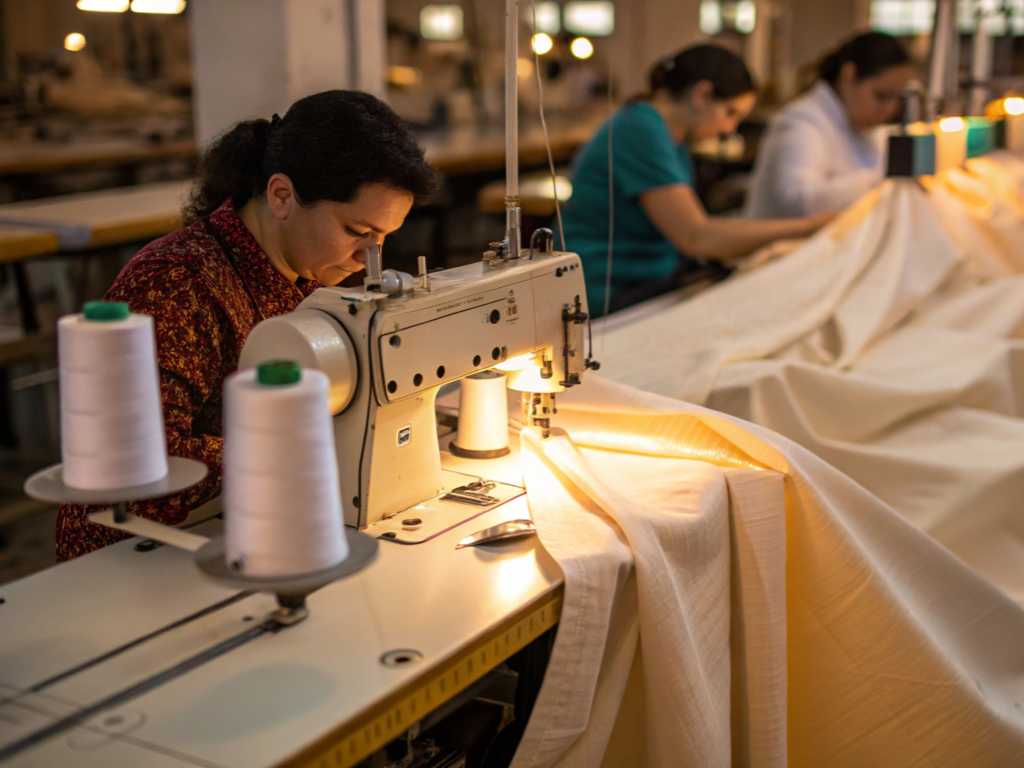
A beautiful dress can fail before the first stitch is sewn. That may sound dramatic, but in dress manufacturing it is often true. Many bulk order problems do not begin on the sewing line; they begin when fabric arrives at the factory and nobody checks it deeply enough. A satin dress may look luxurious in the showroom sample but show shade variation across bulk rolls. A chiffon maxi dress may hang beautifully in size S but twist after cutting because the fabric skew was ignored. A bodycon dress may fit well in the sample, then lose shape in production because the stretch recovery changed from one fabric lot to another.
Incoming fabric inspection for dresses is the pre-cutting quality control process used to check fabric rolls for defects, shade, GSM, width, shrinkage, skew, stretch, handfeel, lot consistency and production suitability before bulk cutting starts. It helps brands prevent size instability, color mismatch, poor drape, fabric waste, cutting errors and garment rejection.
For fashion brands, this step is not just a factory routine. It is a business protection system. It protects your launch calendar, your product images, your fit comments, your return rate and your brand reputation. A buyer may only see one final dress, but behind that dress is a chain of checks that decides whether the bulk order will match the approved sample. At Jinfeng Apparel, fabric QC sits inside a wider womenswear quality system that also includes cutting QC, sewing QC, in-line inspection, garment inspection, packing QC, AQL inspection and repeat-order quality records for custom dresses and private-label womenswear production.
What Is Incoming Fabric Inspection?
Incoming fabric inspection is the quality check done when fabric rolls arrive at the factory and before cutting starts. It confirms whether the delivered fabric matches the approved standard for color, weight, width, handfeel, defects, shrinkage and production suitability. For dresses, this step prevents fabric-related problems from becoming bulk garment defects.
A professional dress factory QC table with fabric rolls, approved color swatches, measuring tape, inspection report sheets and a partially visible satin dress sample, clean natural lighting, realistic industrial womenswear production setting.
What “Incoming” Means
“Incoming” means the fabric has entered the production system but has not yet been cut. This is the last stage where fabric problems can still be controlled without damaging production efficiency. Once a roll is spread and cut into panels, every issue becomes harder to isolate. A shade difference may become mixed inside one dress. A hole may appear on the front body. A shrinkage problem may become a measurement claim after washing or steaming.
In practical dress production, incoming inspection normally checks the delivered rolls against approved references such as lab dips, fabric swatches, strike-offs, print approvals, PP sample fabric and purchase order details. The factory confirms roll numbers, dye lots, fabric width, delivered quantity, fabric composition, color name, supplier information and whether the fabric is assigned to the correct style. For buyers, this stage answers one important question: is the fabric safe to cut? If the answer is not clear, cutting should not begin.
Why It Is Different From Final Inspection
Final garment inspection checks finished dresses. Incoming fabric inspection checks the material before it becomes a dress. This difference is important because many fabric problems cannot be repaired once the dress is already sewn. A final inspector can reject a dress with stains, uneven measurements or visible defects, but by then the factory has already spent fabric, cutting time, sewing time, trims, labor, pressing, packing and schedule capacity.
Incoming inspection is designed to catch the same risk earlier, before the cost multiplies. If satin rolls show shade variation, the factory can separate shade lots before cutting. If chiffon has scattered yarn pulls, the cutting team can mark and avoid defective sections. If jersey has poor recovery, the production team can stop before bodycon dresses lose shape in bulk. This is why strong fabric inspection reduces both visible quality risk and hidden production waste.
Why Dresses Need Extra Attention
Dresses are more fabric-sensitive than many basic garments because the final product depends heavily on drape, balance, fit and visual surface. A small fabric difference can change how the dress looks on the body. A 5% difference in fabric weight may not matter much for a loose basic top, but it can affect the fall of a satin slip dress, the coverage of a chiffon maxi dress or the support of a fitted bodycon dress.
Many dresses also use larger visible panels. A maxi skirt, front bodice, sleeve, back panel or bias-cut section exposes more fabric surface than small items. This makes shade bars, weaving lines, pulls, oil marks and print shifts easier to notice. In fast fashion, this risk becomes stronger because brands often work with multiple colors, short lead times and photo-driven launches. The approved sample must match the bulk order closely enough for online product pages, influencer campaigns, retail drops and repeat orders to remain consistent.
What Buyers Should Expect
A serious dress manufacturer should not simply say, “We check fabric.” Buyers should expect a clear process. The factory should be able to explain what is checked, who checks it, how results are recorded and what happens if fabric does not match approval.
A practical incoming fabric inspection should include roll identification, shade comparison, surface defect inspection, usable width checking, GSM review, fabric handfeel comparison, shrinkage or stability testing when required, stretch recovery review for knit styles and issue reporting before bulk cutting. For buyers, this process does not need to feel overly technical. The goal is simple: avoid preventable production surprises. When the factory has clear fabric control before cutting, the buyer gains better protection over fit, color, delivery schedule, cost and final product consistency.
|
Inspection Stage |
Checked Item |
Main Purpose |
Best Time to Catch Risk |
|
Incoming fabric inspection |
Fabric rolls |
Confirm color, width, defects, GSM, shrinkage and usability |
Before cutting |
|
Cutting QC |
Cut panels |
Control direction, panel accuracy, shade grouping and marker use |
During cutting |
|
Sewing QC |
Semi-finished dresses |
Control construction, seam quality and workmanship |
During production |
|
Final inspection |
Finished dresses |
Confirm appearance, measurements, labeling and packing |
Before shipment |
Which Fabric Risks Affect Dresses Most?
The fabric risks that affect dresses most are shade variation, visible defects, wrong GSM, unstable shrinkage, poor stretch recovery, skew, bow, handfeel inconsistency, width shortage and lot variation. These risks can change color consistency, dress fit, drape, opacity, cutting efficiency and final customer satisfaction.
Close-up comparison of dress fabric rolls with color swatches, one roll showing subtle shade variation, a GSM cutter, fabric measuring ruler and QC defect stickers, modern apparel quality control workspace.
Shade and Color Variation
Shade variation is one of the most common and costly fabric risks in dress production. It can happen between dye lots, between rolls from the same dye lot, or even within one roll. On dresses, shade issues are easier to notice because large panels reflect light continuously. A bodice that looks slightly warmer than the skirt may make the whole garment look defective.
The risk is higher for solid-color satin, bridesmaid dresses, occasionwear, matching sets, two-piece dresses and styles that use several panels from different rolls. It is also important for ecommerce brands because customers compare the delivered product with product images under strong lighting. During incoming inspection, fabric rolls should be compared against the approved color standard. Rolls with close shade should be grouped together, and cutting should avoid mixing different shade groups within the same garment. For repeat orders, new fabric lots should be compared with the previous approved reference, not only with the supplier’s new sample.
GSM, Width and Handfeel
GSM means grams per square meter, and it gives a practical indication of fabric weight. It does not tell the whole story, but it helps confirm whether the bulk fabric is close to the approved sample. A fabric that is too light may become transparent, unstable or cheap-looking. A fabric that is too heavy may lose movement, increase cost or change the fit.
Width also matters because it affects marker efficiency and fabric consumption. If the usable width is narrower than expected, the order may need more fabric than planned. This can affect cost, delivery time and cutting layout. Handfeel is less numerical but very important in women’s fashion. A dress buyer may approve a soft, fluid sample but reject bulk dresses that feel dry, stiff or rough. Handfeel should be checked against the approved swatch or PP sample fabric, especially for satin, chiffon, viscose, rayon, jersey, lace and mesh styles.
Shrinkage and Dimensional Stability
Shrinkage must be checked before cutting when the fabric or buyer requirement makes it relevant. Even small shrinkage can affect dress measurements. If a dress shrinks in length, the customer may feel the product is shorter than expected. If the bust, waist or hip shrinks, the fit may become too tight. If lining and shell fabric shrink differently, the hem may twist or pull.
For woven dresses, shrinkage affects overall garment measurements and length balance. For knit dresses, shrinkage combines with stretch and recovery, making fit control more complex. Rayon, viscose, cotton blends and some jersey fabrics may react more noticeably to washing, steaming or humidity. Factories often use internal testing or supplier test reports depending on the order requirement. For sensitive styles, a small fabric test before cutting is much cheaper than discovering measurement instability after hundreds or thousands of dresses are sewn.
Stretch, Skew and Fabric Direction
Stretch, skew and fabric direction are easy to underestimate because they may not look serious when fabric is still on the roll. But once the fabric is cut and sewn, these issues can become highly visible. Stretch recovery is critical for bodycon dresses, jersey dresses, rib dresses, ponte dresses, stretch mesh styles and fitted jumpsuits. A fabric may stretch well at first but fail to recover after wearing. That leads to bagging at the waist, hips, neckline or elbows.
Skew and bow affect how the fabric grain behaves. If the fabric is twisted, side seams may not hang straight, printed lines may look tilted, and hems may appear uneven. Directional fabrics such as satin, velvet, rib knit, printed chiffon, sequins and one-way pile fabrics must also be checked carefully before cutting. Cutting in the wrong direction can create visible color or shine differences between panels.
|
Risk Factor |
Common Check |
Practical Concern for Dresses |
|
Shade variation |
Compare rolls with approved standard |
Panel mismatch, carton-to-carton color difference |
|
GSM variation |
Weight test against approved sample |
Drape, opacity, structure and perceived quality |
|
Width shortage |
Measure usable width |
Higher fabric consumption and cutting changes |
|
Shrinkage |
Wash or steam stability check |
Final size and length may change |
|
Stretch recovery |
Stretch and recovery review |
Bodycon styles may lose shape |
|
Skew or bow |
Direction and grain check |
Twisted seams, uneven hems, distorted prints |
|
Surface defects |
Visual roll inspection |
Holes, pulls, stains and lines on visible panels |
How Are Dress Fabrics Checked?
Dress fabrics are checked by confirming roll information, comparing approved references, inspecting visible defects, measuring width, checking GSM, grouping shade lots, reviewing shrinkage or stretch when needed, marking defects and recording results. The best inspection process connects fabric findings directly with cutting decisions.
Apparel QC inspector examining fabric on an inspection machine with defect markers, roll number labels, color cards, measuring tools and inspection forms, realistic dress manufacturing factory environment.
Roll Identification
The first step is not looking for defects. It is confirming identity. Every fabric roll should match the order information before inspection continues. The QC team checks style number, color name, fabric code, supplier, roll number, dye lot, quantity, width, delivery date and whether the roll belongs to the correct production batch.
This sounds basic, but it prevents many production mistakes. In a busy fast fashion factory, several similar black, ivory, nude, pink or floral fabrics may arrive around the same time. A small mix-up can cause the wrong fabric to enter the wrong dress style. Roll identification also helps later traceability. If one roll has defects or shade variation, the team can isolate that roll instead of questioning the entire order. For buyers, traceability is useful when reviewing quality issues, supplier claims or repeat-order consistency.
Visual Inspection
Visual inspection checks the surface of the fabric roll. Common defects include holes, yarn pulls, stains, oil marks, broken yarns, slubs, weaving lines, dye streaks, shade bars, print smudges, coating marks, sequin loss and crease damage. The fabric is usually inspected on a table or machine with enough light to see defects clearly.
For dresses, visual inspection should consider where defects may appear on the garment. A minor defect near the fabric edge may be avoidable. The same defect in the center area may land on the front bodice or skirt panel. That makes it much more serious. Inspection should also consider the fabric type. Satin needs careful review under different light angles because scratches and shade marks may appear differently. Chiffon needs pull and transparency checks. Lace needs pattern and hole checks. Mesh needs density and breakage checks. Sequins need attachment and missing-piece checks.
4-Point Review
Many factories use the 4-point system to grade fabric defects. The system gives penalty points based on defect size or severity. A small defect receives fewer points, while a larger or more serious defect receives more points. The final score helps decide whether the roll is acceptable.
The 4-point system is useful because it gives structure to inspection. It reduces subjective judgment and creates a record buyers can understand. However, dress production still needs human judgment. A fabric roll may have an acceptable score overall, but if the defects appear in areas that are difficult to avoid, the fabric may still be risky. Repeated vertical lines on satin may strongly affect a clean evening dress, while a minor irregularity in a busy floral print may be much less visible. A senior QC person will not ask only, “How many points?” They will also ask, “Can this fabric still produce the approved dress?”
Records Before Cutting
Inspection records are valuable only if they are clear enough to guide production. A good report should include roll number, inspected length, fabric width, defect type, defect location, shade group, GSM result, shrinkage or stretch notes, decision status and inspector name.
These records help production avoid preventable mistakes. If a roll has defects, the cutting team can mark and avoid those sections. If rolls have different shade groups, the cutting plan can prevent panel mixing. If width is narrower than expected, the merchandiser can review fabric consumption before cutting. If shrinkage is outside expectation, the team can stop and ask for approval. For buyers, records create transparency. They show that the factory did not wait until final inspection to notice a problem.
|
Inspection Record |
What It Shows |
Why It Helps Production |
|
Roll number |
Source of each fabric roll |
Supports traceability |
|
Dye lot |
Color batch information |
Helps shade grouping |
|
Width result |
Usable cutting width |
Controls marker and consumption |
|
GSM result |
Fabric weight consistency |
Protects drape and opacity |
|
Defect map |
Location and type of defects |
Helps cutting avoid visible flaws |
|
Shade group |
Similar color grouping |
Prevents mixed-panel dresses |
|
Shrinkage note |
Dimensional stability |
Protects final measurements |
|
Final decision |
Pass, hold, sort or reject |
Controls cutting approval |
What Checks Are Needed by Fabric Type?
Different dress fabrics need different checks because each fabric fails in its own way. Satin needs shine and snag control. Chiffon needs transparency and pull checks. Lace needs pattern review. Mesh needs stretch and hole inspection. Sequins need attachment checks. Knits need recovery and shrinkage control.
Organized fabric swatches for satin, chiffon, lace, mesh, sequin and jersey placed beside dress sketches and QC checklist, high-end womenswear development table, clean editorial photography style.
Satin and Chiffon
Satin and chiffon are both common in dress production, but their inspection priorities are very different. Satin is smooth, reflective and easy to mark. Chiffon is light, sheer and easy to pull or distort. For satin dresses, incoming inspection should check shade consistency, shine direction, scratches, snags, oil marks, crease lines, GSM, width and handfeel. Satin often looks different under different lighting angles, so the inspector should not rely on only one quick view.
For chiffon dresses, inspection should focus on pulls, holes, yarn damage, transparency, print clarity, fabric weight, width and drape. Chiffon can shift during spreading, so the cutting team must handle it carefully. For maxi dresses and layered styles, fabric consistency affects not only appearance but also movement. A good inspection treats satin as a surface-sensitive fabric and chiffon as a movement-sensitive fabric.

Lace, Mesh and Sequins
Lace, mesh and sequins create high visual value, but they also bring more production risk. These fabrics cannot be inspected in the same way as plain woven fabric. Lace inspection should check broken yarns, holes, embroidery quality, pattern repeat, scallop edge quality, color consistency and stretch direction if elastic lace is used. If the lace has a border or decorative edge, the factory must confirm how it will align with the dress design.
Mesh inspection should check holes, density, transparency, stretch direction, recovery, print placement and compatibility with lining. A mesh dress may look fine on the table but become too transparent on body if lining placement is not controlled. Stretch mesh can also deform at the neckline, sleeve opening or side seam if recovery is weak. Sequin inspection should check missing sequins, loose sequins, direction, shedding, backing strength and color consistency. Sequins can affect sewing, pressing and packing, so early inspection helps the production team prepare the right handling method.
Knits and Jersey
Knit and jersey fabrics need deeper performance checks because they directly control fit. A fitted knit dress depends on stretch, recovery, GSM, shrinkage and fabric stability. If the fabric changes, the dress fit changes. Incoming inspection for knits should check stretch percentage, recovery, spirality, shrinkage, width, GSM, shade, holes, barre lines, pilling risk and handfeel.
Rib knit needs extra care because ribs can twist or stretch unevenly during cutting. Ponte and roma fabrics need density checks because they are often used for fitted but structured dresses. Bodycon dresses are especially sensitive. A fabric may pass flat measurement but fail on body if recovery is weak. Necklines may grow, hems may wave, side seams may twist and hip areas may bag after wear. Knit inspection should answer one simple question: will the dress keep the approved shape after cutting, sewing, packing and wearing?
Printed and Directional Fabrics
Printed and directional fabrics need careful checking before cutting because mistakes are very visible after sewing. These fabrics include floral prints, placement prints, stripes, checks, satin with one-way shine, velvet, rib knit, sequins and fabrics with nap or pile direction.
For printed dresses, inspection should check print clarity, color registration, print repeat, smudging, missing color, print skew and whether the print direction matches the approved sample. If the design requires placement prints, the cutting team needs clear instructions before spreading. For stripes and checks, skew and bow are major concerns. Even if the sewing is technically correct, the dress can look twisted if the fabric pattern is not aligned. For velvet, sequins and one-way satin, panel direction must stay consistent. Otherwise, one panel may reflect light differently from another.
|
Fabric Type |
Main Incoming Checks |
Common Dress Risk |
|
Satin |
Shade, shine direction, scratches, snags, GSM |
Visible marks and panel shade difference |
|
Chiffon |
Pulls, holes, transparency, drape, print clarity |
Weak surface and unstable movement |
|
Lace |
Holes, pattern repeat, scallop edge, embroidery |
Poor placement and visible breaks |
|
Mesh |
Holes, stretch, transparency, lining match |
Deformation and exposure risk |
|
Sequins |
Missing pieces, shedding, direction, backing |
Surface loss and sewing difficulty |
|
Jersey/Knit |
Stretch, recovery, shrinkage, spirality, GSM |
Fit instability and shape loss |
|
Printed fabric |
Print clarity, repeat, skew, registration |
Misaligned panels and distorted patterns |
Do Inspection Results Stop Production?
Inspection results can stop, delay, sort or redirect production if the fabric does not meet the approved standard. A professional factory may reject fabric, separate shade lots, request replacement, adjust cutting plans or ask the buyer for approval before cutting. This prevents fabric problems from becoming finished garment claims.
QC team reviewing fabric inspection results beside marked fabric rolls, color lot labels, defect photos on a tablet and a production hold tag, realistic apparel factory meeting scene.
Pass, Hold, Sort or Reject
Incoming fabric inspection does not always end with a simple pass or fail. In real production, fabric may pass, be held for review, require sorting or be rejected. The decision depends on defect severity, order schedule, fabric availability, garment design and buyer tolerance.
A roll can pass if it matches approved color, weight, width, handfeel and defect limits. It may be held if the QC team finds a possible issue that needs buyer or merchandiser review. It may be sorted if shade groups differ but can still be controlled during cutting. It may be rejected if the fabric has serious defects, wrong color, unstable shrinkage, poor recovery or does not match the approved standard. This decision should be evidence-based. Photos, roll records, defect locations and test notes help both factory and buyer understand the situation.
Shade Lot Separation
Shade lot separation is one of the most practical ways to prevent color problems. Even when fabric is approved by the supplier, different rolls may have slight tone differences. This is common in dyed fabric, satin, lace, chiffon, mesh and repeat-order fabrics.
The factory should group similar shades together before cutting. These groups should be clearly marked and communicated to the cutting team. Panels within one dress should come from the same shade group whenever possible. For matching sets, the top and skirt should be cut from the same or closely matched shade group. For long dresses, body and skirt panels should not be mixed randomly between lots. If shade variation is minor but manageable, the factory may still use the fabric with controlled cutting. If shade difference is obvious, production should be held and the buyer should be informed.
Buyer Reporting
When fabric issues appear, buyers need clear reporting before cutting. A useful report should include what was found, how much fabric is affected, which roll numbers are involved, whether the problem is visible, what solution is proposed and whether the schedule will be affected.
For example, if 2 out of 18 rolls have scattered oil marks, the report should show photos, affected roll numbers and whether the marks can be avoided during cutting. If a mesh fabric has weaker recovery than the approved sample, the buyer should see a simple comparison before bodycon production begins. If chiffon width is narrower than expected, the merchandiser should review whether fabric consumption will increase. Good reporting builds trust because it gives the buyer decision control. Silence is usually more damaging than the defect itself.
Production Decision Control
The most important purpose of inspection results is production control. The factory must decide whether to release fabric to cutting, hold it for approval, use it with restrictions, or stop it entirely.
Restricted use is common in practical production. A roll with edge defects may be used only if important panels avoid the damaged area. A shade group may be assigned to specific sizes or cartons. A fabric with slight GSM difference may be accepted for a relaxed dress but not for a structured corset dress. A print with minor skew may be acceptable for gathered styles but risky for clean straight seams. These decisions require coordination between QC, merchandising, pattern, cutting and production teams. Incoming inspection is not just a checklist; it is a decision system.
How Does Fabric QC Protect Bulk Orders?
Fabric QC protects bulk dress orders by catching material risks before cutting, connecting production fabric with the approved sample, guiding shade grouping, supporting measurement stability, reducing avoidable waste and creating traceable records for repeat orders. It helps brands maintain consistency across styles, colors, sizes and production batches.
Bulk dress production line with neatly grouped fabric rolls, cutting table, PP sample dress on mannequin, QC checklist and finished dresses ready for packing, premium fast fashion womenswear factory setting.
Link to Cutting QC
Fabric QC only becomes valuable when its findings are used by the cutting team. If inspection finds shade groups, defect zones, width shortage, fabric direction or instability, cutting QC must adjust the cutting plan accordingly.
For example, satin with one-way shine must be cut in the same direction. Printed chiffon may need careful alignment. Lace with scallop edges must follow the approved placement. Stretch fabric may need relaxation time before cutting. Fabric rolls with defects may need marked sections removed from the marker plan. This link is especially important for dresses because many styles use long panels, curved seams, bias cuts, ruffles, cut-outs, corset panels, linings and decorative fabrics. Good factories treat fabric inspection and cutting QC as one connected system.
PP Sample Comparison
The PP sample is the final physical reference before bulk production. It confirms the expected fabric behavior, silhouette, construction, measurement, lining, trims and finishing. Before bulk cutting, incoming fabric should be compared with the PP sample or sealed approved reference.
This comparison is practical, not decorative. Does the bulk satin have the same weight and shine as the approved sample? Does the chiffon fall the same way? Does the mesh have the same transparency? Does the jersey recover like the approved bodycon sample? Does the lace match the approved pattern and color? If the bulk fabric differs from the PP reference, the factory should pause and evaluate the impact. Some differences may be acceptable. Others may change the dress too much.
Bulk Consistency
Bulk consistency means the full order looks and performs as one controlled production batch. Customers should not feel that one carton, size or color group is better than another. Fabric QC supports this by controlling shade, width, GSM, shrinkage, stretch and defect distribution before production begins.
For multi-style dress collections, this is especially important. One fabric may be used across a mini dress, midi dress and matching set. If fabric lots are not controlled, the collection may look inconsistent. For multi-color orders, each color needs its own inspection discipline because different dyes can affect fabric handfeel, shrinkage or stretch. Bulk consistency also affects returns. A customer may return a dress because it feels thinner than expected, looks different from the product photo, fits tighter after washing or has visible fabric marks.
Repeat Order Stability
Repeat orders are where fabric records become especially valuable. A strong factory should keep previous fabric references, shade notes, shrinkage results, trim details, pattern records, measurement files and packing requirements. This helps the next order start from real production history instead of guesswork.
However, repeat orders still need inspection. Fabric suppliers may change dye lots, yarn sources, finishing methods or stock availability. A satin used in the first order may not be identical in the second order. A rib knit may have slightly different stretch recovery. A printed chiffon may need a new strike-off approval. Before repeating a bestselling dress, the new incoming fabric should be compared with the previous approved fabric and production record. The first order proves whether a style can launch. The repeat order proves whether the supplier can keep it stable.

Work With Jinfeng Apparel for Custom Dress Production
If your brand is developing custom dresses, occasionwear, party dresses, bodycon styles, satin dresses, mesh dresses, lace dresses, sequin dresses, resort dresses, jumpsuits, matching sets or private-label womenswear, fabric control should be discussed before production begins.
Jinfeng Apparel is a Guangdong-based premium custom women’s fashion manufacturer serving global fashion brands, large apparel clients and mid-to-large custom clothing businesses with OEM, ODM, private label and custom womenswear manufacturing solutions. Since 2008, the team has supported dress development, fabric sourcing, sampling, bulk production, quality control, private-label packaging and export delivery. The production system includes 6 owned women’s fashion factories and 10+ long-term satellite production partners, with MOQ starting from 200 pcs per style/color depending on fabric availability, color development, trims, construction complexity and production schedule.
To start a custom dress project, prepare your tech pack, reference image, original sample, line sheet, size chart, fabric direction, color plan and target quantity. A good manufacturer can review your style structure, fabric risks, sampling needs and bulk production requirements before moving forward.
Contact Jinfeng Apparel to discuss your custom dress collection, fabric inspection requirements and private-label production plan.
Share This Article :

Jerry Lee
Categories

Latest blogs


Table of Contents
Here, developing your OEM/ODM private label clothing collection is no longer a challenge—it’s an excellent opportunity to bring your creative vision to life.

