 Skip to content

How Many Styles Should Be in a Dress Collection? A Practical Guide for Fashion Brands

Your trusted Women’s Apparel Manufacturer from China

A Practical Guide for Fashion Brands
One of the fastest ways to make a dress collection expensive is to confuse more choice with a stronger range. A line sheet with twenty-four dresses can look impressive, but every extra style creates another pattern, sample, fit decision, costing exercise, set of images, production file, and inventory commitment. The opposite problem is real too: a small range of nearly identical dresses may be easy to produce but can leave customers with little reason to keep browsing or return for the next launch.
A practical dress collection often works well with 8–15 styles for a focused capsule, 12–24 styles for a broader seasonal range, and 20–30 or more only when sales volume, development capacity, and inventory planning can support the added complexity. There is no universal ideal number; the right count is the smallest assortment that creates meaningful customer choice without spreading stock, budget, and attention too thinly.
Picture two brands launching twelve dresses. The first develops twelve unrelated silhouettes across eight fabrics, twenty-four colors, and a long list of one-off trims. The second also launches twelve dresses, but organizes them around three occasions, four material families, a controlled color palette, and a clear mix of hero and core products. Both can honestly say they have twelve styles. Only one has built a range that is easier to understand, buy, photograph, manufacture, replenish, and extend. That difference is what good collection planning is really about.
How Many Styles Should a Dress Collection Have?
A practical dress collection often contains 8–15 styles for a focused capsule, 12–24 for a broader seasonal range, and 20–30 or more when demand and operations can support greater breadth. The right number is not the largest possible assortment; it is the number that gives customers meaningful choice while keeping sampling, inventory, photography, production, and replenishment manageable.
Is There a Standard Number?
There is no accepted industry rule stating that a collection becomes legitimate at eight, twelve, twenty, or any other fixed number of dresses. Collection size changes with the type of business, the frequency of new releases, the number of markets being served, available working capital, the depth of existing customer data, and how much inventory the company can realistically support. For this reason, numerical ranges are more useful as planning references than as rigid rules.
A tightly edited launch may work with six to ten clearly differentiated products. Eight to fifteen styles can provide enough space for a focused capsule to cover several silhouettes, lengths, or wearing occasions without losing its identity. A larger seasonal program may extend toward twelve to twenty-four styles, while established businesses with greater demand, wider distribution, and stronger product-development systems may comfortably operate beyond twenty or thirty styles.
The key word is differentiated. Ten dresses do not create ten meaningful customer choices when eight are variations of the same fitted mini with only minor neckline changes. By contrast, eight products can feel surprisingly complete when they include a fitted party mini, satin midi, structured corset style, flowing occasion maxi, resort dress, relaxed day dress, statement evening design, and another silhouette serving a clearly different wearing need.
Collection Format | Practical Style Range | Common Use | Main Planning Risk |
Focused drop | 6–10 styles | Campaign, trend or event launch | Too little meaningful variety |
Capsule collection | 8–15 styles | Focused seasonal or occasion story | Repeating similar products |
Seasonal dress range | 12–24 styles | Broader occasion and silhouette coverage | SKU and inventory growth |
Larger dress program | 20–30+ styles | Established brands and wider distribution | Development and stock fragmentation |
These ranges should be treated as working frameworks rather than universal benchmarks. A twelve-style collection with a clear commercial structure can be considerably stronger than a thirty-style range filled with products that compete for the same customer, occasion, price point, and visual position.
Capsule vs. Seasonal Range
A capsule normally has a narrower purpose than a full seasonal collection. It may center on vacation dressing, wedding guest styles, partywear, graduation, holiday events, a particular fabric story, or a defined campaign. Because the customer is entering a more focused world, the collection does not need to solve every possible dress occasion. Eight to fifteen well-selected products can often communicate the idea more clearly than twenty-five loosely related ones.
A seasonal dress range usually has more work to do. It may need mini, midi, and maxi lengths; fitted and relaxed silhouettes; daytime and evening options; accessible and premium price levels; different coverage levels; and products suited to more than one customer occasion. This additional commercial responsibility is one reason seasonal ranges often become larger, even when the brand maintains a recognizable visual identity throughout the collection.
Launch timing also changes how style count should be viewed. A company planning twenty-four seasonal styles does not necessarily need to release all twenty-four on the same day. Twelve styles may launch first, followed by another twelve several weeks later. A staggered calendar creates additional merchandising moments and can allow later launches to benefit from early information about customer response, color preference, fit performance, and initial sell-through.
Is More Choice Always Better?
Additional styles improve a collection only when they add useful choice. Once several products begin solving essentially the same need, more assortment can dilute sales instead of expanding them. Three very similar black satin midis may divide customer attention among themselves, while one strong satin midi supported by adequate stock may generate clearer demand signals and make replenishment decisions much easier.
Consider a company with capacity to purchase 6,000 dresses for one launch. With ten styles, the theoretical average is 600 units per style before color divisions are considered. With thirty styles, the same inventory budget falls to 200 units per style. Add two colors and several sizes, and stock at individual SKU level can quickly become thin. A larger line sheet therefore does not automatically mean greater commercial strength.
More products also consume resources that are easy to overlook during design selection. Every style may require pattern work, fitting, sample comments, fabric confirmation, trims, product photography, ecommerce content, labels, barcodes, warehouse allocation, production monitoring, quality checks, and reorder records. Before adding another dress, the team should be able to explain the new role it brings to the range. If style twenty-one serves almost exactly the same customer as styles fourteen and seventeen, the collection may already have enough choice.
What Determines the Right Style Count?
The right style count depends mainly on brand maturity, sales channels, launch frequency, product complexity, working capital, and inventory tolerance. A collection should grow when added styles serve distinct customer needs and the business can support them with reliable sampling, production, marketing, and stock depth. A larger range without those foundations usually creates complexity faster than it creates useful choice.
Brand Stage and Sales History
A company with several seasons of sales history has a considerable planning advantage because it no longer needs to guess about every product decision. It can study which lengths consistently sell, where returns concentrate, which fabrics customers reorder, which colors disappear fastest, how different size curves behave, and which silhouettes perform well at specific price levels. New collection decisions can then build around known demand rather than relying entirely on visual instinct.
A newer label has less information, which makes excessive assortment particularly risky. Twenty-five new designs may appear to create more chances of finding a bestseller, but the same budget becomes spread across more products and fewer units per product. In some cases, ten or twelve properly differentiated dresses provide much clearer information about what customers actually want because each product receives enough visibility and inventory to produce meaningful results.
Established companies also need restraint. Historical success does not mean style count should automatically rise every season. Eventually, new designs can begin cannibalizing proven products. When three new satin midis target the same customer, occasion, fit preference, and retail price, they may simply split demand that previously belonged to one strong style. Mature assortment planning is therefore as much about removing unnecessary products as it is about finding new ones.
Sales Channel and Launch Rhythm
The sales model changes how much assortment a collection needs. A direct ecommerce business can introduce products continuously, measure customer response quickly, and schedule replenishment or follow-up drops without presenting an entire season at once. A company releasing eight to twelve new products every month can create considerable annual variety even though each individual launch remains relatively compact and easy for customers to understand.
Wholesale programs often require more range width because different stores may select different products for their climate, customer profile, price architecture, or local occasion calendar. A collection presented to retailers in several markets may therefore need greater variety than a range sold through one tightly positioned online channel. The total number should reflect how many different commercial needs the collection must satisfy, rather than simply following what competing brands appear to launch.
Annual development volume is also worth calculating. Twelve new styles per month equal 144 style launches over a year, while thirty styles released twice annually equal only 60. The first company may appear to operate with smaller collections while managing far more development activity. Sampling teams, merchandising staff, factories, photography schedules, and warehouse operations experience the yearly workload, not just the number printed on one seasonal line sheet.
Product Complexity and Capacity
Twelve uncomplicated jersey dresses and twelve structured evening dresses are not equivalent development programs. A corset style may involve boning, cups, lining, multiple pattern pieces, bust support, careful fit correction, specialized sewing sequences, and additional quality checkpoints. Satin, lace, mesh, sequins, velvet, and delicate occasion fabrics can also introduce handling requirements that are very different from those of stable jersey or familiar woven materials.
A practical planning method is to score each proposed garment for technical complexity before confirming the range. A familiar dress using a proven block and established fabric may be considered relatively low complexity. A completely new corset dress combining stretch satin, mesh panels, cups, boning, lining, and embellishment would rank considerably higher because more things must be proven during development before reliable bulk production can begin.
When most styles in a collection fall into the high-complexity category, the total style count may need to be smaller or development may need to begin earlier. The number of sketches alone does not reveal the workload. A twenty-style occasionwear collection dominated by intricate construction can demand more development resources than a much larger range based on established silhouettes and materials.

Which Dress Styles Should Make the Cut?
A strong dress collection should combine hero styles, dependable commercial products, and a smaller number of directional ideas. Each dress should earn its place through a clear difference in silhouette, length, occasion, fabric, fit, or price. The goal is not maximum variety, but enough meaningful separation that customers can understand why one dress belongs beside another without the range feeling repetitive.
Hero and Core Styles
Hero styles give a collection its face. They are often the garments selected for campaign imagery, homepage banners, social-media content, key lookbook shots, and visual merchandising because they communicate the season’s strongest idea quickly. A hero dress may use a distinctive neckline, memorable silhouette, dramatic fabric, corset structure, embellishment, or another feature that makes the collection immediately recognizable.
Core commercial products play a different role. They tend to offer more familiar proportions, dependable fit, easier styling, proven fabrics, or practical occasions. These dresses may not generate the most dramatic campaign image, but they often provide the products customers can imagine wearing repeatedly. A healthy range therefore needs both visibility and wearability rather than expecting every product to become a statement design.
For planning purposes, a fifteen-style range might contain several recognizable hero dresses, a larger group of dependable core styles, and a smaller number of newer experiments. The exact ratio should follow the brand rather than a fixed formula. The principle is more important than the percentage: every garment should have a defined role. A range in which all fifteen products are experimental can become difficult to sell, while fifteen cautious products may struggle to generate excitement.
Length and Silhouette Balance
Mini, midi, and maxi lengths create easy visual separation, but an equal three-way split is rarely necessary. A party-focused brand may legitimately depend on minis, while a wedding guest or occasionwear business may generate more sales from midis and maxis. Resort collections can lean toward flowing longer styles and lighter silhouettes. The right length mix should reflect how customers already dress for the situations the brand serves.
Silhouette deserves the same attention. Five mini dresses can still provide meaningful choice when one is bodycon, another uses a corseted bodice, one is softly draped, one follows an A-line shape, and another uses a halter construction. Five fitted minis based on nearly identical waist, hip, and skirt proportions may feel repetitive even if small details differ technically.
A useful range review places length on one axis and silhouette on another. When most proposed designs cluster in the same box, the team can decide whether the concentration represents proven customer demand or simply a design habit. Catching duplication at this point costs almost nothing. Discovering it after patterns, several sample rounds, campaign photography, and bulk production is considerably more expensive.
Occasion, Fabric, and Price
Customers often think about dresses through real-life situations rather than technical garment terminology. They may want something for a wedding, dinner, vacation, birthday, graduation, club night, formal event, date, workday, or weekend. A balanced collection becomes easier to shop when products answer several of these needs rather than asking customers to choose among many garments designed for exactly the same moment.
Price architecture can create another useful layer of differentiation. A simpler jersey, crepe, or lightweight woven dress may provide a more accessible entry point, while structured satin, detailed lace, corsetry, special trims, or embellishment can support higher-value products. Not every style needs identical construction cost. In fact, forcing every product into the same cost band can make the collection less flexible for customers with different budgets.
Fabric planning is where commercial discipline and creativity often meet. Twelve styles do not require twelve unrelated fabrics. Several dresses can share one satin family while using different lengths and structures, or one stretch mesh can appear across multiple silhouettes. Repeating proven materials can simplify sourcing, shade control, testing, and reorders. The objective is to standardize complexity customers do not value while preserving visible differences in silhouette, occasion, fit, and styling.
How Do Colors and Sizes Affect SKU Count?
Style count is only the first layer of collection size because colors and sizes multiply the number of sellable combinations. Twelve styles in two colors and six sizes create 144 style-color-size combinations, while three colors increase the same range to 216. A modest-looking collection can therefore become a large forecasting, labeling, warehouse, replenishment, and production-management project very quickly.
Style vs. SKU
A style represents the underlying garment design, while an SKU normally identifies a specific sellable variation used for inventory and order management. One satin midi dress may remain one style regardless of how many colors or sizes are offered, but a black XS and a burgundy XL need to be tracked separately because customers, warehouses, ecommerce systems, and replenishment teams treat them as different inventory combinations.
The multiplication becomes important surprisingly quickly. One dress offered in black and burgundy across XS, S, M, L, XL, and XXL produces twelve style-color-size combinations. Apply exactly the same structure to fifteen dress styles and the collection reaches 180 combinations. Increase the number of colors from two to three, and the same fifteen-style range reaches 270 combinations without adding a single new pattern.
Dress Styles | Colors per Style | Sizes | Style-Color-Size Combinations |
8 | 2 | 6 | 96 |
12 | 2 | 6 | 144 |
12 | 3 | 6 | 216 |
16 | 3 | 6 | 288 |
20 | 3 | 7 | 420 |
The table does not imply that every combination should receive equal inventory. It shows the operational footprint hidden behind a seemingly simple style count. Design teams may see twelve dresses on a range board, while merchandising and warehouse teams see more than one hundred separate combinations requiring forecasting, labeling, allocation, stock monitoring, and possible replenishment.
Colorway Expansion
Adding color is an attractive way to extend a proven garment because the main pattern may already exist, but the decision still creates real inventory and production consequences. Adding one new color across twelve styles introduces twelve new style-color combinations. When those products are carried across six sizes, the additional color creates another seventy-two size-level combinations that need to be forecast, stocked, photographed, labeled, and monitored.
Not every style therefore needs every collection color. A proven neutral such as black may deserve broad application, while a seasonal shade might be used selectively on silhouettes where previous customer behavior suggests stronger potential. A statement color may be limited to a few visually important products rather than automatically repeated through the full assortment.
Production adds another consideration. Custom-dyed satin, exclusive prints, specially colored lace, sequin fabrics, matching linings, or custom trims can create supplier minimums and longer preparation times. A third color may look like a small creative addition on the design board but behave like a much larger sourcing decision. Strong color planning asks whether the additional shade adds genuine commercial value before it multiplies stock across every size.
Size Depth
Size count expands assortment differently from style count because the design remains the same while inventory must be distributed among different customer measurements. A company ordering 300 units of one dress color across six sizes should not automatically divide the quantity into fifty units per size simply because the mathematics looks balanced. Actual demand rarely follows a perfectly even curve.
Historical information is the strongest guide. A fitted bodycon mini can have a different size distribution from a relaxed resort maxi, while structured corset dresses may behave differently again because bust and waist fit play a stronger role in customer selection. Geography, age group, fabric stretch, price point, and the brand’s existing audience can all influence which sizes require greater depth.
Expanding a size range also requires more than simply increasing every measurement by a fixed grading increment. Strap placement, bust support, neckline coverage, armholes, skirt proportion, internal structure, and garment length may need additional attention to preserve the intended look across the full range. A commercially useful size offering therefore combines inventory planning with fit engineering rather than treating size expansion as a purely mathematical exercise.

How Do MOQ and Budget Affect Collection Size?
MOQ and budget turn a creative range into a financial commitment. At a 200-piece minimum per style and color, ten styles in two colors represent 4,000 garments before units are distributed across sizes. More styles, more colorways, custom fabrics, special trims, and extra sample rounds can increase working-capital needs quickly, so collection size should be reviewed before every design reaches bulk production.
MOQ per Style and Color
One of the most expensive misunderstandings in custom apparel development is assuming that a production minimum applies to the entire purchase order. In many manufacturing programs, minimum quantities are connected to each style and color because individual combinations require fabric allocation, cutting preparation, sewing setup, production documentation, quality control, and other resources. The financial effect becomes much larger as both style and color counts increase.
For example, Jinfeng Apparel’s verified standard starting point is 200 pieces per style/color, rather than 200 pieces spread across an entire multi-style order. Fabric availability, color development, trims, construction complexity, packaging requirements, and scheduling can affect the final requirement. This type of calculation is particularly important when brands are planning a collection before committing to sampling and bulk production.
Styles | Colors per Style | Example MOQ | Minimum Garment Volume |
8 | 1 | 200 pcs/style/color | 1,600 pcs |
8 | 2 | 200 pcs/style/color | 3,200 pcs |
10 | 2 | 200 pcs/style/color | 4,000 pcs |
12 | 2 | 200 pcs/style/color | 4,800 pcs |
15 | 2 | 200 pcs/style/color | 6,000 pcs |
20 | 3 | 200 pcs/style/color | 12,000 pcs |
The comparison shows how much more influential color count can become as the collection grows. Moving from twelve styles in two colors to twenty styles in three colors changes the example production commitment from 4,800 garments to 12,000. Neither figure is inherently right or wrong; the important question is whether the expected sales volume, launch schedule, warehouse capacity, and cash flow can support it.
Fabric and Sample Costs
Garment quantity is only one minimum that can influence the collection. Fabric mills and trim suppliers may impose their own requirements, particularly when development involves custom dyeing, exclusive prints, lace, special mesh, sequin materials, branded hardware, custom labels, or specialized packaging. A garment factory may be able to accommodate a particular production quantity while one custom material creates a higher practical threshold for the style.
Sampling also grows with the number of designs. Each new dress can require product analysis, pattern development, fabric sourcing, trim preparation, sample sewing, measurement checks, fitting, comments, corrections, and another round of development. Twelve styles requiring two meaningful sample rounds can create up to twenty-four sample cycles before additional photo samples, salesman samples, PP samples, or other approvals are considered.
This is one reason early collection editing has such a large financial effect. Removing three weak designs while they are still sketches costs very little. Removing the same three products after fabric sourcing, pattern work, two rounds of samples, fit meetings, custom trims, and photography is a different decision. The most effective cost control often happens long before the final unit quotation arrives.
Sample Priority and Inventory Risk
Not every garment needs to enter development at the same time. High-priority hero styles should often move early because campaign photography, marketing, and the visual identity of the launch may depend on them. Technically uncertain products should also receive earlier attention because a new corset construction, difficult satin drape, complicated mesh panel, or unfamiliar fabric can reveal problems that affect the rest of the collection.
Core styles based on established patterns and familiar materials can move through the schedule with greater predictability, while lower-confidence experiments can remain later in the development queue where appropriate. This sequencing helps a brand use sample capacity on the products whose answers matter most to the collection, rather than treating twenty unrelated samples as if they all carry exactly the same urgency.
Clear stop conditions are equally valuable. A product may deserve removal if the intended fit cannot be achieved, the cost no longer supports the expected retail price, a fabric proves unreliable, the sample requires repeated corrections without improvement, or the finished dress becomes too similar to another stronger design. Continuing development simply because money has already been spent can turn a weak style into an even larger inventory problem.
How Do You Turn a Dress Range Into Production?
A dress range becomes production-ready when design, pattern, fabric, trims, colors, measurements, quantities, packaging, quality standards, and approval samples are clear enough to reproduce consistently at scale. Strong production planning also groups related styles, identifies risky garments early, aligns launch dates with factory capacity, and preserves technical records so successful dresses can be reordered, recolored, or extended into future collections efficiently.
What Should Be Finalized First?
Good production planning begins while the collection is still being edited, not after the final samples are approved. Each proposed dress should have a recognizable style reference, target silhouette, intended length, material direction, color plan, size range, expected quantity, target market, pricing objective, and launch date. A detailed tech pack provides greater precision, although structured sketches, reference images, original garments, size charts, and line sheets can also provide useful development inputs.
The full assortment should then be reviewed as one system. Looking at all styles together makes duplication easier to identify and exposes opportunities to share fabrics, trims, patterns, or construction methods. It also reveals whether several technically difficult styles are being scheduled at the same time or whether one product carries a critical risk that could delay campaign photography or bulk production if development begins too late.
A useful range sheet normally connects creative and operational information in one place. Style code, product role, fabric, colors, size range, planned quantity, target cost, sampling priority, approval status, and launch timing give design, merchandising, sourcing, and production teams a common reference. The document does not need to become complicated; its purpose is simply to stop different departments from working with different assumptions about the same collection.
Shared Materials and Development
A large assortment does not need a completely independent supply chain behind every dress. Several satin designs can share one approved fabric family while appearing completely different through length, neckline, draping, corset construction, sleeve treatment, or skirt shape. Stretch mesh can move across fitted party styles, ruched dresses, layered designs, and lined silhouettes without forcing every product to look like a copy of the others.
Shared components can also simplify operations. Suitable linings, invisible zippers, hook-and-eye closures, cups, boning, strap hardware, labels, care labels, hangtags, polybags, and cartons may be standardized across related products where the design allows. Fewer unnecessary material variations can improve sourcing efficiency, reduce shade and specification problems, simplify quality control, and make later replenishment considerably easier.
The limitation is customer perception. Production efficiency should stay largely behind the scenes. A collection becomes repetitive when shared materials lead to nearly identical silhouettes, styling, and visual details. The stronger approach is to simplify the parts customers do not care about while preserving variation in the parts they immediately notice: shape, fit, neckline, length, occasion, color, and overall styling.

Production and Reorders
An attractive sample is not automatically a production-ready garment. Before bulk cutting begins, the team needs confidence that fit, measurements, construction, fabric behavior, lining, trims, size grading, pressing, packaging, and inspection requirements can be reproduced consistently across hundreds or thousands of units. A sample that only looks correct because an experienced sample machinist improvised several steps may still require technical refinement before entering a production line.
Different product groups may also need different production arrangements. Stretch bodycon styles, satin occasion dresses, lace products, structured corset garments, sequined party dresses, and lightweight resort maxis involve different fabric behavior, sewing skills, inspection risks, and finishing requirements. Treating every dress as if it belongs on the same production line can create unnecessary quality and scheduling problems.
For a brand assessing manufacturing support, the useful evidence is not simply whether a factory can sew one sample. It is whether the supplier can manage multiple styles at the same time while keeping patterns, materials, comments, approvals, production schedules, quality standards, and packing requirements separated correctly. Jinfeng Apparel’s documented development system, for example, supports 10–30-style womenswear collection projects, including multi-style party, satin, mesh, lace, and sequin programs.
The supporting production structure includes flexible production lines and dedicated sampling, pattern-making, merchandising, quality-control, and finishing resources intended to handle multi-style development and repeat production. For a brand planning a substantial dress collection, reviewing the whole line sheet with the manufacturer before every style enters sampling can reveal fabric groups, technical risks, quantity conflicts, and sequencing opportunities early enough to act on them.
Production planning should continue after the first shipment. Patterns, measurement records, approved fabrics, colors, trims, construction notes, quality findings, packaging details, and confirmed samples become valuable assets when a product sells well. A successful mini dress might return in a new color, become a midi, move from satin into velvet, or provide a proven bodice for an entirely new design.
Over several seasons, those records create a library of proven product knowledge. Instead of rebuilding every collection from zero, the company can combine known silhouettes with new ideas, preserve successful fit standards, source proven materials faster, and prioritize development effort where something genuinely new needs to be solved. That is how a collection process becomes more accurate with each season rather than simply becoming larger.
Conclusion
The most useful answer to “How many styles should be in a dress collection?” is therefore not a fixed number. Eight to fifteen styles can provide a strong foundation for a focused capsule, twelve to twenty-four can support a broader seasonal range, and twenty to thirty or more can work when the business has enough demand, data, cash flow, development resources, and production control to manage the additional breadth. Those numbers are starting points for planning rather than targets every brand should chase.
A strong collection is ultimately one in which customers can understand why each dress exists, the merchandising team can explain what commercial role it serves, and the manufacturing team can reproduce it reliably. Before adding another design, ask what genuinely new reason it gives someone to choose it. If the answer is a new occasion, silhouette, price position, fit preference, fabric story, or proven demand opportunity, the style may deserve its place. If the answer is only “the collection looks bigger,” it probably does not.
Share This Article :

Jerry Lee
Categories

Latest blogs
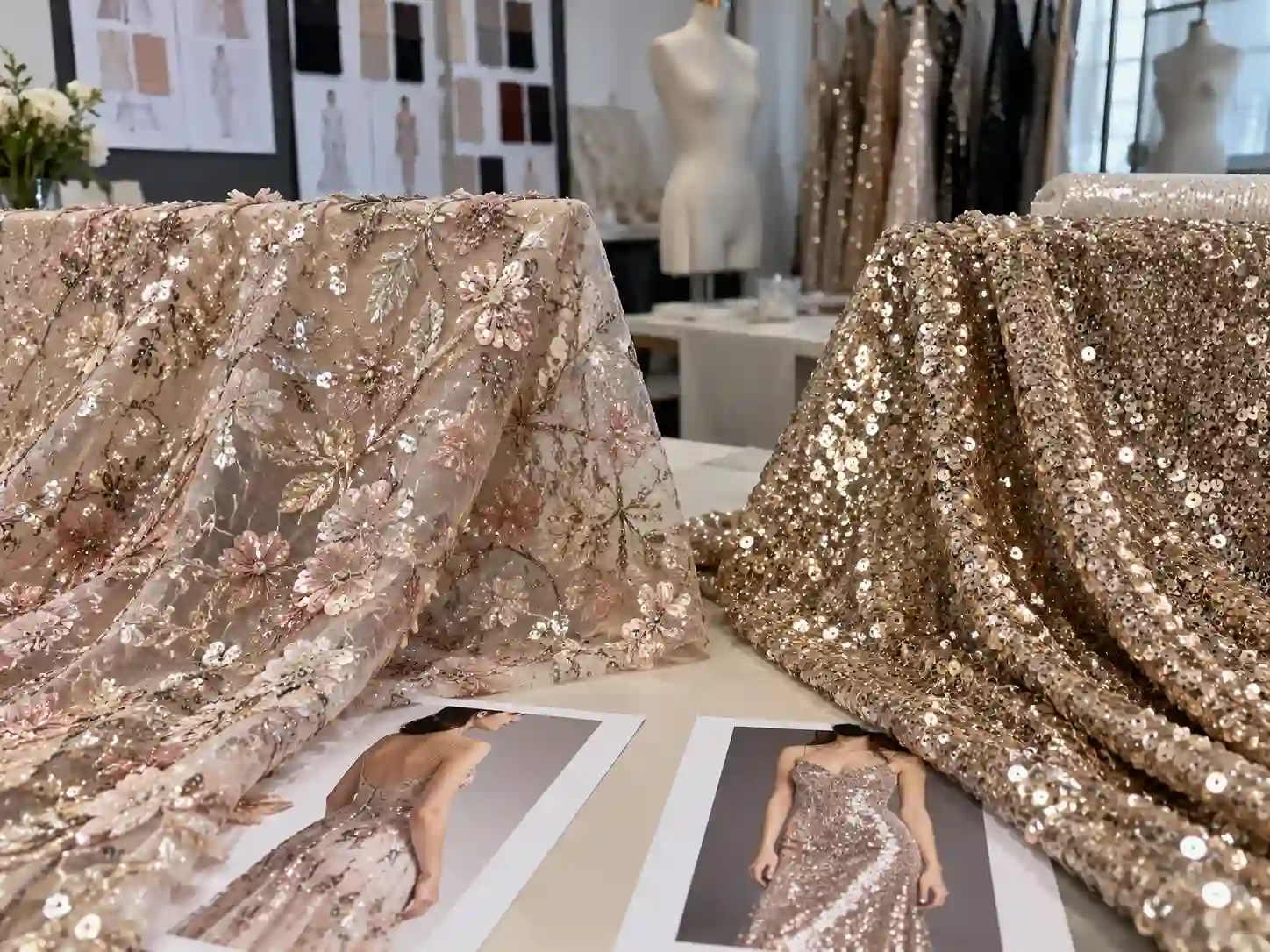
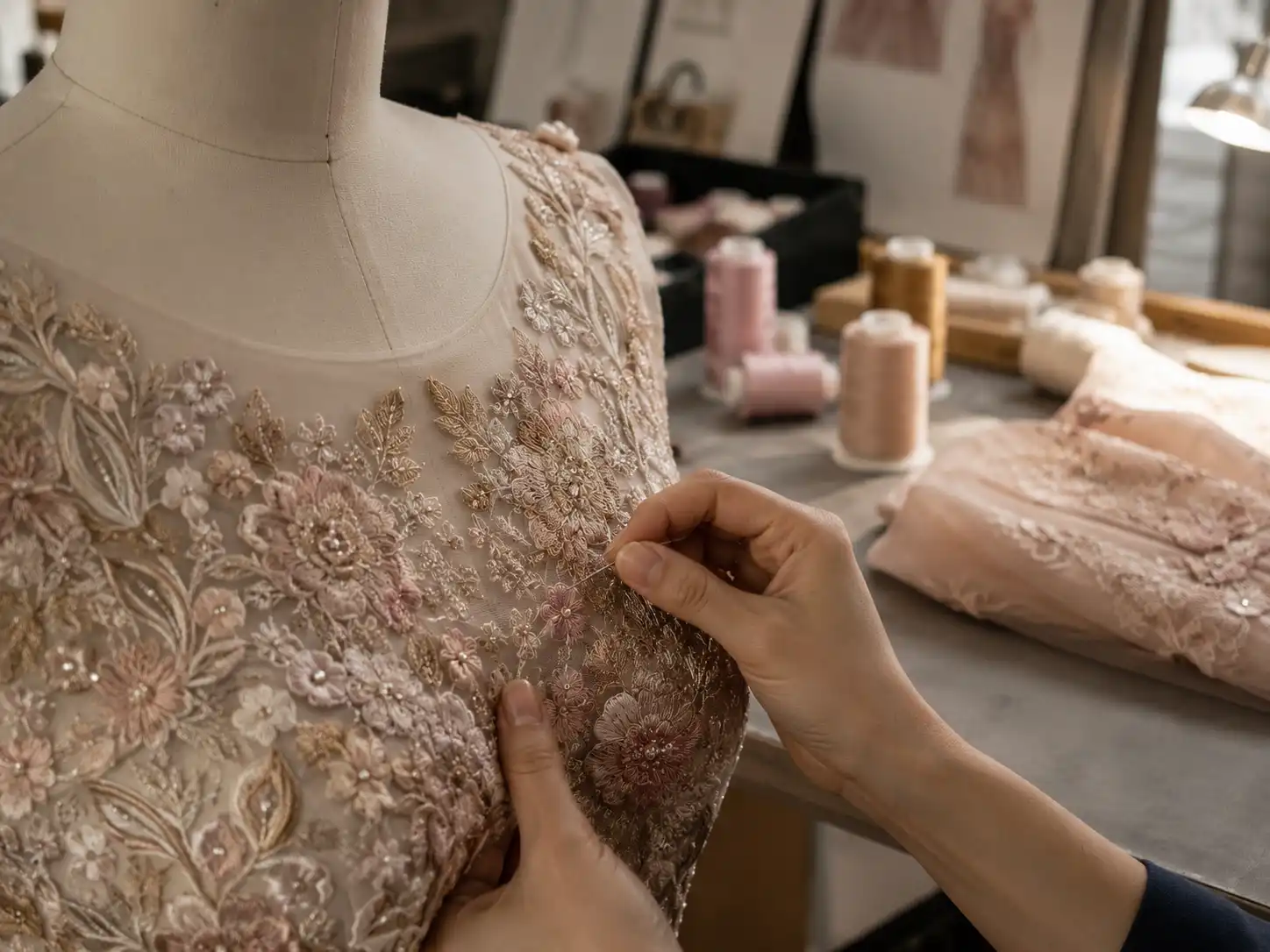
Table of Contents
Here, developing your OEM/ODM private label clothing collection is no longer a challenge—it’s an excellent opportunity to bring your creative vision to life.

