 Skip to content
Which Satin Is Best for Slip, Party, Bridesmaid, Bodycon, Corset and Maxi Dresses?

Your trusted Women’s Apparel Manufacturer from China

A satin that makes a slip dress look effortless can make a corset dress look weak, and a satin that gives a party dress dramatic shine can feel too reflective for a bridesmaid collection. That is the practical problem behind choosing satin: the fabric name alone tells you much less than most people expect. Weight, drape, stretch, recovery, opacity, surface reflection, lining and construction all change what the finished garment looks like on the body. For fashion brands, these choices affect more than aesthetics. They influence fitting, sample revisions, grading, sewing difficulty, color consistency, photography, packing and the likelihood that bulk production will stay close to the approved sample.
Lightweight, fluid satin such as charmeuse is usually the strongest starting point for slip and flowing maxi dresses; medium-weight matte or crepe-back satin often works well for bridesmaid and occasion styles; stretch satin is more practical for bodycon and fitted party dresses; and heavier, more stable satin is generally better for corset and structured silhouettes. The best choice still depends on the exact pattern, lining, stretch requirement, target appearance and production method.
The difference becomes obvious during sampling. A fabric can look beautiful folded on a sourcing table, then reveal every seam allowance once stretched over the hip. A bias-cut maxi can grow after hanging. A pale bridesmaid satin can photograph differently under studio flash. A corset bodice can develop ripples even though its paper pattern measures correctly. Those are not rare edge cases; they are normal development issues that separate attractive fabric swatches from commercially workable satin dresses. The sections below focus on how to make that distinction before the expensive part of production begins.
What Makes Satin Suitable for Different Dress Styles?
Satin works well for a dress when its weight, drape, stretch, recovery, opacity and surface shine match the silhouette. Lightweight satin favors fluid styles, stretch satin supports close-fitting dresses, and heavier satin suits structured shapes. The right choice is not simply the smoothest or shiniest fabric; it is the satin that behaves correctly after cutting, sewing, lining, fitting and movement.
Satin Is Not One Fabric
One of the most common mistakes in dress development is treating satin as though it describes one predictable material. In reality, two fabrics sold under the satin label can behave very differently because fiber composition, yarn size, density, finishing and stretch construction change the result. A lightweight polyester charmeuse can feel almost liquid, while a heavier satin can hold a sculpted fold and resist collapsing around a structured bodice. That difference is why fabric approval should never stop at a supplier name. A slip dress needs the cloth to fall through the bust, waist and hip without stiffness. A bodycon dress needs controlled extension and recovery. A corset dress needs a stable surface over curved seams and internal support. A bridesmaid dress may need soft reflection, reliable opacity and repeatable color across multiple garments. In practical development, regular polyester satin, heavier satin, matte satin, stretch satin, crepe satin and silk-like satin should be treated as different starting points, not interchangeable versions of the same cloth.
Weight, Drape and Structure
Fabric weight strongly influences whether a satin dress follows the body or holds its own shape. A practical working range for many commercial satin dresses sits around 80-220 GSM, although the same GSM can feel different from one mill construction to another. Lighter qualities in roughly the 80-120 GSM area are common starting points for slips, cowls and summer-weight maxis because they move easily. Medium weights can add opacity and control for party or bridesmaid styles, while the upper end of the range is more useful when the garment needs structure. Weight still has to be judged together with drape. A compact 150 GSM satin may feel firmer than another satin at the same nominal weight because density and finishing change bending behavior. The most useful test is therefore simple: hang the fabric, fold it around a curved form and sew a small construction sample. If the cloth cannot create the intended silhouette in three dimensions, the number on the specification sheet will not rescue it.
Dress Style | Common Satin Direction | Practical Weight Range* | Main Requirement | Main Risk |
Slip dress | Charmeuse / silk-like satin | 80-120 GSM | Fluid drape | Transparency, seam show-through |
Flowing maxi | Charmeuse / soft satin | 90-150 GSM | Movement | Bias growth, excess weight |
Party dress | Satin / stretch satin | 120-180 GSM | Shape + visual impact | Wrinkles, seam tension |
Bridesmaid | Matte / crepe-back satin | 120-200 GSM | Drape + controlled shine | Dye-lot variation |
Bodycon | Stretch satin | 140-220 GSM | Stretch + recovery | Bagging, pulling lines |
Corset dress | Heavy / duchess-style satin | 180-220 GSM or heavier | Surface stability | Rippling over structure |
Shine Changes the Fit You See
Satin shine is usually presented as an aesthetic choice, but it also changes how fit and workmanship are perceived. A highly reflective face creates strong highlights and shadows, which can deepen color under evening light and make a party dress feel more dramatic. The same reflection can exaggerate seam puckering, zipper bulging, pressing marks and tension across the bust or hip. Matte satin produces quieter light transitions and is often easier to use when the goal is refined occasionwear or a bridesmaid collection that needs to photograph consistently. Direction matters as well. If neighboring panels are cut with opposite shine orientation, they can appear to be different shades even when they came from the same roll. For that reason, satin face direction belongs in cutting instructions, marker planning and bulk QC. What looks like a dye problem at final inspection may actually be a panel-orientation problem created hours earlier on the cutting table.
Stretch, Opacity and Lining
Stretch becomes critical once satin moves into fitted silhouettes. The question is not only how far the fabric extends but how well it returns after sitting, walking and repeated wear. A satin that stretches easily but recovers poorly can create bagging at the seat, hip or waist even when the first fitting looks excellent. Opacity must also be checked under real lighting rather than by holding a folded swatch in the hand. Light colors and thin satin can reveal underwear edges, seam allowances or lining transitions once the cloth is placed under tension. Lining should solve those problems without changing the intended drape. A rigid lining under stretch satin can restrict movement, while a heavy lining under a fluid slip can make the outer shell hang stiffly. The best lining behaves as part of the fabric system, matching the shell closely enough in weight, movement and stretch that the wearer sees one dress rather than two layers fighting each other.
Which Satin Is Best for Slip and Maxi Dresses?

Slip dresses usually perform best in lightweight, fluid satin such as charmeuse or silk-like satin, while maxi dresses can use either lightweight or medium-weight satin depending on skirt volume and structure. For both styles, the key variables are drape, bias behavior, opacity and lining weight. A satin that is too stiff looks bulky; one that is too thin may cling, stretch or reveal construction underneath.
Choosing Satin for Slip Dresses
A good slip dress should look uncomplicated on the body even though the fabric choice behind it is demanding. The satin needs enough softness to fall through the bust, waist and hip, yet enough stability to support clean seams, narrow straps and a controlled neckline. Charmeuse is a common starting point because its fluid hand supports cowl necklines and body-skimming shapes without the stiffness of heavier satin. Silk-like polyester satin can deliver a similar visual direction at a different cost level and may provide more predictable repeatability for commercial orders. Around 80-120 GSM is a useful development zone for many lightweight slip styles, but it should not be treated as a fixed rule. A cowl slip may benefit from a softer quality near the lower end, while a straight-cut slip can tolerate more body if opacity is a concern. The neckline is an excellent test area: if the satin creates a soft cowl without forming thick folds, sharp creases or a limp collapsed edge, the fabric is usually moving in the right direction.
Bias Cut and Fabric Growth
Bias cutting gives satin extra mechanical give because the pattern is positioned diagonally to the grain. That allows the cloth to wrap more naturally around curves and is one reason bias slips can fit closely without relying on elastane. The trade-off is dimensional stability. Bias-cut panels can lengthen after cutting, hanging and sewing, especially when the skirt is long or the fabric is heavy enough for gravity to create continuous load. A hem that looks level immediately after assembly can become uneven later. Production teams therefore need to let the garment relax before final hem leveling and should avoid stretching the fabric during laying, cutting or sewing. Grain accuracy is equally important because a small off-grain error can turn into visible twisting in a long skirt. There is no universal waiting time that works for every satin, so the practical approach is to observe the actual sample after hanging and record the behavior. Bias is powerful because it creates fluidity without added stretch, but it also makes process inconsistency much easier to see.
Choosing Satin for Maxi Dresses
Maxi dresses introduce an additional variable that small swatches hide: total garment mass. A satin that feels wonderfully light in a half-meter cutting can behave differently once several meters are hanging from the waist or shoulder. Narrow bias maxis often work well in the same lightweight family used for slip dresses, particularly when the design depends on long, fluid vertical lines. Wider gathered or circular skirts may need more control because an extremely soft satin can collapse into narrow folds instead of holding the intended volume. A medium-weight quality around 120-150 GSM can be a useful starting point for fuller maxis, although skirt circumference, lining, seams and the intended season should all influence the choice. Long panels also make handling damage easier to notice. Pressing marks, wrinkles and shine-direction mistakes that might be minor on a mini dress can become obvious on a floor-length uninterrupted surface. The longer the garment, the more carefully drape, weight and production handling need to be evaluated together.
Lining Without Killing the Drape
Lining a slip or maxi dress is not only about hiding transparency. The inner layer changes how the satin moves against the body, so it can improve the silhouette or quietly ruin it. A lining that is too heavy can pull a lightweight shell downward and reduce the soft movement that made the satin attractive in the first place. A lining with too much surface friction can make the outer fabric stick rather than glide, while a very slippery lining that is poorly anchored may shift or become visible around the hem and neckline. Stretch compatibility is also important with bias styles. If the shell gains diagonal give but the lining is cut and constructed without comparable movement, the lining becomes the true fit limit. The most reliable approach is to evaluate shell and lining together on the finished sample, checking transparency, static, movement, seam visibility and length after hanging. When the lining is correct, it supports the dress without announcing its presence.
Which Satin Works Best for Party and Bridesmaid Dresses?
Party dresses often benefit from satin with stronger shine, shape and, in fitted designs, controlled stretch. Bridesmaid dresses usually need a more balanced satin with good drape, coverage and softer reflection. Matte satin, crepe-back satin and medium-weight constructions are common bridesmaid choices, while stretch satin is useful for fitted party styles. Bulk color consistency is especially important when several dresses share one color story.
Satin for Party Dresses
Party dresses cover too many silhouettes for one fabric to be called the universal party satin. A draped cowl mini may need lightweight cloth, a ruched bodycon mini usually benefits from controlled stretch, and a structured cocktail dress may need more body so the neckline and skirt keep their shape. What these styles often share is a stronger expectation that the fabric contributes to visual impact. Satin performs well because highlights move across the garment as the wearer changes position, making color feel deeper under evening lighting. That same reflectivity makes workmanship more exposed. Slight puckering, uneven pressing, zipper waves or tension lines can become obvious on a glossy surface. Stretch satin is often a practical option for fitted party styles because it combines the expected satin face with mobility, but the pattern still has to be developed around its real stretch and recovery. A highly elastic satin used with a pattern created for a stable woven fabric can look loose and unstable, while insufficient stretch can produce pulling through the bust and hips.
Satin for Bridesmaid Dresses
Bridesmaid collections place unusual demands on satin because one color may need to work across several silhouettes, sizes and body types. A fabric that looks perfect on a bias slip may behave differently on a ruched A-line gown or a strapless fitted style. Medium-weight matte satin and crepe-back satin are useful directions because they keep the polished character of satin while reducing harsh reflection. Charmeuse can still be excellent for softer, modern bridesmaid silhouettes, but lightweight versions are less forgiving around the waist and hip, especially in pale colors. For larger programs, repeatability becomes part of the fabric decision. The collection may require the same color across different styles, replenishment orders or more than one delivery window. A slightly less dramatic satin that can be repeated reliably can therefore be a better commercial choice than a unique quality that looks exceptional in one sample but becomes difficult to match later. Successful bridesmaid development is as much about consistency as it is about the first fitting.
Matte or Glossy Satin?
The choice between matte and glossy satin should follow the intended visual effect rather than a general assumption that more shine means more luxury. High gloss creates stronger highlights and works well for partywear, eveningwear and editorial styles where movement and reflection are part of the design. Matte satin produces softer transitions and can feel more controlled in bridesmaid, formal occasion and minimalist collections. Color also changes the equation. Dark jewel tones can often carry strong shine without looking transparent, while ivory, champagne, blush and pale blue usually need more careful opacity and lining tests. Photography should be part of sample approval because a satin that looks balanced in a fitting room can become much more reflective under studio flash. This matters for ecommerce-driven brands, where the customer first experiences the product through images. A useful development habit is to photograph the sample before fabric approval is closed, not after production has already started.
Controlling Bridesmaid Color
Satin makes color control harder because perceived shade depends on both dye and reflected light. Two panels from the same roll can appear different if their shine directions are reversed, and the same fabric can look warmer under indoor light and cooler in daylight. For multi-dress bridesmaid orders, digital references are not enough. Physical standards, lab dips when custom dyeing is involved, fabric swatches, lining color and panel direction should all be reviewed before bulk approval. It is also useful to compare the satin under more than one lighting condition and, where possible, photograph it using the lighting style planned for campaign imagery. The commercial issue becomes larger when several dresses will appear together. A small variation that looks acceptable on one garment can become obvious when six or ten dresses stand side by side. Color consistency in satin is therefore a combined dyeing, cutting, lighting and approval problem rather than something that belongs only to the fabric mill.
Color Control Point | What to Check | Practical Reason |
Physical standard | Pantone or approved swatch | Screens do not reproduce satin reflection accurately |
Lab dip | Hue and depth | Confirms custom-dyed direction |
Lighting | Daylight + indoor light | Satin changes visually under different light |
Shine direction | Panel orientation | Prevents apparent shade mismatch |
Dye lot | Batch consistency | Important for group orders and replenishment |
Lining color | Shell + lining together | Lining can affect pale satin appearance |
Bulk approval | Actual production fabric | Confirms sample-to-bulk consistency |
Which Satin Is Best for Bodycon Dresses?

Stretch satin with good recovery and enough weight to smooth the surface is usually the most practical choice for bodycon dresses. Medium-weight options often perform better than very light satin because they reduce show-through and support a cleaner fit. The fabric should stretch in the direction required by the pattern and return close to its original dimensions after movement to avoid bagging.
Stretch and Recovery
The first question for a satin bodycon dress is not simply whether the fabric stretches. It is whether the fabric stretches enough for the pattern and then recovers well enough to maintain the silhouette after wear. A fabric can feel highly elastic when pulled by hand and still perform poorly in a garment. If recovery is weak, the seat and hip may become loose after the wearer sits, and the waist can lose definition after repeated movement. Satin makes these changes especially visible because surface tension alters how light travels across the body. Stretch direction should be recorded rather than assumed. Many stretch satins provide their strongest extension across the width, while some offer meaningful two-way or four-way movement. The amounts are rarely identical in both directions. Pattern reduction must therefore be developed around the approved fabric. A bodycon block created for one satin should not automatically be reused for another just because both contain elastane. Even moderate differences in usable stretch can change bust tension, waist shaping, zipper behavior and finished length.
Weight and Surface Smoothness
Very lightweight satin can look beautiful on a hanger but become unforgiving once it is stretched directly over the body. The issue is not only transparency. Thin satin can print seam allowances, underwear edges, lining transitions and small body contours because the surface has little ability to bridge over what sits beneath it. For many bodycon styles, moving toward roughly 140-220 GSM can provide more support, although fiber composition, finishing and stretch construction remain important. The objective is not to make the dress heavy; it is to give the face enough substance to recover smoothly. Pale colors require particular caution because ivory, blush and pastel satin often become more revealing once stretched. A useful fitting test is to photograph the dress under strong directional light and then have the wearer sit, walk and stand again. If the surface keeps hip bags, seam ridges or tension shadows after movement, the problem may be fabric performance rather than pattern measurements alone. The sample needs to prove both appearance and recovery.
Negative Ease and Pulling Lines
A bodycon dress usually uses negative ease, meaning selected garment measurements are smaller than the corresponding body measurements. That does not mean every area should simply be reduced by the same percentage. Negative ease has to follow the stretch profile of the fabric and the intended level of compression. Horizontal lines across the bust often indicate insufficient usable circumference or inadequate bust volume. Pulling at the hip can come from too much negative ease, weak crosswise stretch or a construction detail that restricts extension. A center-back zipper can reduce usable stretch because zipper tape is usually less elastic than the shell. The lining can create the same hidden limitation. If the satin can extend comfortably but the lining cannot, the wearer experiences restriction even though the outer fabric appears elastic. The most useful test is movement: photograph the garment before and after sitting, walking and bending slightly, then check whether the satin returns smoothly. Fit should also be verified beyond the sample size because stretch behavior does not automatically scale with body circumference.
Lining, Seams and Zippers
A fitted satin dress leaves very little room to hide construction problems, so lining and seam engineering matter almost as much as fabric selection. The inner layer should normally be able to follow the movement of the shell; otherwise it can distort the satin, restrict the wearer or create tension at the zipper. Sewing tension needs to be controlled because even a small amount of puckering can catch light strongly on satin. Needle damage also deserves attention. Fine satin can retain visible holes or pulled yarns after a seam is removed, which makes aggressive reworking risky. Invisible zippers are another common trouble area. A heavy zipper sewn into lightweight stretch satin can create a stiff strip down the back or cause the seam to wave. Stabilization may be necessary, but too much reinforcement can make the area visibly rigid. During sampling, the zipper should be assessed while the dress is worn, not just when it is lying flat. A technically closed zipper is not enough if the back line no longer looks smooth on the body.
Which Satin Works Best for Corset Dresses?
Corset dresses usually need a stable, medium-to-heavy satin rather than a very fluid satin. Duchess-style or other structured satin qualities are common choices because they remain smoother over cups, seams and boning. Stretch satin can work for fashion corset-inspired dresses, but highly structured bodices need internal support layers; the satin should provide the finished surface rather than carry the shaping load by itself.
Duchess-Style Satin
Duchess-style satin is often associated with structured evening and bridal garments because it has more body than charmeuse and can create a smooth, sculpted face. That makes it a useful reference point for corset dresses where the outer fabric has to cover several curved seams without collapsing into every internal detail. A practical structured-satin starting range often sits around 180-220 GSM or heavier, depending on mill construction, but the number should never replace an actual sewing test. The satin still needs enough flexibility to shape around the bust. Fabric that is too rigid can create hard transitions where convex and concave curves meet, while fabric that is too soft can reveal boning channels, cup edges and seam allowances. The best evaluation method is to place the satin over the real support construction rather than judging it flat. A stable surface improves the appearance of a good corset pattern, but it cannot compensate for poor bust volume, waist shaping or cup placement. Reflective satin usually makes those errors easier to see.
Fashion Corset vs Structured Corset
The term corset dress now covers two quite different products. Some garments use corset-inspired panel seams, molded cups and light boning mainly to create a fashion look. Others rely on substantial internal support to stabilize or shape the torso. These two constructions should not automatically use the same satin. Stretch satin can work well for a fashion corset style when comfort and a close fit matter more than strong waist reduction. Controlled stretch may also help if the bodice joins a fitted skirt made from the same cloth. In a more structured corset, excessive stretch in the outer layer can create surface instability because the internal support remains fixed while the satin shifts over it. The result can be diagonal ripples or uneven tension. Internal construction may include cups, boning, interlining, reinforcement tape or underwire depending on the design. The practical principle is simple: the outer satin creates the visible finish, while the layers underneath provide the engineering. Asking the satin to perform both jobs usually creates unnecessary risk.
Preventing Corset Wrinkles
Wrinkles in a satin corset are often blamed on the fabric even when the real source is pattern balance or internal construction. Satin simply makes the problem easier to see. Diagonal wrinkles radiating from the bust can indicate insufficient cup shaping or poor tension distribution. Horizontal lines near the waist may point to excess bodice length, excessive tightness or weak stabilization. Ripples beside boning can appear when the outer satin and internal layer do not move together. Grain direction adds another variable because narrow corset panels that are cut slightly off grain can twist around the torso. The fabric should also be handled without unnecessary stretching during sewing, since pulling one panel more than another builds tension into the bodice before fitting begins. Pressing requires restraint as well. High heat or strong direct pressure can change the surface shine and create permanent marks that resemble shade differences. Clean corset surfaces are usually the result of many small controls working together: accurate pattern shape, consistent grain, appropriate reinforcement, even seam tension and careful pressing.
Managing the Internal Layers
The outer satin, lining and structural layers should be developed as one system because changing a single layer can change the final fit. A strong interlining can stabilize a softer satin, but if it is too rigid it may create hard edges that show through the face. A heavy lining can add bulk at seam allowances, while thick cups can create visible ridges around the bust. The junction between bodice and skirt deserves particular attention. A firm corset attached to a soft satin skirt creates an abrupt change in stiffness at the waist, and the seam has to be engineered so the skirt hangs naturally rather than flaring away unexpectedly. Corset bodycon dresses create an additional challenge because the bodice may need stability while the skirt needs stretch. Using one satin throughout simplifies color matching, but it may not provide ideal performance in both zones. Experienced development teams often solve this by thinking in functional areas: the customer sees one continuous dress, while the factory manages different support needs underneath that surface.
How Should Satin Be Tested Before Bulk Production?

Satin should be checked at three stages: fabric specification, finished sample and incoming bulk fabric. Confirm composition, GSM, width, stretch, recovery, color, shine, opacity and lining compatibility before sampling; evaluate fit, seam appearance and movement on the sample; then compare bulk fabric against the approved standard before cutting. Satin should not move into production based only on a swatch or supplier description.
Confirm the Fabric Specification
A fabric code and color name are not enough information for bulk satin development. Before the sample room starts cutting, the team should know the composition, GSM, usable width, stretch direction, recovery behavior, hand feel, drape, opacity, shine level and face direction. Commercial information matters as well: stock status, fabric MOQ, custom-color MOQ and lead time can determine whether a beautiful satin is realistic for the launch calendar. A useful mistake to avoid is replacing an approved satin with another quality because the color and price look similar. If the new fabric has a different weight, stretch or drape, the existing pattern may no longer behave correctly. For repeat orders, maintaining a fabric record is even more valuable. Composition, weight, width, approved color, stretch behavior and supplier reference can be compared with new production rather than relying on memory. Specifications are not paperwork for its own sake; each field answers a future question about fit, consumption, consistency or production risk.
Test the Finished Garment
A swatch cannot tell you whether a cowl will collapse correctly, whether a zipper will wave, whether a bias skirt will grow or whether several meters of satin will make a maxi dress too heavy. The selected fabric therefore needs to be tested in the actual garment construction. During fitting, review more than bust, waist and hip measurements. Check neckline curves, side seams, zipper areas, lining junctions, slit openings and other high-tension points. Movement should be part of the test. A fitted dress needs to be observed after sitting and walking, while a slip or maxi should be checked for twisting, cling and lining exposure as the wearer moves. Photography is useful because satin sometimes hides a flaw to the naked eye but exaggerates it on camera. When a sample is revised, the changes that matter to bulk production should be recorded in the pattern, measurement chart, fabric record and sewing instructions rather than being left as verbal knowledge. That is how a good fitting becomes repeatable production information.
Approve Bulk Fabric Before Cutting
Bulk fabric should be compared with the approved sample material before production cutting begins. Satin is sensitive enough that modest changes in weight, finish, stretch or shine can alter the garment. Incoming inspection should confirm whether hand feel, color, surface behavior and usable width remain within the agreed standard. Stretch satin deserves a recheck because a change in extension can make a bodycon dress tighter or looser even when the paper pattern is unchanged. Shine direction should be identified before marker planning so neighboring panels are not accidentally reversed. Lining compatibility and pressing behavior should also be reconfirmed on production material, especially when the bulk dye lot differs from the sample lot. There is no single tolerance that suits every satin quality, so limits should be based on the approved fabric and the sensitivity of the style. A stable maxi may tolerate a small difference that a pale, fitted corset dress will expose immediately. Bulk approval should therefore be style-specific rather than a generic warehouse routine.
Bulk Check | Practical Target | Risk If Missed |
GSM | Close to approved sample | Drape and opacity change |
Usable width | Confirm before marker cutting | Consumption increases |
Stretch | Compare with sample lot | Fit becomes too tight or loose |
Recovery | Check after extension | Bodycon garments bag |
Color | Match approved physical standard | Visible batch variation |
Shine direction | Mark consistently | Panels appear different shades |
Surface | Check snagging, stains, scratches | Visible cosmetic defects |
Lining compatibility | Compare stretch and color | Restriction or show-through |
Pressing test | Trial on offcut | Permanent shine or heat marks |
Fold/packing test | Review crease behavior | Poor arrival presentation |
Control Satin Through Production
Even excellent bulk satin can be damaged by poor handling. Smooth surfaces are vulnerable to snagging, scratches, stains, heat marks and pressure creases, so cutting tables, sewing stations and packing areas need to be kept clean and free from sharp edges. Panel direction must stay controlled from cutting through assembly. Sewing tension should be monitored because satin reveals puckering quickly, and zipper areas should be reviewed again after pressing because heat can change how the seam settles. Pressing is one of the final opportunities to improve a satin dress and one of the easiest ways to damage it. Lower temperature, reverse-side pressing or a pressing cloth may be required depending on the material. Packing should also be tested rather than treated as an afterthought. A dress can leave the finishing line perfectly smooth and arrive heavily creased if it is compressed too aggressively or folded across highly visible areas. Reliable satin production is a chain of controls, not a single final inspection.
Conclusion
There is no single satin that is best for every dress. The useful decision is to match the fabric to the job the garment has to perform. Slip and fluid maxi dresses usually need softness and controlled weight; party and bridesmaid dresses need a deliberate balance of shine, drape and color consistency; bodycon dresses need stretch with recovery; and corset dresses need a stable face over engineered support. For brands developing custom satin collections, the safest route is to approve the fabric through the actual sample, record the characteristics that affect fit and appearance, and confirm bulk material before cutting. For brands developing satin dresses from tech packs, reference samples or design images, Jinfeng Apparel can help compare fabric options during sampling and carry the approved fabric, fit, lining and finishing requirements into bulk production. That process may feel slower than choosing from a swatch book, but it usually saves time where it matters most: fewer sample surprises, cleaner bulk production and a finished dress that still looks like the design that was approved.
Share This Article :

Jerry Lee
Categories

Latest blogs
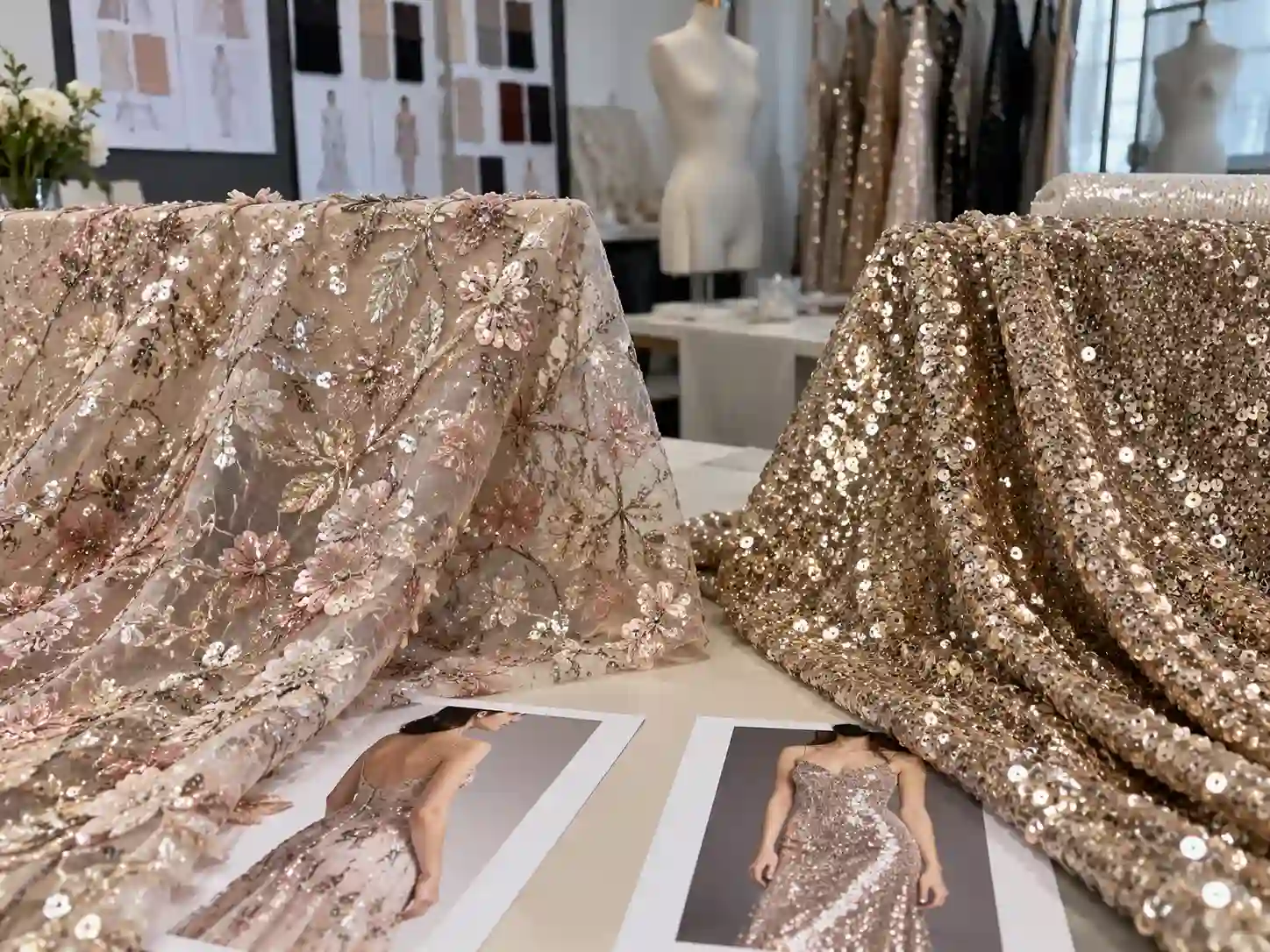
Table of Contents
Here, developing your OEM/ODM private label clothing collection is no longer a challenge—it’s an excellent opportunity to bring your creative vision to life.

