 Skip to content
How Sequin Fabric Affects Dress Cost

Your trusted Women’s Apparel Manufacturer from China
A sequin dress can look simple in a product photo: shine, shape, color and movement. But behind that sparkle, the cost structure is rarely simple. Two dresses may use a similar silhouette and size range, yet the sequin version can cost much more to develop and produce than a satin, chiffon, mesh or jersey version. The reason is not only the fabric price. Sequins change how the garment is cut, sewn, lined, inspected, packed and scaled for bulk production. For fashion brands, this is where many quotation misunderstandings begin: the sample looks beautiful, but the real cost appears when the design must be repeated across colors, sizes and hundreds or thousands of pieces.
Sequin fabric affects dress cost by increasing material price, cutting waste, sewing time, seam handling difficulty, lining needs, quality-control risk and packing complexity. Final cost depends on sequin density, base fabric, stretch, dress length, pattern matching, construction details, order quantity and how clearly the design is prepared before sampling.
Think of a sequin dress like a stage performance. The customer sees the sparkle under the lights. The brand sees the campaign image. The manufacturer sees every hidden decision: where the sequins hit the seam, whether the zipper will scratch, whether the hem will hang evenly, and whether the approved sample can be reproduced consistently in bulk.

What Makes Sequin Fabric Cost More?
Professional close-up photo of different sequin fabrics on a cutting table, showing mesh backing, dense sequins, sparse sequins, stretch base, and fabric swatches for custom women’s dress manufacturing, realistic factory lighting, high detail.
Sequin fabric costs more because it is not only a base cloth. It includes backing fabric, attached sequins, embroidery or stitching method, surface density, direction, weight, stretch behavior and defect risk. A sequin dress usually needs more planning, slower sewing, more lining consideration and stricter inspection than a plain satin, chiffon, mesh or jersey dress.
Sequin Fabric Cost Comparison
| Sequin Fabric Type | Common Cost Impact | Production Difficulty | Typical Dress Use |
| Sparse sequin mesh | Low to medium | Low to medium | Fashion tops, mini dresses, light party styles |
| Small all-over sequin | Medium | Medium | Bodycon dresses, club dresses, cocktail dresses |
| Large sequin fabric | Medium to high | High | Statement dresses, occasionwear capsules |
| Reversible sequin fabric | High | High | Trend pieces, photo-driven styles |
| Patterned sequin embroidery | High | High | Evening dresses, premium party dresses |
| Stretch sequin mesh | Medium to high | Medium to high | Fitted party dresses, bodycon styles |
Fabric Structure
A sequin fabric is built in layers. The first layer is the base fabric, such as mesh, stretch mesh, tulle, velvet, chiffon, jersey, satin or woven polyester. The second layer is the decoration: small sequins, large sequins, reversible sequins, matte sequins, metallic sequins, holographic sequins or patterned sequin embroidery. The third layer is the attachment method, which may be machine embroidery, chain stitching, thread stitching or another decorative application method.
This layered structure explains why sequin fabric behaves differently from plain fabric. A normal stretch mesh may be light and flexible. Once sequins are added, the fabric becomes heavier, thicker, less smooth under the presser foot and more difficult to fold at seams. If the sequins are dense, the fabric may also become less breathable and less comfortable against the skin. The same mini dress pattern that works well in jersey may need pattern adjustment, lining review, seam testing and different zipper handling when changed into sequin fabric.
Sequin Type
Different sequin types create different cost levels. Small flat sequins are usually easier to handle than large cupped sequins. Dense all-over sequins create a stronger visual effect, but they also increase fabric cost, sewing difficulty, cutting waste and inspection time. Patterned sequin embroidery can look more premium, but it may require motif matching, careful panel placement and more fabric allowance.
The most expensive option is not always the best commercial option. A large reversible sequin fabric may look dramatic in photos, but it may also be heavy, rough and harder to scale. A smaller sequin on a soft stretch base may produce a more wearable dress with fewer return risks. A premium embroidered sequin fabric may be justified for a higher retail price, but it needs a stronger margin plan. The better sourcing question is: which sequin fabric gives the right visual value, comfort, production stability and target cost for this dress?
Density and Coverage
Sequin density strongly affects cost. Sparse sequins leave more open space on the base fabric, which makes seams easier to sew and the garment lighter to wear. Dense sequins cover most of the surface, giving stronger shine but also creating more cutting waste, seam bulk, machine resistance and defect risk. Coverage also affects garment weight. A dense sequin mini dress may still be manageable because the garment area is small. A dense sequin maxi dress can become heavy enough to require stronger straps, better lining, reinforced seams, careful hanger choice and more protective packing.
For fast fashion and occasionwear brands, full coverage is not always necessary. Sometimes a medium-density sequin fabric gives enough shine under photography and event lighting while keeping the dress more wearable. For a trend-driven club dress, the customer may value shape and shine more than heavy luxury decoration. For a premium evening style, heavier coverage may make sense if the retail price supports it.
Base Fabric
The backing fabric decides how the sequin dress fits, stretches, drapes and feels. Stretch mesh sequin fabric is common for fitted party dresses because it follows the body better. Velvet sequin fabric can feel richer but may be heavier. Tulle or mesh sequin fabric can look delicate, but it often needs lining. Woven sequin fabric can hold shape well, but it gives less stretch and may need more precise pattern shaping.
Stretch sequin fabric often creates a better bodycon effect, but it also requires careful control. The outer fabric, lining, stitch type and pattern reduction must work together. Non-stretch sequin fabric has a different issue. It is usually more stable in cutting, but less forgiving on the body. A fitted woven sequin dress may require darts, panel seams, princess seams, corset structure or a back zipper. Those design features add labor and make the dress more expensive.
How Does Cutting Affect Dress Cost?
Realistic garment factory cutting room with sequin fabric laid on a long cutting table, pattern paper pieces, fabric direction arrows, cutting tools, and workers checking shine direction and pattern matching for a sequin dress.
Cutting affects sequin dress cost because sequin fabric often has direction, shine variation, thickness, surface risk and pattern-matching requirements. It may not be possible to rotate pattern pieces freely to save fabric. Longer dresses, all-over sequins, placement motifs and directional surfaces usually increase cutting time, fabric waste and production planning cost.
Cutting Cost Pressure by Dress Type
| Dress Type | Typical Fabric Cost Pressure | Main Cutting Issue | Cost Risk Level |
| Sequin mini dress | Lower | Compact panels, lower fabric use | Low to medium |
| Sequin midi dress | Medium | Longer body panels, more hem control | Medium |
| Sequin maxi dress | High | Long panels, direction control, more waste | High |
| Floor-length sequin gown | Very high | Heavy fabric, hem balance, packing pressure | Very high |
| Flared sequin dress | Medium to high | Wider skirt panels, more leftover fabric | Medium to high |
| Asymmetric sequin dress | High | Irregular panels, harder marker planning | High |
Fabric Direction
Many sequin fabrics have a visible direction. The sequins may reflect light differently when the fabric is turned upside down or rotated. Even when the base fabric is technically non-directional, the surface shine can still create a one-way effect. If one panel is cut in a different direction from another, the finished dress may show uneven color, tone or reflection.
This is why directional sequin fabric often requires one-way cutting. Front bodice, back bodice, skirt panels, sleeves, straps and waist panels may all need to face the same direction. On plain fabric, pattern pieces can often be rotated to improve fabric utilization. On directional sequin fabric, this flexibility is limited. One-way cutting increases material use, especially when the dress has long panels, flared hems, asymmetric shapes or multiple visible seams.
Dress Length
Dress length is one of the clearest cost drivers. A mini sequin dress uses less fabric and is easier to manage during cutting. A midi dress requires more length balance, lining and hem control. A maxi or floor-length sequin dress needs more fabric, more lining, more cutting space, more packing volume and more careful inspection.
A simple short bodycon style may be commercially easier to scale because the pattern pieces are smaller and the garment weight is controlled. A long sequin gown can still be successful, but it must be priced as a higher-value product. If the retail price is too close to a basic satin dress, the margin may disappear quickly. Length also affects defects. On a longer dress, there is more surface area where missing sequins, shade variation, crushed areas or seam twisting can be noticed.
Pattern Matching
Pattern matching is required when sequins form stripes, waves, floral shapes, geometric motifs, gradients, borders or engineered placements. A beautiful patterned sequin fabric can look expensive when the panels align properly. But if the side seams, center front, center back or waist seam break the motif awkwardly, the dress may look poorly made.
Matching increases cost because the cutting room cannot focus only on fabric efficiency. Pattern pieces must be placed according to the motif repeat. This may create more leftover fabric between pieces. Some panels may need to be cut individually instead of in larger stacks. The standard should be agreed before sampling. If perfect matching is expected in bulk, it should be included in the quotation. If natural variation is acceptable, the factory can plan a more efficient cutting method.
Cutting Waste
Sequin fabric waste is usually higher than plain fabric waste because damaged areas are harder to hide. A missing sequin, broken surface, crushed section or shade mark can be obvious on the finished garment. The cutting team may need to avoid flawed sections before cutting. If fabric rolls have inconsistent quality, the usable area becomes smaller.
Cutting layer height may also be lower. Thick sequin fabric cannot always be stacked in high layers like plain fabric. Too much stacking can cause slipping, inaccurate cutting, crushed sequins or uneven edges. Lower layer cutting means more cutting batches, more spreading time and more labor. For bulk planning, a realistic waste allowance protects both the brand and the manufacturer. Underestimating cutting loss may make the first quotation look attractive, but it can create material shortages and delivery stress later.

How Does Sewing Affect Labor Cost?
Detailed factory sewing scene showing a skilled operator sewing dense sequin fabric, with visible seam allowance cleaning, needle and thread testing, zipper area preparation, and lined party dress pieces beside the machine.
Sewing affects sequin dress labor cost because sequins create thickness, resistance, abrasion, seam bulk, needle breakage risk and comfort issues. Some seams require slower sewing or manual cleaning before stitching. Fitted styles, zippers, ruching, lining, straps, slits and corset structures increase labor because they demand cleaner finishing and tighter control.
Labor Hot Spots in Sequin Dress Sewing
| Seam Area | Why It Adds Labor | Common Control Point |
| Side seam | High friction and body contact | Reduce bulk, keep seam smooth |
| Center-back zipper | Sequins can block zipper installation | Clean seam allowance, test zipper movement |
| Armhole | Skin contact and curved sewing | Avoid scratching and seam twisting |
| Neckline | Visible edge and comfort area | Use lining, facing or clean finishing |
| Waist seam | Tension point on fitted dresses | Reinforce and control thickness |
| Hem | Long edge with visible finish | Balance length and avoid sharp edges |
Seam Difficulty
Sequin seams are harder because the needle does not pass through a smooth fabric surface. It may hit sequins, embroidery threads, raised knots or uneven thickness. This can cause broken needles, skipped stitches, thread breakage, puckering or damaged sequins. Even when the machine can sew through the fabric, the seam may become bulky or uncomfortable.
A plain side seam on jersey or satin can be sewn quickly. A side seam on dense sequin fabric may need slower feeding, seam allowance cleaning, pressure adjustment and extra checking after sewing. Curved seams, such as bust seams, armholes, necklines and waist seams, are even more sensitive because the fabric must bend while the sequins resist folding. Labor cost increases because the sewing team is not only joining fabric pieces. They are preventing future fit, comfort and quality problems.
Seam Allowance
Sequin removal from seam allowances is one of the hidden labor costs in sequin dress production. If sequins are large, dense, stiff or placed directly on the stitch line, they may need to be removed before sewing. This reduces bulk, protects needles, helps the seam lie flat and improves comfort.
This work is often manual. Workers must remove sequins carefully without damaging the base fabric or cutting threads that hold nearby sequins. If too many sequins are removed, the seam area may look empty from the outside. If too few are removed, the seam may be thick, rough or unstable. Small soft sequins on stretch mesh may require less removal. Large hard sequins on a fitted gown may require much more preparation. This is why a sample test is important before bulk pricing is finalized.
Machine Setup
Sequin fabric often requires sewing adjustments. The production team may need to test needle size, thread type, stitch length, machine speed, presser foot pressure, seam type and feeding method. A poor setup can damage the fabric or slow the sewing line. Needle choice is especially important. A needle that is too fine may break when it hits sequins. A needle that is too thick may damage the base fabric.
Machine speed usually needs to be lower than for plain fabrics. This directly affects labor cost. If one garment takes only 8 to 12 extra sewing minutes, the difference may look small at sample stage. In a 1,000-piece order, that becomes roughly 133 to 200 extra labor hours. For more complex styles, the difference can be much higher. A professional factory will test difficult seams before bulk production because it is much cheaper to solve stitch problems during sampling than after hundreds of pieces are already sewn.
Fit Control
Fitted sequin dresses require more sewing attention because the fabric must look smooth on the body. Bodycon, corset, strapless, backless and ruched sequin dresses leave very little room for error. If the seam twists, the lining pulls, the zipper waves or the bust does not sit correctly, the defect is easy to see.
Stretch sequin dresses need balanced tension. The outer shell, lining and seam must stretch together. If one layer behaves differently, the dress may bubble, pull or restrict movement. Woven sequin dresses need more structural shaping because the fabric does not stretch enough to forgive measurement problems. Fit approval should include actual try-on feedback, not only flat measurements. A sequin dress must work while standing, sitting, walking and moving.
Which Design Details Raise Cost?
High-end sequin dress design development board showing corset bodice, zipper placement, lining swatches, slit detail, ruching sample, and technical sketches for women’s party and occasionwear manufacturing.
Design details raise sequin dress cost when they add fabric use, sewing time, structure, lining, handwork, fitting pressure or defect risk. Corset bodices, ruching, slits, zippers, cut-outs, long sleeves, asymmetric panels and full lining can all increase cost. The most expensive styles usually combine dense sequins with fitted structure and visible seam details.
Lining Choices
Lining is often necessary in sequin dresses because many sequin fabrics are rough, transparent, heavy or unstable against the skin. A good lining improves comfort, opacity, structure and wearability. But it also adds fabric cost, cutting cost, sewing labor and fitting complexity.
The lining must match the function of the outer fabric. Stretch sequin bodycon dresses need stretch lining. Woven sequin evening dresses may need a smoother woven lining. A mini party dress may use full lining without adding too much weight. A long sequin gown may need careful lining selection so the garment does not become too heavy or too warm. Lining color also matters. Nude, black, matching tone or contrast lining can change the final look. If the base fabric is transparent mesh, the lining becomes part of the design, not just an inside layer.
Corset and Bodycon
Corset and bodycon sequin dresses often cost more because they demand closer fit and stronger structure. A loose sequin dress can hide small tolerance differences. A fitted dress cannot. Bust position, waist tension, hip measurement, zipper stability and lining stretch all become critical.
Corset dresses may require boning, bust cups, inner layers, waist shaping, reinforced seams and careful zipper placement. When sequins cover the outer layer, the factory must keep the inside structure strong while keeping the outside surface clean. Bodycon sequin dresses create another challenge: stretch recovery. The dress must hold the body without overstretching the sequins or distorting the surface. These styles can perform very well commercially because they photograph strongly and fit partywear demand, but the pattern, fabric, lining and construction method must all work together.
Slits, Zippers and Ruching
Slits, zippers and ruching are common in sequin dress design, but each one adds cost in a different way. A slit creates a moving edge that touches the leg. If the edge is not cleaned properly, sequins may scratch the skin. If the slit is too high or placed badly, the dress may twist or pull when walking.
Zippers are another cost point. Dense sequins near the center-back seam can make zipper installation difficult. Invisible zippers need a flat seam area, but sequin bulk can block smooth closing. The seam allowance may need cleaning, and the zipper must be tested after sewing to make sure it does not catch the lining or outer fabric. Ruching adds shape and visual interest, but sequin fabric does not gather as softly as jersey or mesh. Dense sequins can create hard folds, uneven thickness and bulky side seams.
Scale Risk
Some details are easy to make once but hard to repeat in bulk. Deep cut-outs, asymmetric panels, tiny straps, hand-cleaned seams, motif placement, mixed fabrics and special trims may look good on one sample but become risky across many sizes and colors. Scaling risk increases when the design depends heavily on manual judgment.
A patterned sequin motif may sit perfectly on size S but shift on larger sizes. A thin strap may look elegant but fail if the dress is heavy. Mixed-material dresses also need careful testing. Sequin mesh, satin, lace, power mesh and lining all stretch and shrink differently. When several fabrics are combined, one area may pull while another area relaxes. The most scalable sequin designs usually have clear seam placement, stable fabric, realistic lining, repeatable finishing and well-defined QC standards.
How Is Quality Control Different?
Quality control inspection of a finished sequin dress in a women’s apparel factory, inspector checking missing sequins, zipper flatness, lining comfort, hem balance, and packing protection under bright inspection lights.
Quality control is different for sequin dresses because defects are more visible and more likely to affect comfort. Inspection must cover missing sequins, loose threads, surface scratches, shade variation, seam bulk, zipper movement, lining comfort, measurements, packing pressure and skin-contact areas. A sequin dress must look polished on the hanger and feel wearable on the body.
QC Checkpoints for Sequin Dresses
| QC Check Point | Common Issue | Practical Inspection Method |
| Front body | Missing or flipped sequins | Visual check under strong light |
| Side seams | Loose sequins near stitch line | Light pull and seam inspection |
| Zipper area | Bulk, catching, missing sequins | Open-close test and flatness check |
| Underarm | Scratchy surface or loose threads | Touch test and try-on review |
| Hem | Uneven edge or sharp sequins | Hanging check and hand-feel check |
| Packed garment | Crushed or bent sequins | Open packed sample after compression |
Surface Defects
Sequin dresses have surface defects that plain dresses do not have. Missing sequins, broken sequins, loose threads, flipped sequins, crushed areas, shade marks and uneven shine can all reduce perceived quality. Under strong light, even small surface problems may become obvious.
Incoming fabric inspection is important. If defects are found before cutting, the damaged areas can be avoided. If defects are found after sewing, the cost is much higher because fabric, lining, trims and labor have already been used. For all-over sequin fabric, inspection should happen at several stages: fabric receiving, cutting, sewing, final inspection and packing. The inspection standard should match the product level. A high-retail evening dress needs a stricter visible-surface standard than a quick trend mini dress, but even fast fashion sequin dresses need basic durability and comfort control.
Loose Sequins
Loose sequins increase rejection risk because they affect both appearance and durability. A missing sequin in a hidden seam area may be acceptable within a clear tolerance. A missing sequin at the center front, bust, neckline or hip area is much more noticeable.
Loose sequins can come from fabric instability, rough cutting, needle damage, seam allowance cleaning, pulling during sewing or friction during packing. The cause matters. If the loss is concentrated near seams, the construction method may need adjustment. If the loss appears across the fabric surface, the fabric quality may be the problem. Repair is possible in some cases, but it takes time. A few loose sequins can be fixed manually. Widespread sequin instability is much harder to solve. This is why fabric selection is part of quality control, not only sourcing.
Comfort Check
A sequin dress may pass visual inspection but fail comfort inspection. This is especially common around underarms, neckline, waist, thigh, slit edge, zipper area and sleeve seams. These are skin-contact zones where sharp sequins or rough seam allowances can irritate the wearer.
Comfort checking should include hand-feel review, lining coverage review, seam bulk review and movement review. The dress should be tested while standing, sitting, walking and raising the arms if the design includes sleeves or straps. Bodycon styles should be checked for stretch comfort and recovery. Customer experience matters more than the garment rack view. A dress that photographs well but scratches after ten minutes may create returns or negative reviews. For ecommerce brands, this can be costly because the customer cannot feel the fabric before purchase.
Packing Protection
Packing is part of sequin quality control because sequins can be crushed, scratched, bent or snagged during storage and shipment. A basic fold may work for jersey or satin, but a sequin dress often needs more careful handling. Tissue paper, protective folding, individual polybags, controlled carton quantity and lower compression may be needed.
Packing method depends on garment weight and surface type. A heavy sequin gown may need hanger packing or special folding support. A mini sequin dress may be folded, but the fold lines should avoid heavy pressure on decorated areas. Reversible or large sequin fabrics need extra protection because surface damage is easier to see. Good packing costs a little more, but poor packing can waste the entire production effort. A dress should arrive looking like the approved sample, not like a damaged version of it.
How Can Brands Control Cost?
Modern fashion brand sourcing desk with sequin dress tech pack, fabric swatches, measurement chart, cost worksheet, sample dress, and private label packaging details for bulk production planning.
Brands can control sequin dress cost by choosing scalable fabrics, simplifying high-labor details, confirming lining early, preparing clear tech packs, testing fit before bulk and setting realistic QC standards. The goal is not to make the cheapest sequin dress. The goal is to protect margin while keeping the shine, comfort and production quality customers expect.
Tech Pack Items That Improve Quotation Accuracy
| Tech Pack Item | Why It Matters for Cost |
| Fabric reference or swatch | Determines material price, waste, stretch and sewing method |
| Lining specification | Affects comfort, opacity, cutting and labor |
| Measurement chart | Reduces fit changes and sample revisions |
| Size range and ratio | Helps estimate grading and fabric use |
| Zipper and closure details | Affects seam cleaning and sewing time |
| Slit, ruching, cut-out details | Changes labor difficulty and QC risk |
| Packing requirement | Affects folding, protection, carton planning and freight volume |
| Target quantity | Influences fabric sourcing, production planning and unit cost |
Fabric Selection
Fabric selection is the first and strongest cost-control point. Once a sequin fabric is chosen, many other costs follow: cutting waste, sewing speed, lining, defect risk, packing and even return rate. A cheaper fabric may not be cheaper if it sheds sequins, scratches skin, breaks needles or fails bulk consistency.
Brands should compare swatches by hand, not only by photo. Important checks include shine, softness, stretch, backing stability, weight, transparency, sequin attachment and surface direction. If possible, the swatch should be tested under daylight, studio lighting and evening lighting. Sequins often change appearance depending on light. For commercial party dresses, a medium-density sequin on stretch mesh can often balance price and visual effect. For premium occasionwear, patterned embroidery or richer sequin work may be justified.
Design Simplification
Design simplification does not mean making the dress boring. It means removing details that add cost without adding enough customer value. A sequin fabric already carries strong visual impact, so the dress may not need too many seams, cut-outs, ruching zones, trims or complex panels.
Cost can often be reduced by controlling seam count, choosing a cleaner zipper position, simplifying sleeve construction, reducing unnecessary panel breaks, using a stable lining or adjusting the slit finish. A useful method is to separate visible value from hidden cost. Customers notice shine, fit, neckline, length, color and photo impact. They may not notice a complicated internal seam unless it improves fit. If a detail increases sewing time but does not improve the customer’s reason to buy, it should be questioned.
Tech Pack Accuracy
A clear tech pack improves quotation accuracy and reduces production misunderstanding. For sequin dresses, the tech pack should include front and back views, fabric reference, lining requirement, measurement chart, size range, zipper position, slit height, strap details, seam structure, colorways, label placement, packaging needs and target quantity.
Without these details, the first quotation is only a rough estimate. The price may change after sampling because the factory discovers hidden work: lining, seam cleaning, pattern matching, zipper difficulty or special packing. This is frustrating for both sides but often avoidable. A good tech pack does not need to be overly complicated. It needs to answer the questions that affect production. If the brand does not have a full tech pack, clear reference photos, an original sample, target fabric, size range and order quantity can still help the factory make a more realistic evaluation.
Bulk Confirmation
Bulk confirmation is where many sequin dress problems are prevented. Before production starts, the brand should confirm the approved sample, fabric quality, lining, measurement tolerance, size grading, color standard, sequin defect tolerance, zipper function, seam comfort, packing method, label placement and delivery schedule.
The approved sample should be more than a visual reference. It should confirm how the dress feels, stretches, closes, hangs and moves. If the sample scratches the underarm, twists at the side seam or feels too heavy, bulk production will not solve the problem automatically. It will repeat it. For brands developing sequin dresses, party dresses, occasionwear or private-label collections, sharing the tech pack, reference image, fabric target, quantity plan and packing needs early will make the quotation more accurate and the final garment easier to scale.

Is a Sequin Dress Worth the Higher Cost?
A sequin dress is worth the higher cost when the fabric, structure, comfort and retail positioning work together. It is not worth it when the design only adds shine but ignores fit, lining, production stability and customer experience. For fashion brands, the real question is not how to make the sequin dress as cheap as possible. The better question is which costs create visible value and which costs can be engineered out without weakening the product.
A strong sequin dress usually wins because it does three things well: it photographs beautifully, fits the body confidently and survives real wear without disappointing the customer. To achieve that, the manufacturer must evaluate fabric before cutting, test seams before bulk sewing, confirm comfort before production and protect the garment before shipping.
Jinfeng Apparel supports custom women’s fashion development for global fashion brands and mid-to-large apparel clients, including sequin dresses, party dresses, occasionwear, bodycon styles, private-label collections and broader womenswear programs. For a custom sequin dress quotation, prepare your tech pack, reference image, sample, target quantity, size range, fabric direction and packaging requirements, then contact Jinfeng Apparel for development and production support.
Share This Article :

Jerry Lee
Categories

Latest blogs
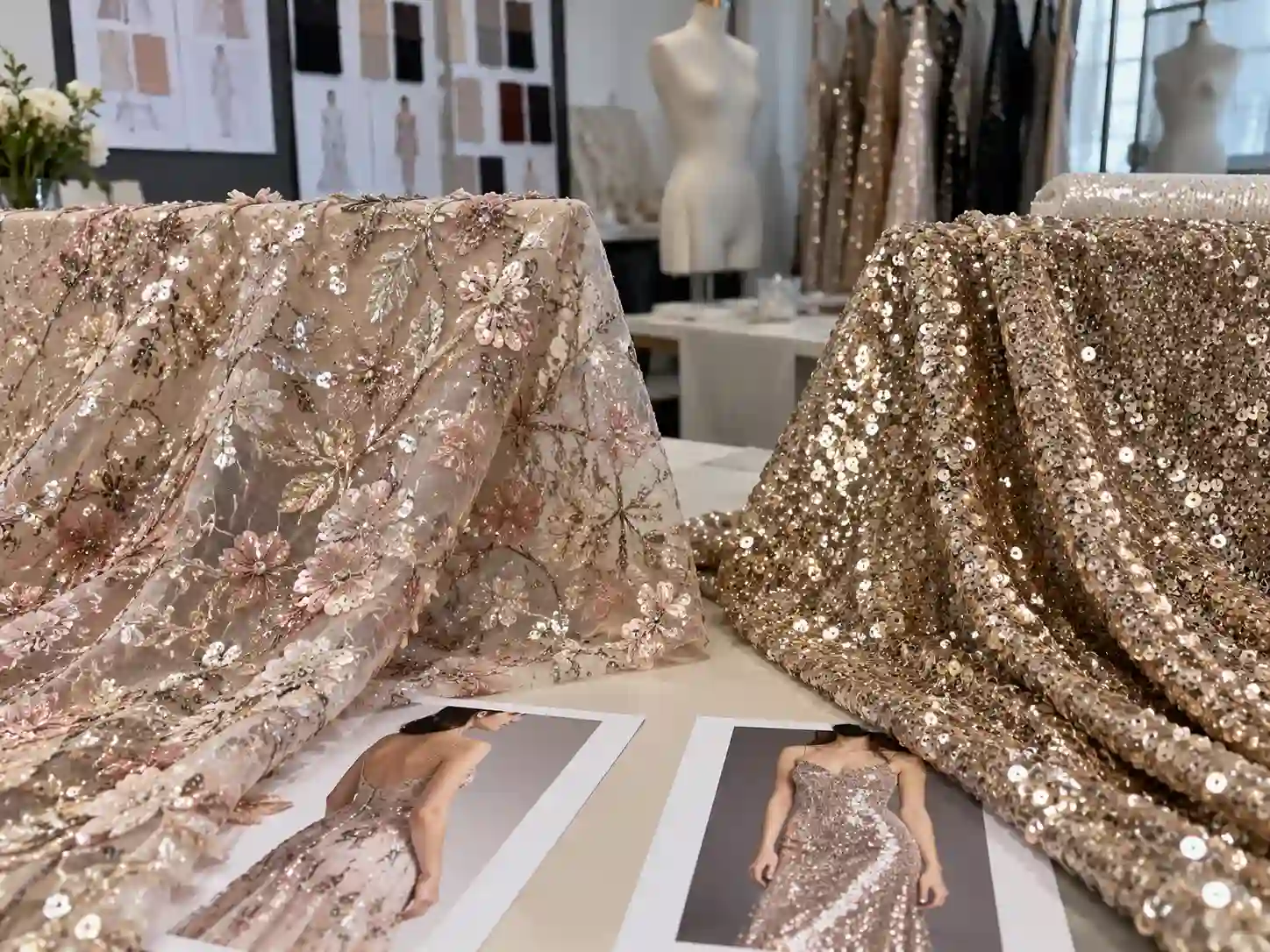
Table of Contents
Here, developing your OEM/ODM private label clothing collection is no longer a challenge—it’s an excellent opportunity to bring your creative vision to life.

