
Sheer Dress Trend: What Fabrics and Linings Work Best?

Your trusted Women’s Apparel Manufacturer from China

A sheer dress can look almost effortless in a campaign image, yet transparency is one of the least forgiving effects to develop well. A black stretch-mesh bodycon dress, an embroidered tulle evening gown, a floating chiffon maxi, and a lace mini over nude lining may all fall under the same sheer trend, but they react differently to movement, light, body tension, seams, and internal construction. For a fashion brand, those differences affect far more than appearance. They influence fit, comfort, sample approval, production cost, photography, returns, and whether the garment still looks intentional once it moves from a controlled studio fitting into real life.
The strongest sheer dresses pair the outer fabric and lining as one design system. Stretch mesh suits close-fitting silhouettes, chiffon creates fluid movement, organza holds transparent volume, tulle builds depth through layers, and lace combines open space with decorative coverage. Lining then adjusts opacity, support, comfort, color contrast, and exposure. Choosing each component separately often produces weaker results than developing the combination together from the first sample.
A dress can illustrate the problem perfectly. Under soft fitting-room lighting, its mesh skirt may appear elegant and adequately covered. Put the same garment beside a large window, stretch the fabric across the hip, or photograph it with flash, and the result can change immediately. The useful question is therefore not simply whether a fabric is sheer. It is how sheer the finished dress becomes on a moving body, and whether that degree of transparency is exactly what the design intended.
Are Sheer Dresses Still Trending?
Yes. Sheer dresses remain relevant because transparency has developed into a flexible design language rather than a single provocative look. Modern collections use mesh, lace, chiffon, transparent overlays, illusion panels, layered skirts, and carefully placed lining to create different degrees of exposure. The most wearable versions use transparency selectively, allowing a brand to keep the visual impact of sheer dressing while adapting it to different occasions and customers.
Controlled Sheerness
The biggest change in sheer dressing is not simply that more garments are transparent. It is that designers are becoming more deliberate about where transparency appears. A dress may keep the bust and hip fully covered while leaving the waist, sleeves, lower skirt, or back visually open. Another may use an opaque mini lining beneath a floor-length transparent shell, creating two different lengths within the same garment. This controlled approach gives the design more tension and visual interest without making every part of the body equally exposed.
That distinction matters commercially because a runway concept and a product intended for repeat sales often need different levels of coverage. A completely transparent dress can generate strong editorial imagery, but a selectively lined version may fit a much wider range of wardrobes and selling occasions. The fashion message remains recognizable, yet the wearer has more confidence when sitting, walking, entering bright daylight, or wearing the garment for several hours rather than a few minutes in a styled shoot.
Sheer construction also gives designers more freedom than a conventional opaque dress. Transparency can be introduced through a single mesh panel, a lace sleeve, an illusion neckline, an unlined lower skirt, or multiple layers with different densities. This makes sheer dressing less dependent on one silhouette. It can work in fitted club dresses, relaxed resort maxis, romantic lace midis, sculpted organza pieces, corset-inspired evening dresses, and even relatively modest occasionwear when transparency is limited to selected areas.
Commercial Sheer Styles
The most commercially adaptable sheer dresses tend to combine a recognizable transparent element with a clear internal structure. Stretch-mesh bodycon dresses remain useful because the outer layer follows the figure while lining can protect key coverage zones. Lace minis and midis work well because the fabric itself breaks transparency into patterned and opaque areas. Sheer maxis can create drama without requiring the entire body to be exposed when a shorter slip, brief, or fitted base sits underneath.
Common directions include:
- Stretch-mesh bodycon and ruched dresses
- Lace mini and midi dresses with tonal or nude lining
- Sheer maxi dresses over short internal slips
- Chiffon dresses with transparent sleeves or lower skirts
- Tulle overlays over fitted base dresses
- Mesh corset dresses with opaque cups
- Illusion necklines and waist panels
- Organza sleeves, bows, and structured overlays
- Sheer skirts over briefs or built-in bodysuits
- Embellished mesh with sequins, embroidery, or rhinestones
The strongest versions usually have a clear visual hierarchy. If the entire garment is equally transparent, the eye has very little structure to follow. When opacity changes between the bust, waist, hip, sleeve, and skirt, the garment develops stronger proportion. That difference is especially important in ecommerce photography, where a dress needs to communicate its construction quickly through a relatively small group of images rather than through the physical experience of touching and trying on the garment.
Occasion Changes the Design
A sheer party dress and a sheer wedding-guest dress may use similar fabrics but require different levels of coverage, support, and finishing. Party and club styles can tolerate more visible skin and may prioritize body fit, stretch, and strong photography under evening lighting. Occasionwear generally needs cleaner internal finishing and a more controlled relationship between transparency and coverage. Resort pieces can be lighter and more relaxed because layering and beach environments change what the wearer expects from the garment.
Formal and evening dresses create another set of expectations. Transparent fabrics may be combined with corsetry, appliqué, embroidery, sequins, or strategically positioned lace, making internal construction part of the visual effect. A plain mesh seam that would be acceptable in a simple vacation layer may look unfinished underneath an elevated occasion dress. The outer fabric can be similar, but seam allowance, lining edge, reinforcement, and support structure may need to be substantially more refined.
This is also reflected in practical manufacturing. Mesh can be used for party, club, resort, beach, and occasion products, but the required transparency and internal treatment change with the end use. Jinfeng Apparel’s product records identify mesh density, layers, lining color, lining length, skin-tone lining, double mesh, and localized coverage as variables used to control the finished result. A useful trend brief therefore starts by defining the wearing situation before finalizing the fabric.
Which Fabrics Work Best for Sheer Dresses?
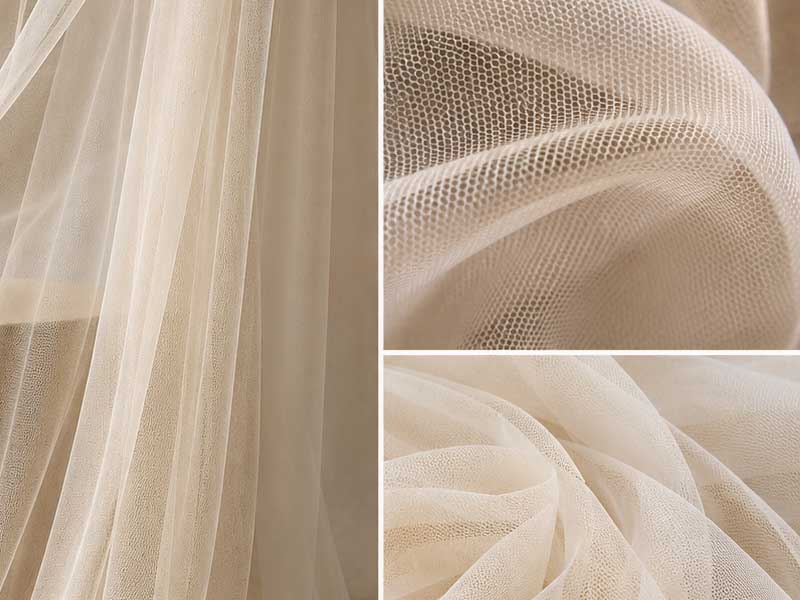
Stretch mesh, chiffon, organza, tulle, and lace are among the most useful fabrics for sheer dresses, but they create very different garments. Mesh follows the body, chiffon moves fluidly, organza holds volume, tulle creates lightweight depth, and lace provides patterned transparency. Fabric should be selected according to silhouette, stretch, drape, required coverage, and the planned lining rather than transparency alone.
Fabric Behavior
The name of a fabric tells only part of the story. Two stretch meshes can differ noticeably in density, softness, recovery, yarn size, surface finish, and openness. Two chiffons can have different levels of translucency and drape. Lace may range from dense floral patterns to highly open geometric constructions, while tulle can feel either soft and delicate or relatively firm depending on yarn and finishing. For development purposes, the actual swatch matters more than the generic fabric label.
Jinfeng Apparel’s documented fabric range includes chiffon, lace, mesh, power mesh, organza, tulle, jersey, crepe, satin, and other womenswear materials. Its fabric evaluation process considers hand feel, drape, stretch, transparency, lining requirements, and bulk-production risk rather than treating fabric sourcing as a purely visual decision. Those factors are particularly important with sheer garments because small material changes remain visible after the dress is assembled.
Fabric | Main Behavior | Typical Stretch | Strong Applications | Common Underlayer | Main Risk |
Stretch Mesh | Soft, close-fitting, transparent | Medium to high | Bodycon, ruched, cut-out, party styles | Stretch lining or double mesh | Opacity drops under tension |
Power Mesh | Firm, supportive, transparent | High with stronger recovery | Fitted panels, support zones | Partial lining or internal base | Excess compression |
Chiffon | Fluid, light, translucent | Usually low | Maxi, resort, occasion dresses | Lightweight lining or slip | Slippage and backlit transparency |
Organza | Crisp, light, structured | Usually low | Sleeves, bows, skirts, overlays | Selective lightweight base | Visible seams and crushing |
Tulle | Airy, net-like, layered | Low to moderate | Skirts, overlays, evening styles | Base dress plus layers | Holes and uneven layers |
Lace | Patterned transparency | Varies | Occasion, mini, midi, illusion styles | Tonal, nude, or partial lining | Motif placement |
These descriptions should be treated as development characteristics rather than fixed technical standards. Actual performance changes with composition, weight, knitting or weaving construction, finishing, and supplier. A sample should therefore be built from the exact shell and lining combination intended for production whenever possible, rather than from a fabric that merely looks similar in a photograph or sourcing room.
Match Fabric to Silhouette
Stretch mesh works naturally with fitted dresses because elasticity allows the outer layer to follow the bust, waist, hip, and thigh. Its biggest advantage becomes a risk when the pattern is too tight, because increased tension can enlarge the openings in the mesh and reveal more skin. A successful mesh bodycon style therefore depends on both pattern ease and fabric behavior. Simply increasing lining opacity cannot always compensate for an outer shell that is overstretched.
Chiffon works differently because movement is usually more important than body conformity. It suits floating maxi skirts, transparent sleeves, gathering, ruffles, and soft overlays. The lining should move without fighting the chiffon. If it is too heavy or stiff, the outer fabric loses much of its visual lightness. If it clings to the legs while the chiffon continues to move freely, the two layers can separate awkwardly during walking and make the garment look less refined.
Organza is appropriate when transparent volume is required. Puff sleeves, oversized bows, structured skirts, and sculptural overlays benefit from the fabric’s crispness, but the same quality makes internal construction easier to see. Tulle works well when the design needs several lightweight layers rather than a single continuous transparent sheet. Lace is strongest when motif placement is considered part of the pattern, because open and dense areas can produce very different coverage depending on where they land on the body.
Test Fabric Under Tension
A sheer swatch lying flat on a table is not experiencing the conditions it will face inside a fitted garment. Stretch mesh placed across a rounded hip or bust may open considerably compared with its relaxed appearance. The effect is not always uniform because different body zones place different amounts of tension on the garment. A sample can therefore appear adequately covered at the waist but considerably more transparent at the seat or upper thigh.
A straightforward development check is to mark a 10 cm section on the swatch and observe it relaxed, under moderate extension, and at an extension similar to the intended garment fit. This is not a universal laboratory standard or mandatory industry specification; it is simply a practical way to make a visual change easier to compare. The same sample can also be released after stretching to see whether recovery remains clean or whether the fabric begins to bag.
For printed mesh, stretching can affect more than transparency because the graphic itself can distort. Double-layer mesh introduces another variable: if the two layers have different stretch behavior or grain orientation, they can pull against each other and create rippling. The company’s mesh development records similarly identify stretch direction, transparency, lining placement, neckline stability, fabric holes, and print positioning as control points. This is why fabric approval should happen as close as possible to actual wearing conditions.
How Does Lining Change a Sheer Dress?
Lining changes a sheer dress by controlling coverage, color, stretch, comfort, support, drape, and the visibility of internal construction. Full lining creates continuous opacity, partial lining makes selected areas intentionally transparent, skin-tone lining produces an illusion effect, and double mesh can soften exposure while preserving a lightweight look. The lining should be approved together with the shell because each material changes how the other appears and behaves.
Full and Partial Coverage
Full lining is useful when the outer fabric is being chosen primarily for texture, movement, or surface interest rather than exposed skin. It is common in chiffon dresses, lighter lace designs, and pale garments where customers expect more dependable coverage. Even in these cases, the lining needs to be compatible with the shell. A dense lining beneath lightweight chiffon can make the dress feel unexpectedly heavy, while a low-stretch lining beneath elastic mesh can restrict movement and create horizontal tension lines.
Partial lining creates a more obvious fashion effect because the boundary between opaque and transparent areas becomes visible. Designers can line only the bodice, stop a skirt lining at mini length beneath a sheer maxi, cover the bust and hip while leaving the waist transparent, or combine opaque cups with a mesh corset body. The lining edge is therefore not simply a hidden technical detail; it becomes one of the strongest horizontal or vertical lines in the design.
The placement of that edge should be approved in motion. A mini lining can look perfectly balanced when the wearer stands still but appear noticeably shorter once the person takes a long stride or sits down. Likewise, a fitted internal layer can ride upward when it has more friction against the body than the outer shell. Evaluating front, side, and back views during normal movement is much more useful than relying only on a flat lining-length measurement.
Nude and Tonal Linings
A skin-tone lining can make a dress look much more transparent than it actually is. Lace motifs, embroidery, sequins, or mesh appear to sit directly against the body because the supporting layer visually recedes. This is one of the most effective ways to create an illusion effect without leaving every area exposed. The challenge is that “nude” does not represent one universal shade, so the intended color relationship needs to be defined rather than assumed.
A tonal lining behaves differently. Black mesh over black lining tends to look visually denser and more continuous, while black mesh over beige creates stronger contrast. White lace over white lining reads as a more unified surface, whereas white lace over a skin-tone base highlights every open section and motif. The lining therefore affects the overall color of the garment even though it sits behind the outer layer.
Brands developing several colorways should test the shell and lining as combinations rather than approving one universal underlayer and assuming it will work in every shade. Black, burgundy, ivory, pale blue, and nude versions of the same mesh dress can have noticeably different perceived opacity even when the fabric construction is identical. A quick board containing several shell-and-lining combinations photographed under the same lighting often reveals these differences before an unnecessary sample round is started.
Double Mesh and Built-In Layers
Double mesh can provide more coverage without introducing a visibly different lining material. Because both layers share a similar surface and usually similar stretch, the result can feel lighter and more integrated than mesh backed by an opaque knit. This approach is particularly useful for ruched bodycon dresses, sleeves, waist panels, and other areas where the design still needs to read as transparent rather than conventionally lined.
Double layering is not a guaranteed opacity solution, however. If both layers stretch strongly over the hip, the finished area can remain highly transparent. Two meshes with different recovery can also pull against one another. Seam thickness increases, and the layers may move independently if they are not secured appropriately. For that reason, the two layers should be assessed together as a new composite construction rather than assuming they will simply behave like a heavier version of the original mesh.
Lining Method | Coverage | Best Use | Main Advantage | Main Check |
Full lining | High | Chiffon, pale lace, commercial occasion dresses | Predictable overall coverage | Drape and weight |
Partial lining | Targeted | Sheer maxis, lace, mesh | Keeps deliberate transparent zones | Edge position during movement |
Skin-tone lining | Visually concealed | Illusion mesh, lace, embellishment | Creates skin-effect appearance | Color under different light |
Double mesh | Light to medium | Bodycon, ruched, fitted panels | Preserves sheer character | Stretch and recovery |
Built-in bodysuit | High in selected zones | Sheer skirts and fitted occasion styles | Stable integrated coverage | Torso and leg-opening fit |
Separate slip | Adjustable | Chiffon, lace, resort styles | Flexible styling | Movement between layers |
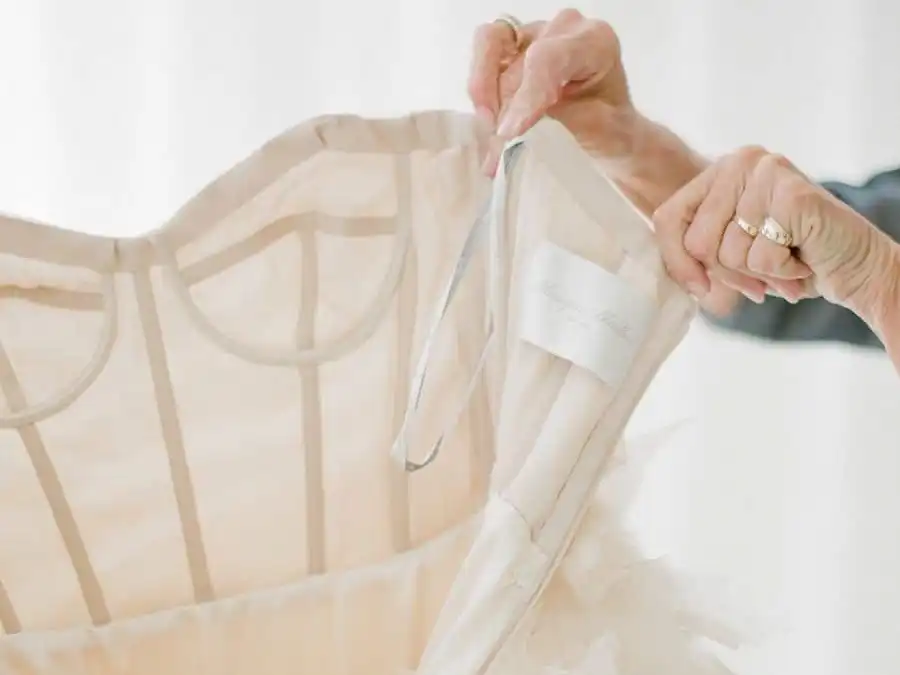
A built-in bodysuit is another useful option when the sheer outer dress needs strong torso coverage while keeping the legs visually exposed. It provides greater vertical stability than a short slip because the crotch connection helps prevent the base from riding up. That advantage introduces additional pattern work, since torso length, leg opening, bust position, closure location, and stretch all need to be balanced so the base supports the outer design rather than pulling it out of shape.
Which Lining Works for Different Sheer Dresses?
Different sheer dresses need different lining systems. Stretch-mesh bodycon styles generally require elastic underlayers with compatible recovery, chiffon works best with light linings that preserve movement, and lace needs careful consideration of motif and color. Tulle and organza often perform better over a separate fitted base because the outer layer can retain its volume while the inner construction provides coverage and support.
Mesh and Bodycon Dresses
A fitted mesh dress is one of the most sensitive combinations because the shell and lining are both responding continuously to the wearer’s body. If the mesh stretches easily and the lining does not, the internal layer can restrict the outer shell and produce drag lines. If the lining is significantly softer or more elastic than the mesh, it may fail to stabilize the garment. Similar stretch percentage alone is not enough; recovery and resistance also influence whether the two layers remain aligned.
Different zones need separate attention during fitting because tension is not distributed evenly. The bust, under-bust, waist, high hip, full hip, seat, and thigh can all produce different transparency. A lining that looks adequate at the waist may become visibly strained across the seat. This is particularly important in short fitted dresses, where a small upward movement can simultaneously increase both transparency and exposure.
Useful areas to review include:
- Bust and under-bust coverage
- Waist transparency
- High-hip tension
- Seat coverage
- Upper-thigh opacity
- Neckline stability
- Armhole stability
- Lining ride-up
- Recovery after sitting
- Seam visibility under stretch
Stretch lining, lightweight jersey, power mesh, double mesh, and built-in bodysuit structures can all work depending on the design. The best choice depends on whether the inner layer is providing basic modesty, actual support, body compression, or only a softer surface against the skin. Once the purpose is defined, fabric selection becomes more precise and the fit team can evaluate the correct performance rather than simply asking whether the dress feels “lined enough.”
Chiffon and Lace Dresses
Chiffon generally needs a lightweight lining that moves with the outer dress. When the shell is fluid and the lining is too structured, the dress can lose the soft movement that attracted the designer to chiffon in the first place. When the lining is very clingy, the inner skirt may stick to the legs while the chiffon moves freely around it, creating an awkward visual gap during walking. Weight, static, surface friction, and hem length therefore matter alongside opacity.
A chiffon maxi can use a long lining, knee-length lining, mini lining, or only a lined bodice. Each creates a different proportion and degree of exposure. Shorter internal layers make the movement of the sheer outer skirt more visible, while longer layers create a more traditional covered appearance. The decision should be made according to the wearing occasion and intended customer rather than following one construction rule for every chiffon dress.
Lace requires more attention to the pattern itself. A dense floral motif over the bust can provide considerable visual coverage, while a large open area placed in the same position can create a very different result. Before lining is finalized, the lace should be positioned over the body or sample pattern so the development team can see exactly where open and dense areas will sit. Symmetrical placement may also increase material consumption because cutting pieces cannot always be nested purely for efficiency.
Important lace checks include motif balance, left-right symmetry, bust openness, hip coverage, edge comfort, lining contrast, and where seams interrupt major motifs. A tonal underlayer can make the lace look more solid, while a close skin-tone lining emphasizes the surface pattern. The company’s product and fabric records identify lining, matching, edge treatment, and fabric damage as relevant controls for lace dresses, reinforcing that the inner layer and outer pattern need to be developed together rather than sequentially.
Tulle and Organza Dresses
Tulle and organza often work best when the inner and outer silhouettes perform different jobs. A narrow mini dress beneath a large transparent tulle skirt can provide secure coverage without removing the drama of the outer volume. A fitted bodysuit beneath a floor-length tulle overlay keeps the torso stable while leaving the legs visible. Organza can be used in the same way, with a cleaner fitted base underneath an exaggerated sleeve, skirt, or sculptural outer shape.
Layer count should be written clearly into technical specifications because “tulle skirt” alone leaves too much room for interpretation. One layer can look almost completely transparent, while several layers create progressively more visual density and physical volume. Layering also increases seam bulk and labor. If the sample uses different layer counts in the bodice, upper skirt, and lower skirt, those differences need to be recorded rather than relying on the production team to reproduce them from memory.
A practical project may, for example, specify one tulle layer in a sleeve, two layers across an upper skirt, and additional layers below a seam to create more volume. Those numbers are design choices rather than universal standards. The useful principle is that every visual layer visible in the approved sample should have a reproducible instruction behind it. Without that information, small changes during bulk sewing can noticeably change both opacity and silhouette.
Organza requires additional attention to internal construction because seam allowances and reinforcement can remain visible through the fabric. A bulky join that would disappear inside an opaque dress may look distracting beneath organza. Pressing also needs care because creases and excessive heat can affect the clean, crisp surface. When the outer fabric is transparent, the internal workmanship effectively becomes part of the exterior design, so finishing decisions need to be made earlier than they would be on a conventional lined dress.
How Do Color, Light, and Stretch Affect Transparency?
Transparency is not a fixed quality that can be judged once from a swatch. Color, light direction, body tension, background, layer count, and movement all change what the viewer sees. Pale fabrics often reveal more under strong light, while stretch can enlarge mesh openings across the bust or hip. Reliable approval therefore requires testing the finished shell-and-lining combination on-body under several realistic conditions.
Color and Perceived Coverage
Dark fabrics often appear visually denser because the contrast between yarn and the body can hide some detail, but darkness does not make a fabric automatically opaque. A highly open black mesh can still reveal considerable skin, especially against a lighter background or under direct backlighting. The structure of the fabric remains important regardless of color, and open areas become even more obvious when the garment is stretched.
White, ivory, pastel, and pale nude styles usually need more deliberate checking because underwear, body contours, seam allowances, labels, and internal structure can become visible in strong light. A white mesh sample may look acceptably covered over a white fitting table but react very differently against skin. This is one reason a light colorway should not be approved simply because the black version of the same design worked well.
Lining color can alter the perception again. Tonal combinations generally reduce contrast, whereas skin-tone linings can make the shell appear more transparent. A darker lining beneath pale lace creates a graphic effect, while a close tonal lining makes the surface appear more continuous. Color development therefore should consider the outer and inner materials as a combined visual result rather than two independent swatches that happen to share the same garment.
For a multi-color collection, a useful low-cost check is to place each planned shell color over the proposed lining and photograph every combination under the same exposure. This does not replace a full sample, but it quickly identifies colorways that need different underlayers. Making that decision before sewing additional prototypes is usually more efficient than discovering late in development that one light shade requires a completely different transparency solution.
Stretch and Opacity
Stretch can change opacity dramatically because yarns or mesh openings move farther apart as the fabric covers a larger area. The difference is most obvious in bodycon mesh, power mesh, and other open elastic structures. The waist may look relatively dark and covered while the hip looks visibly lighter because the same fabric is experiencing more extension across the larger body circumference.
A 10 cm marked swatch can be used as a simple internal development reference. Observe the material relaxed, extend it to a tension comparable with the intended fit, and compare the visible opening, color density, and recovery. Again, the 10 cm method is not an official industry standard; it is simply an easy way to make repeated observations more consistent during sample review.
On-body testing remains more important because the body supplies three factors a swatch test cannot fully reproduce: curved shape, localized tension, and movement. A mesh dress should be observed while standing, walking, sitting, bending slightly, and taking a longer stride. These actions show whether transparency stays within the intended zones or begins spreading into areas that were meant to remain visually secure.
When excessive transparency appears only under tension, changing the lining is not always the best answer. The pattern may be too tight, the selected mesh may be too open, or the shell may need two layers in selected zones. A lining that simply becomes thicker can solve one visual problem while introducing stiffness, heat, or a different fit issue. Good development identifies the source of the transparency before choosing the correction.
Light and Movement Tests
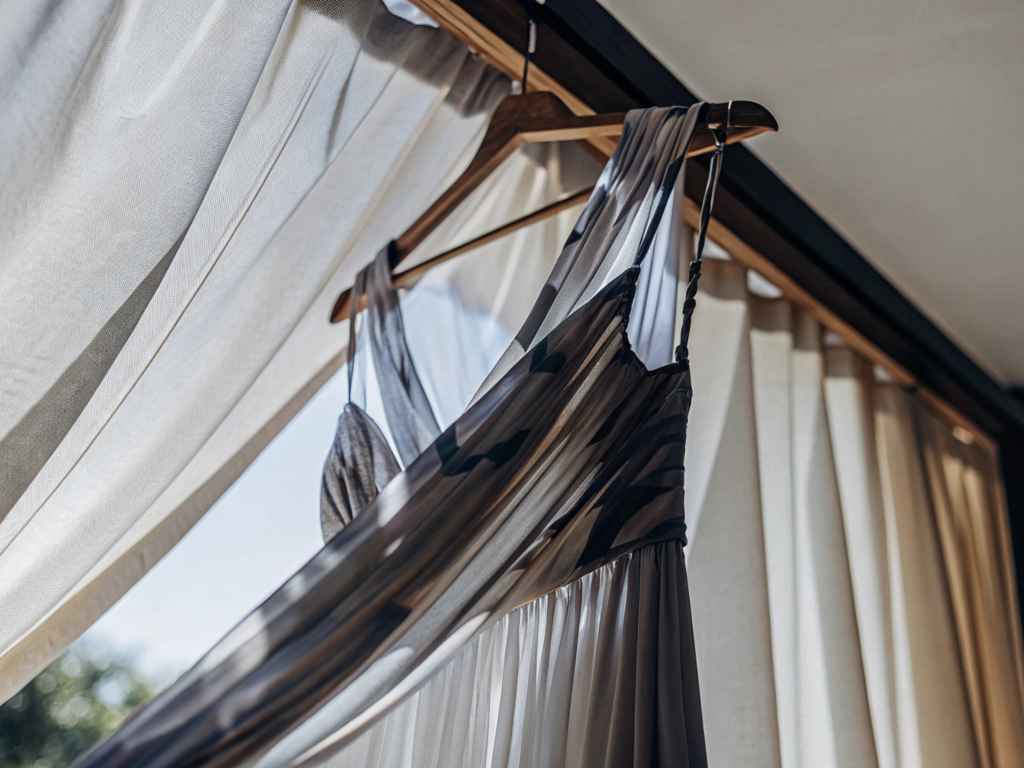
Soft front lighting is one of the easiest environments in which to underestimate transparency. Real customers will wear dresses near windows, outdoors, at evening venues, under strong spotlights, and in front of phone cameras. Backlighting is especially revealing because light passes through the garment toward the viewer, making openings in mesh, pale chiffon, and loose-weave fabrics easier to see.
Photography can create another result entirely. Flash or high exposure may reveal a lining that seemed visually hidden to the eye. Reflective components, pale colors, and slight differences between shell and lining can become more noticeable on camera. For dresses intended for weddings, parties, vacations, graduations, festivals, and social-media campaigns, photography behavior should be considered part of the product experience rather than an unusual edge case.
Check | Practical Setup | What It Reveals | Main Decision |
Indoor light | Standard fitting-room light | Everyday opacity | Is basic coverage acceptable? |
Bright daylight | Large window or outdoor shade | Pale-color transparency | Does the fabric reveal more than intended? |
Backlighting | Wearer between light and viewer | Highest likely transparency | Are key zones sufficiently covered? |
Phone flash | Normal camera distance | Lining and shell contrast | Does the internal layer become obvious? |
Walking | Several natural steps | Lining movement | Does the lining remain in position? |
Sitting | Standard chair | Ride-up and thigh exposure | Is the internal length appropriate? |
Stretch check | Bust, hip, and seat | Tension-related opening | Is the shell suitable for the fit? |
Side/back view | Profile and rear photographs | Seam and underwear visibility | Is coverage balanced from every angle? |
A good approval process does not choose the most flattering photograph and ignore the rest. The more useful image is often the one that reveals the highest realistic risk. If the design is intentionally very transparent, these tests are still valuable because they confirm that the exposure occurs where the design team planned it rather than where fabric tension, lining movement, or lighting happened to create it.
How Do Brands Develop Sheer Dresses for Production?
Brands develop sheer dresses more consistently when the desired transparency is translated into clear, repeatable specifications before bulk production. Shell fabric, stretch direction, lining material, lining color, lining length, layer count, coverage areas, seam finishing, and fit should be approved together. Sampling then confirms the complete system, while pre-production and QC checks help preserve the same appearance across sizes, colors, and production quantities.
Build a Clear Product Brief
A phrase such as “sexy but not too revealing” may make perfect sense during a creative meeting, but it is too subjective to function as a production instruction. The first job of product development is to translate the visual idea into decisions that can be photographed, measured, compared, or physically approved. The more unusual the transparency effect, the more important this translation becomes.
A useful sheer-dress development brief can include:
- Target silhouette
- Intended dress length
- Wearing occasion
- Transparent zones
- Fully covered zones
- Shell fabric reference
- Shell color
- Stretch direction
- Number of shell layers
- Lining fabric
- Lining color
- Lining length
- Bust support requirement
- Built-in brief, slip, or bodysuit
- Neckline depth
- Slit position and height
- Seam-finishing requirement
- Size range
- Fit intention
- Visual reference images
Marking transparent and opaque zones directly on a technical sketch can remove a surprising amount of ambiguity. Instead of leaving a sample machinist to interpret which parts of a mesh bodice should be double-layered, the drawing can indicate each zone clearly. The same applies to lining endpoints, lace placement, tulle layers, and areas where seams need to remain especially clean because they will be visible through the shell.
Jinfeng Apparel’s development system can start from tech packs, sketches, reference images, original samples, line sheets, and fabric swatches, while product and material teams evaluate structure, fabric direction, lining, fit, and production feasibility. The company’s records also describe fabric substitution and lining-range adjustments as part of product development rather than leaving these decisions until bulk production.
For brands developing a new sheer style, involving the manufacturer while the fabric-and-lining relationship is still open can be more useful than waiting until every detail has been fixed on paper. A technically experienced factory can often identify areas where the desired appearance conflicts with stretch, support, seam visibility, or repeatability before additional sample rounds are spent proving the same problem physically.
Use Samples as Working Prototypes
A sample should not only answer whether the dress looks attractive. It should reveal how the complete structure behaves. Outer fabric, lining, cups, boning, zipper, elastic, binding, seam allowance, pattern fit, and garment length all interact. If one component changes, several visible outcomes may change with it. Treating the first prototype as a working test garment creates much more useful feedback than reviewing it only from the front in a static pose.
A consistent fitting sequence helps teams avoid being distracted by small cosmetic issues before the larger construction is correct. One practical order is fit, coverage, movement, light, construction, and finishing. Begin with bust, waist, hip, neckline, and overall length. Once the shape is right, evaluate transparency and internal coverage. Then ask the wearer to move before reviewing seam finishing and minor cosmetic corrections.
Sample comments should be specific enough for the next version to prove whether the correction worked. “Mesh too sheer” is vague. “Hip becomes too transparent when stretched during walking; compare double mesh with current lined construction” gives the development team a location, condition, and test direction. “Lining too short” is also less useful than identifying a revised reference measurement and confirming it again while sitting and walking.
Photographic records are especially valuable for sheer products because opacity is difficult to describe in measurements alone. Front, side, back, walking, seated, and backlit photographs create a much stronger approval record than one studio image. Jinfeng Apparel’s mesh-dress development records list overly high transparency, insufficient transparency, incorrect lining color, neckline distortion, armhole distortion, unstable bust coverage, holes, and inconsistent lining length among common sample and bulk risks.
Lock the Standard Before Bulk
Once the sample is approved, the purpose of production control is to reproduce the same relationship between shell, lining, fit, and transparency rather than simply making garments that match a basic measurement chart. Bulk outer fabric should be compared with the approved reference before widespread cutting. In mesh, relaxed appearance, stretched appearance, hand feel, and recovery are all worth checking. Lace requires attention to motif, openness, color, and surface defects, while chiffon needs comparison for shade, transparency, drape, and handle.
The internal material needs the same discipline. A replacement lining that appears close in color may have different stretch, friction, or weight and can therefore change the garment even if the composition looks acceptable on paper. If an alternative is required because of availability, cost, or lead time, the shell and replacement lining should be reviewed together rather than assuming one invisible component cannot affect the approved appearance.
Production checks for sheer dresses commonly include:
- Shell fabric consistency
- Lining shade and hand feel
- Correct layer count
- Correct lining length
- Stretch direction
- Mesh holes or snagging
- Lace motif placement
- Printed-mesh position
- Seam visibility
- Neckline stability
- Armhole stability
- Bust coverage
- Slit position
- Finished measurements
- Hem balance
- Cleanliness of pale colors
- Packaging protection
Transparency differences become particularly easy to notice when several units are hanging together. If some internal linings finish higher than others or one fabric lot is visibly more open, the inconsistency can be obvious even before a garment is tried on. This is one reason the approved sample and fabric references remain useful as physical benchmarks alongside the written specification.
Jinfeng Apparel’s manufacturing structure includes dedicated pattern, sampling, merchandising, production, and quality teams, with its company fact sheet documenting 7+ senior pattern makers, 20+ sample machinists, and 15+ QC inspectors within the wider womenswear production system. For a sheer collection, those resources matter when they are translated into practical controls that keep fabric, fit, lining, and visible workmanship consistent from development through repeat production.
Sheer dresses look simple precisely when the technical decisions have been made well. The best examples do not ask the wearer to manage unstable lining, unexpected transparency, twisting layers, or uncomfortable internal construction. The fabric creates the intended visual effect, the lining disappears or contrasts intentionally, and movement makes the dress more attractive rather than exposing development problems. Achieving that result starts with understanding that transparency is not a fabric characteristic alone; it is the outcome of fabric, fit, color, light, structure, and the body working together.
For fashion brands, this also makes sheer dressing a useful long-term product category rather than a one-season experiment. Once a team understands which mesh density, lining construction, fit balance, color relationship, and finishing methods work for its customer, those decisions can be adapted across new silhouettes and collections. A successful sheer dress is therefore not only visually striking. It is a repeatable piece of product knowledge that can support future mesh, lace, chiffon, tulle, and illusion styles with far less guesswork.
Share This Article :

Jerry Lee
Categories

Latest blogs
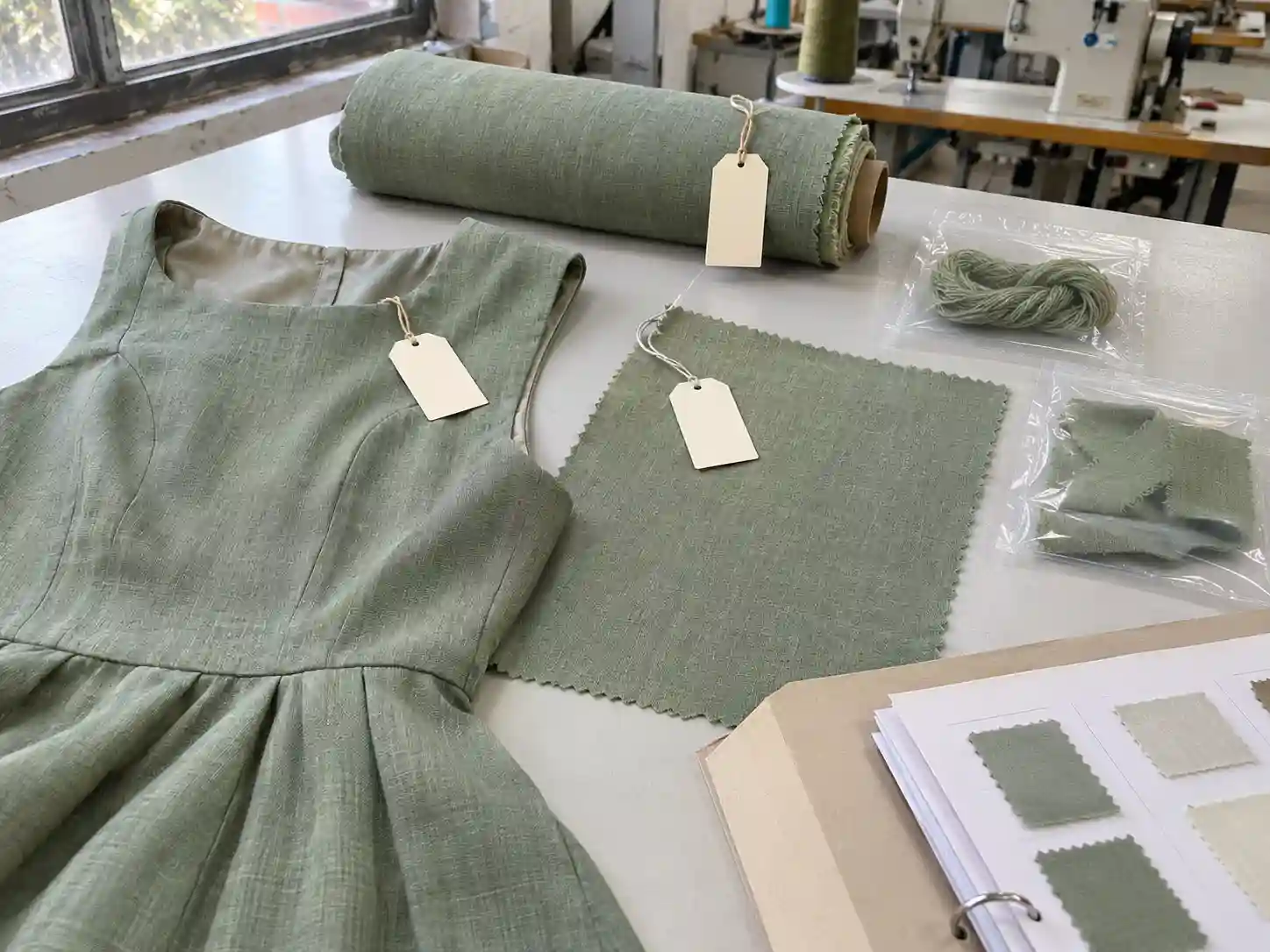

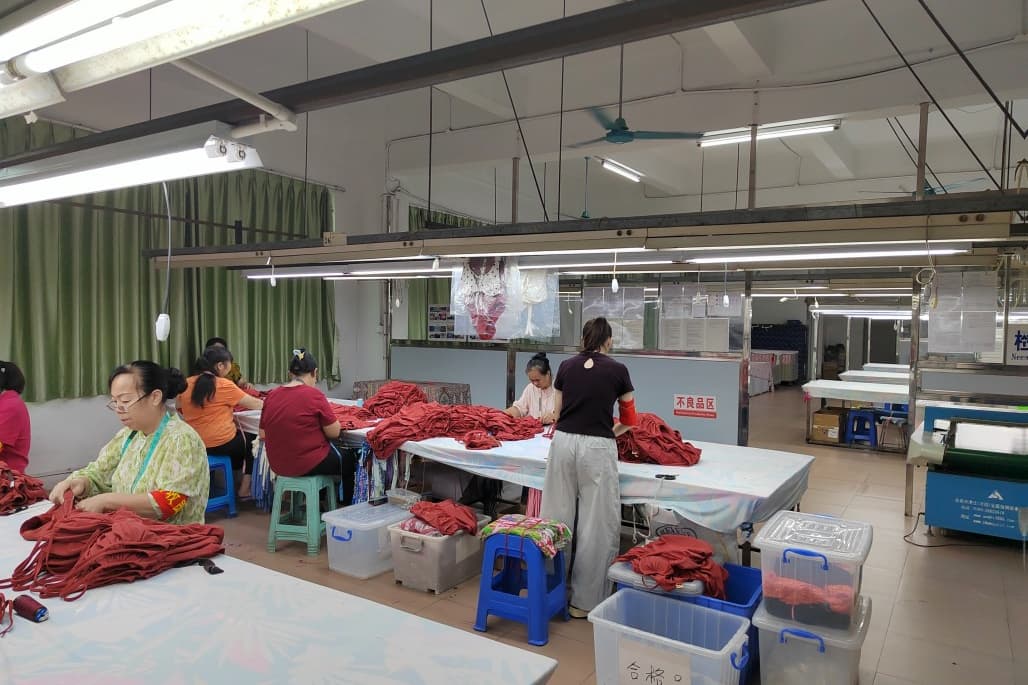
Table of Contents
Here, developing your OEM/ODM private label clothing collection is no longer a challenge—it’s an excellent opportunity to bring your creative vision to life.