 Skip to content

How Do Fashion Brands Balance Commercial Styles and Fashion Styles in a Collection?

Your trusted Women’s Apparel Manufacturer from China

A fashion collection can look outstanding in a campaign and still struggle once real customers have to decide what deserves a place in their wardrobe. The opposite problem is just as common: a range can be easy to understand, easy to manufacture, and commercially sensible, yet feel so familiar that customers have little reason to look twice. The difficult part of collection planning is therefore not deciding whether a brand should be commercial or fashionable. It is deciding where familiarity should protect sales, where newness should create excitement, and how much product risk the business can reasonably carry. Silhouette, fit, fabric, color, construction, price, timing, and production all influence that balance, so a style that looks commercially safe on a moodboard can become risky once fabric and costing are added, while a highly directional idea can become surprisingly wearable after careful development.
Fashion brands balance commercial and fashion styles by building collections around products with proven customer relevance, then introducing controlled newness through silhouette, color, fabric, proportion, and detail. Commercial styles protect sales, margin, and replenishment potential, while fashion-forward styles create attention and brand energy. The strongest assortments test both groups against fit, target price, production feasibility, inventory exposure, and repeat-order potential before committing to bulk production.
Picture a development meeting with thirty new styles on the rail. Ten immediately attract everyone’s attention, another ten look dependable, and the remaining ten sit somewhere between familiar and fresh. A month later, several of the most dramatic pieces have failed costing, one cannot hold its shape in the selected fabric, another works beautifully in one sample size but becomes unstable when graded, and a quieter dress suddenly looks much stronger because its fit, margin, color options, and reorder potential all make sense. That is where real collection planning becomes more interesting than trend forecasting. The product that creates the loudest first reaction is not always the one that deserves the deepest order, and the safest-looking design is not automatically the most commercial.
What Are Commercial and Fashion Styles?
Commercial styles are products customers can understand, wear, price, and purchase with relatively little resistance, while fashion styles introduce stronger newness through silhouette, fabric, proportion, color, or construction. Neither category is automatically better. A strong collection uses dependable products to protect sales and carefully selected fashion-led pieces to create freshness, differentiation, and future growth opportunities.
What Makes a Style Commercial?
A commercial style is not simply a basic garment, a conservative dress, or something that avoids trends. Commerciality is always relative to the customer, occasion, price level, and brand position. A fitted satin midi can be highly commercial for an occasionwear label because the customer already understands when to wear it, how it should look on the body, and what price feels acceptable. Put the same product into a casual lifestyle collection and the commercial logic may disappear because the occasion, fabrication, and styling language no longer match the customer’s normal purchasing behavior.
Commercial products usually remove unnecessary friction from the purchase decision. The customer understands the silhouette, recognizes the wearing occasion, can imagine how the garment fits into her existing wardrobe, and does not need a long explanation to understand its value. On the development side, the material is obtainable, the construction can be reproduced consistently, and the target cost supports the expected retail position. Reorder potential strengthens the case further because a proven pattern can often return in new colors, fabrics, lengths, or minor design variations without rebuilding the entire technical foundation from the beginning.
Common signals of stronger commercial potential include:
- A clearly recognizable wearing occasion
- A silhouette with proven customer acceptance
- Fit that can work across the intended size range
- Fabric with dependable availability and behavior
- A retail position familiar to existing customers
- Construction that can be repeated consistently
- Opportunities for additional colors or later replenishment
- Limited dependence on one difficult material or trim
A style can contain a strong fashion feature and still be commercial. The important question is whether that feature adds enough perceived value to justify any extra cost, fit sensitivity, or production complexity it introduces. A draped neckline, a lower waist, a carefully positioned mesh panel, or a seasonal color can make a familiar shape feel current without changing every technical element at once. In practice, these controlled updates often provide a better balance between customer recognition and seasonal freshness than designs that attempt to reinvent silhouette, fabric, fit, and construction simultaneously.
What Makes a Style Fashion-Forward?
Fashion-forward styles create stronger visual or emotional newness. That newness might come from a low-waist proportion, unusually long or short length, asymmetric neckline, transparent layering, sculptural volume, strategic cut-outs, embellishment, a fresh fabrication, or a different relationship between the garment and the body. These styles often attract attention quickly because the difference is visible before customers examine construction or fit. They can strengthen campaign photography, improve social content, introduce a new visual story, and show that the brand is moving rather than simply repeating previous seasons.
The difficulty is that visual impact and commercial value are not the same thing. A garment can look excellent in a controlled studio photograph yet create problems once it enters real life. It may restrict movement, expose more than the customer expects, require a body proportion that is difficult to grade, depend on a material with unstable availability, or require sewing operations that become inconsistent in volume production. A directionally styled sample can also become too expensive once lining, specialty trims, extra pattern pieces, handwork, pressing, packaging protection, and expected production loss are included in the costing.
Fashion-led products therefore need a clear reason to exist inside the assortment. Some will be expected to sell strongly. Others may primarily support campaign imagery, introduce a new silhouette, test customer reaction, or signal a future design direction. These are all valid roles, but they should not automatically receive the same inventory commitment. A product intended to test a new proportion can be strategically valuable even at a smaller initial depth, while a proven bestseller needs enough inventory and material continuity to capture repeat demand.
Can One Style Be Both?
Many of the most productive products sit between clearly commercial and clearly directional. They use a familiar product structure as the foundation, then introduce one or two noticeable changes that create a fresh reason to purchase. A brand might keep a successful fitted midi block but introduce a different neckline, update the waist treatment, change the fabric surface, move the slit, or add a controlled sheer layer. Customers recognize the product category, while the new detail prevents the style from feeling like a simple recolor of an existing bestseller.
The advantage extends beyond merchandising. Keeping part of the technical foundation stable means pattern behavior, grading logic, zipper position, lining method, garment balance, and construction sequences may already be understood. That allows the development team to focus attention on the genuinely new part of the garment instead of solving every problem again. It also makes it easier to compare how much extra cost or production risk the fashion update creates and whether the customer can actually see enough additional value to justify it.
| Evaluation Factor | More Commercial Signal | More Fashion-Led Signal | Warning Sign |
| Customer familiarity | Easy to understand immediately | Noticeably new but still recognizable | Customer may not understand the occasion |
| Silhouette | Proven proportion | Clear change in shape or balance | Extreme proportion creates fit resistance |
| Fabric | Stable and repeatable | New texture or surface effect | Material supply or sewing behavior is uncertain |
| Price | Fits the normal range | Premium supported by visible value | Cost rises faster than perceived value |
| Fit | Works across intended sizes | New body emphasis | Works only on a narrow body type |
| Reorder potential | Easy to repeat or recolor | Can evolve into future versions | One-time material or construction dependency |
This type of framework is most useful as a conversation tool rather than a rigid scorecard. Fashion teams do not need every product to sit exactly in the middle. They need to understand where each product is intentionally taking risk and what value that risk is supposed to create. A highly directional dress may deserve development even when its reorder potential is uncertain, while a volume style may intentionally use a simpler construction because reliability is more important than novelty in that particular part of the range.
Which Styles Should Lead a Collection?
The styles that lead a collection should reflect the brand’s real sales engine while giving customers a visible sense of progression. Proven silhouettes usually deserve greater inventory depth and continuity, while directional styles deserve controlled exposure. Strong lead products combine customer relevance, recognizable brand identity, workable margin, stable fit, material availability, and a clear seasonal reason to purchase.
Which Styles Drive Volume?
Volume-driving styles usually benefit from accumulated knowledge. Customers already understand the shape and occasion, the product team has experience with the fit, and the production team knows how the garment behaves during cutting, sewing, pressing, and finishing. That accumulated knowledge reduces uncertainty. A satin occasion dress that has already performed well, for example, may provide useful information about bust-to-waist proportion, acceptable lining, zipper behavior, fabric weight, garment length, color response, and the types of customer comments that appear after launch.
The strongest volume products are rarely identical repeats forever. Successful brands normally protect the useful parts of the product while allowing controlled updates. A proven block might return with a new sleeve, neckline, length, surface treatment, seasonal color, or carefully selected fabric. This creates freshness without throwing away all the technical information accumulated during previous development. The same principle works with bodycon dresses, woven midis, resort maxis, matching sets, jumpsuits, and other categories where fit consistency and customer familiarity can create strong repeat potential.
Higher quantities actually make technical discipline more important, not less. A minor issue in one sample can become a major cost when it affects hundreds or thousands of garments. Fabric shade, stretch variation, zipper flatness, shrinkage, lining length, seam balance, pressing, size ratios, and packaging all deserve more attention as volume increases. Commercial products therefore should not be treated as easy products. They often deserve the most structured review because the financial exposure and replenishment opportunity are larger.
Which Styles Create Newness?
Newness styles keep a collection from becoming a sequence of slightly altered repeats. They give customers something worth noticing and can create the visual hooks that make campaign imagery, social content, launch emails, and product pages feel different from the previous season. A new silhouette, an unexpected fabric, a change in proportion, a stronger color direction, or a new treatment of transparency can all refresh the brand without requiring every garment to become experimental.
The important step is deciding what the product is expected to accomplish before assigning inventory. One fashion-forward style may be expected to generate direct revenue, while another may be included primarily to strengthen campaign imagery and test demand for a new direction. A third may introduce a construction idea that can later be simplified into a more commercial product. These are different jobs, and they deserve different buy depth, development time, marketing expectations, and reorder planning.
Brands can also create newness without rebuilding the entire garment. A proven dress in a new high-impact fabric may appear more directional than an unfamiliar silhouette in an ordinary material. An established bodice with a lower waist or new skirt proportion can introduce trend relevance without compromising the whole fit. In many successful collections, the most useful newness comes from changing one important visual signal while keeping enough familiarity for the customer to understand the product quickly.
How Does Brand Positioning Change the Mix?
There is no single correct ratio between commercial and fashion styles because customers expect different levels of novelty from different brands. A partywear label can carry more mesh, cut-outs, shine, corsetry, short lengths, exposed backs, and close body fits because visual impact is part of the purchasing promise. An office-oriented collection can still feel highly current, but newness is more likely to appear through tailoring, waist placement, sleeve proportion, fabric texture, length, or color rather than the same level of exposure.
Sales channel matters as well. A digitally native fashion business may be able to carry more visually distinctive products because strong imagery, social media, creators, styling videos, and product storytelling help customers understand unusual pieces quickly. A retailer built around broad acceptance and regular replenishment often needs more dependable silhouettes and materials because product continuity plays a larger role. Neither model is inherently better; they simply require different forms of assortment discipline.
Before ranking styles, it helps to define four boundaries clearly: the core customer, the most important wearing occasions, the price levels customers already accept, and the products that historically generate repeat demand. Once those boundaries are understood, product decisions become less dependent on personal taste. A design that looks safe but does not suit the customer is not truly commercial, while a directional piece that perfectly matches the brand’s existing audience can sometimes carry less risk than a generic garment selected only because it appears familiar.

How Do You Build the Right Product Mix?
A balanced product mix gives every style a clear commercial or strategic role. The range normally needs proven products that protect dependable sales, refreshed commercial styles that create seasonal relevance, and a controlled group of more directional pieces that test future demand. The exact proportions should come from the brand’s own sales history, margin structure, launch calendar, and tolerance for inventory risk.
How Should Core and Fashion Styles Work Together?
Core and fashion styles should feel like different levels of expression within the same brand, not two unrelated collections placed next to each other. A useful way to think about the assortment is as three connected layers. The first layer contains proven styles that protect volume and replenishment. The second contains refreshed commercial products that use familiar fit or product logic with enough change to feel seasonal. The third contains stronger fashion statements that push silhouette, material, proportion, or construction further.
The middle layer deserves particular attention because it connects familiarity with novelty. Without it, a collection can feel split between products that are almost identical to last season and pieces that are too far removed from what existing customers normally buy. Refreshed commercial styles create a bridge. A familiar fitted dress may gain a new neckline, drape treatment, low-waist detail, fabric surface, or color direction, giving customers visible newness without asking them to accept an entirely unfamiliar product at the same time.
The following mix is an illustrative starting point rather than an industry benchmark. A highly directional partywear label may reasonably place more weight on fashion-led products, while a replenishment-heavy collection may need considerably more core depth. What matters is that style count and inventory commitment are not automatically the same. Fashion-led pieces can occupy a meaningful share of the visual assortment without necessarily receiving the deepest opening quantities.
| Product Role | Illustrative Share of Styles | Illustrative Share of Initial Buy Depth | Main Purpose |
| Proven core | 35–50% | 50–65% | Protect dependable sales and replenishment |
| Refreshed commercial | 30–40% | 25–35% | Add seasonal relevance with controlled risk |
| Fashion-forward | 15–25% | 10–20% | Test demand, create image value, introduce new direction |
The percentages should be replaced by real brand data whenever sufficient history exists. Previous sell-through, repeat orders, margin, return comments, size performance, color performance, and product-page behavior can all provide better evidence than a generic formula. Even within one collection, different categories may need different treatment. A proven black bodycon dress and an experimental embellished mesh mini should not receive the same depth simply because both occupy one line on the assortment plan.
Do Price Points Change the Assortment?
A collection can contain the right number of commercial and fashion styles and still become commercially unbalanced if too many products land at the same price level. A thirty-style range may look diverse on the rail, yet if complex materials and construction push most garments toward the top of the brand’s retail range, customers suddenly have fewer easy entry points. Product role and price architecture therefore need to be reviewed together rather than in separate meetings.
Entry and middle price positions usually need strong clarity because more customers are expected to consider them. Premium pieces can support complex construction, special fabrics, embellishment, or labor-intensive details when that additional value is visible. Problems appear when hidden complexity increases cost without improving the customer experience. An expensive internal seam construction, a difficult-to-source trim, or multiple unnecessary pattern pieces may increase production cost considerably while contributing little to the first impression or on-body performance.
A useful costing conversation separates visible value from invisible complexity. If a particular drape, corseted waist, surface embellishment, or fabric creates the entire visual identity of the product, cutting it aggressively may weaken the reason customers notice the garment. If a hidden construction detail adds time without improving fit, durability, or appearance, it becomes a better target for simplification. Cost engineering works best when it protects the design features customers can see and feel while removing complexity that exists mainly because the garment was never challenged during development.
How Much Fashion Risk Can a Collection Carry?
Fashion risk is broader than trend uncertainty. A style may be perfectly aligned with current visual direction and still be risky because the fit is unusually sensitive, the chosen fabric has a long lead time, the trim minimum is difficult to absorb, the color requires custom development, or the construction produces variation between operators. Trend life, margin pressure, replenishment difficulty, and delivery timing all influence how much exposure a product deserves.
One practical approach is to rate each style from 1 to 5 across demand uncertainty, fit sensitivity, material availability, production complexity, target-cost pressure, trend life, and reorder difficulty. A score of 5 represents greater risk rather than greater quality. The purpose is not to produce a magic number but to make hidden problems visible. A product that carries high risk in several areas at the same time deserves closer review than a style whose uncertainty is concentrated in only one controllable factor.
Risk can often be reduced without removing the main fashion idea. The team might limit the number of colors, select a more available fabric, reduce embellishment coverage, test a smaller initial quantity, simplify one construction detail, or allow more sampling time. A new silhouette made in an unfamiliar fabric with custom trims, complex handwork, and an aggressive delivery date stacks several uncertainties together. Changing one or two of those variables may preserve the same visual impact while making the product much easier to execute reliably.
How Can Trends Become Commercial Products?
Trends become commercial products when brands translate the underlying fashion signal rather than copying its most extreme expression. The strongest translations preserve what makes the idea feel new while adjusting proportion, coverage, material, fit, price, or construction for the target customer. A useful trend must eventually become a garment people can understand, wear, afford, and receive with consistent quality.
Which Trend Signals Are Worth Using?
A single viral image is weak evidence for a collection decision. Runways can reveal early shifts in silhouette, fabrication, and styling, but runway visibility does not automatically prove broad demand. Social platforms can show rapid momentum, yet highly visual ideas may disappear almost as quickly as they appeared. Retail assortments, search behavior, customer engagement, product-page activity, previous sales, repeat orders, and customer comments provide different kinds of evidence that become more useful when several signals point in the same direction.
A practical trend review can combine five areas: designer direction, multi-platform social momentum, retailer assortment growth, search or onsite interest, and the brand’s own historical product performance. The strongest confidence normally comes from convergence rather than any individual source. When a silhouette begins appearing in directional collections, gains social momentum, expands across retailers, attracts customer searches, and resembles products the brand has successfully sold before, there is a clearer reason to explore it.
The final filter remains customer relevance. A transparent skirt direction may be widely visible, but that does not mean every brand should introduce a completely sheer product. One label may use the trend literally, another may introduce controlled mesh panels, while a third may use a translucent overlay over a fully covered base. All three can respond to the same broader signal while respecting different levels of exposure, occasion, price, and brand identity.
How Do You Adapt a Trend?
Trend adaptation starts by identifying which part of the idea makes it recognizable. If the signal is a lower waist, the customer does not necessarily need the most extreme runway placement to understand the direction. If the signal is transparency, strategic lining or double-layer mesh can maintain the visual effect while improving wearability. If the signal is exaggerated volume, reducing width or redistributing fullness can retain the proportion shift without making the garment difficult to sit in, store, ship, or wear.
Materials and decoration can be translated in the same way. A fragile specialty textile may be replaced with a more stable fabric that produces a similar surface effect. Full-body embellishment can become concentrated placement at the neckline, waist, shoulder, or skirt. An unusual hardware concept can be preserved at one focal point rather than repeated across the garment. These changes are successful when they remove friction without removing the reason the design looked interesting in the first place.
A useful development discussion asks whether each proposed change improves fit, protects the target cost, reduces production instability, or increases real-world wearability. If a change does none of those things and merely makes the garment less distinctive, it is probably unnecessary. Good commercial adaptation is not about making every trend safe. It is about understanding which extremes are meaningful and which ones create problems customers never asked the product to solve.

How Do You Keep Brand Identity?
Trend adoption becomes dangerous when every new collection starts looking more like the market than the brand. Most established labels develop recognizable product codes even if they have never formally written them down. Those codes may include particular bust-to-waist proportions, neckline depths, body exposure, dress lengths, fabric weights, color attitudes, internal support, recurring construction details, or the occasions around which the collection is built.
Using those codes as a filter allows a brand to participate in wider fashion movement without losing recognition. A corset-led occasionwear label can interpret romantic dressing through lace overlays, soft satin, floral decoration, or draped mesh while keeping the familiar bust structure and controlled waist that customers already associate with the brand. A resort label can respond to the same cultural direction through printed chiffon, long flowing proportions, open backs, and lighter construction.
One simple internal test is to remove the logo, campaign styling, and model. If the garment still feels as though it belongs to the brand, the trend has probably been translated rather than copied. If it looks identical to products from many competitors, the filtering process may not have gone far enough. At the opposite extreme, if the garment looks almost unchanged from the previous season, the new direction may have been edited so heavily that customers have little reason to notice the update.
How Do Fit, Fabric, and Cost Shape Sellability?
Fit, fabric, and cost determine whether a promising design survives real selling conditions. The fabric must support the intended silhouette, the fit must remain stable across the target size range, and the construction must reach an acceptable cost without losing visible value. Ignoring any one of these factors can turn a strong concept into returns, margin pressure, production variation, or weak reorder potential.
Is the Fabric Right for the Style?
Fabric is part of the engineering of a fashion product, not just a visual finish chosen after the silhouette has been decided. The same fitted dress behaves very differently in jersey, power mesh, ponte, and stretch satin because weight, stretch direction, recovery, friction, opacity, and seam behavior change how the garment interacts with the body. A fabric that looks beautiful hanging from a swatch card can behave poorly once it is stretched across the bust, gathered into a seam, cut on a bias, pressed, or worn for several hours.
Material review should begin with what the garment needs to do. A bodycon style may require reliable stretch and recovery so the garment follows the body without growing permanently during wear. A draped maxi needs enough fluidity to create clean movement without collapsing into limp folds. A corset-inspired bodice needs greater structural stability. A sheer dress requires decisions about transparency, lining, layering, edge finishing, skin contact, and whether the visual effect changes between studio lighting and normal daylight.
Useful material checks commonly include:
- Fabric weight and thickness
- Stretch direction and percentage
- Recovery after repeated stretch
- Drape and surface movement
- Opacity under different lighting
- Wrinkle and crease behavior
- Shrinkage or dimensional change risk
- Surface snagging and abrasion
- Shade consistency between lots
- Compatibility with lining and trims
- Sewing response at seams and curves
- Repeat availability for replenishment
Composition alone is not enough to predict performance. Two polyester satins can differ significantly in density, filament quality, weight, surface shine, friction, wrinkle behavior, and sewing response. Two jerseys with similar fiber percentages can produce very different opacity and recovery. The material should therefore be judged against the garment’s functional needs rather than by fiber name alone. A slightly more expensive fabric that improves fit stability and repeatability can sometimes protect margin better than a cheaper option that creates sewing problems or customer dissatisfaction.
How Does Fit Affect Commercial Potential?
Fit has a direct effect on commercial performance because customers experience fit problems immediately, long before they notice most internal construction details. Some garments naturally allow more variation because they include wrap structures, adjustable straps, elasticated areas, relaxed silhouettes, or generous ease. Other products are far less forgiving. Strapless dresses, corset-inspired bodices, low backs, bodycon silhouettes, cut-outs, fixed woven waists, and jumpsuits require tighter control because a small change in one measurement can alter both comfort and appearance.
For fitted womenswear, the most sensitive points frequently include full bust, underbust, waist, high hip, full hip, strap length, neckline depth, garment length, and slit position. Jumpsuits introduce additional vertical concerns because torso and crotch length affect how the garment sits through the waist and body even when circumference measurements appear correct. A style can therefore match the basic size chart and still feel wrong if the relationship between vertical and horizontal measurements has not been balanced properly.
Fit should also be reviewed during movement rather than only in a standing photograph. Sitting may reveal waist pressure, neckline movement, or an uncomfortable slit. Walking can expose skirt twisting or riding. Raising the arms can show whether straps, armholes, or the bodice move out of position. The objective is not to make every garment loose or universally accommodating. A bodycon dress should still look bodycon. Commercial fit means the intended silhouette remains stable and believable for the customer group the product was designed to serve.
Which Details Raise Production Risk?
Certain design details create more sensitivity because small variations become highly visible. Mesh and lace require careful handling because stretching, holes, poor alignment, irregular edges, or inconsistent lining can immediately affect the appearance. Satin can reveal needle marks, puckering, seam waviness, shine direction, pressing damage, and shade difference. Sequins increase the possibility of broken needles, rough seam allowances, decoration loss, inconsistent placement, and packaging damage during handling and transport.
Corsetry adds another layer of interaction between components. Cup position, underbust shape, boning placement, lining, neckline tension, closure position, and fabric stretch have to work together rather than being reviewed separately. A one-centimeter change may be relatively minor in a loose dress but highly noticeable when it shifts the relationship between cup placement and the wearer’s bust. The same logic applies to deep necklines, strapless structures, low backs, and sharply positioned cut-outs.
Risk grows more quickly when several difficult features are combined. A fitted mini made from stretch mesh with boning, a deep neckline, cut-outs, ruching, and an invisible zipper creates multiple interacting variables. Changing the mesh recovery can alter fit, changing the lining can alter neckline tension, and changing the zipper can alter the back-body balance. Complex garments are entirely manageable when those relationships are identified early. They become expensive when teams discover them after patterns, materials, delivery expectations, and production quantities are already locked.
How Do You Protect Margin Without Flattening Design?
Cost reduction is most effective when the team separates visible customer value from hidden technical complexity. Every garment contains features customers notice immediately and features they may never consciously see. If a draped neckline defines the silhouette, that feature deserves protection. If a complicated internal seam creates little improvement in fit, durability, or appearance, it deserves closer review. Treating every component as equally important usually weakens the product without creating the best possible saving.
A useful review groups features into three categories. “Protect” includes elements essential to fit, function, brand identity, or the main visual idea. “Simplify” includes expensive construction steps that create limited perceived value. “Substitute” includes fabrics, trims, or internal components that can be changed while maintaining comparable appearance and performance. Pattern engineering can also reduce consumption, seam count, unnecessary layers, or difficult sewing operations without changing what customers see.
Jinfeng Apparel’s documented development system includes fabric sourcing, material substitution, pattern and fit correction, construction review, sampling, bulk production, and quality control, which allows technical and cost issues to be addressed before they multiply during production. This kind of early collaboration is particularly useful when a range includes fitted dresses, mesh, satin, lace, embellishment, corsetry, or multiple fabric combinations, because changing one technical element can influence several other areas of the garment.
The cheapest material or construction is not automatically the most commercial solution. A lower-cost fabric that grows during wear, wrinkles badly, changes the intended drape, or produces inconsistent bulk quality can create costs later through rework, returns, weak reviews, and lost reorder potential. Margin protection therefore works best when teams ask where each part of product cost creates real value and where complexity can be removed without weakening the reason customers wanted the garment in the first place.

How Do You Validate Styles Before Bulk Production?
Styles should enter bulk only after the team has proved that silhouette, material behavior, fit, construction, cost, and repeatability are acceptable. Sampling is not simply an aesthetic approval stage; it tests commercial assumptions against a physical garment. A strong process identifies which products are ready, which need focused revision, and which should be removed before inventory and production risk multiply.
What Should Sampling Prove?
A sample should answer questions that sketches, CAD images, moodboards, and fabric swatches cannot settle reliably. The first question is whether the silhouette creates the intended proportion on an actual body. The second is whether the selected fabric behaves correctly under tension, movement, sewing, layering, and pressing. The third is whether the garment can be put on, worn, moved in, and removed comfortably. The fourth is whether the construction can be reproduced consistently when multiple operators and sizes are involved.
Sample feedback becomes far more useful when it moves from general opinion into measurable changes. “The neckline feels wrong” may identify a problem but does not provide an executable instruction. “Raise the front neckline by 1.0 cm and recheck tension after the strap adjustment” gives the pattern and sampling team something specific to test. The same applies to waist ease, strap length, lining coverage, zipper behavior, ruching density, slit position, hem balance, and fabric substitution. Exact tolerances should be defined according to garment type, approved specification, fabric behavior, and the brand’s own standards rather than copied blindly from another product.
The PP sample stage should represent a move toward production control rather than another uncontrolled design round. Fit, fabric, trims, construction, measurements, labeling, and major packaging requirements should be sufficiently stable that the sample can function as a clear production reference. Jinfeng Apparel’s documented process moves from requirement and structure review through fabric and trim recommendation, costing, pattern development, sample sewing, fit checking, revision tracking, PP sample approval, and Golden sample sealing.
Which Styles Should Be Revised or Dropped?
Not every style deserves to reach bulk, even when the team has already invested time in development. Sunk development cost is not a good reason to create inventory around a weak product. A more useful question is whether the latest sample now justifies the next financial commitment. Some styles need one focused revision; others reveal structural problems that are unlikely to disappear through another small adjustment.
A sample can be reviewed across customer relevance, brand fit, visual differentiation, fit stability, target-cost alignment, supply reliability, and production repeatability. The weighting below is an example framework, not an industry standard. Brands can adjust it according to their own priorities, but the structure helps prevent one exciting visual feature from hiding serious weaknesses elsewhere.
| Validation Factor | Example Weight | Strong Signal | Serious Warning |
| Customer relevance | 20% | Clear occasion and target customer | Difficult to explain who needs the product |
| Brand fit | 15% | Recognizably belongs in the range | Feels disconnected from existing product language |
| Visual differentiation | 15% | Clear reason to notice or choose it | Duplicates another SKU |
| Fit stability | 15% | Works within intended size logic | Requires repeated correction |
| Target-cost fit | 15% | Supports planned retail position | Margin depends on unrealistic costing |
| Supply reliability | 10% | Materials can be repeated | Key fabric or trim is uncertain |
| Production repeatability | 10% | Construction can be standardized | Significant variation between samples |
Some problems are relatively fixable. Strap length, trim selection, color, lining coverage, zipper choice, and modest pattern adjustments can often be corrected without changing the concept. Structural problems deserve more caution. A silhouette that only works within a very narrow fit range, a fabric that cannot be secured again, or a construction method that remains unstable after repeated development may need more significant redesign or removal.
Dropping a style can improve a collection rather than weaken it. Two garments may look different on a moodboard but compete for the same customer, occasion, price point, and visual role. Keeping the stronger one concentrates inventory, campaign attention, sampling resources, and manufacturing control. Collection quality is not measured by how many ideas survive development; it is measured by how many products earn their place.
How Can Manufacturing Feedback Improve the Range?
Manufacturing feedback is most valuable before the product is completely frozen. Pattern makers, sample machinists, fabric specialists, production teams, and quality staff see different risks from those visible in design drawings. They can identify whether a seam will be difficult to control, whether a fabric is likely to stretch during sewing, whether an embellishment requires reinforcement, whether a lining will change the silhouette, or whether a construction detail is likely to create variation when many garments are produced.
That feedback should not automatically override design. The useful process is to make the trade-off visible. A production team may suggest removing a difficult panel because it adds sewing time, while the designer may consider that panel essential to the style. The next conversation can then explore whether the seam position can change, whether the panel shape can be simplified, whether the material can be stabilized, or whether the added labor is justified because the detail creates enough visible value.
When several products are being developed together, manufacturing feedback can improve the collection as a system rather than one garment at a time. Compatible linings, zippers, cups, elastics, base fabrics, labels, and construction methods can sometimes be shared across several styles. Consolidating suitable materials can simplify sourcing and future replenishment without making products look repetitive. The benefit is not merely lower cost; fewer unnecessary variables make communication, QC, and repeat production easier to control.
Jinfeng Apparel’s verified operating model covers product development, fabric and trim sourcing, pattern making, sampling, bulk production, quality control, private-label packing, and long-term repeat-order support. For fashion brands developing multi-style programs, involving this type of manufacturing team while silhouettes and materials are still adjustable can provide more room to preserve the design than waiting until costing or pre-production exposes a problem that is already expensive to change.
How Do Repeat Orders Improve the Next Collection?
Repeat orders provide one of the clearest forms of feedback because they reveal which development decisions survived real customer behavior. A repeat style tells the team more than simply “this sold.” It suggests that enough customers accepted the silhouette, price, fit, fabrication, occasion, and presentation for additional inventory to make sense. That product can then become a reference point for future development instead of forcing the next collection to begin from zero.
The design team might retain the successful block while introducing a new neckline, length, drape, or fabric. The merchandising team can use previous color and size performance to adjust the next order. The production team can refer to established pattern history, approved measurements, construction methods, pressing notes, QC checkpoints, and packing requirements. Each cycle adds useful technical and commercial information that can reduce unnecessary experimentation around products whose foundations are already understood.
Returns, complaints, and weak repeat performance are equally useful. A style may have sold strongly because the visual concept was excellent while still producing repeated comments about bust fit, strap length, transparency, recovery, or zipper behavior. Reordering it without addressing those issues wastes one of the most valuable forms of product feedback available. Commercial success should therefore be treated as evidence worth studying rather than proof that every technical decision was correct.
The company’s documented project history includes anonymous multi-style womenswear programs, including a 12-style satin occasionwear program of around 20,000 pieces and an 18-style private-label program of around 28,000 pieces, where fabric consistency, sample-version control, SKU coordination, labeling, inspection, and phased shipment were significant parts of execution. These types of programs illustrate why collection planning does not end when a sample is approved. Information gathered during production and repeat orders can directly improve the next season’s style mix, fit decisions, fabric selection, and replenishment strategy.
A commercially intelligent fashion collection is therefore not the one with the largest number of safe products or the greatest number of dramatic trends. It is the one where each style has a clear reason to exist and the level of inventory reflects that role. Proven products provide the foundation, refreshed commercial styles keep the assortment moving, and selected fashion-forward pieces give customers something they have not already seen many times before.
The balance also changes over time. A directional silhouette can become a commercial core after several successful seasons, while a former bestseller can lose relevance as customers move toward different proportions, occasions, or styling habits. Good teams keep learning from sales, fit comments, repeat orders, material behavior, campaign response, and production experience rather than treating the assortment plan as a fixed formula. When design, merchandising, development, and manufacturing share that information early enough, creativity becomes easier to scale and commercial discipline becomes less likely to flatten the product.
Share This Article :

Jerry Lee
Categories

Latest blogs
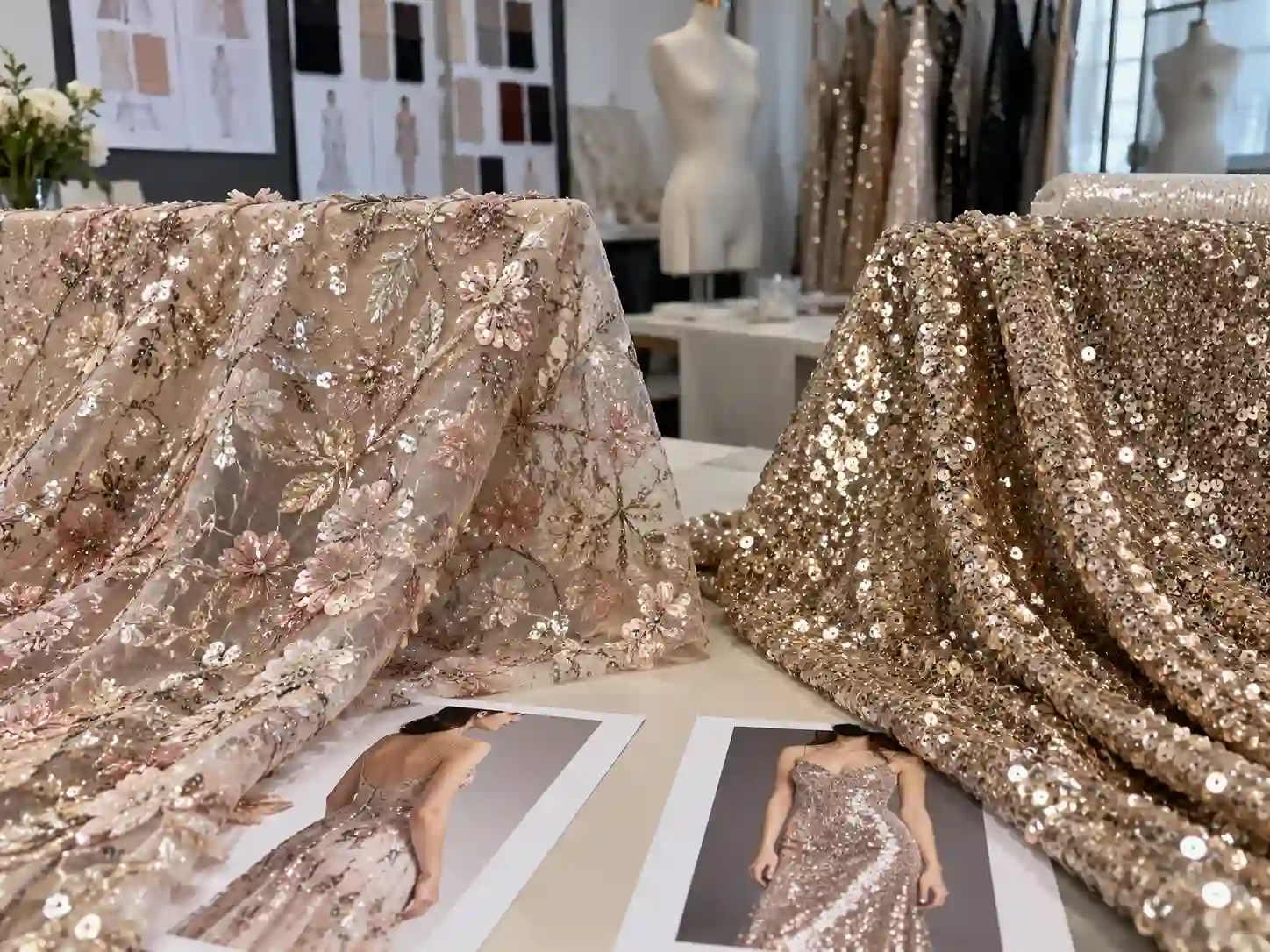
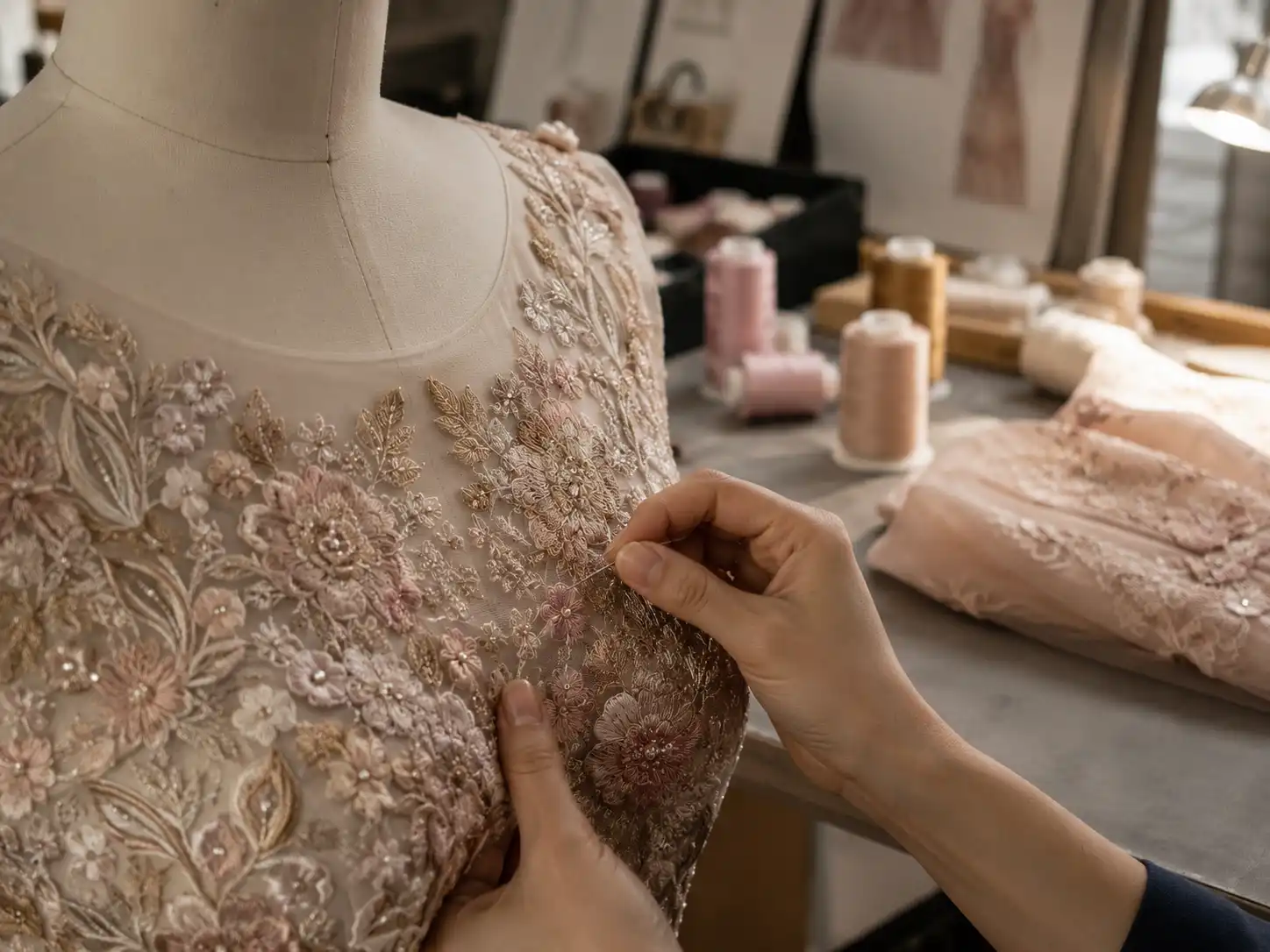
Table of Contents
Here, developing your OEM/ODM private label clothing collection is no longer a challenge—it’s an excellent opportunity to bring your creative vision to life.

