Skip to content

A fashion collection can contain twelve attractive garments and still feel surprisingly weak when they are placed on the same rail. The problem is often not color, fabric, styling, or workmanship. It is shape. Perhaps every dress hugs the body in almost the same way, every hem finishes at a similar point, or every style has the same amount of visual weight. At the other extreme, a collection can contain so many unrelated proportions that it feels more like a group of individual products than a recognizable range. Silhouette planning sits between those two problems. It gives a design team a practical way to decide which proportions should repeat, which should change, and where genuine variety is still missing. When the mix works, customers can immediately understand the character of the collection while still seeing meaningful reasons to consider more than one style.
A balanced silhouette mix begins with a small number of recognizable anchor shapes, then builds controlled variation through fit, volume, length, waist position, garment category, and fabric behavior. Core silhouettes provide familiarity, complementary shapes broaden wearing occasions, and statement silhouettes introduce novelty. The strongest collections create visible variety without losing the proportions and design language that make the brand recognizable from one garment to the next.
One of the simplest tests happens before expensive sampling begins. Print or display every proposed style as a plain black silhouette and temporarily remove color, print, lace, rhinestones, hardware, embroidery, and styling. Look at the range from several meters away. If ten garments suddenly appear almost identical, surface detail has been hiding repetition. If every outline seems to come from a different brand, the range lacks a visual center. A strong collection should still tell a convincing story when almost everything except shape has been stripped away.
What Is a Silhouette Mix?
A silhouette mix is the planned combination of garment shapes, fits, proportions, lengths, and volumes across an entire fashion collection. A useful mix repeats enough visual language to create recognition while changing enough structural variables to offer meaningful choice. It helps a collection avoid both unnecessary style duplication and random variety that weakens the identity of the overall range.

What Makes a Collection Cohesive?
Collection cohesion does not require every garment to share the same outline. It requires different garments to look as though they were developed from a consistent set of design decisions. A recognizable waist position, shoulder treatment, neckline language, level of body definition, skirt movement, or balance between fitted and relaxed areas can connect products that are otherwise very different. A fitted corset mini, a corset-inspired midi, and a structured top-and-skirt set can therefore belong to the same family without appearing repetitive.
The easiest way to understand cohesion is to think in terms of design rules rather than individual garments. A collection might consistently emphasize a defined waist, a relatively long leg line, clean shoulders, and controlled volume below the hip. One garment may express those rules through a fitted mini, another through a wide-leg jumpsuit, and another through a midi with a fuller hem. The category changes, but the underlying proportion remains familiar enough for the range to feel connected.
Cohesion becomes weaker when too many major variables change simultaneously. If one style uses an oversized shoulder, another a very narrow shoulder, another a dropped waist, another an empire waist, while lengths, fabrics, fit levels, and styling directions also change without a clear relationship, the range can begin to look accidental. That does not mean unusual combinations should be avoided. It means contrast should have a purpose rather than being introduced simply because each individual design looks interesting on its own.
A useful review therefore asks two questions at the same time: what should repeat, and what should change? Repetition creates recognition, while controlled change creates interest. When every garment repeats exactly the same proportions, the collection becomes monotonous. When nothing repeats, the customer has difficulty understanding the point of view. Strong silhouette planning deliberately operates between those two extremes.
Which Silhouette Elements Matter Most?
Traditional terms such as bodycon, A-line, column, fit-and-flare, oversized, and relaxed are useful for discussing general shapes, but they are too broad for serious collection planning. Two dresses can both be described as bodycon while creating very different impressions because one uses a high waist and short hem, while another has a lower waist position, stronger bust structure, and ankle length. The broad label remains the same, but the visual result is different.
A more useful review breaks the silhouette into individual variables that can be compared from one garment to another. Shoulder width, shoulder exposure, bust shaping, waist level, torso length, hip ease, skirt volume, sleeve volume, hem width, neckline depth, back coverage, and garment length all influence the final outline. Fabric behavior should also be included because a fluid woven and a stable knit can make similar paper patterns appear noticeably different when worn.
Collection teams often discover duplication only after these variables are separated. Eight proposed dresses may have different necklines, colors, and trims while sharing almost identical fitted torsos, natural waists, narrow hips, and mini lengths. Customers looking quickly at a product grid may experience those styles as variations of one idea rather than eight meaningfully different choices. Identifying the overlap before sampling gives the team time to change proportion instead of relying on surface decoration to create distinction.
Jinfeng Apparel’s documented pattern-development system treats silhouette through individual fit points rather than a single generic shape name. Its development scope includes mini, midi, maxi, bodycon, corset, slip, halter, strapless, backless, jumpsuit, skirt, and matching-set patterns, with control points including bust, waist, hip, waist level, garment length, neckline, straps, slits, lining, and other fit relationships.
How Is Silhouette Mix Different From Product Mix?
Product mix describes what kinds of garments appear in the collection. Silhouette mix describes how those garments occupy space around the body. The distinction matters because a collection can contain several categories and still offer very little visual variety. Six dresses, two tops, two skirts, a jumpsuit, and a matching set may look balanced on a category spreadsheet, yet the entire range can still feel repetitive if nearly every style is fitted, cropped or short, and narrow through the lower body.
The opposite situation can also occur. A dress-focused label might intentionally develop eight dresses, but those dresses can deliver substantial silhouette variety through different lengths, waist positions, shoulder structures, levels of body definition, skirt volumes, and material behavior. A fitted mini, structured corset midi, relaxed slip, fluid maxi, fit-and-flare style, narrow asymmetric column, and draped one-shoulder dress may all sit within one category while serving very different visual and wearing roles.
A practical range plan should therefore record both category and silhouette characteristics. Category tells the team what the item is, while silhouette data explains what the item contributes to the range. When several styles repeatedly occupy the same combination of fit, length, waist, and volume, the collection may contain more SKUs without actually providing more meaningful customer choice.
| Planning Variable | What to Record | What It Helps Reveal |
| Product category | Dress, top, skirt, set, jumpsuit | Category concentration |
| Fit | Close, shaped, regular, relaxed | Body-fit balance |
| Length | Mini, knee, midi, ankle, maxi | Vertical proportion |
| Waist | High, natural, low, undefined | Collection proportion |
| Lower volume | Narrow, moderate, full | Shape diversity |
| Shoulder | Exposed, narrow, regular, strong | Upper-body balance |
| Main role | Anchor, support, statement | Style hierarchy |
Which Silhouettes Should Anchor the Collection?
Anchor silhouettes are the shapes that most clearly represent the collection and can support useful extensions without losing their identity. They may come from proven products, recurring brand proportions, or a deliberate new direction. A strong range does not make every silhouette equally dominant. It creates a recognizable center, then uses supporting and statement shapes to add controlled variety around it.
Which Shapes Define the Brand?
Brand-defining silhouettes usually come from recognizable proportions rather than isolated trend details. A partywear label might consistently emphasize a sculpted bust, narrow waist, close hip, and short hem. A resort-focused label might be recognized for fluid movement, open backs, softer waists, and longer proportions. In both cases, customers may notice the silhouette language before consciously recognizing specific seam lines, trims, or construction techniques.
Historical performance is useful when identifying possible anchors, but it should be interpreted carefully. A bestselling dress may have succeeded because of a particular color, price point, influencer moment, holiday period, or marketing campaign rather than because its full silhouette has lasting value. The better question is which parts of the proportion appear repeatable. Perhaps the successful feature is the high waist, the balance between fitted torso and fuller skirt, or a particular relationship between neckline and shoulder.
Turning previous and proposed styles into simple black thumbnails can make this easier. Remove prints, trims, and embellishment, then group products according to their overall outline. If one silhouette family appears repeatedly among successful products, it may represent a genuine signature worth extending. If the same outline dominates almost everything, however, what initially looks like a strong signature may actually be overdependence on one commercial formula.
Brand identity becomes more durable when a familiar proportion can evolve across categories and seasons. A recognizable fitted upper body might appear in a mini dress one season, a midi the next, and a top-and-skirt set later. Customers experience continuity, while the collection still changes enough to avoid looking like repeated versions of the same launch.
What Are Core and Statement Silhouettes?
Core silhouettes provide continuity. They are the products customers understand quickly and the shapes that can often support several colors, materials, or future updates. Statement silhouettes play a different role. They bring visual tension, campaign interest, and a stronger feeling of novelty. A dramatic asymmetric gown, exaggerated draped mini, or architectural sleeve treatment may not need to carry the same commercial volume as a dependable fitted midi in order to earn a place in the range.
A practical collection normally benefits from separating those roles before every product is treated as equally important. When seven styles are all described internally as the hero piece, the hierarchy becomes unclear. When every style is deliberately safe, the collection risks feeling like a replenishment program rather than a new season. Product role should therefore be considered alongside silhouette, fabric, price, and merchandising position.
The following 12-style example is not a fixed industry rule, but it demonstrates how a team might test hierarchy during early planning. The exact allocation will change depending on brand positioning, sales history, season, and category focus, but assigning a clear role to every proposed style makes unnecessary duplication easier to identify.
| Silhouette Role | Example Allocation | Main Purpose |
| Core anchors | 4 styles | Establish recognizable brand proportions |
| Core variations | 3 styles | Extend proven shapes through controlled change |
| Complementary shapes | 3 styles | Add fit, length, category, or occasion breadth |
| Statement shapes | 2 styles | Create novelty and campaign impact |
A partywear collection may reasonably use more dramatic silhouettes, while a commercial repeat program may place greater weight on familiar anchors. The value of the framework is not the exact number of styles. It is the discipline of asking what every product contributes. If a new style does not strengthen identity, broaden choice, serve a new occasion, or create a justified visual statement, its place in the collection deserves another look.
Which Bestsellers Should Carry Forward?
Carryover styles can reduce uncertainty because the brand already understands something about their fit, customer response, styling, and production behavior. Still, a successful style should not automatically return unchanged. The best carryovers preserve the part of the design that made the product recognizable while changing a limited number of variables to keep the next range fresh.
A strong fitted midi, for example, might become a mini while retaining the same upper-body block. A successful corset bodice might move into a softer skirt shape. A proven maxi proportion could be developed with a different sleeve or neckline treatment while preserving the relationship between torso and skirt. These changes allow the team to use existing knowledge without making the new collection look like a recolored version of the previous season.
Problems begin when a supposedly low-risk carryover changes almost everything at once. If the team changes the fabric category, stretch behavior, neckline, waist position, garment length, support structure, and skirt volume simultaneously, much of the original development knowledge is no longer directly transferable. The style may share a name or reference number with an earlier product, but technically and visually it should be treated as new development.
Carryover planning also helps control redundancy. If a brand already has a proven fitted mini that continues to perform, the next collection may not need four additional fitted minis competing for the same visual and commercial space. Historical success should provide a foundation for new silhouette decisions rather than becoming an excuse to keep repeating the safest shape.
How Do You Balance Fit, Volume, and Length?
Fit, volume, and length should be planned together because each one changes the visual role of a garment. A fitted mini, fluid mini, narrow maxi, and full maxi can belong to the same collection while creating very different experiences. Effective balance comes from deliberate contrast: repeat the proportions that define the brand, then change selected dimensions to create rhythm, broader occasions, and clearer customer choice.
How Do Fitted and Relaxed Shapes Work Together?
A well-balanced collection does not require equal numbers of fitted and relaxed garments. It needs intentional changes in where the clothing holds the body and where it releases. For a label known for fitted womenswear, inserting several oversized dresses simply to create variety may feel disconnected. More controlled changes often work better, such as combining a fitted bust with a fuller skirt, a close waist with draped hips, or a narrow torso with a wider lower body.
The location of volume matters as much as the total amount. A puff sleeve creates emphasis around the shoulder, while a full skirt moves visual weight below the waist. Hip draping creates local volume without necessarily changing the hem. Wide-leg trousers increase movement from the hip downward, while a peplum changes the relationship between waist and hip. Each technique alters the silhouette differently even when the total amount of additional fabric appears similar.
One useful review divides the body into zones: shoulder, bust, waist, hip, sleeve, and lower body. Each proposed garment can then be described as close, shaped, regular, or voluminous in each zone. Two designs that appear different because of decoration may turn out to have nearly identical fit maps once the surface treatments are removed.
This is particularly relevant in fast-moving partywear and occasionwear collections, where rhinestones, lace, ruching, cut-outs, and hardware can make samples feel highly individual during development. A customer browsing quickly may still perceive two products primarily as fitted mini dresses. Silhouette planning helps ensure decoration is enhancing real product variety rather than disguising structural repetition.

How Should Mini, Midi, and Maxi Lengths Be Mixed?
Length should reflect brand positioning and wearing occasion rather than an arbitrary desire to include every category. A clubwear range can reasonably be dominated by minis, while resortwear may naturally lean toward long, flowing proportions. Occasionwear might place greater emphasis on midi and full-length dresses. Concentration itself is not a problem when it supports the intended customer and styling context; concentration without a reason is more likely to create a narrow collection.
Teams should also compare actual hem positions rather than relying entirely on broad labels such as mini, midi, and maxi. Two garments sold as minis can finish at noticeably different points depending on fit-model height, torso length, waist placement, and pattern balance. A narrow ankle-length column and a floor-sweeping full skirt may both be called maxi dresses while occupying very different visual territory.
Fabric behavior can also alter perceived length. Highly fitted stretch garments may ride upward around the hip during movement, while bias-cut or fluid materials can relax and appear longer after hanging. Long garments require careful attention to front and back balance, especially when the design includes a shaped waist, train, high slit, or uneven hem.
Changing length is one of the most efficient ways to extend an existing silhouette family. A structured corset mini can serve a party occasion, while a closely related midi may move into dinner or wedding-guest dressing. The design language remains recognizable, yet the wearing occasion and overall visual proportion become meaningfully different.
How Do You Create Visual Rhythm?
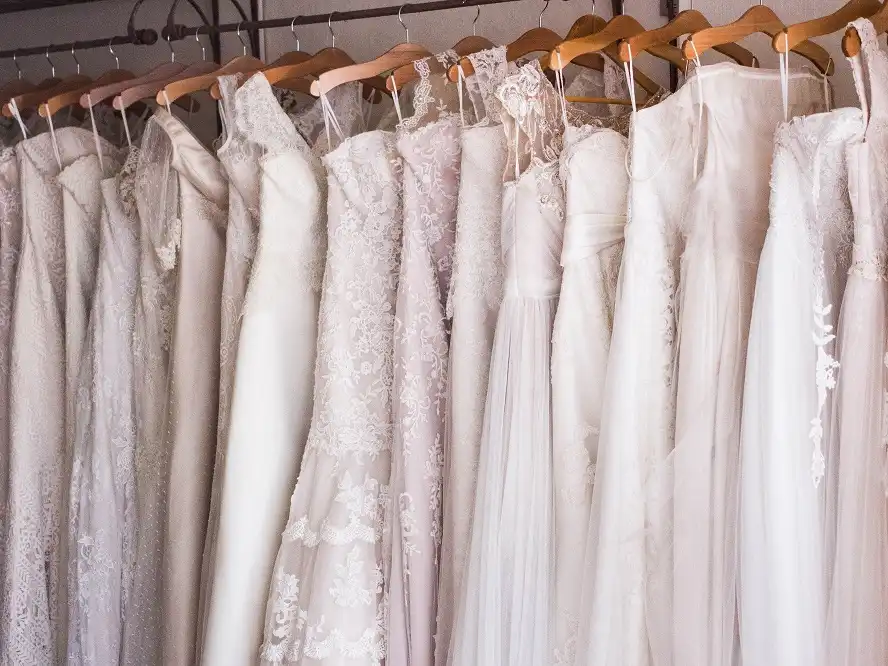
Visual rhythm becomes clear when the collection is viewed as a sequence rather than a stack of individual style files. Imagine the range arranged on one rail or displayed as black silhouettes across a wall. If every hem ends in almost the same place, every shoulder is exposed, and every waist is equally tight, the eye receives very little change. If every product suddenly introduces a new proportion, volume, and construction idea, the eye has nowhere to rest.
A more convincing sequence might move from a fitted mini to a shaped midi, then into a narrow jumpsuit, a fluid maxi, another familiar anchor, and finally a stronger statement silhouette. Repeated shapes act like recurring beats in music, while differences in length and volume prevent the range from becoming flat. The goal is not a perfect alternating pattern but a deliberate visual pace.
Teams can make this less subjective by scoring styles on simple variables such as body closeness, lower-body volume, visual weight, and relative length. A one-to-five internal scale is often enough to reveal clustering. If eight of twelve products repeatedly receive nearly identical scores, the team can investigate whether the collection needs editing or one additional silhouette family.
Real silhouette variety also pays off later in photography and ecommerce merchandising. Product grids naturally become more dynamic when garments have different proportions, and campaign imagery gains more possibilities for movement, posing, and composition. Styling can amplify these differences, but accessories and photography should enhance strong product architecture rather than being asked to rescue a range whose shapes are fundamentally repetitive.
How Do You Avoid Repetition and Range Gaps?
Repetition occurs when products change color, trim, or surface detail while keeping nearly identical proportions and wearing purposes. Range gaps occur when an important fit, length, coverage level, occasion, or product role is missing. Both problems become easier to identify when the full collection is compared as a system and every proposed style is required to perform a distinct job.
Are Too Many Styles Using the Same Shape?
Design teams naturally become sensitive to small differences because they have spent weeks working on every garment. Customers normally see the collection much faster. A square-neck mini with ruching, a halter mini with rhinestones, and a lace-trim mini may feel like three separate concepts during development, but if all three use a fitted bust, natural waist, narrow hip, and nearly identical thigh length, the customer may experience them as variations of one shape.
A useful duplication review compares more than the front outline. Bust fit, waist position, hip fit, shoulder exposure, neckline scale, sleeve volume, garment length, lower-body volume, back coverage, and wearing occasion should all be reviewed together. When two products match on most of these variables, the team should be able to explain the commercial or creative reason for keeping both.
Sometimes the answer is completely valid. One product may provide more coverage, serve a different price point, use an important seasonal fabric, or target another occasion. However, if the only meaningful distinction is a decorative treatment, removing one of the styles can actually make the remaining collection appear broader because products stop competing for exactly the same visual position.
Editing is therefore part of silhouette building, not an admission that the design process failed. Strong collections often become clearer after one or two overlapping ideas are removed. Sampling capacity, photography resources, inventory investment, marketing attention, and customer choice can then be concentrated on products with genuinely different roles.
Which Wearing Occasions Are Missing?
A range can be visually varied and still be narrow in the way customers can actually wear it. Twelve occasion dresses might include different lengths and fabrics while all being backless, highly fitted, and difficult to wear with standard undergarments. The collection contains visible variety, but the practical wearing context remains concentrated around similar situations.
Occasion mapping brings a more human perspective to silhouette planning. Depending on the brand, useful wearing situations might include parties, dinners, wedding-guest events, birthdays, graduations, resort evenings, daytime vacations, date nights, and formal occasions. The goal is not to cover every possible event. It is to understand where the collection is deliberately focused and where important opportunities have been missed accidentally.
Coverage and support should be considered alongside occasion. Neckline depth, back exposure, sleeve coverage, bra compatibility, slit height, bust support, and ease of movement can make two garments with similar lengths suitable for very different customers. A mini with sleeves and secure bust coverage may serve a very different purpose from a strapless mini with a low back, even when the broad silhouette category looks similar.
One thoughtfully designed complementary style can sometimes open an additional wearing occasion more effectively than adding several new categories. This is especially useful for brands with a strong visual identity. The collection can broaden its usefulness without suddenly introducing shapes that feel unfamiliar or unrelated to the rest of the brand.

Do Fabric and Color Changes Create Enough Difference?
Fabric can create genuine silhouette variation when its physical behavior changes the way the garment fits, moves, or holds shape. Color usually cannot do that. A stretch jersey dress may shape itself around the body through elasticity, while a visually similar non-stretch woven requires seams, darts, closures, and additional ease. Chiffon can create large amounts of movement without excessive visual weight, while dense crepe or ponte can make a similar outline feel more controlled and substantial.
This means the same underlying silhouette family can sometimes justify several developments when fabric materially changes drape, transparency, compression, movement, structure, or wearing occasion. A lined stretch-mesh bodycon and a heavier ponte bodycon may share a fitted outline but behave differently enough to address different styling and comfort expectations.
Teams should still avoid using material changes to disguise excessive duplication. Four short, narrow fitted dresses in satin, lace, mesh, and jersey remain concentrated in the same silhouette zone if the overall proportion changes very little. The fabrics create different surface experiences, but they do not automatically create four different product roles.
A useful review asks whether the material changes the way the garment hangs, supports the body, moves while walking, handles transparency, requires lining, or shifts into another wearing occasion. If most answers are no, the difference is probably better understood as a material variation rather than an entirely new silhouette contribution.
How Do Fabrics Change the Silhouette?
Fabric determines whether a designed shape stands away from the body, follows curves, collapses into soft folds, stretches around the wearer, or moves freely. Weight, drape, stretch, recovery, thickness, transparency, grain, and finishing can turn similar patterns into very different garments. For that reason, silhouette and material should be developed together rather than treating fabric selection as a decision made after the shape is already fixed.
Which Fabrics Hold or Release Shape?
Stable fabrics generally hold clearer edges and resist collapsing around the body, while softer materials tend to follow gravity and create more fluid movement. Ponte, structured woven fabrics, heavier crepes, and certain compact knits can support defined outlines. Chiffon, lighter viscose constructions, soft satins, and other fluid materials may create movement and drape rather than sharp geometric shape. The appropriate choice depends entirely on what the silhouette is meant to communicate.
A fitted mini intended to have a clean, controlled line may perform well in a stable knit or structured woven. Translating the same concept directly into lightweight chiffon would require a different construction strategy because the fabric cannot provide comparable support. Conversely, a wide maxi skirt intended to move dramatically while walking can lose much of its character if the chosen fabric becomes too dense or stiff.
Material specifications therefore become more useful when connected directly to silhouette intent. “A-line midi” is a broad description. “Soft A-line midi with a clearly defined waist, controlled upper-body fit, and fluid lower-body movement” gives the sourcing, pattern, and sampling teams much more useful information about the expected result.
The relationships in the following table are practical simplifications rather than fixed rules because fiber content, weave or knit construction, finishing, garment pattern, and lining all influence real behavior. They are nevertheless useful when comparing fabric directions during early collection development.
| Fabric Property | Lower Level Often Produces | Higher Level Often Produces |
| Drape | More resistance to falling folds | Softer, more fluid movement |
| Stretch | More fixed dimensions | Greater body adaptation |
| Recovery | Higher risk of growth after wear | Better return toward original shape |
| Weight | Lighter physical movement | Greater downward pull and density |
| Transparency | Greater natural coverage | Stronger lining or layering needs |
| Stiffness | Softer outline | More defined or projected volume |
How Does Stretch Affect Fit and Recovery?
Stretch changes the relationship between pattern dimensions and body dimensions. Many fitted garments deliberately use negative ease, meaning certain pattern measurements are smaller than the corresponding body measurements because the material stretches into the intended shape. Once that happens, the fabric becomes an active structural part of the silhouette rather than simply a surface covering the pattern.
Two visually similar fabrics can behave very differently in wear. One may stretch strongly across the body and return quickly after movement, while another stretches easily but remains slightly enlarged around the hip, waist, or neckline. A fabric with poor recovery can gradually change the silhouette during several hours of wear, even if the garment looked excellent immediately after dressing.
Stretch direction is equally important. A bodycon pattern developed around strong crosswise stretch may feel significantly tighter if bulk fabric has a different stretch level or directional balance. Fabric relaxation before cutting, cutting direction, garment construction, and washing behavior can also influence the final dimensions of the finished style.
Hem riding is a good example of several variables interacting. When a fitted dress expands horizontally around the hip, fabric can migrate upward, causing the hem to appear shorter during walking. Simply adding length may not solve the problem if hip ease, fabric recovery, and pattern balance remain incorrect. Jinfeng Apparel has documented bodycon development where stretch recovery, bust-waist-hip proportion, side-seam twisting, dress-length movement, cutting direction, and measurement stability were managed as connected fit issues.

Which Silhouettes Need Lining or Support?
Some silhouettes depend heavily on internal construction to maintain the external shape. Strapless dresses, corset styles, deep-V designs, low-back garments, sheer mesh products, structured occasionwear, and fitted satin dresses can all change dramatically depending on how support is engineered inside the garment. Cups, boning, elastic, anti-slip tape, stabilized seams, power mesh, interfacing, and strategically positioned lining can influence bust position, waist definition, neckline stability, and how securely the garment remains in place.
Lining also affects more than transparency. It introduces additional weight, changes friction against the body, can alter stretch, modifies the depth of color, and sometimes restricts the movement of a softer outer fabric. A chiffon skirt paired with a heavy lining may lose some of the floating movement that originally defined the silhouette, while a lightweight lining that is too unstable can create different problems around hems and seam lines.
The same issue appears in stretch mesh. An outer mesh layer may have excellent stretch and recovery, but a lining with significantly less stretch can make the finished garment feel much tighter than expected. Product teams therefore need to evaluate the combined behavior of every layer rather than approving the outer fabric on its own.
Movement testing is one of the simplest ways to expose these problems. The garment should be observed standing, walking, sitting, turning, and raising the arms where appropriate. A successful silhouette is not simply one that can be arranged perfectly for a photograph. It should retain its intended proportion and coverage through the ordinary movements expected from the person wearing it.
How Do You Make the Mix Production-Ready?
A silhouette mix becomes production-ready when every style has a clear role, approved pattern, compatible material, verified fit, repeatable construction, and measurable checkpoints for bulk production. Sampling should confirm the proportions that define the collection, while technical records preserve approved changes. A beautiful silhouette that depends on constant manual adjustment or cannot remain stable across sizes is not yet ready for commercial production.
What Should Be Checked During Pattern Development?
Pattern development is the point where visual ideas become measurable geometry. A sketch can place a waist, neckline, or hem at an ideal-looking point without accounting for body length, bust depth, hip position, shoulder angle, fabric behavior, or movement. The pattern has to translate those visual proportions into dimensions that work on an actual body and can later be graded into additional sizes.
The measurements receiving the most attention should reflect what creates the silhouette. A corset mini may depend heavily on upper-bust fit, cup position, waist circumference, torso length, and short-skirt balance. A fluid maxi may depend more heavily on shoulder position, waist level, hip ease, skirt sweep, lining length, and front-to-back hem balance.
Pattern review commonly includes bust, upper bust, under bust, waist circumference, waist position, hip circumference, front and back body length, shoulder width, strap length, neckline depth, armhole, slit height, overall garment length, hem sweep, lining length, and crotch or rise measurements for jumpsuits. Not every point is equally important for every garment, which is why silhouette-specific risk points should be identified early.
Styles belonging to the same collection family should also be compared with one another rather than developed in isolation. If a group of garments is supposed to share a recognizable raised waist, that relationship should remain intentional after pattern corrections. Jinfeng Apparel’s verified development resources include 7+ senior womenswear pattern makers, 2 sample rooms, and 20+ sample machinists working across core women’s dress, skirt, jumpsuit, and matching-set structures.
How Do Fit Samples Test Proportion?
Fit samples reveal whether the planned silhouette actually appears on a body. Flat sketches naturally simplify gravity, three-dimensional body curves, material stretch, fabric weight, and movement. A successful fit review therefore considers the garment from the front, side, and back rather than relying on one flattering viewpoint.
The team should observe whether the waist sits at the intended level, bust support remains stable, side seams hang correctly, straps stay in position, the neckline maintains appropriate coverage, hip ease matches the intended fit, and hem balance remains consistent. Long dresses should be checked for front and back balance, while short fitted styles should be observed during walking to determine whether they rise more than expected.
Fit review becomes even more useful when several collection samples are considered together. One garment may look excellent when reviewed alone but become obviously redundant when placed next to two similar shapes. A quieter supporting piece can have the opposite effect: it may appear unremarkable individually but become important because it creates breathing room between more dramatic silhouettes.
Jinfeng Apparel’s documented fit-correction process reviews samples through front, back, and side views together with target body proportion, waist position, length, bust coverage, strap position, hip fit, movement comfort, grading suitability, and bulk reproducibility before the pattern or sample is revised.

What Should Be Locked Before Bulk Production?
Before bulk production starts, the team should document exactly what created the approved silhouette. “Sample approved” is not precise enough when a style has passed through several pattern corrections, fabric substitutions, construction changes, and fitting rounds. The final technical reference should identify the approved pattern version, measurement specification, fabric quality, lining, support components, trim placement, construction method, and critical visual proportions.
Critical measurements deserve particular attention because the visual effect of variation is not equal across the entire garment. A small deviation in a relaxed skirt may be difficult to notice, while a similar deviation at a fitted neckline, strap, upper bust, waist, short hem, or slit position can noticeably change the intended fit. Tolerance should therefore reflect garment structure and risk rather than being treated as one universal number for every point.
Grading must also protect the design concept rather than simply increasing every measurement mechanically. Bust support, neckline exposure, strap position, waist level, hip ease, slit height, and garment length can require specific grading logic. A silhouette that looks excellent only in the development size has not been fully solved for a commercial size range.
The final production decision should compare creative intent with repeatability. Jinfeng Apparel’s documented workflow uses structure review, pattern development, first and revised sampling, PP samples, Golden samples, bulk-production control, and quality inspection to reduce risks including inaccurate body proportions and sample-to-bulk inconsistency. For brands developing multi-style ranges, involving pattern, fabric, and production teams before every design is completely locked can prevent attractive concepts from becoming unnecessarily difficult to reproduce.
A strong silhouette mix ultimately has to work in several places at once. It needs enough character to make the collection recognizable, enough variation to give customers meaningful alternatives, and enough technical discipline to survive pattern development, grading, sourcing, sampling, and bulk production. Those goals occasionally pull in different directions, but the best collections do not treat creative design and manufacturing as opposing forces. They use each to sharpen the other.
Before adding one more style to a nearly finished collection, return to the simplest question: what new job does this garment perform? A new product earns its place when it strengthens a signature proportion, opens another wearing occasion, introduces a useful fit or length, bridges two silhouette families, or creates a genuine statement. When its only argument is another color, trim, or minor surface treatment, the collection may already have enough. Building the right silhouette mix is often less about designing more and more about seeing the entire range clearly enough to know what should remain.