 Skip to content
A-Line vs Fit-and-Flare Dresses: What Is the Difference in Fit, Shape, and Construction?

Your trusted Women’s Apparel Manufacturer from China

Two dresses can look almost identical on a hanger and behave very differently once someone moves in them. That is one reason A-line and fit-and-flare styles are so often confused. Both narrow the visual focus around the upper body and create more width toward the hem, yet the point where the garment releases from the body changes almost everything: waist definition, hip emphasis, movement, fabric choice, pattern balance, and how the dress behaves across a size range. For shoppers, the distinction influences comfort and appearance. For fashion teams, it affects sampling, grading, sewing methods, material cost, and the risk of receiving bulk garments that no longer resemble the approved sample.
An A-line dress widens progressively from the waist or upper hip toward the hem, creating a smooth triangular line. A fit-and-flare dress stays closer through the bust, waist, and often the hip before releasing into a fuller skirt. The practical difference comes from flare point, waist placement, hip ease, fabric behavior, and how long the garment follows the body before it opens.
The interesting part begins when a sketch leaves the screen and reaches a fitting room. A style that looks unmistakably fit-and-flare in an illustration can become a soft A-line after a fabric substitution, while a simple A-line can look bulky if the waist seam, grain direction, lining, or skirt sweep is handled badly. In real product development, silhouette names are only the starting point. The useful questions are where the dress should touch the body, where it should release, how much movement the wearer needs, and whether that shape can be reproduced consistently from first sample to bulk production.
What Is the Difference Between A-Line and Fit-and-Flare Dresses?
An A-line dress widens progressively from the waist or upper hip toward the hem, while a fit-and-flare dress stays closer to the bust, waist, and often the hip before opening into a fuller skirt. The clearest distinction is not the retail name but the flare point, hip ease, waist definition, and how long the garment follows the body before the skirt gains noticeable volume.
Where the Flare Starts
The flare point is the clearest way to separate these silhouettes because it shows where the pattern stops following the body and begins creating visible skirt volume. In a classic A-line, the outward progression usually starts relatively early and remains smooth. The side seams may begin opening below the waist, while princess seams or multiple skirt panels can distribute additional width so the garment reads as one continuous line from upper body to hem. A fit-and-flare dress creates more contrast. It stays visually narrower for longer, then releases more decisively. Some versions open directly below a sharply defined waist; others follow the high hip before adding fullness. That variation explains why retail terminology can be inconsistent. Instead of debating labels, compare the waist, fullest hip, and first point where the skirt visibly moves away from the body. If the transition is gradual, the garment sits closer to A-line. If there is a clear fitted zone followed by a stronger increase in volume, it reads more convincingly as fit-and-flare.
Waist and Hip Fit
The distinction becomes even clearer when the dress is worn. An A-line can have a defined waist, but it usually gives the lower torso more visual freedom and does not need to trace every part of the hip to retain its identity. Fit-and-flare depends more heavily on the waist-to-hip relationship. If the waist is too loose or the hip contains too much ease, the fitted section loses definition and the dress begins to read like a softer A-line. If the hip is too tight, horizontal drag lines, zipper distortion, seam strain, or upward riding can appear. In woven dresses, positive wearing ease is normally required, while stretch styles may use very little positive ease or even negative ease when recovery is strong. There is no universal centimeter rule because fabric, target customer, and style all matter, but a change of only 1-2 cm on a half-pattern at waist or hip can visibly alter the silhouette. That is why fit should be judged on body, not from a flat measurement chart alone.
Fit Point | A-Line | Fit-and-Flare | What to Watch |
Waist | Soft to clearly defined | Usually clearly defined | Position, stability, comfort |
High hip | Moderate ease common | Often closer to body | Pulling or excess looseness |
Full hip | Usually more forgiving | May stay fitted before release | Sitting and walking comfort |
Flare point | Gradual transition | More distinct transition | Bulk or weak release |
Hem sweep | Moderate to full | Often fuller relative to fitted top | Weight, movement, balance |
Visual Effect on the Body
A-line creates a smoother vertical transition and usually makes the skirt feel less dependent on the wearer’s exact hip shape. That flexibility is one reason the silhouette appears across mini, midi, maxi, office, resort, graduation, wedding-guest, and formal categories. Fit-and-flare produces a stronger contrast between a defined upper section and a fuller lower section, so the waist becomes a more obvious visual anchor. Length changes the mood considerably: a short fit-and-flare can feel playful and energetic, while a midi or floor-length version can look polished or dramatic. Fabric can intensify or soften that contrast. A fluid crepe may make both silhouettes appear closer to the body, whereas organza or structured satin can preserve volume away from it. Front-view photography can also be misleading. A dress that looks fitted from the front may show excess fabric at the lower back or side hip, so silhouette approval should include front, side, back, and movement views rather than one flattering angle.
Retail Names and Technical Reality
Fashion terminology is useful for navigation, but it is not standardized tightly enough to function as a production specification. One retailer may call a waist-seamed circular-skirt dress fit-and-flare, another may list a similar shape as A-line, and a third may use skater dress for a shorter version. During development, broad names should therefore be replaced by measurable decisions: intended waist position, high-hip and full-hip relationship, visible flare point, finished skirt sweep, dress length, seam placement, and fabric behavior. Reference images are helpful, but they should be accompanied by technical sketches or fit comments that show what must remain close to the body and where additional volume should begin. The closer a project moves toward production, the less useful a vague instruction such as “make it more fit-and-flare” becomes. A specific comment describing the flare location and the measurements that must remain unchanged gives the pattern team a far clearer target and reduces unnecessary sample rounds.
Which Silhouette Works Best for Different Body Shapes?
Neither silhouette is automatically best for one body type. A-line usually offers more freedom through the hip and creates a smoother line toward the hem, while fit-and-flare emphasizes the waist-to-hip relationship more strongly. The better choice depends on torso length, waist position, hip shape, dress length, fabric, movement needs, and the visual effect the wearer or brand wants to create.

Waist-to-Hip Proportion
Body-shape labels such as hourglass, pear, apple, or rectangle can be convenient for casual shopping, but they are too broad for serious fit analysis. Two wearers described with the same label may have different torso lengths, high-hip positions, seat projection, posture, and waist-to-hip drops. A-line is often easier to adapt when the goal is to avoid closely following the full hip. Its gradual release can accommodate lower-body variation without making the dress look oversized, provided the waist and upper body remain balanced. Fit-and-flare is more sensitive because the waist-to-hip contrast is part of the design. A waistline positioned only a few centimeters too high or low can shorten the torso, widen the apparent hip, or change the intended balance of the garment. For brands, this becomes a grading question as well as a styling question. The body proportions used to establish the base size need to reflect the target customer, otherwise a silhouette that looks strong in one sample size may become inconsistent at the edges of the size range.
Hip Ease and Comfort
A-line generally gives designers more flexibility through the high hip and seat, particularly in woven fabrics where the wearer must sit, walk, and climb stairs comfortably. Additional room through the lower torso can reduce horizontal tension lines and allow the skirt to fall cleanly instead of being pulled upward by the hip. Fit-and-flare has less room for error because the fitted zone is visible and intentional. Too much ease weakens the shape; too little can create pulling, zipper bulging, seam stress, or a skirt that rides upward after movement. For non-stretch woven dresses, positive ease is normally necessary, but the amount varies according to construction, customer profile, and how close the design is meant to sit. Stretch fabrics can work with less ease only when stretch percentage and recovery have been tested together. A useful fitting therefore includes walking, sitting, turning, and raising the arms. A dress that looks perfect for ten seconds in front of a mirror can behave very differently through several hours of real wear.
Torso Length and Waist Position
Waist placement is one of the most underestimated silhouette controls. Raising the waist can visually lengthen the legs and shorten the torso, while lowering it extends the torso and can create a more relaxed or trend-driven proportion. Neither position is automatically better. On a short torso, a strongly raised fit-and-flare waist may make the bodice feel compressed; on a longer torso, a naturally positioned or slightly raised waist may create better balance. In an A-line, the effect is often softer because the skirt transition is more gradual, but the eye still reads the narrowest part of the garment as a proportion marker. Length magnifies these choices. On a mini dress, a 2-3 cm adjustment in waist or skirt length represents a meaningful share of the overall silhouette. Midi and maxi dresses provide more vertical space, yet hem sweep, fabric weight, and flare placement become more influential. Proportion should therefore be reviewed as a complete front-side-back relationship rather than as an isolated waist measurement.
Choose the Effect, Not the Label
The most practical question is not which silhouette is universally flattering, but what the garment is supposed to communicate and how it should feel in motion. A-line works well when the collection needs a cleaner relationship between body and skirt, easier lower-body movement, or a shape that can travel across casual, resort, office, graduation, and formal categories. Fit-and-flare is stronger when waist definition and body-to-skirt contrast are central to the look, particularly in prom, cocktail, party, and occasion styles where movement and photography matter. Customer expectations also influence the decision. An online brand serving a broad size range may prefer additional hip tolerance in certain styles, while a fashion-led occasionwear label may accept a closer fit because the silhouette itself drives the purchase. The wearer does not experience a garment as a body-shape rule; she experiences comfort, proportion, confidence, and appearance. Good silhouette selection starts from those realities rather than from one-size-fits-all styling claims.
How Do Pattern and Fit Create Each Silhouette?
Pattern construction determines where a dress stays close to the body and where it gains volume. A-line patterns distribute width progressively toward the hem, while fit-and-flare patterns preserve a more fitted upper or hip zone before releasing into greater skirt volume. Side-seam angle, darts, princess seams, waist seams, panel shape, grainline, ease, and grading all influence whether the intended silhouette survives from sample to production.
Building an A-Line Pattern
A basic A-line pattern gains width gradually from the waist or hip toward the hem, but there are several ways to create that line. Width can be added at side seams, distributed through princess seams, or divided across multiple panels. These methods do not produce identical results. Adding most of the flare at the side seams is easy to draft, yet it can make the dress appear wide from the front while leaving the center sections relatively flat. Multi-panel construction gives the pattern maker more control over where volume sits around the body. Dart manipulation also matters. Bust and waist shaping can be transferred into princess seams, neckline seams, armholes, or other design lines without losing the three-dimensional volume required for fit. Grainline is equally important, especially in longer dresses. If one panel is cut off-grain, the garment can twist, drop unevenly, or develop an asymmetric hem after hanging. A successful A-line is therefore not just a larger hem; it is a controlled distribution of width, balance, shaping, and grain across the entire garment.
Building a Fit-and-Flare Pattern
Fit-and-flare development starts with a stable fitted block because the skirt cannot compensate for incorrect bust, waist, or hip shaping. The upper section may use darts, princess seams, corset-style panels, shaped side seams, or a separate fitted bodice. Once that zone is balanced, the pattern maker decides how the lower volume should be created. Circular or partial-circular skirts produce continuous swing, multi-panel skirts distribute volume more precisely, godets introduce flare lower down, and gathers or pleats create fullness directly at a seam. Each method changes both appearance and production. A gathered waist can add bulk where the design is meant to look narrow, while a circular skirt may consume significantly more fabric than a modest panelled flare. Structured fabrics can exaggerate every added centimeter, while fluid fabrics may collapse toward the body and make a generous pattern look visually restrained. The brief should therefore describe not only how full the skirt should appear, but also how that fullness should move and where it should be visible from the front, side, and back.
Ease and Flare Distribution
Ease is one of the most important technical controls separating the silhouettes. A-line can carry more room through the hip without losing its identity because the design does not depend on a long fitted zone. Fit-and-flare needs closer coordination between body measurements, fabric behavior, and pattern measurements. In a rigid woven fabric, zero hip ease would normally be impractical for everyday movement; in a high-stretch knit with strong recovery, very low or negative ease may be appropriate. The correct value has to be tested in the actual material. Flare distribution is just as important. An instruction such as “add 20 cm to the hem” is incomplete because 20 cm divided across six or eight panels behaves differently from the same amount added at two side seams. Pattern corrections should identify both where extra width is required and which dimensions must remain unchanged. That prevents the common problem of solving one issue by accidentally changing another, such as increasing skirt sweep but weakening the waist-to-hip contrast.
Pattern Variable | What It Changes | Common Symptom |
Waist position | Torso-to-leg proportion | Style looks short-waisted or dropped |
Hip ease | Mobility and body definition | Pulling or loss of shape |
Side-seam angle | Direction of flare | Excess side volume |
Front/back balance | Hem level and hang | Front or back hem lifts |
Grainline | Symmetry and drop | Twisting or uneven hang |
Skirt sweep | Movement and volume | Too flat or unnecessarily bulky |
Protecting Shape During Grading
A strong base-size sample does not guarantee a strong size range. When grading is handled as simple enlargement, the waist-to-hip relationship, flare point, bodice length, armhole depth, and skirt proportion can drift. If hip ease grows too quickly relative to the waist, a fitted style may become noticeably straighter in larger sizes. If length is not adjusted appropriately, the flare can appear to start too high or too low even when circumference measurements are acceptable. Brands developing a broad range often benefit from reviewing at least the base size plus representative smaller and larger sizes, particularly when the dress is close-fitting or highly structured. The objective is not geometric duplication across every size; bodies do not scale that way. The objective is to preserve design intent: comparable waist emphasis, similar flare placement, adequate mobility, and a recognizable silhouette. This is where experienced pattern review matters because grading quality is judged on the body, not simply by whether nested pattern lines increase according to a fixed formula.
Which Fabrics Work Best for Each Silhouette?
A-line dresses can work with fluid or structured fabrics because their shape comes from progressive widening rather than close hip fit. Fit-and-flare dresses need tighter coordination between material and pattern because the fabric must support a fitted upper zone and a fuller lower zone. Drape, stretch, recovery, weight, thickness, transparency, lining, and internal support all change how the finished silhouette reads and moves.

Fluid Fabrics for Softer Shapes
Chiffon, lightweight crepe, rayon, viscose, and soft satin create movement rather than rigid geometry. They tend to fall toward the body, so an A-line made in these materials can look narrower and softer than the flat pattern suggests. This is useful for resort, bridesmaid, wedding-guest, summer, and evening styles where movement is part of the appeal. The same behavior can reduce the visual impact of a fit-and-flare skirt if the design depends on a clear change from fitted torso to outward volume. Fluid fabrics also introduce production concerns. Chiffon can shift during cutting, bias sections can lengthen after hanging, lightweight satin can show puckering, and viscose-based materials may relax differently depending on construction and finishing. Long skirts containing bias or semi-bias sections should be allowed to settle before final hem leveling whenever the material shows measurable drop. The exact relaxation period depends on fabric behavior, but the principle is consistent: the hem should be finalized after the garment has reached a stable hanging condition, not immediately after sewing.
Structured Fabrics for Defined Volume
Organza, heavier satin, jacquard, taffeta-like fabrics, ponte, certain suitings, and layered tulle hold more space away from the body. In an A-line, that creates a clearer triangular outline; in a fit-and-flare, it strengthens the contrast between a close upper section and a fuller skirt. The trade-off is bulk. A waist seam that lies smoothly in light crepe can become rigid when shell fabric, lining, interfacing, and multiple seam allowances meet in the same place. Pattern and construction may therefore need to change with the material. Seam allowances can be graded, facings may require different weight, zipper installation may need reinforcement, and some areas may need less gathered or pleated volume. Pressing is also material-specific. Satin can develop shine or seam impressions, velvet can crush, organza can crease sharply, and sequined surfaces may not tolerate ordinary iron contact. A structured silhouette is successful when the fabric provides support without turning the dress into a stiff object that restricts movement or creates unnecessary thickness at the waist and hip.
Stretch and Recovery
Stretch can improve comfort through the fitted section, but stretch percentage by itself is not enough to judge suitability. Recovery is equally important. A fabric may extend easily and still perform poorly if it remains stretched at the seat or waist after several hours of wear. Conversely, a stable ponte with moderate stretch can produce a cleaner fit because it returns consistently to its original dimensions. Direction matters as well. Two-way stretch and four-way stretch require different pattern assumptions, and a style developed in four-way stretch should not automatically be transferred to a fabric that stretches only across the width. For fit-and-flare development, practical testing should include crosswise stretch, lengthwise stretch where relevant, recovery after repeated extension, opacity under tension, seam recovery, and zipper interaction. Stretch satin deserves special attention because pulling around the hip changes both fit and surface reflection, making tension especially visible in photography. Fabric testing should therefore happen before final pattern approval, not after the fit has already been locked to another material.
Lining and Internal Support
Lining is not just an interior finishing choice; it can change the silhouette. A lining that is too narrow can pull an A-line skirt inward and reduce the intended sweep, while a stiff lining under a fluid shell can restrict movement and make the outer layer hang unnaturally. A lining that is too long may show below the shell, and one that is too short can create a visible ridge when the wearer moves. Fit-and-flare dresses may also use interfacing, underlining, boning, elastic support, tulle layers, seam tape, or horsehair braid depending on the design. Each addition affects weight, cost, pressing, comfort, and sewing time. Internal support should therefore be introduced only where it solves a real problem: stabilizing a neckline, preserving a waist shape, supporting a corseted bodice, or maintaining skirt volume. The strongest fabric decision is not simply choosing an attractive swatch. It is choosing a complete shell-and-support system that produces the intended silhouette after sewing, fitting, pressing, packing, and real wear.
Fabric Behavior | Likely A-Line Effect | Likely Fit-and-Flare Effect | Main Development Risk |
High drape | Soft, closer fall | Flare appears less dramatic | Shape may collapse |
Medium body | Balanced, versatile line | Controlled fitted-to-full transition | Weight must match pattern |
High structure | Clear geometric A shape | Strong sculpted flare | Waist and seam bulk |
High stretch | Comfortable shaping | Supports close upper fit | Bagging if recovery is weak |
Sheer / layered | Light visual volume | Can build soft fullness | Lining and seam visibility |
Heavy | Stable lower silhouette | Dramatic lower volume | Waist drag and garment weight |
How Are A-Line and Fit-and-Flare Dresses Made for Production?
Production should begin only after the silhouette has been translated into measurable and visual standards. The first sample establishes balance, fit, flare position, fabric behavior, and movement; revised and pre-production samples lock corrections; bulk control then protects waist, hip, skirt shape, length, and construction. A successful order is not merely within measurement tolerance – the garments should still look and move like the approved sample.
First Sample Review
The first sample is where creative assumptions meet the body. It should be reviewed on an approved fit model or relevant dress form rather than judged only on a hanger. Start with the upper body: neckline position, shoulder balance, bust shape, waist level, zipper behavior, and front-to-back length. Then inspect the skirt. An A-line should widen smoothly without an unexplained kick at the side seam, excessive front projection, or an uneven hem. A fit-and-flare should hold the intended waist and hip definition without horizontal pulling or upward riding, and the skirt should release at the planned point rather than wherever the fabric happens to escape tension. Movement needs to be part of the fitting. Walking, sitting, turning, and lifting the arms can reveal problems that disappear in a static front photograph. One root issue can create several symptoms; insufficient hip room, for example, may raise the waist seam, distort the zipper, and make the front hem look short. Correcting the hem alone would hide the symptom while leaving the fit problem unresolved.
Sample Corrections
Useful sample comments are specific enough to become pattern actions. Notes such as “too tight,” “make fuller,” or “doesn’t look right” force the technical team to interpret the design intent and can lead to repeated revisions. A stronger comment identifies the location, amount, and element that must remain unchanged, such as releasing the full hip by 2 cm total while maintaining the approved waist, lowering the visible flare point by approximately 3 cm without changing total length, or adding sweep through the side-back panels rather than the center front. Small corrections can create large visual changes, so each sample round should record measurement updates, pattern changes, fabric substitutions, construction changes, and the version that received approval. Front, side, back, and movement photographs are useful when teams are working remotely because everyone can discuss the same physical symptom. The goal is to create a clear development history so the approved silhouette can be reproduced later instead of being rediscovered during bulk production.
From PP Sample to Bulk
Before bulk cutting, the approved standard needs to cover more than a measurement chart. The final pattern, shell fabric, lining, trims, zipper, seam construction, pressing method, skirt support, labels, and appearance standard all influence the finished dress. A pre-production or approved reference sample gives sewing and QC teams something physical to compare against when a garment measures within tolerance but looks wrong. Important checkpoints include fabric inspection before cutting, grain and marker verification, critical measurements during early sewing, inline review of waist and hip fit, and final appearance checks after pressing. Jinfeng Apparel’s documented development structure includes two sample rooms, 7+ senior womenswear pattern makers, 20+ sample machinists, and a QC team of 15+ inspectors, which supports the practical handoff from pattern correction and sample approval into bulk control. For brands developing silhouette-sensitive dresses, that handoff matters because a good sample has little value if its pattern, materials, and construction standards are not clearly transferred to production.
Bulk Consistency Across Sizes
Bulk QC needs to evaluate both numbers and appearance. Measurement tolerance is essential, but a dress can sit inside an approved tolerance and still look different if seam distribution, feed tension, pressing, zipper insertion, or panel alignment changes. For A-line styles, inconsistency often appears as uneven hem levels, side volume, twisting, or differences in how the skirt hangs. Fit-and-flare styles reveal problems more quickly through tension lines, waist movement, hip restriction, or changes in the point where the skirt begins to release. Critical controls commonly include bust, waist, high hip, full hip, waist seam position, flare start, skirt length, hem balance, zipper flatness, lining length, side-seam position, and left-right symmetry. Packing can also affect appearance. Heavy compression may leave persistent creases in satin, organza, tulle, or structured materials. The earlier a shape problem is identified, the less expensive it is to correct; an inline adjustment may be manageable, while the same problem discovered after finishing and packing can affect an entire shipment.
How Should Fashion Brands Choose the Right Silhouette?
Brands should choose between A-line and fit-and-flare by combining customer profile, wearing occasion, design identity, fabric behavior, size range, photography needs, retail price, and production complexity. A-line offers more flexibility through the lower body, while fit-and-flare creates stronger waist and curve definition. The better commercial choice is the silhouette that stays attractive, comfortable, manufacturable, and recognizable across the intended size range.

Occasion and Customer Use
Start with how the customer will actually wear the dress. A formal dinner has different movement requirements from dancing, graduation, resort travel, a wedding, or a full day of events. A-line adapts well across these situations because the lower body can remain relatively free while fabric and length change the mood. A chiffon midi can feel light and romantic, a satin maxi can become formal, and a cotton-blend mini can work as casual fashion. Fit-and-flare is especially effective when the shape itself is a selling point. Prom, party, cocktail, homecoming, and occasionwear often use it because a defined waist and fuller skirt read clearly in photography and create movement. The commercial trade-off is fitting sensitivity. A silhouette that relies on close hip fit has less tolerance for variation than a softer A-line, which can matter for ecommerce brands trying to reduce fit-related returns. The decision should therefore consider what the customer is doing in the dress, how she discovers it online, and how much fit precision the category can realistically support.
A-Line, Skater, and Fit-and-Flare
These terms overlap in retail language, particularly at shorter lengths, but they are not identical. A-line describes the overall outward progression of the garment and can appear in mini, midi, or full-length dresses with or without a waist seam. A skater dress usually combines a clearly defined waist with a short, circular or highly flared skirt, creating a youthful shape with obvious movement. Fit-and-flare is broader and describes the relationship between a fitted upper portion and a visibly fuller lower portion. A skater dress can therefore sit inside the fit-and-flare family, but many fit-and-flare dresses are not skater dresses. For product development, the label should trigger questions rather than assumptions. If a brief says “skater,” the technical team still needs to know finished length, waist placement, desired circularity, sweep, fabric weight, lining, and whether the skirt should stand away from the body or collapse softly. Clarifying these points early prevents two teams from using the same fashion word while imagining different garments.
Fit-and-Flare, Trumpet, and Mermaid
The distinction becomes stronger as the flare moves lower on the body. Fit-and-flare normally releases earlier and gives the lower body more movement. A trumpet silhouette typically remains fitted farther down the hip and upper thigh before widening, while a mermaid style usually maintains the strongest close fit for the longest distance before creating a dramatic lower flare. As the release point moves downward, hip accuracy, thigh mobility, closure performance, and fabric behavior become more important. A rigid woven dress fitted closely below the hip can restrict stride if no slit, stretch, or engineered ease is provided. This is another area where names should not replace specifications. Two people can both agree that a design is “mermaid” yet imagine flare points several centimeters apart. A technical sketch with the flare location marked on the body is much more useful, especially when paired with front and side references. The commercial silhouette should be defined by measurable body relationships, not by a category name that different teams may interpret differently.
Confirm Before Sampling
A clear pre-sampling brief saves more time than trying to correct an undefined silhouette through repeated samples. Before the first pattern is cut, the brand should confirm where the waist should sit, whether the high hip and full hip are fitted or relaxed, where visible flare begins, how much skirt movement is required, the finished length, and whether the material is fluid, structured, stretchy, or sheer. The size range should also be known because a silhouette intended for a narrow size run may be graded differently from one expected to cover a much broader customer base. Reference photographs are useful, but they can hide darts, stretch, clips, padding, or retouching and should not be the only development input. Jinfeng Apparel can work from technical packs, reference images, original samples, sketches, line sheets, size charts, and fabric directions, making it possible to turn the intended body relationship into a sample that can be fitted and corrected before bulk. When the visual priorities are clearly defined at the beginning, the development conversation becomes faster, more measurable, and less dependent on subjective labels.
Conclusion
A-line and fit-and-flare dresses are close relatives, but they solve different design problems. A-line creates a smoother release from the body and offers broad flexibility in fabric, length, occasion, and lower-body ease. Fit-and-flare uses a more deliberate fitted-to-full contrast, which can create stronger waist definition and more dramatic movement but also makes pattern balance, fabric recovery, hip ease, and grading more sensitive. For a fashion brand, the most reliable way to choose between them is to define the intended body relationship first, then validate it through fabric testing, pattern work, fitting, and a controlled approval sample. If you are developing a new dress collection and want a manufacturing partner to review silhouette, fabric, fit, sampling, and bulk feasibility together, Jinfeng Apparel can support the project from development through production without turning the process into a generic one-style solution.
Share This Article :

Jerry Lee
Categories

Latest blogs
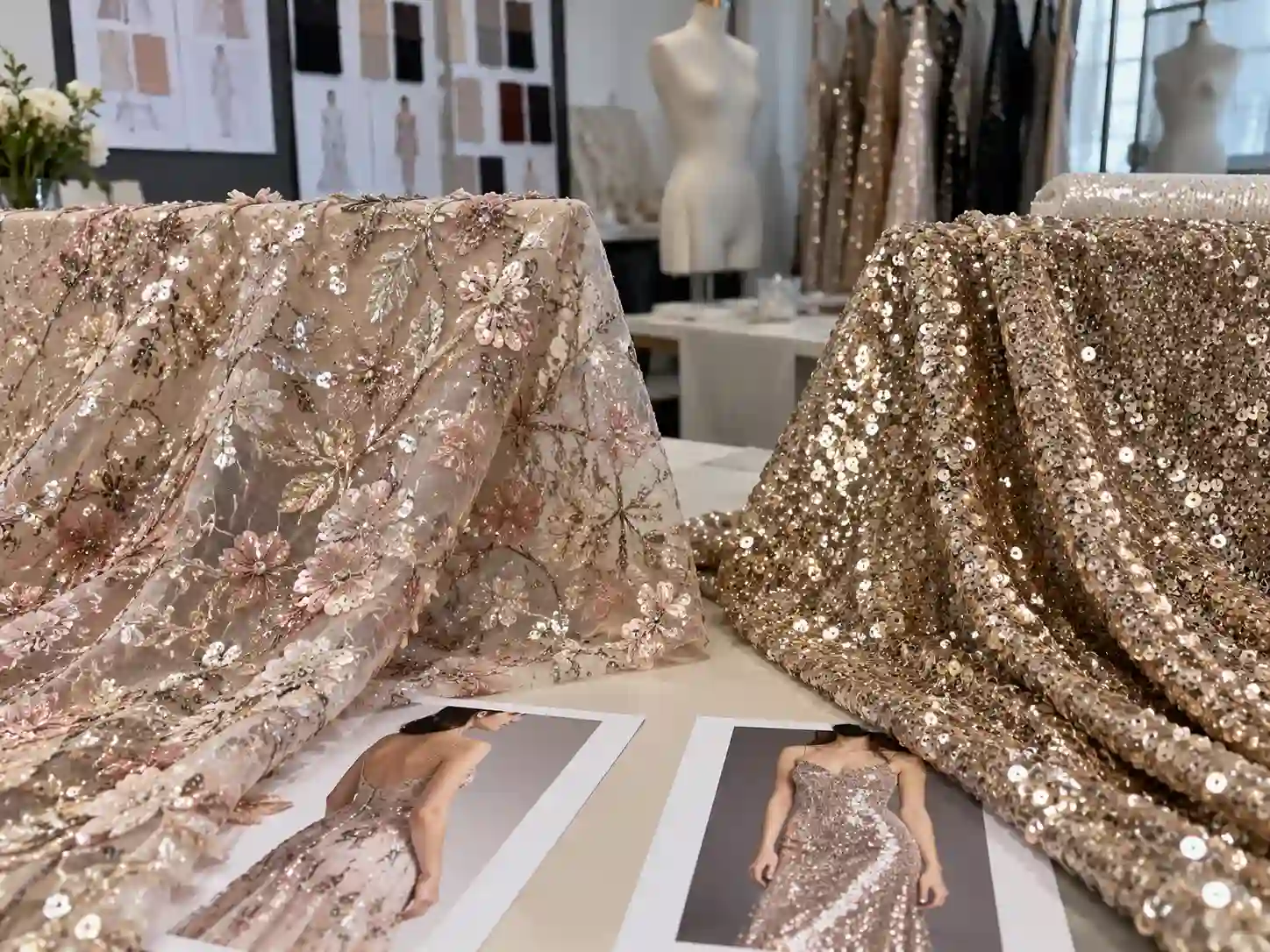
Table of Contents
Here, developing your OEM/ODM private label clothing collection is no longer a challenge—it’s an excellent opportunity to bring your creative vision to life.

