
How Do Waist Measurements Affect Dress Fit?

Your trusted Women’s Apparel Manufacturer from China

A dress can look beautifully balanced on a hanger and still feel completely wrong once it is worn. The zipper may stop at the waist, the bodice may wrinkle above the skirt seam, or the hem may rise every time the wearer walks. These issues are often blamed on the overall size, yet the real cause is frequently a waist measurement taken at the wrong height, translated with unsuitable ease, or combined with fabric that behaves differently from the approved sample. For fashion brands, this is not a minor fitting-room inconvenience. It influences product reviews, alterations, returns, and whether customers trust the next collection.
Waist measurements affect dress fit by controlling where the bodice settles, how the skirt begins, and how tension is distributed across the torso. Accurate measurements improve comfort, zipper alignment, side-seam balance, and silhouette. Incorrect measurements can cause pulling, gaping, riding, twisting, restricted movement, or a waistline that sits above or below its intended position.
The waist is where body data, pattern shape, fabric behavior, and construction meet. A difference of only a few centimeters can change the position of the bust, the direction of the side seams, or the way a skirt hangs. One experienced fitting technician once described a troublesome occasion dress that had been altered three times at the zipper, only for the team to discover that the “waist” had been measured at the navel instead of the garment’s true waist seam. The fix took minutes once the real cause was understood, and the same lesson applies to every dress collection that moves from a sketch into production.
What Is the Correct Waist Measurement for a Dress?
The correct waist measurement is taken at the body position the dress is designed to follow, then converted into a finished garment measurement with suitable ease. Most fitted dresses use the natural waist, while empire, high-waist, low-waist, and drop-waist styles require different reference points. Fabric stretch, lining, structure, and movement must also be included in the final specification.
Finding the Natural Waist
The natural waist is usually the narrowest area between the lower ribs and the upper hip, but it does not sit at the same height on every body. A practical method is to tie a narrow elastic around the torso, allow the wearer to bend and move naturally, and let the elastic settle. The position where it rests is usually a more reliable reference than the navel, which may sit above or below the actual bending point.
Measurement posture matters. The wearer should stand comfortably without lifting the chest, tightening the stomach, or forcing the shoulders backward. The tape should remain parallel to the floor and touch the body without compressing soft tissue. For fitted dresses, the circumference should be recorded together with high-shoulder-point-to-waist, center-front waist length, and center-back waist length. Two people can share a 72 cm waist but need different bodice lengths because of bust projection, posture, or torso proportion.
Waistline Versus Body Waist
The body waist is an anatomical landmark, while the dress waistline is a design choice. A fit-and-flare or tailored sheath dress usually places its seam close to the natural waist. An empire dress fits nearer the under-bust, a high-waist style sits above the natural waist, and a drop-waist dress extends toward the upper hip. Since body circumference changes as the measuring point moves, the same number cannot be used at every level.
A specification that says only “waist 72 cm” leaves too much room for interpretation. It should identify the vertical position, such as natural waist or a fixed distance below the high shoulder point. This detail becomes especially important when the dress has no visible waist seam. A sample may technically close while still looking short-waisted, long-waisted, or pulled out of balance because the circumference was applied at the wrong height.

Measuring the Waist Accurately
Use a flexible tape over lightweight clothing or the intended foundation garments. Keep it level around the front, sides, and back, and allow enough contact to prevent slipping without creating an indentation. The wearer should breathe normally, because a measurement taken after a forced exhale can be smaller than the body during ordinary movement. Repeating the measurement helps confirm that tape position and posture are consistent.
- Record natural waist, high waist, or low waist according to the actual design.
- Mark the vertical position before taking the circumference.
- Measure the front and back waist lengths for fitted bodices.
- Note the foundation garment used during fitting.
- Repeat any reading that changes by more than about 1 cm.
- Label units clearly and never mix centimeters with inches.
Formal and structured dresses should be measured over the undergarments expected during wear. A supportive bra or shapewear can change bust height, ribcage shape, and front-waist length. The most useful measurement record therefore combines numbers with short observations about posture, body shape, and the intended wearing condition instead of treating circumference as a complete fit description.
Body, Pattern, and Garment Measurements
Body waist, pattern waist, and finished garment waist describe different stages of development. The body measurement defines the target wearer. The pattern contains shaping, seam allowances, darts, overlaps, and construction details. The finished garment measurement is what can be checked on the completed dress. The difference between body and garment may be positive, zero, or negative depending on the fabric and silhouette.
Measurement Type | What It Represents | Practical Use |
Body waist | Actual circumference of the target wearer | Defines the size profile and supports fit evaluation |
Pattern waist | Pattern dimensions before sewing and assembly | Controls shaping, grading, darts, seams, and construction |
Finished waist | Completed garment measurement at a stated point | Used for sample approval and bulk inspection |
Waist ease | Difference between body and finished garment | Controls comfort, compression, and silhouette |
Waist position | Vertical location on the torso | Controls bodice length, skirt placement, and visual proportion |
A size chart may list a 72 cm body waist while the corresponding woven dress has a 75 cm finished waist. Both figures can be correct because they answer different questions. The most reliable product file states the target body measurement, finished garment measurement, measuring method, fabric condition, and permitted tolerance. That clarity helps preserve the approved fit when the style moves from sample development into bulk production.
How Does Waist Size Affect Dress Fit?
Waist size affects how the bodice settles, where the skirt begins, and how tension travels through the dress. A waist that is too small can cause pulling, zipper strain, rising hems, and restricted movement. A waist that is too large can cause gaping, dropping, twisting, and loss of shape, even when the bust and hip measurements appear correct.
Signs of a Tight Waist
A tight waist often creates horizontal drag lines, but the symptoms may appear above or below the actual measurement point. Fabric pulls toward the area that lacks room, so tension can travel toward the bust, upper hip, zipper, or side seam. A center-back zipper may become difficult to close or may wave after fastening. In many cases, the zipper is only revealing a fit problem rather than causing it.
Fitted mini and bodycon dresses may ride upward because the garment moves toward a narrower part of the torso during walking or sitting. The hem becomes shorter, the waistline shifts, and the hip area wrinkles. The missing width may be concentrated at the front abdomen, side body, or back waist. Adding the same amount around the entire pattern can weaken shaping, so corrections should place volume where the fabric actually needs it.
Signs of a Loose Waist
A loose waist reduces the control that keeps the bodice and skirt in their intended positions. Excess fabric may gather above the seam, the back may gape, or the zipper may stand away from the body. In fit-and-flare dresses, the bodice can drop and make the skirt begin too low. Bust shaping then sits below the wearer’s bust, and the whole silhouette appears longer and less defined.
Strapless and corset-style dresses are particularly sensitive because the waist helps anchor the upper garment. If that anchor is missing, the neckline and bust area carry more weight, prompting the wearer to pull the dress upward repeatedly. Removing excess only from the side seams can flatten the body shape or shift seam position. Back darts, princess seams, center-back shaping, or a contoured waistband may offer a cleaner correction.
Bust, Waist, and Hip Balance
Dress fit depends on the transition from bust to waist and from waist to hip, not on one circumference in isolation. A tight waist can pull the bodice downward, open the neckline, or distort an under-bust seam. It can also pull the skirt upward and create diagonal lines across the upper hip. A loose waist can let the garment drop, causing bust points and hip shaping to sit lower than planned.
Wrinkle direction offers useful evidence. Horizontal lines usually indicate a shortage of width, vertical folds often suggest excess width, and diagonal lines show that the garment is being pulled toward another area or that front and back balance is uneven. These clues should be confirmed by pinning, releasing seams, and remeasuring. A wrinkle identifies where the fabric is reacting, but it does not always reveal the full pattern correction.
Fit Symptom | Likely Waist-Related Cause | Practical Correction |
Horizontal lines at waist | Insufficient circumference | Add width where tension is concentrated |
Back-waist gaping | Excess back volume or posture mismatch | Reshape darts or center-back seam |
Dress rides upward | Waist or upper hip too tight | Review the full waist-to-hip transition |
Bodice drops | Waist too loose or torso too long | Reduce waist or shorten the bodice |
Zipper waves | Tension, stretching, or weak stabilization | Correct fit and reinforce the closure area |
Side seams swing | Uneven front and back distribution | Rebalance pattern width |
Skirt lifts at front | Front waist or abdomen lacks room | Add targeted front volume |
Fabric pools above waist | Bodice too long or waist too loose | Adjust vertical length and circumference |
Waist Length and Dress Balance
Circumference explains how much space exists around the torso, while waist length explains where that space sits. A dress can match the waist measurement and still fit badly because the bodice is too short or too long. A short bodice places the waistline above the natural waist, crowds the bust, and may shorten the hem. A long bodice collapses above the waist and lets bust shaping settle too low.
Front and back lengths should be reviewed separately. A fuller bust often requires more front length without changing the back, while a rounded or erect posture affects back balance. Lengthening the entire bodice evenly can move the side seam, armhole, and neckline into the wrong positions. During fitting, the waistline should be observed from every angle and checked while the wearer sits, raises the arms, and walks.

Which Dress Styles Need Accurate Waist Measurements?
Fitted and structured dresses need the most precise waist measurements because they offer little room for error. Bodycon, corset, sheath, and fit-and-flare styles rely heavily on waist control. Wrap, A-line, elasticated, and relaxed dresses provide more flexibility, but their waist position, adjustment range, and body proportions still need to be deliberately defined and tested.
Bodycon and Fitted Dresses
Bodycon dresses depend on the relationship between body dimensions, fabric stretch, recovery, thickness, and pattern reduction. Two fabrics can both contain 5% elastane and still behave very differently. A dense ponte may feel firm and supportive, while a lightweight jersey may stretch further, recover less effectively, or become transparent under tension. Fiber composition alone is therefore not enough to set the waist measurement.
The waist-to-hip curve is critical. A pattern with strong waist reduction but insufficient hip shape will rise during movement. If the waist is too loose, the garment wrinkles at the narrowest point and loses the smooth sculpted appearance expected from the style. The fabric should be tested after relaxation and repeated stretching, and the seams should be checked under tension. A dress that fits for five minutes but grows after several hours is not commercially stable.
Corset and Structured Dresses
Corset dresses are less forgiving because the waist is connected to the entire support system. Boning, panel seams, bust cups, lining, interlining, under-bust placement, and closure type all influence how pressure is distributed. When the waist is too small, the zipper may struggle, boning may twist, and the top edge may flare away from the bust. When it is too large, the bodice can rotate or slide down.
A lace-up back provides adjustment, but it should operate within a planned range rather than hide an unsuitable base pattern. The opening should remain reasonably even from top to bottom. A wide gap at the waist with a narrow gap at the bust points to proportion problems. Fit testing should include sitting, breathing, walking, raising the arms, and checking pressure at the lower ribs. Structure should support the wearer without making ordinary movement impractical.
Fit-and-Flare and Waist-Seam Styles
Fit-and-flare dresses rely on contrast: the bodice follows the torso, the waist creates definition, and the skirt releases outward. Even a 1-2 cm vertical difference can change the design. A seam placed too high begins to resemble an empire waist, while one placed too low lengthens the torso and reduces the visual lift of the skirt. The waist seam must also remain stable when supporting gathered, pleated, lined, or layered skirt weight.
The front waist may need a different curve from the back because bust projection, abdomen shape, and dart control affect the seam line. A completely straight seam can look uneven once it wraps around a three-dimensional body. Stabilizing tape, a contoured waistband, lining, or carefully controlled seam allowance may be required. The correct circumference is only one part of the result; the seam must also sit level and preserve the intended silhouette during movement.
Flexible and Alternative Waistlines
Wrap, A-line, smocked, elasticated, empire, and drop-waist dresses provide different kinds of flexibility, but none should be treated as universally forgiving. A wrap dress needs enough overlap to remain covered during movement. If it is too small, the overlap narrows; if it is too large, the tie position shifts and the neckline may gape. Elastic and smocked waists need both relaxed and extended measurements, plus a recovery check.
Empire dresses use the under-bust or lower-rib area as the fitted point, while drop-waist dresses sit closer to the high hip. Applying a natural-waist circumference to either position can create immediate problems because those body levels are shaped differently. “Flexible” should describe a tested adjustment range rather than an assumption based on the style name. Every silhouette still needs a target body, a defined waist position, and clear measurement limits.
|
Dress Style |
Waist Sensitivity |
Common Fit Risk |
Main Control Point |
|
Bodycon dress |
Very high |
Riding, transparency, weak recovery |
Stretch, reduction, waist-to-hip curve |
|
Corset dress |
Very high |
Pressure, slipping, boning distortion |
Panel shape, lining, closure |
|
Sheath dress |
High |
Drag lines and restricted movement |
Wearing ease and vertical balance |
|
Fit-and-flare dress |
High |
Incorrect seam position |
Bodice length and waist stability |
|
Satin slip dress |
Medium-high |
Bias growth and seam distortion |
Resting, grain, and zipper control |
|
Wrap dress |
Medium |
Insufficient overlap or neckline gaping |
Tie position and overlap range |
|
Elastic-waist dress |
Medium |
Excess pressure or weak recovery |
Relaxed and extended measurements |
|
A-line dress |
Medium |
Back pooling or front pulling |
Bodice shape and body balance |
|
Relaxed shift dress |
Lower |
Poor proportion rather than tightness |
Length, shoulder, and body balance |
How Do Fabric and Ease Change Waist Fit?
Fabric and ease determine whether the same waist measurement feels comfortable, restrictive, or loose. Stable woven fabrics normally need positive ease, while stretch fabrics may use zero or negative ease. Weight, recovery, drape, lining, bias direction, seam construction, and finishing can all change the result, so waist specifications should be developed with the actual production fabric.

Wearing and Design Ease
Wearing ease is the additional room needed for breathing, sitting, bending, and ordinary movement. Design ease is extra volume added to create a particular look. A fitted woven work dress may need enough room for long periods of sitting, while a gathered maxi dress may contain much more volume for visual effect even though the internal waistband remains accurately fitted. These two types of ease should be discussed separately.
Practical starting ranges can support early development, although they are not universal rules. A fitted non-stretch woven dress may begin around 2-4 cm of total waist ease, while a semi-fitted style may use around 4-7 cm. Relaxed dresses can use considerably more, depending on gathers, pleats, drape, and the intended silhouette. Final approval should come from movement testing rather than from copying a standard number into every style.
Negative Ease in Stretch Dresses
Negative ease means the finished garment is smaller than the body measurement and relies on fabric extension. It is common in bodycon, rib-knit, jersey, and stretch-mesh dresses. The fabric must stretch comfortably and return close to its original dimension after release. A high stretch percentage is not enough if the material becomes transparent, feels harsh, loses recovery, or grows permanently after several hours of wear.
A simple development test is to mark a 10 cm section, stretch it without forcing, and record the comfortable extended length. If it reaches 13 cm, the usable extension is approximately 30%. The swatch should then be released and checked for recovery. Zippers, linings, embroidery, prints, bonded details, and seam thread can reduce usable stretch, so the final pattern reduction must be confirmed on the complete garment rather than on the shell fabric alone.
Woven, Knit, and Bias Behavior
Stable woven fabrics such as suiting, crepe, non-stretch satin, taffeta, linen blends, and many laces rely mainly on pattern shape. Insufficient waist room appears quickly as pulling or closure strain. Knits such as jersey, rib, ponte, and stretch mesh adapt more easily, yet they can grow after wear, wave at seams, or become shiny and transparent under tension. Each material therefore creates a different fit risk.
Bias-cut woven fabrics occupy a middle ground. Satin or crepe cut on the bias can conform to the body without elastane, but gravity may make the dress lengthen and narrow across the waist and hip. Bias garments should rest before final hemming and measurement. Shell and lining behavior must also agree. A stretch outer fabric combined with a stable lining will fit according to the lining, not according to the more flexible shell.
Construction and Waist Control
Construction decides how waist measurements are distributed and maintained. Darts remove volume locally, princess seams spread shaping over longer lines, elastic creates a controlled range, and boning stabilizes a structured bodice. Ruching, gathers, and smocking can accommodate variation, but they still need defined relaxed and extended measurements. Closures also matter because an invisible zipper offers almost no adjustment, while lacing or ties provide a limited range.
Waistbands require particular attention. A straight waistband behaves differently from a contoured one, and a rigid band needs carefully planned ease because it cannot adapt to the body. Sewing deviations also accumulate. A small difference at several panel seams can change the final circumference noticeably. The approved waist is therefore created by the fabric, pattern, lining, seam allowance, closure, pressing, and operator control working together rather than by one isolated measurement.
- Firm woven fitted dress: often begins around +2 to +4 cm total waist ease.
- Semi-fitted woven dress: often begins around +4 to +7 cm total waist ease.
- Stable stretch dress: may begin between zero and modest negative ease.
- Bodycon knit dress: pattern reduction must be confirmed through opacity and recovery tests.
- Elastic waist: define relaxed, comfortably extended, and recovered measurements.
- Corset dress: use style-specific testing for breathing, closure, and structural pressure.
These ranges are useful only as development references. A lined dress may require more room than an unlined version, a long heavy skirt may pull on the waist differently from a short dress, and weak recovery may require less negative ease even when the fabric stretches easily. The approved number should always reflect the actual style, fabric lot, target customer, and wearing occasion.
How Are Waist Measurements Controlled in Production?
Waist measurements are controlled through clear measurement points, approved patterns, fabric testing, fit samples, grading rules, pre-production approval, in-line inspection, and final checks. Reliable production protects not only the target circumference but also the waist position, front-back balance, ease, stretch behavior, and approved appearance from the first sample through bulk delivery.
Size Charts and Measurement Points
A production-ready size chart should distinguish target body measurements from finished garment measurements and explain exactly how each point is checked. The phrase “waist width” is too vague when a dress has a curved seam, contoured waistband, elastic panel, wrap overlap, ruching, or no visible waist seam. The specification should state whether the garment is closed, laid flat, measured straight across, or measured along a curve.
Elastic products need at least a relaxed measurement and an extended measurement, together with a consistent method for applying extension. Dresses without a visible seam need a vertical location from a stable reference such as the high shoulder point or underarm. A complete record may include body waist, finished waist, high or low waist, front and back waist lengths, grade increment, shell and lining measurements, fabric condition, and permitted tolerance.
Fit Samples and Approval
A fit sample confirms whether the measurement system works on a real body or fitting form. It should be made in the actual fabric whenever possible because stretch, thickness, drape, and recovery can change the result. During fitting, the team should check more than whether the zipper closes. The wearer should stand, sit, walk, bend, raise the arms, and rotate the torso while the waist remains in its intended position.
Fit comments should describe the location and amount of change. “Add 2 cm to waist” can produce several different corrections, while “add 1 cm total at the front waist between the princess seams and keep the back unchanged” protects the surrounding shape. Revised samples should be remeasured because a waist correction can affect bust, hip, armhole, and skirt balance. The final specification and sealed approval sample must tell the same story before production begins.

Grading the Waist
Size grading creates the dimensions above and below the approved base size. It should preserve the silhouette rather than enlarge every point by the same percentage. Bust, waist, hip, shoulder, torso length, armhole, and garment length may require different increments. The waist grade must maintain a smooth relationship with the bust and hip grades, especially in fitted dresses where a small proportion change alters the visual shape.
Larger sizes may require different front and back distribution, dart intake, torso length, or waist-to-hip shaping. A corset dress needs panel seams and boning channels to remain correctly positioned, while a bodycon dress needs consistent pressure rather than identical negative ease in centimeters. Selected sizes should be reviewed numerically and visually. A successful base-size fitting does not prove that the smallest and largest graded sizes will perform correctly.
Bulk Measurement Control
Bulk consistency begins with fabric control. Shrinkage, relaxation, stretch, recovery, width, and grain direction should be checked before cutting. Slippery satin, chiffon, mesh, and bias-cut fabrics can shift during spreading, while stretch materials may be laid under tension and later contract. Cutting, seam allowance, dart intake, elastic length, zipper installation, waistband joining, and pressing all influence the final waist.
Many commercial specifications use waist tolerances in the region of approximately +/-1 cm to +/-1.5 cm on a flat half-waist measurement, depending on the fabric, style, size, and brand standard. Structured or highly fitted products may require tighter control, while elasticated or relaxed styles may use a broader or differently defined tolerance. The value should always be approved for the individual product instead of applied as a factory-wide assumption.
Production Stage | Waist Control Check | Typical Risk |
Fabric approval | Shrinkage, stretch, recovery, and weight | Approved pattern no longer matches fabric behavior |
Fabric relaxation | Resting time and laying tension | Panels shrink or grow after cutting |
Cutting | Panel dimensions and grain direction | Circumference and balance variation |
Sewing start | Seam allowance and construction method | Repeated measurement error |
In-line inspection | Waist, darts, zipper, elastic, side seams | Defects continue through the order |
Pre-production approval | Fit, measurement, and workmanship | Incorrect standard enters bulk production |
Finishing | Pressing and garment recovery | Heat or handling changes the waist |
Final inspection | Measurement tolerance and appearance | Nonconforming garments are packed |
Packing | Folding, compression, and structure protection | Creases or structural distortion |
Inspection should begin early rather than waiting until garments are fully finished. In-line checks allow the factory to correct seam allowance, elastic length, or operator technique before the same issue affects the complete order. Garments should be measured in a consistent condition with closures fastened, elastic recovered, and fabric lying naturally. Numerical compliance must also be compared with appearance, because a waist can fall inside tolerance while the side seams twist or the zipper still waves.
A dependable waist fit is achieved when body data, finished garment measurements, fabric behavior, pattern shape, grading, construction, and inspection remain aligned. Changing one element without updating the others may leave the dress close to a target number while moving it away from the approved fit. That is why waist control should be treated as a connected product-development process rather than a final inspection item.
Develop Better-Fitting Dresses With a Production Team That Understands the Waist
For fashion brands developing bodycon dresses, corset styles, occasionwear, satin slip dresses, fit-and-flare collections, or private-label womenswear, the waist should be treated as a structural control point from the first measurement onward. Clear body data, fabric testing, pattern review, fit samples, grading, and bulk inspection reduce avoidable revisions and make it easier to reproduce the approved silhouette across colors, sizes, and repeat orders.
Jinfeng Apparel has focused on custom women’s fashion manufacturing since 2008, supporting OEM, ODM, and private-label projects through pattern development, fabric sourcing, sampling, fit correction, bulk production, quality control, brand packaging, and export coordination. The production network includes six owned women’s fashion factories and more than ten long-term satellite production partners, with standard MOQ starting from 200 pieces per style and color, subject to fabric, trims, construction complexity, and scheduling.
Share This Article :

Jerry Lee
Categories

Latest blogs


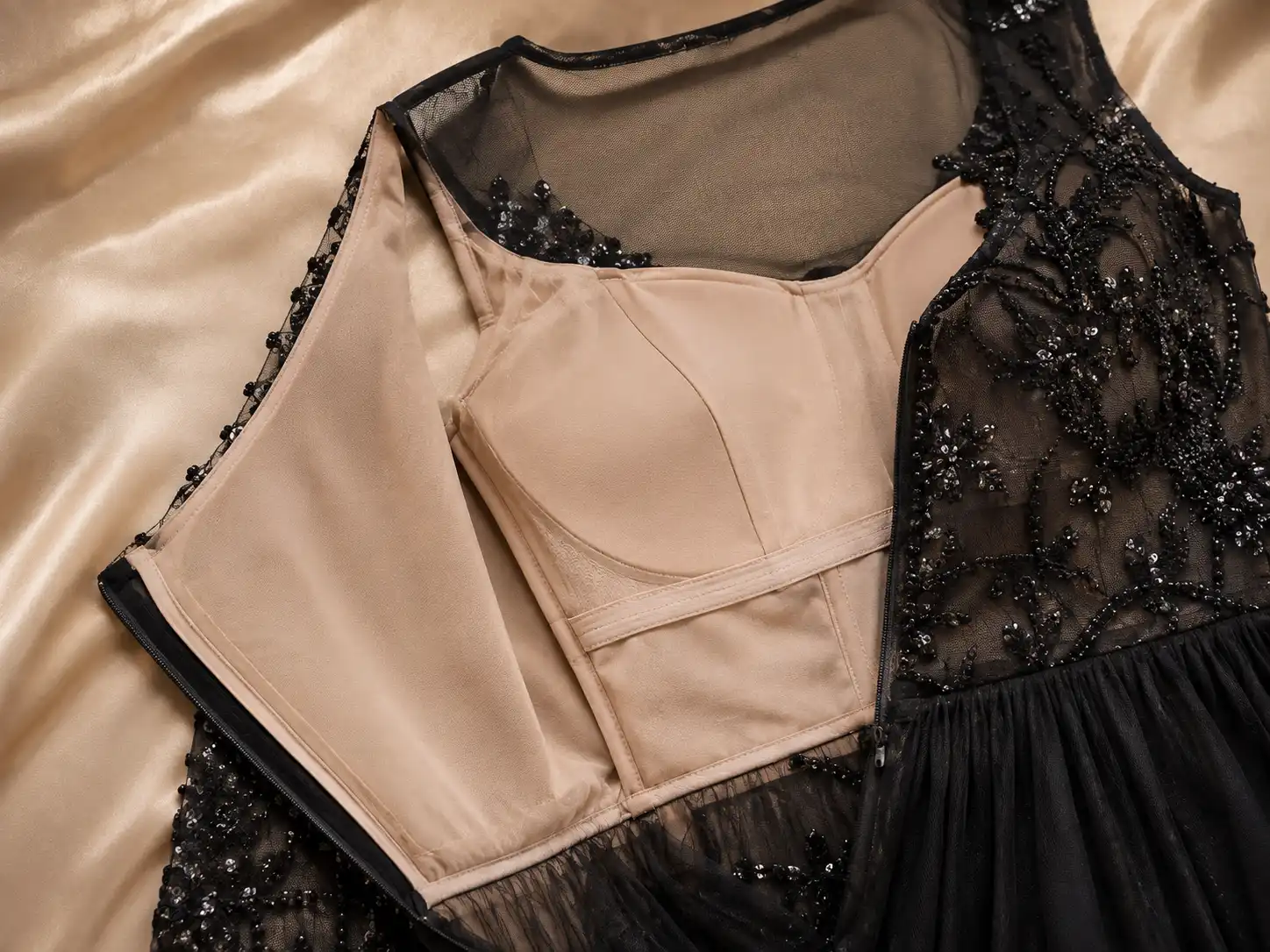
Table of Contents
Here, developing your OEM/ODM private label clothing collection is no longer a challenge—it’s an excellent opportunity to bring your creative vision to life.

