Wrap Dress Manufacturer

Custom wrap dress development for global fashion brands requiring controlled fit, reliable bulk execution and private-label delivery.

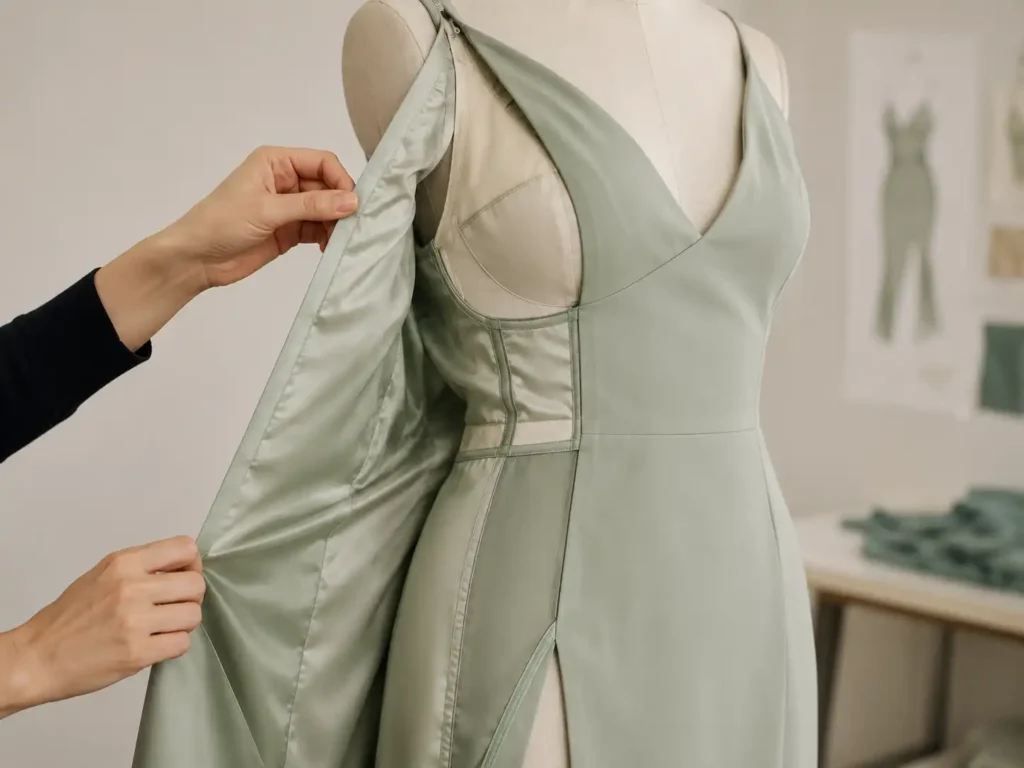
  • Wrap-specific development: front overlap, V-neck depth, bust coverage, waist position, tie length and hem balance reviewed before bulk production.
  • Structured sample resources: 2 sample rooms, 7+ senior pattern makers and 20+ sample machinists support first samples, fit revisions, PP samples and golden samples.
  • Scalable manufacturing: 6 owned women’s fashion factories and 10+ long-term production partners support multi-style, multi-fabric and multi-batch programs.
  • Order framework: MOQ starts from 200 pcs per style/color, subject to fabric, print, trim, construction and packing requirements.
Jinfeng Apparel develops true-wrap, faux-wrap and wrap-bodice dresses from reference images, original samples, sketches, line sheets or tech packs. Fabric behavior, grading, movement coverage, sewing instructions and packing standards are converted into production files before cutting begins.

Wrap Dress Development Backed by Measurable Capacity

A strong wrap dress program needs technical development before sewing volume. Jinfeng combines pattern, sample, production, QC and packing resources within one coordinated manufacturing system.

Since 2008

Long-term womenswear manufacturing experience across dresses, skirts, jumpsuits, matching sets and private-label collections.

6 Owned Factories

Factory allocation can follow fabric type, construction difficulty, order scale and delivery schedule.

10+ Production Partners

Long-term satellite resources add scalable capacity for seasonal collections and repeat orders.

2 Sample Rooms

Separate sample development supports parallel style reviews, fit revisions and PP preparation.

7+ Pattern Makers

Senior pattern staff handle wrap-front balance, waist placement, neckline shape and grading rules.

15+ QC Inspectors

Quality checks cover incoming materials, cutting, sewing, measurement, finishing, packing and final inspection.

Built for Structured Wrap Dress Programs

Jinfeng works with apparel teams that manage real product calendars, fit standards, brand packaging and repeat-order potential. Every group below receives a different manufacturing focus.

Global Fashion Brands

Multi-style collections require version control, approved fabrics, confirmed size charts, repeatable construction and coordinated delivery. Jinfeng keeps pattern, trim, measurement and packing records for future runs.

Sourcing Teams

Procurement teams need clear costing logic, MOQ boundaries, risk review, factory allocation and documented production progress. Quotations are built from fabric, trims, construction, sampling, sewing time, QC, packing and logistics.

Product Developers

Development teams need fast technical feedback on overlap depth, neckline security, drape, lining, closures and grade rules before committing to bulk materials.

Ecommerce Brands

Online apparel programs need photo-ready samples, stable size execution, fewer coverage complaints and packaging aligned with SKU, barcode and warehouse requirements.

Resortwear Labels

Resort collections often combine viscose, chiffon, linen blends and custom prints. Drape, transparency, print direction, wrinkle recovery and launch timing become central controls.

Private Label Programs

Brand delivery includes main labels, size labels, care labels, hangtags, barcodes, polybags, carton marks and packing instructions, not merely a replacement neck label.

A Manufacturing Model for Defined Product Plans

Successful cooperation begins with clear product direction, sample expectations and a realistic bulk plan. The following two profiles help teams judge fit before sending development files.

Strong Project Fit

  • A reference image, original sample, sketch, line sheet or tech pack is available.
  • Target quantity is planned by style, color and size range.
  • Fabric, print, label and packing expectations can be reviewed before quotation.
  • Sample fees and development timing are included in the product calendar.
  • A PP sample will be approved before bulk sewing begins.
  • The program has seasonal, repeat-order or multi-style potential.

Outside Our Production Model

  • Ready-stock purchasing without product development.
  • Single-piece fulfillment or direct-to-consumer parcel dispatch.
  • Orders below the production framework without a bulk plan.
  • Requests based only on the lowest unit price while ignoring fabric, fit and QC.
  • Projects unwilling to confirm fabric, size charts, PP samples or packing files.
  • Personal tailoring or one-off event garments.

Where Wrap Dress Production Commonly Loses Control

Wrap silhouettes appear simple in flat sketches, yet small pattern or sewing errors create visible fit problems. Six risks below should be resolved during development rather than after bulk cutting.

Shallow Front Overlap

Insufficient overlap can open during walking, sitting or stair movement. Overlap width must be reviewed with bust shape, waist position, skirt flare, fabric slip and size grading rather than copied from a single flat measurement.

Unstable V-Neckline

A neckline may gape, roll outward or stretch after hanging. Neckline shape, stay tape, seam allowance, facing, lining and sewing tension need fabric-specific control.

Weak Bust Coverage

Full-bust wearers can lose coverage even when the waist fits. Front length, bust darting, crossover angle and upper-front width must change through the size range.

Misplaced Tie Opening

An opening placed too high, too low or too far back changes waist balance and pulls the front panel. Opening reinforcement also matters because repeated tying creates stress.

Poor Grade Rules

Increasing chest and waist measurements without changing overlap and tie position can make larger sizes less secure. Smaller sizes may become bulky when the overlap grows too aggressively.

Bulk Shape Variation

Neckline stretch, cut-panel distortion, inconsistent tie lengths and uneven hems can turn an approved sample into unstable bulk. In-line checks must compare garments with the locked PP standard.

Custom Wrap Dresses Across Multiple Commercial Categories

Product selection should follow sales channel, body coverage, fabric behavior and construction cost. Jinfeng develops wrap families from softly draped resort styles to stable office silhouettes and occasion-led statement pieces.

True Wrap Dress

A fully opening front uses an inner fastening and outer tie. Development focuses on overlap depth, tie opening, inner tie length, waist alignment and secure movement coverage. Suitable for viscose, crepe, jersey, linen blends and soft printed wovens.

Faux Wrap Dress

A fixed crossover appearance improves dressing consistency and retail fit control. Hidden stitching, side seams, waist seams, elastic, snaps or zippers may stabilize the front. Ideal for office, occasion and ecommerce programs requiring predictable coverage.

Wrap Bodice Dress

Only the upper body crosses while the skirt remains fixed. The bodice needs secure neckline shaping, balanced bust coverage and smooth attachment at the waist seam. A-line, bias, pleated or fitted skirts can extend the silhouette.

Side-Tie Wrap Dress

A visible side knot becomes a design focus. Tie width, length, seam reinforcement and knot volume must match the fabric. Lightweight chiffon needs a softer, cleaner tie; heavier crepe can support a broader waist statement.

Mini Wrap Dress

Short lengths increase movement exposure, so front overlap and hem shape need extra review. Ruffle edges, sleeves, fitted waists and printed fabrics work well for party, brunch, vacation and social-led collections.

Midi Wrap Dress

Midi proportions suit office, wedding guest, brunch, resort and semi-formal ranges. Waist height, calf position, slit length and hem balance need careful grading because small length shifts change the visual proportion.

Maxi Wrap Dress

Long skirts amplify grain, drape and hem-level issues. Chiffon, viscose and printed wovens need balanced skirt panels, controlled lining length and sufficient front coverage during walking.

Long-Sleeve Wrap Dress

Sleeve weight can pull the bodice and open the neckline when armhole balance is wrong. Cuff openings, shoulder shape, sleeve cap and waist anchoring must be reviewed together.

Ruffle Wrap Dress

Ruffles add movement but also increase weight and edge variation. Ruffle ratio, grain direction, edge finish and symmetry affect whether the garment looks fluid or uneven.

Printed Wrap Dress

Floral, geometric and border prints require placement planning across overlapping fronts, skirt panels, ties and sleeves. Print repeat and direction are confirmed before bulk marker planning.

Office Wrap Dress

Office styles favor stable necklines, moderate overlap, controlled sleeves and crease-resistant crepe, ponte or suiting blends. Faux-wrap construction often reduces fit uncertainty while retaining the crossover appearance.

Resort Wrap Dress

Resort programs prioritize soft drape, print clarity, breathable hand feel, movement and travel packing. Viscose, rayon, chiffon and linen blends are matched with lining and wrinkle expectations.

True Wrap and Faux Wrap Construction Compared

Construction AreaTrue WrapFaux Wrap
Front OpeningOpens fully or substantially; inner and outer fastening required.Front appearance is fixed by seam, waist join, snap, zipper or hidden stitching.
AdjustabilityGreater waist adjustment within a controlled range.More predictable retail fit with limited adjustment.
Coverage RiskDepends on overlap depth, tie tension, fabric slip and movement.Depends on neckline stabilization, front anchoring and fixed crossover shape.
Grading FocusOverlap, tie opening, inner tie and front length must evolve by size.Bust coverage, seam position, waist attachment and closure tolerance must evolve by size.
Fabric DirectionSoft wovens, jersey, crepe, viscose, linen blends and selected satin.Crepe, ponte, jersey, suiting blends, satin and structured wovens.
Commercial UseResort, casual, maternity-inspired, summer and adjustable silhouettes.Office, occasion, ecommerce, uniform-fit ranges and controlled size programs.
Bulk QCTie length, opening reinforcement, overlap width, neckline, hem balance.Crossover seam, neckline, zipper or snap, waist seam, front symmetry.

Controlling Bust Coverage and Waist Position

Wrap dresses must fit a three-dimensional body while the front layers remain adjustable. Bust shape, torso length and waist level receive separate review because a change in one area can move the entire crossover.

  • Upper Bust and Full Bust

    Upper-bust width controls how the neckline sits near the armhole and shoulder, while full-bust allowance controls volume across the chest. Increasing only the side seam can leave the crossover too narrow. Development may adjust dart intake, princess shaping, front length, crossover angle or wrap-panel width. For soft fabrics, the approved fit should remain secure without using excessive tie pressure, since over-tightening can create diagonal drag lines and distort the side seam.

  • Natural Waist Position

    The waist seam or tie line must match the intended body position. A waist set too high can reduce bust coverage and shorten the upper torso; a waist set too low can make the wrap front unstable and visually heavy. Jinfeng compares front waist, back waist, side seam and tie opening during sample fitting. High-waist fashion silhouettes remain possible, but the pattern must intentionally redistribute front length and skirt fullness rather than simply moving the tie upward.

  • Tie Length and Tie Width

    Tie dimensions influence both appearance and function. Narrow ties can twist or roll in soft fabric; overly wide ties can create a bulky knot. Short ties limit adjustment, while excessive length adds material cost and can look untidy. Tie length is graded with the waist range and intended knot. Ties cut on different grain directions can stretch unevenly, so cutting direction and interfacing decisions are defined before bulk.

  • Torso Length Differences

    Wearers with longer or shorter torsos can experience neckline opening even when bust and waist measurements match. Front shoulder-to-waist length and back waist length are therefore reviewed alongside bust and waist circumference. For ranges aimed at mature or fuller-bust markets, added front length and refined grade rules often produce better coverage than simply increasing wrap width.

Size Grading Without Losing Wrap Coverage

Measurement PointWhy It MattersBulk Control Direction
Neckline DepthControls coverage and visual proportion.Measure from a fixed shoulder or high-point reference; compare against approved size chart.
Front Overlap at BustPrevents gaping across the chest.Record overlap or crossover position at a defined horizontal level.
Front Overlap at WaistMaintains secure closure and tie alignment.Check with garment relaxed and tied to the approved condition.
Bust CircumferenceControls ease and front-panel tension.Measure according to fabric stretch and garment construction.
Waist CircumferenceControls comfort and tie function.Confirm usable range, not merely a flat half-waist.
Front Waist LengthKeeps waistline level and protects bust coverage.Measure shoulder/high point to waist reference.
Tie LengthSupports knot, bow or double-wrap styling.Check left, right and inner ties separately where applicable.
Skirt LengthMaintains intended mini, midi or maxi proportion.Measure from waist or shoulder reference according to style.
Lower OverlapControls opening during movement.Check at a fixed distance above hem or at high-thigh level.
Lining LengthPrevents lining exposure and maintains coverage.Measure independently from outer shell.

Fabrics Selected for Drape, Coverage and Recovery

Fabric choice changes wrap security, hand feel, transparency, wrinkle behavior and sewing method. Jinfeng reviews weight, stretch direction, shrinkage, surface slip, print process, lining need and bulk availability before quotation.
5 Viscose Rayon

Viscose Woven

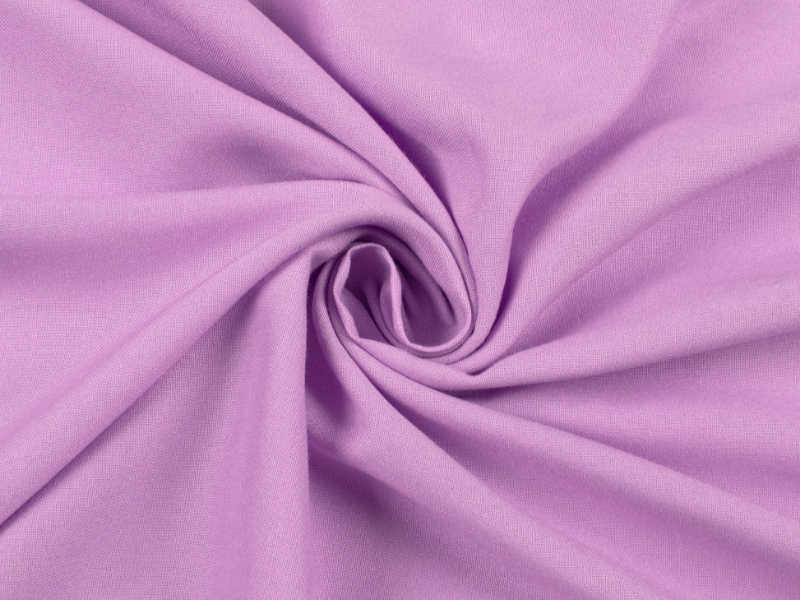
Soft drape suits midi, maxi and resort wrap dresses. Shrinkage, skew, wet strength and dye-lot variation require testing. Relaxation and hanging behavior may affect final length.

Rayon Woven

Fluid hand feel supports printed summer and vacation styles. The base fabric should be checked for shrinkage, colorfastness, seam slippage and recovery after pressing.

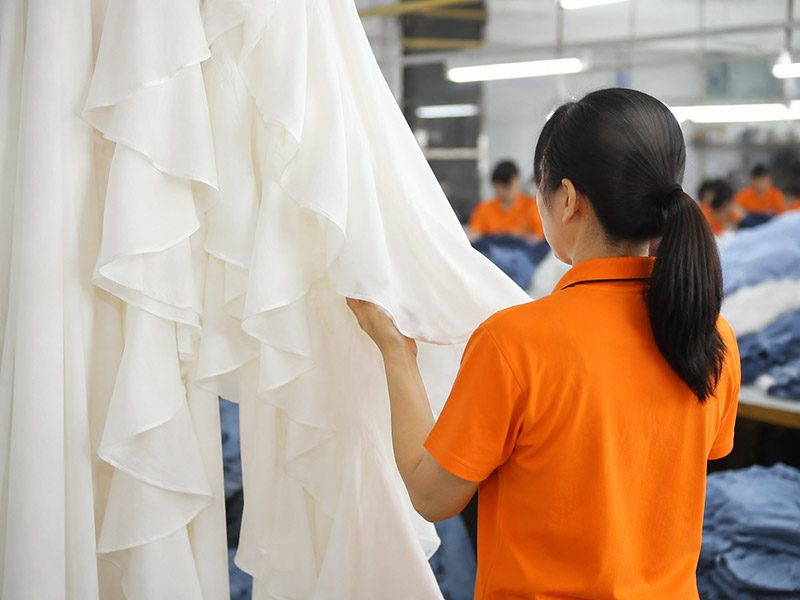
Chiffon

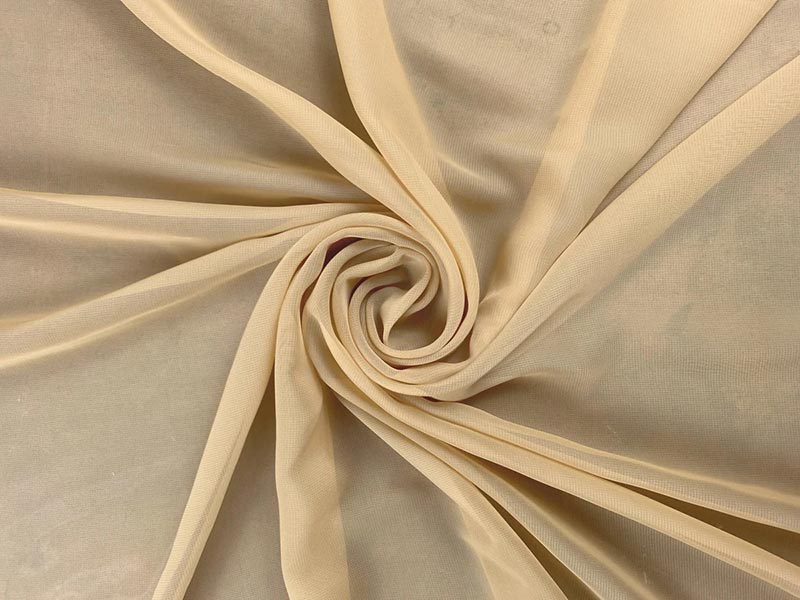
Lightweight movement works for ruffles and layered skirts. Transparency, static, fraying and edge finishing need control. Full or partial lining is often required.

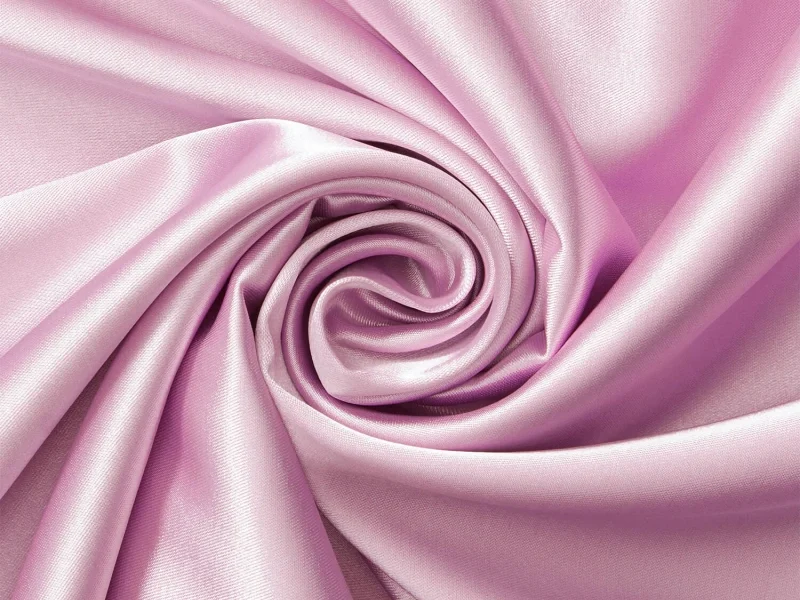
Satin

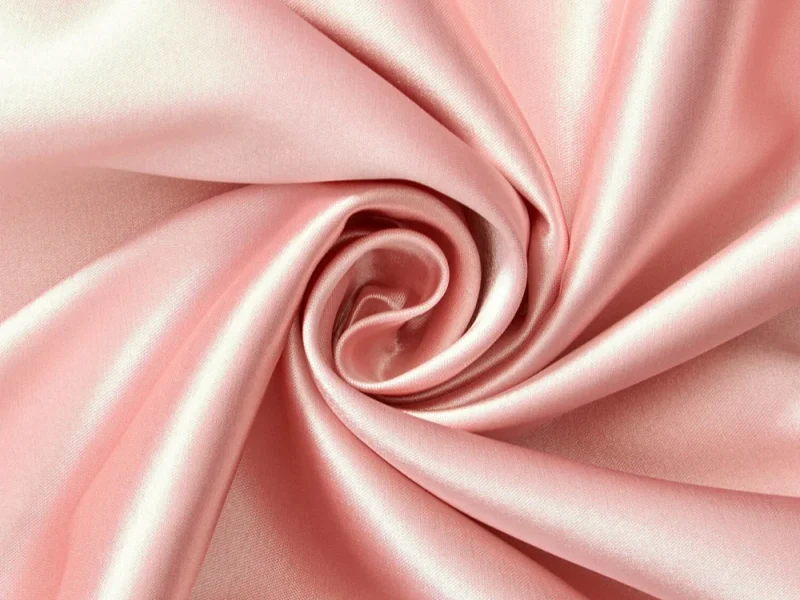
Gloss creates occasion value but exposes snagging, shine direction, seam puckering and pressing marks. Matte, stretch and heavier satin options produce different wrap behavior.

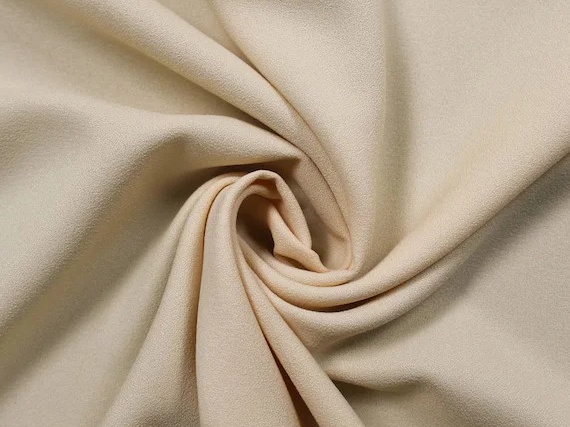
Crepe

Stable drape and textured surfaces suit office, cocktail and wedding-guest styles. Weight and stretch vary widely, so each crepe must be matched to the pattern.

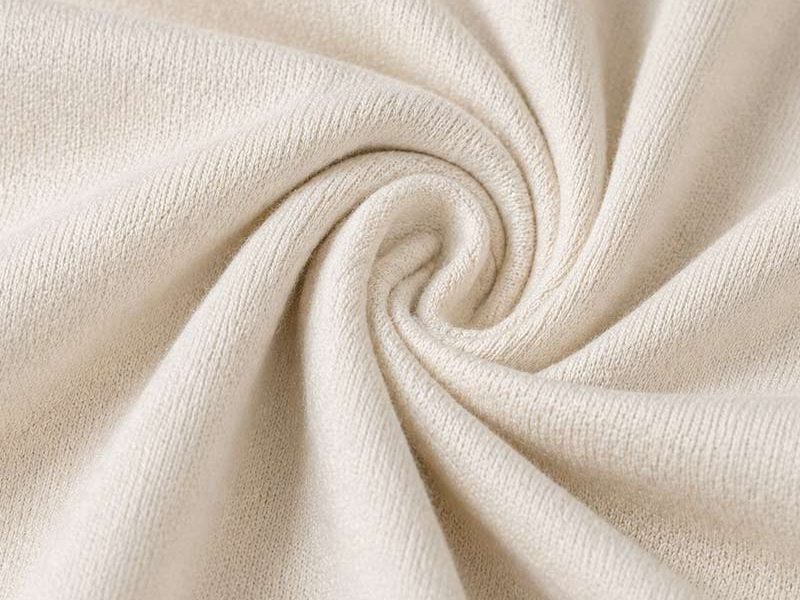
Jersey

Stretch supports comfort and soft body fit. Recovery, neckline stabilization, stitch elasticity and washing shrinkage are central. Low-weight pale jersey may require lining.
11Ponte Knit

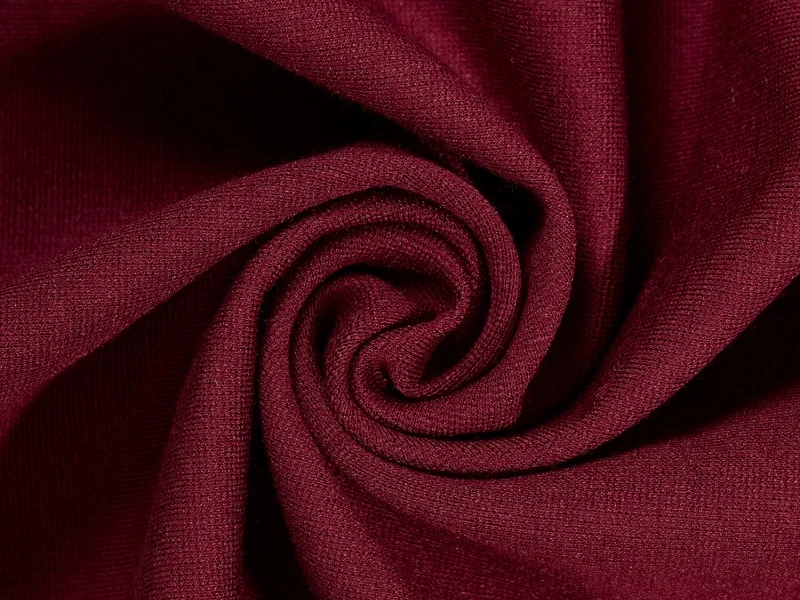
Ponte

Dense double-knit structure supports faux-wrap office silhouettes. The fabric offers shape and coverage but can create bulk at double layers and waist seams.

Linen Blend

Breathability and natural texture suit resort and summer programs. Wrinkle behavior, seam strength, shrinkage and print or dye consistency need review.
7. Cotton Blends

Cotton Blend

Cotton blends can create casual wrap dresses with more body. Softness, shrinkage and crease resistance depend on fiber mix, weave and finishing.

Printed Polyester

Stable print clarity and lower shrinkage can suit commercial floral programs. Hand feel, static, breathability and seam appearance still require evaluation.
5Stretch Satin

Stretch Satin

Added elastane improves movement in fitted wrap shapes. Recovery, shine direction and heat sensitivity must be tested before bulk pressing.

Suiting Blend

Structured blends support office faux-wrap dresses and tailored crossover bodices. Thickness, crease recovery, lining and closure position determine bulk appearance.

How Fabric Behavior Changes the Final Fit

The same pattern can perform differently after a fabric change. Material approval therefore comes before final PP confirmation, especially when drape, elasticity or shrinkage changes the crossover position.

Test Fabric Behavior Request Fabric Review

Drape and Panel Fall
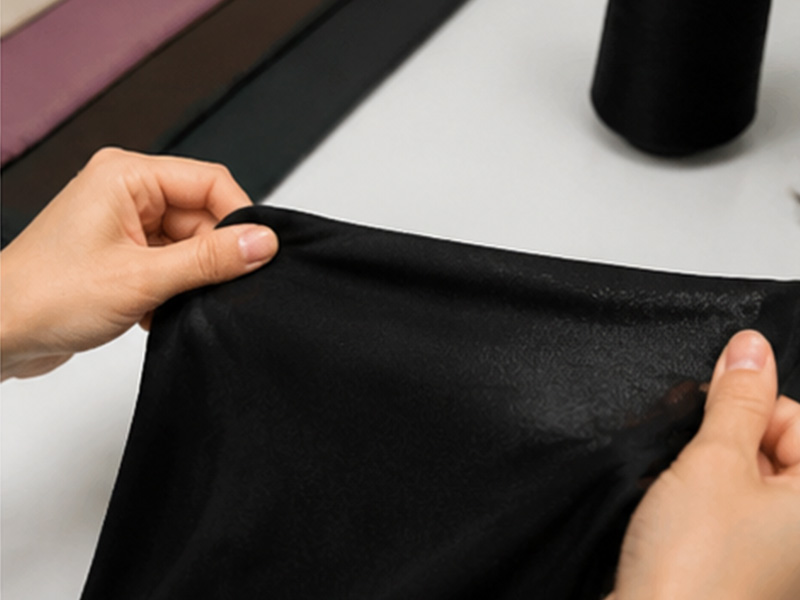
Fluid fabrics follow body curves and may reveal uneven overlap more clearly. Stiffer fabrics hold shape but can stand away from the bust. Pattern width and facing structure are adjusted around the approved material.

Stretch and Recovery

Jersey and stretch satin must return after tie tension and wear. Poor recovery can create a permanently open neckline or extended waist. Stretch direction is marked on the pattern and controlled in cutting.
Technical-Challenges

Shrinkage and Length

Viscose, rayon, cotton and linen blends may change after testing or garment care. Shrinkage can shorten front length, move the waist and reduce lower overlap. Approved shrinkage allowance is incorporated before bulk.

Surface Slip

Satin and smooth linings can shift at the neckline and waist. Sewing feed, stabilizers, tie construction and inner fastening are selected to maintain position without visible stiffness.
Lightweight Feel Without Uncontrolled Transparency​

Transparency

Chiffon, light jersey and pale viscose need coverage review under natural and indoor light. Lining color, length and attachment points are confirmed during sample development.
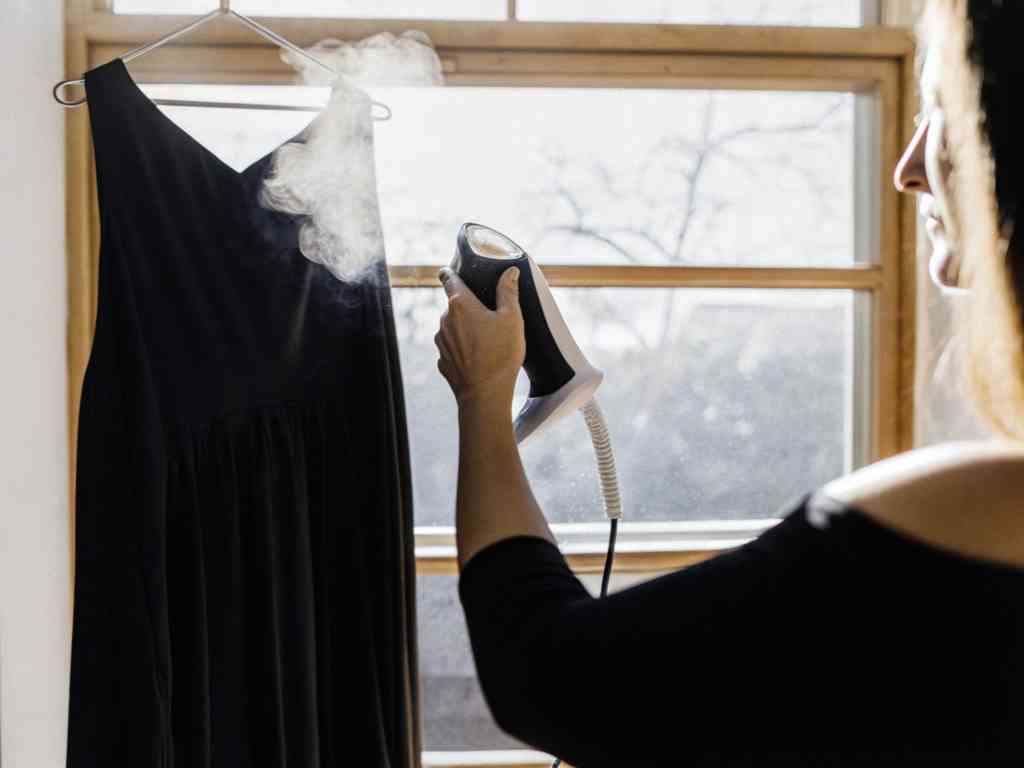
Woman using steamer on black dress in sunlit room

Wrinkle Recovery

Linen blends, viscose and some satins can arrive with strong fold marks. Packing method, folding direction, pressing standard and garment protection should match retail presentation requirements.

Customize the Wrap Dress Around Your Brand

Design changes influence paper pattern, fabric consumption, sewing time, fit stability and pricing. Jinfeng evaluates each feature as part of the complete garment rather than treating details as isolated decorations.

Neckline Depth

Adjust deep, moderate or conservative crossover depth while retaining stable coverage. Bust range, shoulder position and fabric recovery guide the final curve.

Sleeve Shape

Short, puff, bishop, flutter and long sleeves change bodice pull and garment balance. Sleeve volume must work with armhole and shoulder structure.

Tie Width

Narrow ties create a delicate finish; wide ties create a stronger waist statement. Knot volume and fabric thickness influence the usable width.

Tie Length

Short side knots, bows and double-wrap ties require different dimensions. Length is graded with waist range and styling direction.

Ruffle Placement

Ruffles can follow neckline, front edge, sleeve or hem. Ratio, grain and edge finish determine flow and symmetry.

Waist Gathering

Gathering adds comfort or volume but can distort the crossover when distribution is uneven. Stitch security and left-right balance are checked in bulk.

Hem Shape

Straight, curved, high-low and asymmetric hems require different balance checks. Bias growth and lining length are reviewed before final hemming.

Slit Position

A slit can improve movement in midi or maxi styles, yet its height must coordinate with lower overlap and lining coverage.

Collar Detail

Shawl, lapel-inspired or soft collars add structure around the crossover. Roll line, facing and fabric weight determine how the collar sits.

Hidden Fastening

Snaps, hooks or internal buttons can improve neckline or waist security. Placement should remain comfortable and visually discreet.

Pleated Skirt

Pleats add controlled volume but require consistent waist joining, fold direction and pressing. Overlap should remain flat at the front.

Contrast Binding

Binding can stabilize edges and create graphic detail. Width, stretch and seam bulk are matched to the neckline and front edge.

What We Review Before the First Sample

A clearer development brief reduces avoidable revisions. Jinfeng accepts tech packs, reference images, original samples, sketches and line sheets, then checks six areas before pattern work starts.

Construction Direction

Confirm true wrap, faux wrap or wrap bodice; identify closures, inner ties, waist seams, side openings, lining and hem structure.

Fabric Direction

Review fiber, weight, drape, stretch, transparency, print process, shrinkage and bulk availability.

Fit Direction

Confirm target body, ease, neckline depth, waist position, length, sleeve fit, size range and grade expectations.

Trim Requirements

Check snaps, hooks, zippers, elastic, labels, hangtags, barcodes, polybags and carton instructions.

Commercial Framework

Review target quantity by style/color, launch date, target market, intended retail positioning and shipping plan.

Risk and Cost

Identify high-consumption skirts, custom print MOQ, special color development, complex ruffles, lining needs and extra sample validation.

Pattern Development for Balanced Wrap Construction

Paper patterns translate visual intent into repeatable garment geometry. Jinfeng’s 7+ senior pattern makers work with sample teams to control proportion, movement and manufacturability before bulk grading.

  • Style Analysis and Base Selection
    Development begins by identifying silhouette, body fit, fabric category and intended construction. A suitable base is selected or created according to the brand’s measurement chart, original sample or approved block. Reference images alone do not define seam allowance, inner fastening, lining or grade rules, so missing technical decisions are listed before cutting the first sample.
  • Front Crossover Geometry
    The front pattern establishes neckline angle, overlap path, waist intersection and lower opening. Pattern makers review how the inner and outer panels sit when tied to the intended tension. For a faux-wrap construction, the crossover may be fixed into the waist seam or side seam and requires controlled ease to avoid diagonal drag. For a true wrap, the inner panel needs sufficient reach without excessive bulk.
  • Waist and Skirt Integration
    The waistline connects upper-body fit with skirt balance. Gathered, pleated, A-line and fitted skirts distribute volume differently across the overlapping fronts. Waist seam lengths, tie openings, skirt notches and side seams are matched before sample sewing. Maxi skirts also need grain and hanging consideration because long bias areas can grow after cutting.
  • Pattern Corrections from Fit Feedback
    Fit comments are converted into measurable pattern actions, such as adding front length, changing crossover angle, moving the waistline, widening the outer front, reducing neckline stretch or adjusting sleeve balance. Each approved revision is recorded so later samples and bulk patterns do not revert to an older version.
  • Production Pattern and Grade Rules
    After sample approval, the production pattern incorporates final seam allowances, notches, drill marks, grain lines, shrinkage allowances and construction notes. Grade rules are reviewed for overlap, tie position, neckline depth and front length rather than relying only on standard circumference increments. The final pattern, approved size chart and PP sample form one production reference set.

From First Sample to Approved Wrap Dress

Sample stages serve different decisions. Jinfeng separates appearance, fit, material, production and selling-sample requirements so each version has a clear approval purpose.

First Sample

The first sample verifies silhouette, front crossover, neckline, waist, tie function, length, fabric direction and basic construction. A standard dress first sample generally requires 10-15 days after materials and development details are confirmed. More complex wrap styles may require 12-18 days or longer.

Fit Sample

Fit review focuses on body balance, coverage, movement, grade direction and measurement points. Comments should distinguish pattern changes from sewing or material changes so revisions remain traceable.

Revised Sample

Revised samples generally require 7-15 days after complete comments and required materials are confirmed. Timing changes when new fabric, custom print, special trims or major structure redevelopment is introduced.
Flat lay of fashion launch planning tools with clothes, camera, and calendar.

Photo-Ready Sample

Photo samples prioritize final visual quality, approved color, styling details, clean finishing and camera presentation. They should not automatically replace PP approval when bulk materials or construction standards differ.

Salesman Sample

Sales samples can support line reviews, showroom presentation or wholesale selling. Quantity, size set, color set and packing requirements are planned separately from a single fit sample.

PP and Golden Sample

The PP sample uses final or approved-equivalent materials, labels, construction and measurement standards. A golden sample serves as a locked reference for bulk sewing, QC and finishing. Bulk production does not begin without formal approval.

Locking the Pattern Before Bulk Production

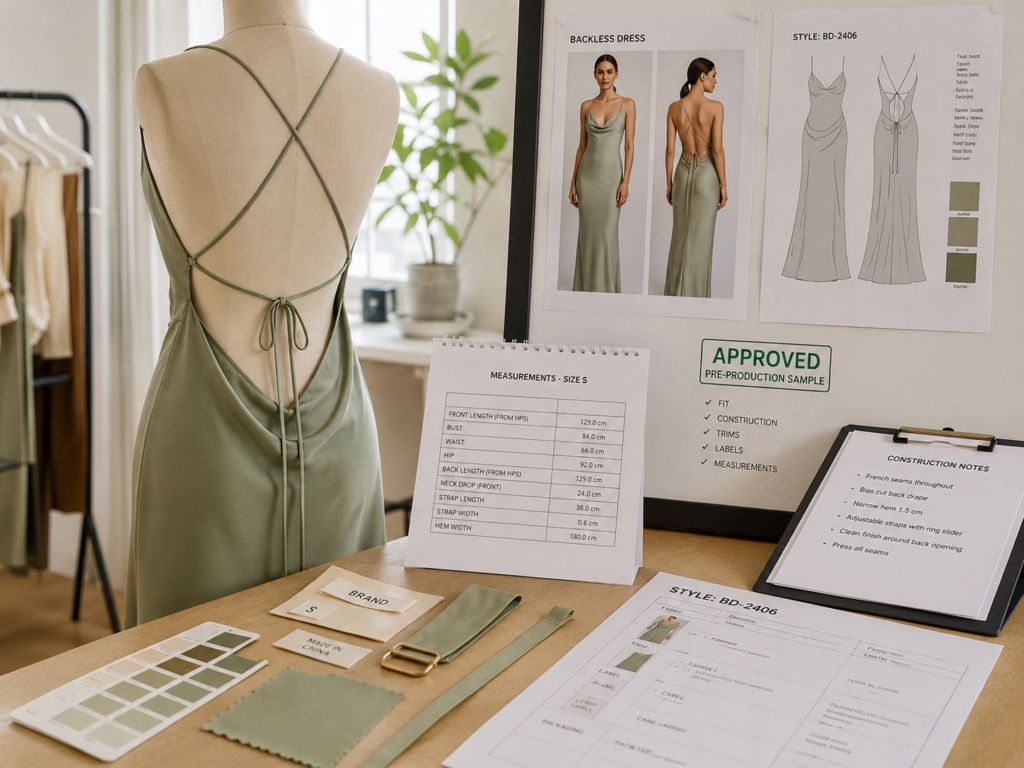
A clean transition from approved sample to production requires synchronized files. Pattern, materials, measurements, labels and packing must reference the same approved version.

Final Pattern

Approved fit changes are transferred into the final production pattern with grain lines, notches, seam allowances and shrinkage adjustments.

Approved Size Chart

Measurement points, tolerances and grading expectations are confirmed. Wrap-specific points include overlap, neckline, tie length and lining length.

Material Approval

Shell fabric, lining, interfacing, ties, snaps, hooks, thread and labels are approved by color, quality and bulk availability.

PP Sample

The PP sample confirms construction, appearance, measurement, branding and packing direction before line release.

Sewing Instructions

Critical operations such as neckline stabilization, tie opening, inner fastening, hem treatment and lining attachment are documented.

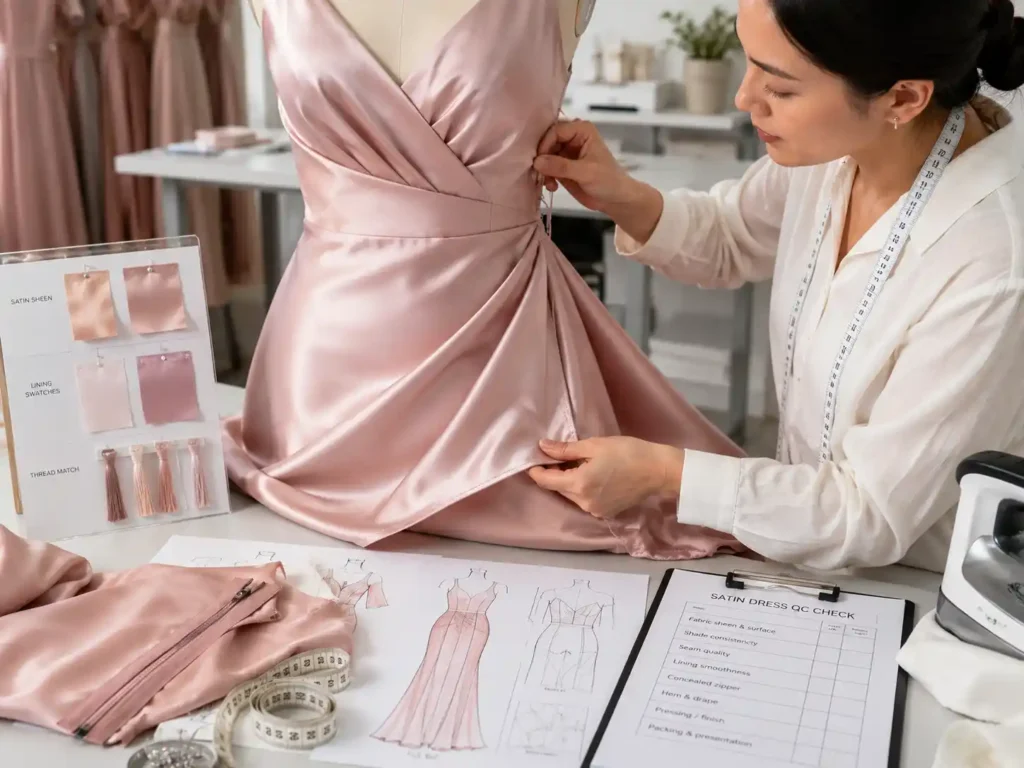
QC Checklist

Inspection points are aligned with the approved pattern and PP sample so cutting, in-line and final teams use the same standard.

Controlled Production from PP Approval to Delivery

Bulk execution follows locked standards and visible approval points. A multi-style program receives one production plan covering materials, factory allocation, QC windows, packing and shipping coordination.

PP Approval

Confirm approved garment, measurement, construction, labels and packing direction.

Material Booking

Reserve shell, lining and trims according to quantity, color and approved quality.

Bulk Material Check

Review color, hand feel, width, defects, shrinkage and print or dye consistency.

Production File Release

Issue pattern, size chart, BOM, sewing instructions, color breakdown and packing files.

Pre-Production Meeting

Align production, merchandising and QC teams on wrap-specific risks and inspection points.

Fabric Relaxing

Allow relevant knits and soft wovens to stabilize before marker making and cutting.

Cutting Control

Check grain direction, one-way prints, panel pairing, notches and shade grouping.

Sewing Line Setup

Approve first output and critical operations before full line volume increases.

In-Line Inspection

Monitor neckline, overlap, ties, waist, measurements, seam quality and appearance.

Finishing and Pressing

Control steam, shine, hem balance, thread cleaning and garment presentation.

Packing Inspection

Verify labels, size, color, barcode, polybag, carton ratio and carton marks.

Final Inspection

Conduct final review or AQL inspection, then coordinate shipment documents and handover.

Quality Control Built Around Wrap Dress Risks

Quality is controlled through the production sequence rather than postponed until final inspection. Jinfeng’s 15+ QC inspectors work with merchandising and production teams to keep approved wrap measurements and finishing standards visible.

Incoming Fabric Check

Review shade, width, defects, print direction, hand feel and available quantity. Relevant fabrics also receive shrinkage, colorfastness or stability checks according to project requirements.

Cut Panel Check

Confirm grain, left-right pairing, one-way print direction, front-panel shape, tie pieces, notches and shade grouping before bundles enter sewing.

Front Overlap Check

Measure crossover points at approved locations and compare the worn position against the PP standard. Both inner and outer fronts are reviewed.

Neckline Stability

Inspect edge length, gaping, rippling, facing or lining roll and fastening position. Stretch fabrics receive recovery attention.

Waist and Tie Position

Check side opening, attachment security, tie length, waist level and left-right consistency. Stress areas receive reinforcement review.

In-Line Sewing Check

Identify seam puckering, twisted fronts, uneven gathers, skipped stitches, lining pull and measurement drift while correction remains possible.

Finished Measurement

Measure approved points by size and record out-of-tolerance findings. Wrap-specific points are not replaced by general bust and length checks.

Final Check

Verify presentation, labels, barcodes, size-color assortment, polybags, carton ratios and carton marks. AQL inspection may be arranged according to agreed standard; AQL does not mean every garment is individually inspected.

MOQ, Cost and Timeline Planning

Order planning should reflect the approved construction and supply chain rather than one headline number. Quantity, material development, sample rounds and launch timing are reviewed together before production commitment.

MOQ Structure

MOQ starts from 200 pcs per style/color. Fabric availability, custom dyeing, exclusive print, special trim development, complex construction and branded packing can raise the workable quantity.

Multi-color programs should be planned by actual color demand and supplier minimums rather than combining every color into one nominal total.

Cost Structure

Unit pricing is built from shell fabric, lining, trims, print or dyeing, paper pattern, sample work, cutting consumption, sewing time, finishing,

QC, packing, testing, wastage, logistics requirements and reasonable factory margin. Cost optimization may involve alternative fabric, simplified ruffle ratio, consolidated colors, improved marker efficiency, trim substitution or revised packing, while preserving the intended brand appearance.

Development and Delivery Timing

A standard dress first sample generally requires 10-15 days after development details and materials are confirmed. Medium-complexity dresses may require 12-18 days; special fabric, custom print or complex trims can extend the period. Revised and PP samples generally require 7-15 days depending on changes and material readiness. Bulk timing is built around PP approval, material arrival, quantity, factory schedule, QC, packing and shipping mode. Launch dates should be shared before sampling so the project calendar can work backward from warehouse or retail deadlines.

Private Label Delivery with Design Protection
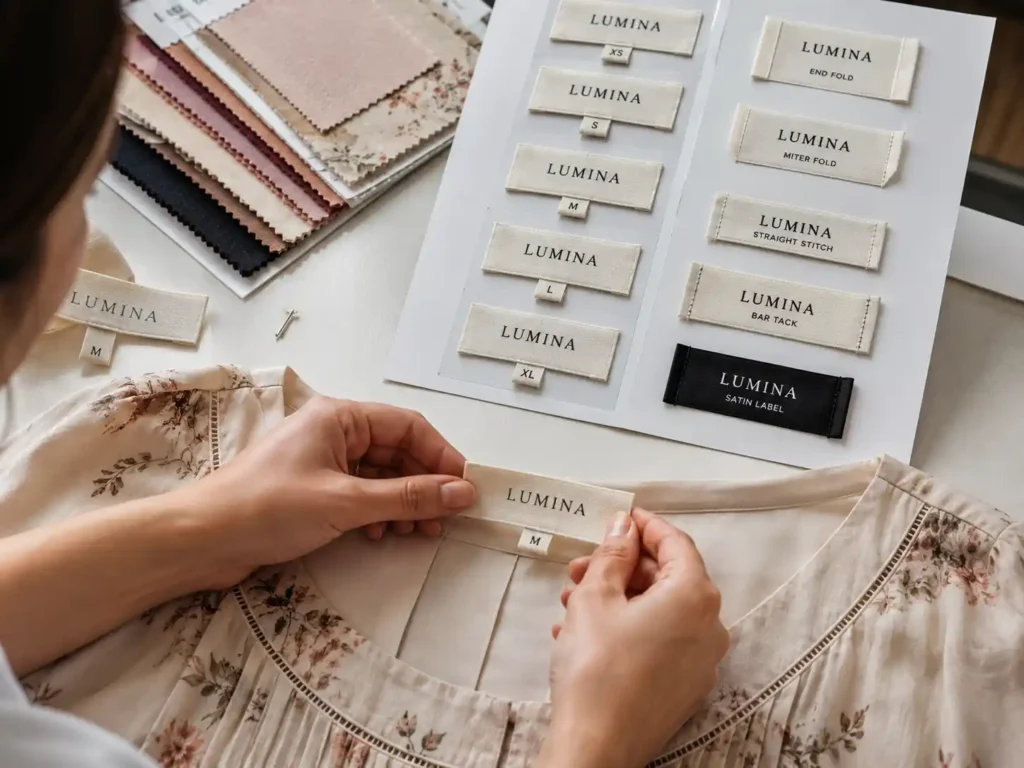
Brand completion continues after sewing. Labels, barcode files, packing ratios and confidential design records are controlled as part of the final garment specification.

Main Label

Woven, printed or heat-transfer directions are reviewed for material, size, placement, comfort and supplier MOQ.

Size Label

Size coding must match the approved chart, market convention and packing assortment.

Care Label

Fiber content, care symbols, country requirements and approved wording are provided or confirmed by the brand before production.
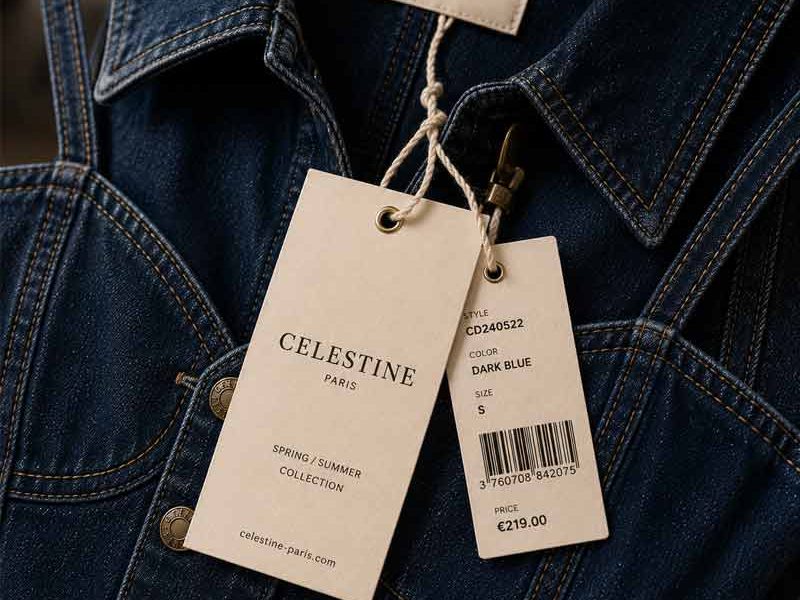
4.-Hangtag

Hangtag

Paper, finish, string, barcode and attachment location are confirmed against brand artwork.

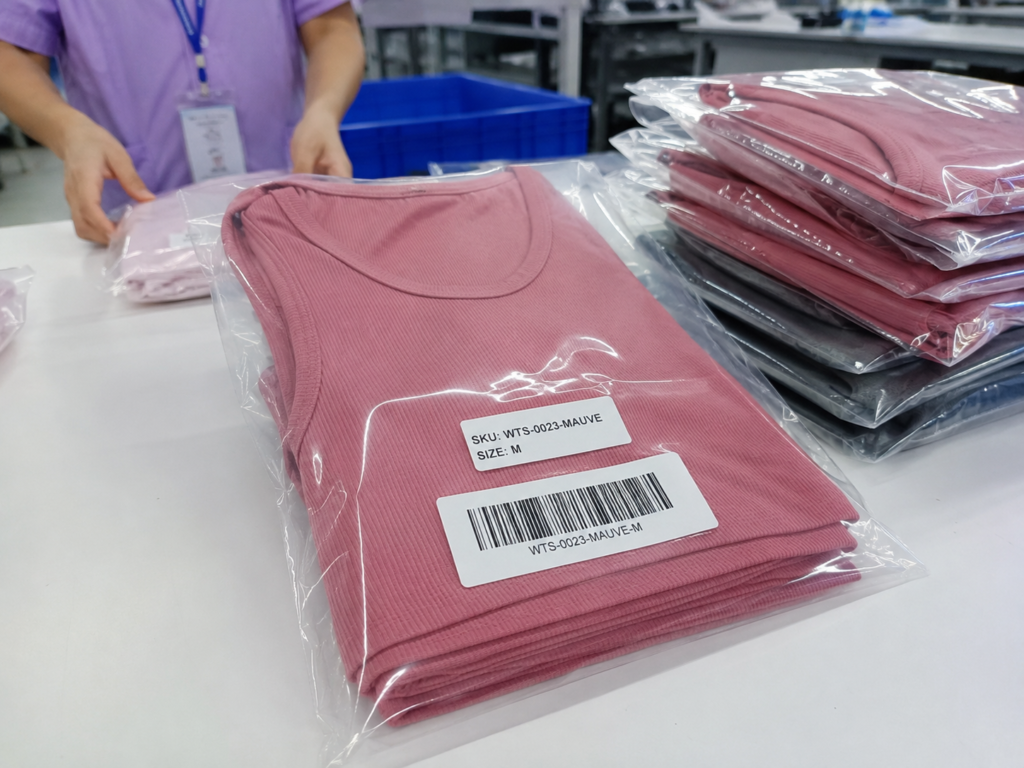
Barcode and SKU

SKU data must match style, color, size and destination requirements. Wrong barcodes are treated as a serious packing error.

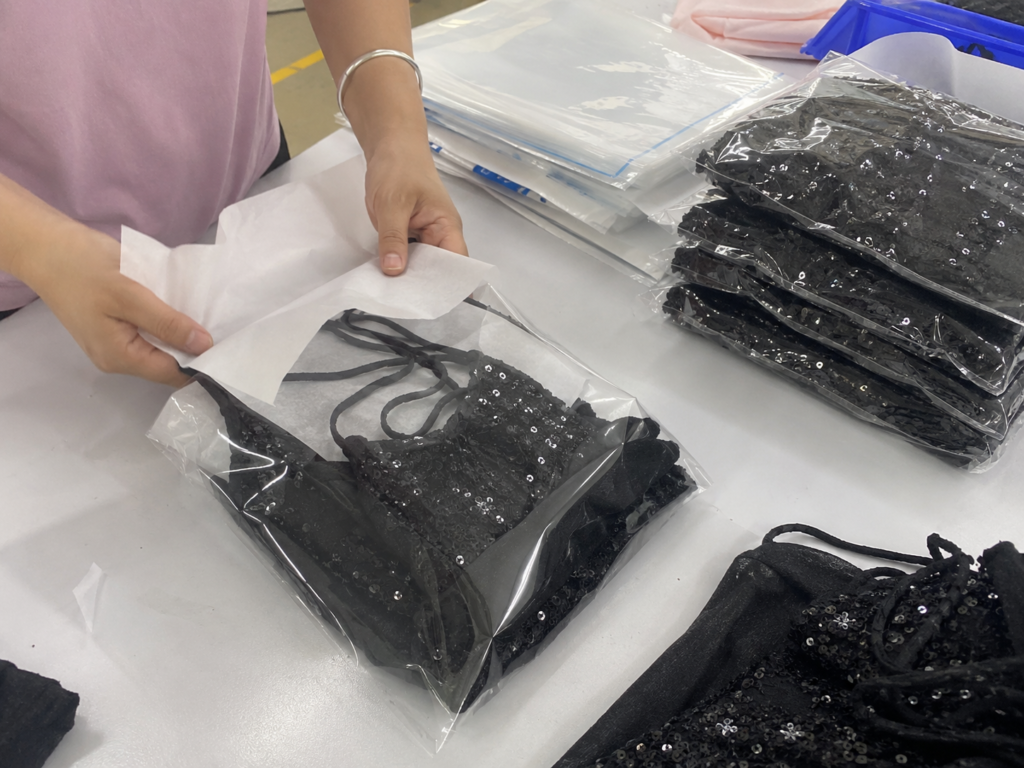
Polybag

Bag size, thickness, warning text, ventilation, recycling marks and barcode placement follow the packing guide.

Carton Mark

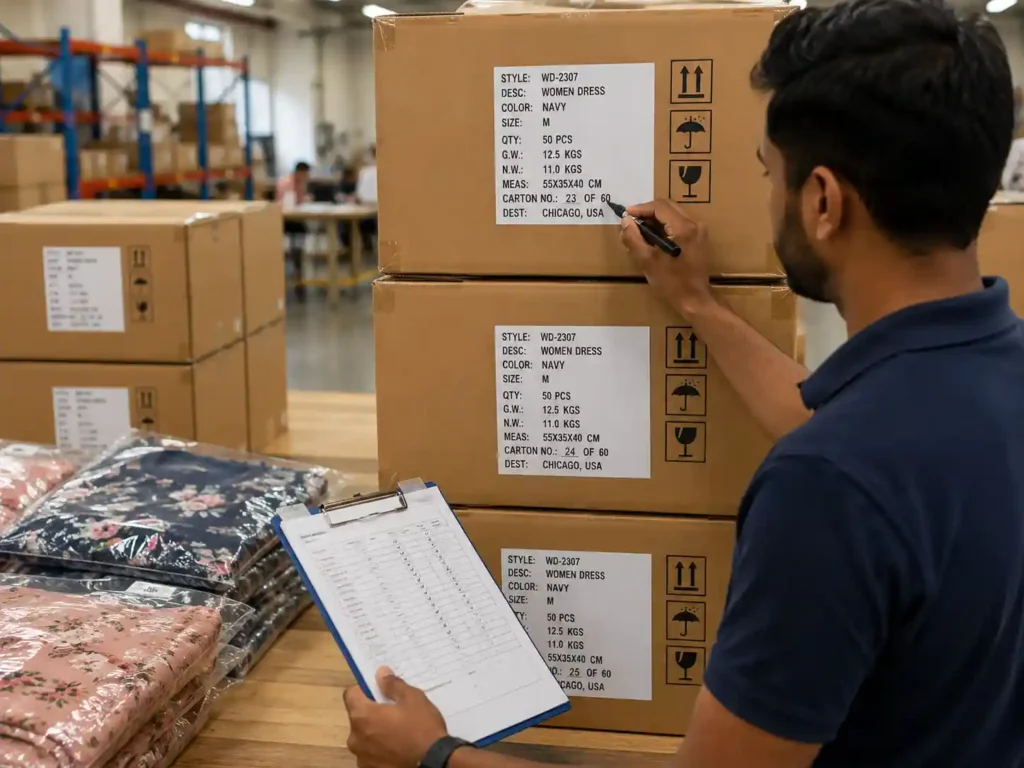
Carton marks, assortment, gross/net weight and destination information are checked before shipment.

Repeat-Order Records

Approved patterns, measurements, fabric references, trims, sewing notes and packing instructions are retained for future production review.

Wrap Dress Programs Solved Through Better Development

The following anonymized programs reflect the scale and operating pattern of established fashion collections. Brand identities remain protected while production logic, order structure and measurable controls are shown.

United States Ecommerce Collection

Program scope: 18 wrap-dress styles across printed viscose midi, crepe faux-wrap and jersey wrap-bodice groups. Total order: 36,000 pcs across 27 colorways and a multi-size assortment. The first fitting round revealed three recurring risks: lower overlap opened during sitting, neckline depth varied after the waist tie was tightened, and several one-way floral prints were reversed on inner panels. Jinfeng separated styles by fabric behavior, increased lower overlap on selected mini and midi patterns, revised the tie-opening position, created print-direction markers and added wrap-specific measurement points to the QC file. Development used two to three sample rounds by style group, followed by PP approval. Bulk production was split between soft-woven and knit teams, with in-line checks focused on front crossover and neckline recovery. Packing used SKU barcodes and color-size ratio cartons for the brand’s fulfillment center.
  • 18 styles / 36,000 pcs total
  • 27 colorways across viscose, crepe and jersey
  • 2-3 sample rounds by style group
  • QC focus: overlap, neckline, print direction, tie position
  • Delivery: staged handover aligned with warehouse receiving windows

Australian Resortwear Program

Program scope: 24 resort and vacation styles with chiffon, rayon and linen-blend wrap silhouettes. Total order: 58,000 pcs, including maxi dresses, ruffled midi dresses and side-tie mini styles. Main risks included lining exposure during walking, uneven high-low hems, print scale changes across different skirt lengths and wrinkle recovery after packing. Jinfeng grouped the program by fabric and print process, confirmed strike-offs and print repeats before cutting samples, adjusted lining lengths by silhouette and introduced hanging time before hemming long bias sections. Sample comments were recorded by style version, preventing older hem and lining specifications from reappearing. Bulk production used separate QC checks for shell length, lining length, lower overlap and ruffle symmetry. Priority colors and core sizes were prepared first for launch photography and initial delivery, while the remaining volume followed the confirmed shipping plan.
  • 24 styles / 58,000 pcs total
  • Chiffon, rayon and linen-blend groups
  • Maxi, midi and mini silhouettes
  • QC focus: lining, hem balance, print repeat, ruffle symmetry
  • Delivery: priority SKU release followed by main shipment

United Kingdom Office-to-Occasion Range

Program scope: 12 faux-wrap and wrap-bodice midi styles in crepe, ponte and stretch satin. Total order: 22,400 pcs across core and seasonal colors. Fit review showed adequate waist measurements but weak coverage in larger bust sizes, plus visible pulling at the fixed crossover seam. Jinfeng revised front length and crossover angle, adjusted upper-bust grade rules, repositioned a hidden snap on selected styles and reduced seam tension in stretch satin. The PP stage locked neckline depth, bust overlap, waist seam level and hidden fastening placement. Bulk checks measured the crossover at defined bust and waist levels rather than relying only on total bust circumference. Final packing followed the brand’s barcode, polybag and carton-ratio guide, with separate records maintained for repeat colors.
  • 12 styles / 22,400 pcs total
  • Crepe, ponte and stretch satin
  • Core size range plus extended upper sizes
  • QC focus: bust coverage, fixed crossover, hidden fastening, waist level
  • Repeat-order files retained by style and color

Frequently Asked Questions About Wrap Dress Manufacturing

A true wrap opens and closes through inner and outer ties or another functional fastening. A faux wrap keeps the crossover appearance while the front is fixed through seams, snaps, a waist join or a zipper. Construction choice affects adjustability, grading, coverage and production control.

Neckline control may involve improved crossover angle, added front length, adjusted bust shaping, stay tape, clear elastic, facing, lining, under-stitching or a discreet snap. The method depends on fabric, size range and intended appearance.

No universal overlap number fits every dress. Required overlap depends on neckline, bust, waist, skirt length, slit, fabric slip, body range and movement expectation. The sample is reviewed at several horizontal levels and during sitting and walking.

Yes. The fabric system covers chiffon, satin, crepe, viscose, rayon, linen blends, cotton blends, jersey, ponte, stretch satin and other approved materials. Woven and knit styles use different cutting, seam and recovery controls.

Viscose, rayon, crepe, jersey, chiffon, linen blends and selected satin are common options. The best choice depends on drape, opacity, recovery, wrinkle expectation, intended retail position and whether the style is true wrap or faux wrap.

Exclusive prints can be developed when artwork, repeat size, color direction, base fabric and print method are confirmed. Print factories may apply separate MOQ and lead-time requirements. Strike-offs or sample yardage should be approved before bulk printing.

Grade rules cover bust, waist, front length, neckline, overlap, tie position, tie length, skirt length and lining. Wider size ranges need dedicated review because scaling only circumference can reduce coverage in larger sizes.

Yes. Tie width, length, attachment, opening and knot direction can be customized. Fabric thickness, waist range and styling determine the final dimensions.

Many chiffon, lace, pale viscose and lightweight styles need full or partial lining. The lining plan depends on transparency, comfort, movement and desired drape.

MOQ starts from 200 pcs per style/color. Fabric availability, custom dyeing, exclusive prints, special trims, complex construction and branded packing can change the workable quantity.

Yes. An original sample can be measured and structurally reviewed, then redeveloped for an authorized brand program. Protected designs from unrelated brands are not copied without proper rights.

A standard dress first sample generally requires 10-15 days after details and materials are confirmed. Medium-complexity styles may require 12-18 days. Revised and PP samples generally require 7-15 days, while custom fabric or special trims can extend timing.

Yes. The PP sample locks fabric, construction, measurement, branding and appearance before line release. Bulk production does not begin from an unapproved sample standard.

Yes. Jinfeng supports main labels, size labels, care labels, hangtags, barcodes, polybags, carton marks and packing instructions according to confirmed artwork and supplier MOQ.

Yes. Tech packs, original samples, patterns, labels, packaging files, unpublished designs, quantities and order information can be managed under NDA-based cooperation.

Bulk control combines approved production patterns, size charts, PP or golden samples, sewing instructions, in-line checks, finished measurements, packing checks and final inspection. Wrap-specific overlap, neckline, ties and lining points remain visible throughout production.

Send Your Wrap Dress Project for Review

Send your reference image, tech pack, original sample details or line sheet to Kelly. Jinfeng Apparel will review the wrap construction, fabric direction, pattern risk, size range, sample plan, MOQ fit, private-label requirements and bulk-production feasibility before preparing the next step. Clear information helps the development team identify front-overlap risks, neckline controls, print requirements and delivery constraints early, reducing revisions later in the program.

  • Reference image, sketch, line sheet, tech pack or original sample description
  • True-wrap, faux-wrap or wrap-bodice construction direction
  • Target quantity by style and color
  • Fabric, print, lining and trim preferences
  • Size range, measurement chart and fit market
  • Main label, care label, hangtag, barcode and packing requirements
  • Target sample date, launch date and destination market
  • Any warehouse guide, freight instruction or testing requirement

Tell Us About Your Dress Project

Share your product details, estimated quantity and development requirements. Our team will review your project and provide practical OEM/ODM production feedback.

Premium Women’s Apparel Production for Fashion Brands

From dress sample development to bulk production, JF Apparel supports fashion brands with confidential OEM/ODM manufacturing, reliable quality control and scalable production support.

START YOUR DRESS PROJECT

Ready to Develop Your Next Dress Collection?

Share your design concept, product requirements or sourcing plans with our team. We’ll review your project and provide practical feedback on development, materials, MOQ and production.

7-10 Days

Sample Development

200 PCS

Starting MOQ

Fast Response

Professional Follow-Up