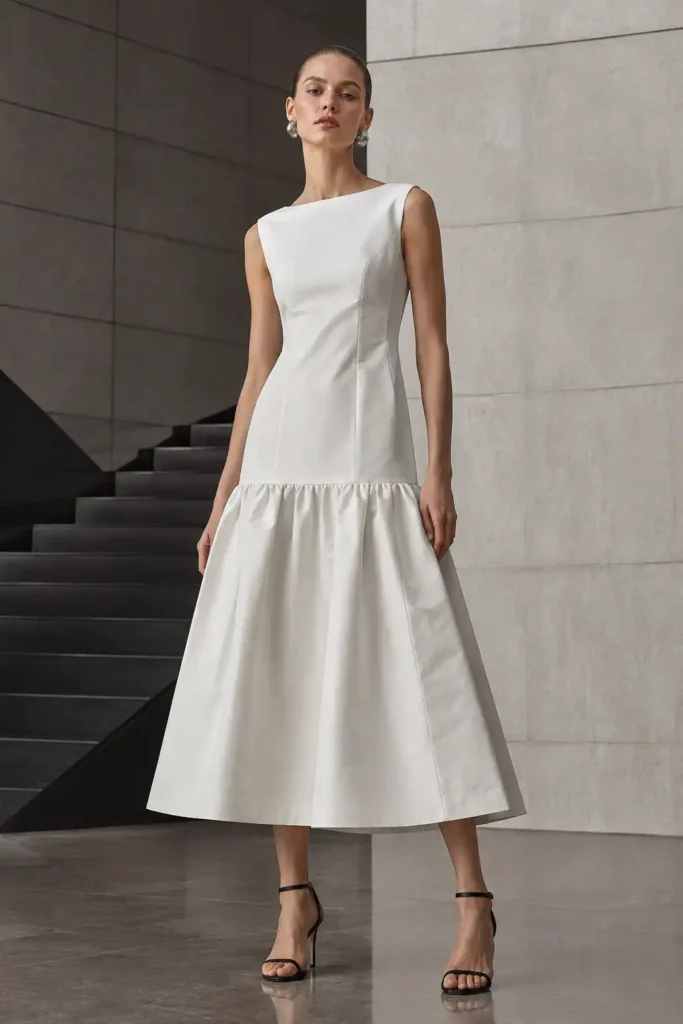
Woven Dress Fit Development
Build Woven Dress Fit That Holds From Sample to Bulk
Jinfeng Apparel develops woven dress patterns for global fashion brands that need more than a visually acceptable first sample. Our fit development work connects fabric behavior, body proportion, ease, pattern balance, sample fitting, revision records and bulk production standards.
- 7+ senior womenswear pattern makers focused on production-ready dress patterns
- 2 sample rooms supporting structured fit development and revision
- 20+ sample machinists translating pattern changes into physical samples
- 15+ QC inspectors supporting measurement and bulk consistency control
- Fit control across bust, waist, hip, armhole, neckline, length, slit and lining
- Development from first sample through fit review, revised sample, PP approval and Golden Sample reference
Fit Development Resources Behind Every Woven Dress
7+ Pattern Makers
2 Sample Rooms
20+ Sample Machinists
15+ QC Inspectors
Target Market Fit
Production Handover
Built for Fashion Teams Managing Fit-Sensitive Collections
Product Development Teams
Technical Design Teams
Sourcing Teams
Multi-Style Brand Programs

What Woven Dress Fit Development Really Covers
Woven dress fit development is the controlled process of turning a design into a pattern that sits correctly on the target body, can be revised from fitting feedback, can be graded across the intended size range and can be reproduced during bulk production.
Unlike many stretch-led knit styles, woven garments usually provide less tolerance for pattern error. Fabric structure cannot simply absorb an incorrect bust shape, misplaced waistline or insufficient hip ease. Pattern geometry, dart control, panel balance, seam placement and intentional ease therefore carry more responsibility.
A complete development process considers five connected areas:
- Body Proportion: Bust, waist and hip measurements matter, but their vertical relationship matters equally. Waistline position, upper-body length, front length, back length and shoulder balance can change the entire silhouette even when circumference measurements appear correct.
- Fabric Behavior: Satin, chiffon, crepe, rayon, viscose, linen blend, cotton blend and suiting fabrics behave differently under gravity, pressing and movement. A pattern proven in one material should not automatically be treated as final for another.
- Pattern Geometry: Darts, princess seams, waist suppression, panel shape, neckline curve, armhole, side seam, zipper position and hem sweep all affect how the garment sits once sewn.
- Fitting Feedback: Front, side and back fit photos, physical measurements, movement comments and local detail images help convert “too loose” or “does not look right” into measurable corrections.
- Production Repeatability: A strong sample has limited value unless the approved fit can be transferred into the final pattern, grading, sewing instructions, PP standard and bulk QC measurements.
Common Woven Dress Fit Problems We Diagnose
Fit problems often appear in one place while originating somewhere else. Correcting only the visible symptom can create a second problem. Fit review therefore combines garment measurements, body proportion, fabric behavior, seam balance and pattern shape.
| Fit Symptom | Possible Development Cause | Review Direction |
|---|---|---|
| Bust pulling or drag lines | Insufficient bust room, dart position, front length imbalance | Bust shaping, dart intake, front bodice balance |
| Neckline gaping | Neckline shape, upper-bust fit, shoulder angle | Neckline curve, upper bust, shoulder balance |
| Armhole standing away | Armhole depth, bust shaping, shoulder width | Armhole curve, side seam, upper-body fit |
| Waistline too high or low | Torso length or vertical pattern balance | Front/back length, waist placement |
| Hip area too tight | Insufficient hip ease or poor waist-to-hip transition | Hip measurement, side seam shape, ease |
| Side seam moving forward | Front/back balance mismatch | Bodice balance, hip distribution, grain |
| Zipper bulging | Seam tension, waist/hip shaping, zipper application | Pattern curve, seam allowance, installation |
| Hem not level | Body balance, fabric drop, grain direction | Front/back length, cutting direction, hanging |
| Lining pulling outer shell | Incorrect lining ease or length | Lining pattern, attachment, finished length |
| Sitting feels restrictive | Inadequate waist/hip ease or skirt geometry | Hip ease, waist position, slit and movement |
Fabric Behavior Changes Woven Dress Fit
Fabric choice is not a decorative decision made after pattern development. Weight, drape, surface friction, transparency, shrinkage, wrinkle behavior and dimensional stability can change how a woven dress hangs, where tension appears and whether an approved sample can be repeated in production.
Satin and Stretch Satin
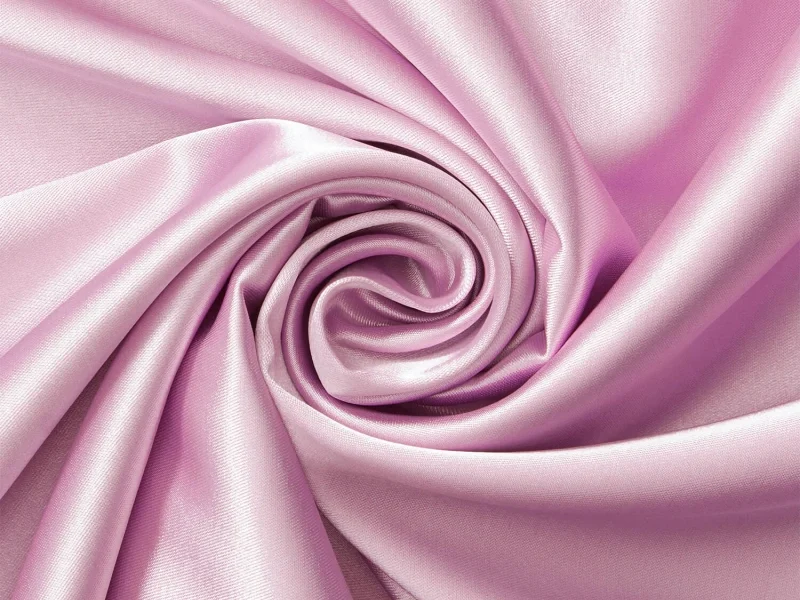
Satin exposes balance problems quickly because light reflects across every pull line, zipper wave and seam distortion. Pattern review should consider bust shaping, waist suppression, side-seam smoothness, bias influence, lining relationship and finished pressing. Fabric direction must remain controlled during cutting so bulk garments do not show inconsistent shine.
Chiffon
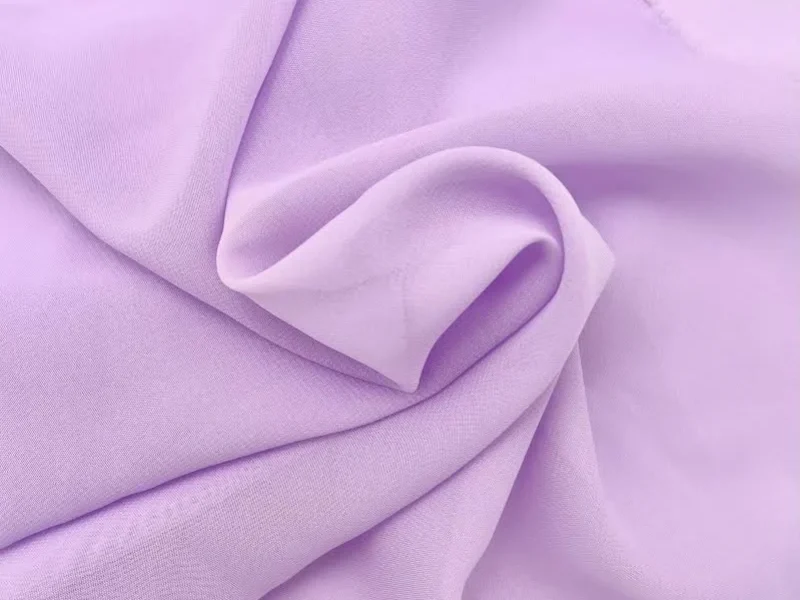
Chiffon needs enough ease for movement without losing silhouette definition. Lightweight construction can make neckline, armhole and lining problems more visible.
Long chiffon dresses also need careful hem balance because fabric drop and uneven hanging can change finished length after cutting and sewing.
Crepe

Crepe offers a useful balance between structure and drape, but different crepe qualities behave very differently. Softer qualities can collapse around the waist or hip when a pattern expects more body, while firmer qualities can create pulling where the original design relied on fluid movement.
Rayon and Viscose

Rayon and viscose woven dresses can achieve excellent drape but require attention to shrinkage, cutting stability and garment length.
A maxi dress developed before fabric behavior is understood can shift in length, waist position or hem balance after handling.
Linen and Linen Blends

Linen-led dresses often need enough wearing ease around the bust, waist and hip because low elasticity makes tight fit uncomfortable during sitting and movement. Wrinkle behavior also changes how a garment visually reads after wear, so fit should not be judged only from a freshly pressed sample.
Cotton and Structured Wovens

Cotton poplin, twill, denim and suiting materials carry more body.
Extra structure can exaggerate armhole standing, waist bulk, neckline stiffness or an overly rigid skirt shape. Pattern lines need to work with the material rather than forcing a fluid silhouette from a firm fabric.
Woven Dress Silhouettes Need Different Fit Logic

A-Line Dresses
Upper-body fit, waist placement and skirt release must work together.
Too much suppression above the waist can make the skirt flare look disconnected; too little control can remove the intended shape.

Fitted Midi Dresses
Bust shaping, waist definition, hip ease and slit height carry more importance because limited fabric stretch leaves little room for error.
Sitting comfort should be reviewed alongside standing appearance.

Woven Slip-Style Dresses
A minimal silhouette makes proportion errors highly visible.
Bust coverage, neckline depth, strap position, side seam and fabric drape need to remain balanced without relying on heavy internal structure.

One-Shoulder Dresses

Low-Waist Dresses
Drop-waist placement changes visual leg length and hip proportion.
Torso length, hip ease, side seam and skirt start point need careful development, especially in low-stretch woven materials.

Strapless Woven Dresses

Woven Maxi Dresses

Structured Occasion Dresses
Pattern Engineering Turns Fit Direction Into Production
Pattern development is where design proportion becomes measurable. Jinfeng Apparel’s 7+ senior womenswear pattern makers work from client size charts, reference garments, images, tech packs and fitting feedback to create patterns that can be sampled, corrected, graded and transferred into bulk production.

Bust and Upper-Bust Balance
Bust fit is not controlled by one circumference. Upper bust, full bust, under-bust shaping, dart position, cup depth, neckline and front length can all affect how fabric sits across the chest.
Excessive tightening can create drag lines, while insufficient shaping can cause gaping or a flat silhouette.

Waist Placement and Torso Length
A waist measurement can be correct while the waistline still looks wrong. High-waist, natural-waist and low-waist dresses require different vertical proportions. Front and back torso length need to match the intended silhouette and target body.

Hip Ease and Side-Seam Shape
Hip fit must balance appearance with movement. Woven fabrics usually need more intentional ease than stretch-led styles.
Side-seam shape, waist-to-hip transition, skirt entry point and slit construction influence standing and sitting comfort.

Shoulder, Armhole and Neckline
Shoulder width, shoulder slope, armhole depth and neckline shape are connected. Changing one point can alter another. A neckline correction may therefore require upper-bust or shoulder adjustment instead of simply reducing neckline width.

Front and Back Balance
Uneven hems, side seams moving forward, back waist pooling or front bodice pulling can indicate a balance issue rather than a single measurement issue. Front length and back length are reviewed in relation to body posture and garment construction.

Length, Slit and Hem Sweep
Mini, midi and maxi lengths create different safety and proportion requirements. Slit height must support movement without changing the intended appearance, while hem sweep affects drape and how the garment responds when walking.
Fix the Cause, Not Only the Visible Symptom
A strong fit review asks why the garment behaves incorrectly before changing the pattern. Fast alterations without diagnosis can move the problem from one area to another.
When a Neckline Gapes
Reducing neckline width may appear to solve the opening but can create pulling across the bust or shoulder. Review starts with upper-bust volume, shoulder angle, neckline shape and front bodice balance.
When the Side Seam Twists
Side-seam movement can come from front/back imbalance, hip shaping, grain direction or inaccurate cutting. Pattern and cut panels need to be checked before assuming the sewing operation is responsible.
When the Waist Looks Too Low
The problem may involve torso length rather than the waist circumference. Front length, back length, dart position and skirt join line are reviewed against the intended body proportion.
When the Hem Is Uneven
An uneven hem can come from pattern balance, fabric direction, bias behavior, shrinkage or insufficient hanging before final hemming. Corrective action depends on the material and silhouette.
When a Zipper Bulges
Zipper waviness may reflect seam tension, poor waist/hip shaping, fabric instability or installation technique. Pattern curve and workmanship are reviewed together.
When the Sample Fits but Looks Wrong
A garment can meet measurements and still miss the intended silhouette. Fit photos, mannequin views, target model proportion, brand aesthetic and movement are reviewed alongside numerical measurements.
From Tech Pack to First Woven Sample
Sample development begins with enough information to define the target garment rather than rushing directly into sewing.

Project Input
Useful development files include:
- Tech pack or construction specification
- Reference image or original garment
- Brand size chart

Development Review
efore pattern work begins, the style is reviewed for silhouette, fabric suitability, lining requirement, zipper position, support structure, seam construction, grading risk and bulk-production feasibility.

Pattern and First Sample
The first sample establishes a physical version of the design. The objective is not to pretend that every design will be perfect in the first round. The sample should verify silhouette, pattern proportion, fabric behavior, construction feasibility, lining, trims and cost-sensitive details.

Feedback Preparation
Clear feedback is more useful than fragmented comments. Marked photos, measurements and fit observations should identify exactly where the garment feels tight, loose, high, low, short, long or visually unbalanced.

Fit Sample Review on the Body
A fit sample answers one central question: does the design work when worn by the intended body? Flat measurements remain important, but visual balance, comfort and movement also need review.
- Front View: Review neckline shape, bust coverage, waist placement, hip line, center-front direction, skirt balance and overall proportion. Drag lines can help identify where tension is building.
- Side View: Review bust projection, front/back balance, waist angle, hip ease, side-seam direction and hem level. Side views are especially useful when a garment appears correct from the front but pulls backward or forward.
- Back View: Review shoulder balance, back neckline, zipper behavior, back waist pooling, hip fit, back slit and center-back direction.
- Movement Review: Depending on the style, fitting may include walking, sitting, raising the arms or turning. Low-stretch woven dresses should allow appropriate movement without destroying the intended silhouette.
- Measurement Review: Core measurements can include bust, waist, hip, front length, back length, armhole, neckline depth, strap length where applicable, slit height, dress length and hem width.
- Visual Fit Review: Measurements alone cannot define whether the garment looks right for the brand. Waist emphasis, leg proportion, bust shape, shoulder line and overall silhouette are reviewed against the reference and intended market.
For remote development, fit photos should include front, side and back views plus local close-ups where the issue occurs. Clear visual evidence gives the pattern team a stronger basis for correction than comments such as “a little loose” or “not flattering.”
Pattern Correction and Revised Sample Control
Fit comments become valuable only when every approved correction is converted into controlled production information.
Consolidate Fit Comments
Measurements, fit photos, reference images and written comments are reviewed together.
Conflicting comments are clarified before pattern work continues so one change does not cancel another.
Identify Root Cause
The pattern team determines whether the issue comes from circumference, vertical balance, pattern shape, fabric behavior, construction method, lining relationship or sewing execution.
Update the Pattern
Corrections can include bust adjustment, waist reduction or release, added hip ease, neckline change, armhole adjustment, shoulder change, front/back length correction, skirt balance, slit position, lining length or structural support.
Record the Change
Every important change should be traceable. Records may include:
- Pattern change
- Measurement change
- Fabric change
Produce Revised Sample
A revised sample verifies whether the correction solved the original issue without creating another fit or construction problem.
Prepare for PP Approval
Once fit, measurements, fabric, trims, workmanship, lining and key details are stable, the style can progress toward PP approval. PP is not the stage for uncontrolled structural redesign.
Base Size, Grading and Measurement Control
A strong base-size sample is only the beginning. Commercial collections need the approved proportion to move through multiple sizes without losing neckline shape, waist position, hip ease, garment length or wearing safety.
Jinfeng Apparel can develop around US, UK, EU and AU sizing, alpha sizes such as XS–XL, extended-size ranges and brand-specific size charts. Development follows the brand’s base size, grade rules, target market, measurement tolerance, fabric behavior and fit preference rather than applying one generic size standard.
| Fit Area | Base Size Review | Grading Risk | Bulk QC Focus |
|---|---|---|---|
| Bust | Shape, coverage, ease | Cup and upper-bust proportion | Bust measurement and appearance |
| Waist | Position and suppression | Vertical waist shift | Waist measurement and placement |
| Hip | Ease and silhouette | Over-tight or over-loose larger sizes | Hip measurement and side seam |
| Armhole | Coverage and movement | Armhole becoming too low/high | Armhole depth and symmetry |
| Neckline | Depth and stability | Excessive opening across sizes | Depth, width and visual balance |
| Dress Length | Intended proportion | Length increments distorting silhouette | Front/back finished length |
| Slit | Movement and coverage | Slit rising too high in smaller sizes | Slit height |
| Lining | Comfort and shell relationship | Length mismatch by size | Attachment and finished length |
PP Sample and Golden Fit Standard
PP Sample
PP approval confirms that the style is ready to represent the intended production standard. Key areas include fit, measurements, fabric, color, trims, sewing method, lining, label placement and packaging-related details.
Final Pattern
Size Chart and Grade Rules
Approved measurements and grading instructions create numerical control across the intended size range.
Golden Sample
Bulk QC Standard
Critical fit measurements are added to QC checkpoints so production teams are not judging fit only by appearance. The result is a controlled handover from development into manufacturing rather than a verbal instruction to “follow the sample.”
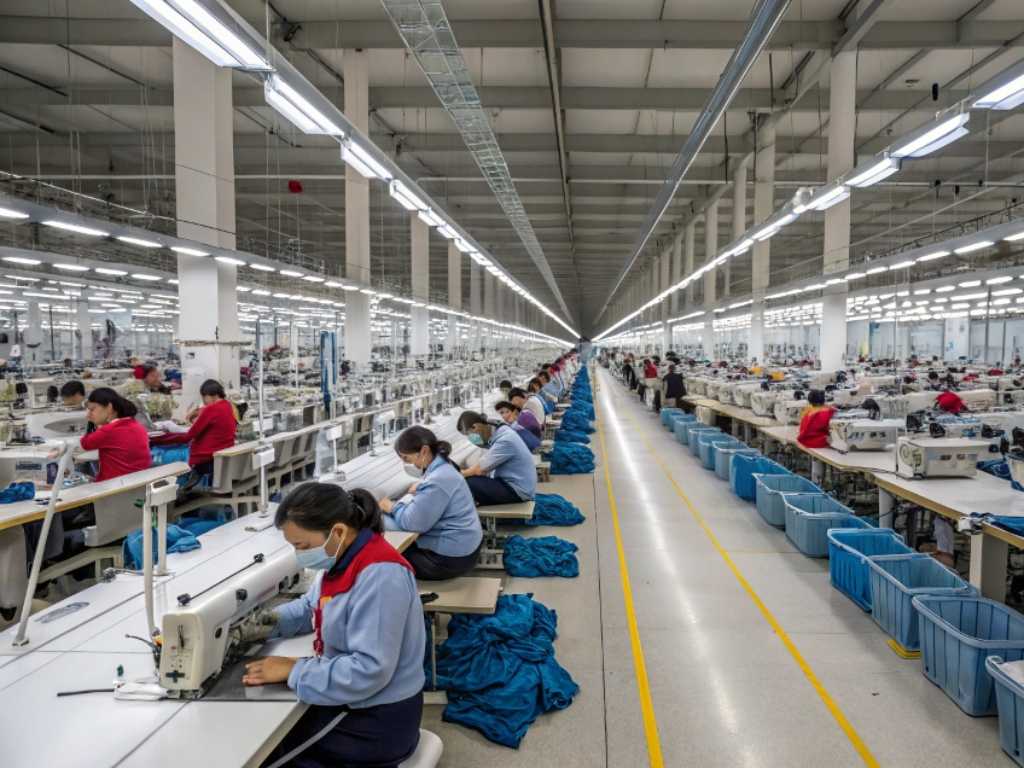
Woven Dress Production Handover
Fit development has to survive cutting, sewing, pressing and finishing. A correct pattern can still produce inconsistent garments if fabric direction, seam handling or production versions are not controlled.
- Pattern Version and Cutting: Production begins from the approved final pattern. Cutting teams need the correct pattern version, size bundle, fabric direction and print placement instructions where applicable.
- Fabric Direction: Satin shine, printed woven orientation, nap-like visual effects and fabric grain can influence how different panels appear after assembly. Direction control must remain consistent across the garment.
- Cutting Stability: Chiffon, rayon, viscose and other mobile woven materials can shift during spreading and cutting. Panel distortion can alter side seams, lengths and neckline symmetry even when the original pattern is correct.
- Zipper and Seam Control: Invisible zippers, center-back seams and fitted side seams can introduce waves or distortion when seam allowance and feed are inconsistent. Zipper flatness becomes part of fit appearance, not only workmanship.
- Lining Relationship: Shell and lining require compatible length and ease. A lining that is too short can pull the outer garment upward; excessive lining length can show below the shell.
- Hem Balance: Midi and maxi dresses need careful control of front/back length and fabric drop. Hem preparation should match the fabric and silhouette rather than applying one generic finishing process.
- Pressing: Pressing changes how seams, darts, waistlines and hems settle. Satin and other surface-sensitive fabrics also need handling that protects appearance while achieving the intended silhouette.
Bulk Fit Consistency Is Controlled During Production
Incoming Material Review
Cutting QC
Sewing QC
Garment Measurement
Visual Fit Effect
Pressing and Final Review
Multi-Style Woven Programs Need Structured Fit Management
Group Styles by Fit Risk
Group Styles by Fabric
Establish Base Fit Direction
Track Sample Versions
Coordinate Production Allocation
Carry Records Into Reorders
Woven Dress Fit Development Case Study
An anonymous US fashion brand worked with Jinfeng Apparel on a 22-style woven dress program totaling approximately 46,000 pieces. The collection combined satin midi dresses, structured crepe minis, rayon resort dresses, low-waist woven styles and lined occasion dresses across multiple colors and size ranges.
Initial Fit Risks

First-round samples revealed different issues across the style groups:
- Several fitted midi dresses showed bust pulling and side-seam movement.
- Low-waist styles needed better torso proportion and added hip ease.
- One-shoulder styles required stronger left-right balance and more stable underarm coverage.
- Rayon maxi dresses needed front/back length review after fabric behavior became visible.
- Satin styles exposed zipper waviness and waistline distortion under light.
Development Response

Pattern and sampling teams reviewed fit photos, sample measurements, brand size standards and fabric behavior by style group instead of applying one correction method across all 22 styles.
Bust shaping and front bodice balance were adjusted on fitted styles. Low-waist placement was revised against target body proportion. One-shoulder patterns were corrected around shoulder tension, neckline angle and side-seam balance. Maxi styles were reviewed for length and hem behavior. Zipper and seam construction were checked alongside the satin pattern rather than treated as a separate finishing issue.
Revision and Approval

Revised samples were developed for the fit-sensitive styles. Approved pattern changes were transferred into updated measurements and production files before PP review. Fit priorities were then carried into size grading and bulk measurement checkpoints.
Bulk Program Control

The production program was managed by style group, fabric group and fit risk. Final patterns, approved PP samples, measurement standards and QC checkpoints were used during cutting, sewing and garment inspection.
Protecting Tech Packs, Patterns and Unreleased Samples
Tech Pack Protection
Pattern Protection
Sample and Fit Photo Protection
Fit photos and sample images may reveal designs before launch. NDA-based cooperation can be used where project confidentiality requires formal protection.a
Woven Dress Fit Frequently Asked Questions

Start Your Woven Dress Fit Development
Send the development information your team already has, whether the project is still at reference-image stage, has an existing tech pack, or already has a sample with unresolved fit problems. Jinfeng Apparel can review the style from fabric behavior, pattern structure, fit risk, measurement control and bulk-production feasibility before the next development stage is planned.
For an efficient project review, include as much of the following information as available:
- Reference image, sketch, tech pack or original sample
- Current sample photos if fit problems already exist
- Front, side and back fitting images
- Brand size chart and base size
- Existing grade rules where available
- Target market such as US, UK, EU or AU
- Intended woven fabric or fabric reference
- Key fit comments and required silhouette
- Planned size range
- Number of styles in the program
- Planned production quantity
- Private-label requirements where applicable
- Target launch or delivery timing
- Any confidentiality or NDA requirements
Development feedback can then be organized around the areas that matter most: fabric direction, pattern feasibility, fit correction, sample revision, grading, PP approval and bulk fit consistency.