 Skip to content
Womenswear Manufacturer for High-Volume Style Programs
Structured development, scalable production and controlled delivery for established fashion brands running multi-style womenswear collections.
- 6 owned women’s fashion factories plus 10+ long-term satellite production partners for program-level capacity planning.
- 100,000+ pieces of regular monthly production capacity supported by 18+ sewing lines and 6+ flexible production lines.
- 2 sample rooms, 7+ senior pattern makers and 20+ sample machinists for parallel style development and revision control.
- 15+ QC inspectors covering materials, cutting, sewing, measurements, finished garments, packing and pre-shipment review.
Jinfeng Apparel coordinates dresses, skirts, jumpsuits, matching sets, fashion tops and private-label collections from line-sheet review and fabric grouping through pattern development, samples, PP approval, bulk allocation, quality control, branded packing and multi-batch delivery. The focus is not only output volume. Every style, color, size, fabric and packing instruction must remain traceable as the program moves from development into production.
Production Scale Built Around Multi-Style Programs
6 Owned Factories
10+ Partner Factories
100,000+ Monthly Pieces
18+ Sewing Lines
6+ Flexible Lines
12+ Merchandisers
What Defines a High-Volume Womenswear Style Program?
A high-volume womenswear program combines multiple styles, colors, sizes and production batches under one coordinated launch or replenishment plan. The challenge is not only unit count. Development files, materials, pattern versions, PP approvals, line allocation, inspection standards and SKU packing must stay synchronized across the entire assortment.
| Program Dimension | Typical Requirement | Common Risk | Control Method |
|---|---|---|---|
| Style Count | Usually multiple designs developed in parallel | Confused versions, missed revisions and uneven sample priority | Style register, grouping and approval status |
| Aggregate Volume | Large total quantity spread across several styles | Capacity appears sufficient overall but key lines become overloaded | Style-level line allocation and material readiness |
| Color and Size Mix | Several colors and a broad size ratio per style | Incorrect cut ratios, mixed labels and packing errors | Approved ratio sheets, size breakdowns and SKU checks |
| Fabric Mix | Woven, stretch, satin, mesh, lace, knit or sequin within one collection | Wrong factory or sewing method assigned to a sensitive material | Fabric grouping, risk review and production-unit matching |
| Launch Windows | One launch date or several phased drops | Late styles delay photography, retail intake or campaign timing | Backward planning from shipment and launch dates |
| Repeat Potential | Top-selling styles return in later batches | Second batch differs in fit, shade, trims or packing | Pattern, fabric, trim, QC and packing records |
Built for Established Fashion Programs
Best Program Fit
- Seasonal or monthly collection launches
- Multi-style dress and womenswear programs
- Private-label retail or ecommerce delivery
- Repeat orders and bestseller replenishment
- Multi-color and multi-size production plans
Program Entry Standard
- Tech packs, reference samples or developed sketches
- Professional sample and revision budget
- Confirmed or realistic launch calendar
- Brand-level quality and packing requirements
- Bulk production and long-term cooperation potential
Where Large Multi-Style Programs Lose Control
Development Bottlenecks
Production Imbalance
Cross-Style Inconsistency
Womenswear Categories Managed Within One Program

Fashion Dresses

Structured Dresses

Skirts and Bottoms

Jumpsuits and Rompers

Matching Sets

Fashion Tops
Information Needed for a Reliable Program Review
Line Sheet
Tech Packs
Style Priority
Quantity Breakdown
Fabric Direction
Size Plan
Packing Standard
Delivery Window
How Multi-Style Collections Are Structured
Style Grouping
Fabric Grouping
Trim Grouping
Priority Grouping
Factory Grouping
Approval Grouping
Capacity Allocation Across the Factory Network

Owned Factory Control

Partner Capacity Support
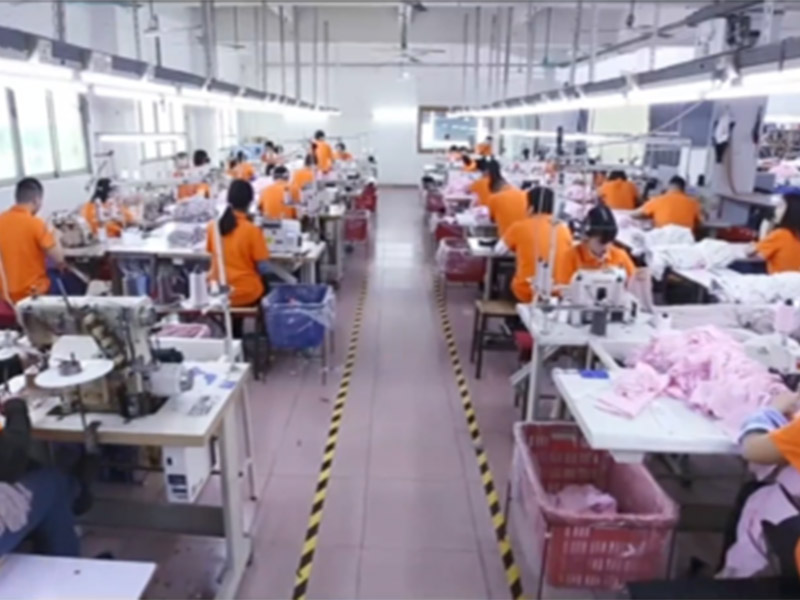
Flexible Line Planning
Parallel Sampling Without Losing Version Control

Development Review
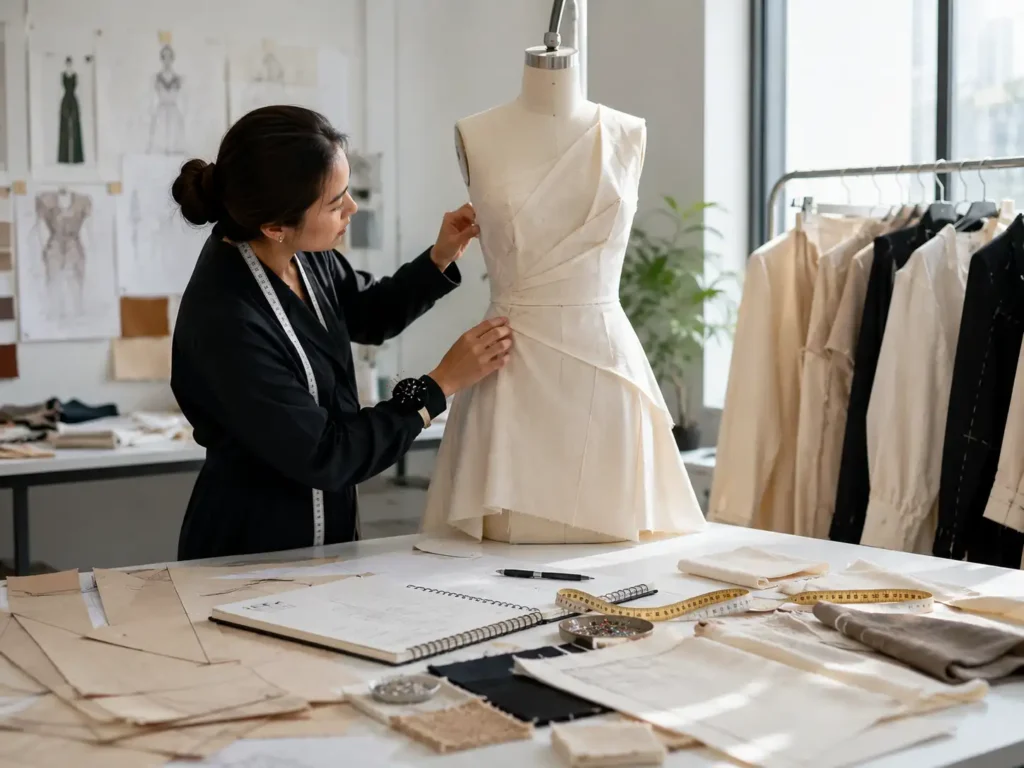
First Sample

Fit Sample
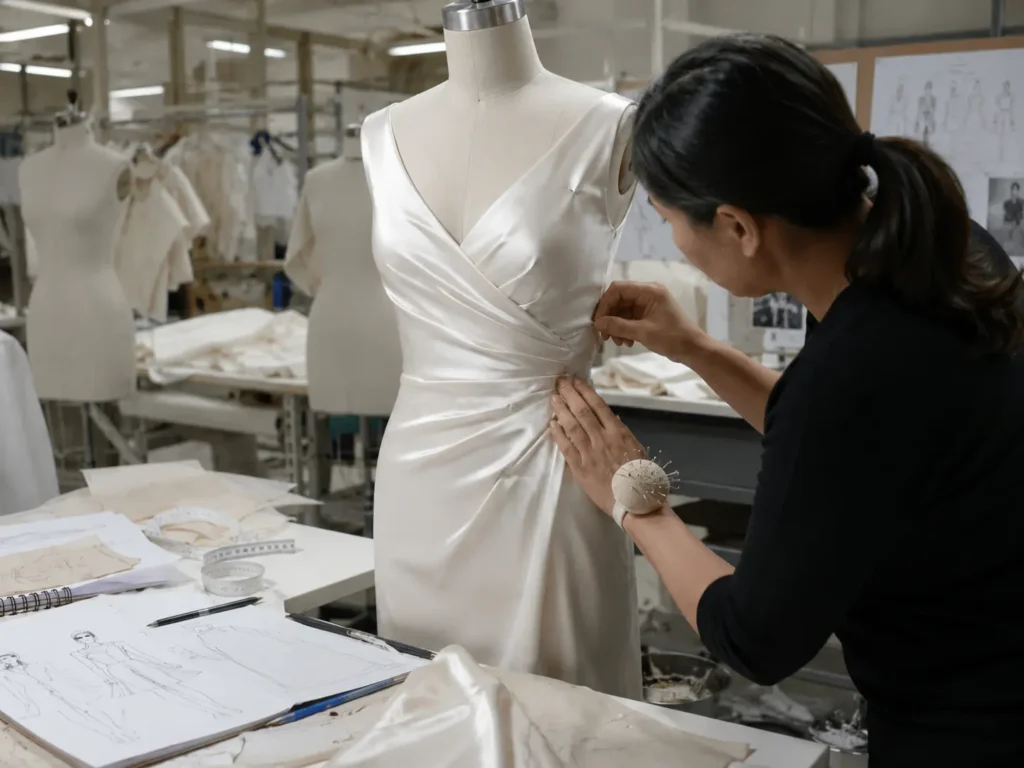
Revised Sample

PP Sample

Golden Sample
Pattern and Fit Control Across the Size Range

Bust and Support
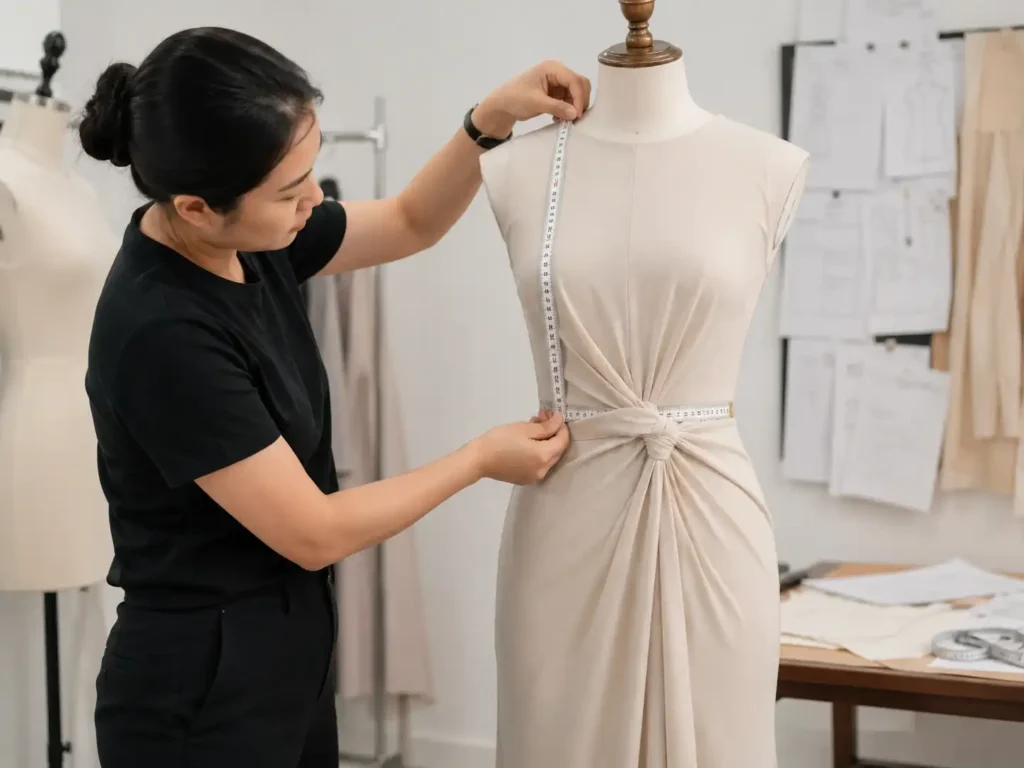
Waist Placement

Hip and Ease
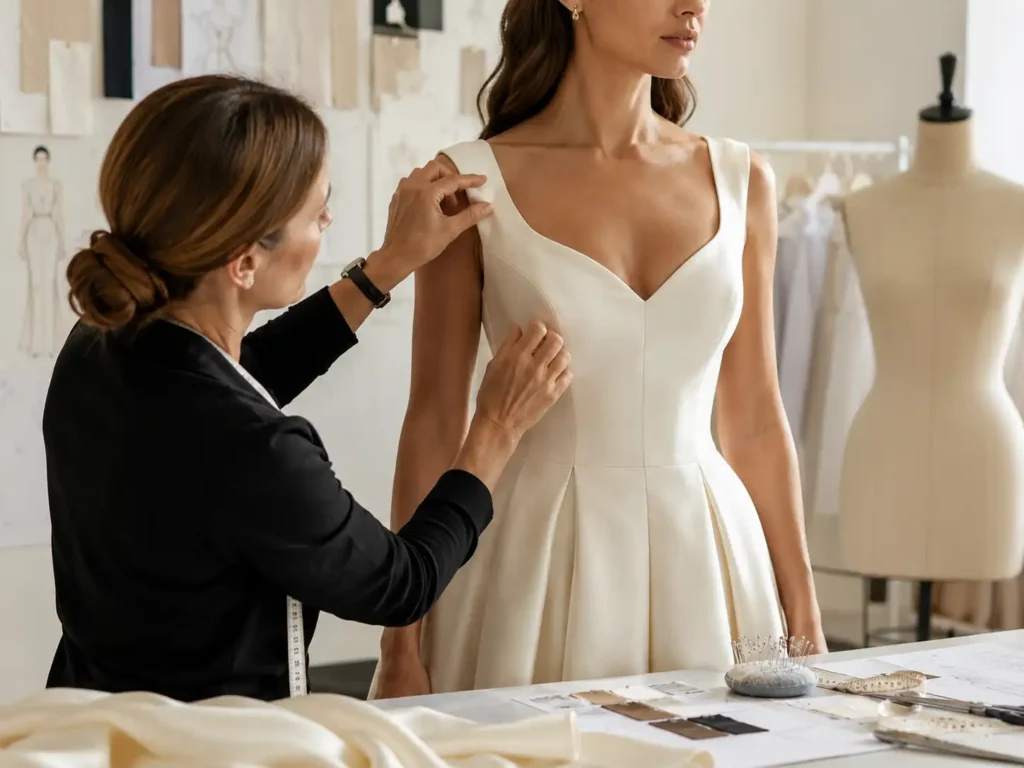
Neckline and Armhole

Length and Balance

Jumpsuit Proportion
Fabric Strategy for Scalable Womenswear Production
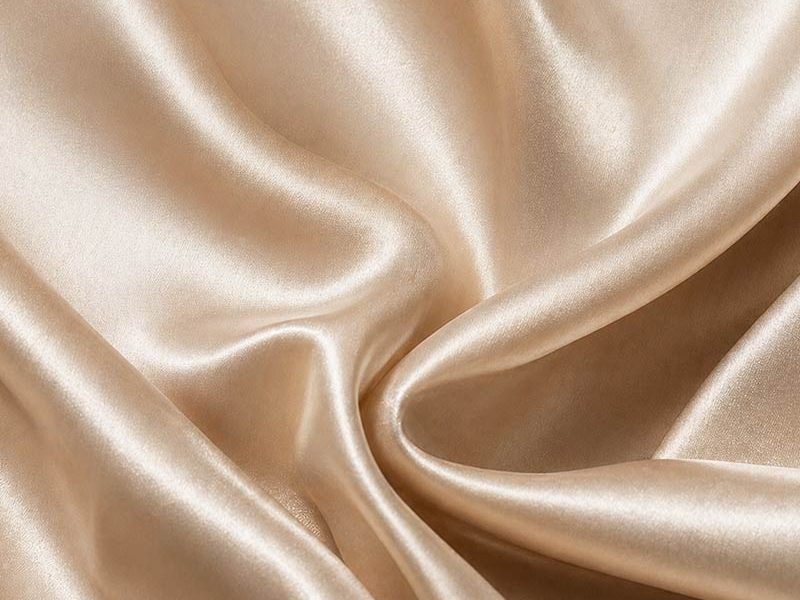
Satin Programs
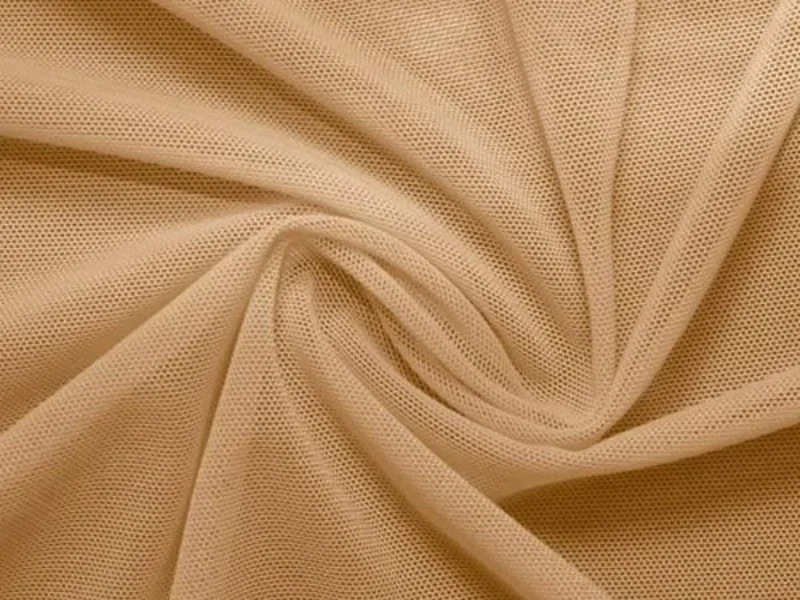
Mesh Programs

Lace Programs
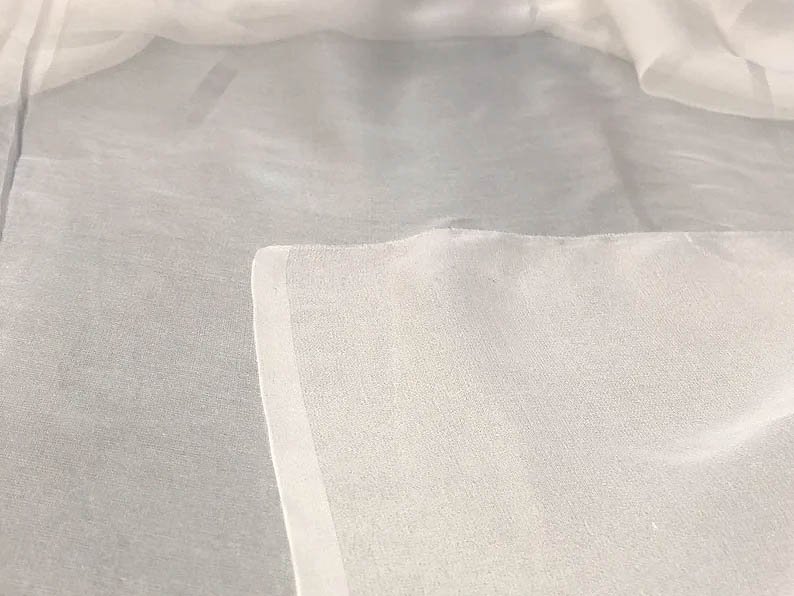
Chiffon Programs
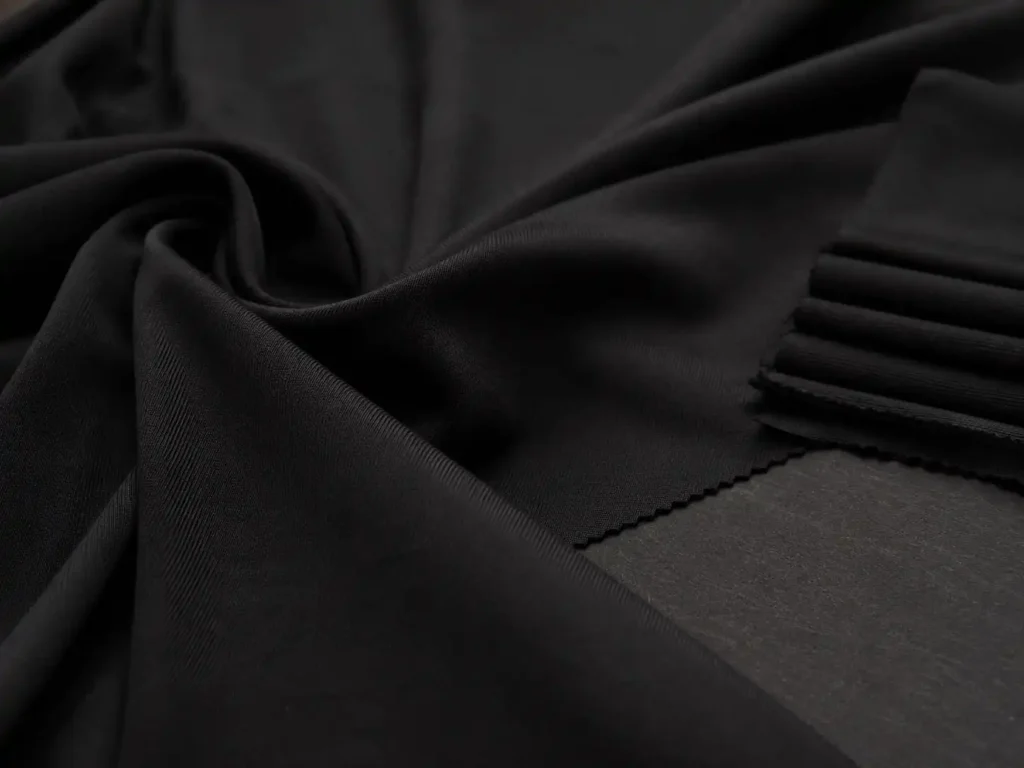
Knit and Jersey

Sequin Materials
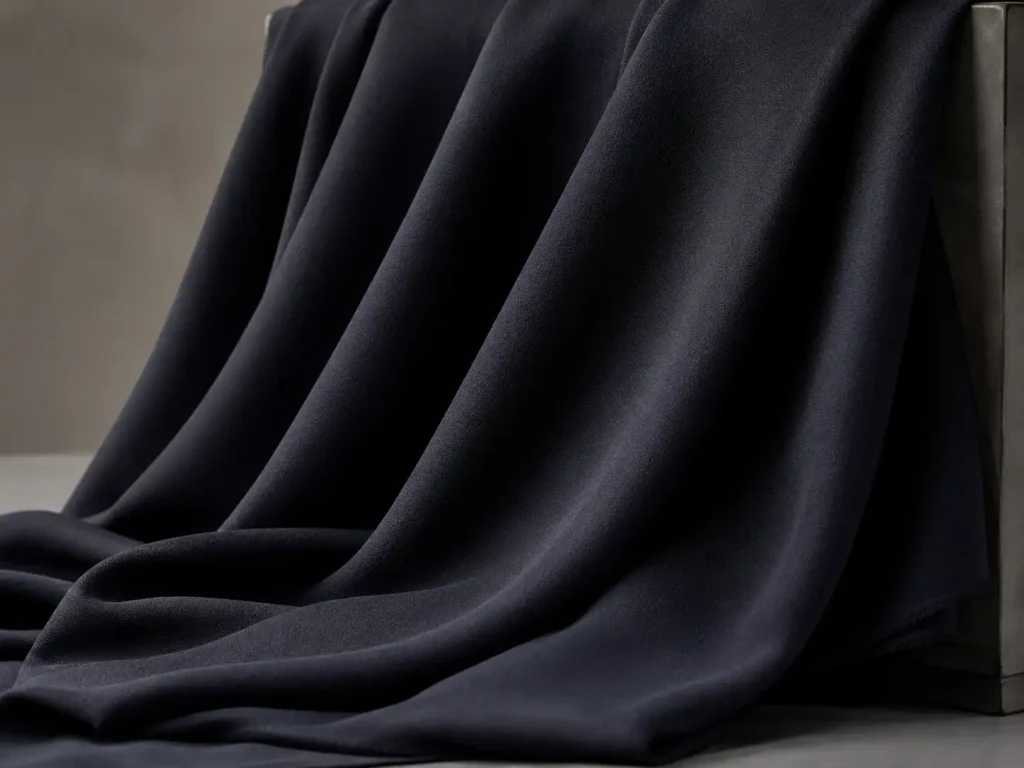
Crepe and Wovens
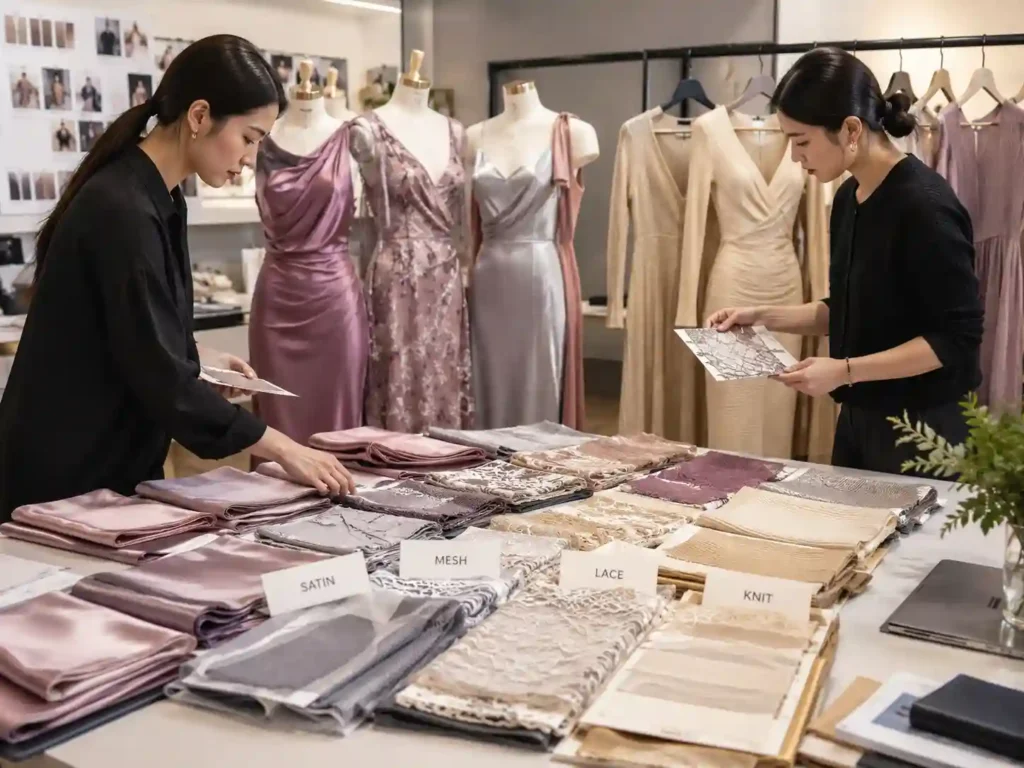
Color and Dye Lots
Trim and Structural Component Control
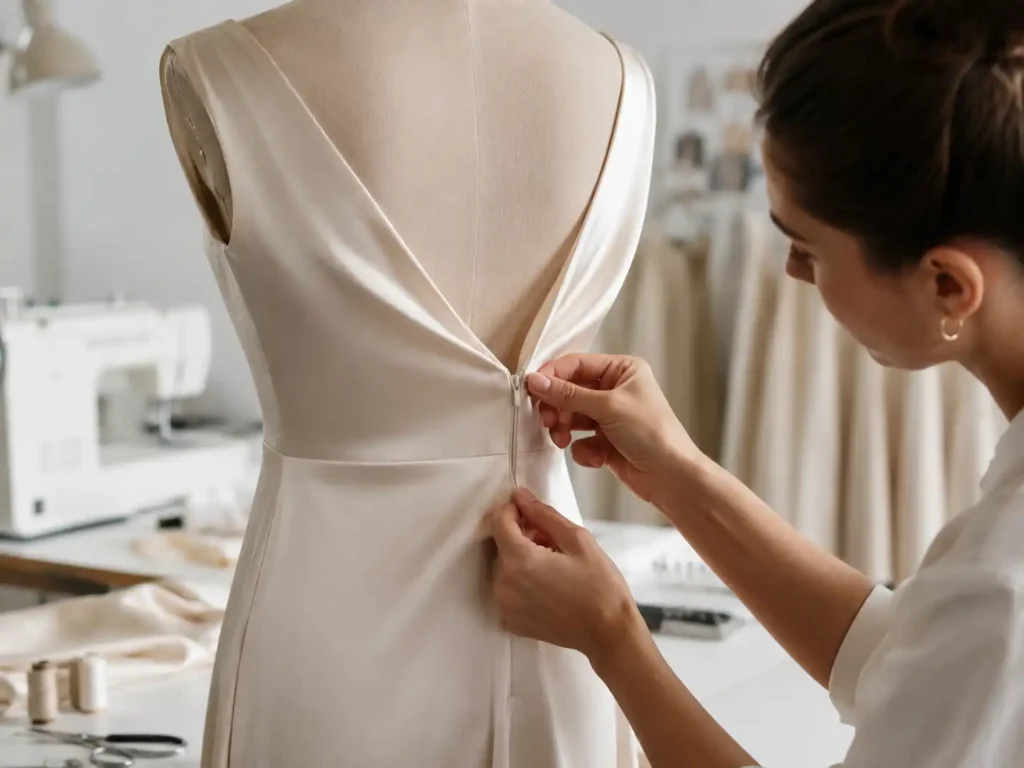
Zippers and Closures
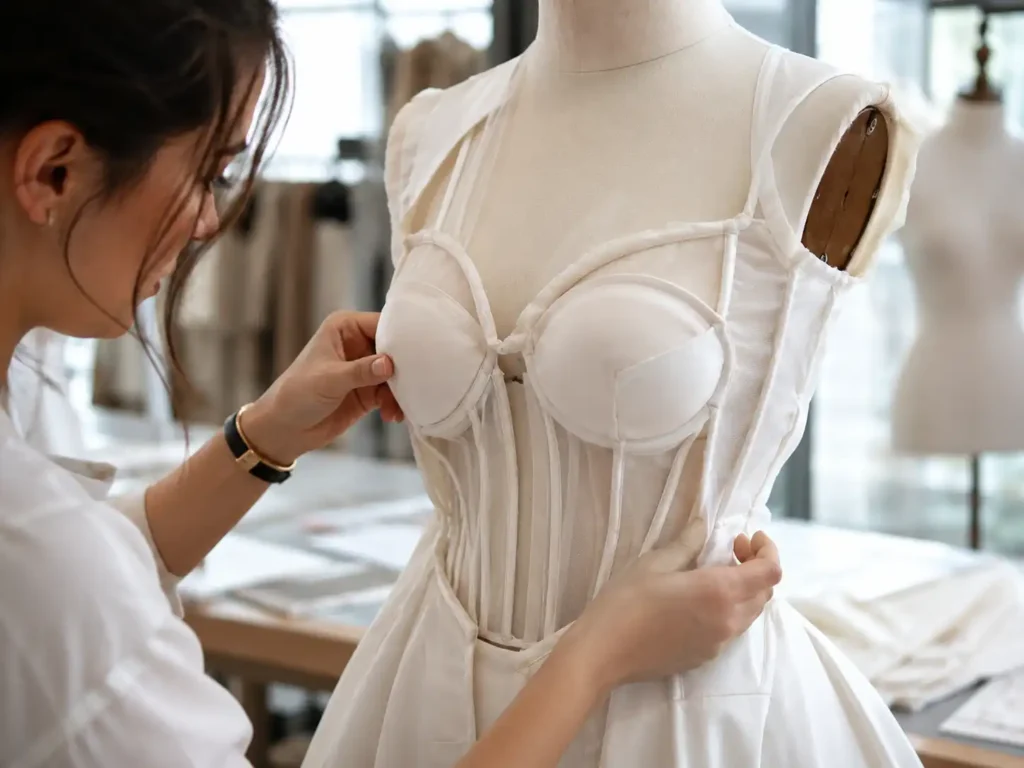
Cups and Boning

Straps and Adjusters

Linings and Coverage

Decorative Components
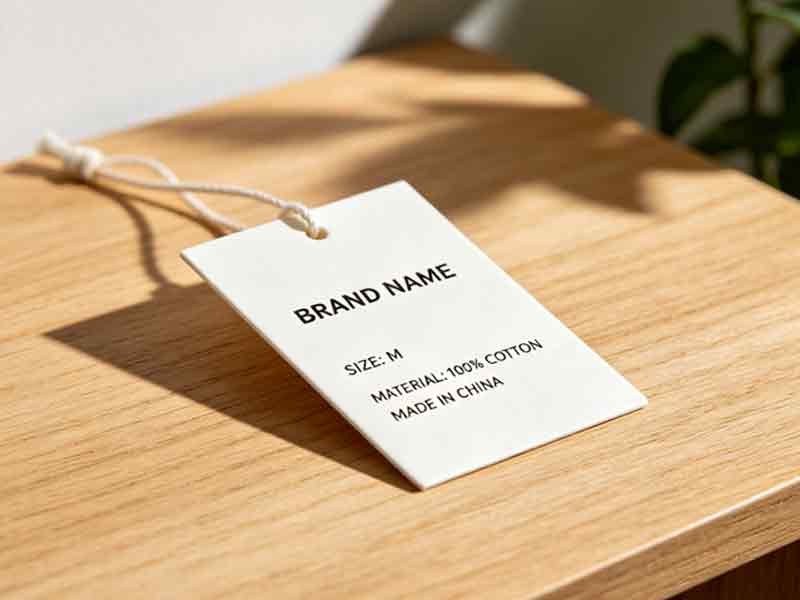
Branding Materials
Design Details That Must Survive Bulk Production

Ruching Control

Pleats and Darts

Cut-Out Stability

Lace Placement

Sequin Protection
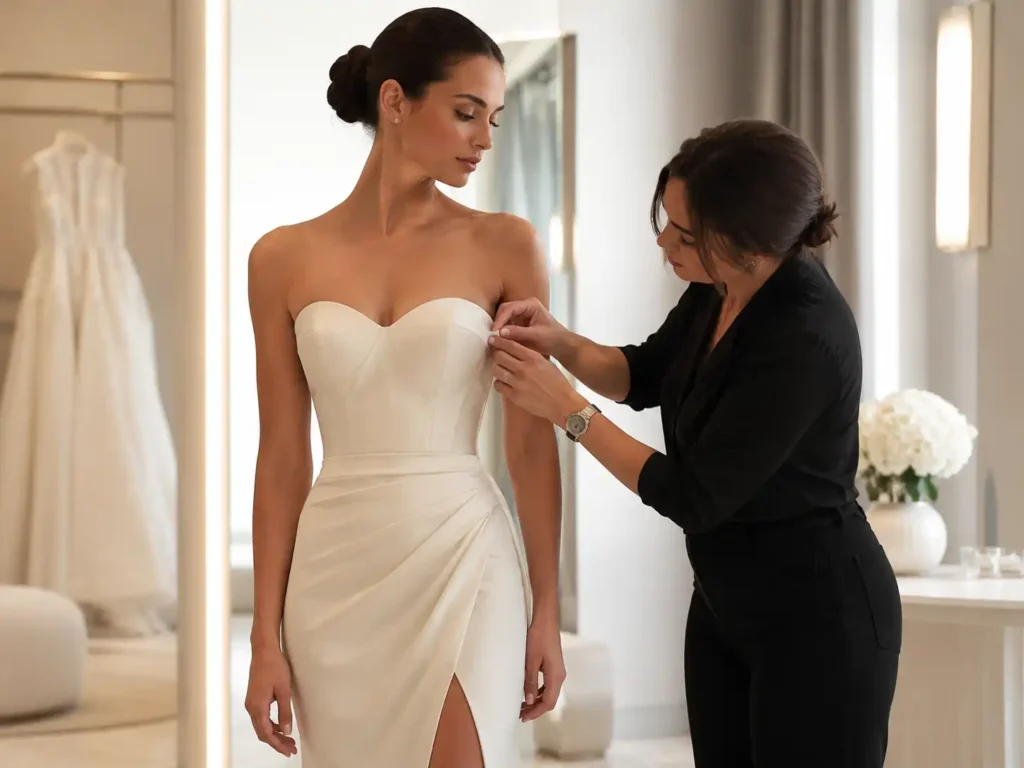
Strapless Construction

Slits and Hems

Pressing and Finish
How Approved Samples Transfer Into Bulk Production
Final Pattern File
Size Chart and Tolerance
Fabric Reference
Trim and BOM Record
Sewing Instruction
QC and Packing Guide
Indicative Program Timeline After File Review
Large programs need a style-level calendar, not one blanket lead time. The ranges below are planning references for an established 10–30 style program and are confirmed only after line-sheet review, material availability, sample complexity, approval speed, quantity breakdown and freight requirements.
| Stage | Indicative Window | Planning Note |
|---|---|---|
| Program review and grouping | 2–4 working days | Line sheet, quantities, style priority and delivery window received |
| Fabric and trim direction | 5–15 working days | Stock, custom color, print, lace, embellishment and packaging lead times vary |
| First sample wave | 10–20 working days | Starts after material direction and technical points are sufficiently clear |
| Fit and revised samples | 7–15 working days per wave | Depends on comment quality, pattern changes and material replacement |
| PP and Golden sample lock | 5–10 working days | Major design, fabric, trim and packing changes should already be resolved |
| Bulk production | 35–55 calendar days | Varies by style mix, quantity, complexity, material arrival and line allocation |
| QC, packing and shipment release | 5–10 calendar days | Includes final checks, SKU packing, carton verification and shipment files |
Size Grading and Measurement Consistency
Base Size Approval
Grade Rule Review
Stretch Size Control
Petite and Tall
Extended Sizes
Bulk Measurement
Quality Control Across Styles, Lines and Batches
Incoming Fabric QC
Trim Verification
Cutting Inspection
Inline Sewing Check
Measurement Control
Finished Garment Review
Packing QC
Pre-Shipment Review
Private-Label Packing for High-SKU Programs

Brand Labels

Hangtags and Barcodes

Polybags and Folding
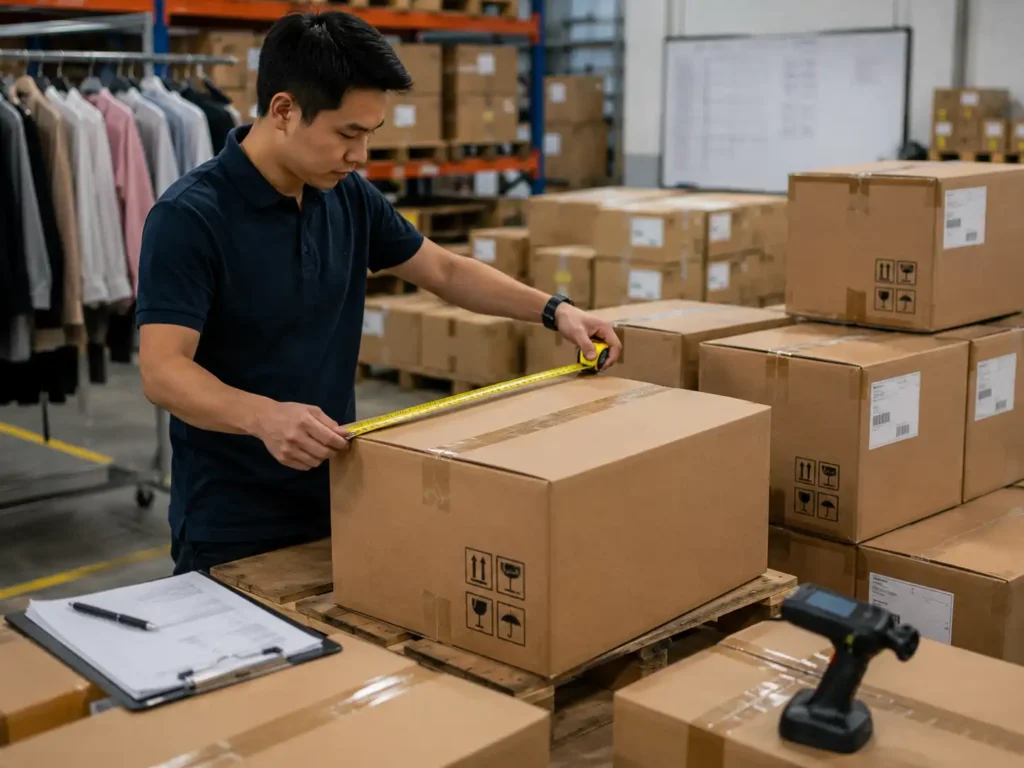
Carton Ratios
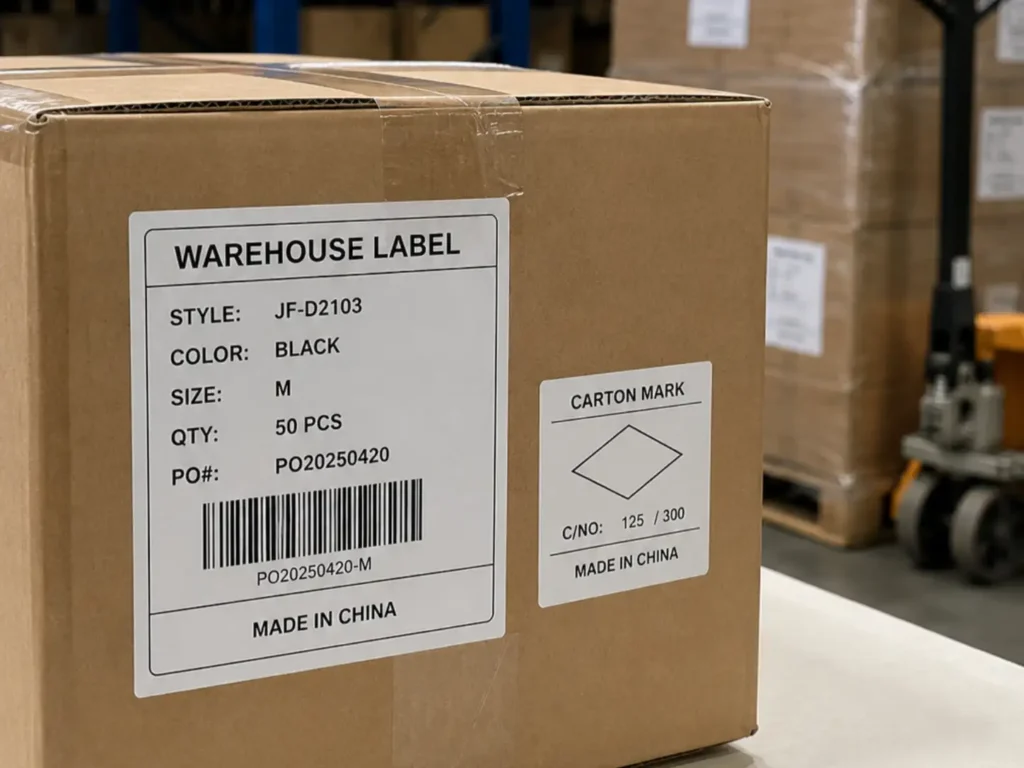
Warehouse Labels
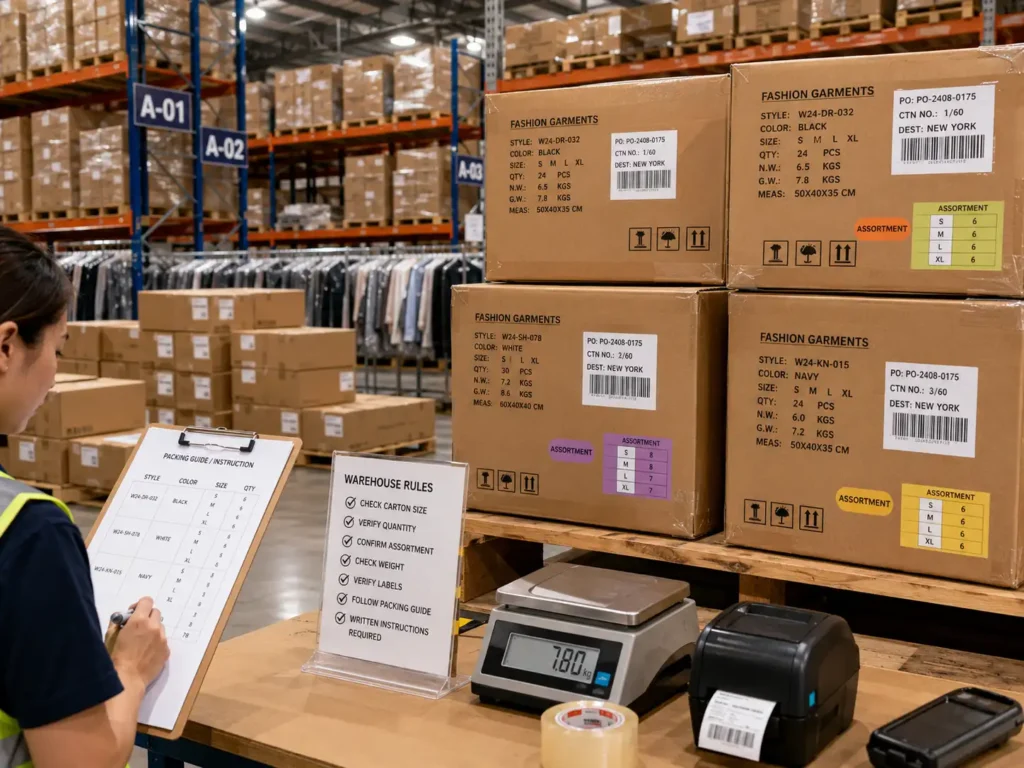
Packing Traceability
Multi-Batch Delivery and Repeat-Order Support
Phased Shipment Planning
Export Documentation
Repeat-Order Records
Representative High-Volume Program Profiles
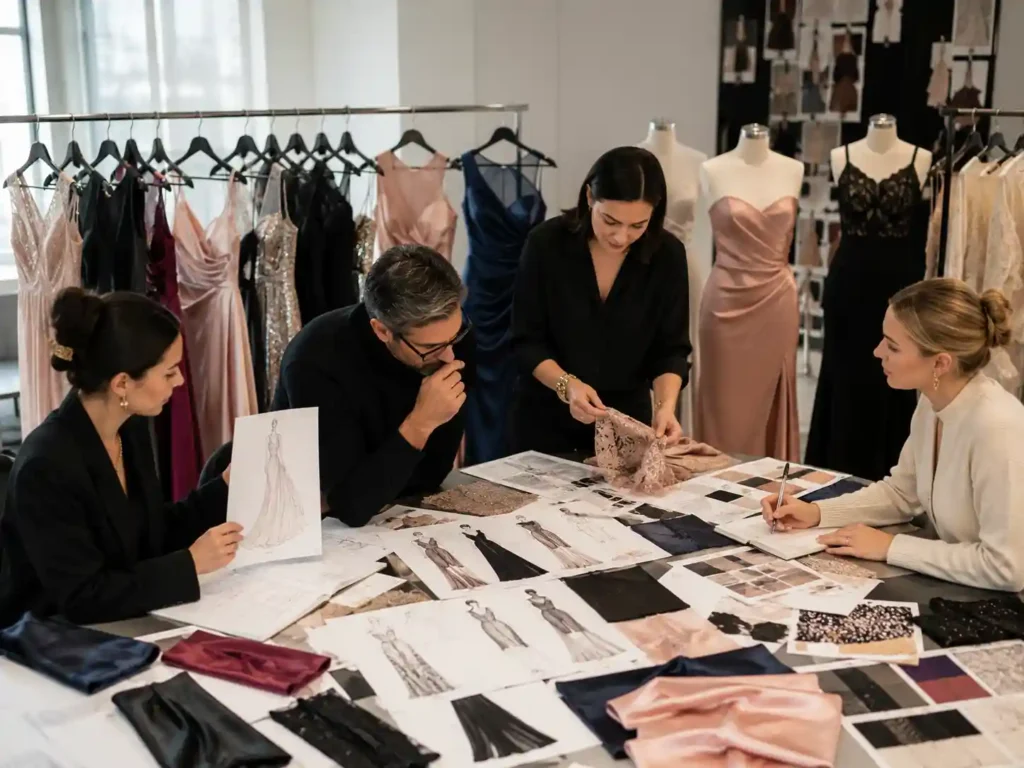
U.S. Occasionwear Program

European Resort Collection

UK–Australia Partywear Range
Vendor Qualification, Confidentiality and Compliance Support
NDA and Design Protection
Audit and Testing Support
Inspection and Records
Frequently Asked Questions for High-Volume Programs

Start Your High-Volume Womenswear Program Review
Send Jinfeng Apparel the working files for your next collection and receive a structured review of product scope, sample priorities, material risks, production allocation and delivery planning. A useful first submission includes the line sheet, tech packs or reference images, target quantity by style and color, size range, fabric direction, launch date, packing guide and shipping destination. Kelly will coordinate the initial review with the development, merchandising and production teams. Clear files allow faster identification of styles that can share materials, styles needing specialist pattern or sewing support, items requiring custom components and dates that need phased approval or shipment. The review is designed to establish realistic boundaries before sampling and bulk commitments are made.
- Line sheet with style codes and priority ranking
- Tech packs, original samples or reference images
- Quantity by style, color and size
- Fabric, trim and construction requirements
- Label, barcode, polybag and carton standards
- Launch date, delivery window and destination


