 Skip to content
Waistline Position Correction Solutions
Pattern correction, fit sampling, grading control, and production validation for fashion collections where waist placement determines proportion, comfort, and sellable fit.
A waist seam can look correct on a flat sketch and still sit too high, drop too low, tilt across the body, or shift during movement. Jinfeng Apparel reviews body proportion, front and back bodice length, fabric behavior, pattern balance, fit comments, and production measurements before an approved correction becomes a bulk standard.
- 7+ senior pattern makers review high waist, natural waist, low waist, front length, back length, and side-seam balance.
- 2 sample rooms and 20+ sample machinists support first samples, fit samples, revised samples, PP samples, and Golden Sample approval.
- 15+ QC inspectors verify measurement points across fabric, cutting, inline sewing, finished garments, and packing inspection.
- Waist-sensitive programs can move from a corrected base size into multi-size production across 18+ sewing lines and 6+ flexible lines.
Waistline Correction Backed by Fit Teams
Pattern Development
Sample Validation
Bulk Measurement Control
Built for Brand Development and Technical Teams
Product Development Teams
Technical and Fit Teams
Sourcing and QA Teams

How Waistline Position Is Corrected
Correct waistline placement starts by confirming the intended design waist, then comparing front and back body length, bust-waist-hip balance, shoulder or strap length, side seams, fabric stretch, and movement. The pattern is adjusted, tested in a fit sample, graded by size, and locked through PP and Golden Sample approval before bulk measurement control.
Separate Design Intent from Fit Failure
- Natural waist, high waist, low waist, corset waist, shaped basque seams, and jumpsuit waistlines serve different visual and functional purposes. A low-waist Y2K dress should not be “corrected” to natural waist simply because the seam sits below the narrowest body point. The first decision is whether the garment is following its intended design line. Only then can the team diagnose excessive height, drop, tilt, pulling, or movement-related shifting.
Trace the Cause Before Moving the Seam
- A waistline is rarely corrected by moving the waist seam alone. A raised front waist can come from insufficient bust length, a short front bodice, tight hips, or straps that lift the garment. A dropped back waist can come from excess back length, fabric growth, or poor balance. Every correction is checked against adjoining darts, panel seams, closures, waistbands, skirts, lining, and side seams so one improvement does not create a second defect.
Validate the Correction on the Body
- The revised line must be tested in standing, sitting, walking, and arm movement. Static photos may hide a waist that climbs during wear or drops under skirt weight. Fit review records the seam level, front and back length, horizontal balance, drag lines, comfort, and visual proportion before the pattern is approved for grading.
Waistline Problem Diagnostic Matrix
Visible symptoms provide useful clues, but the final correction depends on the complete garment. Use the matrix to organize sample comments before sending the style for pattern review.
| Observed Problem | Typical Appearance | Possible Causes | Review Points |
|---|---|---|---|
| Waistline too high | Waist seam sits above the intended position; torso looks shortened | Front or back bodice too short; bust or hip pulling; straps too short | Front/back length, bust room, hip ease, strap length, side-seam level |
| Waistline too low | Seam drops below the intended line; upper body looks long | Excess bodice length; fabric growth; heavy skirt pulling downward | Bodice length, fabric recovery, skirt weight, waist circumference, shoulder position |
| Front and back uneven | Front waist rises or back waist drops; side seam tilts | Unequal front/back length; bust shaping; posture; uneven attachment | Center front/back length, bust point, side-seam match, waist-seam level |
| Rises during movement | Looks acceptable when still but climbs while walking or raising arms | Tight hip or upper body; armhole restriction; insufficient torso length | Movement test, hip ease, armhole, shoulder, front/back body length |
| Back waist pooling | Horizontal folds or excess fabric above the back waist | Excess back length; shaping imbalance; fabric softness or stretch | Back waist length, center-back shape, darts, zipper, fabric growth |
| Side seam pulling | Waistline rotates and side seam moves forward or backward | Bust/hip imbalance; incorrect dart intake; grain or stretch direction | Bust-waist-hip distribution, dart intake, grainline, cutting direction |
Waistline Types Need Different Fit Logic
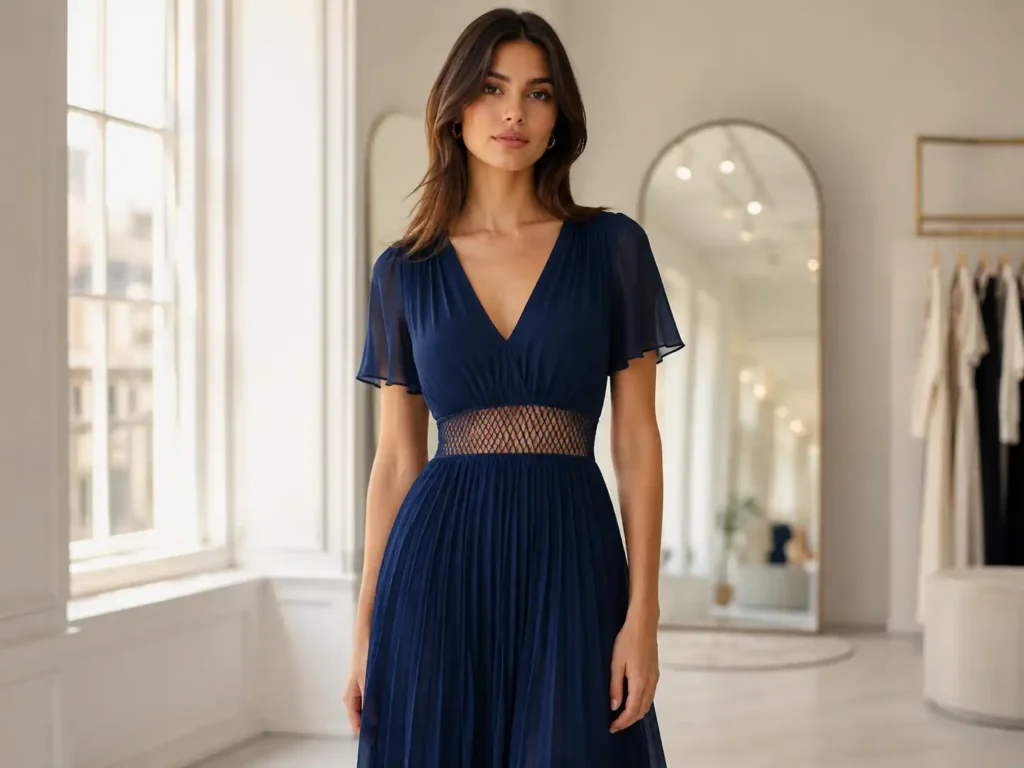
Natural Waist

High Waist

Low Waist
Used in Y2K, drop-waist, clubwear, and elongated-torso silhouettes. The line must relate correctly to the high hip and full hip. A misplaced low waist can widen the hip visually, restrict sitting, or make the upper body look disproportionate.
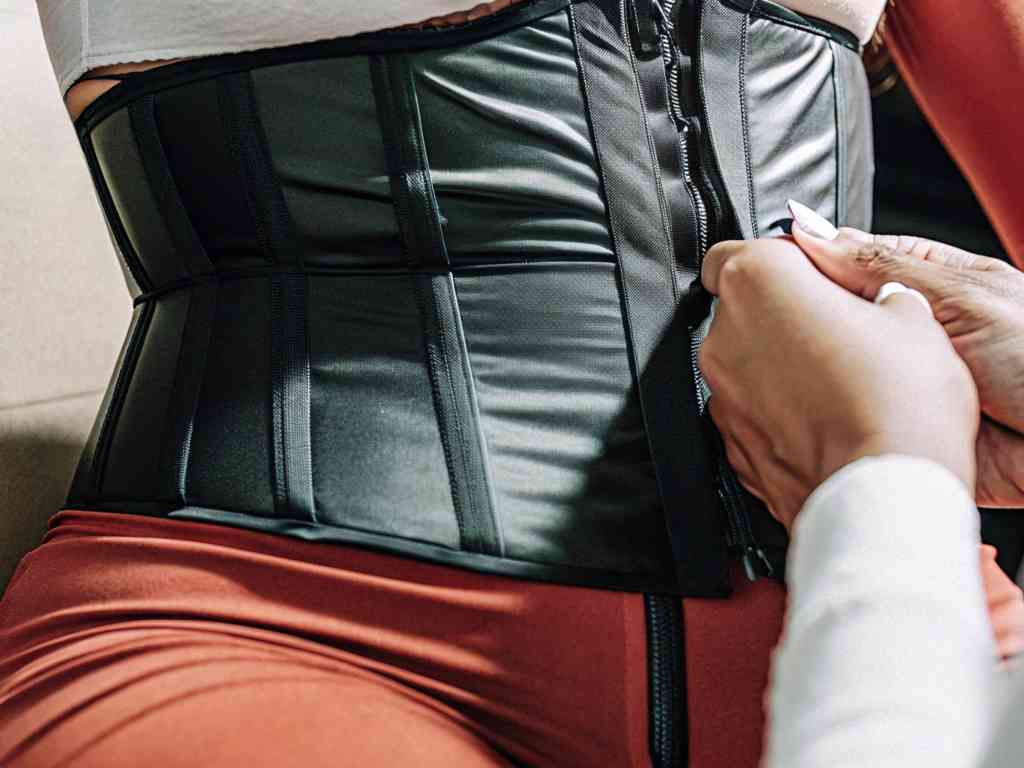
Corset Waist

Waistband Position

Jumpsuit Waistline
Measurements That Control Waist Placement
Waist circumference alone cannot define waistline position. The following measurements and balance points should be reviewed together during sample assessment and pattern correction.
| Measurement or Balance Point | Role in Fit | Waistline Risk |
|---|---|---|
| Bust / Upper Bust | Controls front-body volume and neckline stability | Insufficient room can lift the front waist |
| Under Bust | Connects corset support to the waist position | Incorrect length changes cup and waist alignment |
| Waist / High Waist / Low Waist | Defines circumference at the intended design level | Wrong level changes silhouette and comfort |
| Hip | Controls lower-body ease and garment movement | Tight hips can push a dress or skirt upward |
| Front Length | Locates the front waist after passing over the bust | Too short raises the front waist; too long causes folds |
| Back Length | Controls back waist level and zipper or seam balance | Too long pools above the waist; too short pulls upward |
| Shoulder or Strap Length | Suspends the garment and sets vertical position | Short straps lift the waist; long straps drop the body |
| Side-Seam Balance | Connects front and back pattern length | Tilt reveals unequal front/back distribution |
| Skirt or Lower-Body Weight | Adds downward load below the waist | Heavy or bias sections may lower the approved line |
| Movement Allowance | Tests fit while sitting, walking, and lifting arms | Insufficient allowance can make the waist climb |

Root Causes Beyond the Waist Seam
Moving the visible seam without tracing the source can distort darts, panels, closures, skirt balance, or movement. Jinfeng reviews the full upper- and lower-body relationship before issuing a correction.
Front and Back Bodice Length
- Front and back body length must reach the intended waist level after passing over the bust, shoulder blades, and body curvature. A short front body often pulls the front waist upward and tilts the side seam. Excess back length creates folds or a dropped back waist. The correction can require length removal or addition at selected pattern positions rather than a uniform change around the garment.
Bust, Waist, and Hip Distribution
- Fit pressure moves garments. Insufficient bust volume can pull the front body upward; insufficient hip ease can make a fitted dress ride up; excess waist ease can let a shaped garment drop or rotate. Jinfeng reviews circumference distribution, dart intake, panel shape, negative ease, and fabric recovery so the waistline remains stable without flattening the intended silhouette.
Shoulder, Strap, and Armhole Balance
- A dress hangs from the shoulder or strap system. Short straps can raise the entire torso; long straps can lower the neckline and waist together. Restricted armholes may lift the garment during movement. Strap length, shoulder slope, armhole depth, neckline security, and bust support are reviewed before changing the waist seam.
Darts, Panels, and Closures
- Waist darts, princess seams, corset panels, zippers, and waistbands carry shaping into the waist. A corrected line must reconnect these elements cleanly. Dart points need to remain related to the bust and hip; zipper lengths and seam joins must match; shaped waist seams need smooth curves; lining must follow the corrected outer shell without twisting or exposure.
Fabric Behavior Can Move an Approved Waistline
Stretch and Recovery
Drape and Bias Growth
Weight and Layering
Shrinkage and Relaxation
Waistline Control Across Key Womenswear Styles

Bodycon Dresses

Corset Dresses

Jumpsuits
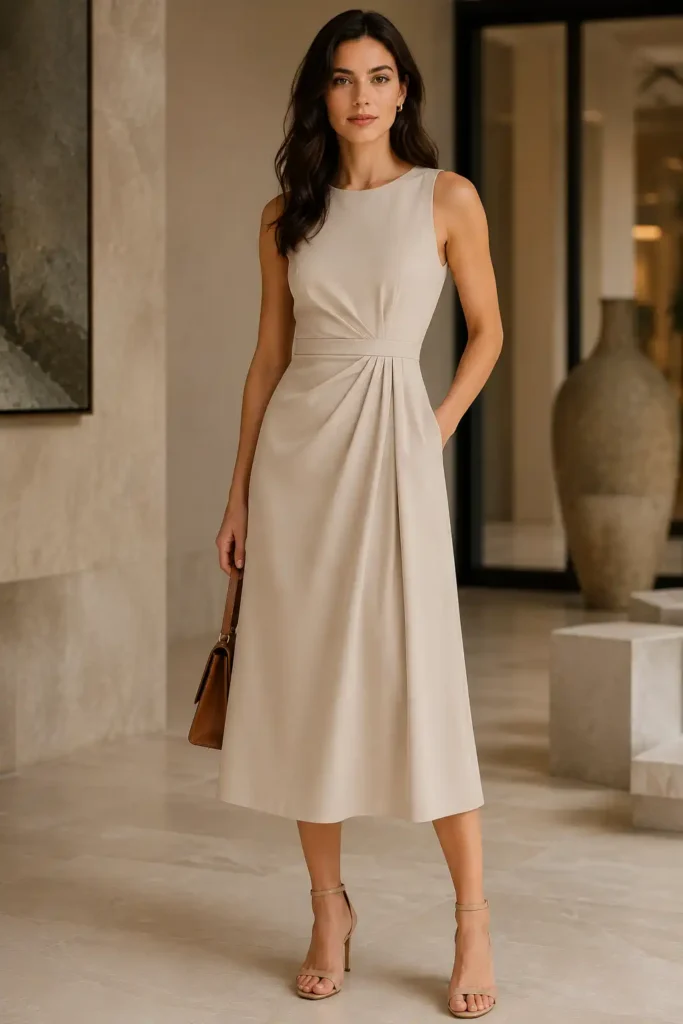
Midi Dresses
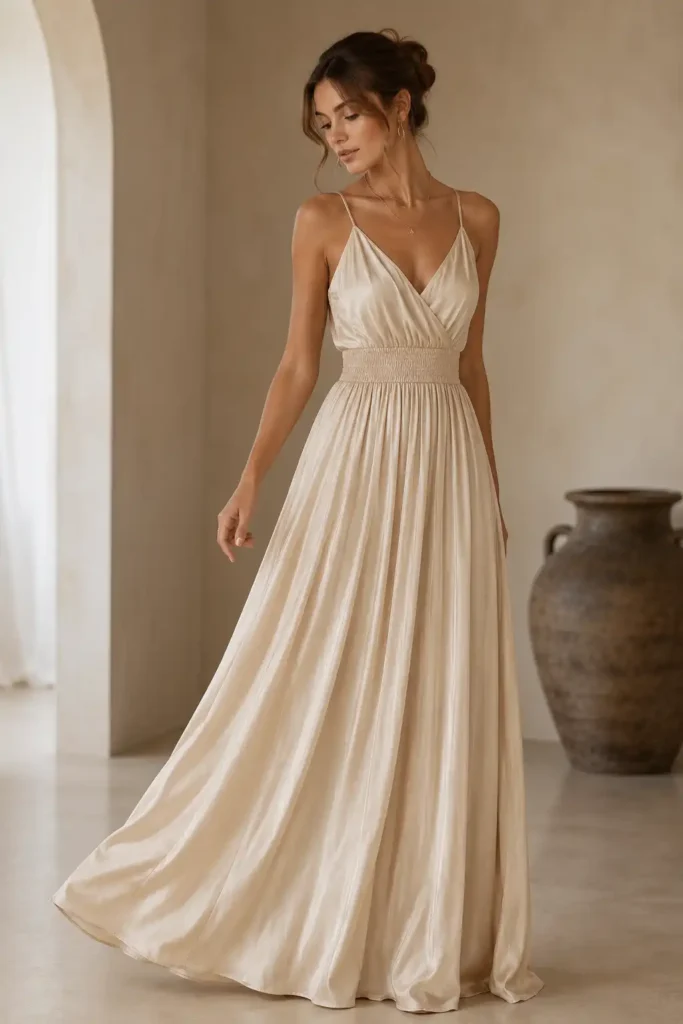
Maxi Dresses

Skirts

Matching Sets

Office Dresses

Pattern Correction Methods for Waistline Errors
Pattern changes are selected from the observed symptom, body measurements, garment construction, and fabric behavior. Jinfeng records each approved change so the revised sample and production pattern remain aligned.
Shorten or Lengthen the Bodice
- When the intended waist is consistently too low or too high, controlled length can be removed or added through the front, back, or both. The amount is not always equal. Bust shaping, center front, center back, side seams, princess lines, and zipper lengths are trued after the change. Skirt length and total garment length are then rechecked so the corrected torso does not unintentionally alter the final hem position.
Rebalance Front and Back Waist Levels
- A tilted waistline often requires separate front and back treatment. The pattern maker reviews center-front and center-back length, bust projection, back shaping, shoulder position, and side-seam matching. The goal is a visually level or intentionally shaped waist seam while preserving grainline and avoiding twisting. The revised seam must sew together without forced stretching or unequal panel length.
Reposition Darts and Style Lines
- Changing waist level affects dart length, dart intake, princess seams, corset panels, cut-outs, ruching, pockets, belt loops, and decorative trims. Darts must still point toward the correct body volume; panel intersections should remain smooth; waist shaping should not create sharp corners or excess bulk. Design details are moved only after the fit correction has been confirmed.
Correct Ease, Waistband, and Lower-Body Pull
- A waistline that rises during movement may need hip or torso ease rather than extra bodice length. A waistband that drops may need shape, interfacing, elastic control, or circumference correction. Jinfeng checks waist and hip ease, fabric recovery, seam allowance, waistband curvature, lining, and closure behavior before deciding whether the correction belongs above, at, or below the waistline.
Files and Samples Needed for Accurate Review
Tech Pack
Fit Comments
Marked Photos
Size Chart
Original Sample
Fabric and Quantity Plan

Sampling Turns Comments into a Wearable Correction
Sample stages have different approval purposes. Separating them prevents the first sample from being mistaken for a final production standard and keeps waistline decisions traceable.
- First Sample: Confirm Structure
The first sample checks whether the intended waist type, bodice proportion, fabric direction, closure, lining, darts, panels, and skirt attachment can produce the planned silhouette. Common first-round findings include a front waist that lifts over the bust, excess back length, a low waist positioned too near the full hip, or a jumpsuit waist that conflicts with torso length and rise. Regular styles often require about 7-15 days for first-sample development after materials and specifications are ready; complex corset, lace, mesh, sequin, or difficult-fabric styles can require 15-25+ days by project. - Fit Sample: Test the Body
The fit sample is reviewed on the agreed model or form using front, side, back, seated, walking, and arm-movement checks. Waistline height, seam level, front and back length, bust-waist-hip balance, side seams, straps, armholes, comfort, and visual proportion are recorded. Photos and measurements should identify the location and amount of each approved change rather than using broad comments such as “improve fit.” - Revised Sample: Verify the Change
The revised sample confirms whether pattern changes solved the original issue without creating a new one. Jinfeng compares the new sample with the previous version, updated measurement sheet, fit comments, and marked photos. Fabric or trim substitutions are also checked because different stretch, weight, support, or shrinkage can move the corrected waistline again. - PP and Golden Sample: Lock Production
The PP sample confirms the production-intended pattern, fabric, trims, construction, measurements, labels, and packing direction. The Golden Sample becomes the visual and dimensional reference for bulk execution. Production should not begin with unresolved waistline, bust, hip, strap, length, or movement issues. Final timing depends on comment speed, material readiness, sample rounds, and project schedule.
Every Revision Needs a Clear Approval Record
Pattern Change Record
Measurement Change Record
Material Change Record
Approval Status Record
From Corrected Pattern to Retail-Ready Bulk
Material Readiness
Pattern Version Control
Cutting Control
Inline Sewing Checks
Final Measurement QC
Packing and Repeat Records
MOQ, Cost, and Timeline Planning

MOQ Structure

Sample Timing

Bulk Production

Cost Drivers
Frequently Asked Questions About Waistline Correction
We compare the intended design waist with front and back body length, bust-waist-hip balance, side-seam level, straps or shoulders, fabric behavior, and movement. Photos, measurements, fit comments, and an original sample help determine whether the issue comes from pattern length, shaping, ease, material growth, or construction.
Yes, after confirming whether the style is intended to use a natural, high, low, corset, shaped, waistband, or jumpsuit waist. The correction may involve bodice length, darts, panels, ease, straps, hip balance, waistband shape, or material support rather than simply moving the visible seam.
Common causes include insufficient hip or torso ease, restricted armholes, short straps, tight bust or hip areas, limited jumpsuit rise, or weak fabric recovery. A movement test helps identify whether the garment is being pulled upward from above or pushed upward from below.
Front length must pass correctly over the bust to reach the intended waist, while back length must fit shoulder-blade and back shaping. Unequal distribution can tilt the waist seam, move side seams, or create pooling. Front and back may need different corrections.
Yes. Stretch, recovery, drape, weight, bias growth, shrinkage, lining, and support can change how the garment hangs. A replacement fabric may require pattern reassessment or a renewed sample, especially in bodycon, satin, chiffon, mesh, corset, and heavily layered styles.
A physical sample gives the clearest view of sewing, balance, fabric behavior, and construction, but an initial assessment can also begin from a tech pack, marked photos, fit comments, size chart, reference sample images, and material information. Final correction normally requires sample validation.
The number depends on style complexity, clarity of the original files, fit problems, material changes, and comment rounds. The process may include first, fit, revised, PP, and Golden samples. Each stage should have a defined approval purpose rather than repeating the same review.
The approved base-size pattern is connected to a size chart and grade rule covering front and back length, bust, waist, hip, straps, armholes, rise, and total length where relevant. Core, petite, tall, and extended sizes may require different vertical proportion decisions.
Control uses the approved final pattern, PP sample, Golden Sample, measurement sheet, grade rule, production instruction, cutting checks, inline sewing inspection, finished-garment measurement, and size identification. Material changes and production findings are reviewed before they become large-scale variation.
Send the tech pack or line sheet, product images, fit comments, front-side-back sample photos, base-size measurements, size range, intended waist type, fabric information, quantity per style/color, target delivery, and any original sample available. Files are handled for project assessment and production use.

Turn Fit Comments into a Bulk-Ready Standard
Send Jinfeng Apparel the style files, sample evidence, and production plan behind the waistline issue.
Our team will review whether the correction should be made through bodice length, bust-waist-hip balance, straps, darts, panels, waistband shape, fabric behavior, grading, or production control before recommending the next sample stage.
- Company, target market, product category, and planned launch date
- Tech pack, line sheet, original sample photos, or reference images
- Front, side, and back fit photos with marked waistline concerns
- Base-size chart, size range, grade rules, and measurement tolerances
- Fabric, lining, stretch direction, trims, and intended bulk materials
- Quantity per style/color, color plan, packing needs, and target delivery
- Fit comments, sample version, approval status, and any existing PP requirements


