Viscose Dress Manufacturer

Custom Viscose Dress Manufacturing for Global Fashion Brands

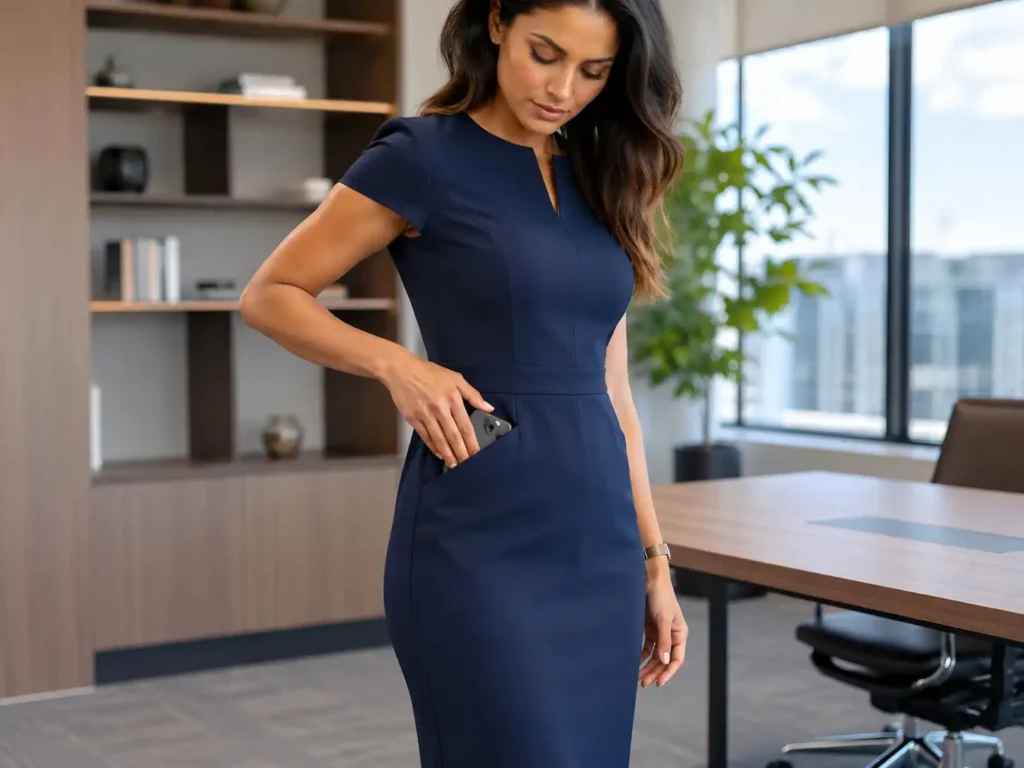
Jinfeng Apparel develops viscose mini, midi, maxi, wrap, shirt, slip, tiered and printed dresses from fabric direction and pattern development through sample approval, bulk production, quality control and private-label packing.

  • MOQ starts from 200 pcs per style/color, subject to fabric, print, trim and production requirements.
  • 4 viscose-specific controls: shrinkage, lot shade, print direction and finished measurement.
  • 2 sample rooms, 7+ senior pattern makers and 20+ sample machinists support multi-style development.
  • 6 owned women’s fashion factories and 10+ long-term production partners support seasonal collections and repeat orders.

Manufacturing Capacity Built for Viscose Dress Programs

A strong viscose collection needs more than sewing capacity. Pattern work, fabric control, sample revision, production allocation and inspection must move under one coordinated manufacturing system.

Since 2008

Jinfeng Apparel has focused on custom women’s fashion manufacturing since 2008. Long-term dress development experience supports fabric-sensitive products where drape, shrinkage, print placement and fit must remain controlled from first sample to packed goods.

6 Owned Factories

Six owned women’s fashion factories support dresses, skirts, jumpsuits, matching sets and related private-label collections. Production allocation follows silhouette, fabric behavior, construction difficulty, order quantity and delivery window.

10+ Production Partners

More than ten long-term satellite production partners add flexible capacity for multi-style collections, repeat orders and split production plans. Final factory allocation remains under Jinfeng Apparel’s project, quality and packing management.

2 Sample Rooms

Two sample rooms support first samples, fit samples, revised samples, photo-ready samples and PP samples. Sample work is connected to pattern files, measurement records, fabric notes and bulk-production requirements.

15+ QC Inspectors

A 15+ member QC team covers incoming materials, cutting, sewing, measurement, garment appearance, pressing, packing and pre-shipment checks according to project requirements.

100,000+ Monthly Capacity

Regular monthly capacity exceeds 100,000 pieces across the manufacturing network. Actual allocation depends on style count, viscose fabric availability, print development, construction complexity and inspection requirements.

Designed for Established Fashion and Sourcing Teams

Jinfeng Apparel works with brands and apparel teams that require custom development, reliable samples, controlled bulk production and retail-ready delivery rather than open-stock purchasing.

Best Fit Projects

Suitable programs usually include a clear product direction, reference images or tech packs, planned quantities, defined market positioning and a real launch calendar. Seasonal collections, multiple styles, repeat colors and long-term replenishment fit the manufacturing model well.
  • Custom viscose dress collections
  • Multi-style seasonal drops
  • Printed resort and vacation ranges
  • Premium ecommerce assortments
  • Private-label retail programs
  • Repeat-order and color-extension plans

Project Requirements

MOQ starts from 200 pcs per style/color. Exact requirements depend on stock fabric availability, custom dyeing, exclusive print development, color count, trims, size breakdown, packing and production schedule. Clear files allow faster feasibility review and more accurate costing.
  • Tech pack, sample or reference image
  • Quantity per style and color
  • Fabric and print direction
  • Size chart and grade range
  • Label and packing requirements
  • Target delivery window
Check Project Fit Send Collection Brief

Common Risks in Viscose Dress Bulk Production

Viscose feels soft and fluid, yet its production risks often appear after cutting, washing, pressing or size inspection. Early controls protect silhouette, measurements and retail presentation.

Shrinkage Changes Fit

Length, waist position, sleeve length and button placement may shift when fabric relaxation or wash behavior is ignored. Sample measurement alone cannot protect bulk sizing without fabric review and an approved measurement standard.

Shade Varies by Lot

Viscose dye lots may differ in shade, hand feel or surface appearance. Mixed lots within one garment or one delivery can create visible inconsistency under studio lighting and retail lighting.

Prints Run Off Direction

Floral, border and directional prints require clear marker rules. Incorrect direction, repeat scale or placement changes the intended look and may increase fabric consumption.

Lightweight Fabric Shows Through

Light colors and lower-weight constructions can become transparent under movement, daylight or photography. Lining color, length and weight need confirmation before sample approval.

Hems Lose Balance

Maxi, bias-influenced and tiered silhouettes can drop unevenly after hanging or pressing. Hem balance must be assessed on the intended fabric rather than copied from a rigid-fabric pattern.

Bulk Differs From Sample

A sample made from substitute fabric can look correct while bulk fabric behaves differently. Final fabric, trims, pattern, measurements and packing must be locked before production.

From Design Reference to Packed Viscose Dresses

A controlled workflow keeps design, material, fit, production and delivery decisions connected. Every stage produces a record needed by the next stage.

Project Review

Reference image, tech pack, size chart, quantity, fabric direction, market and launch date are reviewed before sampling.

Fabric Direction

Stock, custom-dyed, printed or blended viscose options are compared by appearance, availability, MOQ, cost and production risk.

Pattern Development

Pattern work covers bust, waist, hip, neckline, strap, sleeve, slit, lining, length and hem proportion.

First Sample

The first garment verifies silhouette, fabric response, construction and design feasibility rather than serving as an automatic bulk standard.

Fit Revision

Measured results and wear feedback are translated into pattern, construction and size-chart corrections.

PP Approval

Final fabric, color, print, trims, measurements, workmanship, labels and packing are locked before bulk material and cutting.

Bulk Production

Fabric inspection, relaxing, cutting, sewing, inline inspection, pressing and garment checking follow the approved production file.

Packing and Delivery

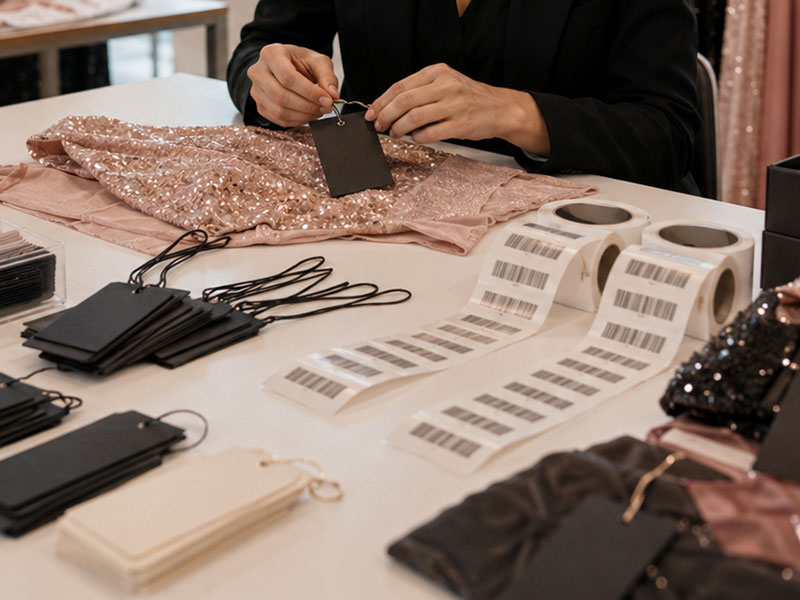
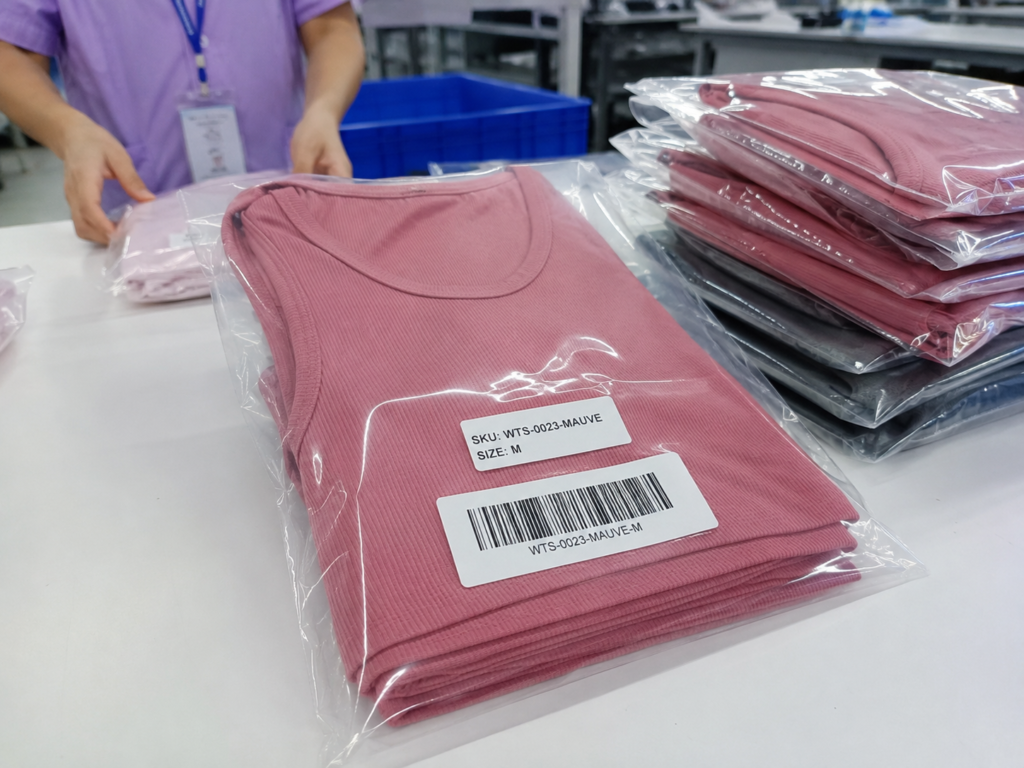
Labels, barcodes, SKU details, polybags, carton marks, inspection and shipping documents are checked before dispatch.

Custom Viscose Dress Styles We Manufacture

Viscose works across relaxed, fitted and occasion-led silhouettes when fabric structure and pattern are selected together. Product development can extend one fabric direction into a coordinated dress collection.

Viscose Mini Dress

Mini lengths need secure coverage, controlled skirt lift and stable waist placement. Lightweight fabric may require lining, clean hem support or a fuller skirt structure depending on the intended fit.

Viscose Midi Dress

Midi proportions depend on wearer height, waist position and skirt volume. Wrap, A-line, ruched and button-front constructions can be developed for ecommerce, occasion and day-to-evening ranges.

Viscose Maxi Dress

Maxi dresses require balanced hems, controlled weight, movement allowance and packing plans that reduce deep creasing. Printed versions also need clear direction and repeat management.

Viscose Wrap Dress

Wrap overlap, neckline security, tie position and waist stability affect fit across sizes. Pattern review should prevent gaping while preserving the fluid silhouette.

Viscose Shirt Dress

Button spacing, placket stability, collar shape, sleeve balance and side-seam alignment become critical on soft fabric. Twill or firmer viscose structures often support cleaner lines.

Viscose Slip Dress

Bias influence, strap length, neckline height, lining and seam growth need attention. Adjustable straps and clean internal finishing improve fit across the size range.

Printed Resort Dress

Resort styles combine print, lightness, movement and travel packing. Transparency, wrinkle appearance, hem balance and print direction should be reviewed before bulk cutting.

Tiered Viscose Dress

Gather ratios, tier widths, seam weight and skirt volume determine the finished movement. Uneven gathering or excessive bulk can distort the waist and length.

Ruched Viscose Dress

Ruching changes fabric consumption, stretch and local measurements. Stable gathering, elastic recovery and left-right balance must be confirmed during sampling.

Button-Front Dress

Button quantity, spacing, placket support and bust-gap prevention require coordinated pattern and trim decisions. Spare-button and pull-strength requirements can be added by project.

Halter Viscose Dress

Neck pressure, back coverage, bust support and tie stability need wear testing. Lining or internal support may be required for deeper necklines.

Lined Viscose Dress

Lining should protect opacity without cancelling the soft outer drape. Length, color, static behavior and attachment method are confirmed in the sample stage.

Viscose Fabric Options for Different Dress Results

Fabric names alone do not define performance. Weight, construction, finish, width, blend and print method influence silhouette, opacity, cost and production control. Ranges below are development references; final specifications depend on approved fabric swatches and supplier availability.
Fabric DirectionIndicative WeightBest-Suited Dress ResultsMain Controls Before Bulk
Viscose Challis90-130 GSMSoft maxi, wrap, tiered, resort and printed dressesShrinkage, transparency, print direction, seam puckering
Viscose Crepe110-180 GSMMidi, printed day dresses, wrap and softly structured stylesSurface consistency, shade, hand feel, pressing
Viscose Twill130-210 GSMShirt dresses, button-front styles and structured casual silhouettesWidth, lot shade, placket stability, bulk weight
Viscose Satin-Look Woven110-180 GSMSlip, occasion and fluid evening-inspired dressesSnagging, shine direction, seam marks, pressing
Viscose Jersey160-240 GSMT-shirt, fitted casual and softly draped knit dressesTwist, stretch growth, recovery, wash stability
Viscose-Spandex180-280 GSMBody-skimming, ruched and stretch-fit dressesStretch direction, recovery, measurement tolerance
Linen-Viscose Blend140-230 GSMResort, brunch, summer and natural-texture dressesWrinkle appearance, shrinkage, opacity, batch feel
Printed Viscose Woven90-180 GSMFloral, vacation, maxi and seasonal fashion dressesRepeat scale, registration, colorfastness, cutting direction
 

Match Fabric Structure to the Intended Silhouette

A strong result begins by deciding how the dress should move, hold shape, cover the body and survive wear. Fabric choice follows the silhouette rather than a generic composition request.

Fluid Maxi and Resort Movement

Soft challis and lightweight woven viscose create movement with limited stiffness. Pattern work should account for skirt volume, tier weight, lining length, print direction and hem settling.
A very light fabric may photograph beautifully yet expose the body under daylight or cling after static build-up. Sampling should check walking movement, seated coverage and travel packing. For wide hems or multiple tiers, marker planning becomes a major cost factor because print direction and fabric width can increase consumption.

Recommended development checks:

  • Hang garment before final hem assessment
  • Review transparency in daylight and studio light
  • Confirm lining length during movement
  • Check print direction across every tier
  • Measure full length after pressing

Clean Shirt and Day-Dress Structure

Viscose twill, firmer crepe and selected blends provide more control for collars, plackets, waist seams and sleeves. Softness still matters, but excessive fluidity can make a button front ripple or a collar collapse. Interfacing, stitch density, seam allowance and pressing methods should be selected around the fabric. Button spacing across the bust must be tested on a fitted sample, while skirt ease should remain sufficient for sitting and movement.

Recommended development checks:

  • Placket flatness and button-gap review
  • Collar and cuff support
  • Waist-seam stability
  • Side-seam alignment
  • Pressing marks and shine control

Stretch and Body-Skimming Shapes

Viscose jersey and viscose-spandex blends can support fitted or ruched silhouettes, but stretch percentage alone is not enough. Recovery, weight, stretch direction, seam stability and wash growth determine whether the dress keeps shape. Bust, waist and hip measurements should be developed around the approved fabric, then checked again after sample wear and project-required wash review. Side seams, hem lift, neckline growth and twisting need inspection across the size range.

Recommended development checks:

  • Stretch and recovery comparison
  • Bust-waist-hip fit review
  • Side-seam twisting check
  • Neckline recovery
  • Wash-related length change

Custom Prints and Color Development for Viscose

Printed viscose can create commercially strong seasonal dresses, yet artwork scale, base cloth, color route and cutting rules must be confirmed before production.

Existing Print Selection

Available supplier prints can reduce development time and material minimums. Fabric hand feel, repeat, width, stock quantity and replenishment status still require confirmation before sampling.

Digital Print Development

Digital printing supports detailed artwork, gradients and shorter color-development routes. Strike-off approval should confirm scale, sharpness, color balance and ground-cloth behavior.

Screen Print Programs

Screen printing can suit larger programs and repeated colorways. Screen count, color separation, registration and fabric minimums affect cost and schedule.

Placement Print Control

Placement prints require precise artwork dimensions and marker positioning. Neckline, waist, center front and hem locations should be approved on sample panels or garments.

Border Print Planning

Border prints often determine garment length and cutting direction. Skirt length, tier position and size grading must work within the printed border width.

Custom Color Development

Pantone references, lab dips or approved swatches guide color development. Outer fabric, lining, thread, zipper, buttons and labels should be checked as one coordinated color system.

Fabric Sourcing Without Losing the Intended Look

When an original fabric creates excessive MOQ, unstable supply or poor performance, substitution should protect the visual result and wear experience rather than simply reduce price.

Match the Visual Language

Development begins with the desired drape, surface, opacity, movement and finish. A fabric may share the same composition while producing a completely different silhouette. Jinfeng Apparel compares swatches against the design goal, target market, garment structure and approved reference.

Control Commercial Variables

Availability, supplier minimum, color route, print minimum, width, waste, replacement risk and repeat-order continuity are reviewed before approval. Stock fabric often supports faster development, while custom dyeing or exclusive prints require separate material planning.

Verify Claims by Project

Resources such as OEKO-TEX, FSC-related, recycled, organic or branded regenerated-cellulose options may be explored by project. Certificate scope, fabric type, supplier, color, batch, validity, MOQ and lead time require separate verification. Final market compliance and label wording remain subject to brand approval and professional review.

Drape, Wrinkle, Transparency and Lining Decisions

The best viscose fabric is the one that supports the intended garment result. Softness alone cannot decide whether a dress looks polished, covers correctly or keeps shape through retail handling.

Drape and Movement

Fluidity should support the skirt line without pulling the waist, stretching the neckline or making side seams swing forward. Maxi, bias-influenced and gathered styles need movement review on a body or dress form.

Wrinkle Appearance

Viscose can develop fold marks during storage and transit. Fabric finish, garment volume, pressing and packing method affect presentation. Travel-focused collections may need fold planning and pack tests before shipment.

Transparency Control

White, ivory, pale pink, yellow and lightweight prints can reveal more under bright light. Opacity checks should include standing, walking and seated positions, not only a flat fabric inspection.

Lining Selection

Lining weight, color, length and static behavior should protect coverage without making the outer fabric rigid. Skin-tone, self-color and contrast-free options can be reviewed during sampling.

Design Details Developed Around Viscose Behavior

Design details should support the softness of viscose rather than fight it. Every element below changes pattern balance, sewing method, fabric consumption or inspection requirements.

Adjustable Straps

Strap width, slider size, adjustment range and attachment strength affect neckline height and comfort. Hardware color should match the garment and remain smooth against skin.

Wrap Construction

Front overlap, waist-tie placement and neckline control must remain secure across sizes. Hidden snaps or internal ties can be evaluated where needed.

Button Plackets

Placket support, button spacing and stitch balance prevent rippling and bust gaping. Covered or resin buttons can be developed by style.

Tiered Skirts

Tier depth, gathering ratio, print direction and seam weight control the finished movement. Balanced gathering prevents one side from appearing fuller.

Ruching

Elastic specification, gathering length and stitch security affect fit and recovery. Left-right symmetry is checked during sewing and final inspection.

Waist Ties

Tie width, length, turning quality and attachment position influence proportion and durability. Printed fabric direction should remain consistent.

Side Slits

Slit height, reinforcement and lining construction protect movement and coverage. Size grading should not create an unsafe opening.

Invisible Zippers

Zipper length, color, seam flatness and top finish require control. Soft fabric should not bulge or become trapped during operation.

Ruffle Details

Ruffle width, edge finish and gathering density affect volume. Lightweight edges may use narrow hemming or other approved clean finishes.

Elastic Waists

Elastic width, recovery, join method and casing allowance determine comfort. Finished waist measurements must match the approved size chart.

Internal Lining

Lining attachment, venting, hem freedom and seam compatibility influence comfort and outer drape. Lining should not pull the shell upward.

Functional Pockets

Pocket opening, bag depth and reinforcement need balance. Heavy pocket bags can distort lightweight skirts and side seams.

Pattern and Fit Engineering for Viscose Dresses

Soft fabrics reveal weak pattern decisions quickly. Jinfeng Apparel’s 7+ senior pattern makers develop and correct production-ready patterns around fabric behavior, target market and intended fit.

Control Bust, Waist and Hip Relationships

A dress can match flat measurements and still fit poorly. Bust shaping, waist placement, hip ease and fabric drape must work together. Wrap, shirt, slip and fitted viscose dresses each need different ease and support logic. Pattern corrections may follow fitting photos, garment measurements, mannequin review, wear feedback and approved brand fit preferences.

Key fit points:

  • Upper bust and full bust
  • Natural, high or low waist position
  • Hip ease and side-seam balance
  • Armhole depth and neckline security
  • Front and back body length

Protect Length and Coverage Across Sizes

Mini coverage, midi proportion and maxi hem balance change through grading. A single fixed increase cannot solve every style. Strap length, slit height, wrap overlap, lining length and skirt volume should be reviewed with the grade rule. Extended sizes, plus-size adjustments, petite and tall versions can be developed according to the supplied size standard.

Supported market frameworks include:

  • US, UK, EU and AU size systems
  • Alpha sizing from XS-XL
  • Extended ranges by project
  • Plus-size standards supplied by the brand
  • Petite or tall adjustments by project

Convert Fit Feedback Into Production Files

Sample comments should become measurable actions. “Too loose at the waist” needs a defined pattern correction; “neckline feels low” needs a revised depth and strap or shoulder review. Jinfeng Apparel updates pattern files, measurement charts, sewing notes and sample versions so production teams receive clear instructions rather than informal messages.

Pattern Engineering​

What We Review Before Making a Sample

Better samples begin with better inputs. A structured review identifies fabric, construction, MOQ, fit and packing risks before pattern cutting starts.

Design Files

Tech packs, sketches, reference photos, line sheets or original samples help define silhouette, seams, measurements and finishing. Missing information is listed before development.

Fabric Direction

Composition, construction, weight, hand feel, print, color and lining needs are reviewed against the design. Alternatives may be proposed when the requested fabric creates risk.

Size Standard

The target US, UK, EU, AU or brand-specific size chart guides pattern development. Base size, grade rule, fit preference and critical measurements should be clear.

Quantity Plan

Quantity per style/color affects fabric sourcing, trim minimums, production allocation, unit cost and packing. MOQ starts from 200 pcs per style/color.

Private Label Needs

Woven labels, care labels, size labels, hangtags, barcode files, polybags, carton marks and warehouse guides are reviewed early to prevent packing delays.

Launch and Delivery

Photo dates, PP approval, bulk window, inspection, shipping route and warehouse arrival need one connected timeline. Fabric and approval delays are flagged before commitment.

Sample Development and Revision for Viscose Styles

Two sample rooms, 7+ senior pattern makers and 20+ sample machinists support first samples, fit corrections, photo-ready pieces and PP approval for multi-style programs.

First Sample - Validate the Product Direction

The first sample tests silhouette, fabric behavior, construction order, fit, transparency, lining, print scale and workmanship feasibility. It should not be treated as an automatic production standard. When final bulk fabric is unavailable, any substitute must be clearly recorded because drape, weight and shrinkage may differ.

The review output can include:

  • Garment measurements
  • Fit photos or video by arrangement
  • Fabric and trim notes
  • Construction-risk comments
  • Cost-impact observations

Revised Sample - Turn Feedback Into Measurable Changes

Revision comments are organized by pattern, measurement, fabric, trim, workmanship and appearance. Changes should identify exact points rather than rely on broad phrases. Updated files and sample version records reduce repeated errors when several styles move in parallel.

Typical revisions include:

  • Bust, waist, hip or length corrections
  • Neckline and armhole adjustments
  • Strap, slit or wrap-overlap changes
  • Lining coverage corrections
  • Print scale or placement changes

PP Sample - Seal the Bulk Standard

The PP sample confirms production fabric, approved color or print, final pattern, measurement specification, trims, sewing, labels and packing. Material or construction changes after PP approval can affect price, schedule and bulk consistency, so changes need written review before implementation.

Sample and bulk schedules are confirmed after style complexity, material availability, revision count, approval speed and production requirements are reviewed. A project timeline records planned milestones instead of relying on a generic “fast sample” promise.

Pattern Development​

Lock the Bulk Standard Before Production Starts

PP approval creates a controlled manufacturing reference. Three records connect development to production and inspection.

Final Pattern File

Approved pattern pieces, not an early sample pattern, define bulk cutting. Version control prevents outdated neckline, length, waist or lining corrections from entering production.

Approved Material File

Fabric reference, color or print, lining, thread, zipper, buttons, elastic and labels are recorded. Substitute materials require approval when appearance or performance may change.

Bulk Quality File

Measurement chart, tolerances, sewing instructions, label placement, packing method, carton marks and inspection points give production and QC teams one consistent standard.

Incoming Fabric and Cutting Controls for Viscose

Fabric and cutting decisions determine whether bulk garments can reproduce the approved sample. Soft, printed and directional materials need clear controls before sewing begins.

Incoming Fabric Inspection

Jinfeng Apparel checks project-relevant points such as fabric identity, color, lot, hand feel, weight, width, surface defects, stains, holes, print appearance and visible shade difference. Rolls or sections with obvious nonconformity are identified before cutting. Material records help prevent unapproved lots from entering the same production batch.

Inspection focus can include:

  • Lot and roll identification
  • Shade grouping
  • Fabric width and usable area
  • Print repeat and direction
  • Surface marks or damage
  • Hand-feel variation

Relaxing and Marker Planning

Viscose may need time to stabilize before cutting depending on construction and delivery condition. Marker planning considers fabric width, grain, print direction, border placement, garment size and skirt volume. One-way prints, wide maxi hems and multiple tiers can increase consumption; costing should reflect the approved marker rather than a rough average.

Marker controls include:

  • Grain and nap direction where relevant
  • One-way or two-way print rules
  • Pairing and symmetry requirements
  • Border and placement alignment
  • Size-ratio efficiency

Sewing Details That Protect Drape and Shape

Viscose workmanship should look light and clean while remaining stable through wear, pressing and packing. Small construction errors become highly visible on fluid fabric.

Seam Puckering Control

Needle, thread, stitch balance and handling influence seam appearance. Excess tension can create ripples along side seams, waist seams and plackets.

Neckline Stability

Stay stitching, binding, facing or approved internal support can prevent neckline stretching. Finished depth and left-right balance are measured against the sample.

Flat Zipper Insertion

Invisible zippers should open smoothly and sit flat without bulging. Seam allowance, pressing and top finish are checked on soft fabric.

Balanced Gathering

Tiered and ruched sections need even density, secure elastic or gathering stitches and matching left-right length. Uneven fullness changes the silhouette.

Clean Hem Finishing

Narrow hems, lined hems or other approved finishes are selected according to weight, shape and visual standard. Hem twisting and stretching require control.

Lining Connection

Lining must remain free enough to preserve outer drape while covering required areas. Attachment points, vents and hem clearance are checked before final pressing.

Bulk Production Managed From PP to Shipment

Production is organized around approved records, material readiness and inspection gates rather than a simple sewing start date.

PP Approval

Final pattern, materials, measurements, workmanship, labels and packing are confirmed.

Material Confirmation

Bulk fabric, lining, trims and private-label materials are matched to approved references.

Incoming Inspection

Material identity, visible defects, shade, width, print and project-specific risks are checke

Fabric Preparation

Relaxing, shade grouping and cutting instructions are completed where required.

Cutting and Panels

Marker direction, cut accuracy, panel quantity and visible defects are reviewed before sewing.

Sewing and Inline QC

Construction, measurements and recurring defects are checked during production, allowing correction before completion.

Finishing and Garment Check

Pressing, appearance, function, measurement, stains, threads and final details are reviewed.

Packing and Shipment

Labels, barcodes, SKU quantities, polybags, cartons, inspection and shipping documents are confirmed before dispatch.

Timeline Management

Project milestones cover fabric approval, sample versions, PP approval, bulk material arrival, production, QC, packing and shipment. Actual timing depends on materials, approvals, style count, order quantity and delivery route.

Quality Controls for Viscose Dress Bulk Orders

Quality control follows the risk profile of viscose fabric and the approved garment standard. Inspection covers material, construction, measurements, appearance and retail packing rather than relying on one final check.

Control StageMain Inspection PointsViscose-Specific FocusRecord or Output
Incoming FabricIdentity, lot, shade, width, hand feel, visible defectsShrinkage risk, print direction, surface and color variationFabric inspection notes and lot record
CuttingMarker, grain, direction, notches, panel countOne-way print, border placement, paired-panel consistencyCutting instructions and panel check
Inline SewingConstruction, stitch appearance, functional partsSeam puckering, neckline stretch, gathering balance, zipper flatnessInline findings and correction follow-up
Measurement QCBust, waist, hip, length, strap, slit, liningLength change, waist placement, wrap overlap, hem balanceMeasurement report by approved points
Final GarmentAppearance, pressing, stains, threads, functionCreases, shine, drape, lining exposure, print consistencyFinal inspection record
Packing QCSize label, care label, barcode, SKU, polybag, cartonCorrect care wording, folding, crease reduction, color-size assortmentPacking checklist and carton record
Project TestingWashing, rubbing, perspiration or print testing as requiredShrinkage, color transfer, print fastness and dimensional changeThird-party or agreed test report by project

MOQ, Cost and Timeline Planning for Viscose Dresses

Clear commercial planning protects development quality and prevents late changes. MOQ starts from 200 pcs per style/color, while fabric and private-label materials may have separate minimums.

MOQ Per Style and Color

One style in black at 200 pieces can be evaluated as a regular production unit. One style split into black 100 and white 100 does not automatically meet the minimum per color. Custom dyeing, exclusive prints, special trims or supplier material minimums may require higher quantities.

Cost Drivers

Viscose dress pricing is shaped by fabric cost, width and consumption, print method, lining, skirt length, gathering, ruching, buttons, zippers, pattern work, sewing time, pressing, QC, packing, testing, wastage and quantity. Cost optimization can include fabric alternatives, construction refinement, color consolidation, size-ratio planning and marker improvement without weakening the approved appearance.

Timeline Drivers

Sample and bulk timing is planned by style rather than promised as one universal number. Stock fabric, regular trims and clear files usually move faster than custom prints, custom-dyed fabric, multiple revisions, complex lining or late packing changes. A project timeline should include sample versions, PP approval, material arrival, cutting, sewing, inspection, packing and shipment.

Multi-Style Collections and Repeat-Order Management

Viscose programs often contain several lengths, prints, colorways and related tops or skirts. Jinfeng Apparel manages collection-level development while keeping each style traceable.

Group Styles by Shared Resources

Styles can be grouped by base fabric, print family, pattern block, trim set and construction level. Shared resources improve coordination, but individual style files remain separate to protect measurements and approval status.

A collection may be organized into:

  • Core solids
  • Seasonal prints
  • Maxi and midi families
  • Wrap and shirt-dress groups
  • Matching tops and skirts
  • Priority launch styles

Manage Sample Priority and Approval Status

For 10-30 style programs, all samples should not move without priority. Hero styles, photo samples, fabric-ready styles and complex constructions are scheduled around launch needs. Revision trackers identify first sample, revised sample, approved sample and PP status for each SKU.

Preserve Repeat-Order Records

Pattern files, size charts, fabric references, color notes, trims, sewing instructions, label placement, packing and QC comments can be retained for future orders. New colors, new prints or changed fabric still require review because material behavior and supply conditions may differ.

Private Label and Retail-Ready Packing Support
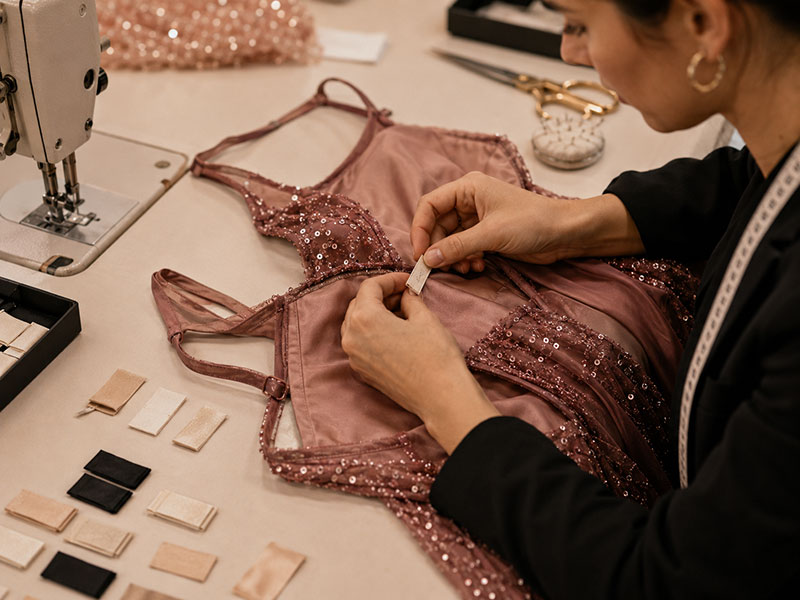
Brand delivery continues after garment inspection. Labels, barcodes, SKU control and carton information must match the approved order and receiving requirements.

Woven and Size Labels

Main labels, size labels and placement are confirmed by artwork, dimensions, fold type, color and comfort. Softness matters for neck and side-seam locations.

Care Labels

Fiber composition, care instructions, size, country of origin and other required information can be produced from approved content. Final wording remains subject to brand or compliance review.

Hangtags and Fasteners

Hangtag artwork, paper, finish, hole position, string and attachment location are checked before bulk packing. Brand identity remains protected under NDA arrangements.

Barcode and SKU Labels

Barcode files, SKU references, size-color combinations and sticker positions are matched to the packing list. Scan testing can be arranged according to project needs.

Polybags and Folding

Bag size, warning text, ventilation holes, recycling marks, fold method and size stickers are confirmed by market and warehouse requirements.

Cartons and Warehouse Marks

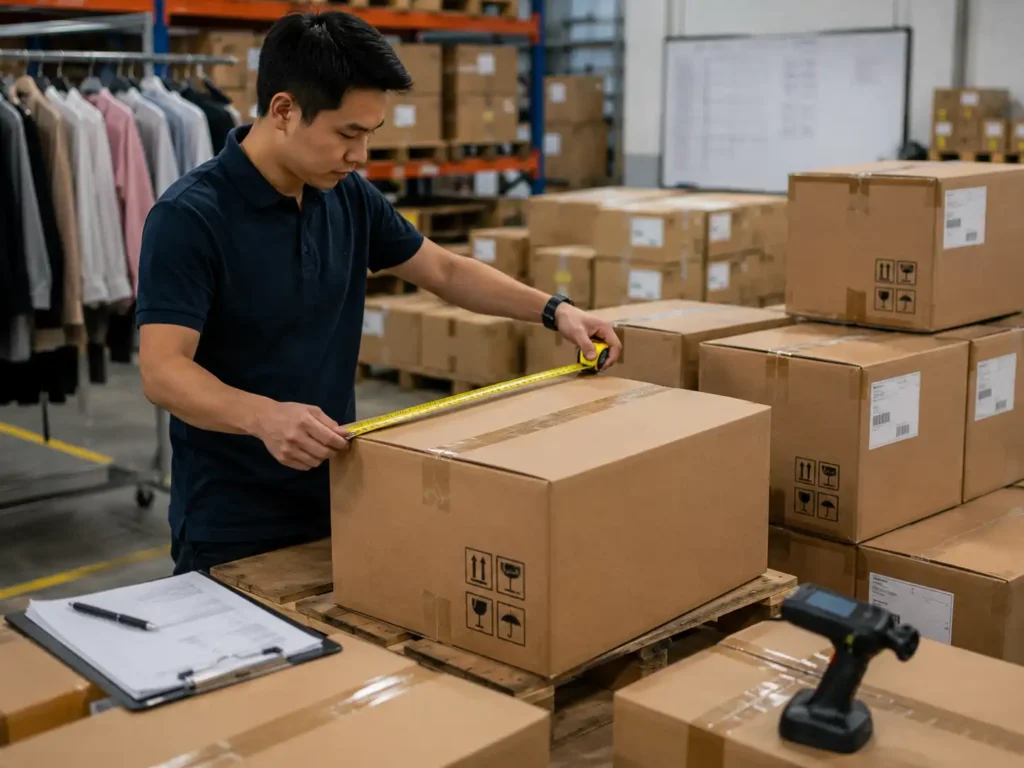
Carton dimensions, assortment, carton marks, shipping labels and warehouse instructions are checked before dispatch. Split shipments and multi-destination plans can be coordinated by project.

Representative Viscose Dress Collection Programs

Brand names, artwork and unreleased designs remain confidential. The following anonymous project structures show how multi-style viscose programs can be controlled from material selection through delivery.

US Fast-Fashion Print Collection

An anonymous US fashion brand developed 18 viscose and rayon dress styles totaling approximately 42,000 pieces. The assortment included printed minis, wrap midis, tiered maxis and shirt dresses across 11 print or solid colorways. Main risks included print direction, light-color transparency, wrap overlap, maxi hem balance and mixed-style approval timing. Jinfeng Apparel grouped styles by fabric family, prioritized six launch-critical samples, confirmed lining coverage under bright light, controlled one-way print cutting and tracked PP approval separately for every style. Bulk production was split by construction type, while labels, barcodes and color-size packing followed the supplied SKU matrix. Result: the brand completed its planned seasonal range and retained pattern, print, measurement and packing records for repeat colorways.

Australian Resortwear Program

An anonymous Australian resortwear label developed 14 viscose, chiffon and linen-viscose styles totaling approximately 28,000 pieces. The range focused on printed maxis, relaxed midis, halter dresses and matching skirt sets. Main risks included travel creasing, fabric transparency, wide-hem consumption, print scale and lining weight. Jinfeng Apparel reviewed fabric alternatives by drape and opacity, adjusted maxi markers around print direction, refined lining lengths and used packing trials to reduce severe fold lines. Photo-ready samples and PP samples were managed as separate approval stages. Result: the resort collection entered bulk production with approved print, lining and packing standards, followed by development of new colorways for the next season.

UK Premium Ecommerce Range

An anonymous UK premium ecommerce brand developed 22 viscose dresses totaling approximately 64,000 pieces. Products included ruched midis, button-front day dresses, fitted viscose-jersey styles and printed occasion-led silhouettes. Main risks included jersey recovery, bust gaping, size grading, ruched symmetry, care-label accuracy and high SKU count. Jinfeng Apparel separated woven and knit development paths, corrected bust and waist measurements, confirmed elastic and gathering standards, and linked size labels, barcodes and carton assortments to the final SKU file. Inline measurement checks focused on length, waist, strap and side-seam balance. Result: the collection moved through multi-batch production with repeat-order files prepared for selected core styles.

Why Brands Choose Jinfeng for Viscose Dresses

Manufacturing strength comes from coordinated decisions, not one isolated advantage. Jinfeng Apparel connects fabric, pattern, sampling, production, QC and brand delivery under one project structure.

Fabric-to-Fit Development

Fabric recommendations are linked to silhouette, transparency, lining, shrinkage and cost. Pattern work then converts the approved direction into a fit-ready sample.

Multi-Style Project Control

Two sample rooms, 7+ senior pattern makers, 20+ sample machinists, 12+ merchandisers and a coordinated production network support collection-level development.

Sample-to-Bulk Transfer

Final patterns, measurements, materials, workmanship, labels and packing move into one controlled production handover after PP approval.

Brand-Level Quality Gates

Incoming materials, cutting, inline sewing, measurements, garment appearance, pressing and packing are checked by project rather than left to final inspection alone.

Private-Label Delivery

Woven labels, size labels, care labels, hangtags, barcodes, SKU packing, cartons and warehouse marks can be coordinated from approved files.

Long-Term Repeat Support

Pattern, fabric, trim, measurement, packing and QC records can support new colors, replenishment and seasonal extensions while preserving project history.

Viscose Dress Manufacturing Frequently Asked Questions
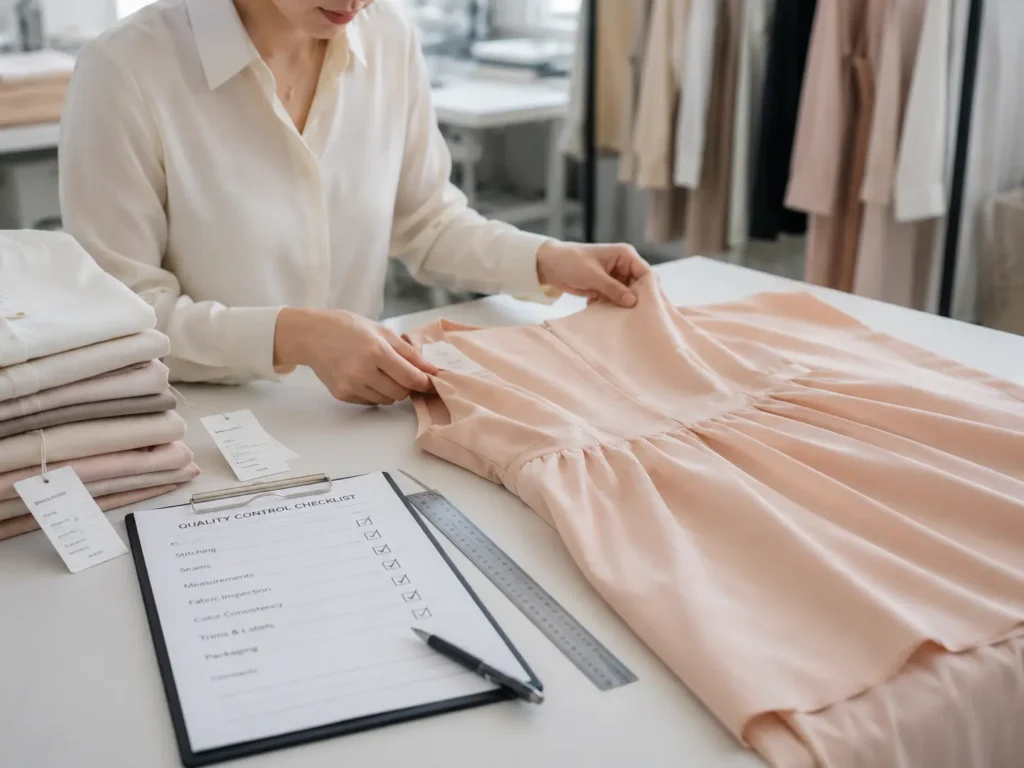
Jinfeng Apparel develops mini, midi, maxi, wrap, shirt, slip, tiered, ruched, button-front, halter, printed, lined and resort-focused viscose dresses. Product feasibility depends on fabric structure, pattern, trims, size range, quantity and delivery requirements.
MOQ starts from 200 pcs per style/color. Custom-dyed fabric, exclusive prints, special trims, certified material resources, complex packing or supplier minimums may require higher quantities. Quantity plans are reviewed before quotation.
Yes. Fabric sourcing can cover viscose, rayon, viscose crepe, twill, jersey, viscose-spandex and selected linen-viscose or other blended options. Availability, color, certification claims, MOQ and lead time are confirmed by project.
Controls may include fabric review, lot records, relaxation, project-required wash or test review, approved measurements, pattern compensation and final garment measurement. The exact method follows the approved fabric and brand standard.
Yes. Development may include existing supplier prints, digital prints, screen prints, placement prints, border prints and custom colorways. Artwork, repeat, scale, base cloth, strike-off approval, MOQ and schedule must be confirmed.
Lining depends on color, weight, weave, silhouette, lighting and coverage expectations. Opacity is reviewed during sampling. Lining color, weight, length and attachment should preserve the outer drape.
Pattern development can follow US, UK, EU, AU or brand-specific charts. Alpha sizes from XS-XL, extended sizes, plus-size standards and petite or tall adjustments can be developed according to supplied requirements.
Timing is confirmed after reviewing style complexity, fabric availability, print or dye development, trim requirements, revision rounds, approval speed, quantity, packing and shipping route. A project timeline records each milestone.
Yes. Support can include woven labels, size labels, care labels, hangtags, hang strings, barcode stickers, SKU labels, polybags, stickers, thank-you cards, cartons, carton marks and warehouse labels.
Jinfeng Apparel supports NDA-based cooperation and protects tech packs, samples, patterns, trims, labels, packaging and unpublished designs. Public case materials remain anonymous unless written authorization is provided.

Start Your Viscose Dress Manufacturing Project

Send Jinfeng Apparel enough information to review the garment as a real production project. Kelly and the development team will evaluate fabric direction, pattern complexity, lining, print, trims, size range, MOQ fit, sample route, bulk-production risk and private-label requirements before proposing the next step.
For a more accurate review, include:

  • Tech pack, sketch, reference image or original sample
  • Quantity per style and color
  • Preferred viscose construction, weight or hand feel
  • Print artwork, Pantone references or color plan
  • Base size, size chart and target market
  • Label, barcode, packaging and warehouse requirements
  • Target launch date and delivery destination
  • Testing, documentation or NDA requirements
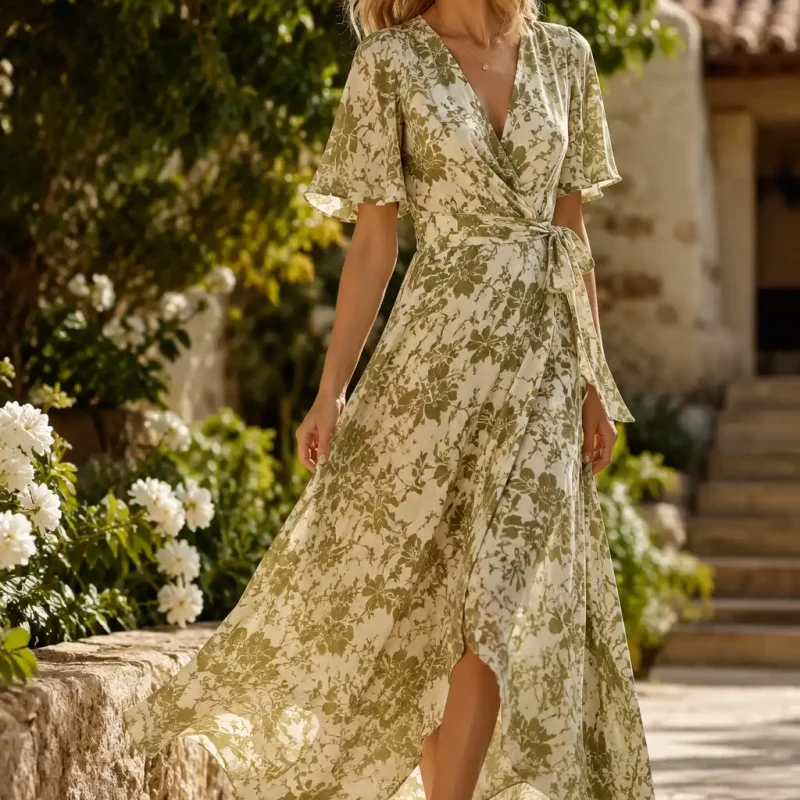
Responsible Viscose Dress

Tell Us About Your Dress Project

Share your product details, estimated quantity and development requirements. Our team will review your project and provide practical OEM/ODM production feedback.

Premium Women’s Apparel Production for Fashion Brands

From dress sample development to bulk production, JF Apparel supports fashion brands with confidential OEM/ODM manufacturing, reliable quality control and scalable production support.

START YOUR DRESS PROJECT

Ready to Develop Your Next Dress Collection?

Share your design concept, product requirements or sourcing plans with our team. We’ll review your project and provide practical feedback on development, materials, MOQ and production.

7-10 Days

Sample Development

200 PCS

Starting MOQ

Fast Response

Professional Follow-Up