Tulip Dress Development
Develop Sculptural Tulip Silhouettes From Design Concept to Production-Ready Dresses
A successful tulip dress depends on more than creating extra volume around the hip. The waist position, maximum volume point, panel geometry, taper toward the hem, fabric body and front-to-back balance must work together so the finished garment reads as a tulip silhouette rather than an A-line, balloon or shapeless dress.
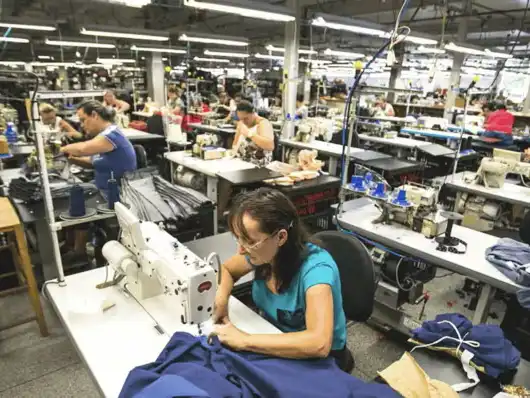
- 2 sample rooms, 7+ senior pattern makers and 20+ sample machinistssupport pattern development, fit correction and sample revision.
- Tulip development reviews waist placement, hip volume, taper position, hem opening and front/back balancebefore bulk approval.
- Ordinary dress first samples are typically around 10–15 days, while more complex structures may require 15–25 days, depending on fabric, construction and trim development.
- Approved styles move through pattern correction, revised sampling, PP approval, Golden Sample reference and bulk QCbefore production standards are locked.
Development Capacity Behind Every Tulip Dress
2 Sample Rooms
7+ Senior Pattern Makers
20+ Sample Machinists
15+ QC Inspectors
Built for Professional Dress Development Programs
Fashion Product Teams
Established Womenswear Brands
Technical & Sourcing Teams
Occasion & Partywear Programs
Where Tulip Dress Development Usually Goes Wrong
The Shape Becomes A-Line
The Shape Becomes Balloon-Like
The Hem Becomes Too Restricted
The Fabric Collapses
The Side Profile Looks Unbalanced
Bulk Production Loses the Shape

Understanding a True Tulip Dress Silhouette
A tulip silhouette is created by controlled outward volume followed by an intentional inward taper. The design succeeds when the volume position, body proportion and hem closure remain visually balanced from multiple viewing angles.
- Waist Position: The waist establishes where the silhouette begins. A waist that sits too high can make the skirt look short and inflated, while a low waist can move the tulip volume downward and weaken the intended proportion. The waist seam, natural waist position and bodice length should be reviewed together.
- Maximum Volume Point: Tulip fullness normally needs a clear visual peak rather than continuously expanding toward the hem. Pattern panels, pleats, gathers, seam curvature or darts can be used to position this volume according to the intended design.
- Controlled Taper: The lower skirt should return inward gradually enough to communicate the tulip shape without becoming restrictive. The taper start point has a major effect on whether the dress looks sculptural, rounded or simply narrow at the bottom.
- Hem Opening: Hem circumference affects both silhouette and movement. Mini, midi and longer tulip dresses require different balances between visual closure and walking room.
- Front and Back Balance: A convincing tulip dress must remain balanced from the side. Front projection, rear volume, side seam location and hem alignment should be checked on-body rather than judged only from a front photograph.
Tulip Dress Styles Ready for Brand Development

Tulip Mini Dress
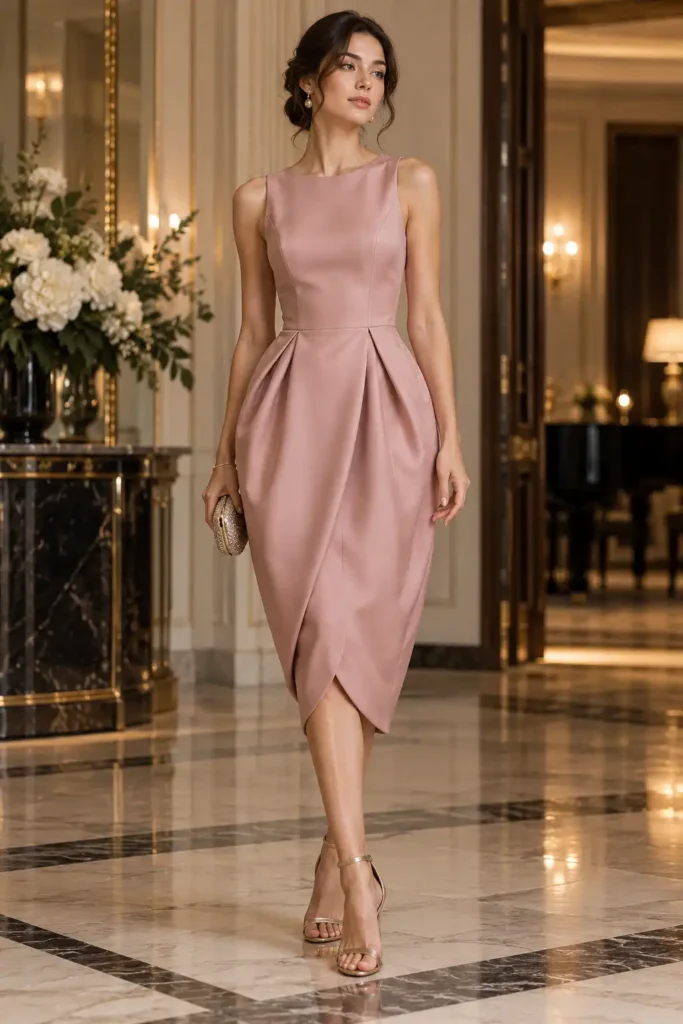
Tulip Midi Dress
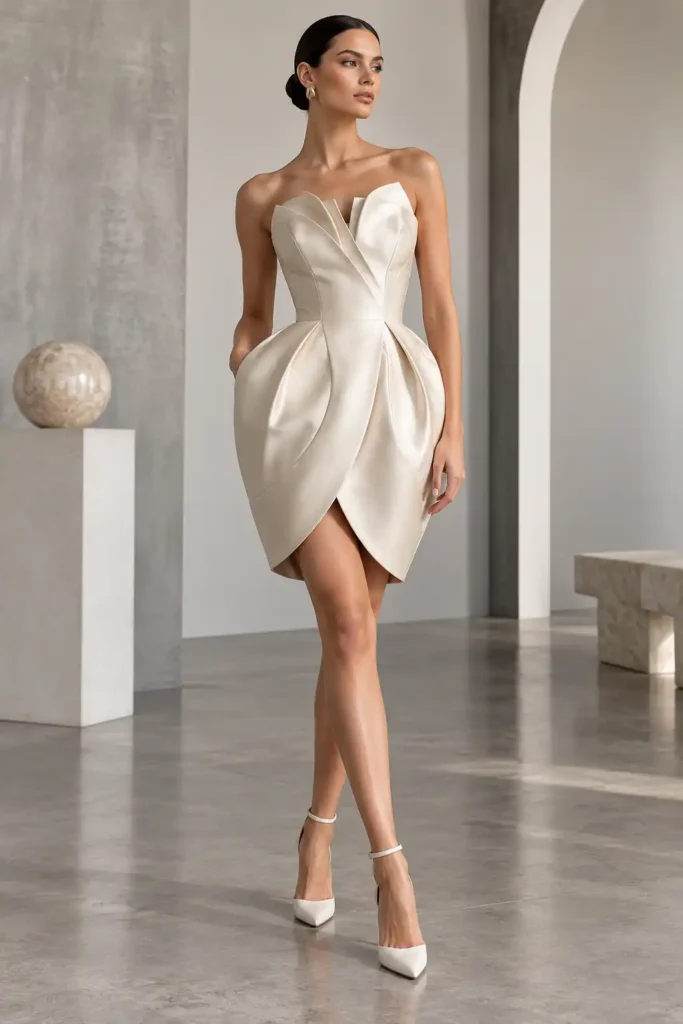
Structured Tulip Dress
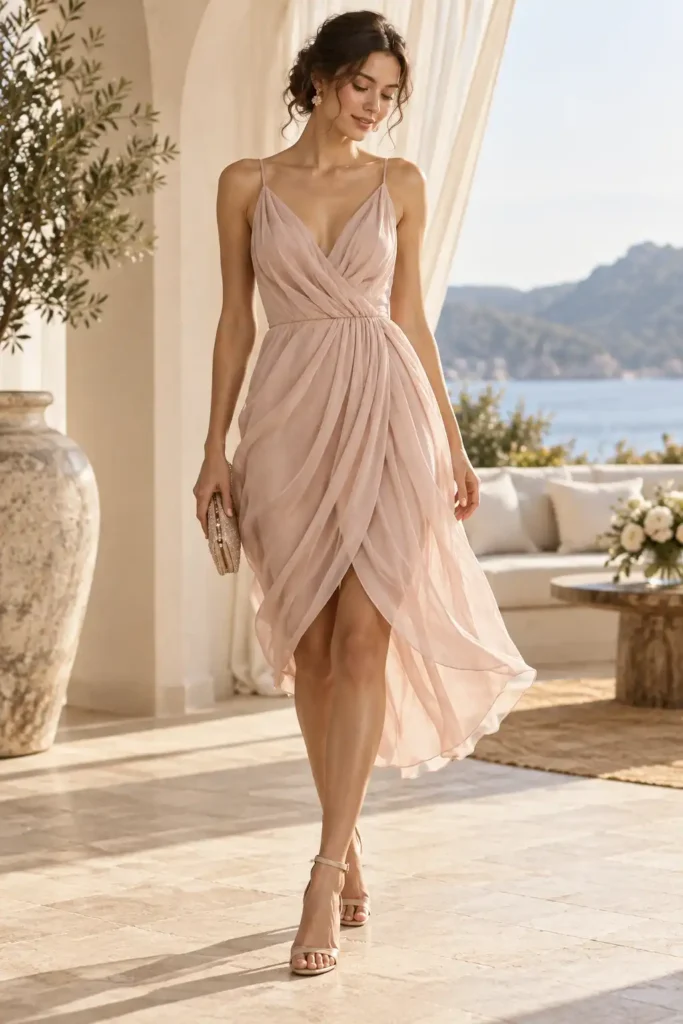
Soft Draped Tulip Dress

Corset Tulip Dress
A fitted or corset-inspired bodice creates a strong contrast between a defined waist and fuller skirt. Bust support, waist fit, bodice-to-skirt balance, lining and zipper structure must be reviewed together. Suitable for party, birthday, cocktail and evening collections.
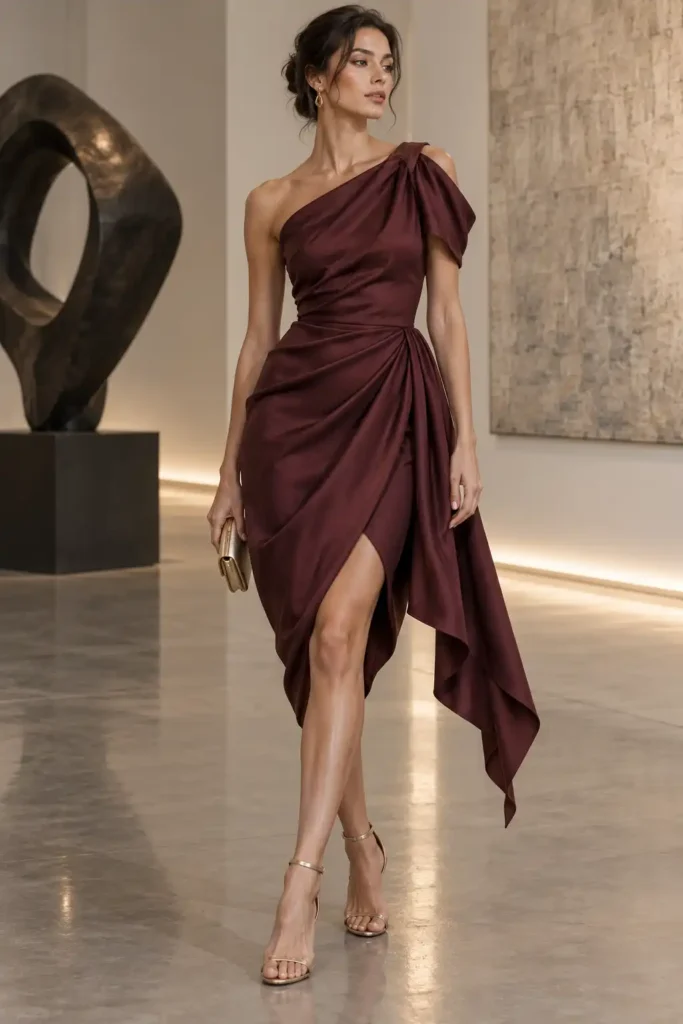
Asymmetric Tulip Dress
Engineering the Volume Behind a Tulip Shape
Tulip volume should be engineered through pattern structure rather than added randomly during sewing. The construction method determines how stable, soft, sculptural or production-friendly the finished silhouette becomes.
Shaped Panel Engineering
Curved front, side and back panels can create controlled volume without concentrating fullness at one seam. Panel geometry is particularly useful when a brand wants a cleaner, more sculptural look.
During pattern development, the team reviews where each panel expands, where it begins to taper and how the side seam sits on the body. A panel that is too convex may create excessive projection, while a weak panel curve may flatten the silhouette.Panel-based tulip dresses also require accurate cutting and seam allowance control because small deviations can change the finished outline.
Controlled Pleat Volume
Pleats can create concentrated fullness at selected points while keeping the waist relatively clean.
Direction, depth, placement and release point all influence how the skirt opens around the hip.
A deeper pleat does not automatically create a better tulip shape.
Too much hidden volume may release abruptly and create a balloon effect.The first sample should be reviewed from front, side and back before pleat depth is locked.
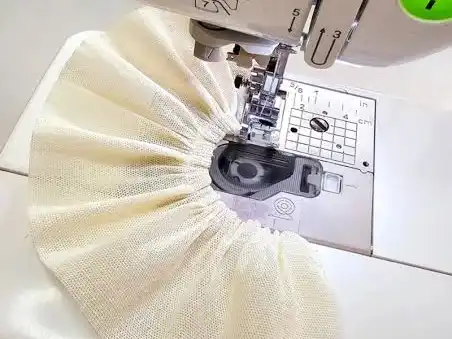
Gathered Volume
Gathering produces a softer and more fluid tulip effect.
It can work well with lighter woven fabrics and selected occasionwear designs, but gather ratio, waist seam stability and fabric drape need to be balanced carefully.
If the gather ratio is too low, the silhouette becomes flat.
If it is too high, the waist can appear bulky or the skirt may become visually uncontrolled.
Dart and Seam Shaping
Darts and shaped seams can remove or add volume selectively. They are particularly valuable when a cleaner outer surface is required without obvious pleats or gathers.
The pattern maker can control how much fabric moves away from the body at the hip and how quickly the lower section returns inward.
Layered or Supported Construction
Selected structured designs may use lining, interfacing or internal support to stabilize volume. Support should be chosen according to the outer fabric rather than applied automatically.
Too much internal stiffness can make the silhouette rigid and uncomfortable, while insufficient support may cause a carefully shaped pattern to collapse during wear.
Fit and Proportion Control for Tulip Dresses
Tulip dresses require both standard garment fit and silhouette-specific proportion control. Bust, waist and hip measurements matter, but the visual location of volume and taper is equally important.
| Development Point | Main Control Purpose | Typical Risk |
|---|---|---|
| Waist position | Establishes silhouette start point | Shape appears too high or too low |
| Hip ease | Allows volume and movement | Tightness or uncontrolled fullness |
| Maximum volume point | Defines tulip character | A-line or balloon appearance |
| Front projection | Controls front profile | Excessive visual bulk |
| Back projection | Balances rear silhouette | Flat or over-rounded back |
| Taper start point | Controls inward return | Shape closes too early or too late |
| Hem opening | Balances movement and shape | Restricted walking or weak taper |
| Side seam balance | Keeps profile stable | Twisted or forward/backward seam |
| Dress length | Controls overall proportion | Tulip volume appears misplaced |
Fabric Direction Shapes the Final Tulip Silhouette
Fabric choice changes how the same pattern behaves. Body, drape, weight, stretch, recovery and thickness influence whether tulip volume remains sculptural, falls softly or collapses after movement.

Structured Wovens
Fabrics with greater body can support curved panels and controlled volume more easily. They are useful for architectural tulip mini and cocktail dresses where the shape needs to remain visible from a distance.
Development checks should include seam behavior, pressing response, bulk at curved areas, recovery after sitting and whether lining adds too much stiffness.

Medium-Body Fabrics
Medium-body woven fabrics often offer a useful balance between structure and wearability. They can support a recognizable tulip shape while allowing enough movement for mainstream fashion products.
Pattern volume still needs to match the fabric. A silhouette created for a rigid fabric may become too loose when transferred directly to a softer medium-body alternative.
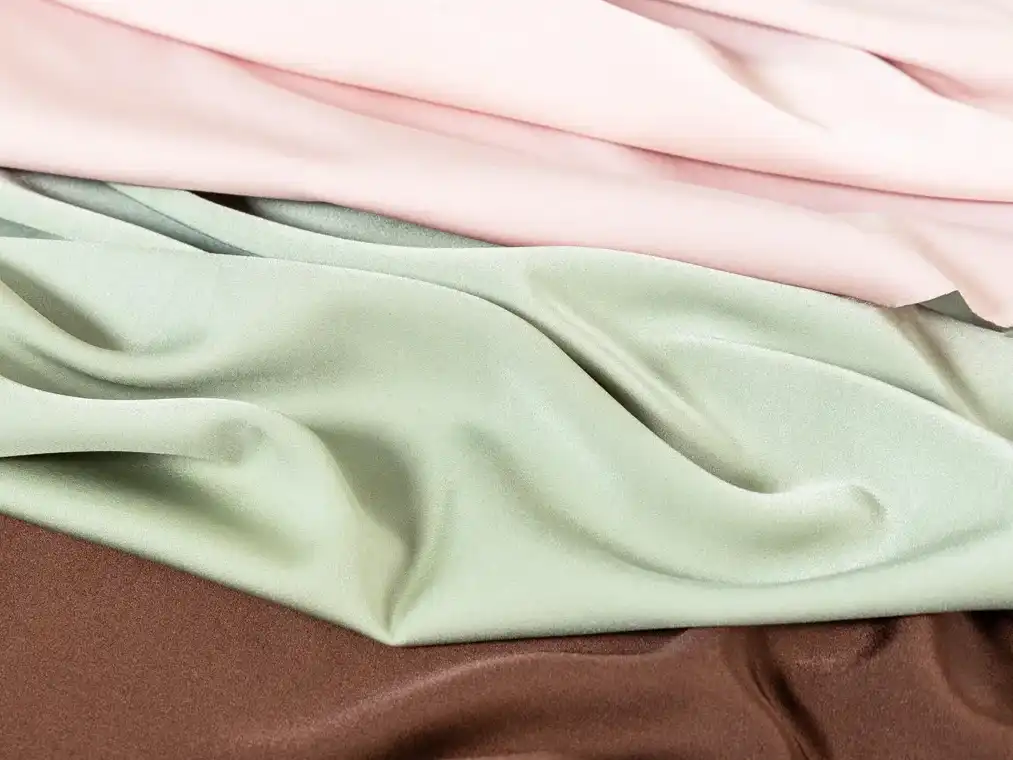
Soft Draping Fabrics
Soft fabrics can create elegant tulip dresses, but the shape normally needs more help from the pattern. Gather placement, pleat depth, layered construction or increased panel curvature may be required to make the silhouette visible.
Drape should be evaluated on the first sample rather than judged only from a swatch.

Stretch Fabrics
Stretch can improve comfort but introduces recovery and shape-retention questions. A fabric that stretches easily without sufficient recovery may lose the lower-skirt taper after wear.
Stretch direction should be defined before pattern development, particularly where the bodice is fitted and the skirt is sculptural.
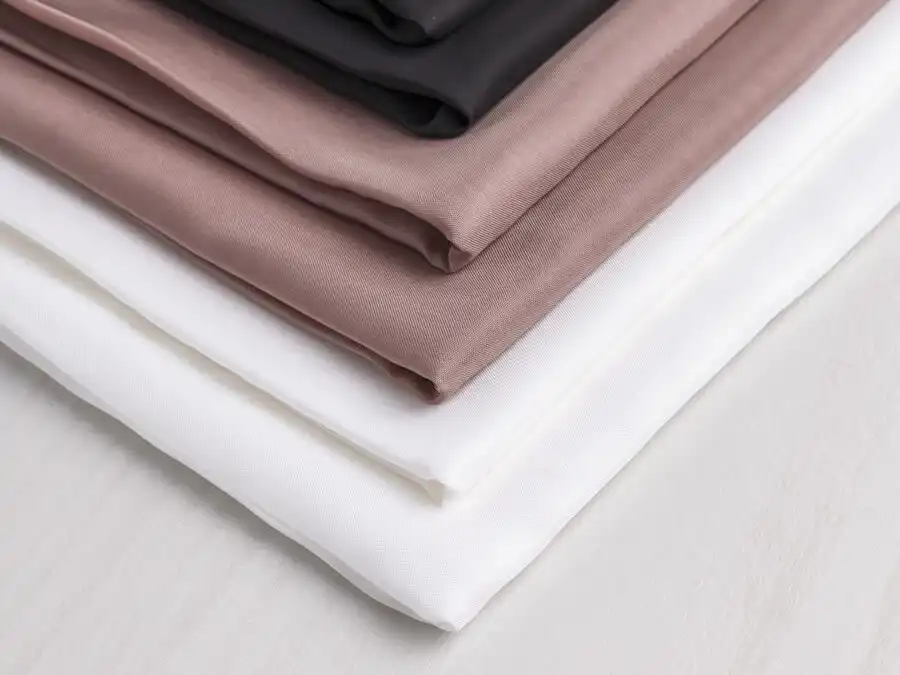
Lining Interaction
Lining must move with the outer shell without flattening, pulling or distorting the tulip volume.
Lining length, width, seam attachment and static behavior should be reviewed during sampling.

Fabric Changes After Sampling
Changing fabric after a sample is approved may require a new review of drape, stretch, lining, pattern shape, shrinkage and bulk price.
A fabric substitution should not be treated as a color-only change.
Construction Methods That Hold the Shape

Curved Panel Seams

Pleat Control
Gathering Control

Waist Seam Stabilization
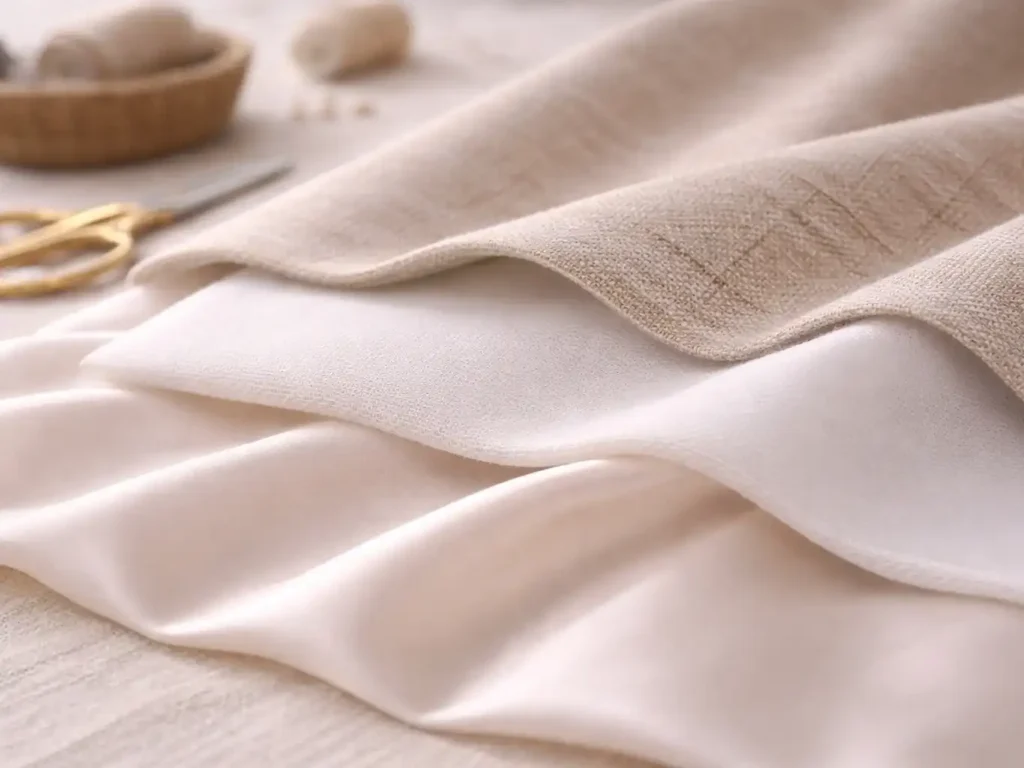
Lining Construction

Zipper and Closure Placement
Design Details Built Around the Tulip Skirt
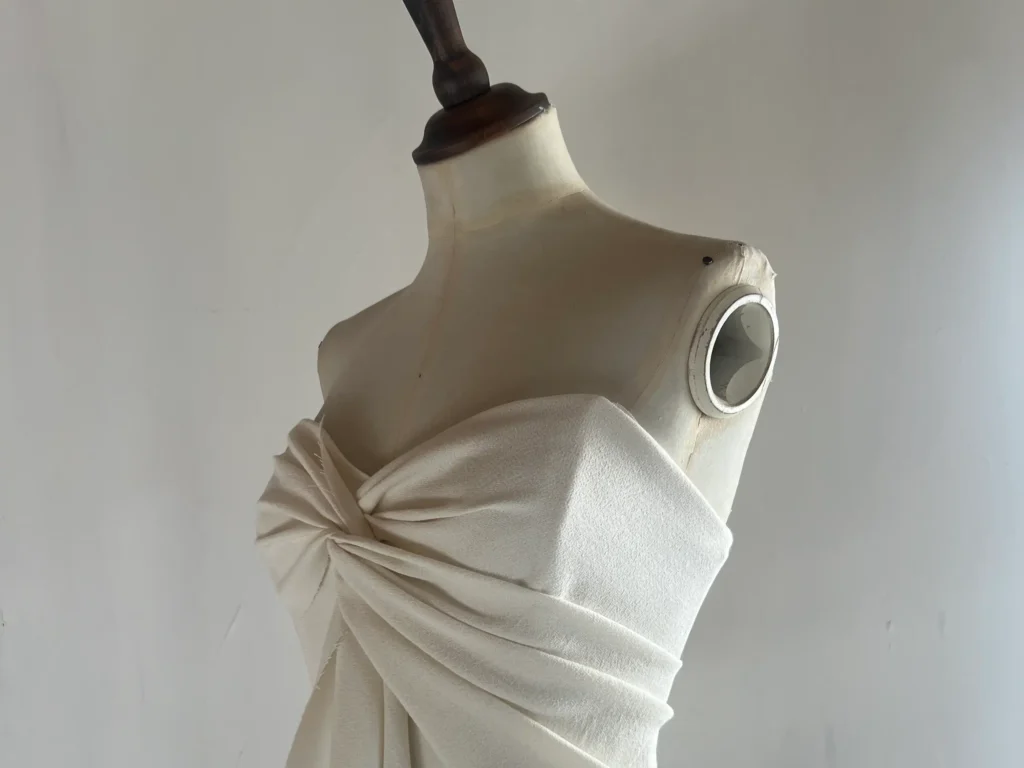
Strapless Bodice
Corset-Inspired Bodice

Halter Neckline
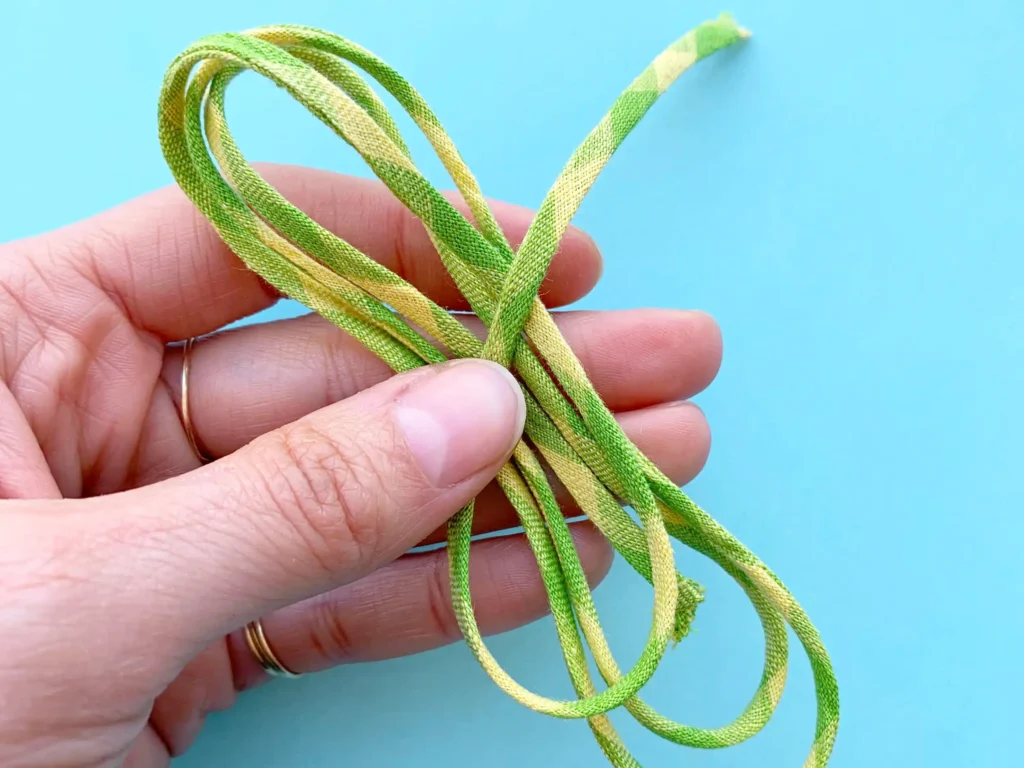
Spaghetti Straps

Square Neck

Asymmetric Neckline
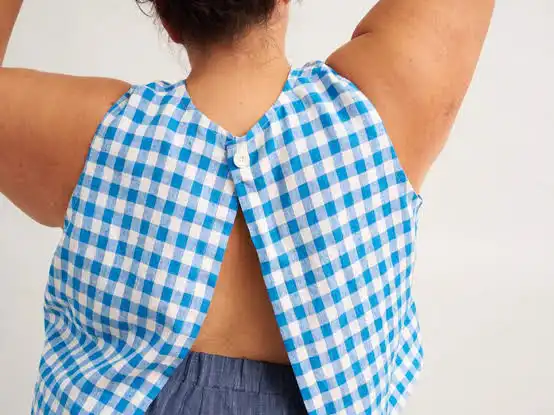
Open Back

Statement Trim

From Reference Image to First Tulip Sample
Jinfeng Apparel can begin development from a tech pack, sketch, line sheet, original sample or reference image. The goal is to convert visual direction into production information before sewing begins.
- Style Interpretation
The development team reviews the reference to identify the intended waistline, skirt volume, taper, length, neckline, closure, lining and overall fit direction.
If the reference does not show enough technical information, missing details are clarified before pattern development. - Fabric Direction
Fabric body, drape, stretch, thickness, transparency and availability are reviewed against the intended silhouette.
A visually similar fabric may still produce a different shape, so structural suitability matters more than appearance alone. - Construction Planning
The team determines whether the tulip volume is better created through curved panels, pleats, gathers, darts, seam shaping or supported construction. - Pattern Development
The first pattern establishes the body fit and silhouette geometry. Waist, hip volume, taper and hem opening are translated into measurable pattern points. - Sample Sewing
The first sample is sewn according to the proposed construction method and checked internally for measurements, workmanship and obvious silhouette problems before review. - Development Feedback
Images, video, measurement notes or the physical sample can be used for review. Comments are converted into pattern, measurement or construction updates rather than left only in communication messages.
Tulip Dress Sampling From First Fit to PP Approval
Sampling is where the visual idea becomes a controllable production standard. Each stage has a different purpose, and a first sample should not be treated as the final bulk reference.
- First Sample: The first sample establishes whether the selected fabric, pattern direction and construction method can create the intended tulip silhouette. Key questions include: Is the waist sitting correctly? Is the maximum volume positioned correctly? Is the skirt too flat or too rounded? Does the taper start at the intended level? Is the hem opening wearable? Does the side profile remain balanced? Does the fabric support the shape?
- Fit Sample: The fit stage checks the garment on-body. Bust, waist, hip, length, neckline and closure are reviewed together with silhouette-specific control points. The sample should also be checked while sitting and walking because body movement can expose restrictions that are not visible on a mannequin.
- Revised Sample: Fit comments and silhouette corrections are converted into updated patterns, measurements, construction notes and material instructions. A revised sample is used when the changes are significant enough to affect appearance or wearability.
- Photo-Ready or Salesman Sample: Where required, a commercially presentable sample can be prepared for lookbooks, campaign work, showrooms or sales meetings. Materials and finishing should be clearly identified if they differ from the final bulk standard.
- PP Sample: The pre-production sample confirms the final production direction after fabric, trims, construction, measurements, labels and packing requirements have been aligned.
- Golden Sample: The sealed reference supports bulk sewing, QC comparison, repeat orders and later dispute prevention. It should represent the approved garment standard rather than an early development version.
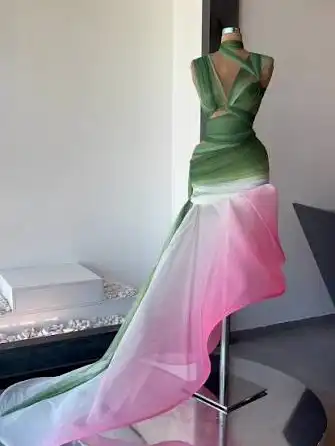
What We Check on a Tulip Dress Sample
Front View
Side View
Back View
On-Body Movement
Measurement Review
Workmanship Review
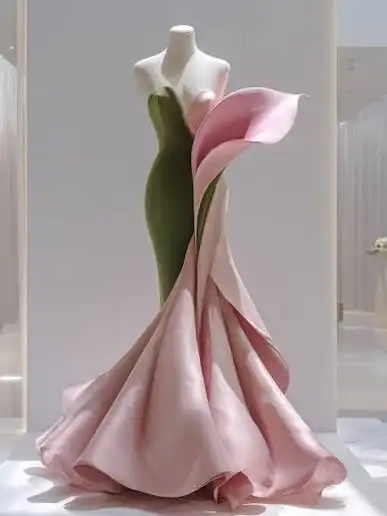
Turning Sample Problems Into Pattern Corrections
A sample revision should identify the cause of a problem, not simply change the garment until it looks acceptable. Pattern, measurements, fabric and construction need traceable updates before PP approval.
- Silhouette Too Flat
Likely cause: insufficient panel curvature, weak pleat/gather volume or a fabric with too much drape.
Development response: review the volume source, maximum fullness point and fabric behavior; increase controlled volume only where needed. - Silhouette Too Rounded
Likely cause: volume distributed too evenly or taper beginning too late.
Development response: reposition fullness and review the lower pattern shape rather than simply reducing the whole skirt circumference. - Hem Too Tight
Likely cause: excessive taper or insufficient movement allowance.
Development response: rebalance taper angle and hem opening while maintaining the visible tulip shape. - Side Seam Moves Forward
Likely cause: front and back volume are not balanced or the pattern has unequal distribution around the body.
Development response: review front/back projection and adjust pattern allocation rather than forcing the seam during sewing. - Waist Becomes Bulky
Likely cause: too much gathered or pleated fabric concentrated at the waist, heavy seam construction or inappropriate fabric thickness.
Development response: redistribute volume, adjust pleat/gather ratio or change construction method. - Shape Changes After Fabric Replacement
Likely cause: new fabric has different drape, body, stretch or thickness.
Development response: re-evaluate the pattern and determine whether another sample is required before PP approval.
Size Grading Without Losing the Tulip Proportion
Base Size First
Waist and Hip Relationship
Volume Position
Hem Opening
Length Balance
Graded Sample Review
For broader size programs, key graded sizes can be reviewed according to the product requirement before bulk production. Measurement tolerances and critical silhouette points should then enter the QC standard.

Locking the Approved Sample Into Bulk Production
The risk after sample approval is losing the development work during production. Jinfeng transfers the approved pattern, material and construction information into production documents before cutting begins.
- Final Pattern: All approved fit and silhouette corrections are incorporated into the production pattern and grading files.
- Fabric Reference: Approved fabric composition, weight, stretch, handfeel, color and relevant batch information are confirmed before bulk cutting.
- BOM and Trim Reference: Zippers, lining, labels and other trims are documented according to the final approved sample.
- Sewing Standard: Panel matching, pleat or gather construction, seam method, zipper placement, lining, hem and other critical operations are included in production instructions.
- Measurement Standard: Size charts, grade rules and tolerances provide measurable control beyond visual sample comparison.
- PP Lock: The approved PP direction locks fabric, color, trims, construction, measurements, labels and packing unless a formal change is reviewed.
- Golden Sample: A sealed sample provides a visual and workmanship reference for sewing, finishing and QC teams.
- QC Handover: Tulip-specific checkpoints are included in the bulk inspection standard so silhouette control does not disappear once production moves away from the sample room.
Keeping the Tulip Shape Consistent in Bulk
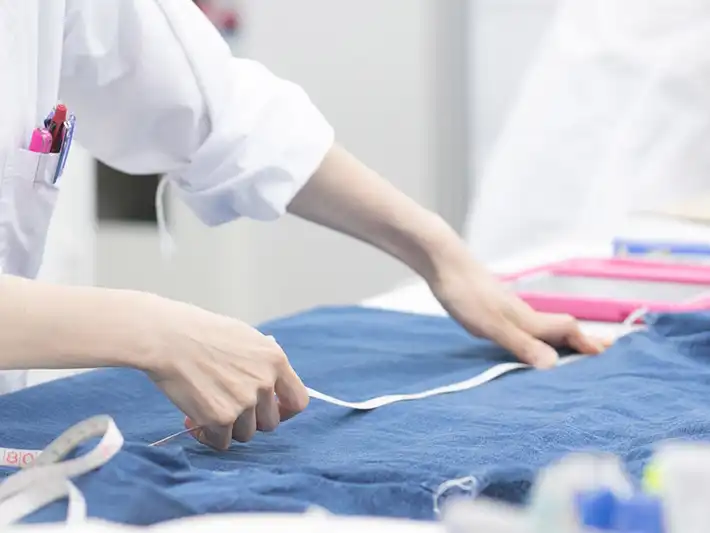
Fabric Inspection
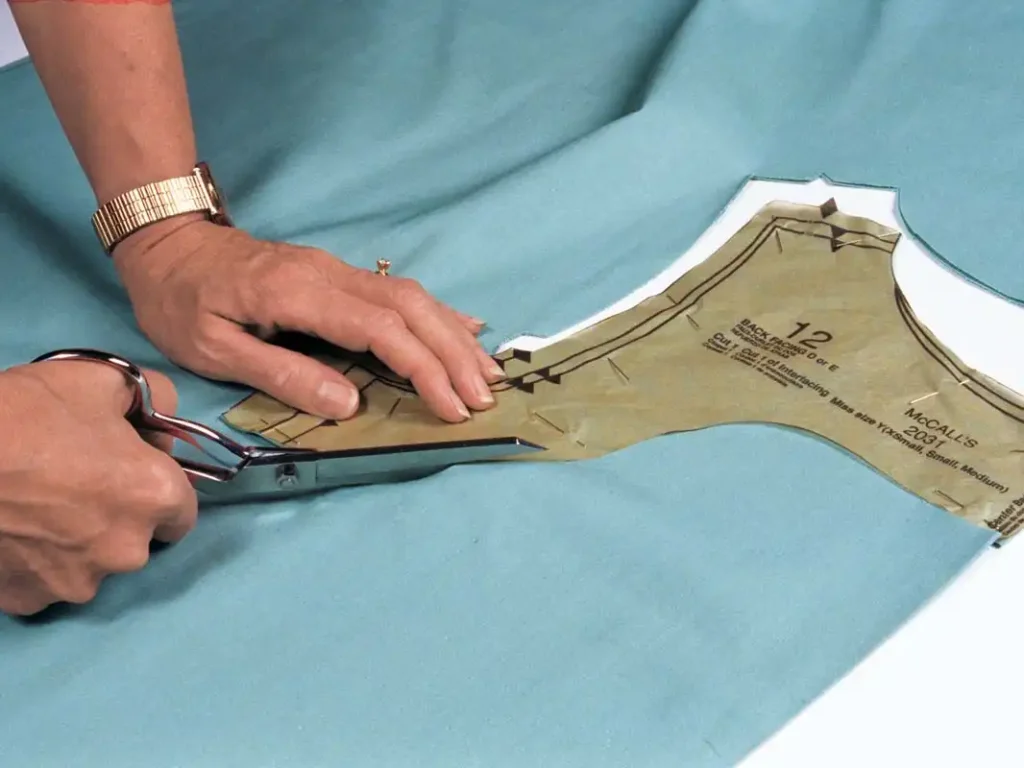
Cutting Accuracy

Inline Sewing Control
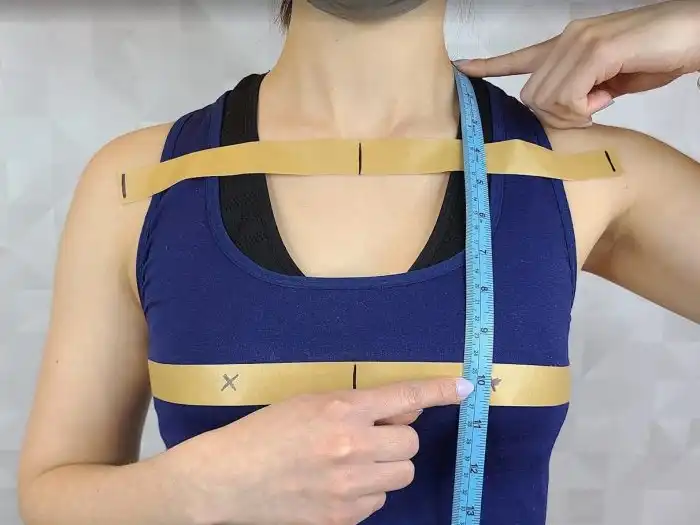
Measurement Control

Visual Silhouette Check
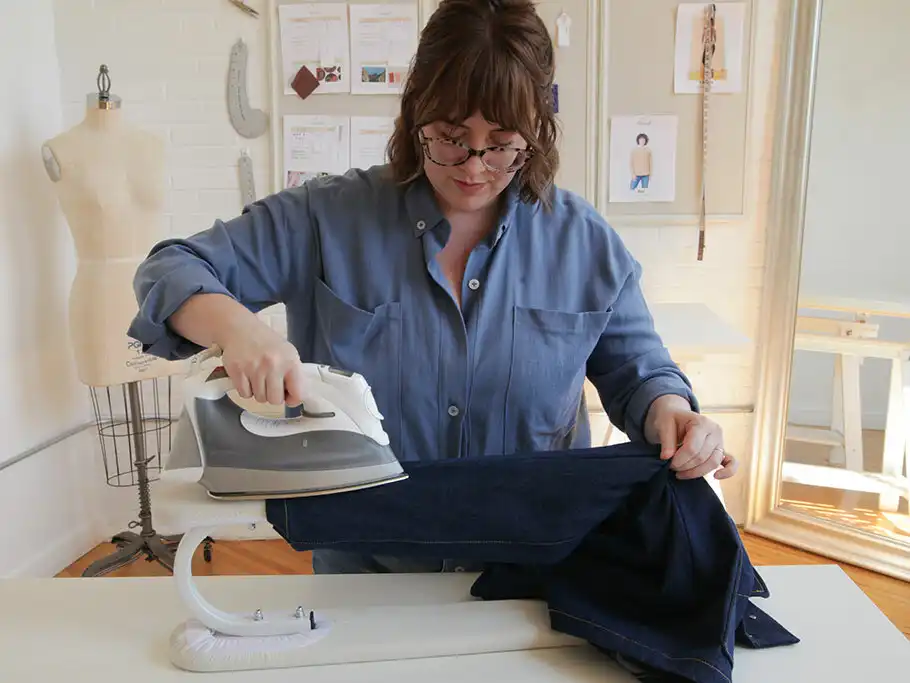
Pressing Control

Final Garment Inspection
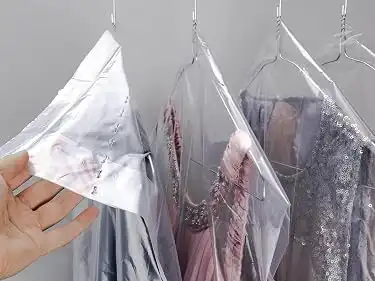
Packing Protection
Project Facts for Tulip Dress Development
MOQ
Sampling
Production Capacity
Production Network
- 6 owned women’s fashion factories
- 10+ long-term satellite production partners
- 18+ sewing lines
- 6+ flexible production lines
Frequently Asked Questions About Tulip Dress Development
A tulip dress normally combines controlled outward volume around the skirt with an intentional inward taper toward the hem. Waist position, maximum volume point, front/back balance and hem opening determine whether the result reads as a tulip rather than an A-line or balloon silhouette.
Yes. A reference image can be used for initial development, but missing information such as fabric, lining, closure, measurements, neckline, length and construction needs to be clarified before the pattern is finalized.
There is no single best fabric. Structured fabrics support stronger architectural shapes, while softer fabrics need pattern methods such as controlled gathers, pleats or additional panel volume. Drape, body, weight, stretch and lining behavior should be reviewed together.
Not always. Changing fabric can alter drape, stretch, thickness, recovery and silhouette. A fabric replacement may require pattern adjustment or another sample before production approval.
Volume can be created through curved panels, pleats, gathers, darts, shaped seams or selected internal support. The method depends on the desired silhouette, fabric behavior, price level and production feasibility.
Key checks include waist position, hip volume, maximum fullness point, taper start, hem opening, front/back balance, side seam position, lining, movement and overall fit.
Ordinary dress first samples are commonly around 10–15 days. More complex structured, lace, mesh, sequin or special-fabric styles may require around 15–25 days or longer depending on material development.
The approved base size is graded with attention to waist-to-hip proportion, volume position, hem opening and dress length rather than only increasing circumference mechanically.
Final patterns, size charts, fabric references, BOM, sewing instructions, PP approval, Golden Sample references and QC checkpoints are transferred into bulk production before cutting and sewing begin.
Yes. Private-label requirements can include main labels, size labels, care labels, hangtags, barcodes, polybags, carton marks and packing instructions, subject to project confirmation and related material MOQ.

Send Your Tulip Dress for Development Review
A strong tulip dress begins with a clear definition of the silhouette, fabric behavior and commercial requirements before the first pattern is cut. Jinfeng Apparel can review an existing tech pack, sketch, reference image, original sample or line sheet and determine how the intended waist, hip volume, taper, hem and construction can be translated into a production-ready dress.
For a more useful first review, send as much of the following information as available:
- Reference image, sketch, tech pack or original sample photos
- Target tulip silhouette or preferred volume direction
- Fabric preference or target fabric feel
- Size range and available size chart
- Planned quantity per style and color
- Color plan
- Lining, zipper or special trim requirements
- Private-label and packing requirements
- Target launch or delivery schedule
- Any fit or production problems from a previous supplier