Skip to content
Tube Dress Manufacturer
Custom tube dress development with controlled strapless fit, fabric performance, sample approval, bulk consistency and private-label delivery.
- Tube mini, midi and maxi dresses developed from tech packs, reference images, original samples or line sheets.
- Upper-bust, full-bust, underbust, waist, hip, front length and back length reviewed before production grading.
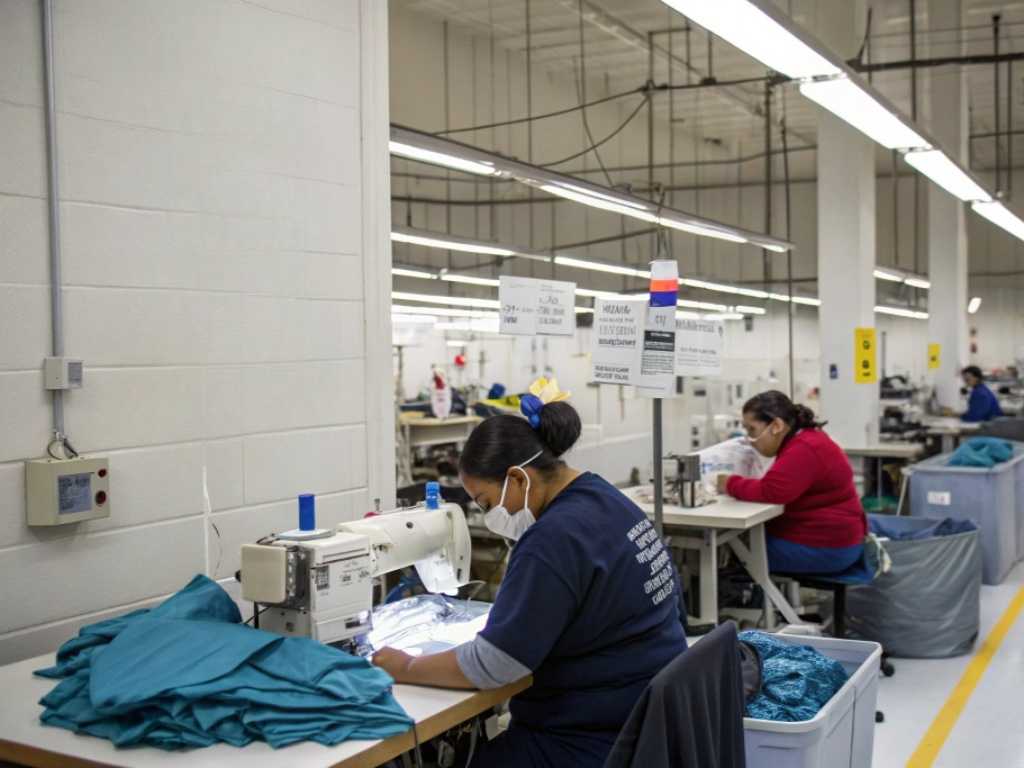
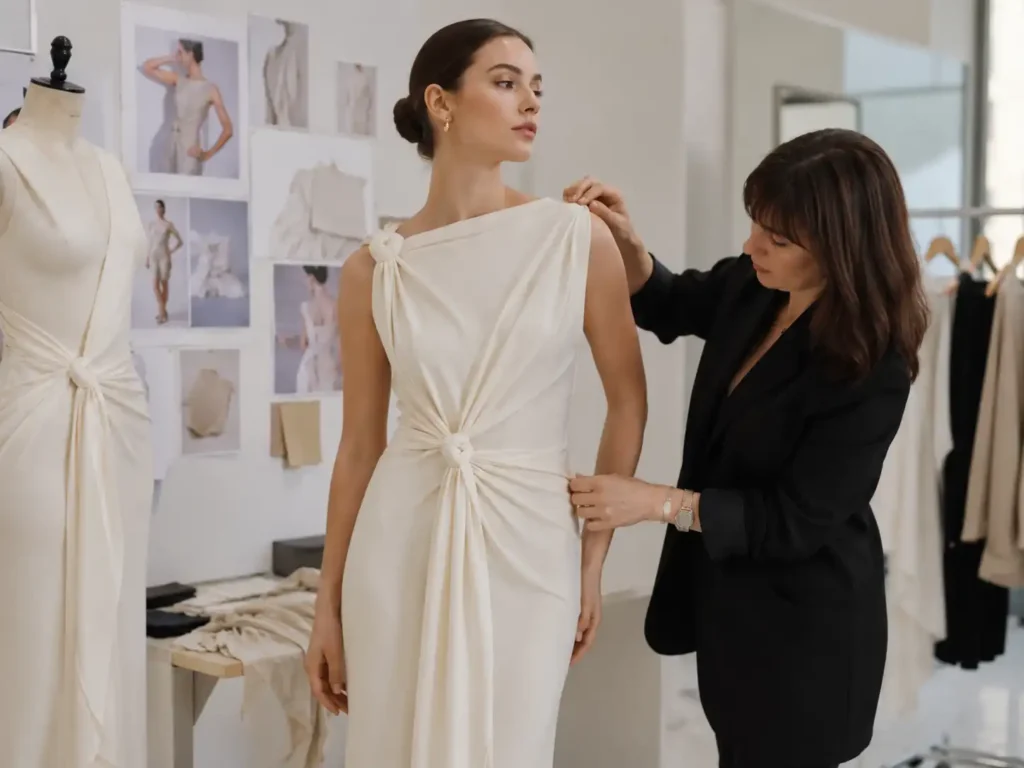
- 7+ senior pattern makers, 2 sample rooms and 20+ sample machinists support fit-led development.
- MOQ starts from 200 pcs per style/color; special fabrics, trims, dyeing and packaging are reviewed separately.
- 6 owned womenswear factories and 10+ long-term production partners support multi-style and multi-batch programs.
Manufacturing Facts Behind Every Tube Dress Program
Since 2008
6 Owned Factories
10+ Production Partners
2 Sample Rooms
7+ Pattern Makers
15+ QC Inspectors
Built for Fashion Teams Managing Commercial Dress Lines
Fast-Fashion Brands
Partywear Labels
Occasionwear Brands
Premium Ecommerce
Sourcing Teams
Product Developers
Why Tube Dress Programs Fail Before Bulk Production
Unstable Upper Edge
Fabric Fit Mismatch
A pattern developed in ponte cannot be copied directly into lightweight jersey, stretch satin or power mesh. Weight, stretch direction, recovery, thickness, drape, transparency and shrinkage change how the dress sits on the body. Fabric approval therefore includes pattern impact, lining needs, sewing method and bulk availability.
Production Fit for Established Fashion Programs
Best Fit For
- Suitable projects normally include a tech pack, reference image, original sample or clear line plan; a defined size range and quantity plan; sample and material approval; private-label requirements; and a real bulk schedule.
- MOQ starts from 200 pcs per style/color, subject to fabric, trim, color and packaging conditions.
Not Designed For
- The production model does not support one-piece fulfillment, ready-stock reselling, personal tailoring or micro orders without a bulk plan.
- Projects based only on the lowest possible price are also poorly matched because tube dress quality depends on fabric performance, pattern work, support components, measurement control and disciplined production follow-through.
Send the Right Files for an Accurate Review
Better source information produces faster technical decisions. Eight inputs help the development team evaluate structure, materials, MOQ, quotation basis, sample scope and launch timing before pattern work begins.
Reference Images
Tech Pack
Original Sample
Target Quantity
Fabric Direction
Color Plan
Size Range
Launch Date
Tube Dress Styles Developed for Commercial Collections
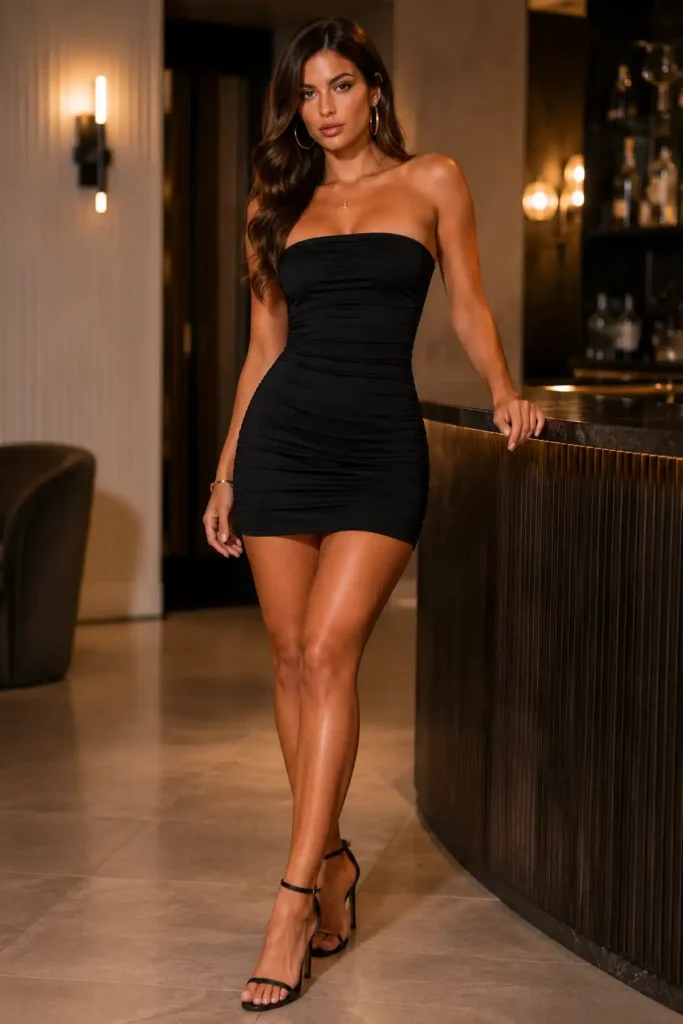
Tube Mini Dress
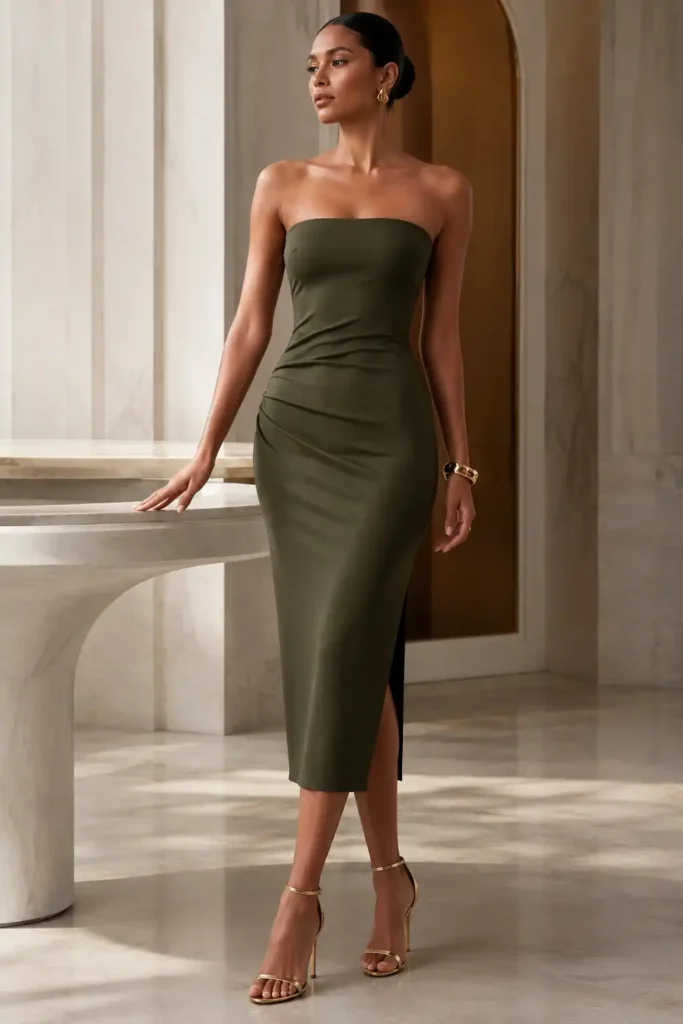
Tube Midi Dress
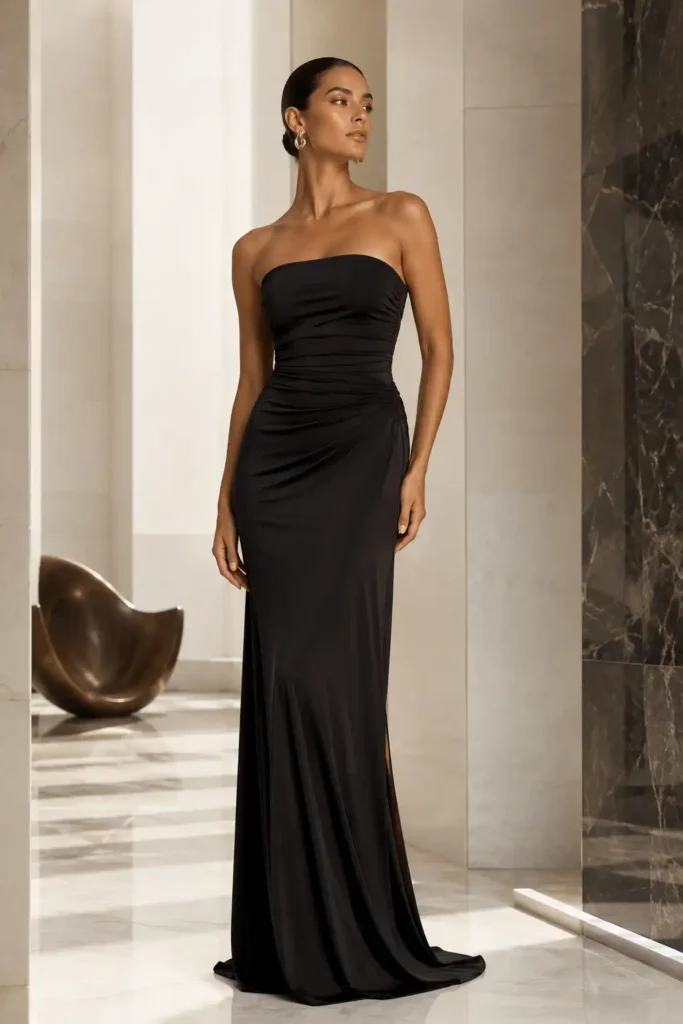
Tube Maxi Dress
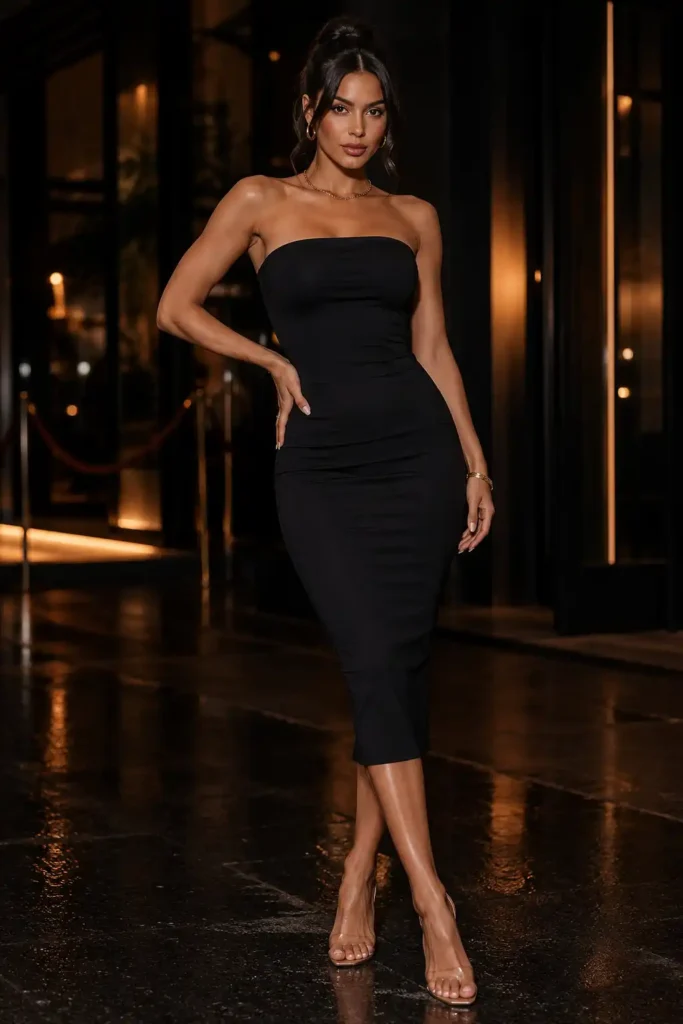
Bodycon Tube Dress
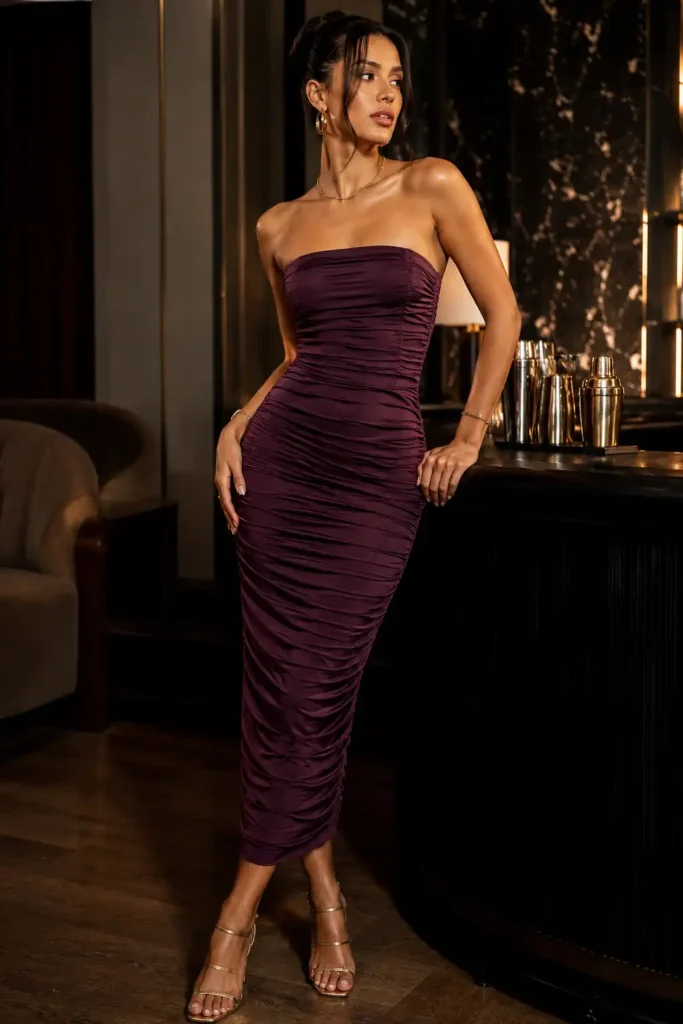
Ruched Tube Dress
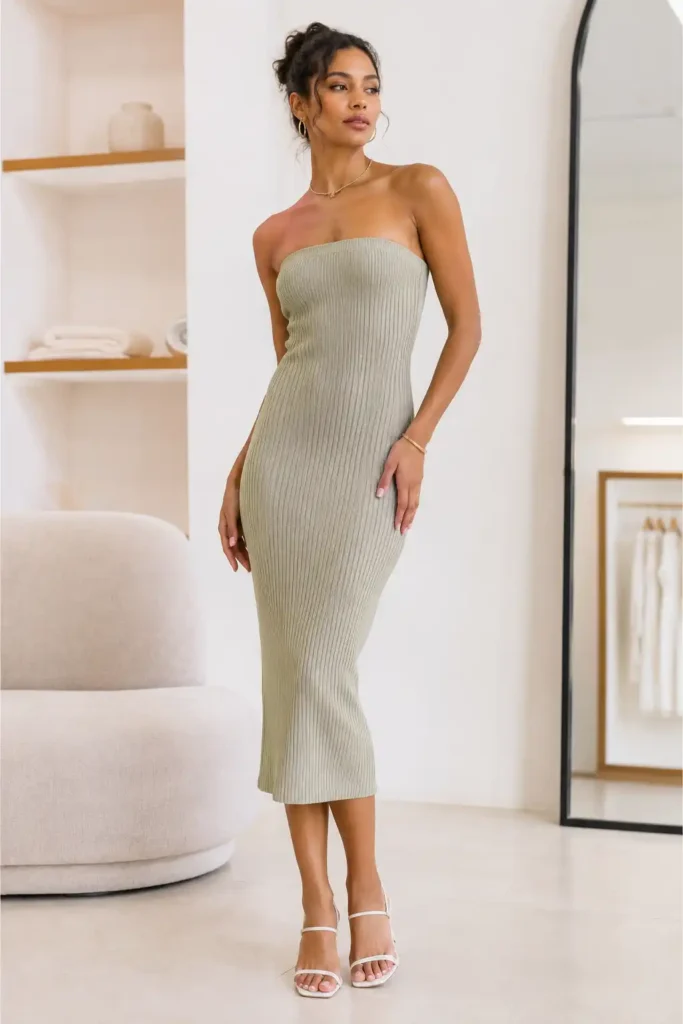
Ribbed Tube Dress
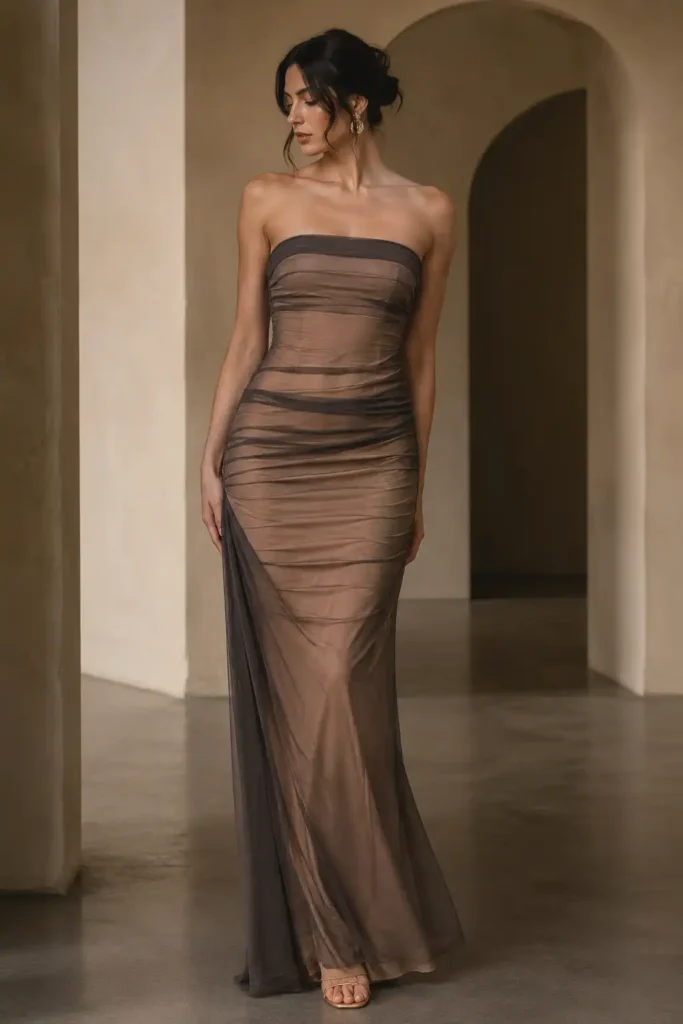
Mesh Tube Dress
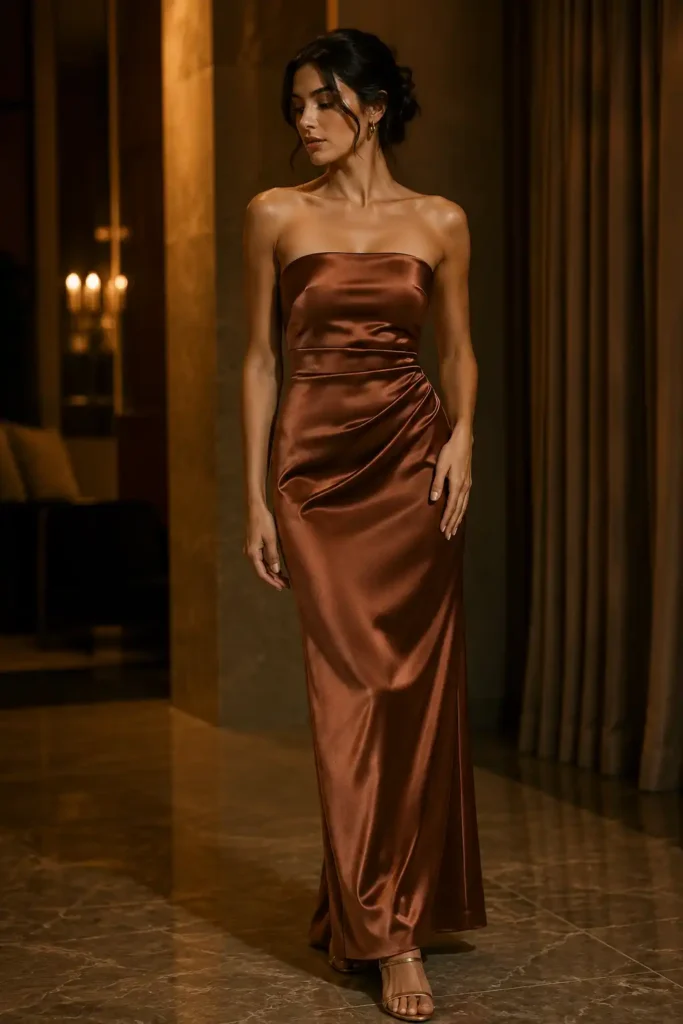
Satin Tube Dress
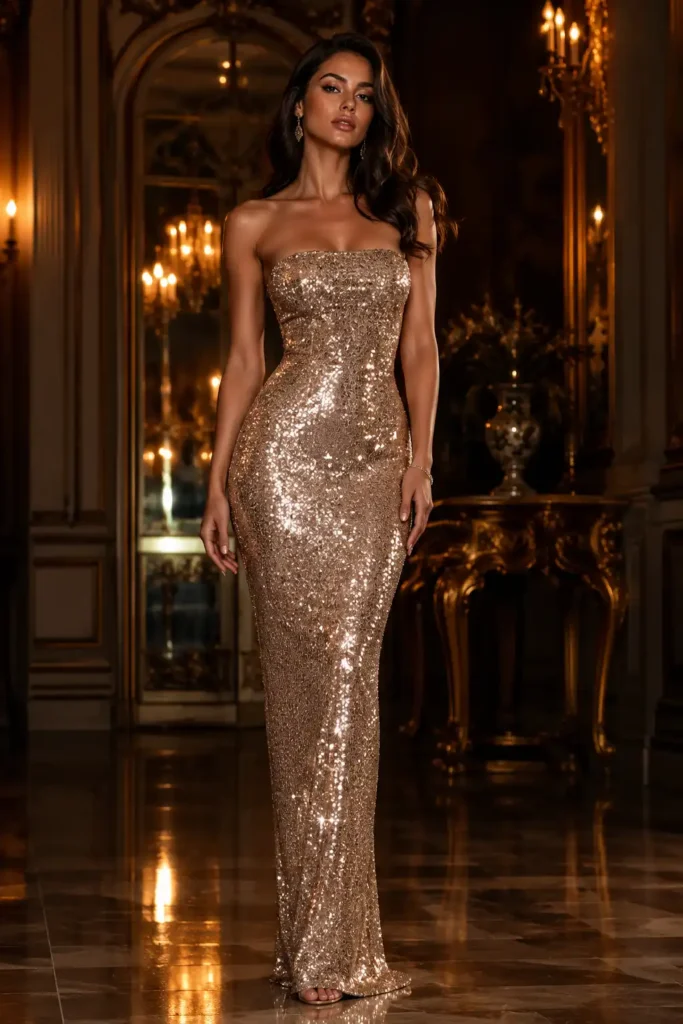
Sequin Tube Dress
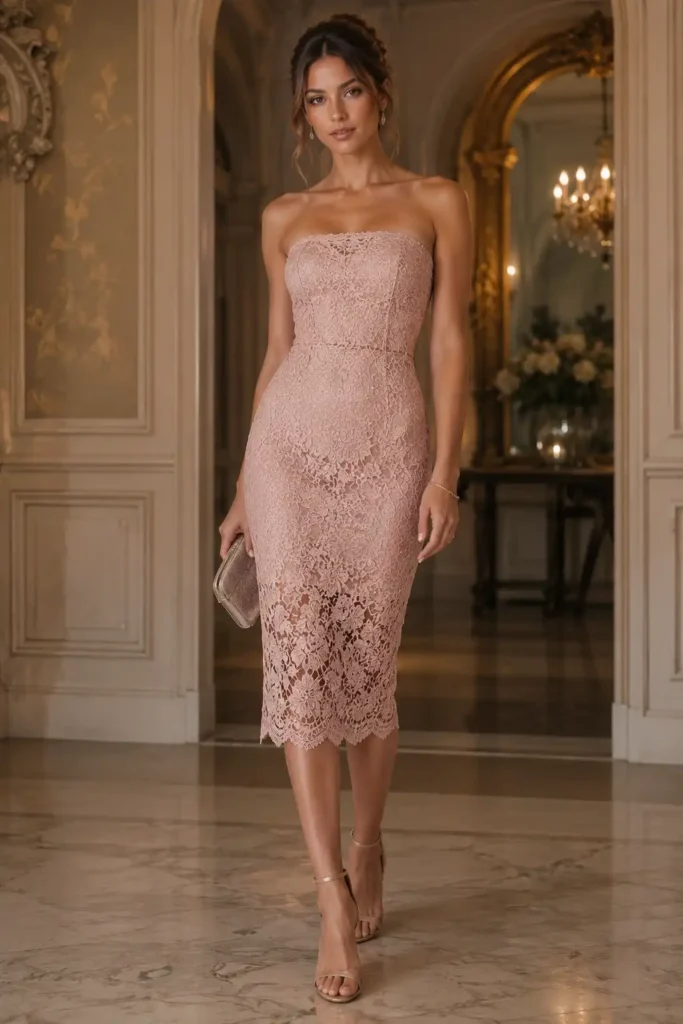
Lace Tube Dress
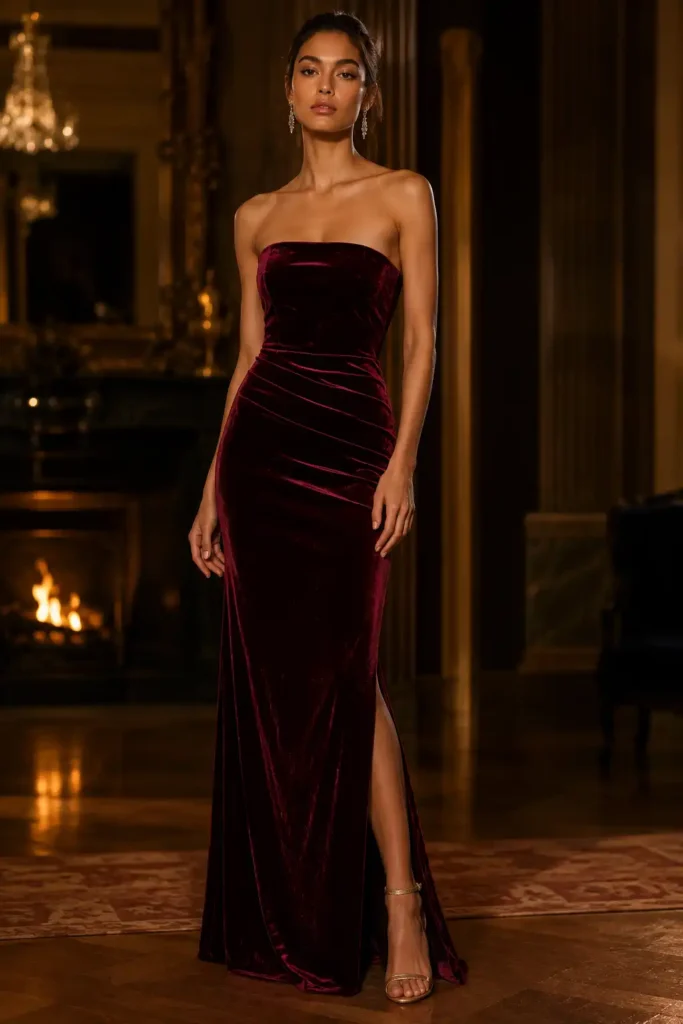
Velvet Tube Dress
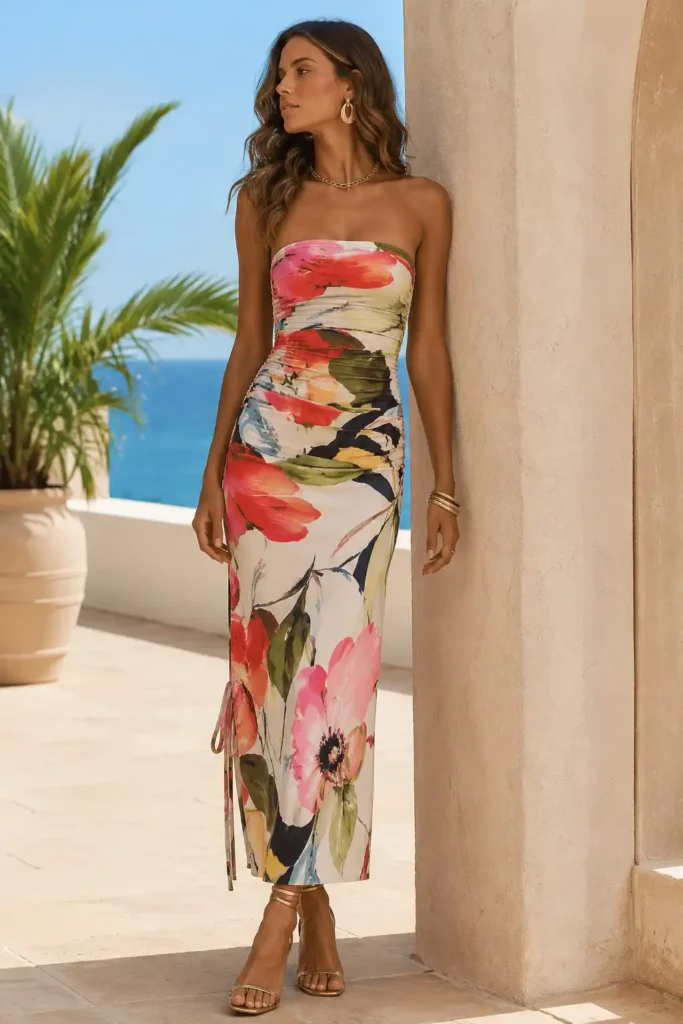
Printed Tube Dress
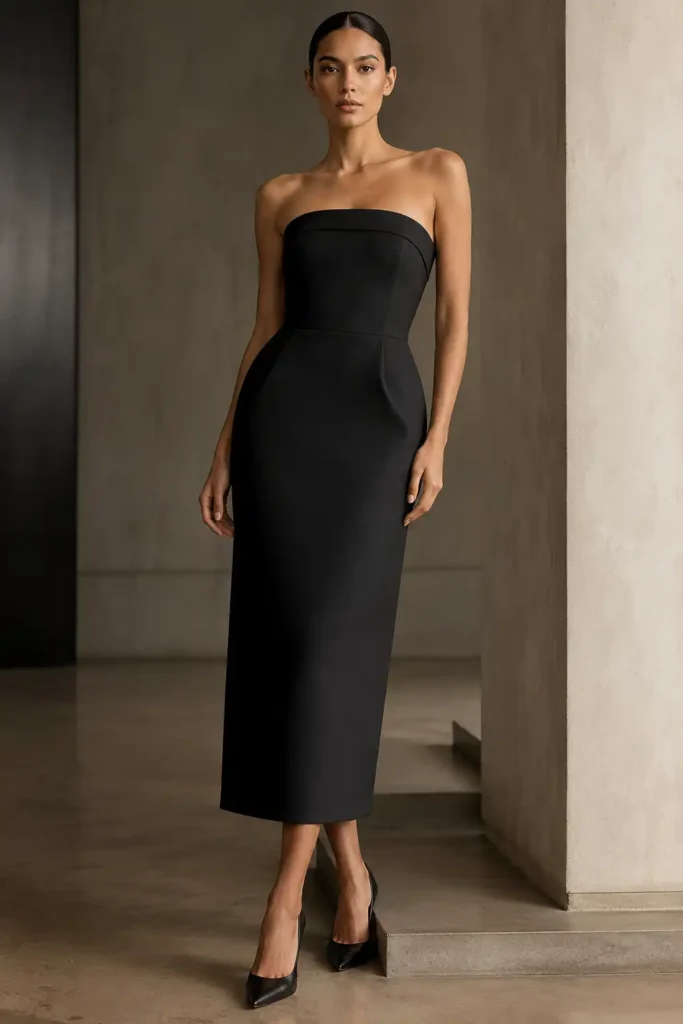
Structured Tube Dress
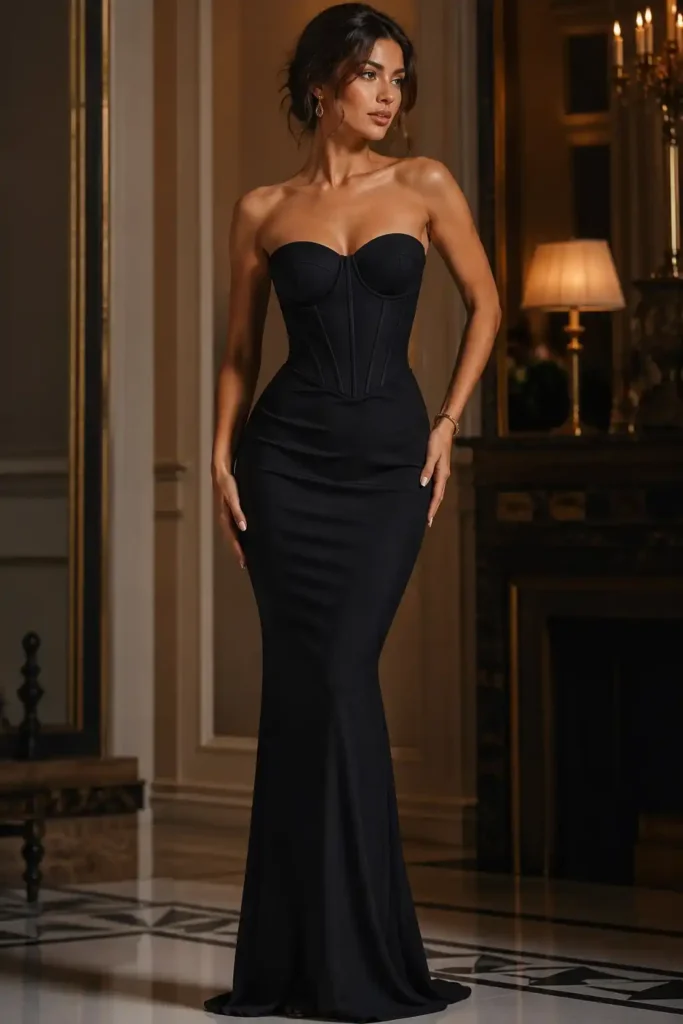
Corset Tube Dress
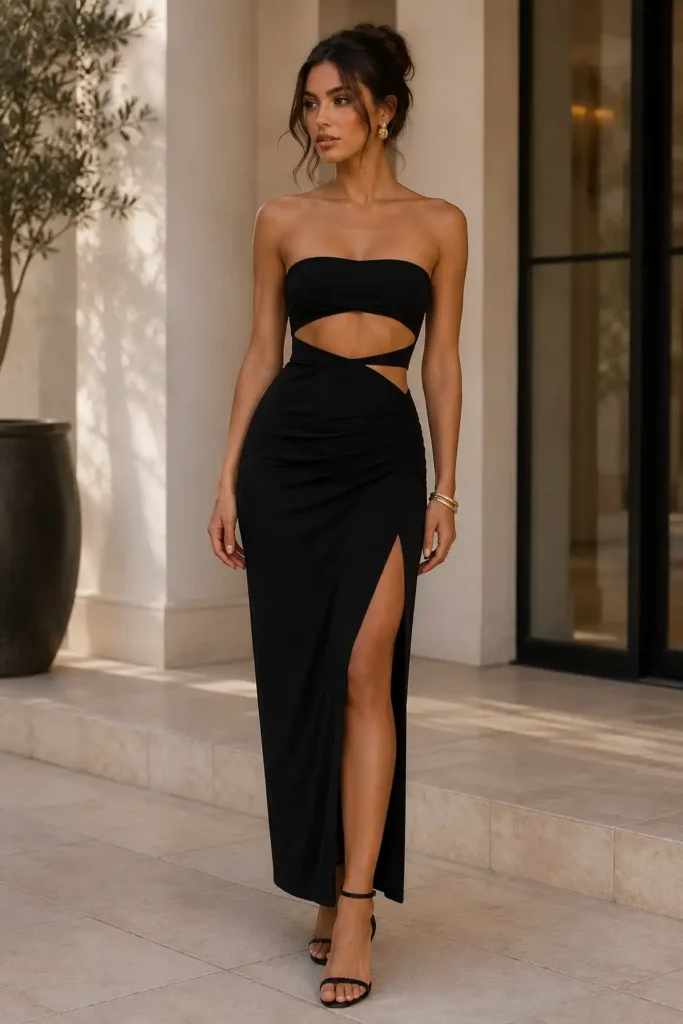
Cut-Out Tube Dress
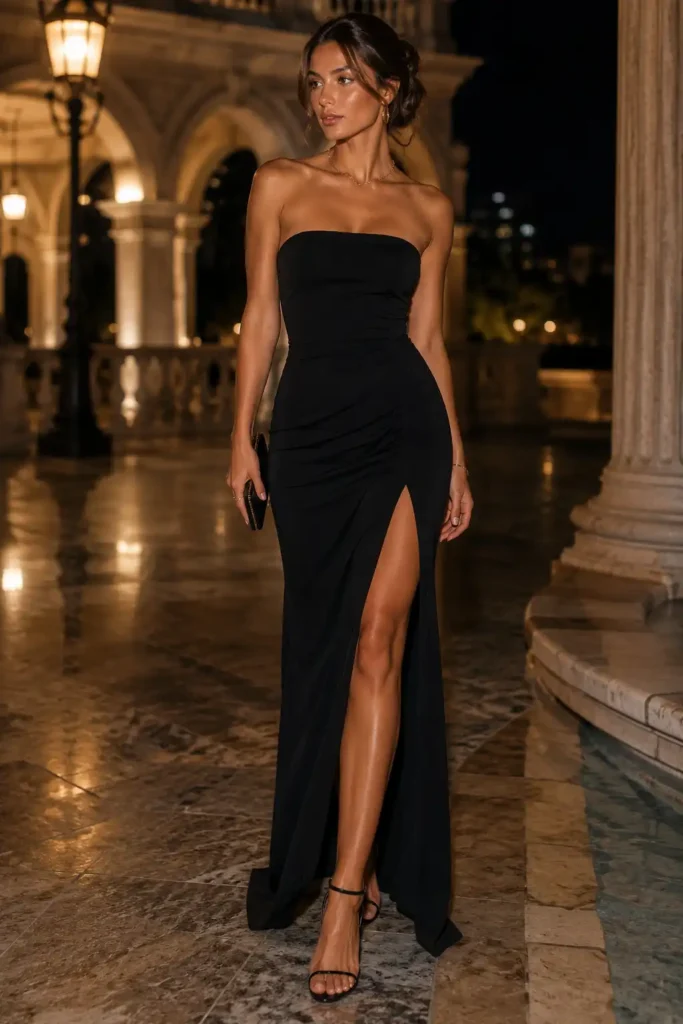
Slit Tube Dress
Tube Dresses Planned Around Sales Occasion
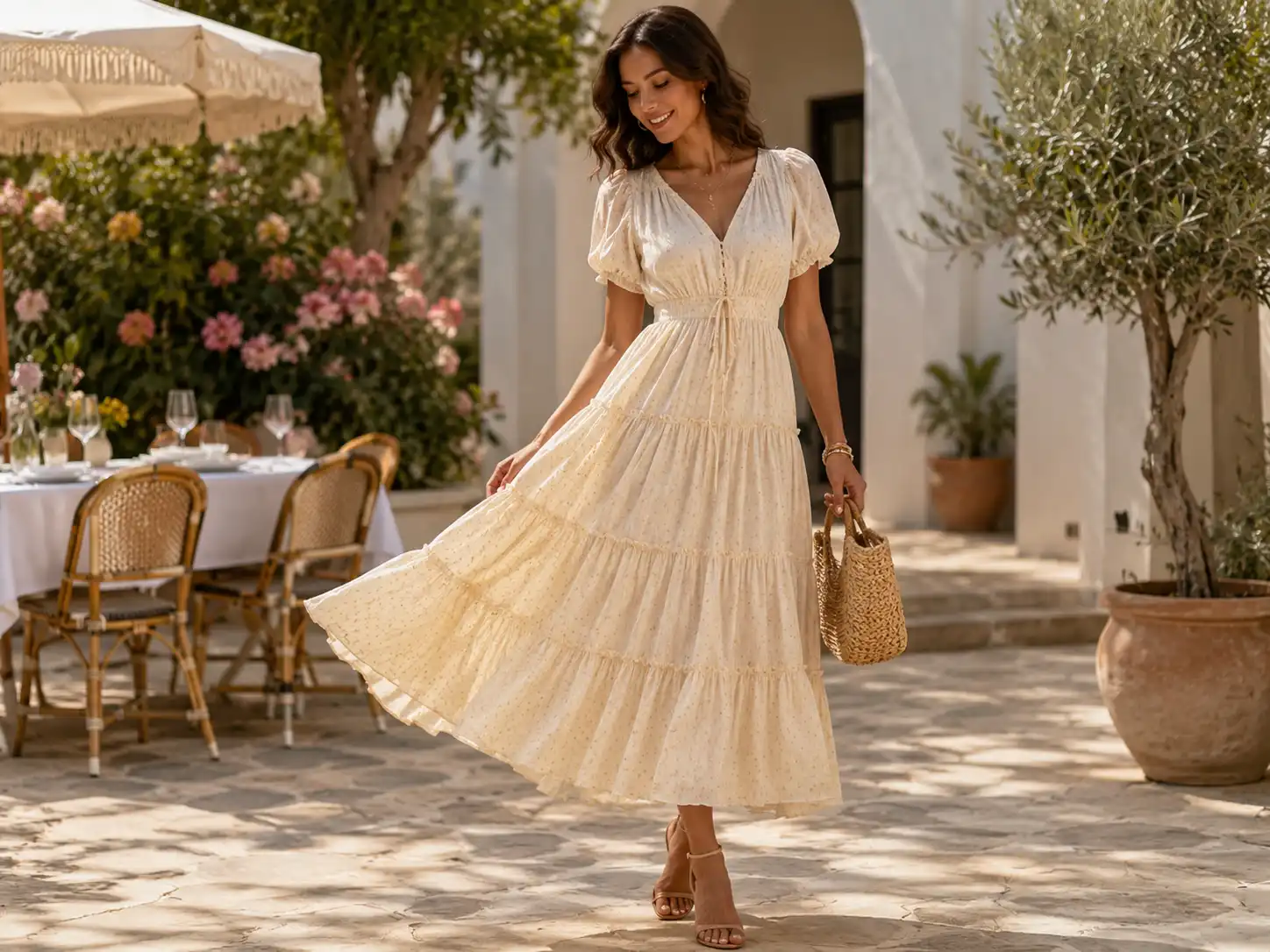
Going-Out Drops

Partywear Collections

Birthday Capsules

Resort Programs

Occasionwear Lines
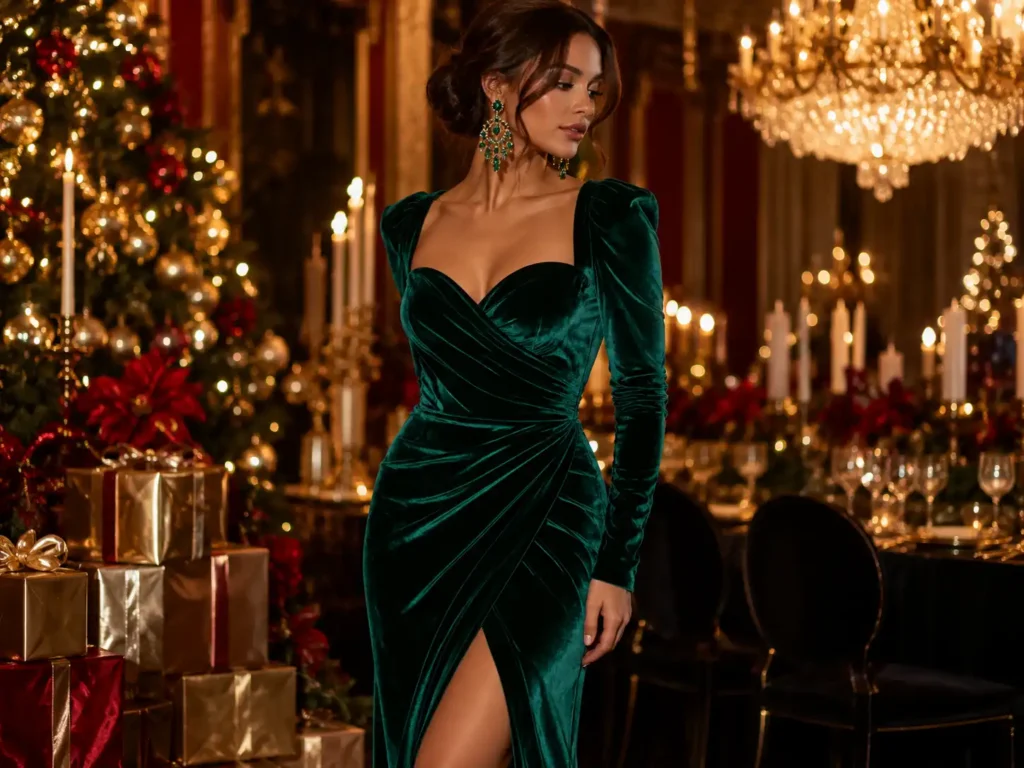
Holiday Launches
Fabric Systems Matched to Tube Dress Structure
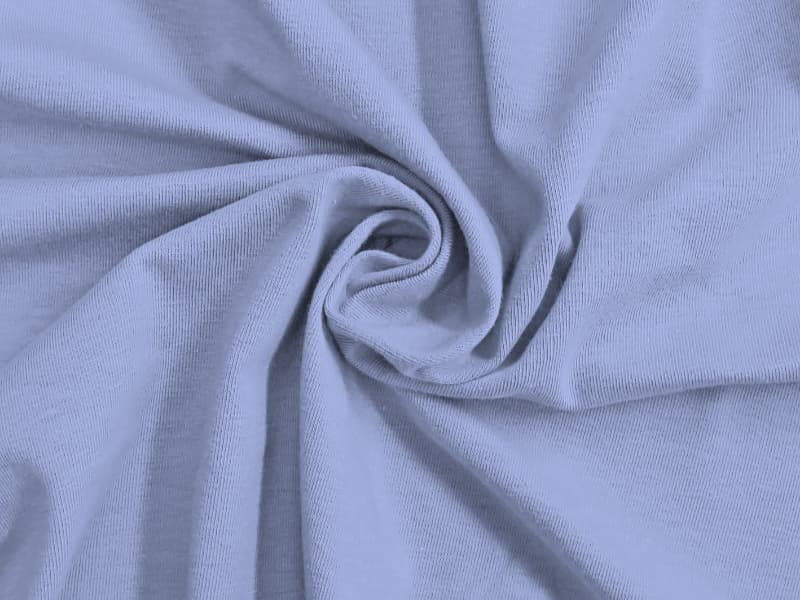
Stretch Jersey
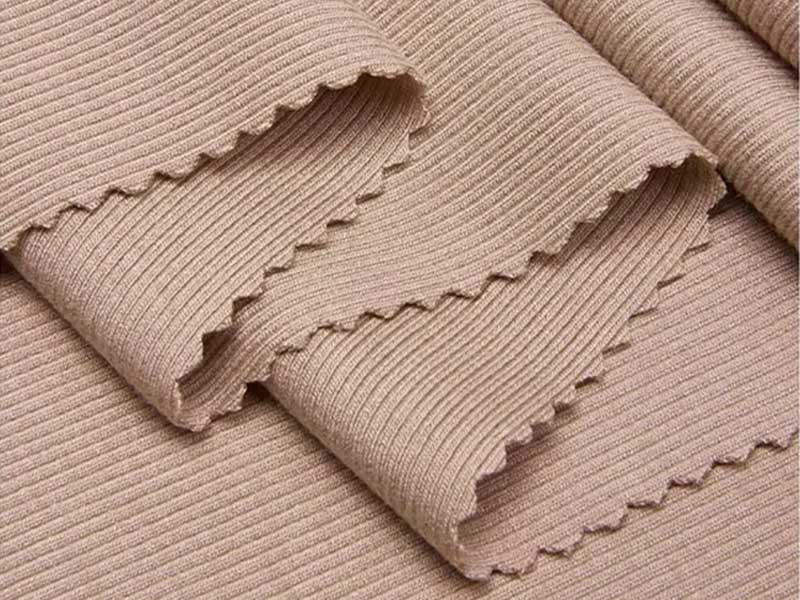
Rib Knit

Ponte
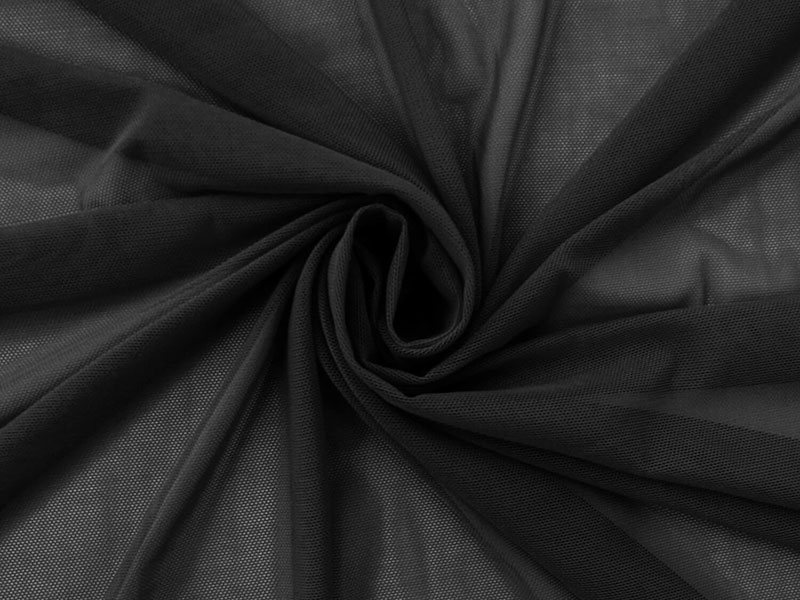
Power Mesh

Stretch Satin

Velvet

Sequin Fabric
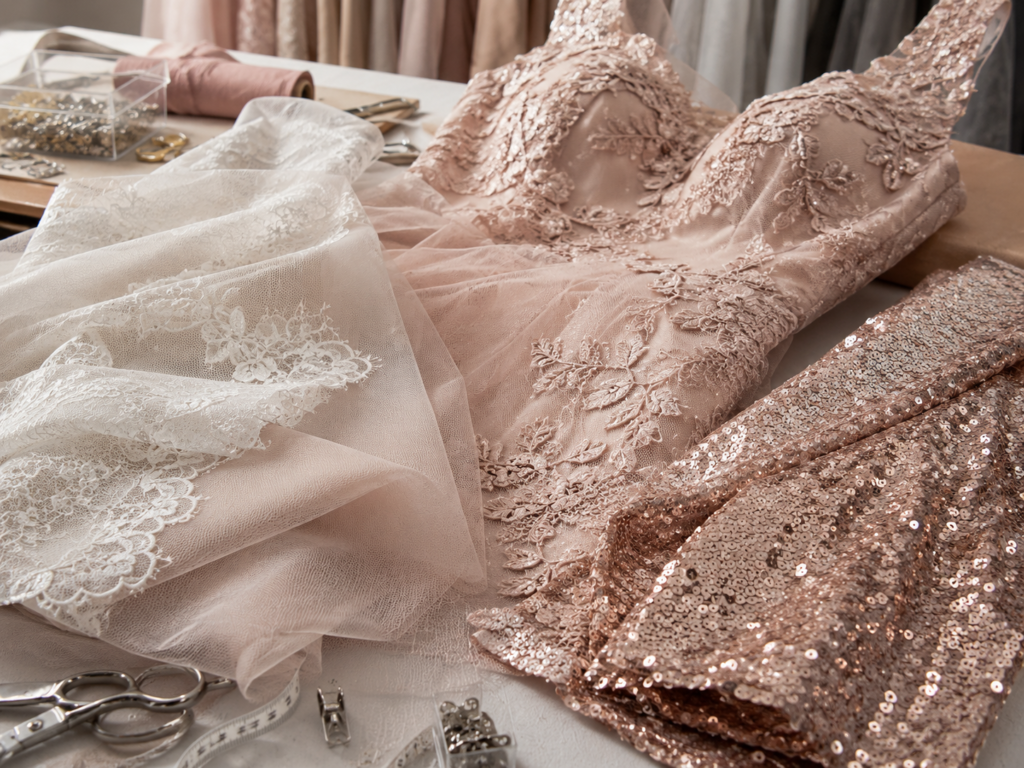
Lace and Lining
Support Options Chosen by Fabric and Silhouette
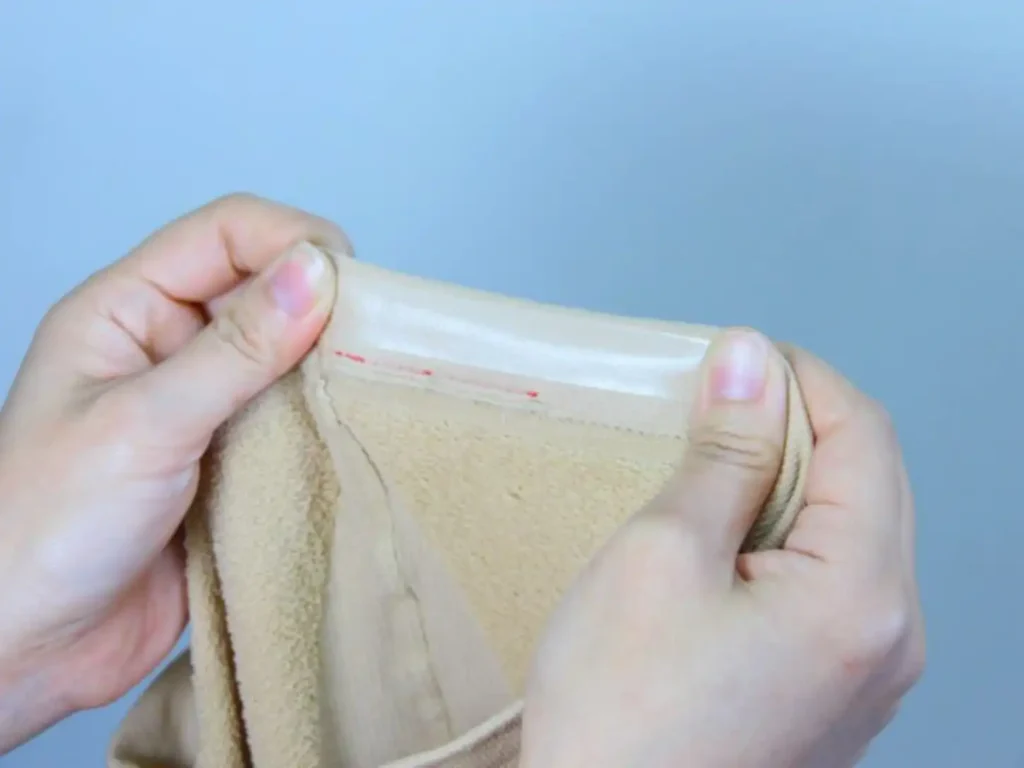
Anti-Slip Tape

Boning

Built-In Cups
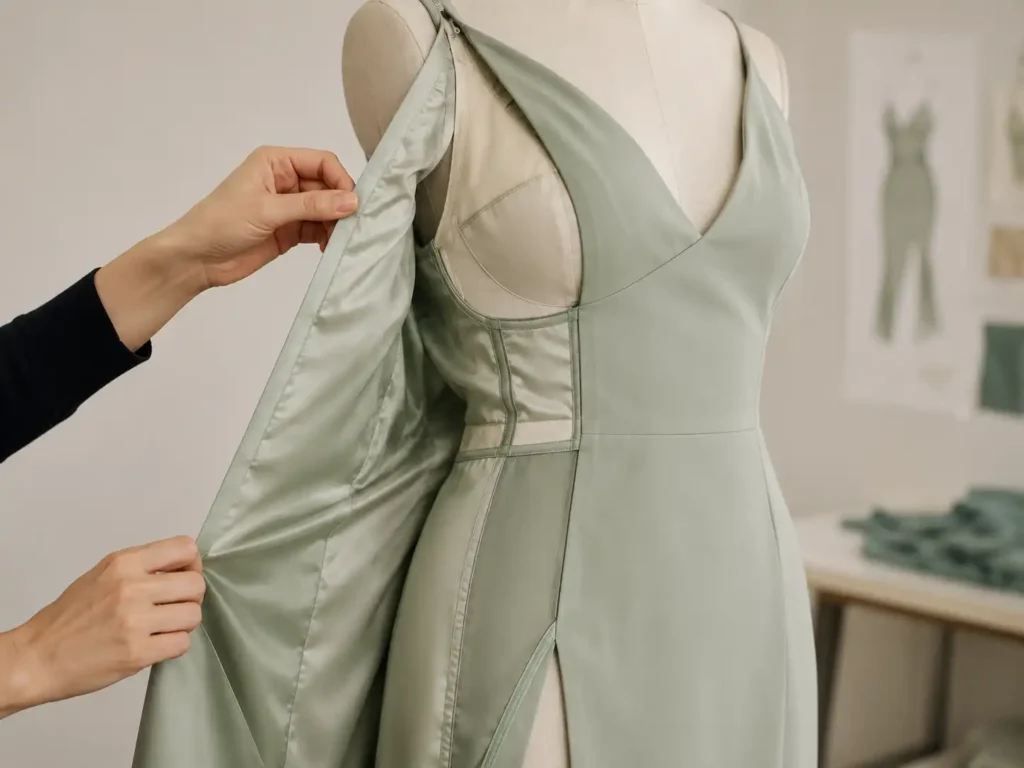
Structured Lining
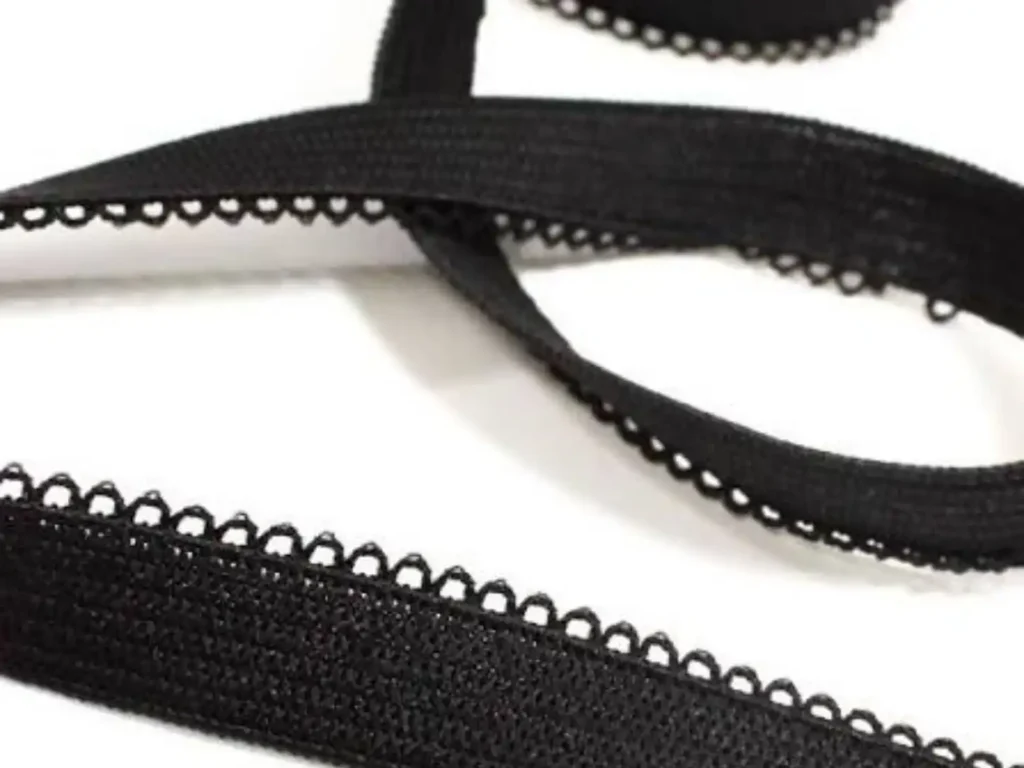
Top-Edge Elastic
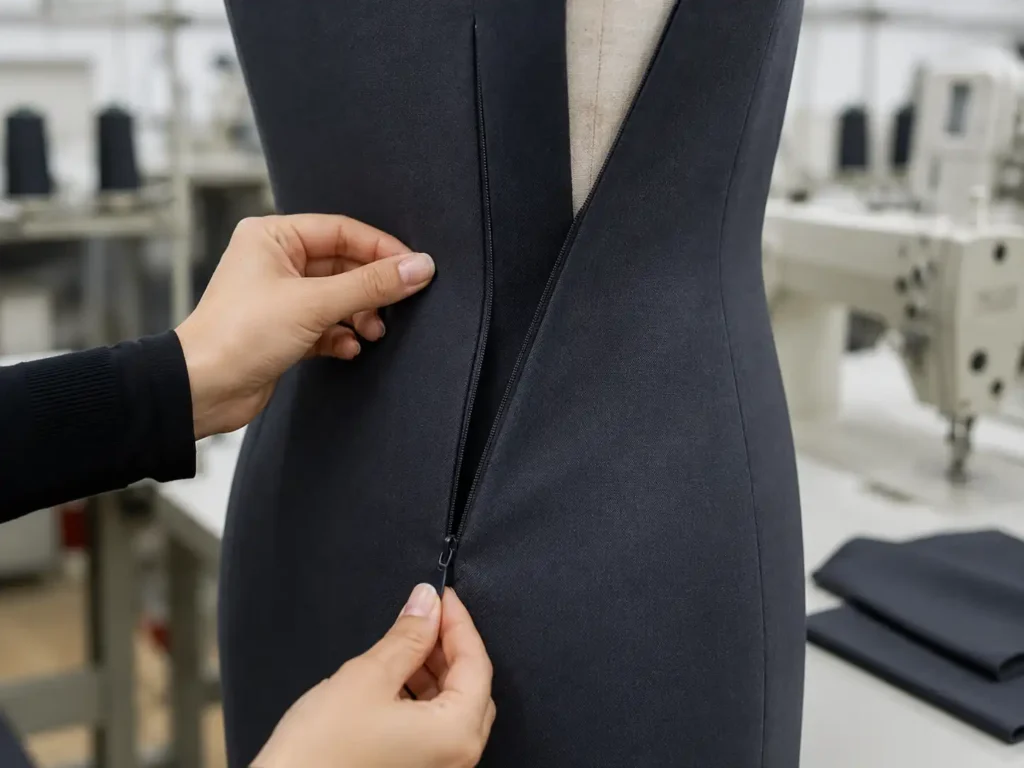
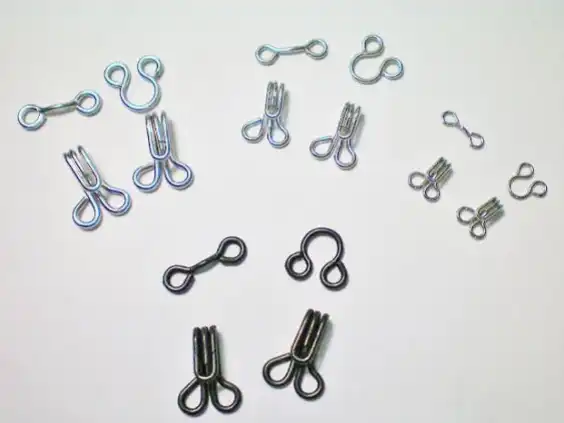
Back Zipper
Hook and Eye

Power-Mesh Panel
Pattern Development Starts With Measurable Fit Points
Tube dress fit is built from a connected measurement system. Jinfeng Apparel uses pattern review, sample measurement and fit comments to manage upper-bust security, bust shape, waist and hip balance, length and movement.
| Measurement Point | Why It Matters | Development Control |
|---|---|---|
| Upper bust | Controls top-edge security and gaping | Measured level around the torso above full bust |
| Full bust | Shapes cup area and front width | Compared with neckline, dart or panel structure |
| Underbust | Supports internal shaping and boning position | Important for structured and corset-inspired styles |
| Waist | Defines contour and vertical balance | Checked against fabric stretch and intended ease |
| Hip | Controls movement, side seam and hem behavior | Reviewed with sitting and walking movement |
| Front center length | Sets neckline-to-hem proportion | Used to control exposure and style length |
| Back center length | Balances back height and hem | Compared with front length and side seam |
| Side seam height | Connects underarm coverage and hip balance | Must remain vertical on-body |
| Slit height | Controls movement and exposure | Measured from hem and linked to lining |
Size Grading Protects Fit Across the Full Range
A tube dress cannot be graded by adding the same amount at every seam. Bust shape, upper-edge tension, support placement and length proportions change differently from size to size.
Bust and Upper Bust
Full bust and upper bust follow different growth needs. Uniform enlargement can create gaping at the top edge while still feeling tight through the bust. Grading separates neckline width, upper-edge circumference, cup area and back width so support remains balanced.
Cup and Boning Placement
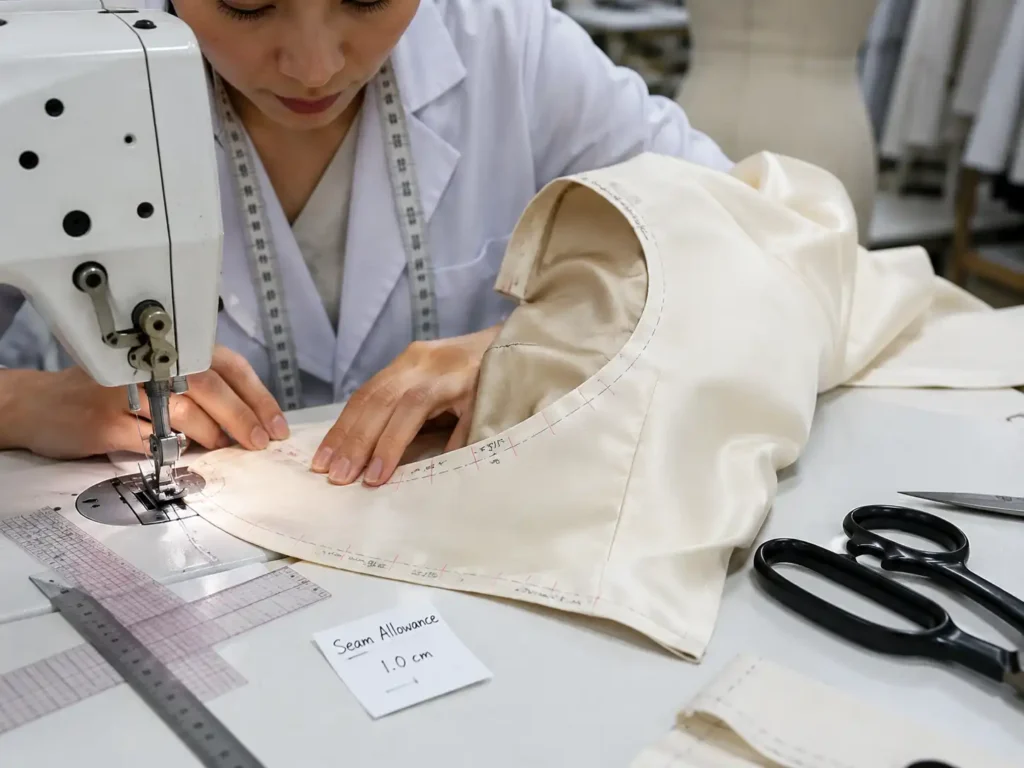
Built-in cups and boning must move with body landmarks. Cup volume, distance between bust points, underbust position and boning length may change by size. Production patterns and sewing instructions identify placement to avoid shifting or asymmetry.
Waist, Hip and Length
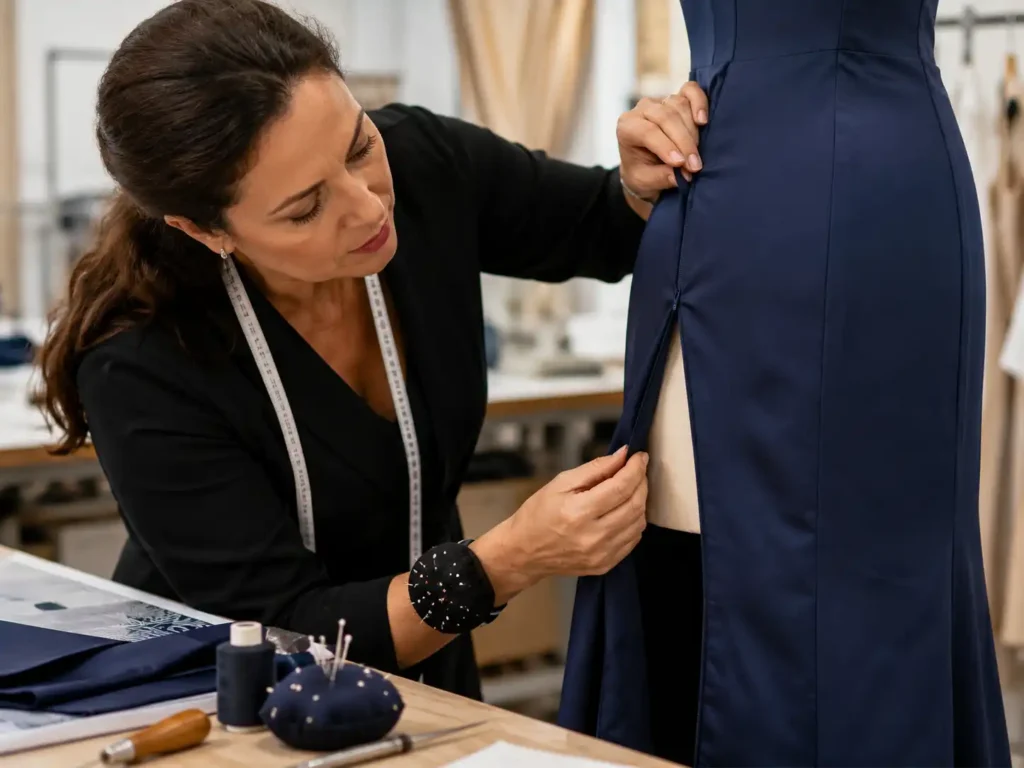
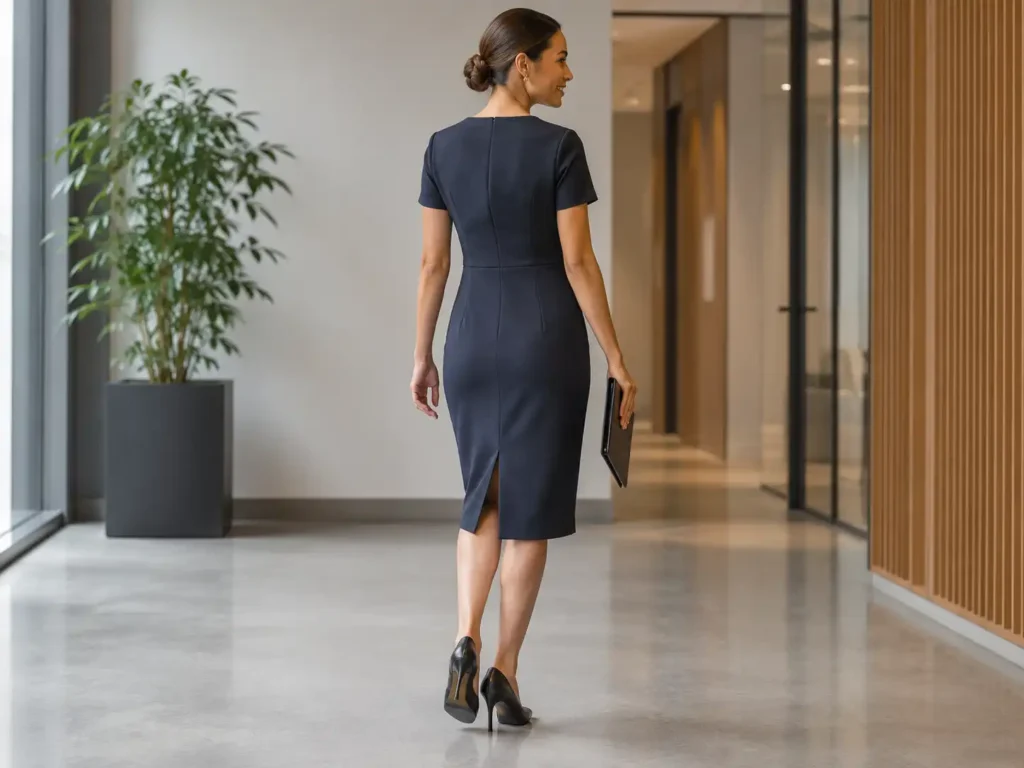
Waist and hip increments are set according to the size chart and fabric behavior. Mini, midi and maxi lengths need controlled growth so proportions remain intentional. Slit height, lining length and hem circumference are adjusted with the silhouette rather than copied mechanically.
Size-Set Verification
Where a wider size range or stronger support structure is involved, selected-size samples or a size set can reveal grading issues before bulk cutting. Measurement review checks agreed points against the graded chart, and any correction is recorded before production patterns are released.
Design Details Engineered for Repeatable Bulk Production

Ruching
Side Slit
Back Slit

Cut-Out

Draped Front

Fold-Over Edge
Corset Seams
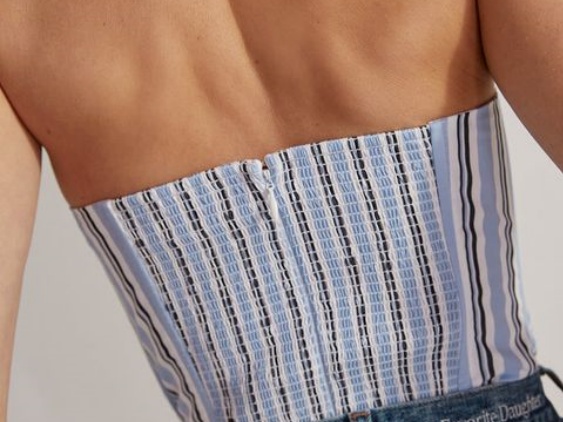
Invisible Zipper
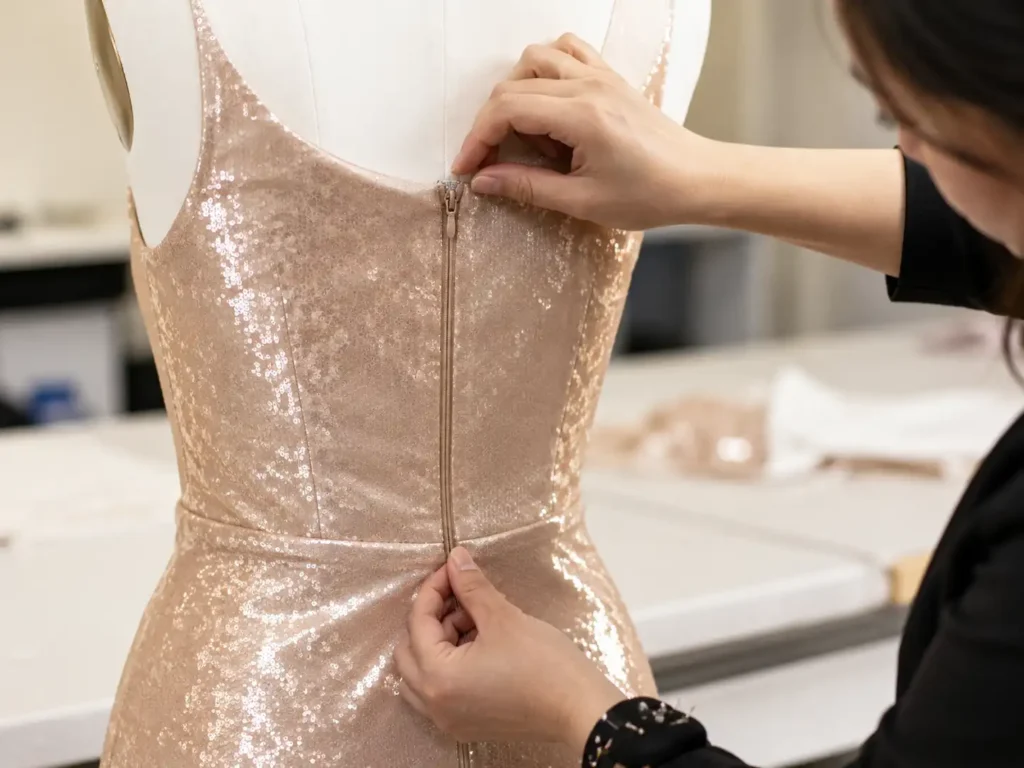
Exposed Zipper
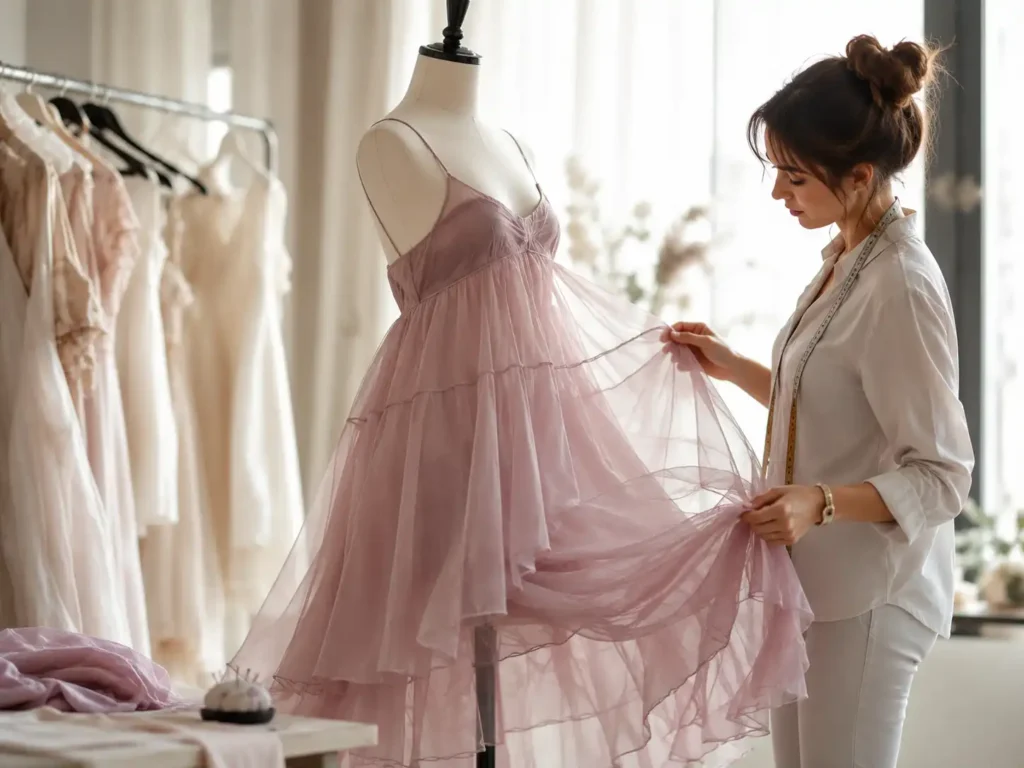
Double Layer
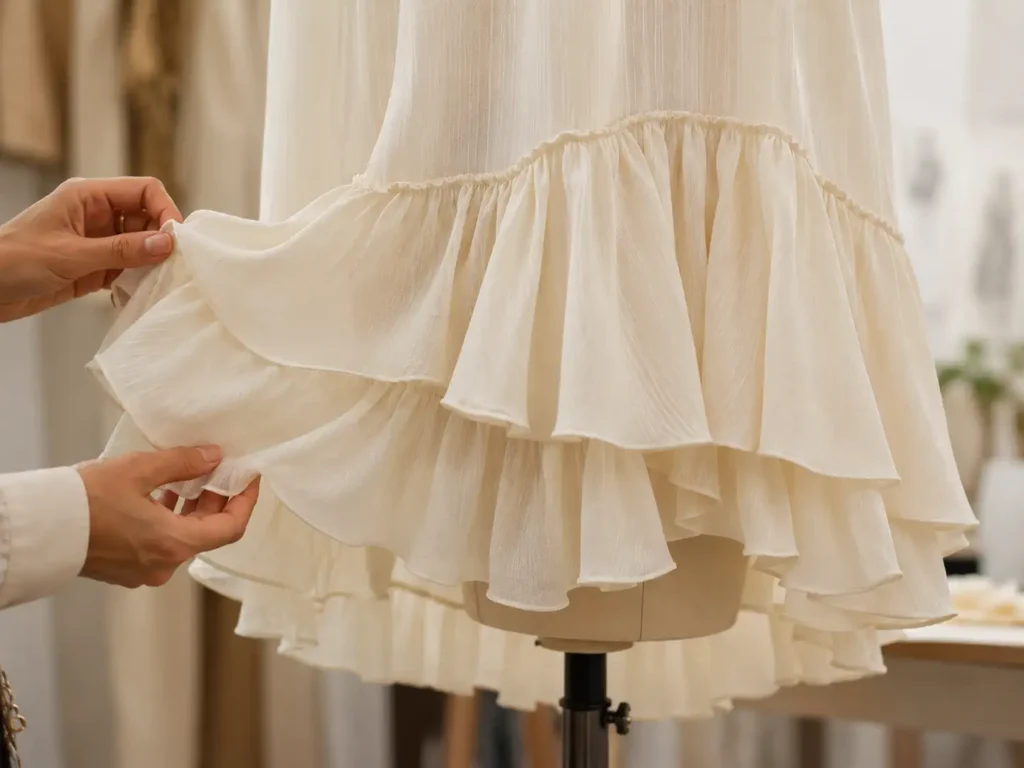
Asymmetric Hem

Detachable Straps
Tube Dress Sampling From Concept to Approved Standard
Project Review
Fabric Direction
Pattern Development
First Sample
Fit Review
Revised Sample
PP Sample
Golden Sample

Sample Revisions Become Controlled Production Records
Important changes cannot remain inside chat threads. Jinfeng Apparel records the issue, cause, revision action, pattern impact, cost impact, timing impact and approval status before moving toward PP.
- Fit Revisions
Slipping, gaping, bust pressure, side seam movement, waist looseness, hip restriction, back wrinkles or length issues are measured and mapped to pattern changes. A fit comment such as ‘too loose at the top’ is translated into a specific upper-bust, neckline or back-width correction rather than a vague sewing adjustment. - Fabric Revisions
A fabric change can alter drape, stretch, recovery, opacity, shrinkage, cost, MOQ and lead time. The team rechecks lining, support, seam method and pattern compatibility. A new sample may be needed when material behavior changes enough to invalidate the earlier fit. - Construction Revisions
Changes to cups, boning, anti-slip tape, zipper, ruching, slit, lining or hem are entered into the BOM and sewing instruction. Placement, dimensions and quality checkpoints are updated so the production line receives the same direction as the sample room. - Approval Control
Each version is identified as first, revised, photo-ready, PP or golden sample. Client comments and approval status are tracked before the next stage. Bulk production does not begin from an unapproved first sample or from verbal instructions conflicting with the latest files.
PP Approval Locks Materials Fit and Production Method
Fit Approval
Material Approval
Production Handover
From Design Reference to Delivered Tube Dress Orders
Design Intake
Feasibility
Fabric Sourcing
Pattern
First Sample
Revision
PP Sample
Material Check
Cutting
Sewing
QC and Packing
Delivery
Quality Control Runs From Fabric to Packed Carton
Fabric Inspection
Cutting Inspection
Inline Sewing Check
Measurement Check
Final Garment Check
Packing Inspection
Capacity Managed for Multi-Style and Multi-Batch Orders
Factory Allocation
Multi-Style Coordination
Material Booking
Production Follow-Up
QC Coverage
Finishing and Packing
MOQ and Quotation Follow Product Structure
| Product Direction | Typical Construction | Main Cost Drivers |
|---|---|---|
| Basic stretch jersey tube dress | Single or double layer, simple top edge, standard colors | Fabric weight, layer count, stretch, size ratio |
| Ruched mesh tube dress | Mesh, lining, gathering, possible side seam drawcord | Mesh quality, lining, ruching ratio, sewing time |
| Structured satin tube dress | Woven or stretch satin, lining, zipper, possible cups and boning | Satin grade, support, zipper, pressing, fit complexity |
| Sequin tube dress | Sequin fabric, lining, seam clearing, surface protection | Material loss, hand work, lining, packing |
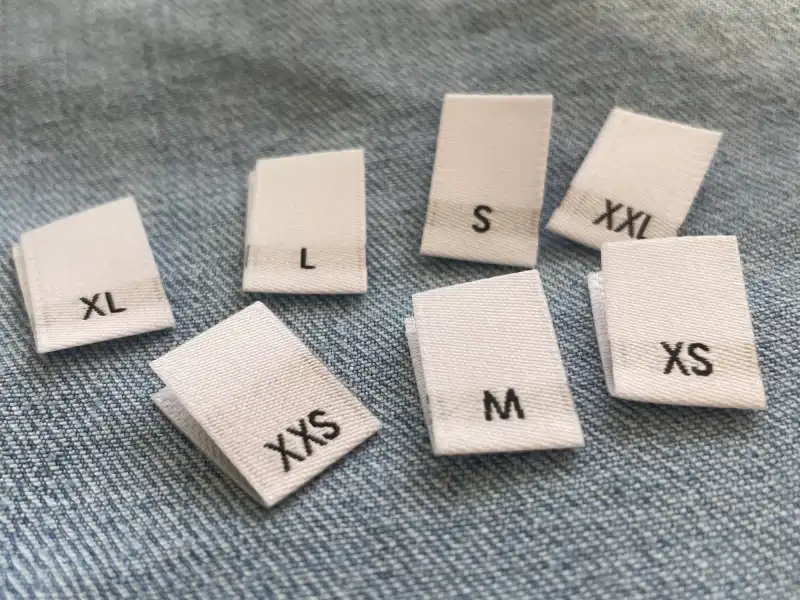
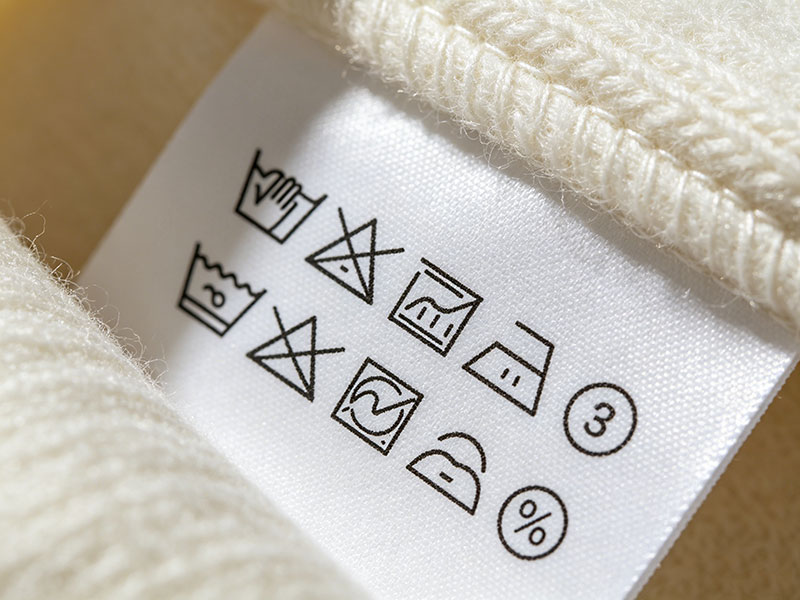
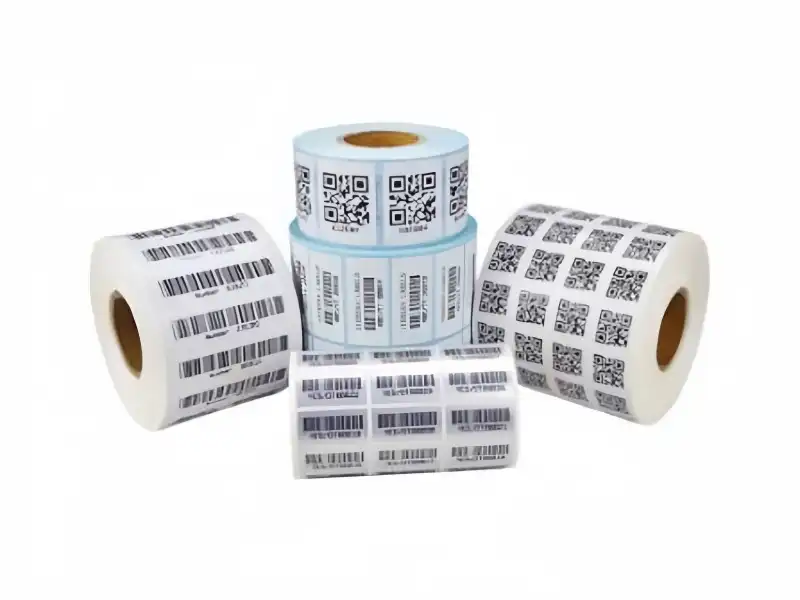
| Private-label order | Main label, size label, care label, hangtag, barcode, polybag | Separate supplier MOQ, artwork, material, packing labor |
Private Label Delivery Extends Beyond a Main Label

Woven Label
Size Label
Care Label

Hangtag
Barcode and SKU

Custom Polybag
Carton Marks

Retail Inserts
NDA Protection and Repeat-Order Records Support Long-Term Programs
Design Protection
Controlled Internal Access
Repeat-Order Records
Tube and Strapless Programs Managed at Brand Scale
US Going-Out Collection
Australian Partywear Program
European Occasionwear Range
How to Qualify a Tube Dress Manufacturer
Pattern Capability
Fabric Evaluation
Support Options
Sample Stages
Process QC
Private Label
Confidentiality
Repeat Records
Tube Dress Manufacturing Frequently Asked Questions
Yes. Jinfeng Apparel develops custom tube mini, midi and maxi dresses from tech packs, reference images, original samples, sketches or line sheets. Support covers fabric sourcing, pattern making, sampling, fit correction, bulk production, QC, private-label packing and export coordination.
The basic MOQ starts from 200 pcs per style/color. Special fabrics, custom dyeing, printing, lace, sequins, cups, boning, custom hardware, labels and packaging may have separate supplier MOQ. Multiple styles totaling 200 pcs do not meet the standard MOQ.
Common directions include jersey, rib knit, ponte, power mesh, stretch satin, woven satin, velvet, lace, sequin fabric and crepe. Selection depends on silhouette, support, opacity, stretch, recovery, drape, season, retail position and target cost.
Slipping is managed through upper-bust pattern balance, fabric recovery, back height, top-edge construction and selected support components. Anti-slip tape, elastic, structured lining, power mesh, cups or boning may help, but no component can replace a correct pattern and approved fit sample.
Yes, where suitable. Cup shape and position, boning type and length, anti-slip tape width and placement, lining and comfort are reviewed during sampling. Approved specifications are transferred into the BOM, sewing instruction and QC checkpoints.
Yes, an initial feasibility review can begin from clear front, back, side and detail images. Better results come from a size chart, target fabric, quantity, color plan and fit expectations. Missing structure or measurements may require more sample revisions before PP approval.
Each revision records the issue, analysis, action, pattern effect, material effect, cost effect, timing effect and approval status. Fit, fabric, construction, color, trim, label and packing changes are transferred into updated files before the next sample or PP stage.
Yes. Grading follows the approved base fit and client size chart. Upper bust, full bust, underbust, waist, hip, length, cup position, back height, neckline depth, boning and slit placement may require different growth rules rather than uniform enlargement.
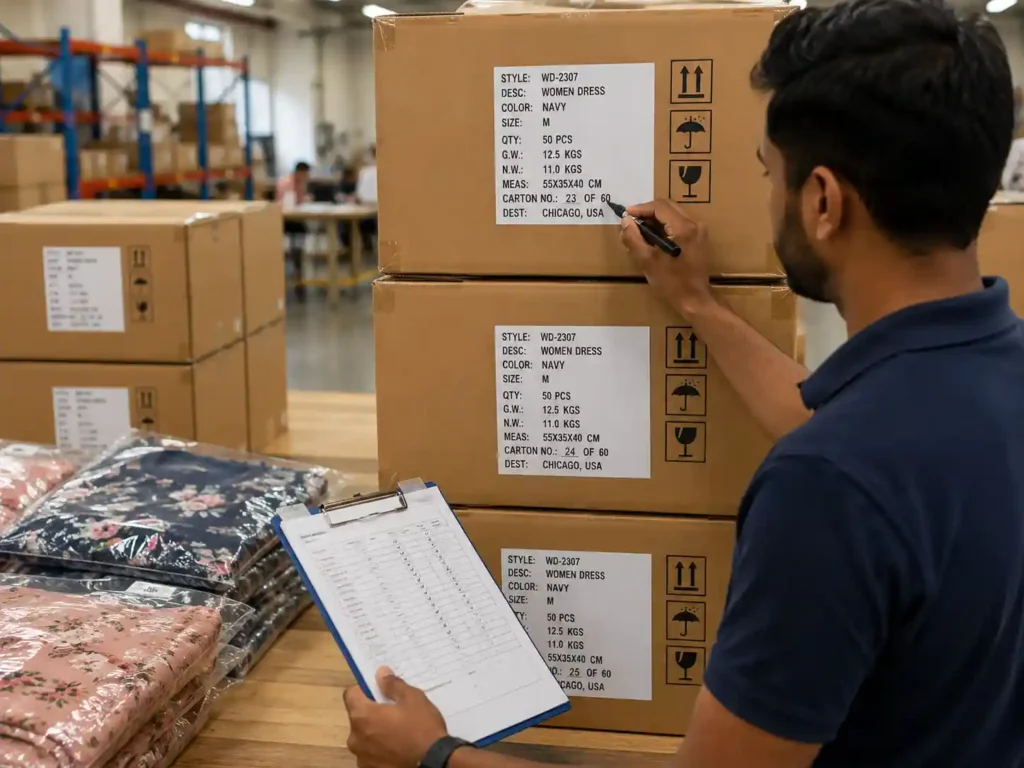
Yes. Support includes woven labels, size labels, care labels, hangtags, barcode stickers, SKU labels, custom polybags, stickers, inserts, cartons, carton marks and warehouse labels. Artwork, material, supplier MOQ and packing instructions must be confirmed before production.
Yes. Jinfeng Apparel supports NDA-based cooperation and protects tech packs, original samples, patterns, labels, packaging files, unpublished styles, pricing and order information. Brand files are used only for the relevant project unless written authorization allows broader use.

Start Your Tube Dress Development With Clear Inputs
Send a reference image, tech pack, original sample or line sheet for an initial project review. Include the target quantity by style and color, preferred fabric, color direction, size range, required support structure, private-label files and target launch date.
Jinfeng Apparel will review product feasibility, fabric direction, pattern risk, support components, MOQ fit, quotation basis and project milestones before sampling begins.
Useful project information:
- Front, back, side and close-up views
- Measurement chart and base size
- Fabric composition, weight or hand-feel target
- Quantity by style, color and size
- Cups, boning, anti-slip tape, lining or zipper needs
- Main label, care label, hangtag, barcode and packing files
- Photo sample, PP, warehouse and launch deadlines