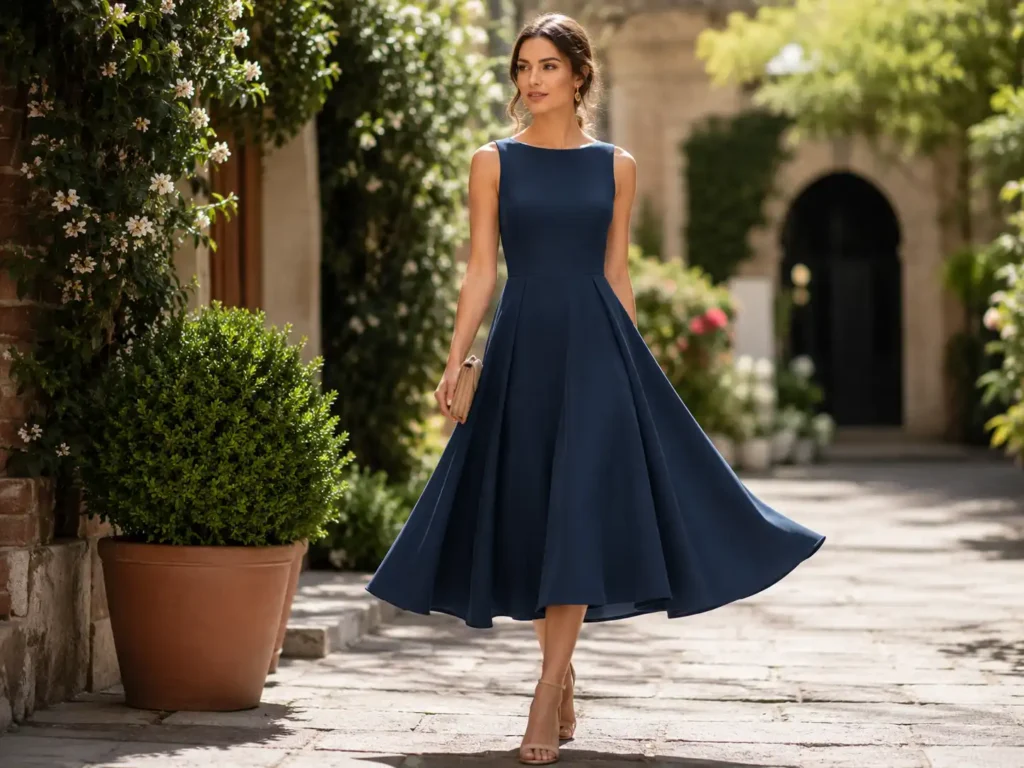
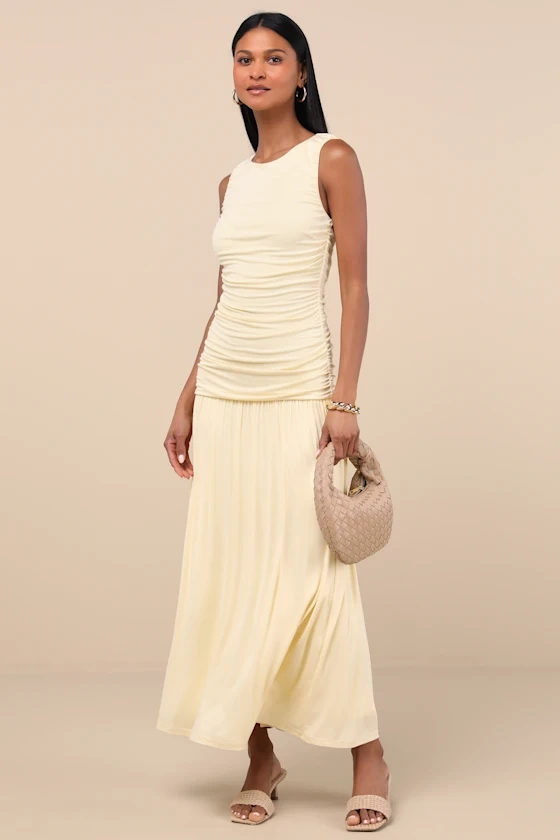
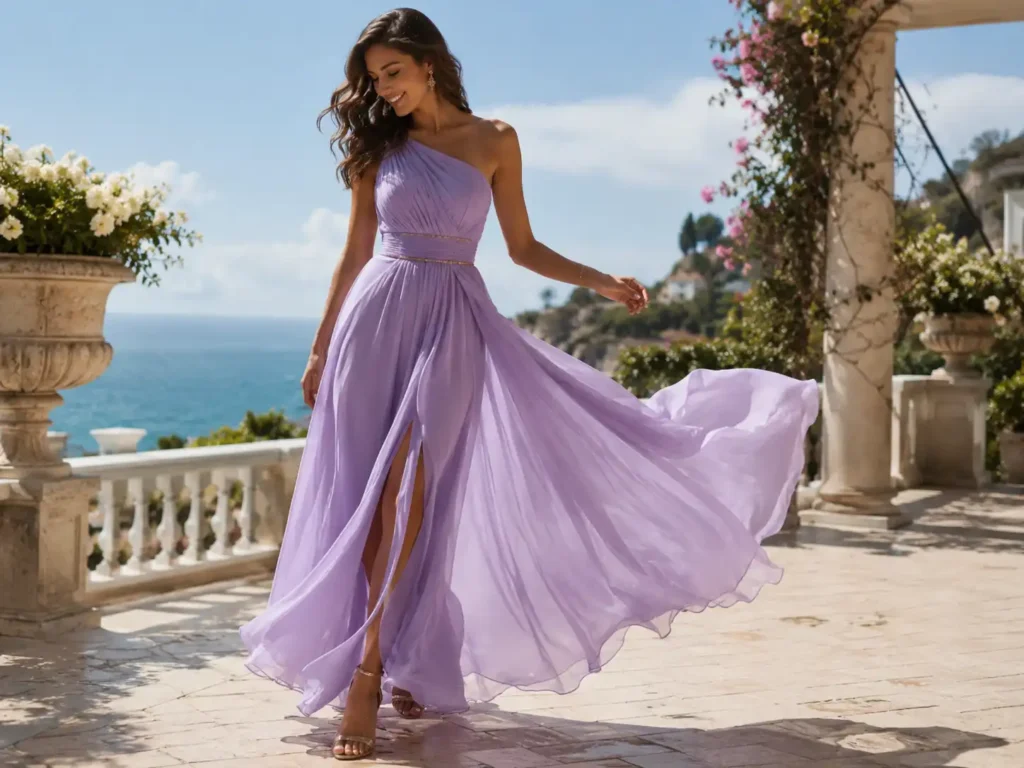
...

Travel Dress Manufacturer

Custom travel dress development for fashion brands requiring packable construction, controlled fit, private-label finishing, and scalable collection production.

Jinfeng Apparel develops travel dresses from fabric direction and pattern engineering through sampling, PP approval, bulk production, quality control, and branded packing.

  • 8 core travel dress directions covering city, resort, business, cruise, long-haul, and day-to-night use
  • 7+ senior pattern makers supporting fit, length, pocket, lining, and movement corrections
  • 2 sample rooms with 20+ sample machinists for structured development and revisions
  • MOQ starts from 200 pieces per style and color, subject to materials and construction
  • Multi-style production supported through 6 owned factories and 10+ long-term production partners

Manufacturing Capacity Built for Travel Dress Programs

Travel dress collections often combine several fabrics, lengths, fits, colors, and packing specifications. Jinfeng Apparel organizes development and production through dedicated pattern, sampling, merchandising, quality, finishing, and factory resources.

Since 2008

Jinfeng Apparel has focused on custom women’s fashion development and manufacturing since 2008. Long-term experience covers dresses, skirts, jumpsuits, matching sets, and private-label womenswear for international markets. Travel dress projects benefit from established processes for fabric review, fit correction, technical confirmation, bulk control, packaging, and export coordination.

Six Owned Factories

Six owned women’s fashion factories support different garment structures and material categories. Production allocation considers whether a travel dress uses lightweight woven fabric, stretch jersey, structured ponte, layered chiffon, lining, custom printing, or more complex sewing details.

Ten Plus Partners

More than 10 long-term satellite production partners provide additional capacity and specialist support. Production is not assigned only according to available space. Fabric behavior, construction difficulty, sewing method, order quantity, delivery window, and quality requirements guide factory matching.

Two Sample Rooms

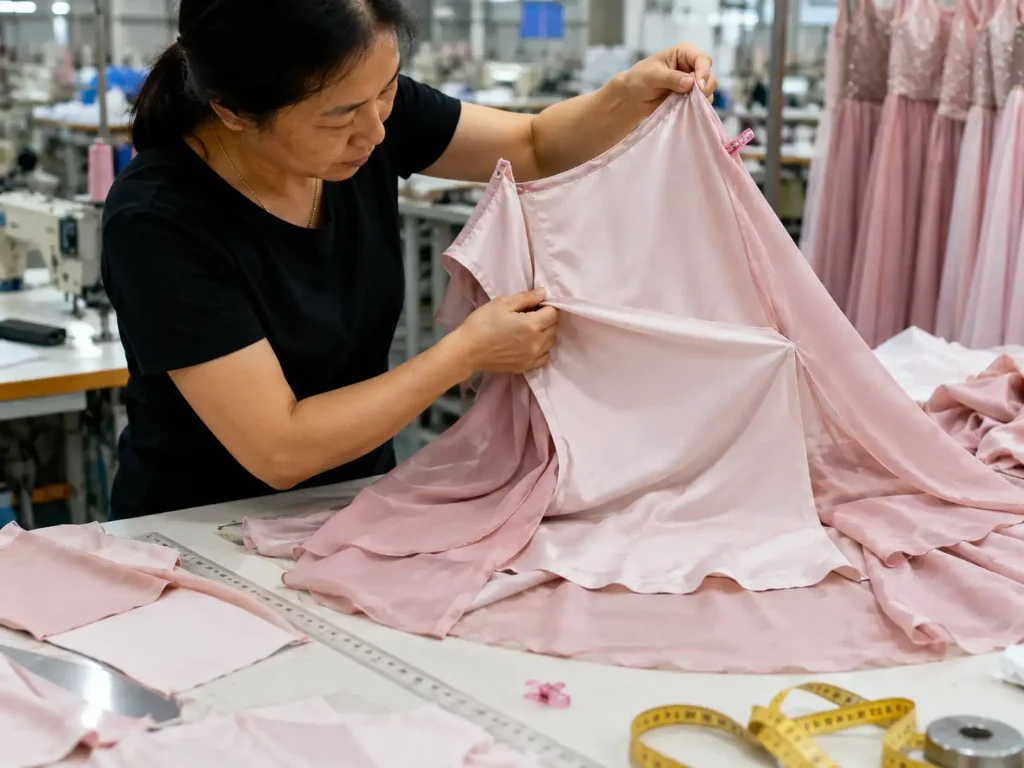
Two sample rooms support first samples, fit samples, revised samples, photo-ready samples, salesman samples, PP samples, and sealed reference samples. Sample work includes pattern verification, construction review, measurements, pocket placement, lining coverage, hem behavior, and travel-related functional details.

Seven Pattern Makers

More than seven senior pattern makers convert sketches, reference garments, photographs, measurement charts, and technical packs into production-ready patterns. Their work focuses on bust, waist, hip, length, neckline, strap, armhole, slit, lining, and movement balance.

Fifteen QC Inspectors

A team of more than 15 quality inspectors supports material inspection, cutting checks, sewing inspection, measurement review, garment appearance checks, pressing review, packing inspection, and pre-shipment control. Inspection points are adjusted according to fabric and travel performance requirements.

Built for Established Fashion and Travel Brands

Jinfeng Apparel works with brands and product teams that require original development, controlled sampling, bulk production, private-label presentation, and repeatable manufacturing standards across multiple styles and seasons.

Travel Clothing Brands

Travel clothing labels often require more than a fashionable silhouette. Product teams need controlled garment weight, movement comfort, easy-care construction, secure pockets, packing recovery, and fabric choices suitable for specific climates. Jinfeng supports the transition from performance direction to a wearable, visually strong dress collection.

Resortwear Brands

Resortwear collections frequently combine printed fabrics, fluid silhouettes, lightweight linings, maxi lengths, adjustable details, and beach-to-dinner styling. Development focuses on drape, transparency, print direction, color coordination, hem balance, and packing presentation for seasonal launches.

Ecommerce Fashion Brands

Online fashion brands need strong product imagery, reliable sizing, accurate color presentation, clean packing, barcode control, and consistent repeat orders. Jinfeng manages sample appearance and bulk reproducibility together, reducing gaps between campaign samples and delivered inventory.

Fashion Retailers

Retail programs may include multiple style numbers, colors, sizes, labels, hangtags, barcodes, packing ratios, carton marks, and warehouse instructions. Jinfeng supports SKU-based project organization, production tracking, packing verification, and delivery documentation for structured retail programs.

Sourcing Teams

Sourcing teams require transparent development stages, confirmed material direction, controlled quotation logic, PP approval, quality checkpoints, progress reporting, and production records. Jinfeng can organize communication around technical packs, BOM files, measurement charts, style lists, and order schedules.

Product Developers

Product development teams need responsive fabric review, pattern correction, sample feedback, construction alternatives, and clear risk identification before bulk production. Jinfeng evaluates how visual concepts will behave during fitting, movement, washing, packing, sewing, pressing, and repeated manufacturing.

Travel Dress Problems We Control Before Production

Travel dresses can look convincing in photographs yet fail during packing, movement, repeated wear, or bulk production. Early risk review protects product appearance, comfort, sizing, care performance, and delivery consistency.

Packing Wrinkles

A dress may develop strong fold lines after several hours inside compact luggage. Fabric composition, yarn structure, weave, finishing, garment thickness, lining, pressing, and folding method all affect recovery. Jinfeng reviews wrinkle expectations during fabric selection rather than relying on unsupported “wrinkle-free” claims.

Excessive Transparency

Lightweight fabrics often appear more transparent under daylight, flash photography, or movement. Opacity must be evaluated with the selected color, fabric weight, lining shade, seam placement, and intended wearing environment. A white dress and a dark printed dress may require entirely different lining solutions.

Weak Stretch Recovery

Stretch can improve sitting and walking comfort, but excessive elongation or weak recovery may create bagging at the seat, waist, elbows, neckline, or hem. Jinfeng reviews stretch direction, recovery, pattern ease, seam type, and garment weight before finalizing construction.

Distorted Pockets

Deep pockets can pull side seams outward, show through lightweight fabric, or disturb the hip line.

Pocket bag material, opening angle, reinforcement, depth, phone weight, and placement must be coordinated with the silhouette and shell fabric.

Restricted Movement

A dress may fit well in a standing pose but restrict walking, sitting, reaching, bending, or climbing stairs.

Movement problems often result from insufficient hip ease, narrow hems, high armholes, tight sleeves, unstable slits, or poorly positioned waist seams.

Unstable Dress Length

Mini, midi, and maxi lengths require different controls. Fabric stretch, bias movement, moisture response, pressing, lining tension, and hanging time may alter finished length. Maxi dresses require particular attention to front-back balance, side seam length, and footwear assumptions.

Sample Bulk Differences

Sample fabric and bulk fabric may come from different lots, mills, finishes, or print batches. Changes in shrinkage, stretch, hand feel, width, shade, or drape can alter the finished garment. Bulk material confirmation must therefore remain connected to the approved sample standard.

Missed Launch Dates

Travel and resort collections often depend on seasonal selling windows. Delays may begin with incomplete technical files, unapproved fabric, custom print development, repeated fit changes, late packaging artwork, or fragmented size information. A realistic launch schedule must be built backwards from the warehouse date.

What Makes a Dress Ready for Travel

A travel dress is defined by how fashion, movement, care, packing, climate, and repeated wear work together. No single silhouette or fabric automatically creates a travel-ready garment.

Travel Dress

A travel dress is developed around portability, comfort, care, movement, and versatile styling. Depending on the market, it may use stretch jersey, ponte, crepe, viscose, lightweight woven fabric, or blended materials. Construction may include secure pockets, adjustable details, controlled coverage, and a packing method designed to reduce strong fold marks.

Vacation Dress

A vacation dress normally places greater emphasis on color, print, femininity, destination styling, and photographic impact. Lightweight construction and comfort remain important, but performance requirements may be less technical than those of a dedicated travel clothing program.

Resort Dress

A resort dress often moves between poolside, beach, hotel, dining, cruise, and evening environments. Fluid shape, breathable fabric, elegant coverage, lining, print quality, drape, and coordinated accessories usually carry more importance than compact urban travel performance.

Summer Dress

A summer dress is primarily defined by season and warm-weather styling. It may be light and breathable without offering strong packing recovery, secure storage, travel-friendly care, or day-to-night versatility. Travel positioning should therefore be supported by clear design and material decisions.

Travel Dress Collections Developed for Modern Brands

A strong collection gives each silhouette a clear travel role. Jinfeng Apparel develops individual styles and coordinated ranges across different climates, trip types, price positions, fabrics, and merchandising plans.

Travel Midi Dresses

Midi dresses offer broad commercial versatility for city travel, business trips, sightseeing, dining, and transitional weather. Key development points include calf placement, walking clearance, slit height, waist position, pocket shape, and compatibility with flats, sneakers, sandals, or heels. Suitable fabric directions include crepe, viscose blends, jersey, ponte, soft suiting, and selected lightweight woven fabrics. A midi dress should retain visual proportion when worn with a jacket or cardigan and remain comfortable during long periods of sitting. Production controls include:
  • Front, back, and side length balance
  • Slit stability during walking
  • Pocket bag visibility
  • Hem consistency after pressing
  • Waistline alignment across sizes
  • Lining length and opacity
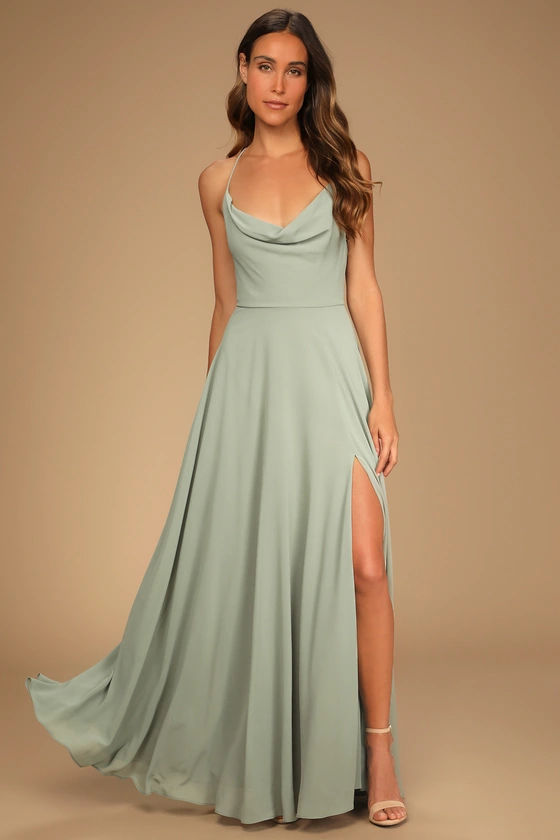
Woman wearing a sage green maxi dress with a cowl neckline, thin straps, and a thigh-high slit.

Packable Maxi Dresses

Maxi travel dresses create strong visual impact for resort, cruise, destination, and summer collections. Long hems introduce additional manufacturing risks, including fabric growth, uneven hanging, lining tension, print direction, side seam distortion, and damage during packing. Fabric choice must balance movement and garment weight. Very light fabrics may need lining, while heavier fabrics may occupy excessive luggage space. Pattern development should account for walking stride, stairs, footwear, and intended floor clearance. Production controls include:
  • Finished length by target size
  • Hem circumference and movement
  • Bias-drop observation
  • Lining-to-shell relationship
  • Print and panel alignment
  • Folding method for shipment

Travel Shirt Dresses

Shirt dresses work across business travel, city walking, airport wear, and casual dining. The category depends on clean collars, stable plackets, controlled button spacing, sleeve mobility, pocket placement, and waist definition. Materials may include cotton blends, rayon blends, lightweight polyester woven fabrics, soft suiting, crepe, or stretch woven fabrics. Collar and placket areas may require selective support without making the garment stiff or difficult to pack. Production controls include:
  • Collar symmetry
  • Placket alignment
  • Button spacing and security
  • Sleeve roll-up tabs
  • Waist belt length
  • Chest coverage between buttons

Wrap Travel Dresses

Wrap dresses can adapt to body movement and create a flexible fit impression, but poorly engineered wrap overlap may expose the neckline, front skirt, or waist area. Belt position and internal security also affect long-term comfort. A successful wrap travel dress may use jersey, crepe, viscose, stretch woven, or lightweight printed fabric. The pattern must maintain adequate front overlap across the size range rather than relying only on the base sample. Production controls include:
  • Neckline coverage
  • Inner tie placement
  • Outer belt anchoring
  • Front skirt overlap
  • Waist seam stability
  • Grading across bust and hip sizes

A-Line Travel Dresses

A-line dresses provide easy movement and broad size adaptability. The silhouette can support casual, city, business, and resort directions depending on neckline, sleeve, length, fabric, and finishing. Although the shape appears simple, balance remains important. Excess flare may increase packing volume, while insufficient flare can restrict walking. Lightweight fabric may need controlled lining to avoid static, transparency, or collapse. Production controls include:
  • Shoulder-to-hem balance
  • Side seam direction
  • Flare distribution
  • Pocket placement
  • Lining volume
  • Hem leveling

Jersey Travel Dresses

Jersey travel dresses can offer stretch, softness, compact packing, and movement comfort. Fabric recovery, opacity, pilling behavior, surface quality, and shrinkage require careful review. Thin jersey can reveal seams and undergarment lines; heavy jersey can create excessive garment weight. Pattern ease must reflect actual stretch rather than a generic size chart. Necklines, armholes, side seams, and hems need methods that prevent waviness, twisting, or stretching during production. Production controls include:
  • Stretch and recovery direction
  • Side seam twisting
  • Neckline stabilization
  • Hem wave control
  • Measurement after relaxation
  • Wash-related size change

Printed Vacation Dresses

Printed travel and vacation dresses add destination appeal and visual value. Development covers print base fabric, artwork scale, repeat size, color density, placement, cutting direction, lining color, and shade consistency. Large directional prints require more careful marker planning. Border prints, engineered placements, and panel-specific artwork can affect fabric consumption, cutting efficiency, MOQ, cost, and bulk consistency. Production controls include:
  • Print orientation
  • Repeat alignment
  • Color approval
  • Placement tolerance
  • Fabric shrinkage
  • Cutting yield

Day-to-Night Dresses

Day-to-night dresses must appear appropriate across sightseeing, work, dinner, social events, and travel transitions. Versatility often comes from balanced coverage, adaptable styling, a refined fabric surface, stable fit, and restrained functional details. A successful style should not look overly technical. Secure pockets, stretch, adjustable waists, or washable fabrics can be integrated without weakening the fashion identity. Production controls include:
  • Neckline and coverage
  • Silhouette under layering
  • Wrinkle appearance
  • Accessory compatibility
  • Pocket concealment
  • Pressing and packing presentation

Travel Scenarios Shape Every Design Decision

Trip type, climate, duration, transport, footwear, care access, and wearing occasion should be defined before choosing fabric and structure. One dress cannot perform equally well in every travel environment.

Long-Haul Travel

Long flights and extended sitting place pressure on the waist, hip, seat, armhole, and neckline. Stretch recovery, low-bulk seams, breathable fabric, secure coverage, and a non-restrictive waist become more important than decorative complexity. The dress should remain comfortable after several hours without developing severe seat bagging or unstable necklines.

City Walking

City travel involves longer walking distances, stairs, public transport, variable weather, and frequent transitions between indoor and outdoor spaces. Hem length, stride allowance, pocket security, shoulder movement, opacity, and compatibility with flat shoes require early development attention.

Resort Holidays

Resort dresses need lightweight movement, attractive drape, strong color or print, comfortable coverage, and an easy transition from daytime to dining. Transparency, lining, humidity response, sun exposure, packing creases, and long flowing hems should be evaluated together.

Cruise Travel

Cruise collections may include casual deck wear, dinner dresses, port-day styles, and evening options. Wind movement, stairs, air-conditioned interiors, outdoor humidity, luggage limitations, and several dress codes create a need for coordinated yet versatile silhouettes.

Business Travel

Business travel dresses require controlled structure, reliable coverage, restrained wrinkling, stable sizing, and styling flexibility. Ponte, crepe, soft suiting, structured jersey, and selected stretch woven fabrics can provide a polished appearance without excessive maintenance.

Day-to-Night Wear

Day-to-night styles should remain presentable after movement, sitting, and packing. Design may include removable belts, refined pockets, adjustable sleeves, layering compatibility, or a silhouette that works with both casual and dressier accessories.

Eight Performance Requirements Behind Travel-Ready Dresses

Performance should be defined through measurable material and garment expectations rather than broad marketing claims. Each requirement influences fabric sourcing, pattern ease, sewing, finishing, care labeling, and bulk inspection.

Wrinkle Recovery

Wrinkle resistance depends on fiber content, yarn, weave or knit structure, finishing, fabric weight, moisture, pressure, garment construction, and packing time. Jinfeng evaluates fabric appearance after controlled folding and handling when wrinkle recovery forms part of the product brief. No fabric should be described as wrinkle-free without an agreed standard and supporting test basis. More accurate development terms include wrinkle-conscious selection, reduced-crease fabric direction, and packing recovery review.

Lightweight Construction

Lightweight design involves more than selecting a thin fabric. Lining, interlining, zippers, buttons, pockets, facings, seams, belts, and decorative components all contribute to garment weight and packing volume. Weight reduction must not create excessive transparency, weak seams, unstable necklines, poor drape, or a low-value hand feel. Jinfeng reviews shell fabric and construction as one system.

Breathable Comfort

Breathability is influenced by fiber content, fabric structure, garment ease, lining, sleeve coverage, and climate.

A breathable shell paired with a dense non-breathable lining may fail to deliver the intended comfort. Warm-weather travel styles often require carefully selected lining coverage rather than full heavy lining.

Airflow around the armhole, neckline, waist, and skirt also matters.

Stretch Recovery

Stretch improves movement only when recovery remains stable.

Weak recovery may produce seat bagging, loose waistlines, distorted necklines, and irregular hem lengths.

Development should define stretch direction, extension level, pattern ease, seam method, and recovery expectations. Bulk rolls must also be checked because stretch behavior may vary by lot.

Easy-Care Performance

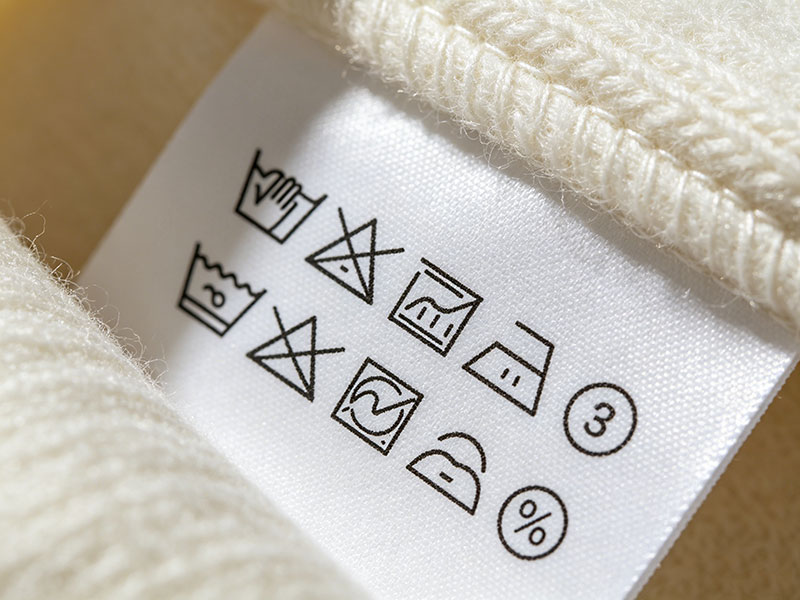
Easy care may include machine washing, hand washing, reduced ironing, faster drying, or lower maintenance during travel. Care claims must match fiber content, dye behavior, shrinkage, trim compatibility, print method, and garment construction. Care labels should be confirmed after material and garment review rather than copied from another style.

Opacity Control

Opacity changes according to color, lighting, stretch, fabric tension, perspiration, and movement. Light shades often need more coverage than dark shades made from the same fabric. Solutions can include fabric weight adjustment, lining, partial lining, double layers, print placement, or a revised silhouette. Coverage should be reviewed in standing, sitting, and walking positions.

Compact Packability

Packability relates to garment volume, fold behavior, trim thickness, crushing sensitivity, and wrinkle recovery.

Large buckles, rigid boning, heavy ruffles, thick waistbands, and structured cups can increase luggage volume even when the shell fabric is light.

Packing direction should protect the dress while keeping the retail presentation controlled.

Styling Versatility

Versatility comes from proportion, color, neckline, sleeve, length, fabric surface, and accessory compatibility.

A dress intended for sightseeing and dinner should avoid details that make one setting uncomfortable or visually inappropriate.

Convertible features should be tested for stability, ease of use, and appearance in every intended configuration.

Fabric Systems Engineered for Travel Dress Performance

Fabric selection controls drape, recovery, weight, opacity, comfort, care, packing behavior, cost, and visual position. Jinfeng Apparel assesses each fabric against the intended silhouette and travel environment before moving into sampling.

Stretch Jersey

Stretch jersey is frequently selected for long-haul, city, casual, and day-to-night travel dresses because it can provide movement, softness, and compact packing. Fabric quality varies widely, so composition alone does not predict garment performance. Development review includes:

  • Fabric weight and surface density
  • Two-way or four-way stretch
  • Stretch recovery after extension
  • Opacity under body tension
  • Pilling and surface abrasion risk
  • Shrinkage and spirality
  • Edge curling during sewing
  • Heat sensitivity during pressing

Thin jersey may need strategic lining or double layers around the bust and hip. Heavy jersey can improve coverage but increase warmth and garment weight. Pattern ease must be calculated according to measured stretch, intended compression, and brand fit. Sewing methods should protect elasticity without producing waviness or seam failure.

Ponte Knit

Ponte provides a denser, more structured hand than lightweight jersey and is well suited to business travel, city dresses, fitted midi silhouettes, and polished capsule collections. It can offer shape retention, coverage, and reduced wrinkling, although performance depends on composition and construction. Development review includes:
  • Weight and thickness
  • Stretch direction
  • Recovery at waist and seat
  • Heat response during pressing
  • Side seam stability
  • Surface pilling risk
  • Hem bulk
  • Seasonal comfort
Ponte patterns should avoid excessive negative ease, particularly when the dress is designed for sitting and extended wear. Seam allowance and hem construction must be selected to prevent ridges, bulk, or visible impressions. Structured knit does not eliminate the need for measurement control; garment relaxation before inspection remains important.

Crepe Wovens

Crepe fabrics can provide fluid drape, a refined surface, lower shine, and relatively controlled wrinkle appearance. They work well for midi dresses, wrap dresses, day-to-night styles, business travel dresses, and elevated casual products. Development review includes:

  • Fiber composition
  • Weight and drape
  • Surface texture
  • Bias behavior
  • Fraying
  • Shrinkage
  • Color consistency
  • Pressing response

Some crepes are soft and fluid, while others are dry, structured, or elastic. Pattern and construction must therefore be based on the selected quality rather than a generic fabric name. Lightweight crepe may require lining or controlled seam finishes. Stretch crepe also requires recovery testing around the waist, hip, and elbow areas.

Rayon and Viscose

Rayon and viscose can deliver softness, breathability, rich color, and graceful movement for vacation, resort, summer, and printed travel dresses. Their drape creates strong visual value, but shrinkage, wrinkling, wet behavior, and dimensional stability require disciplined review. Development review includes:

  • Fabric weight
  • Shrinkage before and after care
  • Wet strength considerations
  • Skew or bow
  • Colorfastness
  • Print quality
  • Bias growth
  • Surface snagging

Long dresses made from fluid rayon or viscose may need hanging observation before final hem leveling. Fabric relaxation before cutting can improve consistency. Care instructions must reflect the confirmed material and finishing. A fabric that performs well in one color may behave differently after another dye or print process.
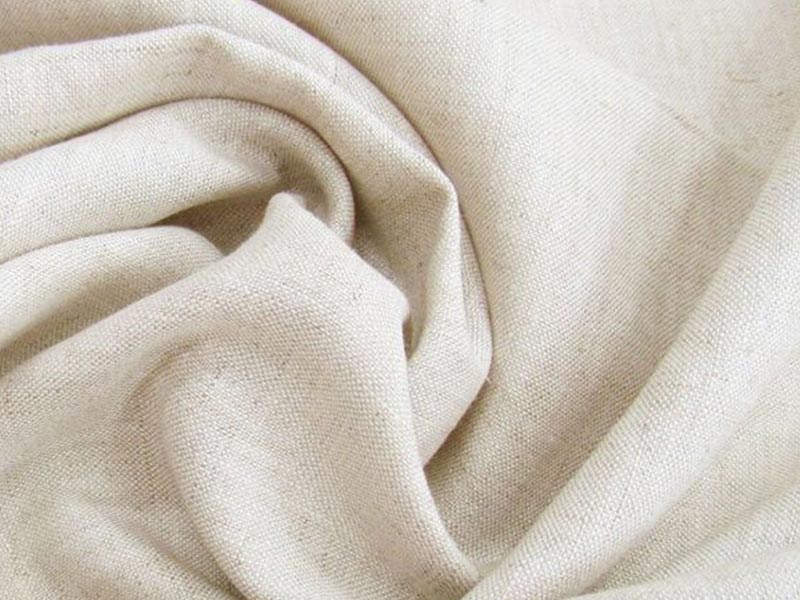
Linen Blends

Linen blends support warm-weather, resort, cruise, and relaxed city collections through breathable texture and a natural visual character. Pure linen develops visible creasing, so travel positioning should be carefully defined. Blending with viscose, cotton, polyester, or other fibers may alter wrinkle appearance, softness, stability, and care. Development review includes:
  • Linen percentage
  • Surface slubs
  • Crease expectations
  • Shrinkage
  • Color variation
  • Seam slippage
  • Opacity
  • Lining needs
Brands should decide whether natural wrinkling forms part of the intended look or whether a cleaner appearance is required. Loose silhouettes can accommodate crease behavior more successfully than tightly fitted styles. Packing presentation should not promise a crisp finish inconsistent with the fabric character.

Travel Dress Fabric Selection Matrix

Fabric DirectionSuitable Travel ProductsMain AdvantagesMain Manufacturing RisksRecommended Review
Stretch JerseyLong-haul dresses, fitted midi dresses, casual travel stylesStretch, softness, compact packing, movement comfortBagging, pilling, transparency, side-seam twisting, neckline stretchingStretch recovery, opacity, wash shrinkage, seam and hem trial
Ponte KnitBusiness travel dresses, city midi dresses, structured knit stylesCoverage, shape retention, polished surface, controlled drapeWeight, heat retention, bulky hems, seat stretchingWeight, recovery, garment relaxation, pressing response
Crepe WovenWrap dresses, midi dresses, day-to-night stylesRefined texture, fluid movement, lower shine, versatile stylingFraying, bias movement, shrinkage, seam visibilityDrape, shrinkage, seam method, lining and pressing
Rayon / ViscosePrinted vacation dresses, resort maxi dresses, summer stylesSoftness, breathability, color depth, fluid drapeShrinkage, wrinkling, wet behavior, hem growthCare test, hanging observation, print and color review
Linen BlendResort dresses, cruise dresses, warm-climate stylesBreathable texture, natural appearance, seasonal valueCreasing, shrinkage, slubs, seam slippage, opacityBlend ratio, wrinkle expectation, shrinkage and lining
Lightweight Polyester WovenPackable dresses, printed travel styles, easy-care productsLow weight, color clarity, controlled care, broad print optionsStatic, heat sensitivity, low breathability in dense qualitiesHand feel, airflow, pressing, print and care evaluation
ChiffonLayered maxi dresses, resort styles, dinner dressesMovement, low weight, feminine appearance, layeringTransparency, snagging, uneven hems, fabric slippageLining, hem trial, layer balance, packing protection
Soft Suiting / Stretch WovenBusiness travel dresses, shirt dresses, structured stylesClean shape, professional appearance, stable constructionExcess weight, limited airflow, seam impressionsStretch, weight, pressing, movement and sit testing

Silhouettes Balanced for Movement and Packability

Length and silhouette influence walking freedom, sitting comfort, garment volume, layering, coverage, footwear, and packing. Pattern decisions should reflect the intended travel situation rather than only the front-view sketch.

Mini Travel Dress

Mini travel dresses require enough sitting coverage and stable hem positioning. Development should check back length, front rise over the body, skirt movement, pocket weight, slit use, and underlayer requirements. A style that appears balanced while standing may become too short when seated or carrying luggage.

Midi Travel Dress

Midi length offers wide commercial use, yet the hem should avoid an awkward position on the calf. Side slit, wrap overlap, flare, and fabric weight affect walking. Measurement control should include center-front, center-back, side length, and slit height.

Maxi Travel Dress

Maxi dresses need controlled floor clearance, walking ease, and hem balance. Fabric growth, bias sections, lining tension, and footwear assumptions can change the finished result. Packing must also protect long hems from deep crushing and contamination.

A-Line Dress

A-line construction supports movement and broad fit acceptance. Flare distribution should remain even across front and back without adding unnecessary packing bulk. Pockets, lining, and panel seams must follow the shape without creating hip distortion.

Wrap Dress

Wrap silhouettes require secure overlap at the bust and skirt. Internal ties, outer belts, neckline shape, and grading affect coverage. Fit should be checked across the full size range rather than relying on adjustability to correct an unstable pattern.

Shirt Dress

Shirt dresses depend on placket control, button spacing, sleeve mobility, collar shape, and waist balance. For travel use, roll-up sleeves, belts, concealed pockets, or stretch may be added without weakening the clean tailored appearance.

Slip Travel Dress

Slip dresses offer low garment volume and easy layering. Strap stability, neckline coverage, bias growth, lining, static, and seam smoothness require close attention. Travel versions may need more secure coverage than evening-led slip styles.

Fitted Knit Dress

Fitted knit travel dresses can provide compact packing and movement comfort. Negative ease, recovery, opacity, seam elasticity, and body-line control must be coordinated. Excessive compression may become uncomfortable during long wear.

Design Details Made for Real Travel Use

Functional details should improve wear without making the garment appear technical or bulky. Jinfeng Apparel reviews how each detail affects fit, drape, production, care, packing, and brand presentation.

Secure Side Pockets

Side-seam pockets can hold a phone, room key, or travel card while preserving a clean exterior.

Pocket depth, bag material, opening reinforcement, seam angle, and weight distribution must suit the shell fabric. Heavy contents should not drag the skirt or distort the hip line.

Concealed Security Pockets

Concealed pockets may be placed inside waist seams, side panels, linings, or selected interior areas. Placement must remain accessible without causing discomfort, visible bulk, or fabric distortion. Opening method and capacity should be defined in the technical pack.

Adjustable Shoulder Straps

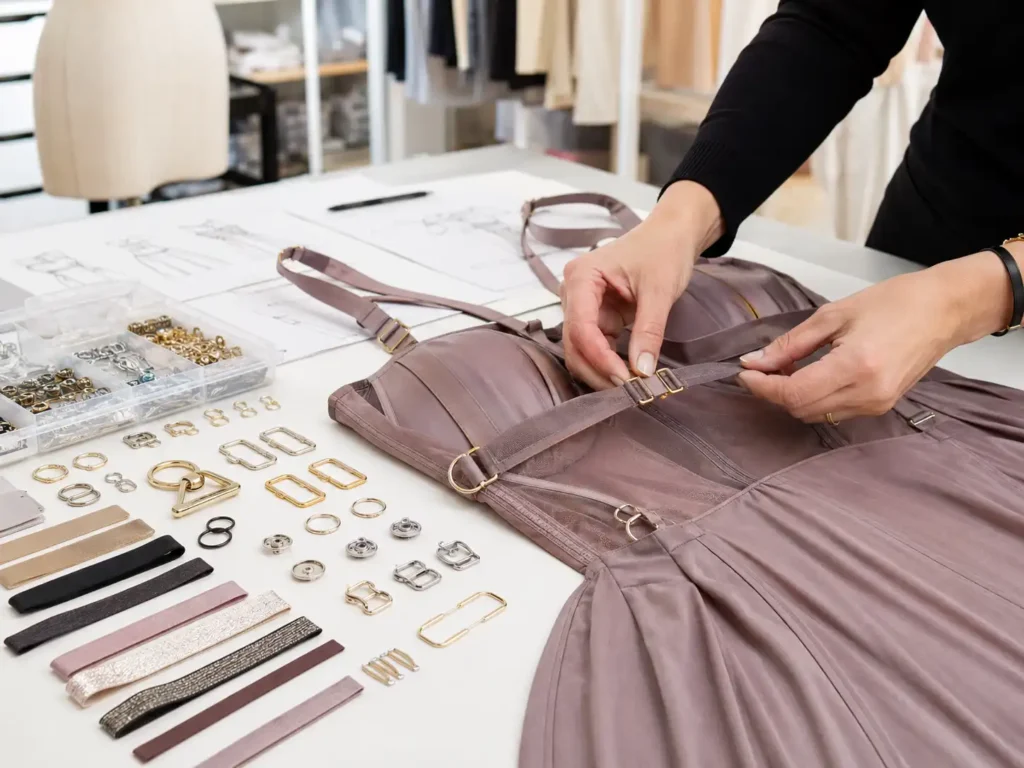
Adjustable straps improve fit flexibility and allow brands to manage torso-length variation. Slider size, strap width, stitching security, attachment position, and hardware finish must match the garment weight. Adjustment should remain stable during movement and washing.

Controlled Elastic Waist

Elastic can improve sitting comfort and fit adaptability, but poorly specified elastic may twist, roll, lose recovery, or create uneven gathers. Width, extension, recovery, casing size, stitch method, and waist measurement should be confirmed during sampling.

Removable Waist Belts

A removable belt can shift a dress from casual daytime styling to a more defined dinner look. Belt length, width, loops, end finishing, buckle weight, and packing position require specification. Spare-part and packing risks should also be considered.

Stable Side Slits

Side slits improve stride in midi and maxi dresses. Slit height must balance movement with coverage.

Reinforcement, seam allowance, lining opening, bartack position, and left-right consistency are important bulk quality points.

Convertible Sleeves

Roll-up tabs, adjustable cuffs, or removable styling details can extend seasonal and situational use.

Conversion features should work easily, remain visually clean in every position, and avoid heavy hardware that increases packing volume.

Lightweight Lining Systems

Lining can improve opacity, comfort, structure, and finishing, but a heavy or dense lining may reduce breathability and add bulk. Options include full lining, partial lining, bodice lining, skirt lining, double-layer construction, and selected coverage panels.

Pattern Development Beyond a Standing Fit Check

Travel wear must remain balanced during sitting, walking, reaching, bending, layering, and extended use. Jinfeng Apparel’s pattern team reviews body proportion, fabric behavior, movement, and target-market sizing before bulk grading.

Bust and Neckline

Bust fit affects coverage, comfort, arm movement, and visual proportion. Review points include upper bust, full bust, underbust, neckline depth, wrap overlap, front opening, strap position, and lining coverage. Stretch fabrics also require tension review around the neckline.

Waist and Hip

Long sitting periods can make a visually fitted waist uncomfortable. Pattern work considers finished waist, elastic extension, hip ease, seat movement, pocket placement, and fabric recovery. A travel fit may require different ease from an occasion-only dress.

Shoulder and Armhole

Carrying luggage, reaching overhead, wearing a cardigan, or sitting for long periods requires stable shoulder and armhole movement. Armhole depth, shoulder width, sleeve cap, strap angle, and neckline position are reviewed together.

Length and Slit

Dress length should be specified by target size and wearing context. Mini styles need seated coverage; midi styles need walking balance; maxi styles need floor clearance. Slit height, overlap, reinforcement, and lining openings should remain consistent after grading.

Size Range Development

Jinfeng can develop US, UK, EU, AU, alpha-size, extended-size, plus-size, petite, and tall specifications according to the brand’s own size standard.

Movement Verification

Fit review should include more than static photographs. Recommended observations cover sitting, walking, reaching, bending, climbing steps, using pockets, tying belts, opening closures, and wearing intended layers. Feedback is translated into pattern corrections and updated measurement records.

Tech Pack Information Required Before Sampling

Technical InformationWhy It Matters
Front and Back Flat SketchDefines silhouette, seam lines, pockets, closures, panels, slits, and visible details
Measurement ChartEstablishes base size, finished garment measurements, and required tolerances
Grade RulesControls how bust, waist, hip, length, neckline, strap, armhole, and slit change across sizes
Shell FabricDefines composition, weight, stretch, recovery, drape, opacity, color, and care direction
Lining SpecificationControls coverage, breathability, color matching, static, and garment weight
Pocket DimensionsDefines pocket opening, depth, placement, bag material, security, and expected load
Construction NotesConfirms seam type, seam allowance, stitch density, hem, reinforcement, and finishing
Trims and HardwareSpecifies zippers, buttons, elastic, sliders, snaps, hooks, belts, and decorative components
Color ReferencesRecords Pantone references, approved swatches, lining color, trim color, and thread color
Label PlacementIdentifies main label, size label, care label, country label, and attachment position
Packing MethodDefines folding, polybag, tissue, barcode, size sticker, carton ratio, and carton marks
Performance DirectionClarifies wrinkle, stretch, recovery, wash, shrinkage, opacity, or third-party test requirements

Prints Colors Linings and Trims Controlled Together

Travel dress development becomes more stable when shell fabric, print, color, lining, closures, labels, and packing are approved as one coordinated product system.

Custom Print Development

Print development may include digital printing, screen printing, reactive printing, sublimation, or another method suitable for the selected base fabric. Artwork scale, repeat, color, direction, placement, hand feel, shrinkage, and wash behavior must be reviewed before bulk cutting.

Seasonal Color Control

Color records may include color name, Pantone reference, lab dip, approved swatch, bulk fabric color, lining color, trim color, zipper color, thread color, and dye lot. New dye lots may show slight variation, so repeat orders require renewed material confirmation.

Lining Coordination

Lining selection affects opacity, breathability, movement, static, comfort, weight, and color appearance. A lining should not pull against a fluid shell, show below the hem, restrict stretch, or create excessive warmth during travel.

Zippers and Buttons

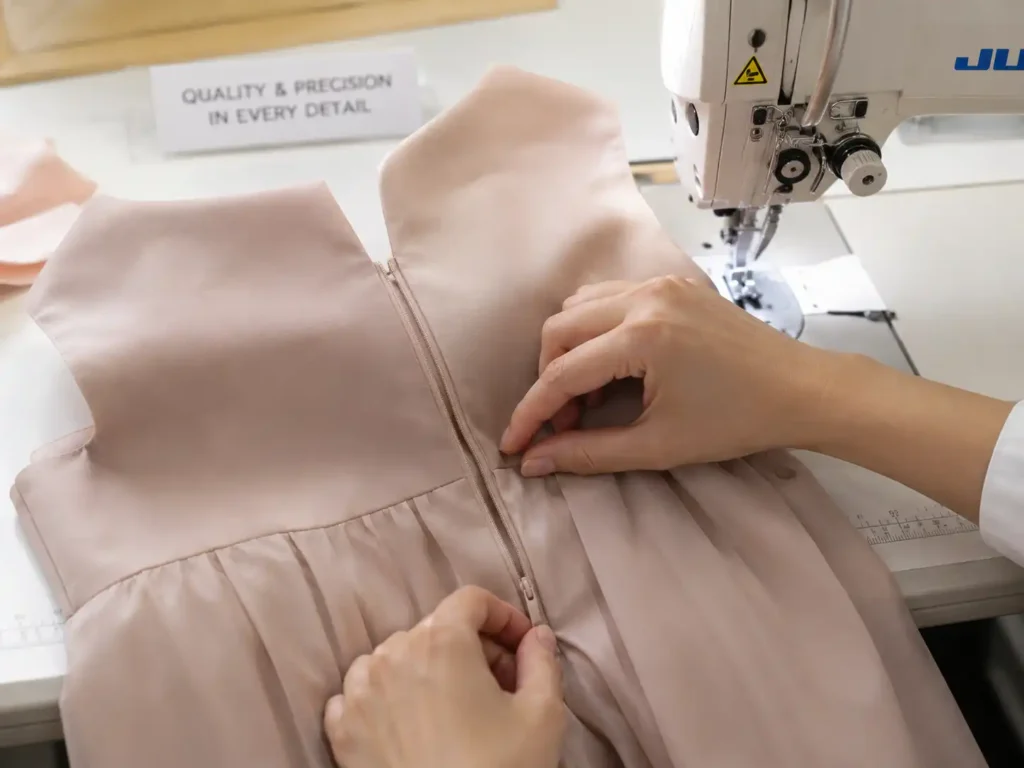
Closures should remain smooth, secure, flat, and appropriate for the fabric weight. Invisible zippers require controlled insertion to avoid rippling. Shirt dresses need consistent button spacing and reinforcement around high-stress positions.

Elastic and Hardware

Elastic, strap sliders, buckles, snaps, hooks, and belt components affect fit and use. Hardware weight, finish, corrosion resistance, edge smoothness, and attachment strength should be aligned with care instructions and wearing environment.

Labels and Care Details

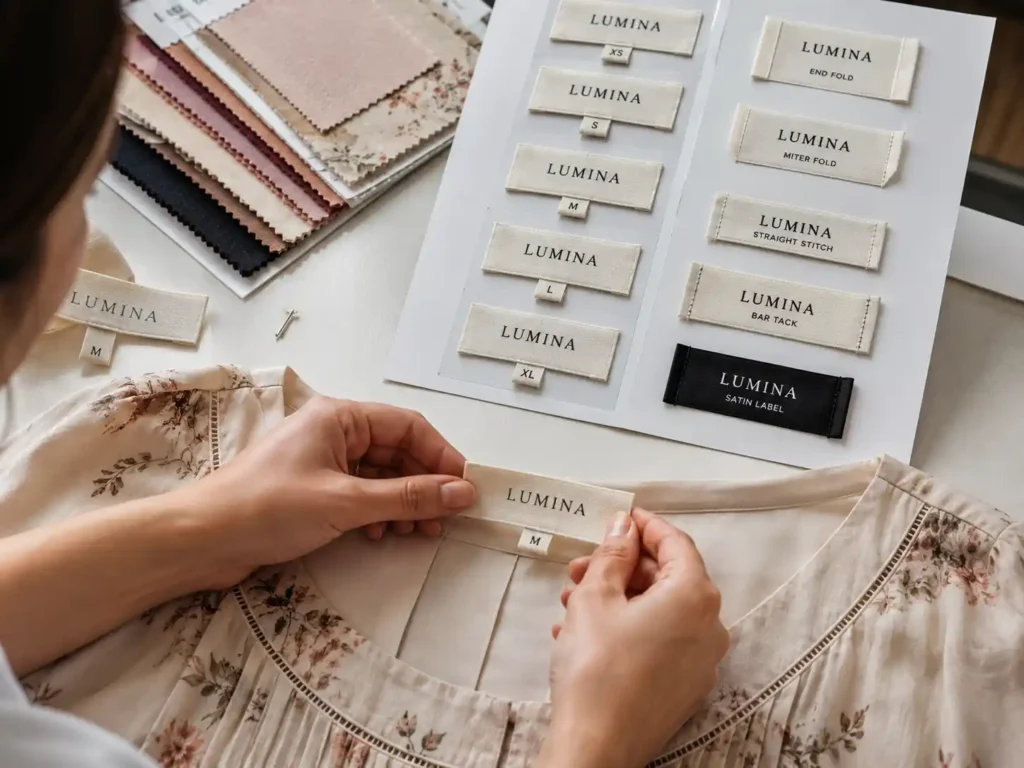
Main labels, size labels, care labels, fiber information, country information, and hangtags should match confirmed artwork and placement. Travel-related care language must remain consistent with actual material and garment performance.

Structured Travel Dress Sample Development Process

Sampling converts design files into a garment that can be fitted, measured, tested, revised, photographed, and approved for production. Timing is confirmed after style complexity, material readiness, trim development, and testing requirements are reviewed. Sample timing is not quoted as one fixed number for every style. A jersey T-shirt dress, printed lined maxi dress, structured shirt dress, and convertible travel dress require different material and development schedules. A confirmed plan is issued after file and material review.

Project Review

The team reviews sketches, reference garments, technical packs, target quantity, size range, fabric direction, color plan, functional details, labels, packing, and delivery window. Missing information is identified before pattern work begins.

Fabric Direction

Available fabrics, custom developments, swatches, colors, linings, and trims are assessed against the silhouette and performance brief. Wrinkle expectations, stretch, opacity, shrinkage, drape, and care direction are discussed before selection.

Pattern Development

The pattern team converts measurements and design details into a first production-oriented pattern. Bust, waist, hip, length, neckline, armhole, strap, pocket, slit, lining, and movement requirements are incorporated.

First Prototype

The first sample confirms visual direction, structure, fit, fabric behavior, and construction feasibility. It is not treated as a decorative mock-up; measurements, seams, closures, and finishing are reviewed internally before feedback.

Fit Review

Brand comments may be based on a live fitting, fit photographs, measurement results, annotated images, or video. Feedback is classified by fit, pattern, material, construction, trim, color, and finishing.

Sample Revision

Pattern makers and sample machinists evaluate how each requested change affects measurements, fabric consumption, grading, sewing, appearance, and bulk feasibility. Technical records are updated after the revision.

PP Sample

The pre-production sample confirms the approved pattern version, fabric, color, trims, construction, measurements, labels, hangtags, care information, packing, and critical QC points before bulk production.

Sealed Reference

An approved reference sample supports production, inspection, packing, and future repeat orders. Fabric, measurement, sewing, trim, label, and packing records remain connected to the physical standard.

Travel Performance Validation Before Bulk Production

Performance evaluation should match the intended selling claim and wearing environment. Jinfeng Apparel can organize internal garment reviews and coordinate third-party testing when required by the project. Any claim involving fast drying, wrinkle resistance, UV protection, cooling, moisture management, or another performance function should be based on the confirmed material specification and agreed test method.

Fold Recovery Review

The garment or selected material is folded under an agreed method and observed after opening. Review focuses on crease location, visual recovery, fabric memory, seam impressions, lining behavior, and whether normal steaming or hanging restores the intended appearance.

Shrinkage Review

Shrinkage can change bust, waist, hip, length, sleeve, lining, and pocket positioning. Material and garment care reviews should follow the intended wash or cleaning method. Any result must be interpreted alongside the brand’s tolerance and label instruction.

Stretch Recovery Review

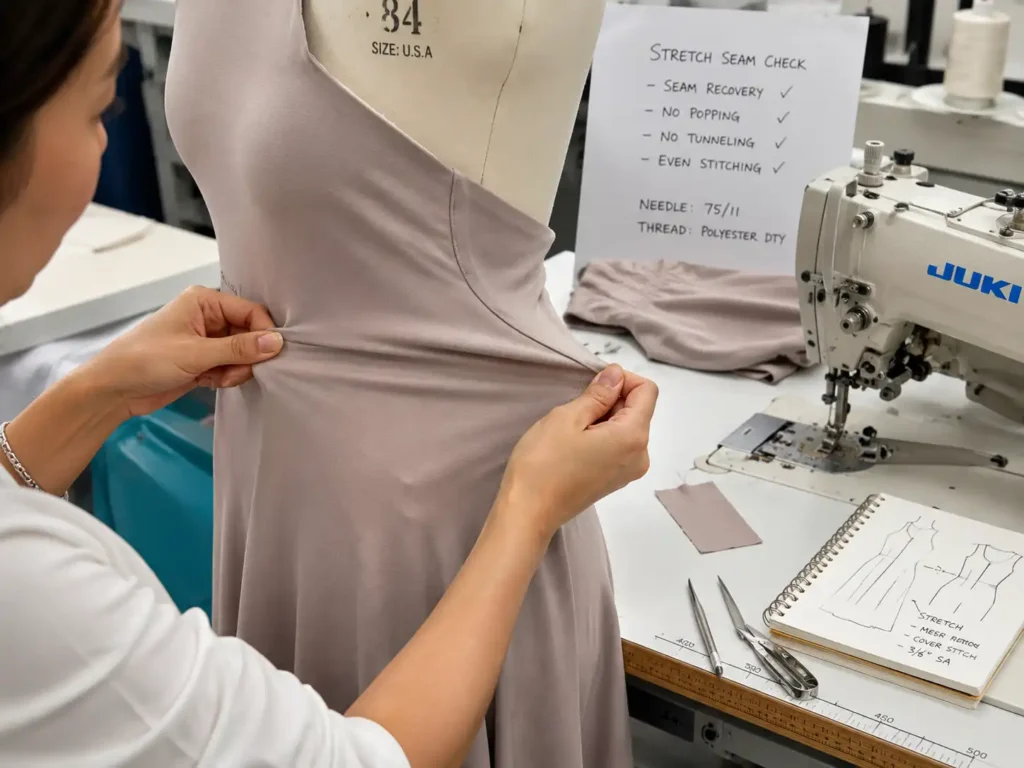
Stretch material is reviewed for extension and return around critical areas. Excessive permanent growth may affect seat, waist, neckline, elbows, side seams, and hem balance. Pattern ease and construction may be revised according to the result.

Opacity Review

Opacity is reviewed under relevant lighting and body tension, especially for light colors, fitted areas, and unlined sections. Shell, lining, underwear visibility, seam allowance, pocket bags, and stretch should be evaluated together.

Colorfastness Review

Color transfer and color change may be assessed according to material, dye method, print method, care claim, and market requirement. Dark colors, saturated prints, contrast linings, and light-colored accessories require particular attention.

Seam Strength Review

Pocket openings, waist joins, straps, slits, zippers, armholes, and high-movement seams may need reinforcement or revised construction. A visually clean seam must also remain stable during intended wear and care.

From Technical Files to Approved Bulk Production

A controlled workflow prevents design, material, measurement, sewing, label, and packing information from becoming separated as the project moves from development into manufacturing.

Files and Feasibility

Technical packs, style lists, measurement charts, BOM files, quantity plans, and target dates are reviewed. Construction risks, missing specifications, fabric availability, MOQ, and development requirements are identified before quotation is finalized.

Materials and Sampling

Shell fabric, lining, trims, colors, prints, labels, and packaging are sourced or developed. Pattern work and samples proceed according to approved information. Changes are recorded rather than passed through informal verbal instructions.

PP Approval

The PP sample, measurement chart, pattern version, fabric reference, trim card, label artwork, packing method, and quality checkpoints are confirmed. Bulk production should not begin before core standards are approved.

Material Inspection

Bulk fabric and trims are checked for relevant color, width, weight, stretch, shrinkage direction, defects, print orientation, transparency, and batch variation before cutting.

Cutting and Sewing

Cutting files, marker direction, size bundles, production instructions, seam methods, and critical construction points are prepared. In-line inspection addresses issues while garments remain in production rather than waiting until final inspection.

Finishing and Delivery

Finished garments are measured, visually inspected, pressed, labeled, folded, packed, and checked against SKU and carton requirements. Shipping documents and logistics coordination follow the confirmed delivery arrangement.

Workmanship Protecting Fit Appearance and Travel Performance
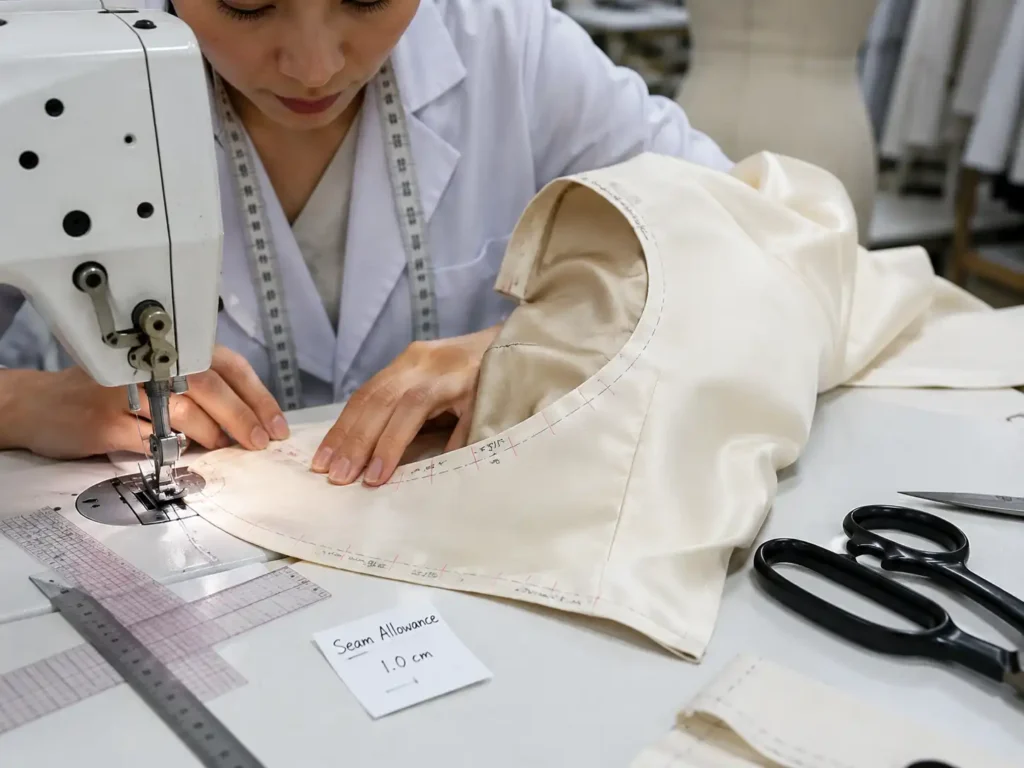
Travel-friendly fabric alone cannot compensate for unstable sewing. Seam method, reinforcement, pressing, lining, pockets, hems, closures, and finishing determine how the garment behaves during movement, packing, washing, and repeat wear.

Controlled Seam Allowance

Consistent seam allowance supports measurement accuracy, balanced panels, reliable grading, and repeat orders. Irregular allowance can alter bust, waist, hip, armhole, sleeve, or hem measurements and complicate repair during production. Production instructions record the required allowance for major seams. Cutting and sewing checks focus on areas where narrow allowances or slippery fabrics increase risk.

Stitch Density Control

Stitch density should suit fabric weight, stretch, fraying tendency, and seam load. Excessively dense stitching can damage lightweight fabrics, while insufficient density may weaken pocket openings, slits, zippers, or waist seams. Thread type and tension must also suit the material. Contrast between shell, lining, and stretch components may require different stitch settings.

Stretch Seam Methods

Knit and stretch woven dresses need seams that move without popping, tunneling, or becoming wavy. Seam type, needle, thread, feed control, and pressing temperature should be verified on the selected fabric. Garment measurements should be checked after sufficient relaxation because stretched fabric may temporarily distort immediately after sewing or pressing.

Pocket Reinforcement

Pocket openings receive repeated load from hands, phones, keys, and travel items. Reinforcement should remain strong without producing visible bulk or rigid marks. Pocket bag attachment, opening angle, bartack location, seam allowance, and edge finishing are confirmed during sampling and checked in production.

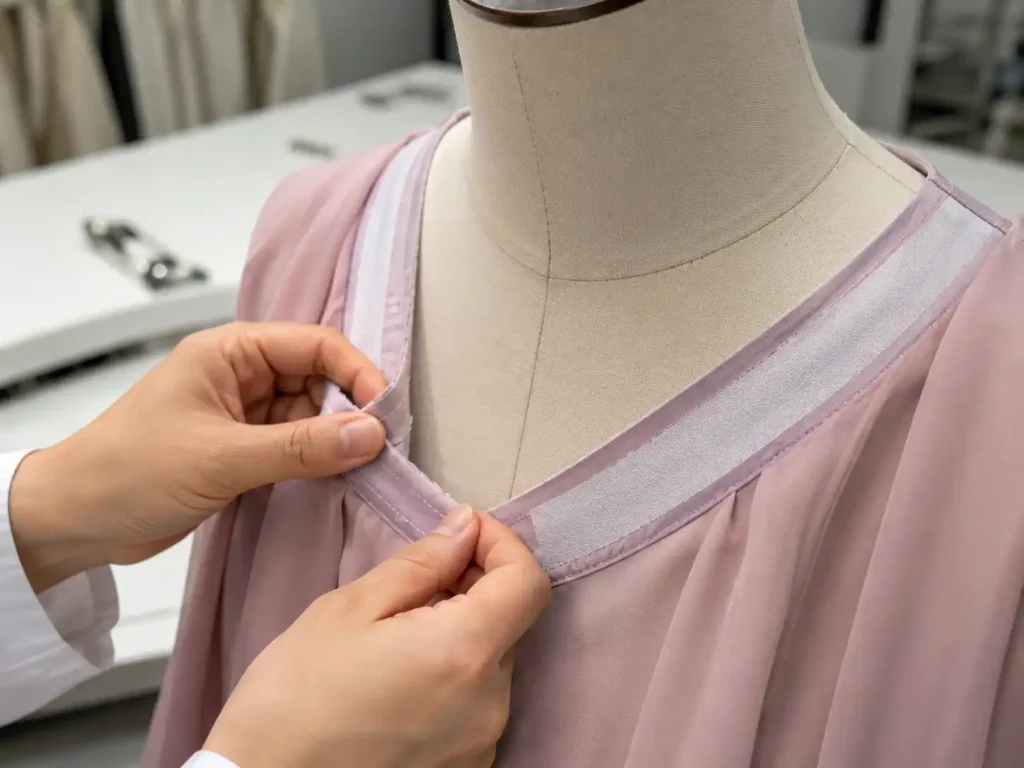
Neckline Stabilization

Necklines can stretch during sewing, wear, washing, or hanging. Stabilization may use selected tapes, facings, lining, elastic, binding, or controlled seam methods depending on the silhouette. The finish should preserve comfort and drape rather than making a soft travel dress look stiff.

Zipper Installation

Invisible or exposed zippers should lie flat, open smoothly, align across waist seams, and remain secure at the top and bottom.

Lightweight fabric may need support to prevent rippling, while stretch fabrics require controlled handling to avoid uneven tension.
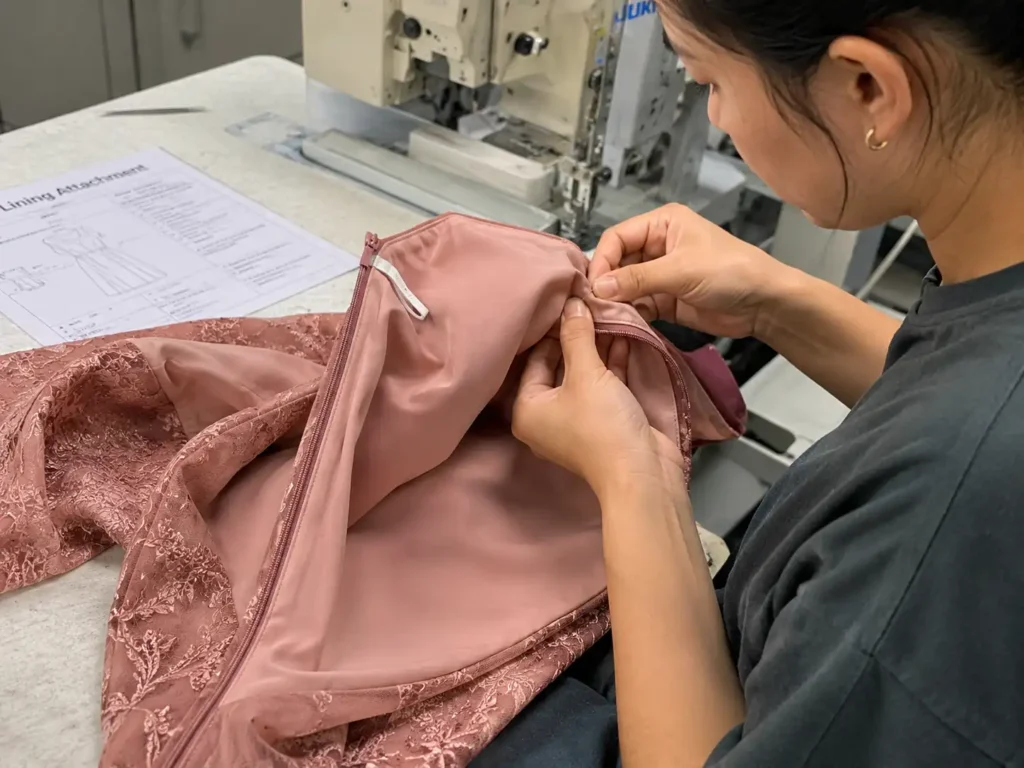
Lining Attachment

Lining should improve coverage and comfort without twisting, pulling, showing below the hem, or restricting movement.

Attachment points around armholes, necklines, zippers, waists, slits, and hems require careful balance. Stretch shell fabrics need compatible lining stretch or a construction allowing independent movement.
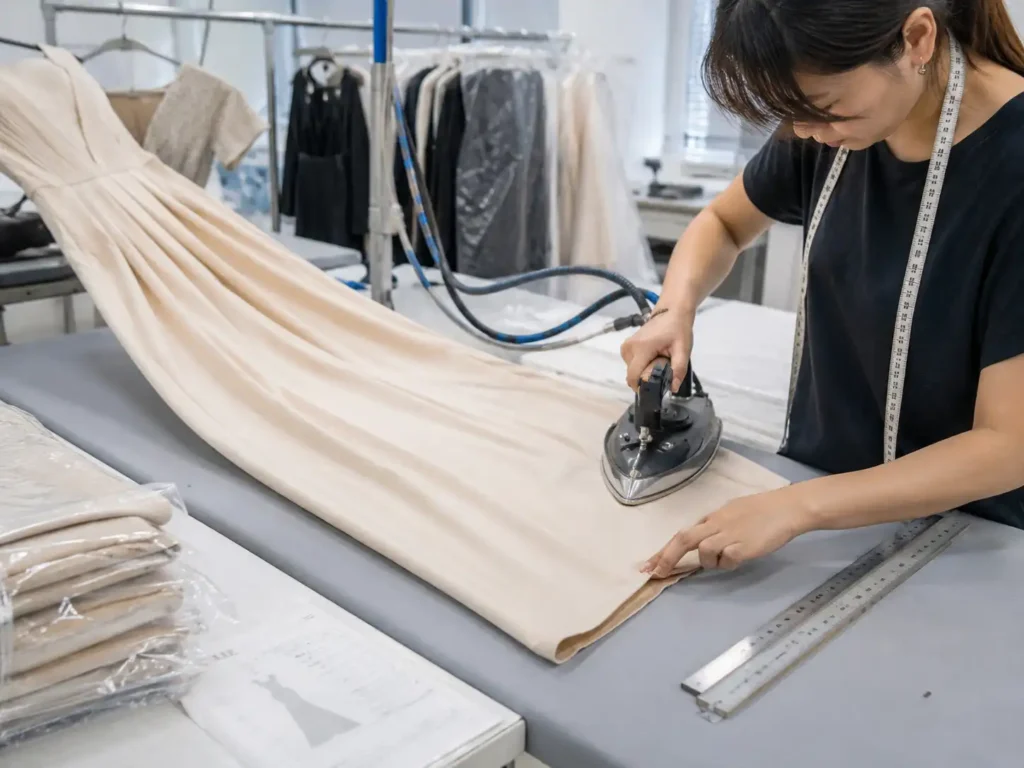
Hem and Pressing

Hem method affects weight, movement, appearance, and packing recovery. Narrow hems, blind hems, coverstitch hems, double-turn hems, or faced hems are selected according to fabric and silhouette. Pressing temperature, pressure, steam, and direction must protect the surface, stretch recovery, print, and final measurements. Long dresses may need hanging time before final leveling.

PP Sample Controls Sample-to-Bulk Consistency

Bulk consistency depends on a locked reference system, not memory. Jinfeng Apparel connects approved product details to pattern, material, production, inspection, and packing records.

Approved Product Standard

The PP sample confirms overall appearance, fit, measurements, construction, fabric, trims, color, labels, and finishing. Any remaining exception should be documented before production rather than left to individual interpretation.

Production Instruction File

The production file records sewing method, seam allowance, stitch density, thread color, zipper construction, neckline finish, armhole finish, hem method, slit, lining attachment, pocket details, pressing, packing fold, and key QC points.

Material Reference Control

Approved fabric, lining, zipper, button, elastic, hardware, labels, hangtags, and packaging are recorded. Bulk substitutions should not occur without review because small material changes may affect fit, care, appearance, or cost.

Golden Reference Use

A sealed reference garment can be used by production, merchandising, quality, finishing, and packing teams. The same reference also supports repeat orders and multi-batch production when materials and specifications remain available.

Quality Control Designed Around Travel Dress Risks

Quality control begins with materials and continues through cutting, sewing, measurements, finishing, packing, and shipment. Inspection points are adjusted for knit, woven, lined, printed, stretch, long-length, or pocketed travel dresses.

Incoming Material QC

Bulk fabric and trims are reviewed before cutting. Relevant checks may include color, dye lot, width, weight, hand feel, stretch, recovery, shrinkage, transparency, print direction, surface defects, lining match, zipper function, and trim consistency. Travel-related concerns include:

  • Wrinkle appearance
  • Stretch recovery
  • Opacity in light colors
  • Print and base-color consistency
  • Fabric growth
  • Lining breathability
  • Care compatibility

Cutting QC

Cutting checks confirm fabric face, grain, stretch direction, nap or shine direction, print orientation, pattern placement, size bundles, piece counts, and defect avoidance.

Lightweight fabrics may shift during cutting; printed fabrics may require directional markers; long dresses may amplify small length errors.

Accurate bundle control also prevents size mixing later in production.

Sewing QC

In-line inspection reviews critical construction while garments are still moving through production.

Travel dress checks may cover neckline stability, armhole shape, strap security, waist measurement, pocket position, zipper flatness, side seam direction, slit height, lining attachment, and hem preparation.

Early correction prevents the same issue from repeating across a large production quantity.

Measurement QC

Measurements are reviewed against the approved chart and tolerance. Core points may include bust, waist, hip, shoulder, armhole, sleeve, front length, back length, strap, neckline depth, slit height, lining length, and hem circumference. Stretch garments should be measured after appropriate relaxation. Long dresses require consistent positioning and a defined measuring method.

Final Garment QC

Final inspection covers workmanship, measurements, appearance, stains, holes, loose threads, seam quality, print placement, pocket function, closure function, label placement, pressing, symmetry, lining, and overall comparison with the approved reference. Inspection scope can be aligned with project requirements and client-nominated third-party inspection where applicable.

Packing and Shipment QC

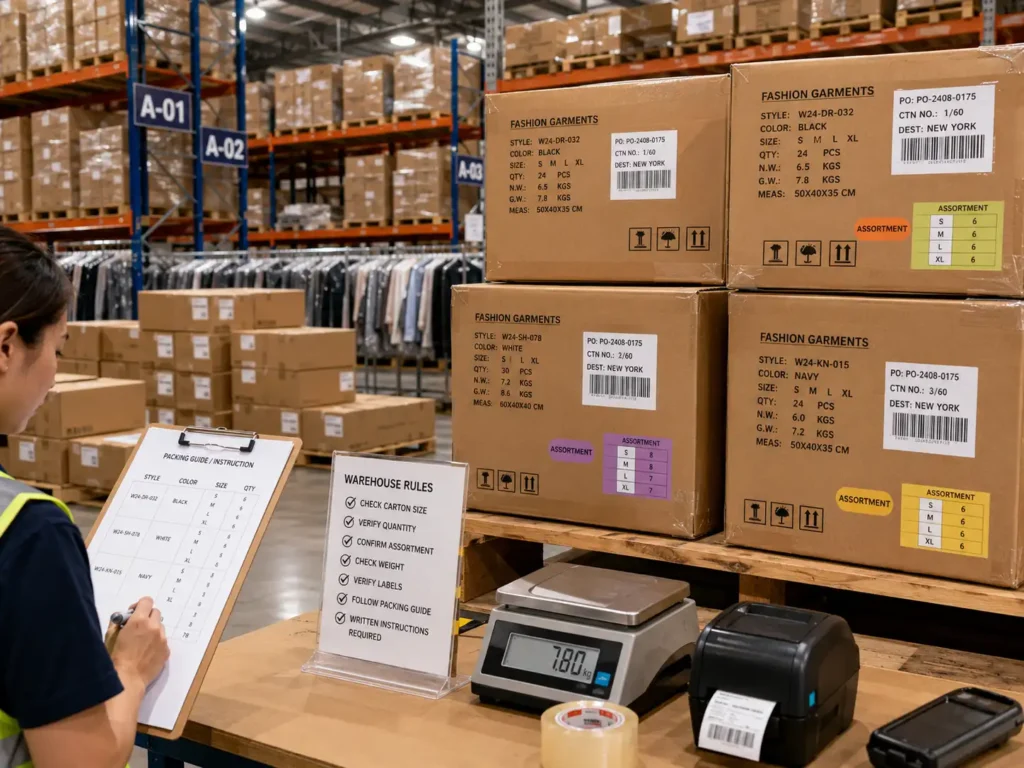
Packing checks verify style, color, size, label, care label, hangtag, barcode, folding, polybag, size sticker, SKU, packing ratio, carton quantity, carton mark, and warehouse requirement. Travel dresses may require fold planning around long hems, delicate prints, soft pleats, or wrinkle-sensitive areas. Packing should protect appearance without adding unnecessary material or volume.

Factory System for Multi-Style Travel Collections

Large travel dress programs may include 10–30 styles, several colors, multiple size ranges, different fabrics, and more than one delivery batch. Jinfeng Apparel organizes production through style allocation, technical records, merchandising control, and quality checkpoints.

Product-Based Allocation

Jersey dresses, ponte business styles, printed woven dresses, chiffon maxi dresses, and structured shirt dresses require different sewing experience and production control. Factory allocation reflects material and construction rather than assigning every style to one line.

Multi-Style Development

Two sample rooms, seven-plus pattern makers, and more than 20 sample machinists support parallel development across coordinated collections. Style lists and sample status records help separate first samples, revisions, photo samples, and PP samples.

Capacity Coordination

Six owned factories and more than 10 long-term satellite partners support scalable capacity. Normal monthly capacity exceeds 100,000 garments, subject to style complexity, material readiness, production schedule, and quality requirements.

Production Line Planning

More than 18 sewing lines and six-plus flexible production lines can be allocated according to style mix and order needs. Production planning considers line balance, sewing time, quality risk, quantity per style, and required delivery sequence.

Merchandising Control

More than 12 merchandisers and order follow-up specialists support material status, sample progress, revisions, production milestones, quality feedback, packing, and shipping coordination. Weekly progress reporting can be organized for multi-style and longer-running programs.

Repeat Order Records

Patterns, measurement charts, fabric records, color references, trim details, sewing instructions, packaging requirements, and order history can be retained for repeat production. New material lots and price conditions still require renewed confirmation.

Private Label Packing Ready for Brand Delivery
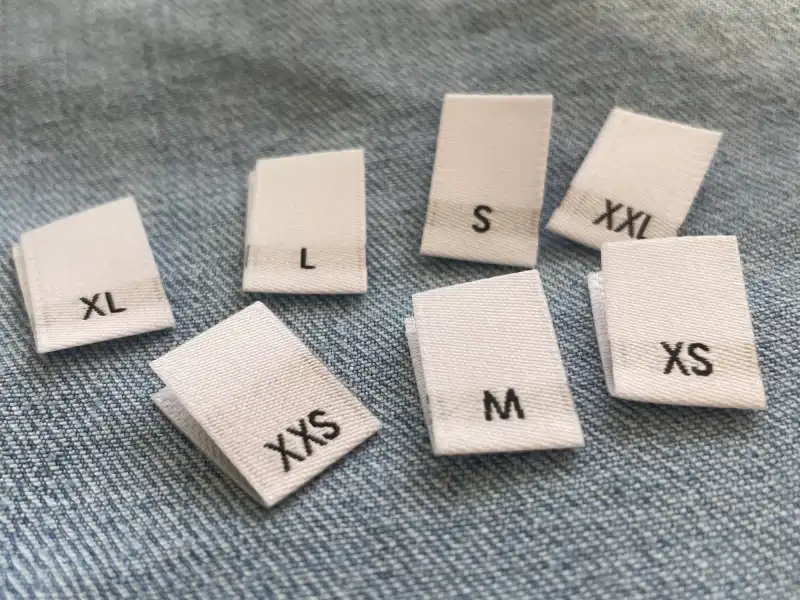
A finished travel dress should arrive as a controlled branded product, not only a sewn garment. Jinfeng Apparel supports private-label components, ecommerce packing, retail packing, SKU identification, cartons, and export documentation.

Brand and Size Labels

Woven or printed main labels and size labels are positioned according to approved artwork and sewing instructions. Label material, edge softness, attachment method, color, size sequence, and placement should suit the garment and brand standard.

Care and Fiber Labels

Care labels may include fiber content, washing instructions, drying instructions, ironing limits, country information, size, and other required details. Claims related to easy care, machine washing, or special performance must match confirmed materials and test evidence.

Hangtags and Strings

Hangtags may present product information, brand story, care guidance, price, QR code, or campaign details. Hole position, string type, pinning location, barcode area, print quality, and attachment security are approved before bulk packing.

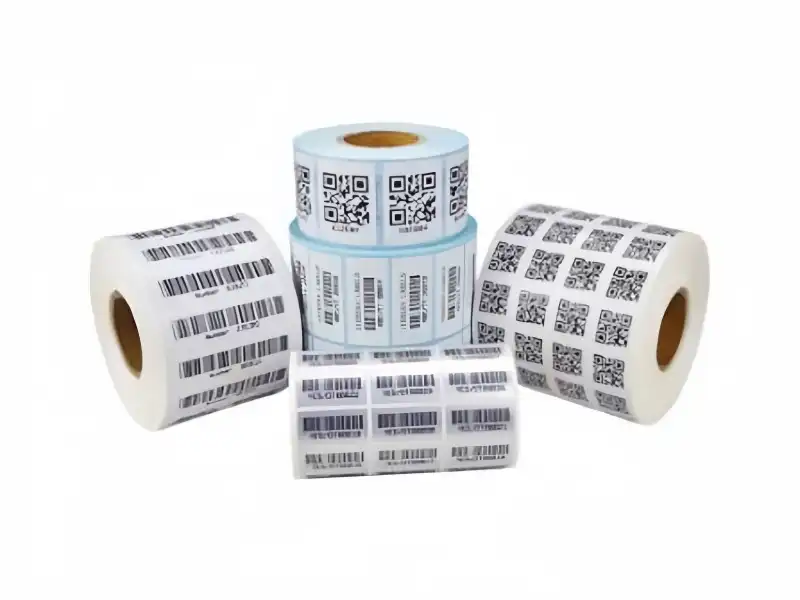
Barcode and SKU Control

Barcode stickers, size stickers, style numbers, color codes, and SKU labels support ecommerce and retail inventory. Files should identify where each code appears and how garments are packed by size, color, ratio, or sales channel.

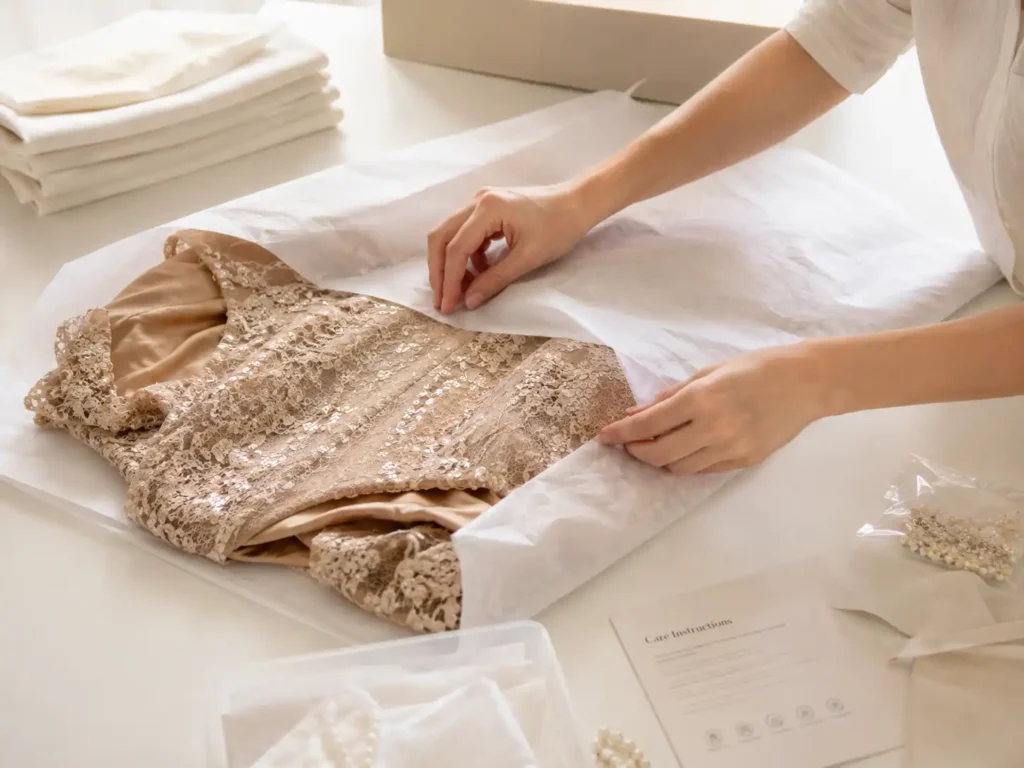
Protective Folding

Folding considers dress length, fabric sensitivity, print, pleats, lining, belts, hardware, and wrinkle-prone areas. Tissue or other protection can be assessed when required. Removable components should be secured to avoid loss or surface damage.

Cartons and Warehouse Marks

Carton size, quantity, weight, shipping marks, assortment, carton numbers, and warehouse labels are prepared according to confirmed requirements. A finishing and packing team of more than 30 workers supports garment presentation and packing execution.

Launch Planning from Design Freeze to Warehouse

Travel collections often depend on spring, summer, cruise, holiday, or destination selling windows. A reliable schedule begins with the required warehouse date and works backwards through shipment, packing, production, materials, PP approval, and sampling.

Design Freeze

Style selection, silhouette, major details, quantity plan, target market, size range, and intended performance should be defined before final development. Late structural changes can affect pattern, fabric consumption, quotation, and delivery.

Material Approval

Stock fabric, custom color, print development, lining, trims, labels, and packaging have different lead-time requirements. Custom printing, dyeing, or exclusive materials may extend the schedule and influence MOQ.

Sample Approval

The sample stage may include first sample, fit revision, color sample, photo sample, and PP sample. Timing depends on file completeness, fabric readiness, complexity, feedback speed, and required resampling.

Bulk Preparation

PP confirmation, bulk material inspection, production files, pattern release, size ratios, line allocation, and pre-production review should be completed before cutting.

Production and QC

Cutting, sewing, in-line inspection, finishing, measurement checks, final inspection, packing, and any third-party inspection are incorporated into the production plan. Multi-style orders may be scheduled in controlled groups.

Shipping and Receiving

Transport mode, consolidation, booking, export documentation, transit allowance, customs, warehouse appointment, and receiving requirements affect the final launch date. Delivery timing is therefore confirmed by project rather than promised as one universal number.

Representative Travel Dress Production Programs

The anonymous profiles below illustrate normal Jinfeng order structures involving 10–30 styles and total quantities between 20,000 and 80,000 garments. Final published case details should use approved project records and brand authorization.

US Ecommerce Collection

Region: United States
Brand Type: Premium ecommerce womenswear
Program Size: 18 styles
Total Quantity: 36,000 garments
Average Quantity: 2,000 garments per style across approved colors
Product Mix: Jersey midi dresses, wrap dresses, shirt dresses, and fitted travel styles
Size Direction: US sizing with extended sizes on selected styles

The program required a consistent travel identity across several silhouettes rather than one repeated pattern. Development priorities included comfortable waist ease, concealed side pockets, opacity in light colors, stable jersey necklines, and compact ecommerce packing.

Production planning separated stretch jersey from woven shirt-dress styles. Measurement charts, fabric references, pocket dimensions, sewing instructions, and label positions were controlled by style. Knit inspections focused on recovery, side-seam twisting, neckline shape, and relaxed measurements. Woven styles received additional checks for plackets, collars, belts, and pocket flatness.

The collection structure allowed each style to maintain its own fit and construction while using coordinated labels, hangtags, barcode rules, polybags, and carton marks.

Australian Resort Program

Region: Australia
Brand Type: Established resort and vacation label
Program Size: 24 styles
Total Quantity: 60,000 garments
Average Quantity: 2,500 garments per style across color and print plans
Product Mix: Printed maxi dresses, fluid midi dresses, wrap silhouettes, and lined resort dresses
Size Direction: AU sizing with selected petite length adjustments

Main development risks included print direction, transparency, long hems, fluid viscose behavior, lining color, shrinkage, and seasonal timing. Artwork scale and repeat were reviewed with the base fabric before cutting plans were finalized.

Maxi dresses received front-back length review, hanging observation, lining balance, and final hem leveling. Light colors used coordinated lining based on opacity review. Print records covered approved colors, direction, repeat, and placement requirements. Packing methods were adjusted to protect long hems and reduce strong compression around waist seams.

The 24-style structure required clear sample tracking, material status updates, and production allocation according to fabric and construction.

European City Travel Range

Region: Europe
Brand Type: Multi-channel women’s fashion brand
Program Size: 12 styles
Total Quantity: 24,000 garments
Average Quantity: 2,000 garments per style
Product Mix: Ponte dresses, crepe midi dresses, structured shirt dresses, and day-to-night travel styles
Size Direction: EU sizing with a defined extended range

The range required a polished city-travel appearance with stable coverage, restrained wrinkle appearance, sitting comfort, and retail-ready presentation. Development focused on waist and hip ease, arm movement under layering, pocket concealment, zipper flatness, and fabric weight.

Ponte styles were reviewed after garment relaxation to protect measurement accuracy. Crepe styles required controlled seam finishing, pressing, and lining decisions. Shirt dresses used approved collar, placket, button, sleeve-tab, and belt specifications.

Private-label requirements included main labels, care labels, hangtags, barcode stickers, size stickers, packing ratios, and warehouse carton marks. Production and packing records were retained to support later replenishment.

How Brands Should Qualify Travel Dress Manufacturers

Supplier selection should measure development depth, material understanding, fit control, bulk consistency, quality systems, packing capability, and project management—not only a quoted unit price.

Category Experience

Ask whether the manufacturer has real experience with midi, maxi, wrap, shirt, knit, printed, lined, and structured dresses. A general sewing factory may not understand long hems, opacity, stretch recovery, pocket distortion, or fashion-led fit.

Fabric Knowledge

A qualified team should explain differences among jersey, ponte, crepe, viscose, linen blends, lightweight woven fabrics, and chiffon. Fabric advice should cover drape, stretch, recovery, opacity, shrinkage, care, wrinkle expectations, and bulk risk.

Pattern Capability

Confirm whether patterns are developed and corrected in-house. Review how the team handles bust, waist, hip, length, neckline, armhole, strap, slit, pocket, lining, and grading for target-market sizes.

Sampling Structure

Ask which sample types are supported and how revisions are documented. A structured process should cover first samples, fit samples, revised samples, PP samples, measurements, photos, videos, and updated technical records.

Performance Review

Travel-related claims should have a clear evaluation basis. Confirm how wrinkle appearance, stretch recovery, shrinkage, opacity, care, seam strength, or third-party testing can be reviewed before bulk production.

Bulk Control

Ask how PP standards move into cutting, sewing, in-line inspection, final inspection, and packing. Production should use confirmed patterns, material references, instructions, tolerances, labels, and packing files.

Private Label Delivery

Confirm support for main labels, size labels, care labels, hangtags, barcodes, SKU labels, polybags, packing ratios, cartons, warehouse marks, and required shipment documents.

Design Protection

Tech packs, patterns, samples, trims, labels, packaging, unpublished designs, quantities, and launch plans should be protected through controlled access and NDA-based cooperation where required.

Download the Travel Dress Development Checklist

Use a structured checklist before fabric sourcing, sampling, or supplier qualification. Clear early decisions reduce avoidable revisions and create a more accurate quotation, timeline, and production plan.

Product Development Checklist

The downloadable development file should guide brand teams through:
  • Intended travel scenario
  • Target climate and season
  • Dress silhouette and length
  • Fabric composition and weight direction
  • Stretch and recovery expectations
  • Wrinkle and packing expectations
  • Opacity and lining
  • Pocket size and placement
  • Closures and adjustable details
  • Base size and size range
  • Grade rules and tolerance
  • Care instruction direction
  • Labels, hangtags, and packing
  • Required testing
  • Target quantity and delivery window
The document helps product teams identify missing information before submitting a style for sampling.

Supplier Qualification Checklist

The supplier review section should cover:

  • Factory and production structure
  • Sample rooms and pattern team
  • Fabric and trim sourcing
  • Fit correction process
  • PP sample control
  • Material inspection
  • Cutting and in-line QC
  • Measurement inspection
  • Final and packing inspection
  • Private-label capability
  • Project reporting
  • NDA and file protection
  • Repeat-order records
  • Export documentation

The checklist can be used during initial RFQ review, sample evaluation, factory meetings, and vendor approval.

Travel Dress Manufacturing Questions

A travel dress is developed to balance fashion, movement, care, packing, climate, and repeat wear. Depending on the product direction, it may offer controlled wrinkling, compact packing, stretch, breathability, easy care, secure pockets, adjustable details, or day-to-night versatility.

Jinfeng Apparel can develop travel midi dresses, maxi dresses, shirt dresses, wrap dresses, A-line dresses, jersey dresses, printed vacation dresses, structured city travel dresses, day-to-night dresses, and selected resort travel styles.

Jinfeng can source and evaluate fabrics with reduced-crease or better recovery characteristics. Final wording should reflect the confirmed fabric, garment construction, care method, and agreed test basis. “Wrinkle-free” should not be used without valid supporting evidence.

Quick-dry development can be evaluated when a confirmed fabric specification and test requirement are provided. Drying performance depends on fiber, fabric structure, weight, finishing, garment construction, and test method.

Yes. Options may include side-seam pockets, concealed interior pockets, waist-seam pockets, or selected zippered pockets. Pocket dimensions, opening, security, bag material, placement, and expected load should be defined during development.

Common directions include stretch jersey, ponte, crepe, rayon or viscose, linen blends, lightweight polyester woven fabrics, chiffon, and soft stretch suiting. Selection depends on climate, silhouette, care, price, opacity, movement, and wrinkle expectations.

Yes. Jinfeng can develop US, UK, EU, AU, alpha-size, extended-size, plus-size, petite, and tall specifications according to the brand’s approved measurements and grade rules.

Please provide the base size, full size range, points of measurement, grade rules, measurement tolerance, and key dimensions such as bust, waist, hip, length, strap, armhole, neckline depth, slit height, and lining length.

Sampling time is confirmed after technical files, materials, trims, construction, size range, and required sample type are reviewed. A standard jersey dress and a custom printed lined maxi dress require different schedules. Complete files and approved materials improve timeline control.

Supported sample types include first samples, fit samples, revised samples, photo-ready samples, salesman samples, pre-production samples, PP samples, and sealed reference samples. The required combination depends on the project.

Bulk production follows the approved PP sample, pattern version, measurement chart, fabric reference, trim details, sewing instructions, label placement, packing method, and defined QC checkpoints. Material, in-line, final, and packing inspections support consistency.

Yes. Print development may cover artwork scale, repeat, color, base fabric, direction, placement, shrinkage, hand feel, and bulk production method. Custom print MOQ and timing depend on the selected supplier and process.

MOQ starts from 200 pieces per style and color. Material development, exclusive colors, special trims, custom prints, packaging, and fragmented size-color ratios may require a higher quantity.

Yes. Jinfeng supports main labels, size labels, care labels, hangtags, barcode stickers, SKU labels, polybags, carton marks, warehouse labels, and retail- or ecommerce-ready packing.

Yes. Jinfeng supports NDA-based cooperation and protects technical packs, patterns, samples, fabric and trim details, private labels, packaging, unpublished designs, quantities, and launch information throughout development and production.

Send Your Travel Dress Project for Review

A useful project review begins with clear product and production information.

Send your technical pack, reference garment, sketches, or annotated images together with the planned quantity per style and color. Include the target size range, grade rules, fabric direction, preferred hand feel, color plan, lining, pockets, trims, labels, packing, performance requirements, delivery destination, and launch window.

Jinfeng Apparel will review product structure, material feasibility, pattern requirements, MOQ, sample development, bulk production, quality control, packing, and delivery coordination. Where information remains incomplete, the team will identify the decisions needed before accurate sampling or quotation can proceed.
Please prepare:

  • Technical pack or clear reference files
  • Style list and quantity plan
  • Color and size breakdown
  • Fabric and lining direction
  • Travel performance requirements
  • Label and packaging files
  • Required testing or inspection
  • Target warehouse date
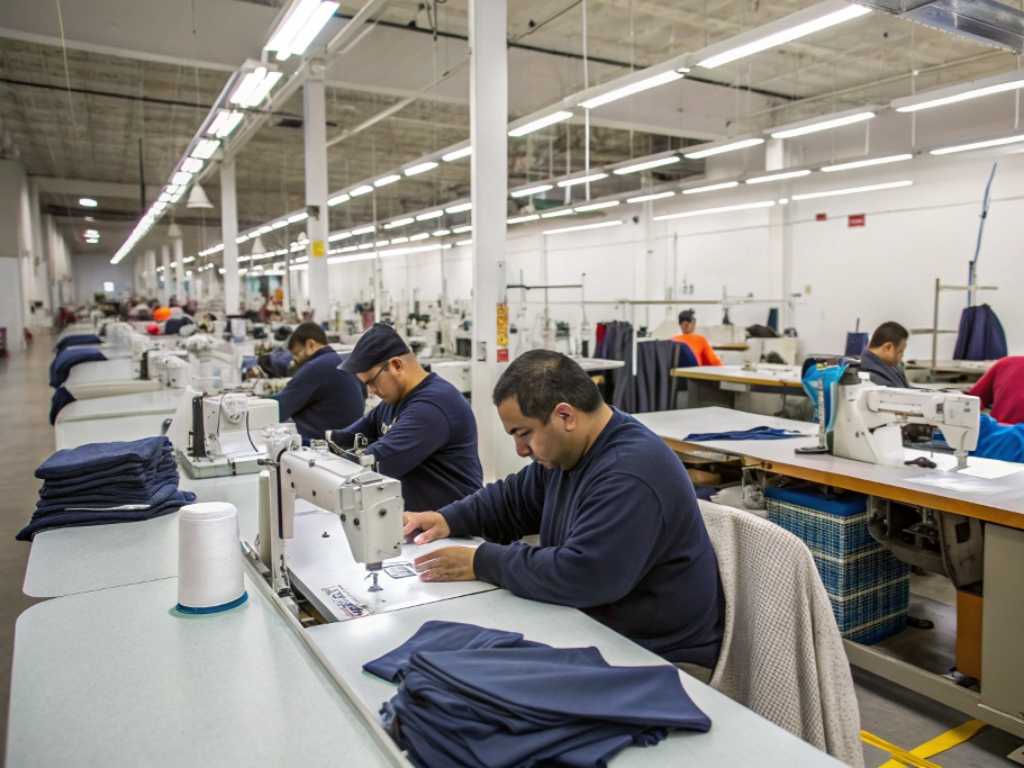
Factory workers sewing dark blue garments at sewing machines in a textile plant.

Submit Your Production Inquiry

Please share your product details, estimated quantity, target market, timeline, and development requirements. Our project team will review your inquiry and provide a tailored OEM/ODM production solution.

Women’s Apparel Production for Established Fashion Brands

From sample development to bulk production, JF Apparel supports fashion brands with confidential OEM/ODM manufacturing, stable quality control, and scalable production.