Skip to content

Tiered Dress Production
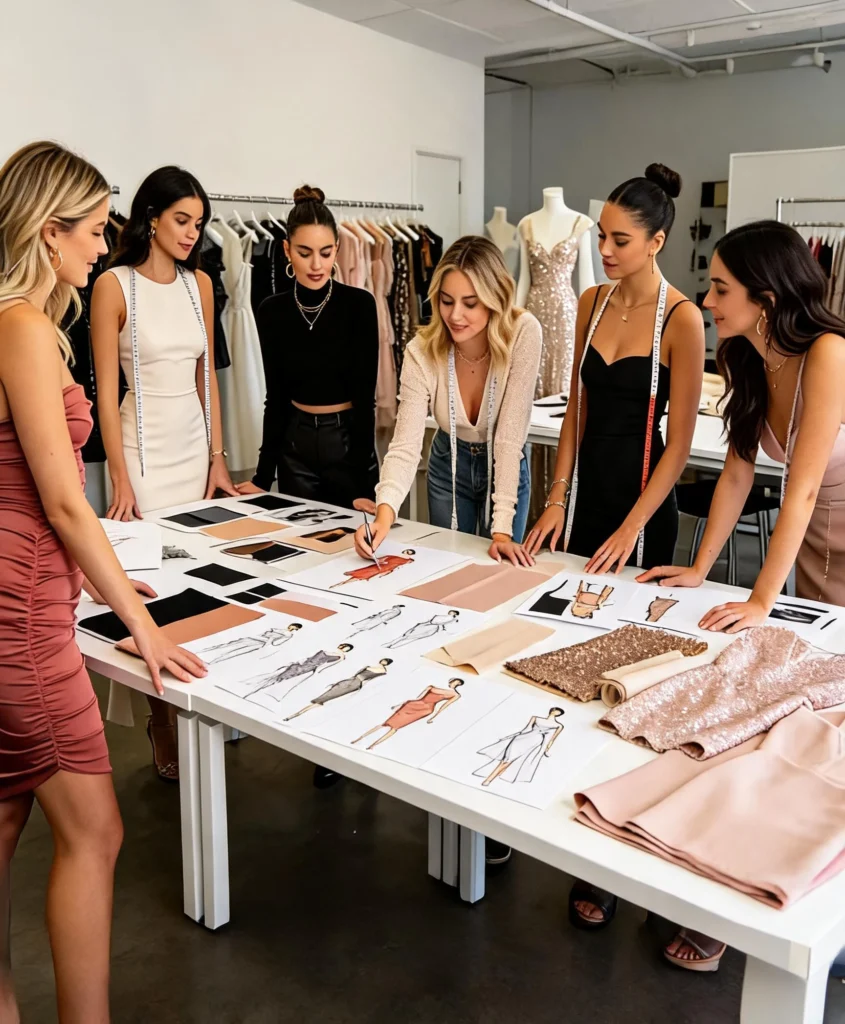
Production-ready tiered dresses built around controlled proportions, fabric behavior, consistent gathering, accurate patterns and repeatable bulk standards for fashion collections.
A tiered dress may look simple on a sketch, yet every added layer changes fabric consumption, weight, fullness, seam load, movement and production consistency. Jinfeng Apparel develops tiered dresses as engineered garments rather than treating each tier as another strip of fabric.
- 7+ senior pattern makers support proportion, length and structure development.
- 2 sample rooms and 20+ sample machinists support first, revised and pre-production samples.
- 18+ sewing lines support multi-style womenswear production.
- 100,000+ pcs regular monthly capacity supports established fashion programs.
- MOQ starts from 200 pcs per style/color, subject to fabric, trims and construction.
Production Capacity Behind Tiered Dress Programs
6 Owned Fashion Factories
10+ Production Partners
6+ Flexible Lines
15+ QC Inspectors
12+ Merchandisers
30+ Packing Staff
What Tiered Dress Production Actually Requires
Tiered dress manufacturing begins long before bulk sewing. A production-ready style needs clear tier geometry, suitable fabric, controlled fullness, accurate pattern dimensions, repeatable sewing instructions and measurable quality standards.
Turning Visual Fullness Into Production Specifications
A design reference may show three flowing tiers without explaining how wide each panel should be, where each seam sits or how much gathering creates the intended silhouette. Pattern development converts visual information into measurable production instructions.
For each tier, development work considers:
- Finished tier height and overall dress length.
- Upper and lower seam circumferences.
- Desired fullness and drape.
- Panel quantity and available fabric width.
- Grain direction and print direction.
- Seam allowance and joining method.
- Lining length and interaction with the outer shell.
- Hem sweep and finished bottom balance.
Fabric, Pattern and Fullness Must Work Together
Changing the fabric after a sample approval can change the visual result even when the pattern dimensions remain unchanged.
Weight affects hanging behavior. Stiffness affects volume. Transparency affects lining.
Stretch can influence waist and bodice stability.
Jinfeng reviews composition, weight, hand feel, stretch, recovery, drape, transparency, shine, shrinkage, wrinkle behavior, MOQ, cost and lead-time implications when evaluating fabric changes.
Pattern, lining and costing may need another review before production continues.
Production Standards Must Survive Repetition
A successful sample proves that one garment can work. Bulk production requires the same structure to work repeatedly across size groups, cutting bundles, sewing operators and production batches.
Key information therefore moves into final patterns, measurement files, fabric approvals, sewing instructions, QC checkpoints and packing requirements before bulk production begins.

Built for Established Fashion Production Programs
Jinfeng Apparel supports fashion companies that need structured development and repeatable manufacturing rather than simple ready-stock purchasing. Tiered dress projects can range from individual hero styles to coordinated seasonal drops containing multiple lengths, fabrics and commercial price positions.a
Fashion Brands
Product Development Teams
Sourcing and Merchandising Teams
Tiered Dress Styles We Can Develop

Tiered Mini Dresses

Tiered Midi Dresses
Midi lengths offer more room to distribute tier heights while still requiring careful visual balance between bodice and skirt.
The position of each horizontal seam changes the perceived body proportion. A first tier placed too high may shorten the torso visually, while an overly deep lower tier can shift too much visual weight toward the hem. Midi programs often work well for seasonal daywear, occasion collections and premium ecommerce assortments where movement and clean photographed proportions matter.

Tiered Maxi Dresses
Maxi tiered dresses require stronger control over total fabric weight, hem sweep and vertical balance.
A visually attractive sample can become heavy if lower-tier circumference is increased without considering fabric weight.Long skirts also create greater sensitivity to uneven cutting, stretched seams, pressing and packing folds. Pattern development therefore considers accumulated skirt weight, seam position, lining, fabric drape, hem level and movement before the garment is approved for bulk production.

Printed Tiered Dresses

Resort Tiered Dresses
Resort-focused designs often depend on lightness, movement, packability and an easy silhouette.
Rayon-type fabrics, lightweight woven qualities, printed fabrics and linen blends may all be considered according to the target look. Transparency, wrinkle behavior, inner coverage and packing recovery are important because resort dresses are frequently photographed, folded for travel and sold around seasonal launch windows.

Occasion Tiered Dresses
Engineering Tier Proportion Before Sampling
Tier structure determines how a dress hangs, moves and scales into bulk production. Jinfeng approaches tier development through measurable relationships between length, circumference, fullness and fabric characteristics rather than copying visual proportions without production calculations.
Tier Height Controls Overall Proportion
The vertical allocation of tiers should be decided together with finished dress length.
A three-tier mini, midi and maxi cannot simply use the same tier heights with a longer bottom panel. Designers may intentionally use balanced tiers, graduated depths or one dominant lower tier depending on the desired silhouette.
Development review considers:
- Bodice-to-skirt proportion.
- Waist or high-waist location.
- Finished dress length.
- Number of visible tiers.
- Seam placement on body.
- Lining length.
- Hem level and movement.
Fullness Is a Variable, Not a Fixed Formula
A basic production relationship can be expressed as:
Lower tier seam circumference = upper joining circumference × selected fullness coefficient
The coefficient should not be fixed across every product.
Soft, lightweight fabrics may accommodate greater fullness without appearing bulky.
Crisp fabrics can create much more volume from the same circumference increase. Heavy materials can produce unwanted weight when used across multiple highly gathered tiers.
Jinfeng uses sampling to review visual volume, garment weight, seam behavior and movement before locking the production pattern.
Panel Planning Affects Material Use
Fabric width can determine whether a tier is cut as one continuous section or assembled from several panels.
Production planning needs to consider:
- Available fabric width.
- Required finished circumference.
- Number of panels.
- Side-seam positioning.
- Grain direction.
- Print or stripe direction.
- Cutting layout.
- Fabric wastage.
Poor panel planning may increase cost without improving the garment. Efficient pattern allocation can reduce avoidable waste while preserving the approved silhouette.

Choosing Fabric for Tiered Dress Production
Fabric selection determines whether tier volume looks fluid, airy, crisp, structured or heavy. Jinfeng evaluates material behavior together with the proposed silhouette because a fabric substitution can affect pattern balance, lining, gathering and final cost.

Lightweight Woven Fabrics
Lightweight woven fabrics are commonly suited to tiered silhouettes where movement is important.
Key evaluation points include drape, opacity, wrinkle behavior and stability during gathering.
Very light qualities may require lining, while overly soft fabrics can lose the intended tier definition.

Cotton and Poplin Directions
Cotton and poplin can create clearer, more architectural tier shapes than highly fluid fabrics.
Their firmer hand makes fullness appear visually stronger. Excessive gathering can therefore create too much bulk at horizontal seams.
For structured casual or fashion-forward dresses, controlled volume often matters more than maximizing the amount of fabric in each layer.
Rayon and Viscose Directions
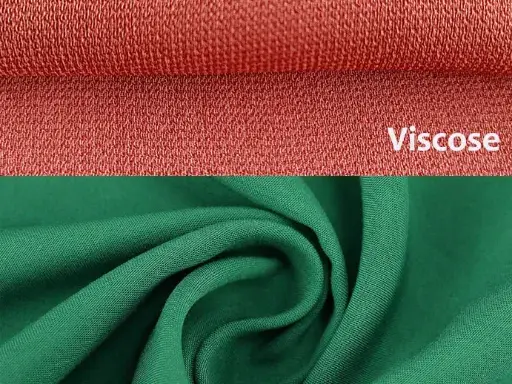
Rayon and viscose-type fabrics can produce soft movement and attractive hanging behavior for midi and maxi silhouettes.
Because fabric weight accumulates across larger lower tiers, sampling should verify whether the garment pulls downward excessively or changes the intended waist and bodice position.

Chiffon and Sheer Fabrics
Sheer tiered dresses require simultaneous planning of outer-shell transparency and inner coverage.
Lining may stop above the lowest tier, extend through the skirt or use another construction according to the desired effect. Seam appearance also becomes more visible through sheer materials, making internal workmanship more important.
Satin and Smooth Surfaces
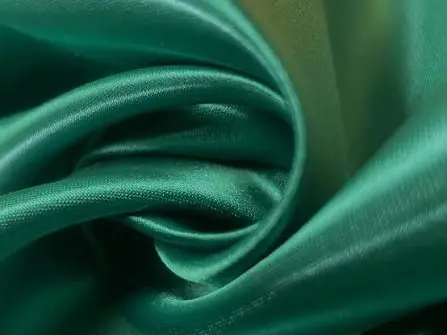
Satin adds shine and fluidity but can reveal seam distortion, gathering irregularity, pressing marks and color-direction differences more readily.
Shine direction should remain controlled during cutting, while packing needs to limit heavy creases that can interrupt the visual flow of long tiered panels.
Fabric Substitution Before Bulk
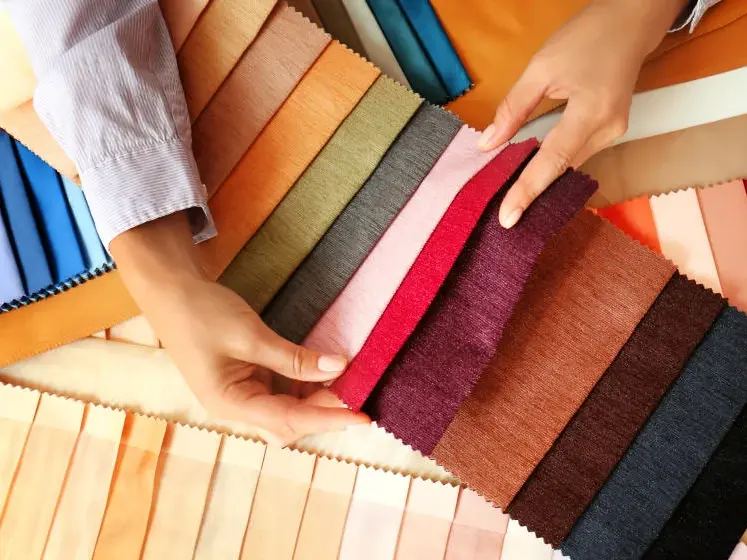
When an approved fabric becomes unavailable or a brand needs another cost level, a replacement should be compared by weight, hand feel, stretch, recovery, drape, transparency, shine, shrinkage, color, MOQ and lead time.
Any meaningful difference may require pattern or sample review before bulk commitment.
Pattern Development for Stable Tiered Silhouettes
Pattern work converts a fashion concept into repeatable cutting information. Tier dimensions must integrate correctly with the bodice, waist, skirt length, size grading and fabric behavior before a production standard can be established.
From Reference to Production Pattern
Jinfeng Apparel can enter development from a reference image, physical sample, sketch, line sheet or tech pack.
Pattern evaluation covers more than the outer skirt. A tiered dress may also involve:
- Bust and waist shaping.
- Neckline depth.
- Strap or sleeve positioning.
- Armhole coverage.
- Back opening.
- Waist seam.
- First-tier placement.
Tier Geometry Must Survive Size Grading
Grading a tiered dress requires more than increasing overall measurements.
The relationship between bodice width, waist circumference, tier joining circumference and finished length should remain visually coherent across the size range supplied by the brand.
Grading review therefore considers whether fullness should scale directly with body measurements or whether selected tier proportions need controlled rules to preserve the same visual identity.
Fit Feedback Becomes Pattern Changes
Fit comments should be translated into actual development records.
If a skirt appears too bulky at the hip, the solution may involve first-tier placement, circumference or fabric behavior rather than reducing the entire garment size.
If the maxi length feels heavy, the lower-tier geometry or fabric may need adjustment.
Pattern corrections are recorded before revised samples are produced, helping the approved garment move toward a measurable bulk standard.

Sampling Tiered Dresses Before Bulk Production
Sampling is where tier proportion, fabric behavior and workmanship meet on a real garment. A strong sampling process detects excessive volume, poor balance, incorrect length and construction risks before they become expensive bulk problems.
First Sample
A first sample tests whether the original idea can work as a garment.
For ordinary dresses, Jinfeng’s first-sample reference period is commonly around 10–15 days. More complex dress structures may require approximately 15–25 days, while special fabrics, custom trims or other development requirements can extend the schedule. Final timing is confirmed by project.
Tiered dress review may include:
- Overall silhouette.
- Tier height.
- Fullness distribution.
- Skirt weight.
- Finished length.
- Bodice-to-skirt proportion.
- Seam position.
Revised Sample
Revisions may be needed when the first garment is too full, too flat, too heavy, too transparent or proportionally different from the intended reference.
Jinfeng’s revised samples are commonly scheduled around 7–15 days, with complex revisions evaluated according to the change.
Significant changes to pattern, fabric or construction should not remain only in messages.
They need to be recorded in updated development files.
PP Sample
The PP sample represents the final pre-production confirmation when the relevant fabric, trims, fit, construction and packing requirements have been resolved.
Jinfeng’s PP samples are generally referenced around 7–15 days when final materials are available, subject to project complexity.
For tiered dresses, the approved PP standard should establish the visual and measurable references used for cutting, sewing and QC.

Moving From Sample Approval to Bulk
Lock the Approved Pattern
Bulk production should use the confirmed pattern version, not an earlier development file.
Relevant information may include:
- Final outer pattern.
- Lining pattern.
- Tier dimensions.
- Joining positions.
- Hem sweep.
- Zipper or closure placement.
- Final length.
Lock Fabric and Construction
Bulk-relevant fabric information includes composition, weight, width, color, hand feel, drape, transparency and approved supplier reference.
Construction instructions should clarify gathering method, seam construction,
lining attachment, zipper, hem finishing and other workmanship points.
Lock Production and QC Files
Important sample revisions are converted into updated pattern files, size charts, BOM information, fabric approvals, trim approvals, sewing instructions and QC checklists before final production approval.
A clear handoff helps prevent familiar failures such as:
- Wrong tier height entering bulk.
- Old patterns being used.
- Different fabric behavior changing fullness.
- Gathering density varying between production groups.
Workmanship Details That Shape the Final Dress

Even Gathering Distribution

Clean Tier Joining
Horizontal tier seams create visible structural lines. Joining quality needs to control seam allowance, puckering, twisting and fabric feed.
Lightweight fabrics require particular care because uneven tension can cause a seam to wave.

Stable Side Seams
When tiers are assembled from multiple panels, side-seam alignment becomes part of the silhouette.
Panel joins should remain balanced so one side does not carry more fullness than the other. Printed and directional fabrics may require additional alignment planning.

Controlled Lining

Balanced Hem

Pressing and Packing
Tiered Dress Quality Control Points
Tiered dress QC should follow the garment through materials, cutting, sewing, finished measurement and packing. Jinfeng’s broader quality process includes incoming material checks, cutting QC, sewing QC, in-line inspection, garment inspection, pressing review and packing QC.
| Production Stage | Tiered Dress Risk | Key Control Points |
|---|---|---|
| Incoming Fabric | Wrong weight, color, width or drape | Color, weight, width, hand feel, defects, shrinkage risk and bulk reference |
| Cutting | Incorrect tier dimensions or direction | Pattern version, tier length, panel count, grain, print direction and size bundle |
| Tier Preparation | Uneven panel dimensions | Panel matching, seam allowance, identification and bundle accuracy |
| Gathering | Flat and dense sections mixed together | Distribution, joining reference, visual fullness and approved sample comparison |
| Sewing | Wavy seams or twisted tiers | Stitch quality, seam allowance, symmetry, tier seam level and lining attachment |
| Measurement | Finished length or proportions outside standard | Dress length, waist, bodice measurements, tier position and key approved POM |
| Finishing | Pressing changes the silhouette | Hem balance, seam appearance, pressing marks, loose threads and garment shape |
| Packing | Tier structure heavily creased | Folding, polybag size, SKU label, packing ratio, carton mark and carton loading |
Planning Multi-Style Tiered Dress Collections
Large fashion programs rarely contain only one SKU. A collection may combine tiered minis, midis, maxis, prints, core colors and seasonal fabrics, creating a different production challenge from a single-style order.
Group Styles by Construction
Styles using similar bodice blocks, tier arrangements or workmanship can be grouped during development.
Shared structures make it easier to compare patterns and maintain a consistent collection language while still allowing different silhouettes.
Group Styles by Fabric
Fabric grouping can simplify sourcing and production planning.
Several styles may share one fabric quality while using different lengths, colors or prints.
Shared fabrics can also help control material approval and reduce unnecessary fragmentation.
Prioritize Hero Styles
Not every style carries equal commercial importance.
Hero SKUs, campaign products or launch-critical dresses can be prioritized through sample and PP stages before secondary styles.
Jinfeng operates 6 owned women’s fashion factories, 10+ long-term satellite partners, 18+ sewing lines and 6+ flexible production lines, supporting multi-style allocation according to product and project requirements.

Managing Development Around a Launch Calendar
Tiered dress production should be planned backward from the required receiving or launch date. Fabric development, sample revisions and PP approval often determine whether the bulk schedule remains achievable.
Development Milestones
An effective project calendar can include:
- Design or tech pack review → Fabric review → Pattern development → First sample → Revision → PP sample → Material preparation → Bulk production → QC → Packing → Shipment.
- Each stage should have a clear owner and approval status.
Bulk Timing Is Confirmed After PP Approval
- Jinfeng does not use one fixed bulk lead time for every dress.
- Production timing depends on style complexity, order quantity, fabric, trims, colors, size allocation, packing, QC and shipment requirements. A formal production schedule is confirmed after PP sample, materials and final quantities are established.
Delivery Planning
- Shipment options can include express courier for samples, air freight, sea freight, air-and-sea split shipment, client-appointed forwarders and other project-based arrangements.
- Time-sensitive launch programs may evaluate air freight for priority quantities while using sea freight for the main balance where commercially suitable.
What Drives Tiered Dress Production Cost
Tiered construction can use considerably different amounts of fabric depending on length, circumference and fullness. Cost therefore needs to be calculated from the actual approved structure rather than from a dress category alone.
| Cost Variable | Production Impact | Planning Direction |
|---|---|---|
| Number of Tiers | More joining, preparation and sewing operations | Confirm visual need before adding layers |
| Tier Circumference | Directly affects fabric consumption | Balance fullness against silhouette and target cost |
| Fabric Width | Changes panel layout and wastage | Review cutting efficiency before approval |
| Fabric Weight | Affects drape and accumulated garment weight | Avoid excessive lower-tier volume in heavy fabrics |
| Print Direction | May increase cutting restrictions | Confirm directional or placement requirements early |
| Lining | Adds material and construction | Define coverage and length during sampling |
| Gathering | Adds handling and sewing time | Lock approved visual standard before bulk |
| Color Quantity | Affects sourcing and production allocation | Build a realistic color plan per style |
| Size Range | Influences grading and material use | Supply size chart and planned size ratio |
| Packing | Affects finishing materials and handling | Confirm labels, polybags and carton requirements before quotation |
Private Label and Retail-Ready Packing

Garment Branding
Private-label requirements can include woven labels, size labels, care labels and other approved garment identification.
Label position should be checked during development rather than added as an afterthought at the end of production.

Ecommerce Preparation
Ecommerce programs may require:
- Barcode stickers.
- SKU labels.
- Size identification.
- Individual polybags.
- Folding instructions.
- Warehouse labels.
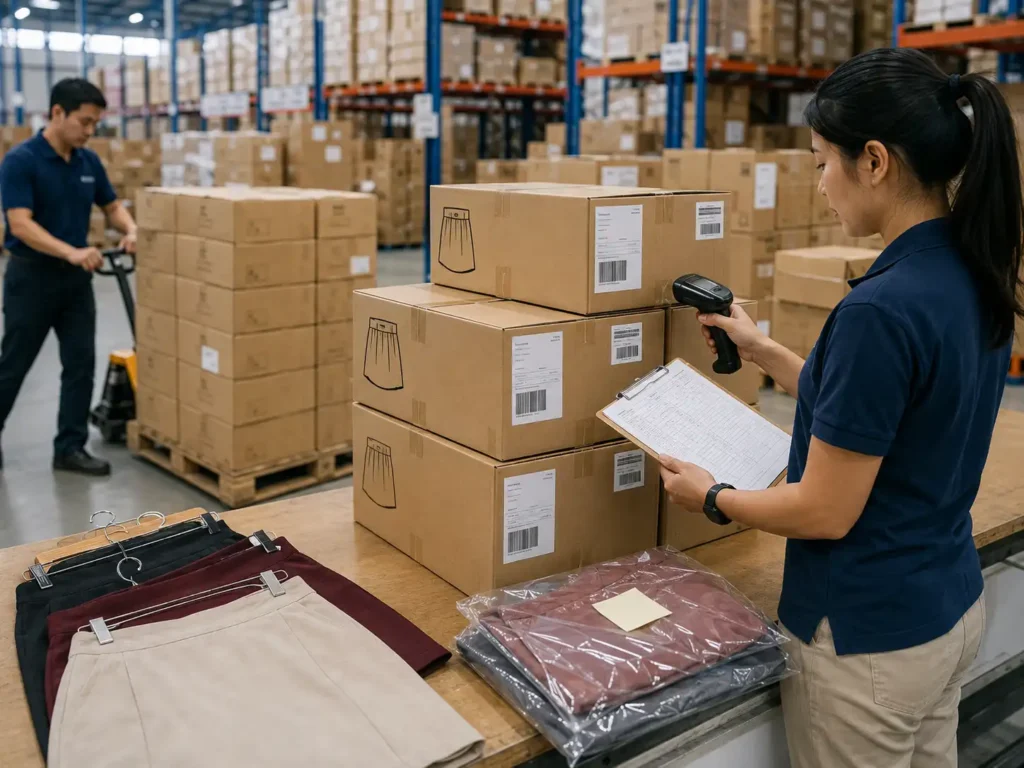
Retail and Warehouse Delivery
Bulk packing can also require:
- Hangtags.
- Carton marks.
- Style/color/size breakdown.
- Packing ratio.
- Gross and net weight.
- Carton dimensions.
- Commercial packing documents.
Maintaining Tiered Dress Quality on Repeat Orders
Pattern Records
Confirmed projects can retain first, revised, PP and bulk patterns together with grading, lining patterns and revision notes.
Reuse is evaluated rather than automatic. Changes in fabric, stretch, weight, lining or garment length may require the pattern to be reviewed again.
Fabric Records
Fabric records can include composition, weight, width, stretch, hand feel, drape, transparency, color, dye lot, MOQ, lead time and approval references.
If the original material is unavailable, replacement fabric is compared against the previous reference before the style moves forward.
Production Records
Repeat-order planning can also refer back to:
- Trim specifications.
- Measurement files.
- Sewing instructions.
- QC comments.
- Packing requirements.
- Previous production issues.
Representative Tiered Collection Production Case
A multi-style tiered dress program requires more than increasing production quantity. Style grouping, sample priorities, material approvals, production allocation and packing records all need to move together.
Program Brief
An anonymous seasonal fashion program can illustrate the operating model:
- 18 dress styles
- 36,000 pcs total order quantity
- Multiple mini, midi and maxi silhouettes
- Solid and printed fabric directions
- Several styles using tiered skirt construction
- Multi-size production
- Private-label packing
- Staged shipment planning
Development Challenge
Tiered styles within a broader collection may share a visual language without sharing identical engineering.
One maxi style can require fluid lower-tier movement, while a short poplin dress may need controlled crisp volume. A printed resort style introduces direction and cutting considerations. A lined occasion version adds another material layer.
Using one universal skirt ratio across all styles would make the collection easier to process but weaker in fit and product execution.
Development Approach
Styles are first grouped by silhouette, fabric and construction.
Tiered garments then move through:
- Fabric direction review.
- Pattern and tier proportion development.
- First-sample assessment.
- Fit and visual review.
- Revision records.
- PP confirmation.
- Bulk production allocation.
Bulk Control
Once approved, production-relevant changes are transferred into final pattern, size chart, BOM, fabric and trim approval, sewing instructions and QC records.
Bulk teams then work against approved references rather than interpreting the original inspiration image independently.
Packing and Delivery
Multi-style programs require clear style, color and size identification at packing stage.
Carton data, SKU breakdown, labels and shipment grouping are prepared according to the agreed delivery plan. Split delivery can be evaluated when launch priorities or receiving schedules differ across the collection.

Frequently Asked Questions About Tiered Dress Production

Start Your Tiered Dress Production Review
A strong tiered dress program begins with enough information to evaluate structure, material behavior, pattern requirements and production feasibility. Send Jinfeng Apparel your development files before sampling so the team can review the garment as a production project rather than quoting from an image alone.
For a more accurate initial review, please provide:
- Reference image, sketch, physical sample photos or tech pack.
- Planned quantity per style and color.
- Fabric preference or target hand feel.
- Target color list.
- Brand size chart and planned size range.
- Lining and construction requirements.
- Label, barcode and packaging requirements.
- Target launch or receiving schedule.
- Any existing sample problems that need correction.
Jinfeng can then review fabric direction, pattern complexity, sampling requirements, MOQ, production feasibility and the information needed for a formal quotation.