Textured Fabric Dress Manufacturer

Fabric-led dress development for global fashion brands seeking surface depth, controlled fit, stable bulk production and retail-ready private-label delivery.

  • 12+ textured fabric directions developed across jacquard, crinkle, pleats, lace, embroidery, sequins and raised appliqué.
  • MOQ starts from 200 pieces per style/color, subject to fabric, color, trim and construction requirements.
  • Multi-style programs commonly cover 10-30 styles and 20,000-80,000 pieces under one brand production plan.
  • 7+ senior pattern makers, 2 sample rooms and 20+ sample machinists support fabric-to-fit development before bulk release.

Manufacturing Capacity Built Around Complex Dress Development

Textured dresses need more than sewing capacity. Jinfeng Apparel combines fabric sourcing, pattern engineering, sample validation, production allocation and quality control across a structured womenswear manufacturing system.

Since 2008

Long-term womenswear development experience covers fashion dresses, partywear, occasionwear, resort dresses, bodycon styles, corset dresses, jumpsuits, matching sets and private-label collections. Fabric choice, fit balance, trim placement and bulk repeatability remain connected throughout each project.

Six Owned Factories

Six owned women’s fashion factories support different product structures, fabric groups and order rhythms. Woven dresses, stretch dresses, structured styles and decorated garments can be allocated according to silhouette, fabric behavior, construction difficulty and launch schedule.

Ten Plus Partners

More than ten long-term satellite production partners extend capacity for specialist fabric handling, decoration, sewing and finishing. Allocation follows approved standards rather than transferring a style without technical handover.

Two Sample Rooms

Two sample rooms support first samples, fit samples, revised samples, photo-ready samples, PP samples and golden samples. Textured materials are reviewed for direction, surface pressure, seam bulk, lining, stretch and pressing response before bulk production.

Seven Pattern Makers

More than seven senior womenswear pattern makers develop and correct bust, waist, hip, neckline, strap, armhole, slit, lining and hem balance. Texture thickness and elasticity are considered before grading begins.

Fifteen QC Inspectors

More than fifteen QC inspectors support incoming material review, cutting checks, inline inspection, measurement control, surface appearance review, final inspection and packing checks. Inspection points change according to each fabric and dress structure.

Developed for Established Fashion and Retail Programs

Jinfeng Apparel supports brands and sourcing teams with defined product direction, professional sampling needs, bulk production plans and repeat-order potential across premium custom womenswear programs.

Global Fashion Brands

Seasonal collections often contain several silhouettes, fabric groups, colors and size ratios. Development records, approved samples, measurement files, trim details and packing standards remain organized for repeat production and future extensions.

Occasionwear Labels

Occasion dresses require visual impact without sacrificing fit, comfort or movement. Jacquard, cloqué, lace, embroidery, sequins and 3D appliqué are managed around neckline support, lining coverage, seam thickness and protected packing.

Premium Ecommerce Brands

Online product presentation depends on close-up surface detail, accurate color, photo-ready samples, stable size specifications and packaging designed to arrive without crushed texture or loose decoration. Development is coordinated around photography and launch milestones.

Partywear Collections

Bodycon, corset, cut-out, mini and evening styles often combine stretch mesh, sequins, lace, boning, cups and anti-slip details. Each component is reviewed for comfort, placement and repeatable assembly.

Product Development Teams

Design references can begin as tech packs, line sheets, original samples, sketches, mood boards or close-up fabric images. Technical review identifies material direction, pattern risk, trim requirements and production feasibility before sampling.

Sourcing and Buying Teams

Clear MOQ boundaries, cost drivers, production allocation, quality checkpoints, packing instructions and shipping documents make supplier evaluation easier. Project information is organized for internal review and vendor management.

Confirming Project Fit Before Development Begins

A clear fit assessment protects design intent, development budget and launch timing. Jinfeng Apparel reviews the product direction and production plan before confirming fabric sourcing, sampling or quotation steps.

Strong Project Fit

Projects are well aligned when a brand can provide a tech pack, reference garment, sketch, fabric swatch or clear visual direction; accept professional sample development; meet 200 pieces per style/color; and plan bulk production after approval. Multi-style programs, repeat orders and private-label requirements are especially suitable.

Review Required First

Custom weaving, exclusive embroidery, unusual 3D surfaces, heavy hand beading, many color splits, very wide size ranges or compressed delivery windows require a feasibility review. Fabric mill minimums, decoration capacity, pattern revisions and shipping options must be considered before commitment.

Risks Hidden Behind a Beautiful Textured Surface

A strong visual concept can fail when texture direction, material stability, fit and production methods are not controlled together. Early risk review prevents surface damage, poor drape and expensive bulk correction.

Wrong Fabric Weight

A raised or puckered surface can look suitable in a close-up image while feeling too heavy, stiff or bulky on the body. Weight affects drape, waist definition, gathered volume, hem movement and shipping cost.

Directional Cutting Errors

Jacquard motifs, nap, ribs, crinkle channels, embroidery and 3D flowers may have a clear direction. Mixed orientation creates visible shade changes, uneven reflection and asymmetry between left and right panels.

Flattened Texture

High pressure during sewing, fusing or pressing can reduce cloqué lift, crush pleats, mark velvet-like surfaces or deform appliqué. Pressing temperature, pressure, protective layers and sequence need fabric-specific control.

Thick Seam Buildup

Raised yarns, sequins, beads, embroidery and layered lace can create bulky side seams, uneven necklines and raised zipper areas. Decoration may need removal from seam allowances before sewing.

Bulk Batch Variation

Texture depth, color, shine, repeat size and hand feel may shift between development yardage and bulk fabric. Approved swatches and incoming comparison standards reduce unexpected change.

Poor Wearing Comfort

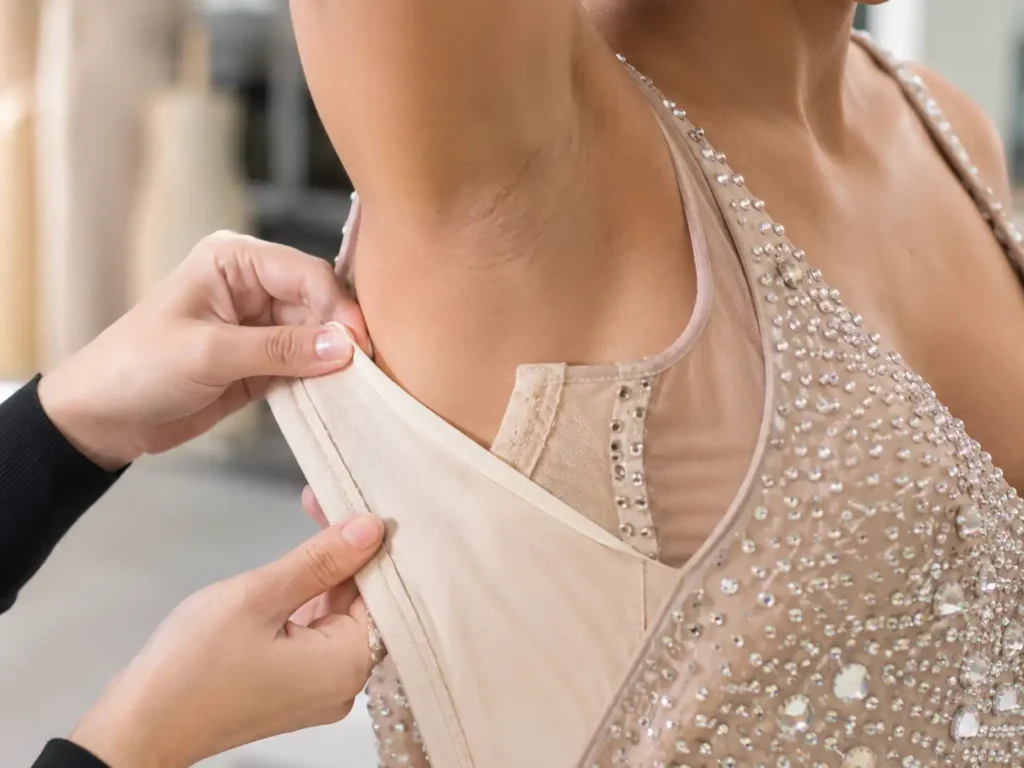
A textured face can scratch skin, catch hair or restrict movement. Lining, seam binding, decoration backing, stretch allowance and placement around underarms, waist and thighs require early testing.

What a Textured Fabric Dress Manufacturer Must Control

A textured fabric dress manufacturer develops garments from materials with visible or tactile surface structure, including jacquard, crinkle, cloqué, pleats, smocking, embroidery, lace, sequins and raised appliqué. Manufacturing responsibility covers material selection, texture direction, pattern engineering, cutting, sewing, pressing, quality inspection and bulk consistency rather than garment assembly alone.

Texture Created in Weaving

Jacquard, dobby, seersucker and cloqué gain surface depth during weaving. Motif scale, yarn contrast, raised areas, repeat length and fabric direction influence marker planning and panel placement. A large repeat can increase consumption because pattern pieces need alignment. Raised structures may also respond differently to fusing and pressing. Development begins by comparing the intended silhouette with weight, width, drape and repeat size. Structured midi dresses can use heavier jacquard, while soft maxi dresses normally need lighter constructions. Cutting instructions identify face direction, repeat position and symmetry before bulk fabric is spread.

Texture Created by Finishing

Crinkle, heat-set pleats, embossing and puckered finishes are added after base fabric production. Surface recovery may change after steam, washing or prolonged compression. Sample preparation includes handling and pressing checks so the final process does not remove the effect. Pleat depth and crinkle recovery also affect garment measurement; measuring a relaxed fabric differs from pulling the surface flat. Packing methods must avoid excessive compression, especially for permanent pleats, sculpted surfaces and raised floral treatments.

Texture Created by Construction

Smocking, ruching, shirring, pintucks, gathers and layered panels create texture through garment construction. Such effects consume more fabric and can alter fit when tension varies. Elastic ratio, stitch density, gathering distribution and panel length need measurable standards. A smocked bodice requires controlled stretch at the bust and underbust, while a ruched skirt requires even fullness and consistent side-seam length. Approved samples and construction records guide bulk operators and QC teams.

Texture Created by Decoration

Embroidery, sequins, beads, rhinestones, chenille, lace appliqué and 3D flowers add surface depth after or before garment assembly. Placement maps, attachment method, seam clearance, backing, skin contact and packing protection all influence quality. Heavy decoration can pull light mesh out of shape, while rigid appliqué can restrict movement across the bust or hip. Decoration is assessed as part of garment engineering, not as an isolated visual element.

Textured Fabric Families for Custom Dress Collections
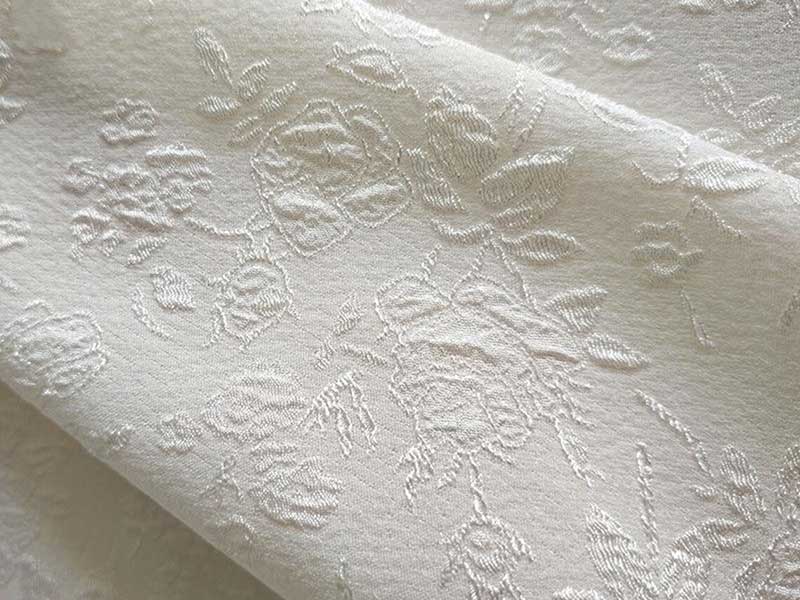
Surface character should support silhouette, wearing occasion and price architecture. Each family below needs a different pattern, sewing, pressing and QC approach.

Jacquard

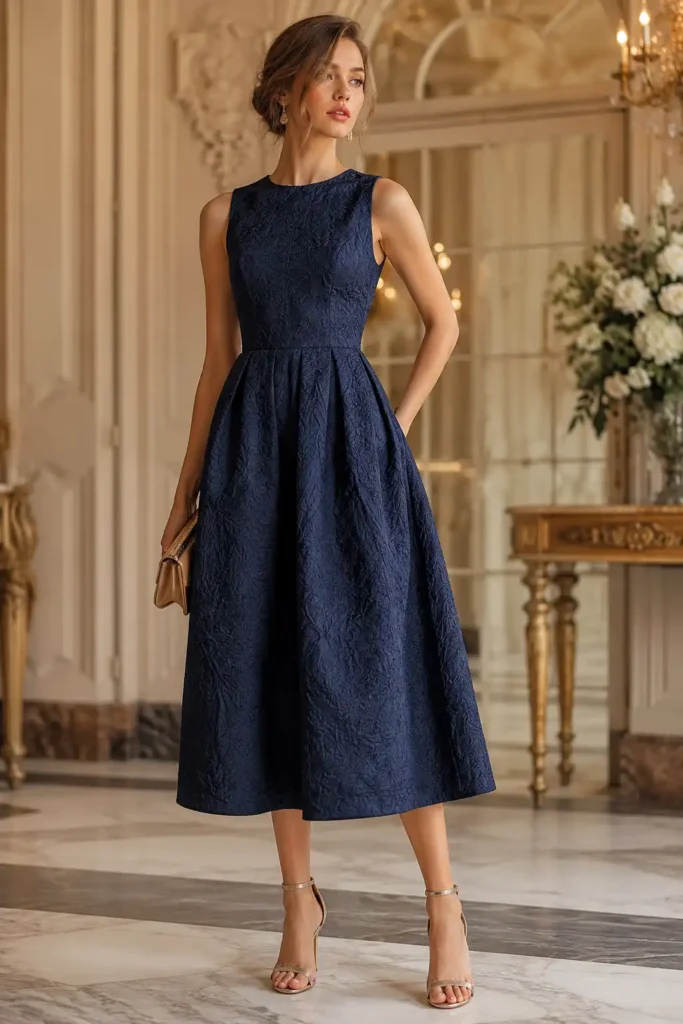
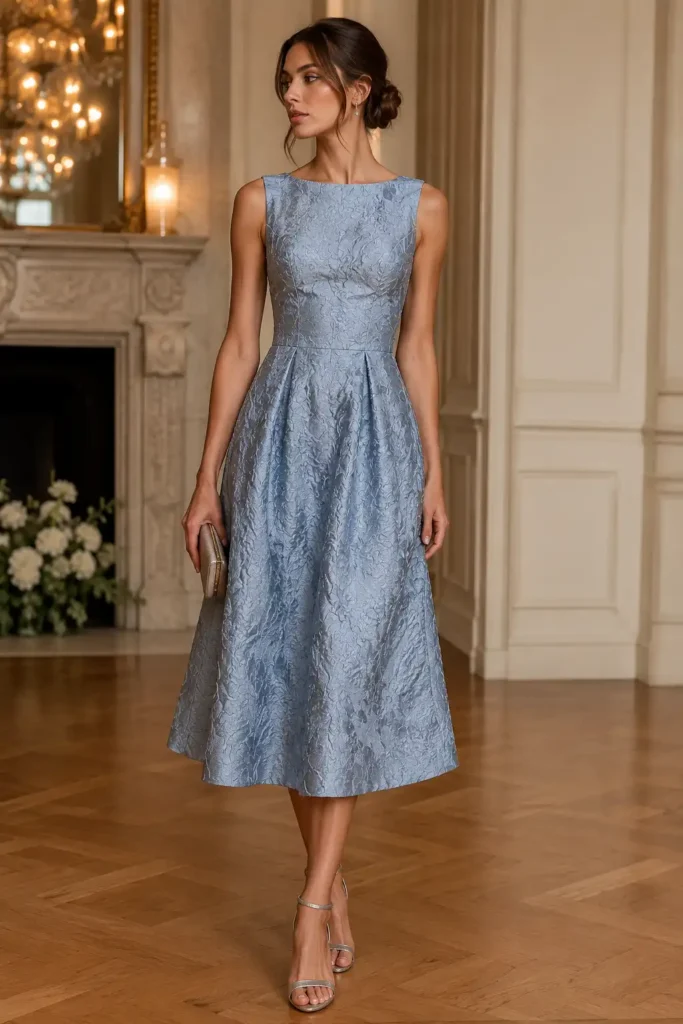
Woven motifs create a premium structured surface suitable for mini, midi, cocktail and occasion dresses. Common planning weights run from about 120-320 gsm. Motif repeat, face direction, seam matching and pressing sensitivity require early review.

Cloqué

Raised blister-like areas provide sculptural depth for fitted bodices, A-line dresses and statement occasionwear. Cloqué can be sensitive to heat and pressure. Excessive fusing or flattening during pressing can reduce the intended relief.
Crinkle Polyester

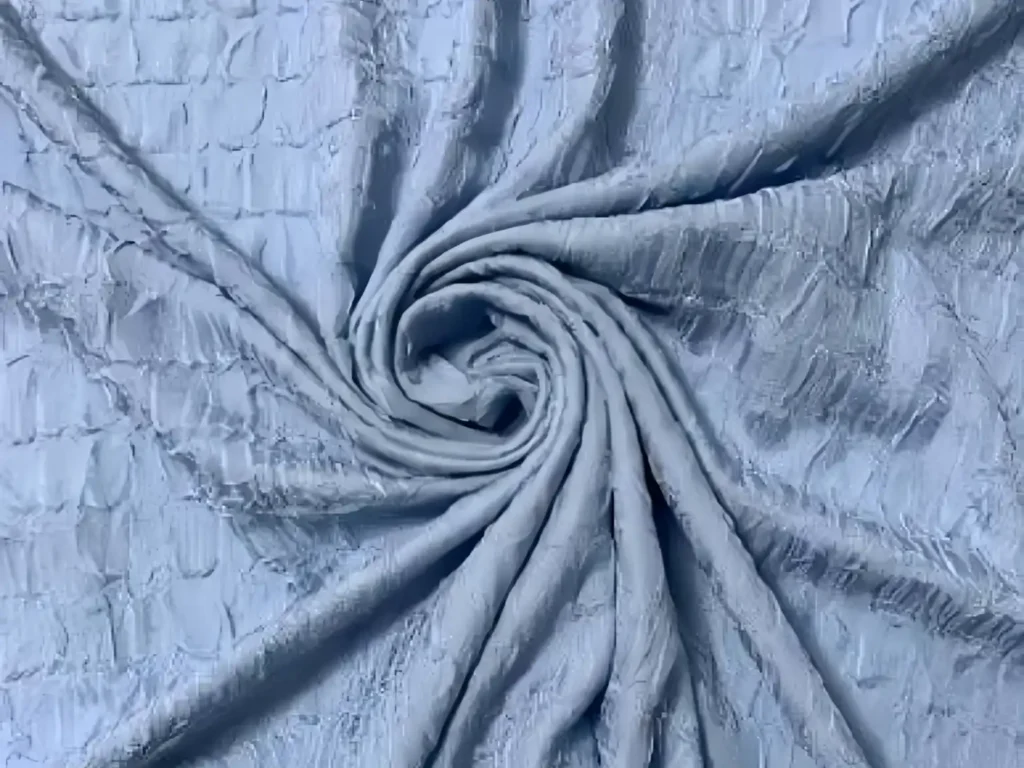
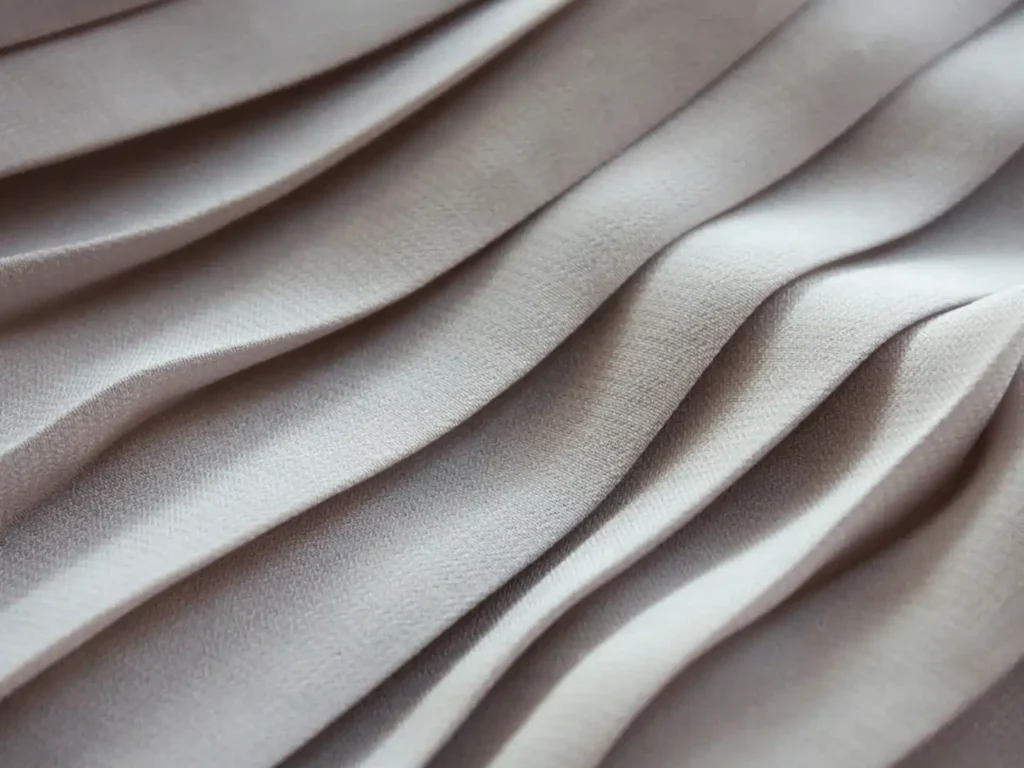
Crinkle Fabric

Permanent or semi-permanent wrinkles create movement and low-maintenance visual depth for resort, maxi and casual dresses. Recovery, shrinkage, seam puckering and measurement method must be confirmed before grading.
Seersucker Fabric

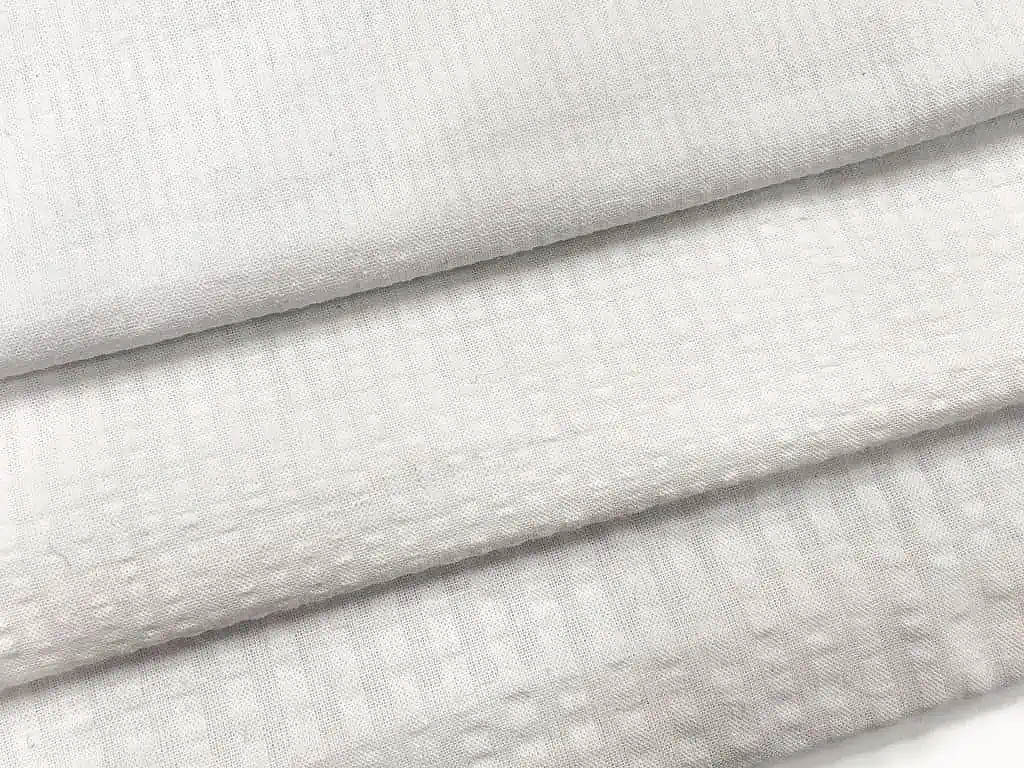
Seersucker

Alternating puckered stripes support breathable summer and resort dresses. Stripe direction, panel balance, lining choice and shrinkage are key. Lightweight versions can become transparent under strong light.
Dobby Fabric

Dobby Fabric

Small woven figures add subtle texture without heavy decoration. Dobby works well for day dresses, shirt dresses and soft occasion styles. Fine motifs require clean cutting and stable seam handling.

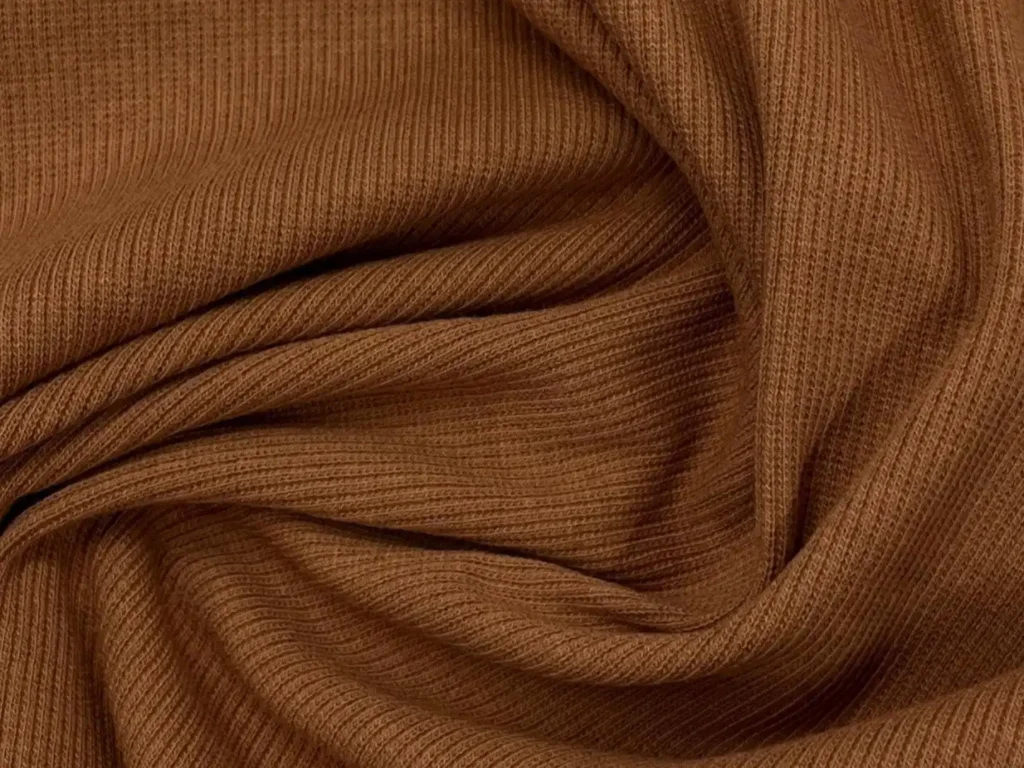
Ribbed Knit

Vertical ribs add stretch and body definition for fitted mini, midi and bodycon dresses. Rib recovery, torque, side-seam movement and length growth need assessment across the intended size range.

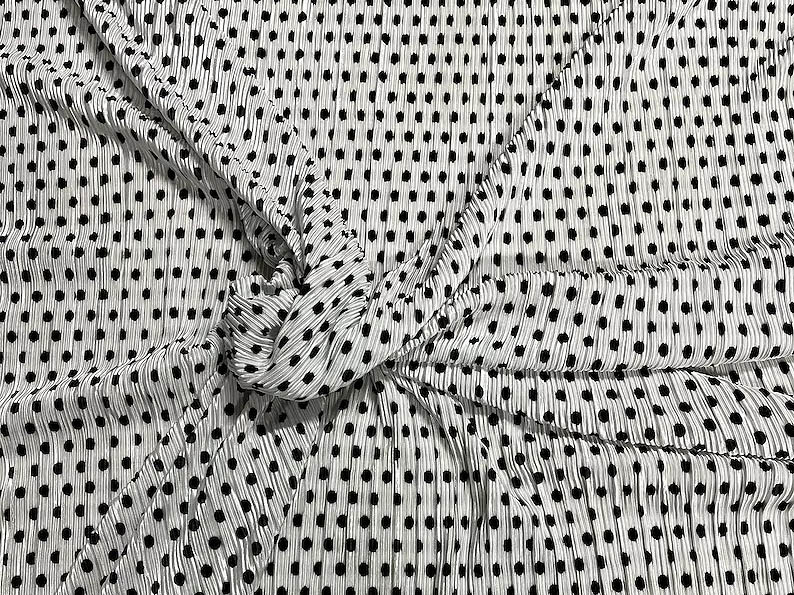
Pleated Fabric

Knife pleats, sunray pleats and micro pleats create controlled volume for skirts, sleeves and full dresses. Pleat stability, panel joining, hem finish and packing pressure determine whether the final shape stays consistent.

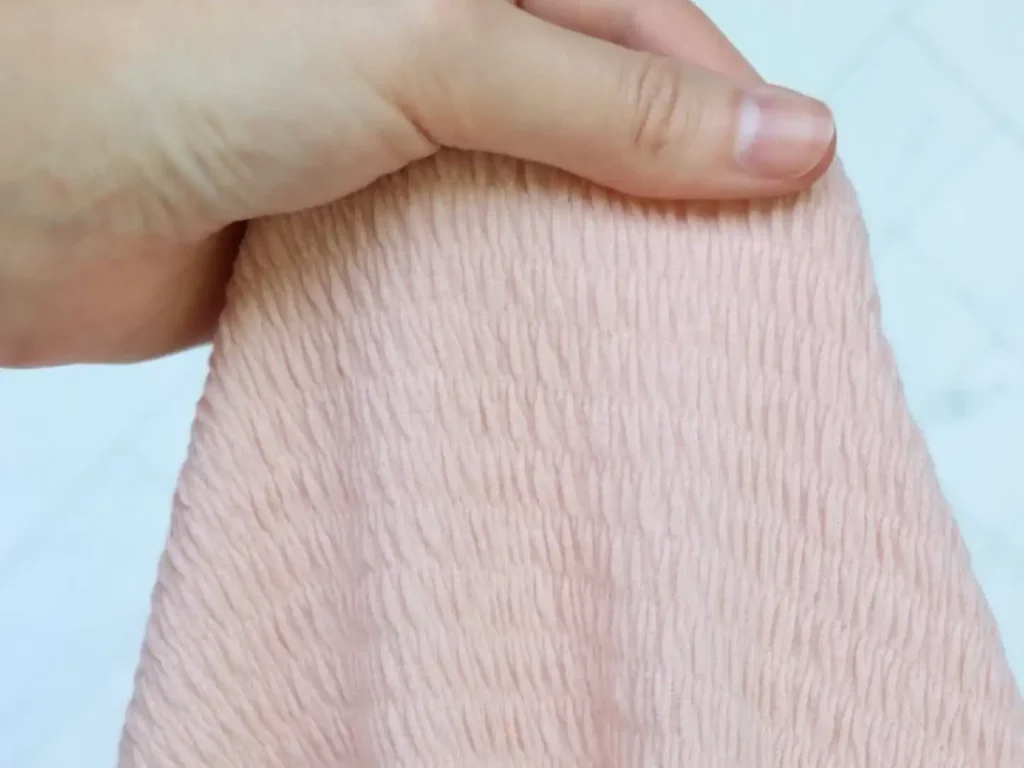
Smocked Fabric

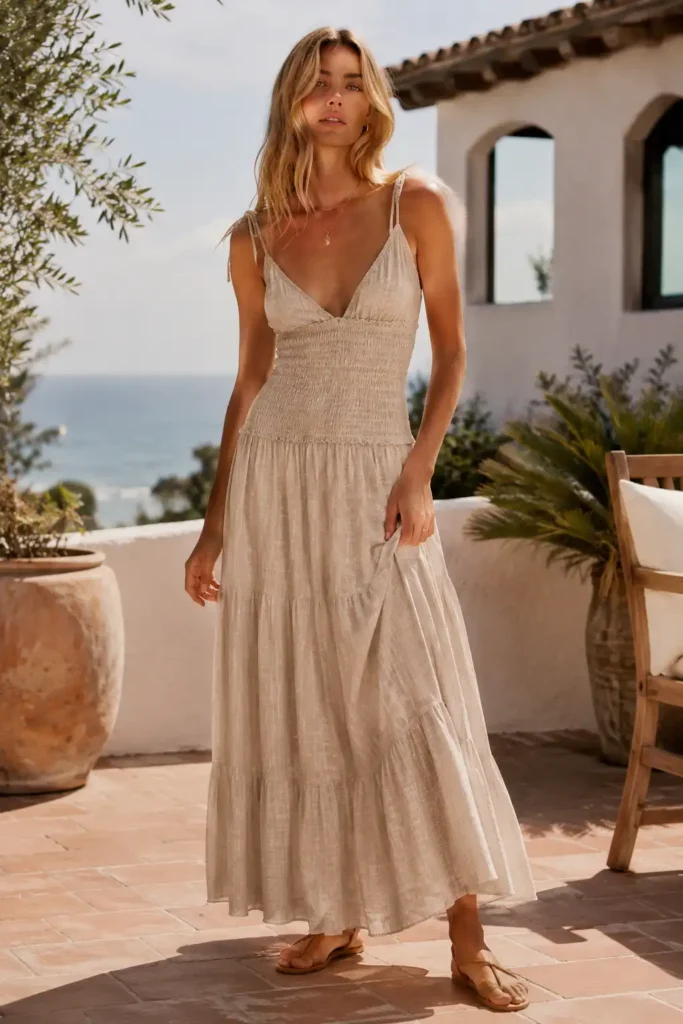
Elastic smocking adds texture and flexible fit across bodices, waists and sleeves. Elastic tension, stitch density and recovery must remain even. Uneven tension causes twisted panels or inconsistent bust fit.

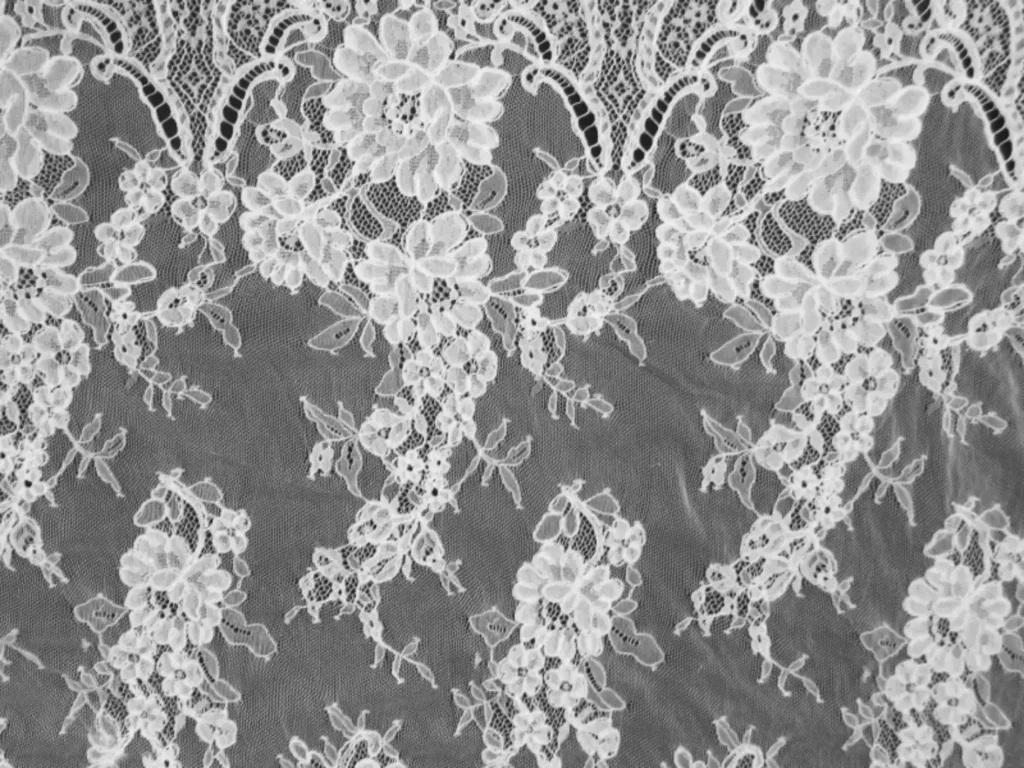
Textured Lace

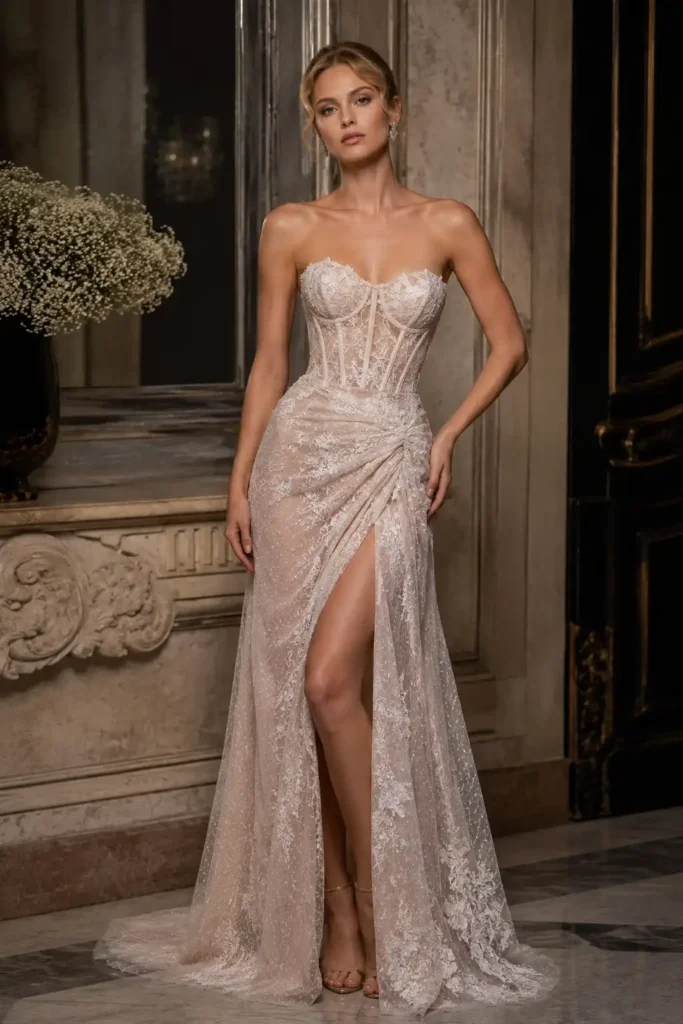
Corded, guipure, eyelash and raised-motif lace bring dimension to cocktail and occasion dresses. Motif placement, edge use, lining contrast, breakage and seam finishing require close control.

Embroidered Mesh

Embroidery over mesh combines transparency with raised pattern. Suitable for party and evening dresses, it needs placement planning, stable backing, lining coverage and seam protection.

Sequin and Beaded Fabric

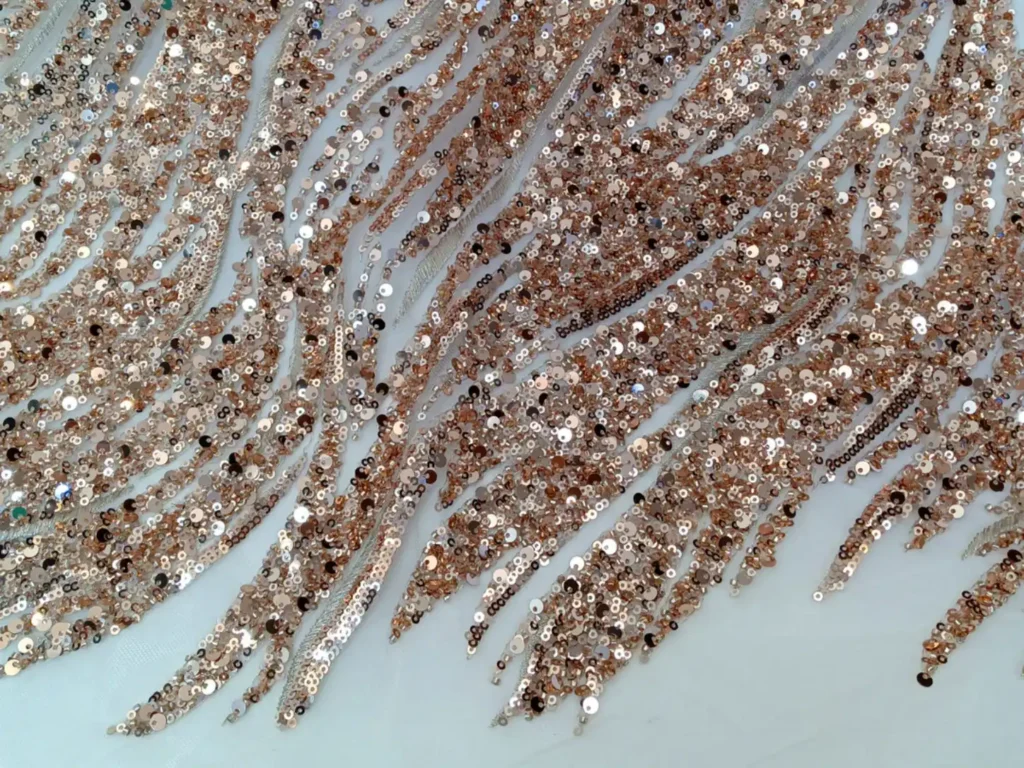
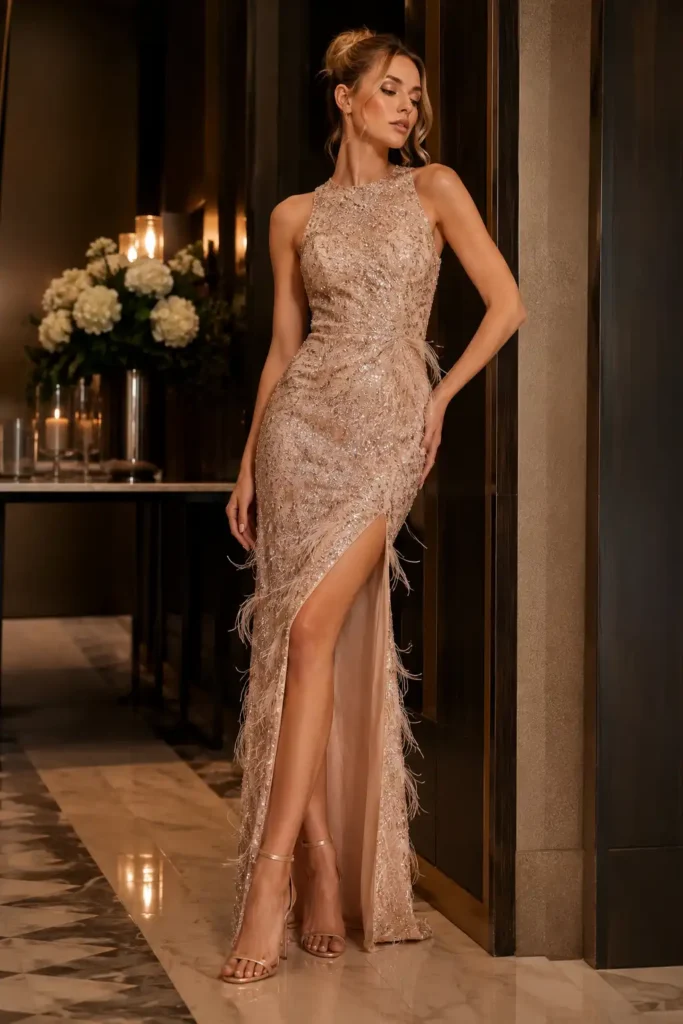
Reflective surfaces create strong visual impact for party and evening styles. Decoration may need clearing from seam allowances. Attachment, weight distribution, skin contact and protective packing are central quality points.

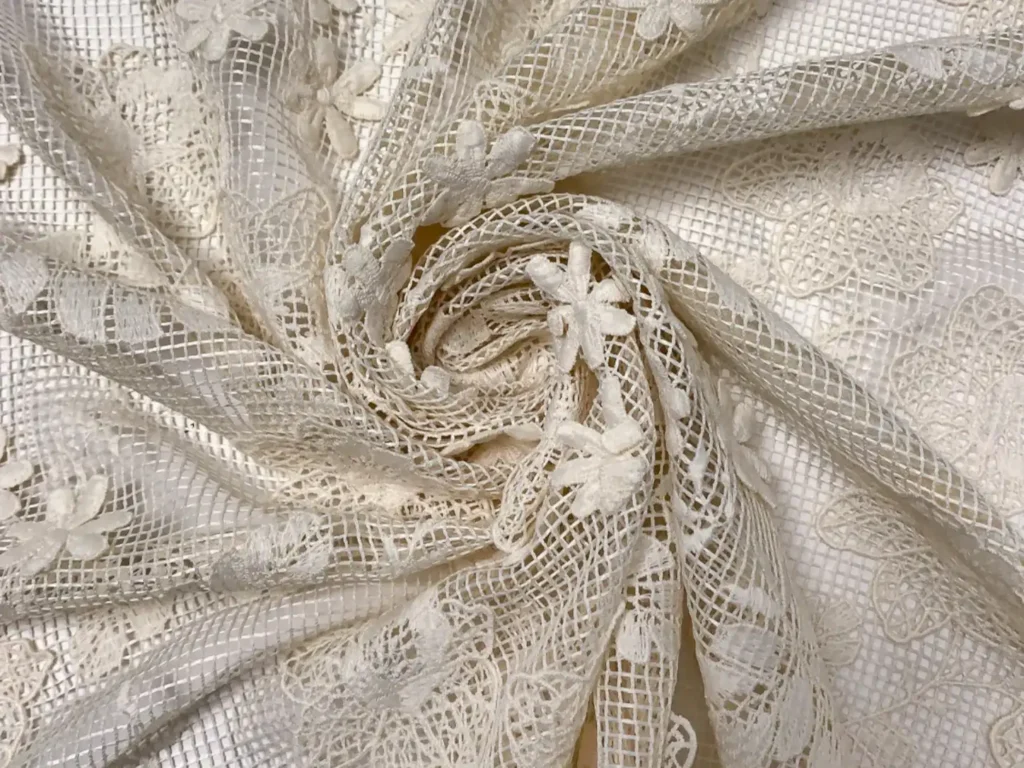
Three-Dimensional Appliqué

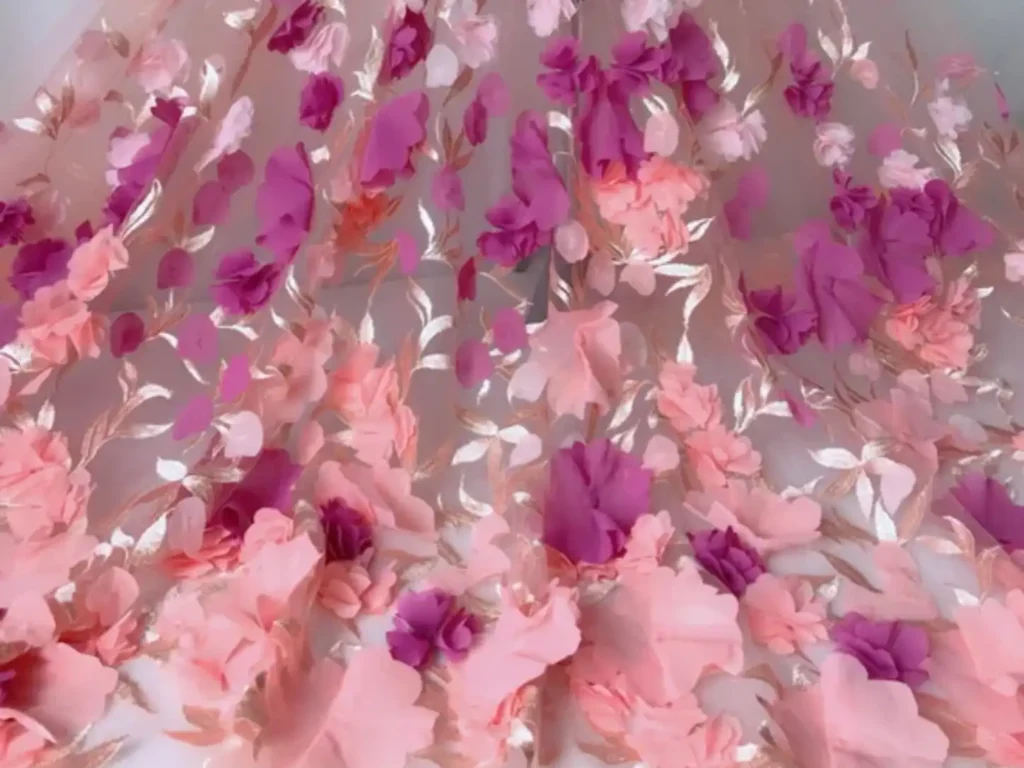
Raised flowers, petals and sculpted ornaments create editorial surface depth. Placement must avoid zipper lines, underarm friction and high-pressure fold areas. Carton packing needs extra space and protective layers.

Dress Categories Developed Around Surface and Silhouette
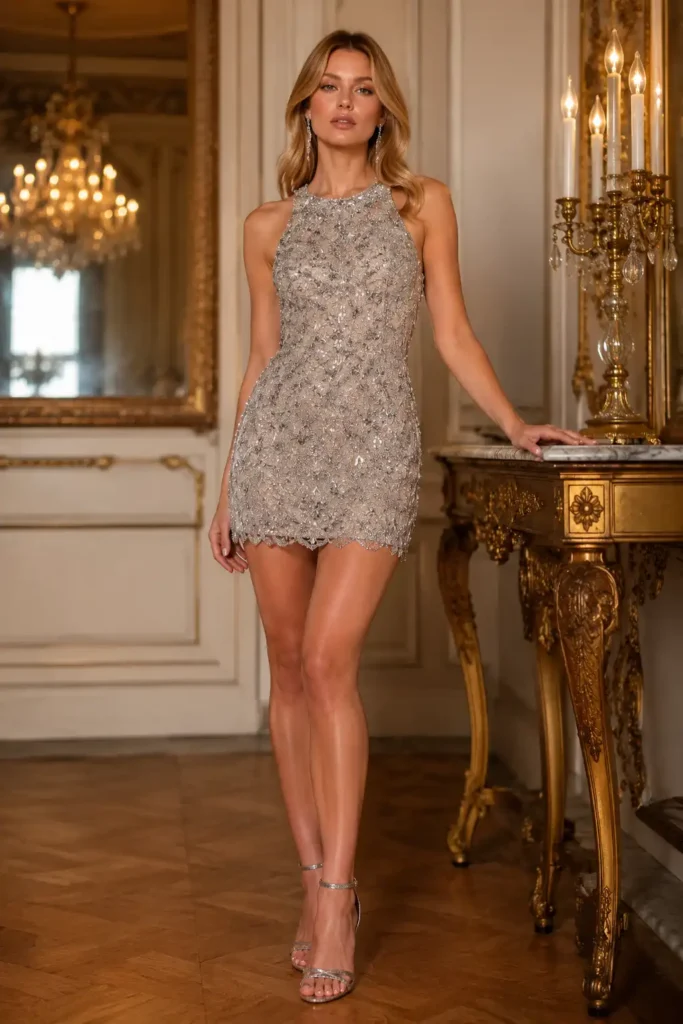
Texture must work with the body, not compete with it. Product development connects surface scale, stretch, weight, lining and construction to each dress category.

Textured Mini Dresses

Mini lengths place strong visual focus on the fabric. Jacquard, sequins, rib knit, embroidered mesh and 3D appliqué can create high-impact styles. Hem stability, lining coverage, slit position and sitting comfort need approval before grading.

Textured Midi Dresses

Midi silhouettes support structured jacquard, cloqué, lace and pleated fabrics. Waist position, hip ease, skirt volume and hem balance are central. Larger motifs need alignment across bodice and skirt panels.

Textured Maxi Dresses

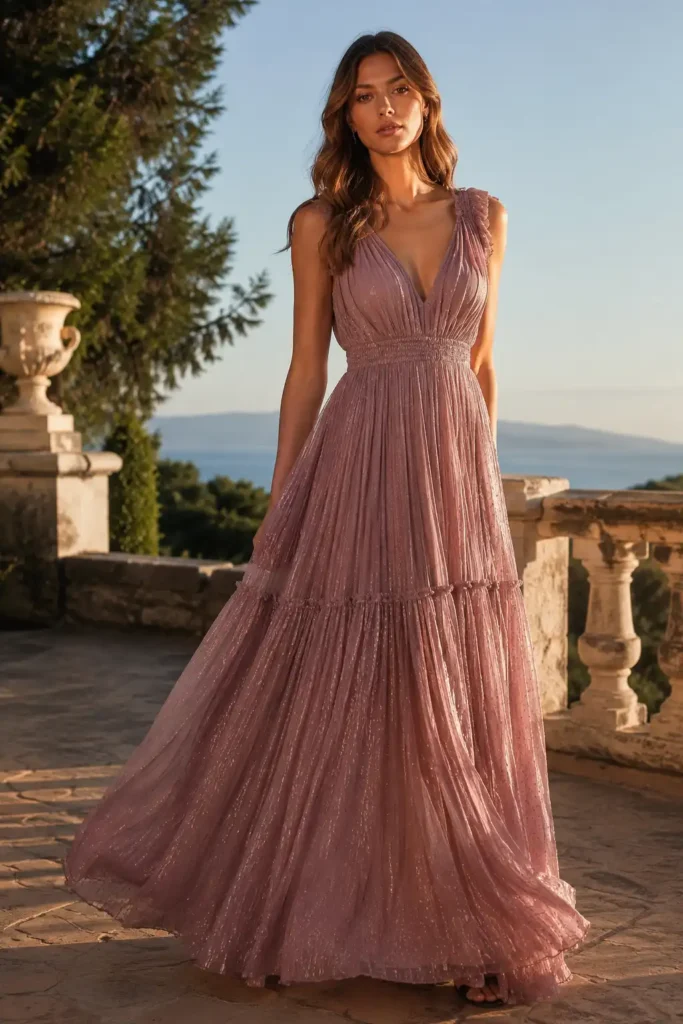
Crinkle chiffon, pleats, lightweight jacquard and embroidered mesh create movement across long silhouettes. Fabric weight can pull the shoulder or waist, so strap strength, lining length and hem level require fit review.

Textured Bodycon Dresses

Rib knit, stretch jacquard, stretch lace and power mesh support fitted silhouettes. Recovery, opacity, side-seam balance and bust-waist-hip grading must remain stable across sizes. Surface stretch should not distort motifs.

Textured Corset Dresses

Structured jacquard, embroidered mesh, lace and appliqué work well with corset bodices. Cup shape, boning channels, seam bulk, neckline stability and lining support are tested before decorative placement is finalized.

Textured Party Dresses

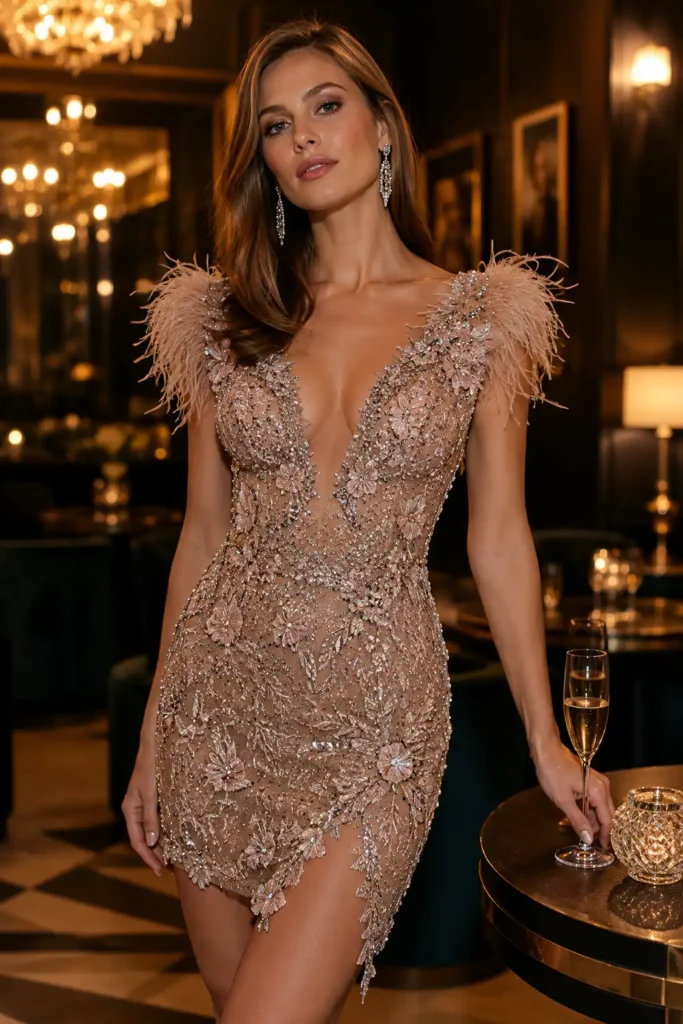
Sequins, beads, rhinestones, feathers, appliqué and embroidered mesh create strong event styling. Movement, skin contact, decoration security and packing protection are reviewed alongside visual effect.

Textured Occasion Dresses

Cloqué, jacquard, corded lace and sculpted surfaces support wedding guest, cocktail and formal collections. Color consistency, polished finishing and comfortable lining are essential for repeatable brand presentation.

Textured Resort Dresses

Seersucker, crinkle rayon, dobby, smocking and breathable textured blends suit travel and warm-weather collections. Transparency, shrinkage, wrinkle recovery and compact packing receive extra attention.

Match Fabric Structure to Dress Performance

Dress DirectionSuitable TexturesCommon Planning RangeMain Control Points
Fitted BodyconRib knit, stretch jacquard, stretch lace180-320 gsm; medium-high stretchRecovery, opacity, side seams, bust-waist-hip grading
Structured MiniJacquard, cloqué, bonded texture180-350 gsm; low-medium stretchShape retention, seam bulk, zipper flatness, lining
Soft MaxiCrinkle chiffon, pleated fabric, light jacquard70-180 gsm; fluid drapeWeight, strap load, hem balance, transparency
Corset DressStructured jacquard, embroidered mesh, lace120-300 gsm plus support layersCup fit, boning, seam clearance, decoration placement
Resort DressSeersucker, crinkle rayon, dobby, smocking80-200 gsm; breathableShrinkage, wrinkle recovery, lining, packing
Party DressSequin mesh, beaded fabric, 3D appliquéVaries by backing and decorationAttachment, skin contact, seam clearing, protection
Occasion MidiCloqué, jacquard, corded lace120-320 gsm; controlled drapeMotif balance, waist shape, pressing, color consistency
Pleated DressMicro pleat, sunray pleat, accordion pleat60-180 gsm base fabricPleat retention, panel joins, hem method, compression


Sourcing Textured Fabrics From Visual References

A close-up image can start a useful material search, but appearance alone cannot confirm weight, fiber content, stretch, width or bulk stability. Jinfeng Apparel compares visual goals with garment performance before proposing options.

Starting From Images

A reference image is reviewed for surface scale, shine, repeat, transparency, drape and likely construction method. The team separates fabric-created texture from garment-created ruching, smocking or pleating. Similar visual options may come from different fiber blends and price levels. A short list is prepared around silhouette, target market, order quantity and intended retail position. Exact matching cannot be promised from an image alone; approved physical swatches remain the decision standard.

Starting From Swatches

A physical swatch provides more reliable information on hand feel, thickness, stretch, recovery, opacity and reverse-side structure. Available width and supplier stock are checked alongside color options. When the original material has an unworkable minimum or unsuitable lead time, alternative constructions can be compared. Substitution aims to preserve surface character and wearing result rather than claim an identical material.

Starting From Original Garments

An original garment allows assessment of fabric behavior after cutting, sewing, lining and pressing. Construction details, seam allowances, decoration clearance and internal support can be studied together. Development may reproduce the general product direction while respecting intellectual property and project confidentiality. Any required design adjustments are agreed before pattern work.

Starting From Tech Packs

A complete tech pack supports faster evaluation because silhouette, measurements, construction, color, trims and packing requirements are already defined. Missing fabric data can still be developed through swatches. Quantity by style/color is reviewed early because custom weaving, dyeing, embroidery and decoration may carry separate supplier minimums.

Swatch, Color and Surface Approval Before Sampling
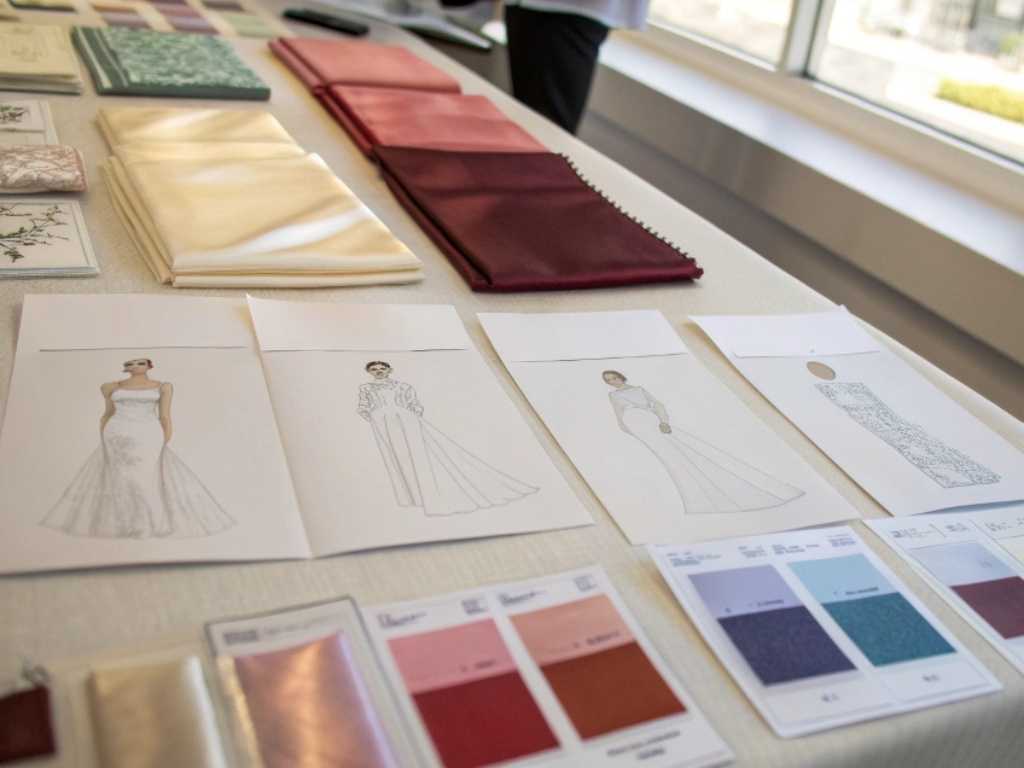
Approving only a color image leaves too much open to interpretation. A controlled approval record combines surface, hand feel, color and garment performance before the first sample moves forward.
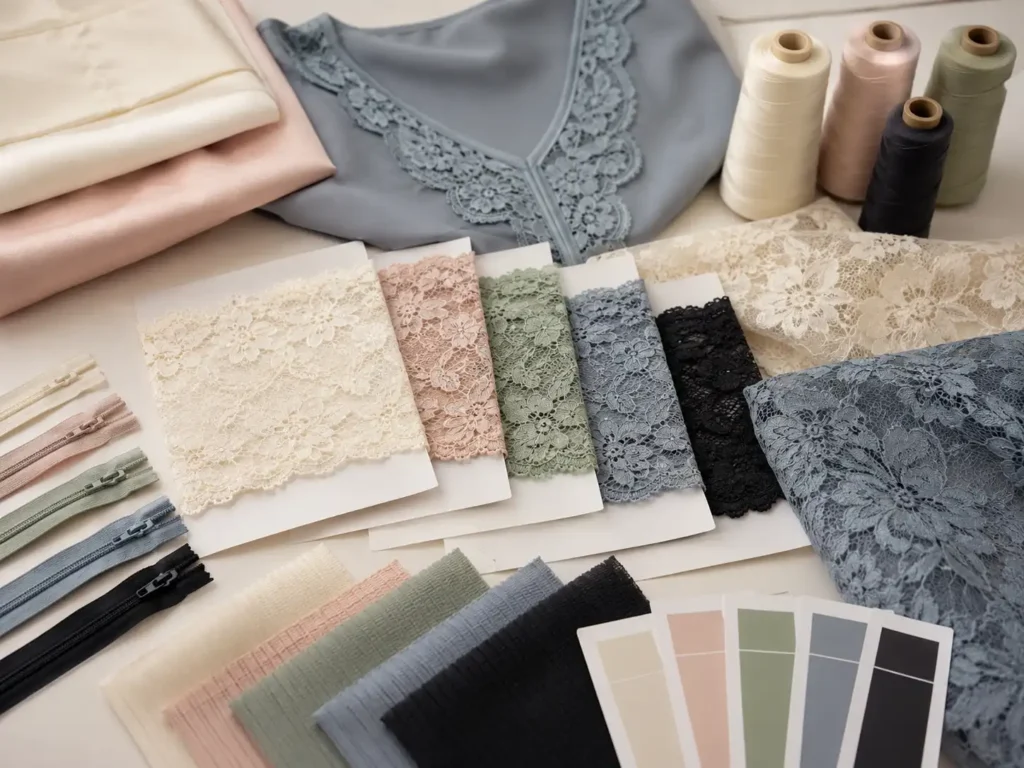
Bridal gown illustrations, fabric and color samples on table.

Initial Swatch Direction

The first review compares several options by texture depth, weight, drape, stretch, opacity, shine and price level. Images can help narrow direction, while physical swatches are recommended for final material judgment.

Color Confirmation

Stock colors can shorten preparation time. Custom colors may require Pantone references, lab dips and minimum dye quantities. Color is evaluated on the actual textured surface because shadows and reflection can change visual depth.
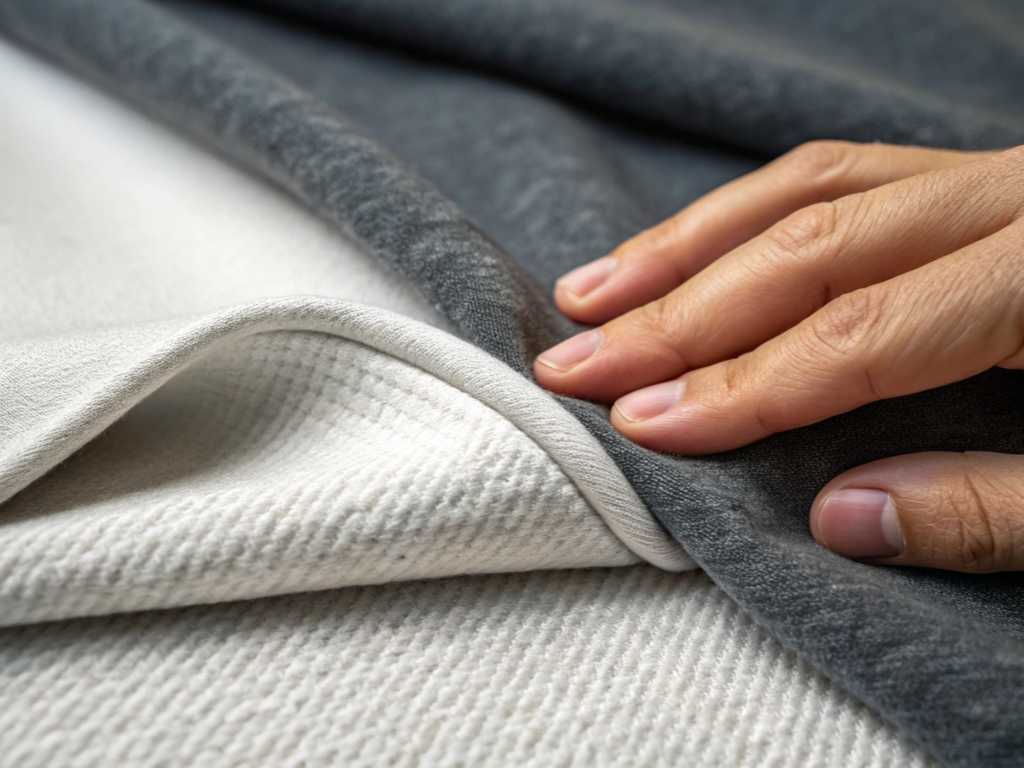
Hand touching double-layered textured and soft grey and white fabric.

Hand Feel Review

Raised surfaces can feel soft, crisp, dry, plush or abrasive. Skin-contact zones around the underarm, neckline, waist and thigh receive special attention. Lining or binding may be added where needed.

Surface Repeat Review

Jacquard, embroidery and appliqué repeat size is measured against pattern pieces. Large repeats can affect placement, symmetry and fabric consumption, especially on narrow bodices and fitted panels.

Sample Yardage Lock

Sample yardage should represent the intended bulk direction as closely as possible. When only temporary development fabric is available, the difference is documented and bulk approval remains open until production fabric is reviewed.

Bulk Lot Comparison

Incoming bulk fabric is compared with approved references for color, texture depth, hand feel, width and visible defects. Significant variation is raised before cutting rather than accepted after garments are completed.

Textured Fabric Specifications Affecting Bulk Results

Surface appearance is only one part of material selection. Technical specifications determine fit, consumption, stability, comfort, sewing method and final cost.

Fiber Composition and Weight

Polyester, nylon, viscose, cotton and spandex blends respond differently to heat, moisture and tension. Fabric weight affects drape, body volume, lining choice and shipping. A 90 gsm crinkle fabric behaves very differently from a 280 gsm raised jacquard even when both appear textured in close-up images.

Width and Usable Width

Quoted width does not always equal usable cutting width. Selvedge distortion, embroidery borders, damaged edges and directional motifs can reduce marker efficiency. Consumption planning uses usable width and pattern placement rather than nominal width alone.

Stretch and Recovery

Stretch percentage must be considered in both lengthwise and crosswise directions. Recovery is equally important; a fabric can stretch well yet fail to return, causing loose waistlines, bagged hips or extended dress length after wear.

Drape and Opacity

Soft drape supports fluid maxi or resort silhouettes, while structured surfaces support defined mini and midi shapes. Opacity is checked under realistic light. Light-colored textured fabric may require a closer-tone lining even when darker colors appear covered.

Shrinkage and Dimensional Change

Crinkle, viscose blends, cotton blends and pleated structures may change after steam, relaxation or care testing. Pattern allowance and finished measurement standards are set only after material behavior is understood.

Repeat, Nap and Direction

Motif repeat, pile direction, rib direction and surface reflection influence pattern orientation. Marker planning can require one-way cutting, reducing fabric efficiency but protecting visual consistency.

Pressing Sensitivity

Cloqué, pleats, sequins, appliqué and heat-sensitive fibers need controlled temperature and pressure. Protective cloth, reduced contact time and alternative finishing methods may be required to preserve the surface.

Defect Classification

Slubs, missing yarns, broken embroidery, loose sequins, uneven crinkle and shade variation are evaluated according to fabric type. Some irregularity belongs to the design; unacceptable defects still need a defined boundary.

Engineering Texture Placement Across the Garment
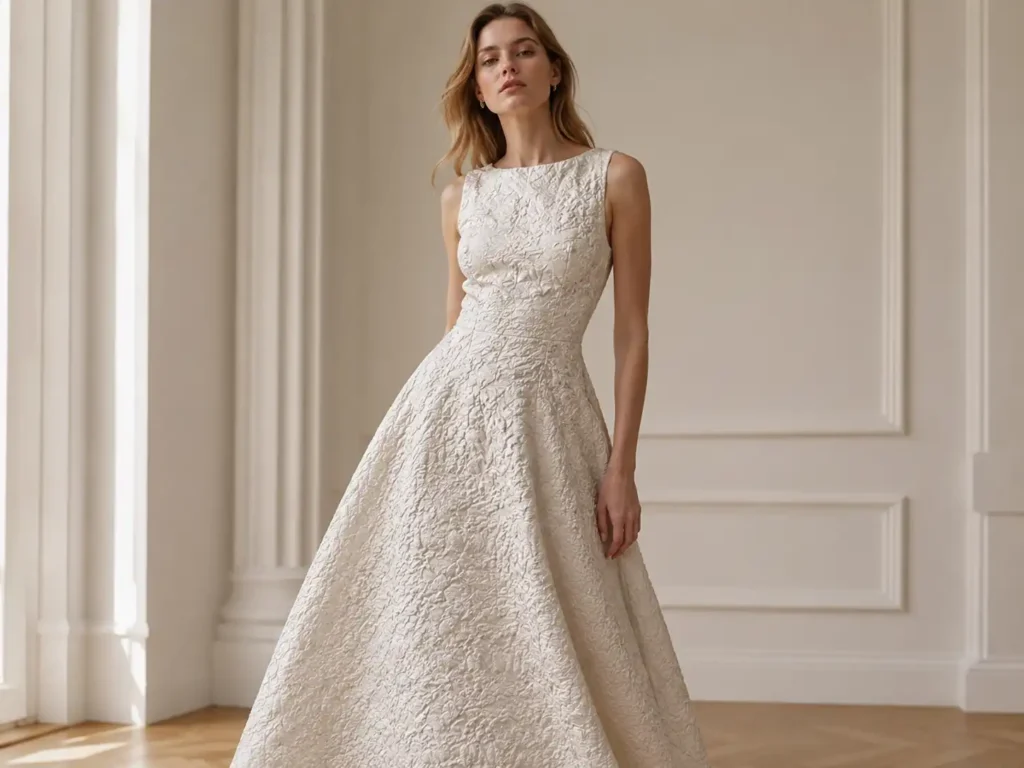
Surface scale and body position influence proportion, comfort and production efficiency. Texture can cover the whole garment or be controlled as a strategic design feature.

Full Garment Texture

A continuous textured surface creates a strong identity but increases responsibility for direction, shade, seam matching and pressing. Full jacquard, crinkle or pleated dresses need consistent material behavior across every panel.

Textured Bodice

Placing texture at the bodice can add visual value while keeping the skirt lighter. Cup shape, bust darts, princess seams and neckline support must accommodate added thickness without creating ridges.

Textured Panels

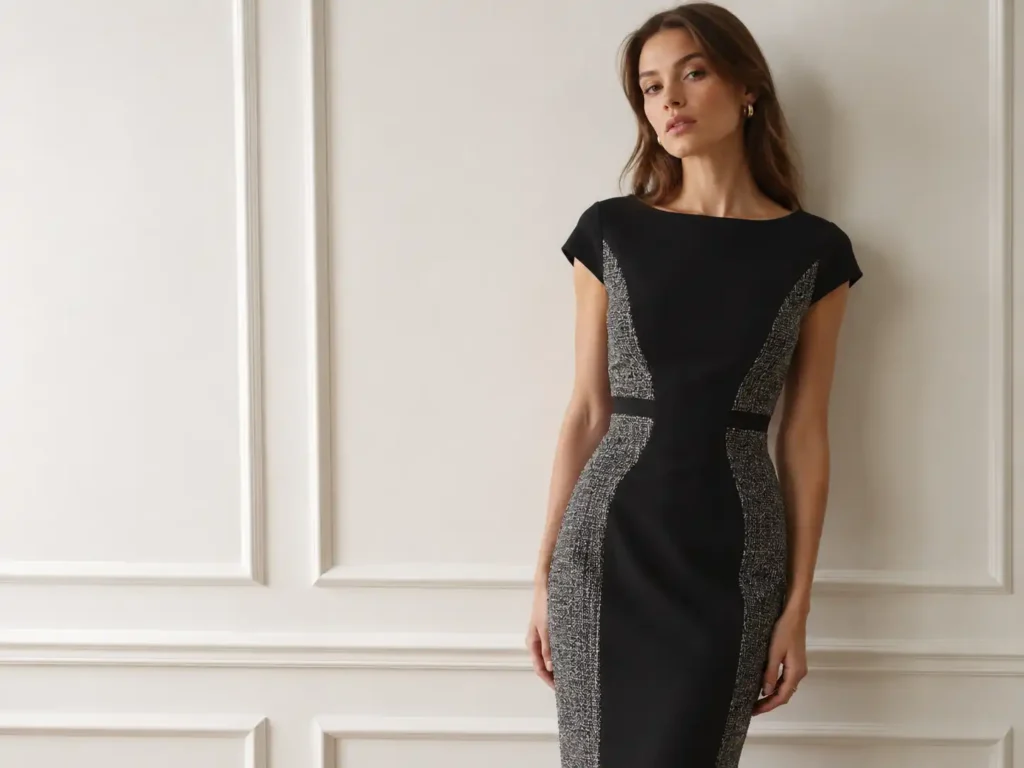
Side panels, waist panels or contrast inserts can shape the body and reduce expensive fabric use. Panel lines need clean joining so raised surfaces do not create uneven edges or distorted curves.

Textured Sleeves

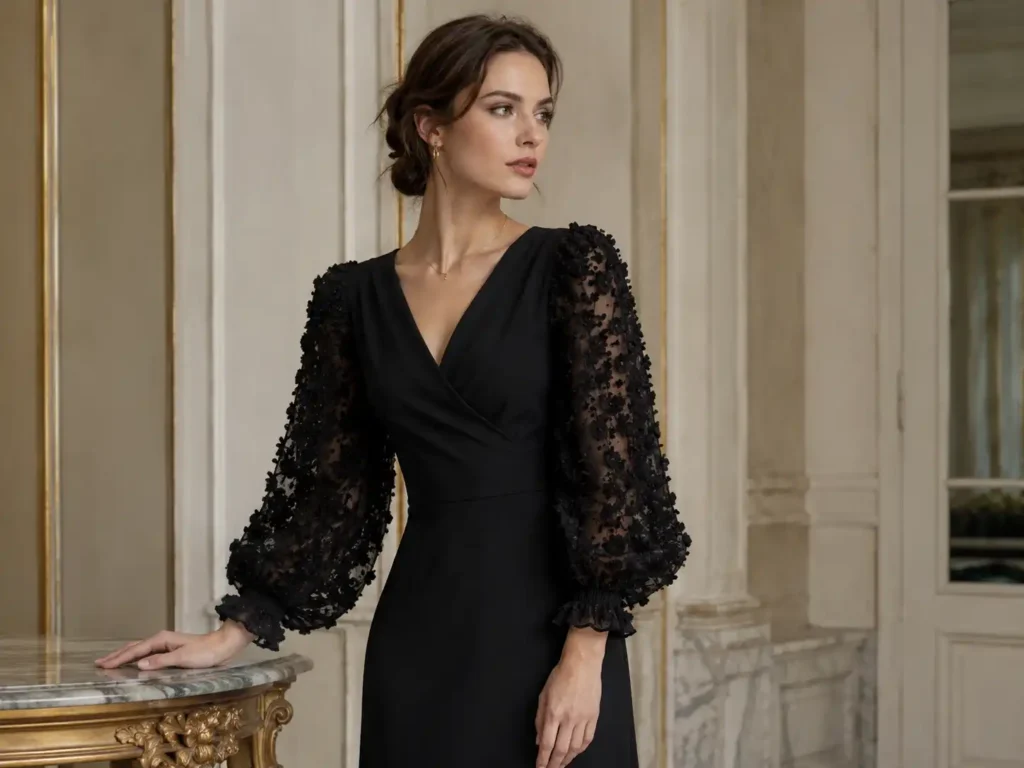
Puff sleeves, sheer embroidered sleeves and smocked cuffs can carry texture away from high-fit areas. Armhole movement, sleeve weight and seam softness require wear testing.

Layered Texture

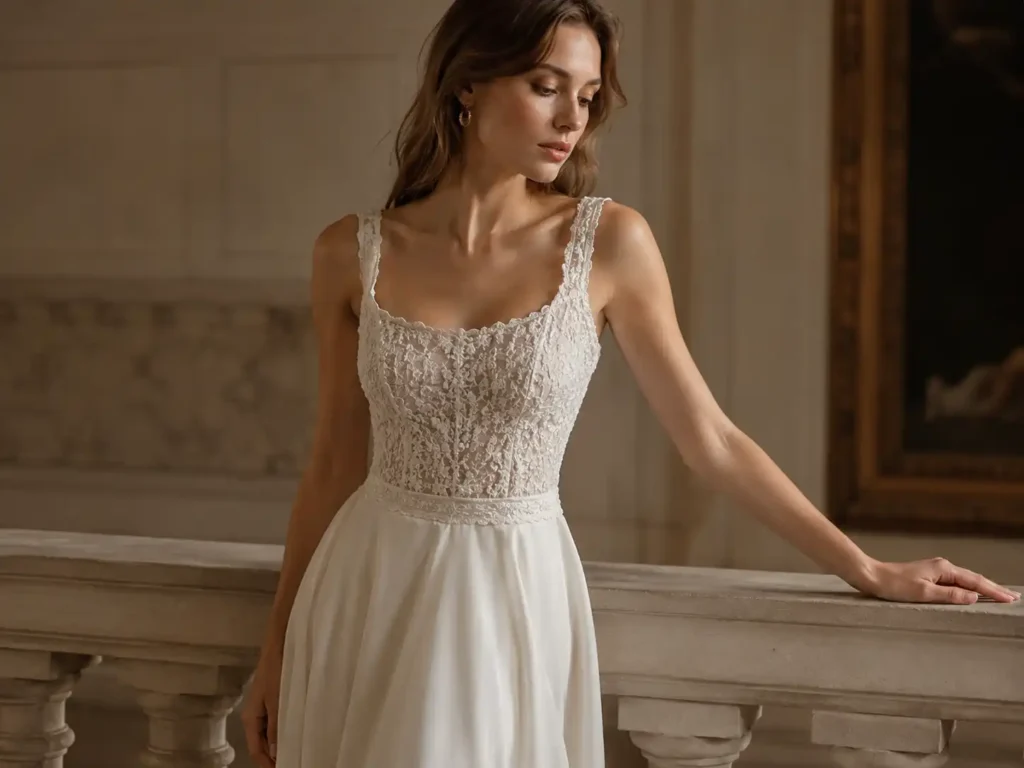
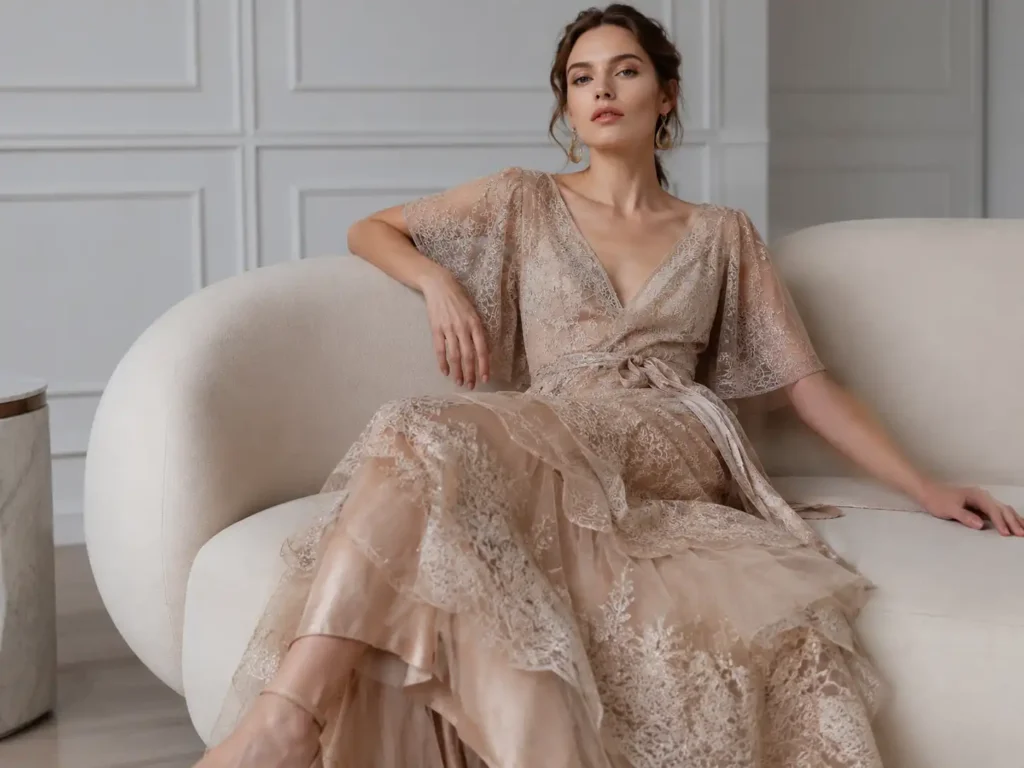
Lace over satin, embroidery over mesh and appliqué over organza create depth through layering. Each layer needs compatible stretch, shrinkage, transparency and seam behavior.

Placement Decoration

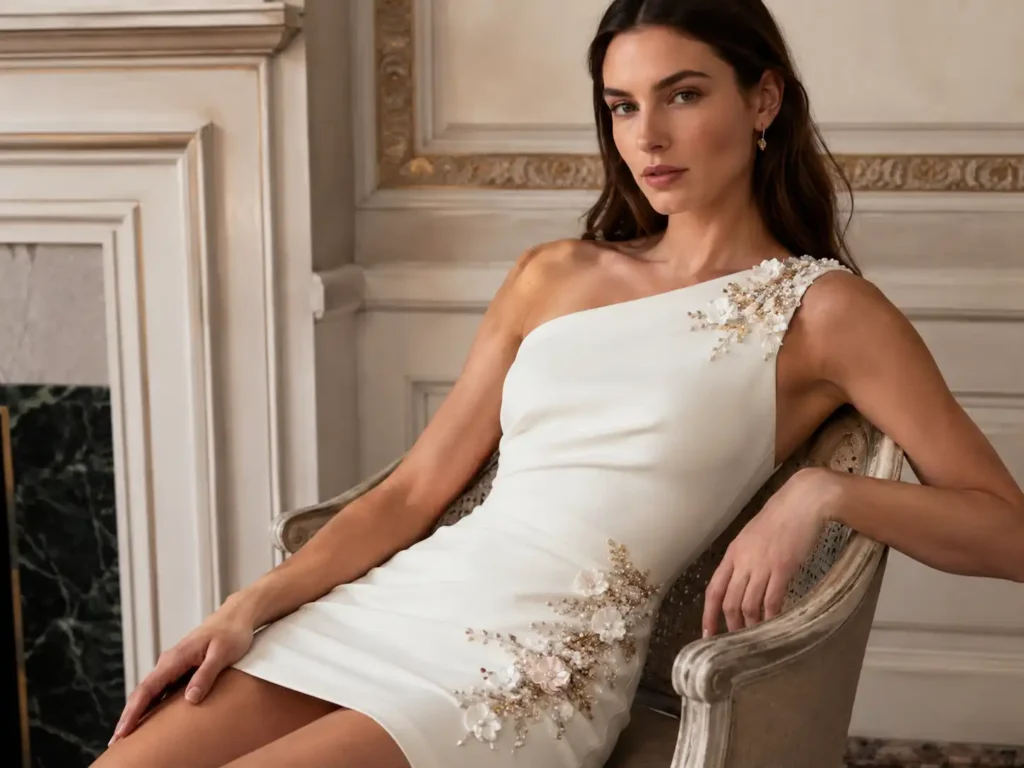
3D flowers, rhinestones, bead clusters and sequin motifs can be placed only where visual impact is needed. Placement maps improve symmetry, reduce waste and keep decoration away from zippers, underarms and fold lines.

Directional Cutting and Motif Alignment Controls

Cutting decisions determine whether texture appears balanced before sewing begins. One-way layouts, repeat matching and protected bundling are planned according to fabric structure.

Face and Direction Marking

Fabric face, top direction and nap are identified before spreading. Roll tickets and cutting instructions reduce mixed orientation, especially for sheen, ribs, cloqué relief, brushed surfaces and directional embroidery.

Repeat Measurement

Motif height and width are recorded before marker making. Large repeats may require additional allowance at center front, side seams, waist joins or sleeve pairs. Consumption is calculated after alignment rules are known.

Left-Right Symmetry

Mirrored bodice panels, straps, sleeves and skirt sections are checked for balanced motifs. Symmetry can be essential for premium appearance even when fabric use increases.

Placement Around Seams

Large flowers, thick embroidery and bead clusters are kept away from seam allowances where possible. When crossing a seam is part of the design, continuity is planned and decoration clearance is controlled.

Bundle Identification

Cut pieces are bundled by style, color, size and fabric lot. Directional components receive clear marks so sewing teams do not rotate or mix panels during assembly.

Fabric Defect Mapping

Visible holes, missing embroidery, irregular texture and shade changes are marked before cutting. Usable areas can be planned without allowing defects into high-visibility zones.

Lining, Support and Comfort Behind the Surface

A textured shell may be transparent, abrasive, heavy or unstable. Internal construction protects fit and comfort while keeping the outer surface clean.

Full Lining

Full lining supports opaque coverage, clean seams and a smooth feel for jacquard, cloqué, lace and embroidered garments. Lining weight and stretch must match the shell so neither layer pulls the other.

Partial Lining

Partial lining preserves transparency at sleeves, yokes, waist cut-outs or lower panels while covering the bust and hip. Lining edges are positioned away from visible high-stress areas.

Stretch Lining

Bodycon, stretch lace and stretch jacquard styles need lining with compatible extension and recovery. A rigid lining can restrict movement or create horizontal drag.

Cups and Boning

Corset and strapless dresses may use cups, boning, underwire or supportive tapes. Structural parts are tested before decoration is placed, keeping support independent from fragile surface trims.

Skin Protection

Bead backing, sequin edges, embroidery threads and rough seams can irritate the wearer. Binding, soft lining, cover patches or placement changes reduce direct contact.

Anti-Slip Support

Strapless and one-shoulder styles may require anti-slip tape, internal elastic or balanced boning. Support is assessed during movement, not only on a dress form.

Weight Distribution

Heavy decoration can pull at straps, waist seams or mesh panels. Reinforcement and internal support spread the load without creating visible stiffness.

Movement Allowance

Sitting, walking, raising arms and climbing steps reveal restrictions missed during static fitting. Slit height, armhole shape, hip ease and lining width are reviewed during fit approval.

Sample Development From Material Direction to PP Approval

Sampling validates fabric, fit, structure, workmanship and bulk feasibility. Complex textured dresses move through controlled versions rather than treating the first sample as the final production standard.

Project Review

Reference images, tech packs, original garments, quantity, color plan, size range, labels, packing and target delivery are reviewed. Fabric direction, construction difficulty and supplier minimums are identified before sample work begins.

Fabric Direction

Available swatches or development materials are compared by surface, hand feel, weight, stretch, drape, opacity and cost. Any difference between sample fabric and intended bulk fabric is recorded.

Pattern Development

Base measurements and silhouette are translated into pattern pieces. Texture direction, motif placement, seam bulk, lining and internal support influence the pattern from the beginning.

First Sample

The first sample tests overall concept, fabric compatibility, proportion, construction and finishing. It is not automatically the bulk standard. Photos, measurements and visible risks are reviewed before revision.

Fit Sample

Fit comments focus on bust, waist, hip, neckline, strap, armhole, slit, lining and hem. Comments are converted into exact measurements and pattern corrections.

Revised Sample

A revised sample confirms agreed changes. Surface placement, seam behavior, internal support and finishing are checked again because one modification can affect another area.

Photo-Ready Sample

When required, a photo-ready sample supports campaign, ecommerce or sales preparation. Color, surface appearance and finishing are prioritized, but photo approval does not replace PP approval for bulk production.

PP Sample

The PP sample locks fabric, color, measurements, construction, trims, labels and packing details before bulk release. Changes after PP approval are documented because they can affect material, price and timing.

Golden Sample

A sealed golden sample becomes the reference for production, QC, packing and repeat orders. Fabric references, trim position and internal workmanship remain connected to the approved standard.

Multi-Style Sampling Without Losing Development Control

Collections containing 10-30 styles need priorities, grouped fabric work and clear version records. Advancing every style in the same way creates avoidable delay and confusion. A representative 18-style program may include 5 jacquard styles, 4 crinkle styles, 3 stretch textured styles, 3 embroidered mesh styles and 3 decorated party styles. Separate development tracks allow shared color and trim decisions while preserving style-specific fit control.

Group by Fabric Family

Jacquard, stretch knit, crinkle woven, embroidered mesh and decorated fabrics are grouped because sourcing, pattern and sewing risks differ. Shared fabrics can also reduce color and material duplication.

Rank Hero Styles

Launch-critical styles, campaign pieces and high-volume silhouettes can receive earlier sample attention. Supporting styles follow after core fabric and fit decisions are stable.

Track Sample Versions

First, fit, revised, photo-ready and PP samples are recorded separately. Each round links comments, measurements, fabric changes and approval status to the correct version.

Control Shared Components

Labels, zippers, lining, cups, boning, packaging and color standards may apply across several styles. Shared components are reviewed once and then linked to each applicable style.

Plan the Calendar

A working schedule connects fabric arrival, sample completion, fit review, PP approval, bulk material booking, production, QC and packing. Missing approvals are raised before they delay the entire range.

Confirm Bulk Priority

After sample approval, styles are grouped by production method and launch need. Complex decorated garments may start earlier than simpler styles because attachment and finishing take longer.

Converting Approved Samples Into Bulk Standards

Bulk consistency depends on transferring every approved decision into records used by merchandising, production, QC and packing teams.

  • Final Pattern and Grade Rules: Approved pattern corrections are locked before grading. Grade rules identify how bust, waist, hip, straps, neckline, armholes, skirt length and volume change across sizes. Texture repeat and panel placement are reviewed where scaling can alter appearance.
  • Bill of Materials: The BOM lists shell fabric, lining, interfacing, zippers, cups, boning, elastic, decoration, labels, hangtags and packing materials. Color, size, supplier reference and placement reduce substitution risk.
  • Construction Sheet: Stitch type, seam allowance, thread color, zipper position, lining method, label placement, decoration clearance and pressing notes are linked to the PP sample. High-risk operations receive clear checkpoints.
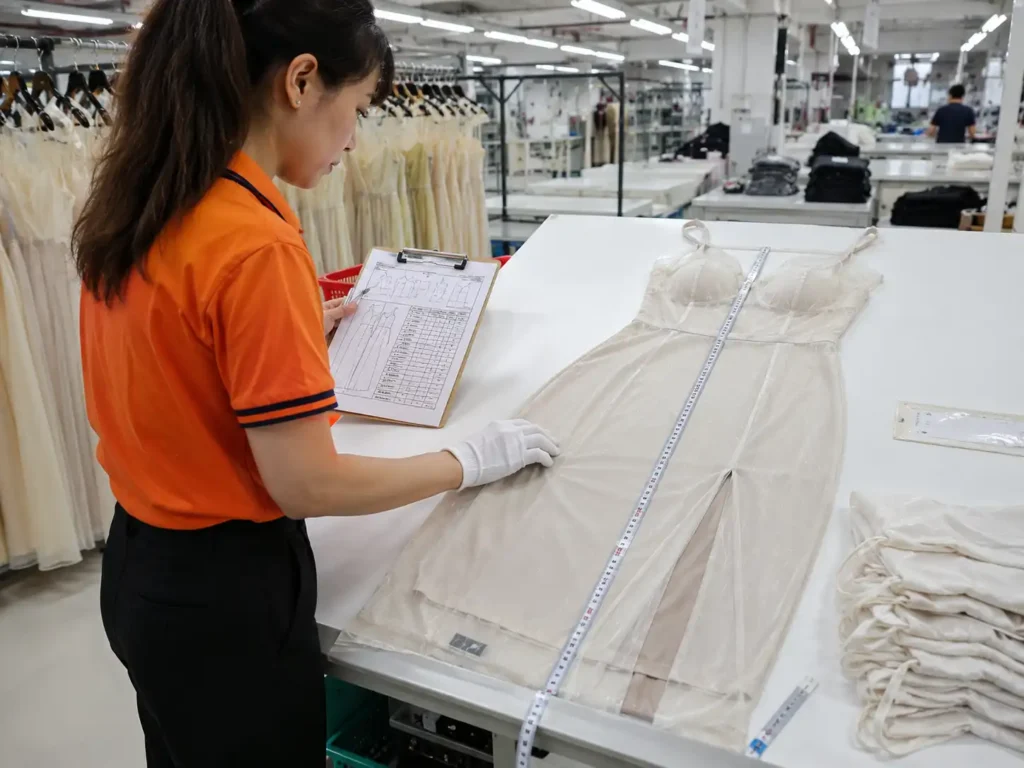
  • Measurement Specification: Finished garment measurements, points of measure, size chart and tolerances are confirmed. Measurement method for pleated, smocked or crinkle areas is defined so QC does not flatten or stretch the garment inconsistently.
  • Fabric and Color Reference: Approved swatches, lab dips or bulk lot references provide a comparison standard for shade, surface depth, hand feel and shine. Incoming fabric is reviewed before cutting.
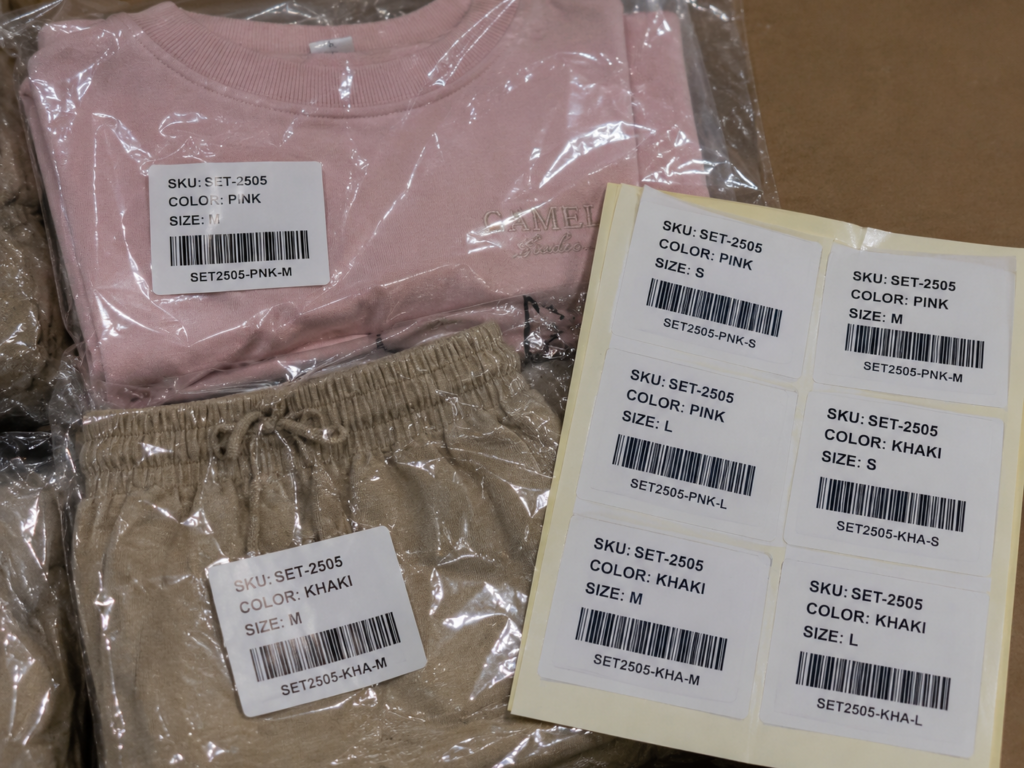
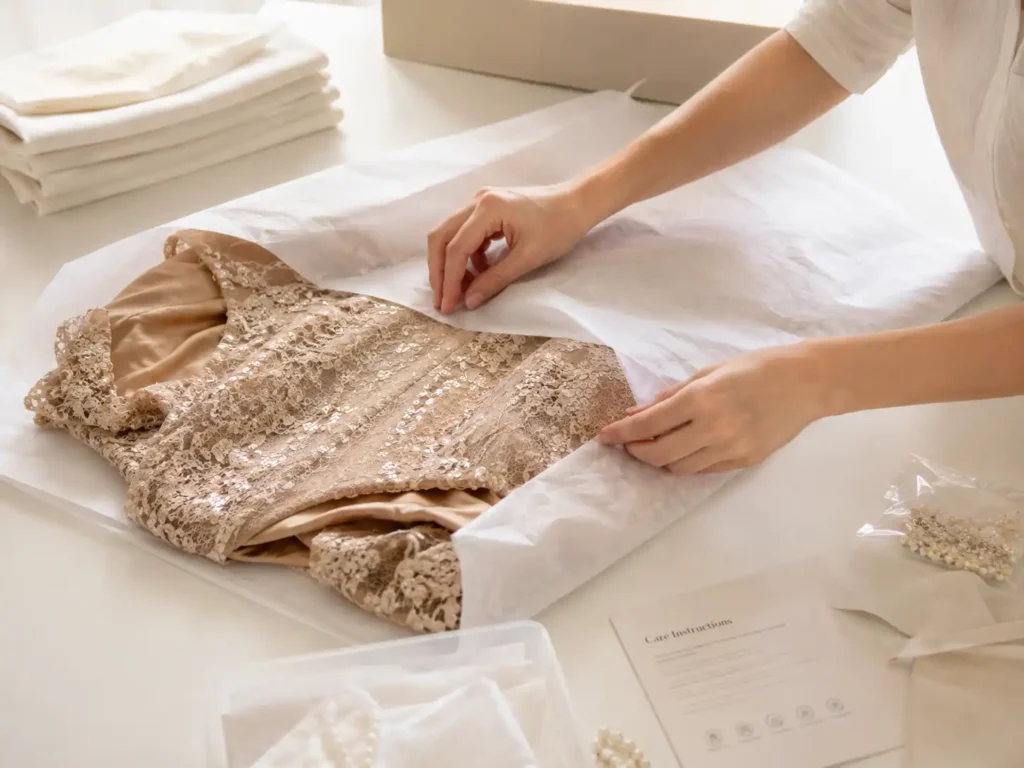
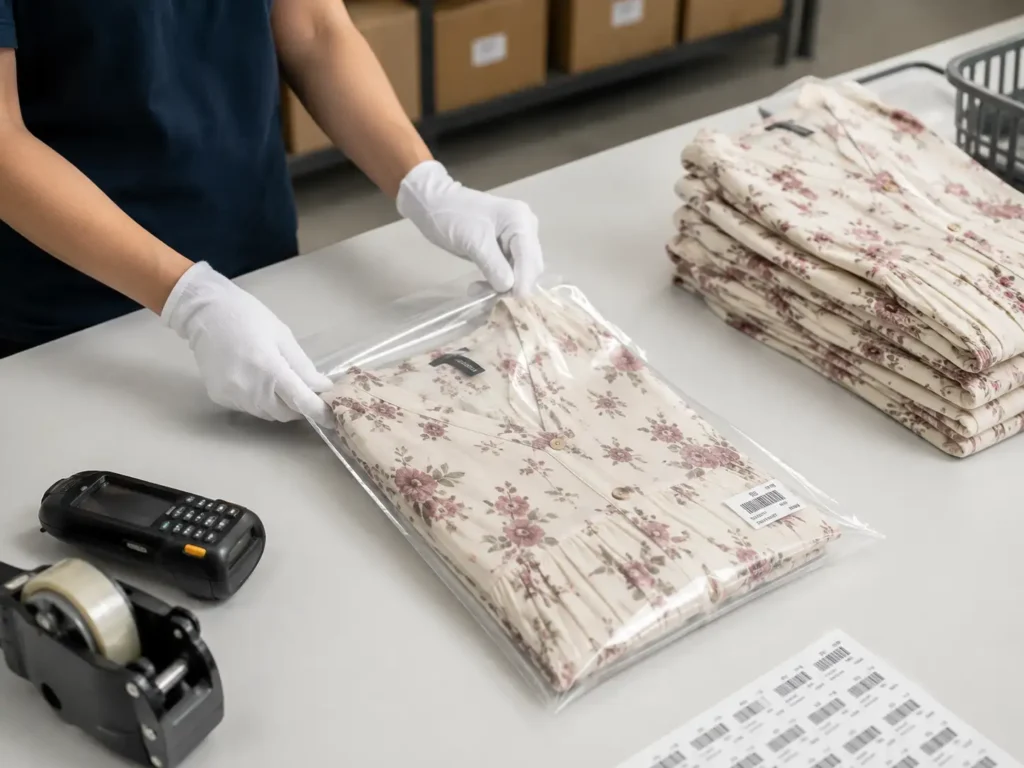
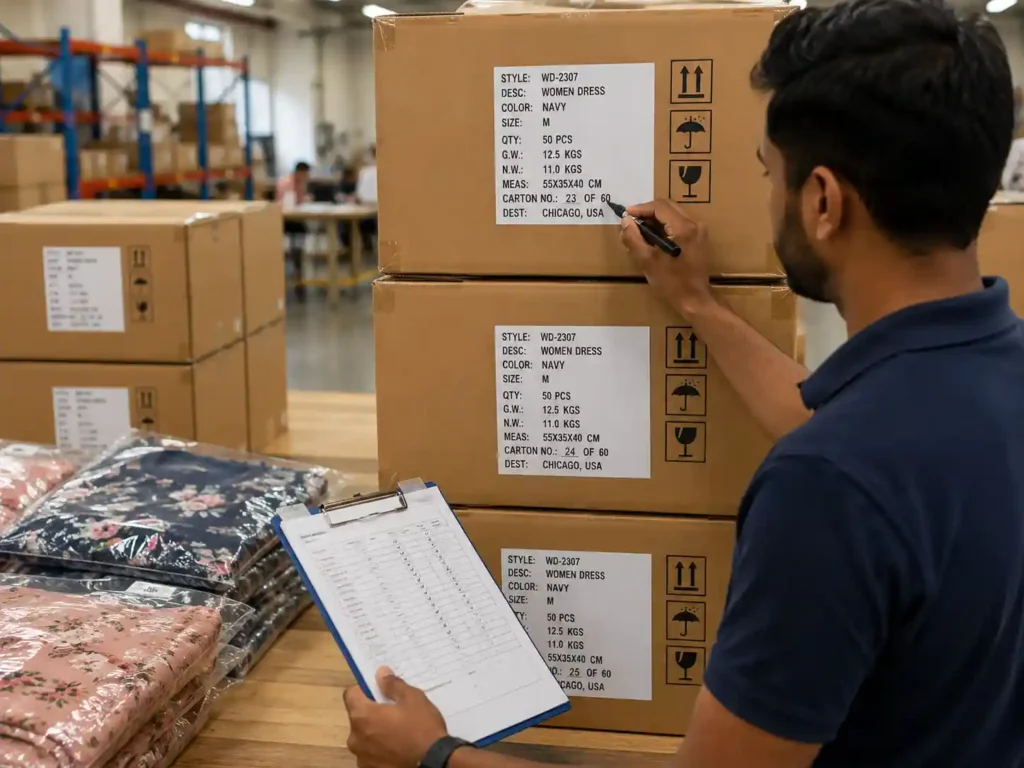
  • Packing Standard: Folding, tissue, polybag, barcode, size sticker, carton ratio and protective layers are confirmed. Raised flowers, sequins and pleats may require additional space or handling instructions.

Production Allocation Based on Fabric and Construction

Jinfeng Apparel assigns styles according to fabric behavior, silhouette, decoration, order quantity and delivery sequence. The goal is controlled execution rather than placing every dress on one production line.
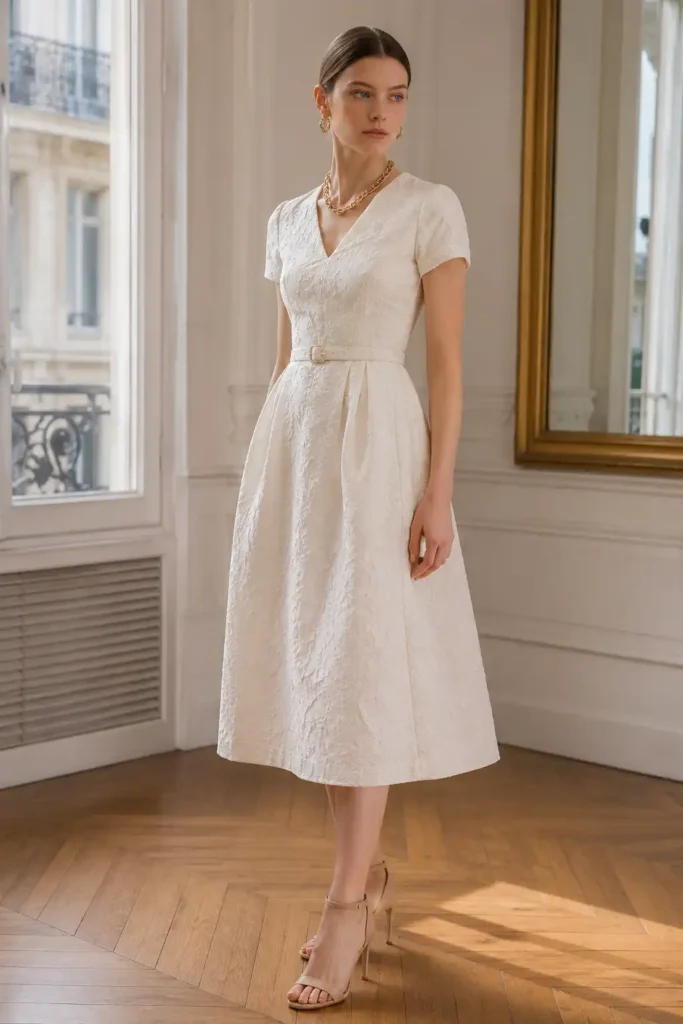
Woven Textured Dresses
Jacquard, cloqué, crinkle woven, seersucker, dobby and structured lace styles are matched with woven dress teams. Main controls include ease, waist position, hem balance, zipper flatness, lining and directional cutting.

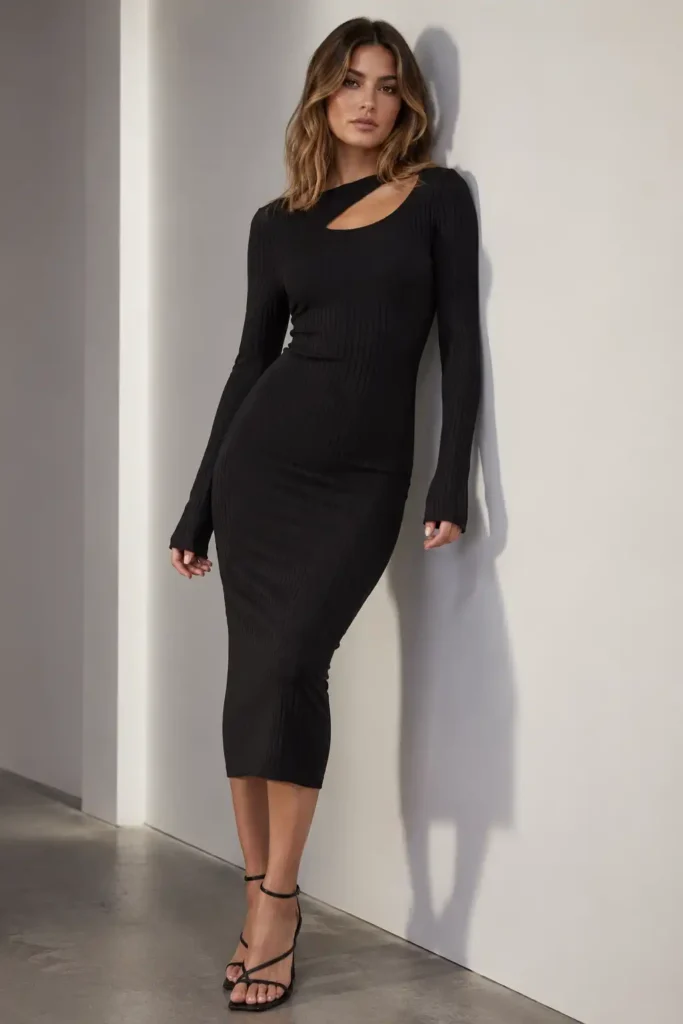
Stretch Textured Dresses

Rib knit, stretch jacquard, stretch lace, power mesh and fitted textured styles require control of stretch direction, recovery, side seams, neckline shape and finished measurements.

Decorated Party Dresses

Sequin, bead, rhinestone, feather, appliqué and embroidered styles are allocated around specialist attachment, seam clearing and finishing needs. Decoration lead time is considered before bulk sewing begins.

Multi-Factory Programs

Large ranges can be divided by product family while one project plan connects fabric standards, pattern approvals, QC requirements, labels and packing. Shared milestones prevent inconsistent interpretation between production locations.

Capacity and Launch Planning

Order volume, style count, fabric readiness and launch date determine production sequence. Programs of 20,000-80,000 pieces can be split by style group or shipment batch when the schedule and warehouse plan support it.

Repeat-Order Readiness

Patterns, fabric references, trim details, measurement files, packing instructions and previous production comments are retained for repeat orders. Material availability and new bulk lots still require confirmation.

Textured Dress Production From Fabric to Packing

A structured production route keeps surface quality connected to measurement, workmanship and delivery. Each stage produces information for the next team.

Material Inspection

Bulk fabric, lining, trims and decoration are checked against approved references before release.

Fabric Relaxation

Stretch, crinkle and soft woven fabrics are allowed to settle when required before cutting measurements are finalized.

Marker Planning

Direction, motif repeat, size ratio and usable width guide marker efficiency and placement.

Controlled Cutting

Face, direction, symmetry and defect marks are followed during spreading and cutting.

Bundle Management

Panels remain grouped by style, size, color and fabric lot to prevent shade or direction mixing.

Sewing Assembly

Construction follows approved seam, lining, zipper, support and decoration instructions.

Inline Inspection

Fit points, symmetry, seam quality, surface damage and workmanship are checked during sewing.

Decoration Review

Sequins, beads, appliqué and embroidery are compared with placement maps and security standards.

Finishing and Pressing

Temperature, pressure and protective methods preserve texture while improving garment appearance.

Final Measurement

Finished garments are measured according to approved points and agreed tolerances.

Surface Inspection

Shade, texture depth, motif balance, damage, loose decoration and pressing marks are reviewed.

Protective Packing

Labels, folding, tissue, polybags, barcode and carton ratios follow the approved packing standard.

Testing Options Selected by Material and Market

Testing scope depends on fiber composition, target market, care method, decoration and brand requirements. Samples, bulk fabric and finished garments may require different checks.

Test or Review

Most Relevant For

Purpose

Project Note

Fiber Composition

All fabric families

Confirm declared material content

Lab method and tolerance depend on market requirement

Dimensional Change

Crinkle, viscose, cotton blends, stretch knits

Assess shrinkage or growth after care

Pattern and care label may need adjustment

Color Fastness

Dyed jacquard, lace, dark colors, contrast lining

Review rubbing, washing or perspiration transfer

Test type follows intended care and market

Pilling and Abrasion

Rib knit, textured blends, contact areas

Assess surface wear

Not every raised design can use the same method

Seam Strength

Fitted woven, stretch styles, heavy decoration

Review seam performance under load

Seam type and fabric direction influence result

Stretch and Recovery

Bodycon, rib, stretch lace, power mesh

Confirm extension and return

Both fabric directions may be checked

Decoration Attachment

Beads, sequins, rhinestones, appliqué

Assess security and handling resistance

Method depends on decoration type

pH and Restricted Substances

Market-specific programs

Support chemical compliance review

Scope and lab are agreed per destination

Care Verification

Pleats, crinkle, appliqué, mixed materials

Confirm care instructions preserve appearance

Garment-level trial may be needed

Packing Compression Review

3D flowers, pleats, sequins

Assess recovery after folding and carton pressure

Helps define tissue and carton arrangement

Private Labels and Protective Packaging for Texture

Brand presentation is completed through labels, tags, barcodes and packing designed around the surface. A beautiful garment can arrive damaged when folding and carton pressure are not planned.

Woven and Size Labels

Label material, size, fold, position and attachment are confirmed before bulk. Rough label edges are avoided near sensitive skin-contact areas.

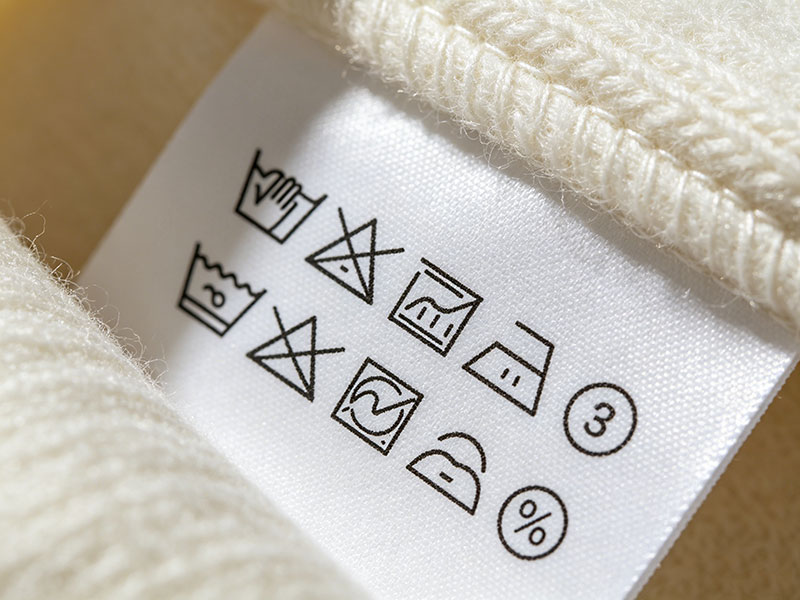
Care Labels

Fiber content, care symbols, country information and brand format are prepared according to supplied requirements. Pleated, embellished and mixed-material dresses need care wording aligned with garment behavior.

Hangtags and Barcodes

Hangtags, barcode labels and SKU stickers are matched to style, color and size. Scannable placement and correct pack-out support retail and warehouse receiving.

Tissue Protection

Tissue reduces friction between sequins, beads, embroidery and neighboring garments. Raised flowers can be shaped or supported so petals are not crushed.

Folding Direction

Fold lines are kept away from 3D appliqué, rigid beading and important pleat areas where possible. Long dresses may use controlled folding to protect hems and decoration.

Individual Polybags

Bag size, ventilation, warning text and sealing method are matched to garment volume. Overly tight bags can flatten texture or bend decorative elements.

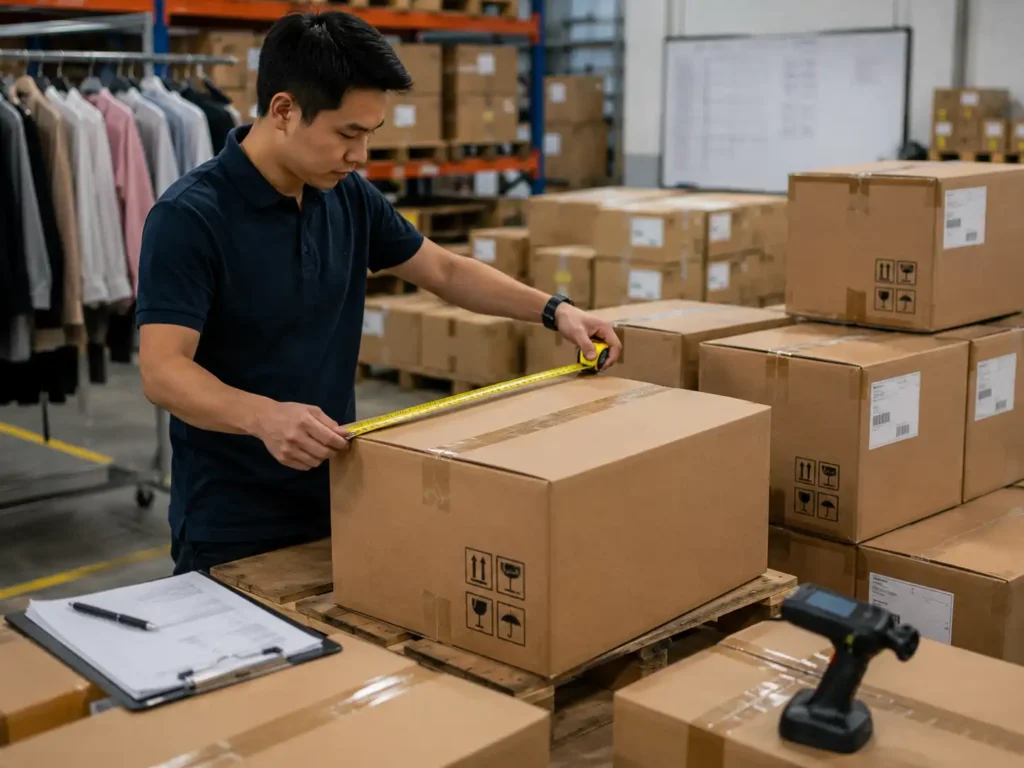
Carton Ratio

Style, color, size ratio and pieces per carton follow approved packing instructions. Heavy decorated dresses may need lower carton density than lightweight crinkle dresses.

Carton Pressure Planning

Carton dimensions and stack pressure are considered for sculpted surfaces. Protective inserts or reduced compression may be used when standard packing would damage the garment.

Managing Multi-Style Textured Dress Collections

Large programs combine creative variety with operational complexity. Jinfeng Apparel groups products by fabric, pattern, workmanship and launch priority so one collection remains manageable.

Fabric Grouping

Styles sharing jacquard, crinkle, lace, lining or color standards are grouped for sourcing and approval. Grouping reduces unnecessary material duplication while keeping style-specific risks visible.

Pattern Complexity Levels

Simple A-line styles, fitted bodycon dresses, corset constructions and decorated evening garments do not move through identical development paths. Complexity levels guide sample priority and production allocation.

Shared Color Standards

A color story may run across several fabric surfaces. Each material reflects light differently, so visual coordination uses physical approvals rather than assuming one Pantone appears identical on every texture.

Trim Coordination

Zippers, cups, boning, elastic, labels, hangtags and packing can be standardized where suitable. Shared trims simplify control but must still match garment weight and structure.

Size and Ratio Planning

Order quantity is broken down by style, color and size. Reasonable size ratios improve cutting, packing and inventory control. Wide size ranges may require additional fit review at larger or smaller sizes.

Launch Priority

Hero styles, photography styles and high-volume items can move first. Decoration-heavy or custom-fabric styles are scheduled earlier when lead time is longer.

Split Production

Different factory teams can handle woven, stretch and decorated groups under one project standard. Pattern files, PP samples, QC points and packing rules connect all groups.

Split Shipment

Air and sea shipment, staged warehouse receiving or two delivery batches can be discussed when the launch calendar and cost plan support a split.

Textured Dress Production Programs

The following project profiles reflect common order structures handled for established fashion programs. Brand names, original design files and private commercial details remain protected.

United States Occasionwear Program

Project scope: 18 styles and 36,600 pieces across structured jacquard, cloqué, corded lace and embroidered mesh. Sizes ran from XS to XXL, with two to four colors per style. Main challenge: several jacquard motifs required centered placement across princess seams and waist joins, while cloqué surfaces reacted poorly to normal pressing pressure. The collection also used shared linings and zippers across different shell weights. Production approach: styles were grouped into structured woven and sheer embroidered families. Repeat maps were created for hero panels, and seam allowances were planned around raised motifs. Pressing trials defined protective layers and reduced pressure. Fit review focused on bust shaping, waist level, zipper flatness and lining support. PP approvals were completed by style group before bulk cutting. Result: the program moved into bulk with separate cutting standards for each fabric family, common label and packing controls, and two shipment windows aligned with the launch plan. Pattern, fabric and packing references were retained for repeat development.

United Kingdom Resort Program

Project scope: 12 styles and 24,800 pieces across crinkle rayon blends, seersucker, dobby and elastic smocking. The range covered mini, midi and maxi dresses in four core colors. Main challenge: relaxed surface measurements changed when operators stretched the fabric during checking. Light colors also showed different transparency under studio lighting, and smocked bodices needed stable recovery across sizes. Production approach: measurement methods were defined for relaxed crinkle and extended smocking. Pre-production checks reviewed dimensional change, color, opacity and lining coverage. Lightweight linings were selected for pale colors without removing the fluid hand. Smocking tension was compared against approved stretched and relaxed measurements. Maxi hems were reviewed after garment relaxation. Result: the collection used one measurement method across sampling and bulk QC, reducing conflicting interpretations. Packing density was adjusted to preserve crinkle recovery, and size-color ratios were prepared for retail-ready dispatch.

Australian Partywear Program

Project scope: 26 styles and 68,400 pieces across sequin mesh, beaded panels, stretch lace, embroidered tulle and 3D floral appliqué. Styles included bodycon minis, corset midis and statement evening dresses. Main challenge: decoration lead times varied, seam bulk differed sharply by style, and raised flowers could not tolerate standard compression. The launch required priority handling for campaign styles while the full assortment continued through production. Production approach: styles were classified by decoration density and internal structure. Hero styles entered sample and decoration approval first. Beads and sequins were cleared from seam allowances, corset support was locked before decoration placement, and 3D appliqué maps avoided zippers and underarm zones. Packing used tissue protection and lower carton density for raised elements. Result: production was divided into decorated stretch, structured corset and 3D appliqué groups under shared label and QC standards. Delivery was arranged in two batches, allowing launch-critical styles to move first while the remaining assortment completed final inspection.

How to Qualify a Textured Dress Manufacturer

Supplier qualification should examine development discipline and bulk control, not only sample appearance. The questions below help established brands compare manufacturing partners on measurable capability.

Fabric Knowledge

Can the supplier explain weight, width, stretch, recovery, opacity, repeat, pressing sensitivity and supplier minimums rather than showing only color swatches?

Dress Pattern Skills

Can the team correct bust, waist, hip, neckline, strap, slit, lining and hem issues for fitted, structured and fluid silhouettes?

Directional Cutting

Are nap, motif repeat, symmetry and one-way marker rules documented before cutting?

Complex Sewing

Can the factory explain seam clearing, zipper handling, pressure control, lining and edge finishing for raised or decorated fabrics?

Sample Versions

Are first, fit, revised, photo-ready, PP and golden samples clearly separated and recorded?

Bulk Handover

Does production receive a BOM, construction sheet, measurement specification, fabric reference and approved sample?

Quality Checkpoints

Are incoming material, cutting, inline sewing, measurement, surface, decoration and packing checks defined?

Brand Delivery

Can the supplier manage labels, barcodes, protective folding, carton ratios, packing lists and shipping coordination?

MOQ, Quantity Planning and Project Information

MOQ starts from 200 pieces per style/color. The threshold is calculated by style and color, not by combining many small styles into one total. Textured materials and decoration may carry additional supplier minimums.

Quantity by Style

One style in one color can be reviewed from 200 pieces. One style in two colors normally requires 200 pieces per color, creating 400 pieces total unless material conditions support another confirmed arrangement.

Fabric Minimums

Custom weaving, exclusive jacquard, custom embroidery, dyeing, pleating, special lace, sequins, beads and molded decorative parts may require higher material minimums than garment production alone.

Size Range

A size range such as XS-XXL is common for many programs, but the quantity ratio by size should be confirmed before cutting. Extended sizes may need additional fit samples or pattern review.

Color Count

Too many low-volume colors increase fabric booking, lab dips, cutting, labels, SKU control and packing complexity. Core colors can launch first, followed by approved extensions when the sales plan supports them.

Sample Planning Time

A first sample commonly needs about 7-15 working days after fabric and trims are ready. Complex embroidery, beading, appliqué, custom color or several fit rounds can extend the schedule.

Bulk Planning Time

Many dress programs plan about 25-45 days after PP approval and material readiness. High style count, custom fabric, heavy decoration, extended sizes, testing or staged packing may require a longer schedule.

Textured Dress Manufacturing Frequently Asked Questions

Textured dress fabrics include jacquard, cloqué, crinkle, seersucker, dobby, rib knit, pleated fabric, smocked fabric, corded lace, embroidered mesh, sequin fabric, beaded fabric and 3D appliqué materials. Texture may come from weaving, finishing, garment construction or decoration.

Yes. A close-up image can guide surface, shine, repeat and likely material direction. Physical swatches are recommended before final approval because images cannot confirm weight, stretch, hand feel, width, opacity or bulk stability.

An original garment can be reviewed for fabric behavior, construction and fit direction. Reproduction scope depends on design rights, material availability, quantity and agreed changes. NDA-based cooperation is available for confidential developments.

Face, top direction, motif repeat, symmetry and seam placement are marked before cutting. One-way marker planning may be required. Incoming bulk fabric is compared with approved references before release.

Yes. Development must define measurement method, recovery, shrinkage, pleat stability, smocking tension, lining and packing. The surface should not be pulled flat during measurement unless the specification clearly requires it.

Attachment method, backing, placement and seam clearance are confirmed in the sample. Loose decoration is checked during inline and final inspection. High-stress zones and skin-contact areas receive special attention.

Yes. Fabric stretch, recovery, opacity, length growth and side-seam behavior are assessed. Bust, waist and hip grade rules are confirmed around the approved base size and intended size range.

Not always. Lining depends on transparency, skin feel, structure, stretch and design. Full lining, partial lining, stretch lining or no lining may be selected after fabric and fit review.

MOQ starts from 200 pieces per style/color. Custom fabric, dyeing, embroidery, sequins, beads, special trims and packaging can carry separate supplier minimums.

Yes. Multi-style programs can include woven, stretch, embroidered and decorated groups. Styles are organized by material, pattern complexity, production method and launch priority.

PP approval, golden samples, final patterns, BOMs, measurement files, construction notes, fabric references and packing standards create the bulk handover. Incoming material, cutting, inline, final and packing checks compare production against the approved standard.

Yes. Woven labels, size labels, care labels, hangtags, barcodes, polybags, tissue, carton marks and packing ratios can be managed according to supplied files and confirmed requirements.

Yes. Jinfeng Apparel supports NDA-based cooperation and protects tech packs, patterns, samples, trims, private-label files, unpublished designs and order information throughout development and production.

Send reference images or a tech pack, quantity by style/color, size range, fabric direction, decoration details, packaging needs and target delivery window. More complete information supports a more accurate feasibility and quotation review.

Start Your Textured Dress Collection With Clear Inputs

A useful project review begins with enough information to judge fabric direction, construction risk, MOQ fit, development cost and timing.

Kelly coordinates initial communication for Jinfeng Apparel and can route technical files to fabric, pattern, sample and production teams after the project scope is clear.
Please prepare:

  • Tech packs, reference images, line sheets, sketches or an original sample
  • Quantity by style and color, with 200 pieces per style/color as the standard starting point
  • Size range, base size and available measurement chart
  • Preferred texture, fiber direction, color, hand feel, weight and stretch
  • Lining, cup, boning, zipper, lace, embroidery, sequin, bead or appliqué details
  • Main label, care label, hangtag, barcode, polybag and carton requirements
  • Target sample review, launch, warehouse or shipping dates
  • Destination market and required testing or inspection arrangements
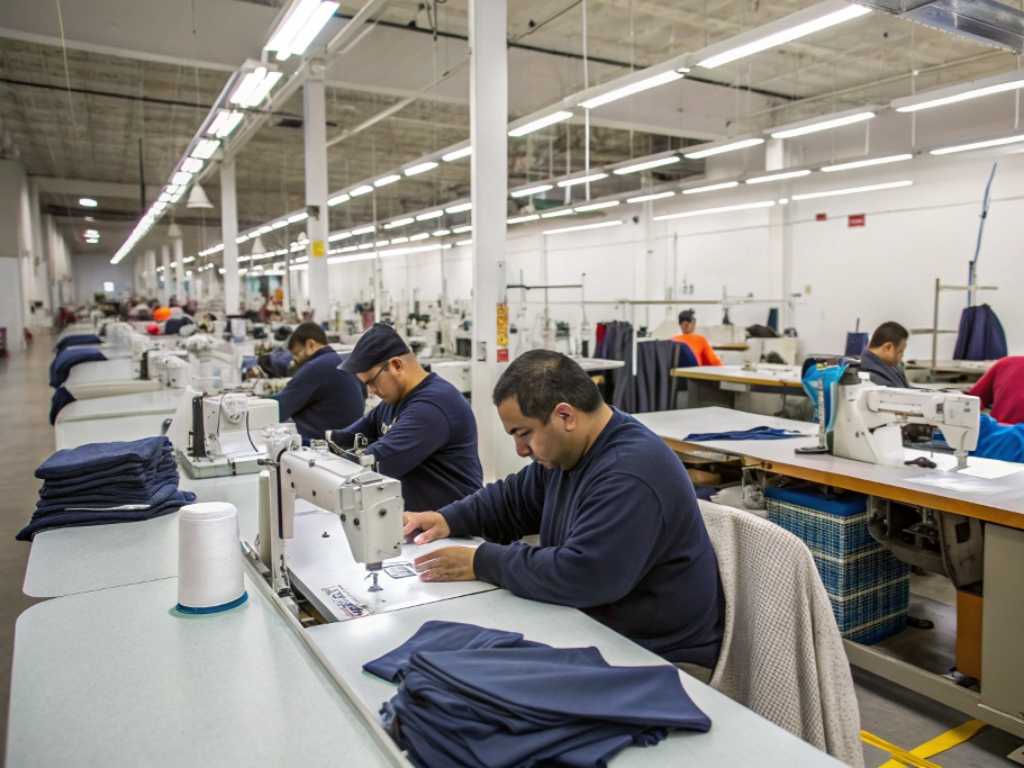
Factory workers sewing dark blue garments at sewing machines in a textile plant.

Tell Us About Your Dress Project

Share your product details, estimated quantity and development requirements. Our team will review your project and provide practical OEM/ODM production feedback.

Premium Women’s Apparel Production for Fashion Brands

From dress sample development to bulk production, JF Apparel supports fashion brands with confidential OEM/ODM manufacturing, reliable quality control and scalable production support.

START YOUR DRESS PROJECT

Ready to Develop Your Next Dress Collection?

Share your design concept, product requirements or sourcing plans with our team. We’ll review your project and provide practical feedback on development, materials, MOQ and production.

7-10 Days

Sample Development

200 PCS

Starting MOQ

Fast Response

Professional Follow-Up