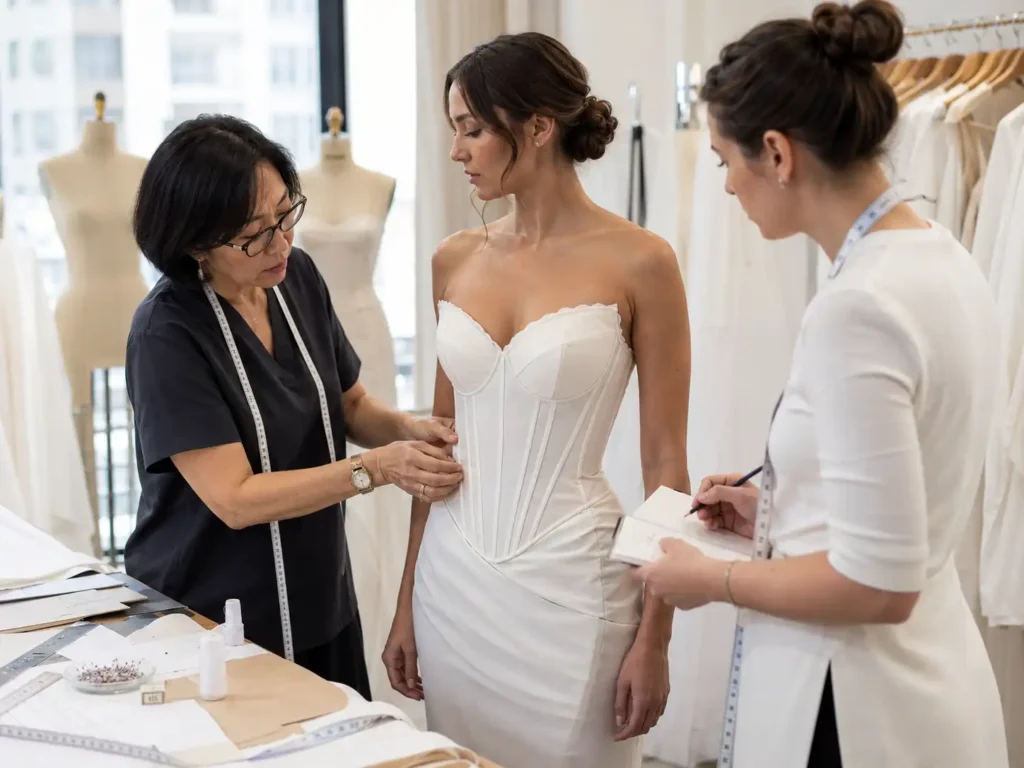
Sweetheart Neckline Dress Manufacturer
Structured Necklines, Stable Fit, Production-Ready Dress Collections
Jinfeng Apparel develops sweetheart neckline dresses for global fashion labels, sourcing teams and established apparel programs, covering pattern engineering, fabric sourcing, structured bodices, sampling, bulk production, quality control and private-label delivery.
- 8 core fit points reviewed: upper bust, full bust, underbust, apex spacing, neckline depth, center-front length, strap position and waist.
- 6 common support routes: shaped lining, bra cups, boning, underwire, stay tape and anti-slip elastic.
- MOQ starts from 200 pieces per style/color, subject to fabric, trims, construction and packing requirements.
- 2 sample rooms, 7+ senior pattern makers and 20+ sample machinists support fit-led dress development.
Manufacturing Capacity Behind Every Sweetheart Neckline Dress
Since 2008
Six Owned Factories
Ten-Plus Partners
Two Sample Rooms
Seven-Plus Pattern Makers
Twenty-Plus Machinists
Built for Established Fashion and Sourcing Teams
Fashion Brand Groups
Fast-Fashion Dress Labels
Occasionwear Labels
Premium Ecommerce Brands
Product Development Teams
Sourcing Departments
A Clear Fit for Planned Production Programs
Best Fit For
- Custom development from 200 pieces per style/color
- Seasonal collections and multi-style dress programs
- Private labels, care labels, hangtags, barcodes and branded packing
- Repeat orders, bestseller replenishment and multi-batch delivery
- NDA-based cooperation for unreleased designs and brand files
Project Boundaries
- Garment MOQ and packaging-material MOQ may differ
- Custom-dyed fabrics and special trims can raise minimums
- Multiple colors usually require separate quantity planning
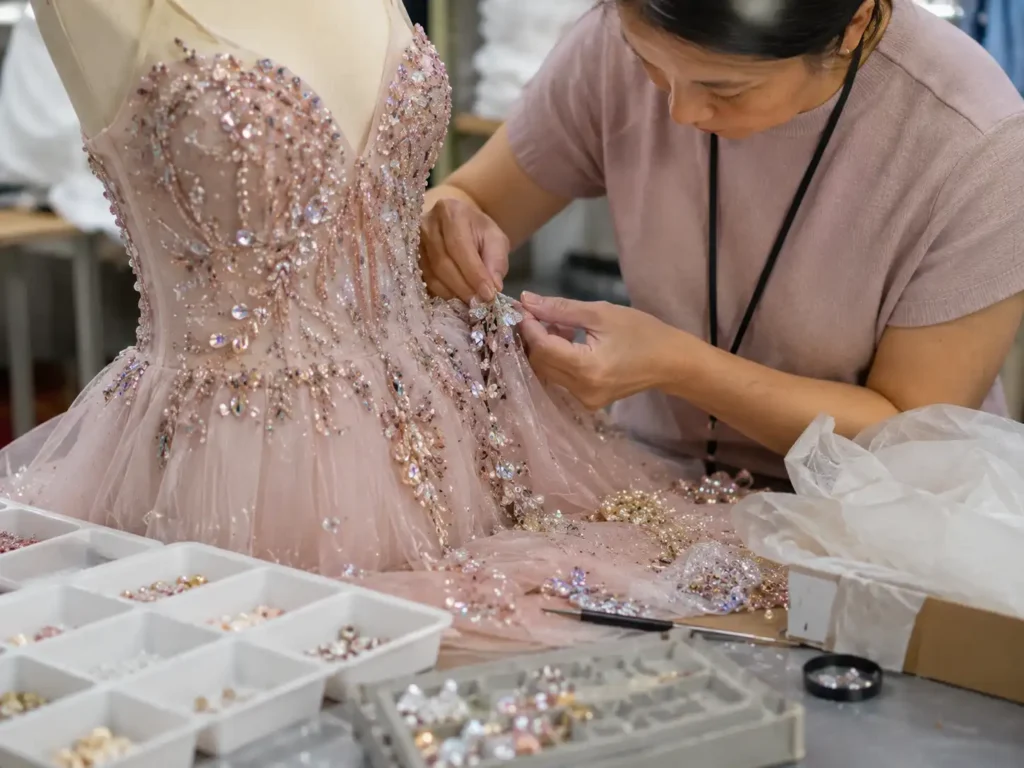
- Complex corset, beading or sequin work affects cost and timing
- Delivery commitments follow material approval and PP lock
Sweetheart Neckline Problems We Solve Before Bulk
Uneven Neckline Curves
- Compare left and right curve templates
- Mark center-front and bust apex positions
- Control neckline seam allowance and understitching
- Inspect symmetry before and after pressing
- Measure bulk garments against the approved sample
Center-Front Gaping
Gaping near the center front can expose lining, reduce security and create a loose visual line. Common causes include excess upper-bust ease, insufficient stay tape, fabric stretch, cup mismatch or a neckline curve that does not follow the intended body contour.
- Review upper bust and neckline length
- Reduce or reshape excess pattern volume
- Add suitable stay tape or interfacing
- Reassess cup size and placement
- Validate standing, sitting and forward movement
Strapless Slipping
- Check underbust and waist anchoring
- Review boning direction and spacing
- Match anti-slip elastic to fabric and lining
- Test zipper closure and back tension
- Conduct movement checks before PP approval
Incorrect Cup Position
- Mark bust apex and apex-to-apex distance
- Match cup dimensions to target size range
- Align cup edge with neckline coverage
- Review cup behavior under stretch and non-stretch shells
- Update grading rules instead of scaling cups blindly
Lining Exposure
Lining can become visible when the shell rolls outward, the lining is too large, seam allowances are bulky or neckline understitching is insufficient. Light-colored satin, lace and mesh styles make the issue especially obvious in close-up photography.
- Reduce lining excess along the neckline
- Control clipping and grading of seam allowances
- Use understitching where construction allows
- Match lining color and opacity carefully
- Inspect after final pressing and packing simulation
Bulk Size Drift
- Lock final pattern and grade rule
- Relax stretch fabric before cutting when required
- Measure neckline depth, bust and strap length
- Compare inline and final samples with Golden sample
- Separate measurement records by size and color
Complete Sweetheart Dress Manufacturing Support
OEM Production
ODM Development
Fabric Sourcing
Pattern Making
Sampling
Bulk Production
Quality Control
Export Delivery
Sweetheart Neckline Dress Styles for Commercial Collections

Sweetheart Mini Dress
- Strong fit checks: neckline depth, bust, waist, hip and hem length
- Common structures: straps, strapless bodice, corset panels or ruching
- Bulk risks: upward riding, zipper waves, short lining and color-to-color stretch differences

Sweetheart Midi Dress
- Strong fit checks: bust-to-waist shaping and center-front length
- Commercial advantage: wearable across semi-formal and event settings
- Bulk risks: uneven hem, slit distortion, lining drag and neckline rolling

Sweetheart Maxi Dress
- Strong fit checks: bust coverage, waistline, skirt drop and front/back hem
- Construction options: fitted bodice with flowing skirt, slit or layered skirt
- Bulk risks: cutting slippage, hem inconsistency, fabric shade and lining length

Sweetheart Bodycon Dress
- Strong fit checks: upper bust, full bust, waist, hip and garment recovery
- Support options: shaped lining, cups, boning or internal mesh
- Bulk risks: size drift, seam grin, neckline flare and over-compression

Sweetheart Corset Dress
- Strong fit checks: cup position, underbust, waist, back tension and comfort
- Support options: flexible boning, molded or cut-and-sew cups, underwire
- Bulk risks: boning twist, cup distortion, uneven channels and lining abrasion

Sweetheart Party Dress
- Strong fit checks: neckline shape during standing, sitting and arm movement
- Construction options: mini, midi, strapless, halter or detachable straps
- Bulk risks: decoration damage, fabric snagging and inconsistent ruching

Sweetheart Prom Dress
- Strong fit checks: bodice support, side seam, waistline and dress length
- Development need: photo-ready sample before final bulk approval
- Bulk risks: shade variation, heavy skirt pull, cup movement and packing creases
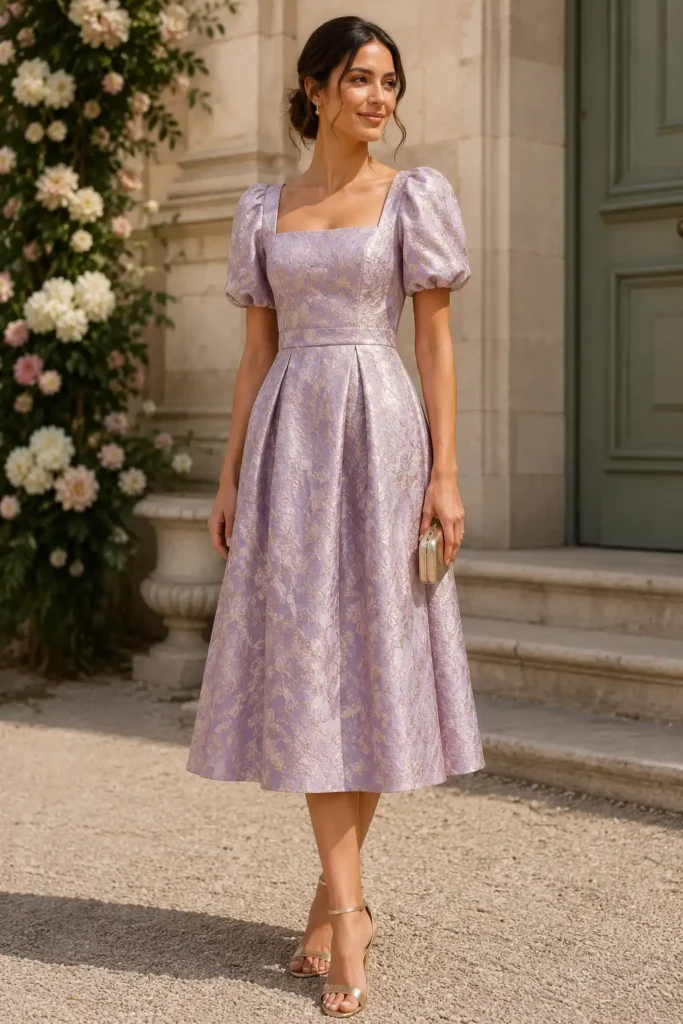
Wedding Guest Dress
- Strong fit checks: bust coverage, waist proportion, movement and seated comfort
- Commercial direction: refined colors, repeatable fits and elevated handfeel
- Bulk risks: satin snagging, lace mismatch, lining exposure and hem imbalance
Six Sweetheart Neckline Shapes We Can Develop

Classic Sweetheart
- Best fabrics: crepe, satin, ponte and stable lace
- Fit focus: curve symmetry, upper-bust contact and center-front height
- Commercial value: broad styling range and easier multi-size adaptation

Soft Sweetheart
- Best fabrics: crepe, jersey, matte satin and lace overlays
- Fit focus: clean edge, smooth upper bust and lining control
- Commercial value: reduced exposure risk and easier styling with sleeves

Deep Sweetheart
- Best fabrics: stretch satin, mesh-supported shells and corset fabrics
- Fit focus: apex alignment, cup edge, center-front stay and underbust support
- Commercial value: party, club, birthday and statement collections

Pointed Sweetheart
- Best fabrics: firm satin, crepe, brocade and structured overlays
- Fit focus: point position, seam matching, interfacing and top-edge control
- Commercial value: premium corset and red-carpet-inspired directions

Strapless Sweetheart
- Best fabrics: satin, ponte, crepe and structured lace
- Fit focus: downward movement, side coverage, back height and comfort
- Commercial value: prom, cocktail, bridal-adjacent and party programs
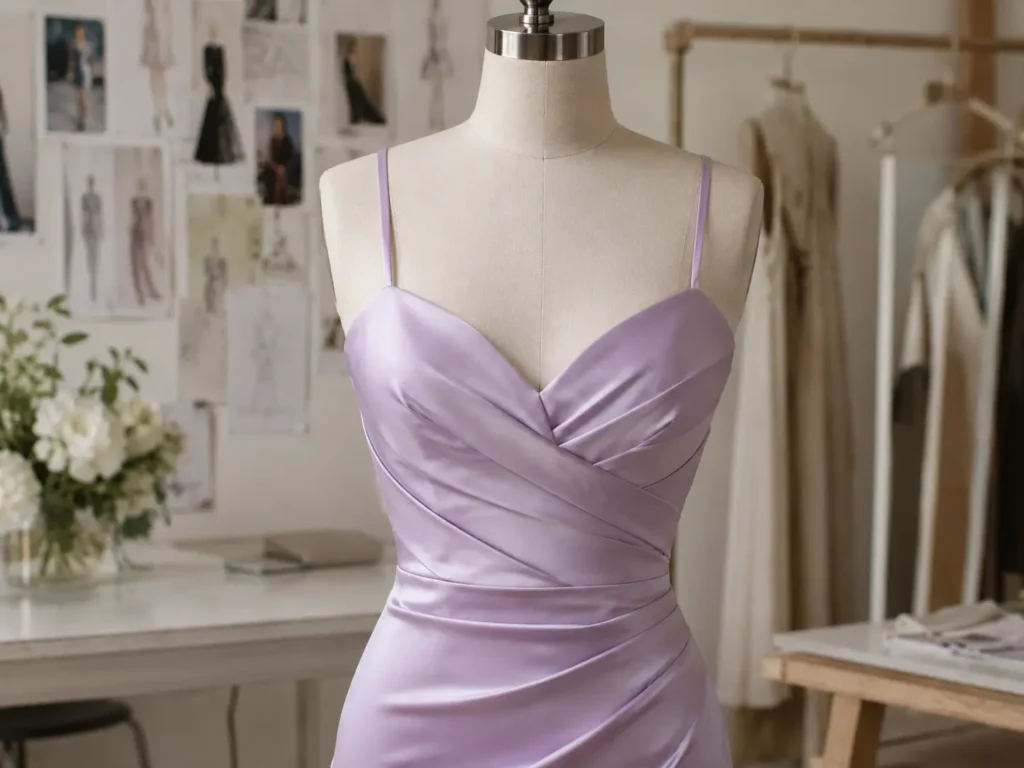
Strapped Sweetheart
- Best fabrics: satin, chiffon, jersey, mesh and lace
- Fit focus: strap angle, adjustment range, armhole and neckline balance
- Commercial value: broader fit flexibility and easier movement security
Silhouettes That Change Sweetheart Neckline Performance
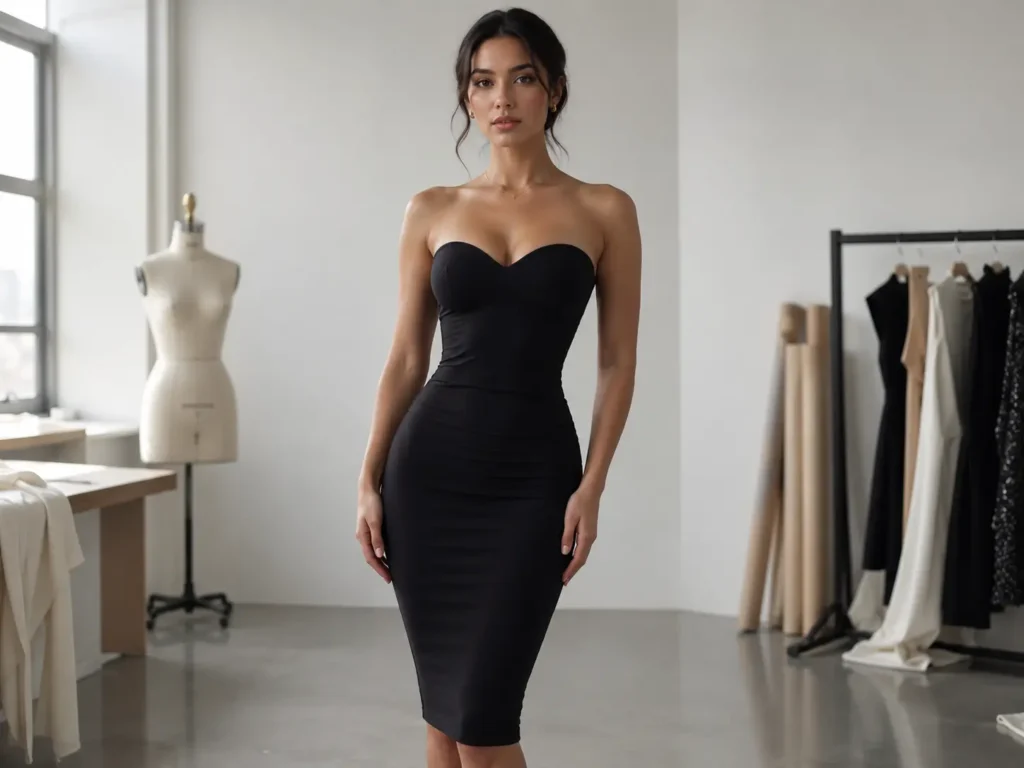
Bodycon

A-Line
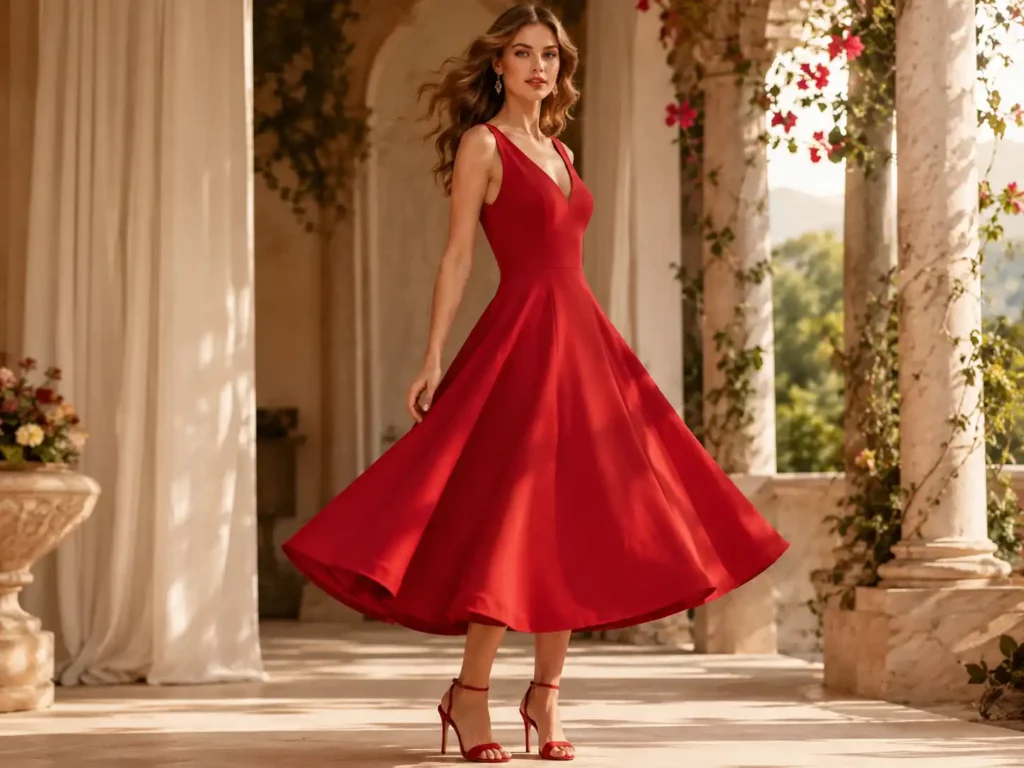
Fit-and-Flare

Corset

Mermaid

Ruched

Babydoll

Draped
Sweetheart Dresses Planned Around Selling Occasions
Button: Plan Your Launch

Party and Birthday

Date Night

Wedding Guest

Graduation and Homecoming

Prom and Evening

Resort and Summer
Fabric Selection for Sweetheart Neckline Stability
Fabric determines whether the neckline holds a clean curve, stretches away from the body, collapses at the bust or shows every construction mark. Material approval should compare surface, weight, recovery, drape, opacity, lining and bulk availability.
| Fabric | Useful Weight or Behavior | Strong Applications | Main Control Points |
|---|---|---|---|
| Matte Satin | Medium weight, smooth surface | Cocktail, midi, corset and wedding guest dresses | Snagging, shine direction, seam impressions, pressing and packing marks |
| Stretch Satin | Usually 120-250 gsm with elastane | Bodycon, mini, corset and fitted party dresses | Stretch direction, recovery, neckline flare, shade variation and needle marks |
| Crepe | Medium structure with controlled drape | Midi, cocktail, formal and clean structured dresses | Shrinkage, pressing, seam smoothness and grain direction |
| Ponte | Stable stretch and firm recovery | Bodycon, midi and commercial fitted programs | Negative ease, seam bulk, recovery and size consistency |
| Jersey | Soft stretch and close-body comfort | Casual party, ruched and draped dresses | Edge stretch, support level, seam grin and neckline rolling |
| Mesh | Often 40-120 gsm, transparent and stretch-sensitive | Illusion panels, overlays, party and club dresses | Transparency, lining coverage, holes, edge stretch and seam strength |
| Lace | Often 60-250 gsm with pattern-led structure | Occasion, cocktail, wedding guest and evening dresses | Motif placement, joining, edge finish, lining color and damage |
| Tulle | Lightweight with variable stiffness | Prom, evening, layered and romantic silhouettes | Layer count, scratching, edge control, skirt pull and packing compression |
| Velvet | Dense surface with directional pile | Autumn, holiday and evening collections | Pile direction, crushing, seam marks, pressing and color depth |
| Sequin Fabric | Decorative, heavier and surface-sensitive | Party, prom, birthday and statement dresses | Sequin removal at seams, scratching, weight, attachment and packing protection |
Internal Support Options for Stable Sweetheart Bodices

Bra Cups
- Review cup width, height and apex location
- Test under shell fabric and lining
- Confirm grading or alternate cup sizes by range
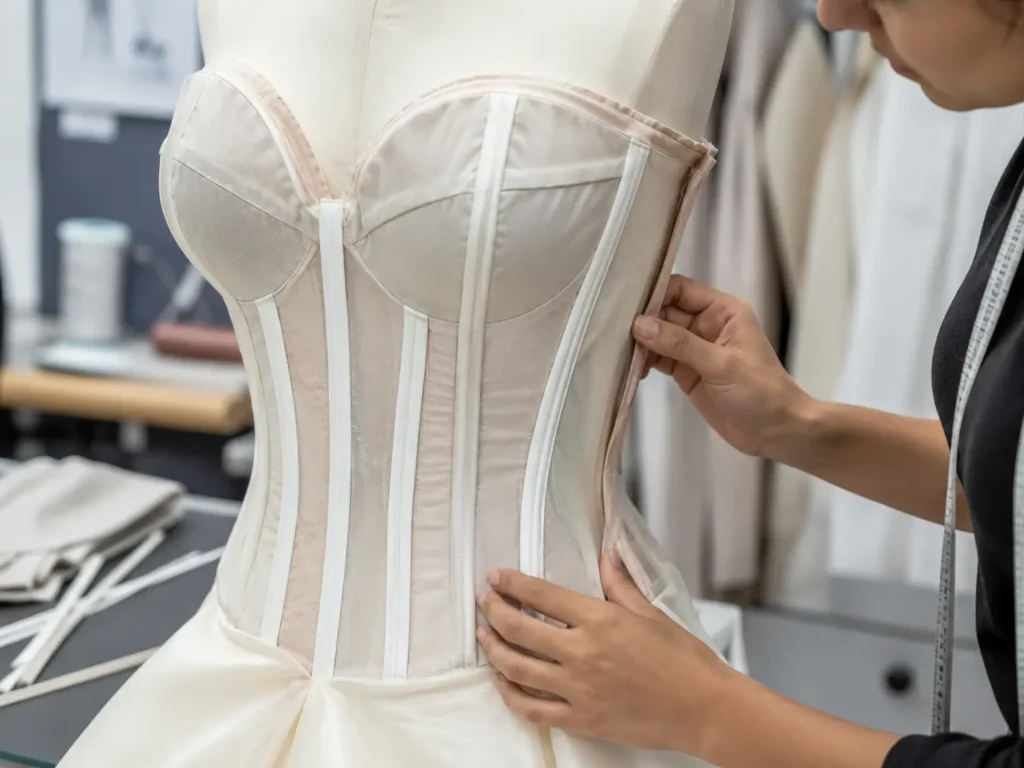
Boning
- Align channels with panel seams or shaping lines
- Prevent twisting and sharp end pressure
- Inspect balance on both sides

Underwire
- Match wire shape to cup and neckline
- Secure casing ends
- Validate seated and movement comfort

Fusible Interfacing
- Select weight and stretch behavior carefully
- Test bonding and pressing temperature
- Avoid visible adhesive marks

Stay Tape
- Apply to the approved seam line
- Keep tension even on both sides
- Confirm no puckering after pressing

Anti-Slip Elastic
- Place where skin contact and design allow
- Check irritation and visible ridge risk
- Test movement over time

Structured Lining
- Control lining size and attachment points
- Match opacity and color
- Prevent lining from rolling outward

Closure Systems
- Check zipper flatness and top closure
- Confirm hook position and seam reinforcement
- Test lace-up range without distorting the neckline
Size Grading for Sweetheart Neckline Collections
Sweetheart necklines cannot be enlarged by simple percentage scaling. Bust position, curve height, neckline depth, strap angle and support requirements change across sizes, so grade rules need visual and measurement validation.
Grading the Bust and Neckline Together
The main risk in size grading is preserving the sample’s visual proportion while increasing body dimensions. A larger bust measurement does not mean the center-front depth or curve width should increase at the same rate.
Key measurements include:
- Full bust, upper bust and underbust
- Apex-to-apex spacing and apex height
- Center-front length and neckline depth
- Front width, armhole and side coverage
- Strap length and attachment position
- Waist, hip and total dress length
Cup and Support Changes Across Sizes
One cup specification may not serve an extended size range. Larger sizes can require wider coverage, revised cup projection, stronger lining or different boning placement, while smaller sizes may need reduced cup volume and narrower spacing.
Control methods include:
- Mapping cup edge against the graded neckline
- Reviewing underbust and side-bust coverage
- Adjusting center-front height without changing design identity
- Confirming strap position and back tension
- Separating support specifications when size groups require it
Stretch and Non-Stretch Grade Rules
Stretch bodices rely on fabric recovery and selected negative ease. Non-stretch bodices rely on seam shaping, darts, cups, boning and closures. Using the same grade logic for both can produce inconsistent pressure and coverage.
Stretch review includes:
- Fabric stretch in width and length
- Recovery after repeated extension
- Color-to-color or batch differences
- Seam stretch and neckline stay
- Measurement after relaxation
Non-stretch review includes:
- Wearing ease and closure access
- Cup and underbust contour
- Side seam balance
- Armhole and neckline coverage
- Tolerance control during sewing
Size Verification Before Full Production
The approved base sample establishes design direction, but bulk size stability depends on final pattern version, grade rule, material relaxation, cutting accuracy and measurement inspection.
A production-ready control set includes:
- Final pattern files by size
- Approved size chart and tolerances
- Grade-rule record
- Fabric and lining reference
- Cup, boning and strap specifications
- PP or Golden sample
- Measurement QC checkpoints|
For programs using XS-XL, extended sizes, petite or tall proportions, size breakdown and fit priorities should be discussed before material booking.
Custom Design Details for Distinctive Sweetheart Dresses

Ruching
- Control left-right balance
- Mark start and end points
- Check stretch recovery beneath gathers

Lace Applique
- Approve motif map
- Control mirror placement
- Inspect loose edges and damage
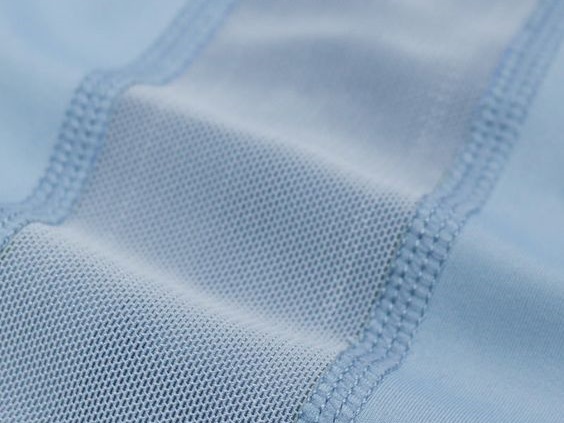
Mesh Inserts
- Confirm skin-tone or matching shade
- Check edge stretch and holes
- Review lining boundaries

Sequin Embellishment
- Protect skin-contact zones
- Check attachment after movement
- Use packing that limits abrasion

Bows and Rosettes
- Stabilize attachment area
- Confirm left-right or center placement
- Test packing recovery
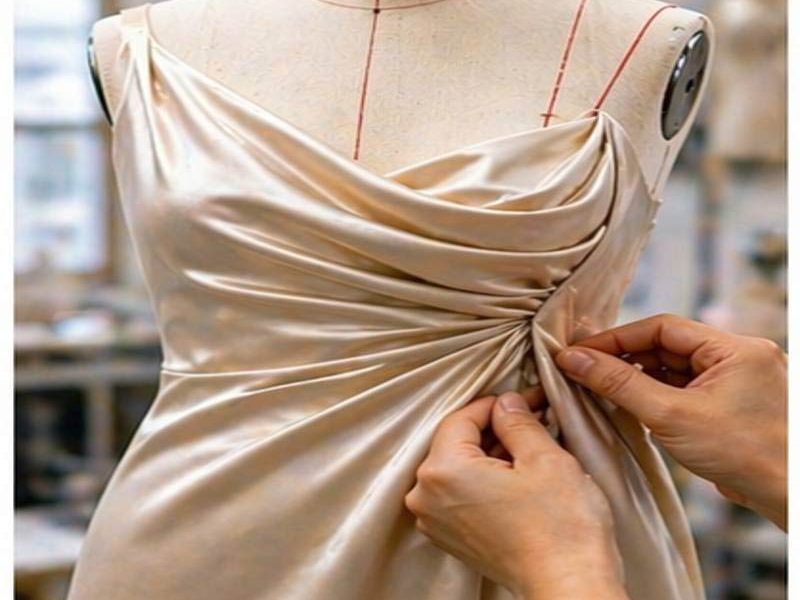
Draping and Pleats
- Mark fold positions
- Control fabric grain
- Inspect symmetry after pressing
What to Send for an Accurate Development Review
Reference Image
Tech Pack
Original Sample
Sketch or Line Sheet
Size Chart
Quantity Plan
Four Sample Stages Before Sweetheart Dress Production

First Sample
- Review overall design proportion
- Check curve, cup, waist and length
- Identify fabric or support changes
- Record construction questions

Fit Sample
- Measure against the size chart
- Test standing, sitting and arm movement
- Review cup and boning comfort
- Photograph priority fit points

Revised Sample
- Update pattern version
- Update measurement sheet
- Confirm support materials
- Review remaining open points

PP and Golden Sample
- Approve all materials and construction
- Freeze labels and packing instructions
- Issue QC checkpoints
- Control later changes through formal review
Turning Fit Feedback Into Controlled Pattern Revisions
A comment such as “the neckline feels wrong” is not enough for accurate correction. Jinfeng converts visual and measurement feedback into defined pattern actions, then verifies the result through revised sampling and PP approval.
Fit Photos Need Repeatable Angles
Fit review is more reliable when photos show the same garment from consistent positions. Useful views include front, back, both sides, standing, seated, arms raised and light forward movement. Close-ups should cover the neckline, cup, strap, armhole, zipper, waist seam and lining.
Photo review helps identify:
- One curve higher than the other
- Center-front gaping or rolling
- Cup edge showing through the shell
- Strap angle pulling the neckline outward
- Side-bust exposure near the armhole
- Waistline rising or twisting
- Back tension changing front coverage
Measurements Separate Fit Problems From Visual Preferences
Photos show proportion, while measurements show where the garment differs from the approved specification. Both are needed. A neckline may look too low because center-front depth is long, straps are long, the bust is positioned high or the whole bodice is too large.
Priority measurements include:
- Full bust, upper bust and underbust
- Apex-to-apex and shoulder-to-apex
- Center-front length and neckline depth
- Strap length and strap position
- Armhole, waist and side length
- Hip, dress length and slit height where relevant
Revision Records Protect Multi-Round Development
Sweetheart styles may involve several connected revisions. Reducing upper-bust width can affect the armhole; shortening straps can raise the neckline; changing to a stretchier fabric can alter the waist and cup pressure. A revision record keeps those effects traceable.
A useful record includes:
- Pattern change and version number
- Measurement change
- Fabric replacement or color change
- Cup, boning, lining or trim adjustment
- Sewing-method change
- Brand comment and approval status
- Next sample or bulk action
Bulk Starts Only After Critical Fit Points Close
Open fit problems should not be pushed into production with the expectation that the sewing line will solve them. Critical points for sweetheart dresses include neckline contact, curve symmetry, cup placement, support comfort, side coverage, strap position, waist anchoring and size-grade logic.
Before bulk production, Jinfeng confirms:
- Final pattern and grade rule
- Approved measurements and tolerances
- Fabric, lining, cups, boning and closures
- Sewing sequence and finishing method
- Label and packing placement
- PP or Golden sample reference
- Product-specific QC checkpoints
From Approved Sample to Repeatable Bulk Production
PP Sample Approval
Material Lock
Pattern and Grade Lock
Cutting Control
Sewing Instruction
Inline Inspection
Final Finishing
Packing and Delivery
Workmanship Details Visible in Premium Sweetheart Dresses

Clean Neckline Edge
- Inspect curve before and after pressing
- Check seam thickness at center front
- Confirm no cup or interfacing edge shows
- Compare shell and lining tension

Symmetrical Heart Curves
- Use matched pattern pieces and notches
- Inspect front on flat surface and form
- Measure key curve points where needed
- Reject twisted or off-center fronts

Secured Boning Channels
- Control channel width and seam direction
- Secure both ends
- Check left-right placement
- Inspect comfort through lining

Stable Cup Attachment
- Mark cup position clearly
- Use stable attachment points
- Check cup edge visibility
- Confirm both sides match

Smooth Zipper Finish
- Reinforce seam where needed
- Match top edges accurately
- Control seam allowance and pressing
- Test opening and closing under fit tension

Clean Lining Interior
- Check lining size and attachment
- Protect boning and wire ends
- Secure loose seam allowances
- Inspect internal cleanliness before packing
Sweetheart Dress Quality Control by Production Stage
Quality control is most effective when risks are checked at the stage where they begin. Final inspection alone cannot fully correct wrong fabric, distorted cutting, misplaced cups or incorrect grading.
Fabric and Trim Inspection
Incoming materials are reviewed against approved references before cutting. Sweetheart programs may combine shell fabric, lining, cups, boning, underwire, stay tape, anti-slip elastic, zippers, hooks, decorative trims and branded materials.
Inspection focuses on:
- Color and shade consistency
- Fabric width, weight, stretch and recovery where relevant
- Snags, holes, stains, pile direction or sequin damage
- Lining opacity and color compatibility
- Cup, boning, wire and zipper specification
- Trim quantity and packaging-material correctness
Special attention is needed for satin shade and snagging, lace motif variation, mesh holes, velvet pile direction and sequin attachment.
Cutting and Panel Control
The heart curve begins in cutting accuracy. Front panels, cups, facings and lining pieces need correct grain, direction and left-right pairing.
Stretch materials may require relaxation, while lace or printed fabrics need placement rules.
Cutting checks include:
- Pattern version and size marker
- Grain and stretch direction
- Center-front and apex notches
- Left-right panel pairing
- Shade grouping and bundle identification
- Lace, print or sequin placement
- Interfacing position
Cut bundles remain separated by style, color, size and shade group to reduce mix-ups during sewing.
Sewing and Construction Inspection
Inline inspection checks the neckline before defects spread across the order. Early garments are reviewed for sewing sequence, measurements, support materials and visual balance.
Sweetheart-specific points include:
- Curve symmetry and center-front position
- Stay tape tension and seam allowance control
- Cup and boning placement
- Underwire casing and end security
- Strap angle and attachment reinforcement
- Zipper flatness and top closure
- Lining coverage and internal comfort
- Ruching, lace, mesh, sequin or decoration consistency
When a defect is found, correction should include the cause, rework action, reinspection and prevention note.
Measurement and Fit Verification
Measurements are taken against the approved size chart and tolerances. Priority points vary by design, but sweetheart dresses usually require bust, upper bust, underbust, waist, hip, center-front length, neckline depth, strap length, armhole and dress length.
Control includes:
- Inline measurements on selected sizes
- Final measurements by inspection plan
- Comparison with PP or Golden sample
- Pattern and grade review when a repeated deviation appears
- Fabric relaxation review for stretch styles
- Separate tracking by size and color when behavior differs
A measurement can pass while the neckline still looks wrong, so visual fit and numeric control remain connected.
Finishing, Packing and Shipment Checks
Final finishing must protect the neckline shape and fabric surface. Pressing can improve or damage the result depending on material and support construction.
Final checks include:
- Neckline shape after pressing
- Surface marks, shine, snags or crushed pile
- Loose threads and internal sharp points
- Labels, care information and size identification
- Barcode, SKU and color accuracy
- Folding position around cups and boning
- Polybag, protective tissue and carton breakdown
- Carton marks and packing-list match
Satin, velvet, sequin and structured corset styles may need reduced folding or added protection to reach the warehouse in approved condition.
MOQ, Cost and Planning Factors
| Cost or MOQ Factor | Why It Matters | Planning Guidance |
|---|---|---|
| Shell Fabric | Satin, lace, mesh, velvet and sequin fabrics carry different prices, handling risks and supplier minimums | Confirm fabric direction, weight, stretch, color and target handfeel before quotation |
| Custom Color | Lab dips, dye lots and supplier minimums may apply by color | Plan quantity per color rather than combining every color into one total |
| Cups and Boning | Support materials add development, sewing and inspection work | Define support level during sample planning, not after PP approval |
| Underwire and Anti-Slip | Specialized sizes or specifications can have separate sourcing requirements | Confirm size range and comfort expectations early |
| Lace Placement | Motif matching and placement increase fabric use and labor | Provide placement artwork or approve a motif map |
| Sequin or Beading | Decorative work affects sewing time, inspection and packing | Separate commercial styles from high-labor statement styles when planning a range |
| Size Range | More sizes require grade rules, labels, measurement checks and size-ratio planning | Submit size breakdown and identify priority fit sizes |
| Multiple Colors | Each color may require separate fabric and trim coordination | Keep first production colors commercially focused |
| Private Labels | Woven labels, care labels, hangtags and printed bags may have independent minimums | Review garment MOQ and packaging MOQ as separate lines |
| Delivery Window | Material readiness, sample approval, bulk scale and shipment mode determine feasibility | Build the timeline backward from launch, warehouse receipt and photo dates |
Private Labels and Packing for Structured Dresses
Woven Brand Labels
- Confirm size, color and fold type
- Approve artwork before production
- Check stitch color and placement
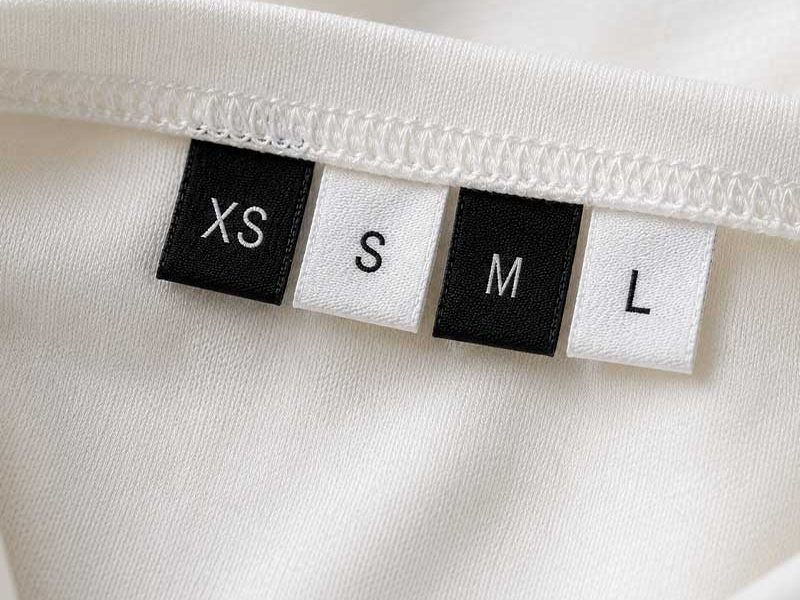
Care and Size Labels
- Confirm language and destination needs
- Match size naming to the size chart
- Check label attachment and readability
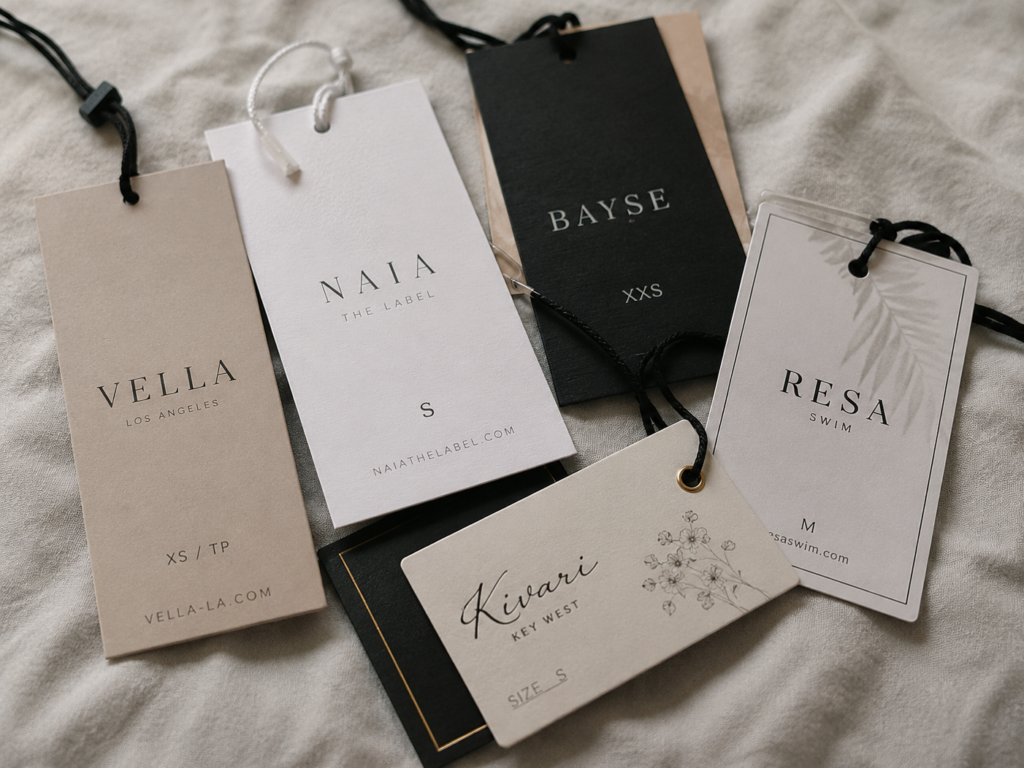
Custom Hangtags
- Approve print and finishing
- Confirm attachment method
- Match barcode and SKU
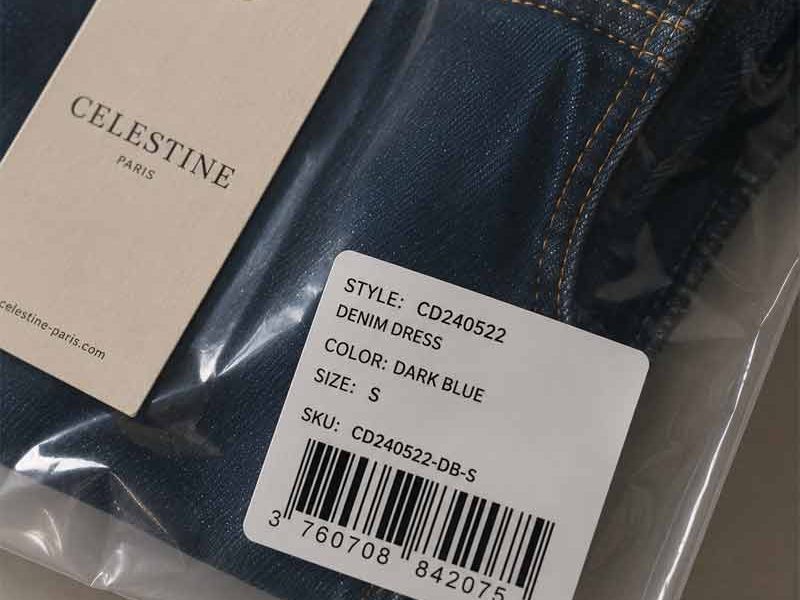
Barcode and SKU Stickers
- Use controlled data files
- Cross-check against packing list
- Verify scanning where required

Branded Polybags
- Confirm warning text and print
- Choose suitable thickness and size
- Protect decorative surfaces

Carton Marks and Packing
- Control carton breakdown by SKU
- Avoid crushing structured bodices
- Verify marks before sealing
Timelines, Confidentiality and Repeat-Order Control
Launch-Led Project Timelines
NDA and Design Protection
Repeat Orders and Replenishment
Sweetheart Dress Programs Managed at Collection Scale

US Partywear Collection
- Program scale: 18 styles, 46,800 pieces
- Color plan: 2-4 colors per style
- Size range: XS-XL across six sizes
- Development route: first sample, fit revision and PP approval
- Main risk: stretch variation changed neckline contact and cup pressure between colors
- Control action: fabric stretch records, revised negative ease, separate color checks, fixed cup placement and neckline measurement checkpoints
- Production structure: styles grouped by fabric and construction; separate BOM and QC checklist for each style
- Delivery plan: three shipment waves aligned with campaign photography, launch stock and replenishment

UK Occasionwear Program
- Program scale: 14 styles, 32,400 pieces
- Color plan: 21 approved color-style combinations
- Size range: UK-aligned commercial range with defined size ratio
- Development route: material review, fit sample, revised sample, photo sample and PP lock
- Main risk: satin pressure marks, lace motif inconsistency and lining exposure at the neckline
- Control action: fabric-direction markers, lace placement maps, lining-edge correction, pressing tests and reduced folding around structured bodices
- Quality focus: curve symmetry, zipper flatness, motif position, lining length, hem balance and SKU accuracy
- Delivery plan: sea shipment for core stock with an earlier air allocation for campaign and launch quantities

Australian Ecommerce Drop
- Program scale: 24 styles, 72,000 pieces
- Color plan: core neutrals plus selected seasonal shades
- Size range: six commercial sizes with style-specific ratios
- Development route: sample priority matrix, photo sample approval, PP lock and bulk production
- Main risk: 24 styles created overlapping fabric, sample, label and packing deadlines
- Control action: style grouping, sample priority by photo date, separate revision records, production allocation by fabric, barcode master-file checks and carton planning
- Quality focus: bust coverage, strap length, neckline depth, color-to-color fit, label accuracy and packing recovery
- Delivery plan: staged production and two main shipment windows, with urgent photo units sent separately
Sweetheart Dress Frequently Asked Questions

Send Your Sweetheart Dress Project for Review
A useful project review begins with enough information to assess neckline structure, fit, material availability, sample scope, MOQ and production planning. Send a tech pack, reference image, original sample photos or line sheet together with the expected quantity per style/color. Include the target size range, preferred fabric, colors, neckline depth, strap or sleeve direction, cup and boning requirements, decoration, private labels, packing needs and expected launch or delivery window.
Jinfeng Apparel will review the dress structure, fabric direction, pattern risk, support route, sample process and production conditions before confirming the next step.
- MOQ starts from 200 pieces per style/color.
- Tech packs, patterns, samples and unreleased designs can be handled under NDA.
- Multi-style programs can be grouped by sample priority, fabric, construction and launch date.