
Summer Collection Development
From Seasonal Direction to Production-Ready Womenswear Collections
Jinfeng Apparel develops summer womenswear collections for established fashion brands, merchandising teams, product developers and sourcing organizations that need coordinated style development rather than isolated garment production. Collection programs can move from line sheets, reference images, sketches or tech packs into fabric selection, pattern development, fit review, multi-style sampling, PP approval, bulk production, quality control, private-label packing and launch delivery.
- 10–30 Style Programs — organized by fabric group, construction complexity and sample priority.
- 2 Sample Rooms — supporting first samples, revisions, photo samples and PP development.
- 7+ Senior Pattern Makers — controlling fit, proportion and production-ready pattern corrections.
- 20+ Sample Machinists — supporting parallel womenswear development and construction testing.
- 6+ Flexible Production Lines — built for multi-style, multi-fabric and multi-color programs.
- MOQ: 200 pcs/style/color — with material, trim and packaging requirements reviewed separately.
Development Capacity Built for Multi-Style Summer Collections
Since 2008
2 Sample Rooms
7+ Pattern Makers
20+ Sample Machinists
6+ Flexible Lines
15+ QC Inspectors
Built for Established Fashion and Merchandising Teams

Fashion Brand Groups

Merchandising Teams

Product Development Teams

Sourcing and Production Teams
Where Summer Collection Programs Commonly Lose Control
Fragmented Style Mix
Material Chosen Too Late
Sample Bottlenecks
Uncontrolled Color Expansion
Late Fit Corrections
Seasonal Delivery Pressure
Build the Range Before Developing Individual Styles
A commercially workable summer collection needs a clear assortment structure before dozens of samples begin moving. Jinfeng can review how product families, fabrics, colors and quantities interact so development remains coherent and manufacturable.
Range Architecture Before Sampling

A seasonal range benefits from defined roles for each product rather than treating every design as an independent hero item.
Hero styles:
Hero products carry the strongest seasonal message and often need earlier photo-sample and fit approval. A halter maxi, printed resort dress or distinctive satin occasion dress may sit in this group.
Commercial core:
Core products support broader selling potential. Midi dresses, wearable mini dresses, uncomplicated matching sets and easy-to-style skirts often require reliable fit, scalable fabrics and repeat-friendly construction.
Supporting products:
Tops, skirts and coordinated pieces can extend styling possibilities without creating an entirely separate material system. Fabric sharing and common trims may simplify procurement while retaining visual variety.
Color extensions:
Core colors, fashion colors and selected prints should be planned with MOQ and SKU complexity in mind. Adding six colors to every style usually creates a different sourcing structure from using two core colors plus targeted fashion shades.
Launch sequence:
A collection can be divided into first-drop hero styles, main-volume styles and later seasonal extensions. Sample priority, material booking and production allocation can follow the selling sequence instead of pushing every SKU forward at equal speed.
Fabric Families Reduce Hidden Complexity

Fabric planning becomes especially important once style count rises.
A range using ten unrelated fabrics requires ten separate sourcing, color, testing and bulk-control paths.
A well-planned collection may achieve similar visual variety through fewer fabric families with different silhouettes, finishes or colors.
Possible grouping:
- Lightweight woven family: rayon, viscose, printed woven.
- Occasion family: satin, matte satin, chiffon, lace.
- Stretch family: jersey, rib knit, mesh, power mesh.
- Natural-look family: linen blends and cotton blends.
- Statement family: selected sequin, specialty lace or structured fabrics.
Fabric sharing never means blindly reusing one pattern.
A satin slip dress changed into rayon, for example, may require renewed evaluation of drape, shrinkage, seam allowance, lining and fit.
Develop Summer Products as Coordinated Commercial Capsules

Resort and Vacation Dresses

Summer Occasion Dresses
Wedding guest, cocktail, graduation and event-driven summer dresses often combine lighter colors with satin, chiffon, lace or crepe.
Key risks include light-color transparency, satin surface damage, lace placement, slit position, neckline coverage and photo-sample appearance.

Summer Mini Dresses
Mini dresses depend heavily on proportion. Total length, waist placement, bust coverage, armhole position and movement allowance affect how a short silhouette performs in real wear.
Halter, corset-inspired, square-neck and strappy versions require different upper-body control.

Midi and Maxi Dresses
Matching Sets

Summer Jumpsuits
Summer Fabric Development Matrix
Summer fabrics are judged by more than appearance and hand feel. Drape, transparency, shrinkage, stretch, recovery, wrinkling, print behavior, lining requirements and batch consistency determine whether a fabric can support the intended silhouette at commercial scale.
Summer Fabric Development Matrix
| Fabric Direction | Best-Fit Products | Development Focus | Bulk Risk to Control |
|---|---|---|---|
| Chiffon | Maxi, midi, occasion, resort | Drape, transparency, lining, seam handling | Sheerness, puckering, uneven hems |
| Rayon / Viscose | Resort, printed dresses, relaxed midi | Drape, softness, shrinkage, wash response | Shrinkage, wrinkling, dimensional change |
| Linen Blend | Resort sets, brunch, vacation dresses | Natural texture, weight, opacity, structure | Wrinkle level, shrinkage, batch variation |
| Printed Woven | Floral dresses, maxi, resort styles | Print scale, direction, placement, color | Misaligned direction, shade variation |
| Satin | Slip, occasion, cocktail, evening | Shine, drape, bias behavior, lining | Snagging, surface marks, shade and pressing |
| Jersey / Rib | Bodycon, casual dress, sets | Stretch, recovery, weight, growth | Twisting, neckline growth, size change |
| Mesh | Layered, bodycon, party, cut-out styles | Transparency, stretch direction, lining | Holes, deformation, exposed seams |
| Lace | Occasion, mini, midi, detail panels | Motif placement, edge finish, lining | Pattern mismatch, damage, inconsistent placement |
Control Color and Print Complexity Before Sampling Expands
Core Colors
Core shades create continuity across several silhouettes. Black, white, ivory, navy and selected neutrals can anchor a range where appropriate, while material-specific risks such as transparency, staining or shade variation still require review.
Seasonal Colors
Floral Prints
Floral woven fabrics are common in resort and summer programs.
Print direction, repeat size, placement around center front, side seams and skirt panels should be checked before marker planning and cutting.
Directional Prints
Lining Coordination
Bulk Shade Control
Engineer Summer Silhouettes Around Fit and Wearability
Lightweight fabrics and exposed summer silhouettes leave little room for pattern mistakes. A halter dress, open-back dress, slip dress and maxi dress may share a seasonal mood while requiring completely different structural controls.
Halter and Open-Back Control
Halter dresses concentrate support around the neck, upper bust, underarm and back edge. Strap length cannot be treated as a decorative dimension; an incorrect length can pull the neckline upward, create neck pressure or reduce bust coverage.
Development checks include:
- Neck strap length and attachment position.
- Upper-bust and under-bust shaping.
- Armhole exposure.
- Side-seam height.
- Back-edge stability.
- Lining around exposed edges.
- Closure position.
- Movement during sitting and walking.
Backless styles shift support away from the upper back, so side seams, waist shaping and front coverage become more important. Stretch, tape, lining or carefully positioned closures may be required depending on the silhouette.
Slip, Bodycon and Fitted Summer Styles
Slip dresses depend on fabric drape, neckline depth, strap angle and length balance. Satin and rayon can produce very different results from the same base pattern because their weight, surface friction and bias behavior differ.
Fitted jersey or mesh styles require another set of checks:
- Fabric stretch direction.
- Recovery after extension.
- Bust-waist-hip proportion.
- Side-seam twisting.
- Neckline recovery.
- Dress length riding upward.
- Lining stretch compatibility.
- Post-wash dimensions where relevant.
Using the same pattern after a major fabric change is not automatically appropriate. Stretch, GSM, thickness, drape and shrinkage should be compared before deciding whether the original pattern can remain unchanged.
Maxi, Sets and Jumpsuit Proportion
Maxi dresses reveal small cutting and hanging errors because an uneven hem becomes highly visible. Fabric should relax appropriately before final hem evaluation, and lining length must work with the shell rather than pulling the skirt.
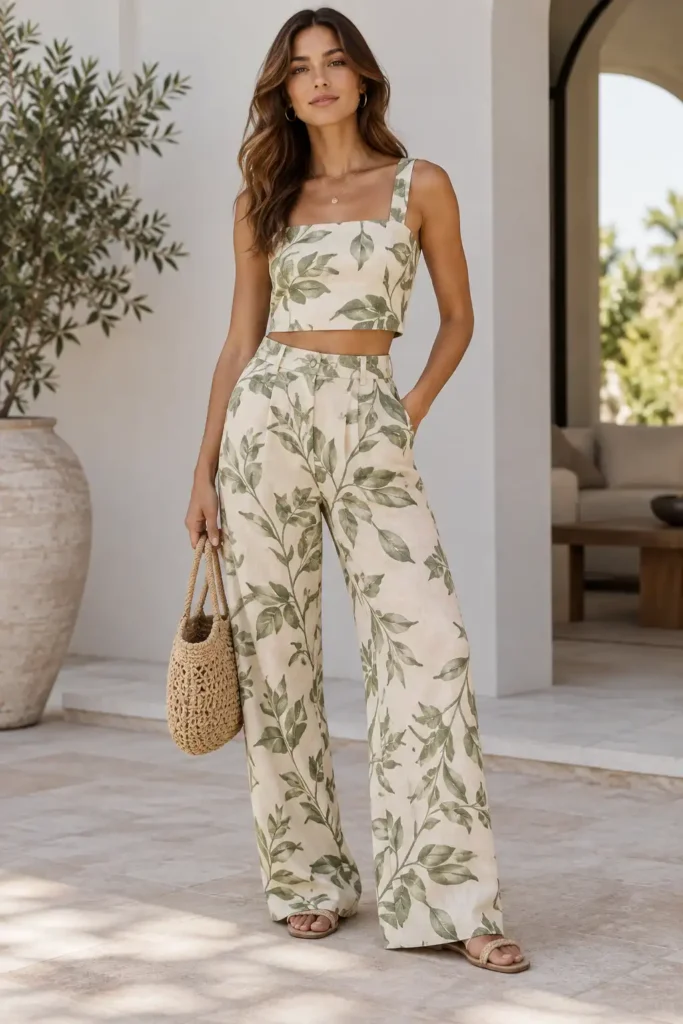
Matching sets need coordinated top length, waistline position and skirt proportion so the intended amount of midriff exposure stays consistent across sizes.
Jumpsuits require full-body proportion control. Bust, waist, torso length, hip ease and crotch length all affect comfort. Simply lengthening a dress block cannot create a reliable jumpsuit pattern.
Jinfeng’s pattern team works across bust, upper bust, under-bust, waist, high/low waist, hip, front/back length, strap, armhole, neckline, slit, lining and crotch measurements according to product structure.

Run Multi-Style Sampling Without Losing Launch Priorities
A 10–30 style collection should not move through the sample room as thirty unrelated projects. Styles need grouping, priority and version control so important approvals happen first and later changes remain traceable.
Group Styles Before Sewing Starts
Jinfeng can organize sample development around several working groups:
Fabric group:
Styles using the same or related fabrics can share sourcing decisions, color discussions and risk testing.
Construction group:
Simple woven pieces, stretch products, lined occasion dresses and complex structured garments are separated according to technical difficulty.
Trim group:
Styles using custom zippers, cups, boning, lace trims or specialty hardware require material readiness before sample timing is finalized.
Launch priority:
Hero SKUs, photo-shoot styles and first-drop products receive earlier development attention than styles scheduled for later release.
Approval status:
Each style should have a clear status: development review, pattern, first sample, revision, photo sample, PP approval or bulk ready.
Sample Timing by Complexity
ndividual sample timing is reviewed after fabric, construction and key trims are understood.
- Simple styles:approximately 7–10 days for a first sample under suitable material conditions.
- Standard dresses:commonly around 10–15 days for a first sample.
- Complex corset, strapless, lace, mesh, sequin or evening
constructions:commonly around 15–25 days, depending on structure and material readiness.
A multi-style collection does not require waiting for one style to finish before another begins.
Styles can move in parallel through different pattern, fabric and sewing stages, while priority is controlled around the launch calendar.
Revision Records Protect Development Accuracy
Important corrections should never exist only in chat messages.
A revision record can document:
- Sample version.
- Fit, fabric, construction, trim or color issue.
- Original development comment.
- Pattern impact.
- Cost impact.
- Timing impact.
- Required approval.
- Next sample action.
When revisions affect production, related pattern, size chart, BOM, fabric approval, trim approval, sewing instruction, label file, packing instruction and QC checklist should be updated.

Turn Fit Comments Into Controlled Pattern Corrections
A first sample proves whether the design direction works in three dimensions. Production approval comes later. Fit comments must be converted into measurable pattern and specification changes before bulk standards are fixed.
Read the Fit Problem Correctly
A garment can look wrong for several different reasons.
A tight hip may come from pattern width, insufficient stretch or poor recovery. A neckline gap may involve strap angle, upper-bust shaping or fabric weight. An uneven maxi hem can result from bias growth, cutting direction, skirt balance or insufficient fabric relaxation.
Pattern makers therefore need more than a sentence such as “make the top tighter.”
Useful fit feedback includes:
- Garment measurements.
- On-body photos.
- Exact area of concern.
- Desired coverage or ease.
- Front, side and back views.
- Target size used for fitting.
- Comments on movement and comfort.
Correct the Production File
Once the fit cause is identified, pattern corrections can be connected to the final manufacturing file.
Typical corrections include:
- Bust and upper-bust reshaping.
- Waist placement adjustment.
- Hip ease.
- Strap length or angle.
- Armhole depth.
- Neckline depth.
- Slit position.
- Front and back length balance.
- Maxi hem correction.
- Jumpsuit rise.
- Lining coverage.
Know When Another Sample Is Needed
Major pattern changes, fabric replacement, major stretch changes, corset construction revisions, neckline changes, cut-out repositioning, large skirt alterations or jumpsuit rise corrections commonly require another sample.
Small label-position, simple hem or minor trim-color changes may sometimes be confirmed without rebuilding the entire garment, depending on risk.
The goal is not to add unnecessary sampling.
The goal is to prevent an unresolved fit issue from being multiplied across thousands of bulk garments.

Lock the Approved Standard Before Bulk Production Begins
Final Pattern
Bulk Fabric
Trims and Construction
Measurement Standard
Private Label Files
QC Checklist
Plan MOQ and Cost Across the Entire Collection
Collection costing should be reviewed as a system. Style quantity, color count, fabric groups, trims, construction and private-label requirements all influence the commercial structure of a summer program.
Jinfeng Apparel’s standard garment MOQ starts from 200 pcs per style/color. MOQ is calculated by style and color rather than by adding unrelated styles together. Special fabrics, custom dyeing, printing, trims and packaging can carry separate supplier requirements.
| Planning Variable | Production Effect | Cost / MOQ Consideration | Better Planning Approach |
|---|---|---|---|
| Style Count | More patterns, samples and production files | Development and management complexity rises | Group styles by fabric and construction |
| Color Count | More material batches and SKUs | Each color normally follows style/color MOQ | Use core colors plus selected fashion colors |
| Fabric Count | More sourcing and QC paths | Material MOQ and testing can vary | Build controlled fabric families |
| Custom Dyeing | Adds color-development steps | Mill MOQ and timing apply by fabric | Confirm color strategy early |
| Special Trims | Separate sourcing and approval | Hardware or labels may have supplier MOQ | Reuse approved trims where suitable |
| Complex Construction | More pattern and sewing work | Labor and sampling requirements rise | Protect visual value while simplifying nonessential complexity |
| Size Range | More grading, cutting and packing combinations | Extreme fragmentation adds handling | Submit a realistic size ratio before production |
| Private Label | Adds labels, barcode and packaging files | Packaging suppliers may have separate MOQ | Standardize brand files across the range |
Build the Development Calendar Backward From Launch
Summer products have a commercial window. Development therefore works better when photo shoots, PP approval, bulk production, warehouse receiving and launch dates are planned backward rather than asking for a generic production time after the collection is already late.
Start With the Commercial Deadline
A useful calendar begins with the date products need to be available for campaign photography, ecommerce launch, retail allocation or warehouse receiving.
Work backward through:
Launch / selling date
← Warehouse receiving
← Freight and final documentation
← Packing and final inspection
← Bulk sewing and finishing
← Material arrival
← PP approval
← Photo sample where required
← Revised sample
← First sample
← Pattern and fabric development
← Development kickoff
Protect Hero Styles First
A large seasonal program rarely needs every SKU on the same date.
Hero styles may need early photo samples and early bulk allocation.
Commercial core products may follow once fit and color are stable.
Later-drop products can remain behind the first launch group without delaying the full collection.
Sample prioritization can consider:
- Launch date.
- Campaign or photo date.
- Fabric readiness.
- Construction complexity.
- Hero SKU status.
- Required revision rounds.
- PP approval status.
- Bulk capacity requirement.
Plan Material Risk Before the Calendar Breaks
Custom dyeing, specialty lace, printed fabrics, custom hardware and private-label packaging can affect development timing before sewing starts.
A realistic calendar therefore separates:
Design-ready from material-ready, and
sample-approved from bulk-ready.
Urgent programs are reviewed against available fabrics, regular trims, construction complexity, line capacity, QC windows and freight options.
A seasonal deadline should never be protected by removing PP approval or inspection steps.

Allocate Each Summer Style to Suitable Production Resources
Lightweight Woven Styles
Stretch Styles
Occasion Dresses
Matching Sets
Set production needs coordinated colors, size pairing, labels and packing.
Top and bottom pieces are checked as a selling unit rather than independent garments.
Repeat Styles
Approved repeat products can use retained pattern, fabric, trim and packing records.
Material batch, new colors or fabric changes still require review before production restarts.
Flexible Collection Lines
Jinfeng operates 6+ flexible production lines for multi-style, multi-fabric and multi-color production planning. Flexible refers to line organization and product allocation; production schedules still depend on material readiness, PP approval and order planning.
Move Approved Summer Styles Through Controlled Bulk Production
Material Confirmation
Fabric Preparation
Cutting Control
Sewing Control
Inline Inspection
Finishing and Pressing
Final Garment Inspection
Packing and Release
Apply QC According to Summer Product Risk
Summer collections combine thin fabrics, light colors, exposed silhouettes, prints and different fit systems. A single generic inspection checklist cannot address every product. QC priorities should change with fabric, construction and selling format.
Lightweight Woven and Rayon Control
Rayon, viscose, chiffon and lightweight woven garments need attention before cutting and again after sewing.
Key checks include:
- Fabric transparency.
- Shrinkage or dimensional-change risk.
- Print direction.
- Seam puckering.
- Lining length.
- Maxi hem balance.
- Pressing marks.
- Garment measurements.
A rayon maxi can look correct immediately after sewing while still carrying shrinkage or hanging-balance risk. Material review and finished-garment measurement therefore support different parts of the quality process.
Satin, Lace and Mesh Control
Satin surfaces can snag, mark or change visually according to direction and pressing. Lace requires motif alignment, edge control and damage checks. Mesh introduces transparency, stretch and hole risks.
Inspection points may include:
- Satin surface marks and snags.
- Shine direction.
- Zipper flatness.
- Lace motif placement.
- Lace joining symmetry.
- Mesh holes.
- Mesh stretch direction.
- Lining coverage.
- Neckline and armhole finish.
- Trim attachment.
Fit, Measurement and SKU Control
Quality is not limited to sewing appearance.
Summer garments often require close measurement control because short lengths, low necklines, fitted bodies and open backs leave little tolerance for proportion shifts.
Measurement QC can include:
- Bust and upper bust.
- Total length.
- Strap length.
- Neckline depth.
- Slit height.
- Jumpsuit rise.
- Matching-set top/bottom pairing.
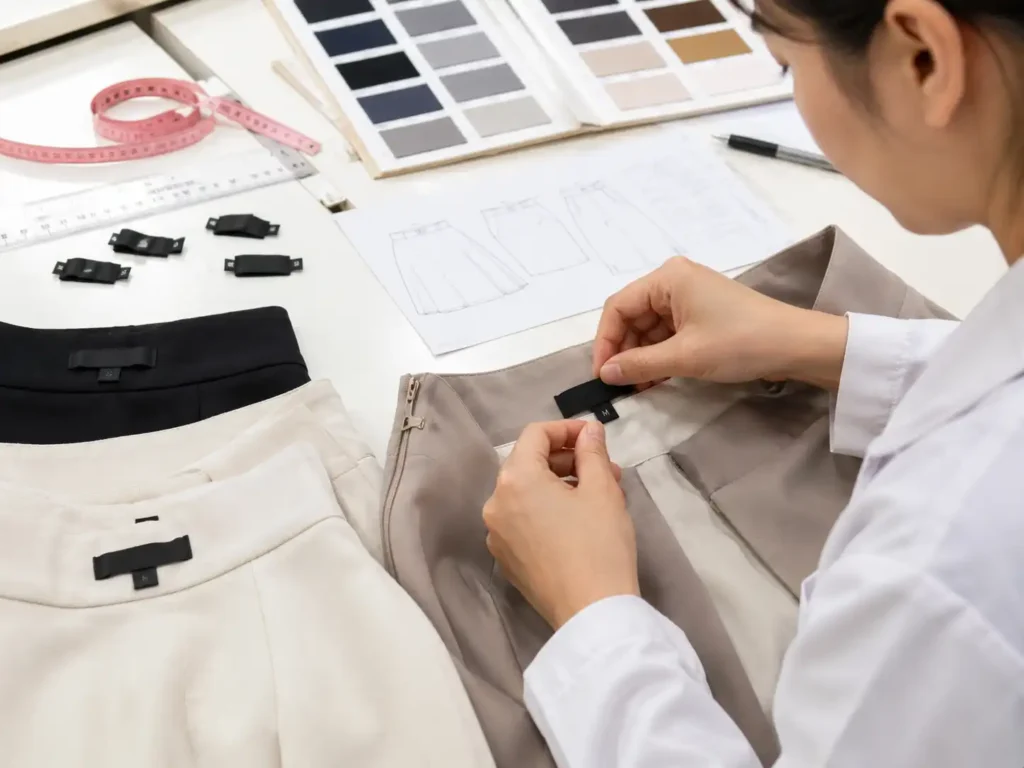
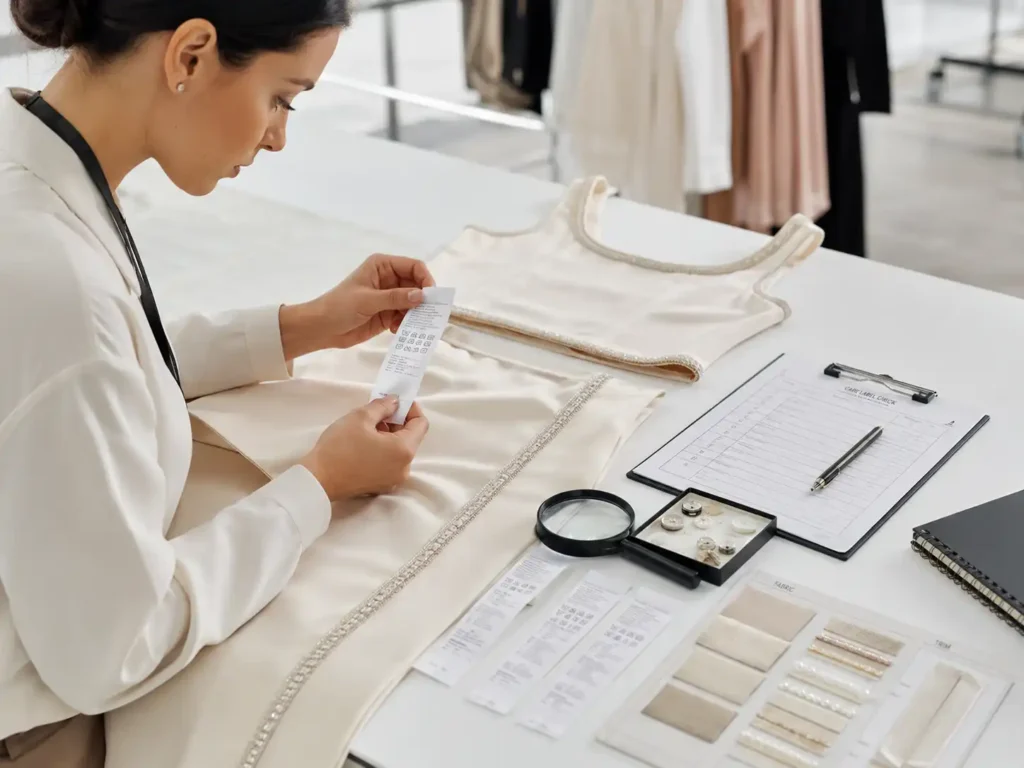
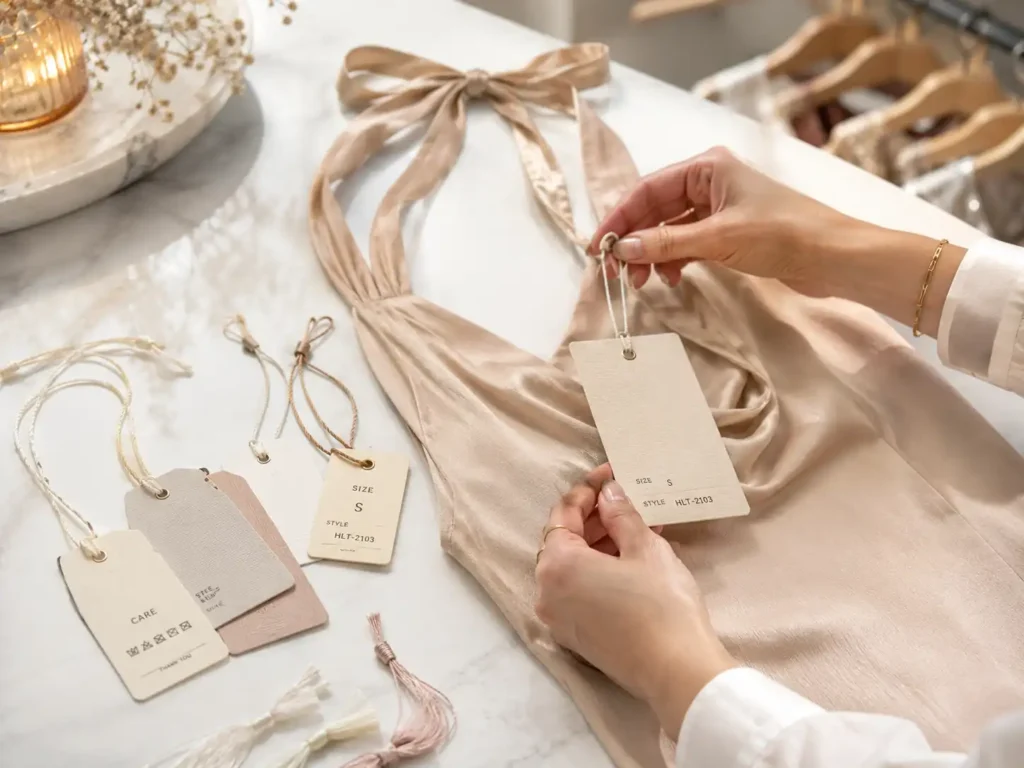
Inspection continues into private-label packing. Style number, color, size, barcode, hangtag, polybag and carton details need to correspond with the approved SKU breakdown.

Keep Private Label and SKU Data Collection-Ready
Woven and Size Labels
Care Labels
Hangtags
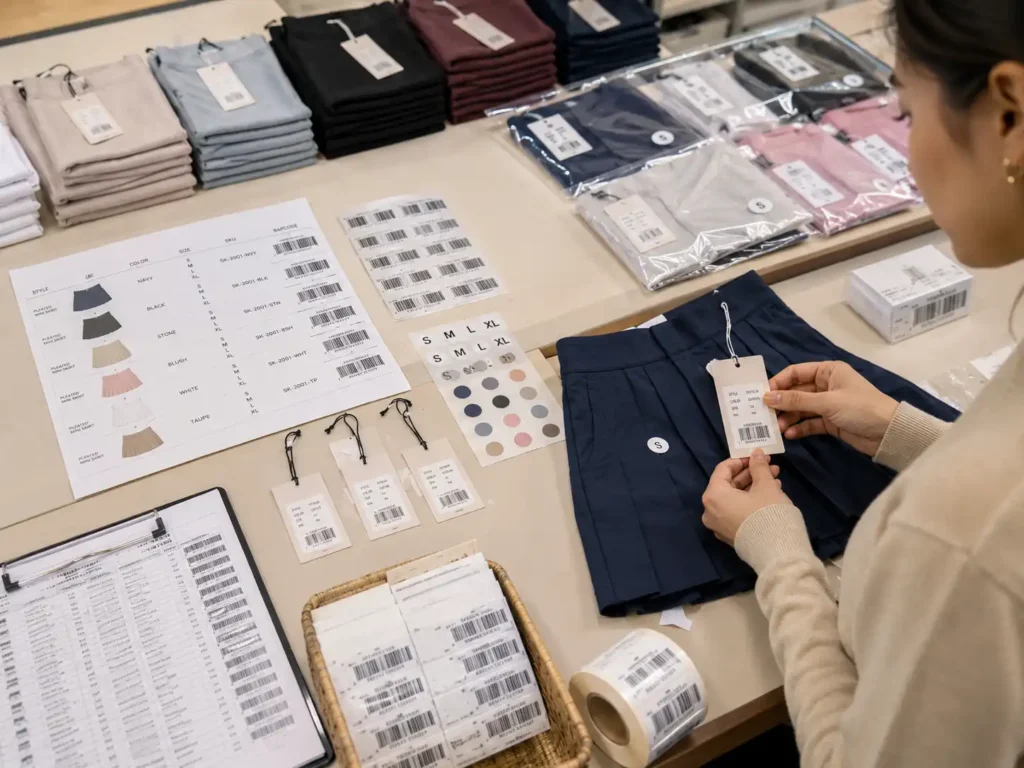
Barcode and SKU Labels

Polybags and Size Stickers

Carton Marks
Coordinate Launch Delivery and Repeat-Order Planning
Priority Launch Shipment
Main Bulk Shipment
Repeat and New-Color Development
Summer Collection Programs Managed at Commercial Scale

US Fast-Fashion Summer Program

European Resort and Occasion Program
Summer Collection Development Frequently Asked Questions
Start Your Summer Collection Development With Jinfeng Apparel
A strong summer collection starts with enough information to evaluate product structure, material feasibility, sample priorities, MOQ, production allocation and the intended selling calendar. Send Jinfeng Apparel the development files already available to your team. A complete tech pack is helpful, but a structured line sheet, sketches, reference images or original samples can also form the starting point for project review.
For a more accurate development and quotation discussion, include:
- Collection line sheet or style references.
- Tech packs or measurement files where available.
- Number of styles.
- Quantity required per style/color.
- Fabric direction or target hand feel.
- Color and print plan.
- Size range and planned size ratio.
- Private-label and packaging requirements.
- First-sample or photo-sample deadline.
- Target launch or warehouse receiving date.
- Required testing, inspection or documentation.
- Files for labels, hangtags, barcodes or packing when already prepared.


