 Skip to content

Structured Mini Dress Development
Structured silhouettes depend on more than firm fabric. Jinfeng Apparel develops structured mini dresses by connecting garment architecture, pattern engineering, support materials, fit correction and production standards before a style moves into bulk manufacturing.
- 7+ senior pattern makersworking across structured, corset, strapless and fit-sensitive womenswear development.
- 2 dedicated sample roomsfor pattern verification, construction trials and sample revisions.
- 20+ sample machinistssupporting first samples, fit samples, revised samples and pre-production development.
- Complex corset, strapless and comparable structured first samples typically require around 15–25 days, depending on construction, fabric and trim availability.
- Structured development can cover cup placement, upper-bust stability, boning position, waist shaping, neckline security, lining and closure construction.
- Production planning can continue from approved samples into multi-style private-label programs, QC, packing and repeat development.
Development Capacity Behind Structured Dress Programs
7+ Pattern Makers
2 Sample Rooms
20+ Sample Machinists
15+ QC Inspectors
6 Owned Factories
18+ Sewing Lines
Built for Serious Fashion Development Teams
Fashion Brands
Product Development Teams
Occasionwear Labels
Private-Label Programs
Where Structured Mini Dresses Commonly Fail
Bust Gaping
Weak Waist Definition
Strapless Slippage
Boning Distortion
Zipper Bulging
Length Riding Up
Structured Mini Dress Styles We Develop

Corset Mini Dress
Corset-inspired minis may combine shaped front panels, boning, bra cups, lining and controlled waist reduction. Development focuses on cup position, support, comfort, upper-bust fit and balanced tension through the closure.

Bustier Mini Dress

Strapless Mini Dress
A strapless design relies on upper-bust fit, side support, internal structure and closure stability.
The top edge must remain close to the body while preserving breathing room and movement.

Structured A-Line Mini
A-line minis may use firmer woven fabrics, controlled waist shaping and structured skirt volume.
Pattern balance is important so the hem does not flare unevenly or collapse around the hip.

Sculpted Mini Dress

Tailored Mini Dress

Cut-Out Structured Mini

Party Structured Mini
What Actually Creates a Structured Silhouette
A structured mini dress gets its shape from a coordinated system rather than one stiff material. Outer fabric, pattern panels, interfacing, cups, boning, lining and closures can all influence silhouette. The right combination depends on how much support, volume and body definition the design requires.

Outer Fabric and Surface Character
Satin, crepe, jacquard, suiting, ponte, lace combinations and structured woven fabrics produce very different visual results. Firmness alone does not decide suitability. Drape, surface shine, thickness, stretch, recovery, transparency and pressing behavior can change how the same pattern sits on the body.
A satin structured mini may need internal stabilization while preserving a smooth exterior. Heavy material can create enough body but may become bulky around princess seams, waist joins or zipper areas. A lighter fabric can maintain a cleaner surface but may require additional support underneath.
Fabric decisions are therefore made together with pattern and construction decisions rather than after the silhouette has already been finalized.

Interfacing and Interlining
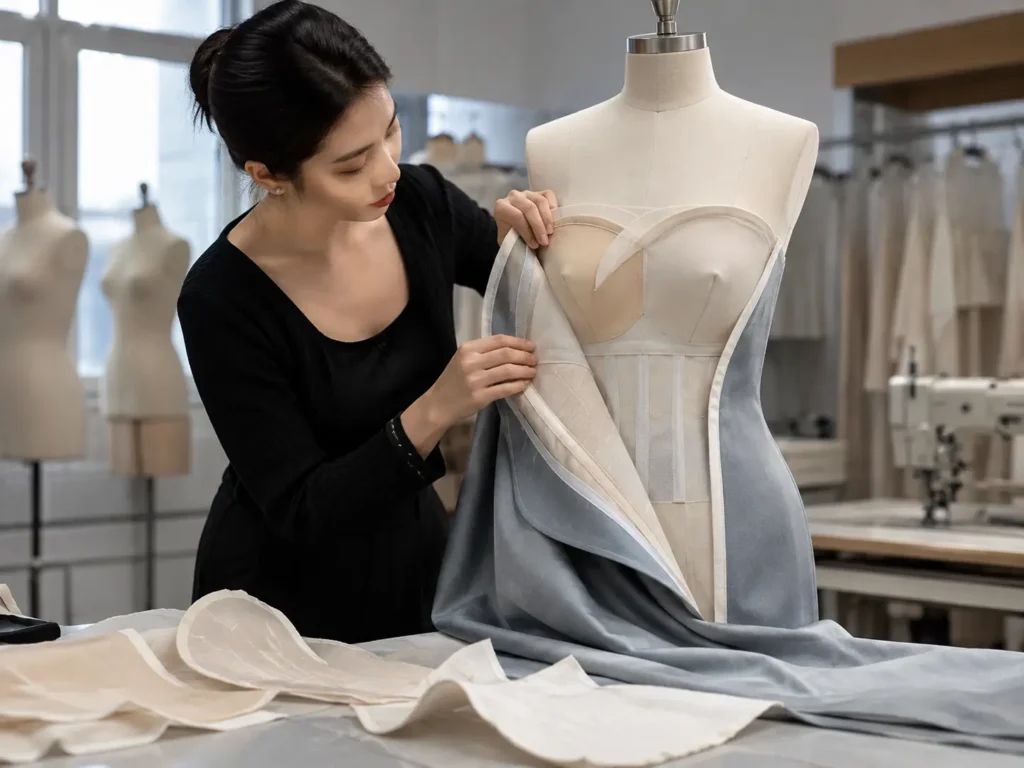
Interfacing can stabilize necklines, facings, waist areas and selected panels. Interlining can add body through a larger section when the outer material alone cannot hold the intended form.
More reinforcement is not automatically better. Excessive stiffness can make a mini dress uncomfortable, increase seam bulk or produce a rigid silhouette that differs from the original design.
Placement, weight and compatibility with the shell fabric need sample verification.

Cups, Boning and Anti-Slip Support
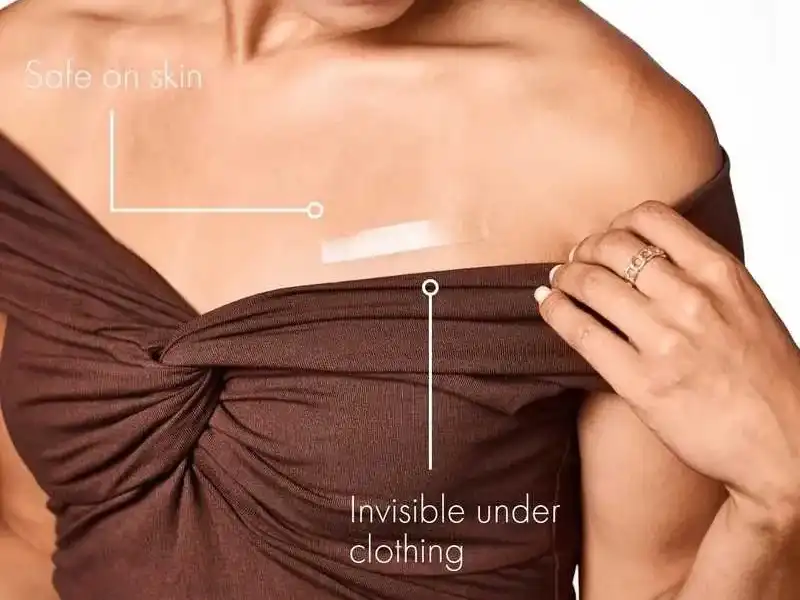
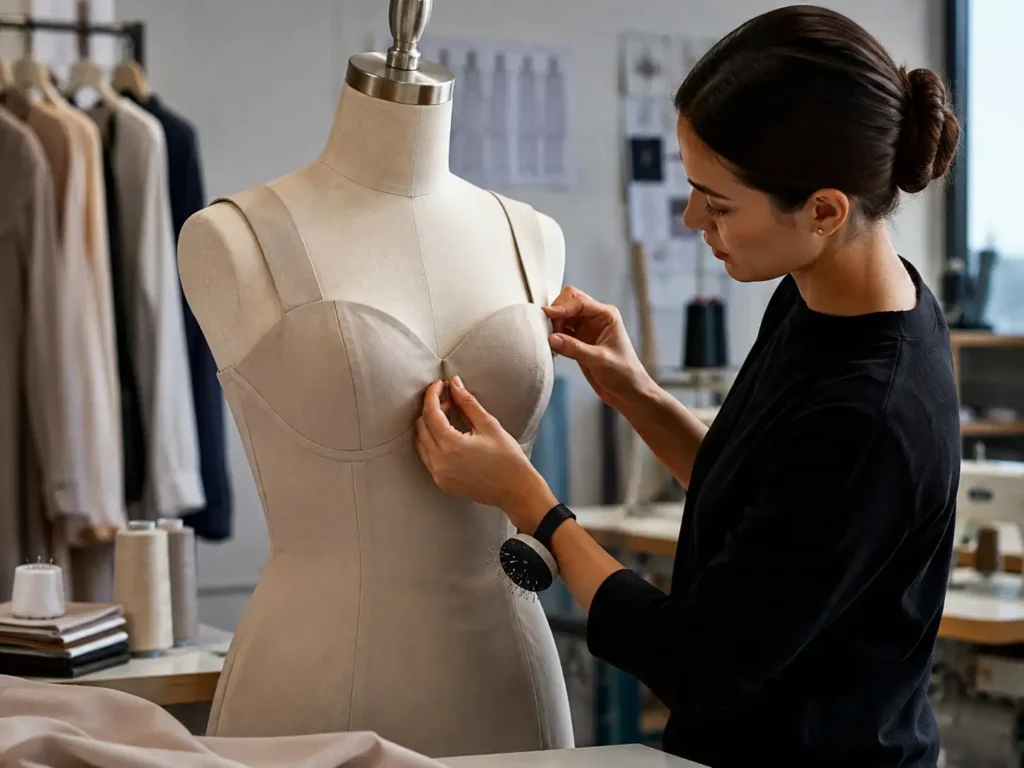
Corset, bustier and strapless styles may require bra cups, boning, elastic support or anti-slip tape. Jinfeng’s available support-trim system includes bra cups, underwires, boning, anti-slip tape, linings and closures selected according to fabric, construction and wearing requirements.
Cup position should correspond to the intended bust point. Boning should support the silhouette without creating harsh pressure or visible distortion. Anti-slip material can assist strapless stability but cannot compensate for an incorrect upper-bust pattern.

Lining and Closures
Lining can protect skin from internal seams, reduce transparency and create a cleaner interior. Its stretch, thickness and color should be compatible with the shell.
Invisible zippers, hooks and eyes, lace-up backs or other closures also affect tension.
A closure does more than open the garment; it becomes part of the structure and needs enough reinforcement around the surrounding seam.
Fabric Choices for Structured Mini Dress Development
Fabric selection should be judged by the silhouette, internal support, surface appearance and production risk rather than by fiber name alone. Jinfeng’s broader fabric system includes satin, stretch satin, lace, mesh, ponte, crepe, velvet, organza, tulle and suiting fabrics used according to garment structure and target appearance.
| Structured Style | Fabric Direction | Possible Support | Main Development Risk | Control Focus |
|---|---|---|---|---|
| Corset Mini | Structured satin, woven, lace over base | Boning, cup, lining | Cup distortion, seam pressure | Bust, waist, panel symmetry |
| Strapless Mini | Satin, crepe, jacquard, woven | Boning, anti-slip, lining | Top-edge gaping or slipping | Upper bust, neckline, closure |
| A-Line Mini | Crepe, jacquard, taffeta, woven | Interfacing as needed | Uneven volume | Waist, hip release, hem balance |
| Sculpted Mini | Firm woven, bonded-feel fabric, suiting | Interlining, panel support | Excess stiffness | Curved seams, shape retention |
| Tailored Mini | Suiting, crepe, structured woven | Facing, interfacing, lining | Puckering, poor pressing | Seam lines, shoulder, zipper |
| Lace Structured Mini | Lace over stable base | Lining, boning by design | Placement and transparency | Motif alignment, support, coverage |
| Mesh Corset Mini | Mesh over structured bodice | Cup, boning, lining | Stretch and exposure | Layering, bust support, edge stability |
| Ponte Structured Mini | Ponte or stable stretch knit | Selective stabilization | Recovery loss | Stretch ratio, waist, side seams |
Pattern Engineering for Structured Mini Dress Fit
Structured dress development starts with body relationships, not isolated measurements. Bust, upper bust, under bust, waist, hip, front length and skirt length work together to determine whether the silhouette remains stable, flattering and wearable. Jinfeng’s pattern development system explicitly controls these measurement areas for corset, strapless and other fit-sensitive dresses.

Bust, Upper Bust and Under Bust
The full bust defines overall volume, but it cannot solve every bodice problem. Upper bust becomes especially important for strapless and corset silhouettes because the top edge must remain close to the body. Under-bust positioning affects where support begins and how the bodice transitions into the waist.
A dress can match the full-bust specification while still gaping at the neckline. Likewise, reducing the entire chest to fix a gap can create excessive pressure. Pattern correction needs to identify which circumference, seam or cup position is actually causing the problem.

Front Length and Bust Projection
The front body must travel over the bust before reaching the waist.
When front length or bust projection is insufficient, the garment can lift upward, pull the waist out of position or cause the skirt to appear shorter at the front.
Panel shapes, dart manipulation or princess seams can distribute volume more cleanly. Sample fitting is used to judge whether the garment maintains a controlled surface without crushing the bust or creating loose fabric below it.

Waist, Hip and Mini Length
Waist definition is central to many structured mini silhouettes. The narrowest visual point needs to align with the design rather than simply following a standard block.
Below the waist, hip ease and skirt shape influence movement and hem stability.
Too little hip room can push the skirt upward, while excessive ease can weaken the sculpted effect. Mini length is reviewed as both a design measurement and a wearability issue.

Neckline and Back Balance
Strapless, square-neck and sculpted bodices require controlled front-to-back balance. A neckline that appears correct on the flat pattern may sit away from the body after cups, boning and lining are installed.
Back length and closure tension also affect front neckline behavior. Pattern corrections therefore consider the garment as a complete structure rather than adjusting one measurement in isolation.
Bust, Neckline and Waist Control Details

Cup Position

Upper-Bust Fit

Boning Placement

Neckline Stability
Anti-Slip Control

Waist Shaping
Structured Mini Dress Sample Development Process

Project Review

Structure Review
The development team identifies whether the design needs cups, boning, interfacing, interlining, lining, anti-slip support, special closures or additional stabilization.

Fabric Direction
Shell and lining options are evaluated for drape, thickness, transparency, stretch, hand feel and compatibility with the intended structure.

Pattern Development

First Sample

Fit Sample

Revised Sample

PP Sample
Turning Fit Feedback Into Pattern Corrections
A fit comment only becomes useful when it is converted into an identifiable pattern, measurement or construction change. Jinfeng uses fitting notes, measurements, marked photos and sample comments to decide which technical element needs correction before the next sample or PP approval.

From Visible Problem to Root Cause
“Neckline gaps” is an observation rather than a complete correction instruction. The cause could involve upper-bust circumference, neckline shape, cup projection, side-seam balance, back tension or support placement.
Likewise, “waist feels tight” may result from insufficient circumference, incorrect waist position, excessive interlining, closure tension or poor transition between bust and hip.
Pattern makers therefore review the relationship between the visible problem and the garment structure before modifying the pattern.

Revision Records
Changes may include pattern shape, measurements, cup position, boning position, lining, zipper construction, neckline depth or skirt length. Revision records help prevent an approved correction from disappearing during later sample stages.
For structured programs, retaining positions such as boning, cups, straps and grading information is especially useful for repeat orders and related styles. Jinfeng’s documented pattern records can include revised patterns, PP patterns, bulk patterns, lining patterns, size grading, boning positions and cup positions.

Revised Sample Verification
A revised garment should confirm whether the correction solved the original issue without creating a new one elsewhere. Tightening the upper bust, for example, may change zipper tension or neckline pressure. Increasing hip ease may alter the visual A-line angle.

Approval Before Bulk
Once fit, structure and construction are accepted, final pattern information is linked to the PP standard rather than leaving production teams to interpret fitting comments independently.

From Approved Sample to Production Standard
A successful development process must end with repeatable instructions. An approved sample alone is not enough if pattern versions, measurements, boning positions, trims and construction details remain unclear. Production release should convert visual approval into controlled technical references.
- Final Pattern and Grade Rule
The final approved pattern becomes the starting point for size grading. Changes made during fitting need to appear in the correct pattern version before graded sizes are generated.
Grading is reviewed according to garment structure rather than simply increasing every measurement by the same amount. Bust location, cup position, waistline, neckline and mini length can require different increments.
- Fabric and Trim References
Approved shell fabric, lining, support materials, zipper, hooks, cups, boning and other trims should be confirmed against the sample standard. Material replacement after fitting may affect shape and can require renewed evaluation.
Jinfeng retains fabric information such as composition, weight, width, stretch, drape, transparency, dye lot, MOQ and approved references where applicable.
- Construction Information
Seam type, support placement, internal assembly, closure treatment, lining attachment, pressing and finishing details need clear production instructions. Critical points should be measurable or visually comparable.
- PP and Golden References
PP approval establishes a pre-production benchmark. Golden sample records can then support production comparison, final inspection and future repeat programs.
Once fabric, color, trims, measurement and construction information has been approved for production, changes should follow a controlled revision process rather than informal instructions.
Construction Details That Hold the Shape

Boning Channels

Panel Seams
Cup Attachment
Interfacing Placement

Lining Assembly

Invisible Zipper

Hook-and-Eye

Hem Structure
Size Grading Without Losing the Original Silhouette
A strong size-small sample is only the beginning. Structured mini dresses need grading that protects bust placement, waist definition, neckline security and garment length as the size range changes. Garment MOQ can be distributed across normal size ranges such as XS–XL when the size ratio remains workable for production.

Bust and Cup

Upper Bust

Waist Ratio

Hip Ease

Mini Length

Support Placement

Bulk Production Built Around Approved Structure
Once development is approved, structured mini dresses move into a production system where material control, cutting accuracy, assembly sequence and measurement checks matter as much as sewing capacity. Jinfeng operates six owned women’s fashion factories, 18+ sewing lines and flexible production resources for multi-style womenswear programs.
- Material Release and Incoming Review
Bulk fabric and trims are checked against approved direction before cutting. Structured styles may require closer attention to thickness, stretch, color, surface direction, lining compatibility, cups, boning and closures.
Fabric batch differences can alter the final silhouette, especially when shell material stiffness or stretch changes. Material substitutions therefore need approval instead of automatically using the previous pattern.
- Cutting and Panel Control
Curved bodice panels, corset pieces and symmetry-sensitive sections need accurate cutting. Grain direction and stretch direction can influence both appearance and fit.
Pattern versions should remain controlled so an earlier sample pattern is not accidentally introduced after PP approval.
- Assembly Sequence
Structured garments may need a planned sewing order for cups, boning, support panels, lining and closures. Sewing internal structure in the wrong sequence can make correction difficult later or add unnecessary bulk.
- In-Line Measurement and Appearance Review
Production checks can focus on critical points such as bust, upper bust, waist, hip, dress length, neckline and selected support placement rather than waiting until all garments are completed.
Jinfeng’s normal womenswear capacity is more than 100,000 pieces monthly across its wider production network, but actual capacity for highly structured styles depends on construction, material, style mix and production schedule rather than applying one figure to every dress program.
Bulk timing is confirmed after PP approval, quantity, material availability, packing and production requirements are finalized.
QC Points for Structured Mini Dress Production
Structure Control
Measurement Control
Neckline Control
Closure Control
Appearance Control
Wearing Control
What Drives Development Cost and Lead Time
Structured dress quotations change according to construction rather than dress length alone. Fabric, lining, support materials, sample work, pattern complexity, sewing time, QC, packing, size range, colors and lead-time requirements can all affect commercial planning.
| Development Level | Style Example | Main Construction | Typical Sample Consideration | Main Cost Drivers |
|---|---|---|---|---|
| Moderate | Structured A-Line Mini | Stable woven, lining | Silhouette and hem balance | Fabric, lining, pattern work |
| Structured | Satin Structured Mini | Interfacing, fitted waist | Surface and zipper control | Satin, reinforcement, pressing |
| Advanced | Strapless Bustier Mini | Cups, boning, anti-slip | Upper-bust and support fitting | Cups, boning, lining, revisions |
| Complex | Corset Lace Mini | Boning, cups, lace placement | Multiple fit and structure points | Lace, support, placement, sewing |
| Complex | Mesh Corset Mini | Mesh layers, inner bodice | Transparency and stretch control | Mesh, lining, cups, panel assembly |
| High Detail | Embellished Structured Mini | Support plus decoration | Structure and surface quality | Trims, labor, QC, material loss |
Structured Mini Dress Program for a Fashion Brand
An established fashion label approached Jinfeng with a seasonal structured mini-dress program combining corset, bustier, strapless and sculpted silhouettes. The commercial program covered 18 styles and approximately 42,000 pieces, fitting the larger multi-style order profile commonly handled for established brand programs.

Development Challenge
Several styles shared similar visual direction but required different internal engineering. The collection included smooth satin bodices, structured woven shells, lace overlays and selected mesh details.
Key development risks included:
- cup shape across multiple silhouettes
- upper-bust gaping on strapless styles
- inconsistent waist definition
- boning position and comfort
- neckline coverage
- zipper tension
- lace and lining interaction
- maintaining mini length during movement

Pattern and Sample Work
The styles were grouped according to construction rather than visual similarity.
Corset and bustier styles received closer cup, under-bust and boning review.
Strapless styles focused more heavily on upper-bust balance, neckline stability and anti-slip support.
Structured A-line styles required controlled waist shaping and skirt-volume evaluation.
Development followed first-sample, fit-review, revision and PP approval stages according to the needs of each style group.
More complex structured styles required additional correction before release.

Bulk Standard
Approved pattern versions, measurement information, fabric references, lining and support details were consolidated before production.
Critical construction points such as cup position, boning position, neckline height and zipper appearance were included in production and QC references.

Production Result
The program progressed into multi-style bulk production after PP standards were confirmed. Development records were retained for color extensions, related styles and future structured-dress programs.
Client identity, original tech packs, patterns and unpublished styles remain confidential under the project’s design-protection approach.
What a Development Partner Should Be Able to Prove
Pattern Engineering
The team should understand bust, upper bust, waist, hip, neckline, length and panel balance instead of relying entirely on externally completed patterns.
Structured Bodice Experience
Corset, bustier and strapless construction should include knowledge of cups, boning, support, lining, closures and comfort.
Fabric Judgment
A capable development partner should explain how fabric weight, drape, stretch, transparency and surface behavior affect construction.
Sample Revision System
Fit comments need to become documented pattern, measurement or construction changes before the next sample.
Size Grading
PP Control
Bulk QC
Design Protection
Original samples, tech packs, patterns, labels and unpublished styles should be handled confidentially and not displayed without permission.
Structured Mini Dress Development Frequently Asked Questions

Start Your Structured Mini Dress Development
Send Jinfeng Apparel the information already available for your structured mini dress or seasonal dress program. A tech pack is ideal, but a clear sketch, reference image or original garment can also be reviewed before the development route is confirmed. Structure, fabric direction, sample complexity and production requirements can then be aligned before pattern work begins.
For a more accurate initial review, include:
- Tech pack, sketch, reference images or original sample details
- Structured mini dress types and planned number of styles
- Preferred shell fabric and lining direction
- Bust, corset, boning or support requirements
- Target size range and measurement specification
- Color plan and expected quantity by style/color
- Private-label and packing requirements
- Target market and planned launch schedule
- Fit comments from any existing sample
- Testing, inspection or brand quality requirements where applicable
Jinfeng Apparel supports pattern development, structure review, fabric and trim sourcing, sample development, fit correction, PP approval, bulk production, QC and repeat-order records for established womenswear programs. Project scope and timing are confirmed according to the actual styles, materials and order plan.


