Structured Dress Manufacturer
Structured silhouettes built through pattern engineering, internal support, controlled fit, disciplined sampling, and repeatable bulk production.
Jinfeng Apparel develops structured mini, midi, cocktail, occasion, corset, bustier, tailored, and sculpted dresses for established fashion labels and large apparel programs.
- 2 sample rooms support structure-led development and revision work.
- 7+ senior pattern makers manage bodice panels, cup position, waist shaping, neckline balance, and size grading.
- 20+ sample machinists turn complex layered constructions into fit samples and PP references.
- 15+ QC inspectors control material, cutting, sewing, measurement, pressing, and packing checkpoints.
- MOQ starts from 200 pcs per style/color, subject to fabric, trims, construction, and production planning.
Structured Dress Development Backed by Relevant Production Data
Since 2008
2 Sample Rooms
7+ Pattern Makers
20+ Sample Machinists
15+ QC Inspectors
100,000+ Monthly Capacity
One Manufacturing Chain from Structure Review to Delivery
Product Review
Reference images, tech packs, original samples, line sheets, size charts, target pricing, launch dates, and order structure are reviewed before development starts.
Fabric and Trim Direction
Pattern and Sampling
Bulk Production
Quality Control
Private-Label Delivery
Navigate the Structured Dress Manufacturing Capabilities
Product Range
Construction
Fabric
Fit and Size
Sampling and Bulk
Quote and Contact
Built for Fashion Teams Managing Structured Collections
Established Fashion Labels
Occasionwear Brands
Premium Ecommerce Teams
Product Development Teams
Sourcing Departments
Quality Teams
Confirm Whether Jinfeng Matches Your Production Model
Strong Project Match
- Clear design direction, tech pack, reference image, original sample, or line sheet.
- A defined quantity plan by style and color.
- Professional sample development and approval requirements.
- Bulk production after PP approval.
- Brand labels, packing, barcode, or warehouse instructions.
- Potential for seasonal collections, reorders, or multi-batch delivery.
Outside the Production Model
- Single-piece fulfillment.
- Ready-stock purchasing.
- Unplanned micro quantities.
- Production without sample or PP approval.
- Quotations requested without product, material, quantity, or packing information.
- Projects judged only by the lowest unit price while ignoring construction, fit, and delivery controls.
Structured Dress Styles Ready for Custom Development

Structured Mini Dress

Corset Mini Dress

Bustier Dress

Boned Bodice Dress

Strapless Structured Dress

Structured Midi Dress

Tailored Sheath Dress

Structured Cocktail Dress

Structured Evening Dress

Drop-Waist Dress

Sculpted Bodycon Dress

Structured Jumpsuit Dress
Structured Dresses Planned Around Selling Occasions

Party and Birthday

Cocktail and Wedding Guest

Prom and Graduation

Evening and Formal

Office to Evening

Premium Ecommerce Drops
Build a Structured Dress Collection Across Five Dimensions
| Development Dimension | Available Directions | Manufacturing Focus |
|---|---|---|
| Length | Mini, short, midi, maxi, floor-length | Proportion, lining length, slit position, hem balance, sitting and walking coverage |
| Silhouette | Corset, bodycon, sheath, A-line, fit-and-flare, column, drop-waist | Panel geometry, ease, support level, seam balance, movement |
| Occasion | Party, cocktail, graduation, prom, wedding guest, office, evening | Wearing time, coverage, embellishment, launch timing, packing |
| Fabric | Suiting, crepe, ponte, satin, stretch satin, mesh, lace, velvet, organza | Weight, stretch, recovery, transparency, pressing, snagging, support layers |
| Construction | Boning, cups, interfacing, power mesh, waist stay, lining, gripper tape | Placement, comfort, component compatibility, sewing sequence, QC |
Internal Structure Engineered Layer by Layer
Visible shape is created by hidden work. Jinfeng Apparel reviews each layer for support, comfort, opacity, seam thickness, pressing behavior, production repeatability, and cost before the construction is approved.
Shell Fabric
The outer layer defines color, surface, hand feel, drape, stretch, shine, and abrasion risk. Shell choice also determines whether internal support can be fused, stitched, or floated without marking the face.
Fusible Interfacing
Fusible support can stabilize necklines, waistbands, facings, button areas, or selected bodice panels. Temperature, pressure, dwell time, shrinkage, and strike-through must be assessed on the chosen fabric.
Sew-In Interlining
A sew-in layer can add body without adhesive marks. It is useful when satin, lace, velvet, or heat-sensitive materials do not respond well to conventional fusing.
Boning Channels
Channels guide support lines and protect bones from moving across seam allowances. Width, stitch distance, end position, and panel alignment must remain consistent.
Bra Cups
Cup shape, thickness, softness, position, and attachment method affect bust projection, neckline height, and comfort. Fixed cups require secure placement through sampling and graded sizes.
Power Mesh
Power mesh can stabilize side panels, backs, inner bodices, or targeted shaping areas while preserving movement. Stretch direction and recovery must match the intended load.
Lining
Lining protects the skin, covers internal work, controls transparency, and influences weight and drape. Lining stretch and length should follow shell behavior rather than being chosen only by color.
Waist Stay
A waist stay helps anchor a fitted bodice at the natural or designed waist, reducing downward pull on the neckline. Length, closure, tension, and seam attachment require wear testing.
Gripper Tape
Gripper tape can improve security on strapless and off-shoulder edges. Width, softness, tension, and skin contact should be tested before bulk use.
Cup Position and Neckline Security Built Together
Cup Selection
Position Control
Neckline Security
Graded Sizes
Lining Integration
Fit Review
Hidden Support Materials Chosen by Function

Soft Woven Lining

Stretch Lining

Fusible Support

Sew-In Interlining

Power Mesh

Waist and Grip Support
Fabrics Selected for Shape, Recovery, and Finish
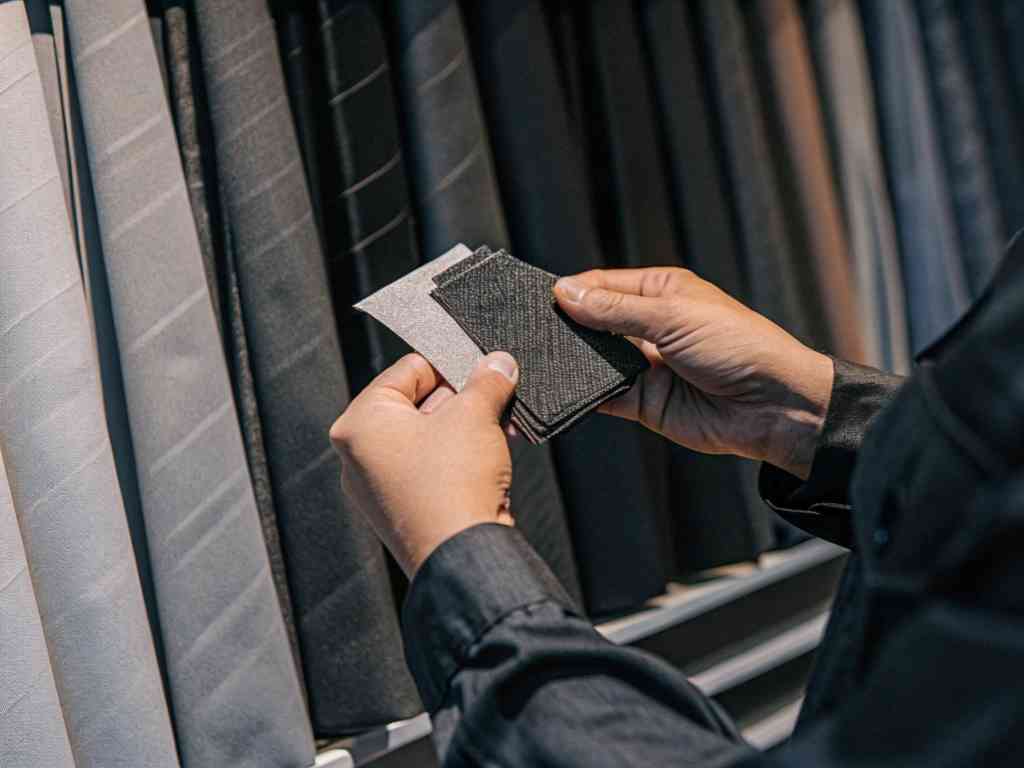
Suiting Fabric
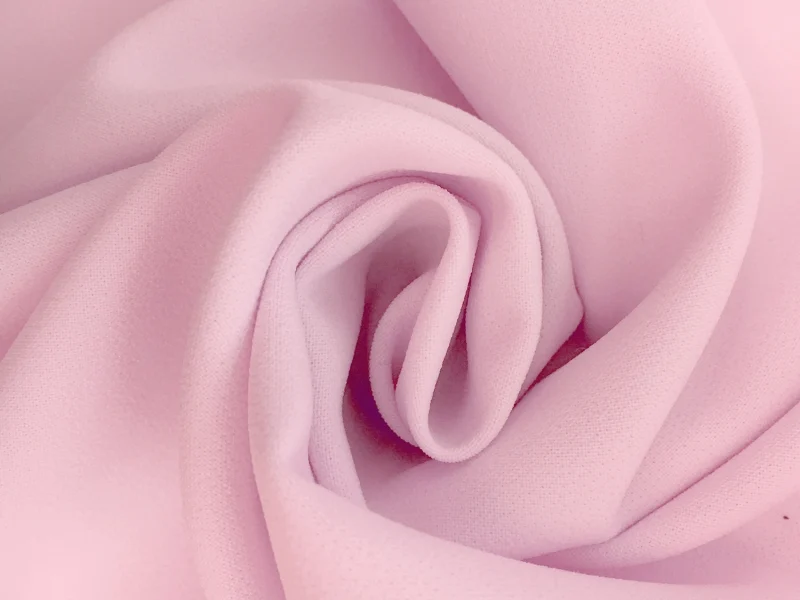
Crepe
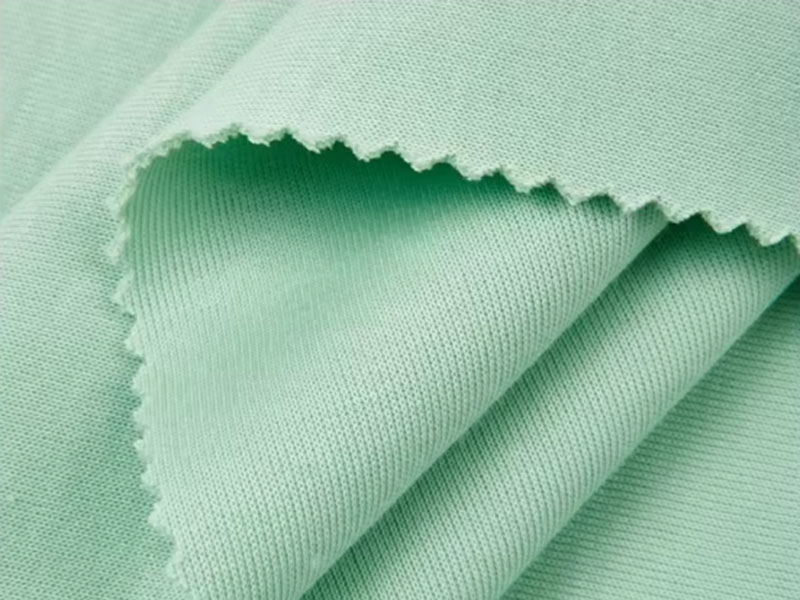
Ponte and Roma

Structured Satin
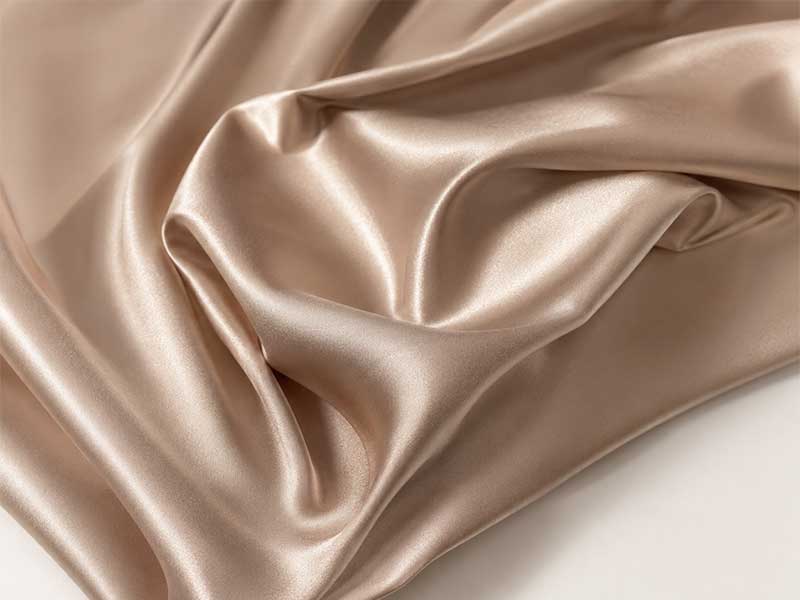
Stretch Satin
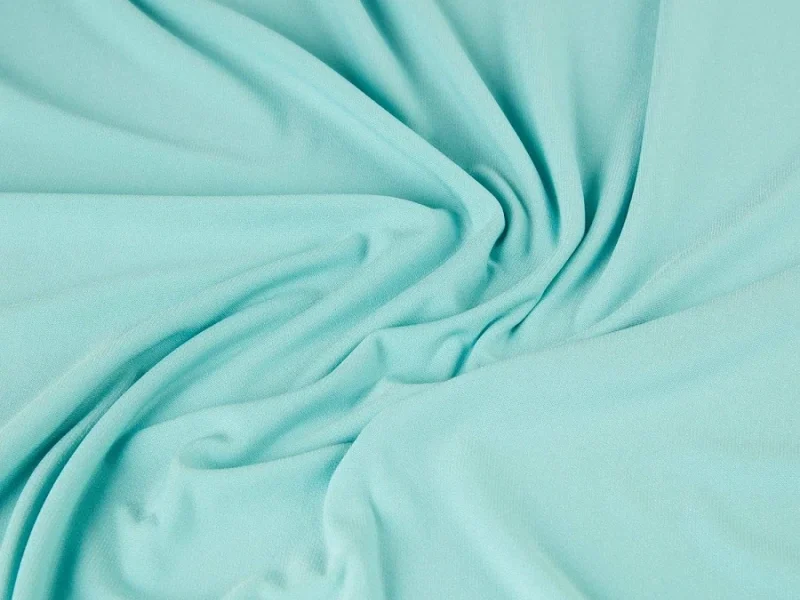
Scuba or Dense Knit

Lace with Support Layer
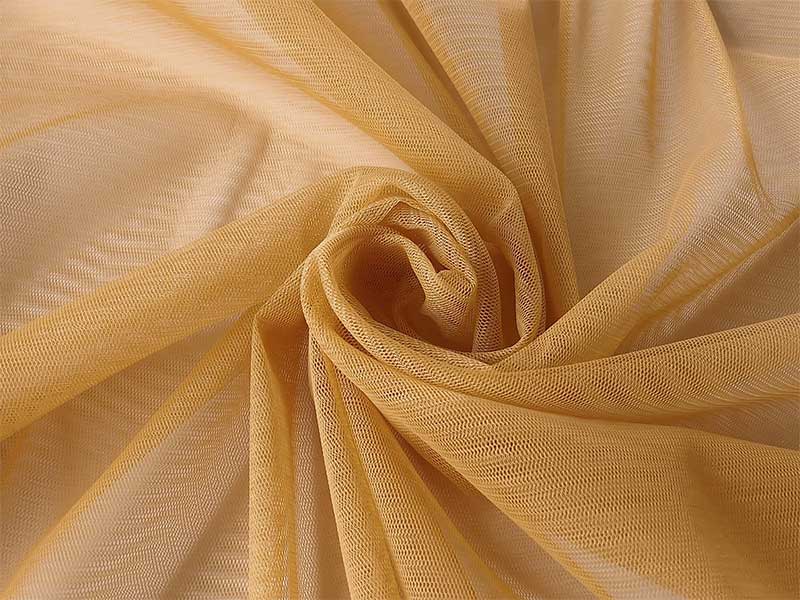
Mesh and Power Mesh
Fabric Performance and Construction Risk Matrix
| Fabric Direction | Structure and Stretch | Recommended Support | Main Production Risk | QC Focus |
|---|---|---|---|---|
| Suiting | Firm woven, low to moderate give | Selective fusing, lining, shaped seams | Hard hand feel, bubbling, shine from pressing | Grain, fusing bond, seam balance, pressed surface |
| Crepe | Controlled drape, varies by blend | Lining, light interfacing, shaped panels | Snagging, seam impressions, uneven drape | Shade, panel balance, hem, pressing |
| Ponte / Roma | Dense stretch with recovery | Stable lining or targeted power mesh | Growth, seam bulk, twisting, pilling | Recovery, measurements, side seams, wash response |
| Structured Satin | Firm woven with visible shine | Interlining, lining, selective support | Snags, needle marks, shade, press marks | Shine direction, surface, seams, packing folds |
| Stretch Satin | Stretch woven with sheen | Stretch lining, cups, boning as required | Puckering, growth, unstable neckline | Stretch direction, recovery, measurement, zipper area |
| Lace | Open motif construction | Lining, interlining, support panels | Holes, fraying, motif mismatch, seam visibility | Motif placement, joining, damage, lining color |
| Mesh / Power Mesh | Transparent stretch structure | Layering, lining, controlled elastic support | Holes, over-stretch, exposed seams, opacity shifts | Recovery, layer alignment, coverage, edge finish |
| Scuba / Dense Knit | Thick, shape-retaining knit | Minimal added support or targeted lining | Bulky seams, heat marks, edge compression | Seam thickness, surface, shape retention, pressing |
Eight Fit Points Checked Before Production Approval
Review Fit Points Book Sample Review
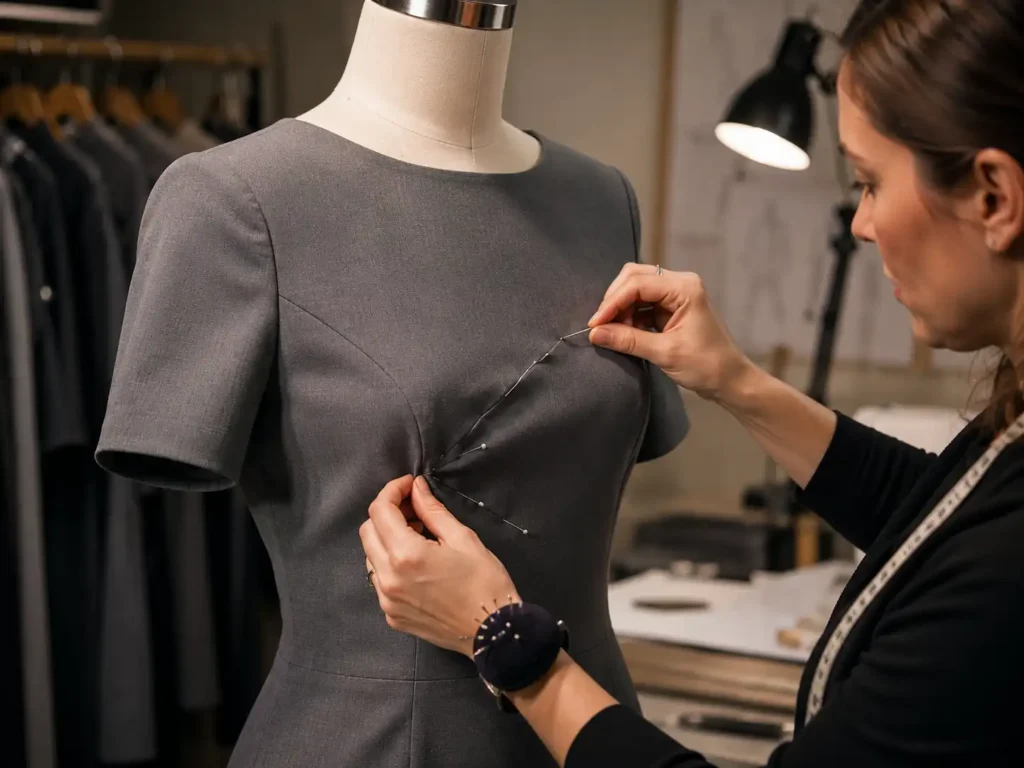
Bust Apex

Cup Coverage
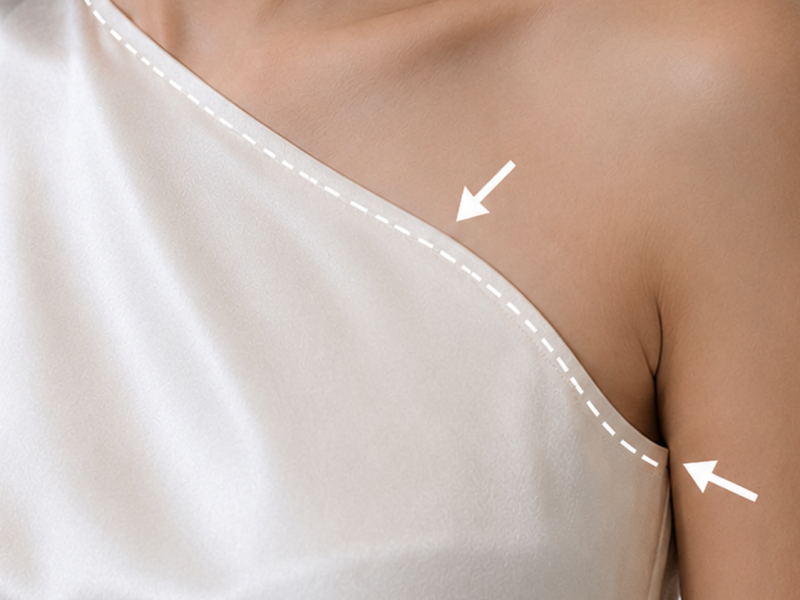
Neckline Gaping
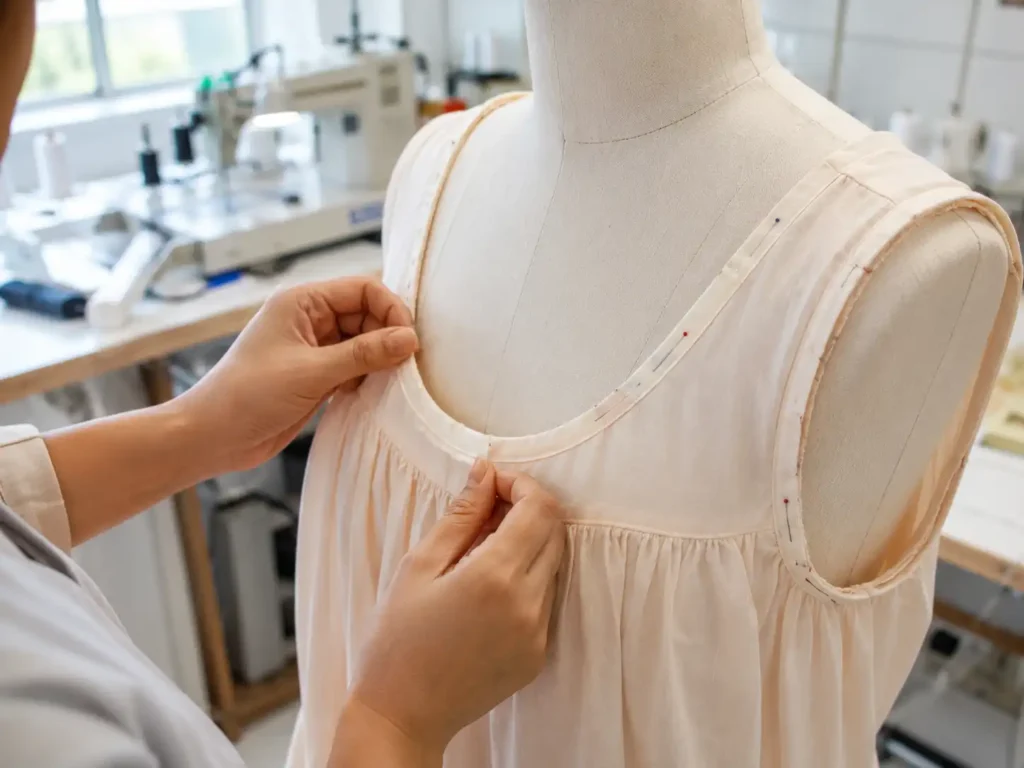
Armhole Fit
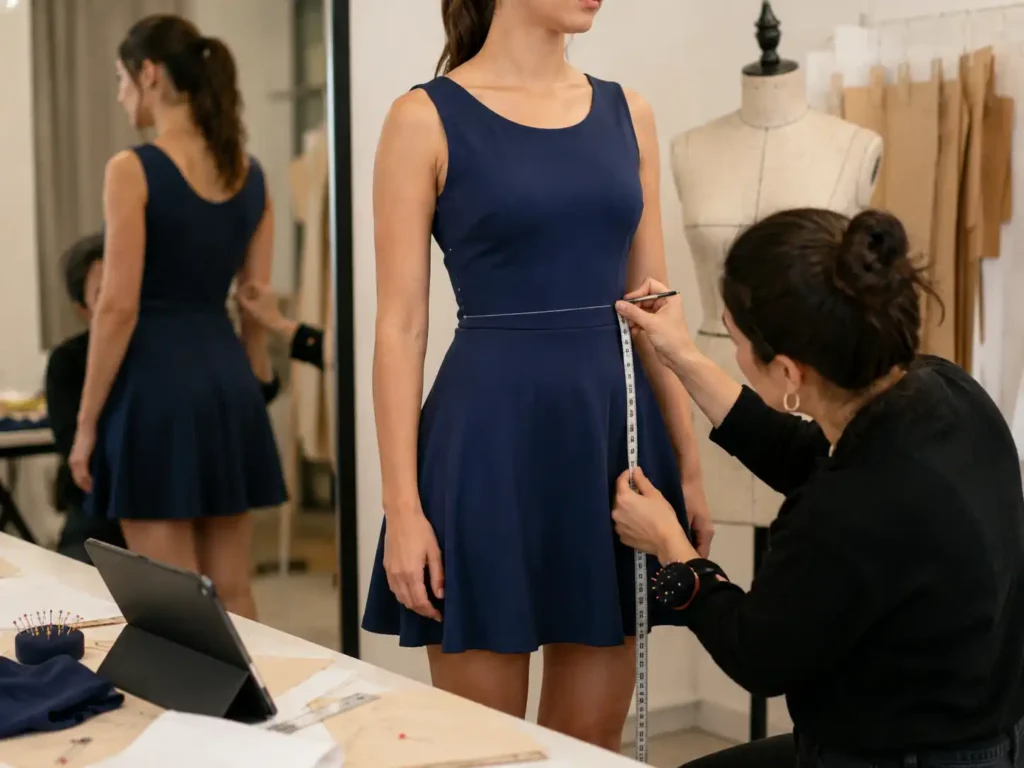
Waist Position

Side-Seam Balance

Hip Ease

Dress Length
Movement and Wearing Safety Verified Before Bulk
Sitting
Walking
Raising Arms
Bending
Dressing and Zipping
Extended Wear
Structured Dress Sampling Follows Six Controlled Stages
Sampling converts a design into a measurable, wearable, and repeatable production standard. Timing depends on fabric readiness, trim development, pattern complexity, embellishment, revision scope, and approval speed.
Structure Review
Fabric and Trim Direction
Pattern Development
First Sample
Fit Review and Revision
PP Sample Approval
PP Approval Locks the Bulk Production Standard
PP Sample Approval
Golden Sample Sealing
Production Reference Files
Change Control
Approval Records
Bulk Release
Approved Samples Move Through a Controlled Bulk Process
Bulk production is not a larger version of sample sewing. Complex dresses require material control, operation breakdown, line allocation, first-piece review, in-line correction, measurement checks, finishing, and packing discipline.
Material Booking and Inspection
Approved shell, lining, interfacing, cups, boning, zippers, hooks, elastic, labels, and packing materials are booked and checked against references before use.
Pattern, Marker, and Cutting
Final patterns and grade rules support markers and cutting. Grain, stretch direction, nap, lace motif, satin shine, size bundles, and component identification are controlled.
Fusing and Support Preparation
Where required, fusing conditions, interlining, cup preparation, boning length, channels, waist stays, and grip materials are prepared according to approved specifications.
Sewing and Assembly
Operations are sequenced to control panel shape, support placement, lining attachment, closures, seam thickness, symmetry, and delicate surfaces.
In-Line Inspection
Early garments are reviewed for construction, component position, workmanship, measurements, and recurring defects. Findings are corrected before the issue spreads.
Pressing and Finishing
Pressing shape, temperature, pressure, protective cloth, seam impression, shine, and surface handling are matched to the fabric. Threads and marks are removed.
Final Inspection
Finished garments are checked for appearance, measurements, symmetry, closures, support position, cleanliness, labels, packing, and agreed inspection level.
Packing and Shipment
Products are folded or protected according to cups, boning, fabric, embellishment, and warehouse rules. Carton data, packing list, and shipment documents are reconciled.
Sample-to-Bulk Consistency Is Built into Records
Pattern Version Control
Approved Fabric Lot
Boning and Cup Position
Sewing Instructions
Measurement Control
Sealed Reference
First-Piece Review
Repeat-Order Records
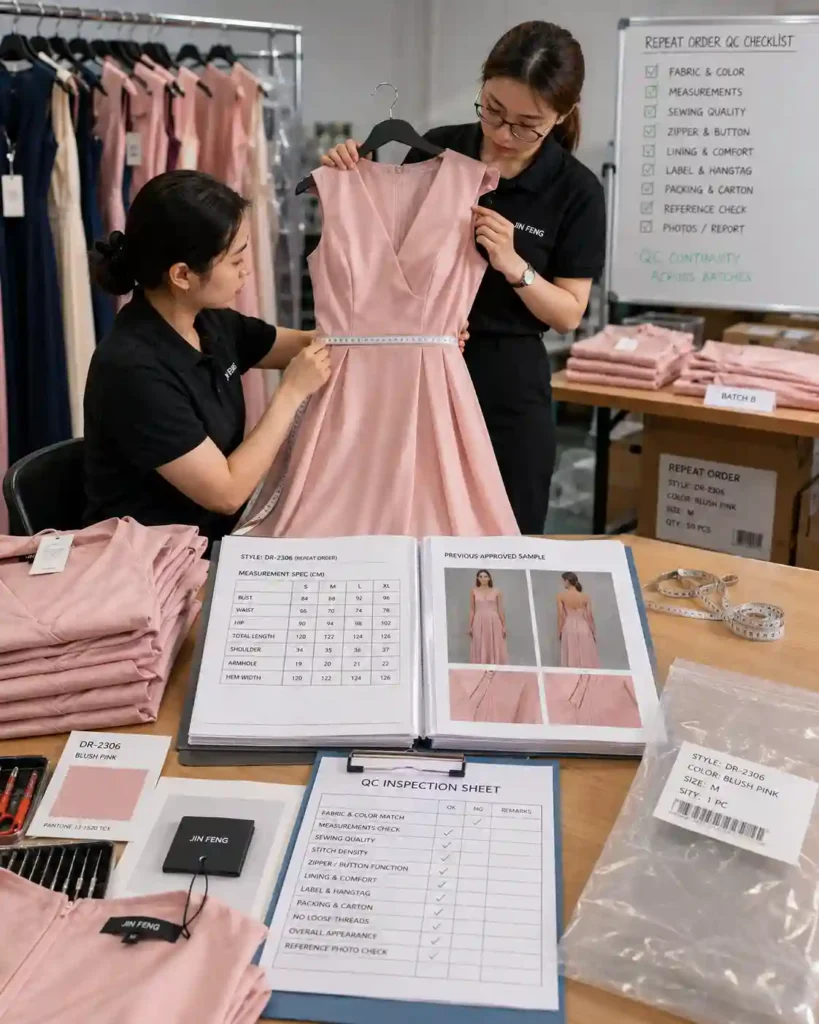
Structured Dress Quality Control Covers Every Stage
Quality is managed before defects become finished garments. Inspection points follow the material, pattern, support components, sewing, measurements, pressing, packing, and final release needs of structured womenswear.
- Incoming Material Inspection: Fabric, lining, support materials, trims, labels, and packaging are checked against approved specifications, color, quantity, defects, hand feel, and component details.
- Cutting QC: Grain, stretch direction, nap, motif, panel pairing, shade grouping, size identification, notches, and cut accuracy are reviewed before assembly.
- Support Component Check: Cup type, bone length, channel width, end protection, interlining, elastic, grip tape, hooks, and zippers are checked before or during assembly.
- Sewing QC: Panel symmetry, seam quality, puckering, reinforcement, zipper insertion, lining attachment, channel stitching, edge control, and internal cleanliness are monitored.
- In-Line Inspection: Measurements, component placement, construction sequence, and repeated workmanship issues are reviewed while production can still be corrected efficiently.
- Finished Garment Inspection: Shape, front-back balance, neckline, waistline, side seams, cups, boning, closures, hem, lining, cleanliness, labels, and appearance are checked.
- Measurement Inspection: Approved points and tolerances are measured using the agreed method. Critical structural positions receive focused review by size and production stage.
- Pressing Review: Pressing should establish shape without shine, crushing, adhesive marks, seam impressions, distortion, or damage to satin, velvet, lace, mesh, and embellishment.
- Packing QC: Size, color, labels, hangtags, barcode, polybag, fold, protective material, assortment, carton mark, and quantity are checked against packing instructions.
- AQL and Client Inspection: AQL inspection and appointed third-party or client inspection can be coordinated according to the order agreement and actual project requirements.
MOQ and Quotation Follow the Real Construction
Quantity per Style and Color
Fabric Availability
Structural Complexity
Custom Trims
Size and Color Breakdown
Packaging Requirements
Costing Method
Cost Optimization
Why Brands Use Jinfeng for Structured Dresses
Structure Reviewed Before Quotation
Pattern and Sample Teams Involved Early
Fabric and Support Matched Together
Fit Comments Become Files
PP and Golden Sample Discipline
Bulk Consistency Checkpoints
Collection-Level Coordination
Repeat-Order Records
NDA-Based Protection
Structured Dress Programs Managed at Collection Scale
The following anonymized project profiles reflect the order structure commonly handled for established fashion programs: 10-30 styles per order and 20,000-80,000 total units per label. Names and exclusive design information remain protected.

United States Structured Mini Collection
Market: United States premium ecommerce fashion.
Order profile: 18 styles, 36,000 total units, 3 color groups, XS-XXL, two production releases.
Product mix: structured mini dresses, corset minis, strapless satin styles, panelled bodycon dresses, and two sculpted cocktail designs.
Development challenge: several reference designs used similar visible silhouettes but required different internal systems. Stretch satin needed flexible lining and recovery control; firm satin required interlining and surface protection; strapless styles required cup, side support, and upper-edge security.
Jinfeng response: the collection was grouped by fabric and bodice architecture. Shared components were reviewed where possible, while cup position, bone length, neckline, zipper, and lining were approved by style. Fit comments were converted into updated patterns and measurement files before PP approval.
Bulk control: first-piece review focused on cup position, bone symmetry, waistline, zipper flatness, finished measurements, and packing folds. Priority styles were prepared for an earlier delivery release, followed by the remaining range under a separate packing list.

United Kingdom Occasionwear Program
Market: United Kingdom occasionwear and event dressing.
Order profile: 24 styles, 62,400 total units, 4 fabric families, UK 6-16, three delivery groups.
Product mix: corset midi dresses, tailored cocktail dresses, lace-overlay designs, structured crepe sheaths, and evening styles with slits and internal support.
Development challenge: the collection combined rigid woven, supported lace, crepe, and stretch-backed designs. One grade rule could not be applied to cups, straps, armholes, slit height, and waist position across all groups.
Jinfeng response: patterns were organized by silhouette block, fabric behavior, and support level. Key sizes were reviewed for neckline security, waist position, hip ease, and slit coverage. Lace motif, lining color, support placement, and pressing were locked through PP samples.
Bulk control: shade grouping, lace damage, cup placement, boning channels, slit reinforcement, label placement, measurements, and carton assortment formed the major inspection points. Delivery groups followed the label’s launch calendar rather than one undifferentiated shipment.

Australia Partywear Launch
Market: Australia partywear and event ecommerce.
Order profile: 12 styles, 24,000 total units, 5 sizes, 2 launch drops, air-and-sea shipment planning.
Product mix: strapless minis, sculpted bodycon dresses, mesh-panel corset styles, metallic occasion designs, and fitted ponte dresses.
Development challenge: the launch required strong visual shape with lighter wear for a warm climate. Heavy support risked heat and discomfort, while weak support reduced neckline security and photo impact.
Jinfeng response: support was targeted rather than added uniformly. Power mesh, flexible boning, selective interlining, cup placement, gripper tape, and lining coverage were matched by style. Wear checks included sitting, arm movement, bending, and extended fitting.
Bulk control: stretch recovery, mesh opacity, neckline measurement, grip position, zipper load, metallic surface protection, barcode accuracy, and size-color carton separation were monitored. Hero styles and core sizes were prioritized for the first launch drop, with remaining bulk arranged under the agreed shipping plan.
Structured Dress Manufacturing Frequently Asked Questions
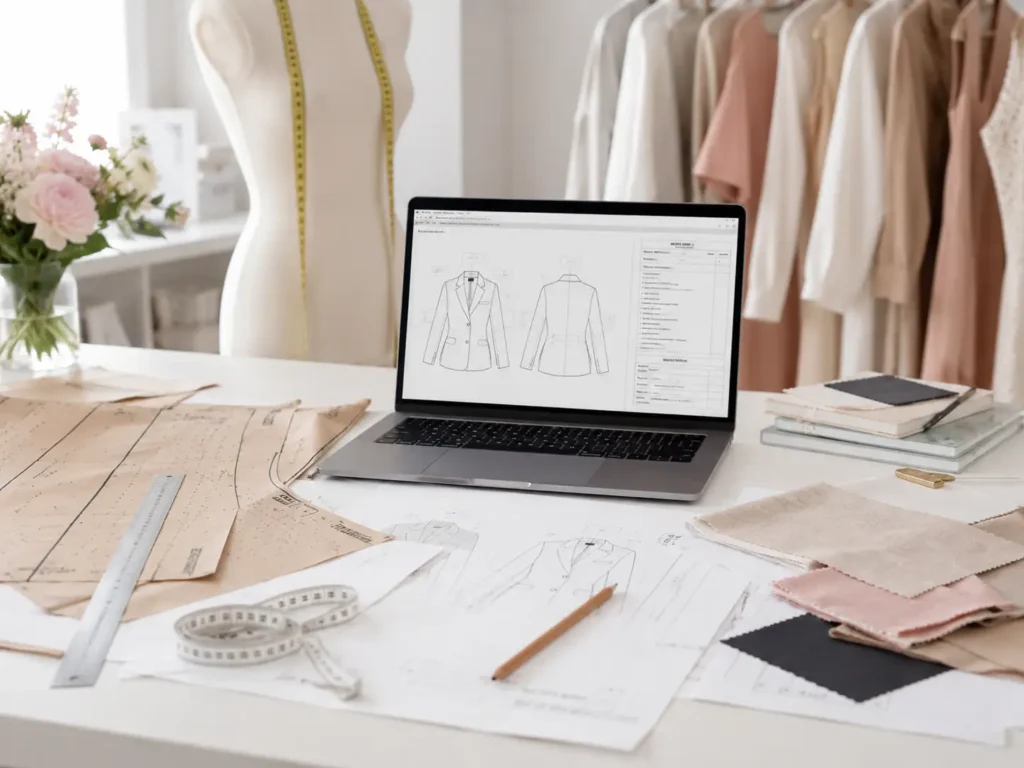
Start Your Structured Dress Development with Jinfeng
Send enough information for a meaningful review rather than a generic estimate. Kelly and the development team will assess product architecture, fabric direction, support materials, size requirements, MOQ fit, sampling risk, bulk production needs, private-label details, and target delivery before the next step is proposed.
Please include:
- Reference image, sketch, tech pack, line sheet, or original sample photographs.
- Product type and selling occasion.
- Shell fabric, lining, color, stretch, hand feel, or approved swatch direction.
- Cup, boning, power mesh, interfacing, grip tape, zipper, hook, or other support requirements.
- Quantity per style/color and planned size range.
- Base-size measurements or full size chart.
- Woven label, size label, care label, hangtag, barcode, polybag, carton mark, and warehouse requirements.
- Photo date, PP approval target, launch date, warehouse deadline, and preferred shipping method.
- Testing, audit, or material documentation requirements to be confirmed by project.