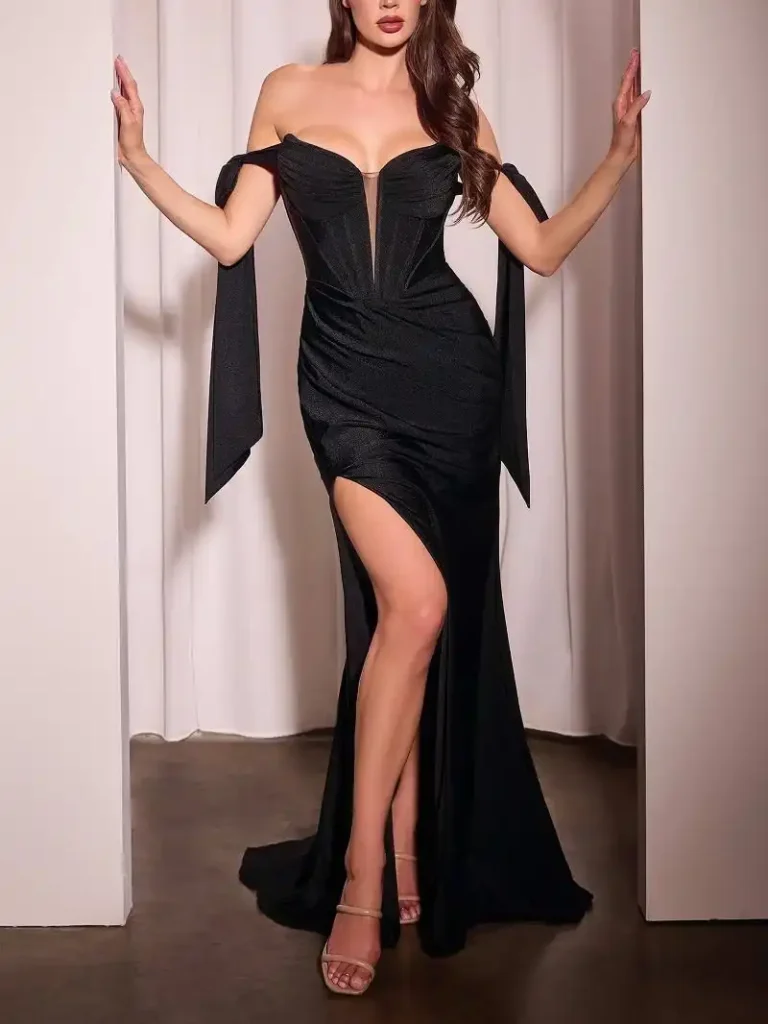
Stretch Clubwear Production
Engineered stretch fit, club-ready construction and repeatable bulk production for established women’s fashion collections.
Jinfeng Apparel develops and produces stretch clubwear where fabric behavior, body fit and construction must work together. Programs can include bodycon mini dresses, stretch mesh styles, cut-out dresses, ruched silhouettes, bodysuits, fitted jumpsuits and matching sets, with development moving from fabric direction and pattern work through fit review, PP approval, bulk production and final QC.
- 6 owned women’s fashion factories
- 18+ sewing lines
- 2 sample rooms
- 7+ senior pattern makers
- 15+ QC inspectors
- 100,000+ pcs regular monthly capacity
Production Capacity Built for Multi-Style Clubwear Programs
6 Owned Factories
18+ Sewing Lines
6+ Flexible Lines
2 Sample Rooms
7+ Senior Pattern Makers
15+ QC Inspectors
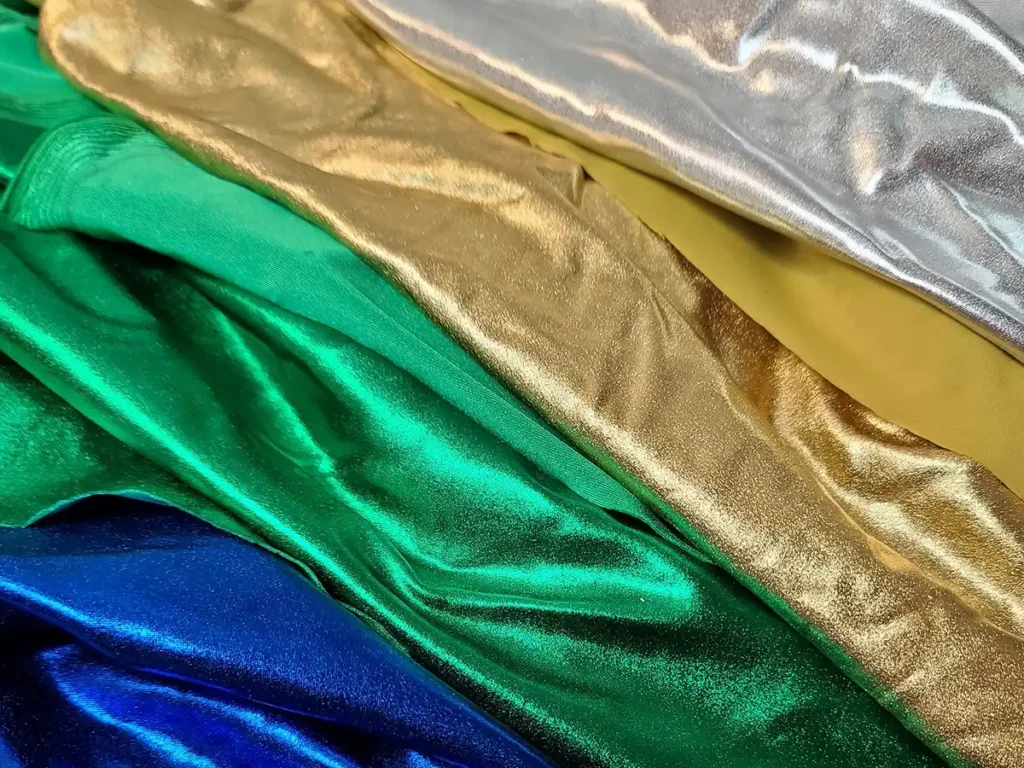
Stretch Clubwear Requires More Than Stretch Fabric
A fitted club dress can look correct on a hanger and still fail on the body. Production quality depends on how fabric extension, recovery, pattern tension, seams, lining and design details behave together.
Fabric Behavior Shapes the Garment
- Stretch changes the way a garment finds its final shape on the body. A pattern developed for a stable woven fabric cannot simply be transferred to a stretch jersey, power mesh or stretch satin without reviewing the intended fit, extension direction and recovery. In fitted clubwear, the fabric is part of the structure. It influences how the waist stays close, how the hip line settles, how a neckline opens under tension and whether the hem remains at the intended length after movement.
Production Must Protect the Approved Fit
- The approved sample is only useful when the production inputs behind it are controlled. Pattern version, fabric reference, color, lining, elastic, trims, seam construction and key measurements need to remain connected to the approved standard. A change that appears minor in sourcing can alter the final fit. For stretch clubwear, disciplined transfer from sample to bulk is as important as the first sample itself.
Built for Established Fashion and Clubwear Collections
Fashion Brands
Product Teams
Sourcing Teams
DTC Collections
Where Stretch Clubwear Production Commonly Goes Wrong
Weak Recovery
Hem Ride-Up
Cut-Out Distortion
Neckline Instability
Mesh-Lining Conflict
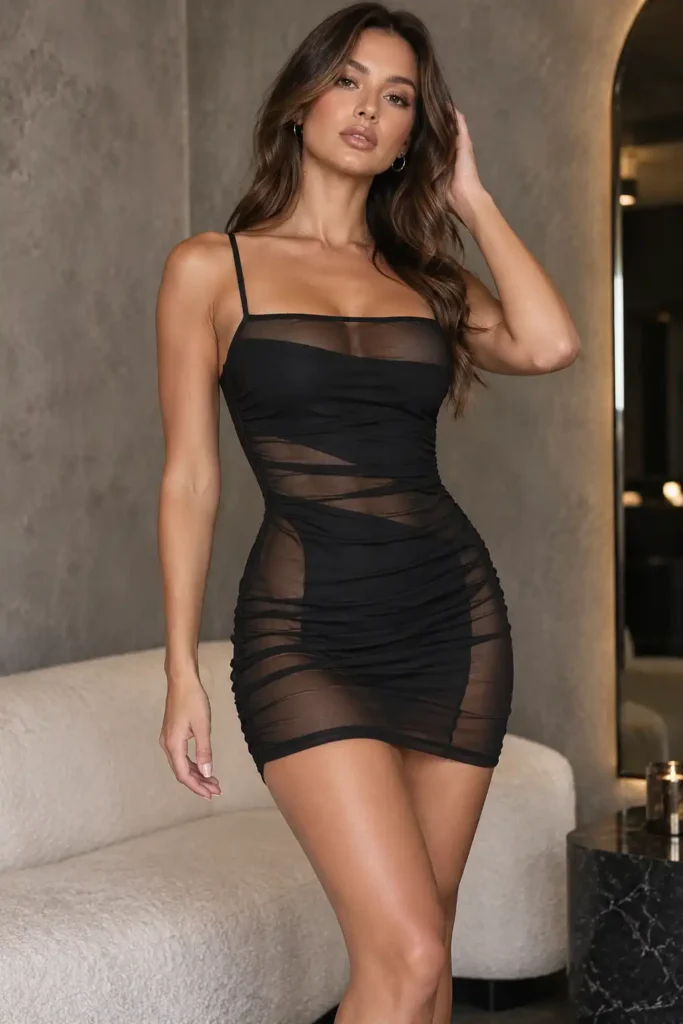
Stretch mesh and lining can extend differently. Poor pairing may cause rippling, drag lines, uneven transparency or a garment that feels tighter than the approved shell.
Ruching Imbalance
Seam Restriction
Bulk Fabric Shift
Stretch Clubwear Styles We Develop for Brand Collections
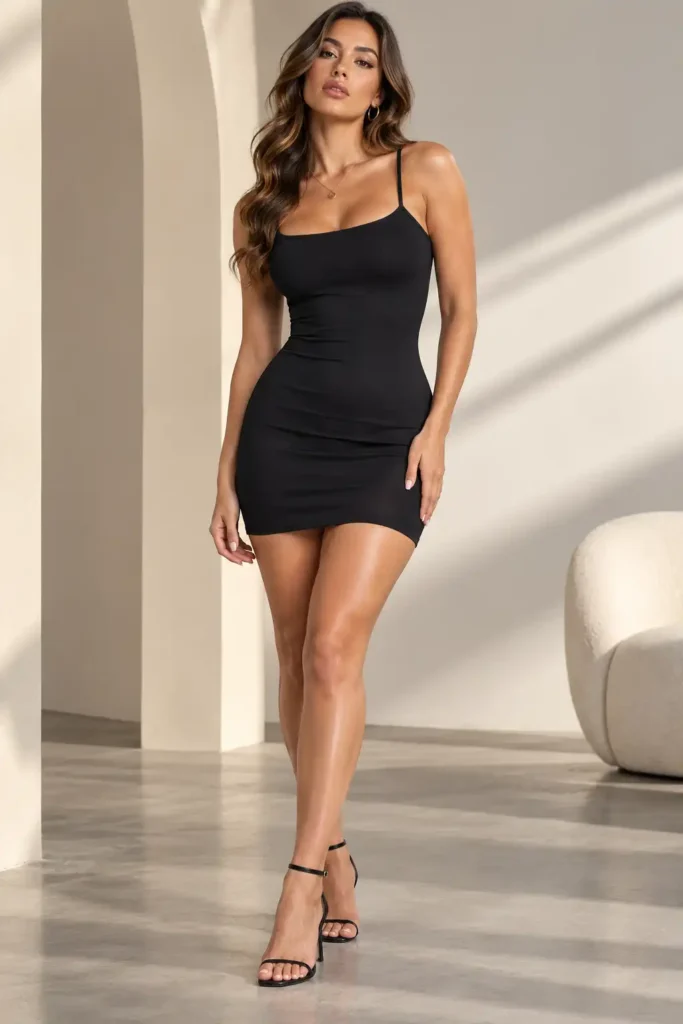
Bodycon Mini Dresses
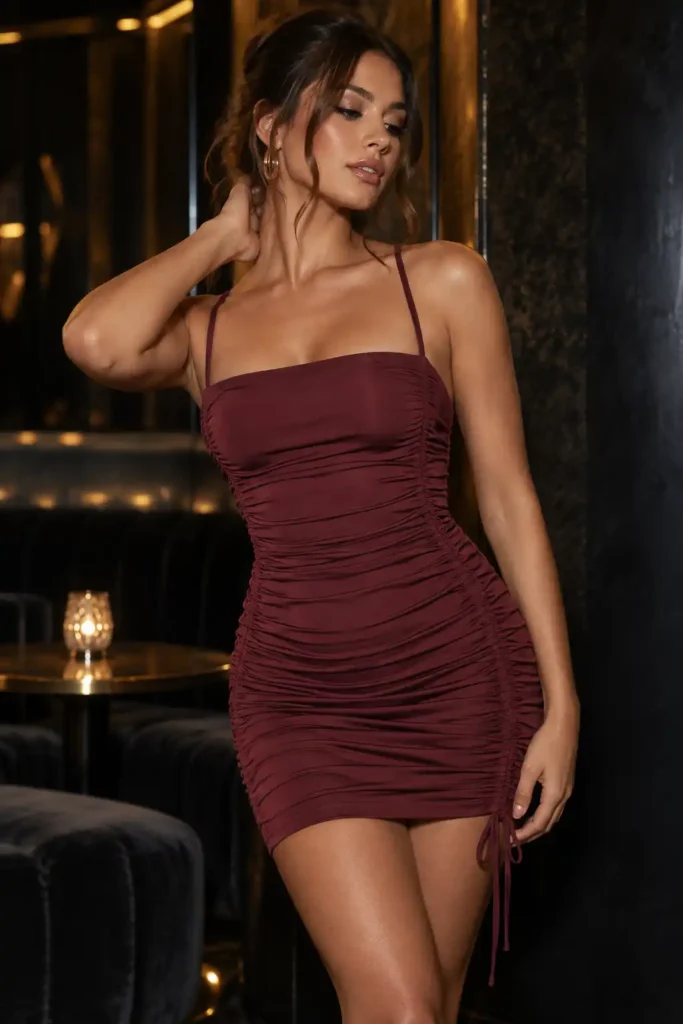
Ruched Club Dresses
Stretch Mesh Dresses
Cut-Out Dresses
Strapless Styles

Backless Dresses
Bodysuits
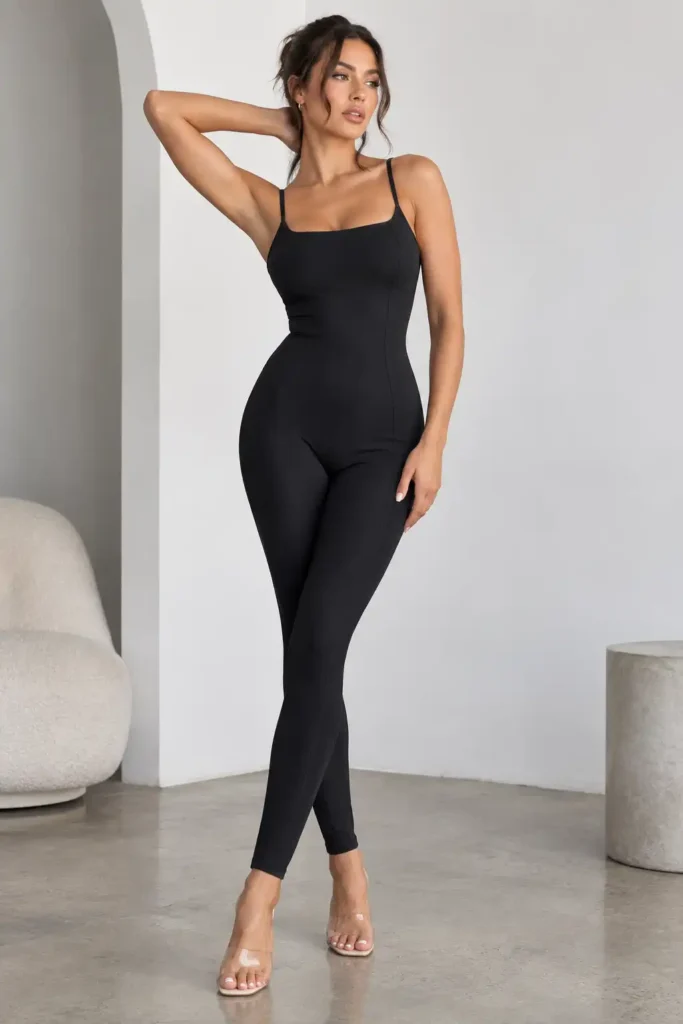
Fitted Jumpsuits

Matching Sets
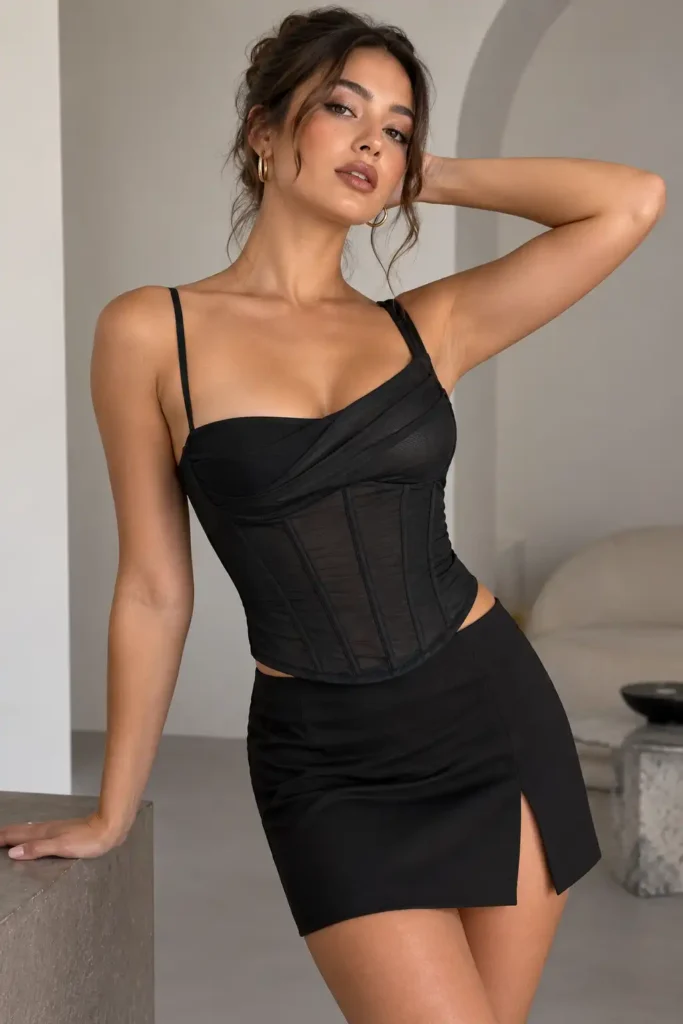
Stretch Tops

Stretch Sequin Styles

Hybrid Clubwear
Stretch Fabric Engineering for Clubwear Fit and Recovery
Fabric selection starts with the garment, not a fabric name. Composition alone does not define performance; weight, knit structure, extension direction, recovery, opacity, hand feel and finishing all influence the final result.
| Fabric Direction | Typical Clubwear Use | Key Production Checks |
|---|---|---|
| Stretch jersey | Bodycon dresses, tops, fitted sets | Recovery, opacity, surface smoothness, seam extensibility, bulk behavior |
| Rib knit | Fitted dresses, tops, matching sets | Rib recovery, width stability, color consistency, edge handling |
| Stretch mesh | Sheer dresses, panels, sleeves, overlays | Transparency, recovery, edge stability, lining interaction, hole damage |
| Power mesh | Support panels, bodysuits, shaping areas | Compression feel, recovery, seam strain, skin comfort, panel balance |
| Ponte | Structured fitted dresses and sets | Weight, recovery, surface appearance, seam bulk, silhouette support |
| Stretch satin | Club dresses with sheen and body fit | Snagging, shade, wrinkle behavior, seam impression, lining compatibility |
| Stretch velvet | Night-out dresses, fitted separates | Pile direction, shade, pressure marks, seam bulk, stretch direction |
| Stretch sequin fabric | Statement club dresses and tops | Sequin loss, abrasion, stretch restriction, lining, seam placement |
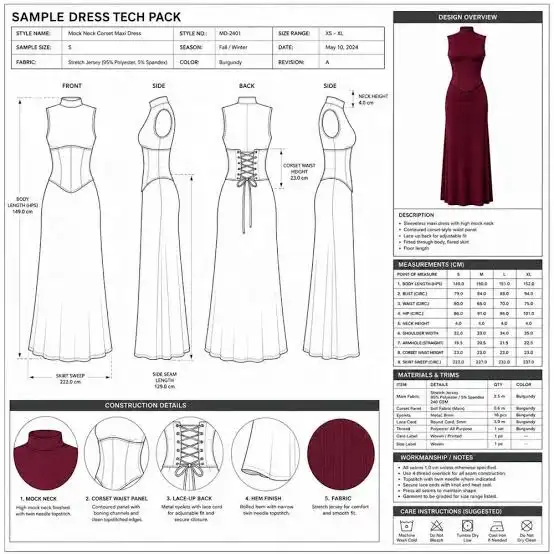
Pattern Engineering for Close-Body Stretch Fit
Stretch fit is built by balancing the body, the pattern and the fabric. A size chart alone cannot define how a fitted clubwear style should sit once the garment is under tension.
- Bust, Waist and Hip Must Work Together
Bodycon styling depends on controlled negative ease, but the amount cannot be treated as a universal percentage. A fabric with softer recovery behaves differently from a dense supportive knit, and a lined style behaves differently from an unlined one. Pattern development therefore starts with the intended look and the approved fabric direction, then adjusts bust, waist, hip and vertical balance through fitting rather than applying one generic stretch formula. - Vertical Tension Changes More Than Length
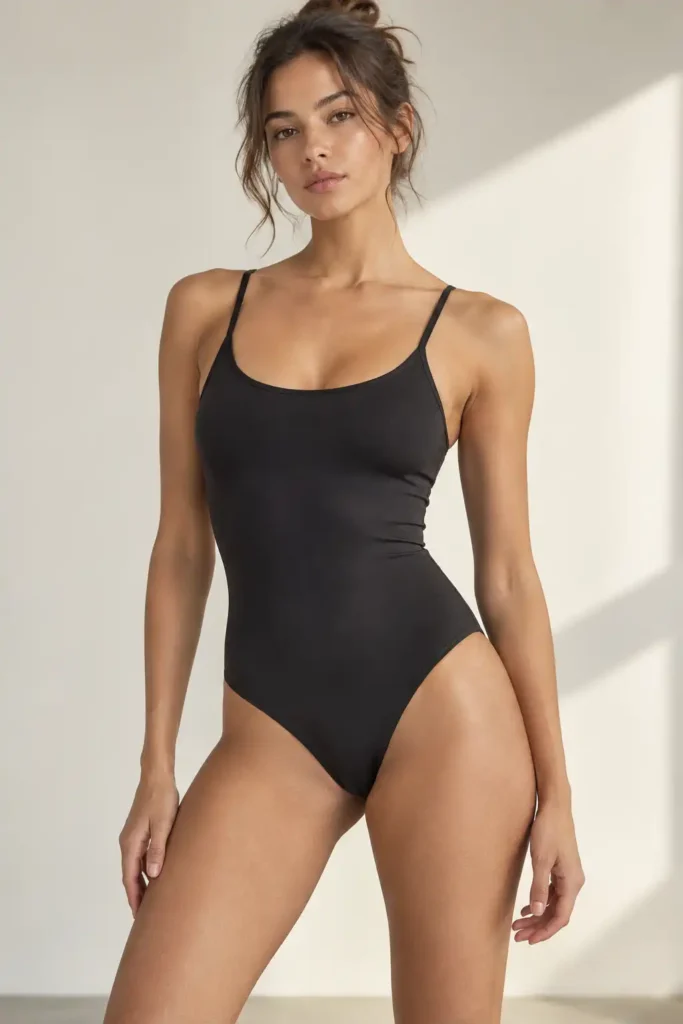
Torso length is critical in bodysuits and jumpsuits, while mini dresses can move upward when hip tension is high. Strap position, armhole depth, neckline level and back opening can also shift as the garment stretches vertically and horizontally. Fit review looks at how those points interact on the body instead of checking only flat measurements. - Grading Must Preserve the Design
Size grading for cut-outs, ruching, asymmetry, strap positions and mixed-material panels needs more than increasing every measurement evenly. The visual proportion of a cut-out, the height of a side slit or the amount of gathering should remain intentional across the size range. Jinfeng’s 7+ senior pattern makers work with sample-room feedback to refine production patterns before PP approval. - Pattern Versions Need Clear Control
Revised fit comments can create several pattern versions during development. Once the production standard is approved, the correct pattern, size chart and construction notes must be locked together. Production should not rely on memory or an earlier sample version when a later fit decision has changed the garment.
Design Details Change Once the Garment Is Stretched
Clubwear details are judged on the body, not on a flat sketch. Cut-outs, ruching, necklines, straps, sheer panels and back openings must keep their intended position after the surrounding fabric is under tension.
- Cut-Out Geometry
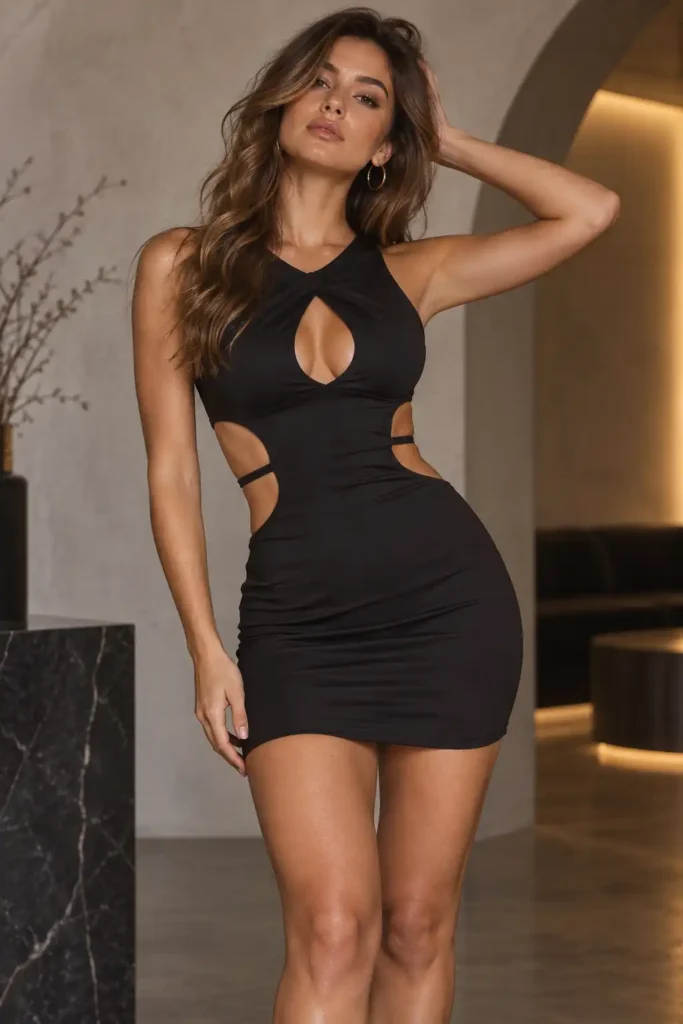
A cut-out is part of the pattern structure. The opening can widen, lengthen or rotate when adjacent panels stretch over the bust, waist or hip. During sampling, the opening is checked on-body for shape, symmetry, edge tension and skin exposure. The solution may involve changing panel shape, edge construction, reinforcement or the distribution of tension around the opening. - Ruching and Gathering
Ruching adds both decoration and fit control. Too much tension can flatten the gathers, while too little can make the surface look bulky or uneven. Development considers the base panel length, gathering placement, elastic behavior and how the effect scales across sizes. Side ruching also affects hem angle and side-seam balance. - Necklines and Straps
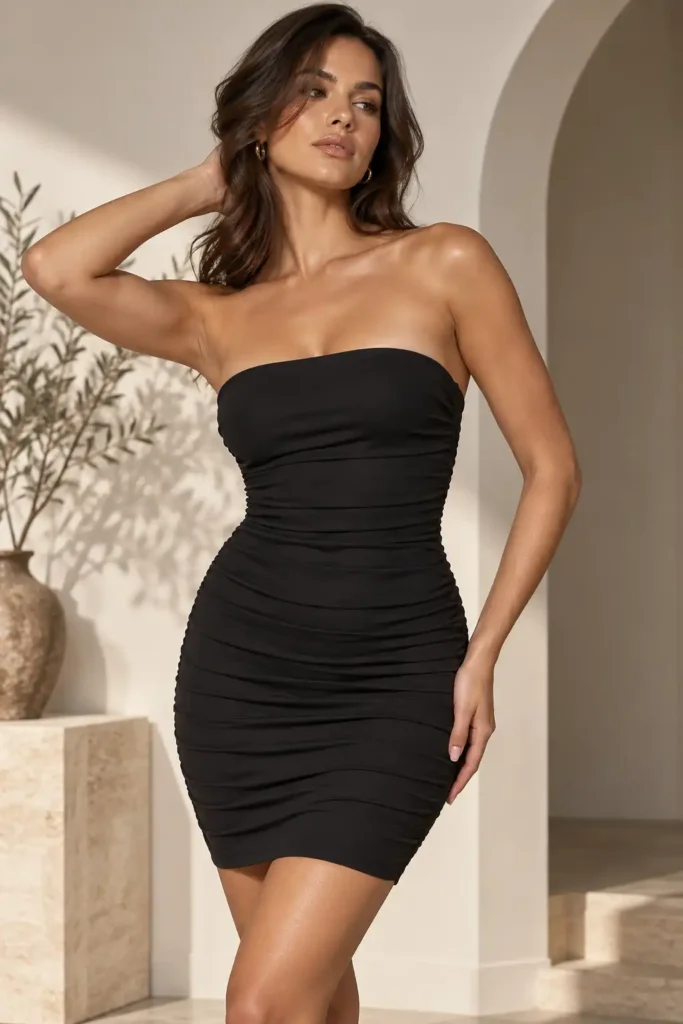
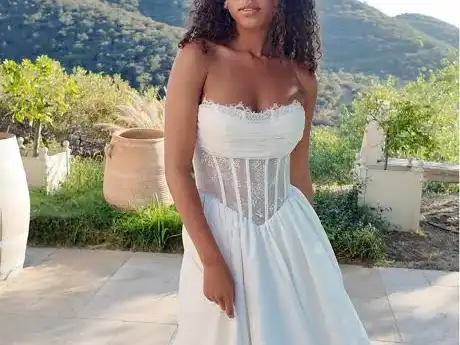
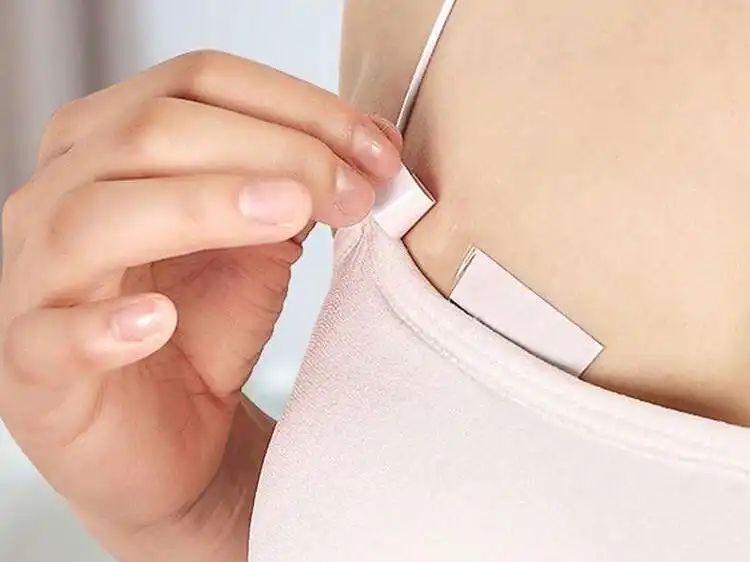
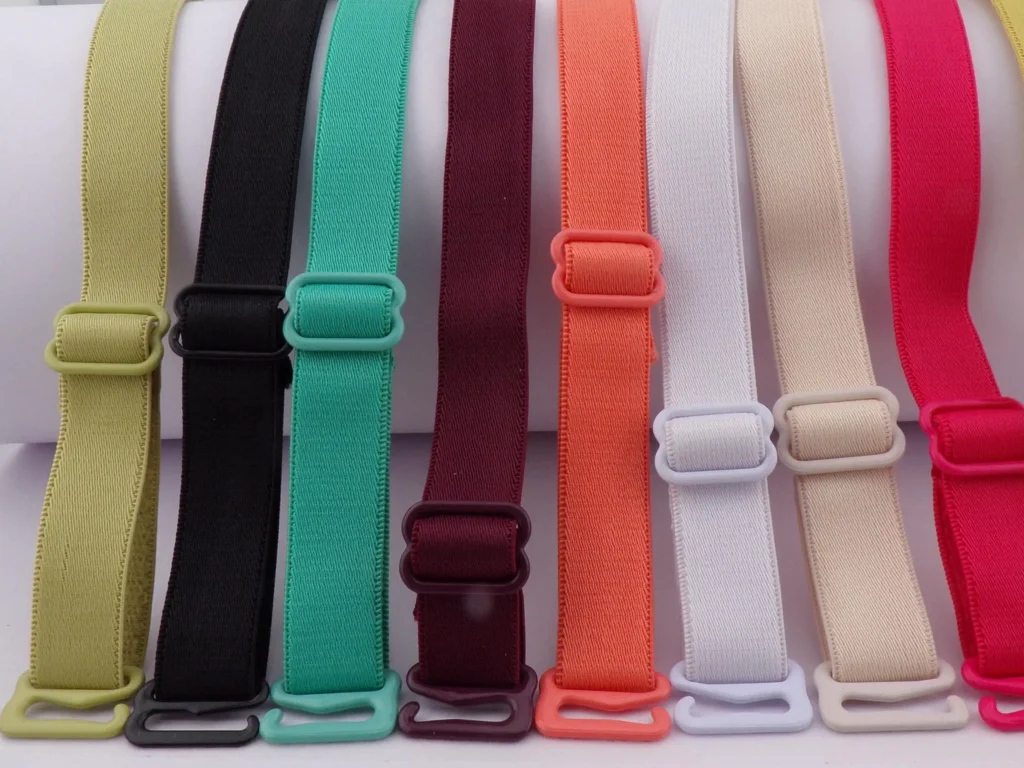
Low necklines, asymmetric straps, halters and strapless constructions are sensitive to tension. A small change in strap length or neckline finish can alter bust coverage and support. Stretch shells may need stable internal elements, but those elements should not create hard edges or prevent the garment from moving naturally. - Mesh, Lining and Sheer Panels
Sheer sections often combine materials with different extension and recovery. The goal is to keep transparency and contour without making the lining drag against the shell. Seam placement, panel direction, lining coverage and edge finishing are reviewed together, especially around bust, waist, hip and arm openings.
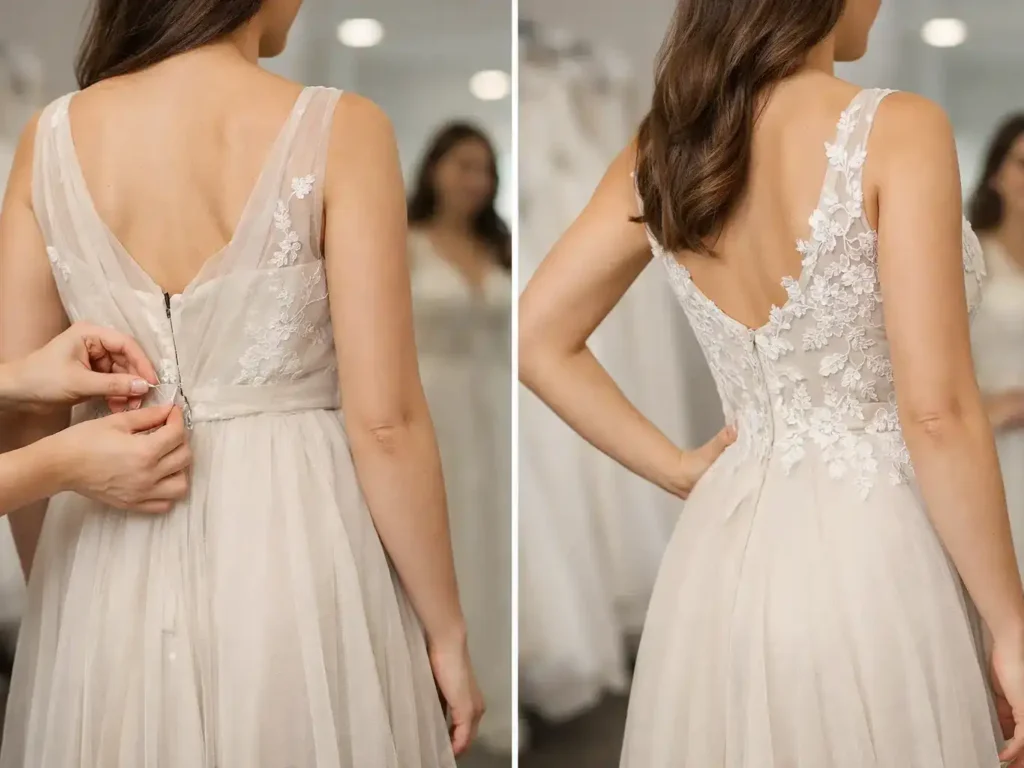
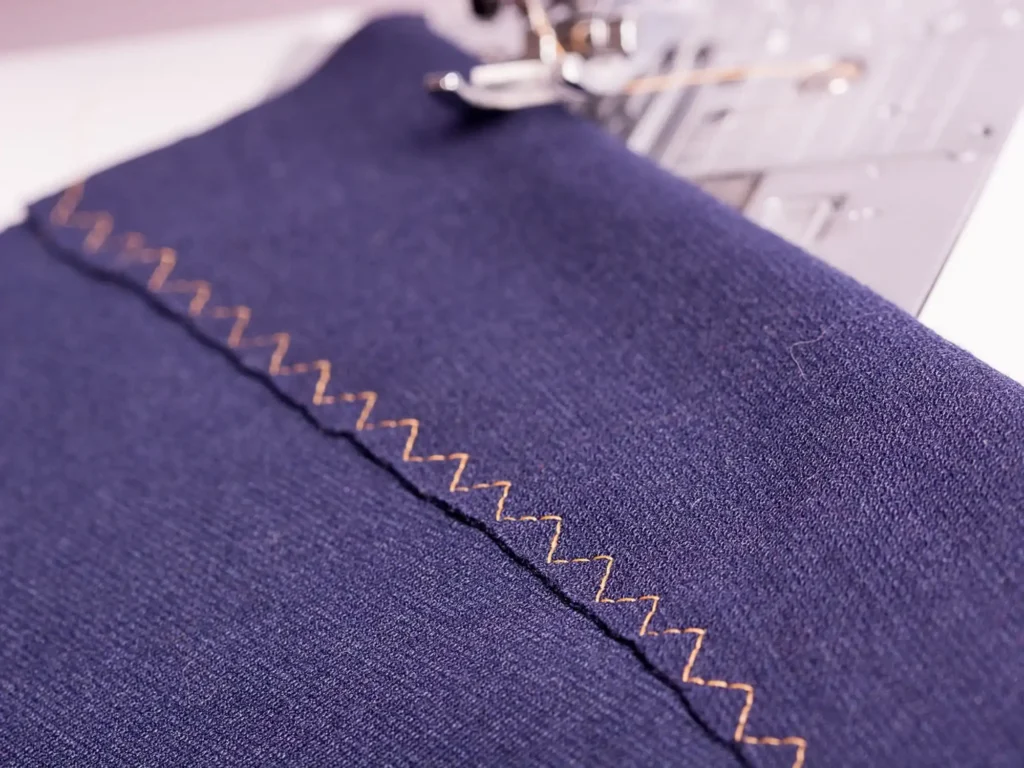
Stretch Sewing and Seam Construction for Clubwear
A stretch garment is only as flexible as its least flexible seam. Stitching, joining methods and reinforcement must support movement without creating rigid lines, visible distortion or weak stress points.
- Seam Extensibility Comes First
The chosen seam and stitch must tolerate the movement expected from the garment. A bodycon side seam, mesh join, crotch seam or narrow strap attachment experiences different stress. Construction is selected by fabric behavior, seam location and appearance requirement rather than using one sewing method for every stretch style. During sampling, seam response is checked while the garment is worn and moved, not only while it lies flat.
- Stress Points Need Deliberate Reinforcement
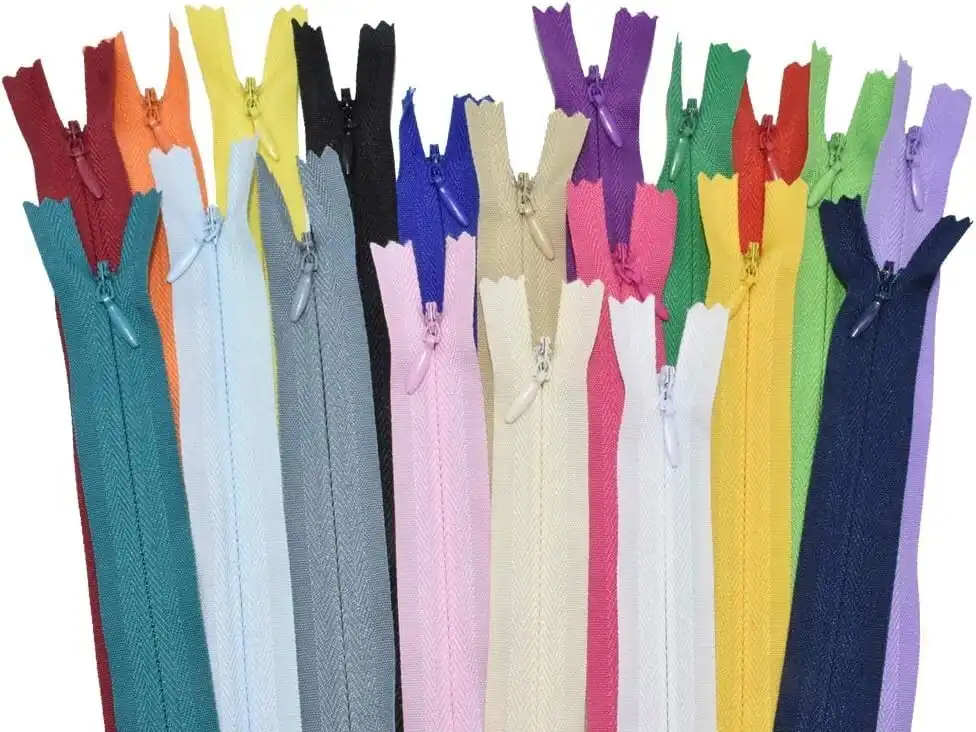
High-risk areas include strap joins, zipper ends, cut-out corners, side slits, bodysuit crotches, underarm points and transitions between stretch and non-stretch components. Reinforcement should control stress without making the area visibly bulky or rigid. The correct solution depends on the fabric, lining and intended silhouette.
- Mixed Materials Need Controlled Joining
Clubwear often combines mesh with jersey, stretch satin with lining, lace with power mesh, or decorated fabric with cleaner side panels. Different materials can feed, stretch and recover at different rates during sewing. Cutting direction, handling, seam preparation and operator control are therefore important to prevent twisting, rippling or uneven panel lengths.
- Finishing Must Preserve the Surface
Stretch satin, velvet, mesh and sequin fabrics each respond differently to heat, pressure and handling. Pressing and finishing are adjusted to protect sheen, pile direction, transparency or decorative surfaces. Final appearance is reviewed against the approved sample so construction strength does not come at the expense of the intended fashion effect.
Linings, Elastics and Support Components Must Work Together
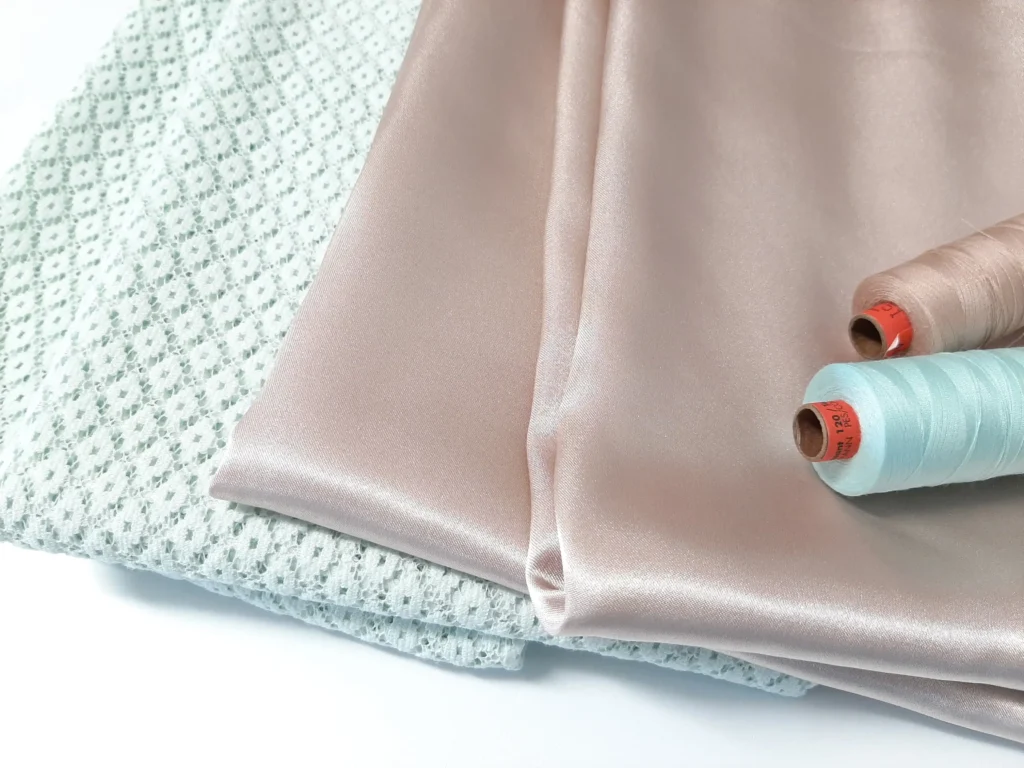
Lining
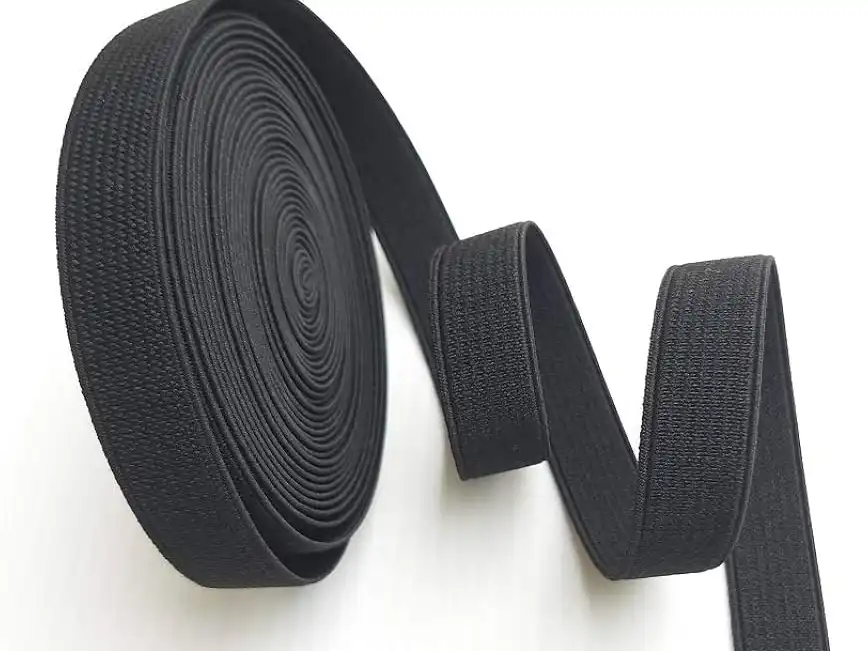
Elastic
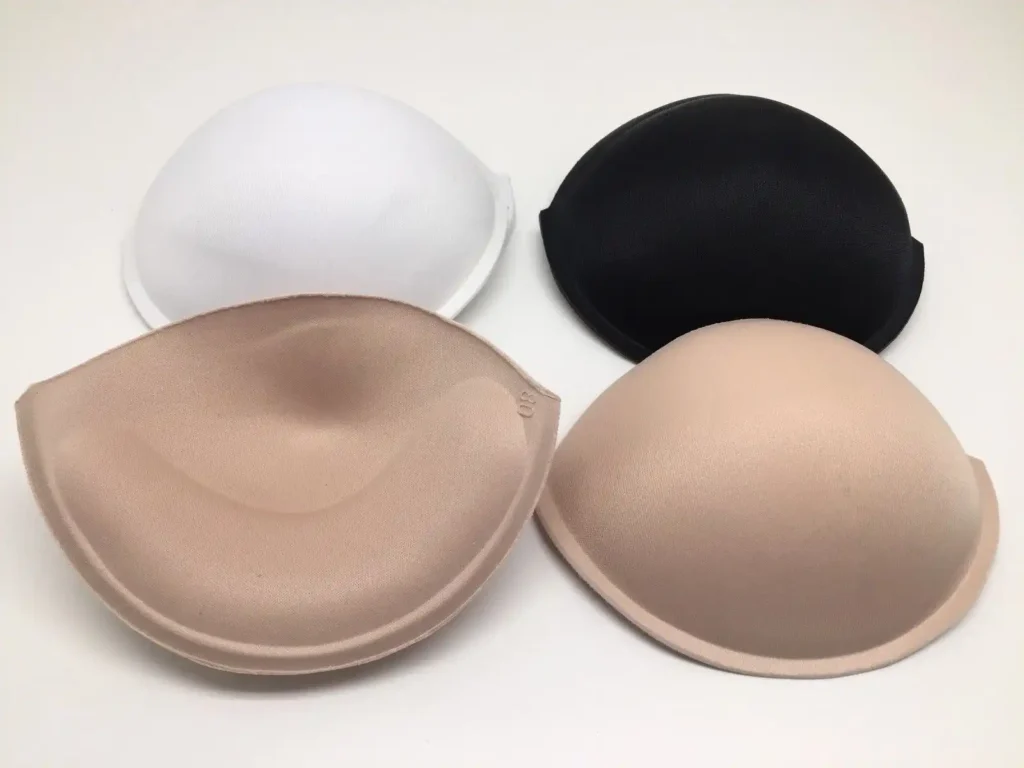
Bra Cups
Boning
Zippers
Anti-Slip Support
Strap Hardware
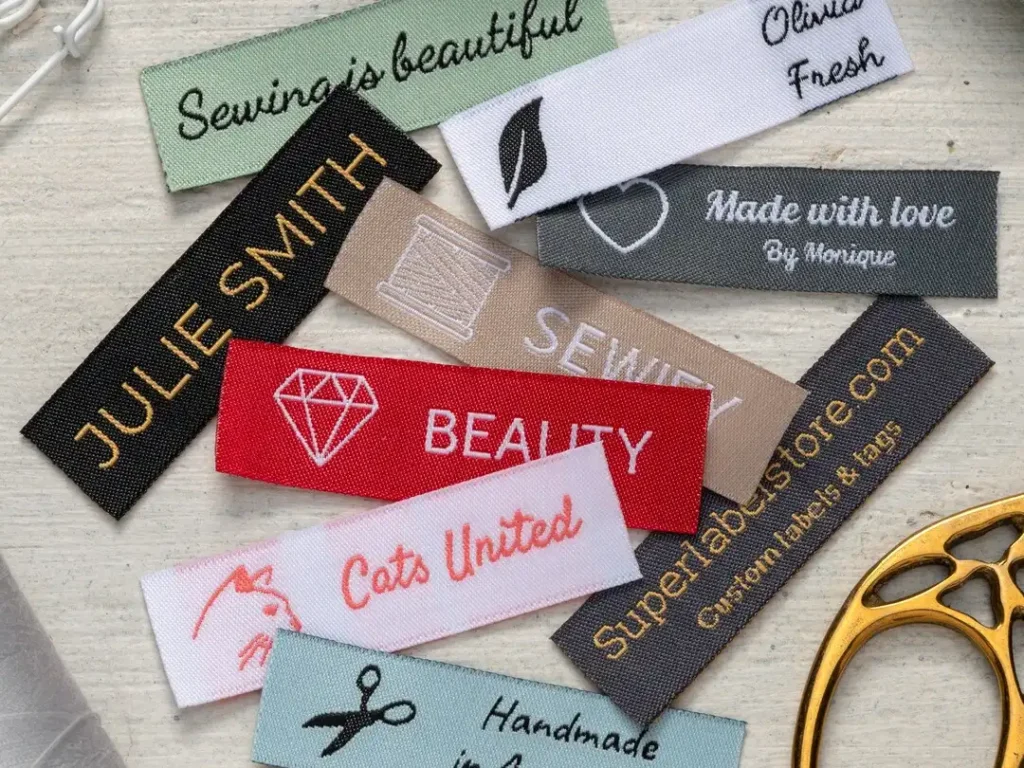
Labels and Trims
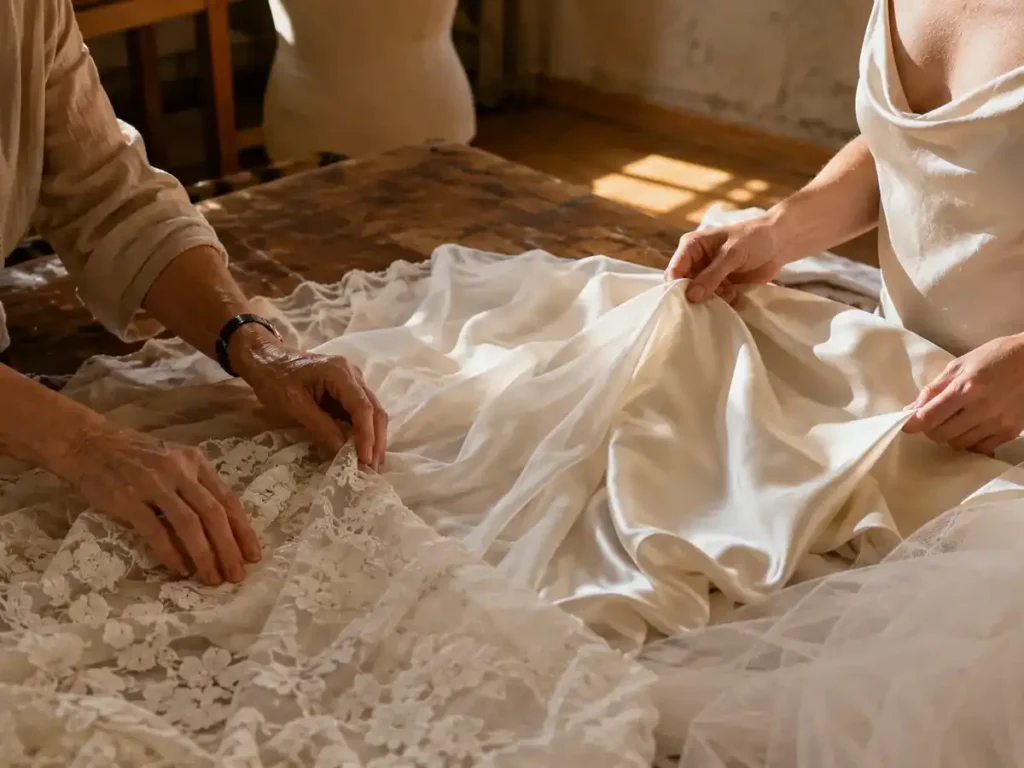
Sampling Stretch Clubwear Under Real Movement
Fit approval should show how the garment behaves during wear. Standing measurements matter, but clubwear also needs review through sitting, walking, bending and normal body movement.
- First Sample – Prove the Design Can Work
The first sample tests whether the design, chosen fabric direction, pattern concept and construction can be translated into a wearable garment. It is not treated as the final bulk standard. For stretch clubwear, early review pays close attention to body tension, overall length, neckline position, bust-waist-hip balance and any design areas that visibly distort under stretch. - Fit and Revised Samples – Correct the Body Relationship
Fit comments may cover circumference, vertical balance, strap length, cut-out position, ruching distribution, lining tension or seam placement. Revised samples close those points before production. Movement review can include sitting, walking, arm movement and bending, checking whether the hem migrates, the neckline opens, the mesh over-stretches, seams strain or the garment fails to recover cleanly after movement. - Photo and Sales Samples – Protect Presentation
Photo and showroom samples may have a different purpose from a production reference. The garment must present correctly on camera or in a selling environment, yet approval for photography should not automatically replace PP approval. Construction and material decisions still need to be confirmed for bulk. - PP and Golden Samples – Lock the Production Standard
The PP sample is the point where fabric, color, trims, pattern, measurements, construction, labels and packing are confirmed for bulk release. A sealed golden sample can then serve as the physical reference for production and QC. Jinfeng’s two sample rooms and 20+ sample machinists support the revision process before the final standard is handed to production.
From Approved Sample to Repeatable Bulk Production
Sample approval is not the end of development. The approved decisions must be transferred into production records so the bulk garment follows the same pattern, materials, construction and appearance standard.
- Lock the Production Inputs
Before bulk cutting, the production file should connect the approved pattern, size chart, fabric reference, color, lining, elastic, trims, sewing method, labels and packing standard. Stretch clubwear adds another layer: the approved material behavior must remain consistent enough for the pattern to produce the same body fit. If a substitute fabric changes recovery or surface character, the style may need review before release. - Transfer the Approved Construction
Production teams need clear information on seam types, reinforcement points, cut-out edges, ruching placement, strap settings, zipper handling, mesh joining, lining and finishing. A visually small detail can become a major fit problem when repeated across thousands of garments, so the sample standard is converted into repeatable instructions rather than informal verbal guidance. - Control Size and Color Expansion
Bulk orders often add colors and full size runs after the development sample has been approved. Each new color or fabric lot should be checked for shade and material behavior, while grading should preserve the design proportions established during fitting. Critical measurements and visual points are monitored during production rather than left for final inspection. - Keep Records for Reorders
Repeat orders benefit from retained pattern versions, size charts, fabric and color references, trim cards, construction notes, labels, packing instructions and QC references. Records reduce the risk of a bestseller returning with a different fit, finish or packaging standard several months later.

Multi-Style Bulk Production Without Losing Collection Consistency
Line Allocation
Material Coordination
Merchandising Follow-Up
Capacity Planning
Multi-Color Control
Multi-Size Control
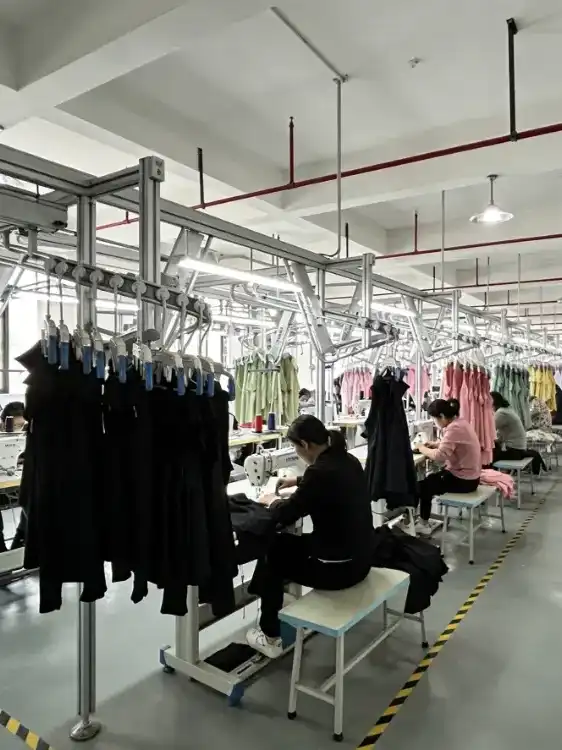
Stretch Clubwear Quality Control from Fabric to Packing
QC should follow the risks created by stretch, close-body fit and mixed materials. Final inspection alone cannot correct a wrong fabric, distorted cut-out or restrictive seam after bulk production is complete.
- Incoming Material Review
Material control can include shade, surface defects, stretch direction, hand feel, transparency, mesh damage, sequin condition and lining compatibility according to the style. Bulk material is compared with the approved reference before large-scale cutting. Fabric changes that could influence fit or appearance should be raised before production continues. - Cutting and In-Line Control
Stretch fabrics can shift, curl, distort or behave differently by direction. Cutting control focuses on correct pattern version, grain or stretch direction, matched panels and clean handling of sensitive surfaces. During sewing, inspectors look for seam strain, twisting, puckering, uneven ruching, distorted openings, unstable straps and mismatched panel lengths. - Measurement and Appearance Review
Critical garment measurements are checked against the approved size standard, but flat numbers are not the only reference. Symmetry, cut-out position, ruching distribution, neckline shape, hem balance, zipper appearance, mesh placement and lining coverage are also reviewed because they strongly affect the retail look of clubwear. - Final Garment and Packing QC
Final inspection checks workmanship, measurements, appearance, labels, care information, barcode or SKU details, folding, polybag and carton requirements according to the project. AQL or client-appointed inspection can be supported when required. Jinfeng has 15+ QC inspectors and 30+ finishing and packing workers supporting the final stages.
Representative Stretch Clubwear Collection Program
A multi-style program shows how stretch engineering, sampling and bulk control connect. The figures below illustrate a realistic established-brand production structure rather than disclose a named client or confidential order.
- Program Scope
An 18-style seasonal clubwear program can combine bodycon minis, stretch mesh dresses, ruched styles, two fitted jumpsuits, bodysuits and matching sets, with an overall order of about 42,000 pieces across several colors and size runs. Development is grouped by fabric family and construction difficulty so the highest-risk styles receive attention before the full collection is released.
- Development Priorities
The first development round focuses on fabric direction, pattern fit and the styles most sensitive to tension: cut-out dresses, strapless silhouettes, mesh-lined pieces and bodysuits. Fit comments are closed before PP preparation, while lower-risk styles proceed in parallel. This reduces the chance of one unresolved technical problem delaying the complete collection.
- Bulk Control
Once PP standards are approved, production files lock patterns, fabrics, trims, measurements, sewing details, labels and packing. Styles are allocated by construction and material handling needs rather than treated as identical dresses. In-line QC monitors seam strain, ruching, cut-out shape, neckline stability and size consistency while production is still adjustable.
- Delivery Readiness
Packing is coordinated by style, color, size, SKU and carton requirement so the collection can move into retail or ecommerce channels without a second round of sorting. The program remains manageable because development records, production references and QC checkpoints stay linked to each style rather than being recreated from memory.
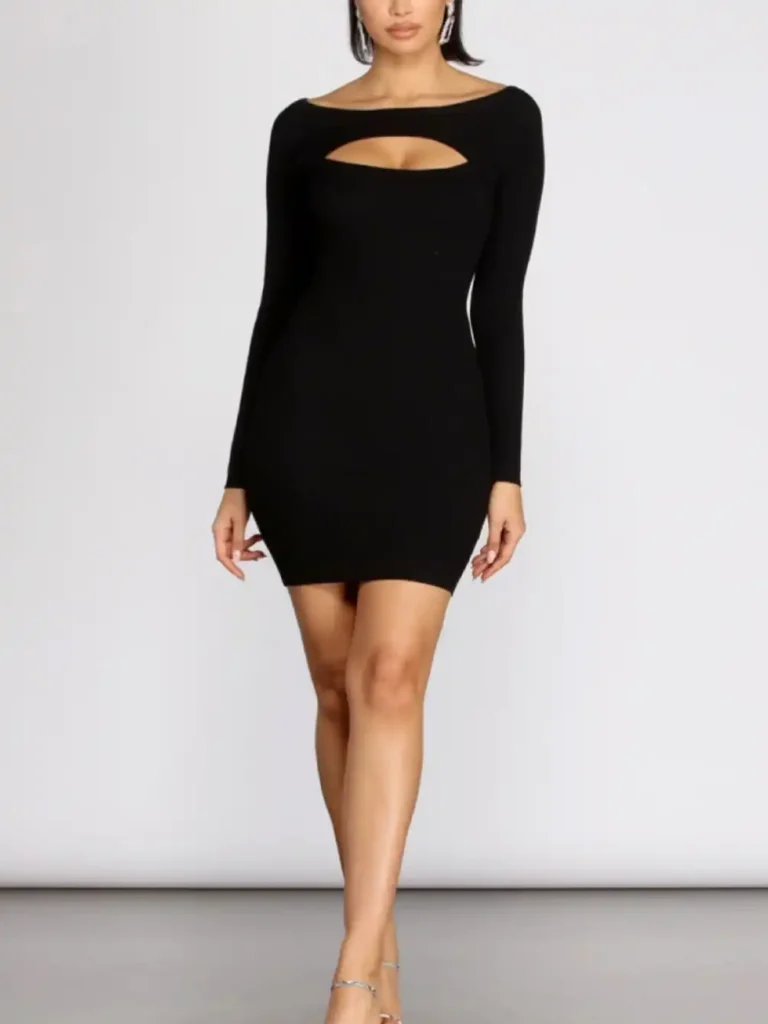
Project Planning for Stretch Clubwear Production
Commercial planning becomes easier when the technical requirements are clear early. Quantity, fabric readiness, sample revisions, trims, packaging and target schedule all affect the production path.
| Project Item | Jinfeng Production Direction |
| MOQ | Starts from 200 pcs per style/color, subject to fabric, color, trim, construction, packaging and production conditions. |
| Style quantity | Suitable for coordinated multi-style programs, including multiple fabrics, colors, sizes and production batches. |
| Sampling | First, fit, revised, photo/sales, PP and golden samples can be used according to project needs. Timing is quoted after style and material review. |
| Fabric sourcing | Chiffon, satin, stretch satin, lace, mesh, power mesh, jersey, rib knit, ponte, velvet, sequin and other women’s fashion materials can be sourced by project. |
| Bulk schedule | Confirmed after quantity, complexity, material readiness, approvals and line planning are reviewed. No single lead time fits every stretch program. |
| Private label | Brand labels, size labels, care labels, hangtags, barcodes, SKU stickers, polybags, cartons and related packing can be coordinated. |
| Inspection | Incoming material QC, cutting QC, sewing and in-line inspection, garment review, packing QC and client/AQL inspection support by project. |
| Shipping | Express, air, sea and split-shipment options can be coordinated under project-appropriate trade terms and forwarding arrangements. |
Private Label and Retail-Ready Clubwear Delivery
Brand Labels
Size and Care
Hangtags
Barcode and SKU
Polybag Packing
Carton Marks
Testing, Inspection and Compliance Support by Project
Third-Party Testing
AQL Inspection
Fabric Documentation
Audit Support
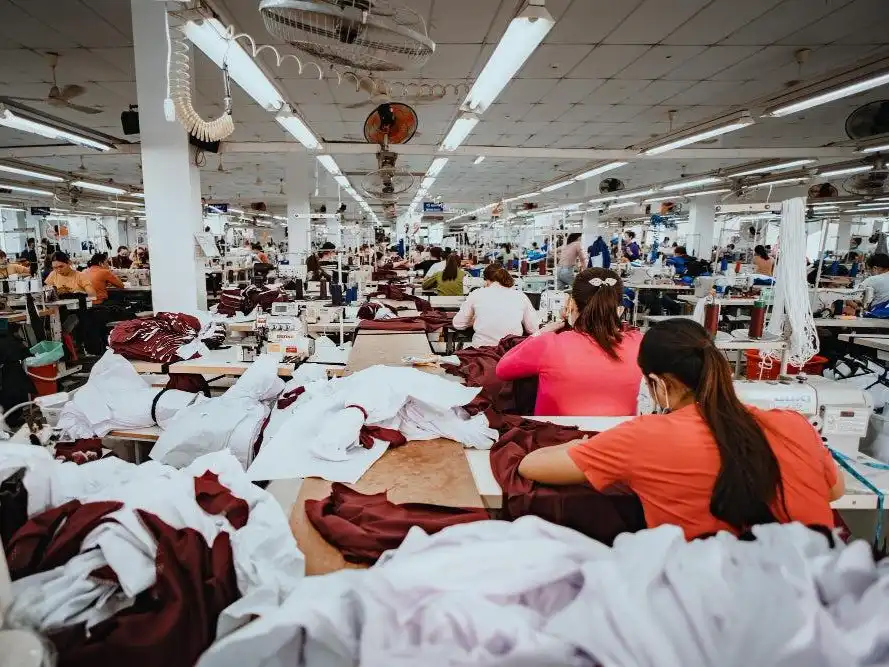
Repeat Orders Start with Better Production Records
A bestseller should not return six months later with a different fit, fabric feel or packing standard. Retained production records help preserve the approved reference through seasonal repeats and color extensions.
- Keep the Approved Product Record
Patterns, size charts, fabric references, color records, trim cards, measurement standards, sewing instructions, label files, packing instructions and QC references can be retained for ongoing programs. Those records create a clearer starting point for repeat orders than rebuilding the garment from a photo or an old retail sample.
- Recheck What Can Change
A repeat order still needs material and production review. Fabric suppliers may change lots, colors may be re-dyed and trims may be reordered. The retained reference helps the team identify what must match and what needs fresh approval before bulk release.
- Extend Winning Styles Carefully
Successful clubwear silhouettes can be extended into new colors, lengths, matching separates or related categories. Reusing an approved construction can reduce development work, but fit, fabric behavior and cost still need to be checked whenever the silhouette or material changes.
Frequently Asked Questions About Stretch Clubwear Production
Common directions include stretch jersey, rib knit, mesh, power mesh, ponte, stretch satin, stretch velvet and stretch sequin fabrics. The right choice depends on silhouette, recovery, opacity, hand feel, lining, surface effect and construction rather than composition alone.
Recovery is reviewed through fabric selection, sample fitting and comparison with the approved material reference. The goal is to confirm that the fabric returns closely enough for the intended silhouette and does not leave the waist, hip or neckline visibly relaxed after normal wear.
Stretch changes the relationship between flat garment measurements and body fit. Bust, waist, hip and vertical balance are developed with the selected fabric and fitting feedback. A universal negative-ease percentage is not applied across every stretch fabric or silhouette.
Yes. Stretch mesh is part of Jinfeng’s women’s fashion material system. Development can address transparency, recovery, lining coverage, edge stability, seam handling and panel placement according to the style.
Cut-out shape is checked after the surrounding garment is under body tension. Pattern geometry, reinforcement, edge finishing and adjacent panel tension may be adjusted so the opening keeps the intended position and exposure.
Construction is selected according to fabric behavior and seam location. High-stress areas such as straps, cut-out corners, crotches, zipper ends and mesh joins receive additional review during sampling and production.
Yes. A lining that stretches less than the shell can restrict the garment, create drag lines or change how the neckline and hem sit. Lining is therefore considered part of the fit system, not only an opacity layer.
The approved pattern, size chart, fabric reference, trims, construction, labels, packing and QC points are locked for production. Bulk materials and in-line garments are checked against the approved reference before final inspection.
Yes. Jinfeng supports multi-style, multi-fabric, multi-color, multi-size and multi-batch women’s fashion programs through six owned factories, 18+ sewing lines, six flexible lines, two sample rooms and coordinated merchandising and QC teams.
A tech pack, reference images or sample, target quantity, fabric direction, colors, size range, label and packaging requirements, and target delivery or launch plan give the development team enough information to review feasibility and prepare the next steps.

Start Your Stretch Clubwear Production Review
Send the core details of your collection and Jinfeng can review fabric direction, development complexity, sample requirements, production planning and private label needs before bulk decisions are made.
A clear project file helps the team identify fit-sensitive styles, material risks and approval points early, especially when the collection includes bodycon silhouettes, stretch mesh, cut-outs, ruching, strapless constructions, bodysuits or mixed-material garments.
- Tech pack, line sheet, reference image or existing sample
- Target quantity by style and color
- Preferred fabric or performance direction
- Colorways and planned size range
- Brand labels, care labels, hangtags and barcode needs
- Packing, carton and warehouse requirements
- Target launch or delivery schedule
- Any fit, construction or supplier problem that needs correction