 Skip to content
Square Neck Dress Manufacturer
Custom square neck dress development for global fashion brands requiring refined fit, stable necklines, private labels and reliable bulk execution.
- Square-neck control: neckline width, depth, corner symmetry, bust coverage, shoulder position and facing stability are reviewed as one connected structure.
- Development capacity: 2 sample rooms, 7+ senior pattern makers and 20+ sample machinists support first samples, revisions, fit samples, PP samples and golden samples.
- Manufacturing scale: 6 owned women’s fashion factories and 10+ long-term satellite partners support multi-style, multi-color, multi-size and multi-batch dress programs.
- Commercial entry point: MOQ starts from 200 pcs per style/color, subject to fabric availability, trims, color development, construction and production scheduling.
Development Capacity Built Around Dress Fit
Since 2008
6 Owned Factories
10+ Production Partners
2 Sample Rooms
7+ Pattern Makers
15+ QC Inspectors
Explore Every Square Neck Production Stage
Dress Styles
Fabric Options
Neckline Engineering
Fit Development
Sampling
Bulk Production
Private Label
Project Inquiry
Built for Structured Fashion Programs
Strong Project Fit
- Ideal inputs: tech pack, original sample, design sketch, reference photo or line sheet.
- Commercial inputs: quantity per style/color, size range, target market and delivery window.
- Brand inputs: label artwork, barcode logic, packaging rules and warehouse instructions.
Manufacturing Model
- MOQ basis: from 200 pcs per style/color.
- Bulk release: after fabric, trims, measurements, construction, labels and packing are confirmed.
- Long-term support: patterns, measurements, fabric references, trims and packing records are retained for repeat orders.
Six Failures That Damage Square Neck Dresses
Neckline Gaping
Wavy Neck Edge
Uneven Corners
Slipping Shoulders
Poor Bust Coverage
Bulk Shape Drift
Square Neck Dresses Across Key Silhouettes

Square Neck Mini
- Fit focus: neckline depth, upper-bust hold, waist placement and movement coverage.
- Bulk focus: length tolerance, zipper flatness, hem balance and neckline symmetry.

Square Neck Midi
- Fabric direction: crepe, linen blend, cotton, satin, jersey or ponte.
- Fit focus: front length, waist position, side-seam balance and skirt sweep.

Square Neck Maxi
- Structure focus: shoulder security, lining length, zipper support and skirt weight.
- Packing focus: folding plan, crease control and carton pressure.

Bodycon Square Neck
- Material checks: stretch, recovery, shrinkage, opacity and seam behavior.
- Measurement checks: bust, underbust, waist, hip, armhole and dress length.

Puff Sleeve Style
- Construction focus: sleeve cap, elastic channel, lining and shoulder reinforcement.
- Wear focus: arm movement, sleeve retention and neckline stability.

Corset-Inspired Bodice
- Development focus: cup position, boning length, neckline edge and zipper tension.
- Approval focus: standing, sitting, movement and extended-wear comfort.

Occasion Square Neck
- Visual focus: clean corners, balanced shine, smooth zipper and controlled lining.
- Production focus: material protection, handwork placement and final pressing.

Casual Square Neck
- Design options: shirring, front buttons, tie backs, elastic sleeves and pockets.
- QC focus: shrinkage, twisting, seam appearance, neckline recovery and label comfort.
Collections Planned Around Selling Occasions

Summer Casual
- Suggested mix: sleeveless, puff-sleeve and button-front variations.
- SKU logic: shared fabric across multiple silhouettes to improve sourcing efficiency.

Premium Ecommerce
- Sample need: photo-ready samples aligned with intended bulk fabric and trims.
- Packing need: barcode, SKU, size label and polybag consistency.

Partywear Drop
- Fit need: secure bust, stable straps and controlled waist-to-hip ease.
- Finish need: smooth zippers, protected sequins and clean pressing.

Occasionwear Line
- Development need: fit samples across core sizes and PP approval before production.
- Delivery need: launch calendar linked to packing and shipment windows.

Resort Collection
- Style mix: maxi, midi, tie-back and elasticized variations.
- Packing focus: fold method and carton pressure for wrinkle-sensitive styles.

Office to Evening
- Fit focus: shoulder balance, waist placement and controlled ease.
- Quality focus: lining, zipper, pressing and dimensional stability.
Engineering a Stable Square Neckline
A square neckline works as a connected upper-body system. Width, depth, corners, shoulders, bust contour, back balance and internal support must be evaluated together.
Width and Depth Set the Visual Proportion
Neckline width controls how open the shoulder line appears, while neckline depth controls chest exposure. A wide and shallow square can feel modern and secure; a wide and deep square can become unstable unless the shoulder, bust and internal structure provide enough hold. The development team reviews neckline width against shoulder width, strap position, sleeve design and target bra coverage. Depth is checked against upper-bust shape, front-body length and intended wearing occasion. A neckline should not be graded by simply adding the same amount at every size. Larger bust sizes may need added front length and revised curvature while maintaining the intended visual opening.
- Width check: measure between neckline corners at the approved sample and compare across graded sizes.
- Depth check: measure from the high shoulder point or defined neckline reference point to the front opening.
- Coverage check: review standing, walking, bending and seated positions before PP approval.
Corners Need Repeatable Pattern and Sewing Rules
A clean corner is created by more than accurate stitching.
Seam allowance, clipping, turning method, facing shape, interfacing and pressing all affect the final angle. If the corner is too sharp for a thick fabric, bulk builds up and creates a rounded edge. If the corner is under-clipped in a lightweight fabric, the edge can pull.
Production instructions should define seam allowance, clipping position, turning approach, understitching and pressing sequence. Left and right sides are compared during sample review and inline inspection because small differences become visible near the face.
- Pattern rule: matching corner geometry for shell, facing and lining pieces.
- Sewing rule: controlled turning point and equal seam allowance on both sides.
- Inspection rule: symmetry check before final pressing and again after pressing.
Shoulder and Back Balance Prevent Slippage
A wide square neck can shift outward when the back neckline, shoulder seam or sleeve weight pulls away from the body. Shoulder width alone does not solve the problem. The paper pattern must balance front and back lengths, shoulder angle, armhole shape and sleeve construction. Sleeveless styles may use a defined strap width and angle; puff-sleeve styles need enough shoulder support to carry sleeve volume; fitted long sleeves require arm movement without dragging the neckline. Movement tests during fitting reveal issues that a static mannequin cannot show.
- Movement test: raise arms, reach forward, walk and sit while checking shoulder retention.
- Back check: confirm back-neck width and upper-back ease do not push the front neckline outward.
- Sleeve check: review sleeve cap and armhole tension before final pattern approval.
Bust Contour Controls Gaping and Security
Front-neck gaping often originates below the neckline. Bust apex position, dart intake, princess seams, underbust shaping and front-body length determine how the bodice follows the body. A flat neckline edge placed over a curved chest requires controlled shaping. For bodycon or corset-inspired styles, cups, lining, elastic support or boning may be considered. For softer casual styles, darts, gathers or shirring can provide shape. Fit approval should use the brand’s intended size block and grading logic rather than a single sample size alone.
- Core measurements: upper bust, full bust, underbust, neckline width and front length.
- Visual checks: center-front position, corner height, chest opening and side-seam balance.
- Approval checks: fit photos, measurement sheet and written revision record.
Design Variables for a Distinct Collection

Wide Square Neck

Narrow Square Neck

Deep Square Neck

Modest Square Neck

Sleeveless Bodice

Puff Sleeve

Corset Bodice

Soft Gathered Bust
Fabric Selection for Neckline Stability
| Fabric | Best Use | Main Neckline Risk | Recommended Structure | Bulk Control |
|---|---|---|---|---|
| Stretch satin | Bodycon, party and fitted mini dresses | Edge stretching, shine marks and zipper rippling | Light facing or lining, compatible stabilization and controlled pressing | Stretch, recovery, color batch, seam tension and surface protection |
| Woven satin | Occasion, cocktail, midi and maxi dresses | Fraying, puckering, corner bulk and visible pressing | Facing or full lining with fabric-compatible fusible support | Shade direction, snags, seam appearance and pressing marks |
| Cotton poplin | Casual mini, midi and puff-sleeve dresses | Rigid corner bulk, shrinkage and neckline lift | Facing, clean clipping and pre-production shrinkage review | Shrinkage, grain direction, seam puckering and wash appearance |
| Linen blend | Resort, summer and relaxed dresses | Wrinkling, fraying and edge distortion | Facing or lining with controlled seam allowance | Batch shade, shrinkage, slubs, crease behavior and pressing |
| Crepe | Office, occasion and softly structured styles | Edge rolling or uneven drape | Facing or lining selected by weight and stretch | Drape consistency, seam tension, color and dimensional stability |
| Jersey | Fitted casual and bodycon dresses | Waviness, recovery loss and neckline growth | Stabilized edge, stretch-compatible lining or binding | Stretch ratio, recovery, shrinkage, twisting and measurement |
| Rib knit | Casual fitted mini and midi dresses | Neckline spreading and size variation | Elastic-compatible stabilization and controlled ease | Rib recovery, width variation, wash change and seam stretch |
| Ponte | Office, structured bodycon and transitional dresses | Bulk at corners and pressure at the neckline | Reduced bulk facing or clean internal support | Weight, stretch, recovery, seam thickness and pressing |
| Mesh | Layered, party and occasion dresses | Distortion, transparency and weak edge support | Lining base, stabilized neckline and controlled seam handling | Holes, stretch, transparency, lining color and seam damage |
| Lace | Romantic, event and premium dresses | Pattern mismatch, fraying and corner irregularity | Lined base, motif planning and selected edge support | Motif direction, symmetry, damage, lining and seam finish |
| Chiffon | Soft occasion and layered maxi dresses | Shifting, fraying and unstable corners | Underlayer support with lightweight facing or lining | Grain, panel length, seam puckering and pressing |
| Structured woven | Corset-inspired and tailored square neck dresses | Corner bulk and restricted movement | Shaped facing, lining and optional internal support | Panel accuracy, seam balance, fit and pressing |
Internal Construction Behind a Clean Neckline
A refined outer edge depends on hidden workmanship. Facing, lining, fusible support, stay tape, seam allowance and understitching must match fabric weight and end use.
Facing Width and Shape
A facing should follow the shell neckline without pulling, showing or creating a ridge. The width needs enough body to remain inside, yet excessive width can add bulk or create a visible line through lightweight fabric. Shell and facing corners must match accurately. Grain direction also matters because a facing cut with uncontrolled bias can stretch before sewing. For styles with an invisible zipper, the facing and zipper tape need a clean transition at center back or side seam. The approved sample should define facing shape, width, edge finishing and attachment method.
- Lightweight fabrics: use low-bulk facing or full lining with controlled edge support.
- Medium fabrics: balance stability with a smooth turn of cloth at square corners.
- Stretch fabrics: review recovery and avoid a rigid facing that restricts movement.
Full Lining and Coverage
Full lining can improve comfort, opacity, neckline stability and internal appearance. Lining must not be too small, or it will pull the shell; too much lining ease can roll toward the neckline or show at the armhole. Color and stretch compatibility are essential, especially for satin, mesh, lace and fitted styles. A lining should be reviewed for bust shaping, seam position, zipper attachment, hem length and static movement. For sheer or decorative dresses, lining becomes part of the visual design rather than a hidden component.
- Opacity: confirm coverage under daylight and indoor light.
- Color: match or intentionally contrast with shell fabric according to design.
- Movement: check lining during sitting, walking and arm movement.
Fusible Support and Stay Tape
Fusible interlining can help a square edge remain straight, but compatibility must be tested. Too heavy a fusible can create stiffness, bubbling or a visible edge. Too light a fusible may not control stretch. Application temperature, pressure and time must suit the shell fabric. Stay tape can reduce growth along a wide neckline or bias area, yet placement should not create a hard line. Sample review should include appearance after pressing and, when required, after relevant wash or care testing.
- Compatibility check: fabric surface, heat sensitivity, adhesive response and hand feel.
- Placement check: corner, shoulder and front-neck sections according to stress direction.
- Bulk check: avoid overlapping layers that create a thick corner.
Understitching and Edge Control
Understitching keeps facing or lining from rolling to the outside. Stitch distance, seam trimming and corner handling need consistency.
On very delicate or decorative fabrics, visible stitch impressions must be avoided. Edge topstitching may be used as a design feature for casual or structured styles, while formal satin often requires a cleaner invisible finish.
The sewing method should be stated in the production instruction rather than left to individual operators.
- Invisible finish: trim, grade, clip and understitch before controlled pressing.
- Topstitched finish: define stitch distance, thread color and corner treatment.
- Inspection: check facing roll, corner shape and edge smoothness after pressing.
Seam Allowance and Corner Bulk
Square corners collect seam allowance. Heavy or layered fabrics need grading and clipping without weakening the corner. Lightweight fabrics require enough seam allowance to avoid fraying and pull-out. The production method should define trimming, clipping depth, reinforcement and pressing sequence. A bulk method created on one fabric cannot be copied blindly to a different fabric weight. Material-specific samples establish the correct standard before production.
- Thickness control: grade shell, facing and lining layers where needed.
- Strength control: avoid over-clipping close to the stitch line.
- Shape control: turn and press with tools suited to the corner geometry.

Fit Control Across Bust, Shoulder and Armhole
quare neck fit cannot be solved at the neckline edge alone. Bust shape, front length, shoulder angle, armhole depth and sleeve balance determine whether the opening stays secure during wear.
Bust Shape and Front Length
Full-bust shape adds three-dimensional volume to the front bodice. When front length is insufficient, the neckline can pull downward, the waistline can rise and the side seam can tilt. When dart intake or princess-seam shaping is wrong, the neckline may gap even when the measured width appears correct. Jinfeng Apparel reviews upper bust, full bust, underbust, bust apex and front-body length as connected points. Fit comments are transferred into a pattern revision record before a new sample or PP sample is made.
- Visual signs: center front lifting, corner flare, waistline tilt and side-seam movement.
- Measurement signs: front length, bust circumference and neckline width outside the approved relationship.
- Correction path: revise pattern shaping rather than simply tightening the edge.
Shoulder Position and Strap Angle
The shoulder or strap carries the neckline. A strap placed too far outward may slip; a strap placed too far inward can distort the intended square shape.
The angle must follow the body and connect cleanly to the back. Wider straps can improve support, while narrow straps may need adjustable hardware or stronger internal stabilization.
Sleeveless, short-sleeve and puff-sleeve dresses require separate shoulder rules because sleeve weight changes the force acting on the neckline.
- Static check: strap placement, shoulder seam position and front-back alignment.
- Movement check: arm lift, forward reach, walking and seated posture.
- Bulk check: ensure graded strap positions remain balanced across sizes.
Armhole Shape and Underarm Coverage
Armhole depth affects comfort and coverage. A deep armhole may expose underwear or pull the side neckline; a shallow armhole can restrict movement and lift the bodice.
The armhole curve must work with bust shape, side seam, sleeve or sleeveless finish and fabric stretch. Mesh or lace panels need extra attention because seam tension and transparency reveal small errors. Fit photos from the front, side and back help identify the origin of underarm issues.
- Coverage check: underarm exposure and bra visibility.
- Comfort check: binding pressure, sleeve restriction and seam rubbing.
- Symmetry check: left-right armhole depth and shoulder position.
Movement and Wear Testing
A mannequin can confirm shape, but real movement confirms security. Fit review should include standing, walking, sitting, reaching and raising the arms. Party and occasion dresses may also need movement checks for dancing, while office or casual styles need seated comfort and repeat-wear recovery. Stretch fabrics should return to shape after movement; woven fabrics should allow enough ease without losing the intended silhouette. Feedback is recorded by location, action and severity so revisions remain specific.
- Action photos: front, side and back views during key movements.
- Issue notes: gaping, slipping, restriction, pulling, exposure or wrinkling.
- Decision: approve, revise pattern, change fabric or adjust internal support.
Measurement and Grading Control Points
| Measurement Point | How It Is Controlled | Reason for Control | Grading Note |
|---|---|---|---|
| Neckline width | Measured between defined corner points with garment flat and relaxed | Controls shoulder exposure and visual symmetry | Do not increase at the same rate as bust circumference |
| Front neckline depth | Measured from high shoulder point or approved reference point | Controls coverage and style proportion | Review by size and cup accommodation |
| Back neckline depth | Measured from back-neck reference to edge | Supports front-back balance and shoulder retention | Keep aligned with shoulder and back width |
| Shoulder width | Measured seam to seam or approved strap reference | Controls strap or sleeve position | Grade with body frame, not neckline opening alone |
| Strap length | Measured between attachment points along strap center | Controls neckline height and shoulder security | Review fixed versus adjustable construction |
| Upper bust | Measured around upper chest at defined level | Supports neckline fit and armhole balance | Important for gaping control |
| Full bust | Measured around fullest chest level | Controls bodice volume and ease | Coordinate with front length and dart shaping |
| Underbust | Measured at underbust line where relevant | Supports corset, bodycon and fitted bodices | May require separate ease rule |
| Armhole depth | Measured from shoulder reference to underarm point | Controls movement and coverage | Review sleeve and sleeveless versions separately |
| Front body length | Measured from shoulder reference through bust to waist | Prevents neckline pulling and waistline lift | Larger bust sizes may need added front length |
| Back body length | Measured from back-neck reference to waist | Balances shoulder and waist position | Coordinate with front length |
| Dress length | Measured from approved shoulder or waist reference | Controls product category and movement coverage | Maintain planned mini, midi or maxi proportion |
From Design Input to Feasibility Review
Style Structure
Fabric Direction
Fit Risk
Trim Requirement
Commercial Fit
Development Plan
Pattern Development for Production-Ready Fit
Pattern work converts visual design into measurable construction. Square neck dresses require controlled geometry and body shaping that can be graded and repeated in bulk.
Reference Analysis and Base Selection
The process begins by separating visual styling from structural requirements. A reference image may not reveal seam placement, lining, closure or fit ease. The pattern team identifies the dress category, intended fabric, silhouette and target fit before choosing or developing a suitable base block. An original sample can be measured and structurally reviewed, while a tech pack provides stronger dimensional direction. Market size standards and the brand’s own block should be confirmed early.
Neckline Drafting and Bodice Shape
The neckline is drafted together with shoulder, bust and armhole shaping. Width, depth and corner position are established on the bodice rather than added as a decorative cutout. Darts, princess seams, gathers or panel seams create the required volume. Facing and lining patterns are developed to match shell geometry. For stretch fabrics, negative ease and recovery influence the opening; for structured fabrics, seam bulk and internal support influence the edge.
First Sample and Fit Correction
The first sample tests construction direction, material behavior and fit. Review covers neckline symmetry, chest coverage, shoulder retention, armhole, waist placement, zipper, lining and movement. Comments are translated into pattern changes, measurement changes and sewing changes. Photos alone are useful, but measurement data and clear fit notes improve correction accuracy. A revised sample is made when changes affect shape, construction or material behavior.
Grading and Production Pattern
After fit approval, the pattern is graded across the intended size range. Neckline width and depth need controlled progression rather than automatic scaling. Shoulder, front length, armhole and bust shaping are reviewed alongside the neckline. The production pattern, lining pattern, facing pattern, trim positions and revision notes are stored under version control. Any later fabric or construction change triggers a pattern review before bulk reuse.
Sample Stages With Clear Approval Goals
First Sample
Fit Sample
Revised Sample
Photo-Ready Sample
PP Sample
Golden Sample

Fit Feedback That Produces Accurate Revisions
清晰的试穿反馈可以缩短不必要的样品制作周期。照片、测量数据和文字说明应明确指出问题所在、发生时间以及预期结果。
所需适配视图
拍摄正面、侧面和背面照片,模特需自然站立。拍摄领口角、前中心、肩部或肩带、袖窿、侧缝和拉链的特写照片。使用一致的光线,避免每次拍照前调整服装位置。照片应展现实际问题,而不仅仅是理想效果。
- 正面视图:领口宽度、深度、角部位置、胸部覆盖范围和腰部位置。
- 侧视图:前长、胸部塑形、袖窿、侧缝平衡和拉链。
- 背面视图:肩部保持力、后领口、背部中心和整体平衡。
运动观点
在举臂、前伸、行走和坐姿时添加图片或短视频。动作可以显示肩部滑移、领口敞开、袖窿受限、上身移位和内衬移动等情况。派对或特殊场合的礼服可能需要更大的活动范围,而办公礼服则需要确保坐姿舒适,并在坐下后能够恢复原状。
测量说明
尽可能说明测量结果和预期结果。诸如“领口太开”之类的评论是主观的;“在保持角宽不变的情况下,将样衣领口深度减少 1.0 厘米”则更容易操作。测量应遵循双方商定的方法,以确保双方都参考相同的要点。
修订记录
每次修订都应记录版型变更、尺寸变更、面料更换、辅料调整、缝纫方法、意见来源和审批状态。版本化记录可防止旧意见重复出现,并避免多款式项目之间的沟通冲突。只有获得批准的版本才能进入PP(生产件)准备阶段。
PP Approval Locks the Bulk Standard
Product Lock
- Required files: final pattern, size chart, BOM, sewing instruction and approval record.
- Square-neck focus: width, depth, corners, shoulder position, facing and lining.
Brand Lock
- Artwork check: spelling, color, size, placement and market information.
- Packing check: fold method, size ratio, carton breakdown and warehouse requirements.
Change Control
- Minor change: assess whether the golden sample and instruction need updating.
- Major change: re-sample when fit, fabric, construction or packaging standard changes.
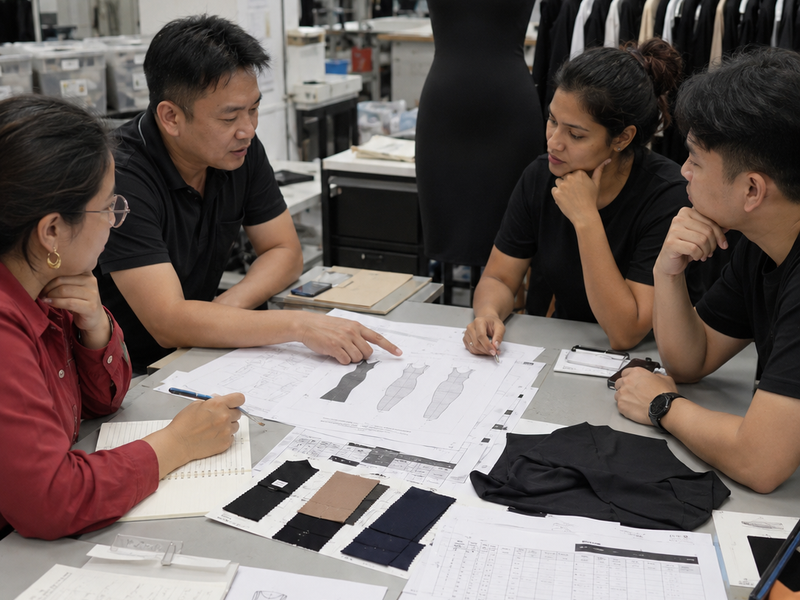
Turning an Approved Sample Into Bulk
Production stability depends on transferring every approved detail from the sample team to merchandising, production, quality and packing teams.
- Final Pattern and Graded Nest
The final shell, facing, lining and related pattern pieces are released under a controlled version. The graded nest reflects the approved size range and grade rules. Revision notes identify changes made during sampling. Patterns are not replaced by informal photos or verbal instructions.
- Material and Trim Standard
Fabric reference, color approval, lining, zipper, thread, elastic, cups, boning, anti-slip tape and decorative trims are recorded in the BOM or trim card. Material batches are checked against the approved reference. Substitution requires written approval because a material change can alter fit and neckline behavior.
- Sewing and Quality Instruction
The production instruction defines seam allowance, stitch method, corner handling, facing, understitching, zipper placement, label placement, pressing and inspection points. A QC checklist connects the instruction to measurable checks at incoming, cutting, inline, final and packing stages.
- Packing and Shipment Handover
Packing instructions specify labels, barcodes, SKU logic, folding, polybags, size ratios, carton marks and shipment grouping. Production release also includes the quantity plan, delivery window and shipment method. The same information supports repeat orders and multi-batch delivery.
Review Bulk Handover Send Production Plan
Production Process With Square Neck Checkpoints

Fabric Incoming

Fabric Relaxing

Pattern and Marker

Cutting Check

Bundle Control

Sewing Instruction

Inline Inspection

Finishing and Pressing

Final Packing
Controls That Keep Bulk Necklines Consistent
Pattern Version
Fabric Batch
Corner Method
Inline Measurement
Golden Sample
Batch Feedback
Quality Control for Square Neck Dresses

Material Inspection
- Check fabric color, lot, width, surface defects, stretch, recovery, opacity, hand feel and lining compatibility before production.
- Square-neck impact: unstable stretch or weight can change edge shape and fit.
- Record: approved reference, batch details and identified exceptions.

Cutting Inspection
- Verify pattern version, fabric direction, size, cut quantity, shell-facing match and defect placement before bundles enter sewing.
- Square-neck impact: inaccurate corners or stretched cut edges cannot be fully corrected later.
- Record: bundle and size identification.

Neckline Symmetry
- Compare left and right corners, height, width, depth and shoulder position. Check the edge before and after pressing.
- Visual check: corner angle, center-front level and edge smoothness.
- Measurement check: approved width and depth points.

Facing and Lining
- Inspect facing roll, understitching, lining tension, seam bulk, internal cleanliness and corner support.
- Failure signs: facing showing, lining pulling, bubbling or bulky corners.
- Action: repair or isolate before final finishing.

Measurement Check
- Measure neckline, shoulder, bust, armhole, waist, front length, back length and overall dress length against the approved chart.
- Timing: sample, inline and final stages according to the quality plan.
- Comparison: size chart, tolerance and golden sample.

Zipper and Closure
- Check zipper alignment, smooth operation, top finish, seam flatness and color match. Hooks, buttons or ties are checked for placement and security.
- Square-neck impact: a distorted back or side closure can pull the neckline out of balance.
- Wear check: opening, closing and body movement.

Appearance and Pressing
- Inspect shine marks, ripples, seam impressions, snags, thread ends, hem balance and surface cleanliness under suitable lighting.
- Satin focus: directional shine, pressure marks and snags.
- Knit focus: wavy edges, seam stretch and recovery.

Packing Inspection
- Verify label, size, barcode, SKU, polybag, folding, quantity, carton ratio, carton mark and shipment grouping before release.
- Error prevention: separate styles, colors and sizes under clear packing instructions.
- Release: packing results linked to shipment documents.
MOQ and Quotation Built Around the Style
MOQ Structure
- MOQ is calculated by style and color, not by combining several unrelated styles. A single square neck dress in two colors normally requires each color to meet the applicable MOQ. Stock fabric may support the standard starting point, while custom-dyed, custom-printed, certified, lace, sequin or specially developed materials can require higher quantities.
- Example A: 1 style x 1 color x 200 pcs can be reviewed.
- Example B: 1 style x 2 colors normally requires 200 pcs per color.
- Example C: 4 styles x 50 pcs each does not normally meet the per-style rule.
Quotation Inputs
- A reliable quotation needs more than a product photo. Fabric composition and weight, lining, sleeves, zipper, cups, boning, labels, packaging, size range and quantity all affect material use and labor. Target quality and market requirements also influence the construction proposal.
- Send: tech pack or reference, quantity per style/color and size range.
- Confirm: fabric direction, colors, trims, labels, packing and delivery window.
- Receive: project-specific material and manufacturing assessment.
Cost Optimization
- Cost can be adjusted without removing the design identity. Options include compatible fabric substitution, shared fabric across styles, simplified hidden construction, trim consolidation, color planning, size-ratio planning and packaging selection. Any change is reviewed for fit, appearance and bulk risk before approval.
- Protect first: neckline stability, fit, surface appearance and durability.
- Optimize next: materials, internal layers, trims and production grouping.
- Avoid: cost cuts that create gaping, weak support or visible finishing defects.
Request Project Quote Send Quantity Plan
Private Label Delivery Beyond the Garment
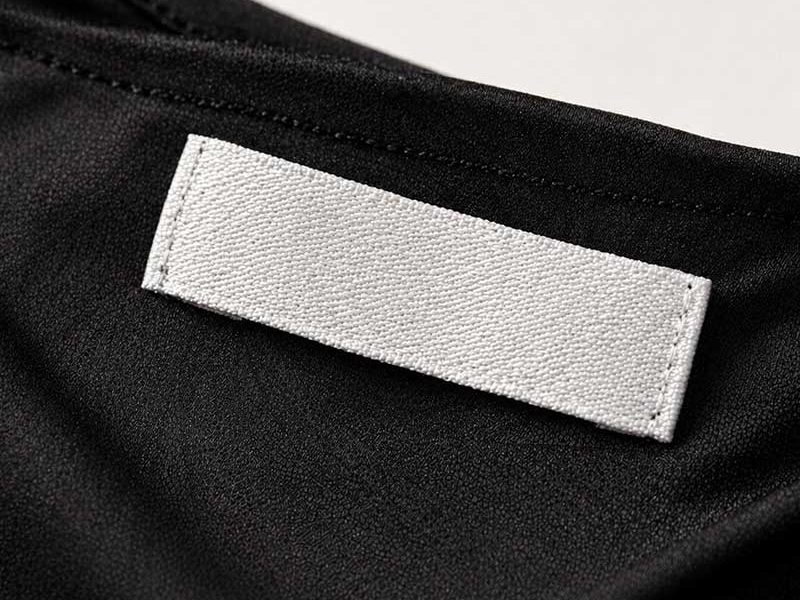
Woven Label
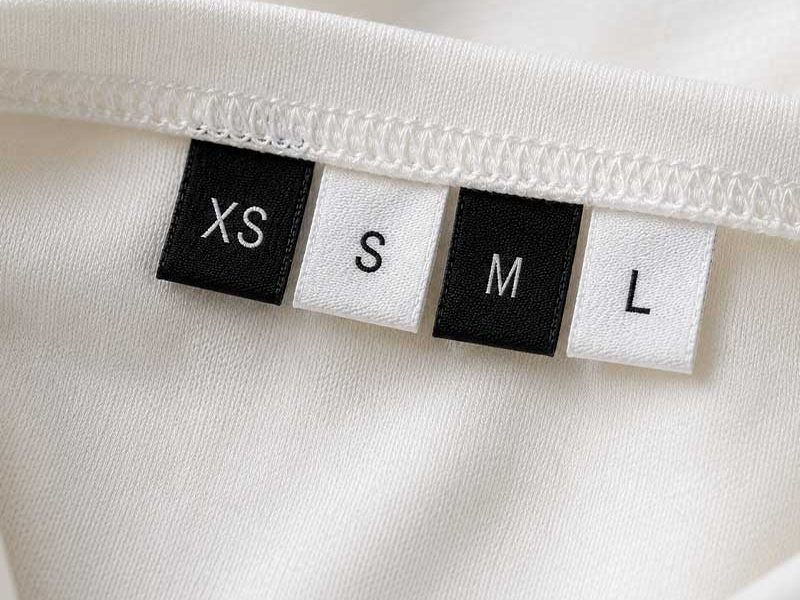
Size Label

Care Label

Hangtag
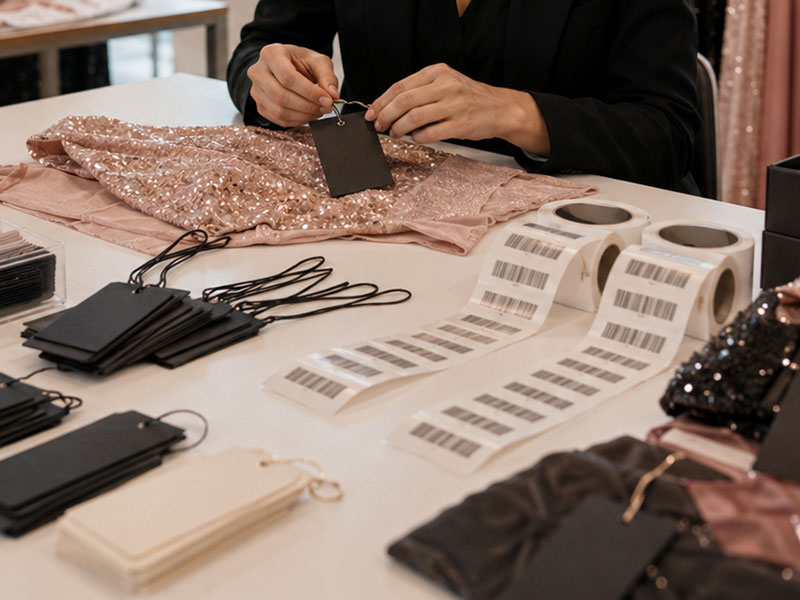
Barcode Sticker

Polybags
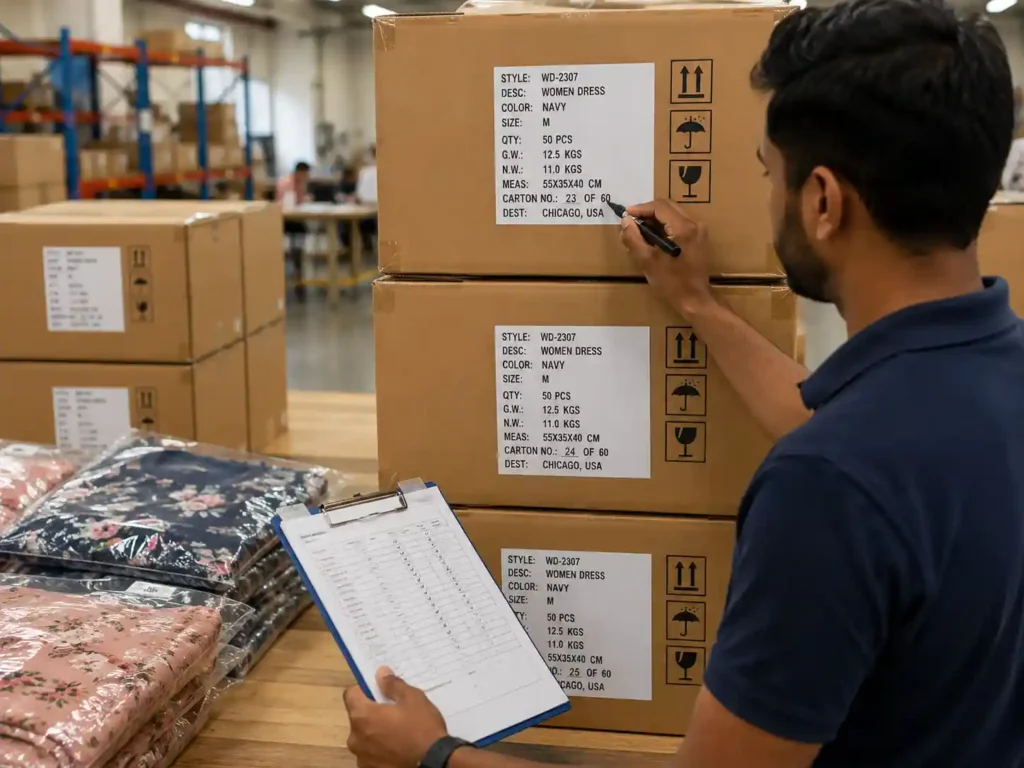
Carton Marks

Packing Ratio
Delivery Planning for Seasonal Launches
Production Schedule
Multi-Style Control
Phased Delivery
Forwarder Support
Air and Sea Planning
Repeat Orders
Design Protection and Project-Specific Compliance
NDA Protection
- Protected files: tech packs, line sheets, samples, patterns and unpublished designs.
- Protected business data: order quantities, pricing, launch timing and supply-chain information.
Testing Support
- Possible areas: fiber content, colorfastness, dimensional stability and garment performance.
- Material documents: confirmed by fabric type, supplier, batch and certificate scope where applicable.
Audit Coordination
- Before review: confirm required audit standard and intended production unit.
- During review: provide available records and coordinate requested access.
Representative Square Neck Dress Programs

United States Premium Ecommerce Collection
- An established US online fashion label planned an 18-style square neck capsule covering mini, midi, fitted and puff-sleeve dresses. Total volume reached 36,800 garments across four colors and five sizes. The collection used stretch satin, ponte and cotton poplin, with shared materials grouped across several styles to improve sourcing and production coordination.
- Development challenge: the first reference set used one neckline grade rule across all sizes, causing the larger sizes to open excessively at the upper bust while the smaller sizes felt secure.
- Jinfeng approach: the pattern team separated bust and neckline grading, added front length where needed, adjusted shoulder position and revised facing patterns by fabric group. Three sample rounds were used for key styles: first sample, revised fit sample and PP sample.
- Bulk control: neckline width, depth, shoulder, upper bust and front length were added to the inline measurement sheet. Stretch-satin styles received separate pressing and surface-protection instructions.
- Packing plan: barcodes and SKU labels were managed by style, color and size. Priority launch styles were separated for an earlier shipment lot while remaining styles followed the main delivery plan.
- Result: approved silhouette and neckline standards were transferred across the five-size range, and repeat-order records were retained for the strongest styles.

Australian Occasionwear Program
- An Australian occasionwear label developed 24 square neck and corset-inspired dresses with a total order of 62,400 garments. The program included stretch satin, soft mesh, lace overlays and structured lining in five color directions and six sizes. Several styles used cups, boning, invisible zippers and draped skirts.
- Development challenge: wide necklines shifted outward when puff sleeves and structured cups were combined. Satin also showed pressure marks at the square corners.
- Jinfeng approach: shoulder points, sleeve-cap balance and cup position were corrected together. Facing width and fusible support were adjusted by fabric, and corner construction was tested before PP approval.
- Project management: styles were divided into three fabric groups and prioritized by campaign date. Revision records separated fit, material, trim and workmanship comments to avoid overlap across 24 styles.
- Bulk control: QC checks covered neckline symmetry, cup position, boning comfort, zipper flatness, mesh damage and satin pressing marks. Packing teams separated the collection by campaign drop and warehouse SKU list.
- Result: the collection moved through staged approvals and multi-batch packing without mixing the five color groups or six-size ratios.

European Resort and Day-Dress Line
- A European private-label group ordered 12 square neck resort and day dresses totaling 22,800 garments. The assortment used linen blends, cotton poplin and rayon in three colors with an XS-XXL size range. Designs included sleeveless midis, tie-back maxis, puff-sleeve minis and button-front dresses.
- Development challenge: linen-blend shrinkage and poplin corner bulk produced different neckline behavior even when the visual design looked similar.
- Jinfeng approach: separate facing and seam-allowance methods were developed for each fabric family. Shrinkage information was reviewed before final measurements, and the rayon styles used added neckline stabilization.
- Sample path: two core sample rounds plus PP confirmation were completed for the main fabric groups. Shared construction rules were used only where material behavior matched.
- Private label: woven labels, size labels, care labels, hangtags, barcode stickers and carton marks were checked against 12 style files and the approved warehouse packing guide.
- Result: the brand received a coordinated capsule with consistent square-neck proportions while preserving distinct drape and hand feel by fabric family.
How to Evaluate a Square Neck Manufacturer
Dress Specialization
Pattern Team
Sample Process
Fabric Knowledge
Measurement Control
Bulk Evidence
Private Label Control
Project Protection
Square Neck Dress Frequently Asked Questions
Yes. Jinfeng Apparel develops square neck mini, midi, maxi, bodycon, puff-sleeve, corset-inspired, casual and occasion dresses from tech packs, original samples, sketches, line sheets or reference images. Development can include fabric sourcing, pattern work, sampling, revisions, bulk production, QC and private-label packing.
A reference image can support an initial structure review, but accurate sampling needs additional decisions on fabric, measurements, lining, closure, trims, size range and target fit. Final bulk pricing cannot be confirmed from an image alone.
Gaping is reviewed through upper-bust shape, full bust, front-body length, shoulder angle, neckline width, depth and internal support. Pattern correction is preferred over simply tightening the edge. Fit testing and measurement review confirm the result.
Shell, facing and lining patterns use matching corner geometry. Seam allowance, clipping, turning, understitching and pressing are defined in the sewing instruction. Left-right symmetry is checked during sampling, inline inspection and final finishing.
Common options include satin, cotton poplin, linen blends, crepe, jersey, rib, ponte, mesh, lace, chiffon and structured woven fabrics. The suitable choice depends on silhouette, stretch, drape, opacity, support and wearing occasion.
Many styles use facing, full lining or both. The choice depends on fabric weight, transparency, stretch, surface sensitivity and desired internal finish. A lightweight casual dress may use a low-bulk facing, while mesh, lace, satin or structured styles often benefit from lining.
Standard dress first samples generally require about 10-15 days after complete details and material direction are confirmed. Simple styles may require about 7-10 days. Complex corset, mesh, lace, sequin or evening structures may require about 15-25 days.
Revision count depends on the quality of the starting information, fabric changes, fit complexity and approval standard. Jinfeng Apparel does not promise unlimited revisions. Each round is recorded and should move the project closer to a production-ready PP sample.
MOQ starts from 200 pcs per style/color. Final MOQ depends on fabric availability, color development, trims, construction, packaging and production scheduling. Special lace, sequin, certified, custom-dyed or custom-printed materials may require higher quantities.
The standard rule applies per style and per color. Two colors normally need to meet the applicable quantity separately. A mixed total across multiple colors is not treated as one color quantity.
Yes. Multi-size production is supported. A confirmed size chart, grade rules, tolerance, size ratio, size labels and packing instructions are required. Neckline width and depth are graded with bust, shoulder and front length rather than by automatic scaling alone.
Yes. Options include woven labels, size labels, care labels, hangtags, barcode stickers, SKU labels, polybags, stickers, cartons, carton marks and warehouse labels. Packaging-material MOQ and lead time are confirmed separately from garment MOQ when needed.
Quality control covers material inspection, cutting, sewing instructions, inline checks, measurements, neckline symmetry, facing and lining, zippers, appearance, pressing, labels and packing. The approved PP or golden sample remains the visual and workmanship reference.
Yes. Tech packs, samples, patterns, measurements, fabric and trim plans, label files, packaging files, quantities and unreleased designs can be protected under NDA-based cooperation. Project information is not published without authorization.
A production schedule is issued after PP approval, material and trim readiness, quantity, size and color breakdown, packing requirements, QC plan and shipment method are confirmed. Complex materials, multiple colors, special packaging or late changes can extend the schedule.

Start Your Square Neck Dress Project
A complete brief helps the team assess fabric direction, neckline construction, fit risk, sample timing, MOQ, quotation inputs, private-label needs and production planning. Projects can begin from a tech pack, original sample, line sheet, sketch or clear reference images. Information is used for evaluation, sampling, production, QC, packing and delivery coordination and is handled under the agreed confidentiality requirements.
- Product files: tech pack, reference images, original-sample photos, sketch or line sheet.
- Quantity: planned pieces per style and per color.
- Material: fabric preference, weight, stretch, color or print direction.
- Fit: size range, measurement chart, target market and fit block.
- Design details: neckline width and depth, sleeves, lining, zipper, cups, boning, trims and finish.
- Brand delivery: woven labels, care labels, hangtags, barcode, SKU, polybag, carton and warehouse instructions.
- Schedule: target sample date, launch window and preferred shipment plan.

