Spaghetti Strap Dress Manufacturer
Custom spaghetti strap dress development for fashion brands requiring accurate fit, controlled coverage, refined fabric handling, consistent bulk production, and retail-ready private-label delivery.
Jinfeng Apparel develops mini, midi, maxi, slip, bodycon, party, resort, and occasion spaghetti strap dresses from tech pack, original sample, sketch, line sheet, or reference image. Pattern, fabric, lining, strap construction, fit, workmanship, QC, packaging, and shipment preparation are managed as one connected manufacturing program.
- Common strap width planning: 3-12 mm, selected by fabric weight, visual proportion, support requirement, and slider compatibility.
- Critical fit control: strap length, attachment angle, neckline depth, bust coverage, armhole depth, back position, and lining height.
- Development resources: 2 sample rooms, 7+ senior pattern makers, and 20+ sample machinists.
- Production entry: MOQ starts from 200 pcs per style/color; special fabrics, dyeing, printing, trims, or packaging may require separate minimums.
Development Resources for Strap-Focused Dress Programs
Since 2008
2 Sample Rooms
7+ Pattern Makers
20+ Sample Machinists
15+ QC Inspectors
200 Pcs Style/Color
Complete Spaghetti Strap Dress Manufacturing Support
OEM Development
ODM Support
Fabric Sourcing
Pattern Making
Sampling
Private Label Delivery
Built for Established Fashion and Sourcing Teams
Occasionwear Brands
Partywear Labels
Resortwear Brands
Premium Ecommerce
Sourcing Offices
Product Teams
Is Jinfeng the Right Manufacturing Partner?
Best Fit For
- Brands with a tech pack, original sample, line sheet, sketch, or defined reference direction.
- Collections requiring pattern development, sample revision, PP approval, and repeatable bulk standards.
- Programs with planned quantities by style, color, size, and launch window.
- Teams requiring private labels, barcodes, packing rules, carton marks, and export coordination.
- Long-term programs covering seasonal collections, repeat orders, replenishment, or multi-batch delivery.
Not Designed For
- Ready-stock purchasing or public catalog resale.
- Single-piece fulfillment or dropshipping operations.
- Orders split into 1-50 pieces without a commercial production plan.
- Projects seeking only the lowest quoted price while removing fit, fabric, workmanship, QC, or packing standards.
- Development without clear product direction, quantity planning, or sample approval responsibility.

Why Spaghetti Strap Dresses Fail Before Launch
Unstable Strap Length
Weak Attachments
Neckline Gaping
Deep Armholes
Visible Lining
Bulk Drift
Custom Spaghetti Strap Dress Styles We Manufacture

Spaghetti Strap Mini Dress
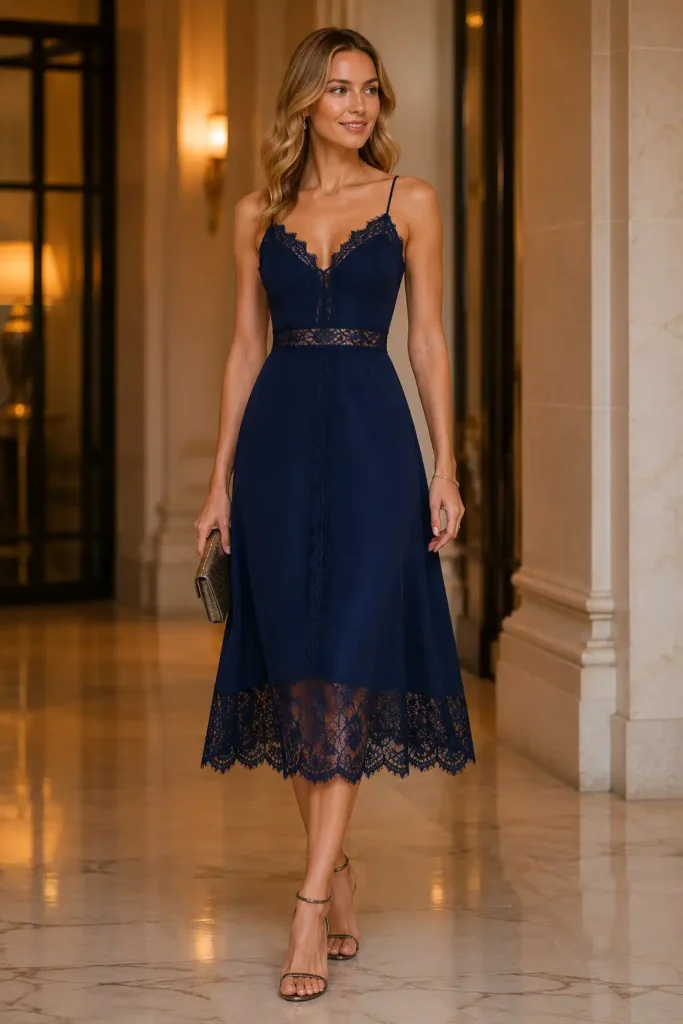
Spaghetti Strap Midi Dress

Spaghetti Strap Maxi Dress

Satin Slip Dress

Bodycon Strap Dress
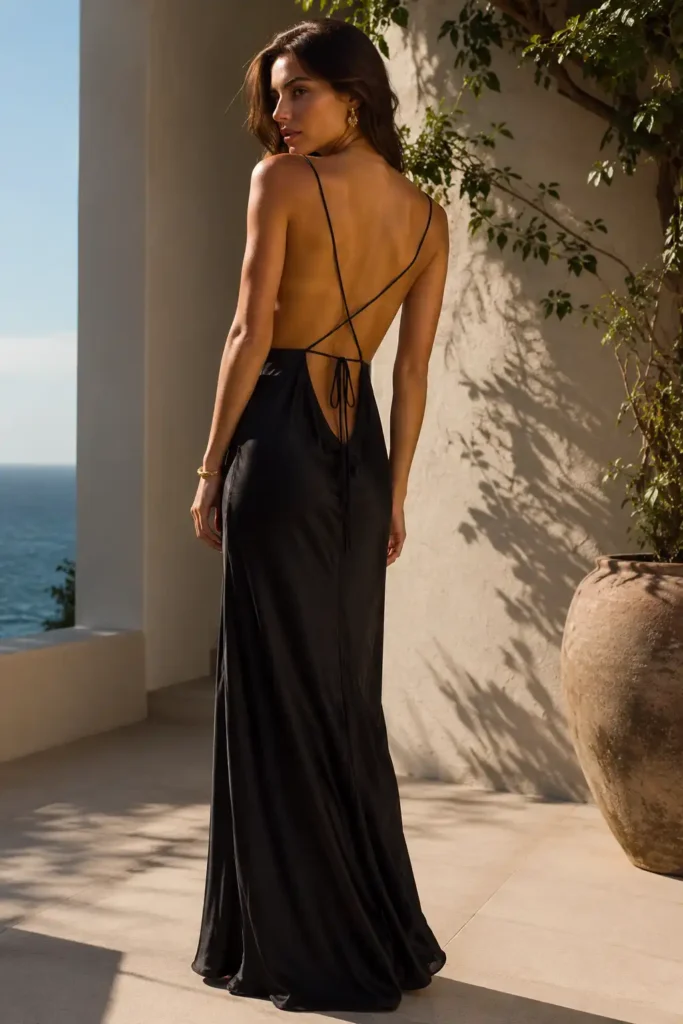
Backless Strap Dress

Ruched Strap Dress

Resort Strap Dress

Party Strap Dress
Lengths and Silhouettes for Different Market Positions

Mini Proportions
- Check standing, walking, sitting, and raised-arm positions.
- Set length measurement points clearly in the size chart.
- Review hem stability after pressing and hanging.
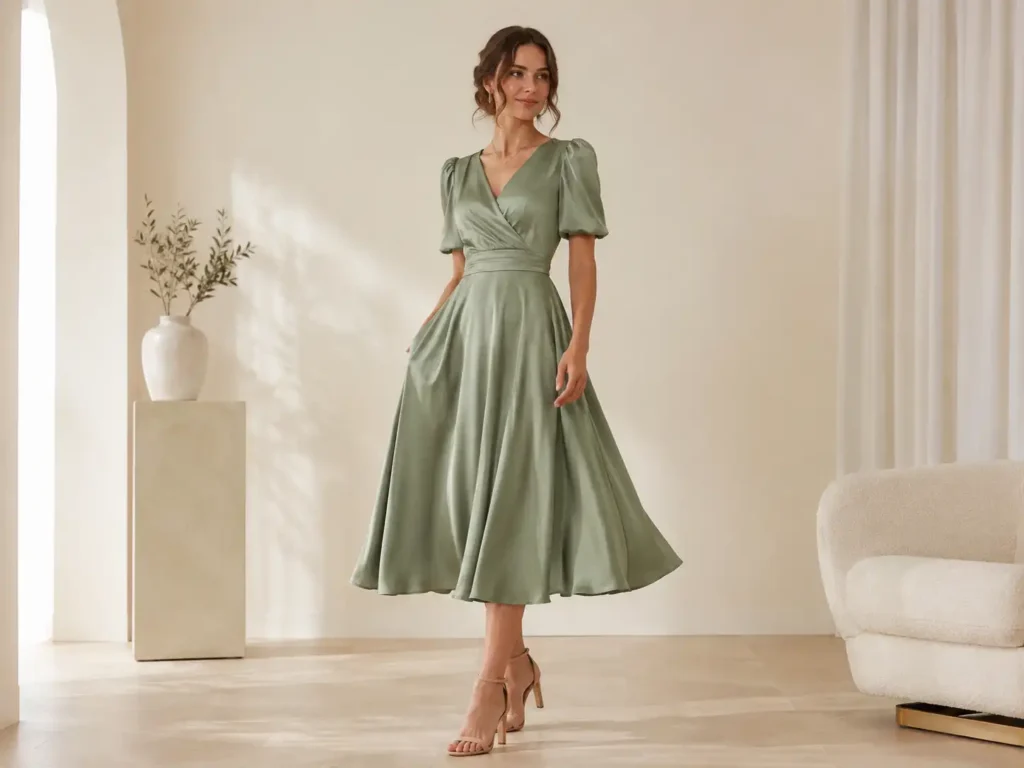
Midi Balance
- Confirm slit opening through movement.
- Check bias or viscose length after relaxation.
- Protect shell-lining balance at the hem.

Maxi Movement
- Measure after the garment hangs and settles.
- Define front and back length separately where required.
- Plan fold lines and carton height to protect the hem.

Bodycon, Slip, A-Line
- Use separate grade rules by silhouette.
- Match seam and lining construction to fabric behavior.
- Approve movement, not only static fit.
Developed for Commercial Fashion Collections

Party and Clubwear

Wedding Guest

Resort and Vacation

Date Night

Graduation
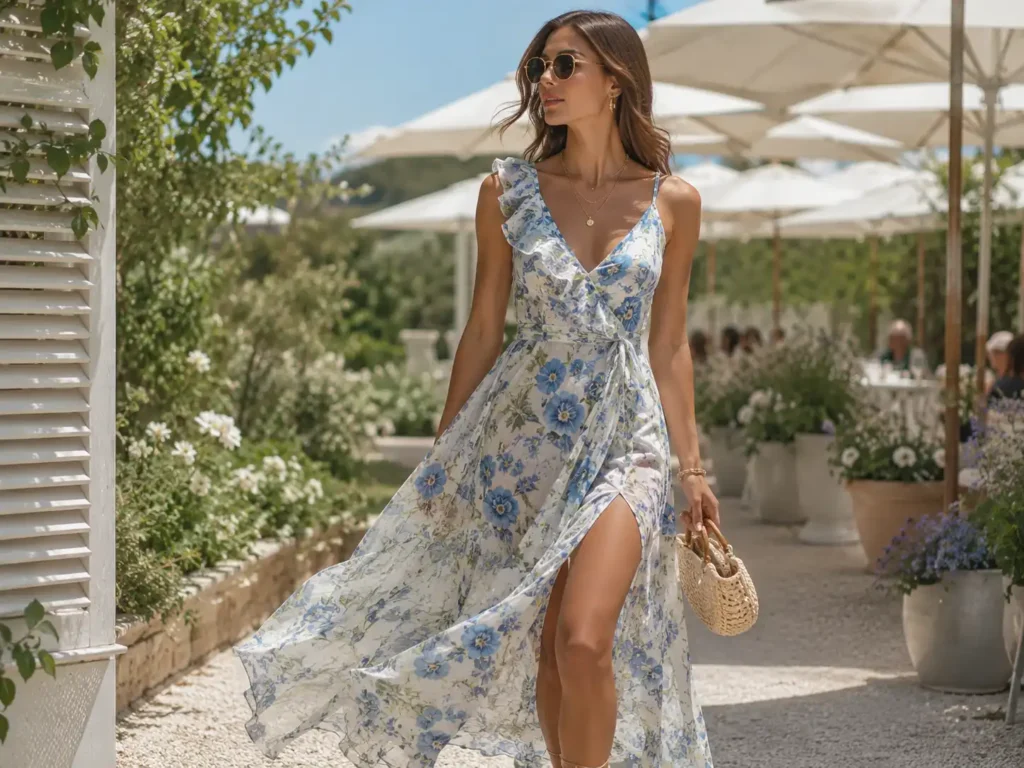
Summer Collection
Customize Every Commercially Important Design Detail
Length and Shape
Neckline Design
Strap Construction
Back Design
Slits and Cut-Outs
Surface Details
Color and Print
Brand Presentation
Adjustable Sliders and Secure Strap Attachment
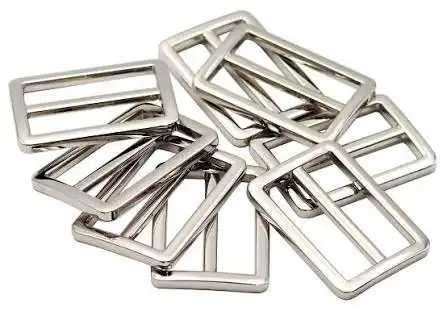
Slider Selection
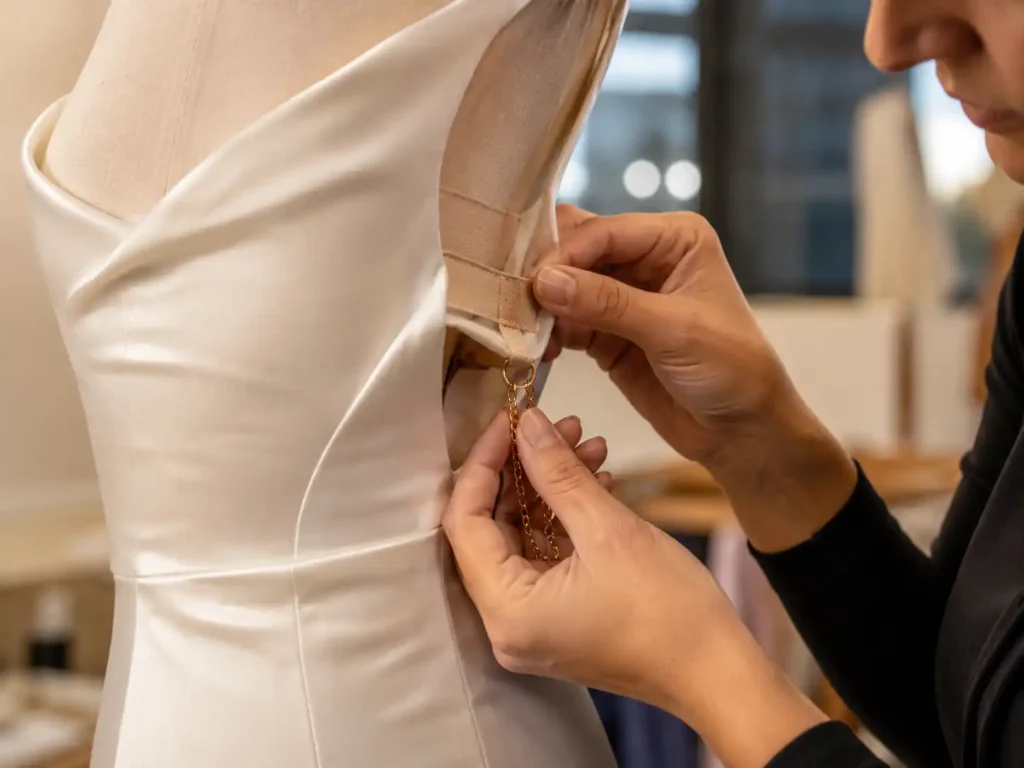
Attachment Reinforcement

Bulk Strap Inspection
Measurements That Protect Fit Across Every Size
A spaghetti strap dress needs clear measurement points, tolerances, grade rules, and fit references. Visual approval alone cannot protect bulk consistency.
| Measurement | Defined Method | Commercial Impact |
|---|---|---|
| Bust | Measured at the specified level with the garment closed and laid according to the technical method. | Controls primary fit, bust shaping, and side exposure. |
| Upper Bust | Measured across the upper bodice or circumference according to the pattern and size chart method. | Helps control neckline stability and armhole gaping. |
| Under Bust | Measured at the under-bust seam or defined level. | Important for cup seams, empire lines, corset-inspired panels, and fitted bodices. |
| Waist | Measured at the natural or designed waist level. | Protects silhouette, torso proportion, and skirt balance. |
| Hip | Measured at the fullest hip level or specified distance below waist. | Controls bodycon fit, movement, and side-seam shape. |
| Strap Length | Measured between defined front and back attachment points, with slider position stated where adjustable. | Sets neckline height, armhole depth, back height, and comfort. |
| Strap Position | Measured from center front/back or another fixed seam reference. | Controls bust coverage, neckline tension, and symmetry. |
| Armhole Depth | Measured from a defined high point or seam reference. | Controls side-bust coverage and comfort. |
| Neckline Depth | Measured from a specified shoulder/strap point or center reference. | Controls exposure and design proportion. |
| Front Length | Measured from the specified high point to hem or waist. | Protects front balance and bust accommodation. |
| Back Length | Measured from the specified back point to hem or waist. | Protects back neckline position and hem balance. |
| Dress Length | Measured from the stated point to finished hem. | Controls market fit for mini, midi, and maxi programs. |
| Slit Height | Measured from hem to slit start or from waist to slit start. | Controls movement, exposure, and visual proportion. |
| Lining Length | Measured from the approved lining start to finished edge. | Prevents visible lining and protects opacity. |
Fabric Options for Spaghetti Strap Dress Collections

Satin

Stretch Satin

Chiffon
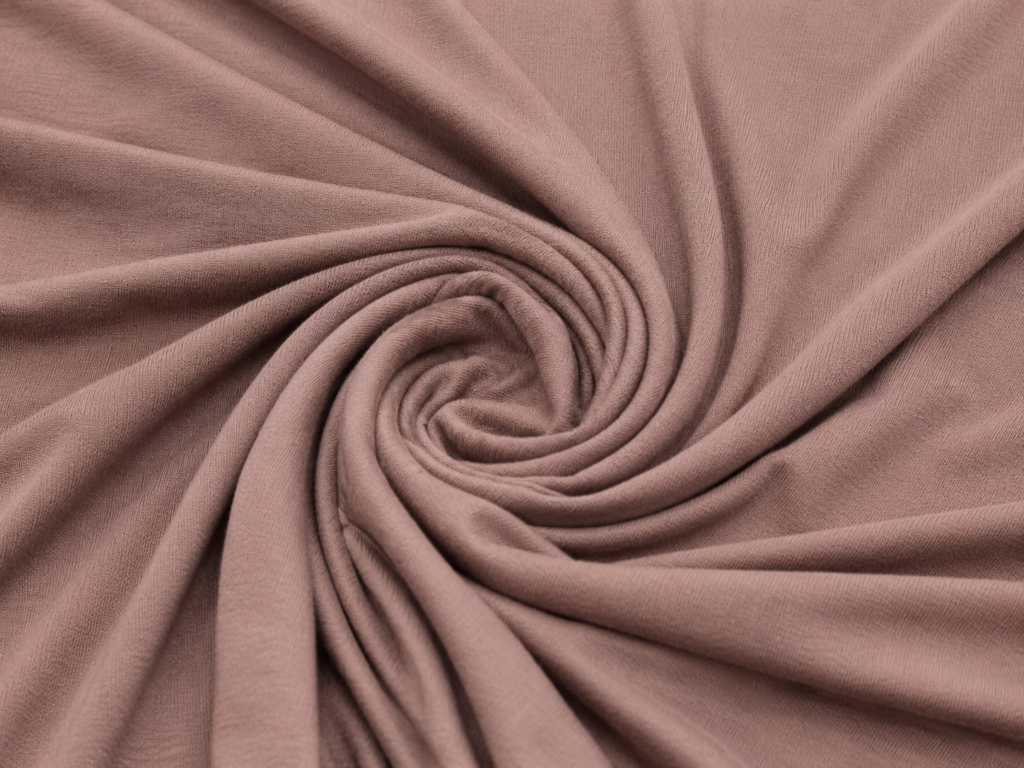
Jersey
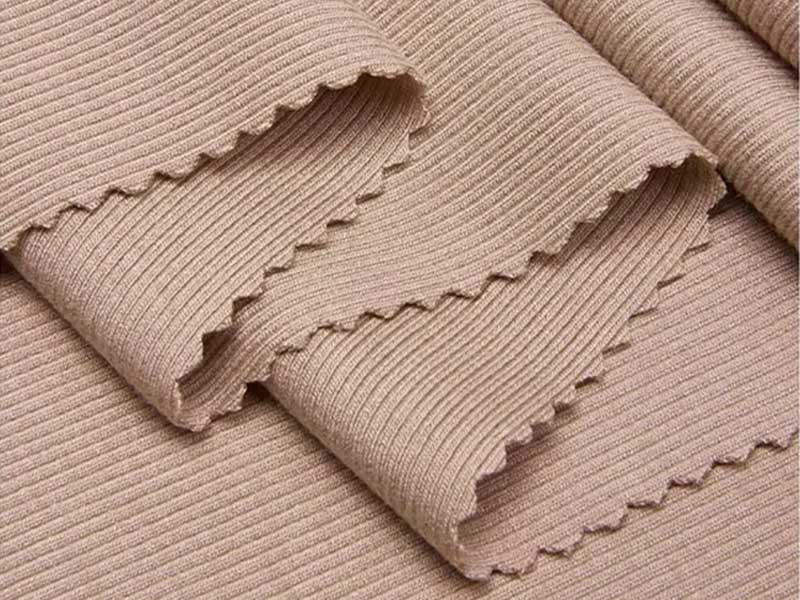
Rib Knit

Mesh

Lace
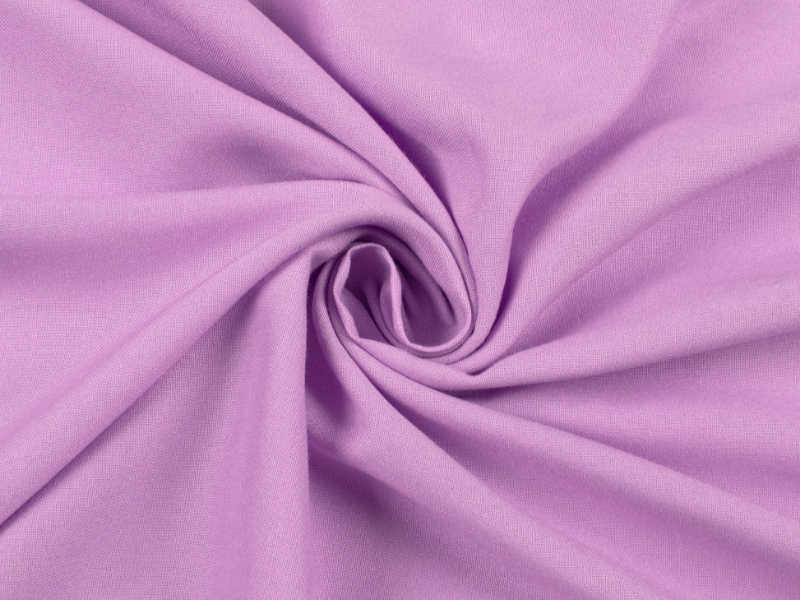
Rayon and Viscose
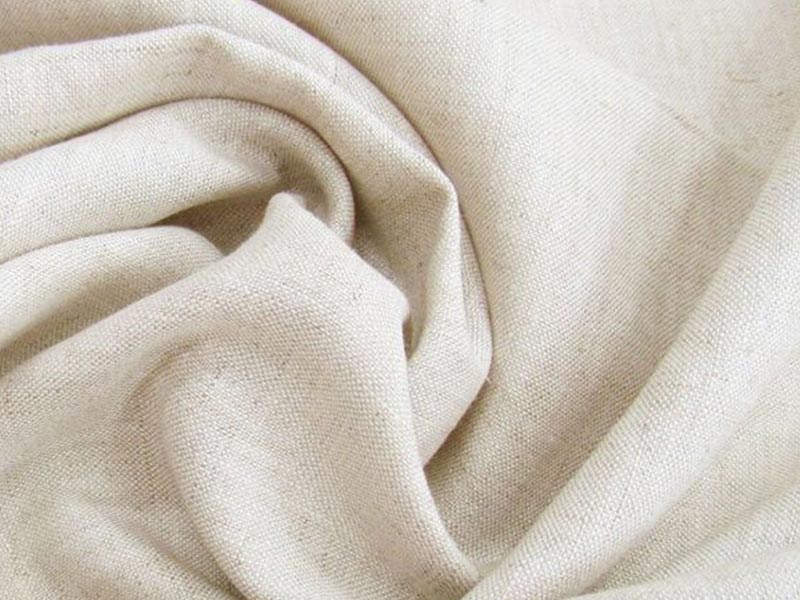
Linen Blends
Lining and Coverage Without Losing the Design
Lining should improve opacity, comfort, support, and finish without changing the intended drape or becoming visible during wear.
Full Lining
Full lining is suitable for pale woven fabrics, lace, chiffon, mesh overlays, and occasion dresses requiring a clean interior. Shell and lining need compatible shrinkage, stretch, and length behavior. A lining that is too tight restricts the shell and creates pulling; a lining that is too loose can show below the hem or through a slit. Attachment points, zipper construction, side seams, and hem finish should permit natural movement. Long dresses may use a shorter lining where full length would add weight, but the transition must remain visually controlled.
Bodice-Only Lining
Bodice lining adds coverage and neckline stability while preserving a lighter skirt. It can support straight necklines, cups, under-bust seams, lace panels, and armhole finishing. The lining edge should not create a visible ridge under soft satin or jersey. At the waist or under-bust seam, shell and lining must feed evenly to prevent twisting. For transparent skirts, bodice-only lining may need to be combined with a slip, layered skirt, or carefully selected underwear recommendation depending on the design brief.
Double-Layer Construction
Double layers are useful for stretch jersey, mesh, and some satin styles where separate lining would move differently from the shell. Layer direction and tension must match, especially around necklines, armholes, ruching, and bodycon areas. The inner layer can provide opacity and smoothness but should not create excessive compression. During sample review, both layers are checked after movement to ensure they return to position and do not roll at the neckline or hem.
Bra Cups and Internal Support
Fixed or removable cups can increase coverage and improve shape, but cup size, position, thickness, edge profile, and attachment must suit the target size range. A cup cannot correct an inaccurate bodice pattern. Under-bust seams, darts, princess seams, lining, boning, or support panels may still be required. Cup edges should remain invisible through the shell, especially in satin or light colors. Fit approval should verify cup position from front and side views and confirm comfort during movement.
Fabric Performance Before Bulk Production
Sample approval should include how the material hangs, stretches, recovers, shrinks, presses, photographs, and behaves after packing.
Drape and Movement
Drape controls whether a slip dress skims the body, a cowl falls naturally, a maxi skirt moves cleanly, and a gathered style avoids bulky volume. Review should use the final or equivalent weight, weave, finish, and color because surface treatments can change movement. Video under natural walking conditions is useful for identifying cling, static, stiffness, and uneven hem behavior. Bias and long garments should rest before final length approval because some materials grow after cutting, sewing, or hanging.
Stretch and Recovery
Stretch percentage alone does not define fit. Recovery determines whether the neckline, waist, hip, and straps return after wear. Fabric should be tested in the relevant direction because width and length behavior may differ. Pattern ease, lining tension, stitch selection, and strap construction are adjusted around the result. Sample review should include repeated dressing, sitting, walking, and gentle extension. A garment that measures correctly before wear may still become loose after short use when recovery is weak.
Shrinkage and Relaxation
Rayon, viscose, cotton, linen blends, and some knits can change after steaming, pressing, washing, or resting. Shrinkage can move dress length, waist placement, slit height, and strap position. Fabric preparation should be agreed before pattern locking. Where wash care is part of the product promise, development may include controlled wash or shrinkage review. For bias-cut and long dresses, relaxation checks should occur before final hem finishing so the garment does not develop an uneven edge after packing or wear.
Wrinkle and Pressing Behavior
Pressing should shape seams and restore presentation without changing shine, texture, or color. Satin can show pressure marks; rayon can crease sharply; linen blends hold natural wrinkles; mesh and sequins can be damaged by heat. A controlled pressing method and packing fold should be part of production instructions. Photo-ready samples may need a different presentation standard from bulk packing, but bulk garments still require a clean, saleable appearance when unpacked.
Surface and Color Risk
High-shine, pale, printed, embellished, and delicate fabrics reveal problems quickly. Surface inspection covers snags, pulled yarns, shine marks, scratches, missing sequins, print defects, color variation, and contamination. Dye lot and lining color must be coordinated. Photographs should be taken under consistent light, and physical swatches or approved color standards are preferred for final color confirmation. Bulk color approval should occur before cutting when material risk is high.

What We Review Before Sampling or Quotation
Tech Pack
Reference Images
Original Sample
Size Chart
Fabric Direction
Quantity Plan
Private Labels
Launch Window
From Design Reference to Production-Ready Sample
Sampling converts design direction into a controlled production standard. Each stage has a separate decision purpose.
Project Review
The development team reviews product category, neckline, straps, bust structure, armhole, back design, skirt shape, fabric, lining, trims, size range, quantity, target market, price direction, and launch schedule. Risk points are identified before pattern work begins. Where a reference image omits hidden construction, Jinfeng Apparel proposes a workable route instead of assuming every detail. Material availability, special minimums, color development, print, hardware, and packaging are considered early because they can affect both sample and bulk planning.
Fabric and Trim Direction
Fabric is selected by appearance and performance. The team reviews drape, stretch, recovery, opacity, shrinkage, surface sensitivity, color, lining need, and bulk availability. Strap sliders, rings, cups, zippers, elastic, lace trims, labels, and packaging are reviewed against finished dimensions and brand standards. Any substitute should preserve the intended look while improving supply stability, comfort, cost, or repeatability. Physical swatches, photos, videos, or trim cards can be used for confirmation depending on the project.
Pattern Development
Pattern work establishes neckline shape, bust volume, upper-bust width, armhole curve, strap positions, waist, hip, back depth, slit, and total length. Pattern makers also consider fabric grain, stretch direction, seam allowance, lining, closure, and construction sequence. The first pattern is a commercial interpretation of the approved design direction, not a blind tracing exercise. Where an original sample is supplied, fit and workmanship can be retained, corrected, or rebuilt according to the brief.
First and Fit Samples
The first sample tests silhouette, proportion, construction, material direction, and initial fit. It is not automatically the bulk standard. A fit sample then focuses on how the dress performs on the target body or approved form. Review covers strap setting, neckline, bust, armhole, back, waist, hip, length, movement, lining, closure, and overall balance. Photos and measurements should identify exactly where a change is required. General comments such as “make it fit better” are converted into defined pattern or construction actions.
Revision and Photo-Ready Development
Revised samples incorporate updated patterns, measurements, materials, trims, sewing instructions, or finishing. Every approved change should enter the technical record so production does not rely on message history. Photo-ready or salesman samples may prioritize final color, surface appearance, model fit, and presentation for campaign, showroom, or wholesale use. A photo-ready sample is not automatically a PP sample because production materials, labels, packing, or final tolerances may still differ.
PP and Golden Samples
The PP sample locks the final pattern, measurements, grade logic, fabric, color, trims, strap method, lining, workmanship, labels, and packing standard before bulk production. The golden sample is sealed as a physical reference for production meetings, line setup, inline checking, final inspection, and repeat orders. A style should not move into standard bulk production while major fit, material, construction, or private-label questions remain open.
Fit Feedback That Leads to Accurate Pattern Correction
Useful Fit Feedback
- Front, side, and back photos at natural posture.
- Close-ups of neckline, bust, armhole, straps, waist, back, slit, and hem.
- Standing, walking, sitting, arm movement, and bending views where relevant.
- Actual garment measurements compared with the requested chart.
- Comments that identify location, desired result, and acceptable amount of change.
- Reference to the sample version and size being reviewed.
How Corrections Are Recorded
- Pattern amendment for shape or proportion changes.
- Measurement-chart update for dimensional changes.
- Grade-rule update where size progression needs correction.
- Material or trim record update after substitution.
- Sewing instruction update for reinforcement or finishing.
- QC checkpoint update for recurring risk areas.
- Revised sample or PP confirmation before bulk release.

Locking the Standard Before Bulk Production
PP Sample Approval
- Final pattern and grade rules.
- Final measurement chart and tolerances.
- Final fabric, color, print, and dye lot direction.
- Final straps, sliders, rings, cups, zippers, elastic, and trims.
- Final neckline, armhole, bust, back, waist, hip, slit, and hem balance.
- Final lining and internal support structure.
- Final labels, barcode data, folding, polybag, and carton rules.
- Final workmanship, pressing, and appearance standard.
Golden Sample Control
- Production meeting reference before line setup.
- Visual and construction reference for sewing teams.
- Measurement and appearance reference for inline QC.
- Final inspection comparison standard.
- Third-party inspection reference when arranged.
- Repeat-order reference together with stored patterns and records.
Construction Details That Define Dress Quality
Premium appearance comes from controlled small details. Strap turning, neckline edges, side seams, zippers, lining, slits, hems, and pressing all remain visible on a minimal dress.
Narrow Strap Turning
Narrow straps require accurate cutting width, even seam allowance, controlled turning, consistent finished width, and careful pressing. Uneven fabric feeding creates thick-thin sections or spiral twisting. Satin and delicate woven straps must be protected from snagging and shine marks. Stretch straps need recovery without excessive bulk. After turning, straps are checked for width, surface, straightness, length, and symmetry before attachment. Adjustable designs also require loops and slider paths wide enough for smooth movement but tight enough to prevent slipping.
Neckline Edge Finishing
Necklines may use full lining, facing, binding, clean-finish turning, stay tape, elastic, lace trim, or double-layer construction. The edge should lie flat without rolling outward, stretching, puckering, or exposing the lining. Seam allowance should remain contained and invisible from the front. Cowl necklines need soft drape rather than a sharply pressed edge; straight and sweetheart shapes often need greater stabilization. Inspection checks shape, symmetry, stitch visibility, edge thickness, and response after the straps are set.
Underarm and Side Seams
Underarm seams sit close to the skin and should be smooth, secure, and accurately matched to shell and lining. Bulky seam intersections can irritate or distort the armhole. Side seams must remain vertical and symmetrical, especially on bodycon, bias-cut, or ruched dresses. Uneven feeding can twist the garment or shift the slit. Seam allowance, overlocking, binding, lining connection, and pressing method are selected by fabric and target finish. Bulk QC checks seam position, puckering, skipped stitches, exposure, and left-right balance.
Invisible Zipper Flatness
An invisible zipper should open smoothly, remain concealed, and sit flat without rippling or creating a hard ridge. The zipper length, tape color, top finish, seam allowance, and lining attachment must be controlled. Satin and lightweight woven fabrics can show every stitch and pressure point, while stretch fabrics can wave if the zipper area is not stabilized. Bulk inspection checks alignment at waist seams or panels, top closure, slider movement, exposed tape, fabric catching, and symmetry.
Lining Attachment
Lining should support the shell while allowing natural movement. Attachment at neckline, armhole, zipper, waist, slit, or hem must prevent rolling and shifting without pulling. The shell and lining may require different ease, seam allowances, or hem lengths. In stretch styles, lining tension should not restrict the outer layer. In satin or pale colors, internal seams and labels must not show through. Inspection includes lining exposure, twisting, tightness, hem visibility, and alignment after movement.
Slit Construction
Slits require stable start points, clean corners, adequate reinforcement, even overlap, and controlled lining. A slit that appears correct while standing may open too far when walking or sitting. The start height should be measured consistently, and reinforcement should remain discreet. Bias or soft fabrics may distort around the opening, while stretch fabrics need compatible stitches. Bulk QC compares slit height, length, overlap, symmetry, lining, seam security, and pressing against the approved sample.
Rolled and Narrow Hems
Fine hems preserve lightness in chiffon, satin, rayon, and soft woven dresses. The hem should remain even, smooth, and free from rope-like thickness, stretching, skipped stitches, or waviness. Curved and bias hems require careful feeding. Maxi and bias styles may need to hang before final hemming. For mesh or delicate fabrics, alternative edges may be selected. Bulk inspection checks finished width, continuity, thread tension, surface damage, and level while the garment hangs naturally.
Ruching and Draping Symmetry
Ruching density, gather ratio, elastic length, drawstring position, and drape points must be documented. Uncontrolled gathering changes dress length and side-seam balance. Asymmetric draping still needs repeatable reference points. Operators use notches, marks, templates, or measured elastic lengths according to the construction. QC compares the location and visual density of gathers, drawstring length, left-right balance, and finished measurements with the golden sample.
Pressing and Final Appearance
Pressing should open seams, shape edges, and present the dress cleanly without flattening drape, stretching the neckline, marking satin, damaging sequins, or changing color. Pressing temperature, pressure, and protective methods depend on material. Final appearance review includes wrinkles, seam impressions, shine, hanger marks, strap settings, neckline position, hem level, labels, and folding. Packing should preserve the approved presentation as far as the selected transport and carton plan allow.
Inline Checks Before Problems Spread Across the Order
Early detection protects material, sewing time, launch schedules, and final inspection results.
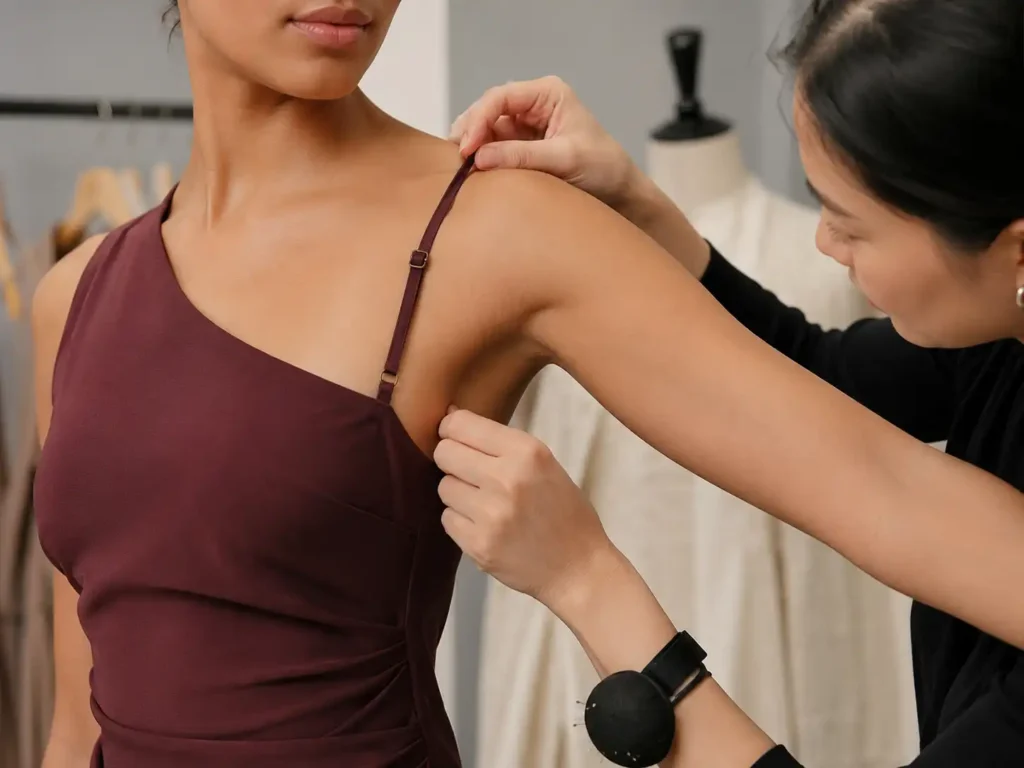
Strap Control

Neckline Control

Bust and Armhole

Closure and Seams

Lining and Details

Length and Balance
Final Inspection for Fit, Appearance and Packaging
| Inspection Area | Control Points | Release Standard |
|---|---|---|
| Measurement | Bust, upper bust, waist, hip, strap length, armhole, neckline depth, front/back length, slit height, dress length, lining length. | Within approved tolerance using the defined method. |
| Straps | Width, length, symmetry, attachment, reinforcement, slider/ring orientation, adjustment range, twisting, damage. | Matches approved construction and remains secure. |
| Neckline and Fit | Shape, balance, gaping, bust coverage, armhole depth, back height, side exposure, cup/lining position. | Consistent with PP and golden samples. |
| Workmanship | Seams, stitches, zipper, hems, slits, ruching, bindings, lining, labels, loose threads, repairs. | Clean, secure, symmetrical, and free from visible defects. |
| Fabric Appearance | Shade, print, snags, holes, pulls, shine marks, stains, wrinkles, missing embellishment, surface damage. | Approved color and saleable surface condition. |
| Pressing | Neckline, seams, drape, hem, strap setting, wrinkle removal, shine protection. | Clean presentation without heat or pressure damage. |
| Private Labels | Woven label, size label, care label, hangtag, barcode, SKU, stickers, placement, information. | Correct style, color, size, and market data. |
| Packing | Folding, strap setting, polybag, carton ratio, quantity, carton marks, warehouse labels, carton condition. | Matches approved packing instruction and order plan. |
| Shipment Files | Packing list, commercial invoice, carton count, measurements, weights, marks, freight instructions. | Consistent with packed goods and agreed shipping route. |
Structured Support for Multi-Style Brand Programs
Factory Allocation
Production Capacity
Sample Management
Merchandising Control
Quality Ownership
Packing and Delivery
MOQ, Cost and Production Planning
MOQ Logic
Cost Factors
Timeline Planning
Private-Label Dresses Ready for Retail and Ecommerce

Woven Labels
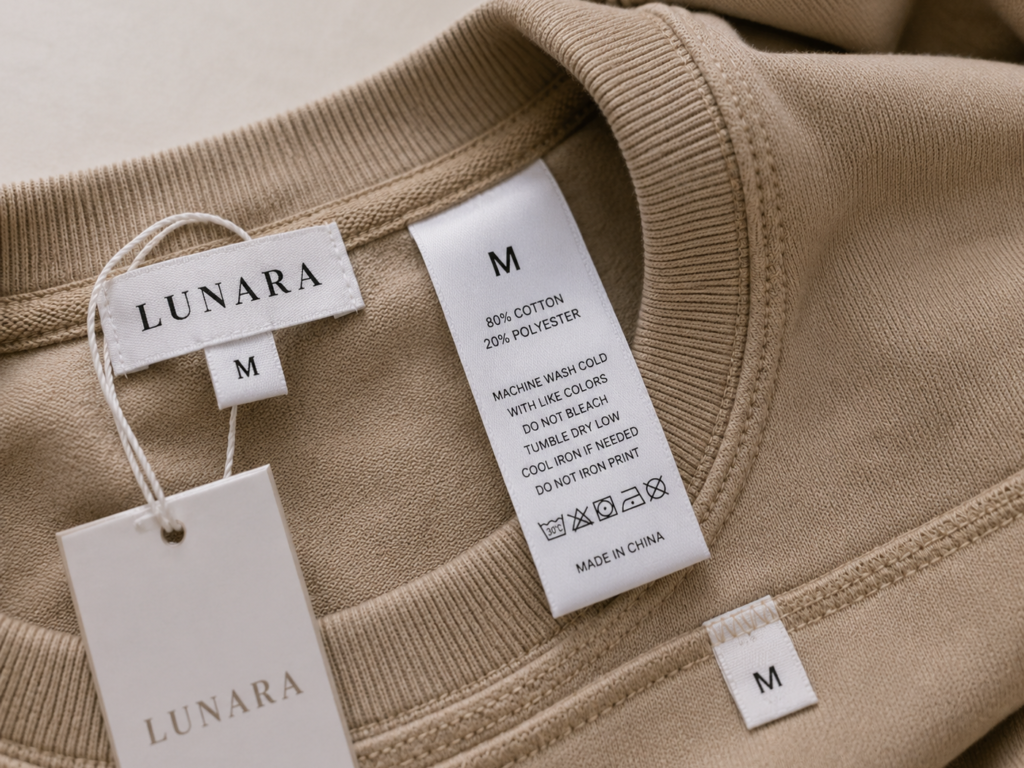
Care and Size Labels

Hangtags
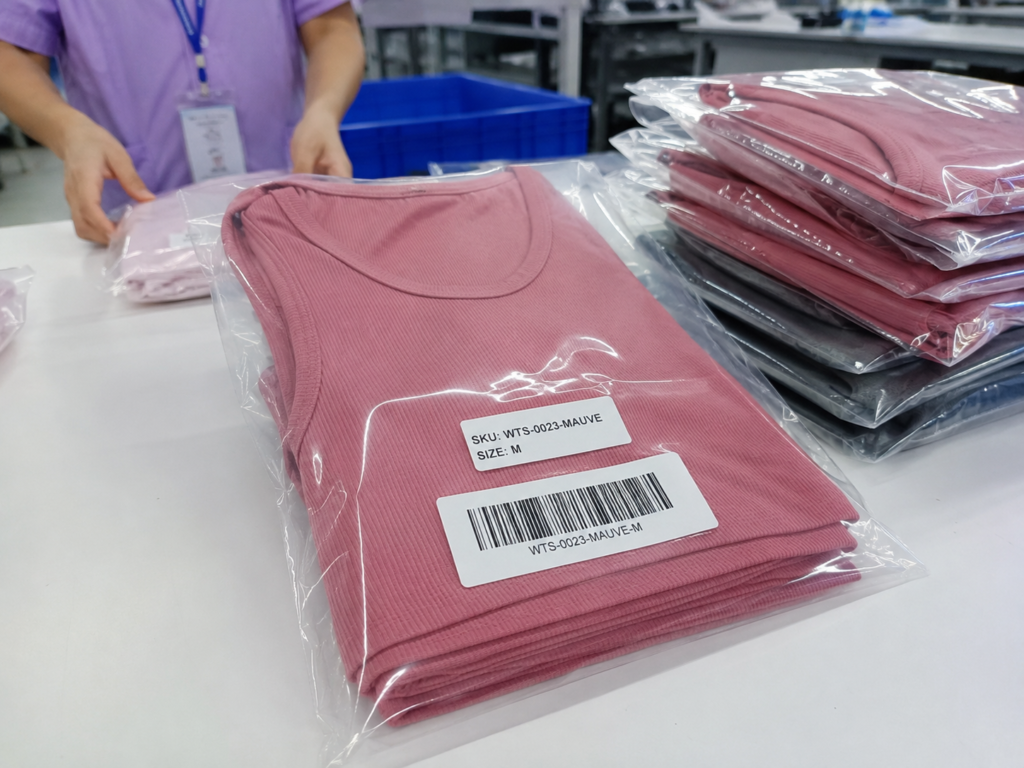
Barcode and SKU

Individual Packing

Carton Delivery
Dress Programs Developed for Global Fashion Clients

United States Occasionwear Program
- Program scope: 12 spaghetti strap mini and midi styles, 24,000 pieces across satin, stretch satin, mesh, and lace combinations. The line included fixed and adjustable straps, cowl necklines, straight necklines, side ruching, high slits, invisible zippers, and selected cup structures. The main challenge was maintaining consistent bust coverage and neckline height across multiple fabrics and size grades while keeping a clean photo-ready appearance.
- Jinfeng Apparel grouped the styles by fabric behavior and construction route. Satin styles received separate seam, pressing, and surface-control instructions. Mesh and lace styles were reviewed for lining height, skin comfort, and transparent areas. Strap dimensions, slider sizes, front and rear attachment points, neckline depth, armhole depth, and lining coverage were recorded in style-specific measurement and QC sheets. Revised samples were completed before PP approval, and golden samples were used during production setup.
- Result: the program moved through two planned shipment batches. Inline checks focused on strap geometry, neckline balance, zipper flatness, and lining exposure. The brand later prepared additional color repeats using retained pattern, measurement, trim, and packing records.
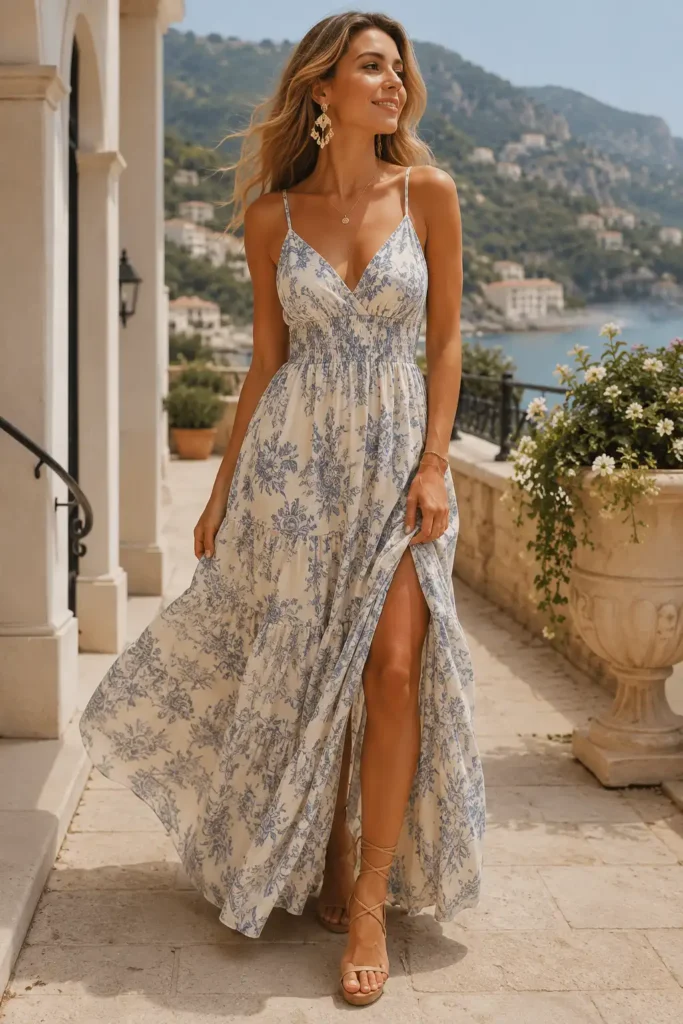
European Resortwear Collection
- Program scope: 18 mini, midi, and maxi styles, 42,000 pieces in printed rayon, viscose, chiffon, cotton-blend woven, and light satin. Several styles used tie straps, adjustable straps, low backs, gathered skirts, tiered panels, side slits, and bodice-only lining. The central risk was maintaining print direction, opacity, shrinkage control, hem balance, and strap stability across long and lightweight garments.
- Fabric review covered shrinkage, drape, transparency, surface, and bulk availability. Print layouts were planned around panel direction and motif scale. Long dresses were allowed to relax before final hem confirmation, while light-colored fabrics were reviewed under daylight and direct photography. Strap construction was adjusted by material: fragile chiffon relied on reinforced or alternative strap routes, while rayon styles used controlled grain and secure attachment points. Packing folds were planned to reduce hard creases in long skirts.
- Result: production was allocated by fabric and silhouette, with staged QC and packing. The first shipment supported the seasonal launch, while the second covered additional colors and extended maxi quantities. Stored records reduced repeat-development time for the next resort collection.

North American Private-Label Dress Program
- Program scope: 22 styles, 68,000 pieces covering spaghetti strap slips, bodycon minis, ruched midis, party dresses, and matching tops. The order included multiple colors, private woven labels, care labels, hangtags, barcodes, SKU stickers, branded polybags, carton ratios, and warehouse labels. The main challenge was coordinating different fabric groups, size ratios, barcode data, and packing rules while maintaining a unified brand presentation.
- Jinfeng Apparel organized the line sheet by factory route, material group, sample priority, and shipment sequence. Merchandising records linked every style to its approved fabric, color, trim, size chart, strap construction, labels, barcode file, folding method, and carton plan. Inline QC concentrated on upper-body fit, strap length, neckline, bodycon recovery, ruching, and zipper areas. The finishing team used packing checklists to control style-color-size ratios and label accuracy.
- Result: the collection shipped in three planned batches aligned with warehouse intake. Repeat-order files retained final patterns, grade rules, material references, trim specifications, QC checkpoints, and packing instructions for faster replenishment review.
Spaghetti Strap Dress Frequently Asked Questions
The base MOQ starts from 200 pcs per style/color. MOQ is calculated by each style and each color. Custom dyeing, printing, special lace, sequins, certified fabrics, hardware, or packaging may carry separate supplier minimums.
Yes. Tech packs can include sketches, measurements, BOM, construction, fabric, trims, labels, packing, and revision notes. The development team reviews the file and identifies missing or high-risk details before pattern work and sampling.
Yes. Reference images, original samples, sketches, line sheets, and fabric swatches can start the process. Hidden construction, measurements, fit, and materials still need confirmation so the final sample can become production-ready.
Satin, stretch satin, chiffon, jersey, rib knit, mesh, lace, rayon, viscose, and linen blends are common options. Selection depends on silhouette, drape, stretch, opacity, lining, surface risk, cost, minimums, and bulk availability.
Yes. Adjustable straps can use sliders and rings selected by finished strap width, material, color, finish, and required adjustment range. Slider movement, slipping, twisting, and attachment strength are checked during sampling and bulk inspection.
Strap material, grain direction, seam allowance, reinforcement, stitch route, attachment position, and garment weight are reviewed together. Selected bulk garments can receive focused pull or repeated-adjustment checks based on construction risk.
Yes. Options include full lining, bodice lining, double layers, fixed cups, removable cups, support panels, and selected internal structures. Cup and lining choices are matched to the pattern, fabric, size range, coverage, and desired finish.
The base size is approved first, followed by grade-rule review. Size charts define measurement methods and tolerances. Selected size-set samples may be used for low necklines, low backs, cups, bodycon fits, limited strap adjustment, or wider size ranges.
Yes. Jinfeng Apparel supports woven labels, size labels, care labels, hangtags, barcodes, SKU stickers, branded polybags, cartons, carton marks, warehouse labels, packing lists, and shipment documentation.
Send a tech pack or reference, quantity by style/color, size range, fabric direction, color plan, construction details, labels, packing requirements, target price direction, and desired launch window. More complete information produces a more reliable review.

Spaghetti Strap Dress Manufacturer
Custom spaghetti strap dress development for fashion brands requiring accurate fit, controlled coverage, refined fabric handling, consistent bulk production, and retail-ready private-label delivery.
Jinfeng Apparel develops mini, midi, maxi, slip, bodycon, party, resort, and occasion spaghetti strap dresses from tech pack, original sample, sketch, line sheet, or reference image. Pattern, fabric, lining, strap construction, fit, workmanship, QC, packaging, and shipment preparation are managed as one connected manufacturing program.
- Common strap width planning: 3-12 mm, selected by fabric weight, visual proportion, support requirement, and slider compatibility.
- Critical fit control: strap length, attachment angle, neckline depth, bust coverage, armhole depth, back position, and lining height.
- Development resources: 2 sample rooms, 7+ senior pattern makers, and 20+ sample machinists.
- Production entry: MOQ starts from 200 pcs per style/color; special fabrics, dyeing, printing, trims, or packaging may require separate minimums.