Skip to content
Slit Skirt Manufacturer for Fashion Brands
Custom slit skirt development with controlled fit, fabric behavior, sample approval, bulk consistency, and private-label delivery for established fashion brands.
- Since 2008, with 6 owned women’s fashion factories and 10+ long-term production partners in Guangdong, China.
- 2 sample rooms, 7+ senior pattern makers, and 20+ sample machinists support first samples, revisions, PP samples, and Golden Sample control.
- MOQ starts from 200 pcs per style/color, subject to fabric, color, trim, construction, and packing requirements.
- 100,000+ pcs monthly capacity supports multi-style skirt collections, coordinated size ranges, repeat orders, and multi-batch delivery.
Manufacturing Capacity Built for Fashion Brand Programs
Integrated Development
Dedicated Sample System
Two sample rooms support first samples, fit samples, revised samples, photo-ready samples, PP samples, and Golden
Samples. Seven-plus senior pattern makers handle waist-to-hip proportion, grading logic, skirt balance, slit placement, and construction corrections. More than 20 sample machinists test sewing methods, fabric handling, lining, zippers, waistbands, and slit reinforcement before bulk production. Sample work is treated as production preparation, not as a separate display exercise.
Pattern and Fit Control
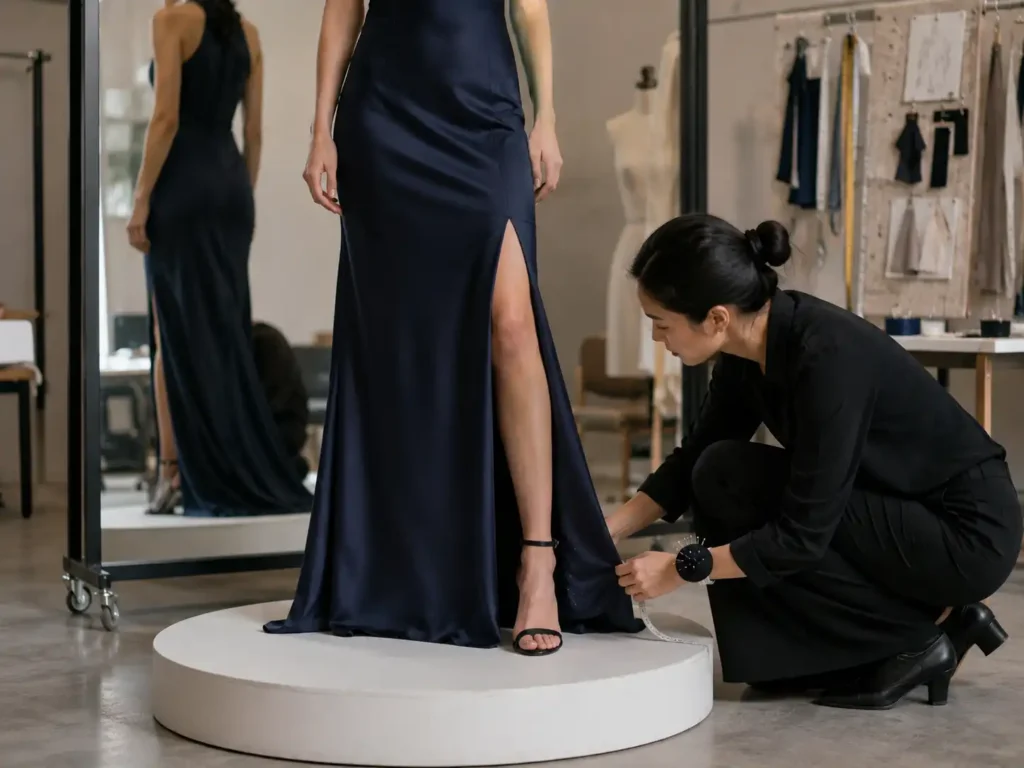
Slit skirts depend on coordinated waist, hip, length, and opening measurements. A single change to fabric stretch or hip ease can alter how high a slit appears during walking or sitting.
Pattern reviews therefore cover waistline position, hip curve, side-seam balance, center-front and center-back length, hem sweep, slit start point, lining length, and closure placement. Pattern versions and approved measurements are recorded before revised sampling or bulk release.
Scalable Production
Multi-Style Management
Private-Label Delivery
Fashion Programs We Support
Global Fashion Brands
Regional Leading Brands
Regional leaders often combine established retail channels with fast product decisions and strong local market knowledge.
They need a supplier able to develop trend-relevant slit skirts while protecting fit, fabric quality, delivery timing, and margin structure. Jinfeng can manage woven, knit, satin, denim, and occasion-led skirt directions within one collection, keeping style files and production requirements separate while maintaining a consistent brand standard across the assortment.
Premium Ecommerce Brands
Online-led brands depend heavily on silhouette, fabric appearance, model fit, color accuracy, and arrival condition. A skirt that photographs well but twists, wrinkles, exposes lining, or changes slit height across sizes can create returns and negative reviews.
Jinfeng connects photo-ready sampling with PP approval, bulk measurement control, pressing review, barcode packing, and anti-crease handling for fabrics such as satin, crepe, viscose, and lightweight woven materials.
Multi-Channel Retailers
Sourcing Offices
Product Development Teams
Common Risks Behind Commercial Slit Skirt Production

Slit Proportion Changes

Fabric Alters Movement

Bulk Fit Drifts

Lining and Reinforcement Fail
Custom Slit Skirt Styles for Fashion Collections

Side Slit Satin Midi

Front Slit Tailored

High Slit Maxi

Double Slit Knit

Asymmetric Draped

Wrap-Effect Slit

Denim Front Slit

Low-Waist Mini
How Slit Placement Changes Fit and Movement

Front Slit

Side Slit

Back Vent

Double Slit

Asymmetric Slit

Wrap Opening
Fabric Selection for Commercial Slit Skirts
Fabric determines how a slit opens, hangs, stretches, wrinkles, and returns after movement. Selection should consider silhouette, target season, retail price, opacity, lining, care, size range, and production risk. Approved fabric standards are recorded before pattern lock and bulk booking.
| Fabric Group | Structure and Drape | Stretch | Lining Direction | Best-Fit Slit Styles | Main Bulk Risks |
|---|---|---|---|---|---|
| Satin / Stretch Satin | Fluid to medium structure; visible shine direction | None to high | Often required for light colors or thin qualities | Side slit, high slit, draped slit, bias-inspired midi | Snagging, shade variation, seam puckering, pressing marks, packing creases |
| Crepe / Suiting | Controlled drape with cleaner tailoring | Low to moderate | Based on opacity and hand feel | Front slit, back vent, office midi, structured maxi | Seam impression, dart imbalance, zipper waving, surface shine during pressing |
| Jersey / Ponte / Rib | Soft to structured knit; body-following | Moderate to high | Based on weight, opacity, and recovery | Double slit, side slit, fitted midi, matching-set skirt | Growth, twisting, ride-up, uneven slit stretch, measurement drift |
| Denim / Cotton Twill | Firm structure with wash-dependent behavior | None to moderate | Usually unlined or partially lined by design | Front slit, mini slit, raw hem, casual midi | Shrinkage, skew, wash variation, bulky seams, slit position change after finishing |
| Chiffon / Mesh Layers | Lightweight, transparent, movement-led | None to high depending on mesh | Required for coverage and stability | High slit maxi, layered side slit, asymmetric opening | Transparency, holes, edge damage, lining exposure, uneven hem |
| Rayon / Viscose / Linen Blends | Soft drape to relaxed structure | Usually low, sometimes blended stretch | Based on color, weave, and garment use | Resort side slit, wrap opening, relaxed maxi | Shrinkage, wrinkling, seam slippage, color variation, distortion after hanging |
Satin and Stretch Satin
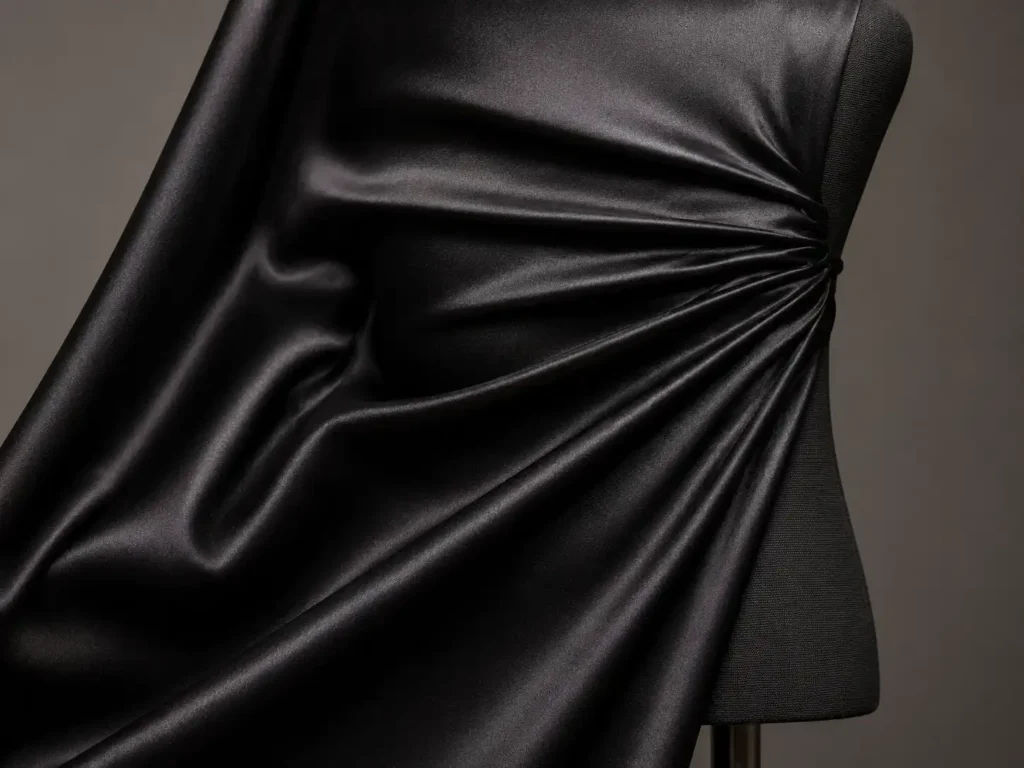
Satin creates a clean, premium surface but exposes cutting, sewing, pressing, and packing errors. Grain and shine direction need control across all panels. Stretch satin can support fitted midi and low-waist styles, yet stretch recovery and zipper compatibility must be checked before the pattern is approved. Light colors may require lining or double-layer construction. Sample review covers snagging, seam puckering, hip tension, slit opening, hem balance, and the way the fabric photographs under different lighting.
Crepe and Suiting
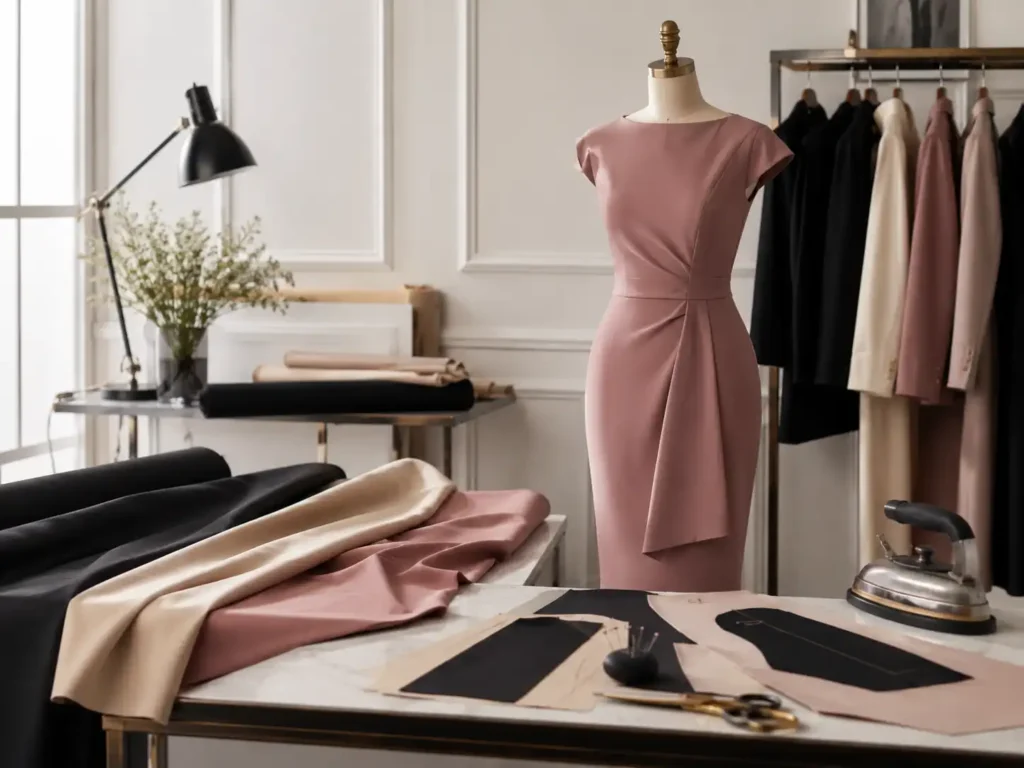
Crepe and suiting fabrics support tailored front slits, back vents, office-to-evening midi skirts, and structured maxi silhouettes. The fabric should provide enough body to keep the opening clean without making the slit stiff. Waistband construction, darts, front panels, lining, zipper insertion, and pressing require coordinated control. Fabric thickness also affects seam allowance and vent overlap. A fabric swatch that feels appropriate in hand still needs sample verification for movement, wrinkle recovery, surface shine, and hem behavior.

Jersey, Ponte and Rib
Stretch skirts rely on fabric recovery as much as initial stretch. Typical stretch-fabric directions used across fitted women’s garments may range around 160–320 gsm, while rib knit commonly falls around 180–320 gsm depending on composition and structure. Weight alone does not confirm suitability. Jinfeng reviews stretch direction, recovery, opacity, hand feel, shrinkage, side-seam twisting, and waist stability. Double slits or high side slits must remain even after the garment is worn and relaxed.

Denim and Cotton Twill
Denim and twill create stable slit lines, but finishing can change length, color, hand feel, and opening position. Fabric weight, stretch content, wash recipe, shrinkage, skew, topstitching, seam bulk, and hem treatment should be approved together. A front slit can be integrated into a center seam, panel seam, button front, or raw-edge design. Measurements need review after washing or finishing rather than only after sewing. Shade range and wash consistency become important for repeat orders.

Chiffon, Mesh and Layers
Lightweight transparent fabrics require a clear coverage plan. Chiffon can slip during cutting and develop uneven hems after hanging. Mesh can stretch or tear around the slit and may need a stable lining or underlayer. A layered high slit must balance the outer opening with the lining opening so neither restricts movement nor becomes visible unexpectedly. Edge finishing, seam allowance, attachment points, transparency under light, and packaging support should be confirmed during sampling.

Rayon, Viscose and Linen
Rayon and viscose offer fluid drape for resort, wrap-effect, and relaxed maxi skirts. Linen blends provide a drier hand and more structure, with natural wrinkling that should match the brand direction. Shrinkage, seam slippage, colorfastness, fabric relaxation, and hanging behavior require review. A slit can lengthen visually if the fabric drops after cutting or pressing. Lining may be needed for light colors. Bulk planning should also consider fabric lot consistency and repeat-order availability.
Pattern Engineering for Balanced Slit Skirt Fit

Waistline Position

Hip Fit and Ease

Length and Hem Balance

Slit Start Point
Construction Details That Keep Slits Stable
Slit Top Reinforcement
Seam Allowance Control
Clean Edge Finishing
Lining Alignment
Hem Corner Finish
Zipper and Seam Balance
Custom Design Details for Branded Slit Skirts

High-Waist Band

Low-Waist Construction

Invisible Zipper

Hook and Eye

Ruching and Draping

Pleats and Tucks

Pockets and Loops

Hem Finishing
Size Grading Without Losing Slit Proportion
Waist Grade
Hip Grade
Length Grade
Slit Grade
Lining Grade
Movement Review
Slit Skirt Sampling and Fit Approval Process
Sampling converts design direction into a measurable production standard. Timing depends on construction, fabric availability, trims, pattern difficulty, and feedback speed. Regular slit skirts often move faster than draped, lined, washed, or complex multi-layer styles.
| Sample Stage | Main Purpose | Typical Reference Time | Key Slit Skirt Checks |
|---|---|---|---|
| Simple First Sample | Confirm basic silhouette and construction | 7–10 days | Waist, hip, length, slit start, opening balance, closure |
| Regular First Sample | Confirm commercial fit and fabric behavior | 10–15 days | Drape, lining, slit movement, hem, zipper, workmanship |
| Medium-Complex Sample | Confirm drape, layers, wash, or detailed construction | 12–18 days | Reinforcement, overlap, grading risk, panel alignment, finish |
| Complex Sample | Confirm special fabric, draping, mesh layers, or difficult structure | 15–25 days | Material risk, lining coverage, seam stability, movement, packing |
| Revised Sample | Apply documented fit and construction comments | Usually 7–15 days | Pattern changes, measurement changes, slit revision, finish updates |
| PP Sample | Lock the bulk production standard using final materials | Usually 7–15 days after final materials arrive | Fabric, color, trims, measurements, construction, labels, packing |

Style Review
The development team reviews the reference image, tech pack, original sample, or line sheet before pattern work begins. Missing information is identified early: waist position, skirt length, slit location, target slit height, fabric, lining, closure, size range, color plan, label requirements, and intended selling occasion. A visual reference can start a feasibility review, but precise quotation and sampling require enough structure to define materials, construction, and measurements.

Fabric Direction
Fabric options are evaluated for hand feel, weight, drape, stretch, recovery, transparency, shine, shrinkage, wrinkle behavior, MOQ, price, and lead time. The selected fabric must support both the silhouette and the slit behavior. If a fabric changes during sampling, Jinfeng rechecks pattern, lining, sewing method, costing, and timing. Fabric approval records the chosen quality and color standard before the PP sample is prepared.

Pattern Development
Pattern makers translate design intent into waist, hip, length, slit, overlap, lining, and closure measurements. Construction notches, grain lines, seam allowances, and balance points are added according to the selected fabric. For asymmetry, draping, knit stretch, or washed denim, extra controls may be needed. The first pattern is a development version rather than an automatic bulk standard. Fit and measurement feedback determine whether the pattern can progress.

First Sample
The first sample tests silhouette, fabric behavior, fit, construction, and production feasibility. Review should cover front, side, and back appearance, along with walking and seated movement. The team checks waist stability, hip fit, slit position, lining coverage, zipper, seam balance, hem, pressing, and internal finishing. Comments are documented with photos, measurements, and clear actions. General feedback such as “make it better” is converted into specific pattern or construction changes.

Revised Sample
A revised sample applies approved changes and confirms whether earlier issues were resolved without creating new ones. Pattern version, measurement changes, fabric changes, trim changes, slit height, lining, reinforcement, and sewing methods are recorded.
A major fabric or structural change may require broader reassessment rather than a simple revision. The revised sample can become the basis for photo, salesman, or PP work only after fit and construction are stable.

PP and Golden Sample
The PP sample uses final or approved bulk-representative fabric, color, trims, measurements, labels, and packing details.
Bulk production should not start until the standard is locked. The Golden Sample and supporting files guide cutting, sewing, QC, pressing, and packing. Changes after PP approval may affect material orders, cost, schedule, and consistency, so they are reviewed as controlled changes rather than informal instructions.
From Tech Pack to Retail-Ready Delivery
Project Review
Material Direction
Pattern and Sample
PP Lock
Material Preparation
Cutting and Sewing
In-Line Control
Finishing and Packing
Shipment Support
Bulk Workmanship Controls for Consistent Slit Skirts

Grain and Cutting Direction

Waistband Assembly

Side Seam Alignment

Slit Reinforcement

Lining and Hem Coordination

Pressing and Shape Retention
Quality Control Across Every Production Stage
Incoming Fabric Inspection
Bulk fabric is reviewed for color, visible defects, hand feel, width, weight where required, stretch, recovery, transparency, surface damage, and consistency with the approved swatch.
Satin is checked for snagging and shine direction; knit for recovery and stability; denim for shade and finishing risk; chiffon and mesh for holes or damage. Fabric batches and dye lots are recorded so production and repeat-order color differences can be managed.
Color Batch Control
Color approval can use a physical standard, Pantone reference, lab dip, fabric swatch, or bulk approval according to the project. Dye lots are separated and compared under agreed lighting conditions.
Lining, zipper, thread, labels, and trims are reviewed for coordination. Satin surface shine can create visual shade differences even when dye is similar, so panel direction and lighting matter. Color records support multi-batch production and future replenishment.
Cutting Inspection
Cutting QC confirms pattern version, size, grain direction, fabric face, slit position, notches, panel quantity, and visible defects.Stretch and slippery fabrics are managed to reduce distortion. Printed or washed materials may need direction or placement control. A slit that is cut at the wrong reference point cannot be corrected reliably in finishing.
Cut panels are identified by style, color, and size to avoid mixing across large collections.
Sewing and Reinforcement
Measurement Control
Key measurements include finished waist, high hip where relevant, full hip, center-front length, center-back length, side length, slit start, slit opening, lining length, hem width, waistband width, and closure position. In-line measurement detects drift while production is still adjustable.
Finished garments are rechecked against the approved size chart and tolerance. The same reference points are used by production, QC, and the brand team to avoid conflicting interpretations.
Finished Garment Review
Final garment inspection checks overall appearance, fit-related measurements, slit alignment, seam balance, lining, zipper, waistband, hem, pressing, stains, snags, holes, color, labels, and workmanship.
The garment is viewed in a natural hanging position rather than only folded on a table. Long skirts are checked for hem balance. Satin receives surface review under suitable lighting. Knit styles are checked after relaxation to confirm dimensions remain stable.
Packing and Barcode QC
Packing QC confirms labels, care information, hangtags, barcode scan, SKU, color, size, folding, polybag, warning text where required, carton mark, carton quantity, and style-color-size breakdown. Satin and long skirts need fold methods that reduce hard creases. Multi-color, multi-size orders are separated and identified before carton sealing.
Packing records support warehouse receiving, inventory control, and shipment reconciliation.
AQL and Client Inspection
Capacity for Multi-Style Fashion Brand Orders
Product-Based Allocation
Collection Grouping
Flexible Production Lines
Repeat and Replenishment
Peak-Season Planning
Progress Visibility
MOQ, Quotation and Lead-Time Planning
MOQ starts from 200 pcs per style/color. Quantity is calculated by style and color, not by combining unrelated styles into one total. Fabric suppliers, dyeing, printing, special trims, labels, and packaging may carry separate minimums or development lead times.
MOQ Structure
One style in two colors normally requires the applicable MOQ for each color. Multiple size options can be included within a style-color quantity when the size ratio is commercially workable. Very wide size ranges, highly fragmented quantities, or several custom color lots may affect material use, cutting efficiency, packing, and cost. A slit skirt collection with 10–30 styles is planned by individual style-color demand and overall program volume.
Quotation Inputs
Accurate quotation requires a tech pack or clear reference, target quantity, fabric direction, color count, size range and ratio, lining, zipper or closure, slit construction, labels, packing, quality standard, delivery terms, and destination. A BOM improves accuracy by listing shell fabric, lining, zippers, hooks, elastic, labels, hangtags, polybags, cartons, testing, and special trims. Prices are reviewed after construction and material feasibility are understood.
Cost Drivers
Cost is influenced by shell and lining consumption, fabric price, cutting loss, slit construction, reinforcement, draping, pleats, waist structure, zipper, trims, sample development, sewing time, pressing, QC, labels, packing, testing, and logistics. Satin, washed denim, layered mesh, asymmetric draping, and special packaging create different cost structures. Jinfeng aims to control cost without weakening brand-level appearance, fit, safety, or bulk consistency.
Sample Timing
Simple slit skirt first samples may take around 7–10 days. Regular commercial styles commonly require 10–15 days. Medium-complex styles may take 12–18 days, while difficult draping, layers, special fabrics, or unusual trims can require 15–25 days. Revised samples and PP samples are commonly around 7–15 days depending on changes and final material arrival. Timing begins after required information, payment, and available materials are confirmed.
Bulk Schedule
Bulk production timing is issued after PP approval, fabric and trim confirmation, final quantities, size ratios, colors, packing, QC standards, and factory allocation are locked. Regular woven, stretch, denim, custom-dyed, and special-packaging projects follow different calendars. Material lead time can be longer than sewing time. A production schedule should therefore show material preparation, cutting, sewing, QC, pressing, packing, inspection, and shipment readiness rather than one unsupported delivery promise.
Delivery Planning
Samples and development swatches normally move by express. Air freight can support urgent launches, selected SKUs, or replenishment, while sea freight suits planned bulk orders and cost control. Split shipment can send priority quantities by air and the main balance by sea when approved. EXW, FOB, CIF, DAP, DDP by project, client-nominated forwarders, and factory-recommended forwarders can be discussed according to destination and import requirements.
Private-Label and Retail-Ready Skirt Delivery
Woven Brand Labels
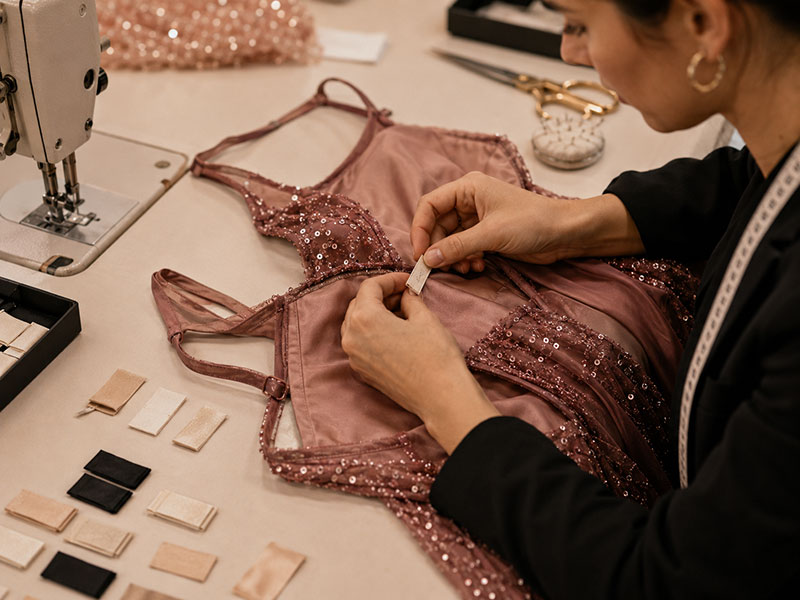
Size and Care Labels
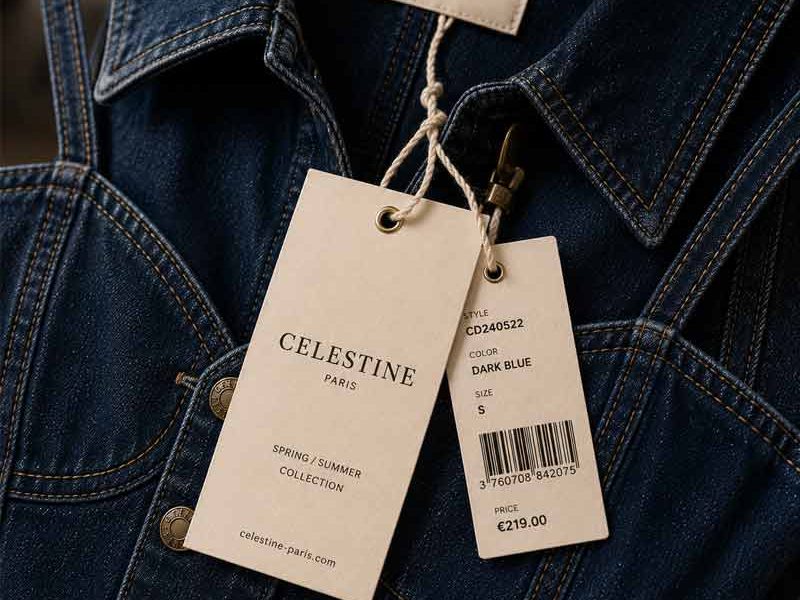
Hangtags and Fasteners
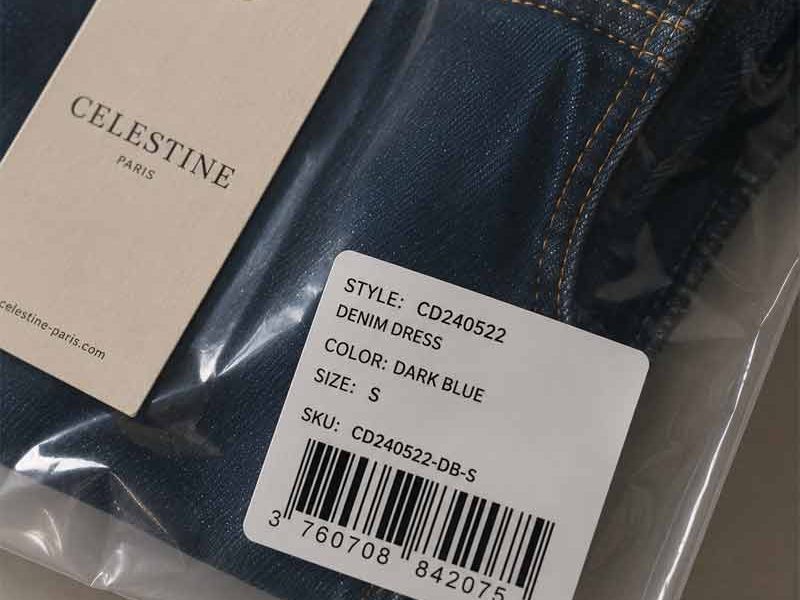
Barcode and SKU Labels
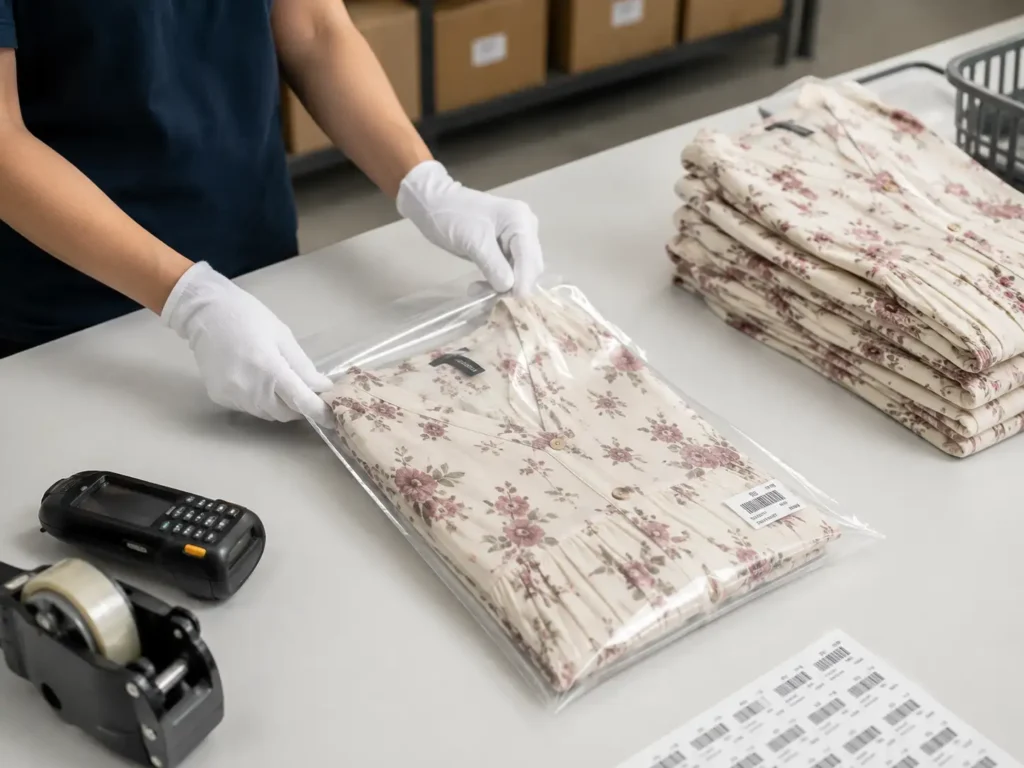
Branded Polybags

Cartons and Shipment Data
Compliance Support and Confidential Brand Development
NDA Protection
Assigned Factory Review
Certified Fabric Support
Testing Coordination
Inspection Support
Export Documentation
Slit Skirt Development Cases for Fashion Brands

Satin Midi Collection

Knit Slit Program

Denim and Woven Launch
Slit Skirt Manufacturing FAQs

Start Your Slit Skirt Development Project
Send the available product files to Kelly for an initial development and production review. A complete package helps the team evaluate slit structure, fabric direction, pattern difficulty, sample route, MOQ, quotation inputs, bulk risk, private-label requirements, and launch planning. A tech pack is ideal, but a reference image, original sample, line sheet, or annotated sketch can also begin the discussion when the remaining specifications are explained.
Please include:
- Reference images, tech pack, original sample details, or line sheet
- Target quantity by style and color, color plan, size range, and planned size ratio
- Fabric preference, hand feel, stretch, drape, target composition, or physical swatches
- Waist position, skirt length, slit placement, and coverage expectations
- Lining, zipper, reinforcement, trims, labels, and packing requirements
- Quality standard, inspection requirement, launch date, destination, and shipping preference