Skip to content
Sleeveless Dress Manufacturer
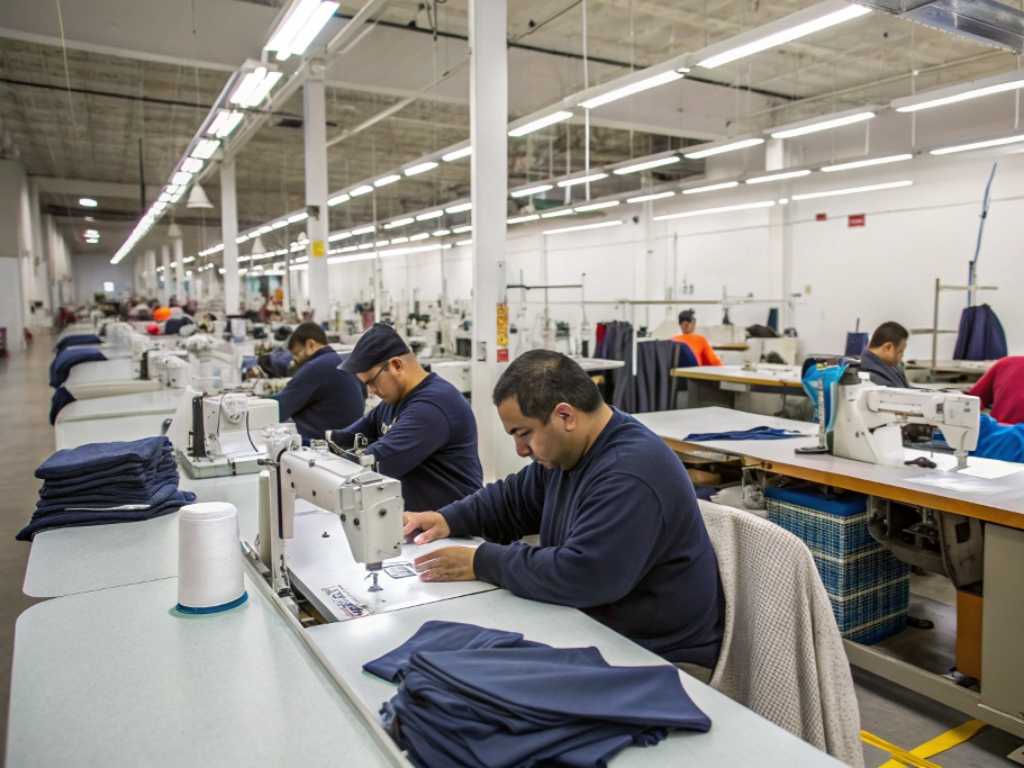
Custom sleeveless dress development for global fashion brands requiring controlled fit, refined construction, scalable production, and private-label delivery.
- 7+ senior womenswear pattern makers control armhole depth, shoulder width, upper-bust balance, neckline position, and graded fit.
- 2 sample rooms and 20+ sample machinists support first samples, revised samples, photo-ready samples, PP samples, and sealed production standards.
- 6 owned women’s fashion factories plus 10+ long-term production partners support woven, knit, lined, structured, and occasion-led sleeveless dress programs.
- Standard production starts from 200 pcs per style/color, with quantity planning aligned to fabric, color, trim, size, and packaging requirements.
Manufacturing Facts Behind Every Sleeveless Dress Program
Since 2008
Six Owned Factories
Ten Plus Partners
Two Sample Rooms
Seven Plus Pattern Makers
Twenty Plus Machinists
Built for Structured Fashion and Private Label Programs
Best Program Fit
Working Requirements
Why Sleeveless Dresses Need Precise Pattern Control
Armhole Gaping
Underarm Exposure
Shoulder Imbalance
Neckline Distortion
Lining Roll-Out
Grading Drift
Sleeveless Dress Styles Developed for Commercial Collections

Sleeveless Mini Dress
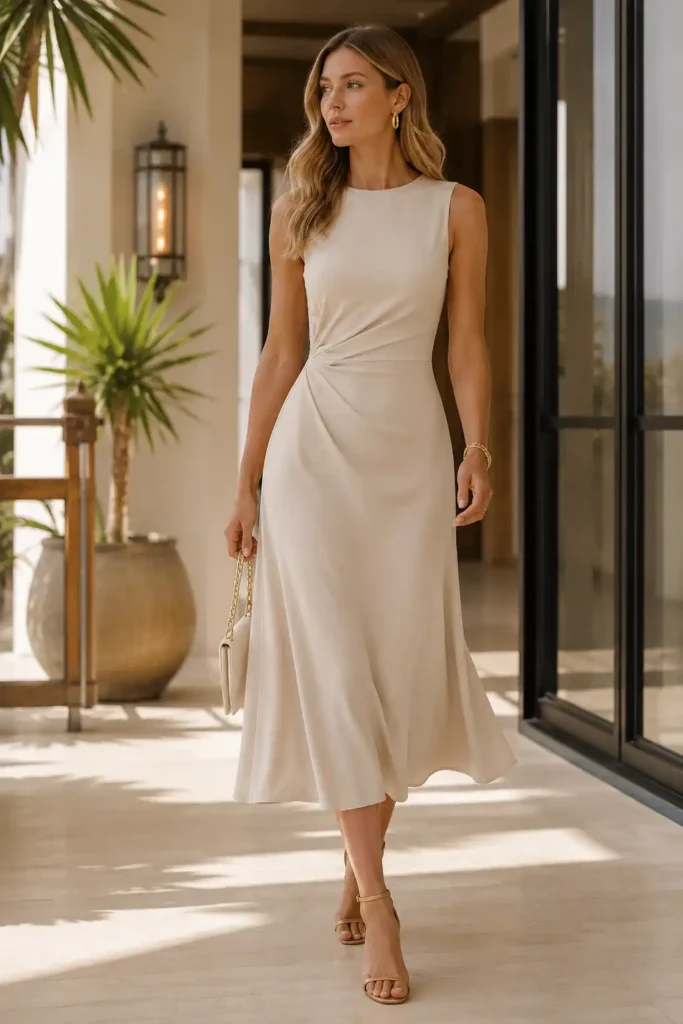
Sleeveless Midi Dress
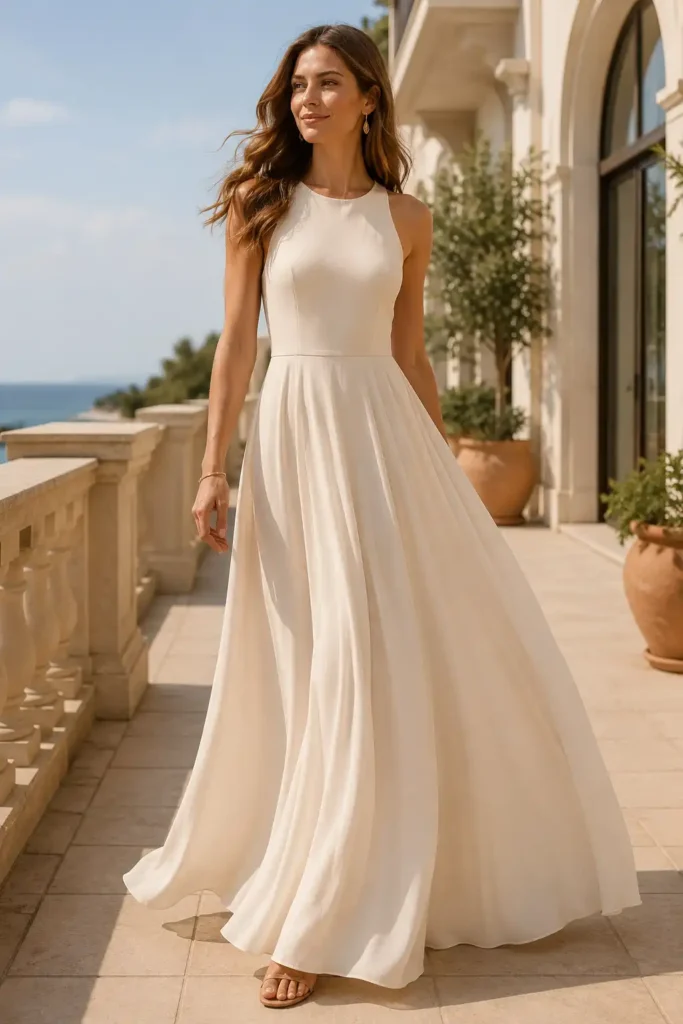
Sleeveless Maxi Dress

Bodycon Dress
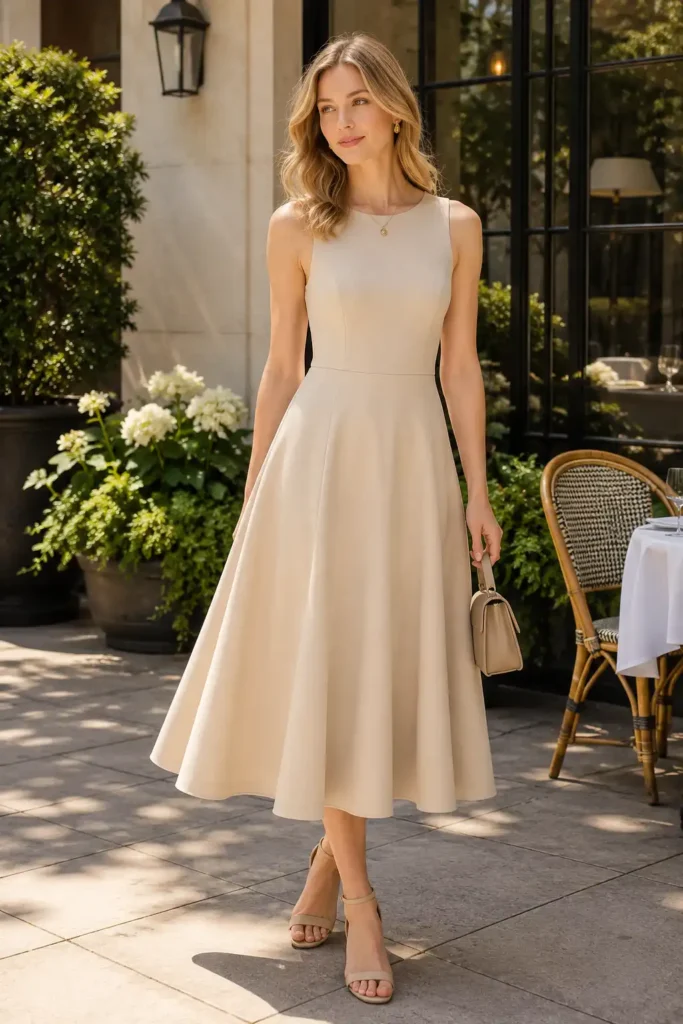
A-Line Dress

Shift Dress
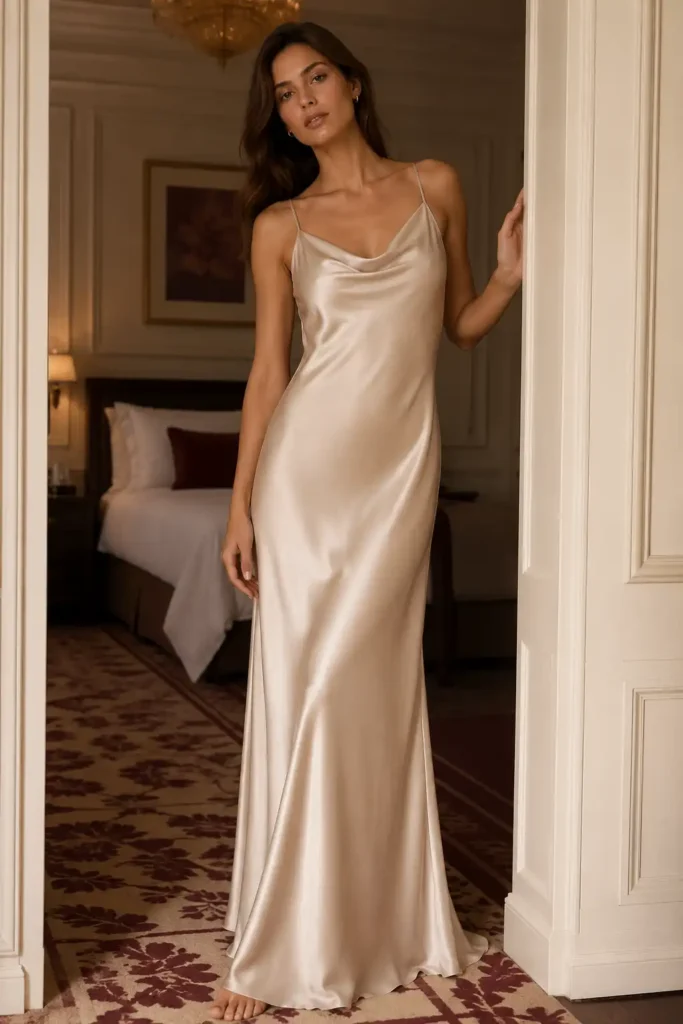
Slip-Inspired Dress

Shirt Dress
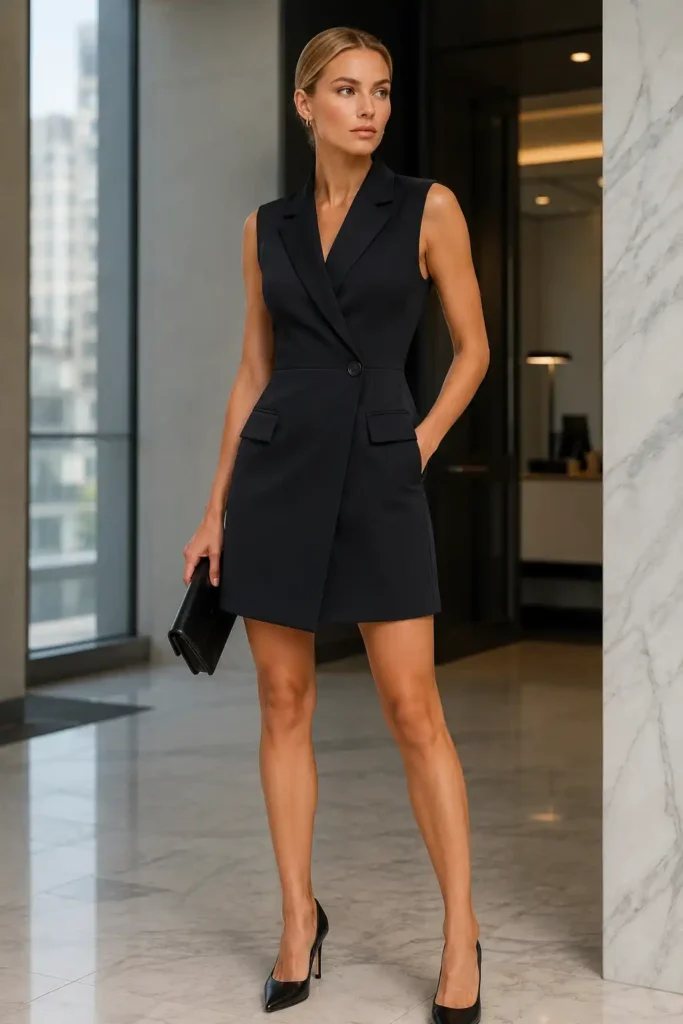
Blazer Dress
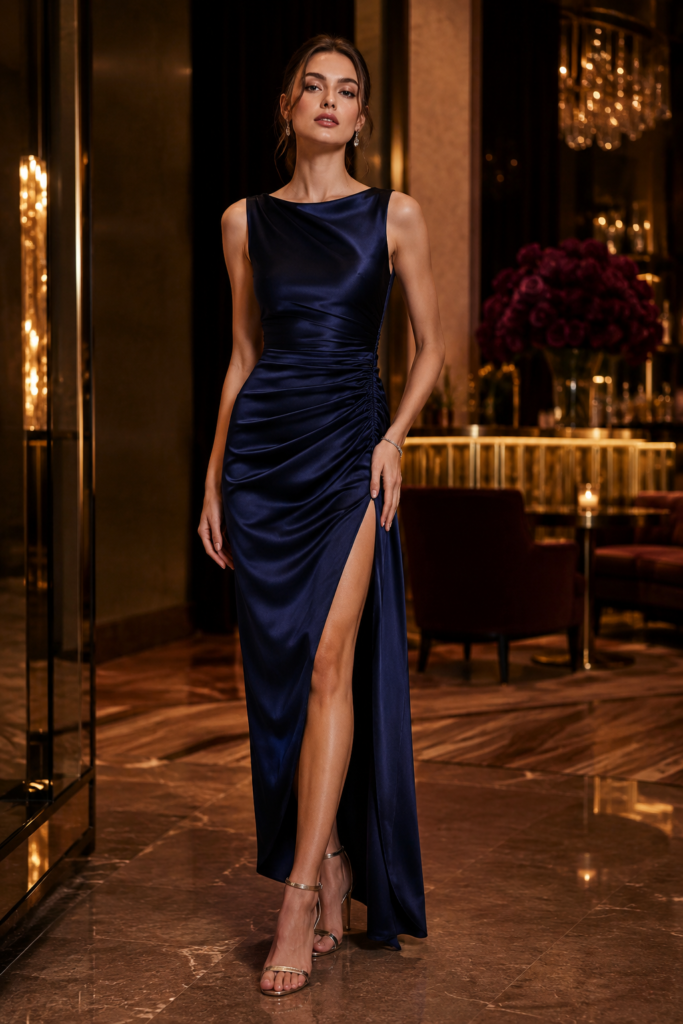
Party Dress
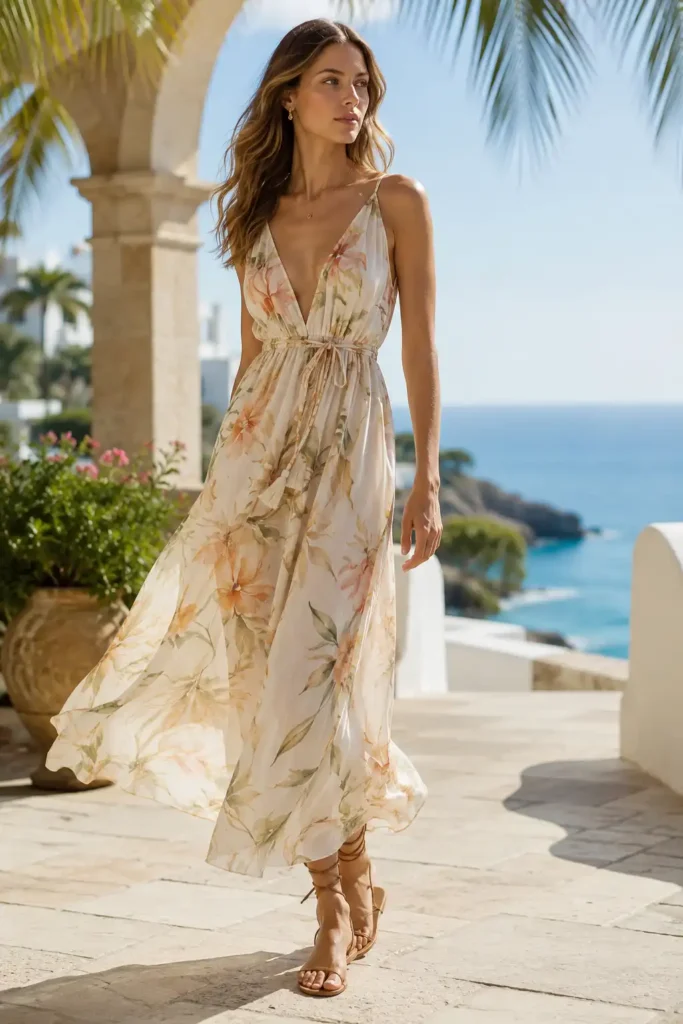
Resort Dress
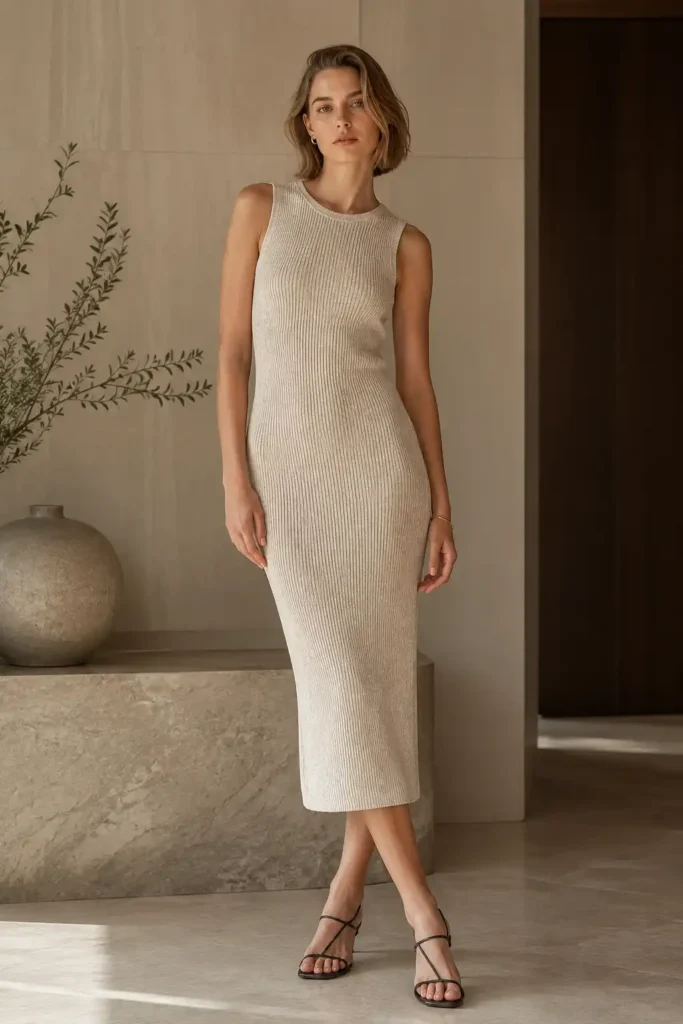
Knit Dress
Plan Collections Across Six Product Dimensions
Length Architecture
Silhouette Direction
Occasion Positioning
Fabric Families
Construction Level
Fit Intensity
Fabrics Selected for Fit, Drape, and Bulk Stability

Satin and Stretch Satin

Chiffon and Georgette
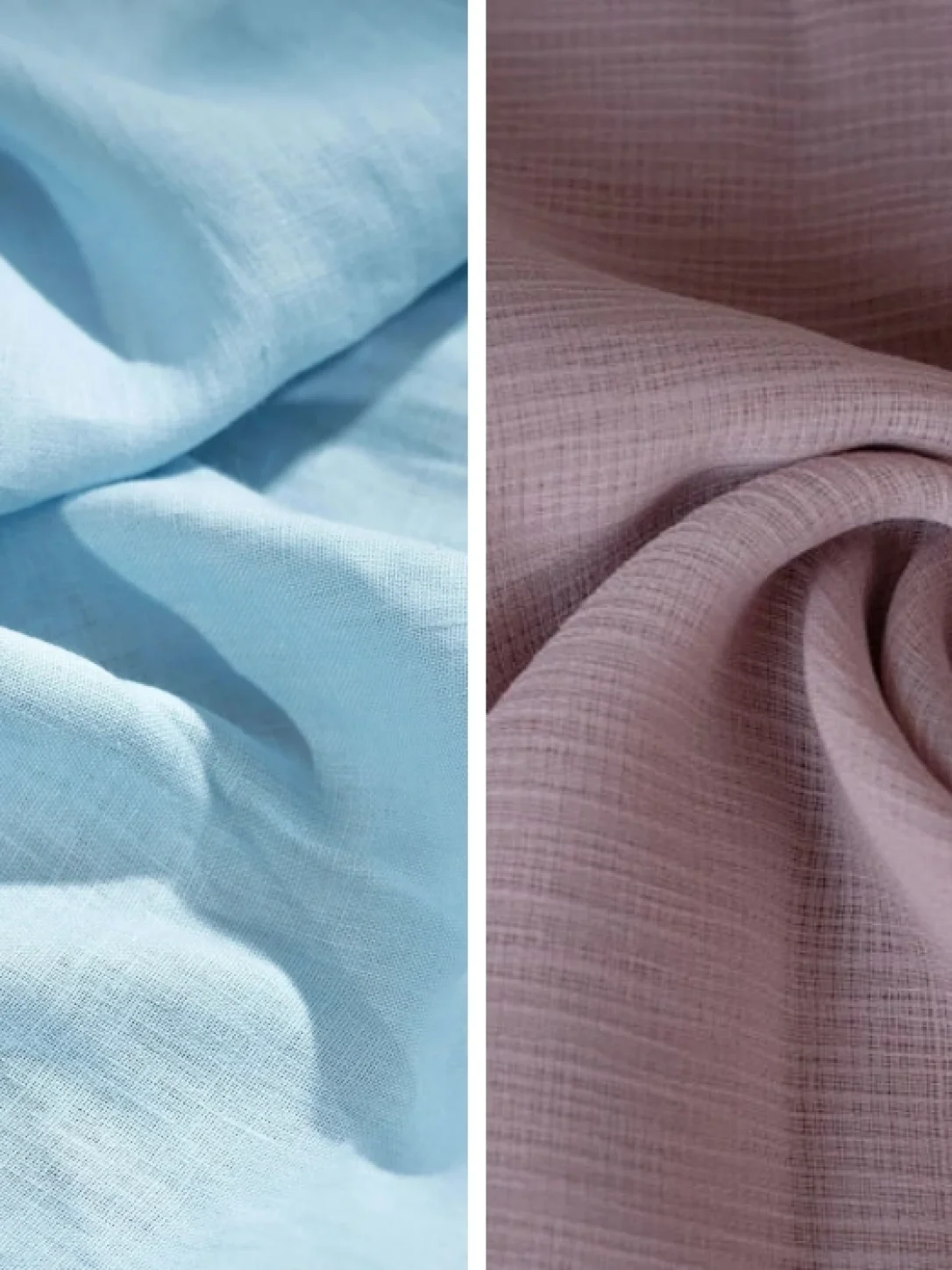
Linen and Viscose

Cotton and Denim
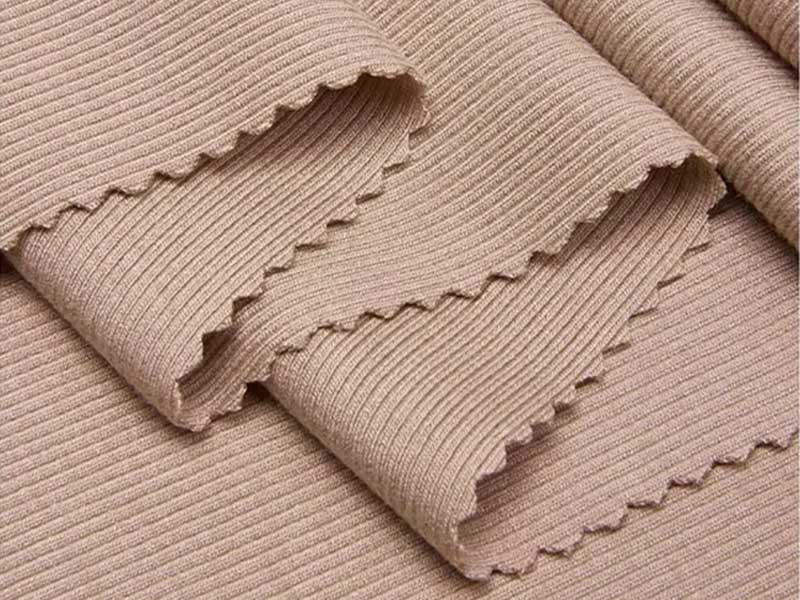
Jersey and Rib Knit
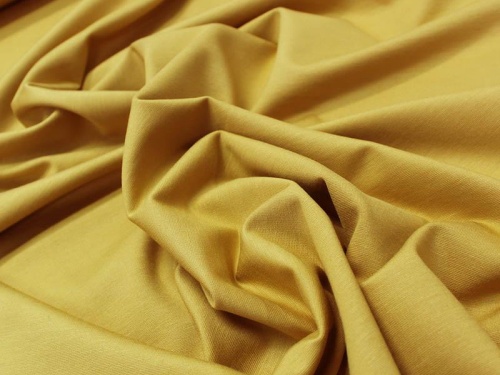
Ponte and Crepe
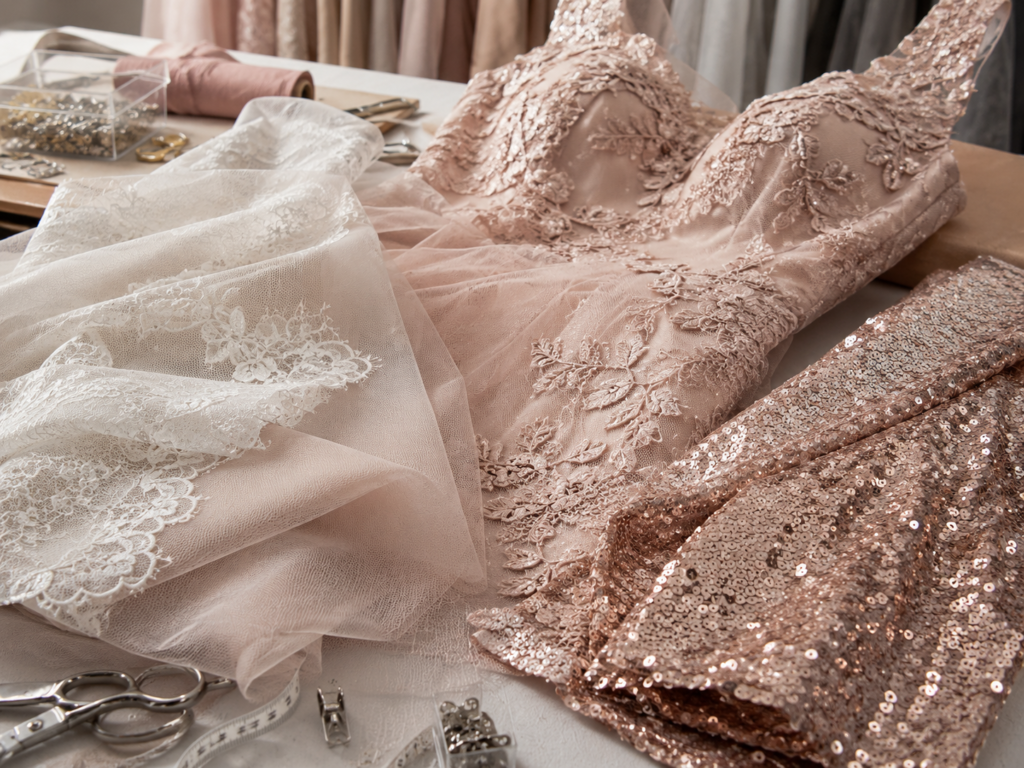
Lace and Mesh

Sequin and Velvet
Armhole, Shoulder, and Neckline Fit Engineering
Armhole Curve Development
Armhole depth alone cannot define fit. Front curvature, back curvature, upper-bust width, chest shaping, shoulder point, side-seam height, dart position, fabric stretch, and seam finish all influence the opening. A fitted woven mini may need close control with shaped darts and a stable facing.
A relaxed resort dress may require more movement ease without creating visible gaping. A knit tank dress may use negative ease, yet the binding must not pull the opening inward or flare outward. During sample review, the armhole is observed from front, side, and back while the wearer stands naturally, reaches forward, raises both arms, sits, and walks.
Pattern corrections can include reshaping the curve, raising the side seam, redistributing dart intake, adjusting shoulder width, revising upper-bust ease, or changing the finishing method. Bulk standards then transfer the approved curve, seam allowance, facing or binding width, stitch method, pressing method, and measurement reference into production documents.
Shoulder Width and Balance
Shoulder width establishes how the dress sits across the upper body.
Too narrow can expose bra straps, pull the armhole inward, and create tension toward the neckline. Too wide can look heavy, distort the armhole, or collapse at the edge.
Shoulder slope and front-to-back balance also decide whether the neckline stays level and side seams hang vertically. Square-neck, high-neck, racer-inspired, extended-shoulder, blazer, and asymmetric sleeveless dresses each require distinct shoulder geometry.
Jinfeng compares the pattern to the intended silhouette, model measurements, fabric body, internal structure, and neckline design. Sample review checks shoulder seam position, shoulder-edge shape, neckline level, back-neck balance, and movement. Corrections are recorded in the pattern, measurement file, construction notes, and revised sample comments before grading begins.
Upper Bust and Side Seam
The upper-bust zone controls both comfort and coverage. Standard bust measurement may be correct while the armhole still gaps because upper-bust ease, dart shape, front width, or side-seam placement is wrong.
Side-bust exposure also increases when the neckline is open, the shoulder is narrow, or the fabric lacks body. Jinfeng reviews bust, upper bust, chest width, side-seam height, dart intake, princess-seam position, lining coverage, and intended support. For fitted styles, a balance is needed between secure coverage and movement. For relaxed styles, ease must remain controlled so the opening does not fall away from the body.
Fit comments should identify the exact location and movement condition rather than relying on broad notes such as “too loose.” Pattern corrections are then tested on a revised sample.
Neckline Interaction
Neckline and armhole behavior are closely linked. Deep V, scoop, square, boat, halter-inspired, mock-neck, and asymmetric necklines distribute tension differently across the front and shoulder. A neckline can gape because of excess front length, insufficient bust shaping, weak edge stabilization, poor shoulder balance, unsuitable interfacing, or fabric stretch.
A square neckline may curl at corners if seam allowance, understitching, or reinforcement is inadequate. A high neckline may pull backward when the front and back balance is incorrect. Jinfeng selects facing, binding, lining, tape, interfacing, understitching, edge stitching, or internal support according to fabric and design.
Approval includes visual proportion, wearing coverage, edge flatness, left-right symmetry, and recovery after movement.
Measurement and Size Grading for Consistent Fit
Approved measurements turn visual direction into a repeatable production standard. Jinfeng aligns measurement method, size chart, grade rule, fit comments, and inspection points before bulk cutting. Tolerances follow the approved specification and product structure rather than one universal number.
| Measurement Point | Development Purpose | Sample Review | Bulk Risk Controlled |
|---|---|---|---|
| Bust | Defines upper-body circumference and silhouette | Measure flat and review on body | Tightness, excess ease, seam strain |
| Upper Bust | Controls armhole contact and chest balance | Check front and side with natural movement | Underarm gaping and exposure |
| Shoulder Width | Positions neckline and armhole edges | Confirm shoulder point and strap coverage | Neckline distortion and poor balance |
| Armhole Depth | Balances movement and coverage | Review standing, reaching, sitting, and raised arms | Restriction or excessive opening |
| Across Front / Back | Controls chest and back mobility | Compare flat measurement with fit response | Pulling, folds, back restriction |
| Neckline Depth / Width | Sets coverage and visual proportion | Measure from HPS and inspect movement | Gapping, exposure, uneven shape |
| Waist and Hip | Defines body shaping below upper fit | Compare approved chart and fit sample | Silhouette variation across sizes |
| Front / Back Length | Maintains vertical garment balance | Check shoulder-to-hem and waist position | Garment pitching forward or backward |
| Dress Length / Slit | Controls commercial proportion and movement | Measure front, back, side, and slit height | Uneven hem or unsafe slit |
| Lining Length | Keeps inner layer hidden and comfortable | Inspect through armhole, neckline, and hem | Lining exposure or pulling |
Construction Details That Define Dress Quality
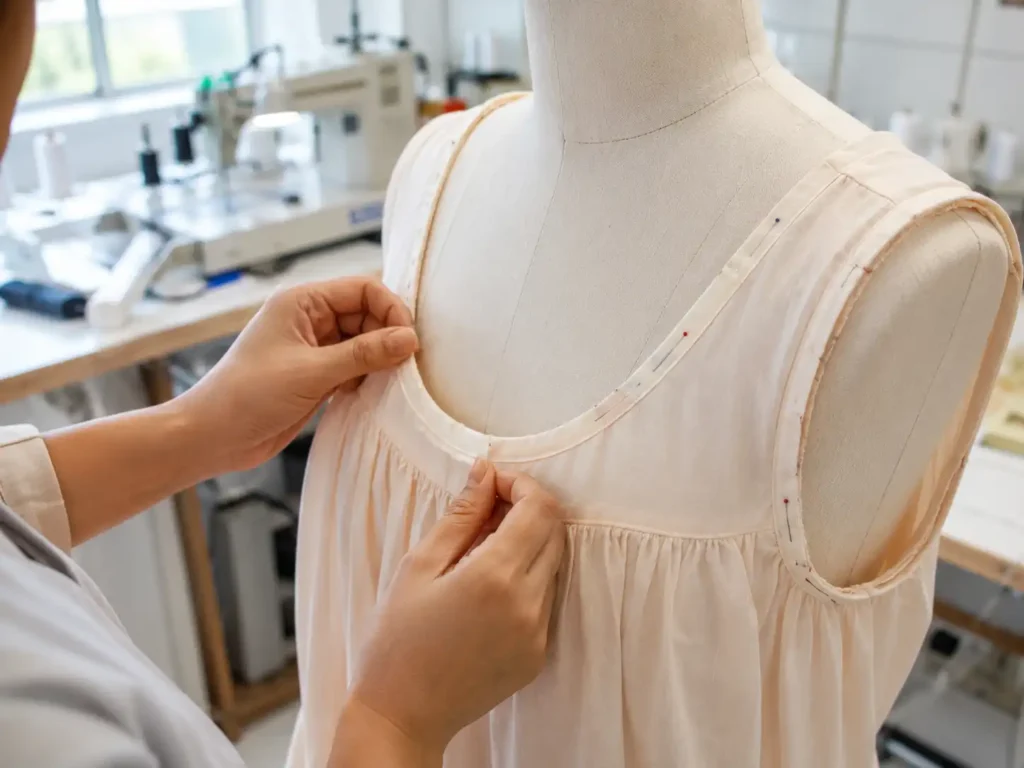
Faced Armholes

Bound Armholes

Full Lining

Partial Lining
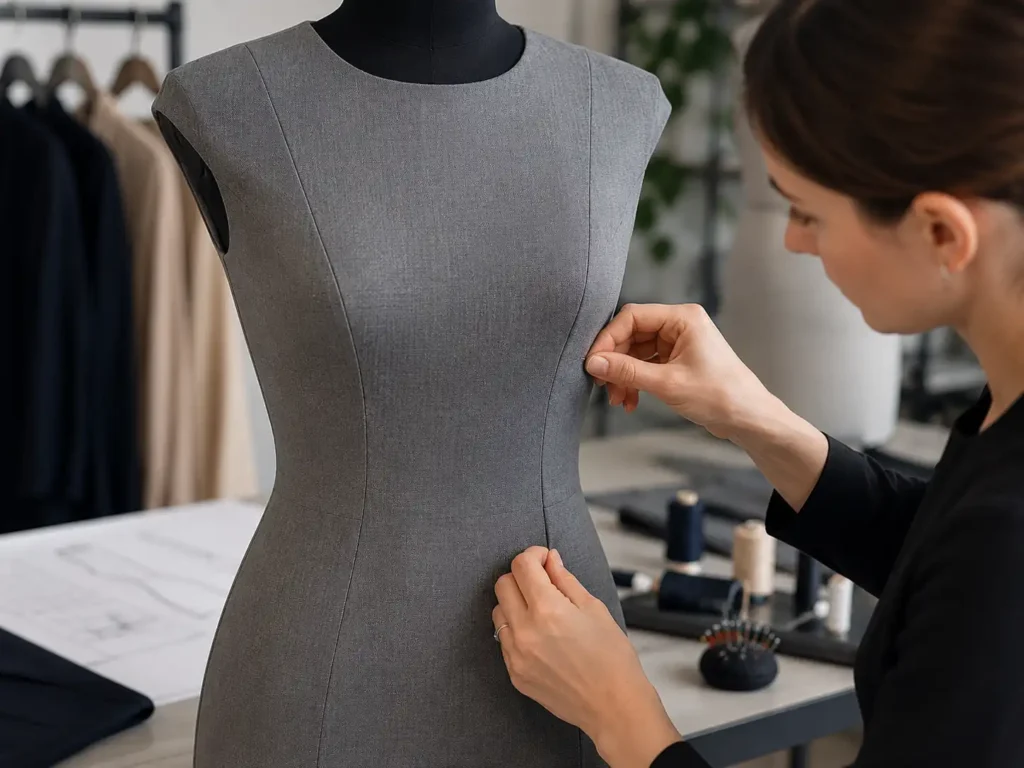
Darts and Princess Seams

Invisible Zippers
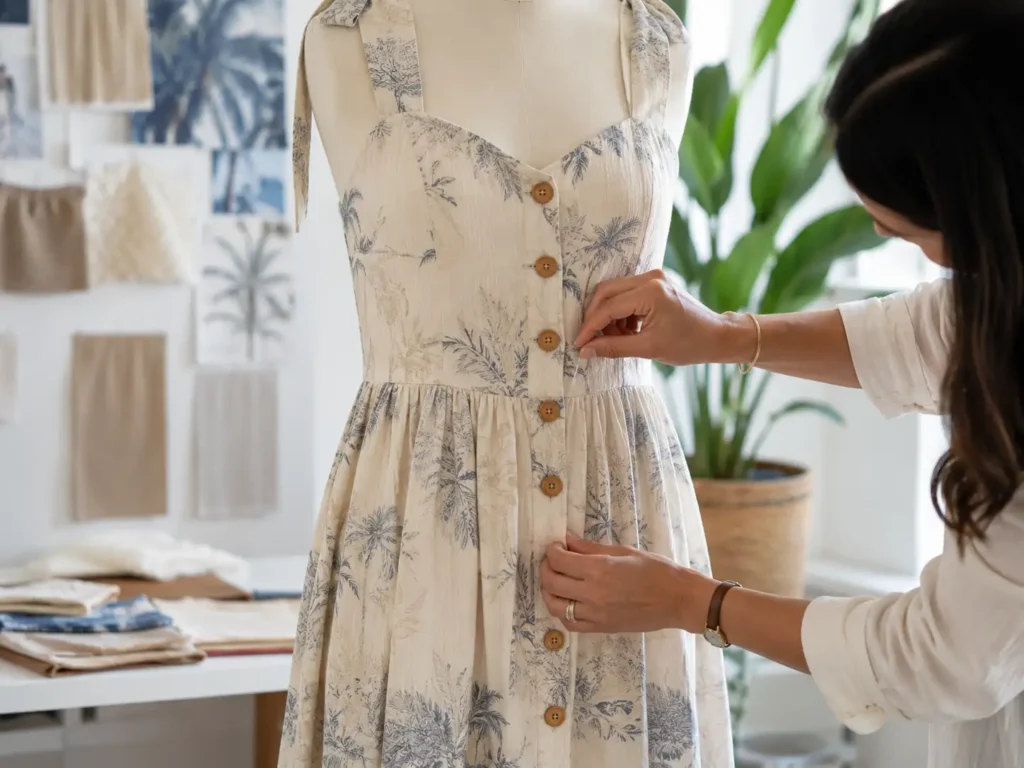
Button Fronts

Pockets, Slits, and Hems
From Design Files to a Production-Ready Pattern
Sleeveless fit is controlled through connected pattern relationships rather than isolated measurements. Jinfeng reviews the upper body as one system, combining physical measurements, fabric behavior, wearing movement, construction method, and approved visual proportion.
Tech Pack Development
A technical pack is reviewed for front and back construction, measurement points, size chart, fabric, lining, trims, stitch requirements, label placement, packing, and quantity.
Conflicts between drawings and measurements are identified before sampling. Missing information around armhole depth, neckline, shoulder width, closure, dart position, lining, or finishing is clarified. Jinfeng can comment on production feasibility, material suitability, workmanship, cost drivers, and risk areas. The goal is not mechanical execution; the goal is a sample that reflects the intended look while remaining wearable, repeatable, and manufacturable.
Reference Image Development
Reference images often show only a styled front view. Back construction, internal finish, fabric composition, stretch, opacity, measurements, closure, lining, and support may remain unknown. Jinfeng separates visible design features from technical assumptions and creates a development list for approval. Questions may cover neckline depth, armhole coverage, shoulder width, intended ease, dress length, zipper position, lining, pockets, slit height, fabric hand feel, color, and price direction. A preliminary pattern and material option can then be prepared for the first sample. Visual similarity is balanced with comfort, brand standards, and bulk production stability.
Original Sample Development
An original garment allows direct measurement, construction review, material comparison, and fit analysis. Jinfeng records key dimensions, seam structure, pattern relationships, lining, trims, closures, and workmanship.
Existing problems are not copied automatically. A sample may contain stretched armholes, distorted grading, weak lining attachment, inconsistent seams, or unsuitable fabric.
Proposed corrections are discussed before a new pattern is created.
Original samples, patterns, and associated files are handled under confidentiality procedures and are not displayed without authorization.

Sleeveless Dress Sampling From Review to Approval
Project Review
Fabric Direction
Pattern Development
First Sample
Measurement Review
Fit Feedback
Revised Sample
PP Sample Approval
Revision Records and PP Sample Control
Fit Revision
Construction Revision
PP Sample Lock
Develop Multi-Style Sleeveless Collections Under One Program
Length Assortments
Shared Fabric Stories
Neckline Variations
Color and Size Planning
Sample Priorities
Factory Allocation
Fabric and Trim Control Before Cutting Begins
Color and Lot
Weight and Hand Feel
Width and Usable Width
Shrinkage and Stretch
Surface Defects
Trims and Packaging
Workmanship Control for Clean Sleeveless Construction
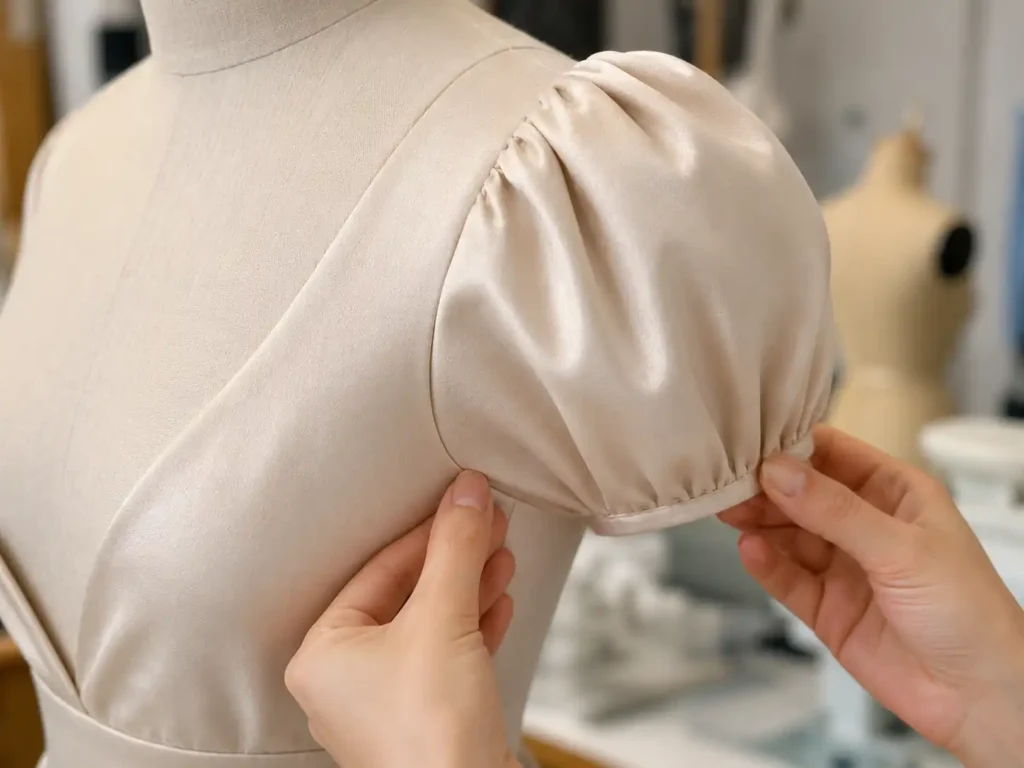
Shoulder Seam Balance

Armhole Symmetry

Facing and Binding
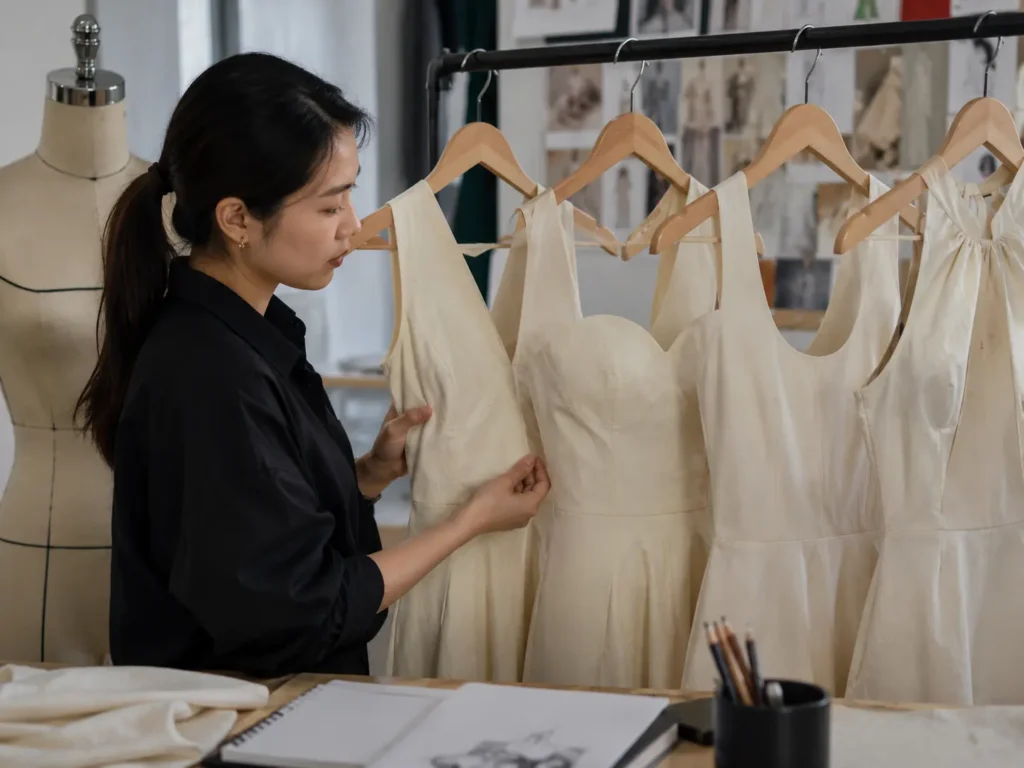
Neckline Shape
Darts and Panels
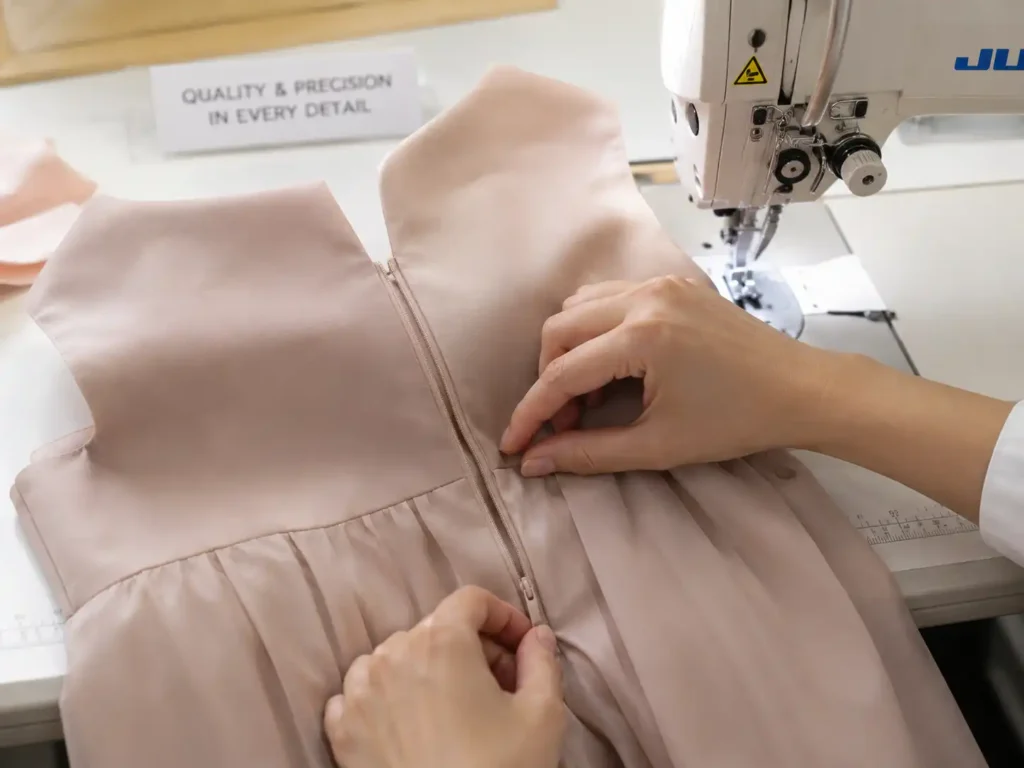
Zipper Installation
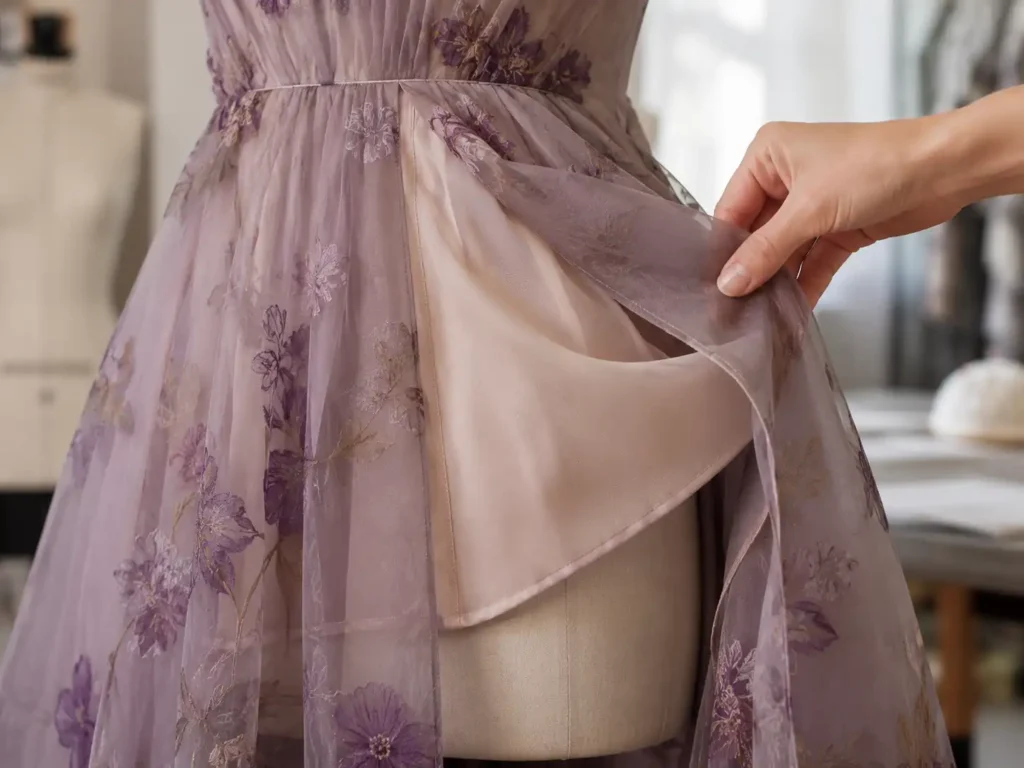
Lining Attachment
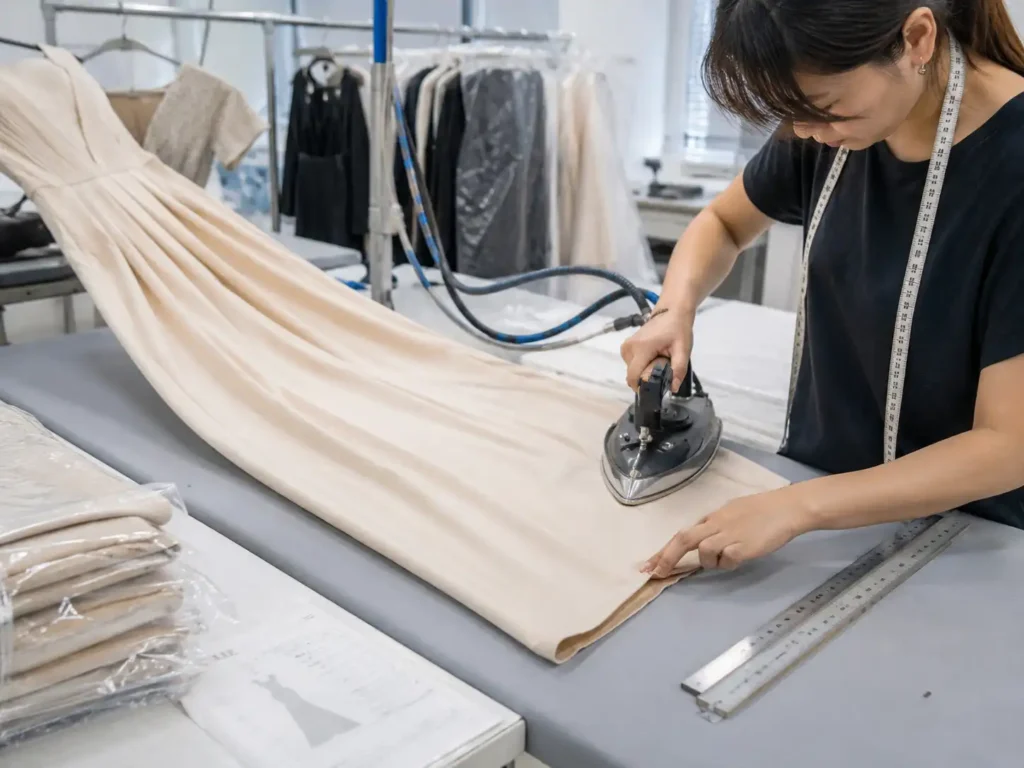
Hem and Pressing
Final Quality Inspection for Sleeveless Dress Orders

Measurement Check

Fit-Sensitive Review

Appearance Inspection
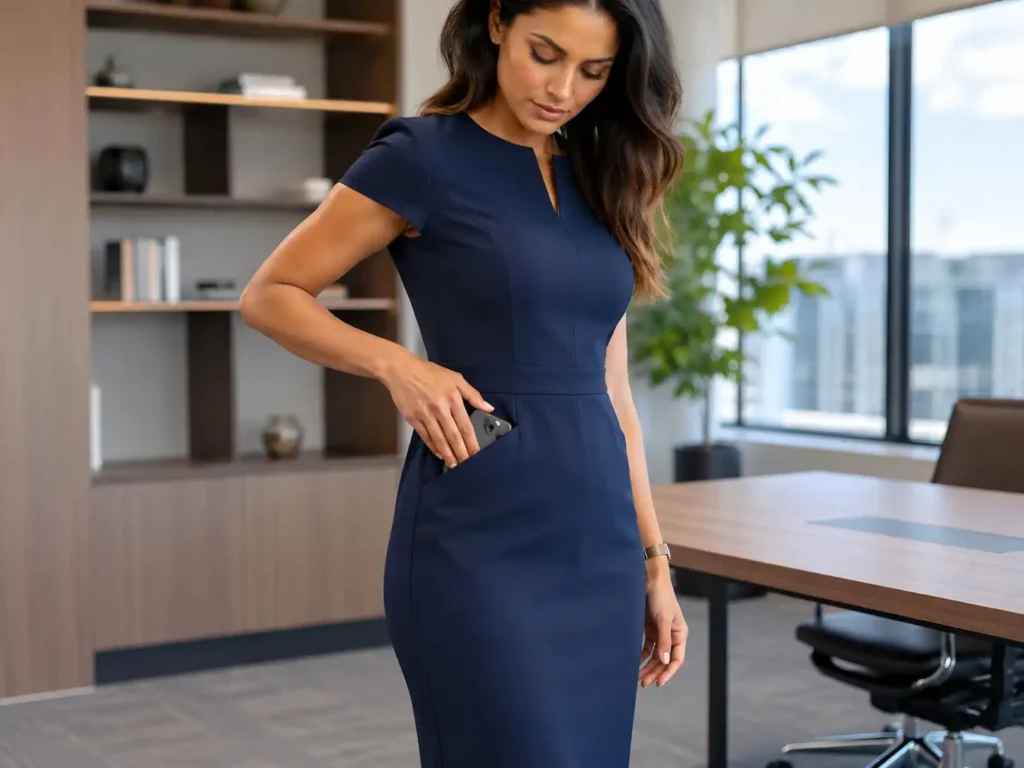
Function Inspection

Label and SKU Check
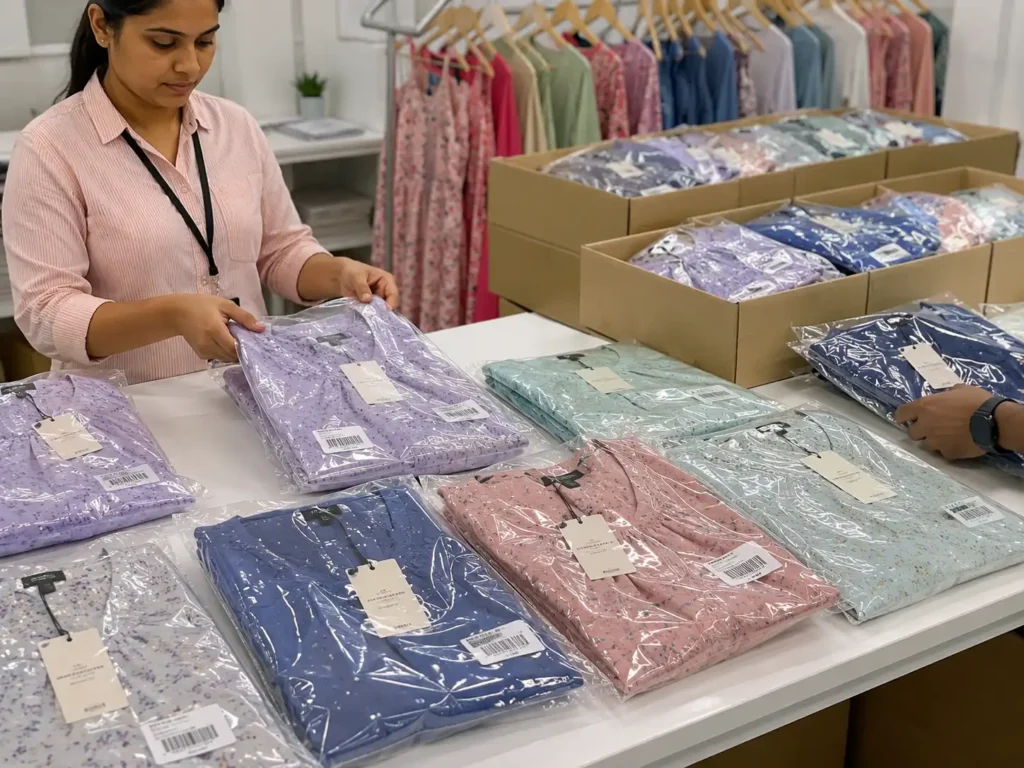
Packing Verification
MOQ and Cost Factors for Sleeveless Dress Production
Standard MOQ starts from 200 pcs per style/color. MOQ is calculated by style and color, not by combining unrelated styles. Quotations are built from fabric, trims, pattern work, sampling, cutting, sewing, pressing, QC, packing, wastage, testing, logistics, and reasonable factory margin.
Cost or MOQ Factor | Why It Changes the Project | Information Needed |
Fabric | Fiber, weight, width, finish, stretch, stock status, and waste affect cost and minimums | Fabric reference or performance direction |
Lining | Full, partial, stretch, anti-static, or no lining changes consumption and labor | Coverage and comfort requirement |
Construction | Facings, bindings, panels, darts, ruching, slits, and tailoring change sewing time | Tech pack or clear reference images |
Color | Stock colors differ from custom dyeing and lab-dip development | Color list and Pantone when required |
Print or Decoration | Placement prints, all-over prints, lace placement, sequins, and embellishment add setup and QC | Artwork and placement files |
Trims | Custom zippers, buttons, hardware, tapes, labels, and packaging can carry supplier MOQ | Trim specification and branding files |
Size Range | Extended grading, petite, tall, or multiple fit blocks increase development and control needs | Approved size chart and target market |
Quantity | MOQ is calculated per style/color; larger runs can improve material and production efficiency | Quantity by style, color, and size |
Packaging | Retail-ready or ecommerce-ready packing changes materials, labels, labor, and carton planning | Packing guide and warehouse rules |
Timing and Logistics | Urgency, split shipment, air freight, testing, and approval delays affect total cost | Target launch, delivery terms, and destination |
Private Label and Retail-Ready Dress Delivery

Woven Labels

Size and Care Labels

Hangtags and Strings
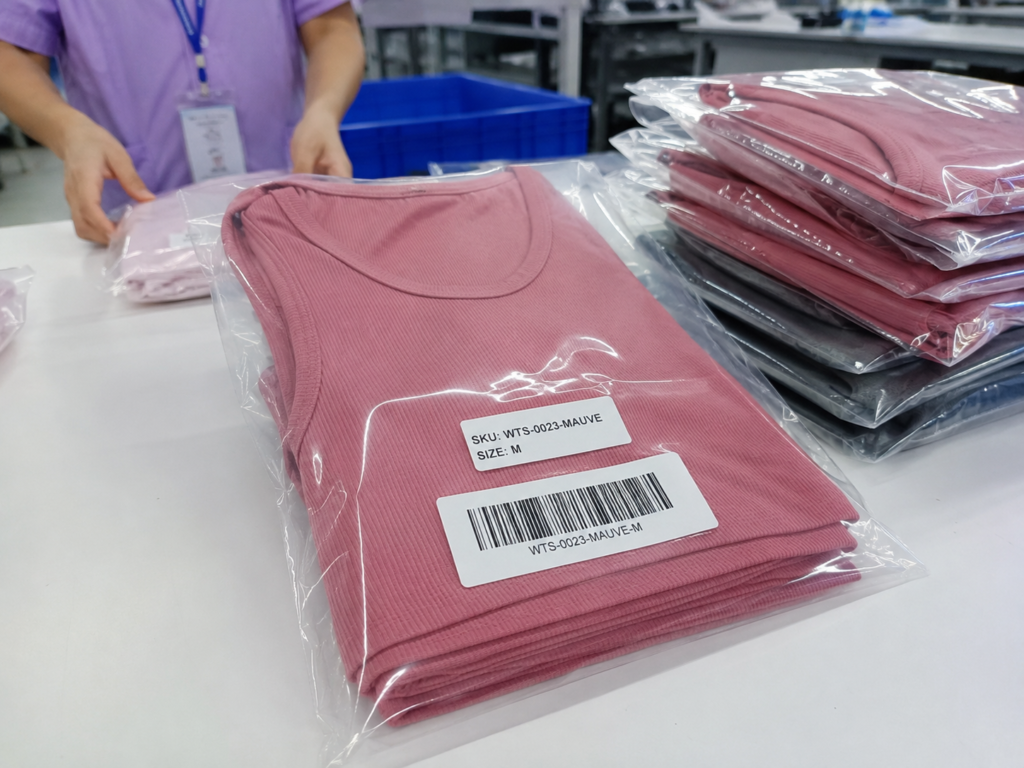
Barcode and SKU Labels

Polybags and Presentation
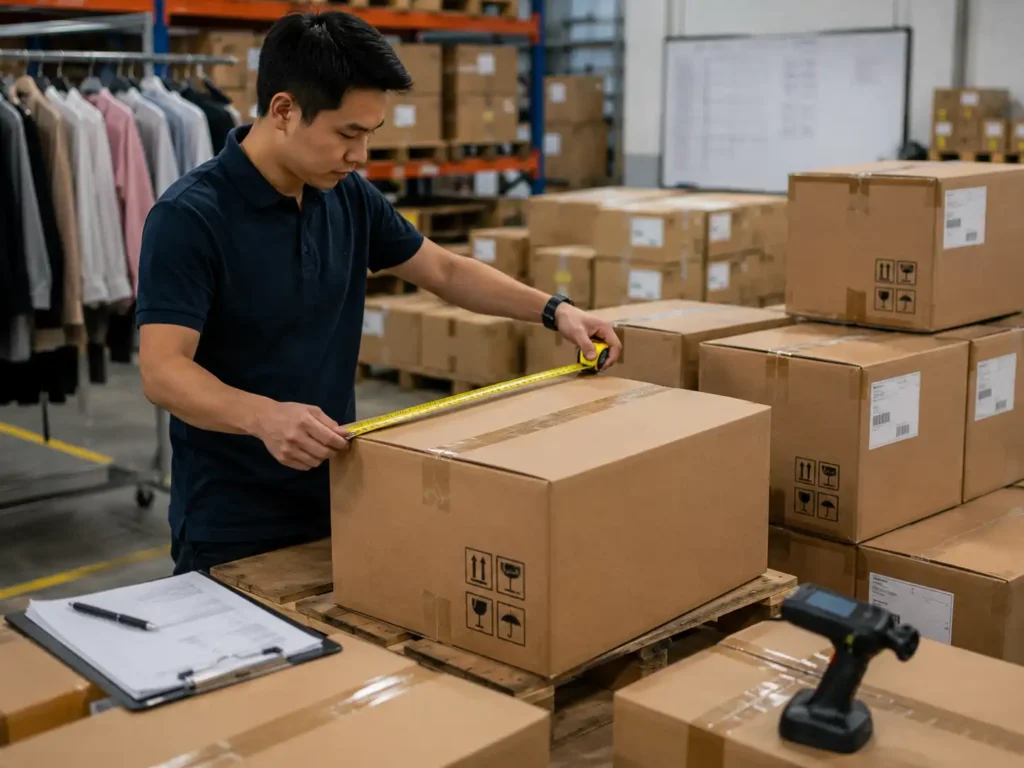
Cartons and Warehouse Rules
Production Delivery Planned Around Launch Dates
Launch Date Review
Material Booking
Production Window
Inspection and Packing
Freight Planning
Repeat and Replenishment
Sleeveless Dress Programs Managed for Fashion Brands

United States Ecommerce Program

United Kingdom Occasionwear Program
Program scope: 24 styles and 52,800 garments across satin midi dresses, lace-overlay cocktail dresses, crepe columns, and mesh-panel party minis. Main risks included satin puckering, lace motif alignment, lining exposure, deep-neck stability, and mixed decoration requirements. Jinfeng prioritized high-risk samples, revised facings and lining patterns, grouped lace and satin styles by specialist production unit, and set QC points for neckline symmetry, armhole cleanliness, zipper flatness, motif placement, and packing protection. Style-specific PP samples, trim cards, measurement files, and packing instructions supported coordinated bulk handover across the assortment.
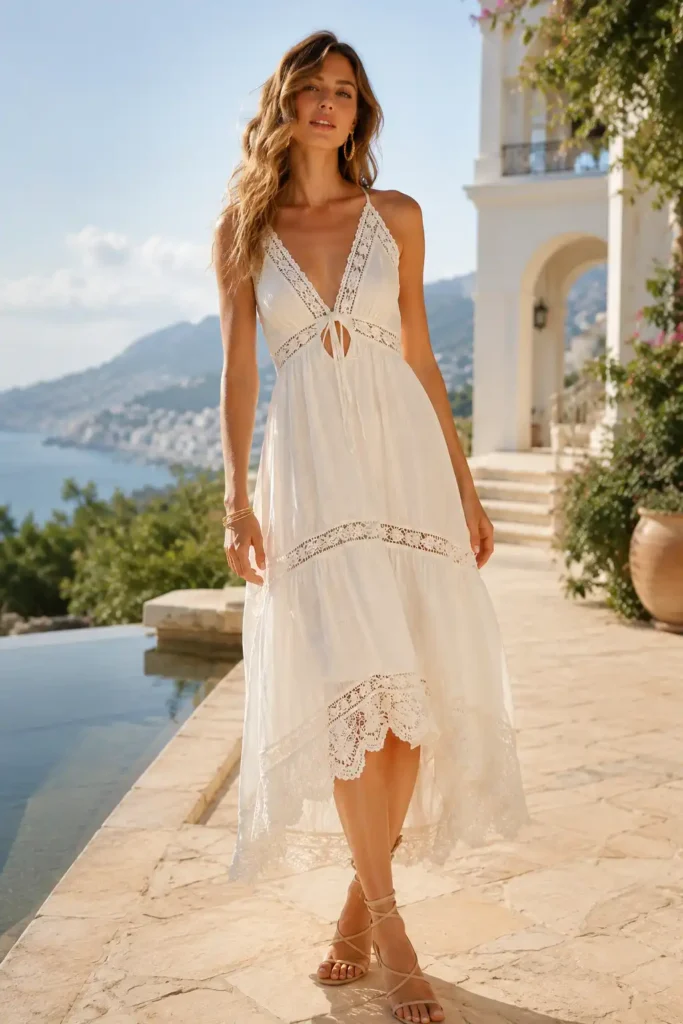
Australia Resortwear Program
Protect Designs and Build Repeatable Dress Programs
NDA and Design Protection
Production Record Retention
Seasonal and Repeat Orders
Frequently Asked Questions About Sleeveless Dress Manufacturing
Jinfeng Apparel develops sleeveless mini, midi, maxi, bodycon, A-line, shift, slip-inspired, shirt, blazer, party, resort, office, cocktail, occasion, knit, and private-label dress collections. Product direction can start from technical packs, reference images, original samples, line sheets, or sketches. Feasibility depends on fabric, structure, size range, trims, quantity, and target timing.
Standard MOQ starts from 200 pcs per style/color. One style in two colors normally requires 200 pcs in each color. Special fabrics, custom dyeing, custom printing, certified materials, special trims, and printed packaging can carry separate supplier minimums. A quantity plan by style, color, and size allows a more accurate review.
Yes. A reference image can be reviewed for silhouette, neckline, armhole, shoulder, length, closure, lining, construction, fabric direction, and visible details. Missing back views, measurements, internal finishes, and support requirements must be clarified before sampling. Jinfeng separates visible design direction from assumptions and records the approved development route.
Yes. An original garment can be measured and analyzed for structure, fabric, trims, workmanship, and fit. Existing defects are not copied automatically. Pattern balance, armhole exposure, grading, lining, seam quality, or material limitations can be identified and discussed. Development must respect the rights associated with the submitted design.
A regular dress first sample commonly takes about 10-15 days. Simpler structures may take about 7-10 days. Complex lace, mesh, sequin, evening, corset-related, specially sourced, custom-colored, or certified-material styles may require about 15-25 days or a project-specific schedule. Timing starts after required information and materials are confirmed.
Armhole gaping is reviewed through upper-bust ease, front and back curve, shoulder width, side-seam height, dart or princess shaping, neckline relationship, fabric stretch, and edge construction. Fit is observed from front, side, and back during standing and movement. Corrections are transferred into the pattern, measurement file, revised sample, and production instructions.
Yes. Woven programs can use satin, chiffon, crepe, linen, rayon, cotton, denim, lace, mesh, velvet, sequins, and related materials. Knit programs can use jersey, rib, ponte, power mesh, and stretch blends. Pattern ease, seam method, stabilization, shrinkage, recovery, lining, and QC are adjusted to the fabric family.
Yes, according to project requirements. Extended sizes, petite proportions, tall proportions, and regional fit blocks need planned grade rules and sometimes separate fit validation. Armhole depth, shoulder coverage, neckline openness, bust shaping, waist position, hip ease, and length should not be scaled mechanically without proportion review.
Yes. Fabric and trim sourcing can cover shell fabrics, linings, zippers, buttons, hooks, tapes, cups, boning, labels, hangtags, packaging, and other approved components. Options are reviewed for appearance, performance, MOQ, price, availability, development time, and bulk risk. Certification scope must be confirmed by supplier, material, color, batch, and project.
The PP sample confirms final fabric, color, pattern, measurements, trims, construction, labels, packaging, workmanship, and QC requirements. Approval should be documented before bulk production. Major design, material, or specification changes after approval require a new review of cost, timing, materials, and production risk.
Yes. Private-label support can include woven labels, size labels, care labels, hangtags, strings, barcode stickers, SKU labels, color stickers, polybags, inserts, cartons, carton marks, and warehouse labels. Artwork, placement, data, packing ratio, and destination requirements must be approved before bulk packing.
Send a reference image or technical pack, quantity per style/color, fabric preference, color plan, size range, lining and construction notes, trims, brand labels, packaging requirements, delivery destination, and target timing. A target price can help material and construction review. Incomplete files support a preliminary direction, while final pricing requires confirmed specifications.

Start Your Sleeveless Dress Manufacturing Project
Send your development files for a structured review of silhouette, armhole and neckline risk, fabric direction, sampling, MOQ, quotation, private labels, and production planning. Kelly coordinates the first project review and routes approved requirements to the relevant product development, sourcing, sampling, production, QC, packing, and delivery teams.
Reference image, technical pack, original sample photos, or line sheet; planned quantity by style and color; preferred fabric or performance direction; color list; size range and size chart; neckline and armhole coverage expectations; lining, closure, pocket, slit, and trim requirements; woven labels, care labels, hangtags, barcode, polybag, carton, or warehouse instructions; target market; target launch or delivery date; and any inspection, testing, or logistics requirements.