...

Sleepwear-Inspired Fashion Pieces Manufacturer

Custom slip dresses, satin sets, lace camisoles, fashion bodysuits and lounge-to-street collections developed for global women’s fashion programs.

Jinfeng Apparel turns sleepwear and lingerie-inspired concepts into retail-ready women’s fashion through fabric sourcing, pattern development, fit review, sampling, bulk production, quality control and private-label packing. The focus is not basic nightwear. Development centers on outerwear-ready coverage, secure necklines, controlled transparency, balanced drape and repeatable bulk execution.

  • Collection scale: structured for 10-30 styles and total order programs commonly ranging from 20,000 to 80,000 pieces.
  • Product scope: slip dresses, satin separates, lace-trim tops, bodysuits, robe-inspired layers and pajama-style matching sets.
  • Development timing: simple samples normally require 7-10 days, regular fashion dresses 10-15 days and complex structures 15-25 days after materials are confirmed.
  • Production entry: MOQ starts from 200 pieces per style/color, subject to fabric, trim, color and construction requirements.

Development Capacity for Multi-Style Fashion Programs

A sleepwear-inspired collection often combines delicate woven fabrics, elastic structures, lace details and private-label requirements. Jinfeng Apparel assigns each product group to suitable development and production resources instead of treating every style as the same garment.

Since 2008

Long-term womenswear manufacturing experience supports pattern correction, fabric selection, sample revisions, bulk execution and export coordination for fashion-led product programs.

6 Owned Factories

Owned production resources provide direct control over core women’s fashion categories and help maintain communication continuity from approved sample to bulk delivery.

10+ Production Partners

Long-term satellite partners extend capacity by fabric type, product construction and seasonal workload. They are assigned through structured production planning rather than temporary order outsourcing.

2 Sample Rooms

Separate sample capacity supports development scheduling, priority styles, revision rounds and photo-ready samples for collections containing multiple silhouettes and fabric groups.

20+ Sample Machinists

Experienced sample machinists work with pattern makers on satin, lace, mesh, lining, narrow straps, corset details and soft draped constructions before production standards are locked.

100,000+ Monthly Capacity

Regular monthly capacity supports multi-style and multi-batch programs. Actual allocation depends on fabric readiness, product complexity, order mix, QC requirements and delivery schedule.

What Makes Sleepwear-Inspired Fashion Retail-Ready?

Sleepwear-inspired fashion uses visual codes associated with slips, camisoles, pajama shirts, robes and lingerie, yet the finished garment is engineered for public wear, retail presentation and repeat production. The difference appears in coverage, support, stability, sizing, finishing and quality control rather than in styling alone.

Sleepwear Design Language

Satin shine, fine shoulder straps, lace edging, soft cowl necklines, bias drape, pajama piping, relaxed collars and robe-style belts create the recognizable mood. Those elements can support date-night, party, resort, bridal morning, holiday and lounge-to-street collections. A successful range keeps the softness and intimacy of the reference while controlling how the fabric behaves under studio lighting, movement, sitting and regular wear. Fabric weight, opacity, surface reflection and recovery must be reviewed before the pattern is finalized because the same silhouette can appear refined in one satin and inexpensive in another.

Fashion-Ready Construction

Outerwear use changes the technical standard. Neckline depth must remain stable, straps need reliable adjustment and reinforcement, armholes require enough coverage, linings must stop unwanted transparency, slits must allow movement without overexposure, and closures must suit the garment structure. Bodysuits require correct torso length and crotch opening; corset-inspired tops need balanced support without painful boning; relaxed sets require controlled ease rather than shapeless volume. Jinfeng Apparel evaluates each concept as a sellable garment, not as a decorative copy of a sleepwear reference.

Built for Established Fashion and Retail Programs

Development is organized for brands and sourcing teams managing seasonal assortments, repeated launches and private-label delivery. Each role receives different information because product development, sourcing, merchandising and quality teams do not evaluate a manufacturer in the same way.

Global Womenswear Brands

Multi-style collections need consistent fit language, approved material standards, documented revisions and repeat-order records. Jinfeng Apparel supports collection grouping by fabric, silhouette and launch priority so key styles move first without losing control of supporting styles.

Premium Ecommerce Brands

Online performance depends on photo impact, accurate fit, stable size grading, clean packaging and reduced return risk.
Development reviews shine, transparency, neckline security, garment length and measurement tolerance before bulk production.

Occasionwear Labels

Party and occasion ranges often combine satin, lace, mesh, corsetry, cut-outs and close-fitting silhouettes.

The production plan must control delicate surfaces, body proportions, lining coverage and decorative details across all sizes.

Product Development Teams

Technical teams can submit tech packs, sketches, line sheets, original samples or reference images. Pattern, material and construction questions are converted into a sample plan with recorded approval points.

Sourcing Offices

Sourcing teams need clear factory allocation, MOQ boundaries, sample status, bulk schedules, QC checkpoints, private-label packing and shipping documentation. Jinfeng Apparel supplies project information in a format suitable for supplier management.

Private-Label Programs

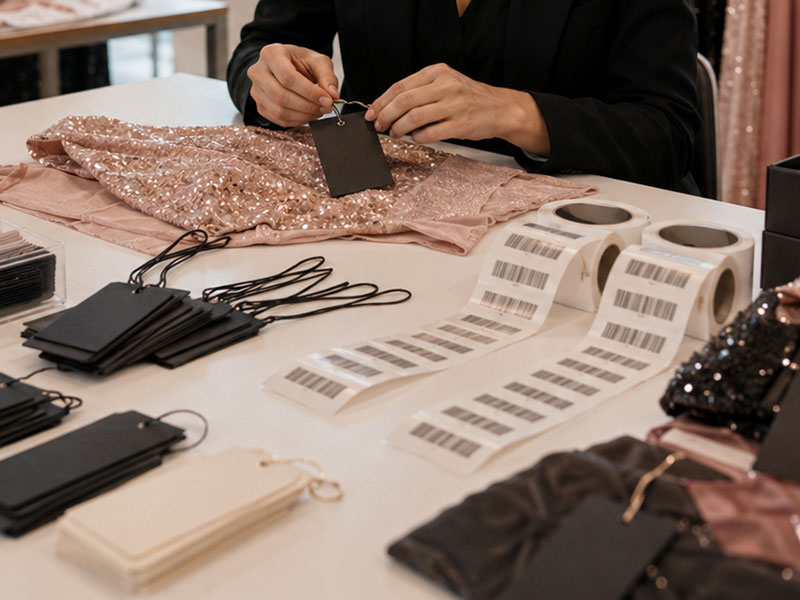
Brand labels, care labels, size labels, hangtags, barcodes, polybags, carton marks and warehouse requirements are integrated before PP approval so branded delivery is controlled with the garment, not added as an afterthought.

Common Risks Behind Delicate Fashion Concepts

Soft fabrics and minimal silhouettes expose production errors quickly. A small difference in shine, strap length, lining position or seam tension can change the perceived value of an entire collection and create avoidable fit complaints, returns or warehouse rework.

Fabric Looks Inexpensive

Low-density satin, unstable shine, harsh hand feel or weak drape can make a strong design look flat. Material review compares composition, weight, surface, fluidity, recovery, snag risk and target price before the sample is cut.

Garment Becomes Too Sheer

Studio lighting and movement often reveal more than a flat swatch suggests.Opacity is checked with the intended color, lining and wearing position so coverage remains suitable without making the garment heavy.

Bust Feels Unstable

Fine straps, low necklines and soft fabrics can shift during movement. Pattern shape, neckline stabilization, cup options, lining, underbust support and strap position are reviewed according to the intended level of structure.

Straps Twist or Slip

Incorrect strap width, attachment angle, slider size or elastic recovery causes twisting and length drift. Strap components are selected and tested as a system rather than chosen only for appearance.

Bulk Loses Sample Quality

Shade changes, pressing marks, lace placement and seam tension can move during volume production. PP standards, golden sample references, inline checks and packing protection are used to reduce variation.

Surface Arrives Damaged

Satin, velvet, mesh and lace can snag, crush or crease during finishing and packing. Handling rules, folding method, protective tissue where needed, polybag size and carton pressure are reviewed before shipment.

Sleepwear-Inspired Fashion Pieces We Manufacture

The product range centers on outerwear-ready women’s fashion that borrows from slips, nightgowns, pajama tailoring, robes and lingerie. Each category is developed around its own material behavior, fit risk, finishing method and retail use.

Satin Slip Dresses

Bias or semi-bias silhouettes require controlled grain direction, bust and hip balance, strap placement, lining coverage and hem leveling. Satin options are selected by shine, weight and drape rather than color alone. Development can include cowl necklines, low backs, side slits, lace edging, adjustable straps and concealed zippers. Bulk inspection focuses on shade consistency, snagging, seam puckering, strap length, hem balance and pressing marks. Suitable programs include date-night, occasionwear, holiday and resort collections.

Lace-Trim Mini Dresses

Lace trim can frame necklines, cups, hems or side seams, yet it must remain soft against the skin and stable after sewing. Jinfeng Apparel reviews lace width, motif direction, stretch, edge finish, color match and shrink behavior with the base fabric. Mini silhouettes also require careful control of garment length, side-seam balance, lining position and movement coverage across sizes. The result is designed to photograph delicately without creating loose edges or inconsistent trim placement in bulk.

Nightgown-Inspired Midis

Longer nightgown references often use fluid A-line, empire or softly shaped silhouettes. Production readiness depends on shoulder fit, neckline hold, bust shaping, lining weight, skirt sweep and hem stability. Rayon, satin, chiffon overlays, lace panels and soft jersey can create different commercial outcomes. The pattern is developed for walking, sitting and public wear rather than bedroom-only movement. Finished styles work well in resort, romantic, bridal morning and occasion-driven capsules.

Babydoll Fashion Dresses

Babydoll shapes look simple but the seam position, bust volume, skirt ratio and shoulder balance determine whether the garment feels youthful, premium or overly loose. Options include soft cups, empire seams, gathered skirts, lace panels, mesh sleeves and adjustable straps. Grading requires attention because excess volume can increase too quickly in larger sizes. Sampling checks front lift, back balance, armhole coverage and skirt fullness before production.

Satin Cami Sets

Camisole-and-skirt or camisole-and-trouser combinations must match in color, shine direction and fabric batch. The top requires stable neckline and armhole shaping; the lower piece needs correct waist structure, drape and length. Shared trims, adjustable straps, lace edging and matching linings are recorded as a coordinated BOM. Set packing also requires controlled size ratios and SKU logic so both pieces reach retail as one product.

Pajama-Style Co-Ords

Pajama tailoring becomes fashion when collar proportions, piping, sleeve volume, trouser shape and fabric finish are refined for outside wear. Sets may use satin, printed viscose, lightweight woven fabric or soft draped blends. Pattern development controls shoulder ease, button placement, rise, hip room and inseam length. Bulk production checks piping width, print alignment, top-and-bottom shade matching and set packing. These programs suit resort, travel, holiday and relaxed evening collections.

Robe-Inspired Layers

Robe-inspired jackets, dusters and wrap layers need secure front coverage, balanced overlap, controlled belt position and hem movement. Satin, chiffon, lace, velvet and printed woven fabrics create different uses, from bridal preparation to evening layering. Internal ties, belt loops, sleeve openings and facing construction prevent the garment from shifting. Longer styles also require careful pressing and hanging or folding methods to avoid visible crush lines.

Lace Camisole Tops

Lace camisoles combine delicate edge design with the fit demands of a sellable top. Development reviews bust shaping, neckline depth, underarm coverage, strap position, lining zones and whether the style is worn alone or layered. Stretch lace, rigid lace and lace trim behave differently and cannot share one pattern approach. Clean seam finishing, soft contact points and consistent motif placement improve comfort and visual value.

Corset-Inspired Tops

Corset styling may use cups, boning, panel seams, hook-and-eye closures, lacing or internal elastic. The goal is controlled structure without turning a fashion top into rigid foundation wear. Pattern work balances bust position, waist shaping, side seam, back closure and length. Boning hardness, cup shape, lining and seam allowance are confirmed during sampling. Bulk checks focus on symmetry, support placement, closure strength and comfort at pressure points.

Fashion Bodysuits

Bodysuits require accurate torso length, bust and waist fit, leg opening shape, crotch width and closure placement. Satin panels, lace, mesh, jersey and power mesh may be combined for visual and functional balance. Stretch direction and recovery are measured because poor recovery creates sagging or uncomfortable tension. Snap quality, binding, gusset construction and lining are reviewed before grading. Suitable ranges include clubwear, partywear and layered fashion capsules.

Lounge-to-Street Sets

Soft rib, jersey, modal-feel knits and relaxed woven fabrics can move from lounge styling into everyday coordinated fashion. Successful sets need stable recovery, balanced ease, controlled shrinkage and a refined surface. Tops and bottoms are developed together so waist placement, cropped length, leg shape and layering proportions feel intentional. Color continuity, wash behavior and size grading become central bulk checkpoints.

Satin Fashion Separates

Satin skirts, shirts, camisoles, trousers and cropped tops allow a brand to build multiple looks from one material direction. Shared fabric can improve collection cohesion, yet each silhouette needs different grain control, reinforcement and pressing. Skirts require waist and hem stability; shirts need collar and placket control; trousers need rise and seat balance. Jinfeng Apparel groups shared materials while maintaining style-specific construction standards.

Build a Cohesive Sleep-to-Street Collection

A strong assortment is not a random group of satin and lace styles. Product roles, fabric sharing, color structure and launch timing should be planned so hero pieces create attention while supporting items improve outfit building and repeat sales. Plan Collection Mix Review Launch Calendar

Date-Night Capsule

Lead with a satin slip dress or structured bodysuit, then extend the same color direction into a lace camisole, mini skirt and robe-inspired layer. Shared trims and lining colors create visual consistency, while different price points widen the assortment. Fit approval should prioritize the hero SKU first because its neckline, bust and length decisions often guide the related tops and dresses.

Holiday Satin Collection

Use a controlled satin family across slip dresses, pajama-style sets, skirts and camisoles. Color approval must consider surface reflection under flash and event lighting. Dark shades need careful shade control, while pale shades need opacity review. A small number of shared colors can reduce material fragmentation and make repeat orders easier to manage.

Bridal Morning Range

Robes, camisole sets, slip dresses and soft lounge pieces can share lace trims, personalized labels and gift-ready packaging. Fabric hand feel, skin comfort, photography and packing appearance carry more importance than aggressive shaping. White and ivory shades require close approval because lining, lace and satin can appear different under warm and cool light.

Resort Lounge Drop

Printed co-ords, robe jackets, camisole tops and fluid midis can create a travel-ready story. Wrinkle behavior, packing volume, opacity in sunlight and comfortable movement need early review. Shared prints or color groups help combine the products in photography and reduce fabric-order fragmentation across a 10-30 style program.

Party Lingerie Edit

Corset-inspired tops, mesh bodysuits, lace mini dresses and satin separates form a high-visual capsule. Construction must balance support, stretch, transparency and comfort. The range benefits from controlled hardware colors, consistent cup shapes and repeated trim language, but each style still needs its own fit and pressure-point review.

Refined Lounge Essentials

Rib sets, soft jersey dresses, relaxed shirts and draped trousers can support continuity beyond seasonal novelty. The main development focus shifts to recovery, shrinkage, seam stability and repeatable colors. These styles can become reliable reorder items when pattern, fabric and packaging records are preserved after approval.

Fabrics That Control Drape, Comfort and Finish

Material selection determines whether a sleepwear-inspired piece feels elevated or costume-like. Jinfeng Apparel compares weight, hand feel, stretch, recovery, drape, transparency, shine, shrinkage, wrinkle behavior, color, MOQ, cost and lead time before fabric approval. Any material change triggers a review of lining, pattern, costing and sample requirements.

Fabric DirectionBest UseControl PointMain Bulk Risk
Polyester SatinSlip dresses, camisoles, sets, shirtsWeight, shine, grain direction, snag resistanceShade variation, seam puckering, pressing marks
Stretch SatinBody-skimming dresses, corset tops, fitted skirtsStretch percentage, recovery, surface stabilityGrowth, rippling seams, inconsistent fit
LaceCamisoles, trims, panels, bodysuitsMotif, width, stretch, skin contact, edge finishHoles, fraying, mismatched placement
MeshSheer layers, sleeves, bodysuits, panelsTransparency, stretch direction, edge controlDeformation, holes, lining mismatch
Power MeshSupport panels, bodysuits, structured fashionRecovery, compression, comfort, negative easeOver-compression, size drift, seam stress
JerseyLounge dresses, tops, soft setsWeight, stretch, recovery, shrinkageTwisting, growth, dimensional change
Rib KnitFitted lounge sets, tanks, dressesRib recovery, width stability, wash responseBagging, seam waviness, inconsistent stretch
VelvetEvening robes, corset pieces, holiday stylesNap direction, pressure handling, seam controlShade direction, crush marks, bulk variation
Rayon/ViscoseFluid sets, robes, midis, printed piecesDrape, shrinkage, crease behavior, colorfastnessShrinkage, hem movement, wrinkle sensitivity

Construction Details That Make Each Piece Wearable

Minimal garments reveal every construction decision. Jinfeng Apparel treats straps, linings, cups, boning, closures and edge finishes as functional parts of the fit system, not decorative additions selected after the pattern is complete.

Adjustable Straps

Strap width, slider size, ring shape, elastic recovery and attachment angle are matched to garment weight. Sampling confirms adjustment range and stability across sizes. Reinforcement is added where fine straps carry greater tension, especially on low-back dresses and bodysuits.

Neckline Stability

Cowl, V-neck and lace-edged necklines need the correct amount of drape without collapsing or opening during movement.

Stay tape, binding, lining, cup structure or pattern shaping can be used according to the intended softness and support.

Lining Coverage

Lining is selected by weight, stretch, color, hand feel and opacity. Its edge must remain hidden during movement, and its length should support coverage without changing the drape of the outer layer. Pale colors and mesh panels receive extra transparency review.

Cups and Boning

Soft cups, molded cups or removable pads may support selected tops and dresses. Boning length and hardness are adjusted to the fashion structure, with attention to pressure points, seam finish and sitting comfort. Not every style needs foundation-level support.

Elastic and Binding

Elastic width, recovery and softness influence neckline hold, underbust support, leg openings and bodysuit comfort. Binding must lie flat without stretching the edge out of shape. Test sewing is used when mesh, lace or satin meets elastic components.

Zippers and Closures

Invisible zippers, hooks, snaps, buttons and bodysuit closures are chosen by garment weight, entry method and appearance. Installation must remain flat, secure and comfortable. Closure placement is confirmed during fit review rather than added after pattern approval.

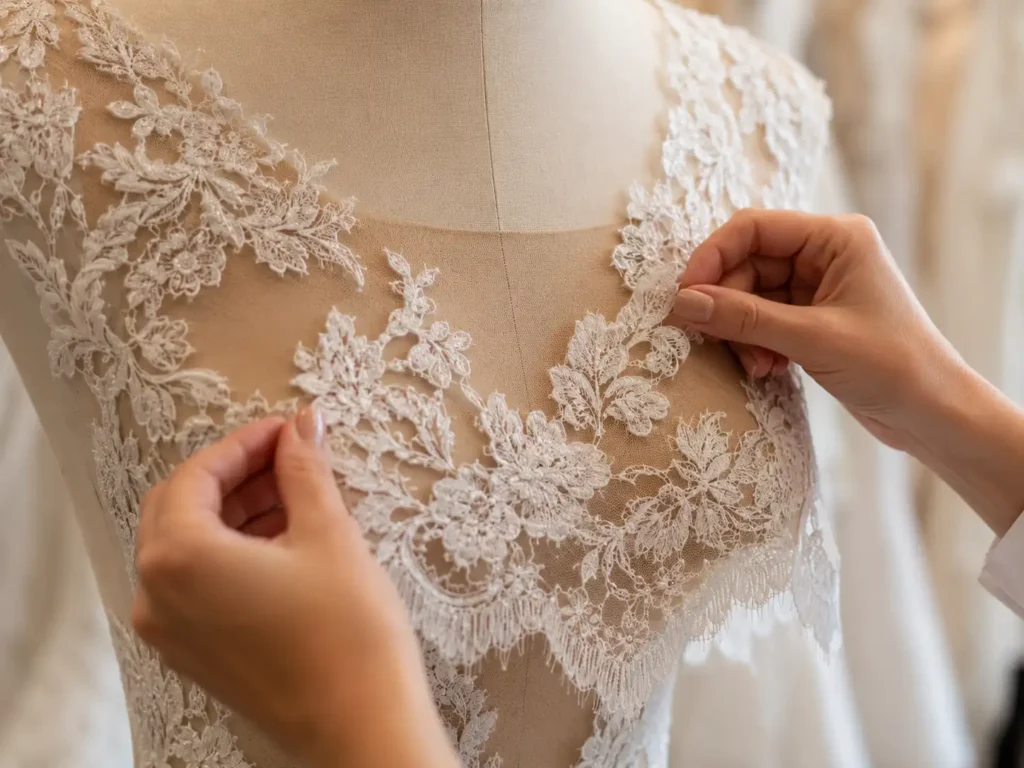
Lace Edge Finish

Lace may be used as trim, appliqué, panel fabric or garment edge. Each use requires a different seam and stabilization method. Motif placement, cut edge, skin contact and color match are reviewed before bulk cutting.

Hem and Slit Control

Narrow hems, baby hems, rolled hems and faced hems behave differently in satin, chiffon, mesh and viscose. Slits need reinforcement and balanced height across sizes. Hem leveling may be completed after the garment rests when bias or fluid fabrics are involved.

Fit Engineering for Soft and Delicate Silhouettes

Sleepwear-inspired shapes often use less visible structure, which makes pattern accuracy more important. Fit review covers bust, waist, hip, garment length, strap length, armhole, neckline, back coverage, slit position and torso length against the approved size chart and reference standard.

Slip and Bias-Cut Fit

Bias and fluid silhouettes can lengthen, twist or pull differently after hanging. Pattern work begins with grain direction and the relationship between bust, waist and hip ease. Side seams should remain visually balanced, the neckline should sit without tension, and the hem should not rise sharply over the hip. Samples are allowed to relax before final hem review when material behavior requires it. Grading is checked carefully because a small error in hip ease or strap position becomes more visible in larger sizes. If the fabric changes in weight, stretch or composition, the fit standard is reviewed again rather than assuming the original pattern remains valid.

Cowl and Camisole Fit

Cowl depth is created through pattern volume, not by simply lowering the neckline. Too little volume looks tight; too much can expose the bust or collapse unevenly. Camisole fit also depends on strap angle, armhole depth, bust shaping and back width. Adjustable straps can fine-tune height but should not be used to compensate for an incorrect body pattern.
Fit comments are translated into measurable changes such as strap length, neckline drop, side seam position, armhole coverage and garment length. A revised sample confirms the combined effect before PP approval.

Corset and Bodysuit Fit

Corset-inspired fashion must support the intended silhouette without creating hard pressure at the ribs, underarm or waist. Cup placement, panel seams, boning channels, back closure and lower-edge shape are checked together. Bodysuits add torso length, crotch width, leg opening, snap position and stretch recovery to the fit equation. A garment can look correct from the front while still pulling at the crotch or gaping at the back, so movement and side-view assessment are part of sample review. Grading rules may differ from ordinary tops because vertical body length and stretch behavior influence comfort.

Relaxed Set Proportions

Pajama-inspired sets need intentional ease rather than uncontrolled volume. Shirt shoulder width, sleeve length, collar scale, button spacing and body length are balanced against trouser rise, hip ease, leg shape and inseam. For satin or viscose sets, the fabric should move without creating excessive drag at the seat or twisting at the leg. Top and bottom samples are reviewed as one retail look, including tuck-in options, layering and shoe styling.
Size grading preserves the relaxed character while preventing shoulders, rises and hems from growing too aggressively.

From Design Reference to Production-Ready Specification

Development can begin from a tech pack, line sheet, sketch, original sample or reference image. The first review identifies what is already defined, what still needs approval and which decisions affect material, fit, sample cost, MOQ and production feasibility.

Reference Review

The team identifies silhouette, intended wear, critical visual details and missing technical information. A reference image is treated as direction, not as a complete production specification.

Fabric Direction

Material options are compared by composition, weight, drape, stretch, recovery, opacity, shine, shrinkage, color availability, MOQ and cost. Swatches or lab dips are approved where required.

Construction Analysis

Seams, linings, cups, boning, straps, closures, trims and edge finishes are mapped before sampling. Risk points are flagged when a reference cannot be reproduced reliably with the proposed material or target price.

Pattern Development

Pattern makers translate the approved silhouette and measurement chart into a workable block. Bust, waist, hip, length, armhole, neckline and style-specific body dimensions are reviewed before cutting.

Sample Planning

Styles are grouped by fabric, pattern complexity, trims and launch priority. Hero products, photo samples and material-ready styles can move first while special trims or colors are being developed.

Cost and MOQ Review

Quotation considers fabric usage, trim specification, labor complexity, quantity per style/color, size range, packaging and delivery requirements. Incomplete information leads to an initial assessment rather than a fixed bulk price.

Sampling, Fit Review and PP Approval

The sample process is used to create a production-ready standard, not only an attractive prototype. Each round should close defined questions about fabric, measurements, construction, color, trims, labels and packing before the next stage begins.

Sample Timing by Complexity

  • Simple styles: normally 7-10 days after suitable fabric and trims are available.
  • Regular fashion dresses and sets: normally 10-15 days after materials and specifications are confirmed.
  • Complex corset, lace, mesh, multi-layer or special-trim styles: normally 15-25 days.
  • Specially dyed, woven, printed or developed materials follow the material supplier schedule and may extend the sample calendar.

First and Fit Samples

The first sample tests the product direction, while a fit sample focuses on measurements, proportion and wearing behavior. Comments should identify measurable changes: neckline drop, strap length, bust shape, waist position, hip ease, garment length, slit height, torso length or lining coverage. Jinfeng Apparel records pattern changes before producing a revised sample so the approval history remains clear across a multi-style program.

Photo and Sales Samples

Photo-ready and salesman samples can be scheduled for approved priority styles when a launch requires campaign shooting, wholesale presentation or internal merchandising review.
These samples should use confirmed or near-final materials so photography does not create expectations that bulk production cannot match. Any temporary substitute is recorded, along with the required change for PP and bulk.

PP and Golden Standards

The PP sample confirms the final production route, including approved fabric, color, trims, measurements, workmanship, labels and packing details. A golden sample or sealed standard provides the reference for bulk inspection and repeat orders. Production should not begin from scattered email comments or an unapproved first sample because unresolved details become multiplied across thousands of garments.

Multi-Style Sample Management

Programs containing 10-30 styles are grouped by fabric family, construction, trim readiness and launch priority. A sample tracker records status such as pattern development, first sample, comments received, revision, fit approval, PP approval and bulk release.
The method helps product teams see where each style stands without forcing every style through the same schedule.

Sample and Approval Control​

Workmanship for Satin, Lace and Lightweight Fabrics

Delicate materials require controlled handling from cutting through finishing. Workmanship standards are defined around the approved sample, material behavior and visible risk points instead of relying on a generic sewing specification. Review Workmanship Standard Request Detail Assessment

Narrow Hem Control

Baby hems and narrow rolled hems must keep a consistent width without stretching, roping or waving. The machine setting and handling method are matched to fabric weight. Bias edges may be stabilized or leveled after resting. Final inspection checks front, side and back balance as well as visible stitch consistency.

Bias Seam Stability

Bias-cut pieces can shift during cutting and feeding. Grain direction, cut-piece handling, seam sequence and machine tension are controlled to reduce twisting and rippling. Side seams are checked after the garment hangs, and pressing is used carefully so the seam is shaped rather than flattened into shine marks.

Lace Motif Placement

Lace motifs affect symmetry, visual quality and material usage. Placement is planned before cutting for center fronts, cups, neckline edges, panels and hems. Where exact matching is required, additional consumption and cutting time are considered in costing. Bulk checks compare left-right balance and repeat position against the approved standard.

Clean Binding

Bindings at armholes, necklines, leg openings and mesh edges need the correct tension. Too tight creates puckering; too loose creates gaping. Binding width, stretch and seam allowance are confirmed through sample sewing, especially when a stable satin panel joins an elastic lace or mesh section.

Strap Reinforcement

Fine straps concentrate tension at small attachment points. Reinforcement is selected according to garment weight and support needs, while remaining hidden from the outside. Strap ends, sliders and rings are checked for sharp edges, twisting and color match. Bulk measurement includes both total strap length and adjustable range.

Pressing and Finish

Satin, velvet and synthetic blends react differently to heat, steam and pressure. Finishing instructions control temperature, pressing cloth, seam shaping and hanging time. Garments are inspected for shine changes, impressions, crushed pile, water marks and uneven hems before packing. Surface-sensitive products may require wider folds or protective tissue.

From Approved Sample to Scalable Bulk Production

Bulk planning starts only after the production standard is clear. Jinfeng Apparel allocates styles by fabric, structure, order volume and delivery priority across 6 owned factories and more than 10 long-term production partners, supported by 18+ sewing lines, 6+ flexible lines, 12+ merchandisers and 15+ QC inspectors.

Material Booking and Approval

Fabric, lining, lace, elastic, cups, boning, zippers, labels and packaging are booked against approved specifications. Bulk color, batch, hand feel, stretch and surface are checked before cutting. Special materials may require lab dips, print strike-offs or supplier sample approval. Material readiness is tracked separately from garment sewing so production does not begin with unresolved substitutions.

esolved substitutions. H3:

Satin slips, elastic bodysuits, lace dresses and relaxed sets are not assigned through the same production logic. Allocation considers the team’s product experience, machine and handling requirements, style complexity, quantity, inspection needs and timeline.
Satellite partners are long-term resources used under project management and QC controls, not anonymous temporary workshops.

Cutting and Bundle Control

Cutting plans account for grain direction, nap, print direction, lace motif, shade batches and size ratios. Sensitive fabrics require clean handling and controlled stacking.
Bundles are identified by style, color, size and batch to reduce shade mixing and component errors. Matching-set tops and bottoms are coordinated so retail sets remain consistent.

Sewing and Inline Review

The approved workmanship standard is translated into operation instructions and inline checkpoints. Inspectors review high-risk areas such as strap attachment, neckline shape, cups, boning, lace placement, mesh seams, zipper installation, hem finish and set matching. Issues are corrected during production rather than waiting until the final inspection.

Finishing and Packing Window

Thread trimming, measurement review, pressing, surface inspection, label check and packing require their own schedule. Delicate garments cannot be compressed into a shortened finishing window without increasing damage risk. Launch planning should therefore include material arrival, PP lock, production, QC, packing and shipment as separate milestones.

Multi-Batch and Repeat Orders

Large programs may use phased delivery by launch date, channel or warehouse requirement. Pattern, measurement, fabric, trim, label, packing and carton records are preserved to support repeat orders. Reorders still require material batch and color confirmation because a previous approval does not remove variation in a new supply lot.

Quality Control for High-Visibility Garment Risks

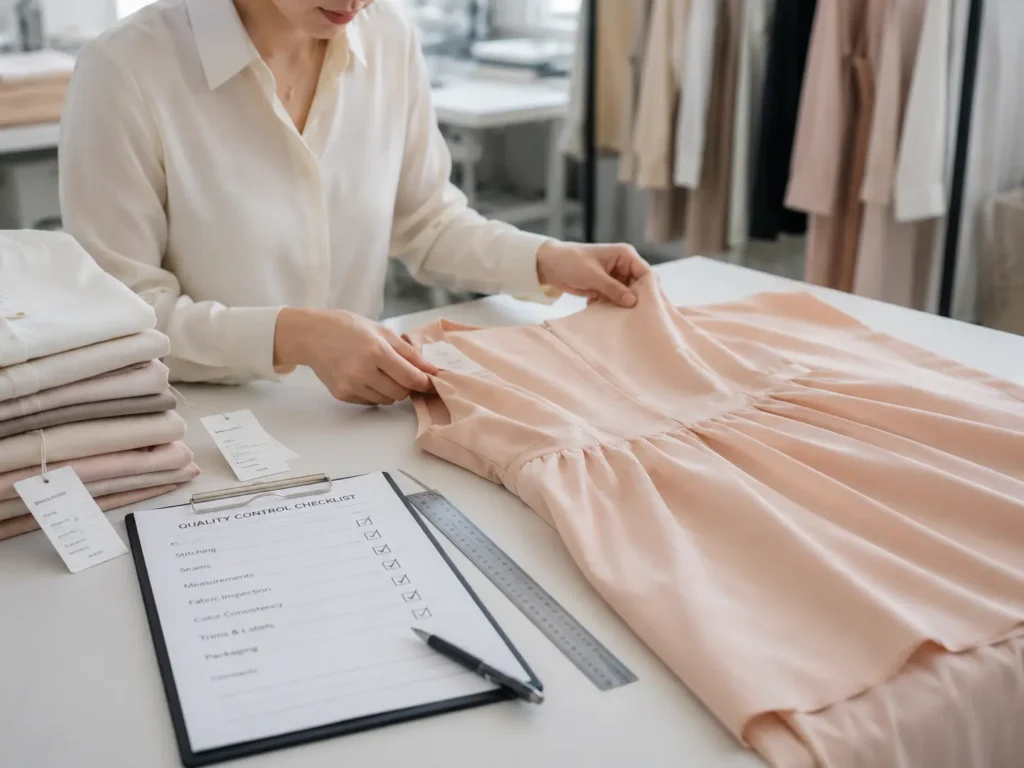
Quality control follows the risk profile of the garment. Satin, lace, mesh, narrow straps and soft structures require more than a general final check because defects can appear in material receipt, cutting, sewing, pressing or packing. Inspection records connect approved standards with production actions.

RiskInspection FocusControl Stage
Satin snaggingSurface pulls, scratches, needle damage and handling marksIncoming material, sewing, finishing
Shade variationRoll, dye-lot, lining and top-bottom color consistencyFabric inspection, cutting, final check
Strap instabilityLength, adjustment range, attachment strength and twistingSample, inline, garment inspection
Excess transparencyOuter fabric, lining color, coverage and movementSample approval, final inspection
Lace damageHoles, fraying, motif placement and edge conditionCutting, sewing, final inspection
Mesh deformationStretch direction, recovery, hole damage and seam shapeMaterial review, inline inspection
Seam puckeringThread tension, stitch density, feeding and pressingSewing start-up, inline inspection
Hem imbalanceFront, side and back length after resting and pressingSample, finishing, final measurement
Size inconsistencyKey measurements against tolerance and grading standardInline measurement, final inspection
Packing damageFolding, pressure, hardware contact, polybag and carton loadPacking QC, shipment preparation

Private Labels and Retail-Ready Packaging
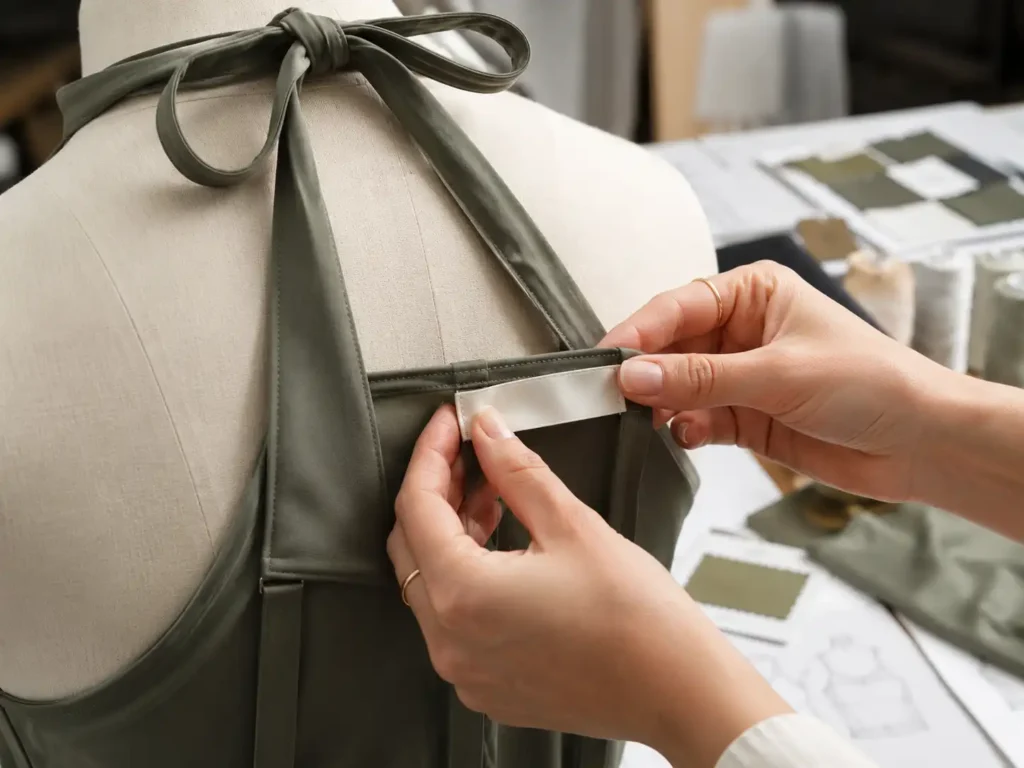
Brand identity and warehouse accuracy are controlled alongside the garment. Label artwork, composition information, size systems, barcode files and packing instructions should be approved before production so finished goods are ready for retail, ecommerce fulfillment or nominated warehouse delivery.

Woven Labels

Main-label dimensions, weave quality, fold type, color and sewing position are approved on a sample. Soft placement is important for camisoles, bodysuits and lightweight garments where a stiff label can affect comfort.

Size Labels

Size labels are matched to the final grading system and market notation. Placement should remain visible without interfering with lace, mesh, lining or adjustable strap structures.

Care Labels

Fiber content, country information, washing instructions and required symbols are prepared from the approved material and market requirements. Any fabric change may require the care label content to be reviewed.

Hangtags

Hangtag stock, print, string, safety pin or attachment method are confirmed before bulk packing. Placement must avoid damaging satin, lace and mesh surfaces.

Barcode Stickers

Barcode and SKU files are checked against style, color and size. Scanning samples or approval screenshots can be used before mass printing to reduce warehouse receiving errors.

Branded Polybags

Polybag size, thickness, warning text, ventilation, adhesive position and printed logo are selected for the garment and destination. Surface-sensitive styles need enough room to avoid crushing.

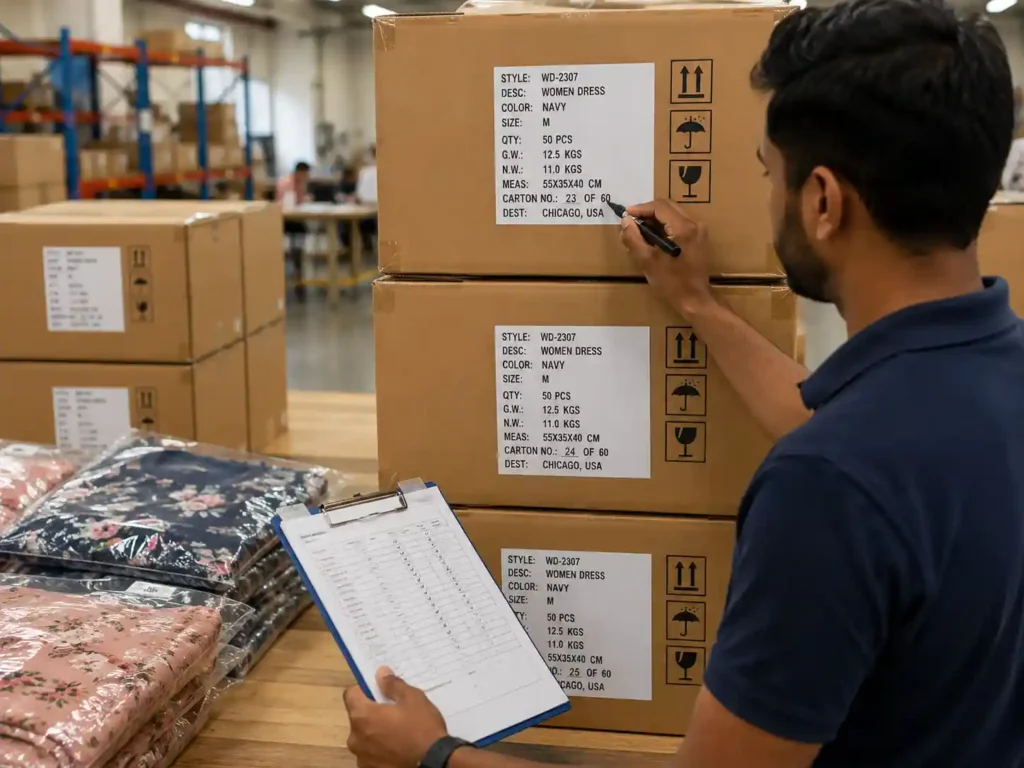
Carton Marks

Carton marks, PO information, style, color, size ratio, destination and box numbering are checked against the packing list. Large programs may require separate marks by warehouse or shipment phase.

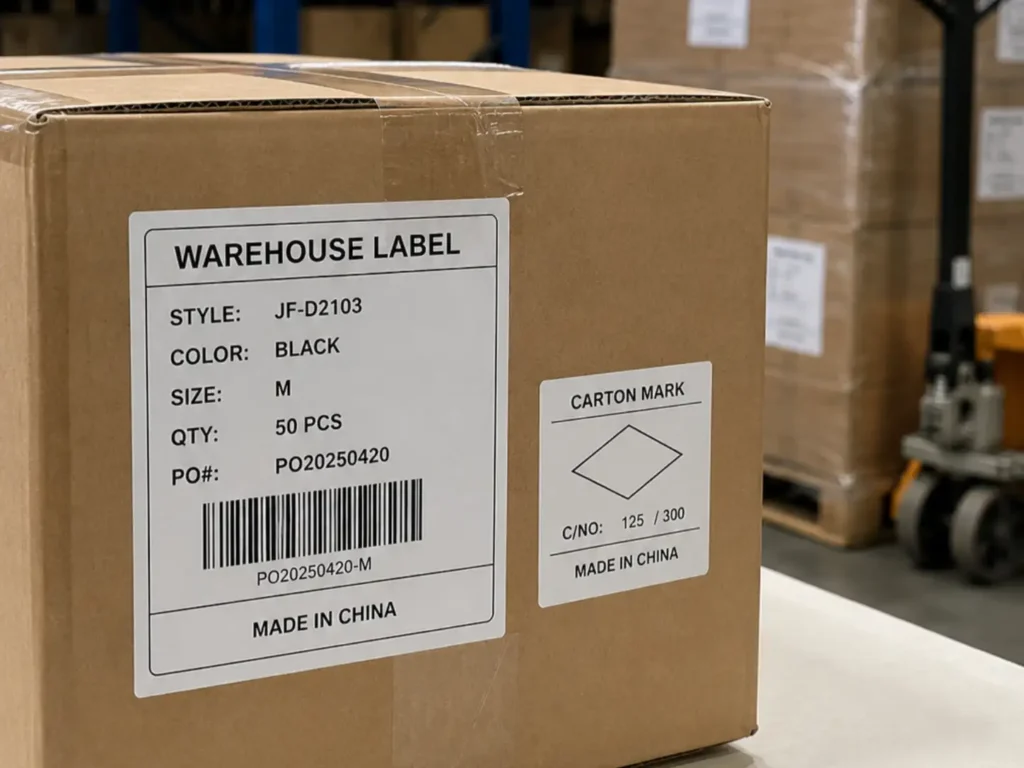
Warehouse Labels

Retail and ecommerce programs may require SKU labels, case labels, carton barcodes or routing information. Requirements are integrated into packing instructions before shipment preparation.

MOQ, Quotation and Project Fit

MOQ starts from 200 pieces per style/color. The production model is designed for brands with clear product direction, sampling requirements and bulk plans. Fabric suppliers, lace, custom dyeing, print development, hardware and private-label materials may carry separate minimums that must be checked before quotation.

Well-Matched Programs

A suitable project normally includes a defined product type, reference image or tech pack, planned quantity by style and color, target size range, fabric direction, label requirements and delivery window.

Multi-style seasonal ranges, repeatable ecommerce programs, sourcing-office projects and private-label collections fit the development model particularly well.

Programs with 10-30 styles can be grouped by material, pattern complexity and launch priority so sampling and production remain manageable.

Quantity Examples

  • One style in black, 200 pieces: can be evaluated under the regular MOQ structure.
  • One style in black and ivory, 200 pieces per color: 400 pieces total and suitable for evaluation.
  • One style split into two colors at 100 pieces each: does not normally meet the per-color production structure.
  • Twenty styles totaling 40,000 pieces: quantity planning can be reviewed by style, color, material group and launch phase.
  • Special lace, custom print, certified material or branded packaging: supplier-level minimums may apply beyond the garment MOQ.

Quotation Inputs

A reliable quotation requires style drawings or samples, construction details, fabric or hand-feel direction, quantity by style/color, size range, label and packing requirements, destination and requested timing.

The price reflects material consumption, trim specification, pattern and sewing complexity, quantity efficiency, QC, packing and project management.


A single image without quantity and material direction supports only an initial assessment.

Compliance Support and Confidential Product Development

Large apparel programs often require material documents, factory information, testing coordination and design protection. Support is based on the actual fabric supplier, production factory, destination market and approved project scope rather than broad claims that every order carries the same certification.

Material and Testing Support

OEKO-TEX, GOTS-related, organic cotton, GRS and recycled material directions can be sourced when required. Availability, color, MOQ, supplier batch, certificate scope, price and lead time are confirmed for the exact material. SGS, Intertek, BV, ITS or a nominated laboratory can be coordinated for agreed fabric, garment, inspection or packing tests.

NDA-Based Cooperation

Tech packs, line sheets, original samples, patterns, size charts, trims, label artwork, packaging, order quantities, prices and unpublished designs can be handled under NDA-based cooperation. Files are used for project review, development, production, QC and delivery coordination rather than public marketing.

Protected Project Evidence

Website and presentation materials should use authorized images, self-developed samples, anonymous process images or de-identified case information. Client logos, unreleased styles, barcodes, packaging artwork and commercial details are not disclosed without authorization.

Sleepwear-Inspired Fashion Programs in Practice

The following anonymized project structures reflect the order scale, style count and development patterns commonly handled in current brand programs. Commercial identities, proprietary designs and exact artwork remain protected.

Satin Slip and Cami Collection

A North American fashion program developed 12 styles across satin slip dresses, cowl camisoles, bias skirts and a pajama-inspired trouser set. The order plan totaled 28,800 pieces, with 2-3 colors per style and a coordinated size range. The first technical concern was material consistency: the selected satin needed enough weight for clean drape, controlled shine under flash and reduced transparency in pale colors. A second concern involved shared color across different silhouettes; skirts, tops and dresses had to remain visually matched even when cut on different grain directions. Development grouped the range into three pattern families and two fabric batches. Hero slip styles moved first for fit and photo-sample approval. Strap range, neckline drop, bust shaping, lining length and hem level were recorded by style. Pale shades received a lining comparison, while darker shades were reviewed for surface marks and dye-lot consistency. Simple camisoles moved through sample review in approximately 7-10 days, while bias dresses required 10-15 days because hem behavior and drape needed additional checking.

Before bulk cutting, fabric rolls were separated by batch and shade. Inline inspection focused on seam puckering, strap attachment, cowl symmetry and side-seam balance. Packing used wider folds for longer dresses to reduce hard crease lines. The order was released in two shipment phases so campaign and initial retail quantities moved before the remaining replenishment units. Pattern, fabric, trim and packing records were retained for potential repeat production.

Lace and Mesh Going-Out Capsule

A premium ecommerce label planned 18 styles and 46,200 pieces across lace camisoles, mesh bodysuits, corset-inspired tops and lined mini dresses. The collection used several visual lace directions but needed a consistent color story and hardware finish. Main risks included lace breakage, mesh deformation, inconsistent cup position, sharp boning ends and transparency changes between sample and bulk. Because several products shared lace and elastic components, trim approval had to be coordinated across the collection rather than handled style by style. The sampling calendar prioritized four hero products: a structured bodysuit, a lace mini dress and two corset tops. Fit review measured bust point, cup shape, underarm coverage, waist position, torso length and crotch comfort. Boning hardness was reduced in one top after sitting tests, and lining coverage was extended in the mini dress under studio lighting. Mesh recovery and lace stretch were recorded before grading because the materials did not behave like stable woven fabric. Complex styles moved through the 15-25 day sample window, while simpler lace camisoles progressed faster once trim positions were approved. Bulk production was divided by construction type. Lace and mesh components were inspected before cutting; left-right motif balance and holes were monitored during sewing. Bodysuit snap placement, binding tension and torso measurements were checked inline. Private-label packing included size labels, care labels, hangtags, barcode stickers and SKU-specific polybags. The order used phased carton marks for two warehouse destinations, with packing records checked against the barcode file before release.

Pajama-Inspired Matching Set Program

A multi-channel women’s fashion brand developed 24 styles and 63,600 pieces across satin shirts, piped trousers, shorts sets, robe jackets and relaxed camisoles. The commercial goal was a sleep-to-street assortment rather than classic nightwear. The range used prints, solid satins and soft viscose directions, creating a need to coordinate collar scale, piping width, shirt length, trouser rise and set packing while still allowing each material family to behave naturally. Sampling was organized by six fabric groups and three launch priorities. Printed styles waited for strike-off approval, while solid-color hero sets entered fit review first. Shirt and trouser proportions were assessed together, including shoulder ease, sleeve length, button spacing, hip room, rise and inseam. Piping color and width were standardized across related styles. A soft viscose trouser was adjusted after the first sample showed excessive growth at the knee and seat; the fabric direction and pattern ease were revised before the next round. Production planning separated print batches, solid dye lots and matching-set components. Cutting bundles were controlled by style, color, size and set code. Inline inspection covered piping alignment, collar symmetry, button placement, rise measurement, leg twisting and top-bottom shade matching. Finished sets were packed by SKU with both pieces confirmed before sealing. The program shipped in three phases aligned with campaign launch, retail floor date and follow-up stock, while approved records supported later color extensions.

Sleepwear-Inspired Fashion Frequently Asked Questions
The range includes slip dresses, nightgown-inspired dresses, satin camisole sets, pajama-style co-ords, robe-inspired layers, lace tops, corset-inspired fashion, bodysuits and lounge-to-street separates. Each project is evaluated by fabric, structure, fit, quantity and delivery needs.
The main focus is retail-ready outerwear inspired by sleepwear and lingerie design language. Coverage, support, transparency, closures, movement and size grading are developed for the intended public-wear occasion.
Yes. A reference image can support an initial structure and material review. A tech pack, size chart, original sample, line sheet or detailed comments improve accuracy. Missing specifications are identified before sampling.
OEM projects can follow provided technical files and samples. ODM support can include product analysis, fabric direction, pattern development, trim suggestions, sample development and production planning based on the brand direction.
Polyester satin, stretch satin, rayon or viscose, lace, mesh, jersey and selected lining fabrics can be evaluated. The final choice depends on drape, shine, opacity, stretch, recovery, price, MOQ and care requirements.
Yes, when they suit the style. Cup shape, boning hardness, strap width, sliders, elastic, lining and attachment method are reviewed during development to balance support, appearance and comfort.
MOQ starts from 200 pieces per style/color. Special lace, custom dyeing, print development, certified fabrics, hardware and private-label materials may have separate supplier minimums.
Simple styles normally require 7-10 days, regular fashion dresses and sets 10-15 days, and complex structures 15-25 days after materials are available. Special fabric or trim development can extend the schedule.
Yes. Support can include woven labels, size labels, care labels, hangtags, barcode stickers, branded polybags, SKU packing, carton marks and warehouse labels according to the approved instruction.
Yes. Tech packs, samples, patterns, trims, labels, packaging, prices, quantities and unpublished designs can be protected under NDA-based cooperation and are not publicly disclosed without authorization.

Start Your Sleepwear-Inspired Fashion Project

Send the available development files to Kelly for an initial project review. A complete brief allows Jinfeng Apparel to assess style structure, suitable fabric direction, sample complexity, MOQ fit, bulk production risks, private-label requirements and a realistic schedule. Tech packs are welcome, although a line sheet, original sample photos or clear reference images can also begin the discussion. Files remain limited to project evaluation, development, production, quality control, packing and delivery coordination.

  • Product type and reference image, sketch, line sheet or tech pack
  • Quantity plan for each style and color, including the expected total program volume
  • Preferred fabric, hand feel, shine, stretch, opacity and lining direction
  • Size range, measurement chart and fit standard
  • Cup, boning, strap, closure, lace, mesh or trim requirements
  • Brand labels, care labels, hangtags, barcode and packaging instructions
  • Target sample date, launch date, delivery window and destination market

Tell Us About Your Dress Project

Share your product details, estimated quantity and development requirements. Our team will review your project and provide practical OEM/ODM production feedback.

Premium Women’s Apparel Production for Fashion Brands

From dress sample development to bulk production, JF Apparel supports fashion brands with confidential OEM/ODM manufacturing, reliable quality control and scalable production support.

START YOUR DRESS PROJECT

Ready to Develop Your Next Dress Collection?

Share your design concept, product requirements or sourcing plans with our team. We’ll review your project and provide practical feedback on development, materials, MOQ and production.

7-10 Days

Sample Development

200 PCS

Starting MOQ

Fast Response

Professional Follow-Up