Skip to content
Silver Dress Manufacturer
Custom Silver Dresses Engineered for Strong Visual Impact and Reliable Bulk Production
- Develop 6 major silver-effect directions, including satin shine, sequin sparkle, metallic stretch, rhinestone mesh, silver lace and decorative bead or chain finishes.
- Control 8 product-critical areas: color tone, surface reflection, fabric direction, fit, lining coverage, trim security, finishing and protective packing.
- Support custom production from 200 pieces per style and color, subject to fabric supply, decoration, construction and production scheduling.
Jinfeng Apparel supports global fashion labels with silver dress development from reference image or tech pack through fabric sourcing, pattern development, sampling, PP approval, bulk production, quality inspection, private-label packing and export coordination.
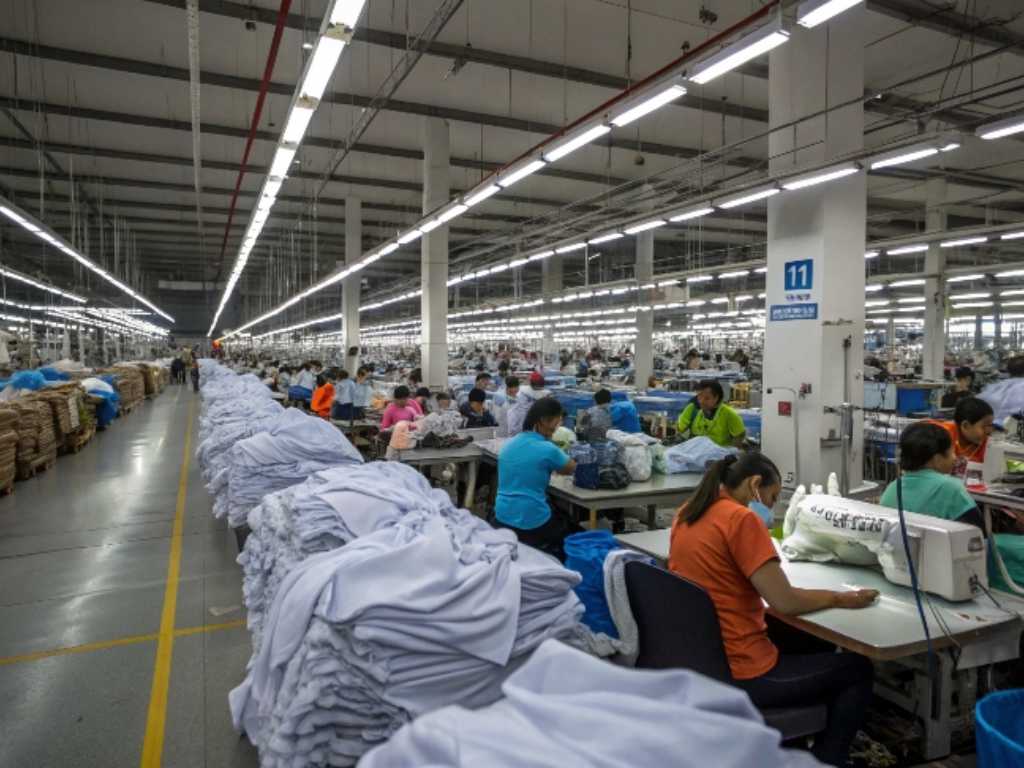
Manufacturing Capacity Behind Every Silver Dress Collection
Since 2008
Six Owned Factories
Ten-Plus Partners
Two Sample Rooms
Development Team
Quality Team
Built for Structured Fashion Development and Bulk Programs
Best Project Fit
The strongest fit comes from brands preparing a silver capsule, partywear range, occasionwear line or seasonal dress collection with clear design references and commercial quantities. Development may begin from a tech pack, line sheet, original sample, sketch or reference image.
A suitable project normally includes:
- A defined silver effect or visual direction
- Planned quantities by style and color
- A target market and size range
- A realistic development budget
- A sample approval process
- A planned launch or delivery window
- Private-label or retail packing requirements
- Potential for repeat production or collection expansion
Structured Production Model
Jinfeng Apparel is organized around custom development followed by confirmed batch production. The manufacturing system does not operate as a ready-stock warehouse or single-piece fulfillment service. Materials, patterns, trims, labels and packaging are prepared against approved specifications.
Before quotation or sampling, the team reviews:
- Garment silhouette and construction
- Silver fabric or decorative direction
- Material and trim availability
- MOQ by style and color
- Pattern and sample requirements
- Size range and grading plan
- Production complexity
- Packing and delivery requirements
Prevent the Most Common Silver Dress Production Failures
Wrong Surface Result
Key controls include:
- Full-width fabric review
- Draped fabric photography
- Natural and indoor light comparison
- Lining and outer-fabric pairing
- Bulk color approval
- Dye-lot recording
Weak Fit and Structure
Development focuses on:
- Bust support and neckline stability
- Waist placement
- Hip ease or negative ease
- Side-seam balance
- Zipper flatness
- Lining tension
- Hem level and slit position
Unstable Bulk Appearance
An attractive sample can still fail in production when sequin direction changes, rhinestone placement shifts, metallic fabric stretches during sewing or packing damages the surface.
Bulk prevention includes:
- Approved production reference
- Cutting-direction control
- In-line appearance checks
- Trim placement templates
- Measurement checkpoints
- Missing-decoration inspection
- Protective folding and packing
Six Silver Effects for Distinct Fashion Collections

Silver Sequin
- Clear sequins from critical seam allowances where required
- Protect necklines, armholes and inner thighs from abrasion
- Stabilize zipper and side-seam areas
- Inspect missing or reversed sequins
- Prevent decoration damage during pressing
- Use surface-protective packing

Silver Satin
- Cut all panels in the approved shine direction
- Review snagging and surface marks before cutting
- Control seam puckering
- Stabilize zipper areas
- Balance lining and shell tension
- Avoid hard pressing marks
- Protect the surface during folding

Metallic Stretch
- Confirm stretch in both directions
- Test recovery after extension
- Review surface cracking or whitening
- Adjust negative ease
- Stabilize openings and cut-outs
- Check seam stretch
- Inspect the garment on-body, not only flat
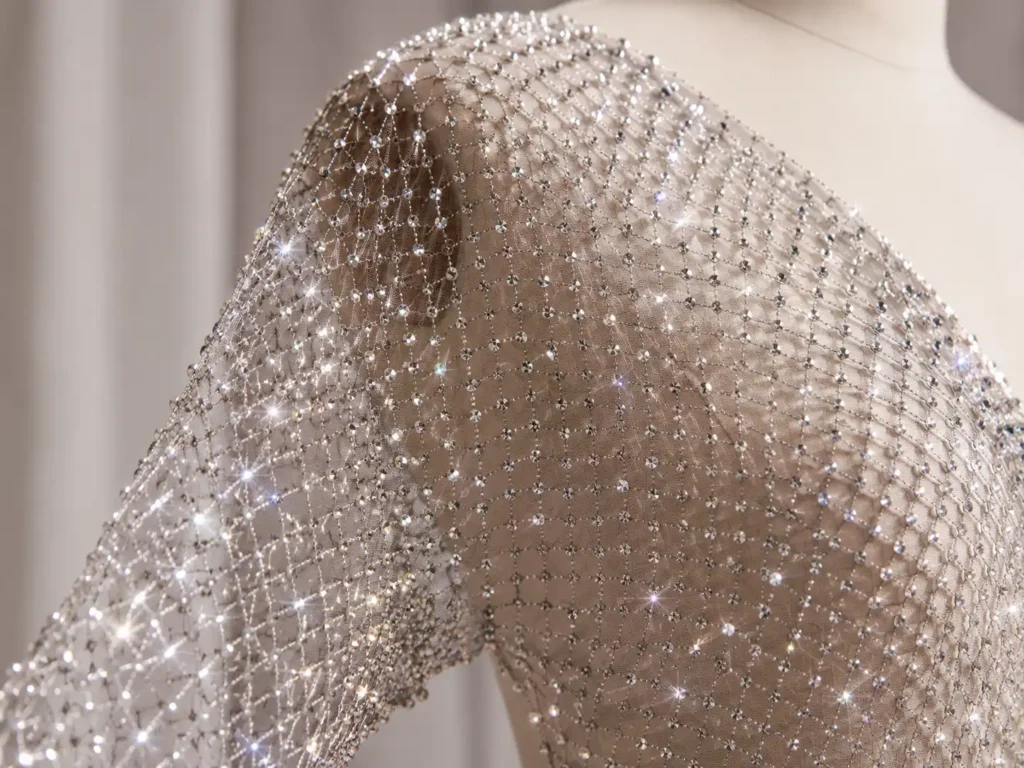
Rhinestone Mesh
- Confirm rhinestone size and density
- Map decoration placement around seams
- Test stone adhesion
- Control lining coverage
- Reinforce high-stress areas
- Inspect holes and loose stones
- Add packing barriers against friction
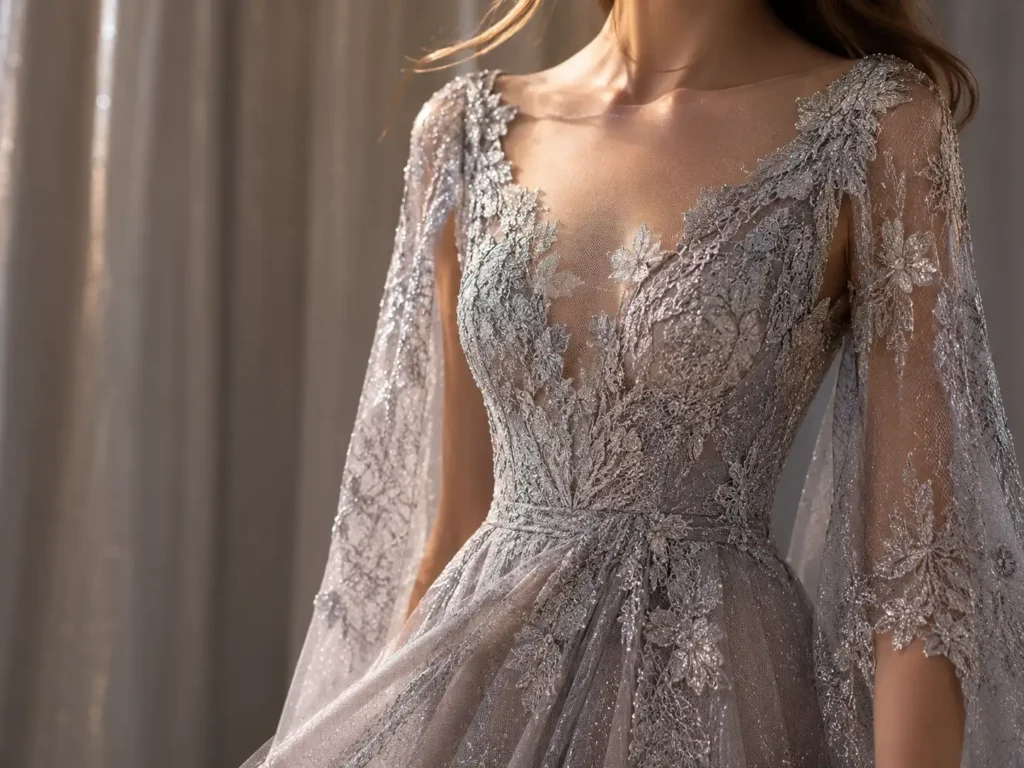
Silver Lace Mesh
- Approve motif placement
- Match symmetrical panels
- Control transparency
- Select compatible lining
- Protect delicate edges
- Inspect broken yarns or holes
- Balance outer and inner garment lengths
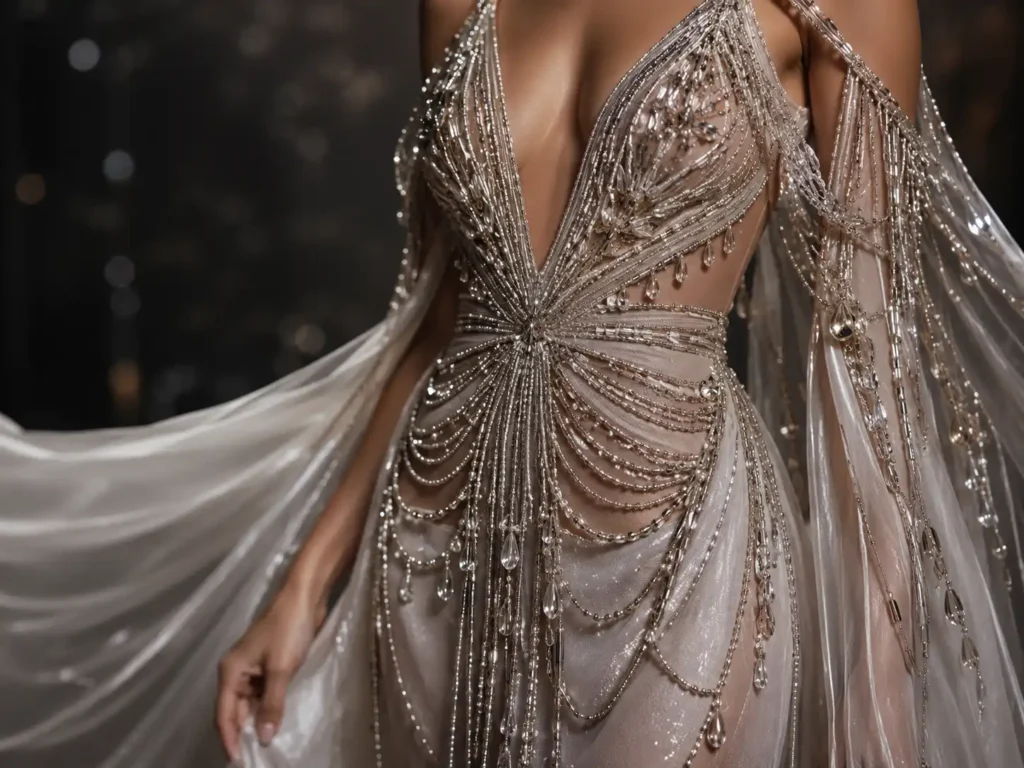
Bead Chain Details
- Reinforce attachment positions
- Distribute decoration weight
- Prevent sharp skin-contact points
- Test movement and pull
- Confirm replacement-piece requirements
- Inspect placement consistency
- Secure trims for transportation
Silver Dress Styles Developed for Commercial Assortments

Sequin Mini Dress

Metallic Bodycon Dress
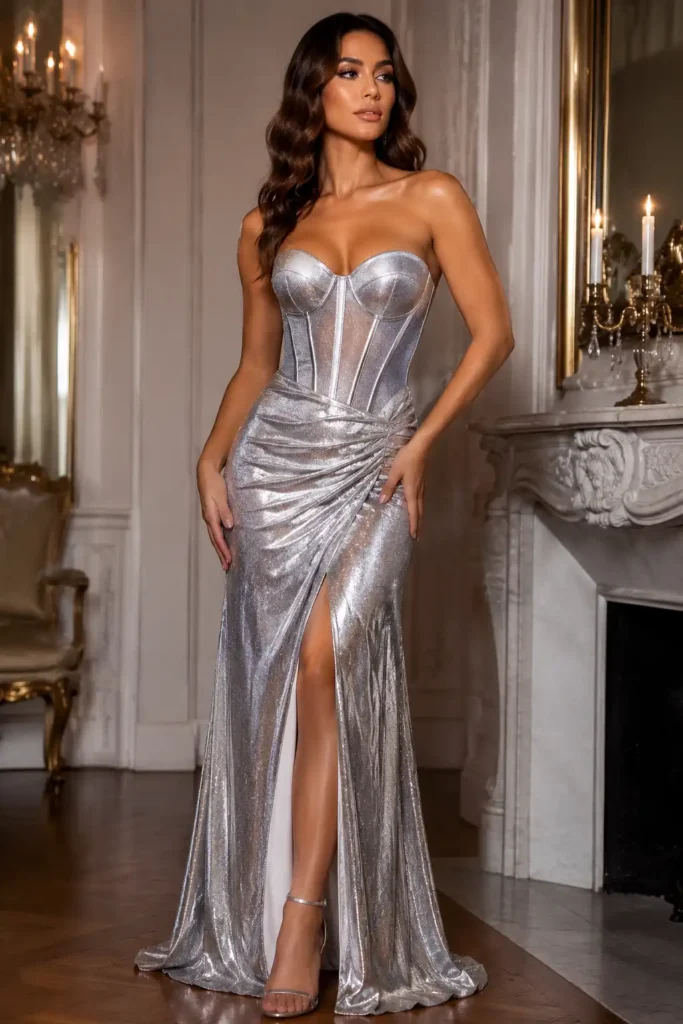
Silver Corset Dress

Satin Slip Dress
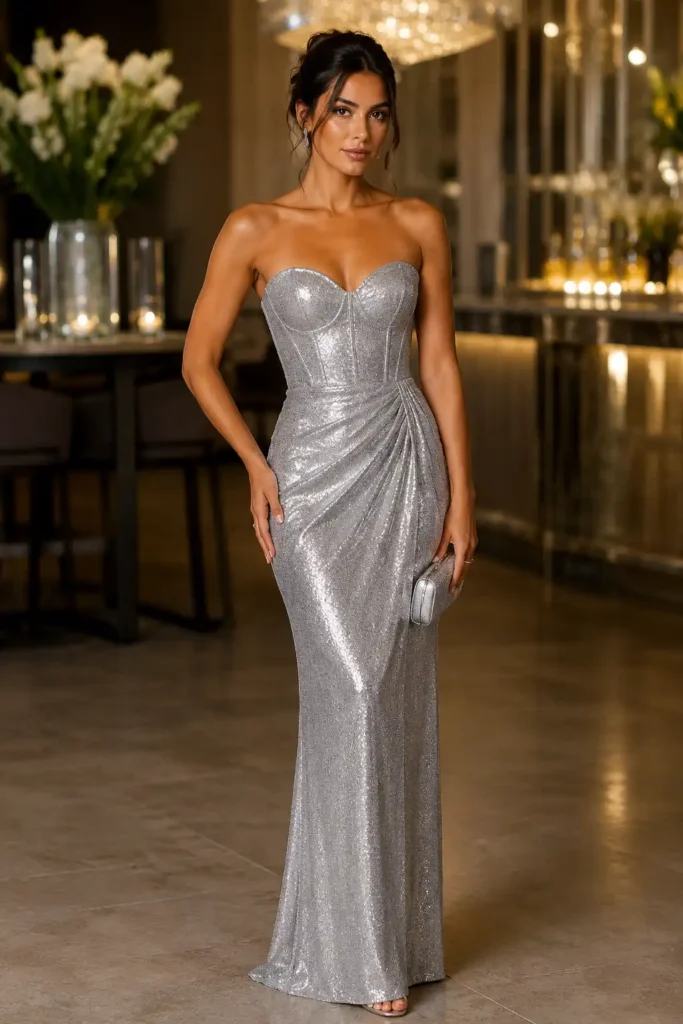
Strapless Silver Dress

One-Shoulder Dress
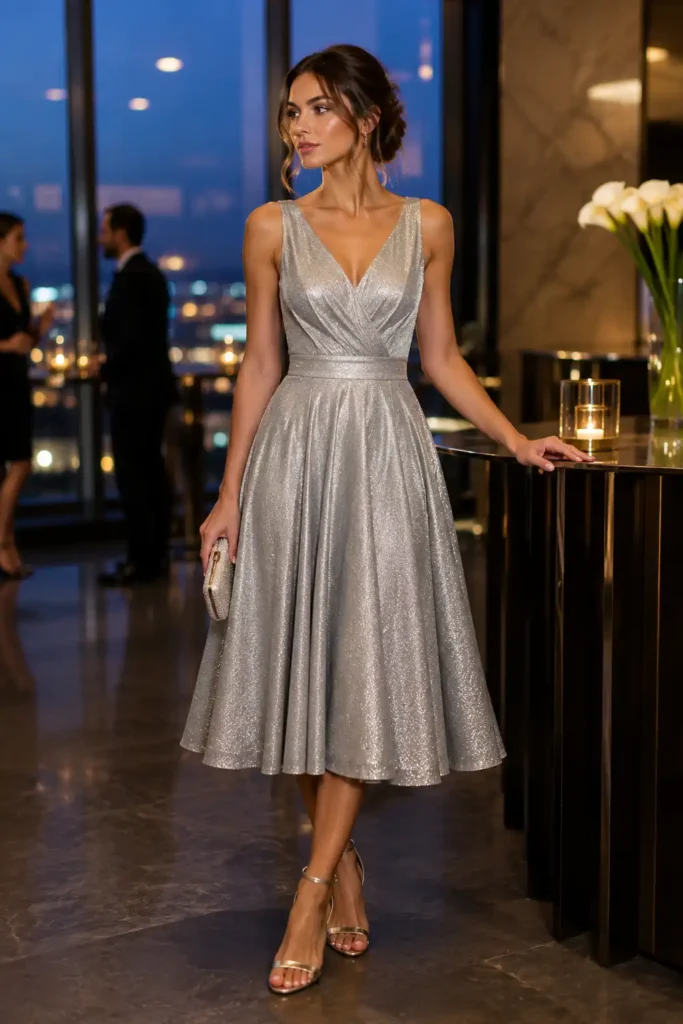
Cocktail Midi Dress

Evening Maxi Dress
Silver Dresses for High-Value Selling Occasions

Holiday Party

Clubwear Drops

Birthday Collections

Cocktail Events
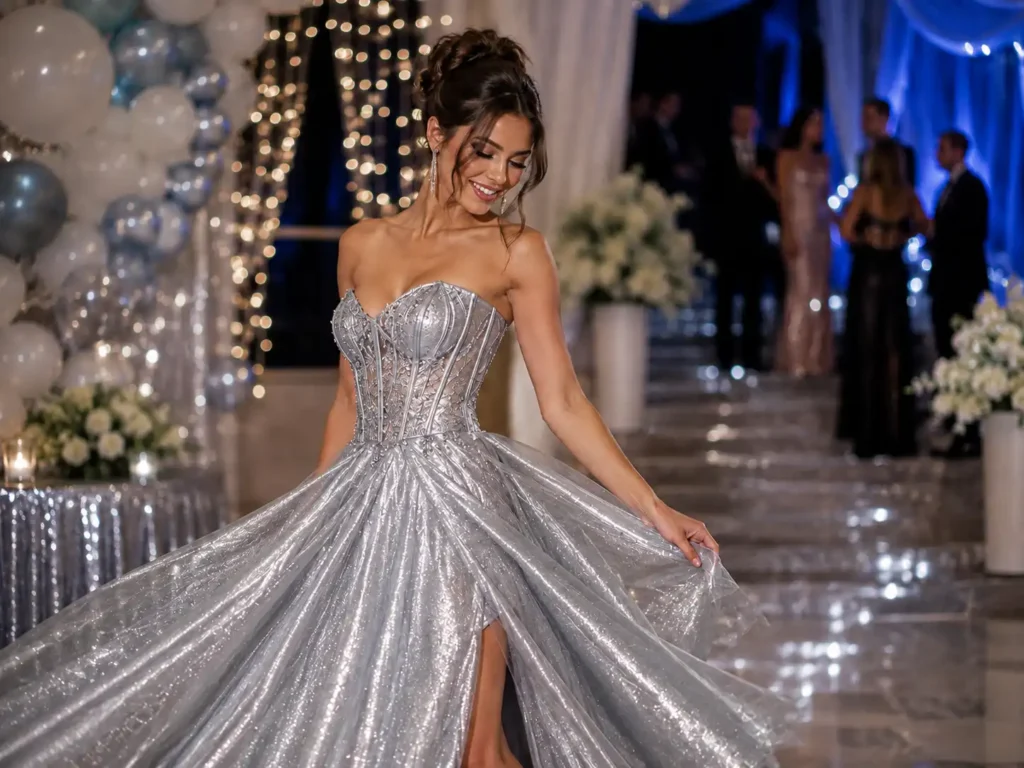
Prom Graduation
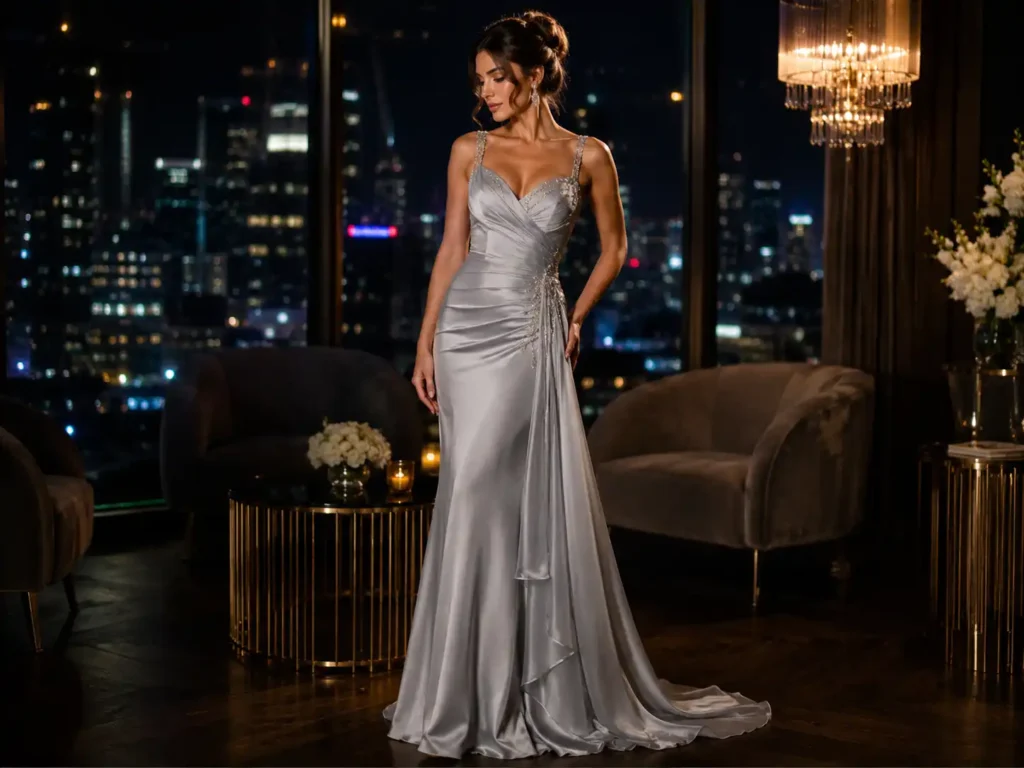
Evening Occasionwear
Compare Silver Materials Before Approving Development
Material selection should connect visual effect with fit, construction, unit cost, production stability and retail use. The comparison below helps product teams identify the most suitable direction before requesting samples.
| Silver Direction | Suitable Products | Main Advantages | Main Production Risks | Core Controls |
|---|---|---|---|---|
| Satin / Stretch Satin | Slip, corset, midi, evening | Smooth reflection, fluid drape, refined finish | Snagging, seam puckering, color shift, pressing marks | Shine direction, tension, zipper stability, pressing protection |
| Sequin Fabric | Mini, party, holiday, evening | Strong sparkle, high campaign impact | Missing sequins, needle risk, abrasion, heavy seams | Sequin density, seam clearing, lining, decoration inspection |
| Metallic Stretch | Bodycon, ruched, cut-out, clubwear | Close fit, flexible silhouette, modern surface | Surface cracking, poor recovery, whitening when stretched | Stretch testing, recovery, pattern ease, seam extension |
| Rhinestone Mesh | Bodycon, overlays, sleeves, statement panels | Transparency with concentrated sparkle | Loose stones, holes, lining exposure, uneven placement | Adhesion test, placement map, mesh inspection, reinforcement |
| Silver Lace / Glitter Mesh | Cocktail, layered mini, evening | Texture, depth, layered visual effect | Motif mismatch, broken yarns, inconsistent transparency | Pattern placement, symmetrical cutting, lining and edge control |
| Bead / Chain Trim | Statement mini, corset, evening | Distinctive detail, premium visual identity | Weight, pull damage, discomfort, transport abrasion | Reinforcement, weight distribution, pull checks, protected packing |
Feasibility Review Before Silver Dress Sampling Begins
Early technical review protects development budgets and launch timing. Jinfeng Apparel evaluates the design, material, fit, decoration and production conditions before confirming how a silver concept should move into sampling.
Translate the Design Into a Manufacturable Product
A reference image may show a strong visual direction without revealing internal construction, lining, closure, stretch requirement or decoration method. The development team therefore separates the visible design from the hidden structure required to reproduce it.
- Silhouette and garment length
- Neckline, straps and sleeve construction
- Bust, waist and hip shaping
- Closure and entry method
- Lining coverage
- Fabric stretch and direction
- Sequin, rhinestone or trim application
- Hem and slit structure
- Private-label requirements
- Expected size range
A silver corset mini shown in a campaign photograph may use boning, cups, underlining and an invisible zipper. A metallic bodycon reference may depend on four-way stretch and power-mesh support. Identifying these elements before quotation prevents a visually similar but structurally incorrect sample.
Align Appearance, Cost and Bulk Stability
Some visual references combine expensive specialty fabric, dense decoration, handwork and complicated internal construction.
Jinfeng evaluates whether the intended appearance aligns with the planned order scale, retail positioning and production budget.
Possible development adjustments include:
- Replacing hand-applied decoration with engineered trim
- Selecting a more stable sequin base
- Simplifying hidden internal construction
- Changing lining composition
- Reducing decoration in low-visibility areas
- Consolidating silver tones across several styles
- Reusing compatible trims
- Optimizing pattern layout
- Selecting stock materials when appropriate
Cost control should preserve the visible product identity rather than removing the features that make the garment commercially valuable.
Pattern Engineering for Stable Silver Dress Fit
Reflective surfaces reveal strain, wrinkles and imbalance immediately. Pattern development therefore focuses on how the garment fits while standing, walking, sitting and moving under light.
Bust Neckline and Shoulder Stability
Strapless, halter, one-shoulder and corset dresses need enough support to hold position without distorting the silver surface. Structure may come from boning, cups, underlining, elastic support, anti-slip tape or carefully shaped panels.
Development checks include:
- Bust-point position
- Cup volume and cup shape
- Neckline tension
- Strap position and adjustment
- Underarm coverage
- Top-edge stability
- Zipper opening
- Lining tension
- Decoration near stress points
For sequins or rhinestones, support elements must also prevent sharp materials from rubbing against the skin. A smooth outer appearance is not enough if the garment becomes uncomfortable during wear.
Waist Hip and Bodycon Control
Metallic stretch and fitted silver garments need accurate distribution across waist, high hip, low hip and seat. Excess tension can turn a smooth reflective surface into horizontal stress lines, while excessive ease may create loose folds.
Fit development considers:
- Fabric stretch direction
- Recovery after extension
- Negative ease
- Side-seam balance
- Waist placement
- Hip shaping
- Lining stretch
- Ruching distribution
- Hem movement
- Size-to-size grading
Changing from mesh to metallic jersey or from satin to stretch satin may require pattern correction even when the design remains visually similar.
Length Slit and Hem Balance
Mini styles require movement and coverage checks. Midi dresses need proportion and walking ease. Maxi and floor-length styles require stable hem balance around the entire body.
Measurement checkpoints may include:
- High-point shoulder to hem
- Center-front length
- Center-back length
- Side length
- Slit height
- Lining length
- Strap length
- Waist-to-hip depth
- Sweep circumference
Heavier sequins, chains or beadwork can pull the hem downward after hanging. Long garments may therefore require a hanging check before final hemming.

Construction Details That Protect Silver Dress Appearance
Lining Coverage
- Coverage around bust and hip
- Lining stretch
- Lining length
- Attachment points
- Color compatibility
- Skin-contact comfort
Zipper Flatness
- Smooth opening and closing
- Flat seam appearance
- Correct zipper color
- Top and bottom alignment
- No trapped lining
- No surface damage
Internal Support
- Boning position
- Cup shape
- Edge comfort
- Support symmetry
- Stitch security
- Surface smoothness
Seam Finishing
- Seam allowance preparation
- Stitch density
- Thread tension
- Stretch compatibility
- Decoration clearance
- Inside comfort
Hem Balance
- Level circumference
- Clean edge
- Correct lining relationship
- Stable slit opening
- No pressing marks
- No decoration loss
Trim Reinforcement
- Pull resistance
- Placement accuracy
- Symmetry
- Skin-contact safety
- Replacement parts
- Packing protection
Silver Dress Sampling From Concept to Approval
Sampling converts creative direction into controlled production information. Each version has a defined purpose, and approvals are recorded before the next stage begins.
Project Review and Material Direction
Development begins with a tech pack, line sheet, original garment, sketch or reference image. The team reviews silhouette, measurements, construction, silver effect, fabric availability, trims, lining, MOQ and target delivery.
Important inputs include:
- Reference images
- Measurement chart
- Target quantity
- Color standard
- Fabric preference
- Size range
- Label and packing files
- Launch schedule
Material direction may be presented through available swatches, supplier options, lab dips or specially sourced references. Reflective materials are photographed under more than one lighting condition when appearance varies significantly.
First Sample and Fit Review
The first sample validates structure, proportion, material behavior and sewing feasibility. It is not automatically the final bulk standard.
The review may cover:
- Overall silhouette
- Bust, waist and hip measurements
- Neckline and strap position
- Lining coverage
- Closure performance
- Surface reflection
- Sequin or stone placement
- Hem and slit balance
- Wearing comfort
Feedback is translated into measurement notes, pattern corrections, material changes or construction updates.
Revised and Photo-Ready Samples
A revised sample confirms agreed corrections. A photo-ready sample may receive additional attention to surface finish, campaign appearance and final styling details for marketing use.
For multi-style collections, samples are grouped by:
- Fabric family
- Pattern complexity
- Trim family
- Launch priority
- Photography schedule
- Approval status
This structure helps prevent confusion across ten to thirty styles moving through development together.
PP Sample and Golden Reference
The PP sample locks the approved fabric, color, measurements, construction, trims, labels and packing direction before bulk production. A retained production reference supports line briefing, in-line inspection and repeat-order comparison.
Changes after PP approval may affect:
- Material ordering
- Pattern files
- Production instructions
- Unit cost
- Delivery timing
- Packing documents
Bulk Production for Multi-Style Silver Collections
Large silver assortments require production grouping, approval control and planned sequencing. Jinfeng Apparel manages different surfaces and structures through assigned production units rather than treating every garment as one common dress category.
Allocate Production by Material and Construction
Sequin mini dresses, satin slip dresses, metallic bodycon styles and rhinestone mesh products should not automatically share one production line. Each category has different cutting, sewing, finishing and inspection risks.
Allocation considers:
- Fabric behavior
- Garment construction
- Decoration density
- Pattern complexity
- Quantity by style
- Size and color breakdown
- PP approval status
- Required delivery sequence
Six owned factories and more than ten long-term production partners support flexible allocation. Complex first orders are prioritized for experienced units, while repeat styles or regular products may be distributed under common specifications and QC requirements.
Control Ten to Thirty Styles as One Program
A seasonal order may include hero products, commercial volume styles and lower-priority assortment pieces. Jinfeng’s merchandising team organizes progress through style lists, approval records, material status, production schedules and packing requirements.
Program controls may include:
- Style and SKU master list
- Approved BOM
- Fabric and trim status
- Pattern version
- Size chart and grade rule
- PP approval
- Production unit
- In-line QC status
- Packing file
- Shipment sequence
Hero styles required for campaigns or retail launch may be prioritized when material readiness and approval status allow.
Preserve Repeat-Order Information
Patterns, measurements, fabric references, trims, sewing instructions, label files, packing methods and QC notes can be retained for future production.
Repeat orders still require confirmation of:
- New fabric batch
- New silver dye lot
- Updated size ratios
- Label or barcode changes
- Packaging revisions
- Delivery destination
- Current material availability
Record retention accelerates preparation without ignoring the risks introduced by a new material batch or color extension.

Specialized Controls for Reflective and Decorated Fabrics
Silver materials behave differently during cutting, sewing, pressing and packing. Dedicated controls are required to prevent visible faults from spreading across bulk production.
Sequin Cutting and Sewing Control
Sequin fabric creates needle, seam and comfort challenges. The base fabric must remain stable while decoration is removed or repositioned around selected seam areas.
Control actions include:
- Confirming sequin direction before marker planning
- Keeping paired panels visually consistent
- Removing sequins from critical seam allowances where needed
- Preventing hard sequin buildup inside seams
- Replacing missing decoration after sewing
- Covering abrasive internal areas
- Monitoring broken-needle procedures
- Inspecting surface completeness after finishing
Decoration density is checked across the full garment because localized missing areas are more visible under flash photography.
Satin Direction and Tension Control
Satin reflects light differently when panels are cut in opposing directions.
A sleeve, side panel or skirt piece can appear like another color even when produced from the same roll.
Control actions include:
- Marking approved shine direction
- Grouping panels from compatible fabric areas
- Checking snagging before cutting
- Controlling feed and seam tension
- Stabilizing zipper seams
- Testing pressing temperature
- Using protective surfaces during handling
- Inspecting garments under consistent lighting
Bias-cut styles receive additional hanging and hem-balance review because satin may relax after sewing.
Metallic Surface Stability Control
Metallic films, foils and coated knits can crack, crease or change appearance when stretched.
Material approval therefore includes more than color evaluation.
Control actions include:
- Stretch and recovery tests
- Surface change assessment
- Seam-extension review
- Folding and abrasion checks
- Heat sensitivity assessment
- Pattern-ease adjustment
- Opening stabilization
- Garment-on-body inspection
A fabric suitable for a loose mini may not remain stable in a fitted bodycon silhouette.
Rhinestone and Trim Placement Control
Rhinestones and crystal trims must remain secure without making the garment stiff or heavy in the wrong areas.
Control actions include:
- Placement template approval
- Adhesion or attachment tests
- Reinforcement at stress zones
- Alignment across seams
- Weight-distribution review
- Missing-stone inspection
- Spare-component planning where required
- Protective separation in packing
Mesh Transparency and Damage Control
Fine mesh and power mesh can be damaged during cutting, sewing or handling. Silver decoration may make small holes harder to detect until the garment stretches.
Control actions include:
- Pre-cut hole inspection
- Stretch-direction marking
- Controlled layer handling
- Needle and stitch selection
- Lining-coverage confirmation
- Cut-out edge stabilization
- On-body transparency review
- Post-sewing hole inspection
Pressing and Surface Protection
Reflective fabrics are sensitive to heat, pressure, steam and friction. Finishing instructions are matched to the approved material rather than using one pressing method across all styles.
Control actions include:
- Material-specific temperature
- Protective pressing cloth
- No direct pressure on stones or sequins
- Shape-setting without surface marks
- Clean work surfaces
- Separate handling for finished garments
- Final appearance check before packing
Silver Dress Quality Control Across Production Stages
Quality control begins before cutting and continues through sewing, measurements, finishing and packing. Inspection points below focus on faults that are especially visible on reflective or decorated dresses.
| QC Stage | Main Inspection Points | Silver Dress Risks Controlled |
|---|---|---|
| Incoming Fabric | Color, dye lot, shine, width, stretch, hand feel, holes, snagging, sequin or stone condition | Color inconsistency, surface defects, weak recovery, damaged decoration |
| Cutting | Fabric direction, motif placement, panel pairing, decoration direction, lining pieces | Uneven reflection, reversed sequins, mismatched lace, incorrect lining |
| Sewing Start | Approved construction, stitch tension, seam method, zipper, internal support | Puckering, zipper waves, unstable neckline, visible support lines |
| Inline Inspection | Measurements, seam appearance, decoration loss, lining position, symmetry | Repeated production faults, size drift, uneven placement |
| Finished Garment | Bust, waist, hip, length, slit, straps, surface condition, trim security | Poor fit, missing stones, snagging, loose chains, uneven hem |
| Finishing | Cleanliness, pressing, shape, shine direction, thread removal | Pressing marks, stains, crushed decoration, distorted silhouette |
| Packing | Label, size, color, barcode, SKU, folding, protective material, carton mark | SKU errors, abrasion, pressure marks, mixed sizes or colors |
| Final Inspection | Order quantity, workmanship, measurements, appearance, packing and approved inspection standard | Shipment-level quality and documentation risk |
Finishing and Packing Without Damaging Silver Surfaces
A completed silver dress can lose its visual value during pressing, folding or transportation. Finishing and packing methods are therefore selected according to material sensitivity, garment length, decoration and retail requirements.
Material-Specific Finishing Before Packing
Finished garments are reviewed for loose threads, stains, surface marks, missing decoration, zipper operation, hem balance and overall shape before entering the packing area.
Finishing priorities differ by fabric:
- Satin:prevent snagging, hard folds and pressure shine
- Sequins:protect against crushing, tangling and abrasion
- Rhinestones:prevent direct friction and repeated bending
- Metallic coatings:avoid sharp creases and heat damage
- Mesh:prevent pulls, holes and contact with rough components
- Floor-length styles:protect the hem and preserve drape
Pressing instructions are recorded by style. Direct pressure is avoided on sensitive decoration, and garment shape is checked again after cooling.
Protective Packing for Retail and Ecommerce Delivery
Packing may include individual folding, tissue or protective layers, hangtags, barcode labels, size labels, SKU stickers and polybags according to the approved file.
Silver products may require:
- Protective paper between decorated surfaces
- Covered zippers or metal trims
- Controlled fold positions
- Larger polybags for structured styles
- Reduced pressure inside cartons
- Garment hangers for selected products
- Clear carton orientation
- Moisture or surface-protection measures where specified
Carton-level checks cover style, color, size, quantity, barcode and carton-mark consistency before shipment.
Private Label Details for Retail-Ready Silver Dresses

Main Labels
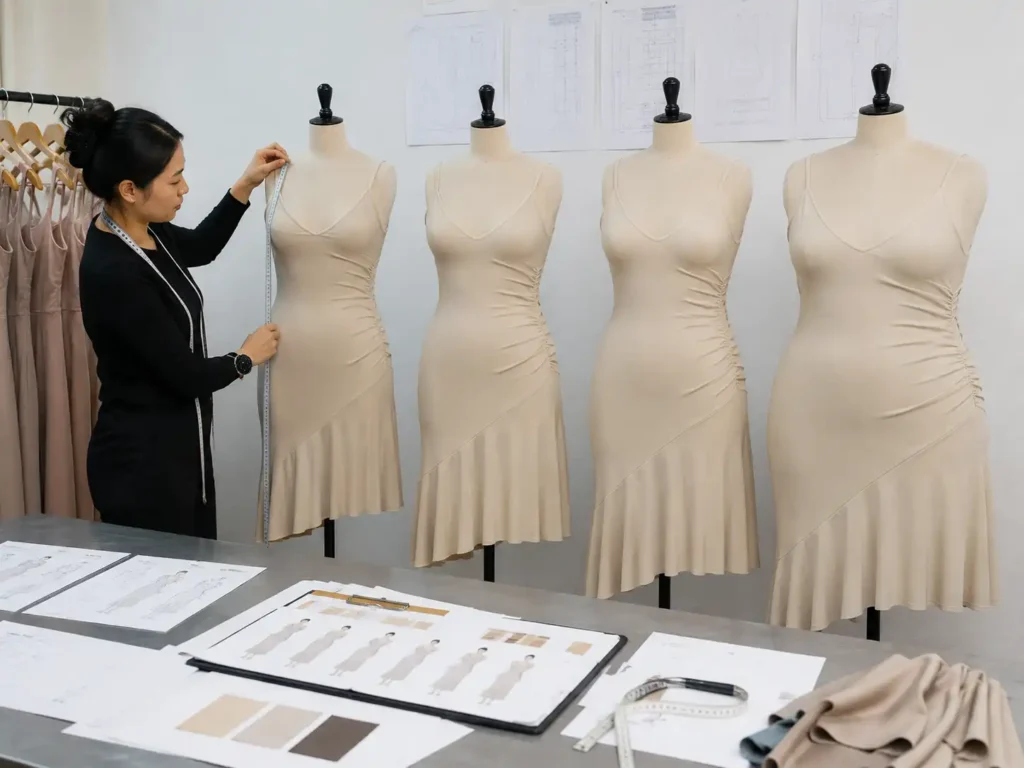
Size Labels
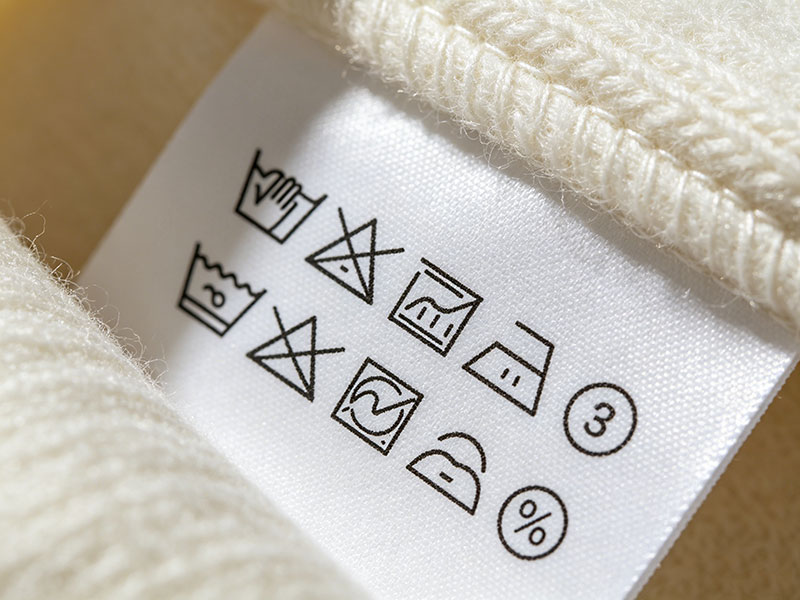
Care Labels

Hangtags
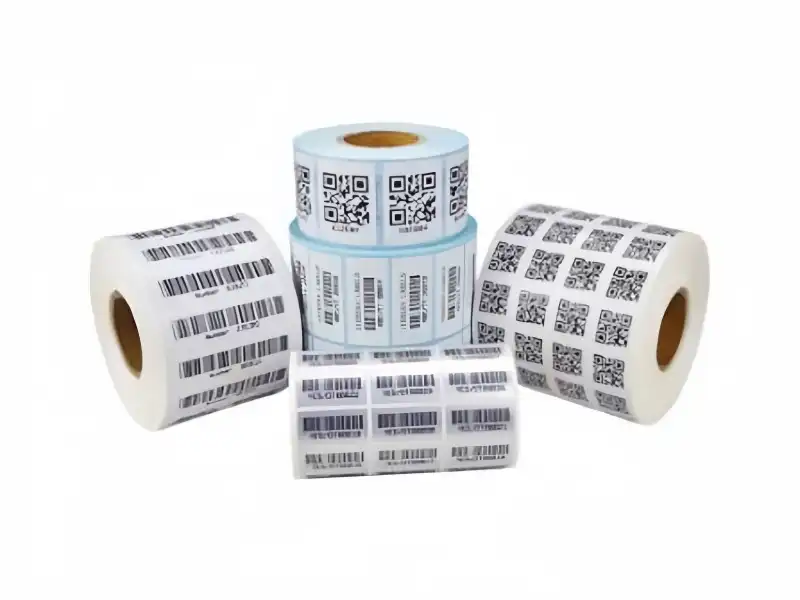
Barcodes SKU
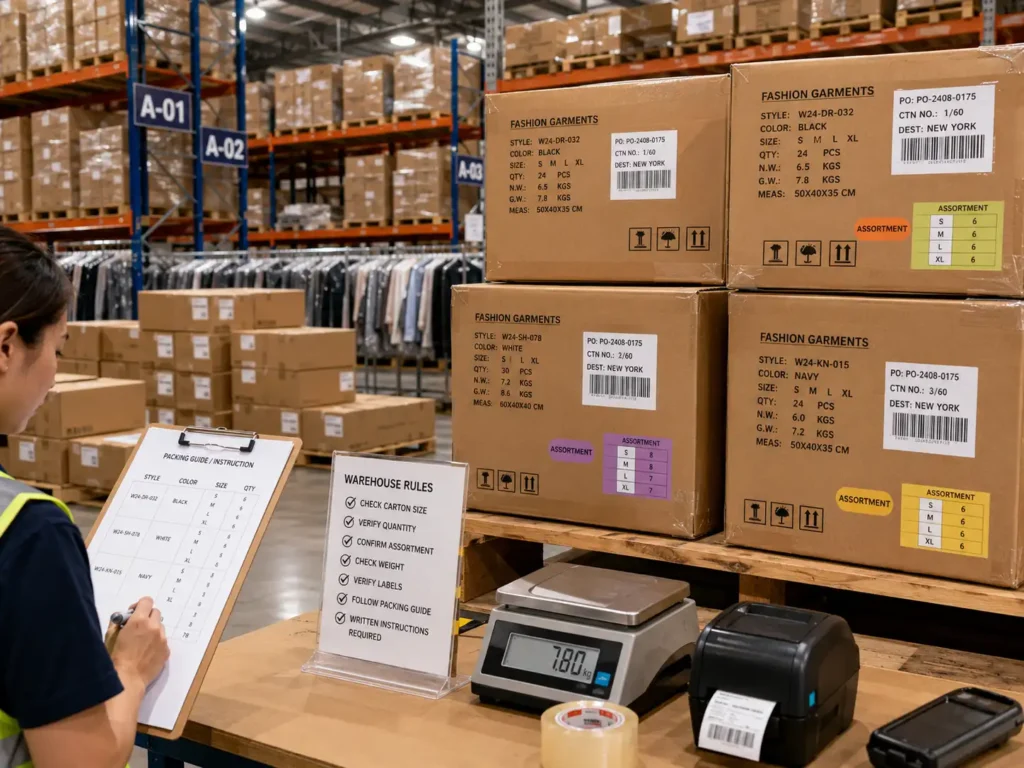
Carton Marks
MOQ Pricing and Scheduling for Silver Dress Orders
MOQ by Style Color
Jinfeng Apparel’s standard MOQ starts from 200 pieces per style and color.
MOQ is calculated by style and color rather than by total collection quantity.
Separate supplier minimums may apply to:
- Custom-dyed silver fabric
- Special sequin surfaces
- Exclusive lace or mesh
- Custom rhinestone patterns
- Branded hardware
- Custom-developed trims
- Special packaging
A collection of multiple silver styles should therefore be planned around fabric sharing, compatible trims and realistic color distribution.
Pricing Cost Drivers
Silver dress pricing is influenced by more than garment length.
Main variables include:
- Fabric consumption and width
- Shell and lining composition
- Sequin or rhinestone density
- Decoration application
- Corset structure or cups
- Double-layer construction
- Ruching and cut-outs
- Size range
- Quantity by color
- Packing method
- Required delivery sequence
Cost optimization can include compatible fabric substitution, decoration zoning, pattern-layout improvement, trim consolidation and coordinated material use across several styles.
Timeline Planning
Development and production timing is confirmed after reviewing fabric availability, trim lead time, sample complexity, approval rounds, quantity, production allocation, packing and transportation requirements.
A complete schedule should reserve time for:
- Material sourcing and approval
- Pattern development
- First sample
- Fit feedback
- Revised or photo samples
- PP approval
- Bulk material preparation
- Production
- Quality inspection
- Finishing and packing
- Shipment preparation
Holiday, prom and event-driven programs should be reviewed early because specialty silver fabrics and decorative trims may require advance booking.
Real Teams Supporting Silver Dress Development and Production

Fabric Review

Pattern Development

Sample Construction

Inline Inspection

Finishing Inspection

Private Label Packing
Silver Dress Manufacturing Case Studies
The following anonymized cases represent different silver dress development programs, covering luxury eveningwear, fashion partywear and large private-label seasonal collections. Brand identities, original designs and commercial information remain confidential.
Case 1: Silver Sequin and Eveningwear Collection
Project Scope
A premium occasionwear brand developed a silver collection for holiday parties, formal events, prom and evening markets.
- Collection size: 20 dress styles
- Product categories: silver sequin mini dresses, rhinestone evening dresses, satin gowns, metallic lace dresses and statement cocktail styles
- Materials: sequin fabric, satin, rhinestone mesh, lace, tulle and structured lining
- Construction details: fitted bodices, corset structures, layered skirts, decorative panels and evening silhouettes
- Requirement: strong visual impact with stable production quality
Development Challenges
Silver eveningwear requires precise control because reflective surfaces expose small production differences.
Key challenges included:
- Sequin reflection changing under different lighting
- Missing or reversed sequins after sewing
- Rhinestone placement variation
- Satin shine-direction mismatch
- Decoration weight affecting garment balance
Manufacturing Approach
The development team created a surface-control production process.
Key controls included:
- Approving silver effect direction before sourcing
- Reviewing sequin size, density and orientation
- Mapping rhinestone placement before production
- Testing lining and support combinations
- Confirming PP samples before bulk release
Additional attention was given to:
- Seam allowance around decoration
- Zipper protection
- Surface damage prevention
- Pressing methods
- Protective packing
Manufacturing Value
The collection achieved a premium silver eveningwear appearance by combining decorative control, structural engineering and careful finishing.
Case 2: Silver Metallic Bodycon and Partywear Collection
Project Scope
A fashion ecommerce brand developed a silver partywear collection focused on fitted silhouettes and high-impact social styles.
- Collection size: 18 dress styles
- Product categories: metallic bodycon dresses, silver corset minis, ruched dresses, mesh cut-out dresses and fitted party styles
- Materials: metallic stretch fabric, power mesh, jersey, stretch satin and lining systems
- Construction details: body shaping, cut-outs, ruching, fitted waistlines and structured panels
- Requirement: strong photography performance with reliable wearing comfort
Development Challenges
The main challenge was balancing visual impact with body-fit performance.
Key risks included:
- Metallic surface changing under stretch
- Fabric whitening in high-tension areas
- Poor recovery after wearing
- Mesh transparency issues
- Corset structures affecting comfort
Manufacturing Approach
The project focused on stretch performance and fit engineering.
Key controls included:
- Testing stretch direction and recovery
- Adjusting negative ease according to fabric behavior
- Reviewing bust-waist-hip balance
- Testing mesh and lining combinations
- Developing corset support structures
Production controls included:
- On-body fitting review
- Seam recovery checks
- Zipper stability inspection
- Cut-out reinforcement checks
- Final appearance inspection
Manufacturing Value
The collection delivered a modern silver partywear identity while maintaining stable fit, comfort and repeat production capability.
Case 3: Large Private Label Silver Dress Collection Program
Project Scope
An established fashion brand required a complete silver dress assortment covering multiple reflective materials and retail occasions.
- Collection size: 30 dress styles
- Production scale: 80,000+ pieces
- Product categories: silver mini dresses, midi dresses, maxi dresses, satin slip dresses, corset dresses, sequin dresses and evening gowns
- Materials: satin, sequin, metallic stretch, rhinestone mesh, lace, tulle and decorative trims
- Requirement: consistent quality across multiple SKUs, sizes and shipment batches
Development Challenges
The program required coordination across different silver effects.
Major challenges included:
- Managing different reflective surfaces
- Maintaining visual consistency between satin, sequins and metallic fabrics
- Controlling decoration weight
- Managing different lining requirements
- Protecting garments during packing and transportation
Manufacturing Approach
The collection was divided according to material and construction risk.
Silver Sequin Group
Focused on:
- Sequin direction
- Decoration density
- Seam protection
- Surface inspection
Metallic Stretch Group
Focused on:
- Stretch recovery
- Body fit
- Surface stability
- Opening reinforcement
Manufacturing Value
The program demonstrated that large silver dress collections require both production capacity and detailed control of reflective surfaces, fit, decoration, quality and retail delivery.
Silver Dress Manufacturing Frequently Asked Questions
Yes. Jinfeng Apparel can begin from reference images, sketches, original garments, line sheets or tech packs. The development team reviews silhouette, construction, fabric, lining, trims, measurements and production feasibility before confirming the sampling plan. More complete information generally improves quotation and sample accuracy.
Material directions may include satin, stretch satin, sequin fabric, metallic stretch fabric, mesh, power mesh, lace, glitter mesh, rhinestone materials, beads, chains and decorative trims. Availability, supplier MOQ, color, construction suitability and delivery timing are confirmed for each project.
The standard MOQ starts from 200 pieces per style and color. Special sequin fabric, custom dyeing, exclusive lace, custom rhinestone layouts, branded hardware or special packaging may have separate supplier minimums. Multiple styles totaling 200 pieces do not equal the standard MOQ.
Yes. Sequin dress development covers base-fabric selection, sequin direction, seam preparation, lining, skin-contact protection, missing-sequin inspection, finishing and protective packing. The exact method depends on sequin type, garment structure, size range and decoration density.
Control may include Pantone references, physical swatches, lab dips, lighting comparisons, dye-lot records, surface direction, lining tone and bulk fabric approval. Reflective materials are evaluated under agreed viewing conditions because satin, sequins and metallic coatings can appear different under changing light.
Rhinestone and trim checks cover material, color, size, placement, attachment method, comfort, pull risk, missing components and bulk supply stability. High-stress areas may require reinforcement, while finished garments receive surface and placement inspection before protective packing.
Yes. Photo-ready samples support photography or campaign preparation, while PP samples lock approved production details before bulk manufacturing. The two sample types serve different purposes and should not be treated as interchangeable without confirmation.
Yes. Private-label support can include main labels, size labels, care labels, hangtags, strings, barcode stickers, SKU labels, polybags, stickers, cartons, carton marks and warehouse labels based on approved artwork and packing instructions.
Yes. NDA-based cooperation can protect tech packs, original samples, patterns, unreleased designs, material directions, label files, packaging files, prices and order information. Client names and confidential project details are not disclosed without authorization.
Inspection covers incoming fabric, cutting direction, sewing, measurements, surface appearance, decoration, lining, zipper performance, finishing, packing, barcode and carton information. Final inspection requirements can be coordinated according to the approved order and inspection standard.

Start Your Silver Dress Manufacturing Project
A useful submission includes enough information to evaluate material direction, construction, MOQ, sampling requirements, production complexity and scheduling. Tech packs are welcome, but a line sheet, original sample photographs, reference images or sketches can also support the first discussion.
Please include:
- Product reference or tech pack
- Target quantity by style and color
- Preferred silver effect
- Fabric or decoration preference
- Planned size range
- Target market
- Main label and packing requirements
- Required delivery window
- Destination country
- Any inspection or warehouse guide