 Skip to content
Sequin Party Dress Collection Manufacturer
Private-label sequin partywear developed for strong visual impact, reliable fit, controlled workmanship, and repeatable bulk production.
Jinfeng Apparel develops sequin party dress collections for established fashion brands, occasionwear labels, ecommerce programs, retailers, and sourcing teams. Product development covers mini, midi, maxi, bodycon, corset, halter, strapless, backless, one-shoulder, feather-trim, and mixed-fabric styles. Every program is reviewed around sequin density, base-fabric stretch, lining coverage, skin contact, seam thickness, zipper clearance, size grading, surface inspection, packing protection, and delivery timing.
- 10-30 styles can be coordinated within one seasonal collection, with development priorities set around campaign, commercial, and long-lead designs.
- Brand programs commonly range from 20,000 to 80,000 pieces in total, divided by style, color, size ratio, launch priority, and delivery batch.
- MOQ starts from 200 pieces per style/color, subject to sequin fabric availability, color development, trims, construction, packing, and production scheduling.
- 2 sample rooms, 7+ senior pattern makers, 20+ sample machinists, 6 owned factories, and 10+ long-term production partners support multi-style execution.
Manufacturing Capacity Behind Every Sequin Collection
Since 2008
6 Owned Factories
10+ Production Partners
2 Sample Rooms
7+ Pattern Makers
15+ QC Inspectors
Built for Established Fashion and Occasionwear Programs
Strong Project Fit
Suitable programs include seasonal partywear collections, holiday drops, premium ecommerce capsules, occasionwear ranges, multi-channel retail assortments, and sourcing-company orders. Teams may begin with tech packs, line sheets, original samples, sketches, reference images, fabric directions, or an approved brand block. The strongest fit comes from projects with a planned assortment, clear style quantities, confirmed size architecture, realistic development budget, and a bulk-production target.
- Fashion brands managing 10-30 styles per launch
- Partywear, clubwear, occasionwear, and holiday programs
- Private-label and retail-ready delivery requirements
- Repeat-order and multi-batch production planning
Clear Service Boundary
The manufacturing model is not based on open-stock resale, single-piece fulfillment, or ready-to-ship inventory. Production begins after product review, material and construction assessment, sample development, and commercial alignment.
The boundary protects pattern quality, bulk consistency, material traceability, and delivery control, especially for sequin garments where decoration, lining, fit, and packing cannot be treated like ordinary basic apparel.
- No ready-stock wholesale program
- No one-piece fulfillment model
- No personal made-to-measure service
- No lowest-price-only development route
Where Sequin Party Dress Collections Commonly Fail
Missing Sequins
Skin Scratching
Bulky Seams
Unstable Fit
Visual Mismatch
Packing Damage

Build a Commercially Balanced Sequin Party Collection
A complete assortment needs visual excitement without forcing every style into the same price, silhouette, or wearing occasion. Jinfeng Apparel helps structure collections around commercial roles, launch timing, construction difficulty, and repeat-order potential.
- Create Clear Product Roles
Hero styles carry campaign impact through dense sequin surfaces, corset structures, feathers, dramatic sleeves, asymmetry, or premium embellishment. Core commercial styles use cleaner silhouettes and more repeatable construction for broader volume. Entry-price styles control fabric density, lining scope, seam count, and trim complexity without making the range look weak. Supporting styles add different lengths, coverage levels, and color options so the assortment feels complete rather than repetitive. - Balance Silhouette and Coverage
A strong range may combine bodycon mini dresses, structured corset dresses, relaxed slip shapes, long-sleeve mini dresses, one-shoulder midi dresses, halter maxis, backless styles, and coordinated two-piece sets. Coverage should vary across neckline, sleeve, back, slit, and length so retailers can serve different age groups, climates, and event settings while preserving one visual direction. - Control Complexity Across Styles
Not every design should carry dense sequins, boning, cups, feathers, cut-outs, and special packing. Complex details are concentrated in selected campaign pieces, while high-volume styles use proven structures and stable materials. Development priorities are set early so long-lead fabrics and difficult patterns move first, preventing a few complicated styles from delaying the complete launch. - Plan Color as a System
Color planning considers sequin finish, base-fabric tone, lining color, zipper color, thread color, trim plating, and photography under direct light. Metallic silver, gold, champagne, black, emerald, burgundy, navy, pink, and iridescent finishes can reflect differently even when the supplier names sound similar. Physical swatches and garment samples provide a more reliable standard than digital color selection alone.
Sequin Party Dress Styles We Develop
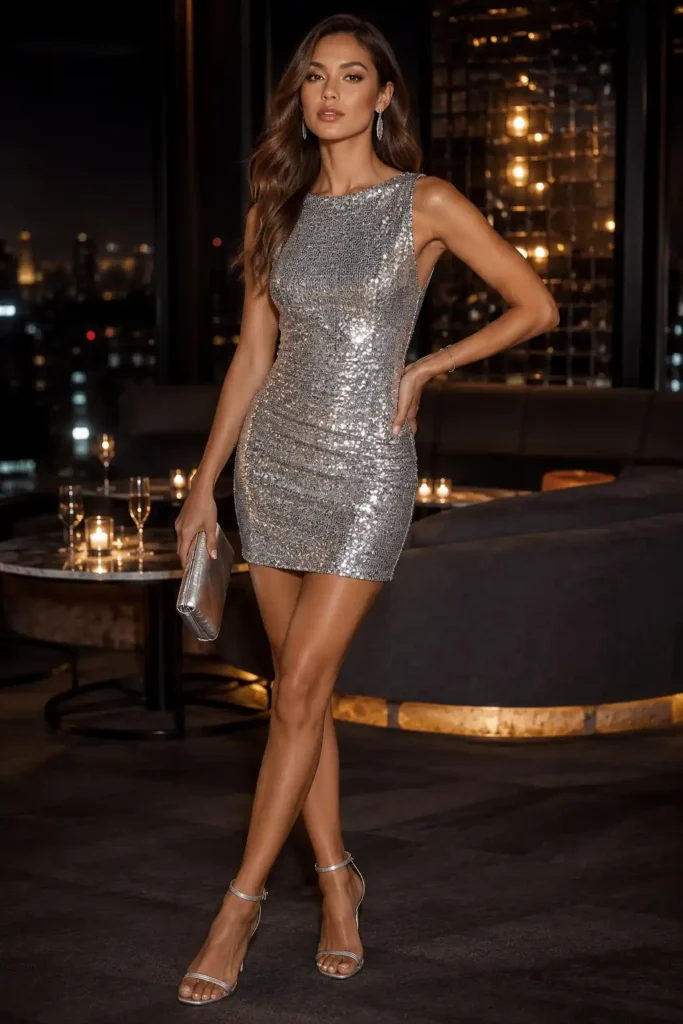
Sequin Mini Dress

Bodycon Sequin Dress

Corset Sequin Dress
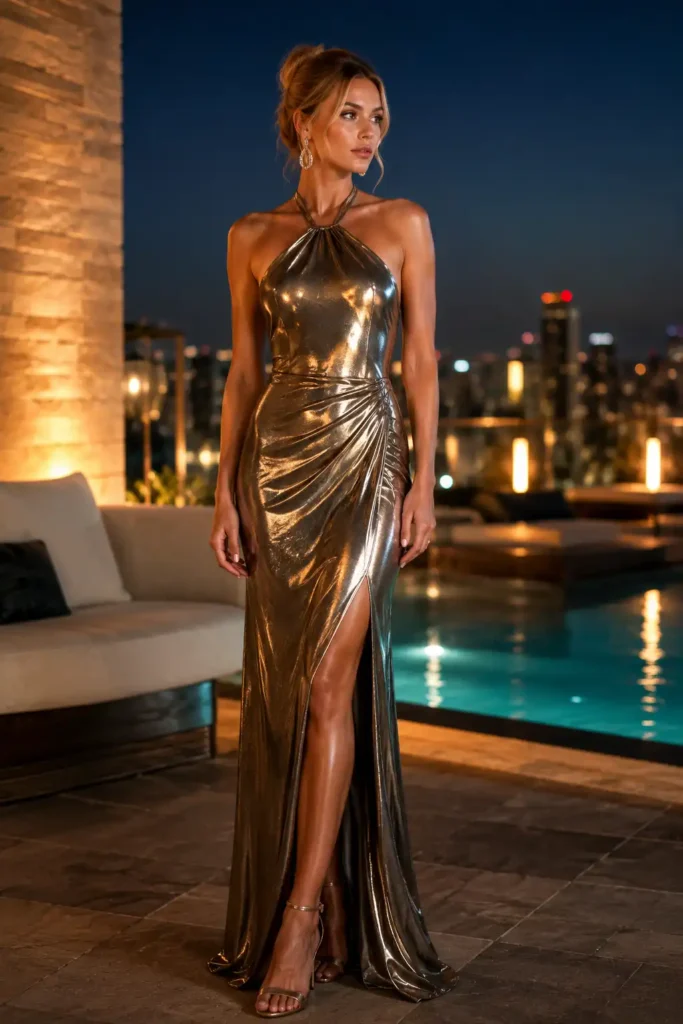
Halter Sequin Dress
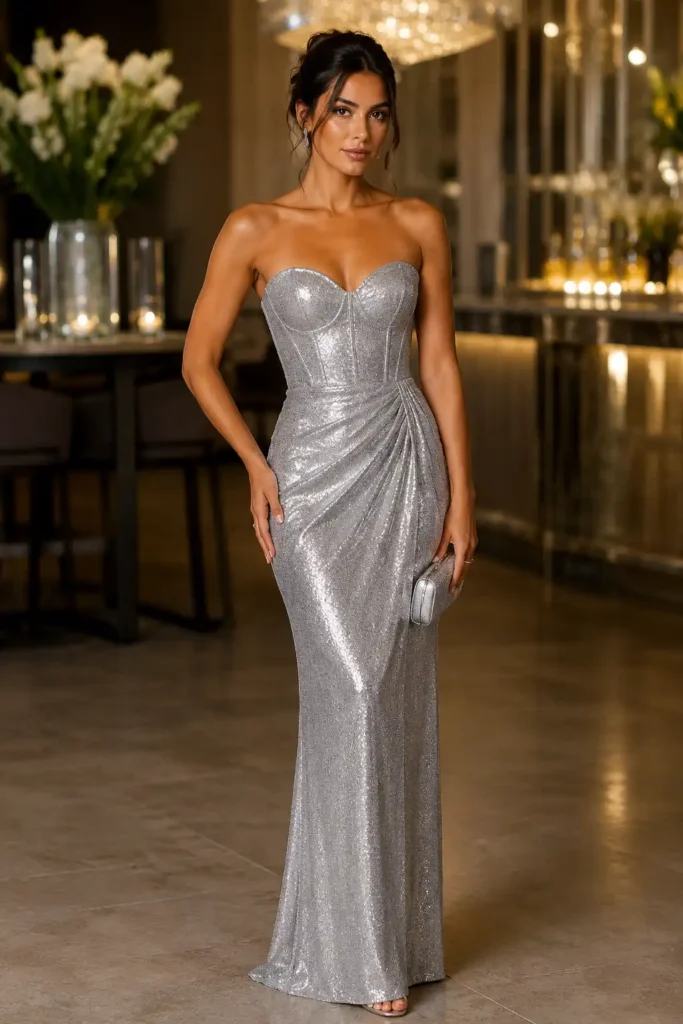
Strapless Sequin Dress
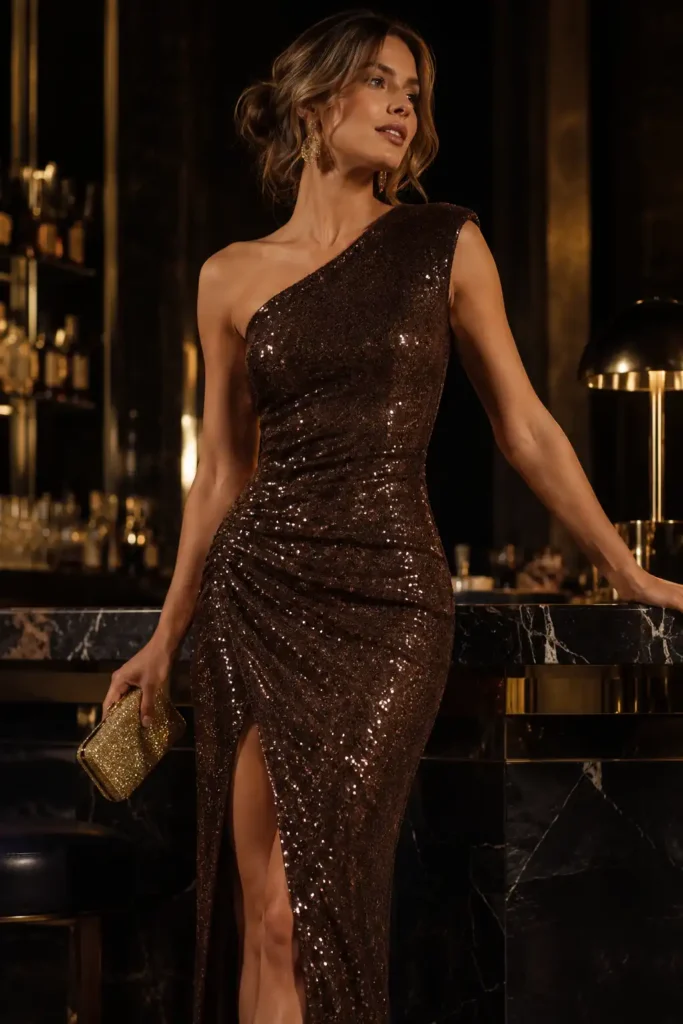
One-Shoulder Dress

Backless Sequin Dress
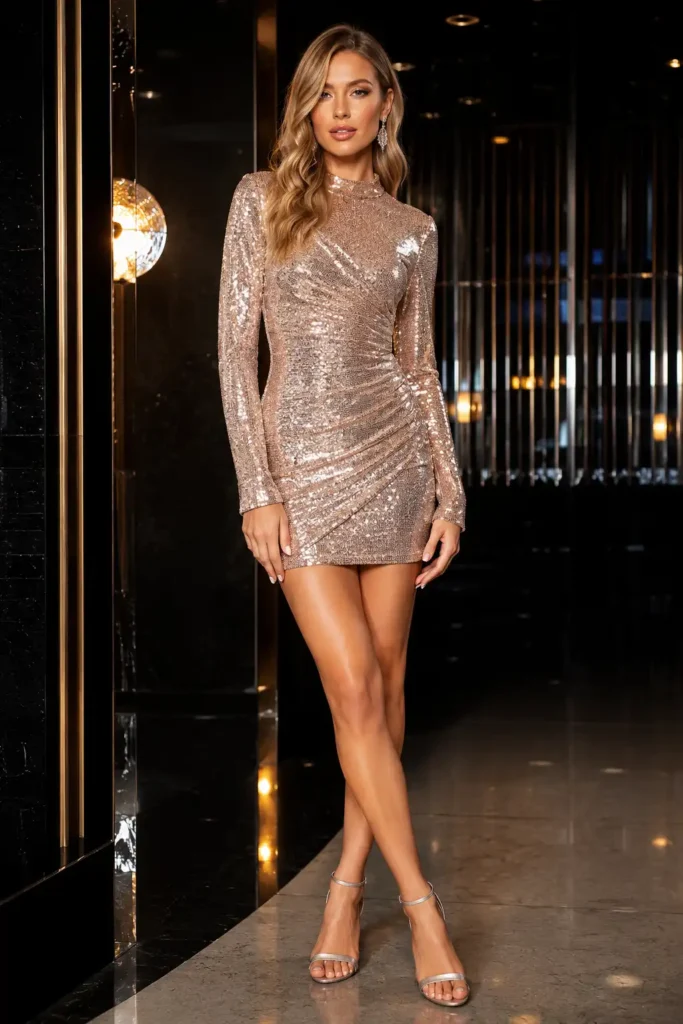
Long-Sleeve Mini
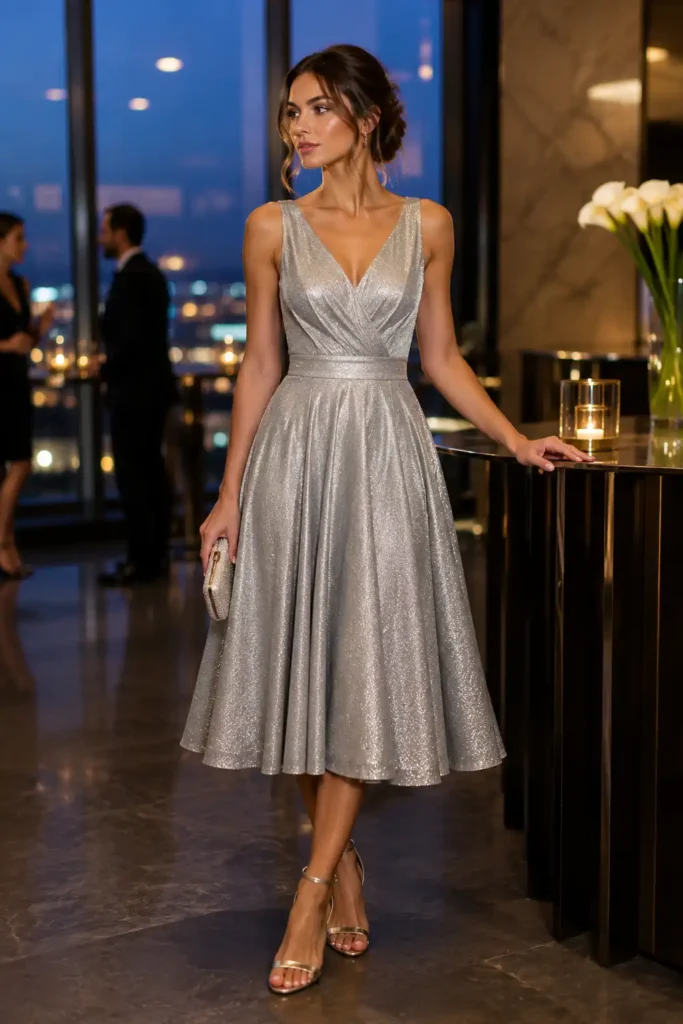
Sequin Midi Dress

Sequin Maxi Dress
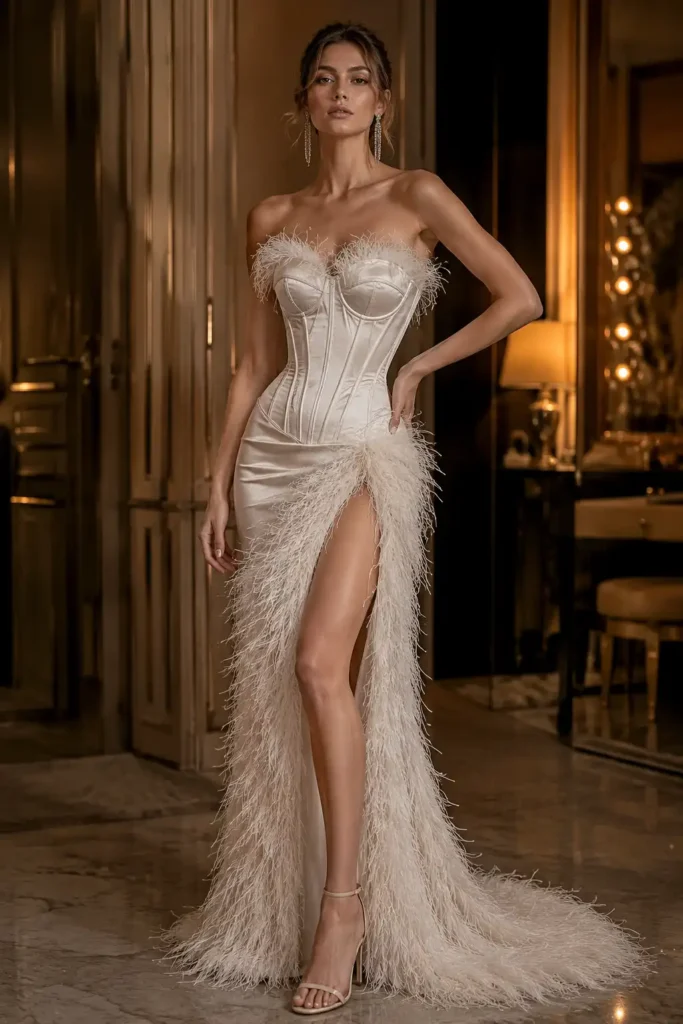
Feather-Trim Sequin
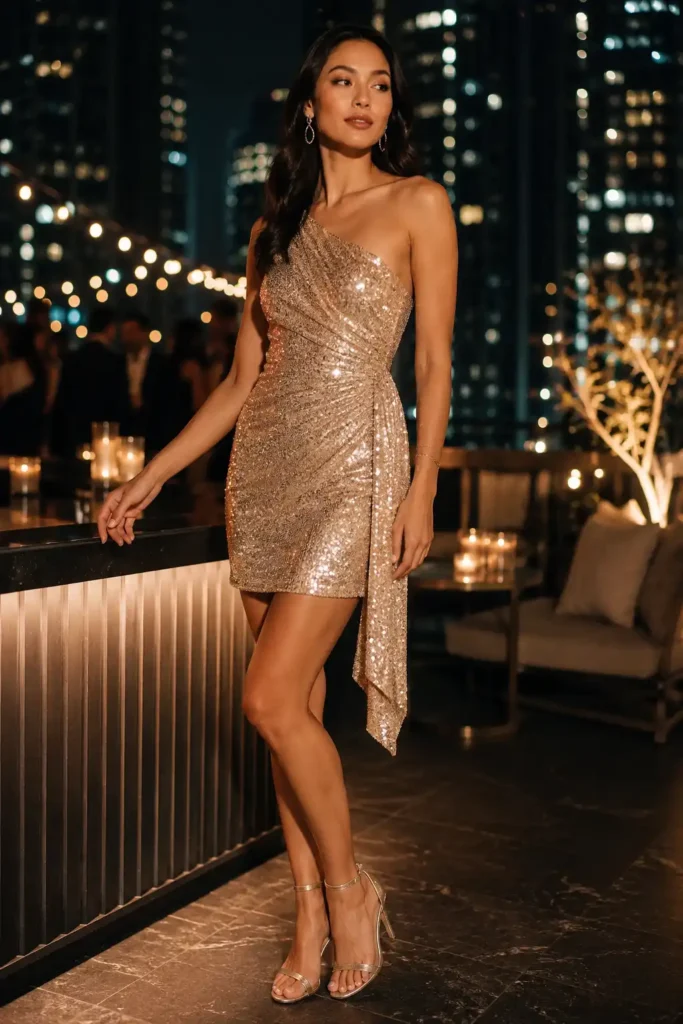
Sequin Two-Piece Set
Choose the Right Sequin Fabric for Each Style
Sequin fabric selection changes the pattern, sewing method, garment weight, lining requirement, loss allowance, cost, and packing plan. Approval should cover both the decorative face and the base material beneath it.
| Sequin Direction | Typical Base | Stretch | Relative Weight | Best Use | Main Production Risk |
|---|---|---|---|---|---|
| Stretch all-over sequin | Stretch mesh or knit | Medium to high | Medium | Bodycon mini, fitted midi, sleeves | Measurement growth, seam waviness, lining mismatch |
| Dense embroidered sequin | Mesh or woven base | Low to medium | Heavy | Corset, statement mini, premium midi | Bulky seams, weight pull, broken needles |
| Scattered sequin mesh | Fine mesh or tulle | Low to medium | Light | Overlay, sleeve, layered skirt, softer party styles | Decoration gaps, mesh damage, visible seam allowances |
| Patterned sequin embroidery | Mesh or woven base | Varies | Medium to heavy | Placement-led dresses, premium panels | Motif alignment, cutting waste, panel mismatch |
| Iridescent or holographic sequin | Mesh or knit base | Varies | Medium | Campaign mini, festival, holiday styles | Color shift, scratch visibility, lighting inconsistency |
| Mixed sequin and beadwork | Mesh or woven base | Low | Heavy | Hero pieces, evening-led partywear | Handwork variation, long lead time, special packing |
Make Sequin Dresses Comfortable Enough to Wear

Full Lining
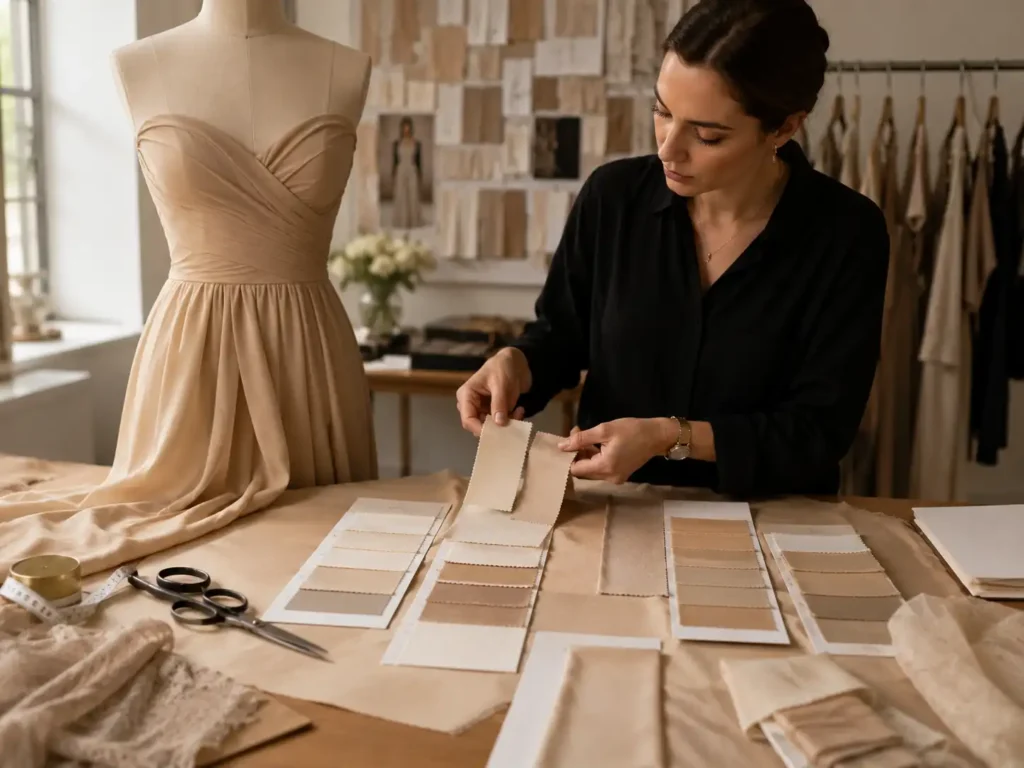
Partial Lining

Power Mesh Support

Cups and Boning

Protected Edges

Weight Distribution
Design Details That Determine the Final Fit
Party dresses are judged in motion, under direct light, and through close-up photography. Pattern and construction decisions must hold the neckline, shape the body, keep the surface clean, and protect the wearer throughout an event.

Bust Support

Waist Placement

Hip Balance
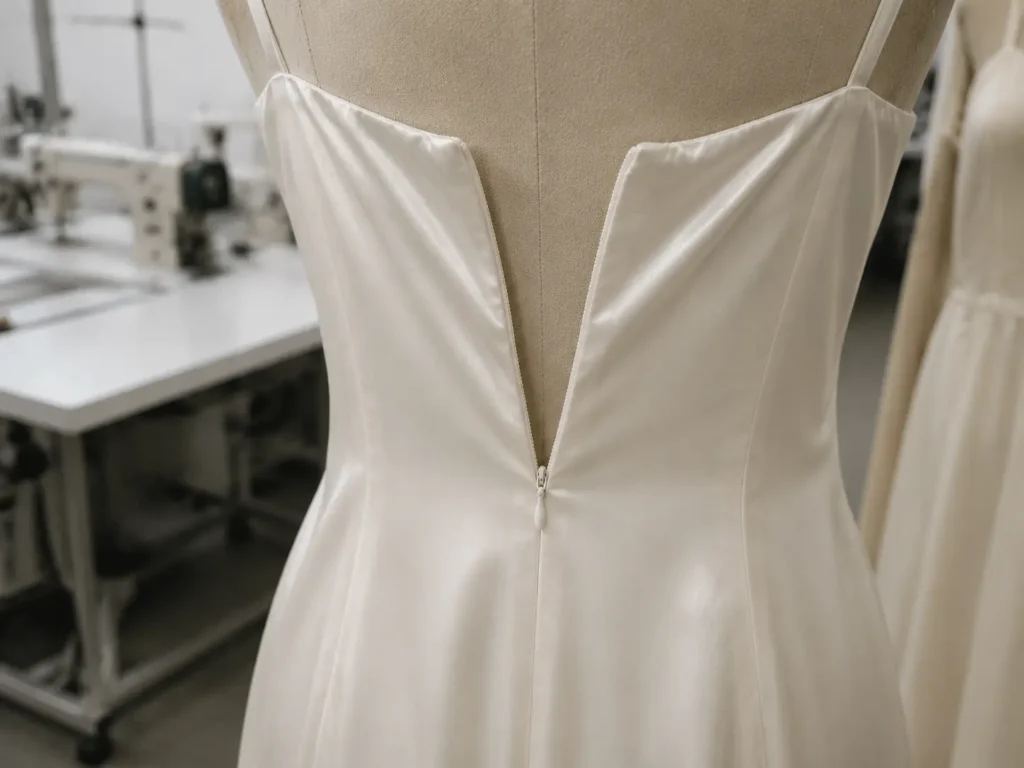
Zipper Clearance
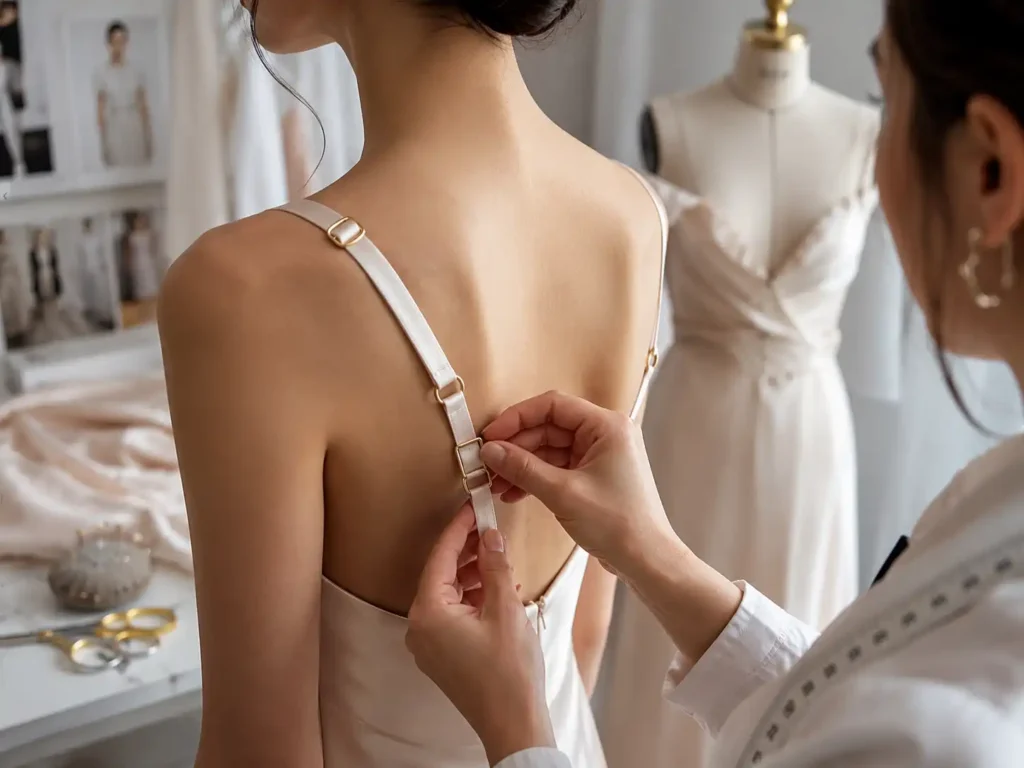
Strap Stability

Slit Control

Sequin Direction

Hem Balance
Control Collection Cost Without Flattening the Design
Cost control begins with product architecture, not last-minute price cutting. Jinfeng Apparel reviews fabric density, garment structure, lining, trims, labor, wastage, packing, style quantities, and delivery sequence to protect the visual direction while reducing avoidable cost.
| Collection Tier | Commercial Role | Construction Direction | Cost-Control Levers |
|---|---|---|---|
| Entry Commercial | Accessible volume style | Clean silhouette, lighter sequin density, standard lining, limited special trims | Use available colors, consolidate fabric, reduce panel count, standardize zipper and labels |
| Core Fashion | Main sales styles | Balanced sequin impact, developed fit, controlled support, branded packing | Share base blocks, coordinate colors, optimize cutting layout, group compatible trims |
| Statement Premium | Campaign and high-impact styles | Dense surface, corsetry, feathers, mixed embellishment, premium lining | Concentrate complexity in selected styles, confirm handwork zones, protect long-lead materials early |
What We Review Before Starting Your Collection
Style Files
Quantity Plan
Color Direction
Size Architecture
Launch Window
Brand Delivery
Main label, care label, size label, hangtag, barcode, polybag, carton mark, packing ratio, warehouse guide, and required documents are reviewed before PP approval.
Develop Complex Sequin Samples Before Bulk Production
Sampling converts design intent into a production standard. The process tests the fabric, pattern, support, decoration, sewing method, fit, measurement, and packing behavior before thousands of garments enter production.

Project and Material Review
The development team studies the style file, intended selling occasion, target price level, quantity, size plan, and delivery schedule. Sequin fabric is reviewed for base structure, stretch, recovery, weight, usable width, decoration direction, supplier MOQ, color availability, and surface risk. Lining, zippers, cups, boning, elastics, feathers, labels, and packaging are assessed together rather than after the shell is developed.
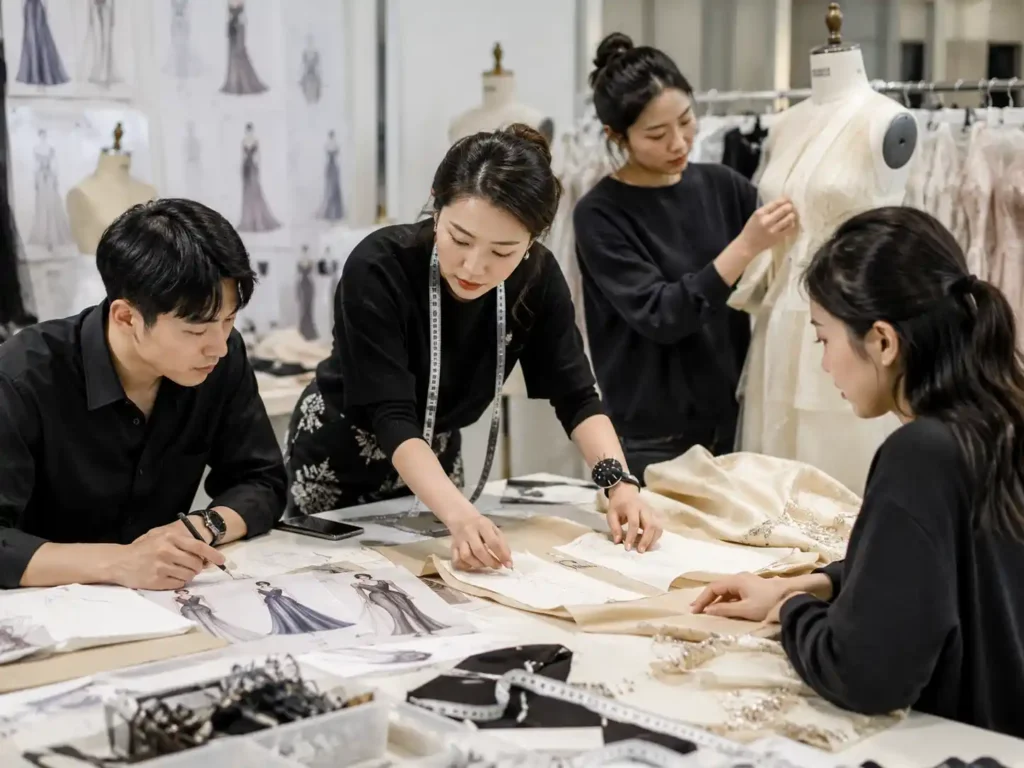
Pattern and First Sample
Senior pattern makers establish the block, neckline, bust support, waist position, hip shaping, length, slit, strap, armhole, back opening, and lining. Sample machinists test seam preparation, sequin clearing, needle behavior, zipper installation, lining attachment, edge comfort, pressing, and surface handling. The first sample is measured and reviewed on body or against the brand fit standard before comments are issued.

Revision and Photo-Ready Sample
Revision records separate pattern changes, measurement changes, fabric replacement, trim changes, workmanship comments, and visual styling comments. Photo-ready samples may prioritize approved color, surface appearance, hem balance, and camera-facing details while maintaining the same construction route intended for bulk production. Any temporary material used for photography is clearly identified and cannot silently become the bulk standard.

PP Sample and Golden Standard
The PP sample locks approved fabric, color, lining, trims, measurements, construction, labels, packing method, and finishing standard. A Golden sample or sealed reference supports factory instruction, inline inspection, final inspection, and repeat-order comparison. Changes after PP approval are evaluated for cost, material availability, pattern updates, schedule impact, and the need for another confirmation sample.
Manage Multiple Styles Around the Launch Calendar
Hero Styles First
Long-Lead Materials
Core Sales Styles
Photo Samples
Bulk Windows
Split Delivery
Match Each Style to the Right Production Unit
Factory allocation is based on construction and material behavior, not convenience. The goal is to place each style with a team familiar with its fabric, support structure, decoration, quality risks, and expected output rhythm.
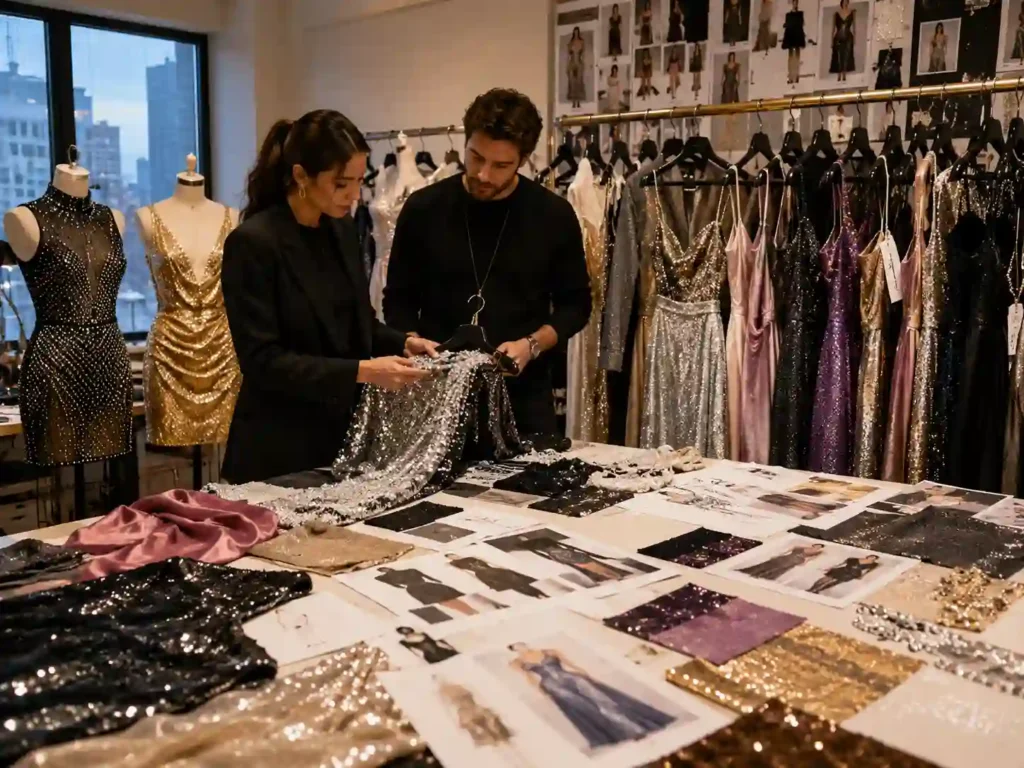
Structured Partywear

Stretch Sequin Styles

Decorated Statement Styles
Workmanship Controls for Cleaner Sequin Construction

Cutting Preparation
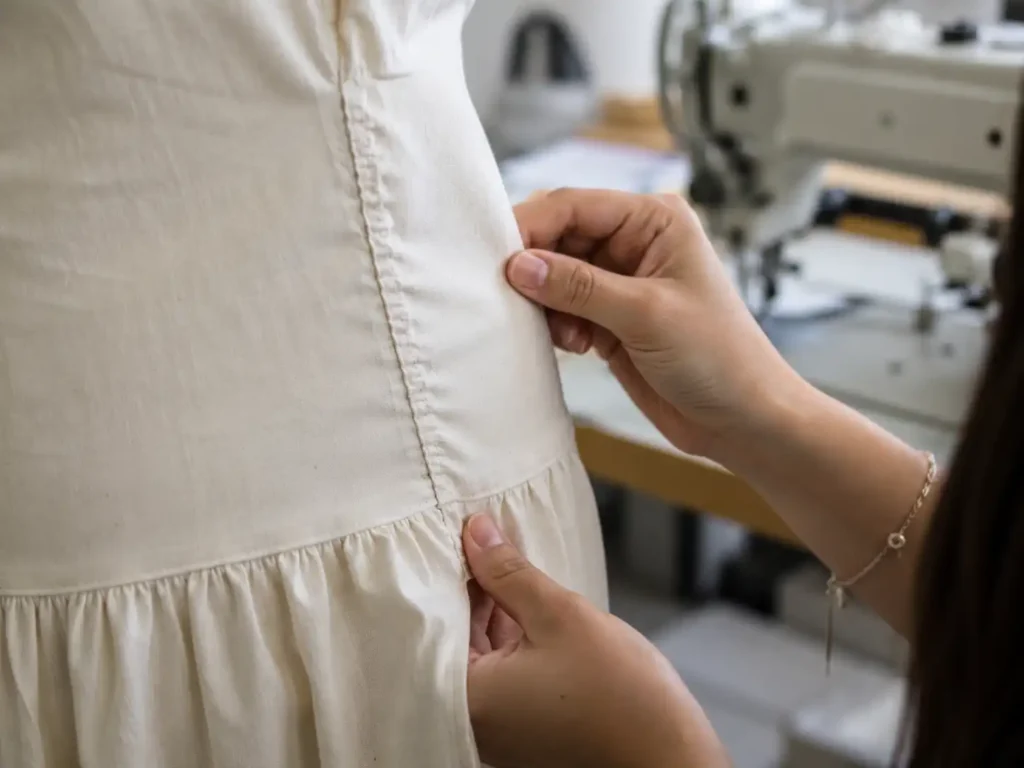
Seam Clearing

Needle and Stitch

Zipper Installation
Lining Attachment

Surface Finishing
Control Every Stage From Fabric to Final Packing
Material Inspection
Cut Panel Check
First-Piece Approval
Inline Inspection
Measurement Review
Appearance Inspection
Packing Audit
Final and AQL Review
Final inspection and AQL sampling may be performed by Jinfeng, the brand team, or an appointed third party according to the approved inspection plan and shipment requirement.
Protect Sequin Dresses Through Packing and Delivery

Private Labels
Surface Separation

Controlled Folding
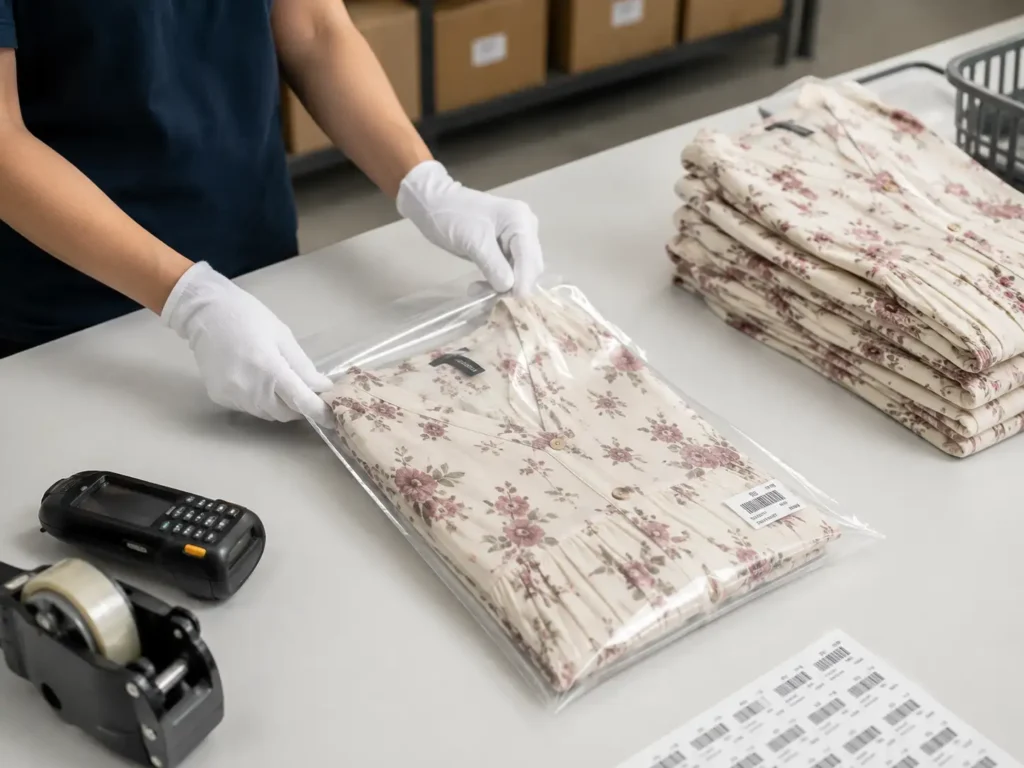
Polybag and Sticker
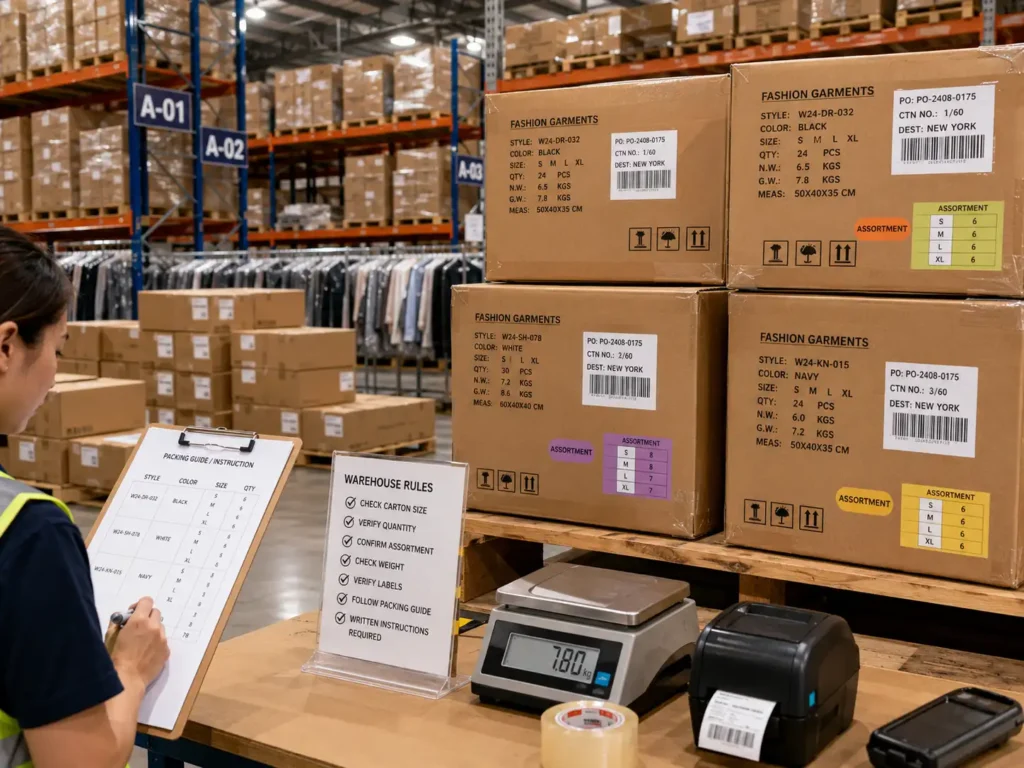
Carton Control

Shipment Coordination
A Manufacturing Partner Built for Brand Protection
Manufacturing Evidence
Compliance Support
NDA and Confidentiality
Frequently Asked Questions About Sequin Dress Manufacturing

Start Your Sequin Party Dress Collection
Send Jinfeng Apparel the product information already available, even when the collection is still being organized.
Kelly and the development team will review the assortment, identify material and construction risks, confirm whether the planned quantities fit the manufacturing model, and outline the next step for fabric sourcing, sample development, quotation, PP approval, bulk production, packing, and delivery.
More complete files allow a more useful assessment, while early-stage line sheets or reference images can still support an initial feasibility review.
- Tech packs, line sheets, sketches, reference images, or original-sample photos
- Quantity per style/color, planned total volume, and preferred size range
- Sequin effect, fabric direction, lining, support, trims, and color plan
- Photo-sample date, launch date, warehouse deadline, and delivery country
- Main labels, care labels, hangtags, barcodes, polybags, and carton requirements
- Inspection, testing, factory-audit, NDA, or documentation requirements


