Skip to content
Sequin Dress Manufacturer for Fast Fashion Brands
Custom Development · Stable Bulk Production · Fast Turnaround
Sequin dresses are not just about shine — they are about structure, durability, and consistency at scale.From concept to bulk delivery, production requires control over sequin attachment, fabric balance, and fit accuracy. Many manufacturers can produce samples, but few can maintain stability across thousands of units.
With over 30 years in women’s fashion manufacturing, Jinfeng supports global brands in developing and producing sequin dresses that meet both visual and performance expectations.
- Bulk production takes 15–30 days, with no delays during peak seasons.
- 3 Procurement Specialists Support the Sourcing of Face Fabrics and Trims
- Multiple inspection stages ensure that products meet consistent standards.
- Work is distributed across four factories to mitigate single-point risks.
- 7 Senior Women’s Wear Pattern Makers
Built for Brands That Move Fast and Scale
Not for low-cost sourcing — built for long-term production partners
Fast Fashion Brands with Frequent Drops
Occasionwear and Partywear Collections
Brands Scaling from Small to Large Orders
Holiday and Partywear Wholesalers
Private Label Development
Long-Term Production Partnerships
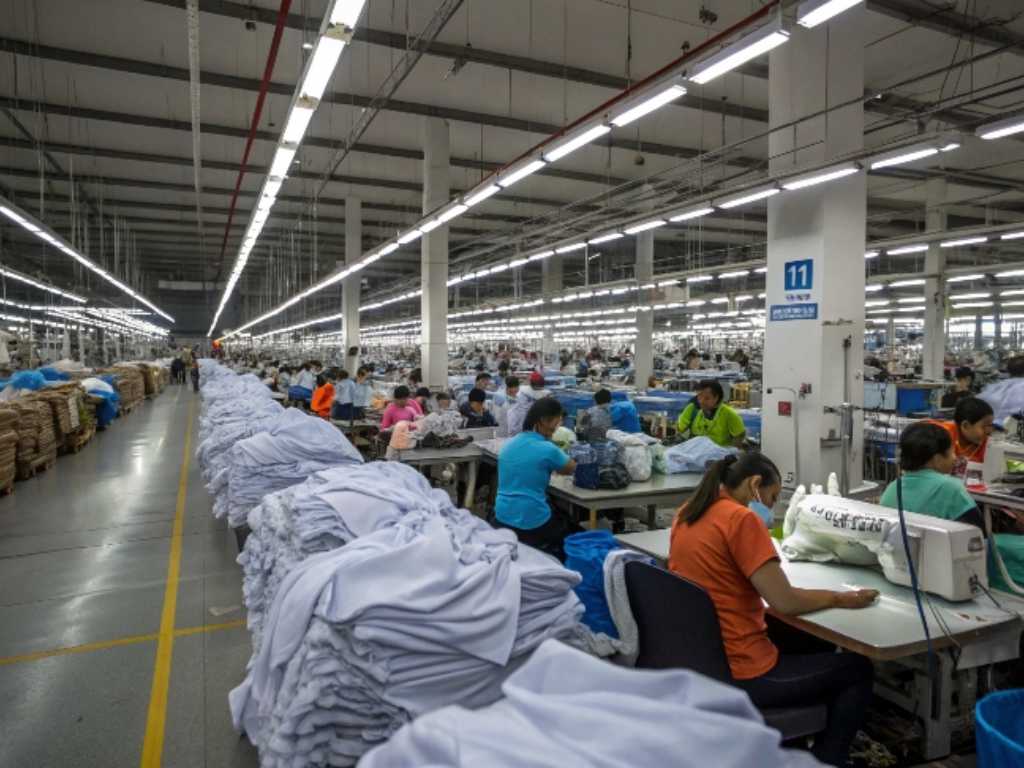
Production is organized for ongoing orders, not one-time projects. With multiple factories and 18 production lines, orders can be distributed to maintain delivery timelines and support repeat production across seasons.
Controlling Risk Points in Sequin Dress Production
Sequin Attachment Stability


Fabric and Weight Balance
Heavy sequin coverage can affect how a garment drapes and fits, especially when the base fabric is not matched correctly. Without proper balance, dresses may stretch, deform, or lose their intended silhouette in bulk production. Fabric selection is adjusted based on weight tolerance and structure, ensuring the garment can support embellishment without distortion. This helps maintain consistent shape and visual appearance across different sizes and production batches.
Skin Comfort and Wearability
Lining materials are selected and tested for softness and breathability, while construction is adjusted to minimize direct contact between sequins and skin. This improves comfort without compromising the design or overall structure of the garment.

Fit Accuracy in Bulk Production
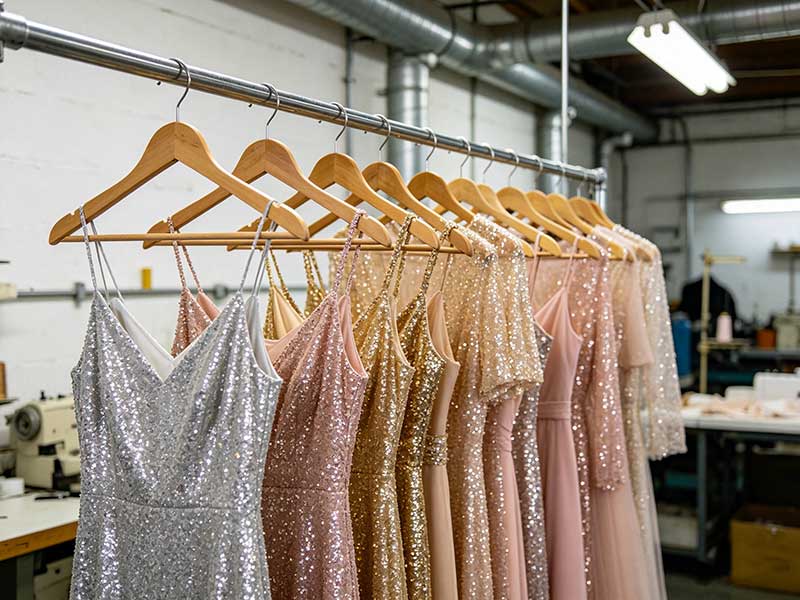
Patterns that work well for a single sample may not translate directly into consistent sizing during bulk production. Small deviations in grading or material behavior can result in noticeable fit differences across sizes. Pattern making is adjusted based on fabric stretch, sequin density, and garment structure rather than following a fixed template. This allows better control of proportions and helps maintain fit consistency across larger production runs.
Bulk Consistency and Repeat Orders
Sequin Dress Styles Built for Different Markets
Covering core styles, seasonal demand, and trend-driven designs
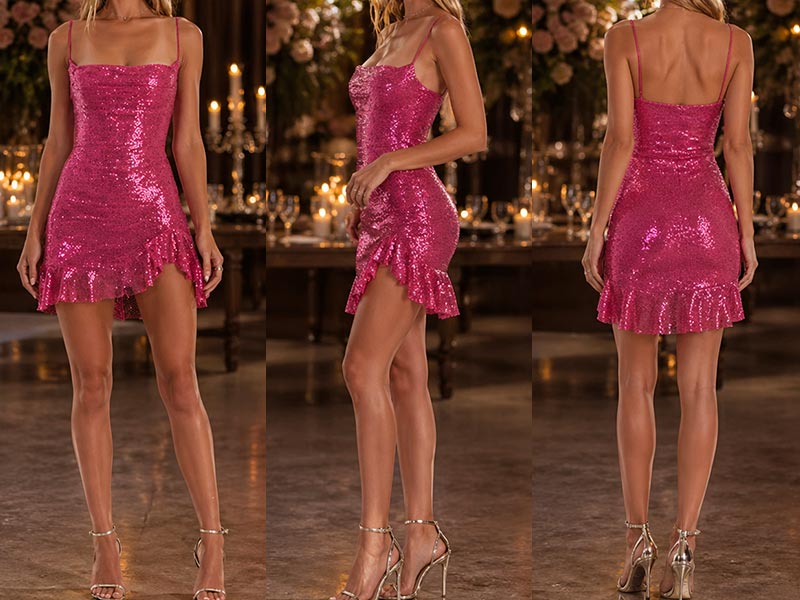
Sequin Party Dresses
Designed for nightlife, events, and social occasions with strong visual impact.
- Fitted silhouettes with high sequin coverage
- Popular for clubwear and event collections
- Focus on shine, fit, and durability

Bodycon Sequin Dresses
Close-fitting styles that require precise pattern control and stretch balance.
- Stretch fabric combined with sequin application
- Emphasis on contour and shape retention
- Suitable for fashion-forward collections
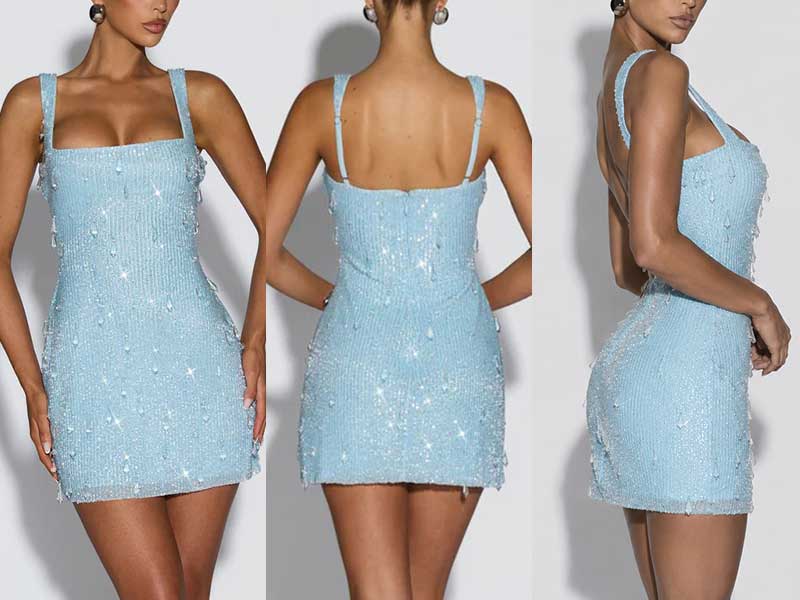
Mini Sequin Dresses
Short-length designs widely used in fast fashion and seasonal drops.
- Lightweight construction for comfort
- High turnover in e-commerce channels
- Ideal for trend-based releases

Long Sleeve Sequin Dresses
Balanced between coverage and visual impact, often used for cooler seasons.
- Structured sleeves with reinforced stitching
- Suitable for eveningwear and formal looks
- Maintains fit across different sizes
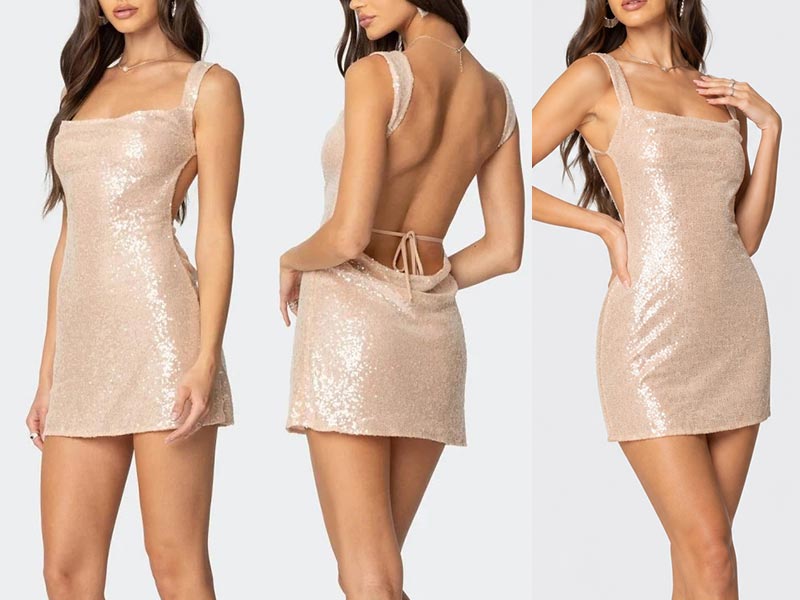
Cut-Out Sequin Dresses
Design-focused styles with more complex construction requirements.
- Careful balance between support and exposure
- Reinforced seams in key areas
- Common in premium and influencer-driven designs

Evening Sequin Dresses
Longer, more formal garments used for events, galas, and special occasions.
- Floor-length or midi silhouettes
- Higher attention to drape and structure
- Often combined with lining for comfort
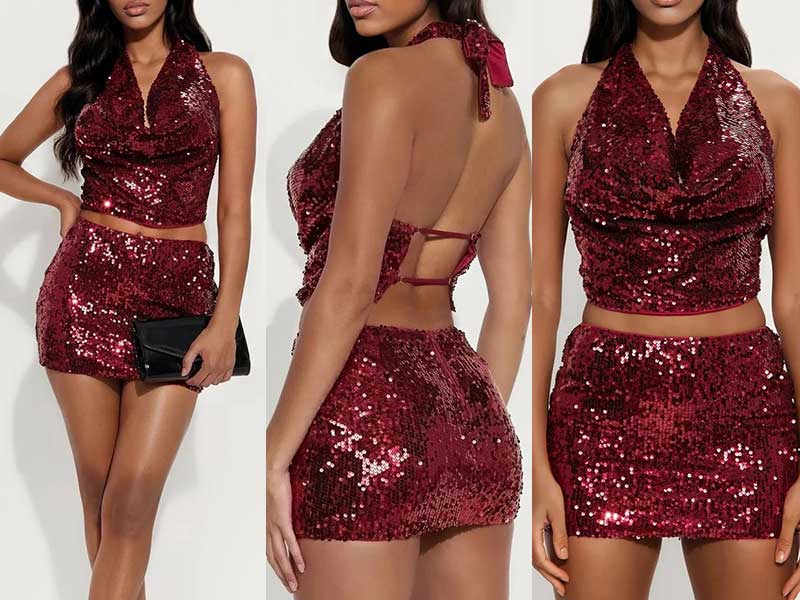
Sequin Two-Piece Sets
Matching tops and skirts or coordinated sets for modern styling.
- Flexible sizing options for customers
- Popular in online retail collections
- Allows mix-and-match merchandising
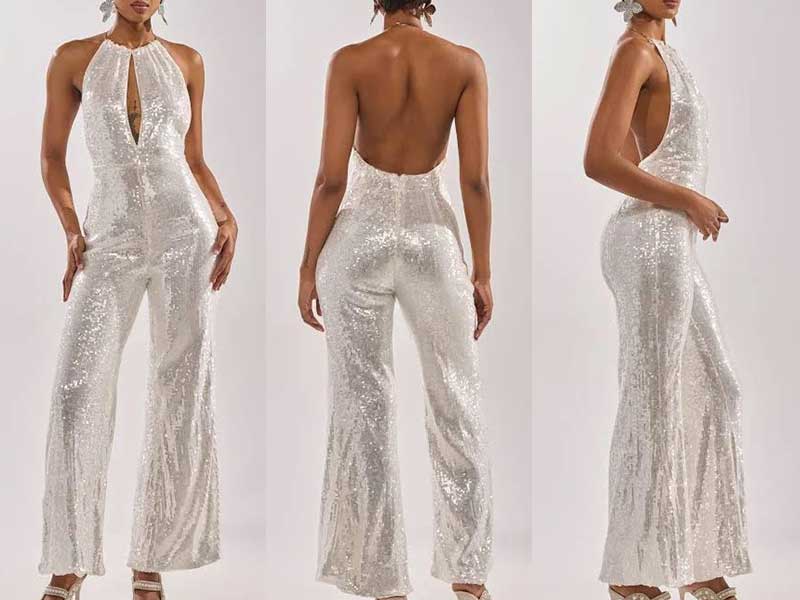
Sequin Jumpsuits
Alternative to dresses, combining structure with full-body coverage.
- Requires balanced pattern construction
- Suitable for fashion and occasionwear markets
- Often used in statement collections
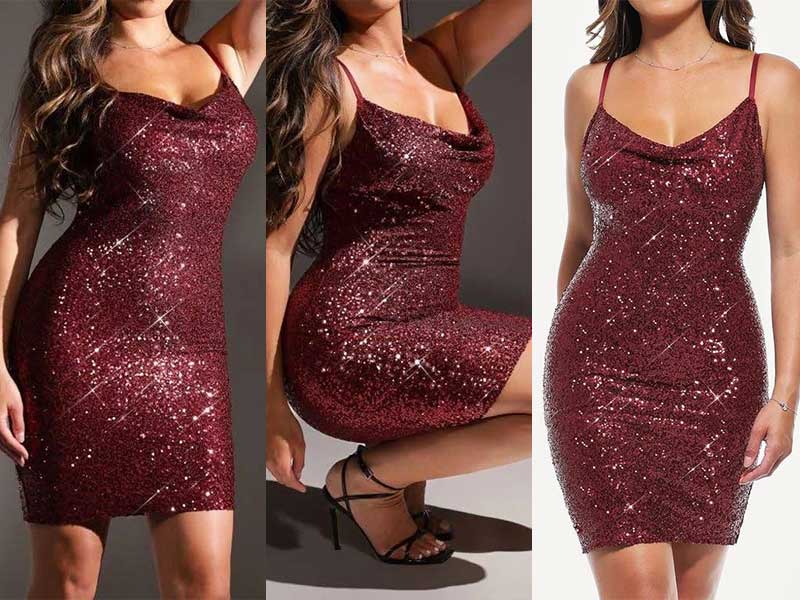
Stretch Sequin Dresses
Built on elastic fabrics to improve comfort and fit.
- Better adaptability across body shapes
- Reduced restriction compared to rigid styles
- Suitable for both casual and occasionwear
From Design to Bulk Production
A structured workflow that reduces delays and improves accuracy
Design Input and Project Review
Development starts from tech packs, reference images, or physical samples provided by the client. The team reviews construction details, fit expectations, and visual elements before moving forward. For sequin dresses, additional attention is given to placement, density, and garment structure to ensure the design can be produced without distortion.
Fabric and Sequin Sourcing
Materials are selected based on design requirements, cost targets, and production feasibility. Fabrics such as mesh, velvet, or stretch knit are matched with suitable sequin types to balance weight and comfort. Jinfeng’s sourcing team works with existing suppliers to ensure materials are consistent and available for both sampling and bulk production.
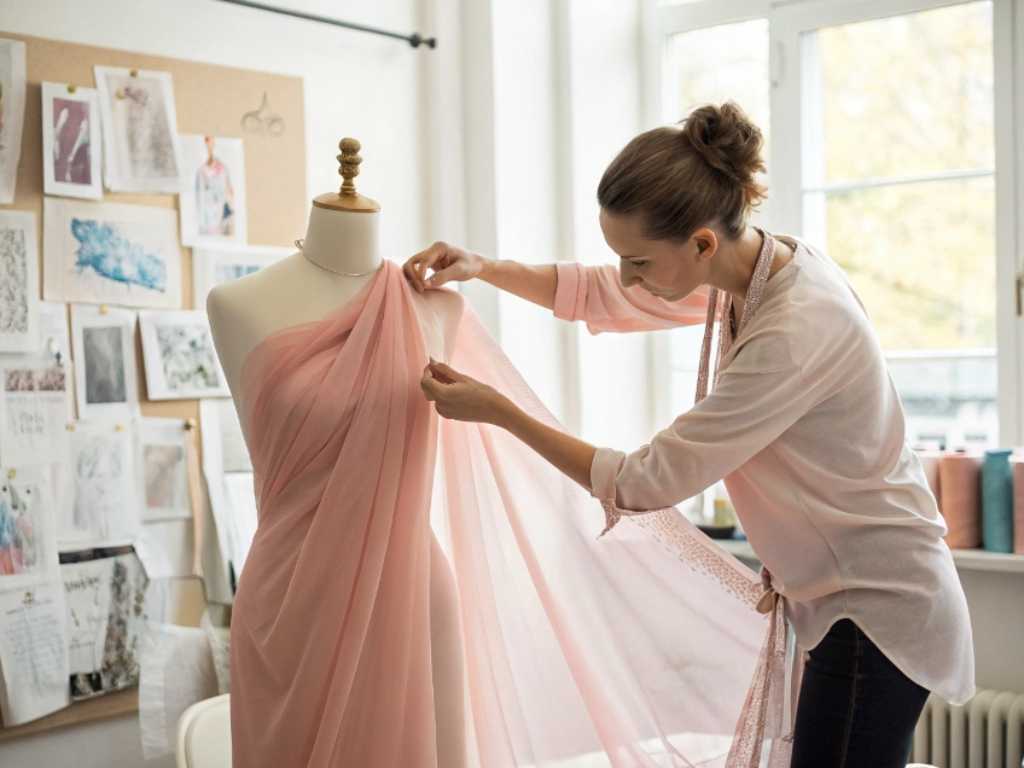
Pattern Making and Adjustment
Patterns are developed by experienced pattern makers, with adjustments made based on fabric stretch, sequin load, and garment shape. For fitted and bodycon styles, pattern balance is carefully controlled to maintain silhouette and proportion. This step helps avoid fit issues that often appear during bulk production.
Sample Development
Samples are produced in dedicated sample rooms, usually within 5–10 days depending on complexity. Construction methods, stitching techniques, and finishing details are tested at this stage. For sequin garments, attachment methods and lining structures are verified to ensure durability and comfort.
Fitting and Revision
Samples are reviewed and adjusted based on feedback. Changes may include fit refinement, material adjustments, or structural improvements. Most projects are aligned within one or two revision rounds, reducing development time and helping move orders forward more efficiently.
Bulk Production Planning
Once samples are approved, production is scheduled based on order quantity and delivery timeline. Orders are allocated across different production lines to maintain efficiency and consistency. Materials are prepared in advance to avoid delays during manufacturing.
Production, Inspection, and Delivery
Bulk production is carried out with in-line quality checks to ensure stitching consistency and sequin stability. Final inspection is completed before shipment, covering measurement, appearance, and packaging. Orders are then shipped using the selected logistics method, aligned with the client’s delivery schedule.
MOQ and Pricing for Sequin Dress Production
Typical MOQ
- Standard styles: 200–300 pcs per design
- Heavy or complex sequin styles: 300–500 pcs
What affects pricing
- Sequin density and coverage
- Base fabric (mesh, velvet, stretch knit, blends)
- Construction complexity (lining, structure, cut-outs)
- Quantity and repeat potential
Practical consideration
Supporting Continuous Product Launch Cycles
Production structured for speed and repeatability
Fast Sampling and Parallel Development
- Standard samples completed in 5–7 days
- Complex sequin styles in 7–10 days
- Support for tech packs, images, or sample references
Flexible Production for Ongoing Drops
Fast fashion production requires the ability to run small batches while preparing for repeat orders. Production is scheduled across multiple lines, allowing different styles to move forward in parallel.
- Small initial orders from 200–500 pcs
- Multiple styles produced at the same time
- Smooth transition from sampling to bulk
This setup supports frequent launches, seasonal collections, and rolling production without disrupting existing orders.
Scalable Capacity and Quick Reorders
- Monthly capacity around 100,000 pieces
- Expandable to 150,000+ pieces when needed
- Material and pattern records maintained for repeat production
Custom Sequin Dress Options for Brand-Specific Development
From design details to full private label production
Sequin and Design Customization
Sequin dresses are highly design-driven products, where small changes in materials and layout can create completely different visual effects. Customization is handled during the development stage to ensure the final result matches both design intent and production feasibility.
- Sequin colors can be adjusted to match brand palettes, seasonal themes, or campaign requirements
- Sequin sizes are selected based on garment scale, from fine detailing to larger statement pieces
- Sequin patterns can follow specific shapes, gradients, or placement references provided by the client
- Sequin layout and density are controlled to balance visual impact with weight and comfort
- Style modifications such as neckline, length, sleeves, or cut-outs can be adjusted based on existing designs
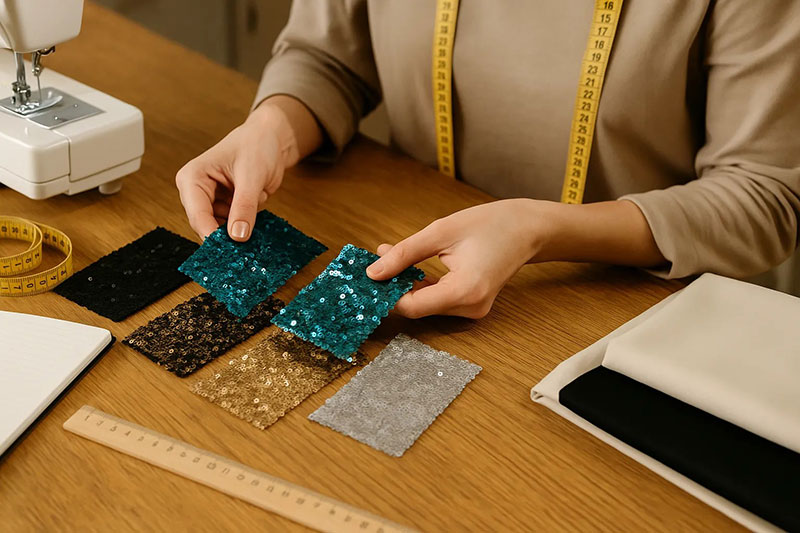
With in-house pattern makers and sample teams, these adjustments are tested during sampling to reduce revisions and ensure consistency before bulk production.
Private Label and Branding Customization
For brands building their own collections, product identity goes beyond the garment itself. Labeling and packaging are integrated into production to align with brand positioning.
- Private labels can be applied inside garments according to brand specifications
- Hang tags are attached based on supplied designs or production-ready files
- Care labels (wash labels) are customized with required content and compliance details
- Packaging options such as poly bags, logo printing, or custom packaging can be arranged
- Brand-specific requirements can be integrated into production workflows for repeat orders
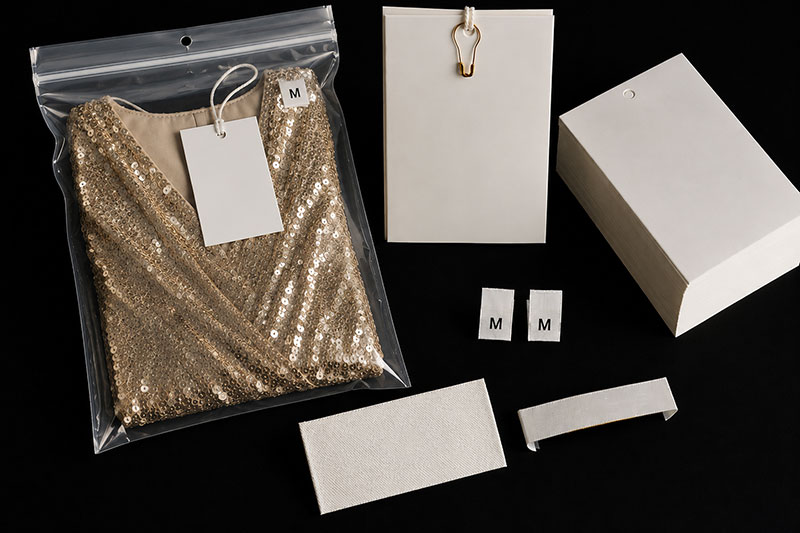
Labeling and packaging are prepared alongside production to ensure consistency across batches, especially for brands with ongoing collections.
Choosing the Right Materials for Sequin Dresses
Material decisions affect both appearance and performance
Fabric Selection for Sequin Dresses
Fabric is the foundation of the garment and directly affects how sequins behave in both sampling and bulk production. Different fabrics respond differently to weight, stitching, and movement.
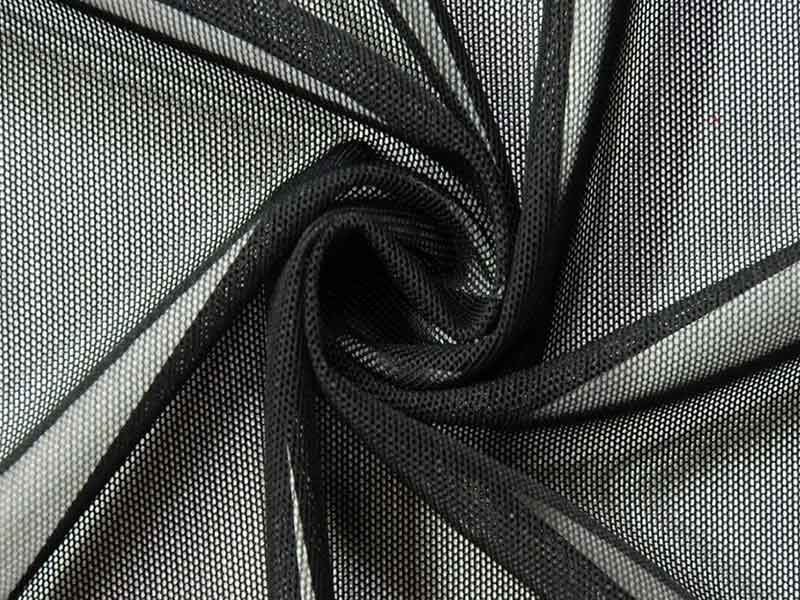
Mesh
Mesh fabrics are lightweight and breathable, suitable for high sequin coverage while maintaining comfort, but require reinforcement in stress areas to prevent distortion
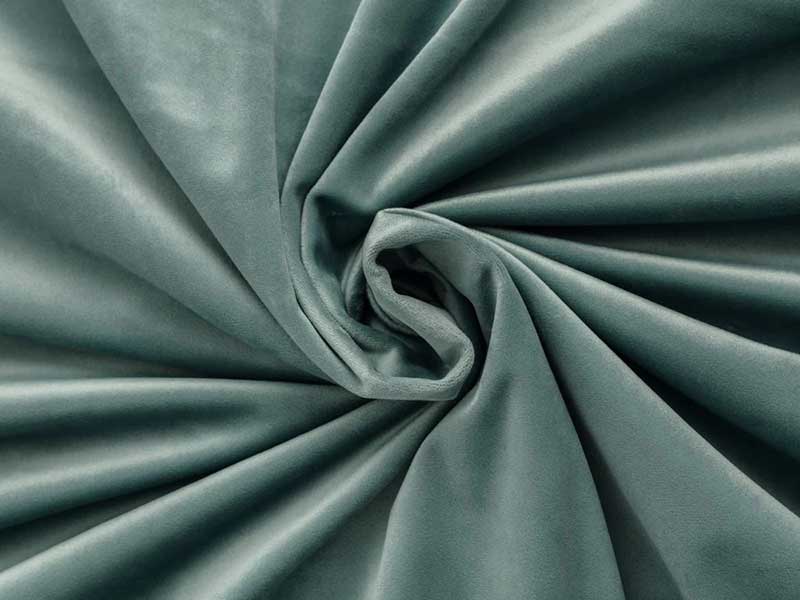
Velvet
Velvet fabrics provide a heavier and more premium appearance, often used for evening styles, but need careful handling to support sequin weight without dragging
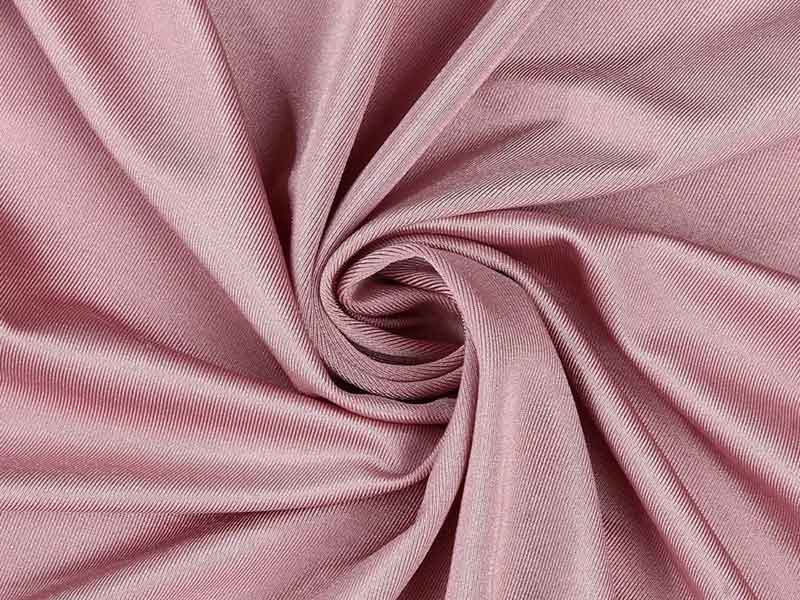
Stretch knits
Stretch knits allow better body fit and flexibility, especially for bodycon styles, but require pattern adjustment to maintain shape under sequin load
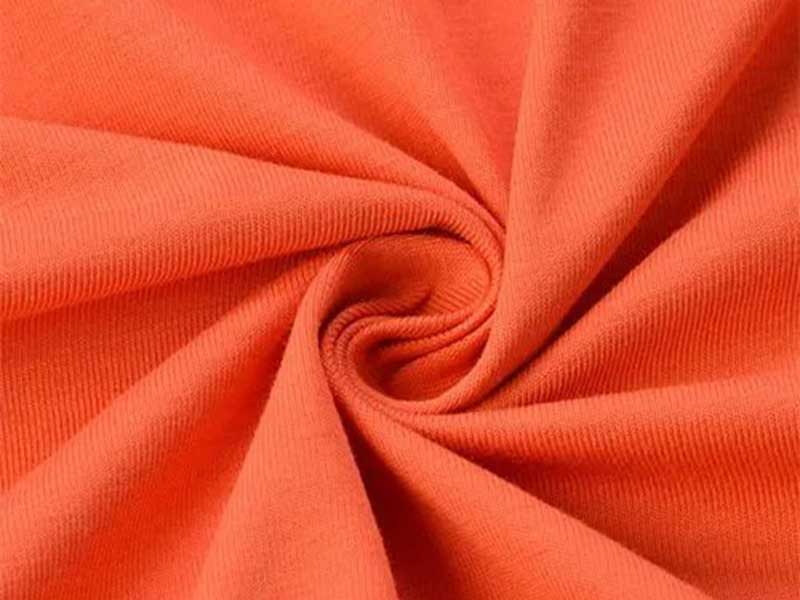
Polyester blends
Polyester blends offer stability and cost efficiency, commonly used for scalable production, with consistent performance across bulk orders
Sequin Types and Application Methods
Different types of sequins create different visual effects and require different attachment methods. Selection depends on design intent, durability needs, and production feasibility.
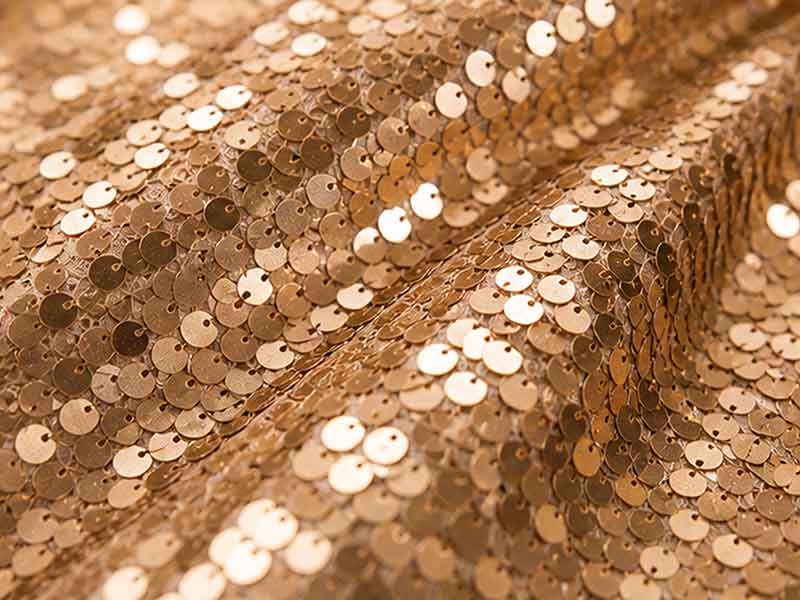
Flat sequins
Flat sequins provide a clean and smooth surface, widely used in large-area coverage, with relatively stable stitching performance
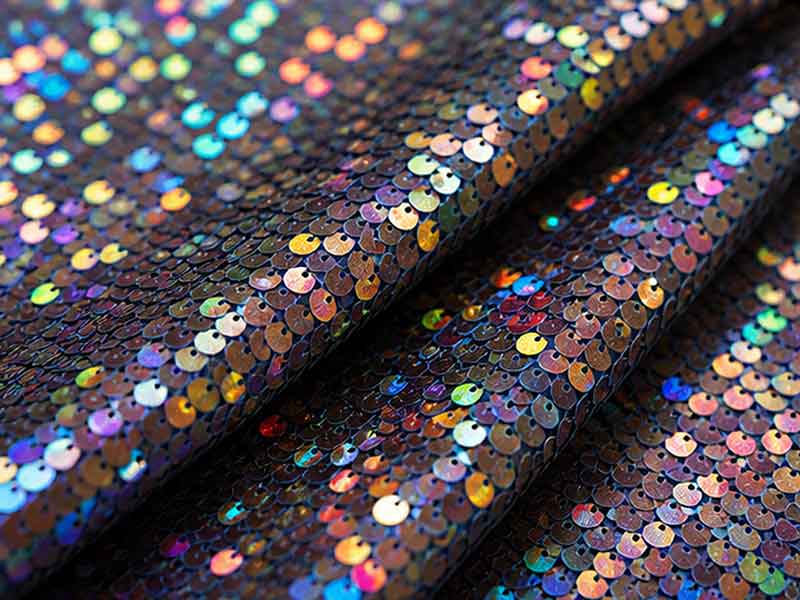
Holographic Sequins
Holographic sequins create strong reflection and color shifts, often used in partywear, but require precise stitching to avoid uneven shine
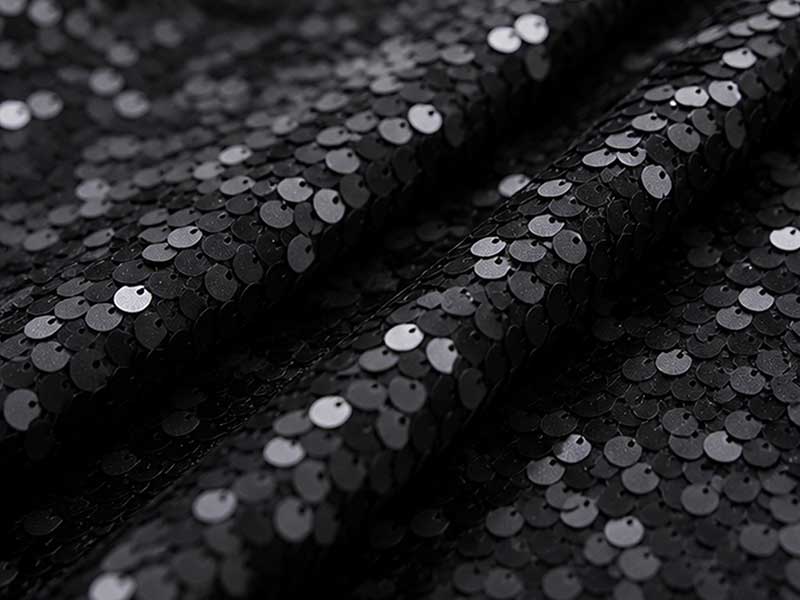
Matte Sequins
Matte sequins offer a softer and more subtle finish, suitable for premium or less reflective styles, with better consistency in bulk production
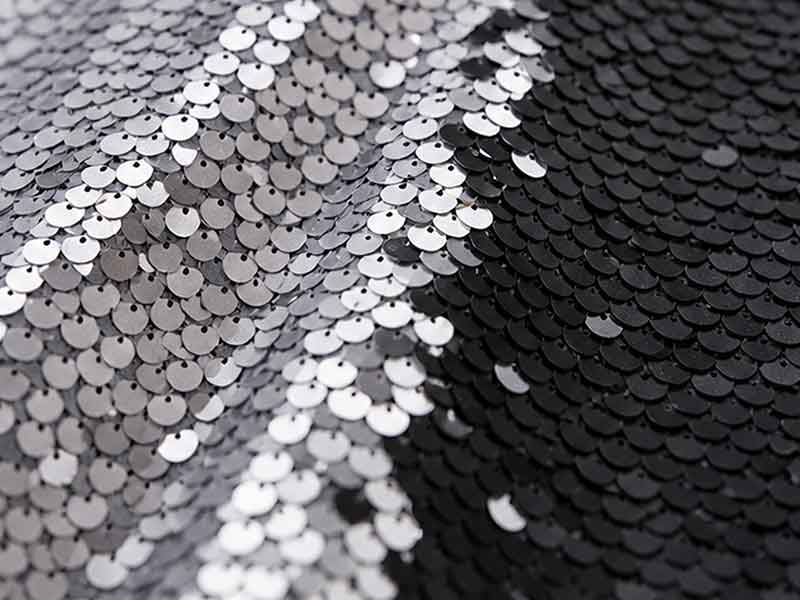
Reversible Sequins
Reversible sequins add interactive effects, but increase complexity in both stitching and garment structure
Best Sequin Dresses Types Recommended
How Different Brands Work with Sequin Manufacturers
Production structure depends on brand stage and strategy
Case 1 — European Fast Fashion Brand (Online Retail)
A mid-sized European fashion brand focused on partywear and social media-driven collections. New styles launched every 3–4 weeks.
Challenge
- Slow sampling from previous supplier (15+ days)
- High revision rate due to poor fit accuracy
- Missed seasonal launch window
Solution
- Sample development completed within 7 days
- Pattern adjustments made based on stretch sequin fabric behavior
- Multiple styles developed in parallel using 2 sample rooms
Result
- First bulk order: 800 pcs per style × 3 styles
- Reorder placed within 4 weeks based on sell-through
- Sampling cycle reduced by over 40%
Production was handled through dedicated lines, ensuring consistency across repeat orders.
Case 2 — U.S. E-commerce Brand (Occasionwear Focus)
A U.S.-based online brand specializing in evening and occasion dresses, with strong demand during holiday seasons.
Challenge
- Sequins falling off during customer use
- High return rates affecting profitability
- Inconsistent quality across batches
Solution
- Reinforced stitching applied in high-stress areas
- Fabric and lining adjusted for better structure and comfort
- Bulk production monitored with in-line quality checks
Result
- Return rate reduced significantly after first production cycle
- Initial order: 1,200 pcs, followed by repeat orders
- Product rating improved across online channels
Production consistency improved through controlled material sourcing and batch tracking.
Case 3 — UK Occasionwear Brand (Boutique & Events)
A UK-based boutique brand focused on premium sequin dresses for events, weddings, and formal occasions.
Challenge
- Complex designs with heavy sequin coverage
- Difficulty maintaining fit and silhouette in bulk
- Limited production capacity from previous supplier
Solution
- Pattern adjusted to account for sequin weight distribution
- Production split across multiple lines to maintain quality
- Close coordination between sample room and production team
Result
- First order: 500 pcs per style, across 4 styles
- Bulk production completed within 30–35 days
- Follow-up seasonal orders confirmed
Multi-line production allowed stable output without compromising garment structure.
Case 4 — U.S. Private Label Brand (Scaling Stage)
A growing U.S. brand building its own private label collection, starting with small runs and scaling based on sales.
Challenge
- Needed flexibility for small initial orders
- Required consistent quality for brand positioning
- Limited internal experience with sequin garments
Solution
- Initial production started at 300 pcs per style
- Material recommendations provided during sampling
- Development team supported fit and fabric adjustments
Result
- Scaled to 3,000+ pcs per style within 3 months
- Multiple styles added to collection
- Established ongoing production relationship
Capacity expansion was supported through existing production lines and additional allocation when needed.
How to Identify High-Quality Sequin Dresses
A practical standard used in real production and sourcing
| Evaluation Area | High Quality Standard | Low Quality Issues |
|---|---|---|
| Sequin Material | Eco-friendly PET sequins, anti-oxidation, fade-resistant, washable, long-lasting shine | Basic plastic sequins, easy to yellow, fade, oxidize, and lose brightness |
| Edge Finishing | Smooth and rounded edges, no burrs, skin-friendly, no snagging on fabrics | Rough and sharp edges, uncomfortable to wear, easy to snag tights or lining |
| Thickness & Flexibility | Even thickness, flexible and durable, resistant to cracking when bent | Thin and brittle, cracks easily, breaks after limited wear |
| Surface Shine | Bright mirror-like finish, strong color saturation, premium reflection under lighting | Dull, cloudy, low saturation, greyish tone, cheap visual appearance |
| Sequin Density & Layout | Dense and full coverage, evenly aligned, no gaps, clean visual surface | Sparse placement, uneven layout, base fabric visible, low-end appearance |
| Stitching Strength | Double stitching or reinforced stitch patterns, strong attachment, resistant to pulling and washing | Single loose stitching, sequins fall off easily, poor durability after washing |
| Surface Flatness | Smooth and flat surface, no lifting or curling, clean garment structure | Wavy, uneven surface, curling sequins, bulky and rough look |
| Base Fabric Quality | Stretch mesh or soft knit, breathable, flexible, comfortable against skin | Stiff mesh or coarse fabric, heavy, non-breathable, uncomfortable to wear |
| Fabric Compatibility | Fabric supports sequin weight, maintains shape and drape in fitted styles | Fabric cannot support embellishment, leading to distortion and poor fit |
| Wash & Color Fastness | No fading, no color bleeding, no oxidation after washing or friction | Color fading, dye transfer, sequins darken or lose shine quickly |
| Garment Construction | Clean seams, no sharp edges, smooth neckline and armholes, refined finishing | Rough seams, hard edges, uncomfortable contact points, poor finishing |
| Lining & Comfort | Soft lining, properly covered seams, prevents skin irritation | Poor lining or no protection, direct contact with sequins causes discomfort |
| Garment Weight Balance | Balanced weight, comfortable to wear, maintains structure without pressure | Too heavy or uneven weight, uncomfortable, affects movement and fit |
Flexible Shipping and Delivery Options

Shipping and Delivery Options

Payment Terms and Methods
Direct Communication with Development and Production Teams
Communication Channels
- Video calls
Team Support
- English-speaking sales team
- Dedicated merchandisers for order tracking
- Direct coordination with pattern makers and sample teams
Development Collaboration
- Support for tech pack review
- Assistance with material selection
- Ability to co-develop designs with in-house R&D team
Frequently Asked Questions About Sequin Dress Manufacturing
Most orders start from 200–300 pieces per style, depending on design and materials. Lower quantities can be discussed when developing multiple styles.
Sampling usually takes 5–7 days for standard styles and 7–10 days for more complex designs.
Sequin attachment is reinforced through stitching methods and material selection. Stability is checked during both development and production.
Yes. Development can start from reference images, tech packs, or physical samples, with adjustments made during sampling.
- Simple styles: 15–20 days;
- Standard styles: 20–30 days;
- Complex styles: 30–45 days
Yes. Materials and production records are tracked to maintain consistency across repeat orders.
Yes. Initial orders often start from 200–500 pieces, with the option to scale later.
Yes. Fabric, sequins, and trims can be sourced and matched to design requirements.
Yes. NDA agreements can be signed to protect designs and brand information.
Payment can be made via T/T, PayPal, credit card, Alibaba Trade Assurance, or Alipay.
Start Your Sequin Dress Production with a Reliable Manufacturer
Whether you possess complete, ready-to-use design drafts or merely a preliminary concept, and whether you are launching a new collection or expanding an existing product line, we offer comprehensive support—spanning fabric selection, pattern adjustments, and structural engineering—to help you swiftly kickstart your product development process.