Skip to content
Sequin and Mesh Dress Manufacturer
Custom sequin mesh dress development for partywear, clubwear, occasionwear and private-label womenswear collections.
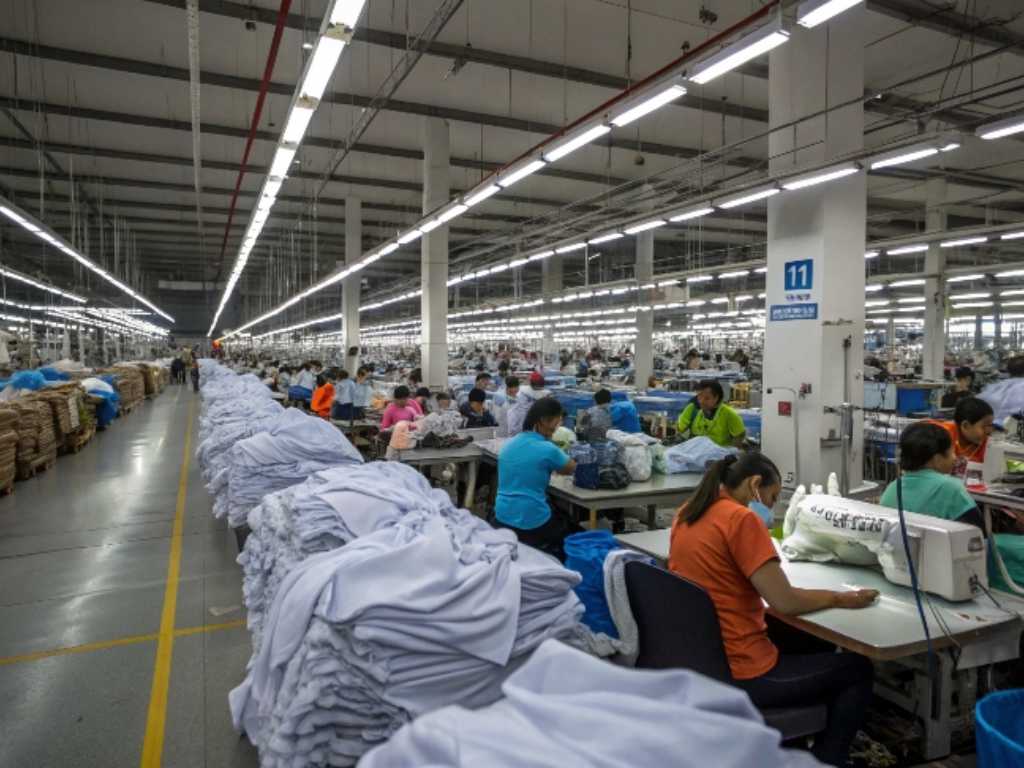
- Since 2008, Jinfeng Apparel has focused on custom womenswear development and bulk production from Guangdong, China.
- Built for multi-style dress programs with 6 owned women’s fashion factories and 10+ long-term production partners.
- Complex sequin mesh styles often need 15–25 days for sample development after fabric, trims and structure are confirmed.
- MOQ starts from 200 pcs per style/color, with better planning value for 10–30 style launches and 20,000–80,000 pcs total programs.
Development Capacity for Complex Fashion Dresses
16+ Years Womenswear Experience
6 Owned Factories
2 Sample Rooms
7+ Senior Pattern Makers
20+ Sample Machinists
MOQ From 200 Pcs
Built for Established Fashion and Occasionwear Programs
Fast-Fashion Womenswear Brands
Partywear Labels
Occasionwear Brands
Occasionwear collections need stronger structure, cleaner finish and more refined packing. Cocktail, homecoming, prom-inspired, wedding guest and evening designs may combine sequin tulle, embroidered mesh, lining, cups, boning, invisible zippers and hem balance. Jinfeng Apparel reviews fabric weight, length proportion, lining shade and dress shape before bulk schedules are locked.
Product Teams
Product developers, sourcing managers and merchandising teams need a supplier able to comment on construction risk rather than simply accept files. Jinfeng Apparel can review tech packs, sample photos, BOM notes, size charts, fabric direction, trim requirements, label artwork and target delivery windows before quotation and sample planning begin.
What Does a Sequin and Mesh Dress Manufacturer Do?
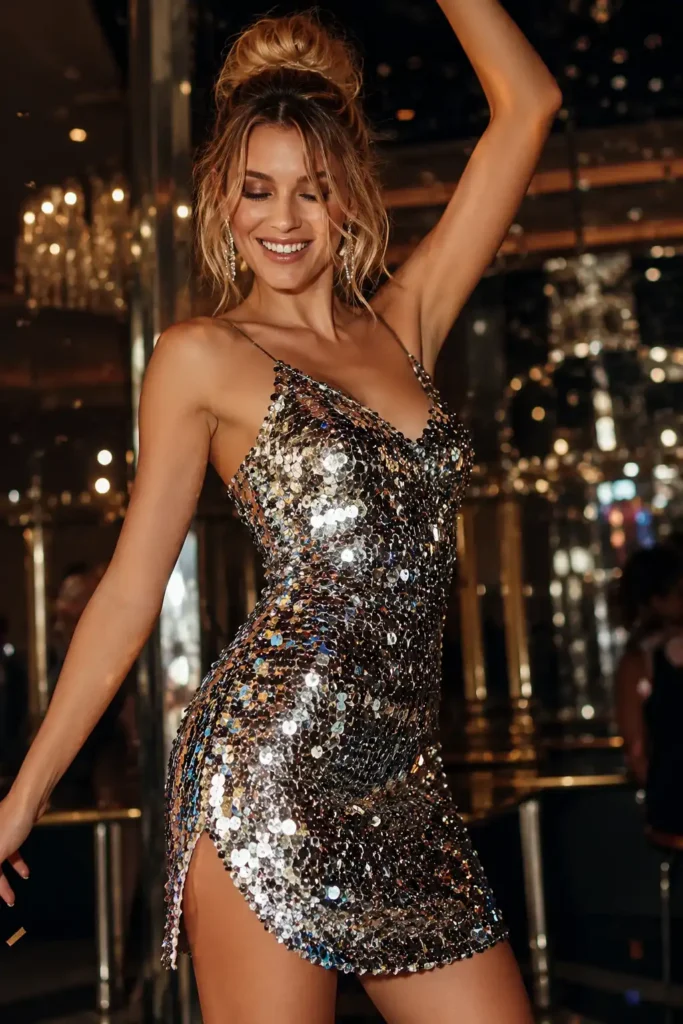
A sequin and mesh dress manufacturer develops embellished sheer dresses by coordinating sequin fabric, stretch or rigid mesh, lining coverage, pattern shape, seam protection, sample approval, bulk cutting, sewing, inspection and private-label packing. The goal is to turn a visual fashion idea into a repeatable garment with stable fit, surface appearance and delivery quality.
From Visual Reference to Production Standard
A sequin mesh dress begins with a visual idea, but production requires a clear standard behind the image. Jinfeng Apparel reviews the garment by separating design intent from manufacturing risk. The team checks whether the sequin layer is all-over, placement-based, embroidered on mesh or combined with plain sheer panels. Mesh position is reviewed for stretch, transparency, skin exposure, coverage and seam strength. Lining is reviewed not only for opacity, but also for comfort, color matching, movement and photography.
For fitted party dresses, the main control points are bust, waist, hip, armhole, zipper, side seam and skirt length. For corset or evening styles, cups, boning, waist support, center-front balance and hemline require stronger technical review. For sheer cut-out styles, transparent zones must be checked across size grading so larger sizes do not expose more than intended. Each sample should become a production reference with confirmed fabric, trim, size spec, construction method, seam finish, label position and packing method.
A qualified manufacturer also explains cost drivers before sampling. Sequin density, handwork, lining area, mesh type, color split, size range, packing protection and order quantity all affect labor and material planning. Clear discussion before sampling reduces unnecessary revisions and prevents attractive designs from becoming difficult bulk orders.
Sequin and Mesh Dress Styles We Develop
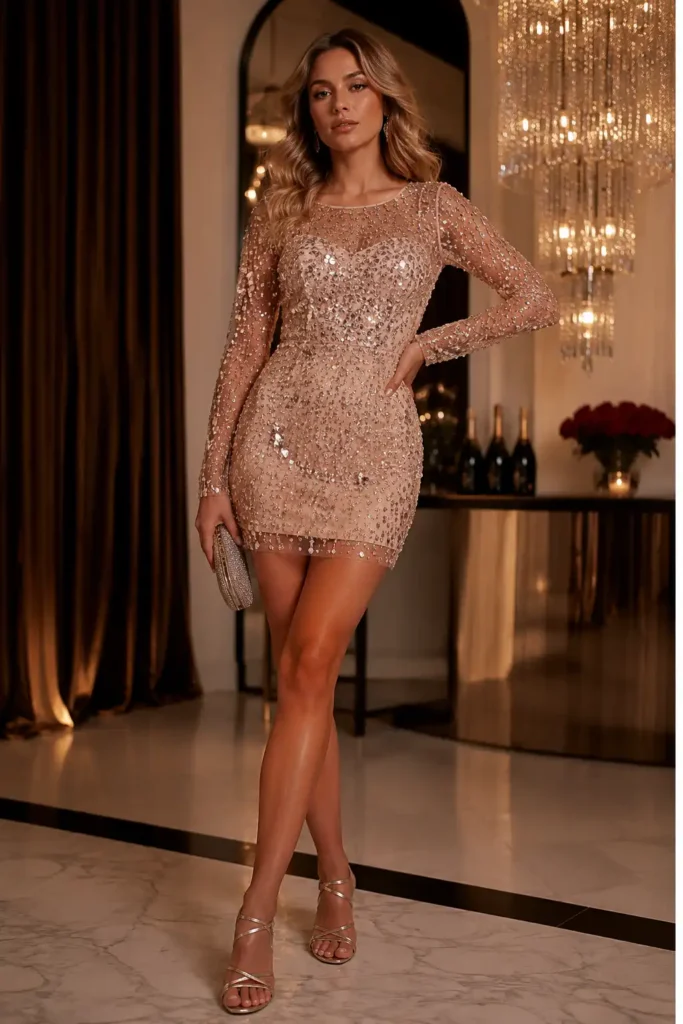
Sequin Mesh Mini
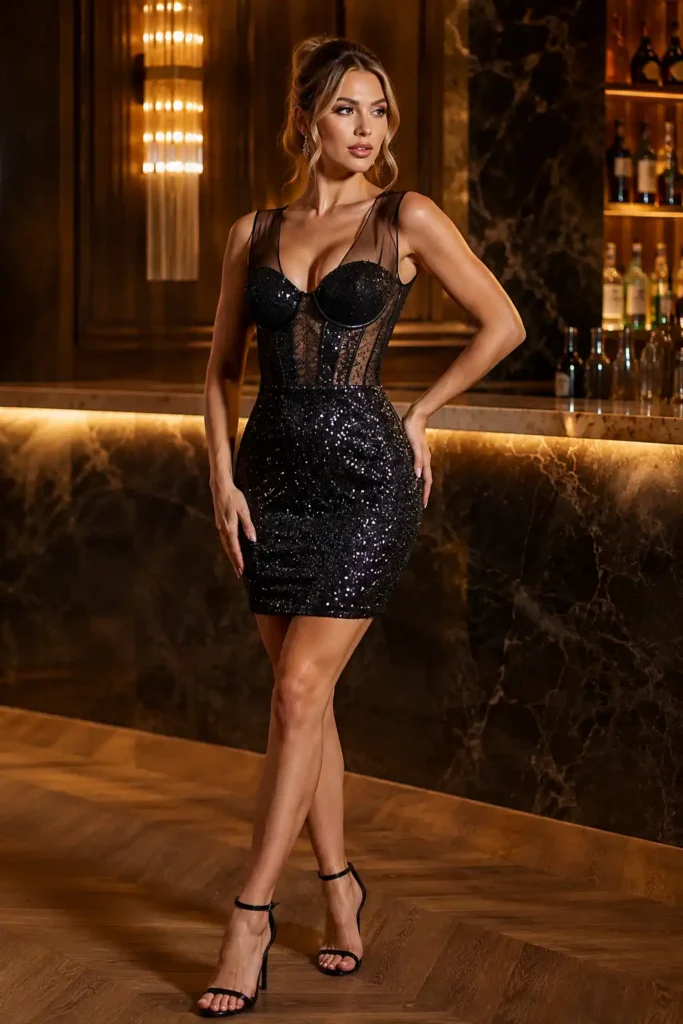
Bodycon Party
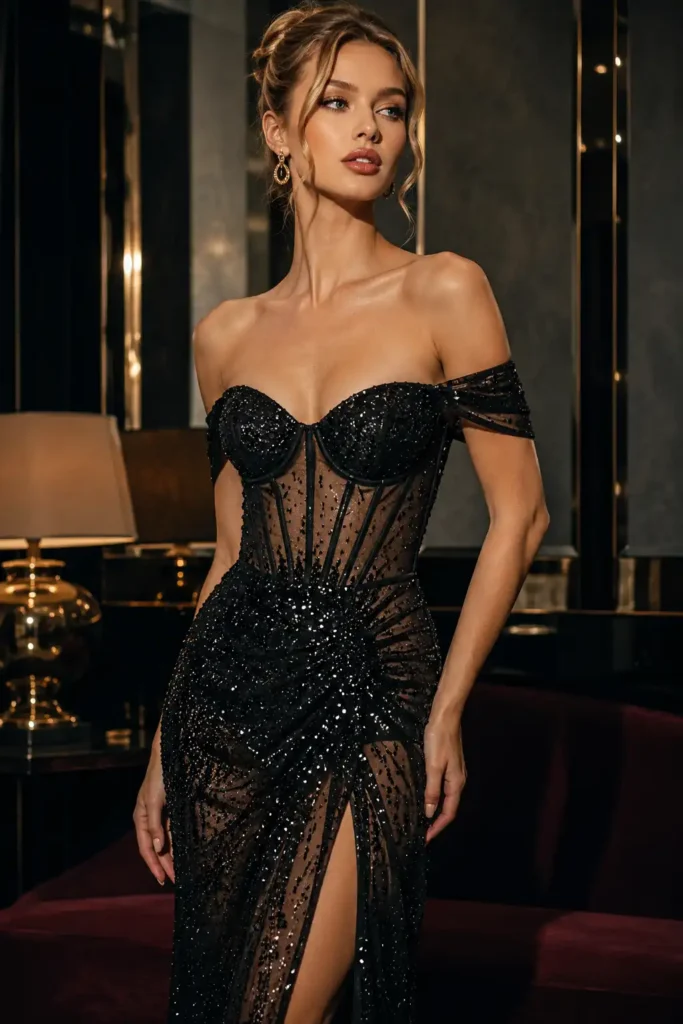
Corset Mesh
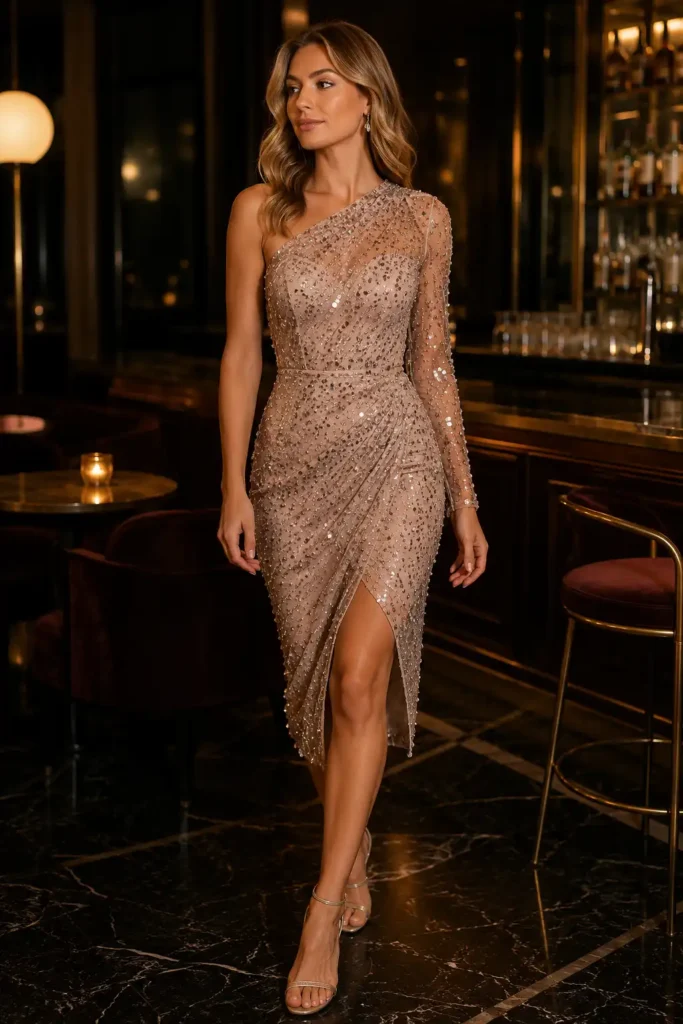
Cocktail Dresses
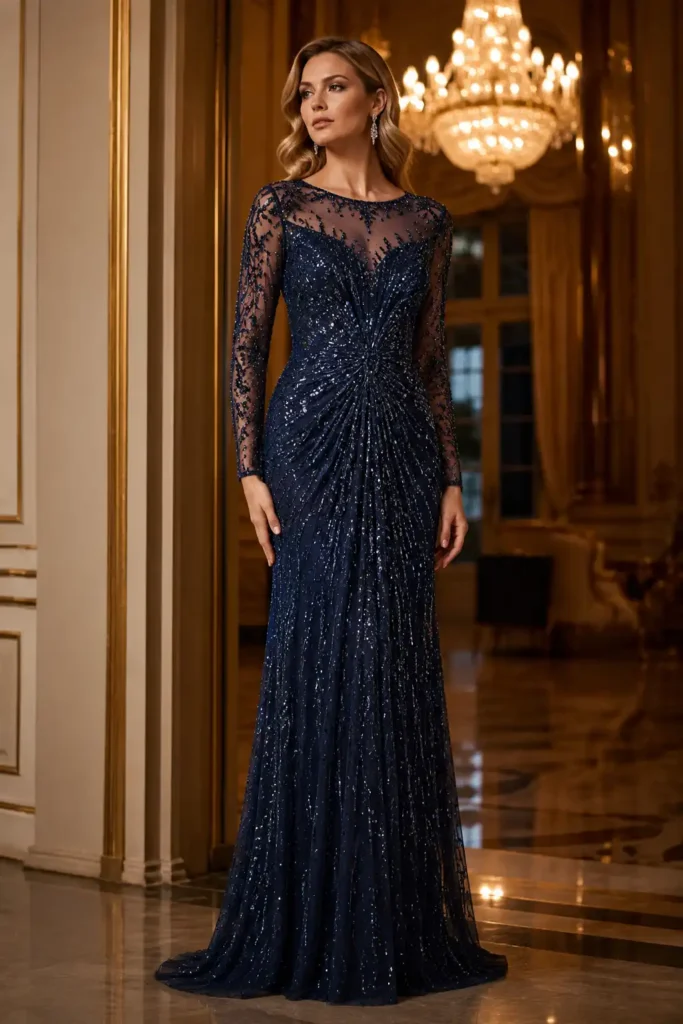
Evening Dresses
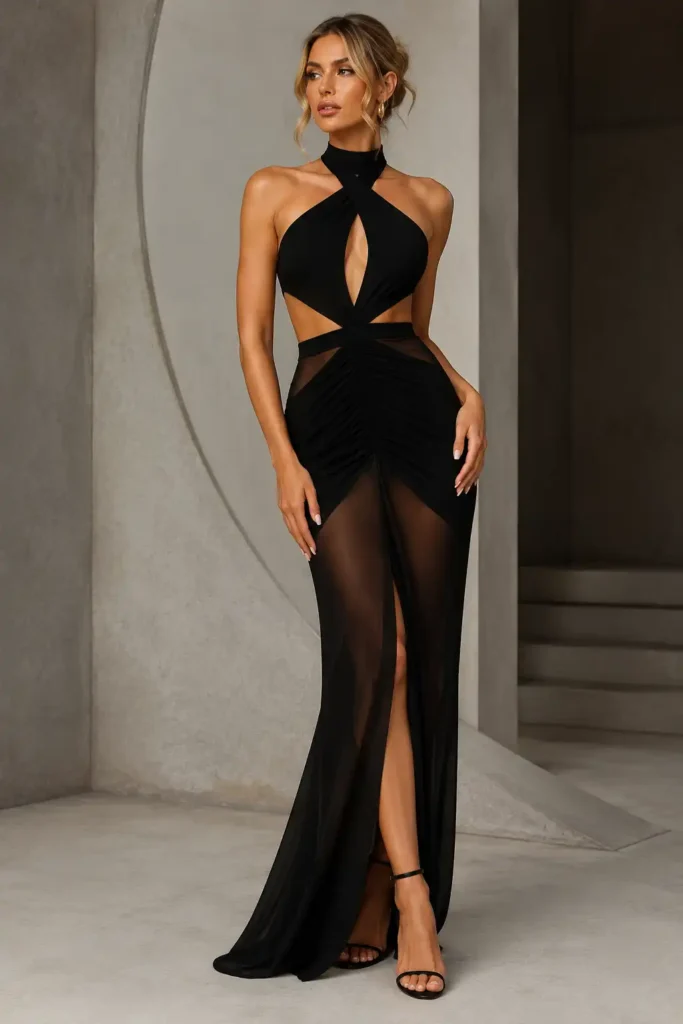
Cut-Out Dresses
Designed for High-Impact Fashion Launches
Holiday Drops
Birthday Edits
Clubwear Programs
Homecoming Lines
Cocktail Capsules
Event Collections
Custom Sequin Placement, Mesh Panels and Dress Construction
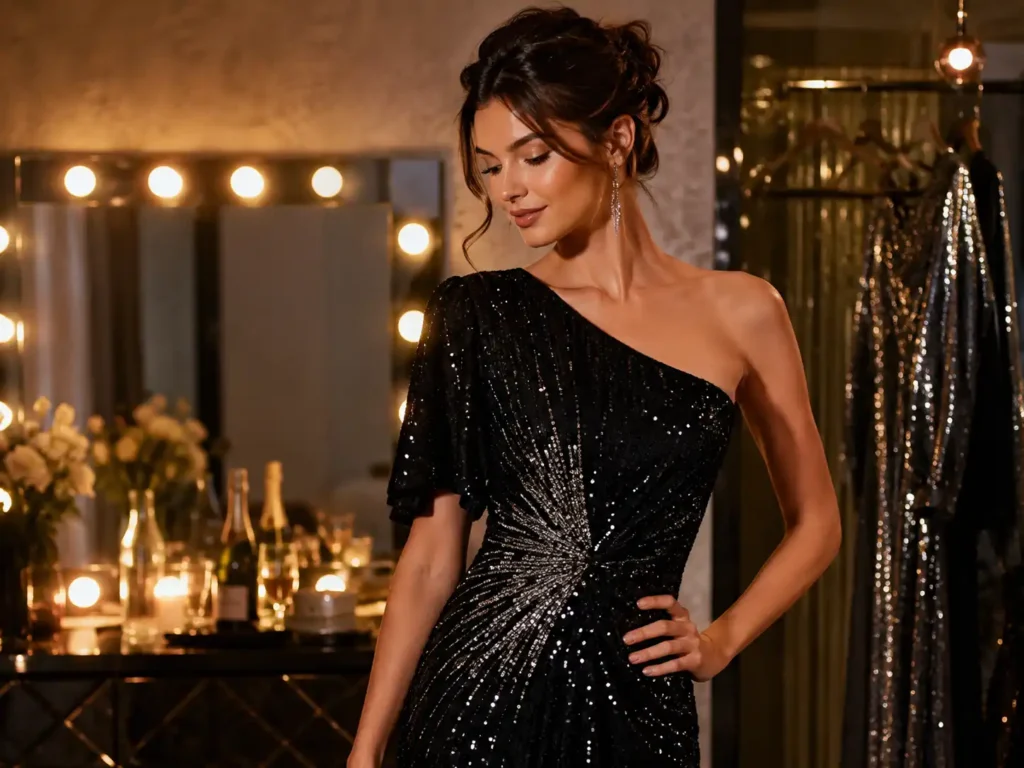
Sequin Placement
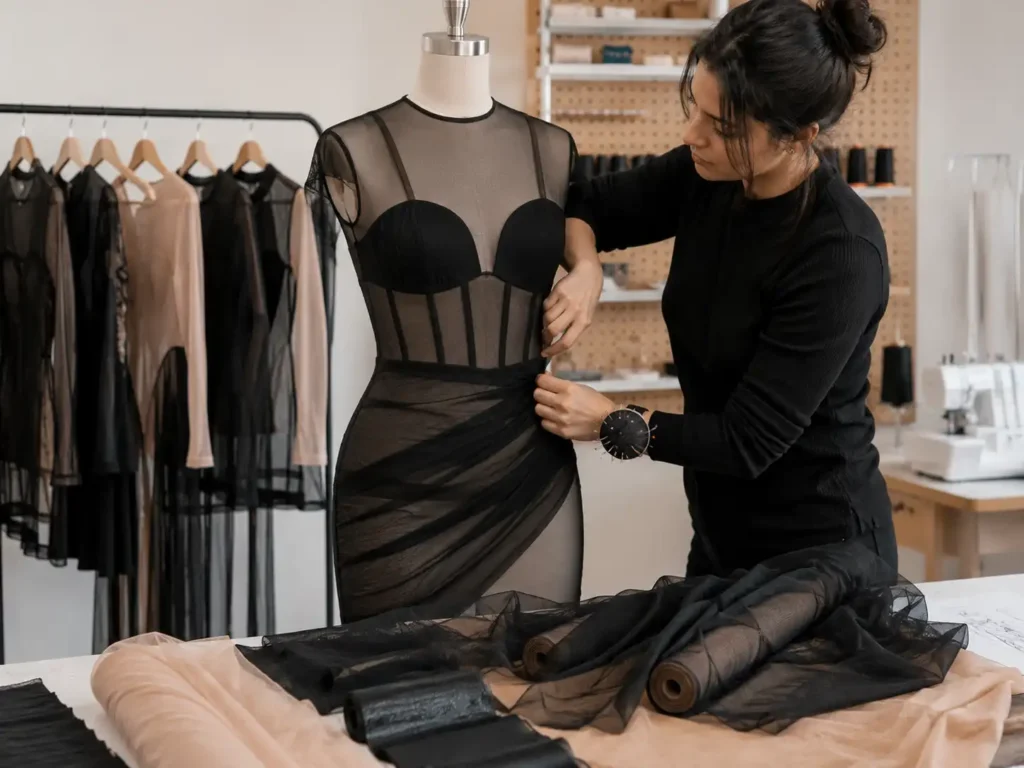
Mesh Direction

Sheer Panels

Lining Coverage

Dress Silhouette

Brand Details
Why Sequin and Mesh Dresses Require Specialized Manufacturing
Sequin mesh dresses combine weight, shine, transparency and movement in one garment. A strong sample must prove fabric balance, comfort, seam behavior, lining coverage and repeatable construction before bulk cutting begins.
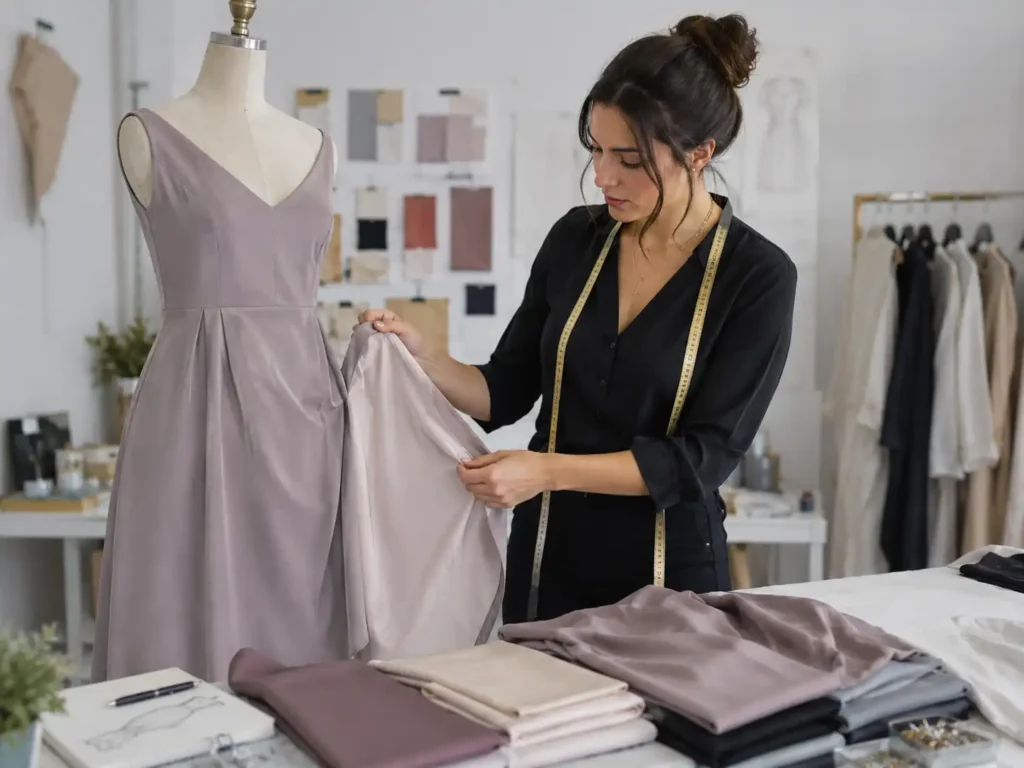
Weight, Stretch and Garment Balance
Sequin fabric is rarely neutral. The sequin layer adds weight, changes drape and may reduce stretch depending on base cloth and embroidery density. Mesh brings transparency and softness, but it may stretch, wave, curl or tear when pulled against heavier decorated panels. When the two materials meet at side seams, waist seams, sleeve seams or neckline edges, the garment can twist or pull if tension is not balanced.
Jinfeng Apparel reviews fabric behavior before pattern and sample approval. For fitted styles, the team checks whether the sequin section restricts stretch at bust, waist or hip. For overlay styles, the team checks whether the decorated layer hangs lower after wearing or steaming. For maxi dresses, hem balance is reviewed because long sequin mesh panels may drop unevenly after hanging. For cut-out and sheer designs, mesh position is reviewed under tension to avoid exposure changes during movement.
During sample development, the first garment should answer clear questions: Does the sequin weight pull the neckline? Does the mesh panel keep shape after fitting? Does the lining move separately from the outer layer? Does the zipper stay flat when sequin allowance is thick? Does the hem remain balanced after hanging? These answers guide pattern correction, seam reinforcement, lining adjustment and PP sample standard.
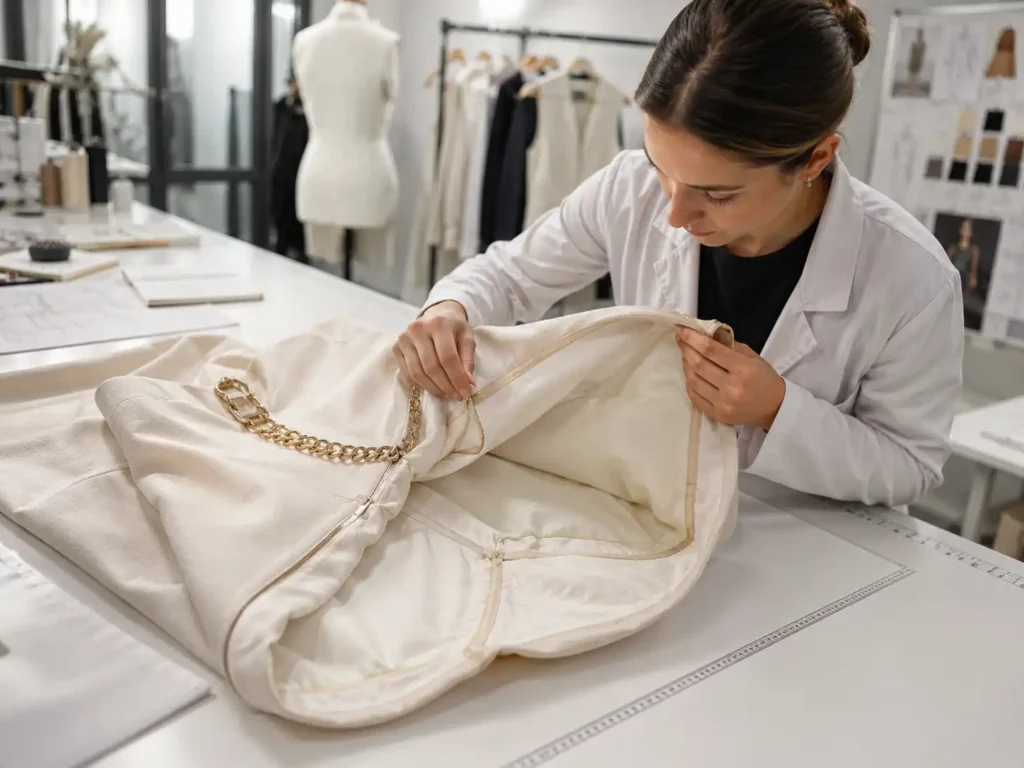
Skin Contact, Seam Stress and Safety
Sequin edges can scratch when cut through at side seams, underarms, neckline, waistline or sleeve openings. Mesh can feel soft outside yet expose uncomfortable seam edges inside. A dress may photograph well but fail during wearing if the inside finish is rough. Jinfeng Apparel reviews skin contact zones before bulk construction is confirmed, especially around underarm, bust edge, inner thigh, side waist and zipper area.
Seam stress is another hidden risk. Heavy decoration pulls against light mesh, while tight bodycon fit pulls both fabrics over curved body areas. Without reinforcement, small holes may appear at mesh seams, or the seam may wave after sewing. Protective finishing may include lining coverage, seam tape, binding, clear elastic, stretch lining, reinforcement stitching or careful removal of bulky sequins near seam allowance.
Comfort review matters because sequin mesh dresses are usually worn for movement-heavy occasions: parties, stage lights, dinner events, clubs, holiday gatherings or formal school events. The wearer may sit, dance, raise arms, take photos or walk for several hours. A production-ready dress must keep its visual effect while avoiding sharp inner edges, unstable openings, exposed lining or distorted transparent panels.
Bulk Repeatability Across Sizes
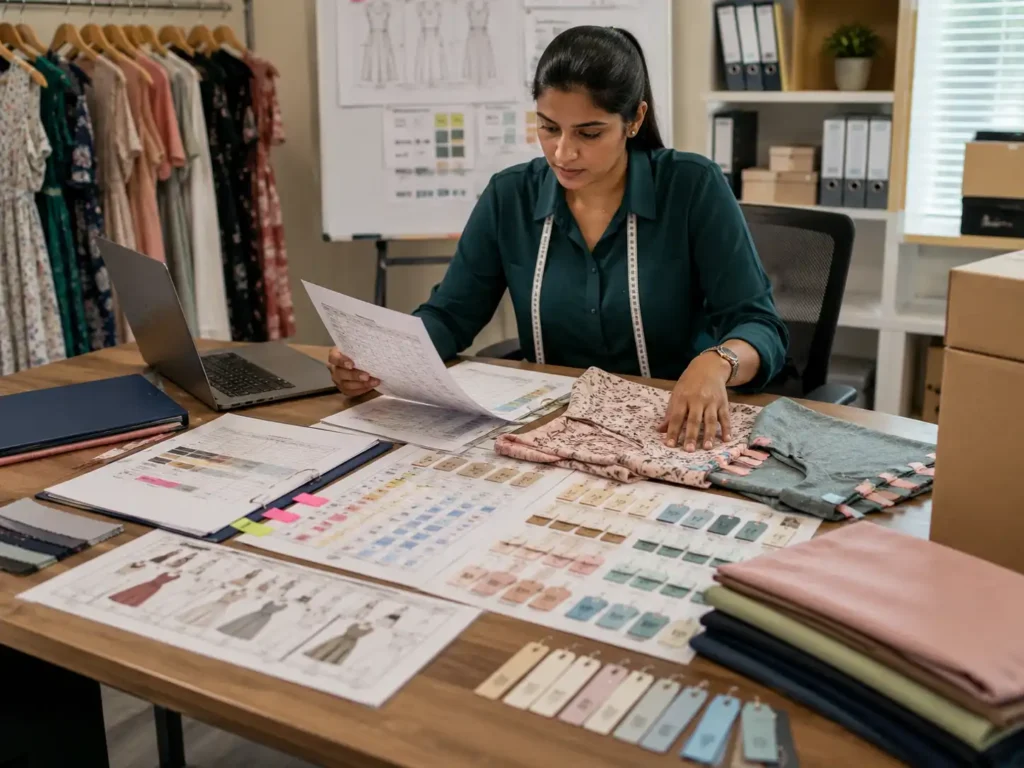
Sequin mesh styles often look correct on one sample size but become unstable after size grading. Transparent panels can shift, motif placement can move, lining length can expose differently, and sequin patterns can lose visual balance on larger sizes. Jinfeng Apparel treats size grading as a production issue, not a final paperwork task.
For multi-size orders, the team checks whether the same design logic holds across the selected size range. Bust coverage, underarm height, waist cut-out, hip panel, slit height and skirt length need size-specific review. A mesh insert should not become wider than intended after grading. A sequin motif should not land awkwardly over bust apex, side seam or zipper line. A lining edge should not sit above a transparent seam after movement.
Bulk repeatability also depends on material batch and cutting control. Sequin direction, shade, density and surface reflection must be compared before cutting. Mesh shade, stretch and holes must be checked. If several colors are ordered, each color needs its own material approval because champagne, nude, black and silver often behave differently under lighting. Such checks reduce sample-to-bulk gaps and make reorder planning more stable.
Sequin Attachment, Density and Surface Consistency
Sequin control starts before sewing. Attachment method, density, direction, base fabric, cutting layout and seam allowance treatment all influence appearance, comfort, needle risk, labor time and inspection standards.
Attachment Method and Base Fabric
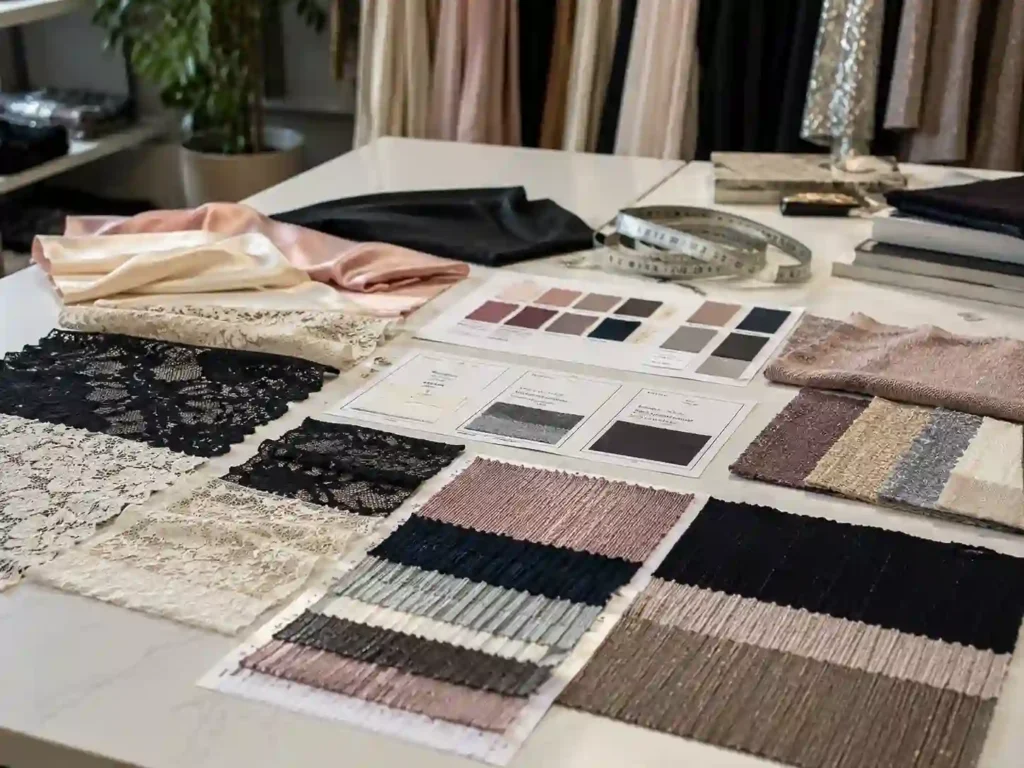
Common sequin bases include stretch mesh, embroidered tulle, knit base, woven base and placement embroidery. Each base behaves differently. Stretch sequin mesh can work well for fitted styles, but stretch may reduce as decoration density increases. Rigid sequin tulle can create strong shine and texture, but it may need lining and careful seam protection. Placement embroidery can support visual motifs, but panel mapping must be accurate before cutting.
Jinfeng Apparel reviews sequin fabric by checking handfeel, weight, stretch, density, direction, backing and inner surface. The aim is to understand how the fabric will behave in a real dress. A light scatter sequin may suit ruched mini dresses; a dense all-over sequin may need stronger lining and more careful packing. A large paillette may look strong in photos, but bulk sewing and skin contact become more difficult.
Before sample sewing, the team checks where sequins fall along seams. In some cases, bulky sequins near seam allowance need removal or flattening to prevent uneven seam thickness and broken needles. For styles with visible pattern continuity, side seam and center-front alignment must be discussed. When sequins and mesh are combined, surface continuity and inner comfort need equal weight in review.
Density, Direction and Cutting Control
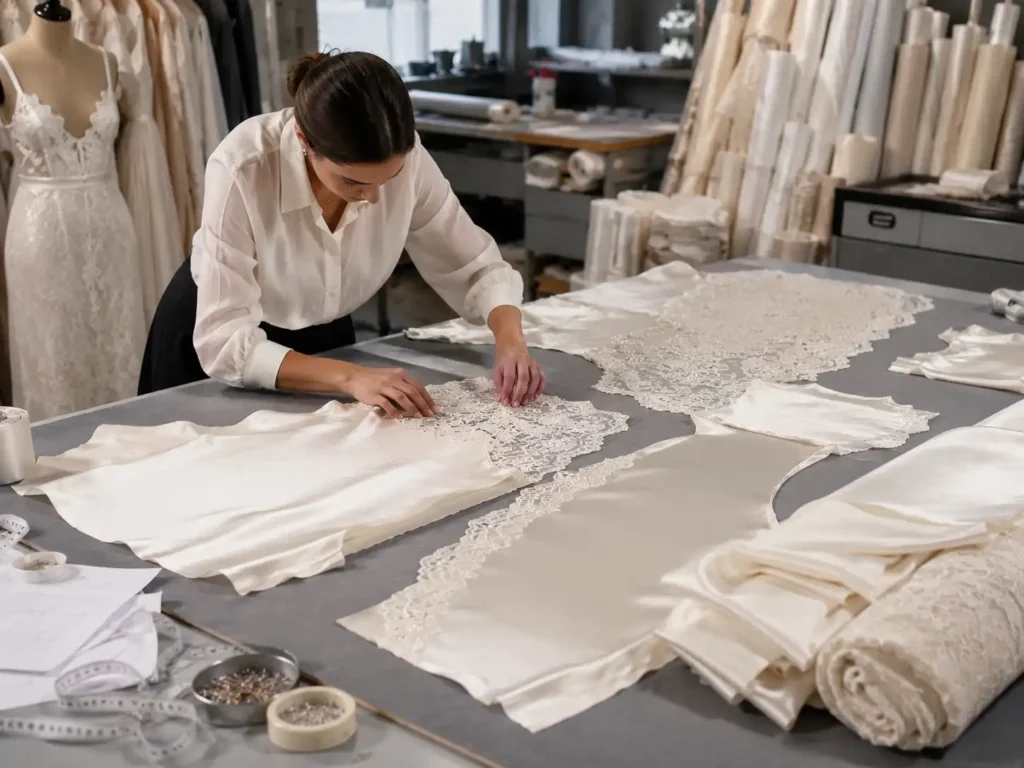
Sequin density influences cost, garment weight, sewing speed, inspection time and wearing comfort. High density creates stronger visual shine but increases bulk at seams and pressure during packing. Lower density may be more wearable but can expose base mesh under strong lighting. Jinfeng Apparel asks for clear density expectations during sample review, especially when reference images are edited, filtered or shot under stage lighting.
Direction matters because sequins reflect light differently depending on nap and sewing direction. During cutting, panel direction must remain consistent for front body, back body, sleeves and skirt. Mixed direction may create shade variation even when the fabric batch is the same. For all-over sequin dresses, panel planning reduces mismatched shine. For placement sequin styles, motif position must be reviewed against the pattern.
Bulk cutting requires damaged-area marking and panel inspection. Missing sequins, broken threads, shade bars, crushed surfaces or embroidery gaps should be identified before sewing. After sewing, inspectors check missing pieces, loose threads, scratched surfaces, seam distortion and rough inner edges. Finishing may include hand repair or local reinforcement where approved by the production standard.

Sequin Comfort and Care Planning
A sequin mesh dress needs comfort planning because decoration often contacts the body or another garment surface. Roughness around neckline, underarm, waist seam and side seam may cause complaints even when the outside appearance is attractive. Jinfeng Apparel reviews whether lining, binding, seam covering or sequin trimming is needed in high-contact areas.
Care instructions should match fabric reality. Some sequin garments need hand wash, gentle dry clean, no tumble drying or inside-out care. Heat, friction and pressure can damage sequin surfaces or distort mesh. Care label content should be confirmed during development rather than added after production. The final care instruction depends on fabric supplier guidance, decoration method, lining and brand requirement.
Packaging also connects with sequin durability. Sequin-to-mesh friction can create snags, while heavy carton pressure can flatten cups or leave surface marks. Protective layers, controlled folding and carton quantity should be reviewed before final packing instruction is released. For high-shine styles, packing is part of quality control, not a warehouse detail.
Mesh Transparency, Stretch and Lining Control
Mesh gives sequin dresses lightness, illusion and body contour. The same fabric also brings transparency, stretch distortion and tearing risk, so mesh selection must be linked with lining, panel position and fit.
Mesh Selection by Function
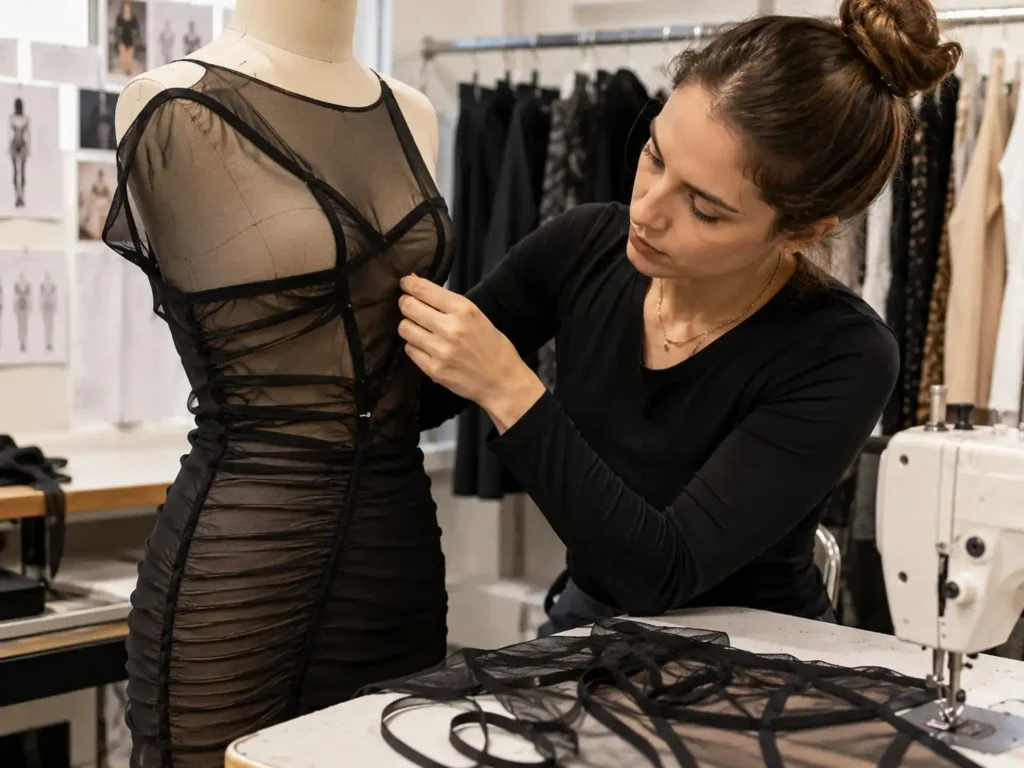
Different mesh types serve different functions. Power mesh can support fitted panels and body shaping. Stretch mesh works for clubwear, long sleeve bodycon styles and flexible inserts.
Soft illusion mesh suits skin-tone areas, neckline support and subtle transparency. Rigid tulle works for layered volume, overlay effects and certain evening silhouettes.
Fine net creates delicate visual texture, while embroidered sequin mesh combines decoration and base fabric in one layer.
Jinfeng Apparel reviews mesh by function, not by name alone. A soft mesh may look elegant but lack enough recovery for a fitted waist panel. A strong power mesh may support shape but appear too sporty or opaque for an illusion design. A nude mesh can look correct under indoor light but change tone under flash. A glitter or sequin mesh may need full lining or skin-protection finish depending on backing and decoration.
Before sample confirmation, fabric swatches should be reviewed against lining, skin tone, sequin shade and final styling. Black mesh, nude mesh, champagne mesh and colored mesh behave very differently in photography. If the dress has sheer sleeves, side panels or waist cut-outs, panel stretch and recovery must be tested through fitting rather than judged flat on a table.

Transparency and Coverage Review
Transparency is not a fixed material property once a garment is worn. Mesh becomes more transparent when stretched, placed over curved areas or photographed with strong light. A single-layer mesh may appear safe on a mannequin but too sheer on the body. Double-layer mesh may improve coverage but change handfeel and seam thickness. Jinfeng Apparel reviews mesh transparency in relation to body area, lining color and intended use.
Key coverage areas include bust, side waist, lower hip, back opening, high slit, underarm and lower skirt. For partywear, controlled exposure can be part of the design. For occasionwear, coverage often needs to be more refined. For homecoming or young formal styles, chest security and length safety are especially important. The design team must decide which areas are decorative sheer zones and which areas require stable coverage.
Lining choices include full lining, partial lining, bodysuit lining, brief lining, cup lining and skirt-only lining. Nude-tone lining can create an illusion effect, but shade matching needs approval. Black lining may support strong evening looks, while stretch lining improves fitted styles. Lining edges should be smooth and correctly positioned, because visible lining borders can make a premium design look unfinished.
Mesh Breakage and Seam Handling
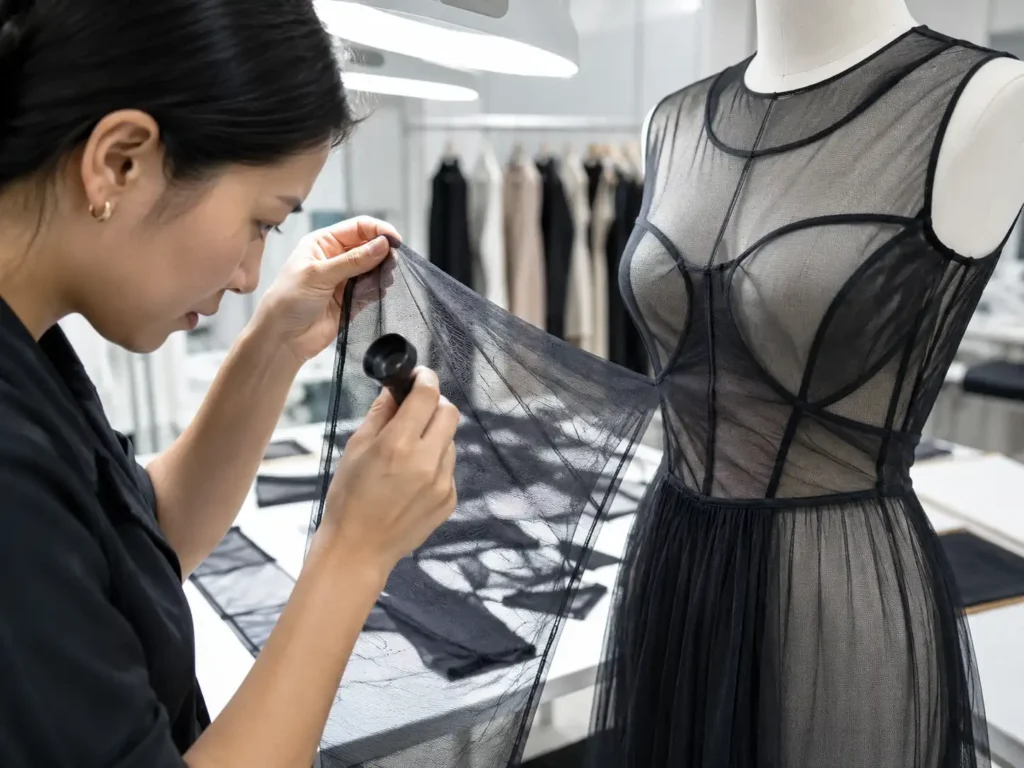
Mesh is vulnerable at cut edges and stress points. Holes, runs, puckering and seam waving may appear when needle size, tension, seam type or reinforcement is not suitable.
Jinfeng Apparel checks mesh edge behavior during sample sewing, especially around armholes, cut-outs, center back, side seams and zipper ends.
When mesh connects with sequin panels, stress concentration can appear at the join.
Reinforcement tape, binding, clear elastic, lining catch stitch or adjusted seam allowance may be needed. For stretch mesh, stitch type and thread tension should allow movement without popping or distortion. For rigid mesh or tulle, edge finish must prevent fraying or sharp feel.
QC teams check mesh holes, pulled yarns, shade difference, panel distortion, seam flatness, edge cleanliness and transparency placement.
Bulk inspection should not wait until packing; mesh damage discovered late can require full garment remake.
Early checking at cutting and sewing stages protects both delivery time and product quality.
Pattern Engineering for Fit-Sensitive Sequin Mesh Dresses
Fit drives commercial value in sequin mesh dresses. A garment can use beautiful material, but wrong bust coverage, waist position, hip ease or sheer-panel grading can weaken the entire launch.
Bust, Waist and Hip Balance
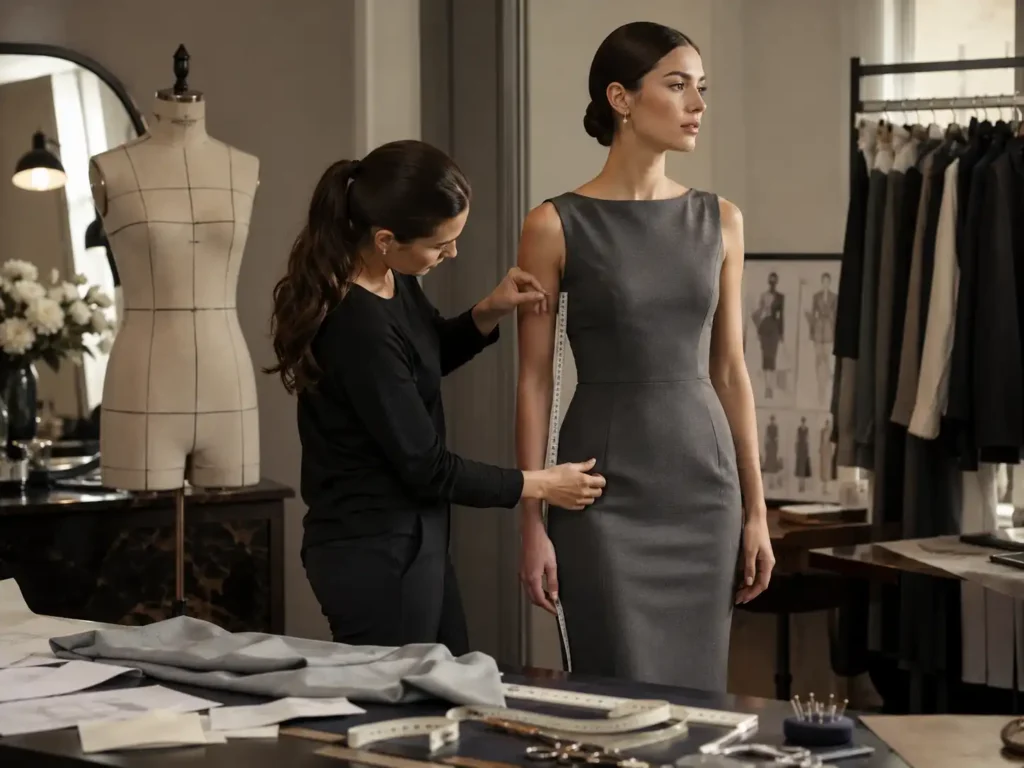
Sequin mesh dresses often sit close to the body, so pattern balance must be checked through curved areas. Bust coverage should match neckline shape, cup option, strap angle and lining edge. Waist position must support the intended proportion, especially for corset, cut-out, ruched and bodycon styles. Hip ease must be controlled carefully because a tight hip can pull mesh panels open or twist side seams.
Jinfeng Apparel reviews flat measurements together with garment behavior on a fitting form or model when project requirements allow. For stretch styles, the team checks recovery after wear simulation. For rigid or partly rigid styles, the team checks whether seams pull, gape or restrict movement. For mesh inserts, panel placement is reviewed in relation to body landmarks, not only pattern geometry.
Common sample comments include neckline too loose, bust coverage too low, waist cut-out too wide, hip too tight, zipper waving, lining shorter than outer layer, side seam pulling forward or back opening unstable. Each comment should convert into a pattern correction, fabric choice adjustment or construction update. A clear revision log helps the final PP sample serve as the production control garment.
Sheer Placement and Size Grading
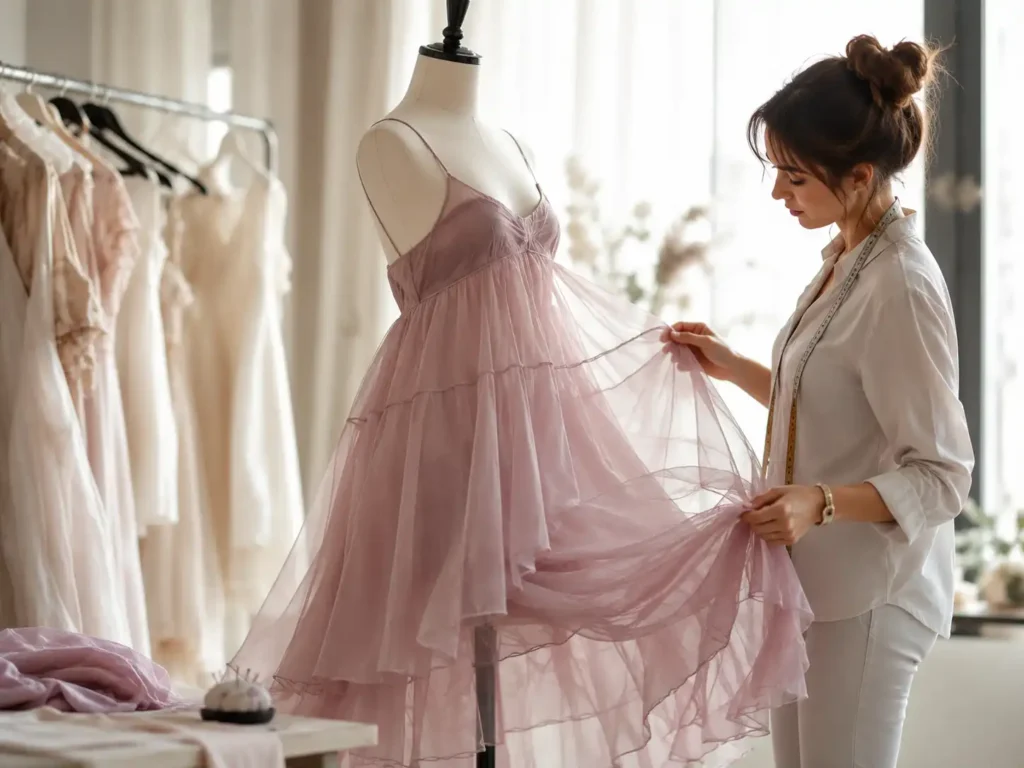
Sequin mesh designs often use sheer areas as a visual feature. The feature must remain controlled across the ordered size range. If a waist mesh insert grows too much between sizes, the garment may expose more than the design intended. If a bust mesh panel shifts during grading, lining coverage can become uneven. If a back opening is not graded correctly, neckline or zipper stability may suffer.
Jinfeng Apparel checks key positions for size S through larger sizes according to the final size range. Relevant points include front neckline depth, armhole curve, bust panel height, waist opening, side mesh height, hip sheer width, slit height and lining edge. Grading rules should protect the design’s visual ratio while respecting body measurement changes.
For US and European programs, size range may include XS-XL or 0-12, with extended sizes by project. The size chart must be confirmed early because a sequin mesh bodycon dress cannot use the same ease logic as a woven A-line dress. Stretch percentage, lining stretch and garment recovery influence the final spec. Measurement tolerance should reflect fabric behavior and construction complexity.
Zipper, Straps and Opening Security
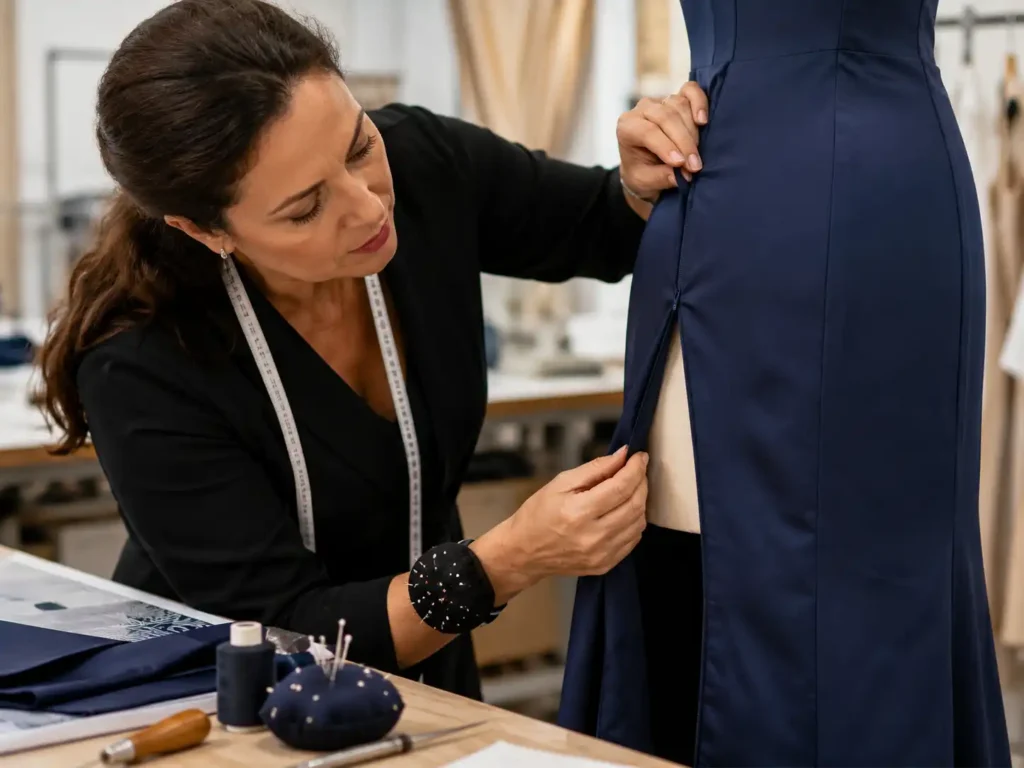
Openings and closures are often weak points in decorated dresses. Invisible zippers can wave when thick sequin allowance meets light mesh or stretch lining. Strapless styles can slide without enough top-edge control. Halter and adjustable strap styles need stable strap length and reinforced joining points. Backless and cut-out styles need side coverage and support planning.
Jinfeng Apparel reviews zipper length, zipper tape strength, seam thickness, hook-and-eye option, anti-slip elastic, strap position, strap adjustment and reinforcement. For corset or structured dresses, zipper, boning and lining must work together. For bodycon mesh dresses, zipper placement must not interrupt stretch recovery or create a hard ridge at center back.
Opening security affects return risk. A dress may look correct on a static model but fail when arms move, the wearer sits, or the garment is photographed from multiple angles. Sample review should include wearing movement, not only front-view photography. Final pattern and construction notes should specify opening reinforcement before bulk begins.
Sample Development Before Bulk Production
Sampling should verify risk, not only create a sales photo. For sequin mesh dresses, the sample must prove surface effect, fit, transparency, comfort, construction and packing feasibility before bulk materials are ordered.

From File Review to First Sample
Jinfeng Apparel can start review from tech pack, reference image, original sample photos, sketch, line sheet, size chart or BOM. The first step is to separate required features from optional inspiration. A reference photo may show strong shine, but the actual fabric may be sequin tulle, glitter mesh, embroidered sequin mesh or rhinestone mesh. A similar silhouette may require different pattern logic depending on stretch, lining and closure.
Before sample cutting, the team reviews product category, intended occasion, target fabric, quantity plan, color range, size range, trims, lining, label requirement and delivery window. Complex sequin, mesh, lace or corset styles commonly require 15–25 days for sample development after details are clear. Additional time may be needed for custom color, special sequin base, hand beading, custom mesh tone or imported trim sourcing.
The first sample checks fabric compatibility, pattern shape and construction feasibility. It may not be treated as final photography output unless all materials and details are already confirmed. The sample should expose issues early: sequin weight, transparency, rough seams, lining edge, zipper balance, bust coverage, hem level, slit height and overall proportion.

Revision Sample and Fit Review
Revision work should be specific. Vague comments such as “make it better” do not help production. Effective feedback includes neckline depth, bust coverage, waist position, hip tightness, lining length, mesh transparency, sequin placement, strap length, zipper shape, cup position and hem balance. Jinfeng Apparel converts comments into pattern, fabric, trim or construction updates before making revision samples.
A fit review should consider movement. The wearer may sit, raise arms, walk, dance or pose under flash. For bodycon styles, the team checks stretch recovery and side seam stability. For corset styles, bust support and cup position are reviewed. For cut-out styles, opening security and sheer area placement are checked. For evening styles, long-panel balance and hem drop need attention.
Revision quantity depends on complexity and how complete the initial files are. A strong tech pack and clear fabric standard can reduce unnecessary rounds. Projects based only on edited reference photos may need additional clarification before a reliable sample emerges. Jinfeng Apparel encourages brands to submit size chart, fabric direction, lining preference and quantity plan early to reduce sample uncertainty.

PP Sample as Bulk Reference
The PP sample should lock the production standard. It includes confirmed fabric, mesh, lining, sequin method, pattern, measurement, construction, trims, label, packing and finishing notes. Bulk cutting should not begin until PP sample approval and material approval are clear.
For sequin mesh dresses, PP approval should include surface review under light, inside comfort check, transparency check, size spec, garment length, seam finish, zipper, cup or boning position, lining edge and packing method.
Any change after PP approval can affect cost, production time and consistency. For example, changing lining from partial to full coverage changes labor and material usage. Changing sequin density may affect garment weight and seam behavior.
Jinfeng Apparel treats PP sample as the reference for production, QC and packing. During bulk, inspection teams compare garment appearance, measurement and finishing against the approved standard.
This reduces the risk of sample looking strong while bulk pieces vary across colors, sizes or production batches.
What Must Be Approved Before Bulk Cutting
| Approval Item | What Must Be Confirmed | Risk If Missed |
|---|---|---|
| Outer Fabric | Sequin base, color, density, stretch, weight and direction | Shade difference, weight imbalance, uneven shine |
| Mesh | Mesh type, color, stretch, recovery, transparency and layer count | Exposure issues, tearing, panel distortion |
| Lining | Color, stretch, coverage area, edge position and comfort | Visible lining edge, poor coverage, rough inside |
| Fit | Bust, waist, hip, length, neckline, armhole, slit and opening | Returns, unsafe wearing, poor body proportion |
| Construction | Seam finish, zipper, cups, boning, straps and reinforcement | Waving seams, broken mesh, unstable closures |
| Decoration | Sequin placement, motif position, missing piece standard and repair method | Pattern mismatch, loose sequins, inconsistent surface |
| Branding | Main label, size label, care label, hangtag, barcode and SKU stickers | Packing errors, retail preparation delays |
| Packing | Folding, protective layer, polybag, carton quantity and carton mark | Snags, crushed cups, surface marks, warehouse confusion |
| PP Sample | Final garment approved for production reference | Sample-to-bulk gaps, unclear QC decisions |
From Approved Sample to Repeatable Bulk Production
Bulk production begins when the approved sample, fabric, trims, size chart, construction notes, labels and packing instruction are aligned. For sequin mesh dresses, each production step should protect appearance, measurement and surface quality.
Material Approval and Incoming Inspection
Bulk material approval starts with fabric, mesh, lining, trims and labels. Sequin fabric is checked for color, density, attachment, direction, surface damage and shade consistency. Mesh is checked for holes, stretch, shade, recovery and edge behavior. Lining is checked for color match, handfeel, stretch and coverage suitability. Trims such as zippers, cups, boning, elastic, hooks, labels and packaging materials are reviewed against approved samples.
Incoming inspection protects bulk before cutting begins. If damaged sequin fabric enters cutting, missing pieces and crushed surfaces may become garment defects. If mesh batches vary in shade or stretch, different pieces can fit differently even when cut from the same pattern. Material approval should be kept with batch records so repeated orders can refer to the same standard.
For multi-style programs, Jinfeng Apparel groups materials by color family, fabric base and delivery priority where possible. A launch may include 12 styles in black, silver and champagne across several lengths. Clear material grouping reduces confusion and helps maintain consistency across the collection.
Cutting, Sewing and Inline Review
Cutting plans consider sequin direction, mesh grain, motif position and damaged-area avoidance. Some sequin fabrics require slower cutting and panel inspection because decoration can shift or catch. Mesh panels need careful handling so edges do not stretch before sewing. Panel count, pairing and size separation are checked before sewing begins.
During sewing, tension control, seam thickness and reinforcement are critical. Sequin panels may require allowance cleanup or adjusted seam handling. Mesh panels may need stabilizing tape, stretch stitches or careful edge finishing. Lining must be joined without twisting, pulling or exposing uneven edges. Zippers are checked for flatness, especially at thick decorated seams.
Inline review checks problems early: missing sequins, broken threads, mesh holes, seam waving, lining exposure, measurement drift, zipper distortion, strap imbalance and trim placement. Early checks prevent a defect from spreading through a full batch. For large programs, style-by-style inspection notes help maintain consistency when several styles run in parallel.
Finishing, Packing and Shipment Release
Finishing includes thread trimming, surface cleaning, local sequin repair, pressing or steaming according to fabric safety, label checking and final appearance review. Sequin garments may not tolerate aggressive pressing, while mesh can distort under heat or tension. Final finishing method should match the approved garment standard.
Packing is reviewed as part of the garment’s final quality. Protective layers may be needed between sequin surfaces and mesh panels. Corset and cup structures may need shape protection. Long dresses may need careful folding to avoid permanent crease marks. Carton quantity should avoid pressure damage while still supporting efficient export handling.
Before shipment release, final checks cover style, color, size, quantity, label, barcode, polybag, carton mark and packing list alignment. For multi-batch shipments, each batch should carry clean breakdowns by style, color, size and carton. Such records help overseas warehouses receive goods without unnecessary sorting problems.
Quality Control for Sequin and Mesh Dresses
| Inspection Stage | Sequin Checks | Mesh Checks | Garment Checks |
|---|---|---|---|
| Incoming Material | Color, density, direction, loose pieces, crushed surface | Holes, shade, stretch, recovery, roll damage | Lining, zipper, cups, boning, labels, packing materials |
| Cutting | Panel direction, damaged-area avoidance, motif position | Grain, panel tension, edge stretch, layer control | Panel count, size separation, left-right pairing |
| Sewing | Missing sequins, rough allowance, broken threads, seam bulk | Puckering, tearing, seam waving, edge curling | Zipper flatness, straps, cups, lining edge, seam strength |
| Inline Review | Surface gaps, repair needs, direction mismatch | Transparent area position, holes, pulls | Measurement, fit-critical points, opening security |
| Final Inspection | Loose sequins, stains, crushed shine, surface marks | Deformation, runs, shade change, tears | Labels, hangtags, care label, packing, carton data |
| Shipment Release | Style/color/size grouping, repaired areas checked | Snag risk in folded position | Quantity, carton mark, packing list, photo proof if requested |
Packaging That Protects Sequins, Mesh and Dress Shape
Packaging can damage a strong garment when sequin surfaces rub against mesh, cups flatten under pressure or long panels fold at unsafe points. Jinfeng Apparel reviews packing by garment structure and delivery method.
Surface Protection Before Packing
Sequin mesh dresses require surface cleaning, loose thread trimming and local repair before folding. Missing sequins, loose decoration threads, oil marks, chalk marks and mesh pulls should be addressed before the garment enters the polybag. If defects are discovered after packing, reopening and repacking can delay shipment and increase handling risk.
Protective tissue or interleaf material may be used when sequin surfaces contact mesh, lining or another decorated area. The aim is to reduce snagging and surface abrasion during export handling. For high-density sequin dresses, folded areas should be checked because pressure can create marks or bend decoration. For dresses with rhinestones, beads or larger paillettes, surface protection may need stronger review.
Packing should also respect the garment’s visual shape. A corset sequin mesh mini dress may need cup and bodice protection. A long sequin mesh gown may need a wider fold or hanging option if approved by the shipment plan. A fitted bodycon style may fold more easily, but transparent mesh panels still need snag protection.
Carton Planning and Delivery Records
Carton planning affects freight, warehouse receiving and garment condition. Too many pieces in one carton can crush cups, distort boning, mark sequins or stretch mesh. Too few pieces may raise freight cost. Jinfeng Apparel reviews style size, garment weight, decoration risk, polybag size and destination handling requirement before final carton plan is confirmed.
Each carton should match packing list data: style, color, size, quantity, gross weight, net weight, carton measurement and carton number. For large programs, clear SKU separation reduces warehouse confusion. Barcode and carton mark requirements should be supplied before packing begins, not after garments are finished.
For multi-batch delivery, packing records should separate launch priority, warehouse address, color group or style group.
Such organization helps brands manage first drop, replenishment, regional shipments or air/sea split plans. Packing is a final commercial step, not an afterthought.
MOQ, Sampling Time and Production Cost Factors
Clear project rules help qualified fashion brands plan development, sampling and bulk orders with fewer surprises. Jinfeng Apparel evaluates MOQ, sample time and production cost according to style complexity, material availability, color split and delivery schedule.
MOQ and Quantity Planning
MOQ starts from 200 pcs per style/color. Final MOQ depends on sequin fabric availability, mesh color, lining choice, trim sourcing, decoration method, custom dyeing, label requirement and production schedule. A simple black sequin mesh mini using available fabric may be easier to plan than a champagne illusion mesh dress with custom sequin embroidery and special lining shade.
For established fashion programs, quantity planning should be prepared by style/color rather than only by total order. A 30,000 pcs program split across 20 styles, 5 colors and many small size runs has a different production logic from 30,000 pcs across 6 styles with stronger color depth. Jinfeng Apparel reviews the quantity split before confirming quotation and schedule, because fabric supplier minimums and production efficiency depend on the final breakdown.
Larger programs often gain better planning value when several styles share fabric base, lining color, zipper specification, label standard and packing method. Shared components can reduce sourcing complexity and improve delivery control. However, design variety should remain clear enough for brand identity and selling appeal.
Sampling and Bulk Timing
Simple dress samples often move faster, but complex sequin, lace, mesh or corset styles commonly require 15–25 days after details are confirmed. Sample timing depends on reference clarity, fabric availability, custom color, decoration method, trim sourcing, pattern complexity and revision scope. If a project requires custom sequin embroidery, special nude mesh, hand beading or multiple lining options, sampling can require additional time.
Bulk timing begins after PP sample approval, material approval, label confirmation and packing instruction. For multi-style launches, production planning should include fabric arrival, cutting, sewing, inline inspection, final inspection, packing and shipment release. Rush planning may be possible for selected styles, but sequin mesh programs should not skip material and PP checks only to save a few days.
A strong launch calendar should work backward from warehouse receiving, freight mode, final QC, packing completion, bulk sewing, fabric arrival, PP approval and sample deadline. Jinfeng Apparel can help review a timeline when style list, quantity, color plan and target delivery window are available.
Cost Drivers Worth Reviewing Early
Sequin mesh dress cost is affected by more than garment length. Sequin density, decoration method, hand repair, mesh type, lining coverage, cup and boning structure, zipper type, label package, color split, size range and packing protection all influence price. A dress with full sequin coverage and inner structure requires different labor from a light mesh sleeve dress with small sequin motifs.
Early cost review should separate must-have features from flexible features. If the visual target depends on heavy all-over sequins, cost reduction should focus on efficient pattern, shared trims or quantity planning rather than weakening the main fabric. If the design needs only sparkle highlight, placement sequin or mixed mesh may achieve the target with better comfort and cost balance.
Jinfeng Apparel provides quotation after reviewing style image or tech pack, target quantity per style/color, fabric direction, size range, label requirement, packing standard and delivery window. Final price can be locked only after fabric, trims, sample construction and packing method are confirmed.
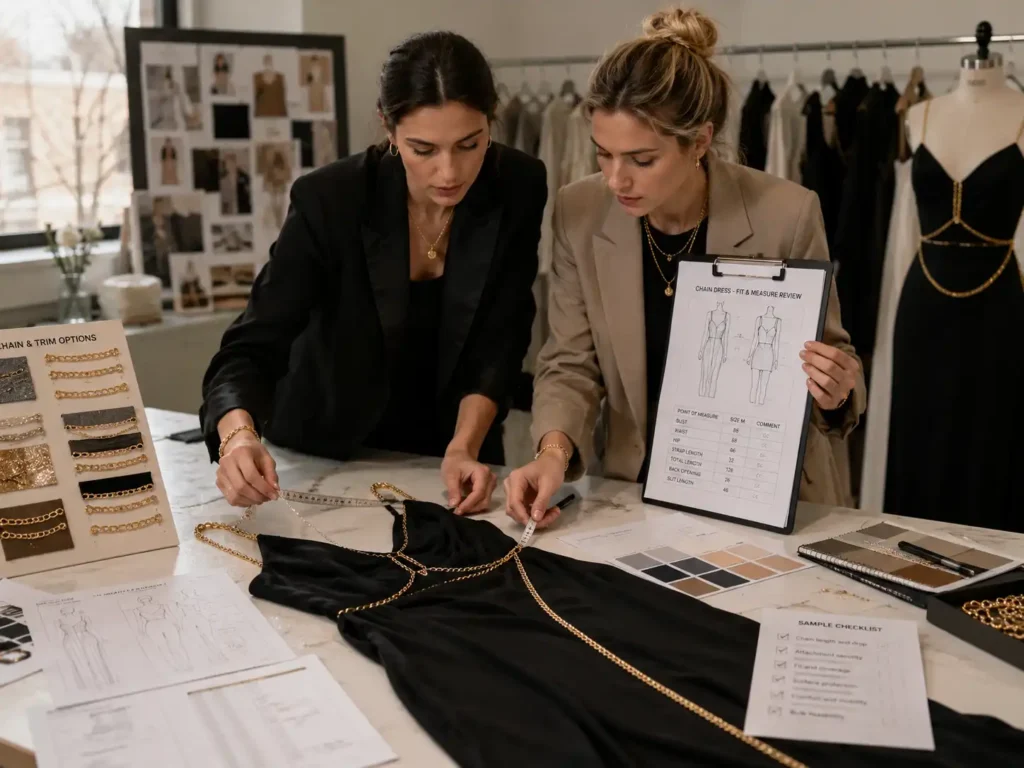
Private Label and Confidential Collection Development
Sequin mesh dress projects often involve unreleased designs, campaign schedules, model-shoot deadlines and private packaging. Jinfeng Apparel supports confidential development and retail-ready delivery for fashion brands with defined product programs.
Private Label Delivery
Private-label production can include main woven label, size label, care label, hangtag, barcode sticker, price ticket, individual polybag, carton mark and SKU breakdown. For sequin mesh dresses, label and packing work must be coordinated with garment structure. A heavy decorated dress may need stronger polybag size. A corset structure may need careful folding. Barcode placement should match warehouse receiving requirements.
Jinfeng Apparel can review label artwork, care label content, hangtag files, barcode lists, packing instructions and carton mark requirements before bulk packing begins. For multi-style programs, clean label and SKU control reduces receiving errors when goods arrive at overseas warehouses.
NDA-Based Cooperation
Jinfeng Apparel supports NDA-based cooperation for tech packs, original samples, patterns, trims, private label details, unpublished designs, packaging and order information. Unreleased styles should not be shown publicly without permission. Anonymous project descriptions can be used only when brand identity, design files, quantities, prices and launch information remain protected.
Confidentiality matters especially for sequin mesh dresses because many styles are campaign-driven and launched around a short selling window. Fabric direction, lining shade, sequin placement and packaging method can all form part of a brand’s product identity. Protected development gives internal teams more confidence when sharing reference materials.
Records for Repeat Orders
Long-term cooperation benefits from garment records. Jinfeng Apparel can keep pattern notes, size chart files, fabric references, trim details, lining records, color approvals, label standards and packing instructions for future production. When a sequin mesh dress becomes a strong seller, repeat planning can begin faster because the approved standard already exists.
Repeat orders still require material confirmation, especially where sequin fabric batch, mesh shade or lining color may change. The aim is to preserve the original product effect while managing current supplier availability and delivery schedule.

Material Documentation and Production Records
Large fashion programs need more than garment samples. Clear material, measurement, inspection and packing records help internal teams approve production, manage logistics and prepare retail or ecommerce delivery.
Project Documents Jinfeng Can Prepare
Jinfeng Apparel can support project documentation based on confirmed order scope. Useful documents may include fabric composition, care instruction, approved swatch record, measurement specification, size chart, BOM notes, PP sample record, inline inspection notes, final inspection summary, packing list, commercial invoice, carton data and shipment photos when requested.
For sequin mesh dresses, material information should clarify outer fabric, mesh, lining, decoration and trim composition where available. Care instruction should match actual fabric and decoration method. The care label should not be written generically because sequins, mesh and lining may react differently to washing, heat, friction or dry cleaning.
Test and Certificate Coordination
Material testing, fabric certificates or audit-related documents should be confirmed by project. Some brands may request fabric composition testing, colorfastness, restricted substance review or supplier certificate checks. Certificate claims must match fabric type, supplier batch, certificate scope, validity and production location where relevant. Jinfeng Apparel should not claim blanket certification for all fabrics without valid supporting documents.
When certified or test-supported materials are required, MOQ, cost and lead time may change. A standard black mesh in stock and a certified custom nude mesh are not the same sourcing task. Early discussion helps align product claim, material availability and launch schedule before sample development begins.
Sequin and Mesh Dress Development Cases
US Partywear Drop
A US partywear brand prepared an 18-style sequin mesh mini dress drop with 42,000 pcs total order quantity across black, silver, wine and emerald. The main products included bodycon minis, halter dresses, long sleeve mesh dresses and two cut-out styles. The first sample review showed three risks: side mesh panels stretched wider than intended, lining edges were visible under flash, and dense sequin seams felt rough underarm.
Jinfeng Apparel adjusted mesh panel shape, changed lining edge position and added smoother protection in high-contact zones. The size range covered XS-XL, so sheer-panel grading was reviewed before PP approval. Sampling took 21 days for the first approved group because color and lining decisions were confirmed style by style. Bulk production was organized by color family and delivery priority, with the first shipment focused on black and silver styles for earlier campaign photography.
UK Occasionwear Capsule
A UK occasionwear label developed a 12-style capsule with 26,400 pcs total quantity. The range included midi cocktail dresses, sequin mesh sleeves, corset bodices, partial lining and slit details.
The brand needed cleaner inside finishing than clubwear because the dresses were positioned for dinner events, holiday parties and wedding guest occasions.
The main challenge was balancing decoration weight with refined fit. Two midi dresses showed zipper waviness because sequin allowance and lining thickness met at center back. Jinfeng Apparel adjusted seam allowance handling and zipper construction before PP confirmation. For corset styles, cup height and boning position were revised to prevent visible ridges through mesh. Final packing used protective interleaf for decorated surfaces and style-specific folding instructions for the corset pieces.
Australia Holiday Collection
An Australian fashion brand planned a 24-style holiday collection with 72,000 pcs total quantity, including sequin mesh minis, sheer sleeve dresses, metallic mesh overlays and two floor-length evening styles.
The order required 6 size options and multiple delivery batches to support ecommerce launch, retail partner allocation and replenishment planning.
The biggest issue was launch timing.
Photo samples, PP samples, bulk fabric arrival, packaging artwork and shipment batches had to work backward from the campaign date. Jinfeng Apparel grouped styles by fabric base and lining color, then separated the first delivery around top-selling colors. For long styles, hem drop and packing fold were reviewed after hanging.
For mini styles, bust coverage and skirt length were checked across sizes before grading approval.
Frequently Asked Questions

Send Your Sequin Mesh Dress Project
Jinfeng Apparel can review your sequin and mesh dress program from reference image, tech pack, original sample photos, sketch, line sheet or early collection plan.
For the fastest project response, please share product images, target quantity per style/color, color plan, size range, fabric or sequin direction, lining requirement, private-label needs and delivery window. Kelly will help organize the information, confirm whether the style fits Jinfeng’s production model, and prepare the next step for sample review, quotation or collection planning.
Useful files to upload:
- Reference image or tech pack
- Style list or line sheet
- Target quantity per style/color
- Size chart and size ratio
- Fabric, mesh and sequin direction
- Lining and coverage notes
- Label, hangtag and barcode files
- Packing and warehouse instructions
- Target delivery date or launch calendar