 Skip to content
Sequin and Embellishment Sourcing for Custom Womenswear
From subtle rhinestone accents to full sequin surfaces, embellishment sourcing affects much more than appearance. Material weight, base fabric, attachment method, skin contact, MOQ, sample approval, bulk consistency and packing protection all influence whether an embellished style can move smoothly from concept to production.
Jinfeng Apparel coordinates sequin and embellishment sourcing as part of custom womenswear development, helping fashion brands connect material selection with garment construction, sampling, bulk production and quality control.
- Sequin material development typically requires 7–30 days, depending on color, pattern, base fabric and supplier availability.
- Rhinestone development commonly requires 7–25 days, depending on stone type, size, color, arrangement and application method.
- Standard garment MOQ starts from 200 pcs per style/color, while special sequin fabrics, custom rhinestone layouts and decorative trims may carry separate supplier MOQ requirements.
- Sourcing covers sequin fabric, sequin trim, rhinestone trim, bead chain, lace trim and decorative chain options for partywear, occasionwear, clubwear, festival and seasonal collections.
- Approved embellishments are controlled through sampling, trim records, PP approval, bulk QC and protective packing rather than visual selection alone.
Built for Fashion Teams Developing Embellished Womenswear Collections
Best Fit Projects
Suitable programs usually have defined garment directions, expected quantities, launch schedules and clear visual targets.
Partywear, holiday capsules, evening dresses, clubwear, festival styles and occasion collections often require coordinated sourcing because decorative materials affect fabric behavior, sewing difficulty, cost and delivery planning.
Brands may begin with a tech pack, reference image, original sample, sketch, line sheet or moodboard.
Jinfeng Apparel reviews the garment structure first, then determines what type of embellishment can achieve the visual effect without creating unnecessary production risk.
Production-Focused Sourcing
The goal is not to sell loose sequins or retail packs. Materials are sourced for garments that will proceed through sample development and bulk manufacturing.
Evaluation includes:
- Planned quantity per style and color
- Base fabric and lining requirements
- Required embellishment location
- Decoration weight and comfort
- Cost level
- Supplier MOQ
- Development timing
- Bulk availability
- QC requirements
- Packaging protection
Sequin and Embellishment Options We Can Coordinate
Decorative sourcing should begin with the finished garment rather than a trim catalog. Each material below creates a different combination of sparkle, weight, movement, cost, skin contact and production risk.

Sequin Fabric
All-over sequin fabric creates high visual impact for mini dresses, party dresses, skirts, evening styles and holiday collections. Development may include standard sequins, reversible effects, gradient looks, stretch sequin bases and different sequin densities.
Key sourcing checks include base fabric stability, sequin direction, color consistency, usable width, weight, stretch, seam thickness and supplier stock. Heavier surfaces may require softer lining, stronger seam planning and different packing density.
Sequin fabric should be reviewed under movement as well as flat lighting because direction changes can alter shine and color appearance.
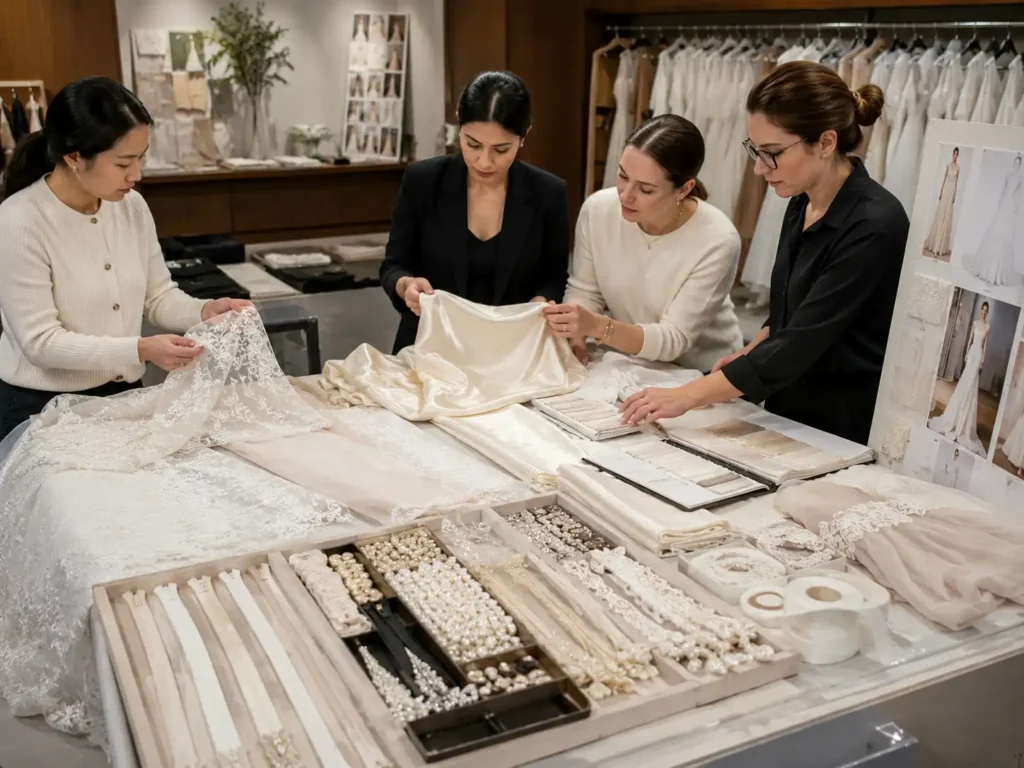
Sequin Trim
Localized sequin trim can create a strong visual feature without covering the whole garment. Necklines, hems, cut-outs, straps, waist details and decorative edges are common applications.
Local embellishment often reduces material weight and can improve cost control compared with full sequin fabric. Development still needs to confirm trim width, sequin size, edge stability, stitching position, skin contact and color compatibility with the shell fabric.
Localized sparkle is especially useful when a collection needs one recognizable decorative detail across several related styles.

Rhinestone Trim
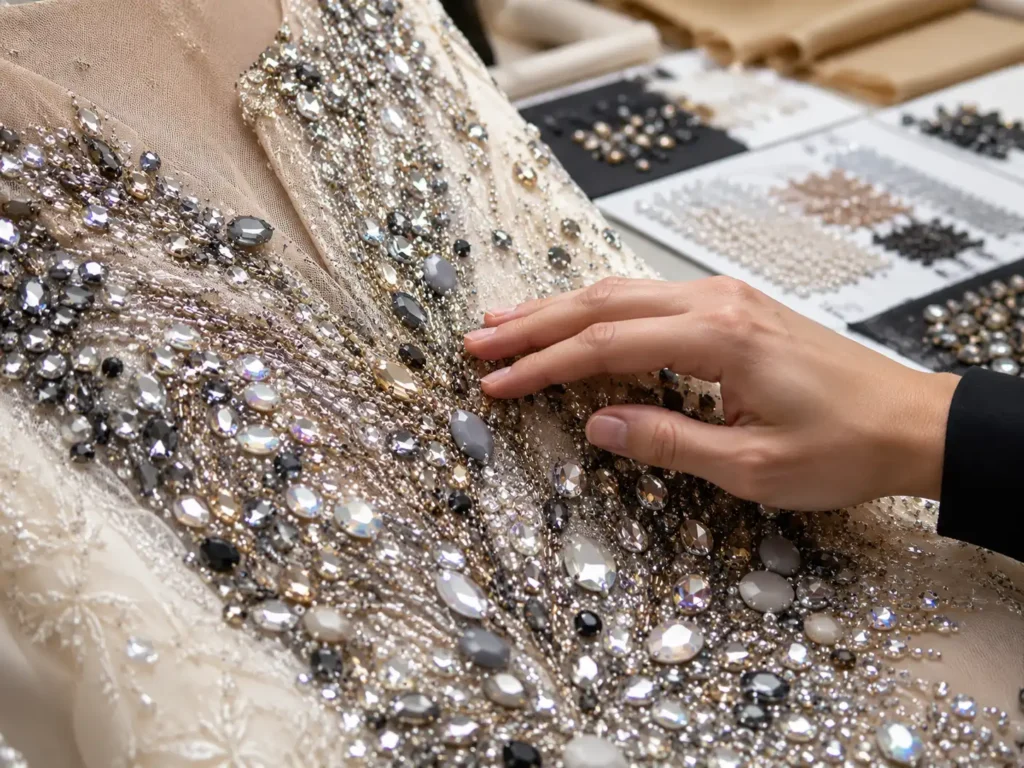
Rhinestone chains, straps, localized crystal details and patterned rhinestone sections work well for party, evening, birthday and festival styles.
Selection must consider more than brightness. Stone size, base setting, chain weight, plating, attachment method, sharp edges and skin contact all affect garment performance.
For shoulder straps or cut-out connections, attachment points need enough support to carry movement without distorting lightweight fabric.
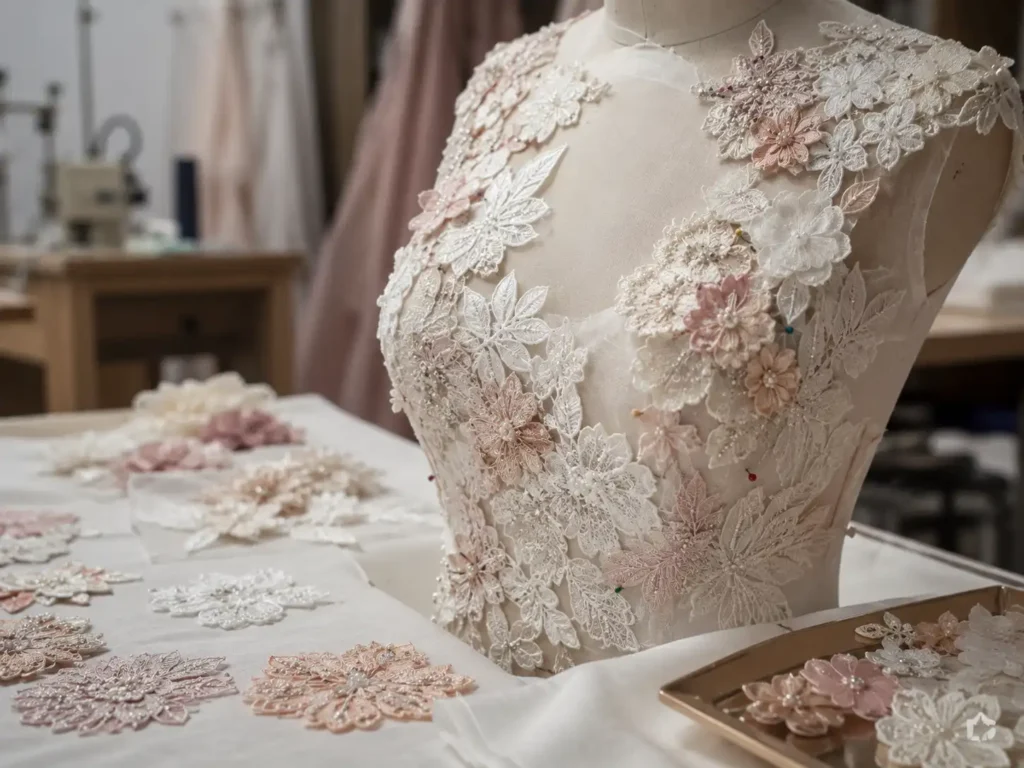
Bead and Decorative Chain
Bead chains and decorative metal chains can define necklines, backs, waists, straps or cut-out sections. Their value comes from movement and jewelry-like detail, but weight becomes an immediate engineering factor.
Development reviews chain length, plating tone, weight, attachment points, abrasion risk and interaction with stretch or delicate fabrics.
Lightweight fashion fabrics often require reinforced anchor points or partial structural support so decorative hardware does not pull the garment out of shape.

Lace and Decorative Trim
Lace trims can soften embellished dresses and add contrast around necklines, cups, hems and panels.
Relevant sourcing variables include motif scale, width, softness, edge finishing, stretch, color matching and seam alignment.
A lace trim should not be treated like full lace fabric.
Small changes in motif width or edge shape can change the final visual proportion around a neckline or bust panel.
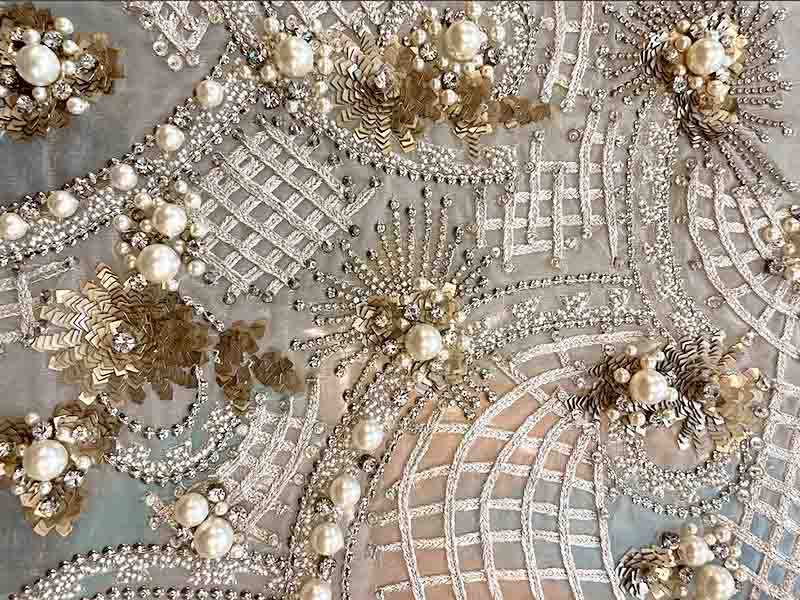
Mixed Embellishment
Some commercial styles combine sequins, rhinestones, bead chains, lace, mesh and metal details.
Mixed embellishment can produce a stronger hero SKU, but every additional material increases BOM complexity and approval requirements.
Jinfeng Apparel reviews how decorative elements interact before sampling.
A stable combination should balance visual impact, garment weight, comfort, sewing access, QC workload and packing protection.
Embellishment Applications Across Fashion Dress Categories

Sequin Mini Dresses

Party and Birthday Dresses

Clubwear and Bodycon Styles

Holiday Collections

Festival Fashion

Evening and Occasion Dresses
Compare Sequin and Embellishment Options Before Sampling
Decorative materials should be compared against the garment concept, not selected on sparkle alone. The matrix below summarizes the main engineering and sourcing differences Jinfeng Apparel reviews during development.
| Embellishment Type | Visual Effect | Weight | Flexibility | Common Application | Main Risk | MOQ / Cost Impact |
|---|---|---|---|---|---|---|
| All-Over Sequin Fabric | High sparkle, full surface | Medium–High | Low–Medium depending on base | Mini, party, holiday, evening | Sequin loss, thick seams, skin abrasion | Medium–High |
| Stretch Sequin Fabric | High sparkle with movement | Medium | Medium–High | Bodycon, clubwear | Restricted recovery, twisting | Medium–High |
| Local Sequin Trim | Controlled sparkle | Low–Medium | Depends on trim base | Neckline, hem, strap, waist | Edge lifting, alignment | Medium |
| Rhinestone Trim | Sharp reflective sparkle | Medium | Low–Medium | Straps, neckline, cut-outs | Stone loss, scratching, weight | Medium–High |
| Hotfix Rhinestone | Clean surface pattern | Low–Medium | Low–Medium | Bodice, panels, logos | Adhesion failure, heat sensitivity | Medium–High |
| Sewn Rhinestone | Secure premium detail | Medium | Low | Strap, bodice, statement panels | Sewing time, weight | High |
| Bead Chain | Jewelry-like movement | Medium | Flexible at joints | Neckline, back, waist | Breakage, snagging | Medium–High |
| Decorative Chain | Strong metallic detail | Medium–High | Flexible | Cut-outs, straps, waist | Plating, weight, skin contact | Medium–High |
| Lace Trim | Soft decorative detail | Low | Low–High by construction | Neckline, hem, cups | Color mismatch, motif alignment | Low–Medium |
| Mixed Embellishment | Layered premium effect | Variable | Variable | Hero SKU, occasionwear | BOM complexity, approval risk | High |
From Design Reference to Approved Embellishment Source
Design Requirement Review
The process starts with a tech pack, reference image, original sample, sketch or line sheet.
The development team identifies:
- Desired visual effect
- Garment category
- Decoration location
- Required movement
- Base fabric
- Color direction
- Target quantity
- Target price
- Launch timing
Material Direction
The visual reference is translated into sourcing language.
A “silver sparkling strap,” for example, could mean rhinestone chain, crystal mesh, bead chain, metallic braid or a custom stone arrangement.
Each option creates different weight, cost and sewing requirements.
Supplier Search
Available sources are screened according to specification, MOQ, color, stock, development ability, lead time and production suitability.
Ready-stock alternatives may be evaluated first when timing and cost are sensitive.
Custom development is considered when stock materials cannot achieve the intended visual effect.
Swatch and Trim Review
Important observations include:
- Shine under different light
- Color
- Weight
- Hand feel
- Edge condition
- Stretch
- Skin contact
- Attachment base
- Surface durability
Garment Sample
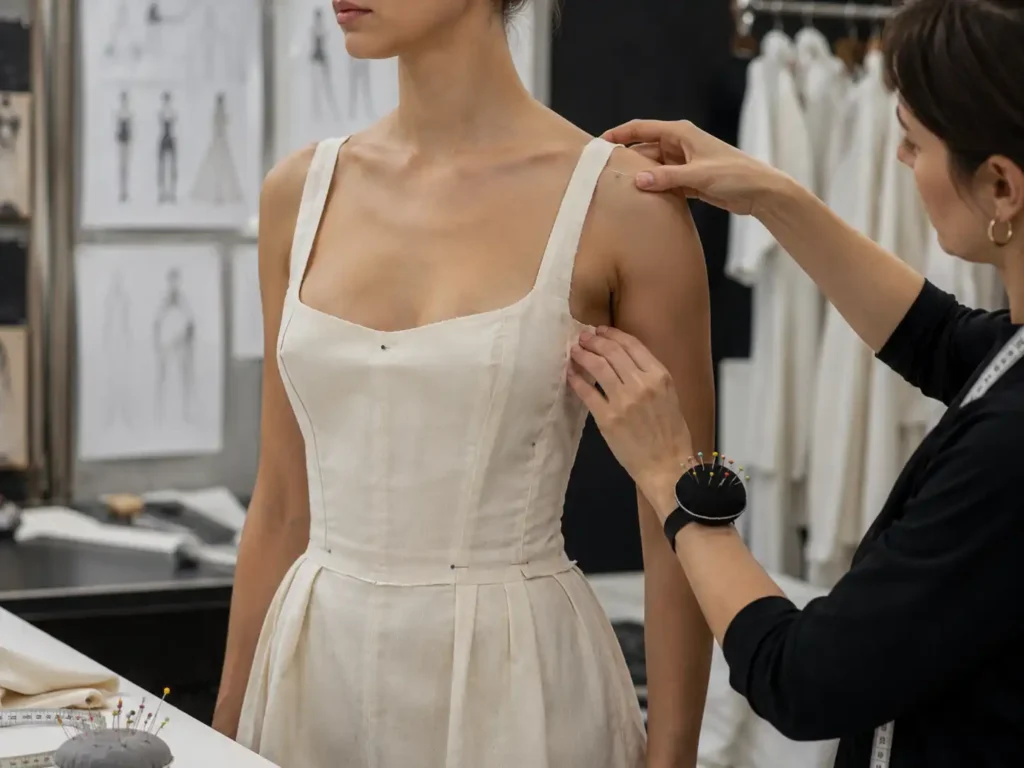
The sample stage reveals whether decoration changes bust fit, neckline stability, strap tension, seam thickness, stretch, drape or comfort.
Revision and Approval
Material references, color, trim specifications, placement, construction and approval comments are updated before the style moves forward.
PP Lock
Final checks cover garment appearance, trim placement, attachment method, measurement, lining, label position and packing direction.
Bulk Coordination
Bulk material purchasing and production are coordinated against confirmed order quantities, color breakdown, supplier availability and approved specifications.
Fabric and Embellishment Must Work as One System
A decorative material can look perfect on a sourcing card and fail completely once attached to a garment. Jinfeng Apparel therefore evaluates the base fabric and embellishment together before bulk decisions are made.

Weight Must Match Fabric Support
A lightweight mesh dress and a structured corset dress cannot carry the same decoration in the same way.
Heavy rhinestones or chain details can pull soft fabric downward, distort necklines, stretch armholes or create uneven drape.
Lightweight surfaces may require smaller stones, reduced coverage, reinforced attachment areas or a more supportive lining.
Dense sequin fabrics create another issue: the decorative surface itself contributes significant mass. Seams, zippers and hems must be reviewed with the real fabric, because extra thickness can affect both appearance and sewing accuracy.
A stable design keeps decorative weight where the pattern can support it.

Stretch Must Remain Predictable
Bodycon and clubwear products often use jersey, power mesh, stretch satin or stretch sequin bases. Decorative materials can reduce effective stretch even when the shell fabric has strong recovery.
A fixed rhinestone layout across the waist can behave very differently from the same layout across a non-stretch bodice panel. Large decorative motifs may resist movement, while tightly stitched sequins can limit extension along the seam direction.
Development therefore checks:
- Stretch direction
- Recovery
- Decoration coverage
- Attachment density
- Seam behavior
- Movement around bust, waist and hip
- Potential distortion after wear

Surface Texture Changes Sewing Behavior
Sequins, beads and stones create uneven surface thickness.
Standard seam methods may produce bulky edges, exposed decoration, broken needles or uncomfortable internal seams.
Sequin removal around seam allowance, edge protection, lining placement and construction sequence often need to be planned before sewing begins.
The objective is not simply to keep the decoration visible.
The finished garment must remain wearable, stable and repeatable across production.
Custom Color, Pattern and Placement Development
Fashion brands often need a visual effect that cannot be solved with ready-stock trim. Custom embellishment development can extend color stories, create signature details and support coordinated seasonal capsules, provided supplier MOQ and development timing are understood before approval.

Custom Sequin Direction
Sequin sourcing can be developed around:
- Base fabric
- Sequin color
- Sequin shape
- Sequin size
- Density
- Direction
- Pattern
- Surface finish
- Stretch requirement
Special effects may include tonal surfaces, gradient effects, metallic shine, reversible color movement or placement-focused designs.
Sequin development commonly falls within a 7–30 day material development window, depending on complexity and supplier readiness. Special specifications can require higher material MOQ than the garment production minimum.

Custom Rhinestone Direction
Rhinestones may be adjusted by:
- Stone quality
- Size
- Color
- Pattern
- Spacing
- Base carrier
- Hotfix or sewn application
- Chain configuration
- Placement
Rhinestone development commonly requires 7–25 days, depending on pattern complexity and supplier availability.
Large-area arrangements may increase both material cost and production labor.
Smaller localized motifs can preserve visual impact while reducing weight and application time.

Placement Needs Garment Engineering
Placement artwork should be judged on the actual pattern shape.
A flat artwork can shift visually once wrapped around:
- Bust curves
- Waist shaping
- Side seams
- Necklines
- Cut-outs
- Hip curves
- Slits
Placement near a zipper, seam intersection or highly stretched area may also require adjustment.
Jinfeng Apparel therefore links decorative placement to pattern and garment construction instead of approving artwork in isolation.
Approve the Material Inside the Garment Sample
Loose trim approval is not enough for embellished womenswear. Jinfeng Apparel uses garment samples to confirm whether the selected material performs correctly once combined with the actual pattern, shell fabric, lining and construction.

First Sample Review
The first garment sample verifies the overall direction.
Key checks may include:
- Decoration scale
- Placement
- Shine level
- Weight
- Bust and waist balance
- Neckline stability
- Strap tension
- Seam thickness
- Lining coverage
- Zipper behavior
- Skin comfort
A trim that passed swatch review may still need modification after the first fitting.

Revision Control
Revisions are classified according to cause.
Material-related changes may include:
- Different sequin density
- Smaller rhinestone size
- Reduced chain weight
- Softer trim backing
- Alternative color
- Changed placement
- New attachment method
- Additional lining protection
Every bulk-relevant change should update the appropriate development records rather than remain only in email or chat comments.

Trim Approval Record
Approved sourcing information should capture enough detail for repeat production.
Records can include:
- Supplier reference
- Material type
- Color
- Size
- Pattern
- Trim width
- Placement
- Attachment method
- Approved sample reference
- Relevant BOM information

Approval Before Scale
Once material, construction and garment appearance are confirmed, the project can move toward PP approval.
Locking the sourcing direction before bulk purchasing reduces substitution risk and prevents late-stage changes from disturbing production planning.
Lock Embellishment Standards Before Bulk Production
Bulk consistency becomes much easier when decorative materials are translated into clear production standards. Jinfeng Apparel uses PP approval and production records to connect the approved sample with purchasing, sewing, QC and repeat-order management.

PP Sample Confirmation
For embellished styles, review points may include:
- Approved sequin or trim
- Color
- Placement
- Stone or sequin size
- Decoration density
- Stitching or fixing method
- Lining
- Zipper
- Measurements
- Label position
- Packing method
Once approved, avoid unnecessary decoration changes because new trim can alter cost, production time and construction.
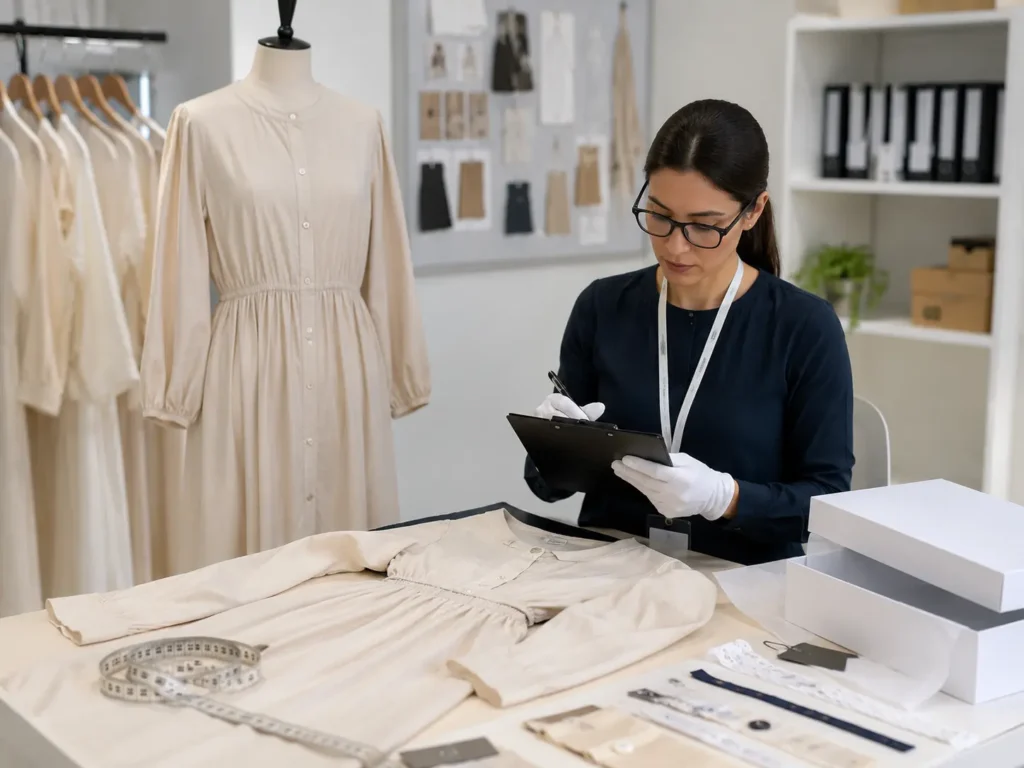
Golden Sample Reference
A sealed reference sample can support bulk inspection and later reorders.
It allows merchandising, production and QC teams to compare the same visible standard for:
- Shine
- Decoration placement
- Garment balance
- Trims
- Construction
- Labels
- Packing
Physical references are especially valuable for decorative products because photos cannot always capture exact shine, density or hand feel.

Bulk Material Control
Before sewing begins, decorative materials need to be checked against approved references.
Important checks include:
- Color consistency
- Surface appearance
- Missing decoration
- Base fabric quality
- Trim width
- Stone size
- Chain tone
- Quantity
- Visible supplier batch differences
The aim is controlled consistency, not a promise of impossible zero variation.
Sequin and Embellishment QC Goes Beyond Appearance
Embellished garments create quality risks that ordinary woven dresses do not. Jinfeng Apparel places additional attention on attachment strength, surface damage, comfort and packing because a visually correct dress can still fail during wear or transport.

Sequin Surface Control
Missing or Loose Sequins:
Visible gaps reduce perceived quality immediately. Incoming material and finished garments should be reviewed for obvious loss.
Direction Consistency:
Directional sequins can produce different shine or color effects if panels are cut or sewn inconsistently.
Seam Thickness:
Dense sequin fabric can create heavy seam allowances, especially around side seams, zippers and waist joins.
Needle Risk:
Hard decorative surfaces increase needle breakage risk and can create inconsistent stitching if seam preparation is poor.
Skin Contact:
Armholes, necklines, side seams and underarm areas need special attention because rough sequin edges may irritate the skin.

Rhinestone and Bead Control
Rhinestone products require different checks.
Placement Accuracy:
Patterned arrangements should remain symmetrical and aligned with the garment.
Stone Security:
Hotfix or sewn components should be checked for loose or missing pieces.
Surface Consistency:
Mixed brightness or color can make one garment look different from another even when the pattern is correct.
Edge Safety:
Sharp metal settings or exposed chain links need review in skin-contact zones.
Weight Balance:
Heavy decoration should not twist straps, pull necklines or distort lightweight shell fabrics.

In-Line and Final Garment Review
Decoration inspection should continue through production rather than appear only at final inspection.
Typical checkpoints include:
- Incoming material review
- Cutting condition
- Sewing area
- Attachment points
- Decoration placement
- Garment measurements
- Fit-related distortion
- Lining coverage
- Final appearance
- Packing protection
Protect Embellished Garments During Packing and Transport
Surface Protection

Pressure Control
Final Security Check
Understand MOQ, Cost and Development Timing Before Approval
Garment MOQ and embellishment supplier MOQ are not always the same. Jinfeng Apparel’s standard garment MOQ starts from 200 pcs per style/color, while special sequin fabrics, rhinestone patterns, custom trims and hand-applied decorations may require higher supplier commitments or additional development cost.
| Cost / MOQ Driver | What Changes | Commercial Impact |
|---|---|---|
| Ready-Stock Sequin Fabric | Existing color and pattern | Usually easier sourcing and faster confirmation |
| Custom Sequin Color | Supplier must develop or reserve color | Higher material MOQ and longer development |
| Custom Sequin Pattern | New arrangement or embroidery | Added sampling, setup and material risk |
| Rhinestone Size / Quality | Stone specification changes | Direct material cost change |
| Custom Rhinestone Layout | Pattern and placement need development | Added artwork, sample and application cost |
| Hand Beading | Labor-intensive attachment | Higher unit cost and longer production time |
| Full-Surface Decoration | More material and workmanship | Higher material use, QC time and packing cost |
| Local Embellishment | Decoration concentrated in selected areas | Can preserve visual impact with better cost control |
| Heavy Decoration | Requires support, lining and protection | Added construction and packing requirements |
| Multiple Colors | Separate material sourcing by color | More supplier MOQ and SKU complexity |
| Special Packing | Added protection layers or separated packing | Higher packaging material and labor |
| Rush Development | Requires faster sourcing decisions | Availability and delivery method become more critical |
Manufacturing Capacity Behind the Sourcing Process
6 Owned Factories
10+ Production Partners
100,000+ Pcs Monthly
2 Sample Rooms
7+ Pattern Makers
15+ QC Inspectors
Documentation Matters When Decorative Materials Carry Claims
Large fashion programs often require more than a visually approved trim. Material composition, supplier records, batch information, testing requests or sustainability claims may need supporting documents depending on the market and project.

Supplier Information
Jinfeng Apparel can coordinate available supplier information for selected decorative materials, including specifications and project-relevant records where supplied.
Documentation must match the actual material and supplier rather than rely on generic statements.

Testing Coordination
Third-party inspection or testing can be coordinated according to project requirements.
Testing scope should be defined according to target market, material construction and brand standards rather than assumed from a decorative material name.

Sustainability Claims
Terms such as recycled, GRS, OEKO-TEX, organic or other certified claims require verification against the relevant supplier documentation and certificate scope.
Jinfeng Apparel does not treat every decorative material as automatically certified. Material claims are reviewed by project and supplier.
Repeat Orders Depend on Material Records, Not Memory
Record the Approved Standard
- Fabric reference
- Color
- Sequin specification
- Rhinestone specification
- Lace trim
- Chain or bead reference
- BOM
- Pattern
- Size chart
- Golden sample
- Sewing instruction
- QC checklist
- Packing instruction
Reconfirm Material Availability
- Original fabric availability
- Decorative trim stock
- Color availability
- Supplier batch
- Current MOQ
- Current price
- Required quantity
- Delivery window
Maintain Commercial Consistency
The objective is to keep later production close to the approved standard while acknowledging legitimate supply-chain variables.
Golden sample comparison, trim records and updated approval files reduce the risk of replacing a decorative material based only on a photo or verbal description.
Frequently Asked Questions About Sequin and Embellishment Sourcing
Yes. Custom color development can be evaluated according to sequin type, base fabric, supplier capability and expected quantity. Special colors may require higher supplier MOQ and longer development than ready-stock options.
Sequin material development commonly requires around 7–30 days, depending on color, pattern, base fabric, specification and supplier availability. Garment sampling starts according to confirmed material and construction direction.
Yes. Jinfeng Apparel coordinates rhinestone trims, chains, straps and decorative applications for party, evening, birthday, festival and other fashion styles. Size, color, weight, attachment and skin comfort are reviewed during development.
Rhinestone development commonly requires around 7–25 days, depending on stone type, color, size, pattern, arrangement and supplier availability.
Standard garment MOQ starts from 200 pcs per style/color. Special sequin fabric, custom rhinestone patterns, hand beading and decorative trims may have independent supplier MOQ requirements.
Yes, but decoration coverage and attachment methods must be compatible with fabric stretch and recovery. Heavy fixed decoration can restrict movement or distort bodycon styles, so garment sampling is important before approval.
Control begins with material review and continues through seam preparation, sewing, in-line inspection, final garment checking and protective packing. Areas with heavy abrasion or complex seams receive additional attention.
Stone setting, backing, trim edges, placement and garment lining are reviewed during sample development. High-contact areas such as necklines, underarms and straps need especially careful selection.
Jinfeng Apparel keeps trim references, BOM information, fabric records and Golden sample standards. Supplier availability and batch differences still need reconfirmation before every repeat order.
A useful project package includes a tech pack or reference image, garment type, expected quantity, desired embellishment effect, base fabric direction, colors, size range, target price level, launch date and private-label requirements.

Send Your Sequin and Embellishment Requirements
A stronger sourcing review starts with enough information to understand the finished garment, not only the decorative material.
Send your development files and Jinfeng Apparel can evaluate sourcing direction, garment compatibility, MOQ exposure, sample requirements and potential production risks before the project moves further.
Useful project information includes:
- Tech pack, sketch, reference image or original sample
- Garment category and style count
- Planned quantity per style and color
- Desired sequin, rhinestone, bead or decorative effect
- Base fabric preference
- Color references
- Size range
- Decoration placement
- Target price direction
- Private-label requirements
- Packing requirements
- Target launch or delivery window
- Available trim artwork or motif files


